• About

doubtfulsea

~ adventure fantasy

Tag Archives: Fantasy

Soul Divided

19 Wednesday Jun 2024

Posted by Ollamh in Uncategorized

≈ Leave a comment

Tags

books, Fantasy, Harry Potter, Hogwarts, Writing

As always, dear readers, welcome.

Although I’ve never reread any but the first of them, I enjoyed the “Harry Potter” books when they were originally published, beginning in 1997.

My favorite was that first,

or, by its US title.

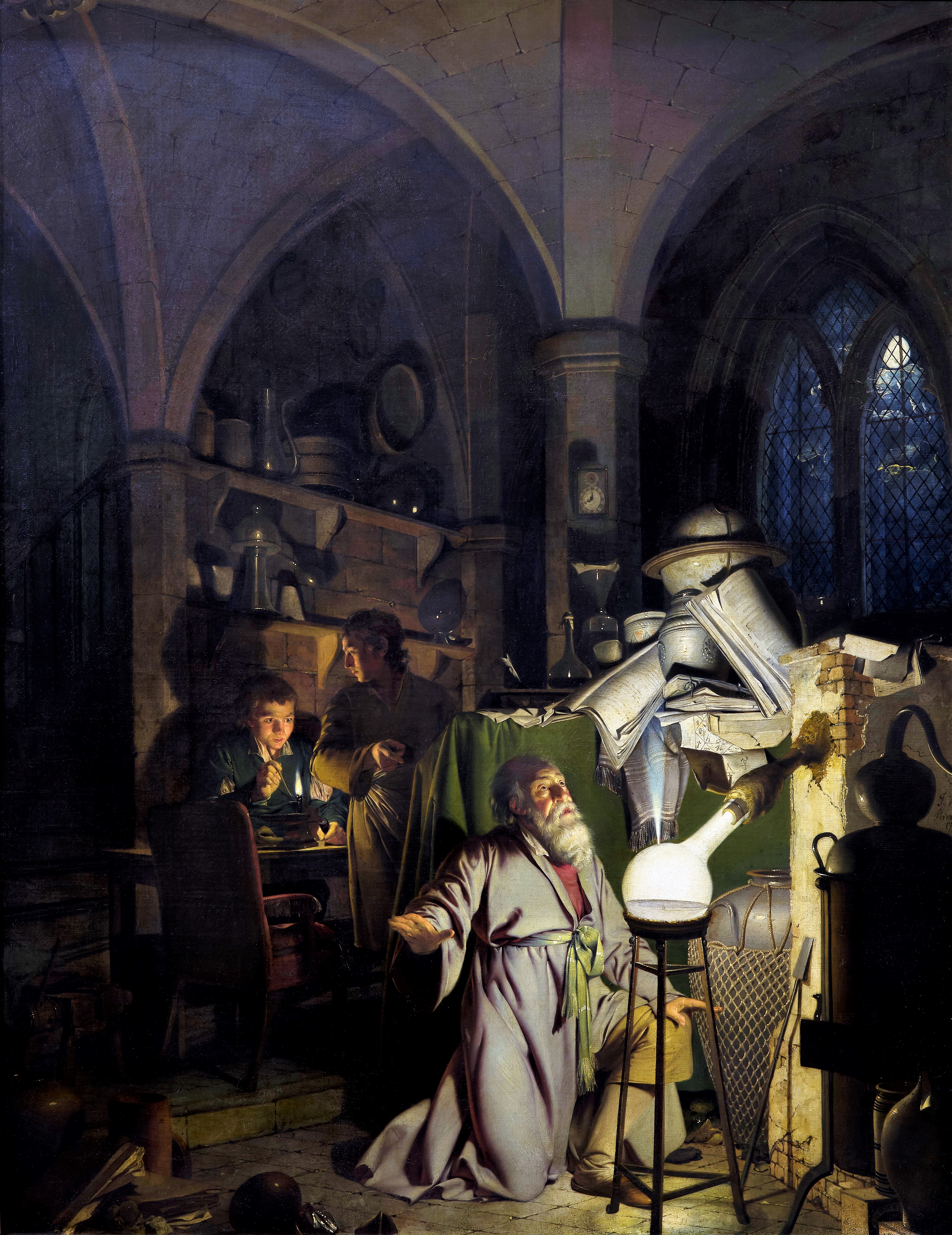
I prefer the original British title because it suggests something magical.  “Sorcerer’s Stone” was a make-shift replacement, with no resonance.  The “philosopher’s stone”, however, was a real (or at least hoped-for) thing, being thought of as a kind of alchemical tool which could turn substances into precious metals, and which seemed very appropriate for a book set mostly in a boarding school for witches and wizards.  (You can read more about it here:  https://en.wikipedia.org/wiki/Philosopher’s_stone   Illustrating the article is a wonderful painting by Joseph Wright of Derby, 1734-1797,

which, although entitled–in short form—the full title is practically a brief lecture–“The Alchymist, in Search of the Philosopher’s Stone…”, has always struck me as potentially being a very useful portrait of Merlin.  If you know T.H. White’s The Once and Future King, you might imagine that that’s the young Wart—aka Arthur—in the background.)

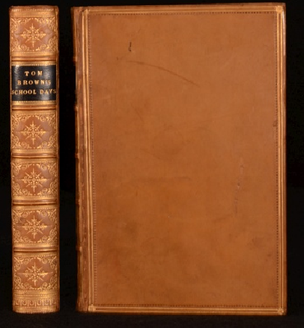
When the series continued, I wondered how far the author would take what was, initially, a clever takeoff on a literary type:  the school story, which dates at least as far back as Thomas Hughes’ 1857 Tom Brown’s School Days and which you can read here:  https://www.gutenberg.org/cache/epub/1480/pg1480-images.html

In fact, although the series progressed with the main protagonists continuing their magical education, it became increasingly entangled with the villain, Voldemort, and a world folktale, classified in the Aarne-Thompson-Uther Index as “The Giant (Ogre) who had no heart in his body” (ATU302).  In this story, of which at least 250 versions exist, the Giant (or his equivalent), to protect himself, removes his heart and conceals it where (he hopes) it cannot be found.   The protagonist (along with helpers) must find that location and destroy the heart—or at least use it as leverage.  (You can read the translation of a Norwegian version of it here, under the title “Cinder-Lad and His Six Brothers”:  https://archive.org/details/fairystoriesmych00shim/page/n7/mode/2up   And you can read more about the tale here:  https://en.wikipedia.org/wiki/The_Giant_Who_Had_No_Heart_in_His_Body )  In the Harry Potter books, it’s not one piece of his heart–here, his soul–but 7, all hidden in what are called “Horcruxes”, and it takes Harry and his friends (along with the headmaster, at one point) to locate and destroy the set, providing for a major plot element beginning with the second book Harry Potter and the Chamber of Secrets.  (For more, see: https://fortheloveofharry.com/list-of-horcruxes/  )

When all of the Horcruxes are gone, so is Voldemort and this brings to mind another complex story.

“The Enemy still lacks one thing to give him strength and knowledge to beat down all resistance, break the last defences, and cover all the lands in a second darkness.  He lacks the One Ring…

…the Nine he has gathered to himself; the Seven also, or else they are destroyed.  The Three are hidden still.  But that no longer troubles him.  He only needs the One; for he made that Ring himself, it is his, and he let a great part of his own former power pass into it, so that he could rule all the others.  If he recovers it, then he will command them all again, wherever they be, even the Three, and all that has been wrought with them will be laid bare, and he will be stronger than ever.”  (The Fellowship of the Ring, Book One, Chapter 2, “The Shadow of the Past”)

If this Ring is so crucial, it would be easy to wonder why Sauron hasn’t been more aggressive in finding it, but Gandalf answers that next:

“…He believed that the One had perished, that the Elves had destroyed it, as should have been done.  But he knows now that it has not perished, that it has been found.  So he is seeking it, seeking it, and all his thought is bent on it…”

In the Norwegian version of “The Giant (Ogre) who had no heart in his body”, the Giant’s heart was concealed in an egg and, when the egg was broken, “the giant burst to pieces”.

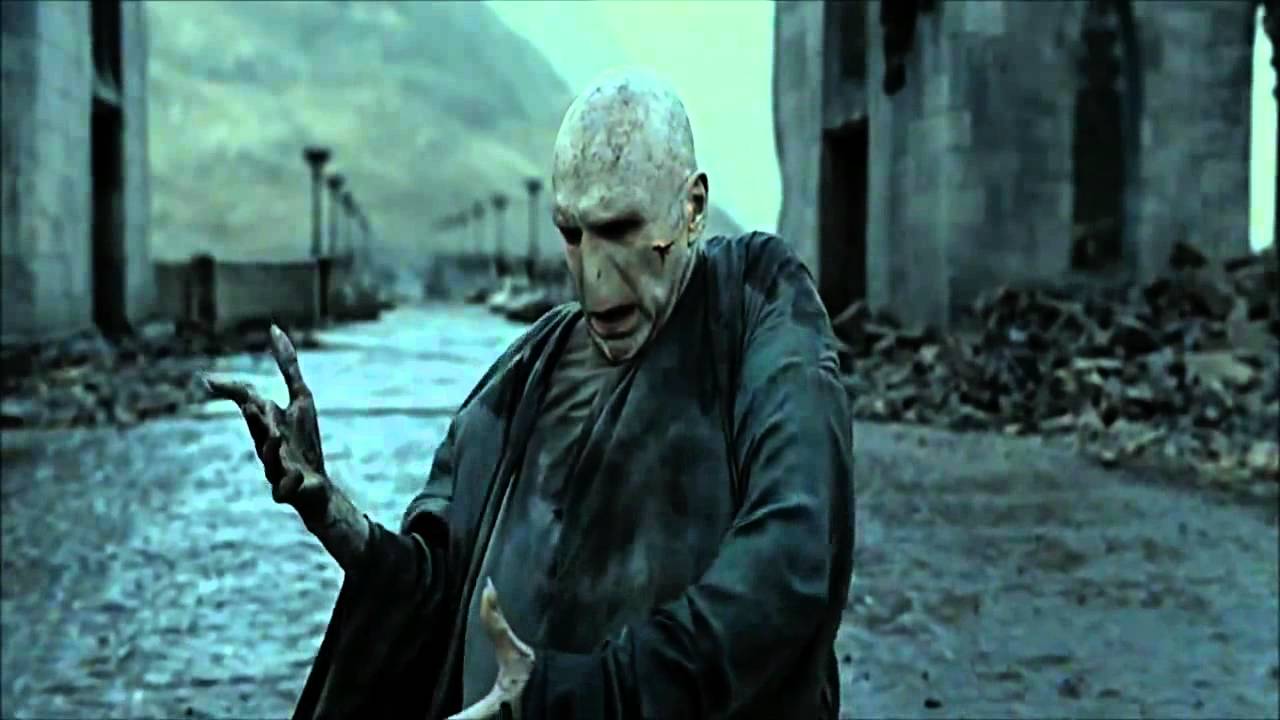
When the last Horcrux is gone, Voldemort seems to melt away,

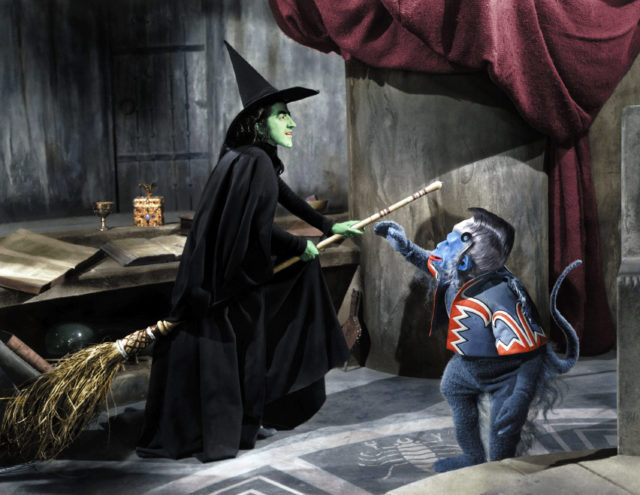
rather like the demise of the Wicked Witch of the West when she is doused with water.

When the Ring is destroyed, the end is a bit more dramatic:

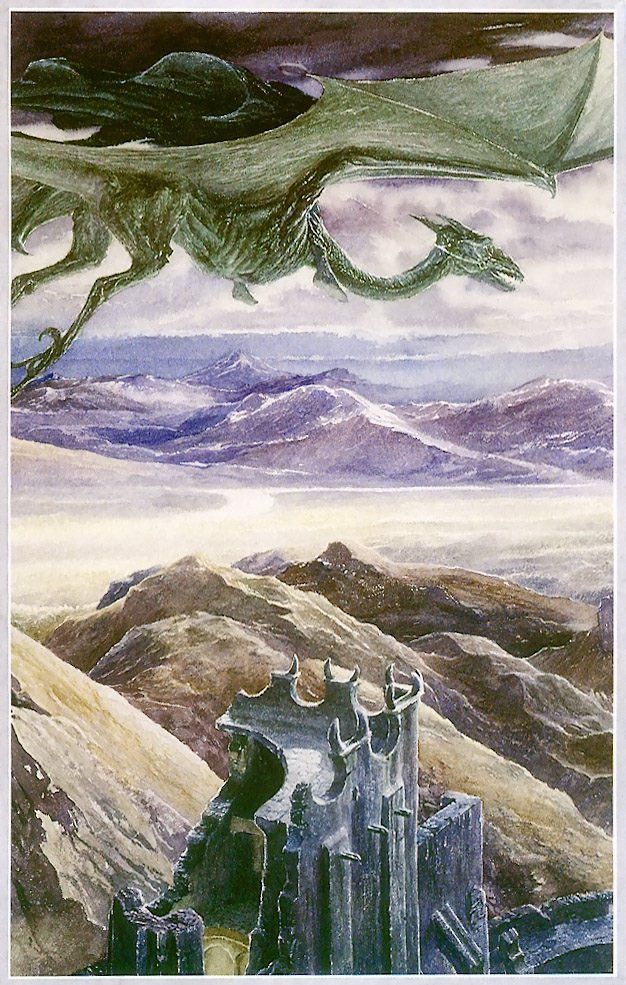
“And even as he spoke the earth rocked beneath their feet.  Then rising swiftly up, far above the Towers of the Black Gate, high above the mountains, a vast soaring darkness sprang into the sky, flickering with fire.  The earth groaned and quaked.  The Towers of the Teeth swayed, tottered, and fell down; the mighty rampart crumbled; the Black Gate was hurled in ruin; and from far away, now dim, now growing, now mounting to the clouds,  there came a drumming rumble, a roar, a long echoing roll of ruinous noise.

…And as the Captains gazed south to the Land of Mordor, it seemed to them that, black against the pall of cloud, there rose a huge shape of shadow, impenetrable, lightning-crowned, filling all the sky.  Enormous it reared above the world, and stretched out towards them a vast threatening hand, terrible but impotent:  for even as it leaned over them, a great wind took it, and it was all blown away, and passed; and then a hush fell.” (The Return of the King, Book Six, Chapter 4, “The Field of Cormallen”)

(An amazing illustration by Ted Nasmith)

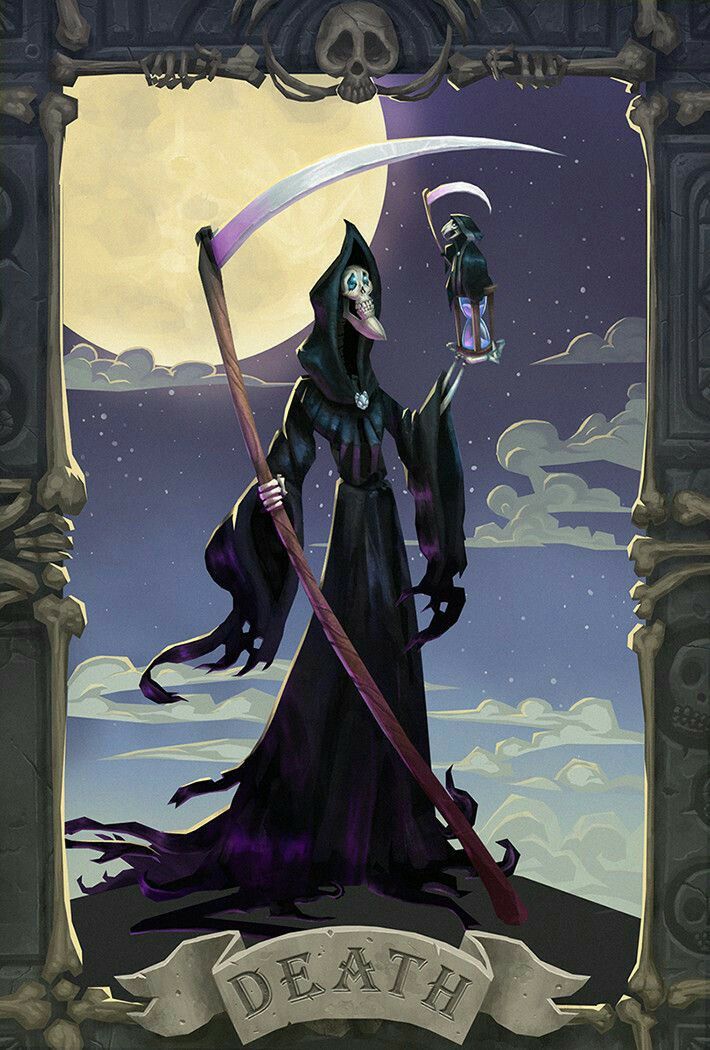
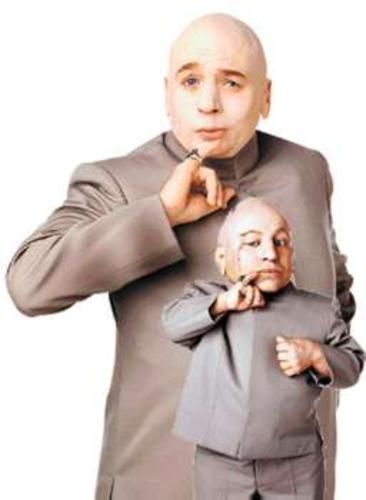
Somehow, in contrast, for all that his end brings a dramatic conclusion to the Harry Potter series, the melting of Voldemort seems more like the melting of Vole de Mort, in comparison.

(by Exifia at Deviant Art—I’m sorry that I can’t say more, but Deviant Art’s website appears to be unavailable at present)

Thanks, as ever, for reading.

Stay well,

When it comes to hiding things, see E.A. Poe, “The Purloined Letter” here:  https://poestories.com/read/purloined

And remember that, as always, there’s

MTCIDC

O

PS

Looking at Vole de Mort, I’m reminded of one of my (many) favorite Terry Pratchett characters,  The Death of Rats (“aka ‘The Grim Squeaker’ “).  Put a black robe on him and perhaps a resemblance?

(credited to Paul Southard)

For more, see:  https://wiki.lspace.org/Death_of_Rats

How Stands the Glass Around?

29 Wednesday May 2024

Posted by Ollamh in Uncategorized

≈ Leave a comment

Tags

Fantasy, J.R.R. Tolkien, lord-of-the-rings, The Hobbit, Tolkien

As always, dear readers, welcome.

I admit that the title of this posting, upon further reading, may seem a little deceptive.  It’s the title of a (perhaps) early 18th-century English song, sometimes called “General Wolfe’s Song” because, somehow, a story appeared that General James Wolfe (1727-1759)

(by George Townshend, 1724-1807, one of Wolfe’s senior officers, who disliked him, but did this little watercolor which, to me, looks much more like the real man than the formal portraits we normally see)

sang it before his death (and victory) at Quebec, in 1759.  (This appears to have had no basis in fact, but has been repeated more than once, in various books about English popular song.)

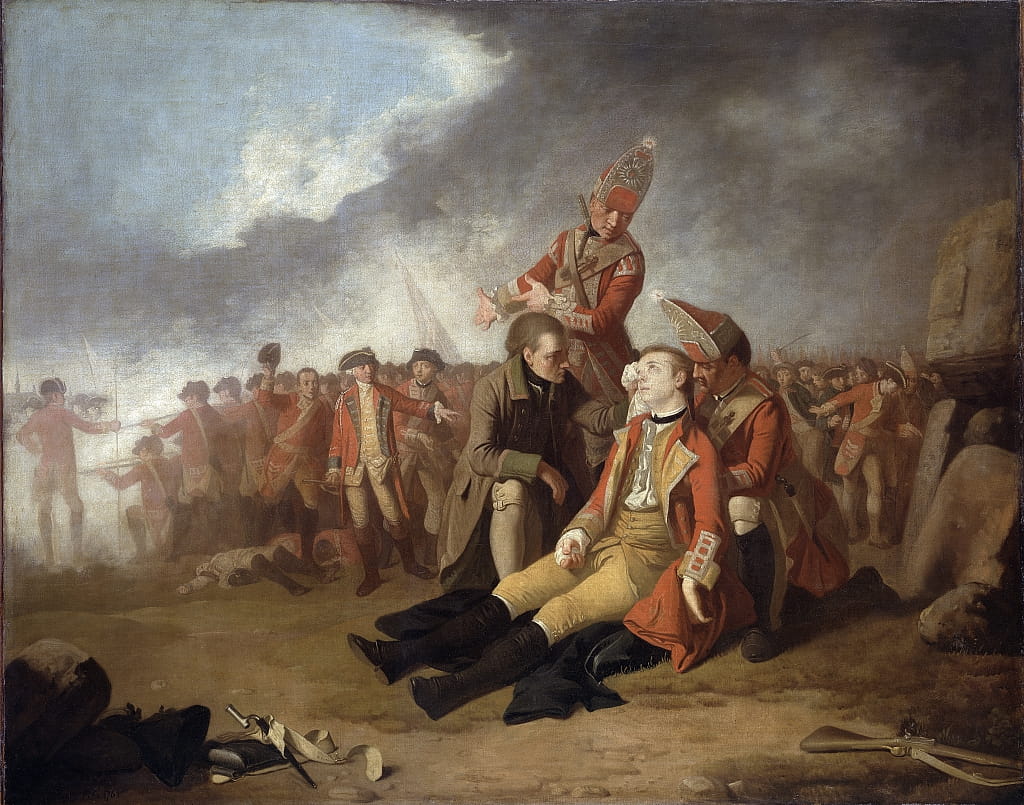
(by Edward Penny, 1763?—this, one of several versions of the picture by the painter, is in the Fort Ligonier museum in Ligonier, Pennsylvania)

The tune, at least, appears to be some years older, the first citation I can find is to a song from Thomas Odell’s (1691-1749) ballad opera The Patron (1729), where the tune for the lyric is given as that of “Why, Soldiers, Why”, which is the beginning of the second verse.  (For the first two verses, see:  https://tunearch.org/wiki/Annotation:Why_Soldiers_Why%3F    The tune may be older yet, as there’s a 1712 broadside entitled “The Duke of Marlborough’s Delight” set “to a new tune” which has similar lyrics—see the text here:  http://ballads.bodleian.ox.ac.uk/static/images/sheets/20000/16153.gif  You can hear the tune to “Why, Soldiers, Why” here:  https://www.youtube.com/watch?v=-VxlkhsOcRI )

The glass I want to talk about is, in fact, both related to the lyric, with its “Let mirth and wine abound”, and another kind of glass entirely.

When the dwarves overwhelm Bilbo’s house, in the first chapter of The Hobbit (“An Unexpected Party”—which is, in fact, a pun—JRRT admits, in a letter to Deborah Webster 25 October, 1958,  Letters,    to having a simple, hobbit sense of humor—not only is a party a festivity—although this one, for Bilbo was far from it—but, in older English, “party” can also mean “a person”—so that “unexpected party/person is presumably Gandalf, as it’s in the singular),

(Alan Lee)                                                                                                                          

they mock his discomfort in a clean-up song which begins:

“Chip the glasses and crack the plates!”

and this made me wonder:  The Hobbit, like The Lord of the Rings, is set in a pre-industrial—really, medieval—world:  what kind of glasses might these be?

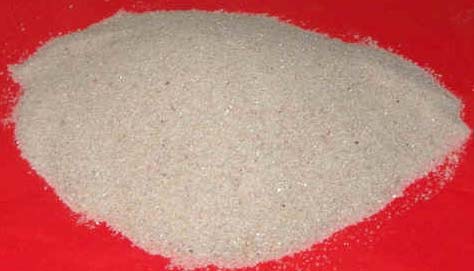
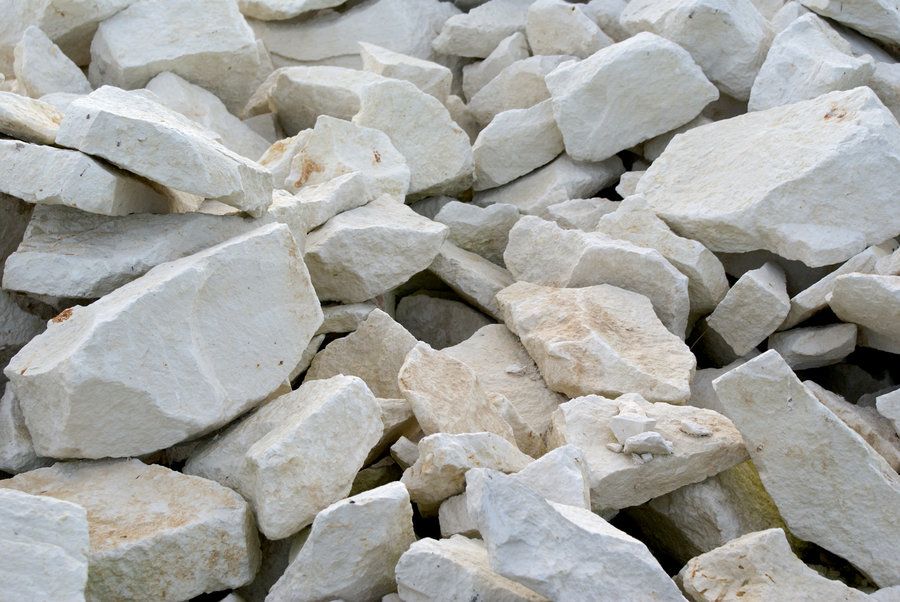
Glass, as a material, is much older than the western Middle Ages.  As you might expect from something which may have originated in the middle of the 3rd millennium BC (2500BC?—there’s lots of on-line discussion, but see, for example:  https://www.smithsonianmag.com/science-nature/a-brief-scientific-history-of-glass-180979117/  ), there has been much scholarly debate on the subject, but let’s go with that rough date for the present.

A combination of silica sand,

lime,

(powdered, of course)

and sodium carbonate,

(plus lots of other elements for various additional properties—see for more:  http://www.historyofglass.com/glass-making-process/glass-ingredients/ )

when heated to about 2400 degrees Fahrenheit (about 1315C), produces a moldable, shapeable liquid.

(For an experiment on making early glass, see:  https://www.youtube.com/watch?v=Lg7kZpTVoms This is from a YouTube series called “How to Make Everything” and, if you’re like me, interested in all early technologies, definitely recommended.  There’s an interesting suggestion there, as well, that glass may have been an accidental byproduct of early metal-working.) 

The first surviving glass seems to be beads–

these are Mesopotamian, but found in a grave in Denmark, showing just how extensive early trade networks were.

The Egyptians went into the glass business at some point,

and, eventually, the later Assyrians even produced the first known glass-making manual in the reign of King Ashurbanipal (reigned 669-631BC)—you can read about it here:  https://historyofknowledge.net/2018/12/05/you-us-and-them-glass-and-procedural-knowledge-in-cuneiform-cultures/  and read a translation of the cuneiform tablets on which it was written here:  https://www.nemequ.com/texts )

The Romans produced some rather amazing creations in glass,

as well as the first window glass.

(For how Romans made window glass, see:  http://www.theglassmakers.co.uk/archiveromanglassmakers/articles.htm#No  This is actually a small collection of interesting articles.  Scroll to the last to see the specific piece about window glass.)

Even after the change in the western Roman empire from imperial rule to Germanic kingdoms and their later successors, the art of glass-making was never lost, but it appears that the older method of making larger panes may have been, since medieval domestic windows used smaller pieces of glass framed in metal, called “mullioning”—

and this was only for the very wealthy.  This leads me to wonder about:

“The best rooms were all on the left-hand side (going in), for these were the only ones to have windows, deep-set round windows looking over his garden, and meadows beyond, sloping down to the river.”  (The Hobbit, Chapter One, “An Unexpected Party”)

(JRRT)

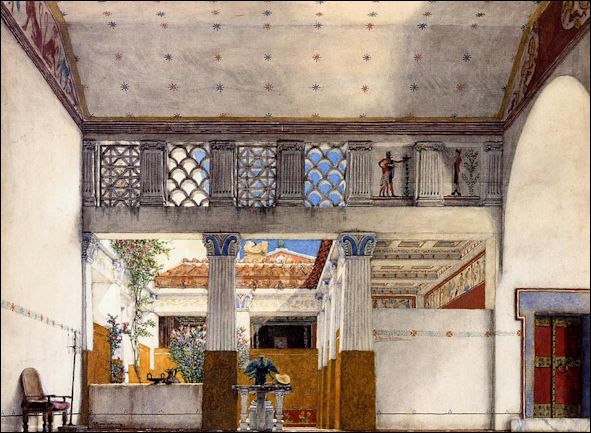
Is this hobbit mullioning?  Other buildings in the Shire look to have had ordinary glass windows, as in—

“…some new houses had been built:  two-storeyed with narrow straight-sided windows, bare and dimly lit, all very gloomy and un-Shirelike.”

and

“The Shirriff-house at Frogmorton was as bad as the Bridge-house.  It had only one storey, but it had the same narrow windows…”

I suspect that what Tolkien had in mind was something like these Victorian railway workers’ houses,

as mentioned earlier:

“Worse, there was a whole line of the ugly new houses all along Pool Side…”

(All of these grim quotations are from The Return of the King, Book Six, Chapter 8, “The Scouring of the Shire”)

Clearly, “Shirelike” means windows of an entirely different design—and that means round, as Tolkien’s own view towards Bag End shows us—

(JRRT)

(Although you can see, by the way, in this earlier sketch, that Tolkien had not originally decided upon the window-shape consistency of the later illustration, or on the true meaning of “Shirelike”.)

But, though a window plays an important part in recruiting a crucial member of the Fellowship of the Ring:

“Suddenly he stopped as if listening.  Frodo became aware that all was very quiet, inside and outside.  Gandalf crept to one side of the window.  Then with a dart he sprang to the sill, and thrust a long arm out and downwards.  There was a squawk, and up came Sam Gamgee’s curly head hauled by one ear.”  (The Fellowship of the Ring, Book One, Chapter 2, “The Shadow of the Past”)

(Artist?  I’m always glad to credit one, but I’m stumped here.)

the glasses which the dwarves threaten to chip are clearly of the drinking variety. 

I imagine that the glasses in the Tolkien household looked like this

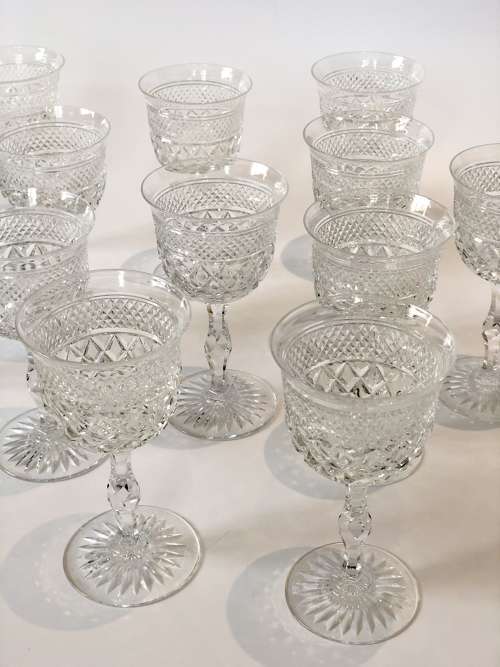
or, for more formal occasions, like this

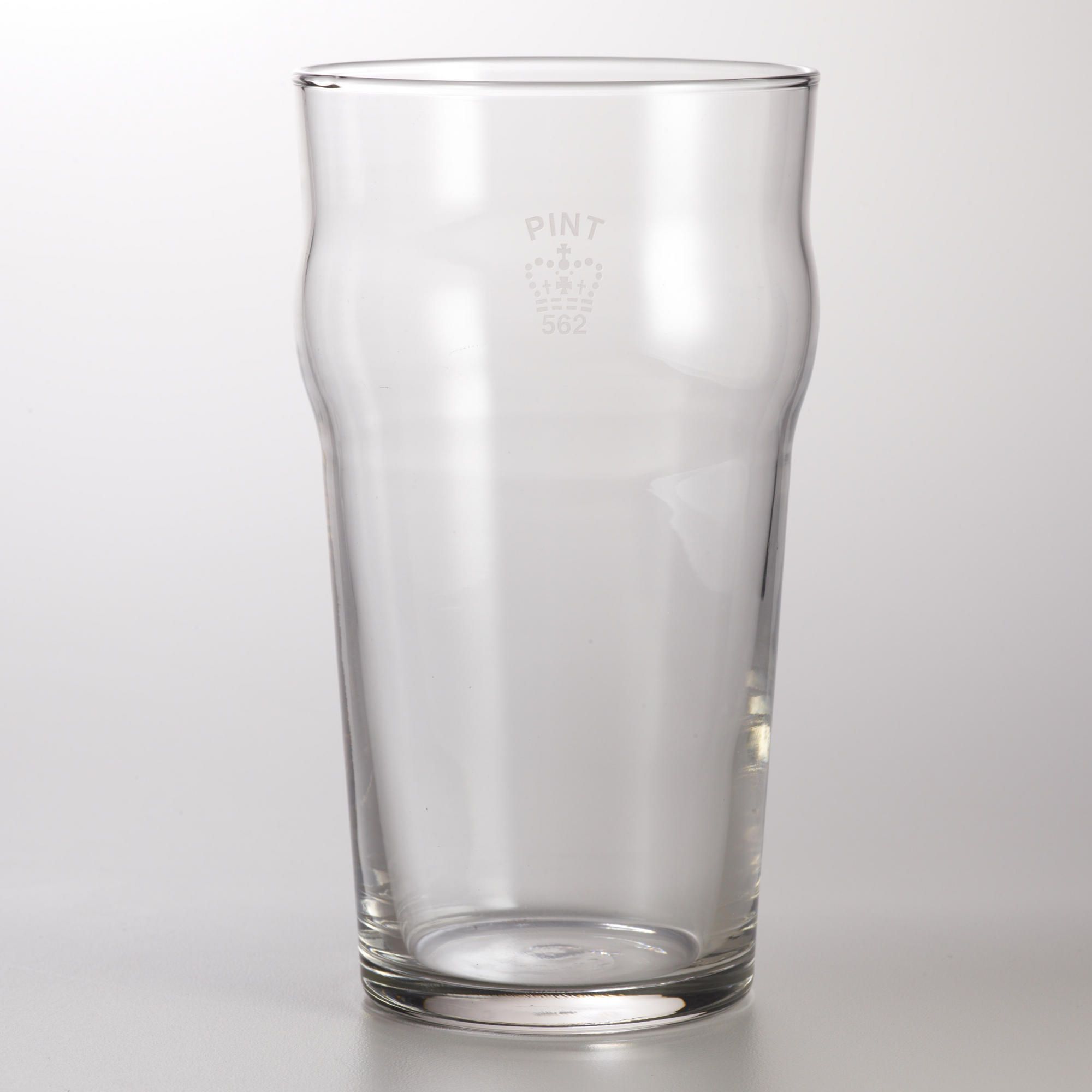
and what JRRT drank from at The Eagle and Child (aka “The Bird and Baby”) or The Lamb and Flag would have been something like this–

But that’s the first half of the 20th century. 

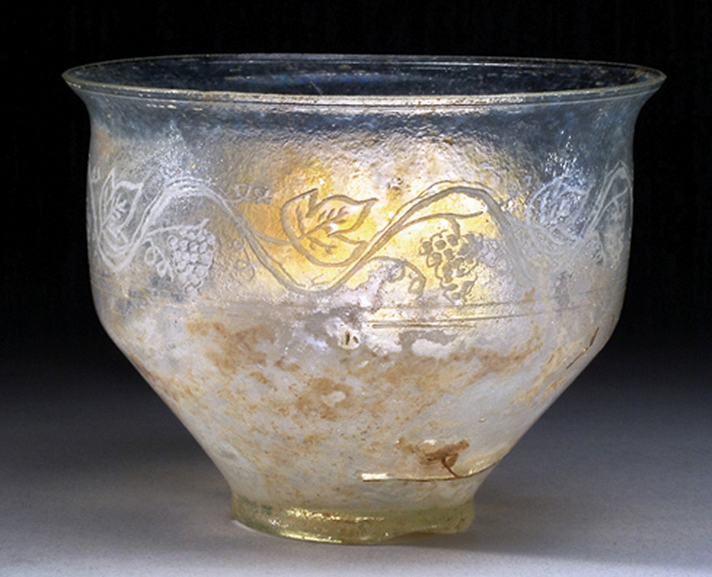
Could we see this actual medieval glass as a model?

It seems awfully dainty and, remembering the dwarves’ demands for what seems like endless rounds of food and drink, however, perhaps it wasn’t chipped glasses which Bilbo should worry about at all, but dented tankards!

Thanks, as ever, for reading.

Stay well,

When necessary, sing quietly to yourself, “Ho, ho, ho, To the bottle I go…”,

And remember that, as always, there’s

MTCIDC

O

PS

As you can tell, the history of glass—and windows—is long and complicated.

See this for more on glass:  https://en.wikipedia.org/wiki/History_of_glass

And this on windows:  https://en.wikipedia.org/wiki/Window

Speak Friend, or, Open, Sez Me

22 Wednesday May 2024

Posted by Ollamh in Uncategorized

≈ Leave a comment

Tags

books, Fantasy, Gandalf, The Hobbit

As always, welcome, dear readers.

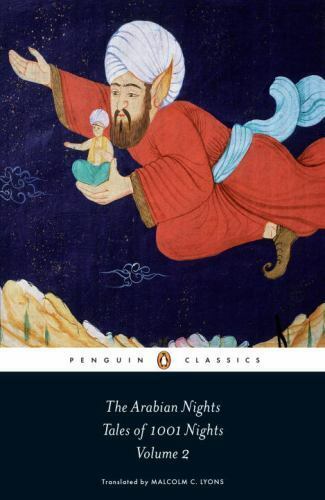
Occasionally, I return to something I’ve already written about, but, this time around, hope to see in a new, or at least newish, light.  The subject of today’s posting first appeared back in “Do What I Say, Not What I Speak”, 13 June, 2018, but, since then, I began my campaign to read all of The Arabian Nights and am now in the second volume of the Penguin edition (for the first volume, see “Arabian Nights for Days”, 31 January, 2024).

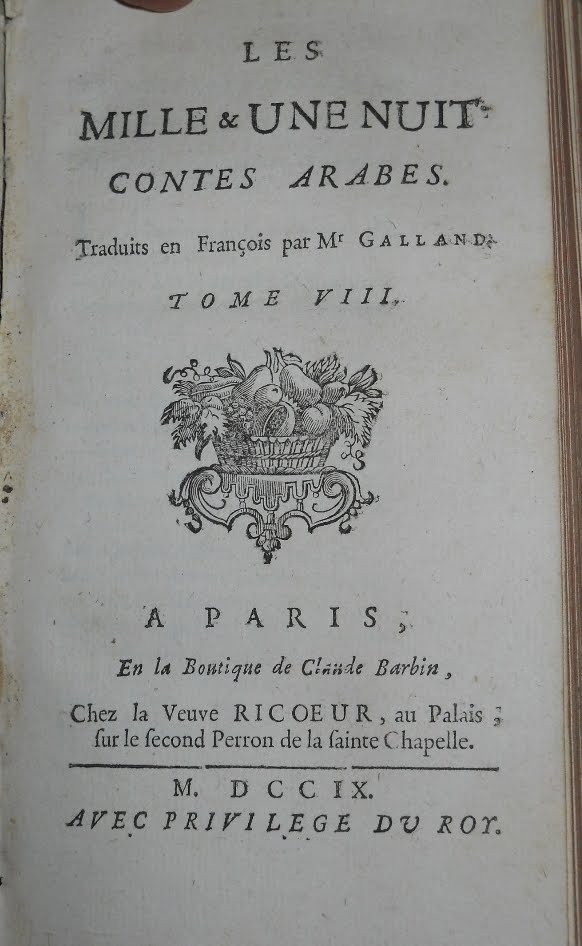
I’ve known some of the stories in this vast collection since childhood, but the first two stories I heard as a child are actually so-called “orphan tales”, being stories which appear to have no early manuscript tradition, first appearing in Antoine Galland’s (1646-1715)

Les Mille et Une Nuits (1704-1717).

and from there into the first edition in English, the anonymous so-called “Grub Street Edition” of 1706-1721.

(This is an image from the earliest edition I can locate—as you can see, it’s from 1781.  Only two copies of the first edition are known to exist, one in the Bodleian Library at Oxford, the other in the rare books collection of Princeton University and clearly they don’t get out much.)

There has been much discussion as to the actual origins of “Aladdin”

and “Ali Baba and the Forty Thieves”–

in particular, that, although they contain standard folktale motifs, they are actually the work of a Syrian storyteller named Antun Yusuf Hanna Diyab (c.1668-post-1763) and were added by Galland to his translation without attribution.  (For more, see:  https://en.wikipedia.org/wiki/Hanna_Diyab ) 

Whatever is the truth of this, these were the stories I carried in my head for years before I came back to them when commencing my “Arabian Nights” reading campaign. 

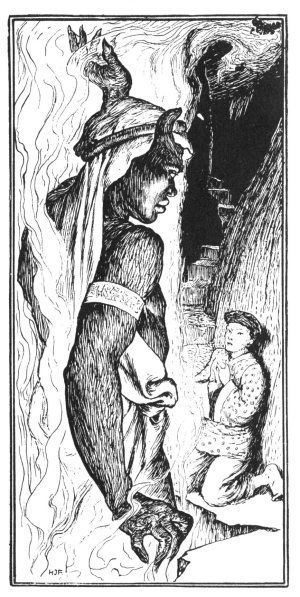
When I was small, they were actually quite scary—the magician who pretends to be Aladdin’s long-lost uncle and who only wants to use him long enough to obtain the lamp, then would let him die in the cave where the lamp was kept, and the merciless thieves, who once they found their cave with its secret password was compromised, cut up Ali Baba’s brother who had discovered the secret but, who, forgetting the password, was trapped until the thieves returned, were among the creepier parts of my childhood, and, as may always be the case with creepy things, not easily forgotten.

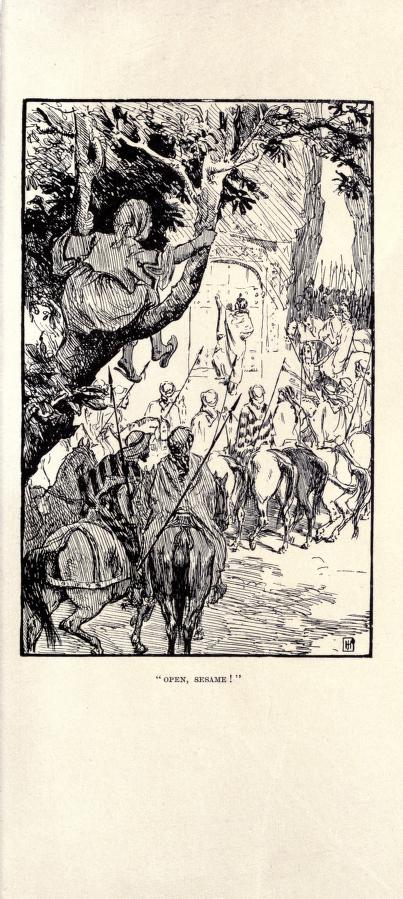
At the same time, I was always puzzled by the opening to “Ali Baba”:

“IN a town in Persia there dwelt two brothers, one named Cassim,

the other Ali Baba. Cassim was married to a rich wife and lived

in plenty, while Ali Baba had to maintain his wife and children by

cutting wood in a neighbouring forest and selling it in the town.

One day, when Ali Baba was in the forest, he saw a troop of men

on horseback, coming towards him in a cloud of dust. He was

afraid they were robbers, and climbed into a tree for safety.  When

they came up to him and dismounted, he counted forty of them.

They unbridled their horses and tied them to trees. The finest man

among them, whom Ali Baba took to be their captain, went a little

way among some bushes, and said: ‘ Open, Sesame!’ so plainly that

Ali Baba heard him. A door opened in the rocks, and having made

the troop go in, he followed them, and the door shut again of itself.”

Why would a door obey a password?  And why that word, which I knew was a kind of seed.

(For more—much more—see:  https://en.wikipedia.org/wiki/Sesame#Allergy )

This sat somewhere in my memory until I read:

“But close under the cliff there stood, still strong and living, two tall trees, larger than any trees of holly that Frodo had ever seen or imagined…

(JRRT)

‘Well, here we are at last!’ said Gandalf.  ‘Here the Elven-way from Hollin ended.  Holly was the token of the people of that land, and they planted it here to mark the end of their domain; for the West-door was made chiefly for their use in their traffic with the Lords of Moria.’ …

…they turned to watch Gandalf.  He appeared to have done nothing.  He was standing between the two trees gazing at the blank wall of the cliff, as if he would bore a hole into it…

 ‘Dwarf-doors are not made to be seen when shut,’ said Gimli.  ‘They are invisible, and their own makers cannot find them or open them, if their secret is forgotten.’

‘But this Door was not made to be a secret known only to Dwarves,’ said Gandalf…’Unless things are altogether changed, eyes that know what to look for may discover the signs.’

He walked forward to the wall.  Right between the shadow of the trees there was a smooth space, and over this he passed his hands to and fro, muttering words under his breath.  Then he stepped back.

‘Look!’ he said.  ‘Can you see anything now?’

…Then slowly on the surface, where the wizard’s hands had passed, faint lines appeared, like slender veins of silver running in the stone…

At the top, as high as Gandalf could reach, was an arch of interlacing letters of an Elvish character.

(Ted Nasmith)

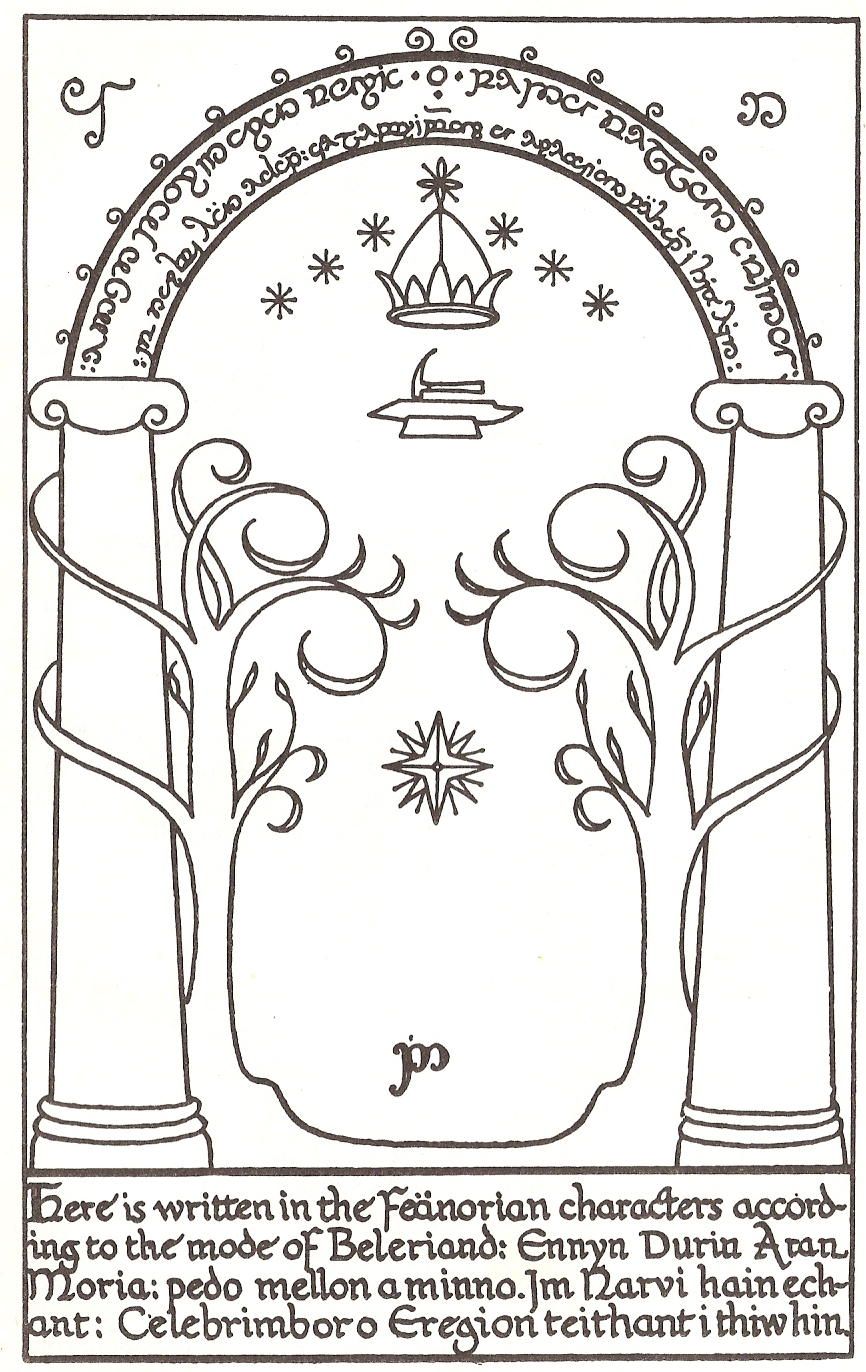
Below, though the threads were in places blurred or broken, the outline could be seen…

(JRRT)

‘What does the writing say?’ asked Frodo…

‘…They say only:  The Doors of Durin, Lord of Moria.  Speak, friend, and enter.’

‘What does it mean…?’ asked Merry.

‘That is plain enough,’ said Gimli.  ‘If you are a friend, speak the password, and the doors will open, and you can enter.’ “  (The Fellowship of the Ring, Book Two, Chapter 4, “A Journey in the Dark”)

We know from various clues, like the story title “Storia Moria Castle”, that Tolkien had read—or been read to—from Andrew Lang’s (1844-1912) The Red Fairy Book, 1890,

but, interestingly, “Aladdin” and “Ali Baba” both appear in Lang’s previous The Blue Fairy Book, 1889,

from which both the “Ali Baba” quotation and illustration above, come.  Could Tolkien have been read to from, or read, “Ali Baba” there?  Certainly we see that door, and the need for the password.  But what about that password?

In The Fellowship of the Ring, Gandalf tells us that “ ‘I will tell you that these doors open outwards.  From the inside you may thrust them open with your hands.  From the outside nothing will move them save the spell of command.  They cannot be forced inwards.’   Try as he might, however, Gandalf can’t come up with that word—until he realizes that he’s made a slight mistranslation: 

“ ‘The opening word was inscribed on the archway all the time!  The translation should have been Say “Friend’ and enter.  I had only to speak the Elvish word for friend and the doors opened.’ “

To a linguist with a fine ear, like JRRT’s, the distinction, in English, between the verb “to speak”, as in “to speak a language”, and “to say”, as in “to say the right thing”, can be subtle—in this case, almost too subtle—as Gandalf says:

“ ‘Quite simple.  Too simple for a learned lore-master in these suspicious days.’ “

With the problem solved, the doors swing open—but where they’re about to go is, ultimately, worse than Ali Baba’s thieves’ treasure cave, even as I’m reminded of what happens to Ali Baba’s jealous brother.  Obtaining the password, he easily enters the cave, but, when he tries to leave, he confuses “sesame” with other grains, is trapped, and eventually dismembered by the returning thieves.  (Think Balrog and “Drums in the Dark”…)

And, though “Friend”, says Gandalf, is quite simple, and, adding, “Those were happier times” in which such a pleasant password was all that was necessary,  I’m still puzzled about “sesame” and, in both cases, I wonder about those doors—who or what was doing the opening?  Then again, when I post this,  I’ll need a password and, when I employ it, the site will pop open—who or what is doing the opening there?

Thanks, as always, for reading.

Stay well,

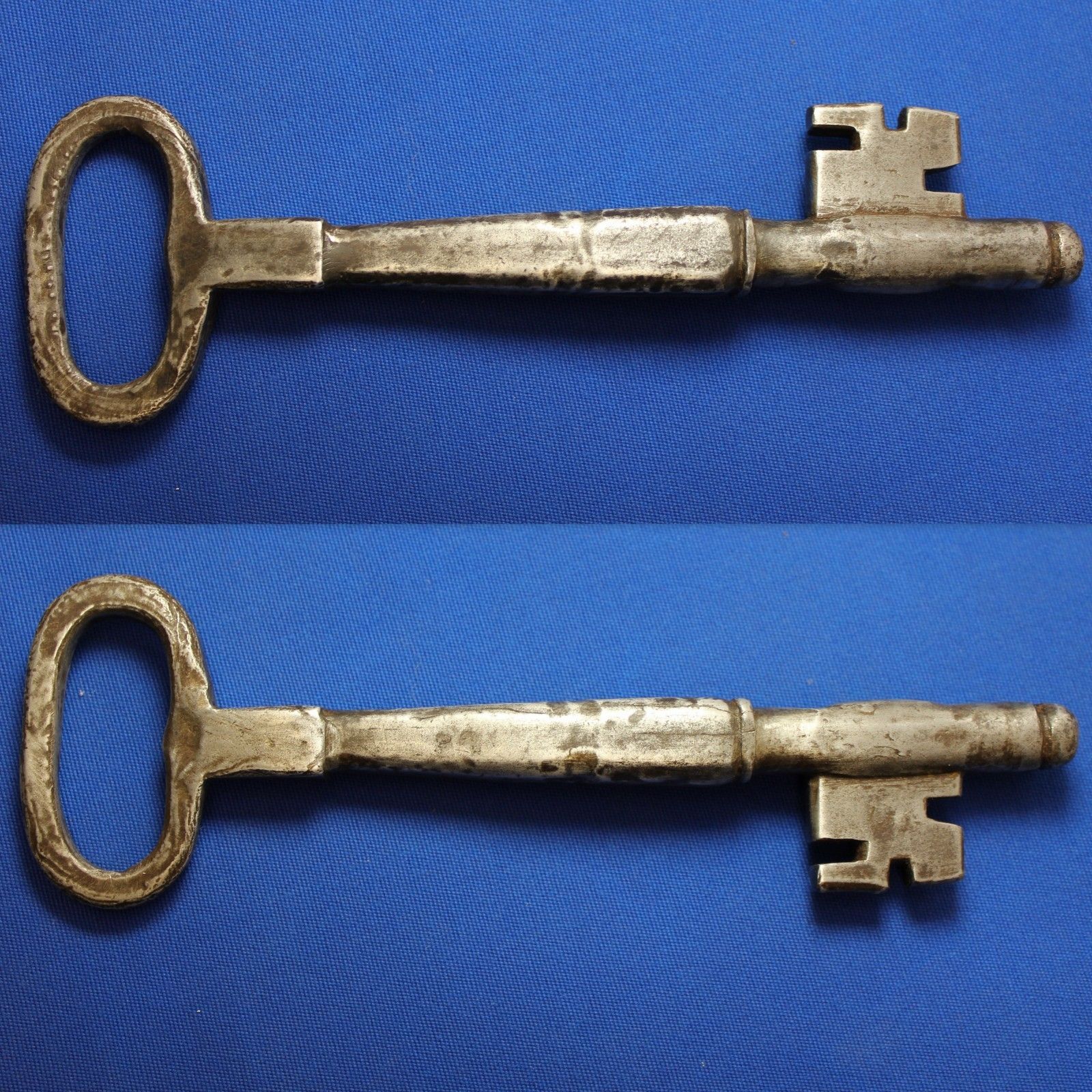
When it comes to locks, I prefer a good, sturdy key,

And remember that, as always, there’s

MTCIDC

O

PS

In case you want to read the two fairy books—and I hope you do—here they are:

The Blue Fairy Book 

https://archive.org/details/bluefairybook00langiala/page/n7/mode/2up

The Red Fairy Book

https://archive.org/details/cu31924084424013/page/n9/mode/2up

Terror Weapon

15 Wednesday May 2024

Posted by Ollamh in Uncategorized

≈ Leave a comment

Tags

books, Fantasy, hiking, J.R.R. Tolkien, lord-of-the-rings

Welcome, dear readers, as always.

If you grew up, as I did, with the 1939 film, The Wizard of Oz,

but had never read the original,

L. Frank Baum’s The Wonderful Wizard of Oz, 1900,

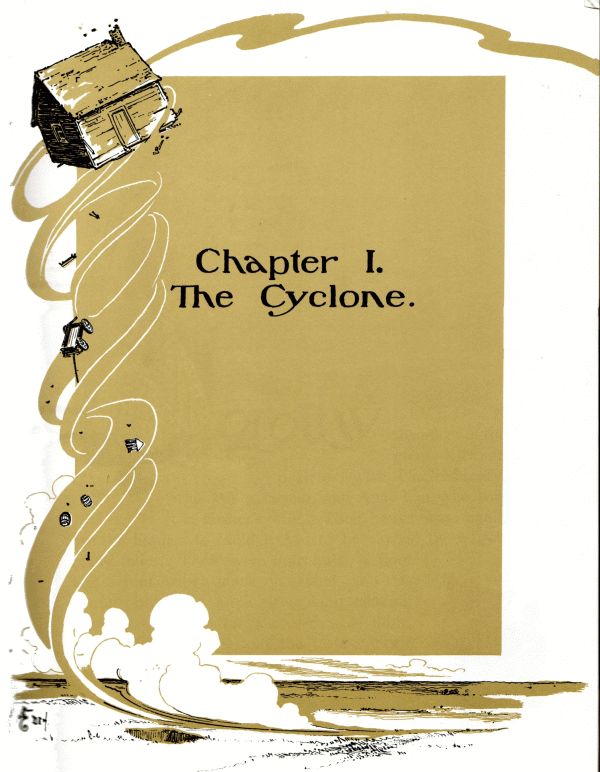
you would be surprised to open the book and find that Chapter 1 is entitled “The Cyclone”,

which, considering the use of that terrifying force of nature in the story isn’t surprising, but that “Miss Almira Gulch”, the initial incarnation of the story’s main antagonist, with her wonderful last name (a “gulch” is, as Etymonline tells us, a “deep ravine” suggesting that Miss Gulch is empty—and treacherous, as “ to dry gulch” someone is archaic Wild West slang for “to ambush”) is not to be seen.

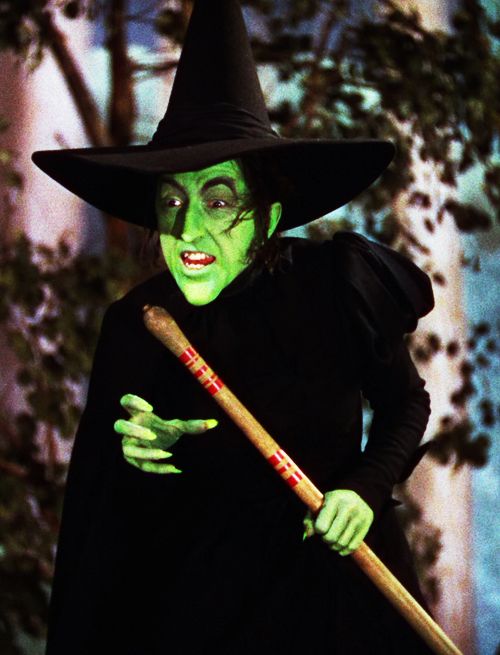
As a small child, I found almost everything about her disturbing.  As someone who, initially, wanted to deal with Toto and had the economic power to do it (shades of 1930s social commentary about the 1%), she was bad enough.  It was the green skin of her next incarnation and those dagger-like fingernails, however,

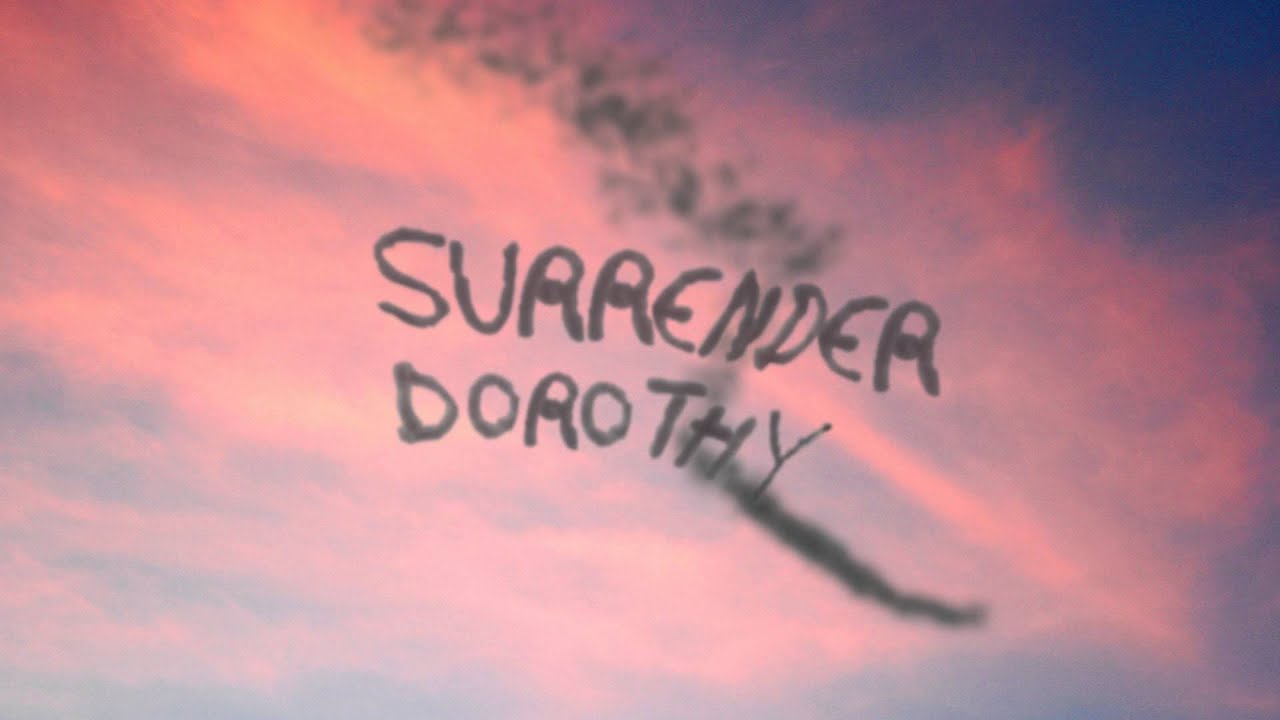
which were at the edge of nightmares, and even more so the menace of flight—not only her own skywriting,

but her nasty little airborne monkeys.

These seemed almost too prescient for what was about to happen in the real world as, on 1 September, 1939, only about two weeks after the Hollywood premiere of the film on 15 August, Germany invaded Poland, and, in less than a year, Denmark, Holland, Norway, and France, major weapons being a deadly form of those flying monkeys—

(by Mike Chappell, a favorite military artist)

paratroopers, and dive bombers, the notorious  Ju87, “Stuka” (short for “Sturzkampfflugzeug”—“dive bomber”).

To add to the effect of having such a thing racing down to drop a bomb on you, sirens were attached to the landing gear or wings, the so-called “Jericho trumpets”  (You can read more about them here:  https://www.warhistoryonline.com/instant-articles/trumpets-jericho-luftwaffe.html And you can hear one here:  https://www.youtube.com/watch?v=80bOdm2P9Y8 ), giving a wailing, screeching sound to the attacker in hopes of destroying morale even before a bomb hit.  Although designed to be support for infantry and armor, numbers were employed in the air campaign against Britain and, although Oxford was never attacked as the great ports and manufacturing centers were, I wonder if Tolkien, as a volunteer air raid warden, ever heard that sound overhead.

Even if it only appeared in a newsreel, it must have been an unforgettable noise and my wondering brought me to this:

“And Minas Morgul answered.  There was a flare of livid lightnings:  forks of blue flame springing up from the tower and from the encircling hills into the sullen clouds.  The earth groaned; and out of the city there came a cry.  Mingled with harsh high voices as of birds of prey, and the shrill neighing of horses wild with rage and fear there came a rending screech, shivering, rising swiftly to a piercing pitch beyond the range of hearing.  The hobbits wheeled round towards it, and cast themselves down, holding their hands upon their ears.”  (The Two Towers, Book Four, Chapter 8, “The Stairs of Cirith Ungol”)
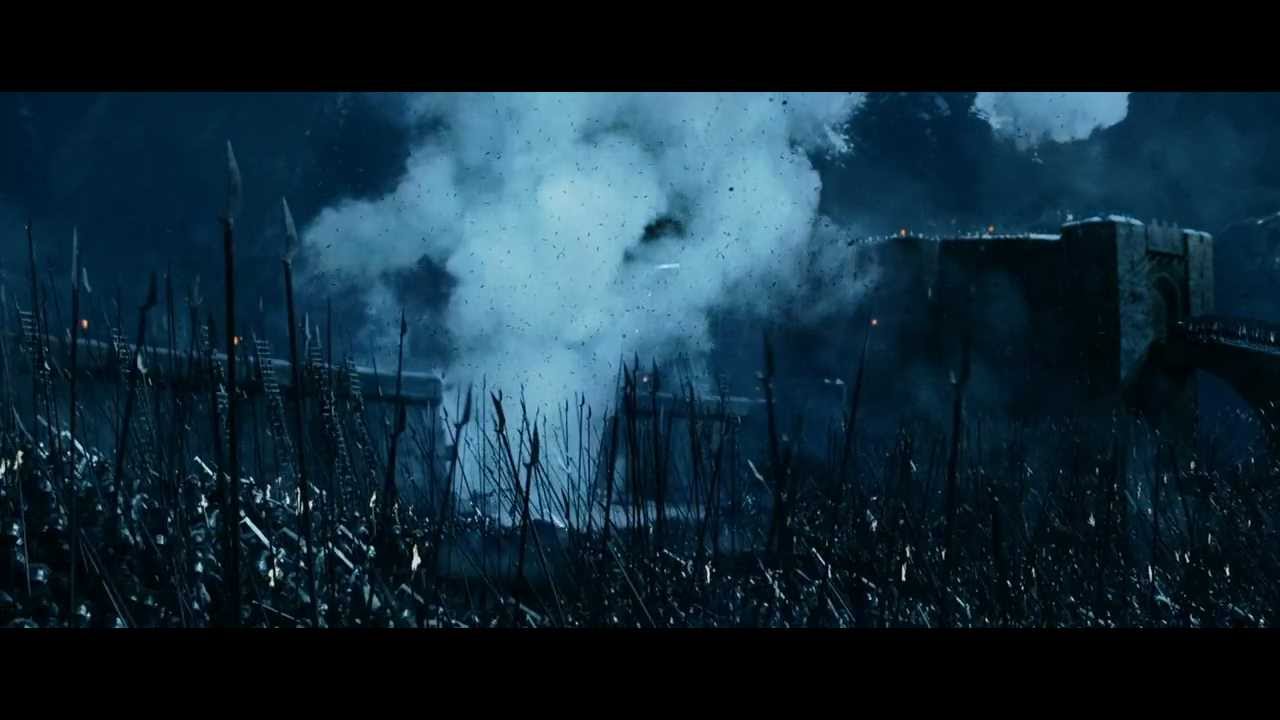
In Minas Tirith, Pippin heard something very similar:

“Suddenly as they talked they were stricken dumb, frozen as it were to listening stones.  Pippin cowered down with his hands pressed to his ears…”

Not Stukas diving out of the clouds to bomb the city,

but

“…now wheeling swiftly across it, like shadows of untimely night, he saw in the middle airs below him five birdlike forms, horrible as carrion-fowl yet greater than eagles, cruel as death.  Now they swooped near, venturing almost within bowshot of the walls, now they circled away.

‘Black Riders!’ muttered Pippin.  ‘Black Riders of the air!’ “

And this was not the first time that any of the hobbits had heard that terrible sound:

“Pippin knew that shuddering cry that he had heard:  it was the same that he had heard long ago in the Marish of the Shire, but now it was grown in power and hatred, piercing the heart with a poisonous despair.”

It’s unclear if Frodo and Sam had heard the same cry at Cirith Ungol, but certainly what Pippin heard and to which he reacted violently:

“Another long screech rose and fell, and he threw himself back again from the wall, panting like a hunted animal.”  (The Return of the King, Book Five, Chapter 4, “The Siege of Gondor”)

(Alan Lee)

had the same effect—and, in fact, the same effect which Stukas were intended to have upon their victims—just as the Wicked Witch, aka, Miss Gulch—had had a similar effect upon me as a little boy,

even without her creepy little simian assistants.

Thanks, as ever, for reading.

Stay well,

When going outdoors, always cast a wary eye upwards,

And remember that, as always, there’s

MTCIDC

O

PS

In case you don’t have a first edition of The Wonderful Wizard of Oz with its original illustrations, here it is for you:  https://www.youtube.com/watch?v=80bOdm2P9Y8

Orc Logistics

07 Tuesday May 2024

Posted by Ollamh in Uncategorized

≈ Leave a comment

Tags

Fantasy, J.R.R. Tolkien, lord-of-the-rings, The Lord of the Rings, Tolkien

As always, dear readers, welcome.

Sauron, although he rather rashly placed much of his power (as well as his life force) in what is, basically, a magic ring, has always struck me as rather a practical person when it comes to war and foreign affairs.  In order to conquer the West, he’s:

1. turned his rather bleak realm into a giant military camp
2. brought back the final destroyer of Arnor, the Witch King of Angmar, as his chief lieutenant

3. made treaties with peoples to the east and south to bolster his already extensive armies and cleverly turned pirates loose to raid the southern shores of Gondor to distract his opponents and force them to divide their forces

4. corrupted one of the West’s traditional allies, Saruman, turning him into a kind of “Mini Me”


5. weakened another, Rohan, through a spy in the king’s court, Grima, who has somehow turned that king into a prematurely-aged man

6. worked on the mind of the commander of Gondor, Denethor, using an ancient communications device, making him suspicious of his younger son and promoting a defeatist attitude

As well, he seems quite aware of what we call geo-politics, as we see in his demands at the Black Gate:

“ ‘The rabble of Gondor and its deluded allies shall withdraw at once beyond the Anduin, first taking oaths never again to assail Sauron the Great in arms, open or secret.  All lands east of the Anduin shall be Sauron’s for ever, solely.  West of the Anduin as far as the Misty Mountains and the Gap of Rohan shall be tributary to Mordor, and men there shall bear no weapons, but shall have leave to govern their own affairs.  But they shall help to rebuild Isengard which they have wantonly destroyed, and that shall be Sauron’s and there his lieutenant shall dwell:  not Saruman, but one more worthy of trust.”  (The Return of the King, Book Five, Chapter 10, “The Black Gate Opens”)

Reading this passage, however, I’m puzzled:

“Time passed.  At length watchers on the walls could see the retreat of the out-companies.  Small bands of weary and often wounded men came first with little order; some were running wildly as if pursued.  Away to the eastward the distant fires flickered, and now it seemed that here and there they crept across the plain.  Houses and barns were burning.  Then from many points little rivers of red flame came hurrying on, winding through the gloom, converging towards the line of the broad road that led from the City-gate to Osgiliath.”  (The Return of the King, Book 5, Chapter 4, “The Siege of Gondor”)

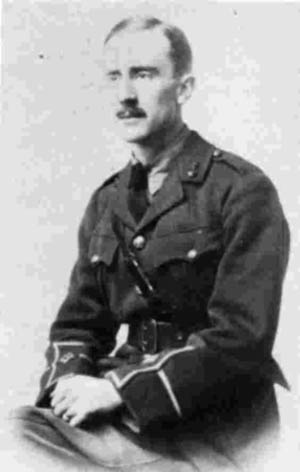
As we know, JRRT himself had been a soldier, though perhaps a reluctant one,

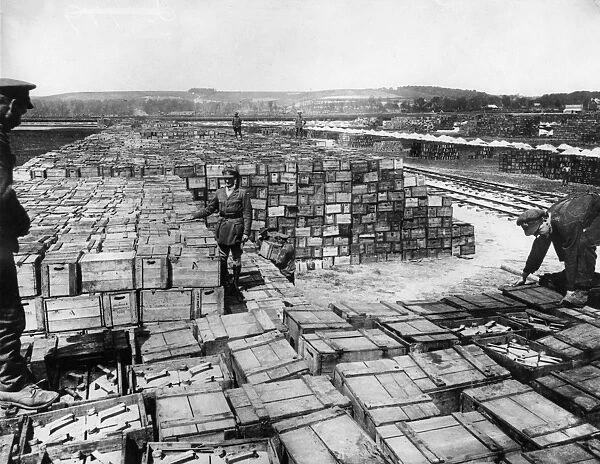
and thus would have been well aware of the saying, sometimes attributed to Napoleon, that “an army marches on its stomach”.  In 1916, such an army needed massive supply dumps,

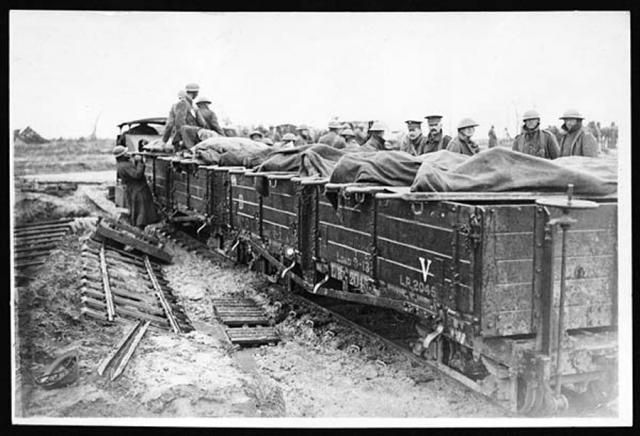
which needed railroads to bring food and ammunition to them.

From there, wagons

and, in time, early trucks,

then mules and horses would have taken supplies farther forward

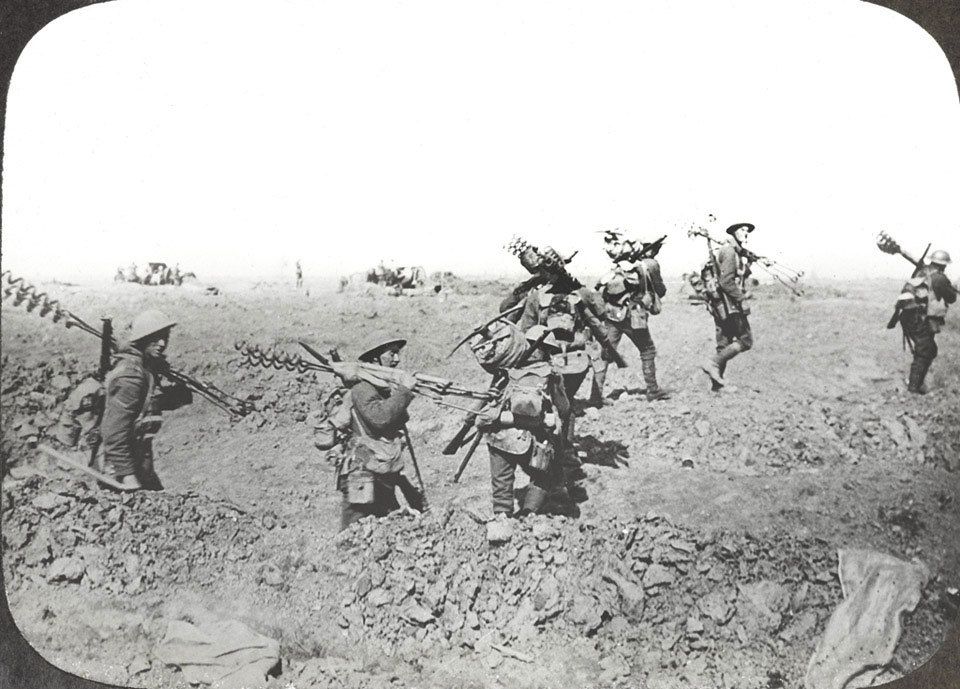
and, from there, the troops themselves might have formed what were called “carrying parties”.

Image7:  carrying

(This is actually a “wiring party”, with its “screw pickets”, which were twisted into the ground and used to hold up the barbed wire, but it can stand in for a “carrying party”.  For more on “wiring parties”, see:  https://en.wikipedia.org/wiki/Wiring_party  )

One fact alone might suggest how big the task of keeping the British Army supplied :  “By 1918, the British were sending over 67 million lbs (30 million kg) of meat to the Western Front each month.”  (This is from an article entitled “The Food That Fuelled the Front” from the Imperial War Museum website, which you can see here:  https://www.iwm.org.uk/history/the-food-that-fuelled-the-front  )

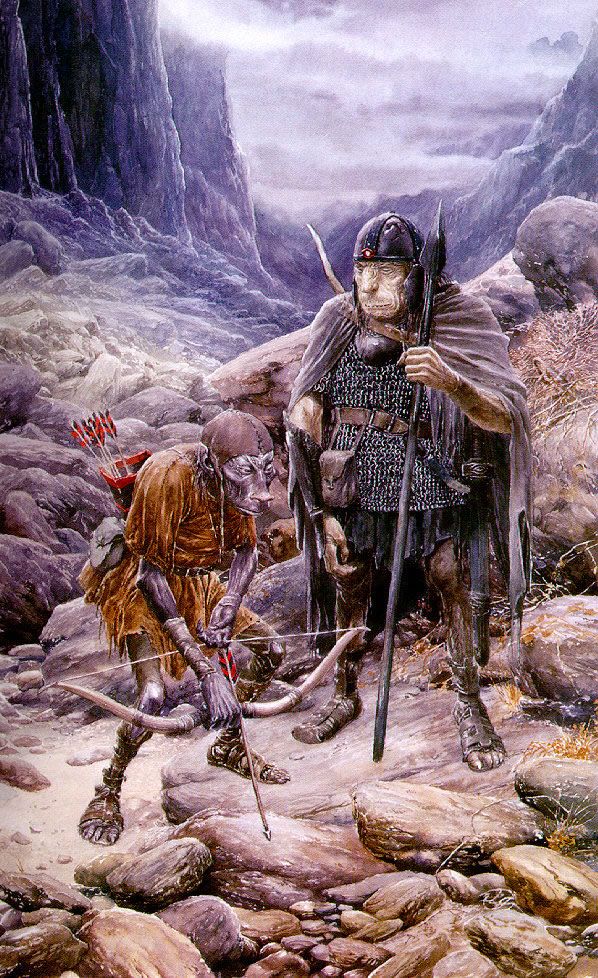
This was a vast, modern army, with all the modern technology available in 1918 to enable resupply (such supplying is called “logistics”).  Sauron’s army is of a much earlier time, its basis seemingly infantry, armed with swords, spears, and bows,

(Alan Lee)

assisted by a certain number of oliphaunts,

(Alan Lee)

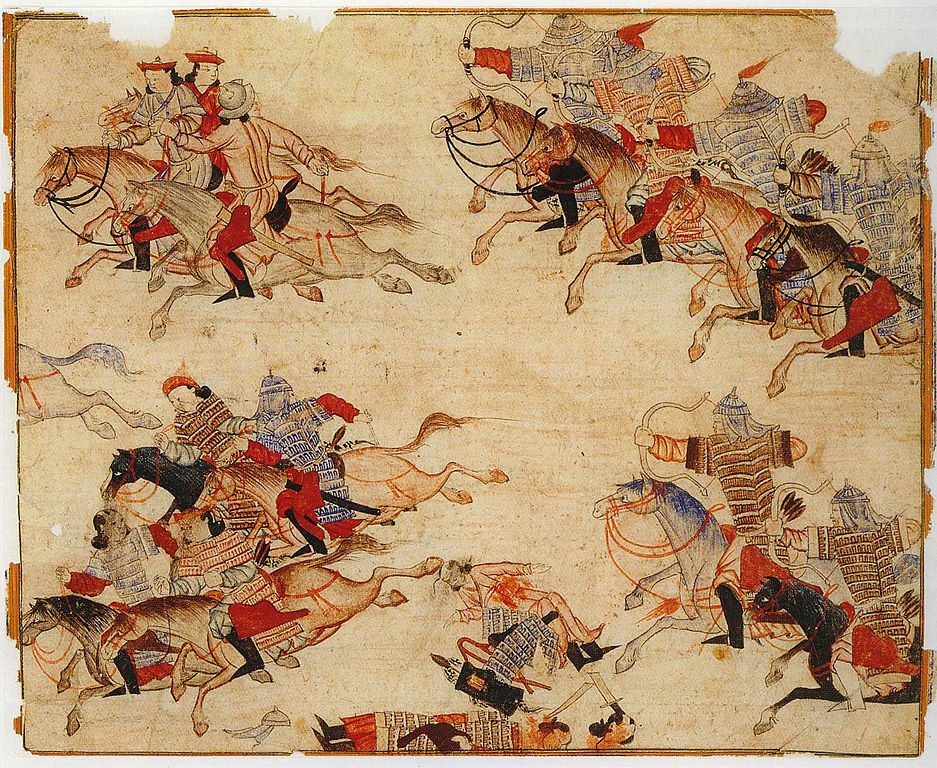
horsemen,

(These are actually Mongols, but all the text says is “Before them went a great cavalry of horsemen moving like ordered shadows…”  The Two Towers, Book Four, Chapter 8, “The Stairs of Cirith Ungol”, leaving it up to us to imagine what they might have looked like.)

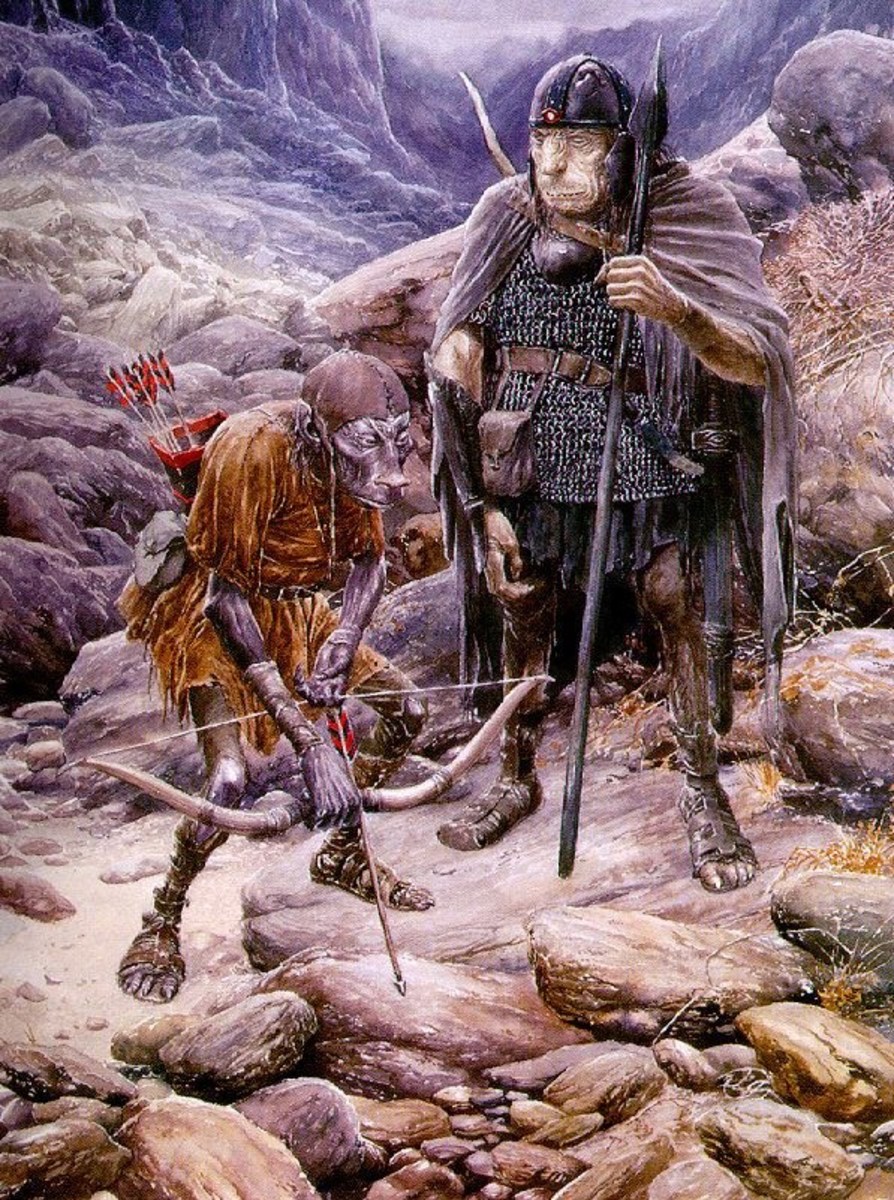
and perhaps a warband of wargs,

(Artist?)

yet its basic needs would have been the same as those of the British Army in which Tolkien served.

To provide a parallel a bit closer to The Lord of the Rings, we might imagine an earlier army, like the army of New Kingdom Egypt

as we might have seen it marching to fight the Hittites

(Angus McBride)

at the Battle of Kadesh, in the summer of 1274BC. 

No oliphaunts or cavalry (or wargs) in support, but definitely chariots, maybe 2000 of them.

(Again, Angus McBride, one of my favorite military artists of the 20th century). 

The Egyptian army of Rameses II

may have numbered about 20,000, with as many as 4,000 chariot horses, and here are some potential logistic figures for such an earlier army—

Thinking of water alone, the average modern horse will drink 5-10 gallons (19-38 ltrs) of water a day, depending on working conditions, and that same horse needs to eat 15-20 pounds  (7-9 kg) of hay.  An average present-day American eats about 5.5  pounds (2.5 kg) of food per day and drinks 2 quarts (2 ltrs) of water.  On the one hand, ancient Egyptians were somewhat smaller than we are and probably less well-fed to begin with, but, on the other, that water requirement is an average and doesn’t factor in  marching for miles on dusty summertime roads in the Middle East.

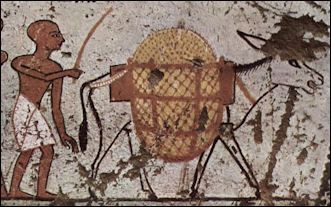
Could Rameses’ army have carried enough supplies with it for the long march (perhaps about 500 miles—about 805km)?  Rameses would have had available to him no trains or trucks, but the ancient Egyptians had carts (probably pulled by oxen, as were their plows)

and certainly used pack mules.

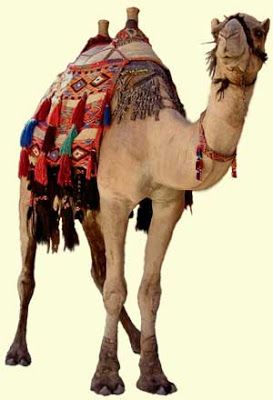
As to possible baggage camels,

there is a lot of scholarly argument about their use.  Although camel remains (a few depictions, bones, rope from camel hair) are there, there doesn’t appear to be any clear evidence for the use of camels as carriers until much later.  Food—the ordinary Egyptian diet was simple, including barley bread

and beer (also made from barley),

so large supplies of barley flour might be carried, but how to carry—and preserve–beer?  Water could be substituted, but could it be carried?  Or would the Egyptians have done as armies have done throughout history and foraged, picking up supplies of food and drink from the locals, willingly or unwillingly?  Both Rameses II’s and Sauron’s armies had horses, but add oliphaunts in Sauron’s, and all in need of fodder, this would include, in season, cutting grass

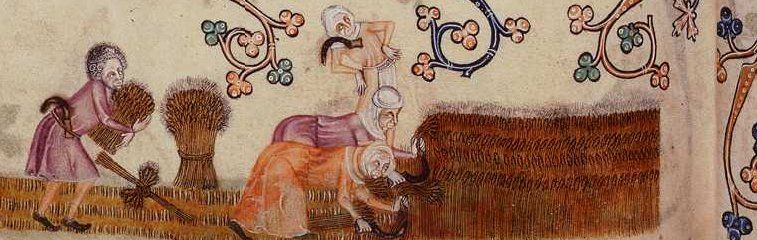
and, in and out of season, probably looting barns and granaries, as well.

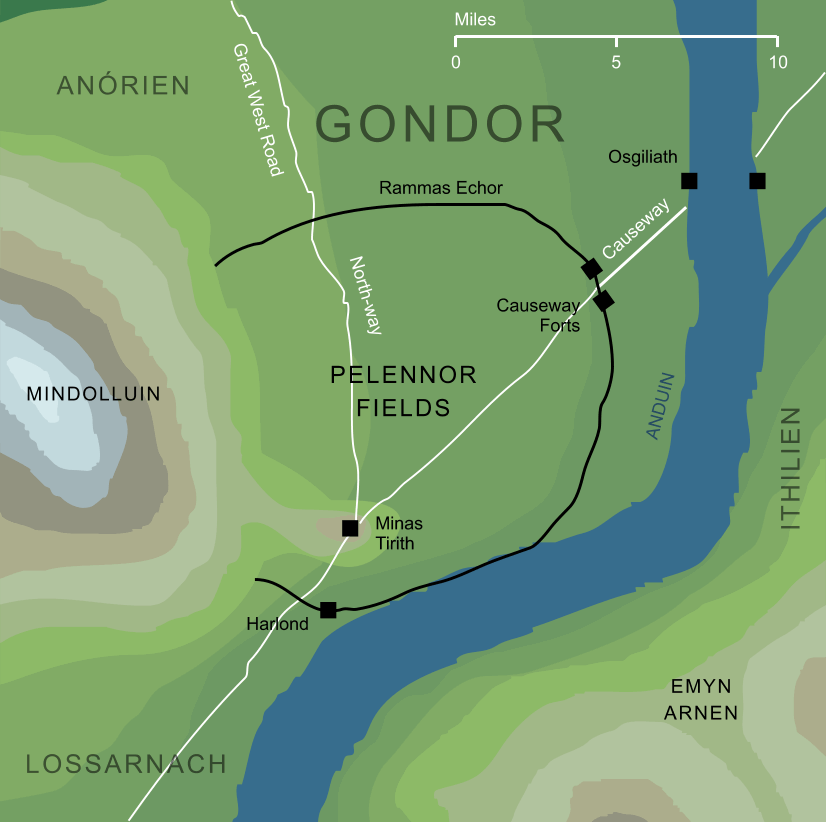
Consider, then, Sauron’s armies and the Pelennor into which they had broken. 

We don’t know their numbers, but it’s clear that they are enormous, far outnumbering the defenders of Minas Tirith.   And this is what puzzles me.  Tolkien was certainly aware of such needs in general—as he once wrote:  “I am not incapable of or unaware of economic thought…” (letter to Naomi Mitchison, 25 September, 1954, Letters, 292).   And yet—

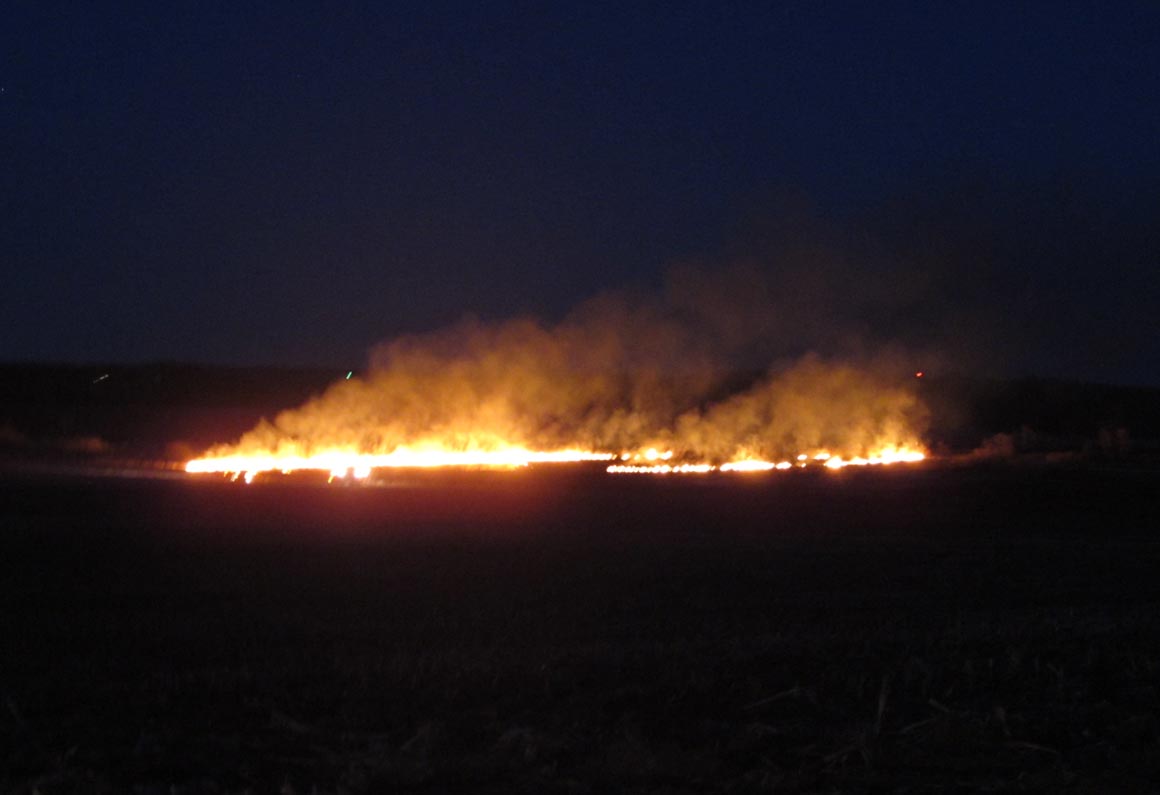
“It drew now to evening by the hour, and the light was so dim that even far-sighted men upon the Citadel could discern little clearly out upon the fields, save only the burnings that ever multiplied, and the lines of fire that grew in length and speed.”

Perhaps the army brought some provisions with it (Saruman and Sauron’s orcs seem to have had something like field rations, as we learn after they carry off Merry and Pippin), but, if the siege of Minas Tirith had proved to be a long one, what would such a vast host and its beasts have eaten, having destroyed the nearest source of food and fodder?  We’ve seen that Sauron was shrewd and showed a great amount of foresight in his pre-war preparations, so my only answer is a question:   did JRRT, who certainly had a taste for the dramatic moment–think of the way in which the Rohirrim appear at the edge of the Rammas Echor–

deliberately sacrifice economics for drama?  We’ll probably never know for certain, but, if you stand for a moment, on the wall of the first circle of Minas Tirith in the darkness, and see those fires spread across the Pelennor…

As always, thanks for reading.

Stay well,

If you have a yen for conquest, remember to pack a lunch (with carrots for your horse, of course),

And remember that, as always, there’s

MTCIDC

O

Unbuttoned

18 Thursday Apr 2024

Posted by Ollamh in Uncategorized

≈ Leave a comment

Tags

beatrix-potter, Fantasy, peter-rabbit, reviews, The Hobbit

As always, dear readers, welcome.

As far as I’ve come to know her, Beatrix Potter (1866-1943)

(with her collie, Skep)

was not one to dwell upon horrors.

And yet, the first of her stories I ever had read to me as a small child filled me with dread, almost from its very opening:

“ ‘Now my dears,’ said old Mrs. Rabbit one morning, ‘you may go into the fields or down the lane, but don’t go into Mr. McGregor’s garden: your Father had an accident there; he was put in a pie by Mrs. McGregor.’ “

This was said so casually, as if being murdered by an angry gardener and then eaten was only “an accident”, that I knew that the story to come was not going to be a sunny one. 

“Flopsy, Mopsy, and Cotton-tail, who were good little bunnies, went down the lane to gather blackberries:”

Had I been able to read this for myself, that colon after “blackberries” might have tipped me off that something awful was about to happen—

“But Peter, who was very naughty, ran straight away to Mr. McGregor’s garden, and squeezed under the gate!”

You can see already where this is going—towards another “accident” and Peter in a pie.  Fortunately, this doesn’t happen, although Peter, after stuffing himself on Mr. McGregor’s lettuce, French beans, and radishes, is spotted by the dread gardener himself and much of the middle of the story is taken up with his relentless pursuit of Peter, in which Peter loses his shoes, but

“I think he might have got away altogether if he had not unfortunately run into a gooseberry net, and got caught by the large buttons on his jacket. It was a blue jacket with brass buttons, quite new.”

Peter escapes the murderous McGregor, leaving his jacket behind and, eventually, even finds his way home, but, menacingly, the gardener hangs up the lost shoes and jacket “for a scare-crow to frighten the blackbirds”—one wonders what he did with Peter’s father’s clothes!

This is, of course, The Tale of Peter Rabbit,

first published in 1902 and Beatrix Potter’s first successful children’s book,  with 22 more to come, including two nursery rhyme collections, between 1902 and 1930.

The stories are simple, as appropriate for small books for small children, but the illustrations are anything but, being little marvels of depiction, everything from the anthropomorphized animals who are the main characters, to the world, both natural and human, in which they function.  This shouldn’t be surprising in that the author was herself both a highly-talented draftswoman and a great naturalist and had been since childhood.

At some point later in life, I must have gotten over my fear of the bloody-handed McGregor,

as I found myself increasingly interested in his creator and her complex life and personality—an upper-class Victorian/Edwardian lady who, though barred from the sorts of things her naturalist life should have allowed her—an academic education, dealing with male naturalists on their own turf, for example—still managed to publish extensively, gain wealth from it, employ that wealth in intelligent ways, and leave behind not only such lovely books and wonderful art, but also a large expanse of land in the English Lake District which forms much of a National Park.  (You can begin learning about her here:  https://en.wikipedia.org/wiki/Beatrix_Potter  You can also read a first edition of The Tale of Peter Rabbit here:   https://www.gutenberg.org/cache/epub/14838/pg14838-images.html )

Someone else who clearly knew at least some of her work mentions it somewhat obliquely in an angry letter to his publisher on the subject of a Dutch translation of his work:

“If you think I am being absurd, then I shall be greatly distressed; but I fear not altered in my opinions.  The few people I have been able to consult, I must say, express themselves equally strongly.  Anyway I am not going to be treated a la Mrs Tiggywinkle=Poupette a l’epingle.  Not that B [eatrix] P [otter] did not give translators hell.  Though possibly from securer grounds than I have.  I am no linguist, but I do know something about nomenclature, and have specially studied it, and I am actually very angry indeed.” (letter to Rayner Unwin, 3 July, 1956, Letters, 361)

This is the only direct reference I’ve seen to “BP’s” work in Tolkien’s letters, but I would offer proof of another sort in another work:

“The place was full of goblins running about, and the poor little hobbit dodged this way and that…slipped between the legs of the captain just in time, got up, and ran for the door.

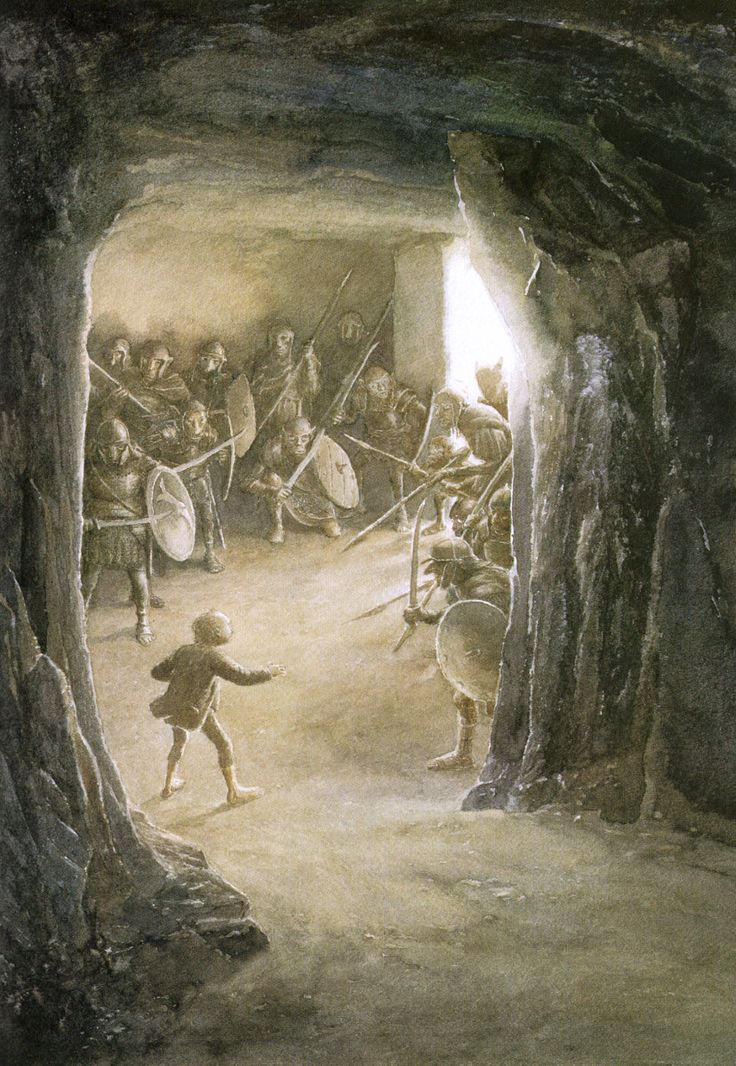
It was still ajar, but a goblin had pushed it nearly to.  Bilbo struggled but he could not move it.  He tried to squeeze through the crack.  He squeezed and squeezed and he stuck!  It was awful.  His buttons had got wedged on the edge of the door and the door-post.  He could see outside into the open air…but he could not get through.

Suddenly one of the goblins inside shouted:  ‘There is a shadow by the door.  Something is outside!’

Bilbo’s heart jumped into this mouth.  He gave a terrific squirm.  Buttons burst off in all directions.  He was through, with a torn coat and waistcoat, leaping down the steps like a goat, while bewildered goblins were still picking up his nice brass buttons on the doorstep….

Bilbo had escaped.”  (The Hobbit, Chapter Five, “Riddles in the Dark”)

(Alan Lee)

What do you suppose JRRT as a child made of that violent, pie-eating McGregor?

As always, thanks for reading.

Stay well,

Always listen to your mother and you’ll never lose your buttons,

And, as ever, remember that there’s

MTCIDC

O

Setting Boundaries

27 Wednesday Mar 2024

Posted by Ollamh in Uncategorized

≈ Leave a comment

Tags

books, Fantasy, J.R.R. Tolkien, lord-of-the-rings, Tolkien

Welcome, dear readers, as always.

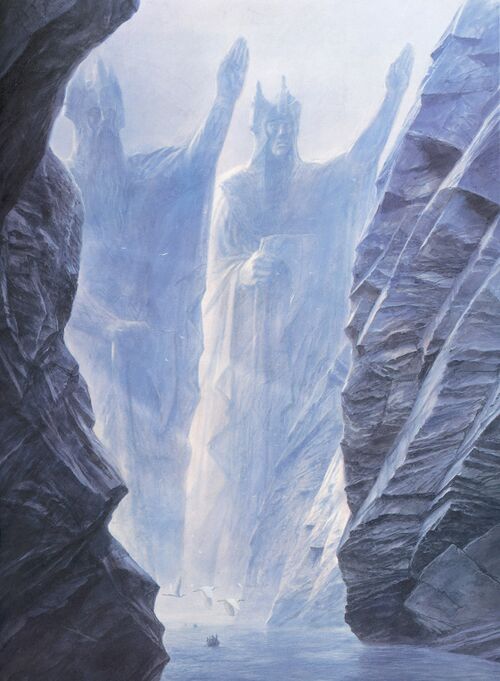
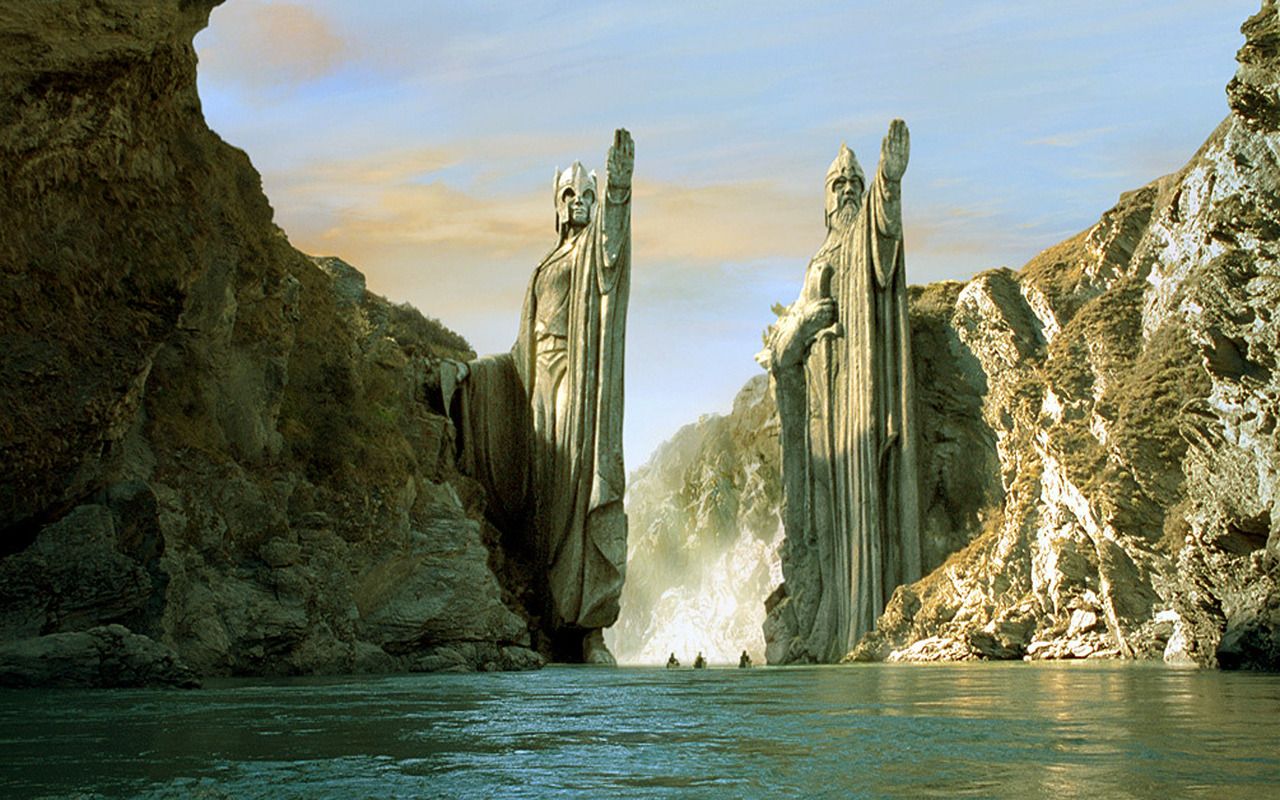
“ ‘Behold the Argonath, the Pillars of the Kings!’ cried Aragorn…

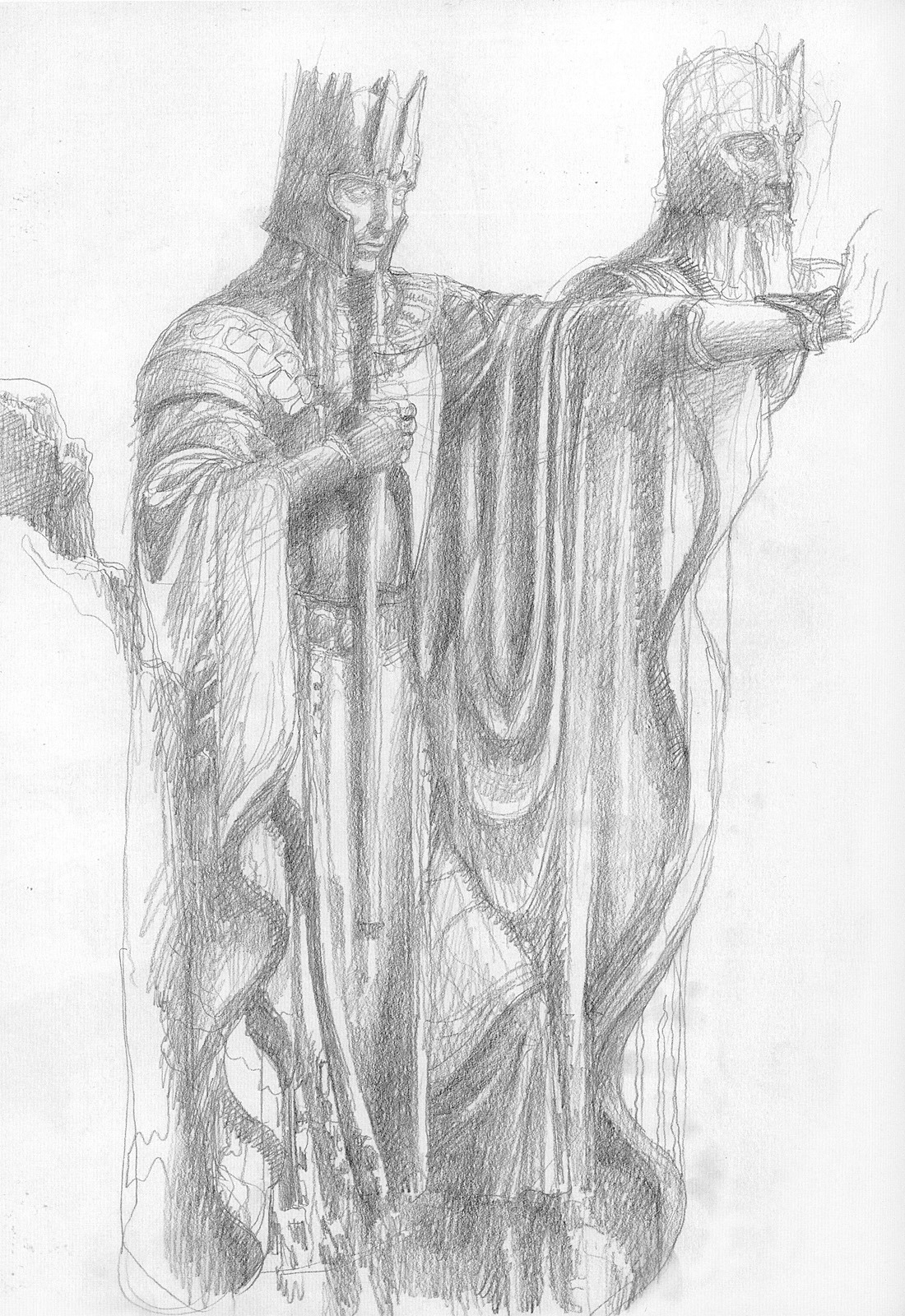
As Frodo was born towards them the great pillars rose like towers to meet him.  Giants they seemed to him, vast grey figures silent but threatening.  Then he saw that they were indeed shaped and fashioned:  the craft and power of old had wrought upon them, and still they preserved through the suns and rains of forgotten years the mighty likenesses in which they had been hewn.  Upon great pedestals founded in the deep waters stood two great kings of stone:  still with blurred eyes and crannied brows they frowned upon the North.  The left hand of each was raised palm outwards in gesture of warning; in each right hand there was an axe; upon each head there was a crumbling helm and crown.  Great power and majesty they still wore, the silent wardens of a long-vanished kingdom…” (The Fellowship of the Ring, Book Two, Chapter 9, “The Great River”)

There are a number of illustrations of this, from the Hildebrandts

to John Howe

to Alan Lee

to J.C. Barquet

and more, including in Jackson’s The Lord of the Rings,

where, in the sometimes perverse method of the films, one figure has a sword, rather than the axe which Tolkien had specifically described (true of the Alan Lee sketch, as well).  Reviewing this short list, however, the first two of these seem to portray the kings with a more peaceably raised left hand, whereas the others more clearly portray what the author wanted:  “The left hand of each was raised outwards in a gesture of warning…”

These figures, in fact, are boundary markers, set up by the Gondorian king Minalcar (later crowned as Romendacil II) some time during his regency (TA1240-1304—see The Lord of the Rings, Appendix A, (ii) “The Southern Line[:] Heirs of Anarion” and (iv) “Gondor and the Heirs of Anarion”) and the gesture is clearly meant as a warning to potential invaders.

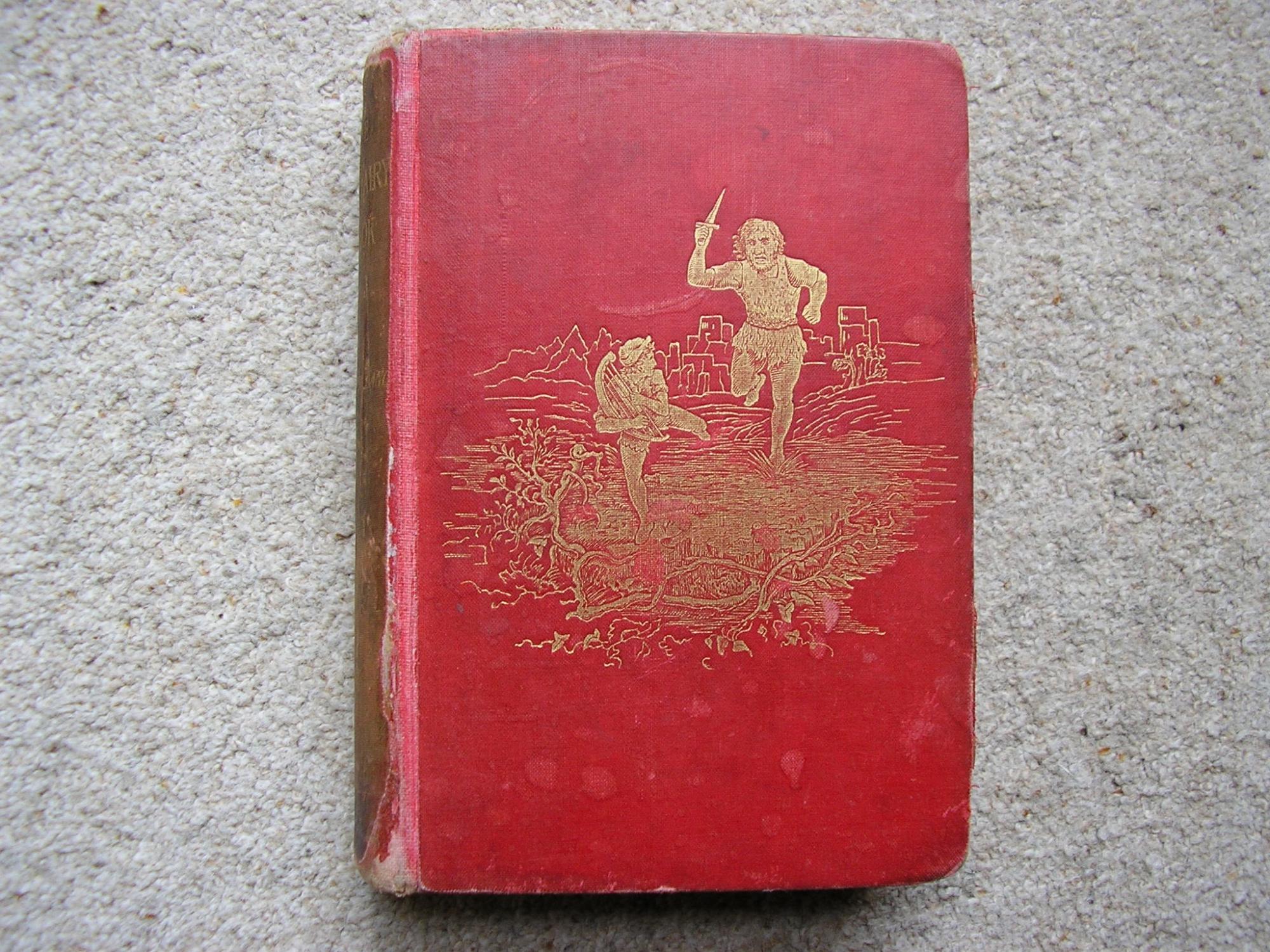
More than once, in past postings, I’ve suggested influences upon Tolkien, from The Red Fairy Book of his childhood,

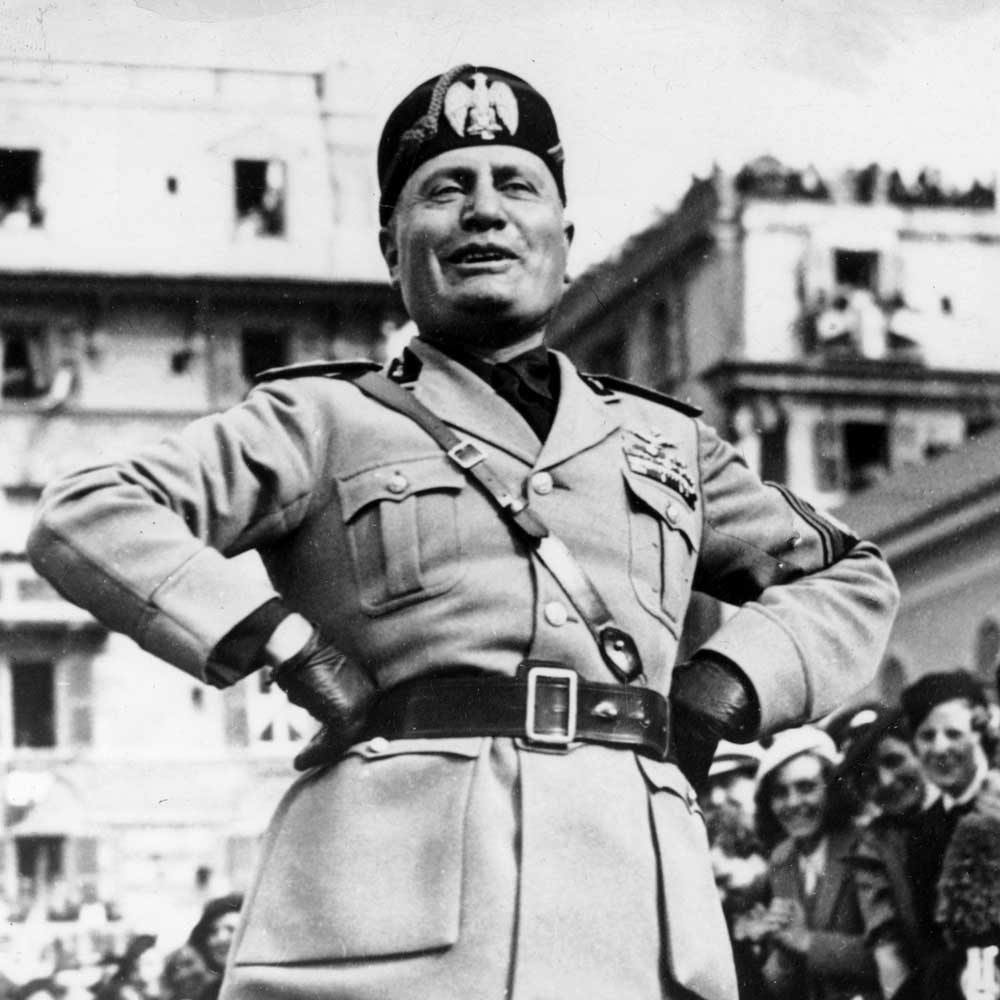
to Mussolini as a possible Saruman model.

In this posting, however, I’m moving forward, perhaps seeing a Tolkien model for something erected long after Tolkien’s death in 1973.

It begins with a bit of history in JRRT’s lifetime.

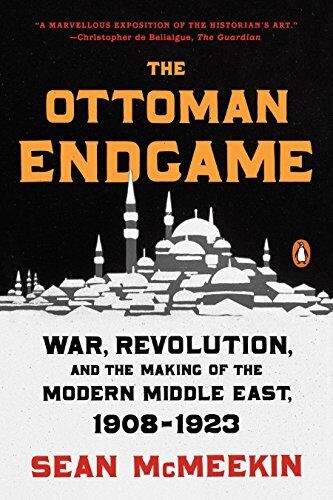
At the end of the Great War (aka “World War I”), the Middle East, the majority of it the fading Ottoman Empire, was very much in flux, with France and Britain struggling diplomatically to extend their influence over Syria, Lebanon, and the area then known as Palestine, as well as farther inland.  (For more on this, see David Fromkin’s The Peace to End All Peace, 1989,

and Sean McMeekin’s The Ottoman Endgame, 2016)

Farther north, and encouraged by the victorious Allies, Greece had invaded Turkey, hoping to expand Greece beyond its current boundaries.

This led to a number of bloody encounters between the two sides, with the Greeks advancing to within 50 miles (80km) of the capital at Ankara in the late summer of 1921 before being stopped at the climactic battle in the area of the Sakarya River.  When the Greeks finally withdrew, they had suffered 23,000 casualties (plus perhaps as many as 15,000 prisoners) against Turkish totals of 22,000 casualties and 1,000 prisoners.  This withdrawal turned into a scorched earth retreat towards the Aegean coast and ultimate evacuation of the Greek army along with thousands of civilians from Asia Minor.  (For more see:  https://www.historynet.com/the-battle-that-made-kemal-ataturk/ ) 

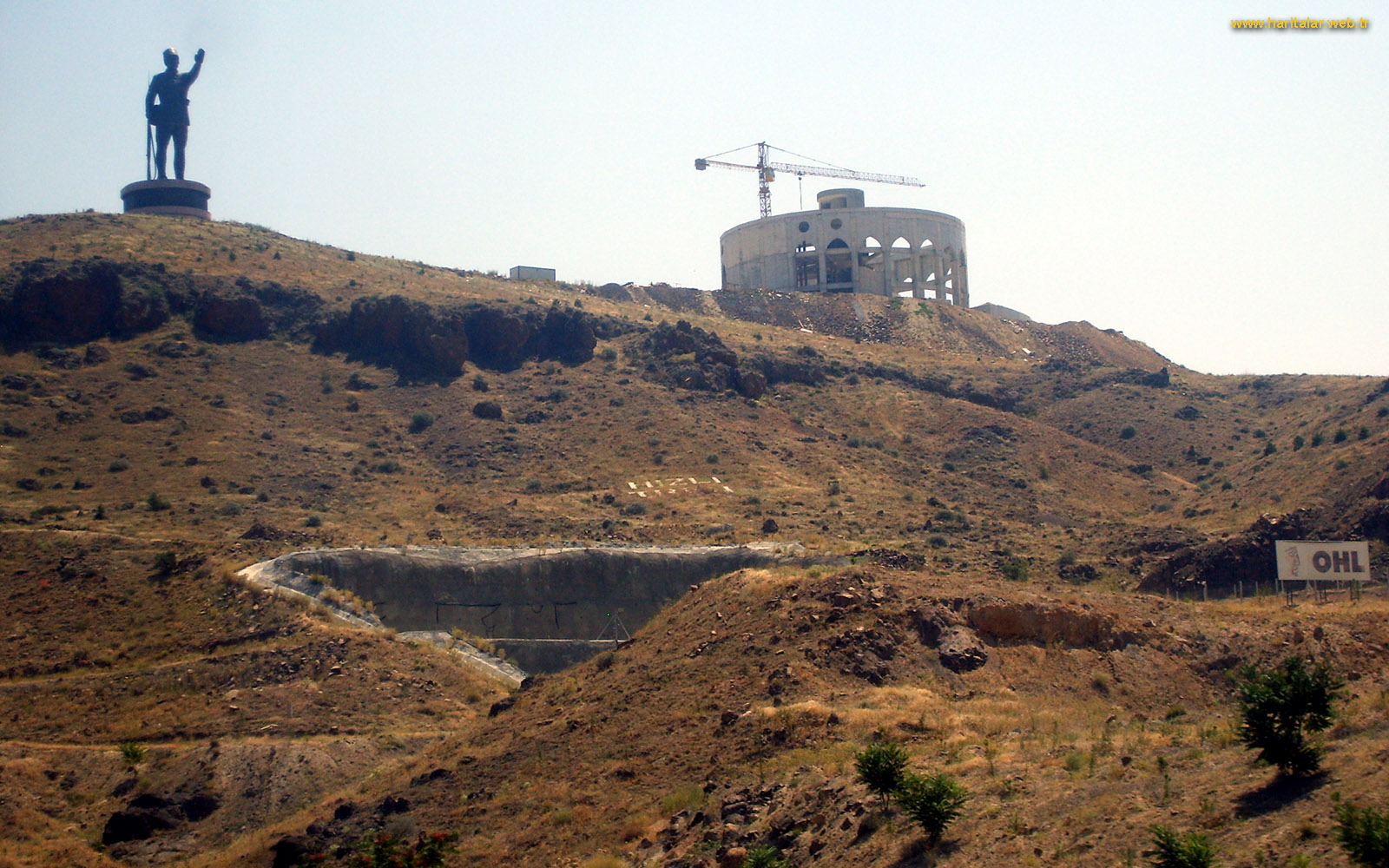
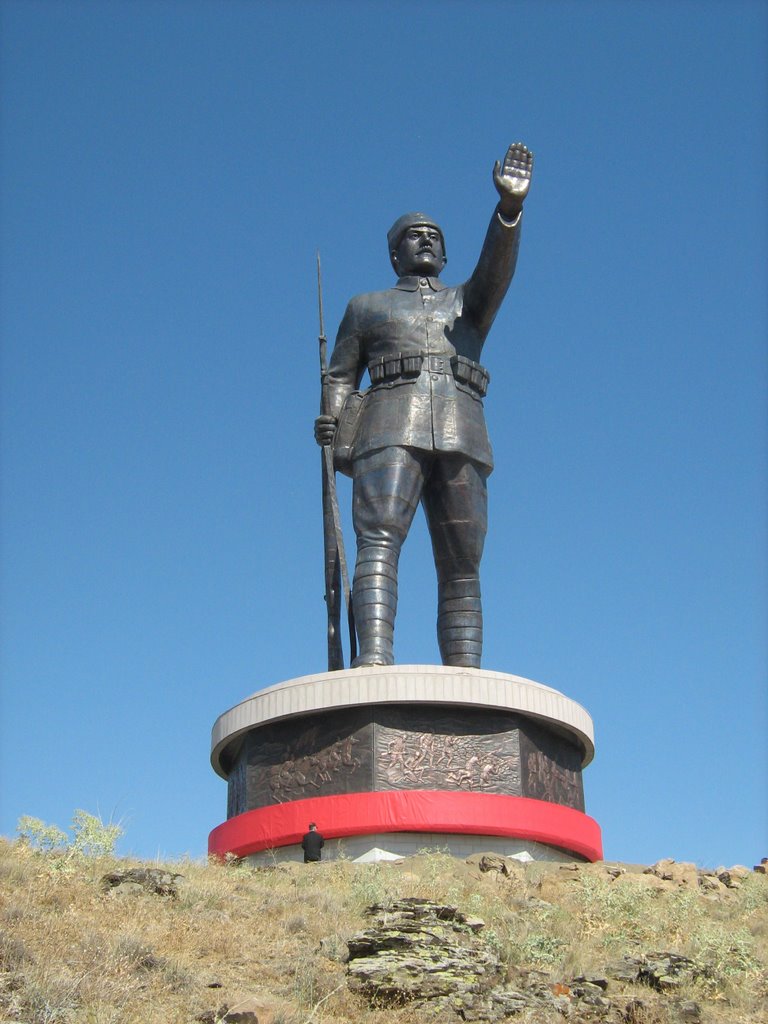
In 2015, the Turkish government established the Battle of Sakarya National Historic Park, but, in 2008, several private companies had already commemorated the battle by commissioning a statue of a Turkish infantryman to be placed on a height (Karaltepe) looking westward in the direction from which the Greek army had come.

 It’s not a boundary marker, per se, as the Argonath is meant to be, but, by marking the line of Turkish resistance to the Greek invasion, it has somewhat of the same effect.  And, though not gigantic, like the Gondorian figures, it’s over 100 feet (31m) tall on its base and the pose certainly reminds me of what Frodo sees in the river ahead,

even if it doesn’t produce the same emotional reaction as it did members of the Fellowship:

“Awe and fear fell upon Frodo, and he cowered down, shutting his eyes and not daring to look up as the boat drew near.  Even Boromir bowed his head as the boats whirled by, frail and fleeting as little leaves, under the enduring shadow of the sentinels of Numenor.”

Had the designers of the Turkish monument read The Fellowship of the Ring, or perhaps had seen the Jackson movie?

Thanks for reading, as ever.

Stay well,

What ancient monument might awe you?

And remember that, as always, there’s

MTCIDC

O

ps

In answer to my own question, I’ve always loved this—

It’s often called “the mourning Athena”, but I imagine that the goddess isn’t grieving, but reading a boundary stone and, armed with helmet and spear, seems ready to defend her city from any who would violate that boundary.  It’s nowhere near the monumental size of those images discussed above, being only about 1 ½ feet (.48m) high, but, with a goddess, does size matter?

*(A)Dun[e]-(aic)

20 Wednesday Mar 2024

Posted by Ollamh in Uncategorized

≈ Leave a comment

Tags

books, dune, Fantasy, frank-herbert, science fiction

Welcome, dear readers, as always.

If you’re a regular reader, you know that I have begun a (definitely!) long-term project to deepen my knowledge of Science Fiction.  I’ve read Sci-Fi since childhood, but totally unscientifically (sorry!), and, being interested in both Fantasy and Sci-Fi, I thought that it was more than time to have a better grasp of it and its (as I’ve found out) complicated history.

Although I’m still reading somewhat haphazardly—when I find an author whose work catches my attention, I catch myself reading more than one representative—see novels by L. Sprague de Camp (1907-2000), including those in collaboration with Fletcher Pratt (1897-1956)—like Lest Darkness Fall, 1941,

or The Castle of Iron, 1950,

I am developing a chronological list, and, so far, have read about three dozen novels and maybe a dozen short stories, my most recent novel being Dune, 1965,

about which I’ve already written one posting (see “No Names, No…”, 10 January, 2024).  It’s an impressive beginning, full of vividly imagined things, especially anything and everything about the desert planet of Arrakis, its native inhabitants, their environment, and their survival in it.  It’s easy to see how some early reviewers compared it to The Lord of the Rings for its depth of detail.  In my earlier posting, I admitted to being less convinced by the names, which sometimes seem rather haphazard—something which Tolkien would never allow (and actually criticized in the work of E.R. Eddison, 1882-1945—see a letter to Caroline Everett, 24 June, 1957, Letters, 372)—and this brings me to the subject of this posting, which is about Chakobsa—not “Shikwoshir”, or “Shikowschir”, or even “Schakobsche” or “Farschipse”, all possible names for a Northwest Caucasian language (or perhaps invented dialect based upon one of the languages—see https://en.wikipedia.org/wiki/Chakobsa )–but one of the principal languages of Dune.

The first film based upon Dune appeared in 1984

and was not a success—I remember seeing it, but have virtually no memory of what I saw.  (For more on the tribulations of making a film of the novel, see:  https://en.wikipedia.org/wiki/Dune_(1984_film) )  If anyone spoke anything other than standard English, I couldn’t say.  There was a difference, however, in Dune, 2021,

where, although English substitutes for Galach, the standard universal language (like the Common Speech of Middle-earth), the language of the natives of Arrakis, the Fremen, is in need of subtitles.  (And there seems to be a bit of confusion here about what they actually speak, which even one of its creators, in an aside in a recording, admits:  https://dune.fandom.com/wiki/%22Neo-Chakobsa%22_(2020s_film_series)?file=Work_Stream_6-_Translating_into_Chakobsa%2C_Part_1 )  The language we hear most about—and which appears even more frequently in Dune 2, 2023,

was named by the original author, Frank Herbert (1920-1986), after that Northwest Causcasian language, Chakobsa, but, linguistically, has nothing to do with it.  Instead, it was a gallimaufry (a wonderful word in itself, meaning “a hodgepodge”—see:   https://www.etymonline.com/word/gallimaufry where you’ll discover that it’s actually one of those etymologies with a question mark after it).  As Herbert’s son, Brian, says of the linguistic constructions in Dune in general:

“  The words and names in Dune are from many tongues, including Navajo, Latin, Chakobsa (a language found in the Caucasus), the Nahuatl dialect of the Aztecs, Greek, Persian, East Indian, Russian, Turkish, Finnish, Old English, and, of course, Arabic.” (Dune, “Afterword”, 878 in the Ace edition)

There is a great difference, however, between Herbert’s approach to language and that of the language created for the Fremen in the two films and the latter approach might be seen as coming directly from JRRT’s method of language construction.

In 1931, Tolkien gave a lecture to the Johnson Society at Pembroke College, Oxford.

Daringly entitled “A Secret Vice”, it was an essay about his own “vice”, the creation of languages.  In it, he used his own early experiences with everything from Esperanto to “Nevbosh”, expressing not only his long interest, but also his ideas about the possibilities to be found in such a hobby, including:

“…various other interests in the hobby.  There is the purely philological (a necessary part of the completed whole though it may be developed for its own sake):  you may, for instance, construct a pseudo-historical background and deduce the form you have actually decided on from an antecedent and different form (conceived in outline); or you can posit certain tendencies of development and see what sort of form this will produce.  In the first case you discover what sort of general tendencies of change produce this a given character; in the second you discover the character produced by given tendencies.  Both are interesting, and their exploration gives one a much greater precision and sureness in construction—in the technique in fact of producing an effect you wish to produce for its own sake.” (Tolkien, A Secret Vice:  Tolkien on Invented Languages, edited by Dimitra Fimi & Andrew Higgins, Harper/Collins, 2016, 25)

I was reminded of this passage when I watched a brief interview with the creators of Chakobsa, Jessie and David Peterson, which you can see here:  https://www.bbc.com/reel/video/p0hg5n6z/dune-and-the-art-of-creating-a-fictional-language  .  David was the creator of Valyrian and Dothraki for A Game of Thrones, as well as the author of a very entertaining and informative book on the subject of constructed languages (“conlang” for short), The Art of Language Invention (Penguin, 2015).

(For more on Valyrian, see:  https://en.wikipedia.org/wiki/Valyrian_languages .  For more on Dothraki, see:  https://en.wikipedia.org/wiki/Dothraki_language )

In the interview, Jessie talks about the “evolutionary method” of designing a language—that is, just like Tolkien, creating an older version of the language which you then “age”, using standard linguistic methods for consistent change over time.  We see an example of this in an interview the Petersons did with IndieWire:

“The most everyday terms in any language — things like “hello” and “goodbye” — are often ones that have the most history behind them. ‘You don’t try to come up with a way to say hello. You try to come up with what would have been a common phrase that was repeated when you saw someone and which ended up getting reduced to a smaller form,’ Jessie Peterson said. “

All of this was trickier, of course, for the Petersons, since, unlike Tolkien, the language they were employed to build already had some chosen, if not invented, elements—words from Herbert’s gallimaufry—which they were obliged to begin with.  In the same interview with IndieWire, David Peterson had this to say about such difficulties:

”Peterson traced the longest existing phrase in Chakobsa, a funeral rite spoken for Jamis (Babs Olusanmokun) as his water is given to the well at Sietch Tabr, to a Romani nursery rhyme. 

‘He just changed the meaning and said that it had something to do with water,’ Peterson told IndieWire. “A lot of [Chakobsa] is just borrowed kind of haphazardly from different languages. We just had to come up with our own system and incorporate it as best we could.”  (You can read the whole interview here:  https://www.indiewire.com/features/craft/dune-fremen-langauge-how-to-speak-1234958145/ )

An interesting feature in Tolkien’s language invention—and perhaps eventually crucial—

“I might fling out the view that for perfect construction of an art-language it is found necessary to construct at least in outline a mythology concomitant.  Not solely because some pieces of verse will inevitably be part of the (more or less) completed structure, but because the making of language and mythology are related functions (coeval and congenital, not related as disease to health, or as by-products to main manufacture); to give your language an individual flavour, it must have woven into it the threads of an individual mythology, individual while working within the scheme of natural human mythopoeia, as your word-form may be individual while working within the hackneyed limits of human, even European, phonetics.  The converse indeed is true, your language construction will breed a mythology.”  (Tolkien, A Secret Vice, 23-24)

So far, David, and now David and Jessie, Peterson have worked to create languages for other people’s stories and mythologies.  I wonder what they might produce if they constructed a language—or languages—for a story of their own?

As always, thanks for reading.

Stay well,

So shiira isim un-rauqizak,

And remember that, as ever, there’s

MTCIDC

O

PS

If creating languages interests you, have a look at Jessie Peterson’s website here:  https://www.quothalinguist.com/about-me/

Glittering Caves, or, Cheese, Hobbit!

13 Wednesday Mar 2024

Posted by Ollamh in Uncategorized

≈ Leave a comment

Tags

Fantasy, J.R.R. Tolkien, lord-of-the-rings, The Lord of the Rings, travel

Welcome, dear readers, as ever.

In a letter to a “Mr. Wrigley”, Tolkien made this remark:

“I fear you may be right that the search for the sources of The Lord of the Rings is going to occupy academics for a generation or two.  I wish this need not be so.  To my mind it is the particular use in a particular situation of any motive, whether invented, deliberately borrowed, or unconsciously remembered that is the most interesting thing to consider.”  (letter to Mr. Wrigley, 25 May, 1972, Letters, 587)

I would like to add:  not just unconsciously remembered, but also consciously, as in the Caves of Aglarond.

“Strange are the ways of Men, Legolas!” Gimli suddenly burst out, continuing:  “Here they have one of the marvels of the Northern World, and what do they say of it?  Caves, they say!  Caves!  Holes to fly to in time of war, to store fodder in!  My good Legolas, do you know that the caverns of Helm’s Deep are vast and beautiful?  There would be an endless pilgrimage of Dwarves, merely to gaze at them, if such things were known to be.  Aye indeed, they would pay pure gold for a brief glance!”  (The Two Towers, Book Three, Chapter 8, “The Road to Isengard”)

Gimli and Legolas have just survived Saruman’s failed attack on Helm’s Deep,

(the Hildebrandts)

where Gimli, separated from his companions, has taken refuge in the very caves he is now raving about.

(Ted Nasmith—and, as ever, he has chosen a moment no one else has thought to illustrate—one of the many reasons I so admire his work)

As Gimli goes on—and he does for half a page—we hear of

“immeasurable halls, filled with an everlasting music of water that tinkles into pools, as fair as Kheled-zaram in the starlight…gems and crystals and veins of precious ore glint in the polished walls; and the light glows through folded marbles, shell-like, translucent as the living hands of Queen Galadriel.”

Remembering Gimli’s ultimate request from Galadriel—a strand of her hair:

“…which surpasses the gold of the earth as the stars surpass the gems of the mine.” (The Fellowship of the Ring, Book Two, Chapter 8, “Farewell to Lorien”)

this is an impressive comparison.  But, for all of JRRT’s wonderful imagination, in fact these caves, although perhaps embroidered by that imagination, were based upon a real place, as Tolkien tells us in a letter:

“I was most pleased by your reference to the description of ‘glittering caves’.  No other critic, I think, has picked it out for special mention.  It may interest you to know that the passage was based on the caves in Cheddar Gorge and was written just after I had revisited these in 1940 but was still coloured by my memory of them much earlier before they became so commercialized.  I had been there during my honeymoon nearly thirty years earlier.”  (letter to P. Rorke, SJ, 4 February, 1971, Letters, 572)

Cheddar Gorge is a natural feature in Dorset, in southwest England in the area of the Mendip Hills.

A gorge is a kind of valley and Cheddar Gorge is one which has cut through layers of limestone to form it.

As you can see, this is spectacular in itself, but there is an attraction within the attraction:  a series of caves in the limestone and this is the sort of thing which Tolkien might have seen on his two visits—

which then inspired Gimli’s impassioned speech (which, by the way, is totally unnecessary to the plot, but which brilliantly illuminates (sorry!) Gimli’s character and adds to his growing friendship with Legolas, who, persuaded by the dwarf’s rhetoric, pledges to return to the caves with him—in return for visiting Fangorn Forest with Legolas).

For those who love cheese, there is another connection here, of course:  billed as “the world’s most popular cheese”, there is Cheddar, a tangy, solid variety, which seems to have originated—yes, in the village of Cheddar, just below the Gorge (and it has been suggested that some of the caves were used to age the cheese in the past).

In a left (or perhaps wrong) turn from Tolkien’s “the particular use in a particular situation of any motive, whether invented, deliberately borrowed, or unconsciously remembered that is the most interesting thing to consider”, I found that, once I made the association:  Caves of Aglarond, Cheddar Gorge, my next step was directly to Cheddar Cheese and, from there, to another English cheese, Wensleydale, made to the northeast, in Yorkshire.

And here’s where cheese and hobbits became intertwined with the characters most devoted to Wensleydale, Wallace and his skeptical dog, Gromit.

These are the brilliant stop-motion creations of Nick Park,

beginning with the pair’s first adventure, “A Grand Day Out” (1989)

in which, in search of a cheese holiday,

they visit the moon in a ramshackle rocket which Wallace (a part-time inventor) built for the trip.

Since then, they have had a number of adventures—“The Wrong Trousers” (1993), “A Close Shave” (1995), and “A Matter of Loaf and Death” (2008), all shorts, along with a feature-length film, “The Curse of the Were-Rabbit” (2005).  If you don’t know them, you can see “A Grand Day Out” for free at the wonderful Internet Archive:  https://archive.org/details/agranddayout_202001 and, if this delights you as much as it’s always delighted me, you can see more at the Archive under “Aardman Animations”, including a series of very short films highlighting some of Wallace’s inventions:  https://archive.org/details/94920

This is very much English humor:  wacky, but played straight, as if visiting the Moon in search of exotic cheese is a perfectly normal thing to do.  I don’t know if JRRT would have enjoyed Wallace and Gromit, but he says this of hobbits:

“…I am personally immensely amused by hobbits as such, and can contemplate them eating and making their rather fatuous jokes indefinitely…” (letter to D.A. Furth, 24 July, 1938, Letters, 49)

so perhaps the adventures of two eccentrics—well, one eccentric and one very sensible canine–

would tickle him.  As I was writing this, I discovered, however, that someone else had already made the association of Cheddar (Gorge) and Wallace and Gromit, at least–

Thanks for reading, as always,

Stay well,

Squirrel away, as Wallace does, Jacob’s Cream Crackers—you just shouldn’t run out,

And remember that there’s always

MTCIDC

O

PS

For more on Cheddar Gorge, see:  https://en.wikipedia.org/wiki/Cheddar_Gorge   For more on Cheddar cheese see:  https://en.wikipedia.org/wiki/Cheddar_cheese

Seem Fairer

06 Wednesday Mar 2024

Posted by Ollamh in Uncategorized

≈ Leave a comment

Tags

books, Fantasy, J.R.R. Tolkien, lord-of-the-rings, Tolkien

As ever, dear readers, welcome.

If you flip to the back of The Letters of J.R.R. Tolkien,

and page through the index to the aitches, you’ll find five references to Adolf Hitler.  The first, to his son, Michael, simply mentions the idea that Hitler must soon attack Britain (letter to Michael Tolkien, 12 January, 1941, Letters, 64).  The third is to another son, Christopher, and makes a brief reference to Stalin and Hitler (letter to Christopher Tolkien, 22 August, 1944, Letters, 131).  Both of these are neutral in tone.  The second, however, has more the tone of a rant:

“Anyway, I have in this War a burning private grudge—which would probably make me a better soldier at 49 than I was at 22:  against that ruddy little ignoramus Adolf Hitler (for the odd thing about demonic inspiration and impetus is that it in no way enhances the purely intellectual stature:  it chiefly affects the mere will).”  (letter to Michael Tolkien, 9 June, 1941, Letters, 77)

And the fourth and fifth (in the same letter) have a similar tone:

“We knew that Hitler was a vulgar and ignorant little cad, in addition to any other defects (or the source of them)…” (letter to Christopher Tolkien, 23-25 September, 1944, Letters, 133)

Both of which are entirely understandable, of course.  In terms of his family, two of his sons were involved in the Second World War, Michael as an anti-aircraft gunner, Christopher as a pilot, and Tolkien worried very much about both, as various letters to them make very plain.

That “burning private grudge”, however, was about something entirely different—and characteristic of JRRT—was his anger at the Nazi perversion of what he thought of as “that noble northern spirit”, as he says in that letter to Michael:

“Ruining, perverting, misapplying, and making for ever accursed, that noble northern spirit, a supreme contribution to Europe, which I have ever loved and tried to present in its true light.”

This being under the direction of:

“…a man inspired by a mad, whirlwind, devil:  a typhoon, a passion:  that makes the poor old Kaiser look like an old woman knitting.”

For all that Tolkien descends to name-calling (not his usual method of dealing with whom or what he doesn’t like), there is a certain—I won’t call it respect—but wary awe of someone he calls a “mad, whirlwind, devil” and, as always when I think about JRRT, his time, and his influences, I wonder about how he his impression of that “vulgar and ignorant little cad”—and “whirlwind devil”—might have influenced his work.

Germany after the Great War was economically and socially in ruins.  The 1919 Treaty of Versailles, blaming Germany for the war and designed to exact severe punishment for that, had done much to put her in that condition.

When Germany was unable to pay the amount demanded on time, parts of western Germany were then occupied by several of the Allies.

Bankruptcy, monetary depreciation,

and ideas of revolution swirled—including a brief attempt at revolution in Munich, in 1923.

The leader of this attempt was an ex-serviceman named Hitler.

With a sympathetic court, instead of being executed for treason, he was given a light sentence and soon was out on the streets again, presenting himself not as a violent revolutionary, but as a reformer, someone who was working to bring his country back from the wreckage it has suffered from war, a brutal treaty, a ruined economy, and social unrest (some of which he himself had inspired—and would continue to inspire).

In time, he was so successful at this that he became his country’s director, under the very neutral title of Fuehrer, “Leader” and the economy did improve, living conditions did improve—

but under all of this improvement was something else and here I’m immediately reminded of Sauron:

“Sauron was of course not ‘evil’ in origin…until he became the main representative of Evil of later ages.  But at the beginning of the Second Age he was still beautiful to look at, or could still assume a beautiful visible shape—and was not indeed wholly evil, not unless all ‘reformers’ who want to hurry up with ‘reconstruction’ and ‘reorganization’ are wholly evil, even before pride and the lust to exert their will eat them up.” (draft of a letter to Peter Hastings, September, 1954, Letters, 284)

“But many of the Elves listened to Sauron.  He was still fair in that early time, and his motives and those of the Elves seemed to go partly together:  the healing of the desolate lands.  Sauron found their weak point, suggesting that, helping one another, they could make Western Middle-earth as beautiful as Valinor.” (to Milton Waldman, typescript, “late 1951”, Letters, 212)

And here are the consequences:

“[Sauron] lingers in Middle-earth.  Very slowly, beginning with fair motives:  the reorganizing and rehabilitation of the ruin of Middle-earth, ‘neglected by the gods’, he becomes a reincarnation of Evil, and a thing lusting for Complete Power—and so consumed ever more fiercely with hate (especially of gods and Elves).  All through the twilight of the Second Age the Shadow is growing in the East of Middle-earth, spreading its sway more and more over Men…” (to Milton Waldman, typescript, “late 1951”, Letters, 211)

The title of this posting, as I’ll bet you all know, is part of a remark which Frodo makes just after Strider has appeared and approached him at The Prancing Pony in Bree:

(the Hildebrandts)

“You have frightened me several times tonight, but never in the way that the servants of the Enemy would, or so I imagine.  I think that one of his spies would—well, seem fairer and feel fouler, if you understand.”

To which Strider makes a reply one would never expect Hitler—or Sauron– to have made—

“ ‘I see,’ laughed Strider.  ‘I look foul and feel fair.  Is that it?’ “

As always, thanks for reading.

Stay well,

When it comes to reformers, it might always be wise to question their ultimate motives,

And remember that, as always, there’s

MTCIDC

O

← Older posts
Newer posts →

The Doubtful Sea Series Facebook Page

The Doubtful Sea Series Facebook Page

  • Ollamh

Categories

  • Artists and Illustrators
  • Economics in Middle-earth
  • Fairy Tales and Myths
  • Films and Music
  • Games
  • Heroes
  • Imaginary History
  • J.R.R. Tolkien
  • Language
  • Literary History
  • Maps
  • Medieval Russia
  • Military History
  • Military History of Middle-earth
  • Narnia
  • Narrative Methods
  • Poetry
  • Research
  • Star Wars
  • Terra Australis
  • The Rohirrim
  • Theatre and Performance
  • Tolkien
  • Uncategorized
  • Villains
  • Writing as Collaborators
Follow doubtfulsea on WordPress.com

Across the Doubtful Sea

Recent Postings

  • Do You Speak Villain? (Part 3) February 18, 2026
  • Do You Speak Villain? (2) February 11, 2026
  • Do You Speak Villain? (Part 1) February 4, 2026
  • Towering January 28, 2026
  • Tolkien Among the Indians January 21, 2026
  • Thin and Stretched January 14, 2026
  • Through a glass… January 7, 2026
  • Heffalumps? December 31, 2025
  • We Three Kings December 24, 2025

Blog Statistics

  • 107,647 Views

Posting Archive

  • February 2026 (3)
  • January 2026 (4)
  • December 2025 (5)
  • November 2025 (4)
  • October 2025 (5)
  • September 2025 (4)
  • August 2025 (4)
  • July 2025 (5)
  • June 2025 (4)
  • May 2025 (4)
  • April 2025 (5)
  • March 2025 (4)
  • February 2025 (4)
  • January 2025 (5)
  • December 2024 (4)
  • November 2024 (4)
  • October 2024 (5)
  • September 2024 (4)
  • August 2024 (4)
  • July 2024 (5)
  • June 2024 (4)
  • May 2024 (5)
  • April 2024 (4)
  • March 2024 (4)
  • February 2024 (4)
  • January 2024 (5)
  • December 2023 (4)
  • November 2023 (5)
  • October 2023 (4)
  • September 2023 (4)
  • August 2023 (5)
  • July 2023 (4)
  • June 2023 (4)
  • May 2023 (5)
  • April 2023 (4)
  • March 2023 (5)
  • February 2023 (4)
  • January 2023 (4)
  • December 2022 (4)
  • November 2022 (5)
  • October 2022 (4)
  • September 2022 (4)
  • August 2022 (5)
  • July 2022 (4)
  • June 2022 (5)
  • May 2022 (4)
  • April 2022 (4)
  • March 2022 (5)
  • February 2022 (4)
  • January 2022 (4)
  • December 2021 (5)
  • November 2021 (4)
  • October 2021 (4)
  • September 2021 (5)
  • August 2021 (4)
  • July 2021 (4)
  • June 2021 (5)
  • May 2021 (4)
  • April 2021 (4)
  • March 2021 (5)
  • February 2021 (4)
  • January 2021 (4)
  • December 2020 (5)
  • November 2020 (4)
  • October 2020 (4)
  • September 2020 (5)
  • August 2020 (4)
  • July 2020 (5)
  • June 2020 (4)
  • May 2020 (4)
  • April 2020 (5)
  • March 2020 (4)
  • February 2020 (4)
  • January 2020 (6)
  • December 2019 (4)
  • November 2019 (4)
  • October 2019 (5)
  • September 2019 (4)
  • August 2019 (4)
  • July 2019 (5)
  • June 2019 (4)
  • May 2019 (5)
  • April 2019 (4)
  • March 2019 (4)
  • February 2019 (4)
  • January 2019 (5)
  • December 2018 (4)
  • November 2018 (4)
  • October 2018 (5)
  • September 2018 (4)
  • August 2018 (5)
  • July 2018 (4)
  • June 2018 (4)
  • May 2018 (5)
  • April 2018 (4)
  • March 2018 (4)
  • February 2018 (4)
  • January 2018 (5)
  • December 2017 (4)
  • November 2017 (4)
  • October 2017 (4)
  • September 2017 (4)
  • August 2017 (5)
  • July 2017 (4)
  • June 2017 (4)
  • May 2017 (5)
  • April 2017 (4)
  • March 2017 (5)
  • February 2017 (4)
  • January 2017 (4)
  • December 2016 (4)
  • November 2016 (5)
  • October 2016 (6)
  • September 2016 (5)
  • August 2016 (5)
  • July 2016 (5)
  • June 2016 (5)
  • May 2016 (4)
  • April 2016 (4)
  • March 2016 (5)
  • February 2016 (4)
  • January 2016 (4)
  • December 2015 (5)
  • November 2015 (5)
  • October 2015 (4)
  • September 2015 (5)
  • August 2015 (4)
  • July 2015 (5)
  • June 2015 (5)
  • May 2015 (4)
  • April 2015 (3)
  • March 2015 (4)
  • February 2015 (4)
  • January 2015 (4)
  • December 2014 (5)
  • November 2014 (4)
  • October 2014 (6)
  • September 2014 (1)

Blog at WordPress.com.

  • Subscribe Subscribed
    • doubtfulsea
    • Join 78 other subscribers
    • Already have a WordPress.com account? Log in now.
    • doubtfulsea
    • Subscribe Subscribed
    • Sign up
    • Log in
    • Report this content
    • View site in Reader
    • Manage subscriptions
    • Collapse this bar
 

Loading Comments...