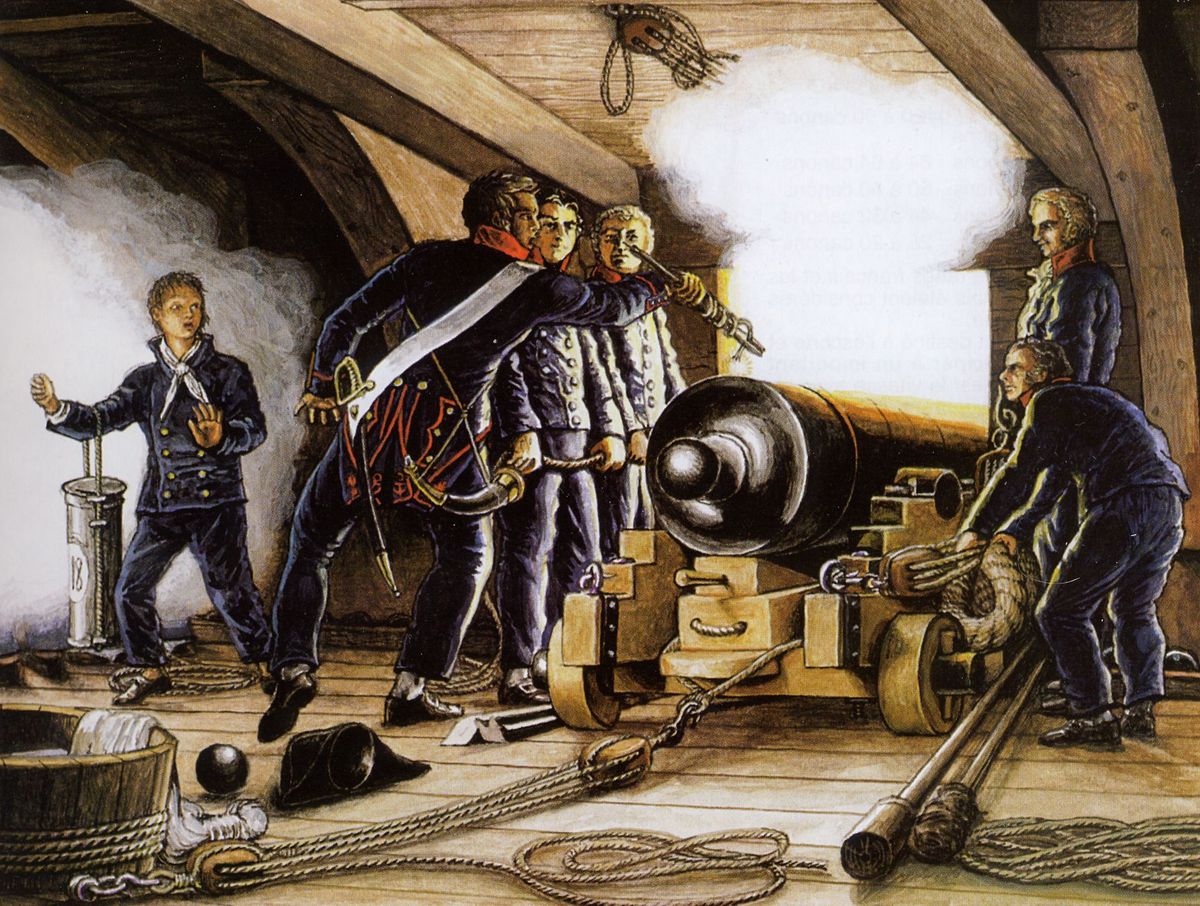
• About

doubtfulsea

~ adventure fantasy

Tag Archives: Elizabeth I

A Moon disfigured

17 Wednesday Dec 2025

Posted by Ollamh in Uncategorized

≈ Leave a comment

Tags

Elizabeth I, herald, Heraldry, livery, Middle-earth, Minas Ithil, Minas Morgul, Orcs, puzzle, Sam, Saruman, Sauron, Sir Roger de Trumpington, The Great War, The Lord of the Rings, Tolkien, uniforms

As always, dear readers, welcome.  And perhaps welcome to a little Tolkien puzzle.

On parade, soldiers of the early 20th century could be peacocks for finery.
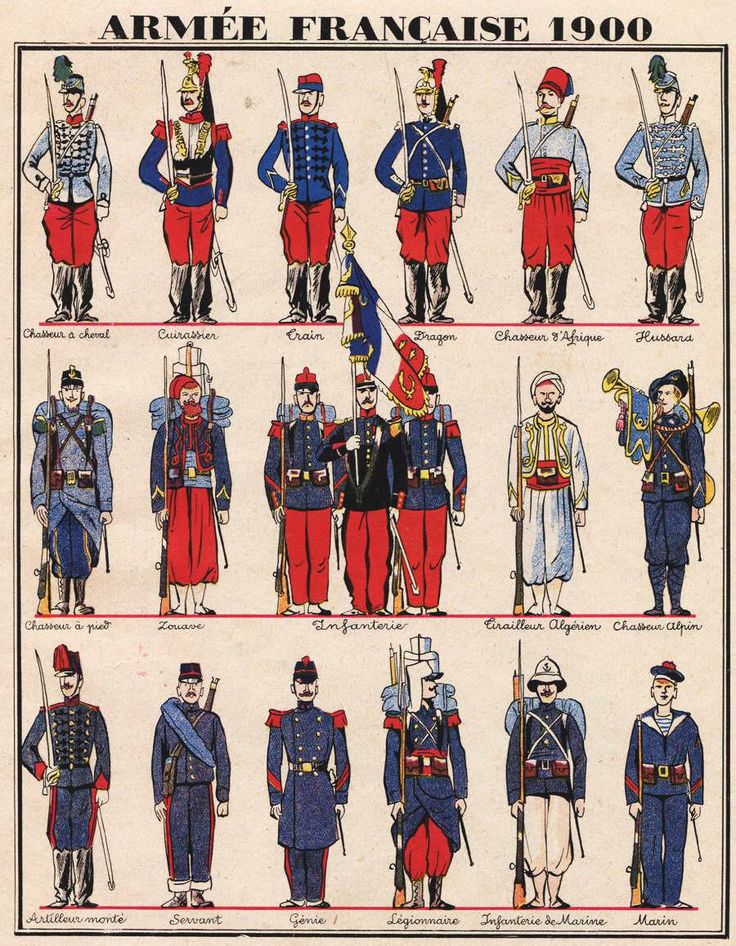
But then they met the new technological reality of heavy machine guns

and increasingly heavy artillery

and, in time, even the danger of being spotted from the air,
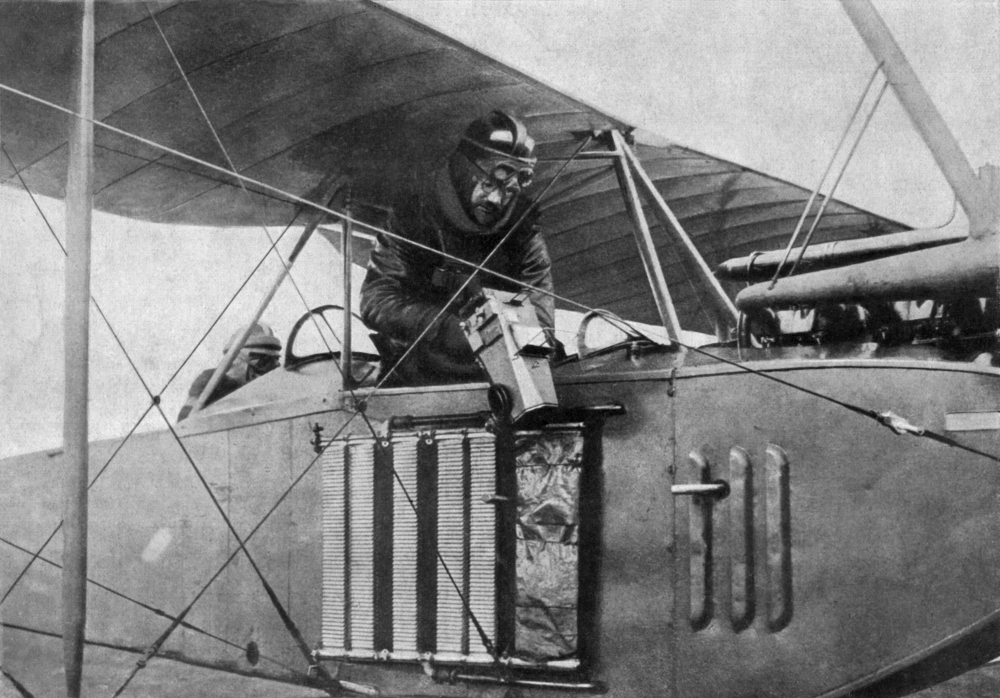
so soldiers not only dug in,
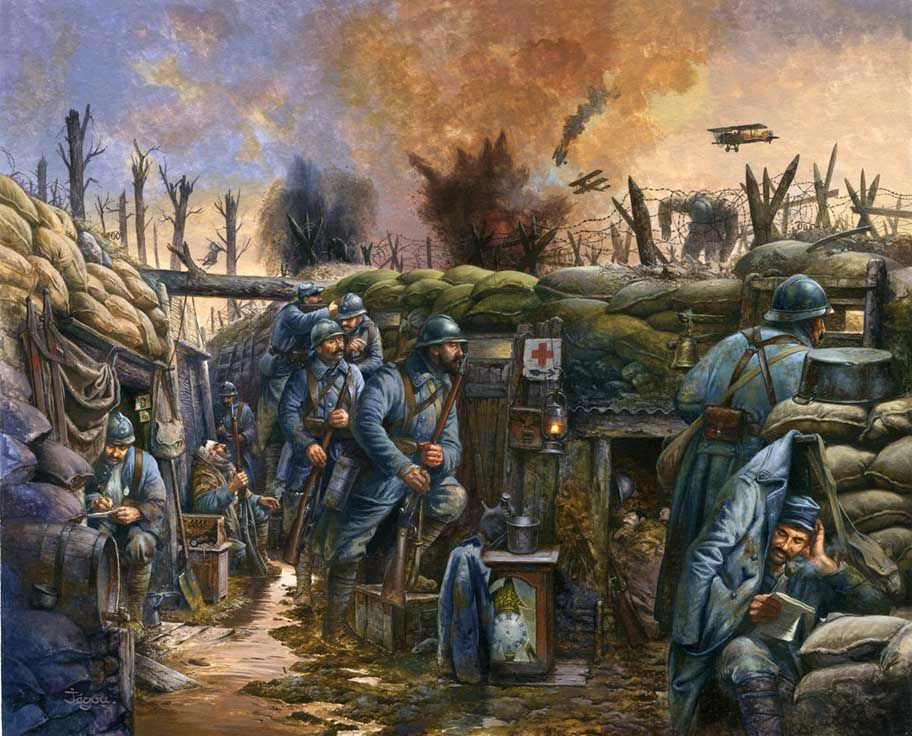
but modified their uniforms, making themselves less visible.

(Gerry Embleton)

After the war, most armies, except for special guard units,

 never went back to being peacocks, abandoning a bright tradition which went back to the 17th century.
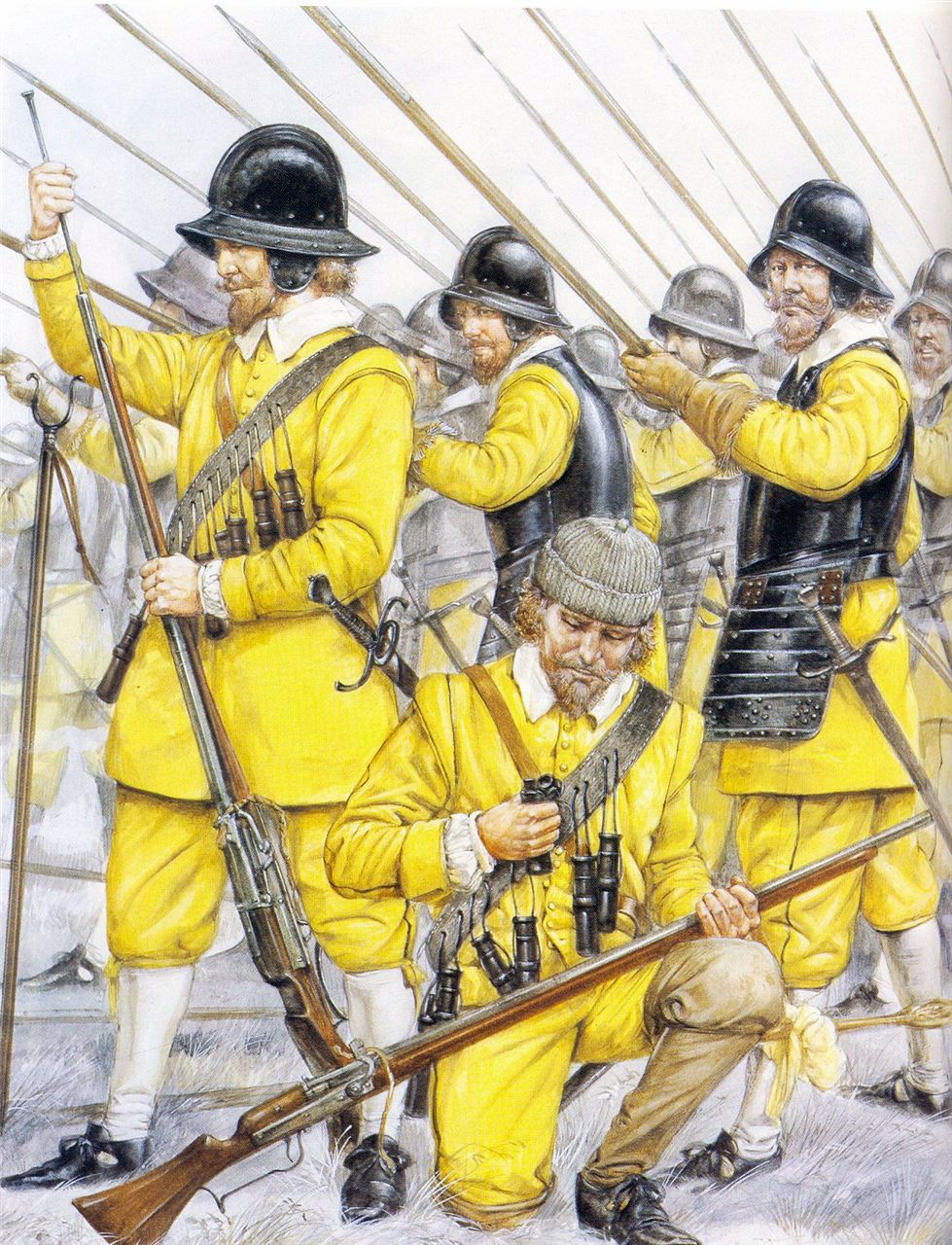
(Richard Hook)

Even in the 17th century, soldiers not wearing the same-colored clothing might distinguish themselves from their enemies by what would be called “field signs”, like wearing a strip of cloth on one arm, or sticking a particular piece of a plant or even a scrap of paper in your hatband.

(Henri IV, 1553-1610, king of France, was famous for the white plume he always wore in his hat.)

Before this, soldiers might wear the distinctive colors of their commanders (usually noblemen), called “livery”—
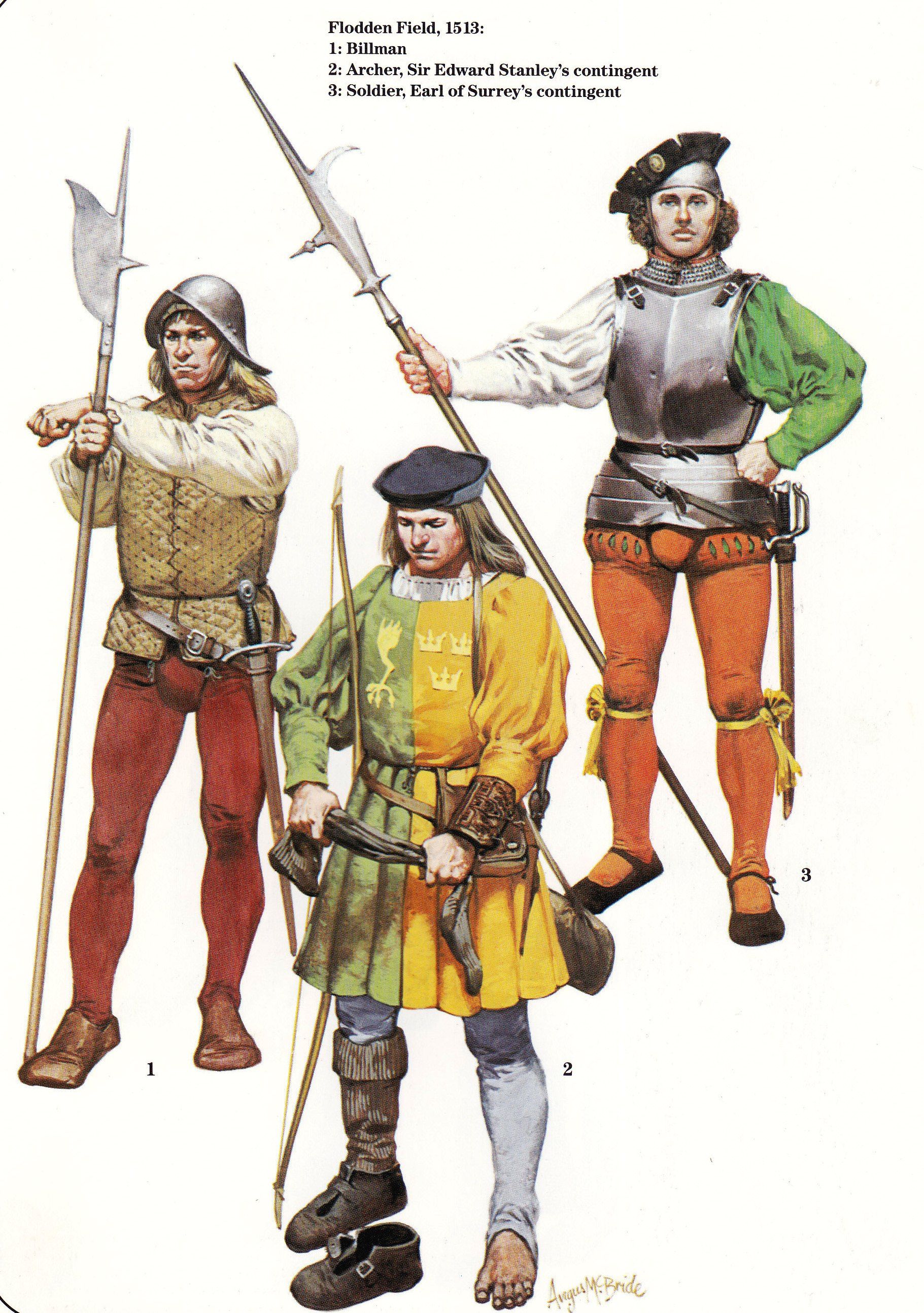
(Angus McBride)

Here we can see that Sir Edward Stanley has given this archer clothing in his colors of green and mustard-yellow, while the Earl of Surrey provided his soldiers with his colors of green and white.  You’ll also notice that the archer has some distinctive badges on the front of his coat—an eagle’s claw and crowns.  These are personal indicators of Sir Edward, heraldic markers to indicate to whom the archer belonged.

In the days before distinctive military dress, heraldry—the use of emblems to mark out one knight, and perhaps his followers, from another—had been developed to a high level.  When everyone was covered in metal,

such emblems were a way to identify a knight—and if he had issued similar emblems to his soldiers, a way to identify the troops he had brought and commanded at a battle.

As emblems developed, there also developed a person with a specialized skill to identify them—a herald.
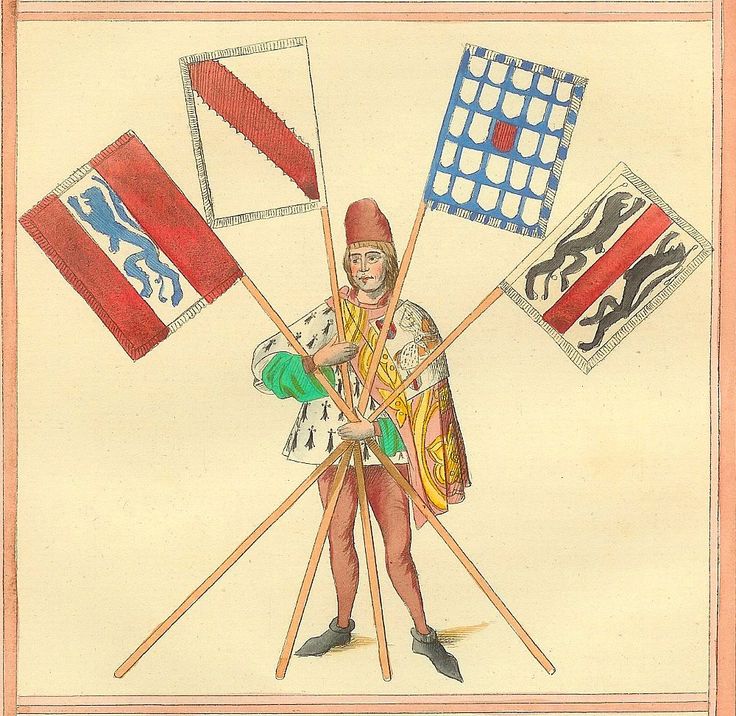
He himself, as you can see, wore distinctive clothing, which also helped him in his other role as messenger between military opponents—he was considered as a neutral and could therefore pass freely.  (For more on heralds, see “Herald-ry in Middle-Earth”, 30 March, 2016 here:  https://doubtfulsea.com//?s=herald&search=Go )

Tolkien himself belonged to the age of drab—

(Here’s what that uniform would have looked like in color—although this is a much higher level officer—looks to be a major—JRRT was commissioned as a second lieutenant and eventually promoted to first lieutenant )

but was well aware of earlier flashiness and we can see it in his description of the guards at Denethor’s gate—even though he sees their outfits as a throwback, just like British soldiers ever returning to bright red uniforms—except for the monarch’s guards:

“The Guards of the gate were robed in black, and their helmets were of strange shape, high-crowned, with long cheek-guards close-fitting to the face, and above the cheek-guards were set the white wings of sea-birds; but the helms gleamed with a flame of silver, for they were indeed wrought of mithril, heirlooms from the glory of old days.  Upon the black surcoats were embroidered in white a tree blossoming like snow beneath a silver crown and many-pointed stars.  This was the livery of the heirs of Elendil, and none wore it now in all Gondor, save the Guards of the Citadel before the Court of the Fountain where the White Tree had grown.”  (The Return of the King, Book Five, Chapter 1, “Minas Tirith”)

(from the Jackson films—as you can see, the helmet fits the description, but the surcoat has disappeared and, instead, the Tree, stars, and crown have been shifted to the breastplate, removing the dramatic contrast between the black cloth and white embroidered emblems which JRRT intended)

As well, although the orcs wear no livery—no uniforms or even part-colored clothing—they do have badges—the white hand of Saruman

(perhaps suggesting that he has his hand over everything?  I think of the “Armada Portrait” of Queen Elizabeth the First here—just look at the quiet statement in her hand)

and the red eye of Sauron,
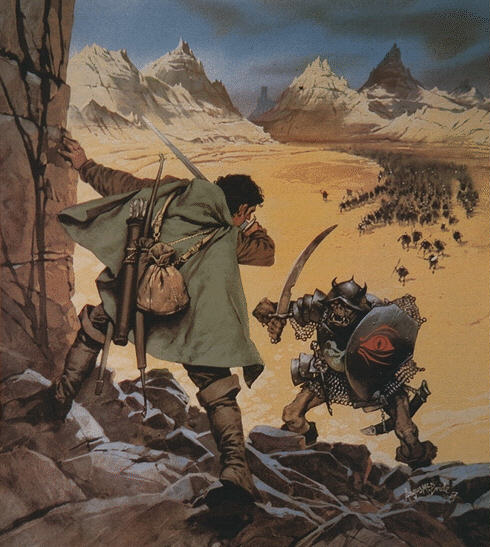
(Angus McBride—perhaps implying that, like Big Brother, Sauron has his eye on you?)

but then there’s a new one, only mentioned once, which provided the title for this posting and the puzzle—

“Two liveries Sam noticed, one marked by the Red Eye, the other by a Moon disfigured with a ghastly face of death…” (The Return of the King, Book Six, Chapter 1, “The Tower of Cirith Ungol”)

What is JRRT up to here?  Minas Morgul,  the “Tower of Black Sorcery”, the center of this gateway into Mordor,
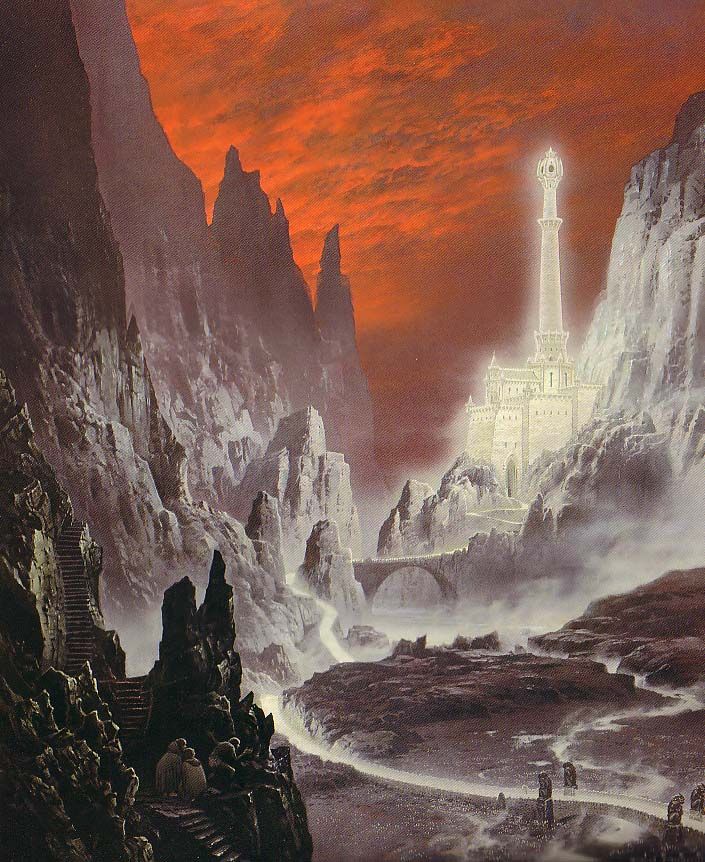
(Ted Nasmith)

had been built as Minas Ithil, “the Tower of the Moon” and it’s clear that those having that badge must come specifically from that place, and a mockery of its previous Gondorian name, which is interesting because the rest of Sauron’s forces appear to wear only the Red Eye.  Yet, if we can trust an orc, we may have the sense that Sauron doesn’t appreciate deviation, as Grishnakh asks rhetorically of Ugluk:

“They might ask where his strange ideas came from.  Did they come from Saruman, perhaps?  Who does he think he is, setting up on his own with his filthy white badges?  They might agree with me, with Grishnakh their trusted messenger; and I Grishnakh say this:  Saruman is a fool, and a dirty treacherous fool.  But the Great Eye is on him.”  (The Two Towers, Book Three, Chapter 3, “The Uruk-hai”)

So what’s going on here?  Certainly there’s rivalry between Saruman’s orcs and Sauron’s, but just how deep does orc rivalry go?  When Sam arrives at the Tower of Cirith Ungol, he finds it a battleground and, climbing into the tower itself he hears two orcs arguing, Shagrat, the captain of the Tower, and Snaga, one of his men.  Snaga says:

“You won’t be a captain long when They hear about all these goings-on.  I’ve fought for the Tower against those stinking Morgul-rats, but a nice mess you two precious captains have made of things, fighting over the swag.” (The Return of the King, Book Six, Chapter 1, “The Tower of Cirith Ungol”)

So, seeing that emblem on a shield, with “a Moon disfigured with a ghastly face of death”, just whose face is that?  And whose death?

As ever, thanks for reading.

Stay well,

If you were to come up with your own livery, what would it be?—sometimes knights made visual puns—like Sir Roger de Trumpington—

Think about that, pencil in hand, and remember that there’s always

MTCIDC

O

PS

For more on livery, see:  https://en.wikipedia.org/wiki/Livery

There has been some wonderfully imaginative work done on heraldry in Tolkien.  Here’s a link to get you started:  https://en.wikipedia.org/wiki/Heraldry_of_Middle-earth   
A Corking Tale?

24 Wednesday Apr 2024

Posted by Ollamh in Uncategorized

≈ Leave a comment

Tags

Elizabeth I, english-history, History, Sir Francis Drake, Spanish Armada

Welcome, as always, dear readers,

I’m about to teach The Hobbit again, which is, as always, a pleasure—and also a repeated source of new things to think—and write—about. 

Take this, for example:

“Chip the glasses and crack the plates!

Blunt the knives and bend the forks!

That’s what Bilbo Baggins hates—

Smash the bottles and burn the corks!” 

(The Hobbit, Chapter One, “An Unexpected Party”)

Seven years ago, this formed a small part of an earlier essay, “Shire Portrait (2)” (8 February, 2017), in which the subject was the economy of the Shire.

JRRT was himself aware of just how much lay underneath that economy which he didn’t depict, writing:

“I am more conscious of my sketchiness in the archaeology and realien [“actualities/realities”] than in the economics:  clothes, agricultural implements, metal-working, pottery, architecture and the like…I am not incapable of or unaware of economic thought; and I think as far as the ‘mortals’ go, Men, Hobbits, and Dwarfs, that the situations are so devised that economic likelihood is there and could be worked out…”  (letter to Naomi Mitchinson, 25 September, 1954, Letters 291-292)

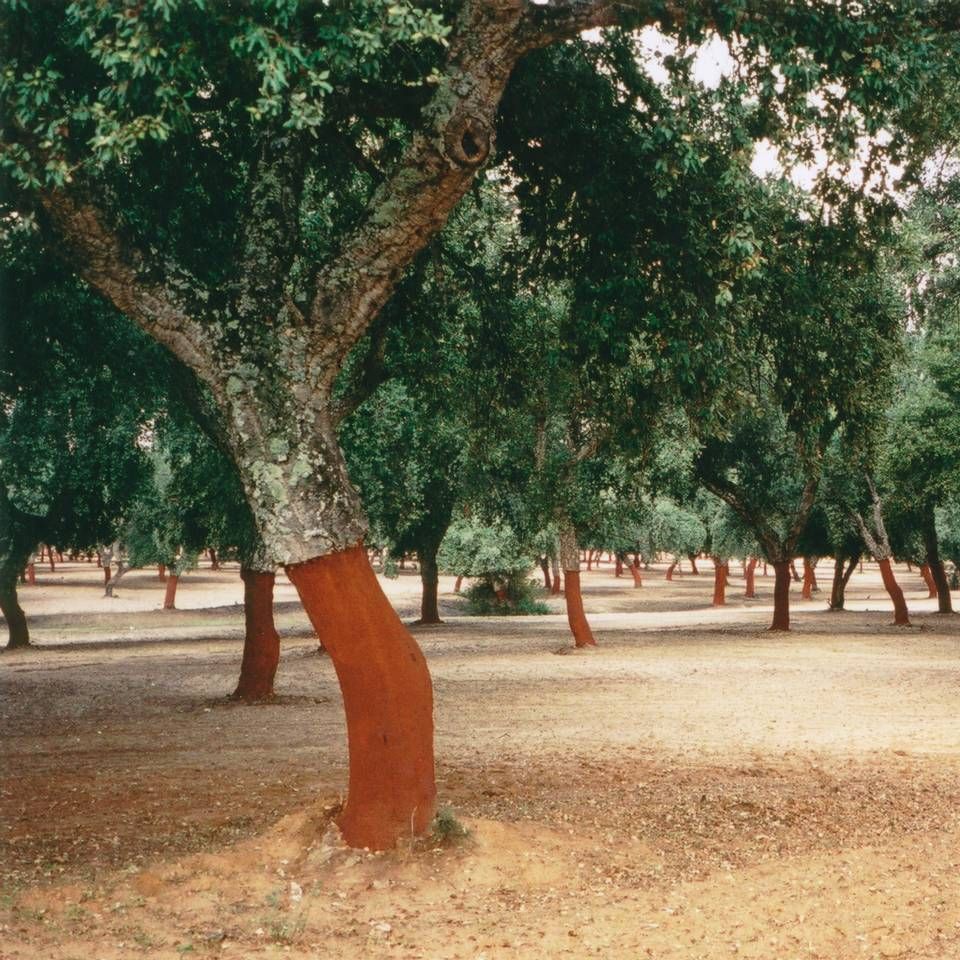
In that essay, I pointed out that, in Tolkien’s world, those threatened corks came primarily from Portugal, from the Quercus suber,

which, as the Wiki articles tells us, actually “is native to southwest Europe and northwest Africa”, suggesting, perhaps, that, in Middle-earth, it might be imported as far away as from Umbar, say, far to the south, had Tolkien bothered to go that far in expressing “economic likelihood”.

This cork bobbed up (they do, don’t they?) in my mind associated with something completely different, however, but certainly naturally:  barrels.

And this led me to what was, in fact, a mistaken idea.

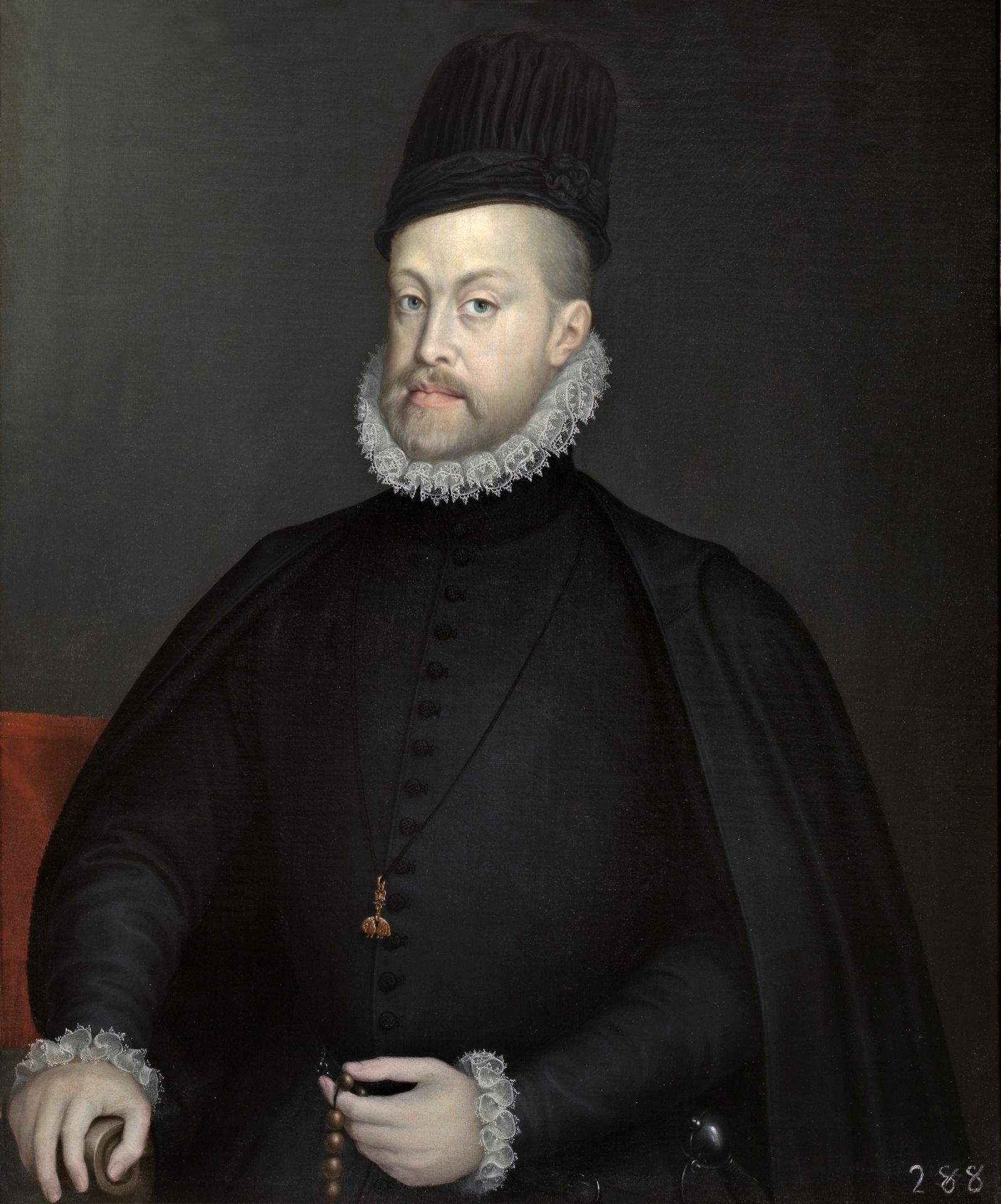
In the mid-1580s, Philip II of Spain,

a man for whom the term “religious obsessive” could have been coined, set his sights upon an attack on England.  As “His Most Catholic Majesty”, he was already fighting what seemed like an endless war against his (to his mind) rebellious Protestant subjects in the Netherlands—the so-called “80 Years War” (1568-1648), or “Dutch Revolt”.

England, now a Protestant country under its queen, Elizabeth,

was helping that revolt.  (Philip may also have been annoyed that, as he had once been married to Elizabeth’s half-sister, Mary, 1515-1558,  queen of England, 1553-1558,

he probably thought that, after her death, he should have been king.)

As Spain, because of its looting of its New World possessions, was extremely rich,

it could afford a long war and, having lots of troops already across from England,

it seemed only a matter of:

1. building lots of landing craft for an invasion army

2. assembling a fleet—an armada, in Spanish, to protect those craft till they hit the beaches of England.

Such a fleet, sailing from Spain at least to the coast of France, where the invasion army was being assembled, as were the landing craft, would need large supplies of food and water to survive on the high seas. 

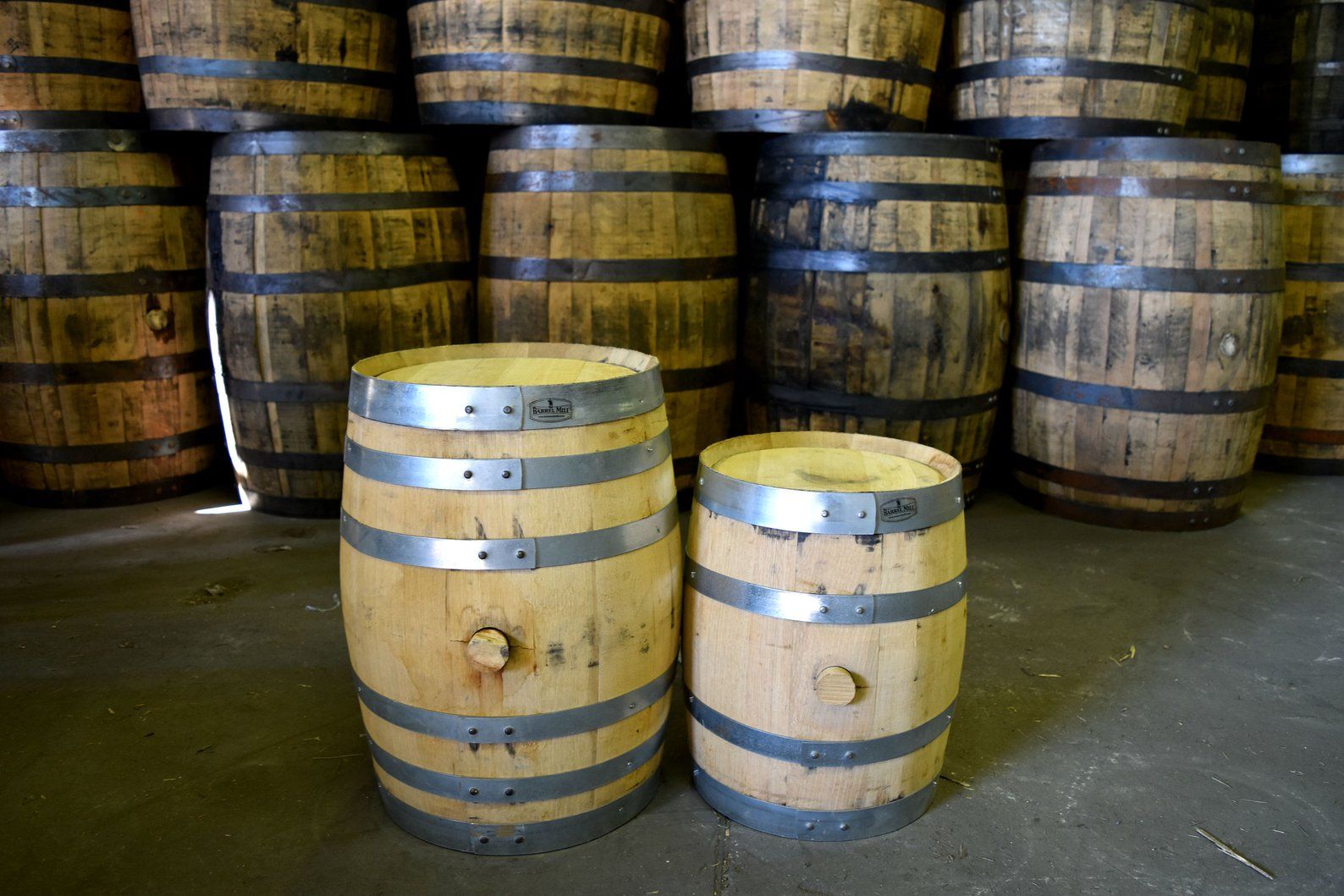
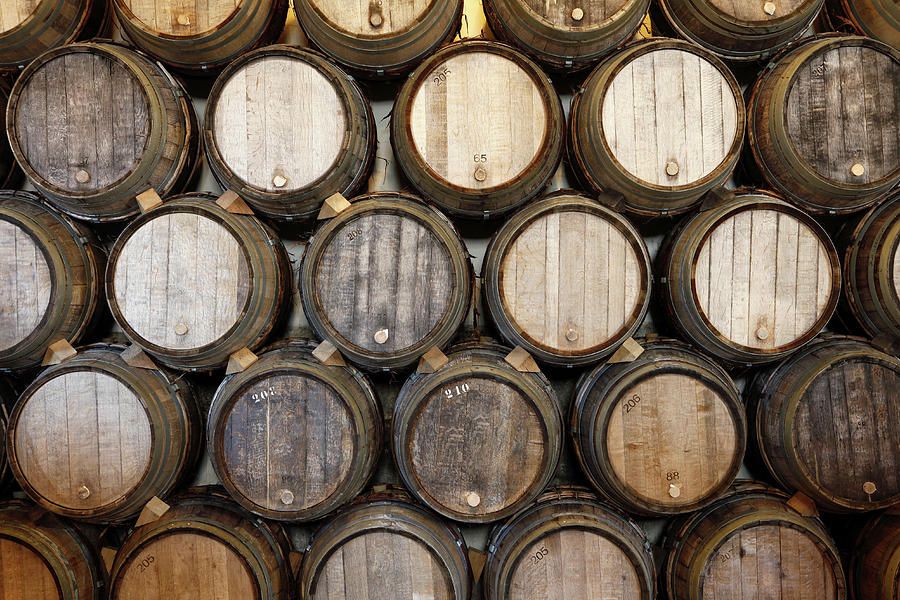
Such supplies would be carried in a vast number of barrels.

Enter now one of Elizabethan England’s most dashing characters, Sir Francis Drake (1540-1596).

When it came to sailing, Drake seems to have done it all, including surviving a circumnavigation of the globe (1577-1580), but he was, from the Spanish view, a good reason to conquer England along, as Drake had, for years, but a challenge to their (in their minds) domination of the oceans, raiding their possessions in the New World, capturing and looting their treasure ships.  (Under the Spanish form of his name, el Draque, he even supposedly had a significant price on his head:  20,000 ducats which, if I’ve got my figures right, would be almost $2,500,000.00 in today’s money—but the buying power would be substantially more—and I mean substantially.)

In 1587, Drake, with an English fleet, raided the Spanish coast, capturing and destroying ships and generally wreaking mayhem—and here’s where my mistaken idea comes in.  I thought that he had, among other things, ruined the Spanish supply of corks and hence slowed down the Armada’s ability to supply itself with those barrels.  (And I’m not the only one to have thought so—see this wonderfully silly Horrible Histories skit:  https://www.youtube.com/watch?v=w6_UkLHcdJk )

In fact, during his raid on the Spanish coast, Drake’s men not only burned perhaps as many as 37 ships, but also not corks, but 1600-1700 tons of barrel staves,

enough to make 25-30,000 barrels,

barrels which would have held the Armada’s vital supplies. 

This raid delayed the setting off for England by a year.  New staves were made, and other ships replaced the ruined ones, however, and the Armada set off the next year, in 1588, but the staves were not the usual dried wood used for barrels, but green wood and often split, allowing the contents to be spoiled.  As well, the English navy, though small, was superior to the Armada both in seamanship and its ability to deliver firepower,

and the Spanish fleet was driven to flee north, eventually, many ships being lost on a circumnavigation of Britain,

and Philip’s planned invasion never took place.

And so, considering England’s escape and those barrels, perhaps I should have been thinking about another part of The Hobbit altogether…

(JRRT)

Thanks, as ever, for reading.

Stay well,

Avoid delusions of grandeur—remember what happened to the Armada,

Image20:  armada

And remember that, as always, there’s

MTCIDC

O

ps

For a traditional view of Drake, see Julian Corbett’s 1899 2-volume work Drake and the Tudor Navy:  https://archive.org/details/corbett-drake-and-the-tudor-navy-v-1/page/n5/mode/2up ;  https://archive.org/details/corbett-drake-and-the-tudor-navy-v-2    For a still-cited work on the Armada, I would recommend Garrett Mattingly’s The Armada, 1959.

pps

For more on cork, see:  https://en.wikipedia.org/wiki/Cork_(material)

ppps

“Corking”, meaning something like “first rate”, is first cited, as far as is presently known, as appearing in 1895 in Outing, An Illustrated Monthly Magazine of Recreation.  Unfortunately, the OED (Oxford English Dictionary)  doesn’t mention which issue, so, if you feel like a search, look here to begin with:  https://archive.org/details/sim_outing-sport-adventure-travel-fiction_october-1894-march-1895_25_contents/page/n1/mode/2up

Pieces of Eight!

29 Wednesday May 2019

Posted by Ollamh in Artists and Illustrators, Literary History, Maps, Villains

≈ Leave a comment

Tags

Blackbeard, Captain George North, Captain Kidd, coins, Doubloon, Edward Teach, Elizabeth I, Hernan Cortez, Inca, Long John Silver, Mexico, Muppet Treasure Island, N.C. Wyeth, Parrot, Pieces of Eight, Pirates, Privateer, reales, Robert Louis Stevenson, Robert Newton, San Luis Potosi, Sir Francis Drake, South America, Spain, Treasure Island, Young Folks

As ever, dear readers, welcome.

In 1881-1882, a new serial appeared in the British children’s newspaper, Young Folks.  Its author was Captain George North and the story was entitled, “Treasure Island or, the Mutiny of the Hispaniola”.  In 1883, Cassell and Company published this in book form

image1first

as Treasure Island, and its author’s name was right below the title:  Robert Louis Stevenson.

image2rls

The story had come about because Stevenson had seen his stepson, Lloyd, drawing a map.  Stevenson joined him and that map became the map.

image3map.jpg

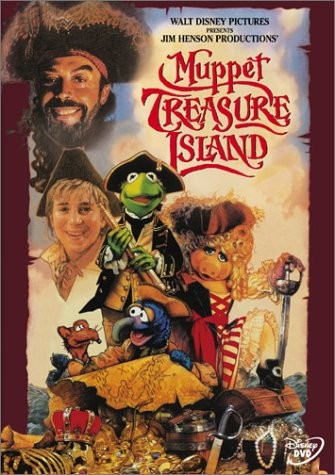
The book became a number of movies over the years, including one by the Muppets (1996),

image4mup

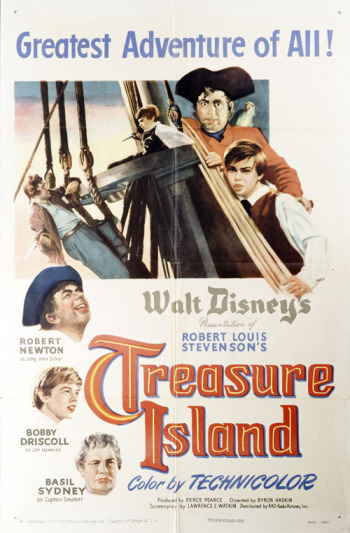
but our favorite is that made by the Disney studio in 1950.

00000tmp

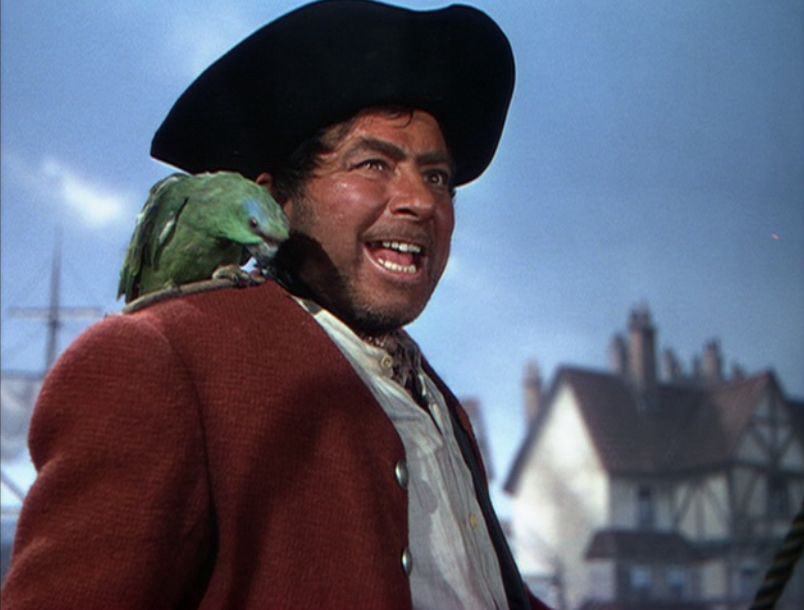
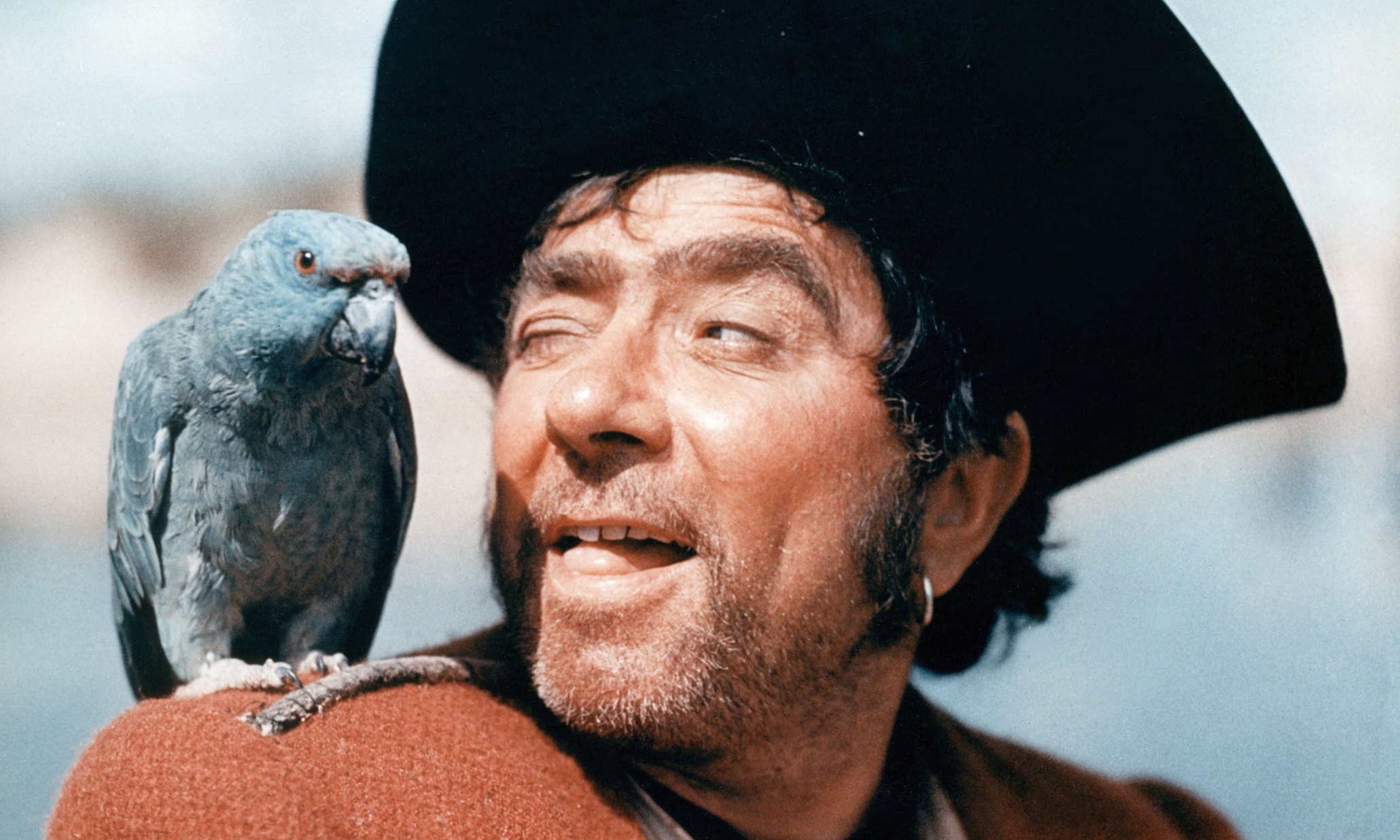
This version has Robert Newton as Long John Silver, the man whose twitches and vocal mannerisms have been passed down now as “the way pirates talk” (including—and especially on—“International Talk Like a Pirate Day”, September 19).

MBDTRIS EC018

image6newton

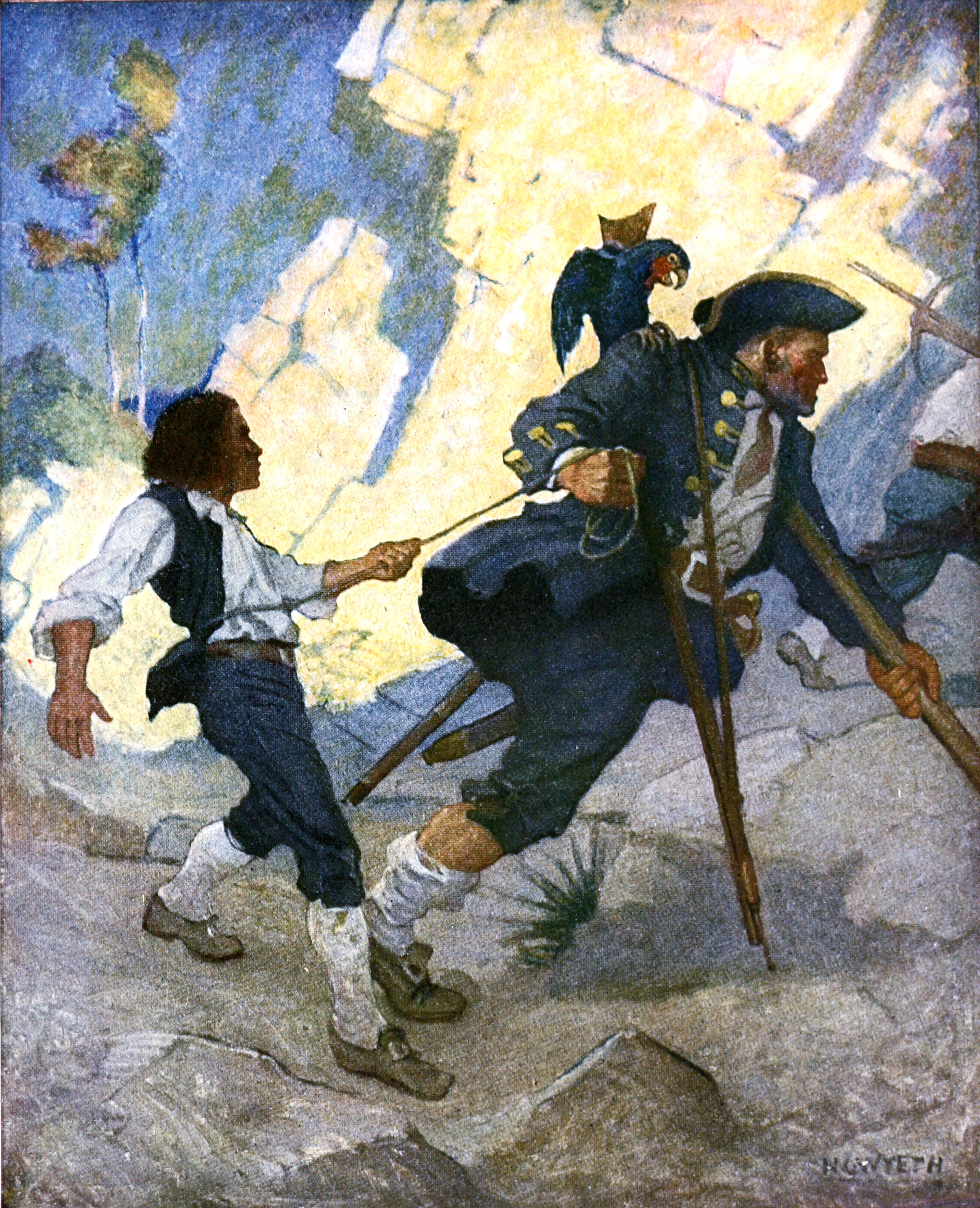
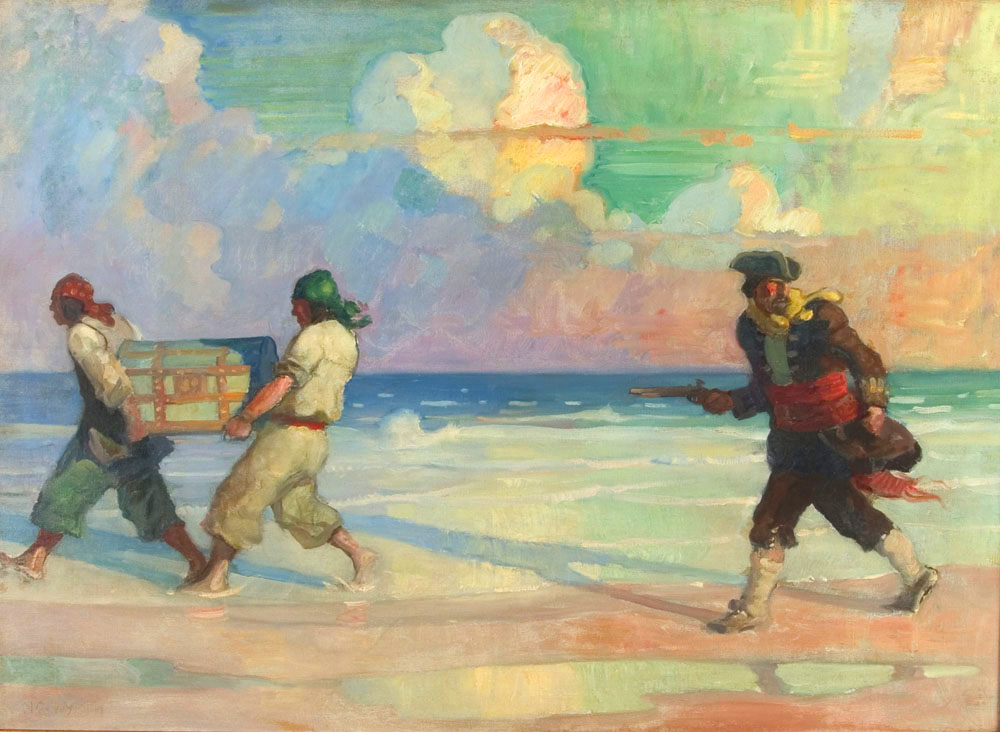
You’ll notice that parrot (as far as we know, there’s no “International Talk Like a Parrot Day”, unfortunately) on his shoulder.  We can trace this back to the original novel and identify him as “Captain Flint”, Silver’s pet.  Here he is in a picture from our favorite illustrated version, that of NC Wyeth, from 1911.

image7newton.jpg

(If you’d like your own early edition, with Wyeth’s illustrations—not his only pirate pictures, by the way—here’s a LINK to the 1913 printing.)

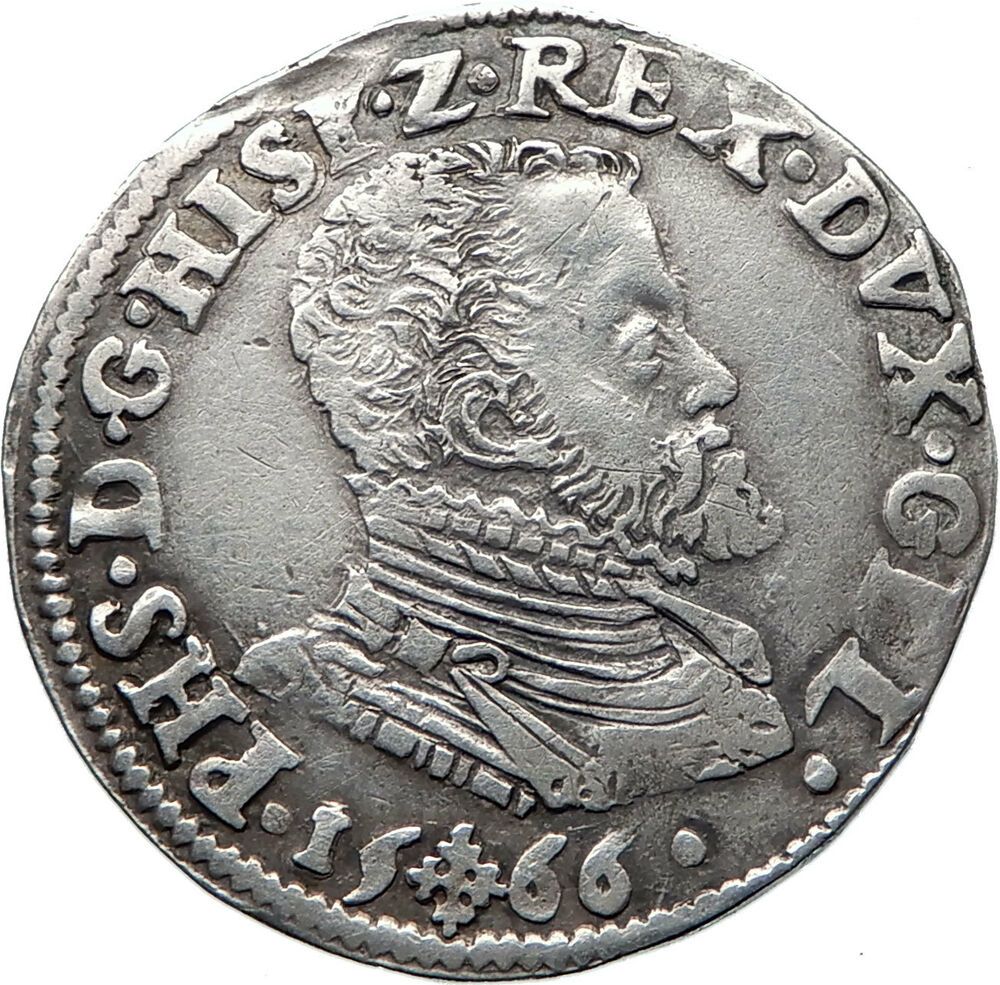
Among other parrotings, Captain Flint is given to calling “pieces of eight!” and, when we were little, we wondered “pieces of eight what?” and perhaps you did, too.  The story begins much earlier than the novel—about 1500.  It starts with this early Spanish silver coin called a “real” (14th century).

image8real

About 1500, a new coin appeared, worth 8 reales,

image9piece

and this is a “piece of eight”.

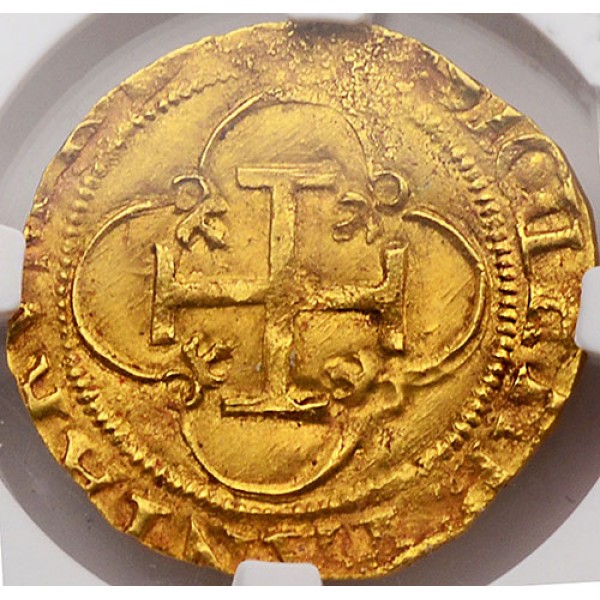
It shouldn’t be confused with another coin Captain Flint might have exclaimed over, the doubloon.

10adoubloon

The doubloon (from Spanish  “doblon”—“double”) was gold, rather than silver, and was probably called “double” because it was worth two of the coins below, an escudo.

image10bescudo

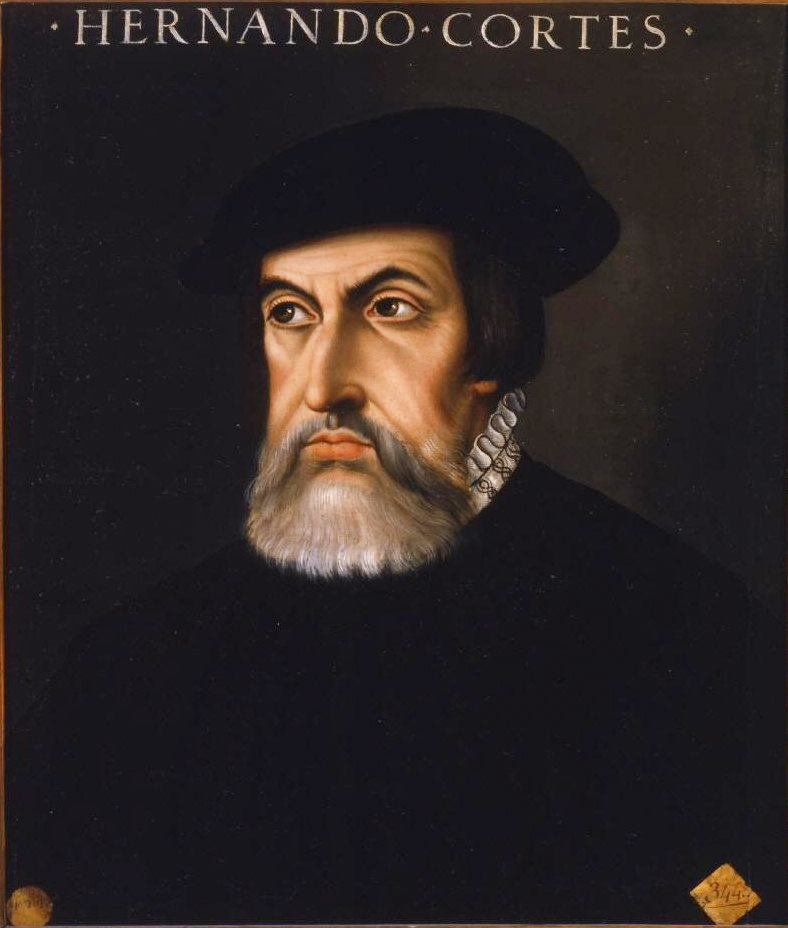
Spanish silver supplies mushroomed after 1519, when a small expedition, led by Hernan Cortez (1485-1547)

image10cortez

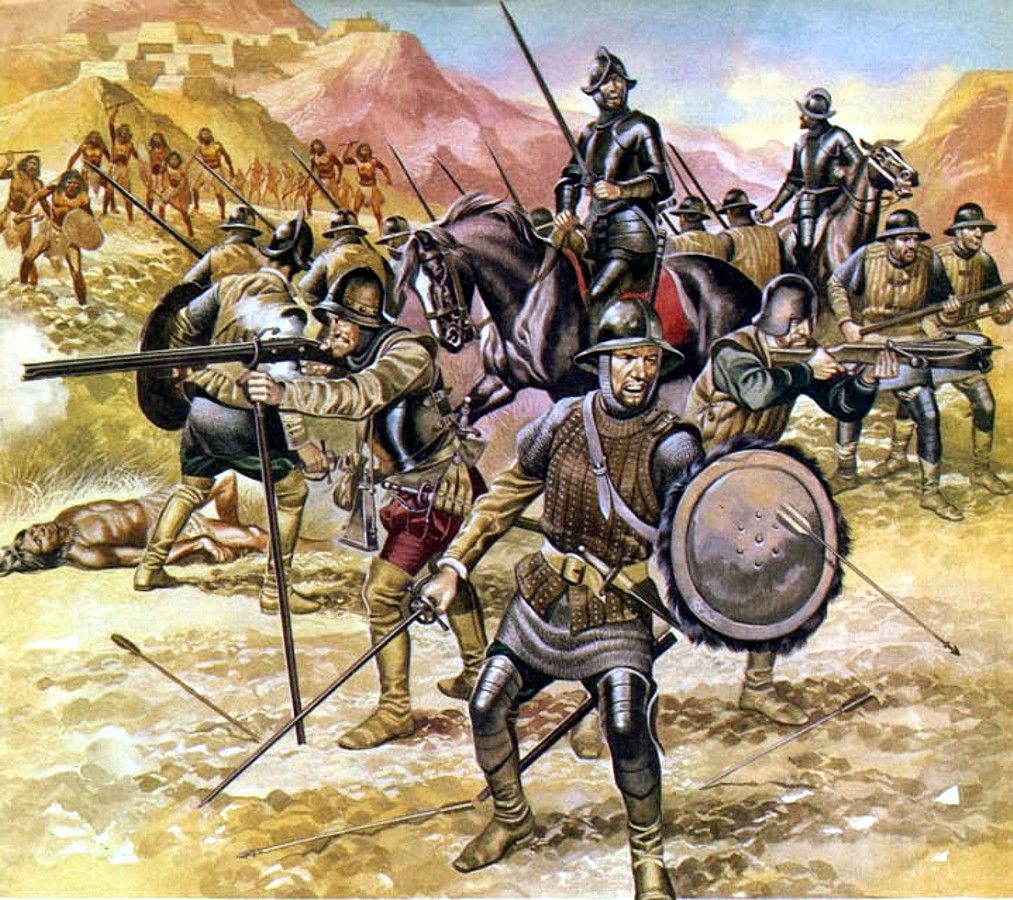
landed on the coast of Mexico.  The expedition was armed with European weapons and armor of the period.

image11conq

As they marched inland, they found an empire, with a capital set in the middle of a lake, with public buildings made of stone blocks.

image12tenoch

image13tenoch

They also found that the local warriors were still living in the Neolithic Era and, though they were fierce, were no match for modern (early 16th-century) weapons.

image14aztecs

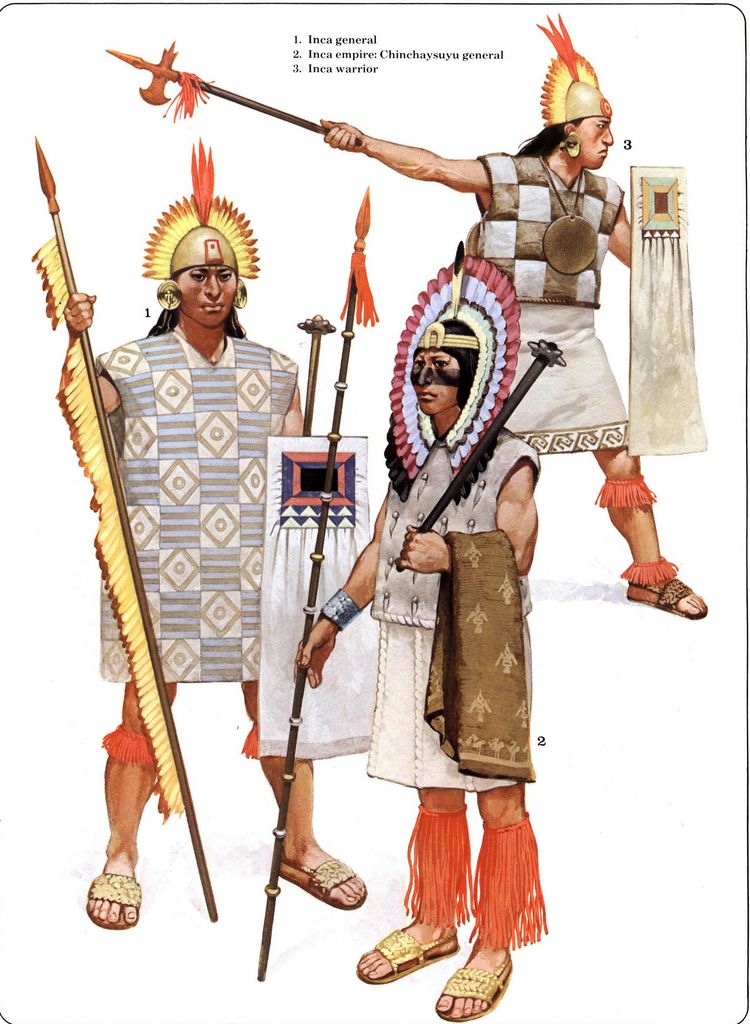
Farther south, other Spanish invaders found the same thing along the west coast of South America,

image15incas

image16aincas

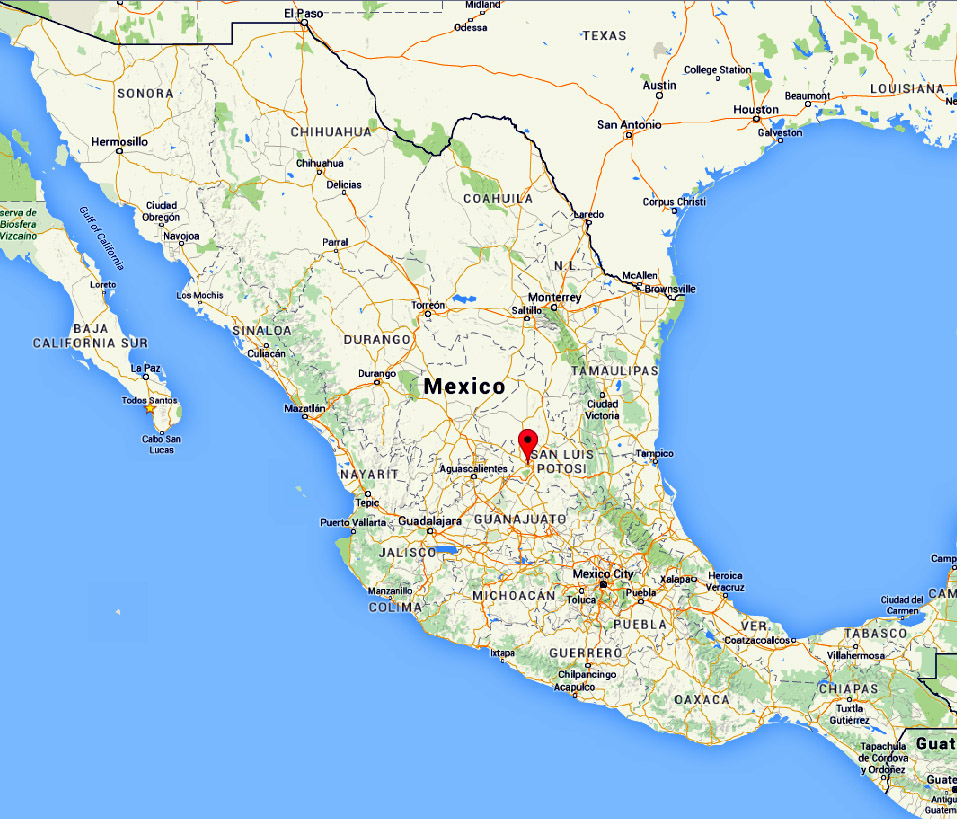
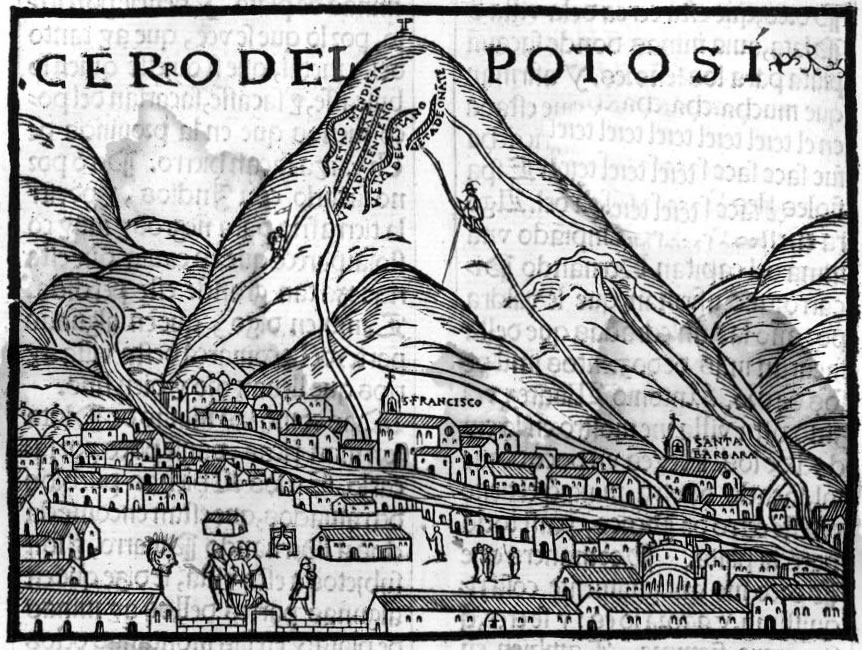
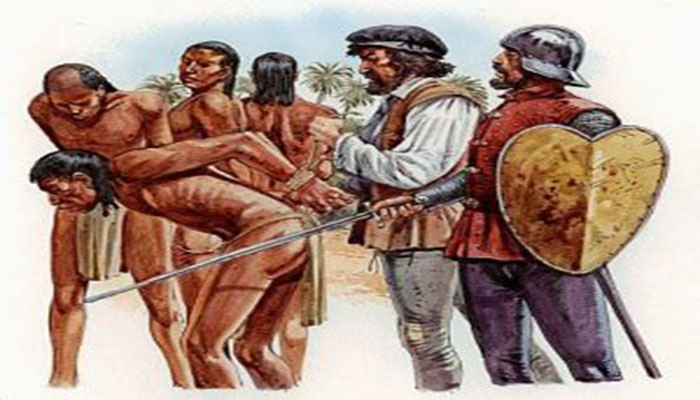
and soon, they had enslaved the local populations and turned them to work in the silver mines, like that at San Luis Potosi, in Mexico.

image16bmap

image16abslaves

image17san

Their labor then produced vast quantities of precious metal, which was left in bars, or turned into coins—pieces of eight and others.  This was loaded on ships and sent back to Spain.

image18galleon

Such riches didn’t escape the attention of Spain’s enemies, however, and soon such ships had to travel in convoys, with merchant ships being shepherded by warships.

image19fleet

This didn’t prevent attacks completely, a famous leader of those attacks being Sir Francis Drake, from the days of Elizabeth I.

image20drake

Although the Spanish referred to Drake as a “pirate”, while England was at war with Spain (as it was for much of Drake’s later lifetime), to the English he was a “privateer”—a private naval commander holding a kind of license from Elizabeth I, which permitted him to attack enemy shipping at will (and to share the profits with the Queen’s government).  Because he wasn’t one of the government’s official officers, this created a kind of grey area, one which many sailors from western nations, as late as the Napoleonic wars, would take advantage of, slipping between government service and something which, even with that license, could look like piracy.  Such men included the notorious, like Captain Kidd

image21kidd

(of whom there is no portrait—we inserted this just for fun)

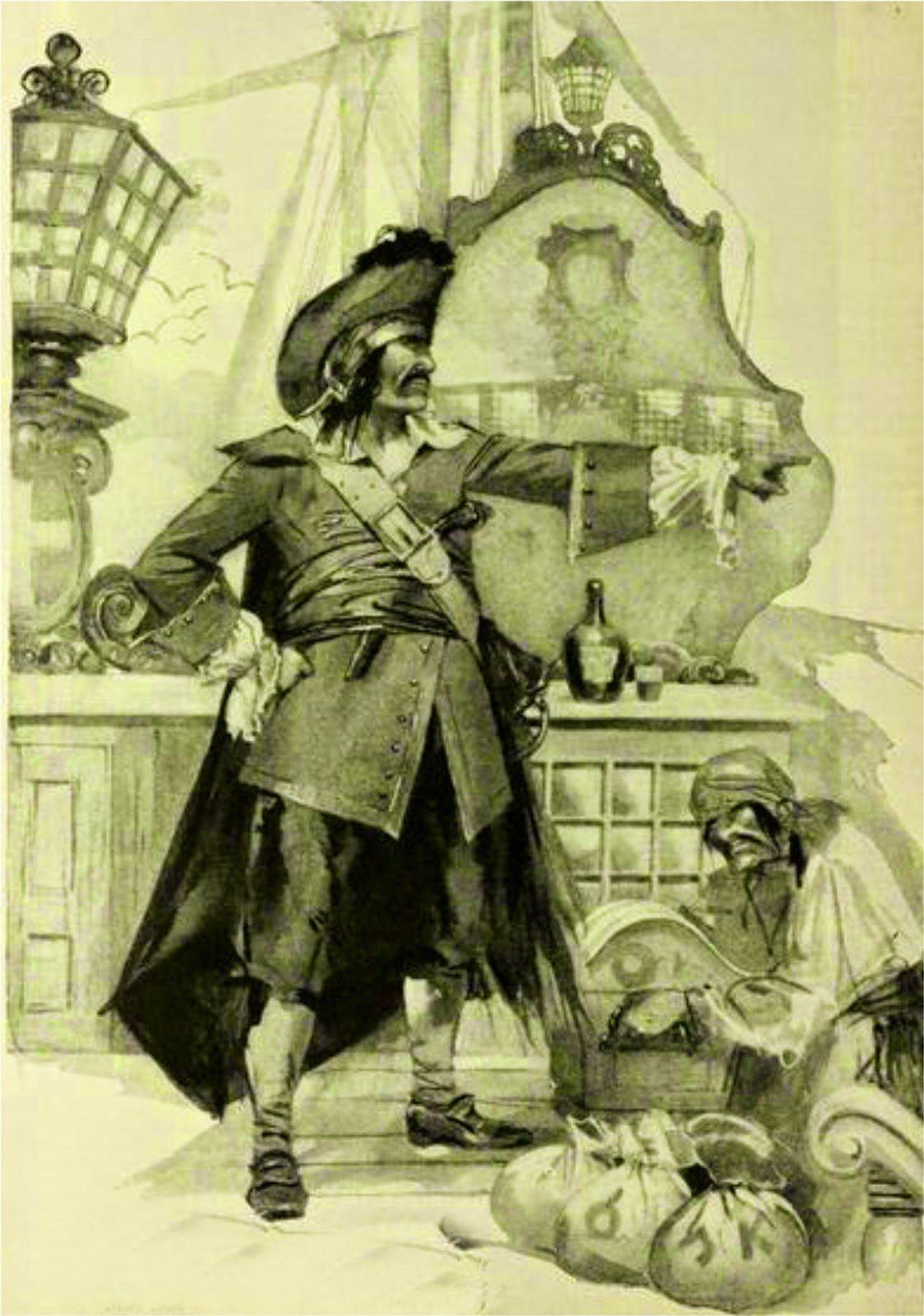
and Edward Teach, “Blackbeard”.

image22blackbeard

(His beard isn’t really on fire, by the way.  He wove bits of matchcord—used to fire ships’ guns and touch off handgrenades—into it to give himself a fiendish aspect.)

image23gun

image24grenado

Rather than sharing it with governments, both men were said to have taken much of their loot ashore and buried it in now-lost locations—

image25treasure

which brings us back to the map and Captain Flint squawking, “Pieces of eight!”

image26map

D31MWE Long John Silver. Image shot 1954. Exact date unknown.

Thanks, as always, for reading, and definitely

MTCIDC (matey!)

CD

ps

The most famous of Blackbeard’s ships, the Queen Anne’s Revenge, has been located off the coast of North Carolina, here in the US.  Here’s a LINK to the site which talks all about the discovery and the ongoing archaeology.

The Doubtful Sea Series Facebook Page

The Doubtful Sea Series Facebook Page

  • Ollamh

Categories

  • Artists and Illustrators
  • Economics in Middle-earth
  • Fairy Tales and Myths
  • Films and Music
  • Games
  • Heroes
  • Imaginary History
  • J.R.R. Tolkien
  • Language
  • Literary History
  • Maps
  • Medieval Russia
  • Military History
  • Military History of Middle-earth
  • Narnia
  • Narrative Methods
  • Poetry
  • Research
  • Star Wars
  • Terra Australis
  • The Rohirrim
  • Theatre and Performance
  • Tolkien
  • Uncategorized
  • Villains
  • Writing as Collaborators
Follow doubtfulsea on WordPress.com

Across the Doubtful Sea

Recent Postings

  • Through a glass… January 7, 2026
  • Heffalumps? December 31, 2025
  • We Three Kings December 24, 2025
  • A Moon disfigured December 17, 2025
  • On the Roads Again—Once More December 10, 2025
  • (Not) Crossing Bridges December 3, 2025
  • On the Road(s) Again—Again November 26, 2025
  • On the Road(s) Again November 19, 2025
  • To Bree (Part 2) November 12, 2025

Blog Statistics

  • 104,127 Views

Posting Archive

  • January 2026 (1)
  • December 2025 (5)
  • November 2025 (4)
  • October 2025 (5)
  • September 2025 (4)
  • August 2025 (4)
  • July 2025 (5)
  • June 2025 (4)
  • May 2025 (4)
  • April 2025 (5)
  • March 2025 (4)
  • February 2025 (4)
  • January 2025 (5)
  • December 2024 (4)
  • November 2024 (4)
  • October 2024 (5)
  • September 2024 (4)
  • August 2024 (4)
  • July 2024 (5)
  • June 2024 (4)
  • May 2024 (5)
  • April 2024 (4)
  • March 2024 (4)
  • February 2024 (4)
  • January 2024 (5)
  • December 2023 (4)
  • November 2023 (5)
  • October 2023 (4)
  • September 2023 (4)
  • August 2023 (5)
  • July 2023 (4)
  • June 2023 (4)
  • May 2023 (5)
  • April 2023 (4)
  • March 2023 (5)
  • February 2023 (4)
  • January 2023 (4)
  • December 2022 (4)
  • November 2022 (5)
  • October 2022 (4)
  • September 2022 (4)
  • August 2022 (5)
  • July 2022 (4)
  • June 2022 (5)
  • May 2022 (4)
  • April 2022 (4)
  • March 2022 (5)
  • February 2022 (4)
  • January 2022 (4)
  • December 2021 (5)
  • November 2021 (4)
  • October 2021 (4)
  • September 2021 (5)
  • August 2021 (4)
  • July 2021 (4)
  • June 2021 (5)
  • May 2021 (4)
  • April 2021 (4)
  • March 2021 (5)
  • February 2021 (4)
  • January 2021 (4)
  • December 2020 (5)
  • November 2020 (4)
  • October 2020 (4)
  • September 2020 (5)
  • August 2020 (4)
  • July 2020 (5)
  • June 2020 (4)
  • May 2020 (4)
  • April 2020 (5)
  • March 2020 (4)
  • February 2020 (4)
  • January 2020 (6)
  • December 2019 (4)
  • November 2019 (4)
  • October 2019 (5)
  • September 2019 (4)
  • August 2019 (4)
  • July 2019 (5)
  • June 2019 (4)
  • May 2019 (5)
  • April 2019 (4)
  • March 2019 (4)
  • February 2019 (4)
  • January 2019 (5)
  • December 2018 (4)
  • November 2018 (4)
  • October 2018 (5)
  • September 2018 (4)
  • August 2018 (5)
  • July 2018 (4)
  • June 2018 (4)
  • May 2018 (5)
  • April 2018 (4)
  • March 2018 (4)
  • February 2018 (4)
  • January 2018 (5)
  • December 2017 (4)
  • November 2017 (4)
  • October 2017 (4)
  • September 2017 (4)
  • August 2017 (5)
  • July 2017 (4)
  • June 2017 (4)
  • May 2017 (5)
  • April 2017 (4)
  • March 2017 (5)
  • February 2017 (4)
  • January 2017 (4)
  • December 2016 (4)
  • November 2016 (5)
  • October 2016 (6)
  • September 2016 (5)
  • August 2016 (5)
  • July 2016 (5)
  • June 2016 (5)
  • May 2016 (4)
  • April 2016 (4)
  • March 2016 (5)
  • February 2016 (4)
  • January 2016 (4)
  • December 2015 (5)
  • November 2015 (5)
  • October 2015 (4)
  • September 2015 (5)
  • August 2015 (4)
  • July 2015 (5)
  • June 2015 (5)
  • May 2015 (4)
  • April 2015 (3)
  • March 2015 (4)
  • February 2015 (4)
  • January 2015 (4)
  • December 2014 (5)
  • November 2014 (4)
  • October 2014 (6)
  • September 2014 (1)

Blog at WordPress.com.

  • Subscribe Subscribed
    • doubtfulsea
    • Join 78 other subscribers
    • Already have a WordPress.com account? Log in now.
    • doubtfulsea
    • Subscribe Subscribed
    • Sign up
    • Log in
    • Report this content
    • View site in Reader
    • Manage subscriptions
    • Collapse this bar
 

Loading Comments...