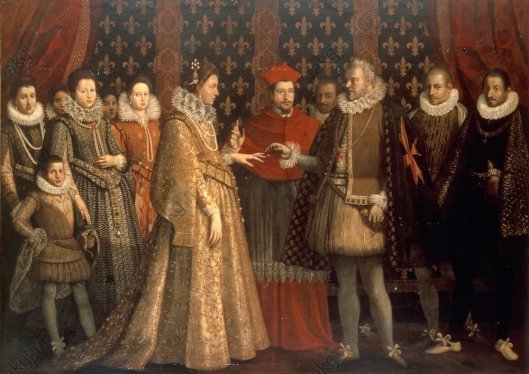
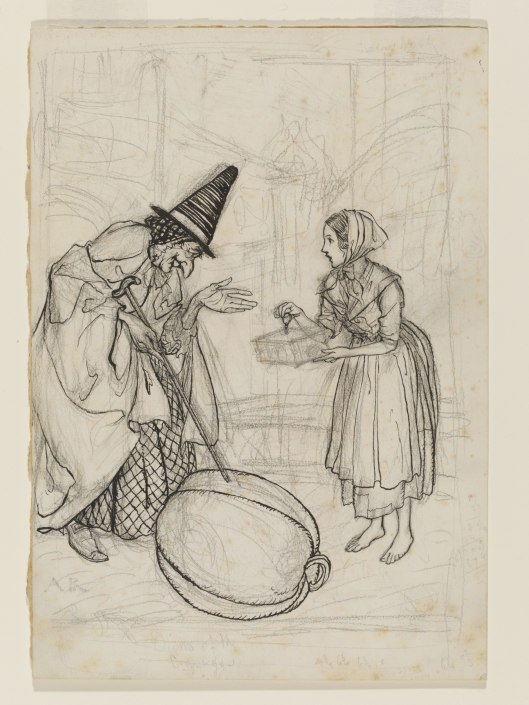
• About

doubtfulsea

~ adventure fantasy

Tag Archives: Cinderella

Theme and Variations.5

18 Wednesday Jul 2018

Posted by Ollamh in Artists and Illustrators, Fairy Tales and Myths, Films and Music, Literary History, Theatre and Performance

≈ Leave a comment

Tags

Arthur Rackham, Aschenputtel, Brothers Grimm, Cendrillon, Charles Perrault, Cinderella, CS Evans, Disney, Histoires ou Contes du Temps Passe, Jardin des Tuileries, Julie Andrews, La Belle au Bois Dormant, Lotte Reiniger, My Fair Lady, Ombres Chinoises, Oscar Hammerstein, Richard Rodgers, Sergei Prokofiev, Shadow puppet plays, Sleeping Beauty, Tchaikovsky, wayang kulit, Zolushka

Welcome, as always, dear readers.

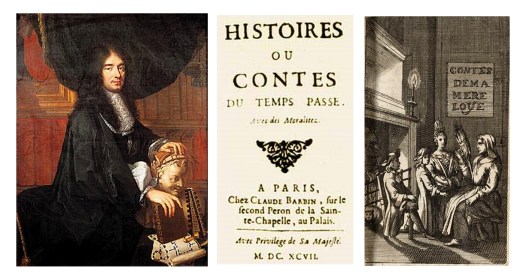
In this post, we come to the end of our series on other ways of presenting fairy tales, in which we have taken two by the author who is usually cited as beginning the modern Western tradition, Charles Perrault (1628-1703).
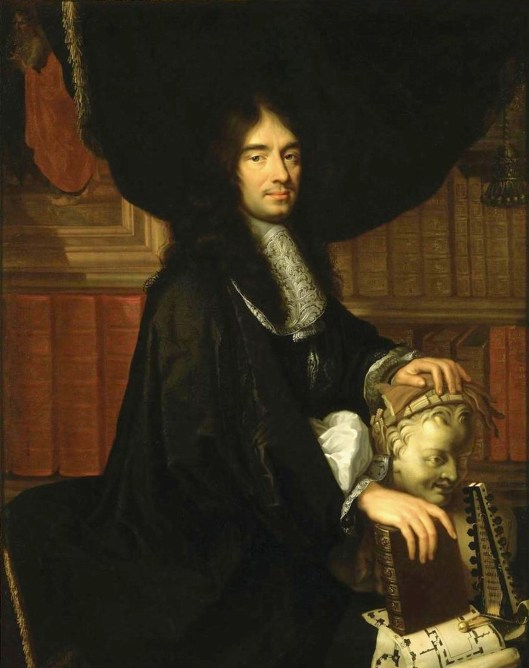
image1chasp.jpg

In 1697, Perrault had published this,
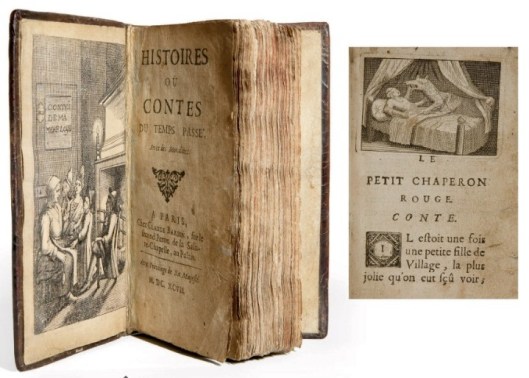
image2histoires.jpg

entitled Histoires ou Contes du Temps Passe (“Stories or Tales of/from Past Time”), with a kind of subtitle, Contes de Ma Mere L’Oye (“Tales of My Mother Goose”).

The volume contained only 8 stories, with two being “La Belle au Bois Dormant” (“The Beautiful Girl in the Sleeping Wood”)
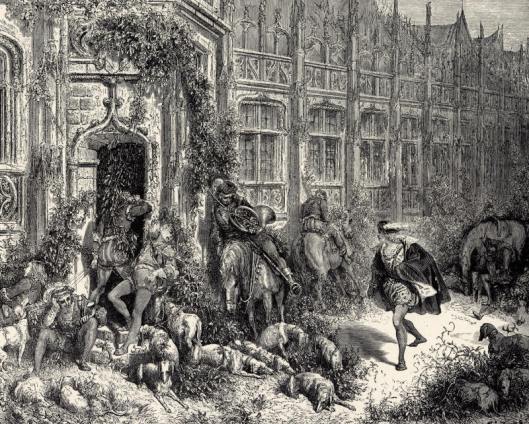
image3sb.jpg

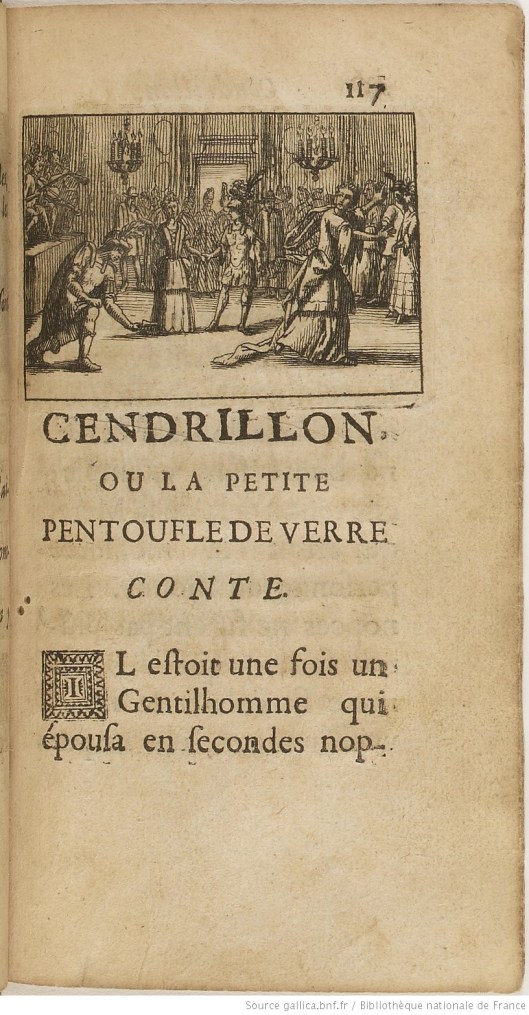
and “Cendrillon” (“Cinderella”), which we chose to be the basis of our posts.
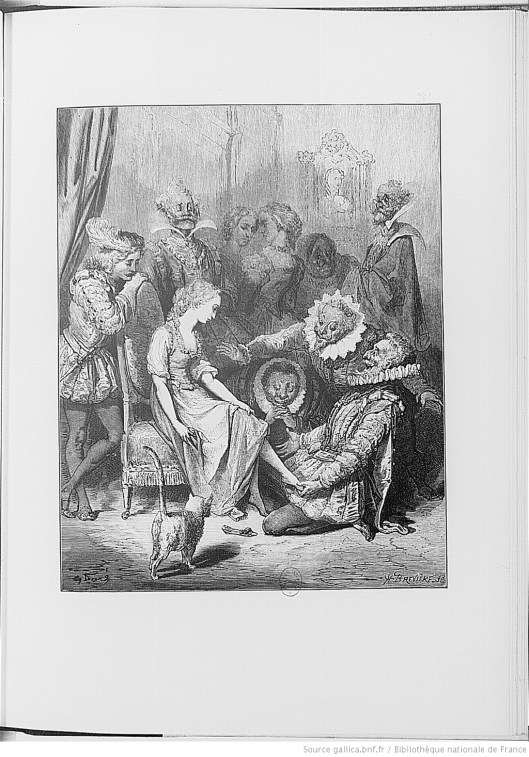
image4cindy.JPEG

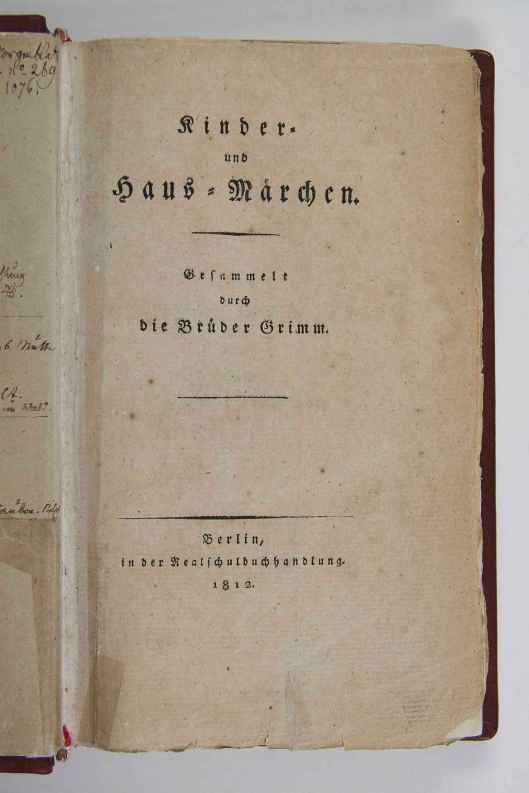
So far in these posts, we’ve looked at “Sleeping Beauty” in everything from ballet to Disney and “Cinderella” in early operas and silent films.  In this final post of the series, we want to begin by saying, as we did in our first post, that “Cinderella” exists in two basic forms, that of Perrault, from 1697, and that of the Brothers Grimm,
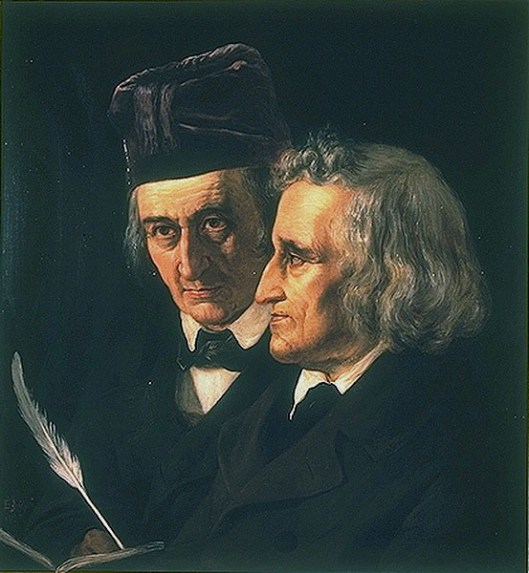
image5grimms.jpg

from 1812.

image6kinder.jpg

In this version of the story, the fairy godmother is removed and replaced by birds seemingly sent by Cinderella’s dead mother.
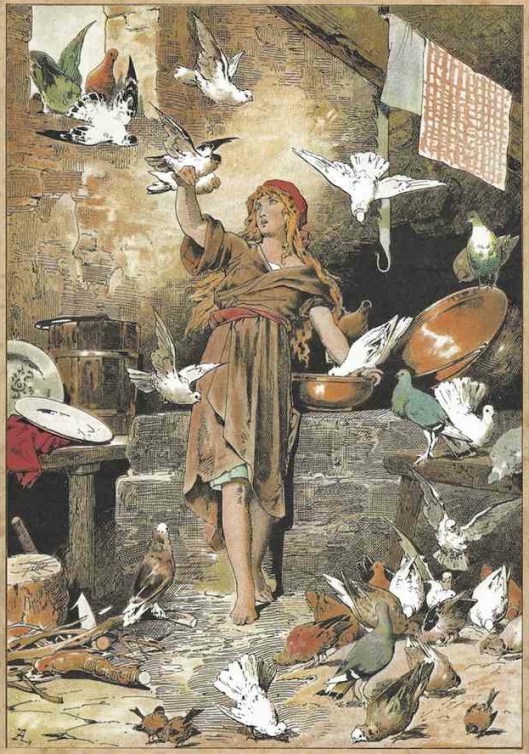
image7aschenp.jpeg

We mention this because this is the version followed by our next creator, Charlotte (Lotte) Reiniger (1899-1981)

image8lotte.png

in her 1922 film, Aschenputtel (“Cinderella”)
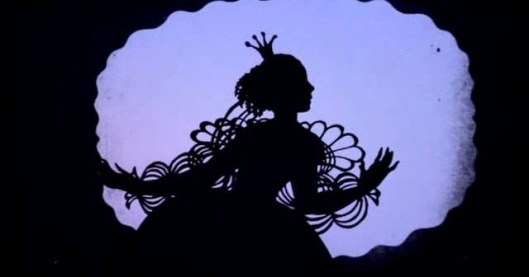
image9aschen.jpg

This is a silent film in which delicately-cut paper figures through stop-motion photography are manipulated to tell the story.
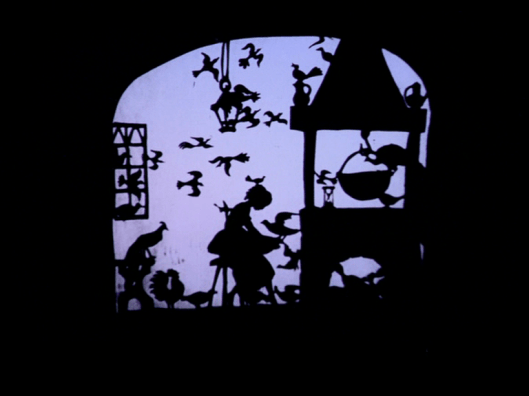
image10aschen.png

Here’s a LINK so that you can enjoy the short (about 13 minutes) film.  And, if you enjoy that, there are more of Reiniger’s works on YouTube for you to see.

To us, her work very much resembles wayang kulit, the traditional shadow plays of Bali,

image11wayang.jpg


as well as the Ombres Chinoises, (“Chinese Shadows”—Chinese shadow puppets) brought to France in the 18th century.

image12ombres.jpg

It also closely resembles two works illustrated by Arthur Rackham (1867-1939),
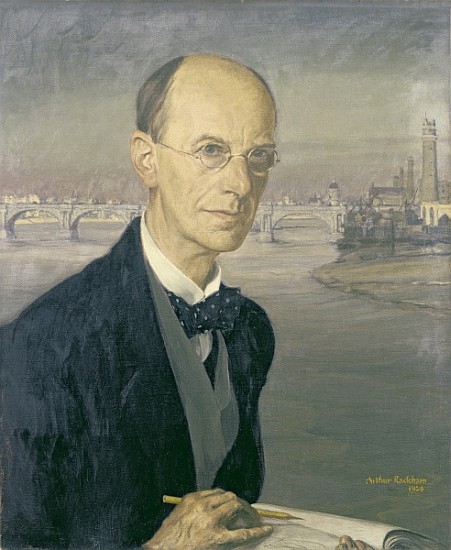
image13ar.jpg

his Cinderella (1919)

image14cindy.jpg

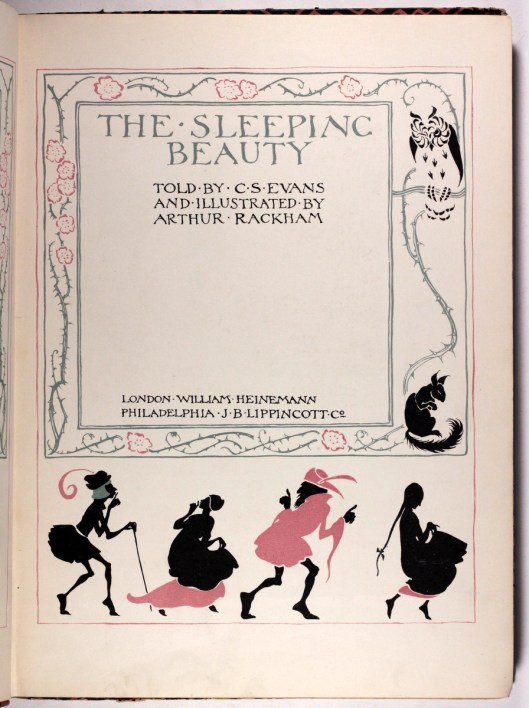
and The Sleeping Beauty (1920).

image15sleep.jpg

In each of these, Rackham employs silhouettes to tell the story (in versions by CS Evans), giving both the look of stories told by moonlight.

image16cindy.png

We could easily show you all of the illustrations, marveling at them right here, but, instead, we give you a LINK to an on-line version of The Sleeping Beauty (with apologies for not being able to locate an on-line Cinderella).

In one of our previous posts in the series, we discussed Tchaikovsky’s ballet, Sleeping Beauty, now we add to this Cinderella (Zolushka) by the Russian composer, Sergei Prokofiev (1891-1953),

image17sp.jpg

premiered in 1945.  Here’s a LINK to a suite of music from it, along with two sheets of costume designs from the original production, suggesting what a sumptuous spectacle it must have been.

image18costumes.jpg

image19costumes.jpg

Prokofiev and his collaborators followed Perrault and the fairy godmother was back.  Here’s the pumpkin coach from a more modern—but still Russian—production.

image20pumpkin.jpg

And this coach brings us to our next and next-to-last item.
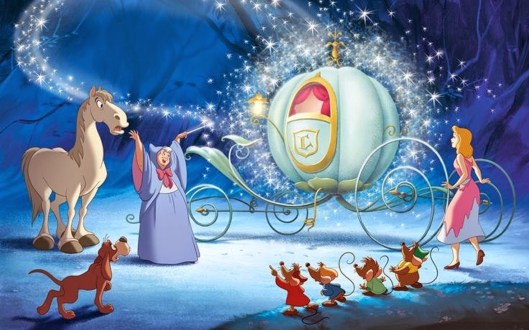
image21disney.jpg

We grew up with this image of the story in our heads, as well as its music.
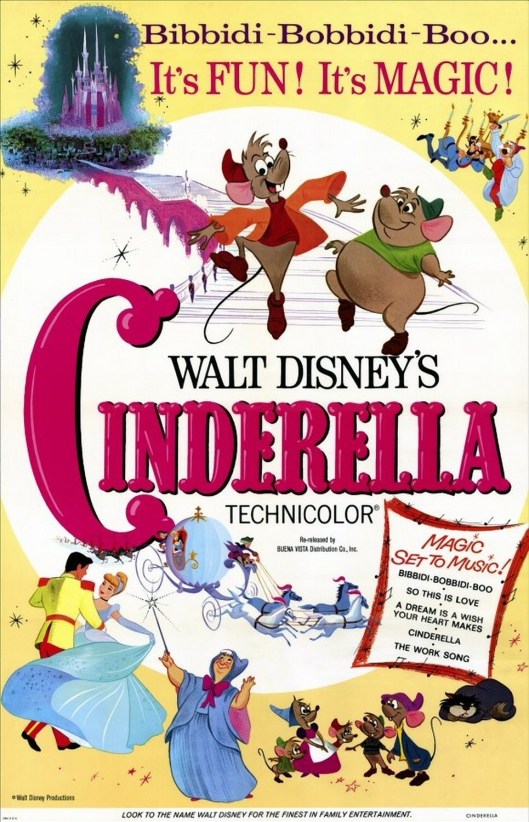
image22disney.jpeg

This is the 1950 Disney version, which stuck fairly closely to the Perrault, but, along with the fairy godmother, kept the helpful birds (changing their color)
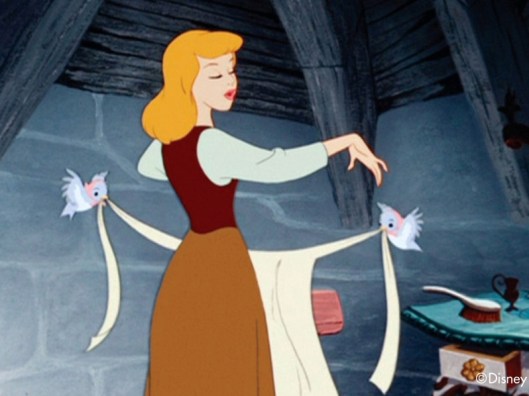
image23abluebirds.jpg

and added a gang of equally helpful mice.
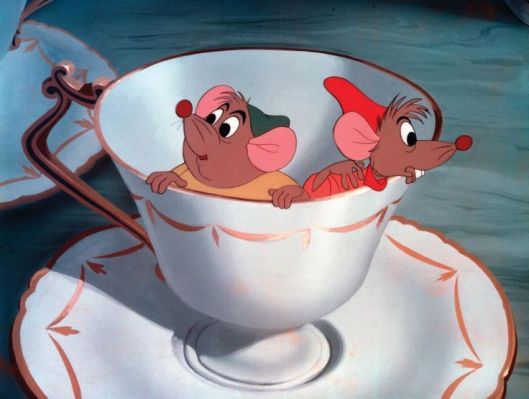
image23disney.jpg

To which we add our final piece.  In 1957, the well-known composer/lyricist team of Rodgers and Hammerstein created a first, a made-for-television musical production of Perrault’s version, starring someone who was already becoming a star by appearing as Eliza Doolittle in Lerner and Lowe’s My Fair Lady, Julie Andrews.
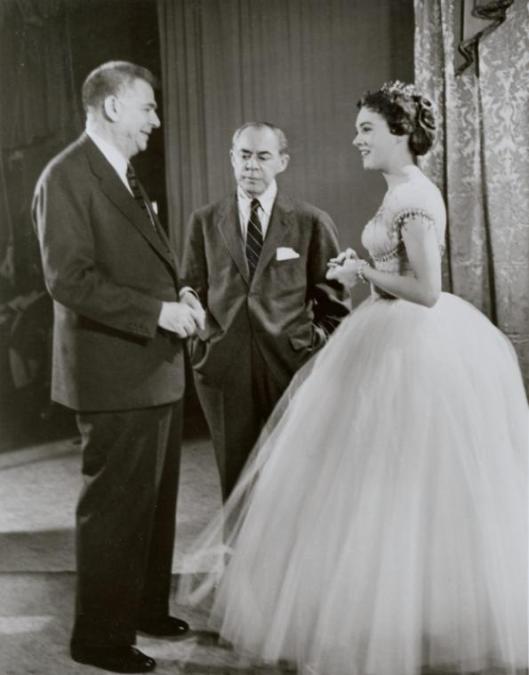
image24rodgersham.jpg

image25andrews.jpg

In five postings, we’ve traveled from 1697 to 1957 and visited a number of places in between, all of which was based upon two traditional stories recreated in new tellings by Charles Perrault.  Is it any wonder, then, that in 1910, this bust was erected to his memory in the Jardin des Tuileries in Paris?
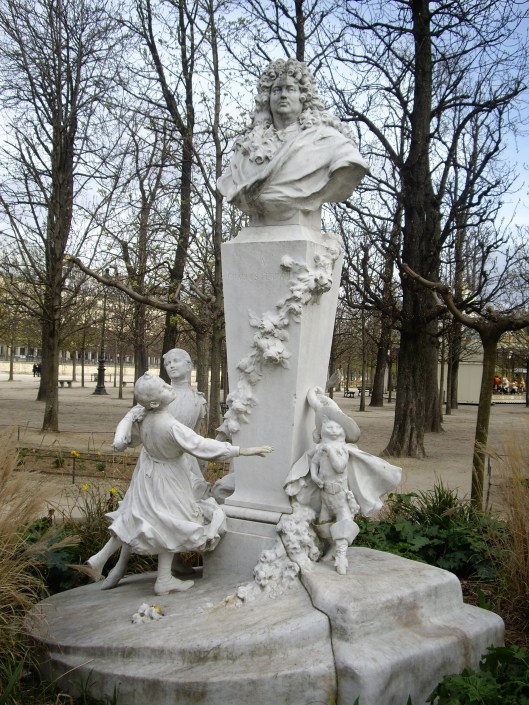
image26chasp.jpg

Thanks, as always, for reading.

MTCIDC

CD

Theme and Variations.4

11 Wednesday Jul 2018

Posted by Ollamh in Artists and Illustrators, Fairy Tales and Myths, Films and Music, Literary History, Narrative Methods

≈ Leave a comment

Tags

A Trip to the Moon, Alexandre Dumas, Arthur Rackham, Cendrillon, Charles Perrault, Charles S Evans, Cinderella, Cinderella 1899, Cinderella 1911, Cinderella 1912, Cinderella 1914, Contes de Ma Mere L'Oye, Film, Florence La Badie, Georges Melies, Gustave Dore, Henri IV, Histoires ou Contes du Temps Passe, Hugo, Le Voyage dan la Lune, Louis XIII, Mary Pickford, silent film, Sleeping Beauty, The Invention of Hugo Cabret, The Three Musketeers

Welcome, dear readers, as ever.

This is the next-to-last in a little series on several of the fairy tales of Charles Perrault (1628-1703) from his 1697 collection, Histoires ou Contes du Temps Passe (“Stories or Tales of Past Time”), better known by a kind of subtitle, Contes de Ma Mere L’Oye (“Tales of My Mother Goose”).

image1chasp

So far, we’ve devoted two posts to “Sleeping Beauty” (actually called by Perrault “La Belle au Bois Dormant”—“The Beautiful Girl in the Sleeping Wood”), covering everything from 19th-century theatrical performances to book illustrations to Disney.

image2belle.jpg

In the third post, we began to look at “Cinderella”, more specifically in opera, from Isouard’s 1810 Cendrillon to Viardot’s 1904 Cendrillon.

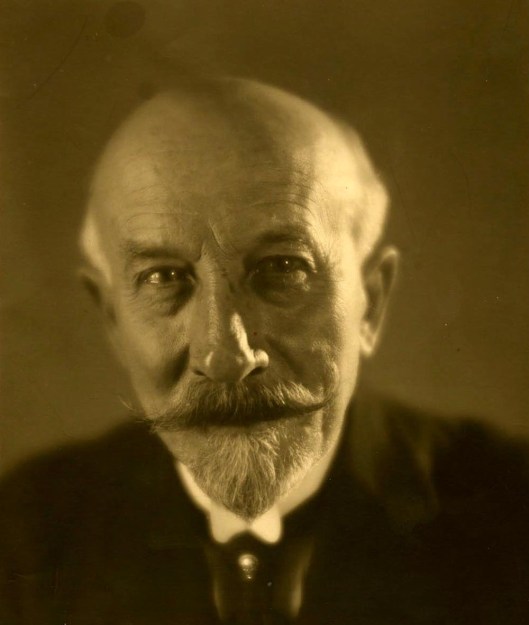
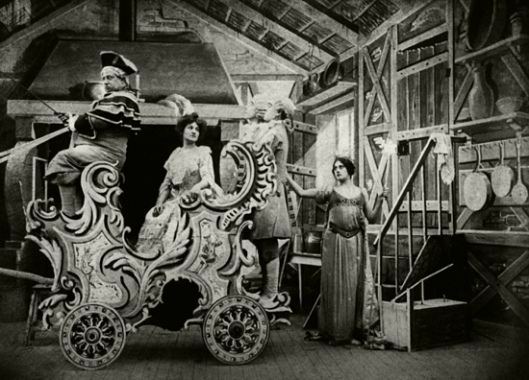
Now, in this post, we want to look at “Cinderella” in film, beginning with the 1899 work of Georges Melies (1861-1938)

image3melies.jpg

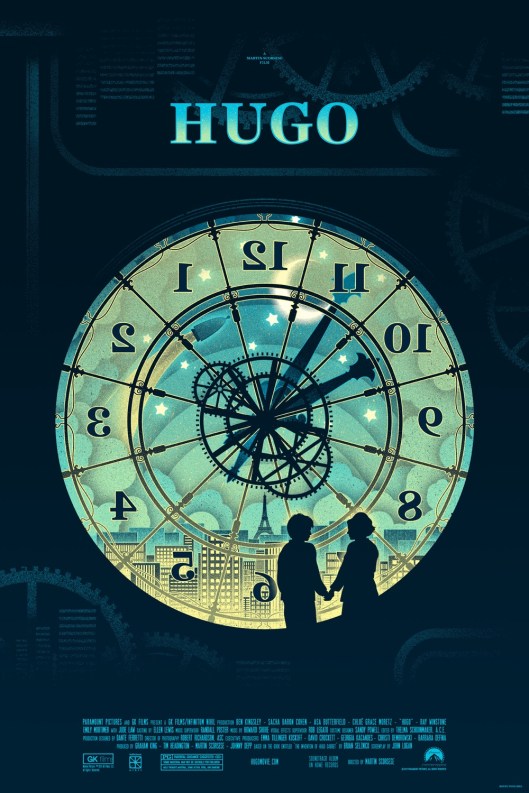
whom you may know from the 2011 film Hugo

image4hugoposter.jpg

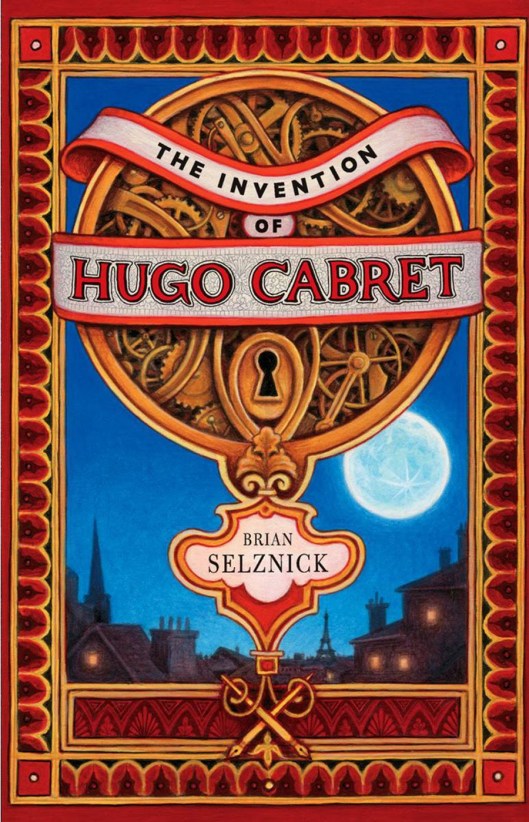
based upon Brian Selznick’s 2007 wonderfully inventive novel, The Invention of Hugo Cabret.

image5hcabret.jpg

Even if you aren’t familiar with Melies, you may recognize his work in this image

image6moon.jpg

from his 1902 science fiction film, Le Voyage dans La Lune (“The Trip to the Moon”), thought by scholars to be the first science fiction film (or at least first surviving such film.  Silent film historians estimate that only about 10% of all silent films made are still available to us.  Here’s a LINK to the film so that you can enjoy it for yourself).

Cendrillon was Melies’ most elaborate film to date and was a commercial success, even though only just under 6 minutes long—which says something for the expectations of the movie-going public of 1899.

image7cend.png

As it is so short, it has only a couple of scenes—the kitchen in Cinderella’s house, the palace ballroom, Cinderella’s room, and what appears to be the outside of the palace—and very much depends upon the viewer already knowing the basic story (it begins, for example, with a very fancily-dressed woman leaving the kitchen and the sudden appearance of the Fairy Godmother, with no introduction at all).  Its greatest strength, for us, is in its transformation scenes (a Melies’ specialty), particularly the change of rats/mice into coachmen and footmen. (And here’s a LINK to the film, see if you agree with the 1899 audience.)

image8trans.jpg

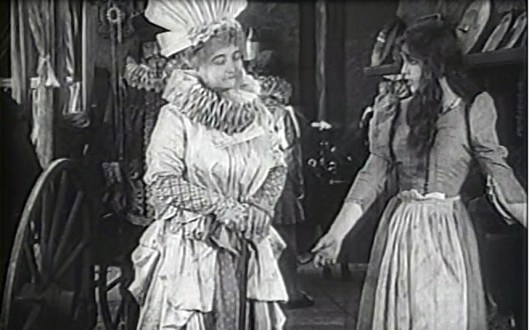
Our second film is from 1911 and is nearly 15 minutes long, meaning that it actually has time to tell the story, if not in a leisurely fashion, at least in a more complete one than the Melies.  This is a US version of the story, starring an early popular favorite, Florence La Badie (or Labadie).

image9aflo.jpg

Forgotten except by silent film enthusiasts, La Badie was a hardworking dare-devil, appearing in nearly 200 films between 1909 and her death in 1917, and doing most of her own stunts.  She was also someone who personified a new look for young women in the years leading up to the Great War—as this portrait (and there are more like it) shows.

image9flo


If you follow this LINK, you can see not only the actress, but a “Cinderella” which has almost everything we would expect from the Perrault original.

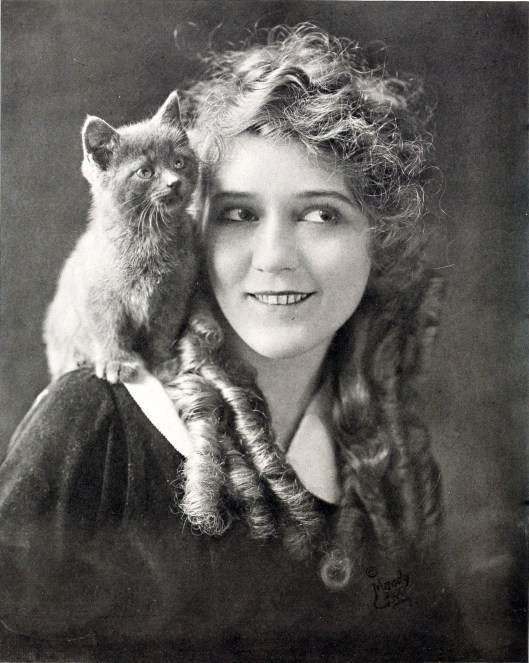
Florence La Badie had gotten into films through the suggestion of an acting friend, Mary Pickford,

image10pick


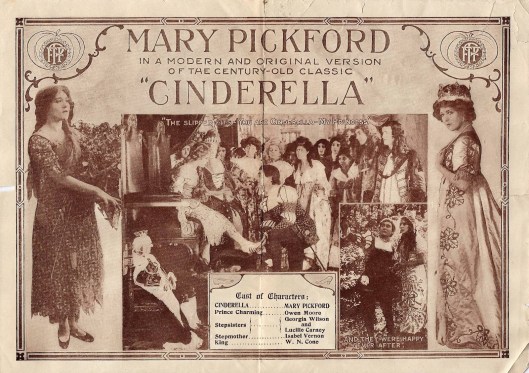
who starred in our next Cinderella, in 1914.

image11cind

Two things strike us about this:

  1. it’s over 50 minutes long—a great advance from the 1911 15 minutes
  2. the advertising seems to suggest that the audience of 1914 was expected to visit the theatre to see Mary Pickford in Cinderella, rather than Cinderella in which Mary Pickford plays the title role. For us, this foreshadows the obsession with film celebrities which is still with us today.

image12pick

This version, with its almost luxurious length, has plenty of time not only to tell the Perrault story, but to makes two additions to the plot:  Cinderella actually meets the prince before the ball, near her home and they fall in love—but are then separated; the stepsisters visit a fortune-teller, who informs them cryptically that one of their family will be successful at the ball.  (Here’s a LINK so that you can enjoy this more elaborate version.)

In the midst of these US versions, Georges Melies issued a second one himself.  At about 24 minutes long, it is much grander than his 1899 production, spending nearly a quarter of its length on the transformation of Cinderella from kitchen maid to grand lady alone.  The contrast between the 1899 pumpkin coach and the 1913 one illustrates this nicely.

image13acoach.jpg

image13melies2

It did not enjoy the success of the 1899 original, perhaps because, the weight of production values was simply too heavy for the little story inside, which was smothered by all of the plumed hats and sweeping bows.  We admit that we find this version a little slow, but the creation of the pumpkin coach is still as impressive to us as it must have been in 1913.  Here’s a LINK so that you can judge for yourself. It’s dated 1912, by the way, when the film was made, but it premiered in 1913, so we are sticking to the later date.

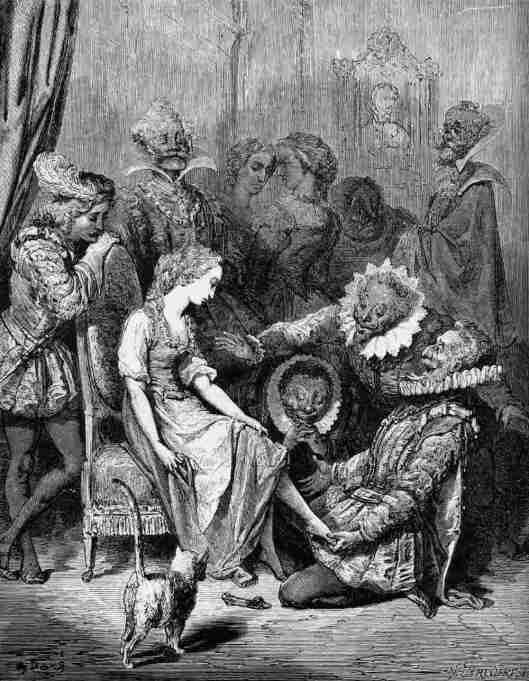
It has been suggested that Melies, in the look of this later take on the story, was influenced by the work of Gustave Dore (Do-RAY) (1832-1883).

image14dore.jpg

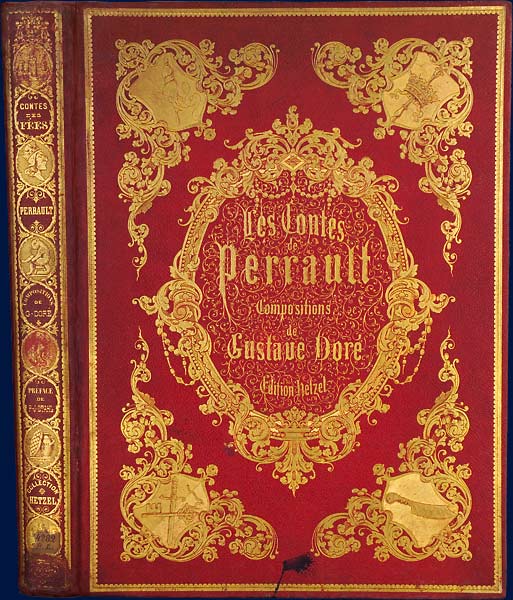
In 1867, Dore—a well-known illustrator–among other things–published Les Contes de Perrault, dessins par Gustave Dore. image15contes

Here’s one of the three illustrations done for the story.

image16cend

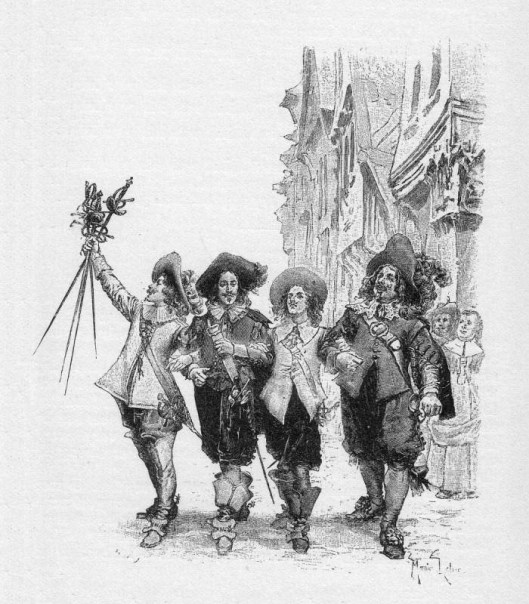
To us, however, Melies thinks of the story taking place in the time of Louis XIII (reigned 1610-1643), when Dumas’ “Musketeers” novels are set (with a little 18th-century addition here and there).

image17musk

Dore would appear to be setting it earlier, in the time of Louis’ father, Henri IV (reigned 1589-1610).

image18henri4

One of our very favorite illustrators, Arthur Rackham (1867-1939),

image19ar

tackled both “Cinderella” in 1919 and “Sleeping Beauty” in 1920, with retellings by Charles S. Evans.  Always original and surprising in his approach, Rackham here has produced what we believe to be two of his most inspired works—we’ll talk about them, as well as more versions of “Cinderella”, in our next.

But we’ll finish this post with one more image—as a teaser…

image20sketch

And thank you, as ever, for reading.

MTCIDC

CD

Theme and Variations.3

04 Wednesday Jul 2018

Posted by Ollamh in Fairy Tales and Myths, Films and Music, Literary History, Narrative Methods

≈ Leave a comment

Tags

Cendrill, Charles Perrault, Cinderella, Edmund Dulac, Fairy Godmother, Four and Twenty Fairy Tales, Frederic Chopin, Georges Melies, Giacomo Rossini, Histoires ou Contes du Temps Passe, James Robinson Planche, Jules Massenet, La Cenerentola, Nicolo Isouard, Opera, Pauline Viardot, Sleeping Beauty, William Henry Margetson

As always, dear readers, welcome!

In this posting, we’re continuing the little series we began on the fairy tales of Charles Perrault and what other creators have done with those stories over the centuries.

In 1697, Perrault (1628-1703) published Histoires ou Contes du Temps Passe (“Stories or Tales of Past Time”).

image1perrault.jpg

This little collection (which also came to be known by a secondary title as Contes de Ma Mere L’Oye–“Tales of My Mother Goose”)–contained, among other stories, “Sleeping Beauty”—which we’ve discussed in the first two posts of this series—and “Cinderella”.  (The original 1697 version is available from the BnF—the Bibliotheque nationale de France—here’s a LINK.)

image2cend.JPEG

If you’d like to read the closest one might get to Perrault’s late-17th-century French, you might try the translation by James Robinson Planche, the dramatist/costume-designer/etcetc, whom we mentioned in the first post in this series.  He had conscientiously searched for a first edition of Perrault’s collection, but had to make do with a second, as he tells us, but he strove to recreate in his English the feel of the French original.  Here’s a LINK to Planche’s 1858 Four and Twenty Fairy Tales.  Selected from Those of Perrault, and Other Popular Artists.

image3afourandtwenty.jpg

image3cind.jpg

This is an illustration for that story by Edmund Dulac (1882-1953)

image4dulac

from Edmund Dulac’s Picture-Book for the French Red Cross (1916)—with a LINK to it here.  (It’s an especially interesting book, not only for the beautiful illustrations, but also for the wide range of stories, including a version of the famous Persian/Arabic story of “Majnun and Layla”.)

“Cinderella” has been a favorite subject for opera composers, at least back to 1810, when Nicolo Isouard’s (1773-1818)

image5isouard.jpg

version, Cendrillon, was a  hit in Paris—and then internationally.  Here’s a LINK to a recording of its overture so you can see what pleased Europe in the middle of the Napoleonic Wars.

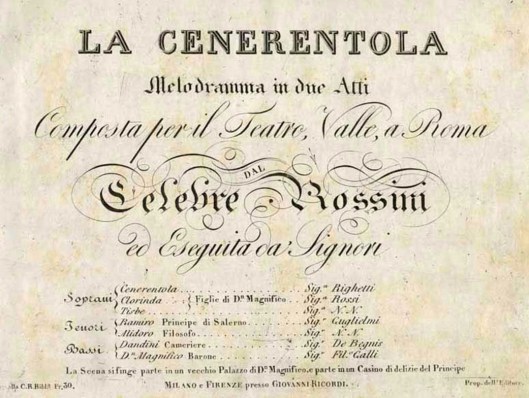
Isouard’s opera’s popularity was quickly overtaken by Giacomo Rossini’s (1792-1868)

image6rossini.jpg

version in 1817, La Cenerentola.  Here’s an early Italian playbill for it.

image7playbill

And here’s a LINK to the overture. (If you like it, there is at least one complete performance available on YouTube—you can easily find it when you follow this link.)

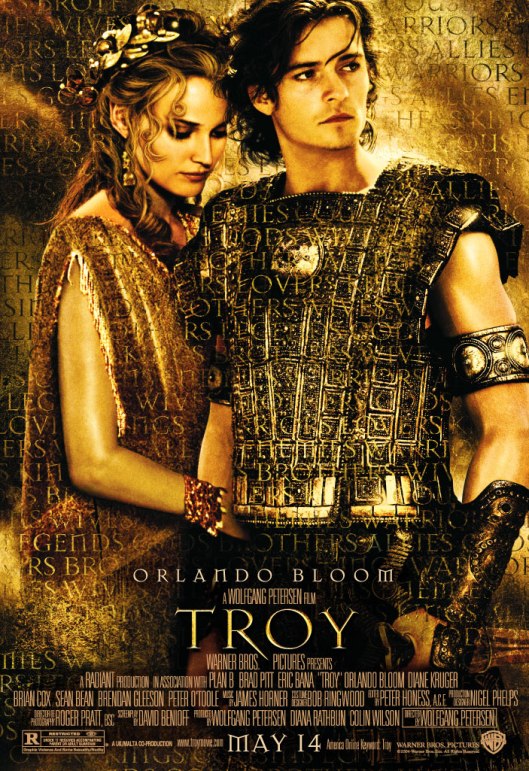
What’s interesting about these versions is that the Fairy Godmother of the original story has been replaced by a human—in Isouard’s version, with some magical powers, in Rossini’s, with native wit.  There’s no explanation for this—it’s simply the case and, for us, it somehow diminishes the story.  It’s like the Troy movie of 2004, from which the gods had been removed.

image8troy.jpg

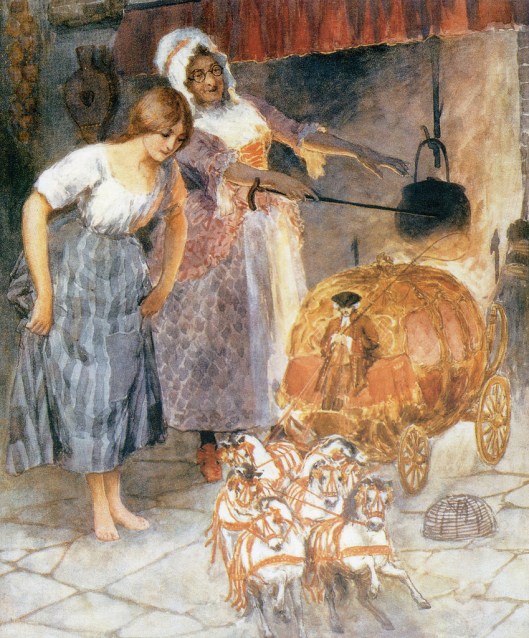
Perhaps we’ve always wanted a fairy godmother?

image9fg.jpg

(An image by William Henry Margetson, 1861-1940.)

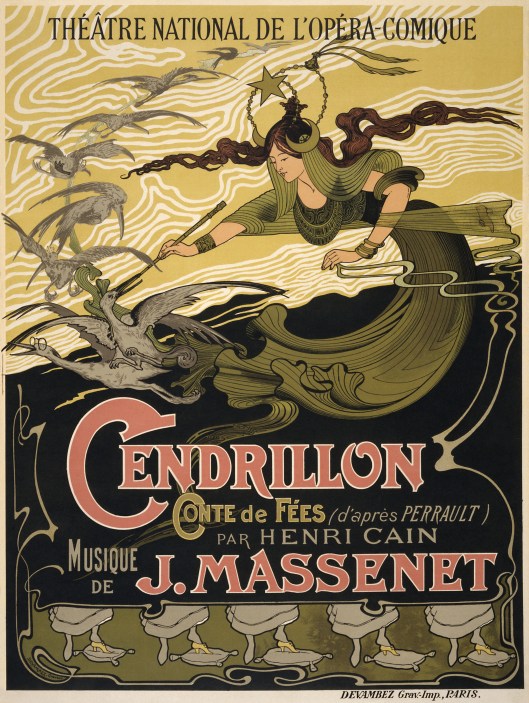
Our third opera comes from the very end of the 19th century:  Jules Massenet’s (1842-1912)

image10massenet

Cendrillon.

image11cendrillon

Unlike Isouard and Rossini, the fairy godmother, plus assorted fairies, are present and active in this very elaborate telling.  Here’s a LINK to some of the ballet music to give you an idea of the sound of the opera.

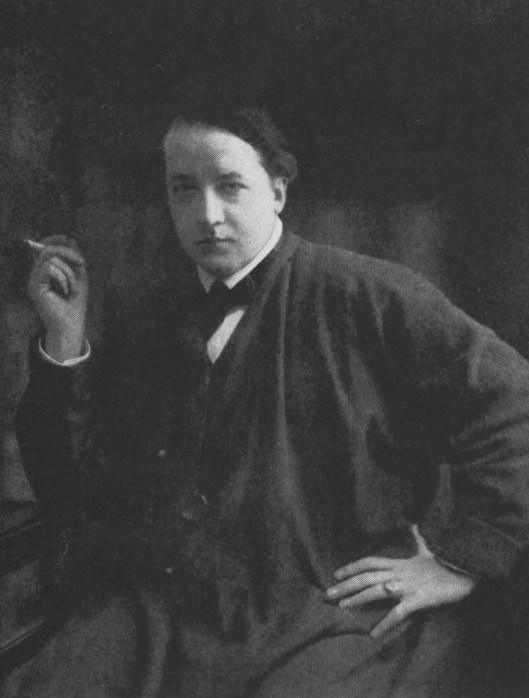
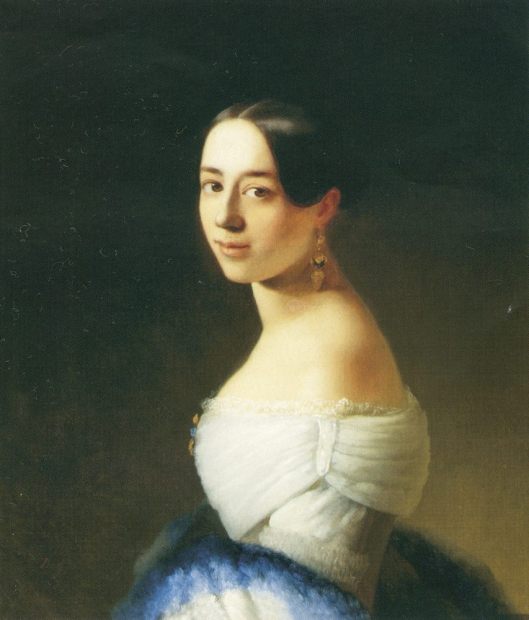
Our last opera is the very opposite of Massenet’s, being a chamber opera with only a piano for an orchestra.  It is by a woman composer who began her career as a famous mezzo-soprano, Pauline Viardot (1821-1910).

image12pv.jpg

Not only was she a brilliant singer, with an enormous range, but she was also a pianist so good that she regularly played duets with her friend, Frederic Chopin,

image13fc

as well as speaking half-a-dozen languages fluently.  When her voice began to fail her, she moved to teaching and composition, as well as keeping a salon in which many of the most famous and influential creators of the second half of the 19th century spent their evenings.

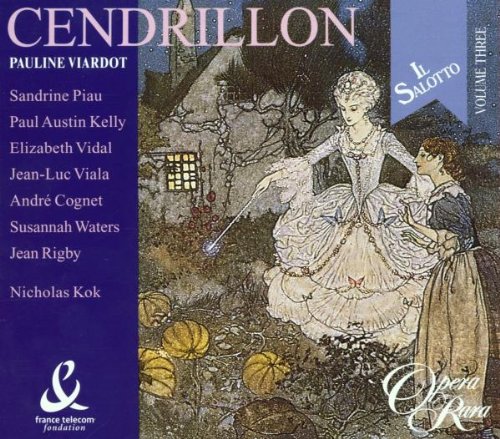
Her version of the Cinderella story, Cendrillon, was first performed in 1904.

image14score

As we suggested, it’s the very opposite of the very sumptuous Massenet opera:  7 singers, no chorus, piano for accompaniment, but it’s musically very rich—and includes the fairy godmother—and the pumpkin, etc., although these are all off-stage.  It is not often performed—there’s one recording—

image15pvcend

which we heartily recommend, as it’s beautifully sung.  And here’s a LINK to a production on YouTube, if you’d like to see it.

We’re going to close this posting, take a deep breath, and start writing the last in this little series:  Cinderella on film, beginning, in a surprisingly-early (if brief) version by Georges Melies—from 1899.

But thanks, as always, for reading and definitely

MTCIDC

CD

ps

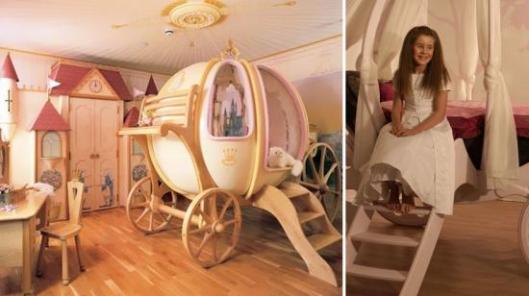
If you read us, you know us—we can never resist a PS—and this is just a visual.  In our survey of Cinderella images, we found this.  Need we say more?

image16bedroom.jpg

Theme and Variations.2

27 Wednesday Jun 2018

Posted by Ollamh in Artists and Illustrators, Fairy Tales and Myths, Films and Music, Literary History, Military History

≈ Leave a comment

Tags

Arthur Rackham, Baron Friedrich de la Motte Fouque, Brothers Grimm, Charles Dickens, Charles Perrault, Charles S Evans, Cinderella, Disney, Dornroeschen, Edgar Taylor, ETA Hoffman, French Revolution, George Cruikshank, German Popular Stories, Hans Christian Andersen, Histoires ou Contes du Temps Passe, Jacob and Wilhelm Grimm, James Robinson Planche, Kinder und Hausmaerchen, La Belle au Bois Dormant, Little Briar-Rose, Louis XIV, Louis XVIII, Mariinski Theatre, Napoleon, Robert Samber, Sleeping Beauty, St Petersburg, Tchaikovsky, The Little Mermaid, Undine

Welcome, as ever, dear readers.
In our last, we began talking about the fairy tales of Charles Perrault (1628-1703), originally published under the rather vague title, Histoires ou Contes du Temps Passe, (“Stories or Tales of the Past”) in 1697.
image1perrault.jpg
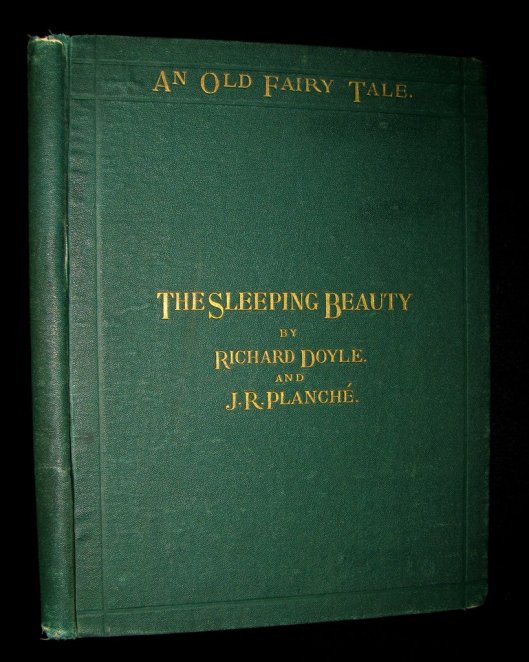
Among his stories was one entitled “La Belle au Bois Dormant”—literally “The Beautiful Girl in the Sleeping Woods”, which we English-speakers call “Sleeping Beauty”. We had said that we thought it would be interesting to look at various treatments of that story over time and, so far, we’ve discussed James Robinson Planche’s (plawn-SHAY) two works, an 1840 “extravaganza” (a kind of very early musical comedy) and his 1868 story-in-verse version (here’s the first edition).
image2planchesleep.JPG
Planche could read the French original, but those whose knowledge of French was confined to menus could find English translations dating all the way back to the first, that of Robert Samber, in 1729.
image3samber.jpg
(This image, by the way, explains not only why English-speakers call this story “Sleeping Beauty”, but also why we call the stories as a group “Mother Goose Tales/Stories”. Please see our previous posting for where Mother Goose came from in Perrault.)
In the early 19th-century, a competitor to Perrault appeared. In 1812, two German scholars, Jacob and Wilhelm Grimm (1785-1863, 1786-1859,)
image4grimms.jpg
began publication of a work which they would enlarge numerous times through the first half of the 19th century, Kinder und Hausmaerchen (something like “Children’s and Domestic Wondertales”), the first volume of which first appeared in 1812.
image5kinder.jpg
“Sleeping Beauty” appears as #50, under the title Dornroeschen, “Little Briar-Rose”. This is like the Perrault story, but not the same, providing an alternate version of the tale. For those without German, an English translation was published in 1823.
image6kinder.jpg
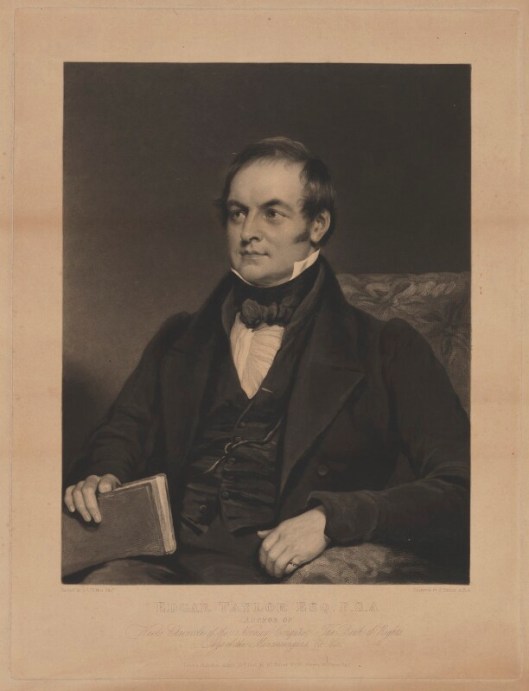
Although their names aren’t on the title page, this is a collaboration between Edgar Taylor (1793-1839), translator,
image7taylor.jpg
and George Cruikshank (1792-1878), illustrator.
image8cruick.jpg
Of the two, Cruikshank is the better-known. Originally, he was famous as what we now call an “editorial cartoonist”, creating images critical of politicians and political events of his time. Here is his 1823 caricature of Louis XVIII of France (reigned 1814-1824 with a little gap in 1815 when Napoleon came back briefly from exile on Elba).
image9louis18.png
His public relations people wanted Louis to look like this:
image10louis.jpg
to remind them that he was the direct descendant of Louis XIV, the famous “Sun King”, a grand and heroic figure in recent French history.
image11louis.jpg
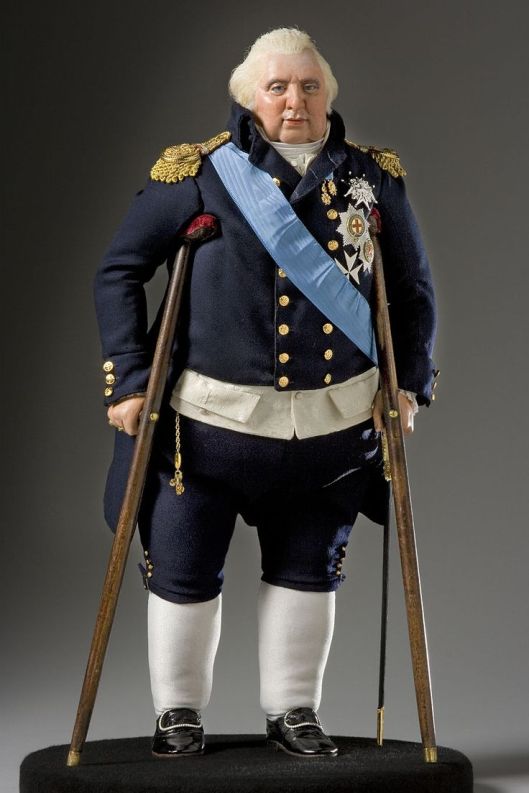
In reality, Louis was old and fat and looked more like this—
image12louis
It wasn’t about Louis per se, weak and temporary monarch though he was, so much as the long-standing English/French rivalry/hostility, which went back for centuries and which had intensified during the Revolutionary and Napoleonic wars, stretching almost without a break from 1792 to 1815. Napoleon, as representative of what the English of the time saw as revolution-which-led-to-chaos-and-worse, was a regular target from the later 1790s on and Cruikshank certainly aimed his pen and brush at him—as in this mocking depiction of the fate of Bonaparte after his first abdication in April, 1814.
image13bonaparte.jpg
Political commentary aside, Cruikshank, as we see in his illustrations for the Brothers Grimm (and isn’t it odd that we never say, in English “the Grimm Brothers”—which sounds either like a menacing secret society or perhaps an old, established firm of teakwood importers), was involved in all sorts of illustrating, including a second volume of the Grimms, in 1826. This is the 1868 reprint which the editor says duplicates in one volume the text and illustrations of the original two. (We include a LINK so that you can download your own copy.)
image14reprint1868.jpg
As well, he illustrated the original serialized version of Charles Dickens’ (1812-1870) Oliver Twist (1837-1839). This is a famous scene near the end of the novel, where the main villain, Fagin, is in the condemned cell, awaiting dawn and his execution. Dickens was famous for his performance of this.
image15fagin.jpg
On a more cheerful note, here’s Cruikshank’s sketch of Dickens himself from 1836.
image16sketch.jpg
The Grimms’ version of the “Sleeping Beauty” story is combined with that of Perrault in our next example. It’s the 1920 The Sleeping Beauty,
image17sb.jpg
text by Charles S. Evans (1883-1944), of whom we have found no picture, and Arthur Rackham (1867-1939) of whom this may be our favorite picture.
image18ar.jpg
The year before, Evans and Rackham had collaborated on a version of Perrault’s “Cinderella”—and we’ll talk about that in our next. The Sleeping Beauty is anything but sleepy—its illustrations practically dance off the page. (Here’s a LINK for your own copy.)
image19ar.jpg

image20ar.jpg

image21ar.jpg
And dance itself is the basis of our last example.
In 1888, Pyotr/Peter Tchaikovsky (1840-1893)

image22tchai

was offered a commission for a ballet. Originally, the subject was to be a famous early German Romantic novella, Undine (un-DEE-neh), written by the Baron Friedrich de la Motte Fouque (foo-KAY) (1777-1843),
image23baron.jpg
and published in 1811. It’s the story of a knight and a water spirit and shares the basic plot of HC Andersen’s later “The Little Mermaid”. Here’s an illustration from Rackham’s 1909 version.
image24undine.jpg
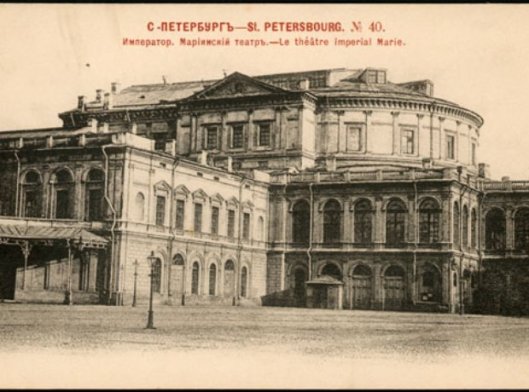
As things developed, however, this story was replaced by the Perrault/Grimms’ “The Sleeping Beauty”, which first appeared at the Mariinski Theatre
image25mariinski.jpg
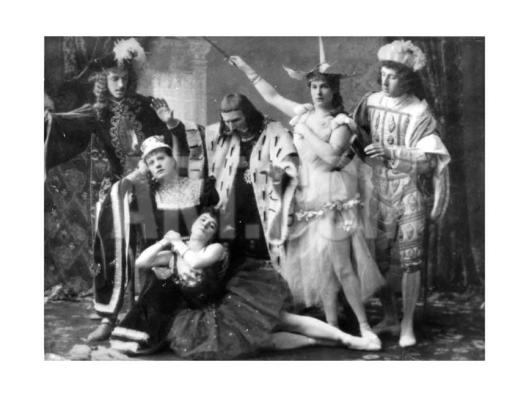
in St Petersburg in January, 1890. We are lucky to have a number of photos of the original production and cast.
image26sleep.jpg

image27sleep.jpg

image28sleep.jpg
And here’s a LINK to a suite (selection) of music from the ballet—but the full ballet is available on YouTube and we hope that you like this suite so much that you’ll try the whole thing.
In our next, we’ll move on to a second Perrault story, “Cinderella”.
Thanks, as always, for reading.
MTCIDC
CD
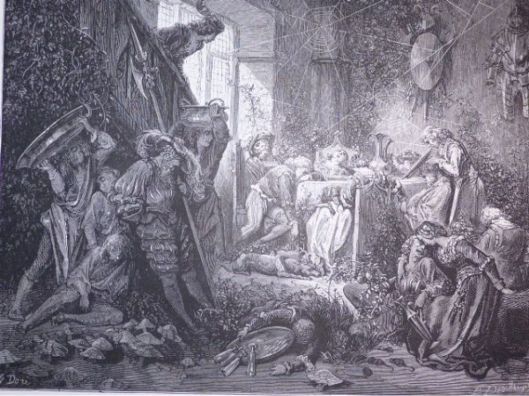
ps
If you’re a regular reader, you’ll know that we can rarely resist adding something more. In fact, in this ps, we add two somethings more.
First, before Undine was proposed for a ballet, it was the subject of an opera by the strange and wonderful German Romantic author and composer ETA Hoffmann (1776-1822).
image29hoffmann.jpg
Here’s a LINK to the overture. In a future post, we’ll have more to say about Hoffmann…
Second, as people who grew up on Disney, we can’t close without mentioning Disney’s 1959 Sleeping Beauty, with its attempt at a new style of visual presentation—as well as its use of Tchaikovsky’s music as the basis of its score. If you haven’t seen it, we certainly recommend it, especially for its combination of elements of the older look of such films as Cinderella (1950) with a newer, simplified one.
image30disney

STTL

06 Tuesday Sep 2016

Posted by Ollamh in Artists and Illustrators, Fairy Tales and Myths, Literary History

≈ Leave a comment

Tags

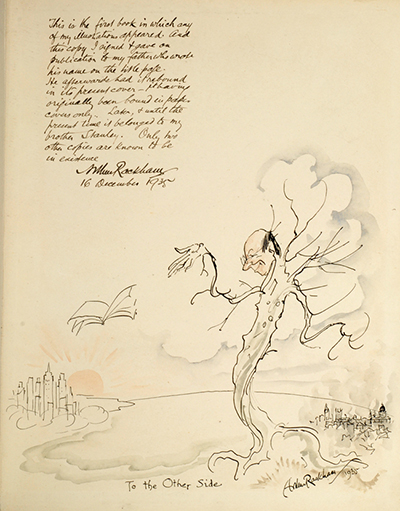
A Midsummer Night's Dream, Adventure, Alice's Adventures in Wonderland, Anthony Hope, Arthur Rackham, Cinderella, Fairies, N.C. Wyeth, Nathaniel Hawthorne's Wonder Book, Peter Pan in Kensington Gardens, Rip Van Winkle, Sleeping Beauty, The Dolly Dialogues, The Wind in the Willows, To the Other Side, trees

01573_art.jpg

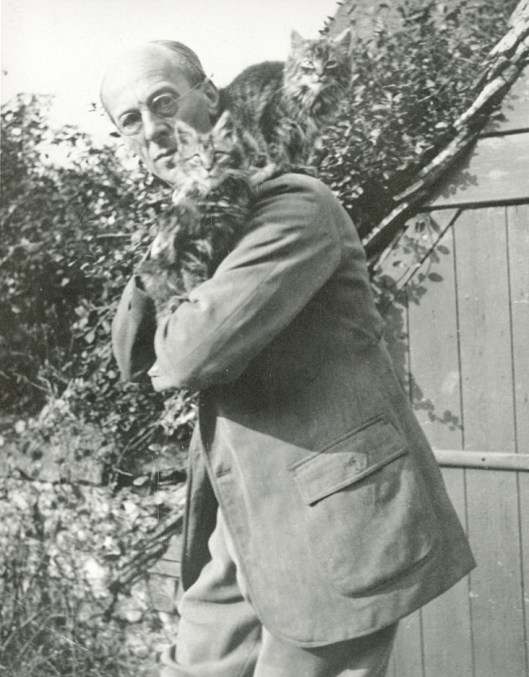
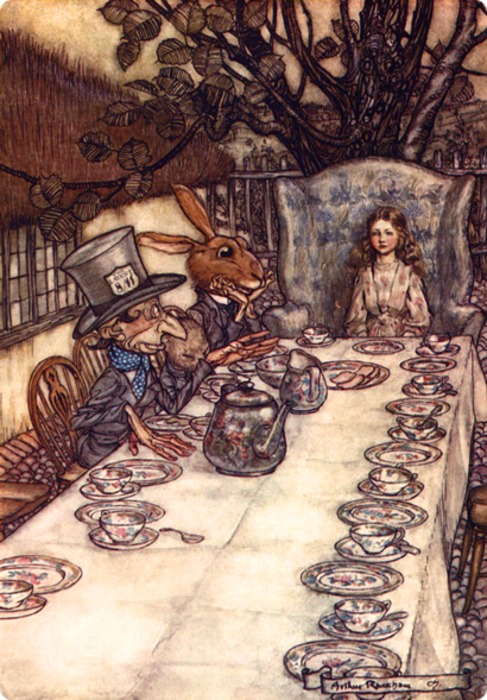
Welcome, as always, dear readers. This is a special day, so we have added an extra entry this week. 77 years ago today, on 6 September, 1939, 5 days after the beginning of World War 2, Arthur Rackham (1867-1939) died.

arthurrackhamwithcats.jpg

072038 Detail 2.JPG

Beginning as a clerk for the Westminster Fire Office (an insurance company, founded in 1717) who took art lessons,

Carlton-Hobbs-Westminster3.jpg

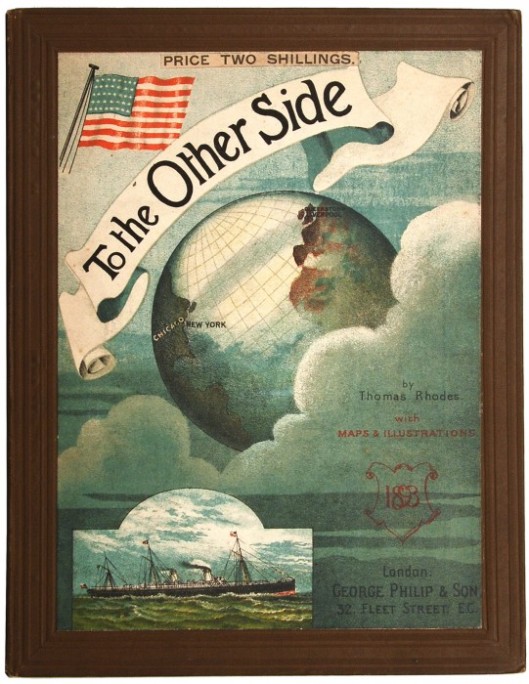
Rackham first shared illustrations with Alfred Bryant for the 1893 To the Other Side,

totheotherside1893.jpg

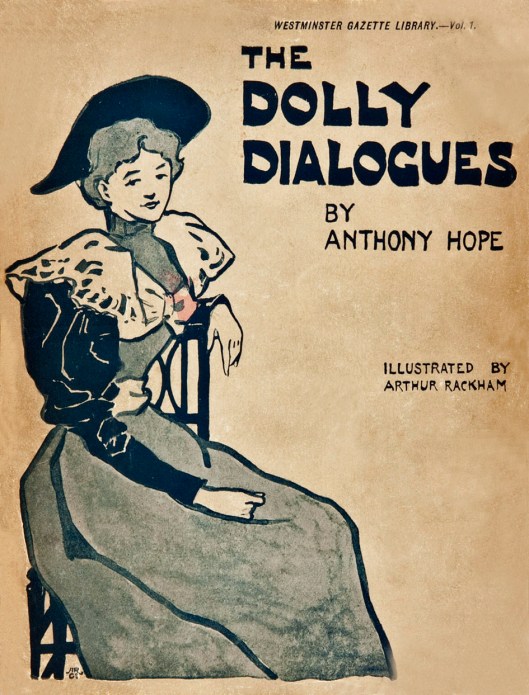
but his biographers tell us that it was his next book project, the illustrations for Anthony Hope’s The Dolly Dialogues,003 The Dolly Dialogues.jpg

which convinced him to put all of his energy into book illustrations, his focus from then until his death, in 1939.

dollydialogues01hopegoog_0046.jpg

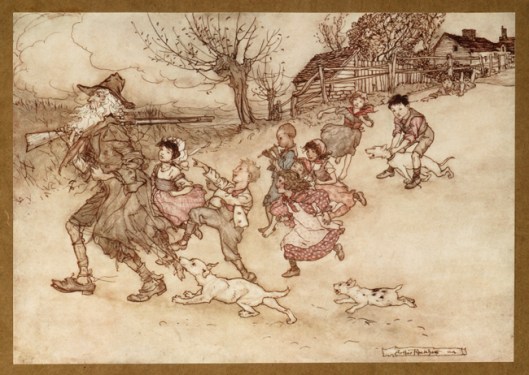
A man dedicated to his art, Rackham turned out multitudes of images for books as varied as Rip Van Winkle (1905—also illustrated by N.C. Wyeth, another favorite of ours, in 1921),

ripvanwinkle1905

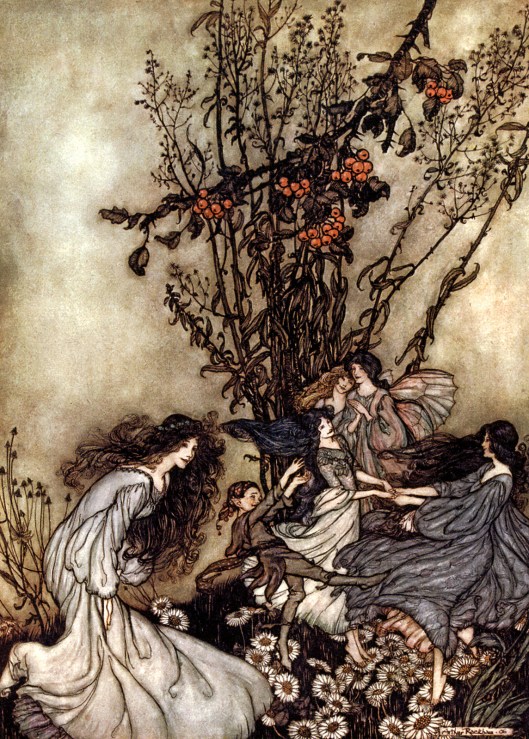
Peter Pan in Kensington Gardens (1906),

peterpankensington1906

danceyfairies

Alice’s Adventures in Wonderland (1907),

rackham5

A Midsummer Night’s Dream (1908),

arthur-rackham-midsummer-nights-dream-titania-sleeping

and The Wind in the Willows (published posthumously in 1940).

k900122-05

And his methods included the absolutely striking Cinderella (1919) and The Sleeping Beauty (1920), in which the illustrations are done almost completely in silhouette, as if the figures and scenes were designed for shadow plays.

Cinderellas-Pumpkin-Rackham-Silhouette.jpg

sleeping-beauty

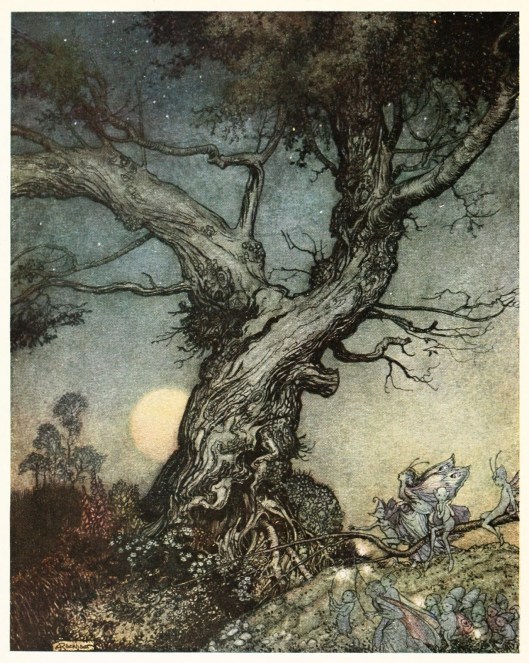
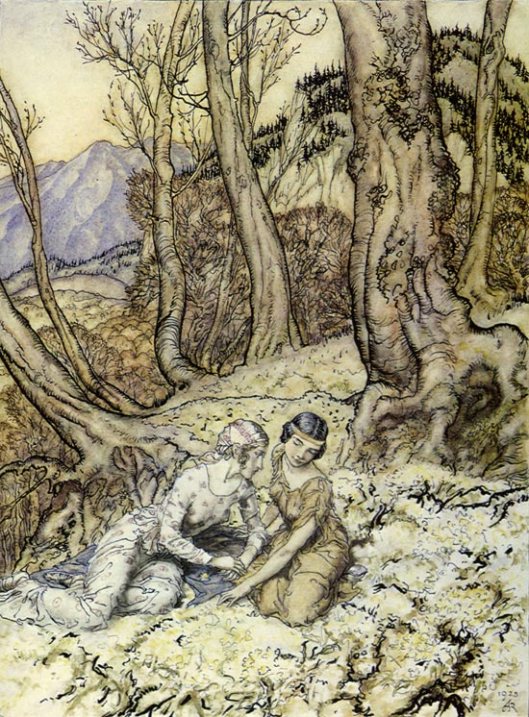
Throughout, the themes of wonder and the fantastic/grotesque interested him the most and, for us, a major feature is his trees, of many types, but often haunted things with eyes and mouths.

02-arthur-rackham-imagina-1914-frontispiece

From William Shakespeare’s A Midsummer Night’s Dream, 1908

b84eb67383d938d33e93ae7cfc9c82bd

From Nathaniel Hawthorne’s A Wonder Book, 1922

39e2b3c42d2341dfc53844a95a32e89d

“Come Now, a Roundel” from William Shakespeare’s A Midsummer Night’s Dream, 1908

429027

From Kenneth Grahame’s The Wind in the Willows, 1940

hermia_and_helena

From William Shakespeare’s A Midsummer Night’s Dream, 1908

11a9ca7244bf2060db41e7a5862344ab

From Nathaniel Hawthorne’s A Wonder Book, 1922

12930764_f520

Although he was cremated, we still want to offer him a typical Roman farewell, sometimes found inscribed on Roman tombs and the title of this posting: Sit Tibi Terra Levis—“May the earth lie light upon you”. (Literally, “May the earth be light to you”)

Thanks, as ever, for reading.

MTCIDC

CD

The Doubtful Sea Series Facebook Page

The Doubtful Sea Series Facebook Page

  • Ollamh

Categories

  • Artists and Illustrators
  • Economics in Middle-earth
  • Fairy Tales and Myths
  • Films and Music
  • Games
  • Heroes
  • Imaginary History
  • J.R.R. Tolkien
  • Language
  • Literary History
  • Maps
  • Medieval Russia
  • Military History
  • Military History of Middle-earth
  • Narnia
  • Narrative Methods
  • Poetry
  • Research
  • Star Wars
  • Terra Australis
  • The Rohirrim
  • Theatre and Performance
  • Tolkien
  • Uncategorized
  • Villains
  • Writing as Collaborators
Follow doubtfulsea on WordPress.com

Across the Doubtful Sea

Recent Postings

  • Through a glass… January 7, 2026
  • Heffalumps? December 31, 2025
  • We Three Kings December 24, 2025
  • A Moon disfigured December 17, 2025
  • On the Roads Again—Once More December 10, 2025
  • (Not) Crossing Bridges December 3, 2025
  • On the Road(s) Again—Again November 26, 2025
  • On the Road(s) Again November 19, 2025
  • To Bree (Part 2) November 12, 2025

Blog Statistics

  • 104,117 Views

Posting Archive

  • January 2026 (1)
  • December 2025 (5)
  • November 2025 (4)
  • October 2025 (5)
  • September 2025 (4)
  • August 2025 (4)
  • July 2025 (5)
  • June 2025 (4)
  • May 2025 (4)
  • April 2025 (5)
  • March 2025 (4)
  • February 2025 (4)
  • January 2025 (5)
  • December 2024 (4)
  • November 2024 (4)
  • October 2024 (5)
  • September 2024 (4)
  • August 2024 (4)
  • July 2024 (5)
  • June 2024 (4)
  • May 2024 (5)
  • April 2024 (4)
  • March 2024 (4)
  • February 2024 (4)
  • January 2024 (5)
  • December 2023 (4)
  • November 2023 (5)
  • October 2023 (4)
  • September 2023 (4)
  • August 2023 (5)
  • July 2023 (4)
  • June 2023 (4)
  • May 2023 (5)
  • April 2023 (4)
  • March 2023 (5)
  • February 2023 (4)
  • January 2023 (4)
  • December 2022 (4)
  • November 2022 (5)
  • October 2022 (4)
  • September 2022 (4)
  • August 2022 (5)
  • July 2022 (4)
  • June 2022 (5)
  • May 2022 (4)
  • April 2022 (4)
  • March 2022 (5)
  • February 2022 (4)
  • January 2022 (4)
  • December 2021 (5)
  • November 2021 (4)
  • October 2021 (4)
  • September 2021 (5)
  • August 2021 (4)
  • July 2021 (4)
  • June 2021 (5)
  • May 2021 (4)
  • April 2021 (4)
  • March 2021 (5)
  • February 2021 (4)
  • January 2021 (4)
  • December 2020 (5)
  • November 2020 (4)
  • October 2020 (4)
  • September 2020 (5)
  • August 2020 (4)
  • July 2020 (5)
  • June 2020 (4)
  • May 2020 (4)
  • April 2020 (5)
  • March 2020 (4)
  • February 2020 (4)
  • January 2020 (6)
  • December 2019 (4)
  • November 2019 (4)
  • October 2019 (5)
  • September 2019 (4)
  • August 2019 (4)
  • July 2019 (5)
  • June 2019 (4)
  • May 2019 (5)
  • April 2019 (4)
  • March 2019 (4)
  • February 2019 (4)
  • January 2019 (5)
  • December 2018 (4)
  • November 2018 (4)
  • October 2018 (5)
  • September 2018 (4)
  • August 2018 (5)
  • July 2018 (4)
  • June 2018 (4)
  • May 2018 (5)
  • April 2018 (4)
  • March 2018 (4)
  • February 2018 (4)
  • January 2018 (5)
  • December 2017 (4)
  • November 2017 (4)
  • October 2017 (4)
  • September 2017 (4)
  • August 2017 (5)
  • July 2017 (4)
  • June 2017 (4)
  • May 2017 (5)
  • April 2017 (4)
  • March 2017 (5)
  • February 2017 (4)
  • January 2017 (4)
  • December 2016 (4)
  • November 2016 (5)
  • October 2016 (6)
  • September 2016 (5)
  • August 2016 (5)
  • July 2016 (5)
  • June 2016 (5)
  • May 2016 (4)
  • April 2016 (4)
  • March 2016 (5)
  • February 2016 (4)
  • January 2016 (4)
  • December 2015 (5)
  • November 2015 (5)
  • October 2015 (4)
  • September 2015 (5)
  • August 2015 (4)
  • July 2015 (5)
  • June 2015 (5)
  • May 2015 (4)
  • April 2015 (3)
  • March 2015 (4)
  • February 2015 (4)
  • January 2015 (4)
  • December 2014 (5)
  • November 2014 (4)
  • October 2014 (6)
  • September 2014 (1)

Blog at WordPress.com.

  • Subscribe Subscribed
    • doubtfulsea
    • Join 78 other subscribers
    • Already have a WordPress.com account? Log in now.
    • doubtfulsea
    • Subscribe Subscribed
    • Sign up
    • Log in
    • Report this content
    • View site in Reader
    • Manage subscriptions
    • Collapse this bar
 

Loading Comments...