• About

doubtfulsea

~ adventure fantasy

Category Archives: Fairy Tales and Myths

Personae

15 Friday May 2015

Posted by Ollamh in Artists and Illustrators, Fairy Tales and Myths, J.R.R. Tolkien, Narrative Methods, Villains

≈ Leave a comment

Tags

Alan Lee, Antagonists, Bosch, Bruegel, Christina Rossetti, Corsairs, Easterlings, Gorbag, Gruenewald, Haradrim, Minions, Nazgul, Orc, Sauron, Shagrat, The Wind, Tolkien

A man is known by the company he keeps.

                                                           Old Proverb

Who Has Seen the Wind?

Who has seen the wind?

Neither I nor you:

But when the leaves hang trembling,

The wind is passing through.


Who has seen the wind?

Neither you nor I:

But when the trees bow down their heads,

The wind is passing by.

                                             Christina Rossetti from Sing-Song: A Nursery Rhyme Book (1872)

wind


Dear Readers,

Welcome, as always!

     In our last posting, we talked about villains visible and invisible and suggested that, in the case of Sauron, rather than showing him as a searchlight eye,
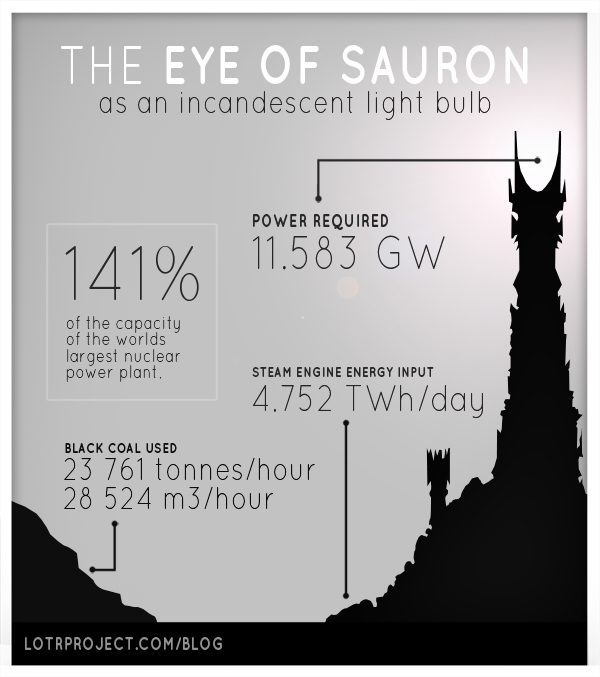
sauronbulb2png

(This is from the LOTR Project— a great site, much recommended). 

there were other and more potentially convincing ways to depict such a menacing figure.

One was seeing his reflection in his minions.
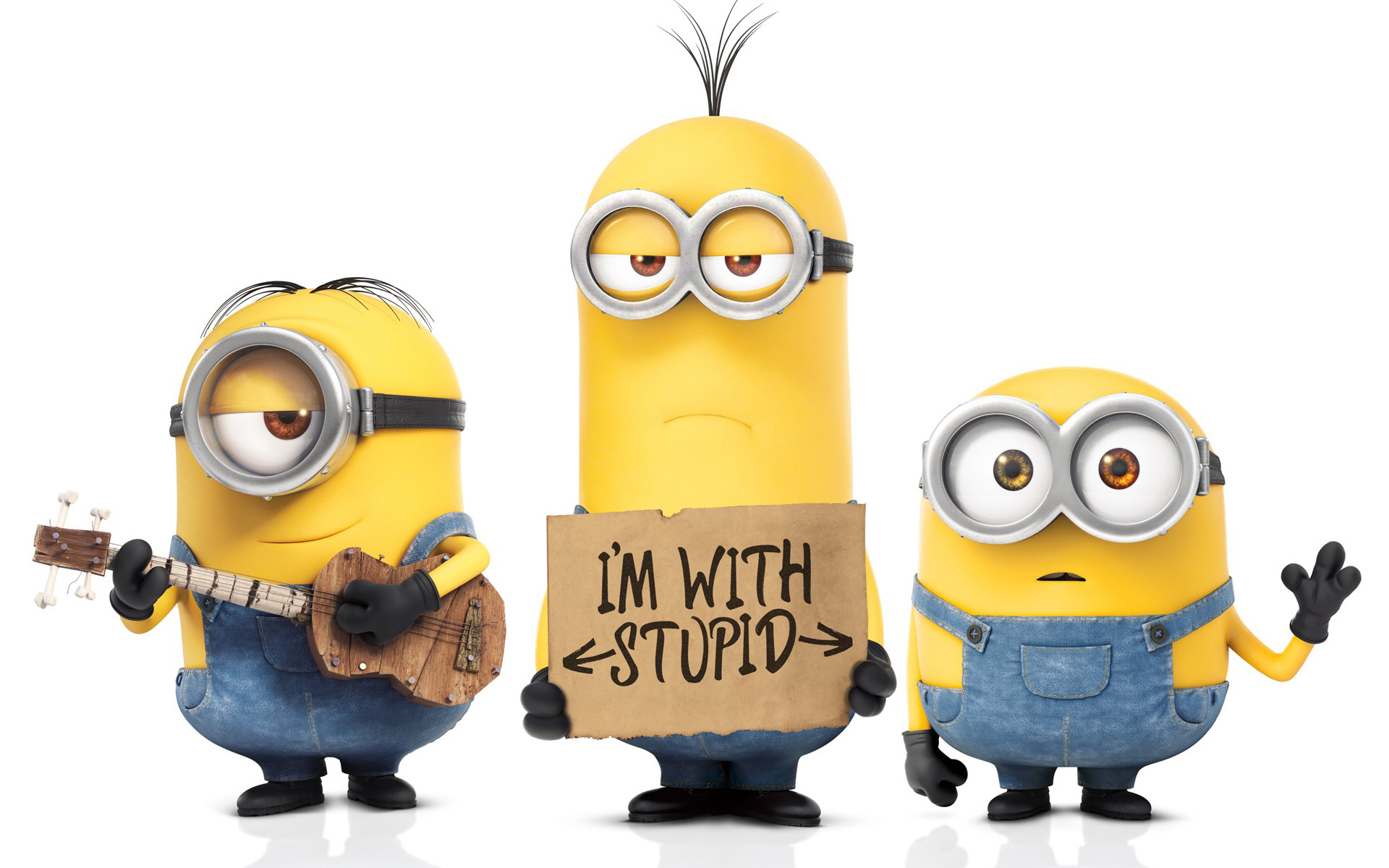
minions_2015-wide

(Can you wait for this?)

Imagine that seeing him this way is like seeing the effect a strong wind has on trees.

Palm Tree Nassau Winslow Homer

     Sauron’s minions fall into three main categories: the Nazgul, various humans, most from what appear to be the less-civilized peoples of the south—Corsairs of Umbar, Easterlings, and the Haradrim.

     The Nazgul

eowyn_nazgul

are the most daunting, but we’re told only a limited amount about them, we see them very selectively, and their speech is recorded mainly as threats. We see the humans even less and we really don’t hear them at all. It’s the Orcs of whom we’re shown the most.

     Sauron is described as once being “comely”, but his present condition (except perhaps for his eyes—make that eye) is hard to determine. Tolkien could never quite settle on the origin of the Orcs, but, they are definitely less than attractive.

     Illustrators of Orcs tend, we think, to be strongly influenced by early-Renaissance northern German painters, like Bosch, who depicted devils and demons as hybrids between humans and birds and animals.

Bosch_LJ_Vienna_Music bosch-devil Bosch,_Hieronymus_-_The_Garden_of_Earthly_Delights,_right_panel_-_man_riding_on_dotted_fish_and_bird_creature grunewald_400x478 the-devil-throughout-history-photos-3-horned_pig_devil

     This does not, however, seem to be in line with Tolkien’s thinking. If as Fangorn says, they were created as a mockery of elves, one would presume that they would be much more human in look, but perhaps with exaggerated features, and this seems to be closer to what Tolkien had in mind, although physical description tends to be less detailed.

     Here’s an Alan Lee which we think is more like what Tolkien imagined.

Unknown%20-%20Bilbo%20le%20Hobbit%20(01)%20-%20Les%20orcs

     If they are northern Orcs—those whom Sauron employs—they tend to be smaller and paler. If Uruk-hai, primarily used by Saruman, larger and black. (Although a tracker for Sauron is described as small and black.) Here’s the contrast of the two types in the confrontation between Ugluk and Grishnakh:

“…a large black Orc, probably Ugluk, standing facing Grishnakh, a short crook-legged creature very broad and with long arms that hung almost to the ground.”

     As Orcs may be a mockery of Elves, their speech sounds like it’s derived from the conversations Tolkien heard among his nco’s in the trenches—foul-mouthed (in a modified form), cheerfully abusive, and full of casual threats.

     It’s also instructive to note that there appear to be no Orcs in command positions beyond captain—the rank of Ugluk and Grishnakh, Gorbag and Shagrat. Beyond are the Nazgul, whom the Orcs both dread and envy. (“Those Nazgul give me the creeps…But He likes ‘em; they’re His favorites nowadays, so it’s no use grumbling.”) When we hear these Orcs talk, then, we are being given the mass of Sauron’s soldiery, as below them there is only a babel of cries, cheers, and curses, like a translation of the baying of a pack of hounds.

     Throughout all of the Orc conversation, there runs a joint theme: criticism of superiors (no names—but even up to Sauron himself) and fear of being heard doing so, as when Gorbag says:

     “They don’t tell us all they know, do they? Not by half. But they can make mistakes, even the Top Ones can.” “Sh, Gorbag!” Shagrat’s voice was lowered, so that even with his strangely sharpened hearing could only just catch what was said. “They may, but they’ve got eyes and ears everywhere; some among my lot, as like as not…”

     This suggestion of internal spies reflects a basic uneasiness to be found everywhere under Sauron’s rule: no one trusts anyone else at any level in what Frodo calls “the spirit of Mordor”, leading to murder between rival bands of Orcs and even between individuals, as Sam and Frodo witness, when soldier and tracker trade threats and insults before tracker kills soldier with an arrow.

     So what do Sauron’s minions mirror, which would provide us with any clearer image of the nearly-invisible villain?

   Certainly, we might see that he is incapable of gaining any kind of following at all among the dominant peoples of western Middle Earth.  First, his armies are led by the ancient undead, who frighten their own side as much as they do the enemy. Second, his human recruits are half-civilized people from the far south, plunderers, with no stake in things beyond gain. Third, the bulk of his armies are made up of creatures who are, in a sense, not genuine, but simply mockeries of actual living beings and whose loyalty to their maker is, at best, questionable, even as they fear him.

     Thus, we might imagine that, for all that he is powerful enough to command magic ghosts and armies of primitive men and mutants, Sauron is, ultimately, fearful, suspicious, and divisive and so transparently a source of instability that he can neither convince nor menace any of the free peoples of Middle Earth into having anything to do with him.

     So, as always, we end by asking you, dear readers, what you think? And, as always, we thank you for reading.

MTCIDC

CD

Where is Adventure?

20 Friday Mar 2015

Posted by Ollamh in Fairy Tales and Myths, J.R.R. Tolkien, Narrative Methods

≈ Leave a comment

Tags

Adventure, Landscape, Sam and Frodo, Story, The Hobbit, The Lord of the Rings, Tolkien

Dear Readers,

Welcome, as always!

In this post, we want to consider the idea of adventure. Usually, we think of this as an event or series of events, things which happen. This is certainly the way Bilbo sees it in the first chapter of The Hobbit, when Gandalf appears and all Bilbo thinks he wants to do is to sit, smoke, and read his mail, saying to the wizard: “nasty, disturbing uncomfortable things. Make you late for dinner! I can’t think what anybody sees in them!”

But what does Bilbo really know of adventure?

Imagine (and what a wonderful word that is), that you live down the hill from Bilbo, in the Shire in the quiet time, long after the wolves had come over the frozen Brandywine and some time before the Black Riders appear. This is a contented backwater of Middle-Earth and Bilbo mirrors this in his strong anti-adventure reactions.

With the world seemingly so safe and day-to-day (not that there aren’t the usual human–or hobbit–tussles—think of the Sackville-Baggins and their plans and jealousies) is there anything to suggest—beyond the idea that they are “nasty, disturbing uncomfortable things”–what real knowledge of adventure might exist in the Shire?

Sam suggests, in the second chapter of The Lord of the Rings, that at least he has some understanding beyond a vague sense that adventure is nasty when he says, “I heard a deal that I didn’t rightly understand, about an enemy, and rings, and Mr. Bilbo, sir, and dragons and a fiery mountain, and—and Elves, sir. I listened because I couldn’t help myself, if you know what I mean. Lor bless me, sir, but I do love tales of that sort. And I believe them too…”

Adventure, to Sam, then, isn’t a thing, but a story, and a believable one, too. It’s a story which he and Frodo talk about much later in the narrative, when they are about to encounter the treachery of Smeagol, Shelob, and the terrible march into Mordor and Sam has now realized that he and his master are in a story, too.

“The brave things in the old tales and songs, Mr. Frodo” Sam says, in one of the most profound moments for us in all of Tolkien, “adventures I used to call them. I used to think that they were things the wonderful folk of the stories went out and looked for, because they wanted them, because they were exciting and life was a bit dull, a kind of sport, as you might say.”

So now we see a kind of equation, which (beginning with Bilbo) might read:

(Nasty, disturbing) thing = adventure = story (Sam’s addition)

But Sam, the second half of his first name now being truer than he knows, continues his definition:

“But that’s not the way of it with the tales that really mattered, or the ones that stay in the mind. Folk seem to have been just landed in them, usually—their paths were laid that way, as you put it. But I expect they had lots of chances, like us, of turning back, only they didn’t.”

And here, with words and expressions like “paths” and “turning back” we can add another step to our equation:

(Nasty, disturbing) thing = adventure = story = going somewhere

There are, of course, folk and fairy tales where adventure comes to the protagonist, but it seems to us that when we began to run through the big stories, stories like the Odyssey, the Ramayana, and Beowulf, the narrative is mostly laid outside the world of home—Odysseus is coming home, but the bulk of the story takes place otherwhere, Rama and his wife and brother are in the forest, far from the palace when their adventure begins, and Beowulf has come from southern Sweden to Denmark to help King Hrothgar with a pest-control problem. And there are, of course, Frodo and Sam, who have traveled, mostly on foot, all the way from home in that safe-seeming Shire.

So, imagine that adventure can mean Somewhere Else, and that that place needs to be traveled through (or at least traveled to) for it to be an adventure, and for it to make the transition from adventure to story. For Sam, the choice to travel to and through adventure seems all-important. As he says of those who turn back:

“And if they had, we shouldn’t know, because they’d have been forgotten. We hear about those as just went on—and not all to a good end, mind you; at least, not to folk inside a story and not outside it call a good end. You know, coming home, and finding things alright, though not quite the same—like old Mr. Bilbo. But those aren’t always the best tales to hear, though they may be the best tales to get landed in.”

These, then, are the possible consequences of going to (and through) Somewhere Else: on the one hand, you may come back and, if you do, you may find things have changed, but are survivable, as Bilbo does when he returns to find himself considered dead and his house and goods up for auction. On the other hand, you may not come back—and yet may still be part of “the tales that really mattered, or the ones that stay in the mind.”

There is, of course, a paradox here: by Sam’s definition, it’s only by not turning back that one is in an adventure and a successful story, but a successful story (meaning, to Sam, a memorable one) may not ultimately be a successful adventure: what’s good for the listener/reader may not be good for those traveling to or in Somewhere Else.

Somewhere Else, itself, can be like any place in fiction: seas, mountains, forests, Middle Earth has them all and much of the story is about the simple act of marching along those many long miles, where the only quality necessary for heroic behavior seems to be persistence and, for Sam, and for us as readers, this becomes an heroic quality in itself—the ability to keep going, no matter what, a quality which is tested to the extreme degree in that last trek through the worst landscape of all, Mordor, half volcanic wilderness, half industrial wasteland. The landscape almost becomes another character here, a geographic Sauron who opposes those who would destroy his ring and through it, him. This, in turn, presents us with the idea that, just as characters good and bad give a story life, so do surroundings and the more complex the surroundings, might we see the greater the power of that life to make the story one that “stays in the mind”?

We’ll end this here, but, at the same time, we’ll add a “teaser” for our next. Sam and Frodo talk about adventures from the viewpoint of people who have read or heard them, all the while being inside an adventure themselves, as they—Sam in particular—acknowledge:

“Still, I wonder if we shall ever be put into songs or tales. We’re in one, of course; but I mean: put into words, you know, told by the fireside, or read out of a great big book with red and black letters, years and years afterwards.”

And yet there is an authorial fiction here: when they talk about being in a story, they mean that, through all the consequences of the Ring, their lives have been significantly altered and they have been “landed” in the current narrative. We know that they are, in fact, completely fictitious characters literally put into the story and that it only exists because the author has chosen to locate them there. All around them is a narrative which they cannot hear, as well as a listener whom they cannot see but who sees them and records every word and act, and this is just as true for Homer as it is for Tolkien. If Sam and Frodo went to Mount Doom without that listener, but didn’t return to set down what happened, as we’re told they did, what story would there be, even though they didn’t turn back and therefore should have been part of a story that “stays in the mind”?

More on that next time.

Thanks as ever for reading!

MTCIDC

CD

Magic or Growth?

25 Wednesday Feb 2015

Posted by Ollamh in Fairy Tales and Myths, J.R.R. Tolkien, Narrative Methods

≈ Leave a comment

Tags

Gandalf, Heracles, Magic, Tolkien

Dear Readers, 

Welcome! 

As we write the Across series, and the series we’re calling Grey Goose, we think about magic. It’s a tricky business, and we’re reminded of what happened to Apollonius of Rhodes in his Argonautica. The Argonautica is, basically, the story of how Jason assembled a group of heroes and went to find and bring back to Greece the golden fleece. In Apollonius’ time, it was already an old story. Because he was working with traditional material, then, and clearly felt obliged to do so, Apollonius included of all the heroes traditionally said to have been on the Argo. At the same time, this left him with a dilemma: one of those heroes was Heracles. Imagine having such a powerful figure on the ship– was there any need for anybody else? The thought obviously occurred to Apollonius, because he removed Heracles as quickly as he could. 

The thought must also have occurred to JRRT when he was writing The Hobbit. After all, he had a wizard along on the trip to the Lonely Mountain. We presume that the focus of the book is upon Bilbo, however, and his spiritual growth from Baggins to Took, as he is challenged again and again to go beyond what he thinks he knows about himself. With a wizard along, just like Heracles in the Argonautica, what chance is there for Bilbo ever to prove himself? And so, where do we see Gandalf actually do anything magical? He can show the way with a lighted staff, and he can set fire to pinecones, but, for most of the book, he either simply travels along, or he has simply disappeared.

And so, we come to our books. In Across the Doubtful Sea, we have, on the one side, people with strong religious beliefs, the Matan’a’e Amavi’o– the people of the goddess, Matan’a’e. Although they have the power of their goddess and their other gods, they are forced to rely almost entirely on themselves because we feel it is important that our protagonists prove themselves with only minimal divine help. Thus, we follow in the path of JRRT here. 

The principal antagonists, however, are a different matter. These are the Atuk, whose god gives his principal followers tremendous magical powers, but powers which are limited to the forces of winter (rather like the White Witch in The Lion, the Witch, and the Wardrobe). Thus, they can be fought, in a sense, just the way Aslan fights the White Witch with the opposite of cold, heat. 

As our series continues, we will have more to say on the subject of magic and gods. 

Thank you, as always, for reading!

MTCIDC,

CD

More Russian Favorites

10 Tuesday Feb 2015

Posted by Ollamh in Artists and Illustrators, Fairy Tales and Myths, Medieval Russia

≈ Leave a comment

Tags

Adventure, Epic, Fairytale Illustrators, Fantasy, Heroic, Medieval, Russia, Song

Dear Reader,

Welcome, as always.

We are very visual people. A picture in a museum, an illustration in a book, something in a film, will always catch our eye and sometimes inspire our writing.

This was certainly the case in our first book, Across the Doubtful Sea, where the drawings and paintings from the three Cook expeditions to the South Seas (1768-1779) filled us with a combination of wonder and curiosity. Although they were sometimes strongly influenced by period ideas of the sublime, here were images as close to historical photos as we would ever see.

Hodges,_Resolution_and_Adventure_in_Matavai_Bay

In the case of our second book, The Good King’s Daughter, however, because it was set in a world based loosely upon the medieval Russia of fairy tales, we looked to other sources, particularly those later-19th and 20th-century Russian artists who illustrated moments from the Russian heroic songs (byliny) and from the fairy and folktales themselves.

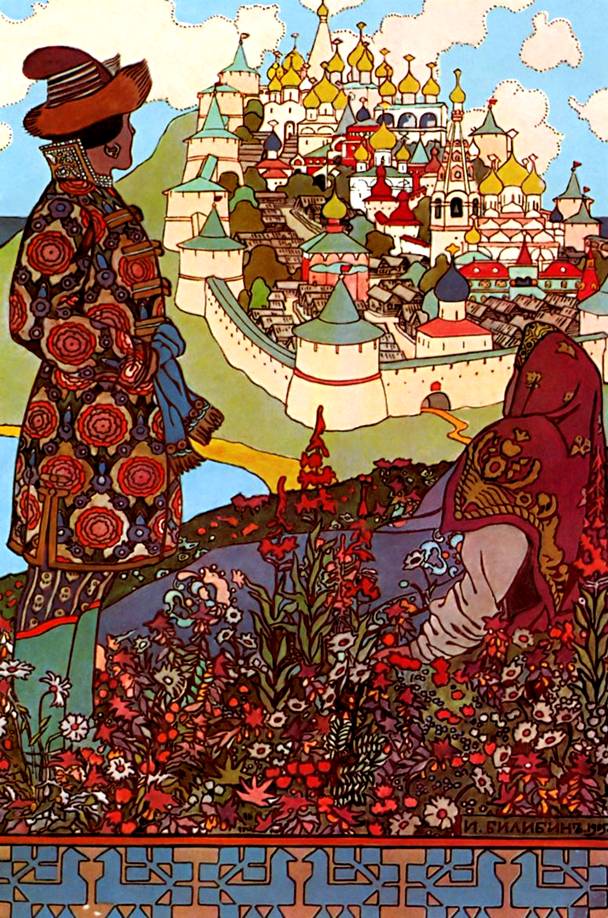
In our last, we showed you a few images from the work of perhaps the most famous (outside Russia, at least) illustrator, Ivan Bilibin (1876-1942). Pictures like “The Island of Buyan” (1905):

Ivanbilibin

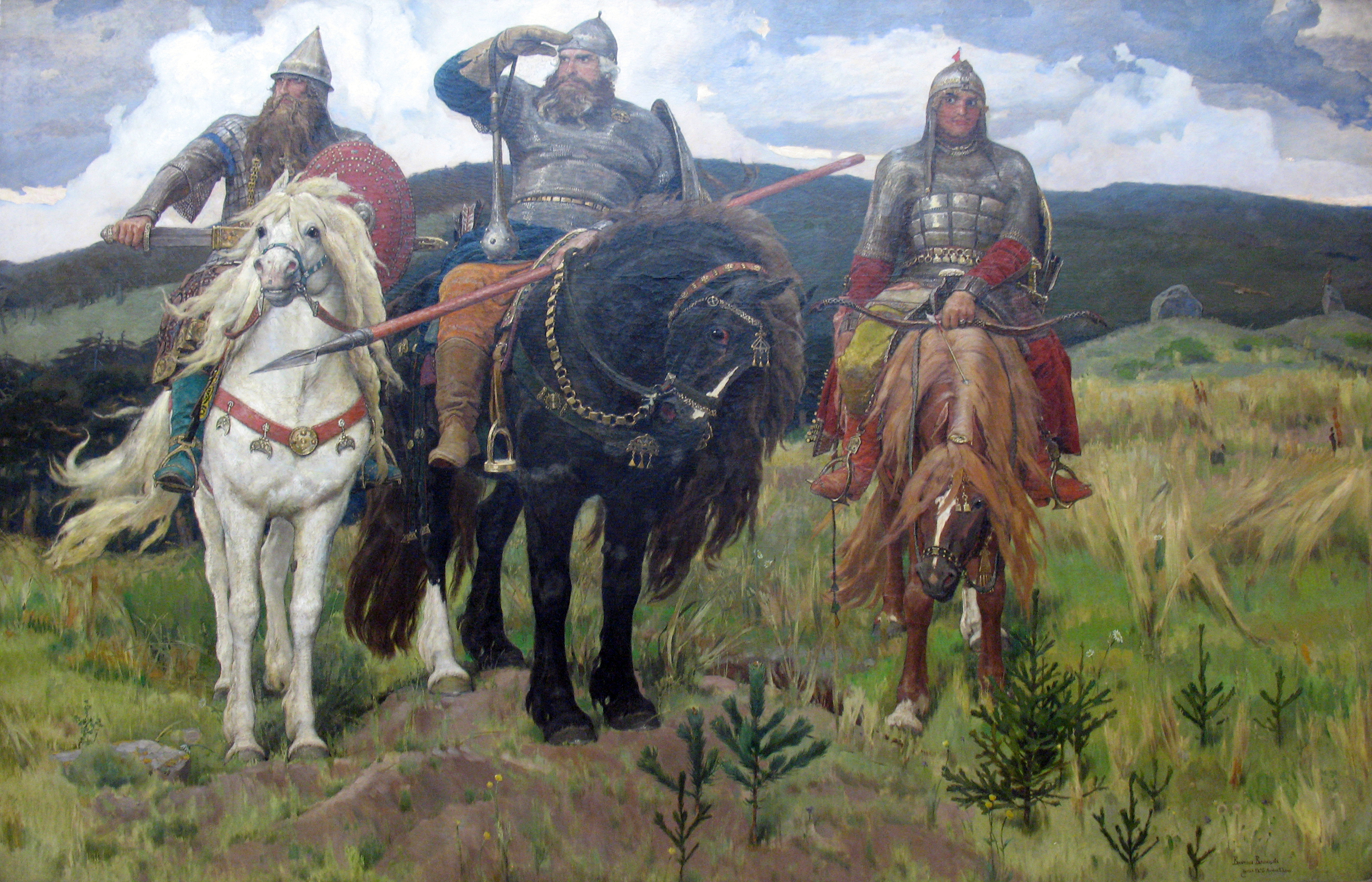
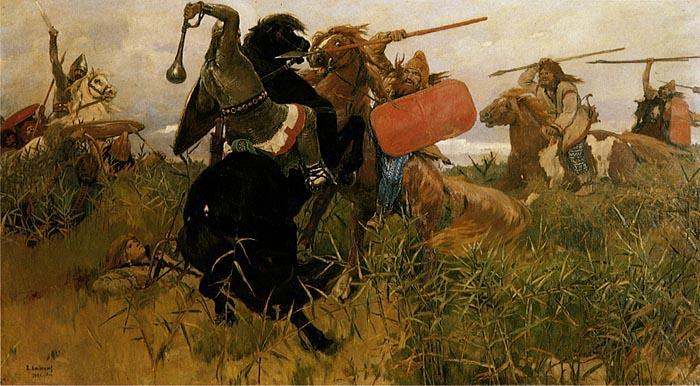
In this posting, we would add two more artists, Victor Vasnetsov (1848-1926—not to be confused with his equally-talented brother, Apollinary 1856-1923) and the more recent Nikolai Kochergin (1897-1974).

As you can see from the pictures below, Vasnetsov can move from the grandly (and grimly) heroic world of the byliny and its bogatyr (epic hero) to a more fanciful world of fairy tales like The Firebird (but still rather grim and grand).

1898_Vasnetsov_Bogatyrs_anagoria Igorsvyat Vasnetsov_samolet Viktor%20Vasnetsov-526879

hero

a-knight-at-the-crossroads-1878

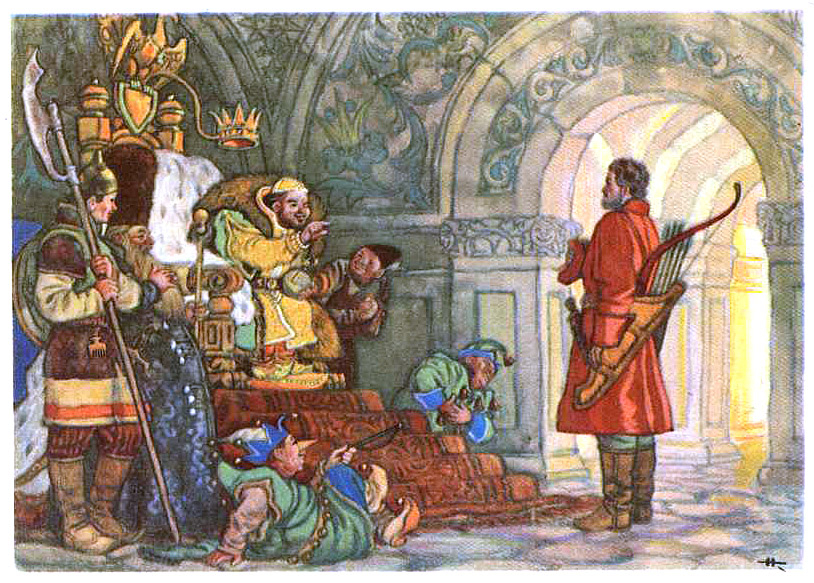
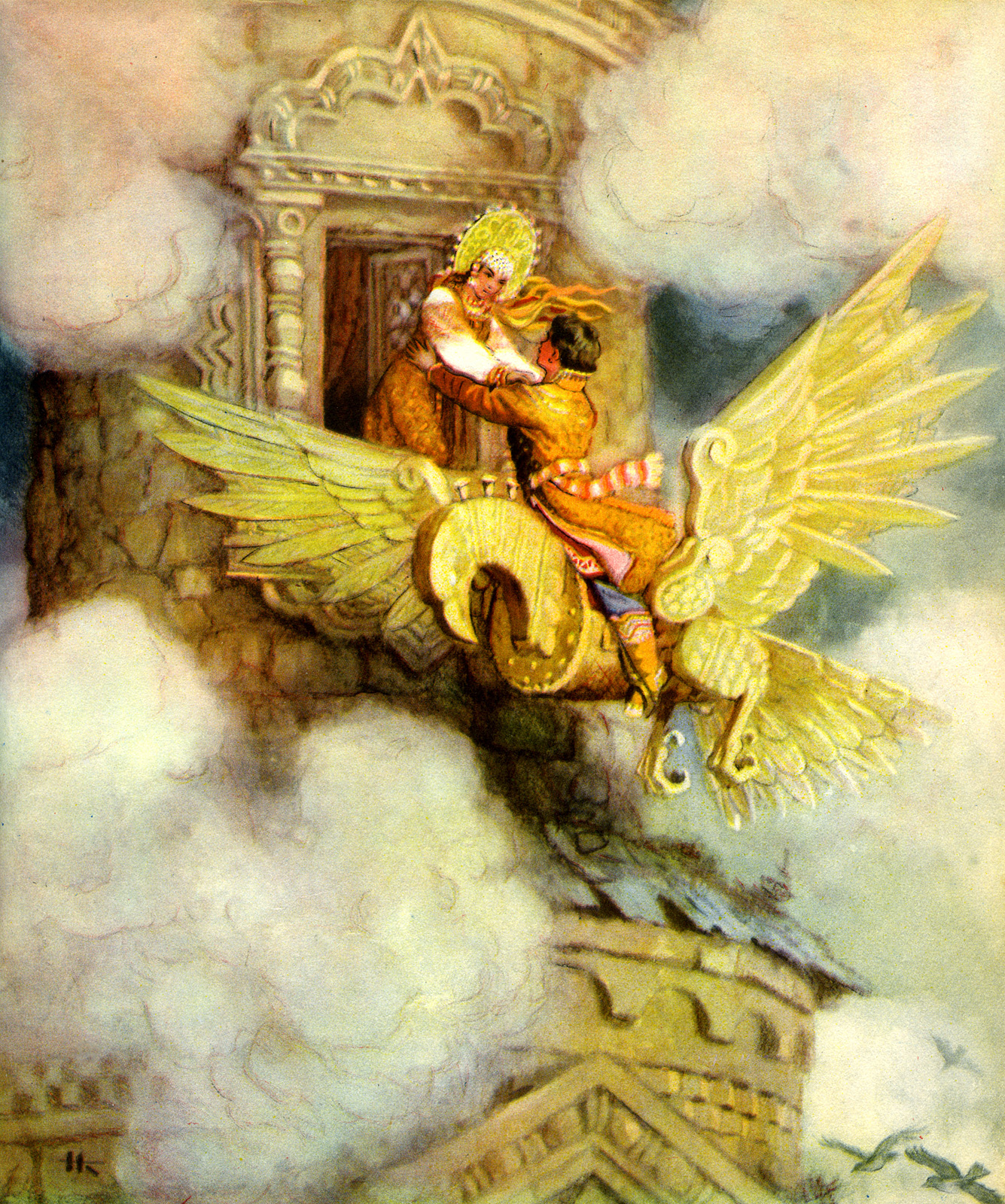
Kochergin strikes us as more like Bilibin—brightly-colored, folk-influenced.

4f463a868cf7b31a66ad1c87e00 9f97a52394ba8269194a869df52 berendei-palace nicolai-kochergin_the-wooden-eagle

tumblr_mxjgrquVKF1rz5qxqo1_500

nicolai-kochergin_seven-simeons-seven-workers

tumblr_ndw64pRZCk1rgcyvso2_500

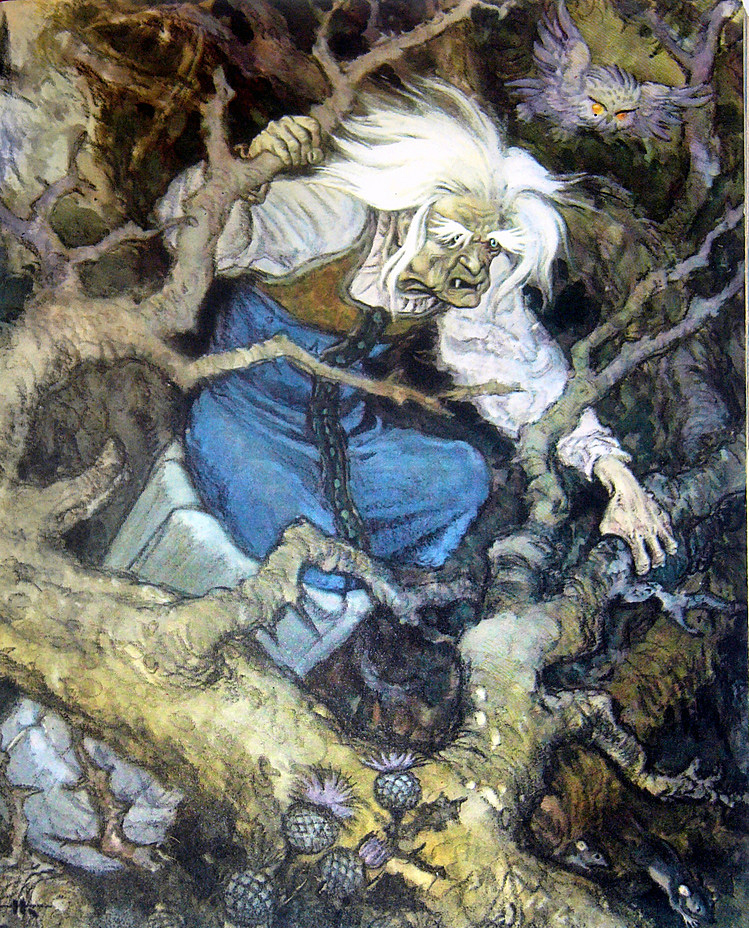
What inspires us in these pictures? To a degree, it’s what attracts us to the fairy/folktales: the strange scenes (even when you know the story), the swirl of color, that suggestion of a complex world of patterns from a different time and place, one in which there were yagas and firebirds and heroes who could be helped by wise animals.

And you, reader, do these pictures inspire you?

Thanks for reading!

MTCIDC

CD

PS

If you would like to know more about Russian heroic song—and for free—you might try:

Hapgood, Isabel Florence, The Epic Songs of Russia (1916)

Harrison, Marion Chilton, Byliny Book: Hero Tales of Russia (1915)

at archive.org. They are clearly older books, but, for those on a budget, they can provide a starting place into a rich world worth visiting.

Newer posts →

The Doubtful Sea Series Facebook Page

The Doubtful Sea Series Facebook Page

  • Ollamh

Categories

  • Artists and Illustrators
  • Economics in Middle-earth
  • Fairy Tales and Myths
  • Films and Music
  • Games
  • Heroes
  • Imaginary History
  • J.R.R. Tolkien
  • Language
  • Literary History
  • Maps
  • Medieval Russia
  • Military History
  • Military History of Middle-earth
  • Narnia
  • Narrative Methods
  • Poetry
  • Research
  • Star Wars
  • Terra Australis
  • The Rohirrim
  • Theatre and Performance
  • Tolkien
  • Uncategorized
  • Villains
  • Writing as Collaborators
Follow doubtfulsea on WordPress.com

Across the Doubtful Sea

Recent Postings

  • Towering January 28, 2026
  • Tolkien Among the Indians January 21, 2026
  • Thin and Stretched January 14, 2026
  • Through a glass… January 7, 2026
  • Heffalumps? December 31, 2025
  • We Three Kings December 24, 2025
  • A Moon disfigured December 17, 2025
  • On the Roads Again—Once More December 10, 2025
  • (Not) Crossing Bridges December 3, 2025

Blog Statistics

  • 105,564 Views

Posting Archive

  • January 2026 (4)
  • December 2025 (5)
  • November 2025 (4)
  • October 2025 (5)
  • September 2025 (4)
  • August 2025 (4)
  • July 2025 (5)
  • June 2025 (4)
  • May 2025 (4)
  • April 2025 (5)
  • March 2025 (4)
  • February 2025 (4)
  • January 2025 (5)
  • December 2024 (4)
  • November 2024 (4)
  • October 2024 (5)
  • September 2024 (4)
  • August 2024 (4)
  • July 2024 (5)
  • June 2024 (4)
  • May 2024 (5)
  • April 2024 (4)
  • March 2024 (4)
  • February 2024 (4)
  • January 2024 (5)
  • December 2023 (4)
  • November 2023 (5)
  • October 2023 (4)
  • September 2023 (4)
  • August 2023 (5)
  • July 2023 (4)
  • June 2023 (4)
  • May 2023 (5)
  • April 2023 (4)
  • March 2023 (5)
  • February 2023 (4)
  • January 2023 (4)
  • December 2022 (4)
  • November 2022 (5)
  • October 2022 (4)
  • September 2022 (4)
  • August 2022 (5)
  • July 2022 (4)
  • June 2022 (5)
  • May 2022 (4)
  • April 2022 (4)
  • March 2022 (5)
  • February 2022 (4)
  • January 2022 (4)
  • December 2021 (5)
  • November 2021 (4)
  • October 2021 (4)
  • September 2021 (5)
  • August 2021 (4)
  • July 2021 (4)
  • June 2021 (5)
  • May 2021 (4)
  • April 2021 (4)
  • March 2021 (5)
  • February 2021 (4)
  • January 2021 (4)
  • December 2020 (5)
  • November 2020 (4)
  • October 2020 (4)
  • September 2020 (5)
  • August 2020 (4)
  • July 2020 (5)
  • June 2020 (4)
  • May 2020 (4)
  • April 2020 (5)
  • March 2020 (4)
  • February 2020 (4)
  • January 2020 (6)
  • December 2019 (4)
  • November 2019 (4)
  • October 2019 (5)
  • September 2019 (4)
  • August 2019 (4)
  • July 2019 (5)
  • June 2019 (4)
  • May 2019 (5)
  • April 2019 (4)
  • March 2019 (4)
  • February 2019 (4)
  • January 2019 (5)
  • December 2018 (4)
  • November 2018 (4)
  • October 2018 (5)
  • September 2018 (4)
  • August 2018 (5)
  • July 2018 (4)
  • June 2018 (4)
  • May 2018 (5)
  • April 2018 (4)
  • March 2018 (4)
  • February 2018 (4)
  • January 2018 (5)
  • December 2017 (4)
  • November 2017 (4)
  • October 2017 (4)
  • September 2017 (4)
  • August 2017 (5)
  • July 2017 (4)
  • June 2017 (4)
  • May 2017 (5)
  • April 2017 (4)
  • March 2017 (5)
  • February 2017 (4)
  • January 2017 (4)
  • December 2016 (4)
  • November 2016 (5)
  • October 2016 (6)
  • September 2016 (5)
  • August 2016 (5)
  • July 2016 (5)
  • June 2016 (5)
  • May 2016 (4)
  • April 2016 (4)
  • March 2016 (5)
  • February 2016 (4)
  • January 2016 (4)
  • December 2015 (5)
  • November 2015 (5)
  • October 2015 (4)
  • September 2015 (5)
  • August 2015 (4)
  • July 2015 (5)
  • June 2015 (5)
  • May 2015 (4)
  • April 2015 (3)
  • March 2015 (4)
  • February 2015 (4)
  • January 2015 (4)
  • December 2014 (5)
  • November 2014 (4)
  • October 2014 (6)
  • September 2014 (1)

Blog at WordPress.com.

  • Subscribe Subscribed
    • doubtfulsea
    • Join 78 other subscribers
    • Already have a WordPress.com account? Log in now.
    • doubtfulsea
    • Subscribe Subscribed
    • Sign up
    • Log in
    • Report this content
    • View site in Reader
    • Manage subscriptions
    • Collapse this bar
 

Loading Comments...