• About

doubtfulsea

~ adventure fantasy

Author Archives: Ollamh

Delay (not Belay)

30 Tuesday Dec 2014

Posted by Ollamh in Research, Writing as Collaborators

≈ 2 Comments

Tags

Adventure, Collaborating, Exploration, Fiction, Publishing, Research, Self Publishing, Writing

Dear Readers,

We had hoped to publish Across the Doubtful Sea at the beginning of December. It didn’t happen. Why?

We had the manuscript . Its 52 chapters had been through two complete drafts and many little subdrafts, along the way, by mid-November.  

If we had been willing to be part of the older book-writing world, we would now have begun the long and painful process of trying to interest a publisher (through an agent, if we could persuade one to take us on, or not, which was much more likely). Because we decided to publish the book ourselves, however, we entered a new and even more complicated universe, in which we were not only authors, but editors, sub-publishers, and publicists, as well. It has provided a wonderful “behind the scenes” education, but it has taken a good deal more time that we had ever imagined.

We were still in the editing stage when we decided to become publicists. That way, we hoped to begin to build an interested audience some months before the appearance of our first book. “So we need a blog,” we said to each other, “and Facebook. And Twitter. To start.”

WordPress provided the basic blog, for free. (Without sounding like we’re receiving a commission, we can also recommend them enthusiastically: very smart, creative people and very easy to deal with.) The basic blog, however, suggested that, if we were serious, and looked upon our work as part of a greater commercial enterprise (our 19th-century author ancestors, like Scott and Dickens, would certainly have said that it should be and that, while art for the sake of art was nice, profits were nice, too), we would need a “domain name”. This would then allow us to list ourselves as http://www.Doubtfulsea.com.   So we bought—or, rather, rented–one, for a year (renewable).

Then, there was the matter of setting up the blog. Fortunately, one of us has electronic art at her highly-talented fingertips and, after a few tries, produced the beautiful site on which you are currently reading us. (Those tries included picking and replacing an appropriate background image, as well as type face—tricky against the image–and formatting.)

After that, we had to figure just how many posts we could do, balancing them against the rest of our lives. We had read about people who began a blog as a way of talking about a project and eventually found that time for the project was gradually completely consumed by the blog, so we decided that we would do one post per week—but—every week, without fail. So far, we’ve managed to do this from the very beginning: this is post #16 and it will even appear during Christmas week. (Readers who currently struggle to maintain blogs have our permission to roll their eyes and say, “Just wait!” under their breaths, if necessary.)

Then there was Facebook, which came a little later. It was easy to set up, as it was more basic, but it came with the same hunger for posts. The point was exposure, of us and our ideas and thoughts and experiences. This meant, we decided, doing what we were already doing with our blog and so we were committed to two posts per week, one for Doubtfulsea.com and the other for Thedoubtfulseaseries@facebook.com.

So that we didn’t repeat ourselves, we decided that the blog would deal specifically with the Doubtful Sea series (including the other two planned volumes, Empire of the Isles and Beyond the Doubtful Sea) and further books in other series (we already have a complete first draft of one and half of another). We would devote our Facebook page to essays and discussions about reading and writing and creating in general—ours and other authors’.

At the same time, we added Twitter. This was—and is—much trickier. The common wisdom was that you should use it to advertise only 20% of the time and devote the rest to catchy sayings, thoughts, and images from our daily lives. So far, we feel that we haven’t used it enough for anything and, once the book is actually published, we’ve decided to do a lot more research in how to employ it more successfully.

Then we thought the manuscript was ready for the next step.

We are fervent book people, and one of us has even written a scholarly article on a 19th-century Irish poet publishing his first book (a disaster and most copies were eventually recycled for trunk linings), but we had no idea of what we were getting ourselves into.

As modern people, we began with internet research, of course. We typed in “self-publishing”, and quickly discovered that there were multitudes of people eager to help us out there, some for a price, others for free, others for free, but with sales pitches thrown in. We quickly learned, however, that there was a longer process ahead of us than we had ever thought.

First, after surveying the field of self-publishing services, we decided that we would use Amazon, in part because of its access to Kindle, in part because of its liberal profit-sharing policy. (A hint: if you are following our path, be sure to do a little extra research, when you do your googling to pick a publisher, and type in “reviews of ________________________” to try to provide a more balanced view than the self-publishing service is willing to provide.)

Advice from various sites had convinced us that we needed to have an ISBN. Why we—or anyone—might need it would require a separate post, but, in brief, it forever identifies the book as yours, as well as providing potential sellers with a convenient stock number, among other reasons. Only one is needed per book, but, if, as in our case, we wanted to use e-book form, as well, then we needed two—and, if we wanted it available on other media, like phones, we would need more. The main supplier, Bowker, has a deal for a pack of 10, and we decided to use that.

On the actual formatting of the book, we’ll refer you to the upcoming post on our Facebook page, which talks in some detail about everything from proofreading and correcting to number of words on the page to placement of the text on the page. We will say something about the cover, however.

We were doing research on Pacific exploration when we happened upon the work of William Hodges, who was the main artist on Captain Cook’s second Pacific voyage. We quickly realized that one of Hodges’ paintings, often called “The Waterspout”, was absolutely perfect. We traced it to the National Maritime Museum in London, inquired, and found out how to rent the image (dealing with the very kind and helpful Emma Lefley, who is the Image Librarian—what a wonderful job!). It had to be formatted to become the front and back covers, of course—but see our Facebook page for that.

We said, at the beginning of this post, that we had had a “behind the scenes” education. And that it had taken more time and energy than we had ever imagined. It would be more accurate, in fact, to say that we are continuing to have that education. We had known about the back-and-forth aspect of author and publisher and its complications from the experience not only of 19th-century authors, but also from the correspondence of Tolkien and Unwin from 1936 on, but there was so much more. A professional publisher would handle renting the cover image, the actual physical creation of the book, and the advertising, all of which is now in our hands. Sometimes, it has seemed like more work than writing that first novel, but it has, on the whole, been a wonderful experience and we’ll be talking more about it in future blogs.

Thanks, as always, for reading!

MTCIDC

CD
Frigates

16 Tuesday Dec 2014

Posted by Ollamh in Heroes, Military History, Research

≈ 3 Comments

Tags

Adventure, Exploration, French Navy, Frigate, History, Napoleonic, Research, Royal Navy, Sea, Warship, Writing

Dear Readers,

Welcome, as ever.

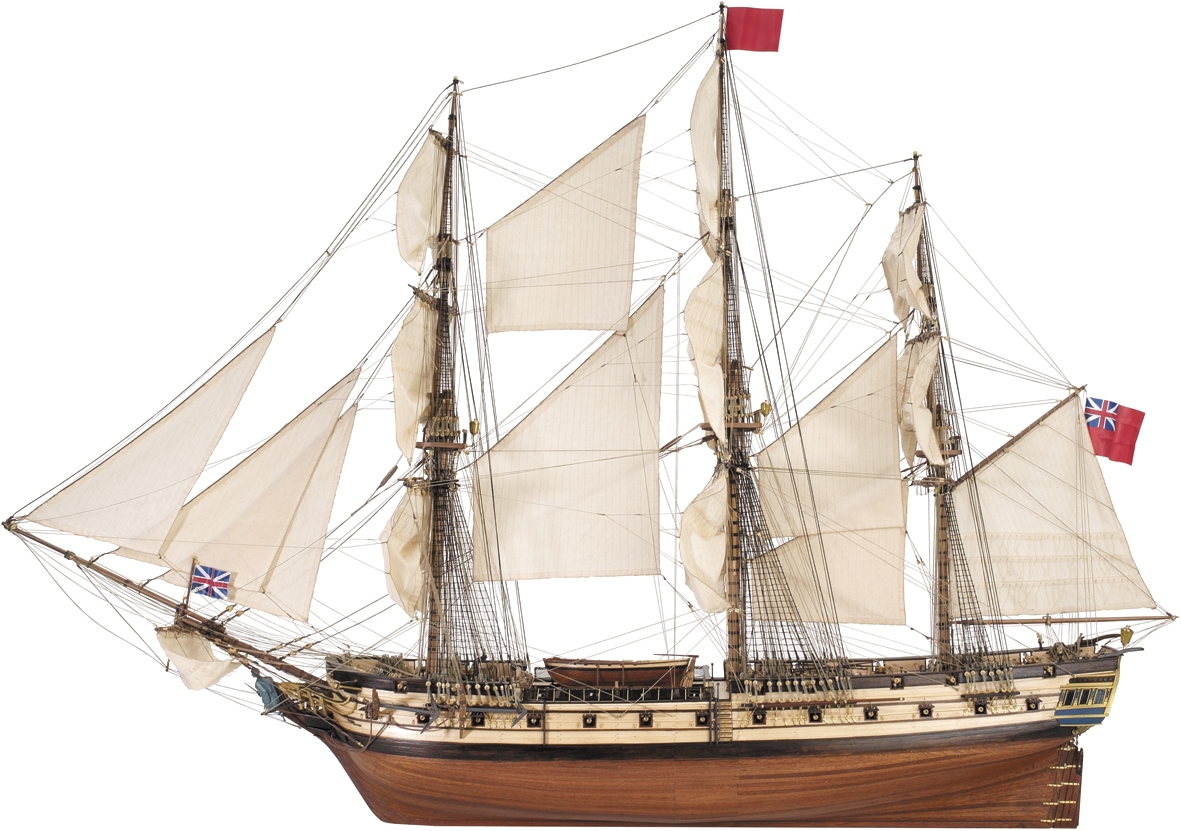
In this post, we want to add a bit more about the ship used by our European protagonists and antagonists, in the Doubtful Sea series, the frigate.

frigate 

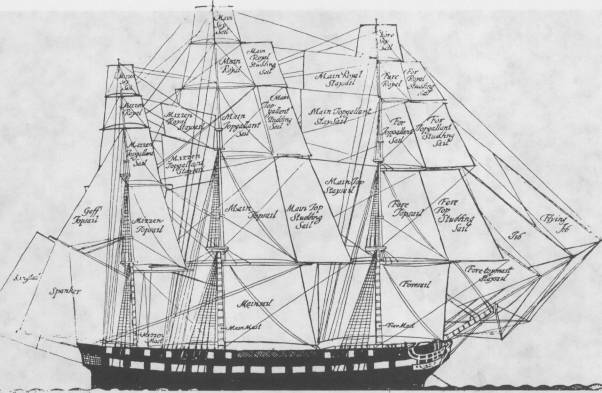
For a brief but convenient history of the vessel, see en.wikipedia.org/wiki/Frigate, but, in short, as you can see, a frigate is a three-masted warship.

Unlike the bigger ships, those used in the large-scale fleet actions

 1280px-BattleOfVirginiaCapes

 like HMS Victory

 HMSVictoryPortsmouthEngland

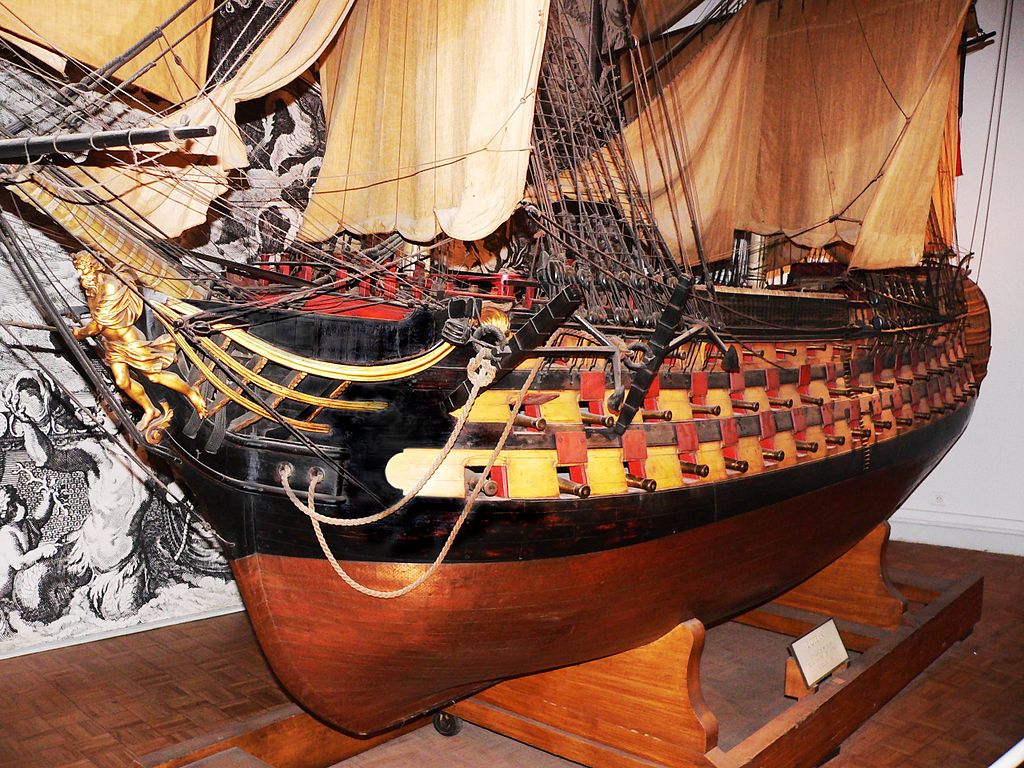
or its French counterparts

 1024px-MuseeMarine-Ocean-p1000425

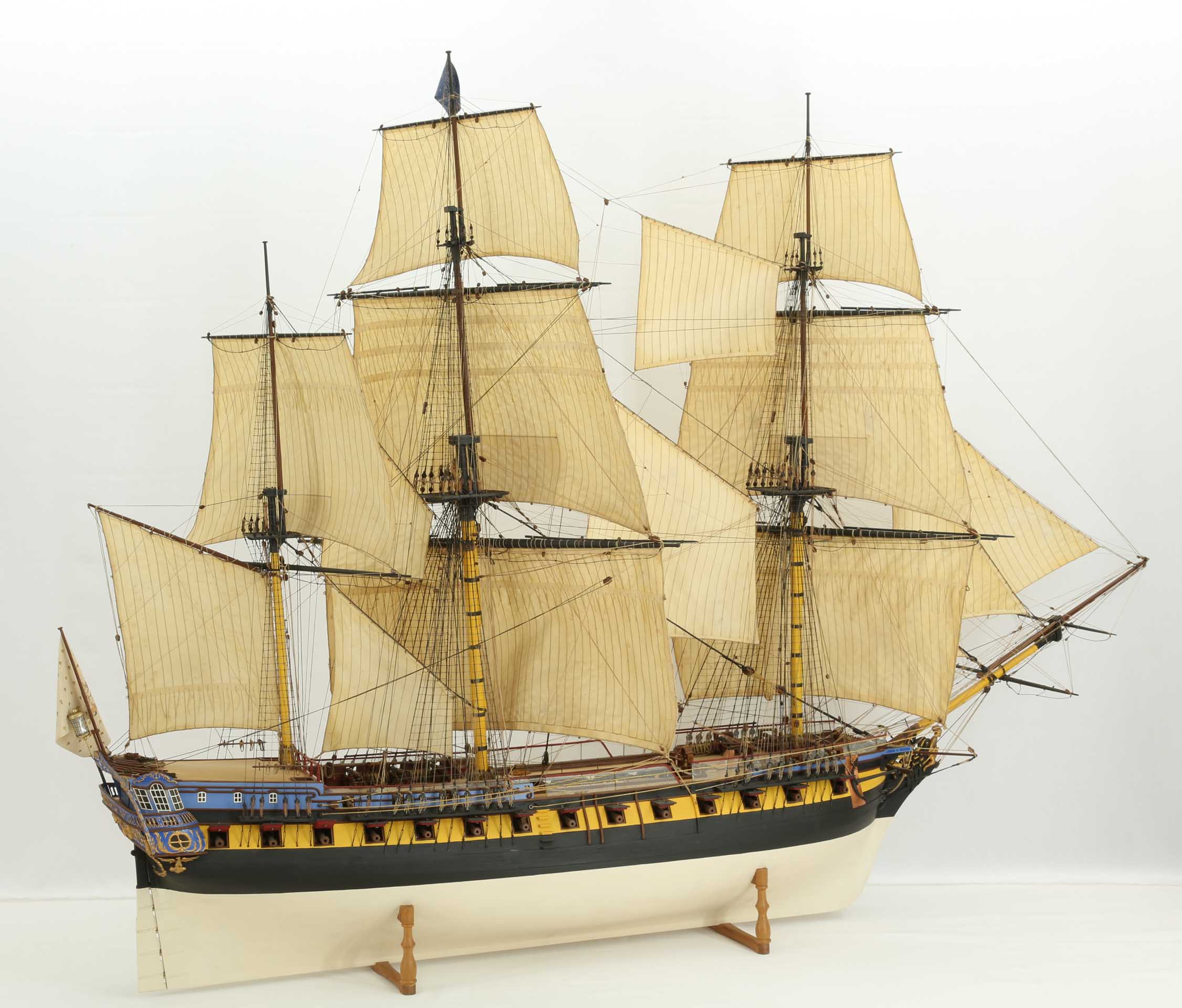
their armament was much lighter, ranging in number of guns from the upper twenties to the low forties. Here, for example, is a French forty-gun ship.

french40gun

And a comparable English one.

HMS_Pomone 

These ships were designed to be fast and maneuverable, acting as scouts for fleets of the bigger ships, but also as warships on their own, in blockades and in actions against enemy ships of about their own class.

Kamp_mellem_den_engelske_fregat_Shannon_og_den_amerikanske_fregat_Chesapeak

After the American Revolution, the United States Navy began with six of these frigates, including the USS Constitution.

constitution-2

(For a useful article on these, see en.wikipedia.org/wiki/Original_six_Frigates_of_the _United_States_Navy. On these ships and others, see Mark Lardas, American Light and Medium Frigates, 1794-1836 and American Heavy Frigates, 1794-1826, For US frigates from their inception through the War of 1812, see Henry E. Gruppe, The Frigates.)

First in fighting the Barbary pirates off the North African coast and then against the British Royal Navy in the War of 1812, these ships and their captains and crews earned the new navy a reputation for seamanship, gunnery, and their sound design and construction.

 HMS_Guerriere

(For the US Navy in the wars against the Barbary pirates, see Gregory Fremont-Barnes, The Wars of the Barbary Pirates, Richard Zacks, The Pirate Coast, Mark Lardas, Decatur’s Bold and Daring Act, and Frederick C. Leiner, The End of Barbary Terror. A recent popular history of the US Navy in the War of 1812 on the high seas is Stephen Budiansky, Perilous Fight.)

As far as we know, there is only one of the larger ships which survives:   HMS Victory, in Portsmouth harbor, on the south coast of England.

 HMS Victory

There is one original US frigate, the USS Constitution, which is located in Boston harbor. It is still in commission, being the oldest ship in the US Navy. See the website: www.history.mil/ussconstitution/index.html for further information.

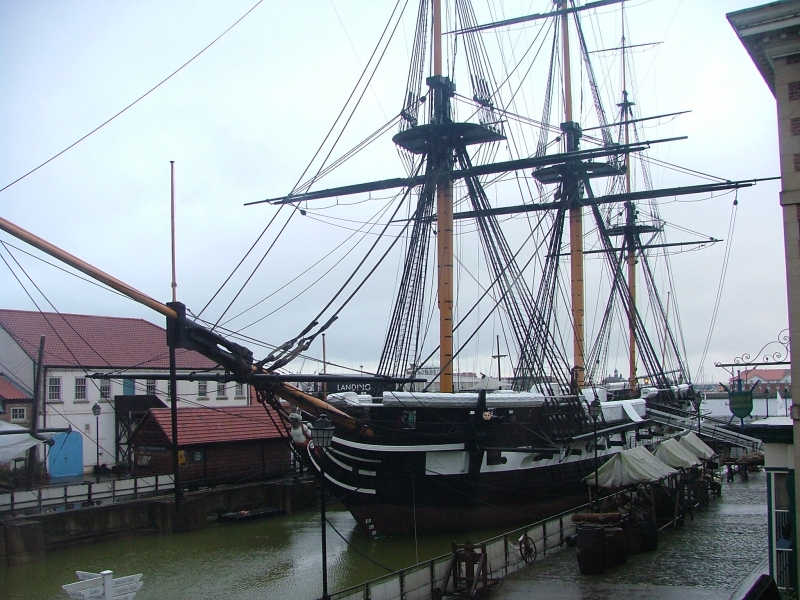
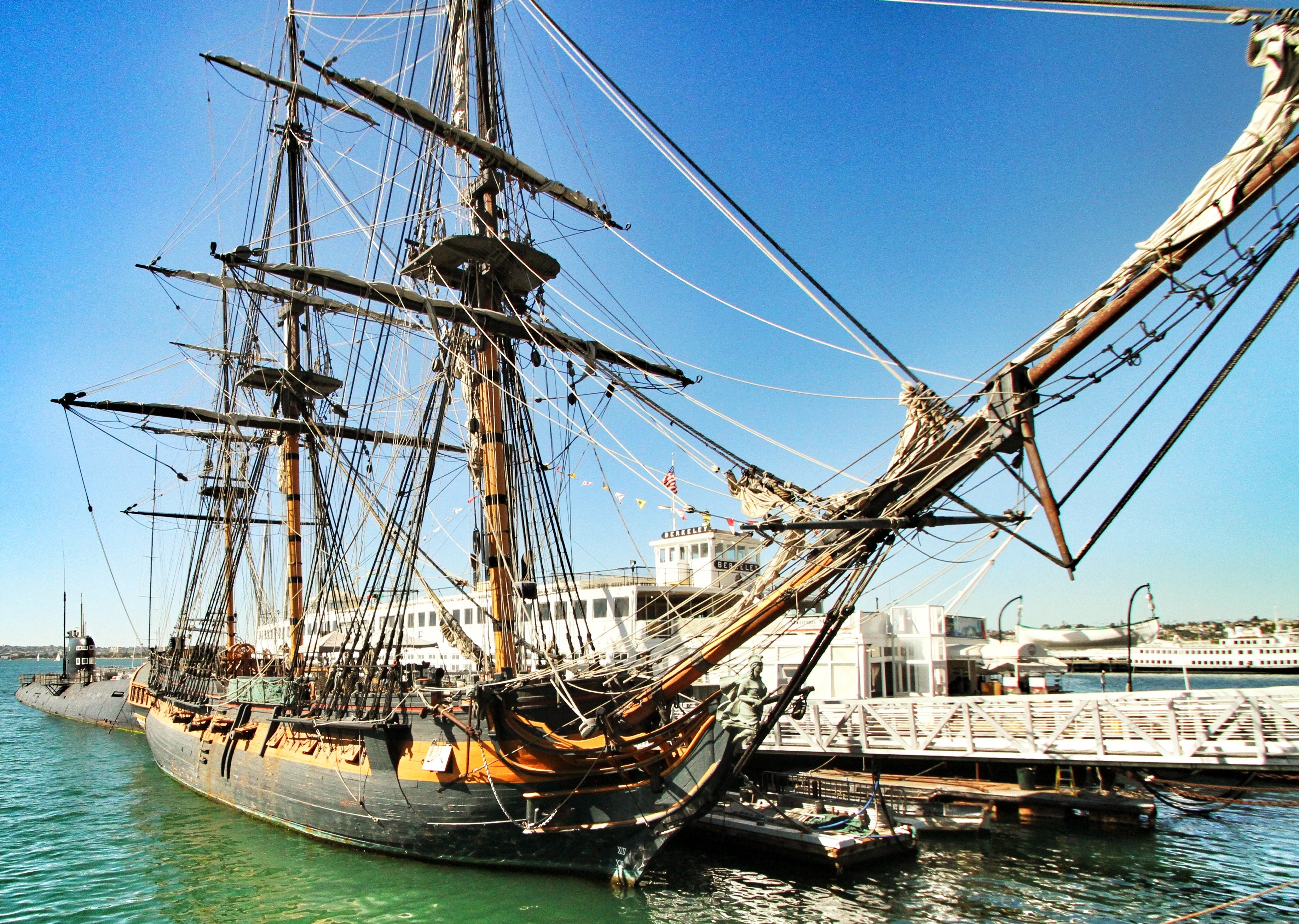
     In the UK, there are two frigates, HMS Trincomalee,

 HMS_Trincomalee.1

which may be visited at Hartlepool. See the website at: www.hms-trincomalee.co.uk.

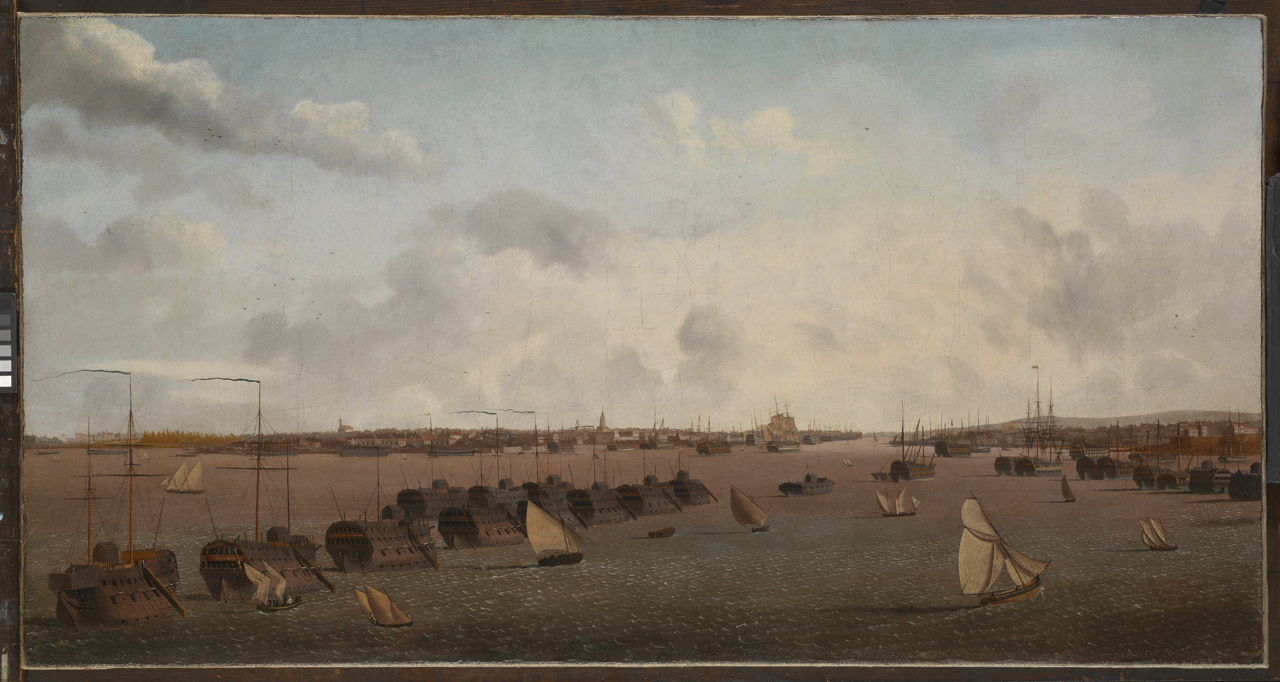
And HMS Unicorn, its sister-ship. The Unicorn is unusual in that, unlike the Trincomalee, is has not been restored as an active warship. Instead, it has been brought back to its state when it was out of commission and stored (said to be “in ordinary” in naval language) to be used as a store ship—or even a prison ship, like these, in Portsmouth harbor.

 Prison Hulks by Turner

Here’s the Unicorn—

 unicorn

You can find out more about it at its website: www.frigateunicorn.org

There is one more frigate, one we have mentioned briefly in an earlier post. It is not an original, but a very impressive reproduction, the French frigate L’Hermione.

 7septembre_12

For an English-language website on this very impressive ship, see: www.hermione2015.com.

We hope that you’ve enjoyed this post. Within the next week or so, we expect to have the first novel in our series, Across the Doubtful Sea published on Amazon/Kindle. If you find our posts interesting, we hope that you find our novel even more so!

As always, thanks for reading.

MTCIDC

CD 

Research

09 Tuesday Dec 2014

Posted by Ollamh in Narrative Methods, Research, Terra Australis, Writing as Collaborators

≈ 1 Comment

Tags

Exploration, Fiction, French Navy, History, Napoleonic, Research, Royal Navy, Sea, South Pacific, Terra Australis, Warship, Writing

Dear Readers,

Welcome, as always.

In this post, we want to talk a little about research. We’ve already shown you bits and pieces of what the world of Terra Australis and its peoples look like to us—and we hope to you– but we want to add a bit about some of our sources.

As we’ve said in an earlier blog, the idea of setting our Doubtful Sea series mainly in the Calm Sea (Pacific in our world) and on Terra Australis (which only exists as the forbidding Antarctica for us), was just a lark, a spur of the moment thing. We had already known a little about the French admiral and Pacific explorer, de Bougainville. Most of what we knew about him, however, came from his early career as an aide de camp to the Marquis de Montcalm, the commander of French regular troops in New France during the bulk of the French and Indian War (1756-59). (He left behind journals of that time, which have been published in English as Adventure in the Wilderness, translated by Edward P. Hamilton and published by the University of Oklahoma Press.)

And we were aware of Captain Cook, who was also involved in that war and even must have sat across the St. Lawrence River from de Bougainville at the siege of Quebec, in 1759, although neither would have been aware of the other at the time.

So what then? Lots of conversation first, based upon nothing more than our imaginations. Who would our characters be? Where would our characters go? What might happen to them?

As we talked, we began to see that, now that we had a very general idea of the beginnings of a book—and, soon, a series– we needed to know more—lots more. And here was where our plan to base our new, alternative world on the actual later 18th century of the actual world quite easily supplied a great deal of useful knowledge. We embarked upon a period of research even as we began to write a draft of the first chapters.

Because we knew so little, our questions to ourselves could have seemed as endless as the Pacific to those first explorers, but we quickly found that they could easily be grouped into a small series of main categories:

  1. 18th-century European Pacific exploration
  2. the French and English navies of the time
  3. the history of Polynesian exploration and colonization of the Pacific
  4. Terra Australis/Antarctica
  5. languages/cultures as models for Pacific protagonists/antagonists

And this research quickly proved helpful in two directions. First, it began to answer our questions about the 5 categories. Second, the answers would inspire us, not only to ask further questions, but to further creativity.

It was important, however, to feel a certain wariness about research. One of us, some years ago, began work on a novel, called Swallows Wintering, set during the American Revolution. Chapters were written, and things seemed to be humming along, but then there was a question and everything stopped for more research. And more research. And then everything stopped for good. Insecurity triumphed, perhaps? A lack of conviction disguised as a need for further sources and greater “authenticity”? (And here we might want to consider just how much “authenticity”—maybe “accuracy to the time” would be a better way of saying this—one needs even in an historical novel. You don’t want to have an Elizabethan using safety matches, as we once read in a mystery set in the late 16th century, but, perhaps it’s possible to suggest a period without being slavish about it? This is, we think, worthy of a long essay on its own!)

With that previous experience in mind, perhaps it was just as well that we decided not to write an actual historical novel, although we can certainly see that there are lots of possibilities there (we might cite our ancestor-collaborators, Nordhoff/Hall, and their series on the Bounty mutiny and its consequences, for an example). By making this an alternative world, we could use whatever we liked from our world, but never feel quite so bound as one might in a work of historical fiction.

We are both very visual people (and, we suspect, so is our audience), so, as we wrote and assembled a little library of what appeared useful books, we really began by spending hours on Google images. We searched for everything from “Antarctica” to “Versailles”, from “catamaran” to “frigate”, from “Cape Horn” to “Captain Cook” and much more besides, gathering several hundred illustrations, a few of which have appeared in our previous blog entries. (And one of which will appear, thanks to the good folk of the National Maritime Museum in London, on the cover of Across the Doubtful Sea in just a week or two.)

As well, we extended our on-line research to include articles on Polynesian and Inuit history and languages and cultures, the religions of the Pacific, the writing system of Rapa Nui (Easter Island), along with material on real Pacific explorers like La Perouse and Wallis, and the bibliographies attached to those pieces gave us more ideas for further research. (We are aware, of course, of the danger of unsubstantiated or even wrong material on the internet, but, because we were—and are—engaged in work s of alternative- world fiction, rather than historical scholarship or even historical fiction, this was not an active concern.)

In our own reading, we very much enjoy learning about earlier authors and how they wrote their books. And so, in these posts, we want to provide you, our readers, with information which, before you read our first book, we hope will entice you to do so and, after you’ve read it, will help you to see something of how we wrote it.

We intend, after Across the Doubtful Sea appears, to include a complete bibliography—including a list of websites and their addresses we found useful or just too interesting not to read (and everyone who surfs the web knows the dangers of this)—in our blog, but, for now, here are a few books we found particularly stimulating/useful. As we said in an earlier post, we experienced some difficulty in our research, owing to the period in which we were working, the 1750s to about 1790. There was plenty of material for the Revolutionary and Napoleonic Wars, 1793-1815, but much less easily available for this earlier time. Our advantage in alternative writing, however, stood us in good stead here: we didn’t feel that we had to be accurate down to the last fact, and we could use what we learned from this slightly later time to flesh out what we could discover of the earlier time. So, for example, the Osprey books on Napoleonic naval wars—books like Terry Crowdy’s French Warship Crews 1789-1805, or Gregory Fremont-Barnes’ Nelson’s Officers and Midshipmen and Nelson’s Sailors, or Chris Henry’s Napoleonic Naval Armaments 1792-1815–proved very helpful in getting a general sense of life on board the warships of that world. We would add, from a Time/Life series, Henry Gruppe’s The Frigates, as well as books like Iain Dickie et al., Fighting Techniques of Naval Warfare 1190BC to the Present, Nicholas Blake and Richard Lawrence’s The Illustrated Companion to Nelson’s Navy, and Brian Lavery’s Nelson’s Navy.

As for Pacific exploration, an easy read is Alistair MacLean’s Captain Cook (with Peter Beaglehole’s more scholarly work for those who want to learn more). For two different views of its consequences for the native cultures and peoples , we would recommend Alan Moorehead’s The Fatal Impact: The Invasion of the South Pacific 1767-1840 and Bernard Smith’s European Vision and the South Pacific. For a more general view, we would add the relevant portions of Erik Newby’s The Rand McNally World Atlas of Exploration.

This has been a long entry, and we never intend to overwhelm our readers, so we’ll end here for the present, with promise of more, both on books and on websites, in our next.

Thanks, as ever, for reading.

MTCIDC

CD

Villainous Vessels

02 Tuesday Dec 2014

Posted by Ollamh in Imaginary History, Military History, Villains

≈ 1 Comment

Dear Readers,

Welcome!

In this post, we want to add something to our former one about the Atuk, the mysterious villains who inhabit the center of Terra Australis.

The name Atuk amavi’o, in the language of their enemies, the Matan’a’e amavi’o, means “people of the cold” and, although their interior and warmer-weather dress may echo Ottoman/Persian clothes, their winter look reflects their icy outer world. Their warships also suit that world.

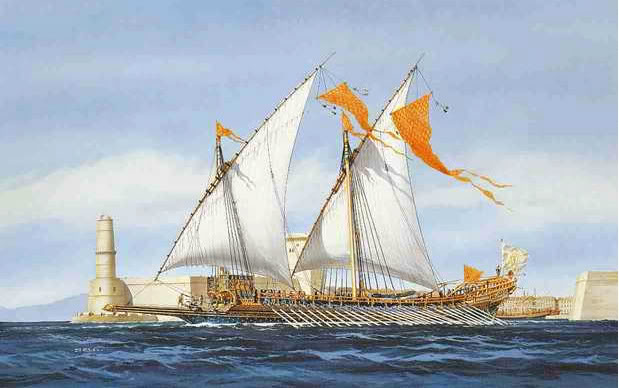
We had originally imagined them as looking like real galleys from the history of our world, the sort used by the Ottoman and their Venetian, Spanish, and other European enemies in the sixteenth and seventeenth centuries.

galley-warship-builder-drawing

galley

These are long, graceful vessels, powered by oars for battle and in-shore maneuvering, but by large, triangular sails—called “lateen sails”—for longer distances.

galley

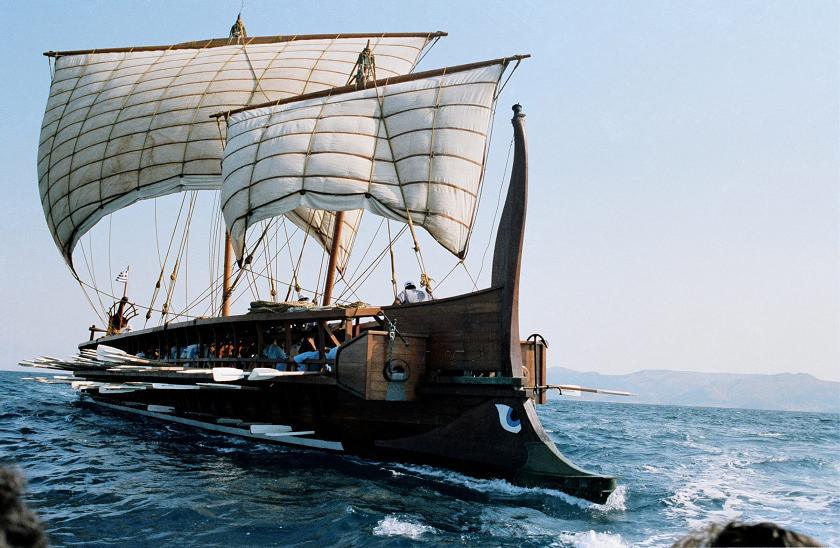
Originally, these were built like ancient classical warships, with bronze rams on their prows.

trireme

Increasingly, with the development of gunpowder, the Ottoman and their enemies turned to shipboard artillery. This was commonly mounted on the forecastle (the front) of their ships, to fight their battles.

Maltese-Galley

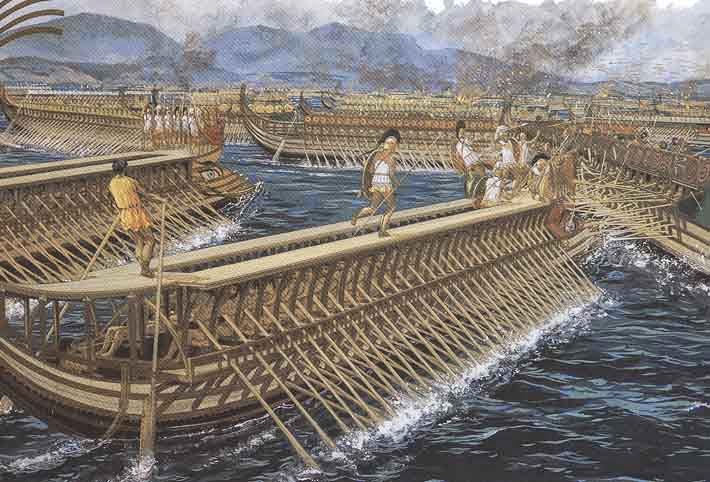
In the world we’ve created, however, the Atuk have not made the shift to cannon. In contrast to classical warships, though, they don’t employ the old ramming attack.

Athens- trireme warfare

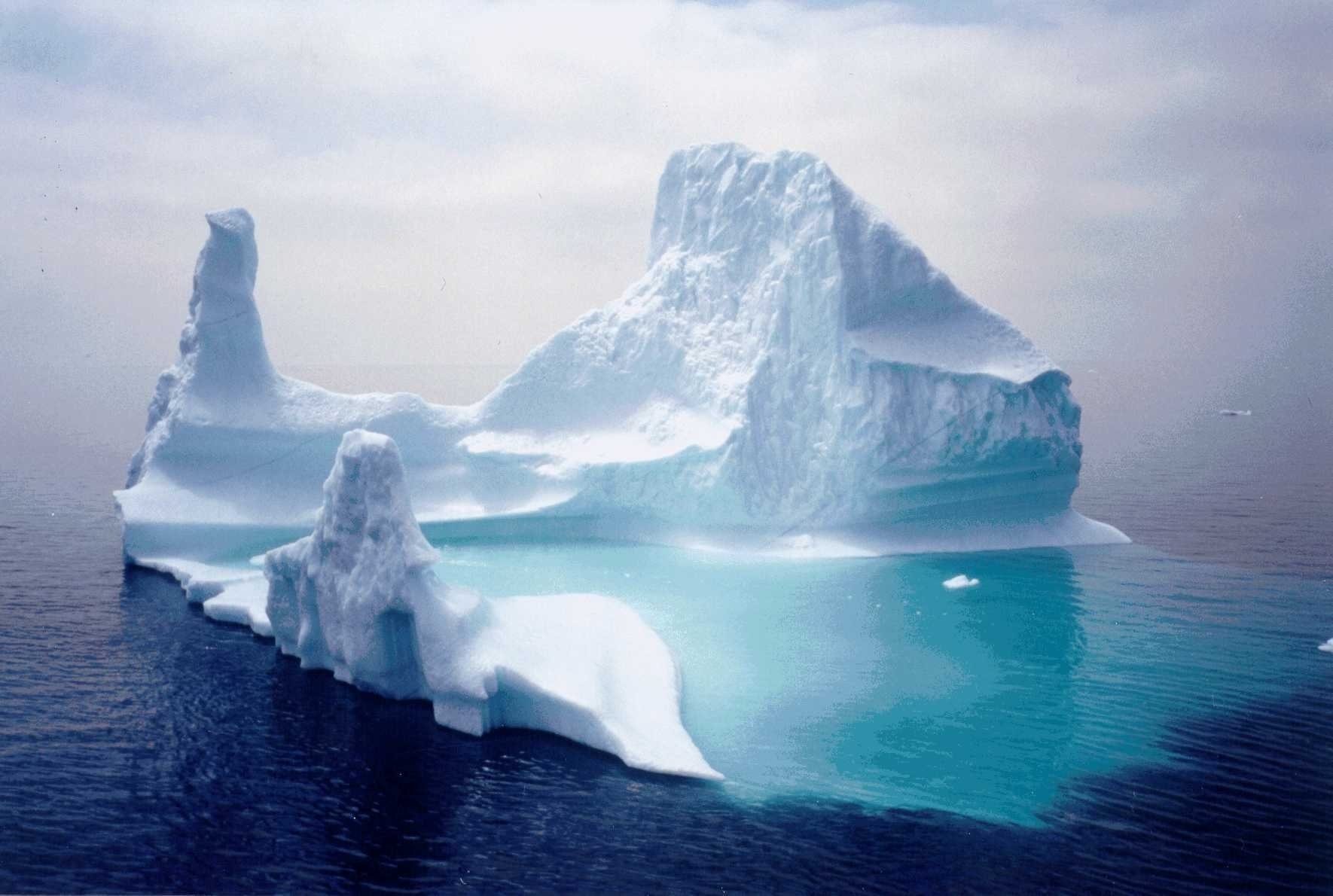
In fact, although the basic structure and outline of their ships may be based upon Mediterranean galleys, we have made a significant change. Oars and sails are there, but these have been combined with something from the world of ice. Imagine ships—galleys—made from the frozen sea itself.

iceberg2 Iceberg2-1 iceberg-7560701

As for their armament, well, dear readers, that’s for you to discover in Across the Doubtful Sea, when it appears on Amazon/Kindle in early December.

Thanks for reading.

MTCIDC

CD

Heroes III

24 Monday Nov 2014

Posted by Ollamh in Heroes, Military History, Terra Australis

≈ Leave a comment

Dear Readers,

Welcome!

In our last, we continued discussion of our heroes. So far, we’ve talked about the French and the English, their look and their ships. Now we want to say something briefly about our heroes—mostly, in fact, heroines—from the Calm Sea (in our world, the Pacific).

As we began to model our villains, as we’ve said, we combined the look of the Inuit with that of Persians and Ottoman Turks. This gave us both a wintery exterior and a lush, brightly-colored interior.

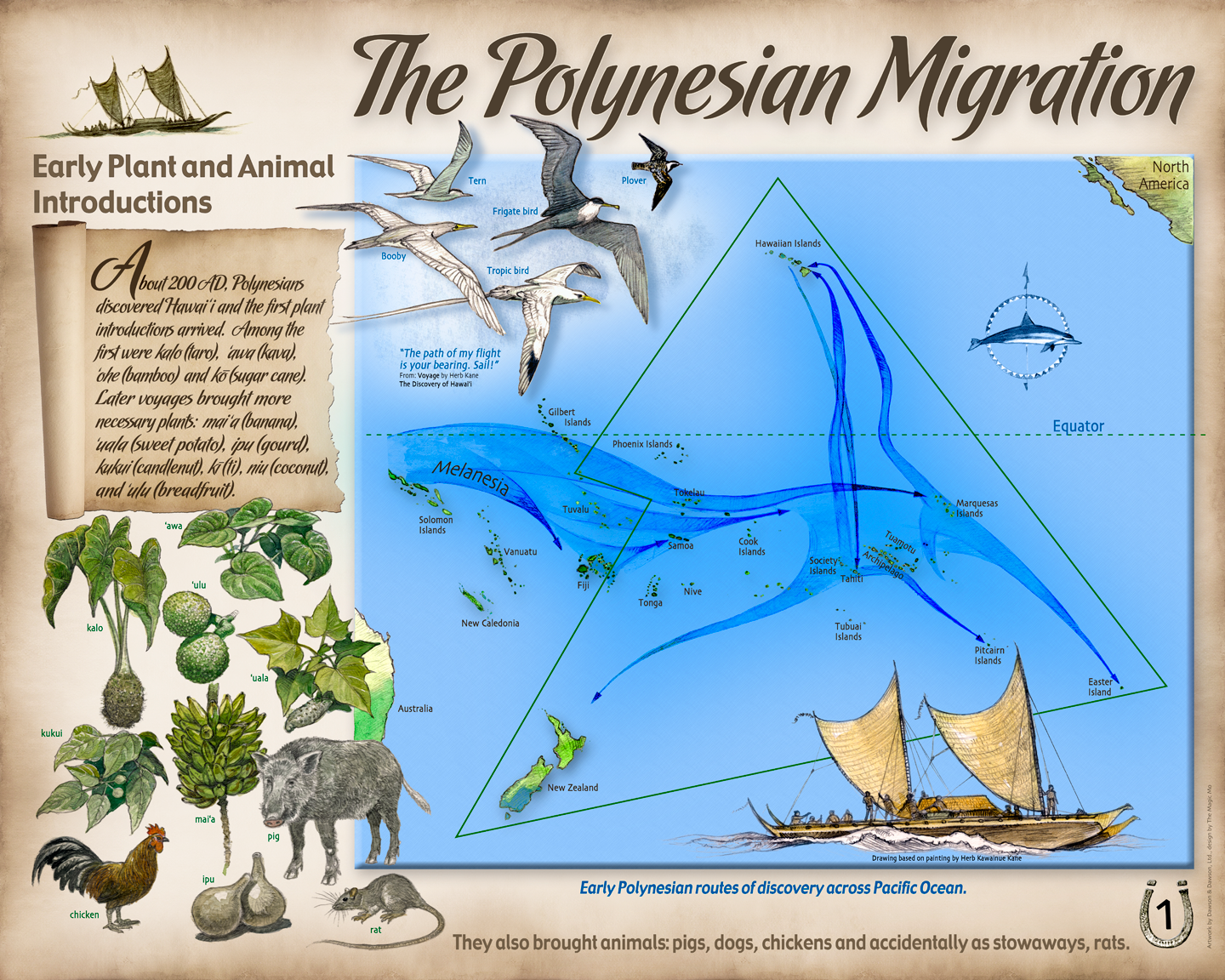
For our Calm Sea heroes, we’ve looked to the Polynesian adventurers who colonized the eastern and southern islands of the Pacific between 800 and 1300AD.

1_the_polynesian_migration

To narrow this a bit, we borrowed linguistically mainly from the Tahitians, but visually from a wide variety of peoples, with perhaps more visuals chosen from the Maori than others. We call our people the Matan’a’e amavi’o, “the people of the goddess Matan’a’e”.

For example, our heroines, Matan’o’ahei, the warrior priestess of the goddess Matan’a’e, and her younger sister, Naru, both wear a distinctive Maori tattoo, or moko, on their lower faces as a mark of their status as belonging to a priestly family.

Femme_Maori_1998-23050-173

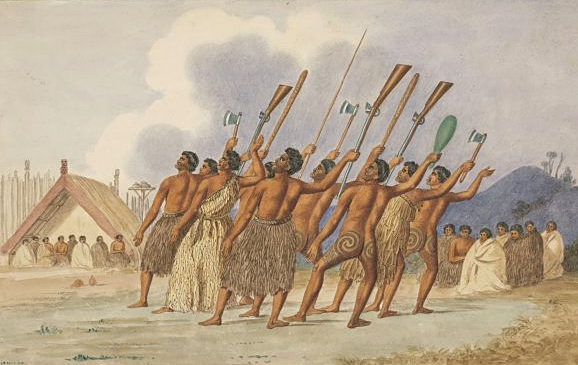
The warriors of the Matan’a’e amavi’o we imagined as looking like Maori warriors—here doing a traditional war dance, a haka, in this early 19th-century illustration.

MaoriWardanceKahuroa

Here’s a selection of Maori weapons—the weapons of the Matan’a’e amavi’o, as well.

museum

For their ships, we have created a sort of Polynesian-based warship, our model being the catamaran.

Cata-Tonga-3v hokule-aschematic kane_waa_small10

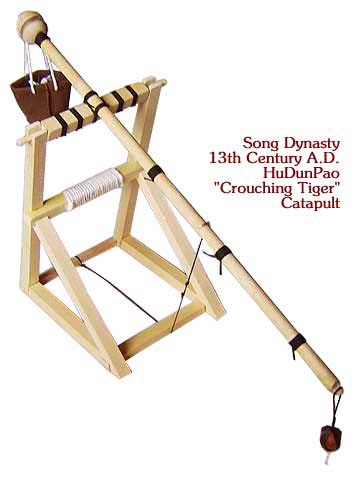
To give such a ship some teeth, we added this, a small, very basic catapult, of the sort seen in early China.

c-crouchingtigercatapult

As for their opponents, whom the Matan’a’e amavi’o call the Atuk amavi’o, “the people of cold”, we will discuss their ships in our next post.

If you have any questions about any of our past posts, or about the civilizations we are developing in our novels, please let us know.

Thanks for reading!

MTCIDC

CD

Heroes II

18 Tuesday Nov 2014

Posted by Ollamh in Heroes, Military History

≈ 2 Comments

Dear Readers,

We’ve shown you something of the look of our European heroes, French and English. Now we want to show you their ships.

A disclaimer: we are not experts in 18th-century naval affairs. This is potentially an enormous subject, especially towards the end of the century, when we have the French Revolutionary and Napoleonic Wars. Far better writers than we—we name only C.S. Forester and Patrick O’Brian here—have used their knowledge to produce convincing historical novels of the sea. We have never intended to emulate them.

Instead, in our alternative world fantasy/adventure novels, we hope to suggest something of the subject, but only enough to provide settings and plot elements. We’ve done some homework, however, and provide a mini-bibliography at the end of this post for those who might want to see where we came from. As you read through it, you’ll notice immediately that words like “Nelson” and “Napoleonic” pop up regularly. As far as we can currently tell, information for the period of our series—the 1750s to the 1780s—is much sparser, but, from our reading, it would appear that basic elements, like life at sea, did not change much over 50 years or more.

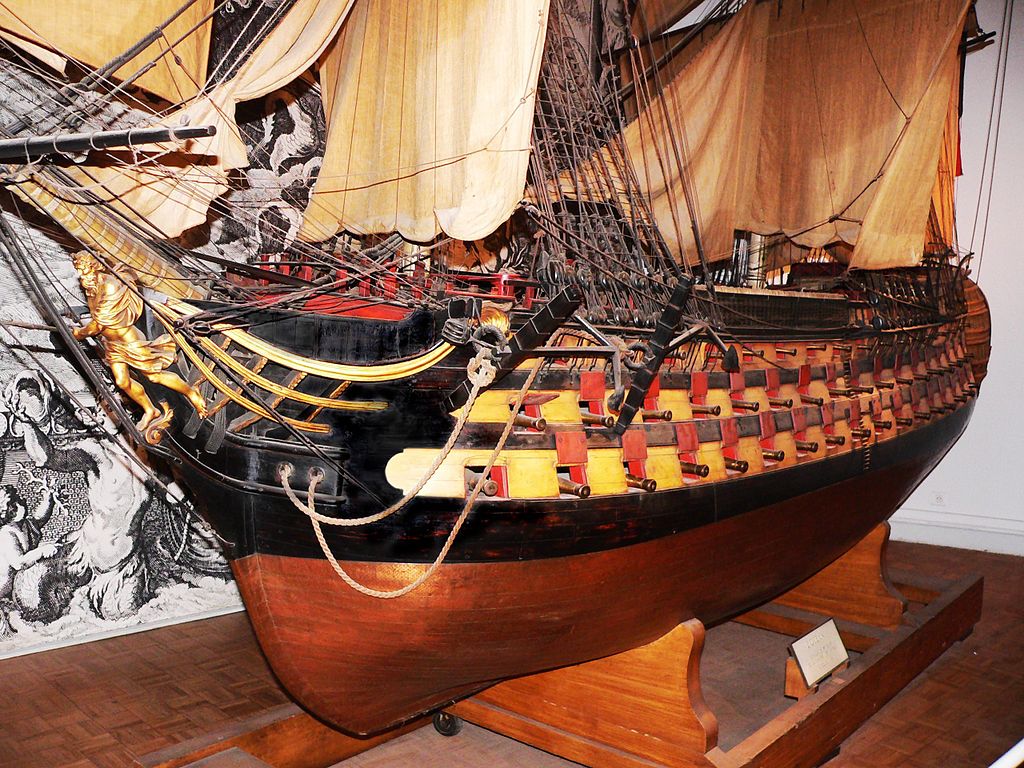
Big, decisive naval battles of this era were fought with the period equivalent of modern battleships: three-masted sailing ships with guns ranging in number from the 50s to the 90s. Here are HMS Victory, an English ship (shown from the air to show how big she is), and a model of one of the larger French ships.

HMS Victory 1024px-MuseeMarine-Ocean-p1000425

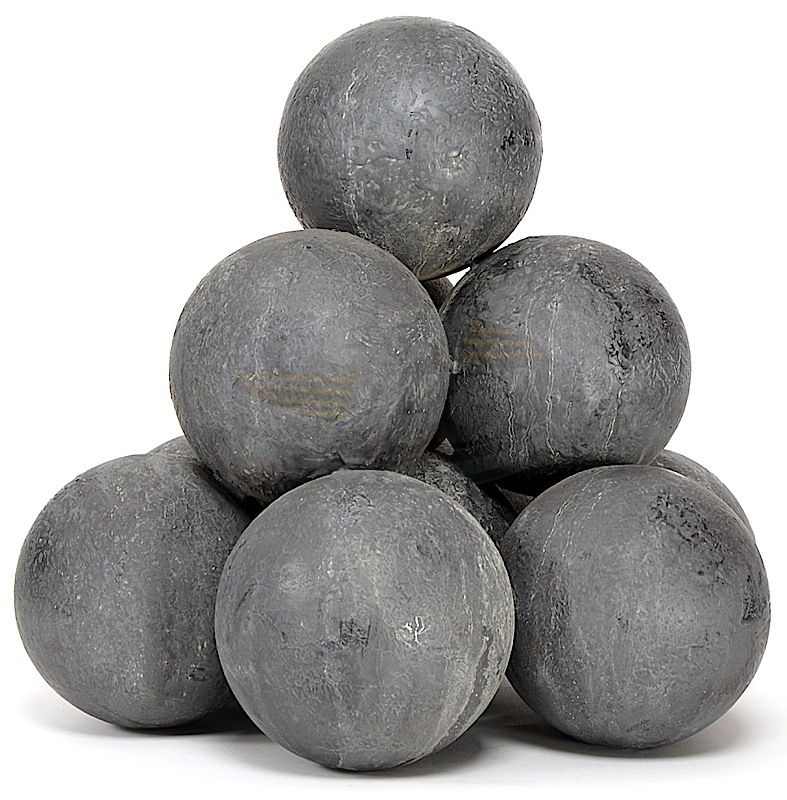
The guns used were all muzzle-loading and varied in size, the size being gauged not by the gun itself, but by the weight of the solid iron ball which was the basic ammunition.

12534_1

Thus, a 12-pounder like this one—

OLYMPUS DIGITAL CAMERA

fired a ball weighing 12 pounds. French ships, in fact, could be classed in part by saying what the main armament consisted of in terms of the weight of the ball fired. In this way, a frigate (we’ll talk more about these in a moment) could be called a “12-pounder frigate”. The bigger French warships of this time, the so-called “74s”, could also as the name suggests, be classified by the number of their guns. Somewhat like this system, the English used a system of “ratings”, each rating being based upon the total number of guns on board a ship.

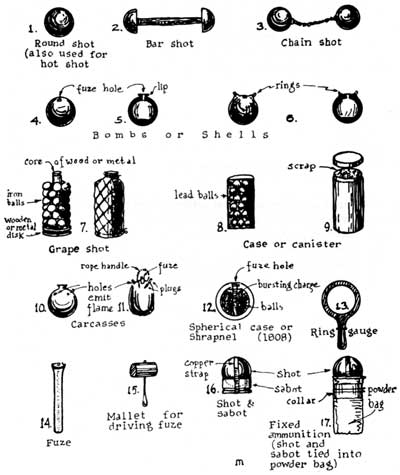
As well as solid iron balls, both sides might use a variety of types of ammunition, from grape shot (an anti-personnel weapon) to chain and bar shot, both useful for tearing apart rigging and therefore rendering an anemy ship immobile.

cannon_projectile_examples

Theoretically, the French were supposed to aim for the rigging and the English to focus upon the crew on deck and the hull, but there is now argument about this, at least in the study of the Napoleonic period.

It was also common practice, if you thought that the enemy was beginning to falter, to try to board the enemy ship, thus turning a sea battle into a small land battle. Ships carried stores of weapons for hand-to-hand fighting, their crews arming themselves with cutlasses, pistols, muskets, pikes, axes, and even hand grenades.

boarding a vessel

OLYMPUS DIGITAL CAMERA Grenadeslg

Larger ships also carried detachments of marines, both to fire upon enemy ships from the deck and rigging as they closed with each other, and to form part of boarding parties. This is a group of Napoleonic-period British marines at their job as sharpshooters.

frigatebattle2

For our first book, however, we chose not to use the battleships of the day but the smaller, more lightly-armed frigates. These, like the battleships, were three-masted, but their guns numbered from the upper 20s to the upper 30s, in general. Here are two, one English, the Surprise, from the movie Master and Commander, the other French, a brand new recreation of the 1770s L’Hermione. (more about her in the future.)

20121027-071654

depart-de-l-hermione-lundi-a-bordeaux-apres-une-escale_2130364_1200x800

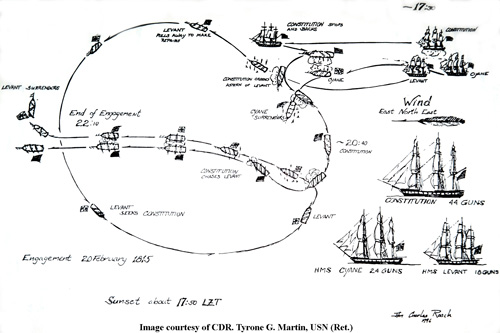
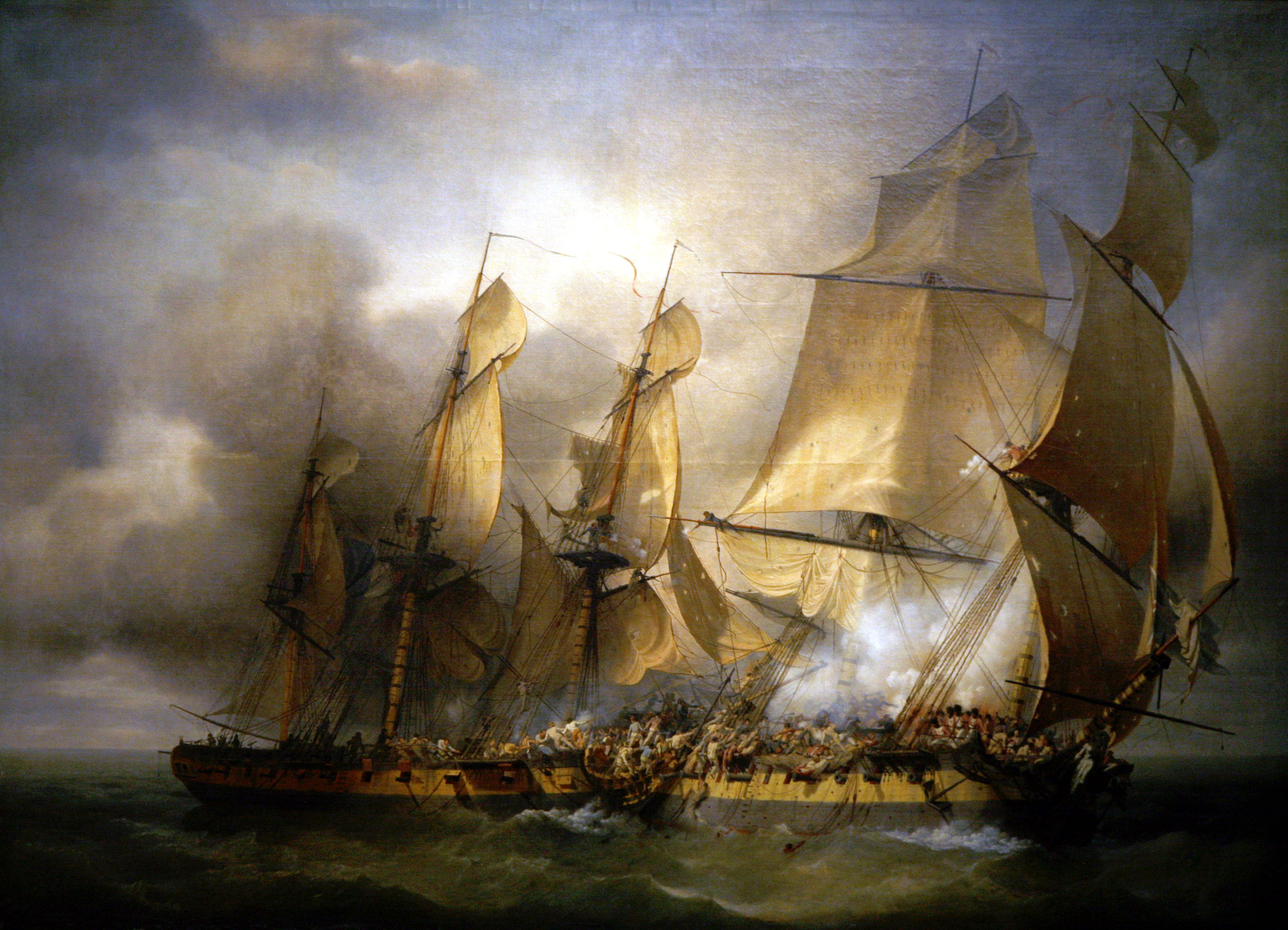
Combat between such ships could be like a deadly dance, each struggling both to gain the wind and to pound the other into surrender. If the opponent continued to resist, as in the case of the battleships, boarding was also a possibility.

history_CyaneLevantBattlePattern

HMS_Guerriere

Bayonnaise_vs_Embuscade_mg_9452

If you are new to this world of naval adventures, we hope that this encourages you to learn more. Our father authors are Forester and O’Brian and there are very good films made from the works of both. Master and Commander is based upon elements from several of O’Brian’s novels and the BBC television series Horatio Hornblower is founded (somewhat loosely) upon the Forester novels of the same name. Both of these have very much helped us to see the world of our characters in more vivid way.

We’ll stop here and, in our next, we’ll talk about our other heroes—really, heroines—the Matan’a’e amavi’o.

Thanks, as always, for reading.

MTCIDC

CD

Ps

The count-down has begun on Across the Doubtful Sea. We are in the later stages of editing and hope to have it available on Amazon/Kindle by sometime in early December.

Heroes, Part I

13 Thursday Nov 2014

Posted by Ollamh in Heroes, Military History

≈ 1 Comment

Dear Readers,

Welcome!

So far, we’ve talked a certain amount about villains, but what about heroes?
We have three different varieties, in fact. First, there are the French, officers and men of His Majesty’s navy, with a few civilians thrown in. As we said in our first post, we began our work by deciding that the basis for this series would be a variant of our own world of the late 18th century. At that time, France and England had been involved, on and off, in wars with each other back into the previous century. At the same time, from the mid-18th century on, both had been rivals in exploration of the Pacific.
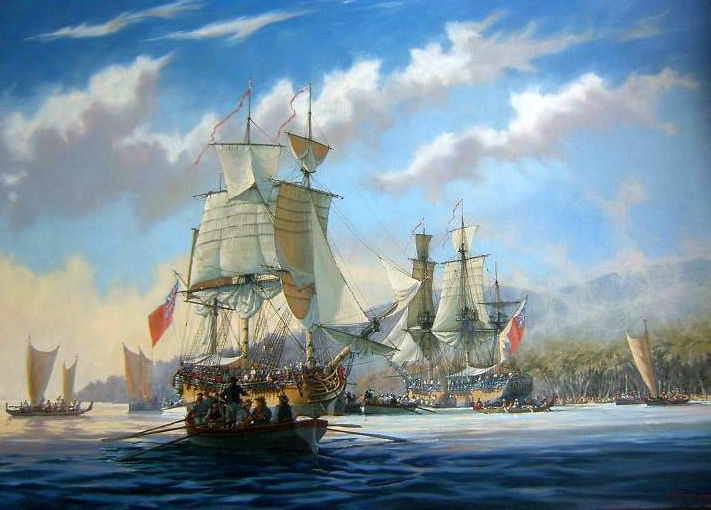
For English-speakers, the most famous of these explorers is Captain James Cook. In three expeditions (1768-71, 1772-75, and 1776-79), Cook mapped large areas of the ocean and its lands before being killed in a skirmish with Hawaiians in February, 1779.

Captain James Cook (1728-1779)  *oil on canvas  *127 x 101.6 cm  *1775-1776

Geoffrey Huband - Resolution and Discovery Cook Hawaii - 1779

A parallel explorer, from the French navy of the time, is completely unknown in the English-speaking world except as the name of a flower.

6899375650_d7f443c785_z
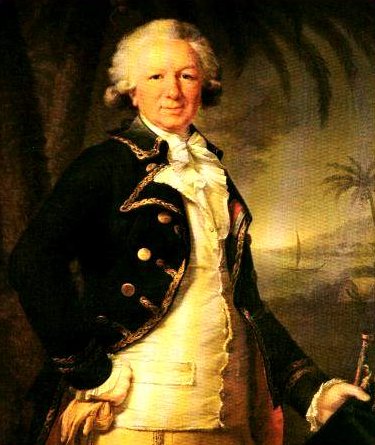
This was Louis Antoine de Bougainville, who is the first Frenchman to circumnavigate the globe in 1766-69. Just as we have learned a great deal from Cook’s voyages, so we have added to our knowledge with de Bougainville, who is a remarkable figure even in the Age of Enlightenment. (You can read a period English version of his famous account at: https://archive.org/download/VoyageAroundTheWorldbyLewisDeBougainville1766-9/Bougainville_Voyage_Eng_Transcr_JFF.pdf)

bougainville
Twenty years later, another Frenchman, whose story is even more romantic, appears in the literature of the Pacific, Jean-Francois de Galaup de La Perouse. In a voyage which began in 1785 and which only ended in 1788 with the disappearance of La Perouse and his two ships, L’Astrolabe and La Boussole (the Astrolabe and the Compass), and included, along the way, a vast stretch of the Pacific, including Australia and the Kamchatka Peninsula.

Laperouse-Eleonore826 boussole-astrolabe

This voyage had so attracted public attention that its commissioner, Louis XVI, supposedly asked for news about it on the way to his execution.
Louis_XVI_et_La_Pérouse
So what did the French look like? Common sailors during this time were not normally issued uniforms, but their working gear clearly marked them out as seamen. Officers, however, wore blue coats with red cuffs and small clothes (vests and pantaloons and possibly stockings).

IMG_9178 IMG_9168

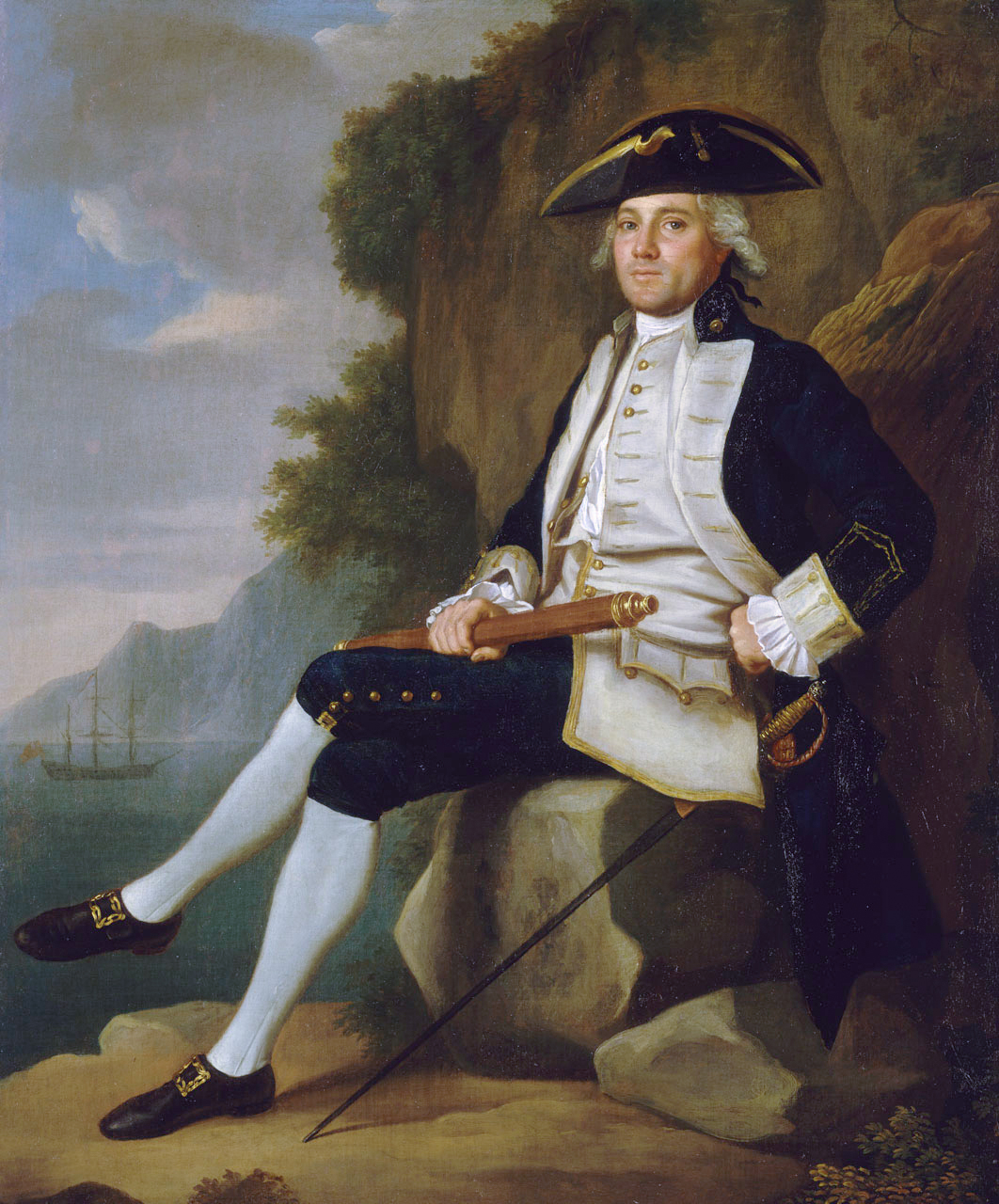
Our second variety of hero is the English equivalent: the Royal Navy, its officers and men. Like the French, their sailors wore no uniforms, only working clothes, which were similar to those of the French, and the officers were blue coats with white collars, cuffs, and small clothes.

Captain_Cook,_oil_on_canvas_by_John_Webber,_1776,_Museum_of_New_Zealand_Tepapa_Tongarewa,_Wellington Captain_Edward_Vernon_(1723-1794)._by_Francis_Hayman v0_master
When we began our research for Across the Doubtful Sea and its sequels, we were interested to find that it was quite easy to turn up information for the Napoleonic era, but earlier material was harder to come by. Besides paintings from the era, our illustrations come from John Mollo, Uniforms of the American Revolution (British Navy, figures 152-57; French, 158-63) and Eugene Leliepvre, Ancien Regime (plate 15, “Officiers de Marine et Matelots, 1679-1786″),
In our next, we want to share with you the ships we’ve used as models for our ships. In that post, we’ll include exciting news about a new, full-size, sailing replica of the 1770s frigate, L’Hermione.
And, in the post after that, we want to talk about our third variety of hero, the Matan’a’e amavi’o…

MTCIDC,

CD

A Language for Antagonists

04 Tuesday Nov 2014

Posted by Ollamh in Imaginary History, Language, Villains

≈ 1 Comment

Dear Readers,

In our last, we told you that some of our villains are French. (Of course, this means English-speaking in a novel written in English.) If your villains don’t belong to your culture and don’t use yours as their first language, what might they speak? And, what might they call themselves and the places around them?

We’ve already shown you how our non-French villains evolved. They originally had the look of Inuit because of their association with cold. Then, because we like the contrast, we showed you their bright Turkish-Persian look underneath.

So– Inuit look made us wonder about Inuit sound.

We want to make a very necessary disclaimer here: that we borrowed visuals or languages from any culture doesn’t indicate anything more than the magpie nature of our creating an alternate 18th century world. To us, all languages and cultures are equally interesting and we’d study them all, if we could.

There are some really useful online sources, including this Iñupiat Dictionary, which we encourage you to open and look through. We think you will find it as fascinating as we did. (A mild warning– this is a rather large file– but worth it!)

As we browsed this and other sites, we sometimes lifted things entirely. At other times, we adapted what we found. Our goals were not only to provide ourselves with a fund of useful words and naming elements, but also to create a strong contrast with the languages of our protagonists, both French and Polynesian.

As great admirers of Tolkien we’ve always been fascinated by the languages he created for Middle-earth. We hope to try to create our own in a future series of adventure novels, tentatively called To Windward.

In our next, we want to talk about our protagonists, both French and– English?

Thank you for reading!

MTCIDC,

CD

What More About Villains?

28 Tuesday Oct 2014

Posted by Ollamh in Imaginary History, Narrative Methods, Villains

≈ Leave a comment

Dear Readers,

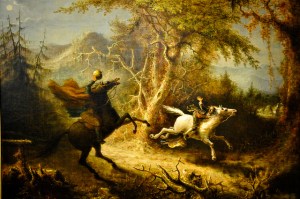
Happy Halloween! This is a great holiday for people interested in fantasy and adventure. After all, you’ve got witches, ghouls, vampires, and even a Headless Horseman– villains!6960244159_7f66a0d317_z

(Or just children in really great costumes.)

And speaking of villains, we will.

In our last, we talked in a general way about our villains– Frenchmen and other. Now, we want to talk more specifically about Other.

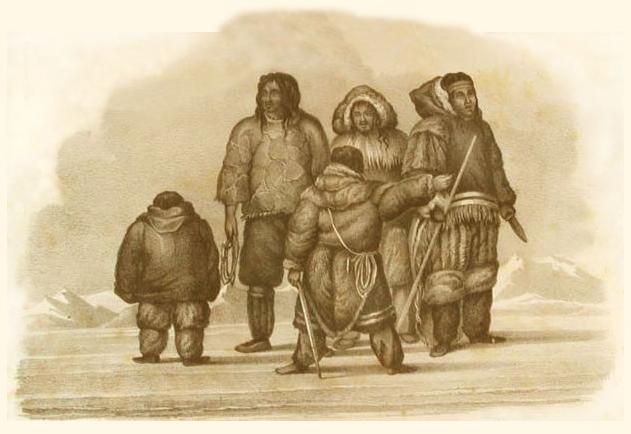
Because Terra Australis is based upon the real Antarctica, the idea of cold, in some form,  was a ready influence. And so, there appeared the Atuk, the servants of a god who embodies cold. This led us to imagine what they might look like. At first, we thought perhaps something like Inuit: all furs and big boots and slitted wooden sunscreens. And that might be an idea for the next book, Empire of the Isles. Here are a couple of those possibilities:

IMG_0754

IMG_0745

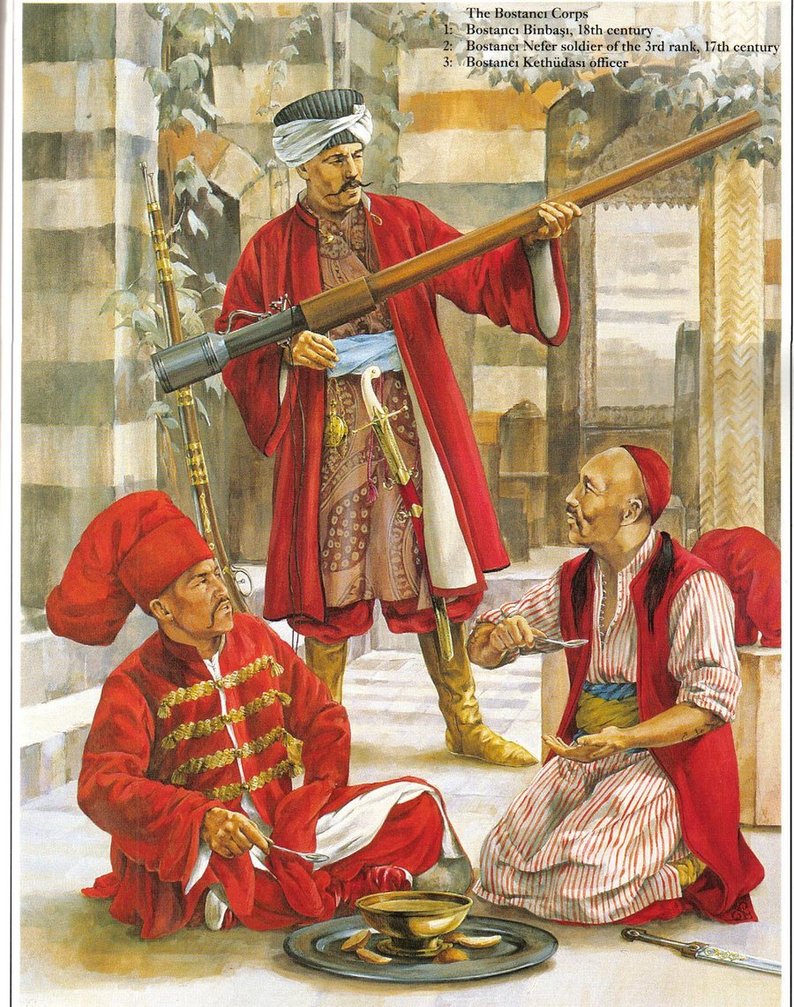
For Across the Doubtful Sea, however, we decided to imagine what they might look like underneath those wintry clothes. For models, we chose an extreme contrast– Ottoman Turkish and Persian– like the images below.

ottomanboss      ottoman_empire_2_by_byzantinum

IMG_0705

With them in costume, we wondered what they would sound like. What would their names be like? Would they speak a language like the Inupiat of our original models, or something Turkic or Persian?

For now, however, imagine dressing as one of the fearsome Atuk for next Halloween…

Thanks, as always, for reading, and save some candy corn for us!

MTCIDC,

CD

What About Villains?

24 Friday Oct 2014

Posted by Ollamh in Imaginary History, Narrative Methods, Villains

≈ 1 Comment

Tags

Adventure, Fantasy, Fiction, Villains

Dear Readers,

Villains– a big question, and something which needs more than one post.

There are so many kinds, from Sauron to the Joker. All of them, however, produce friction– that which produces problems and demands solutions. As well, it allows for heroes to be defined and to define themselves.

For this series, we have two kinds of villains so far: those native to our hero’s homeland and those who are entirely alien to everything our 18th century understands. The former include corrupt officials within the royal government, and the latter, those who might appear human, but who also have powers over nature which seem superhuman.

Corrupt officials are pretty easy to create– they’re everywhere, but we believe that we’ve given ours an extra twist. As for the others, we’ll talk about those in our next post…

Thanks for reading,

MTCIDC,

CD

← Older posts
Newer posts →

The Doubtful Sea Series Facebook Page

The Doubtful Sea Series Facebook Page

  • Ollamh

Categories

  • Artists and Illustrators
  • Economics in Middle-earth
  • Fairy Tales and Myths
  • Films and Music
  • Games
  • Heroes
  • Imaginary History
  • J.R.R. Tolkien
  • Language
  • Literary History
  • Maps
  • Medieval Russia
  • Military History
  • Military History of Middle-earth
  • Narnia
  • Narrative Methods
  • Poetry
  • Research
  • Star Wars
  • Terra Australis
  • The Rohirrim
  • Theatre and Performance
  • Tolkien
  • Uncategorized
  • Villains
  • Writing as Collaborators
Follow doubtfulsea on WordPress.com

Across the Doubtful Sea

Recent Postings

  • Crowing and Raven March 18, 2026
  • The Damage of Dragons March 11, 2026
  • Encouragement March 4, 2026
  • Eavesdropping February 25, 2026
  • Do You Speak Villain? (Part 3) February 18, 2026
  • Do You Speak Villain? (2) February 11, 2026
  • Do You Speak Villain? (Part 1) February 4, 2026
  • Towering January 28, 2026
  • Tolkien Among the Indians January 21, 2026

Blog Statistics

  • 109,254 Views

Posting Archive

  • March 2026 (3)
  • February 2026 (4)
  • January 2026 (4)
  • December 2025 (5)
  • November 2025 (4)
  • October 2025 (5)
  • September 2025 (4)
  • August 2025 (4)
  • July 2025 (5)
  • June 2025 (4)
  • May 2025 (4)
  • April 2025 (5)
  • March 2025 (4)
  • February 2025 (4)
  • January 2025 (5)
  • December 2024 (4)
  • November 2024 (4)
  • October 2024 (5)
  • September 2024 (4)
  • August 2024 (4)
  • July 2024 (5)
  • June 2024 (4)
  • May 2024 (5)
  • April 2024 (4)
  • March 2024 (4)
  • February 2024 (4)
  • January 2024 (5)
  • December 2023 (4)
  • November 2023 (5)
  • October 2023 (4)
  • September 2023 (4)
  • August 2023 (5)
  • July 2023 (4)
  • June 2023 (4)
  • May 2023 (5)
  • April 2023 (4)
  • March 2023 (5)
  • February 2023 (4)
  • January 2023 (4)
  • December 2022 (4)
  • November 2022 (5)
  • October 2022 (4)
  • September 2022 (4)
  • August 2022 (5)
  • July 2022 (4)
  • June 2022 (5)
  • May 2022 (4)
  • April 2022 (4)
  • March 2022 (5)
  • February 2022 (4)
  • January 2022 (4)
  • December 2021 (5)
  • November 2021 (4)
  • October 2021 (4)
  • September 2021 (5)
  • August 2021 (4)
  • July 2021 (4)
  • June 2021 (5)
  • May 2021 (4)
  • April 2021 (4)
  • March 2021 (5)
  • February 2021 (4)
  • January 2021 (4)
  • December 2020 (5)
  • November 2020 (4)
  • October 2020 (4)
  • September 2020 (5)
  • August 2020 (4)
  • July 2020 (5)
  • June 2020 (4)
  • May 2020 (4)
  • April 2020 (5)
  • March 2020 (4)
  • February 2020 (4)
  • January 2020 (6)
  • December 2019 (4)
  • November 2019 (4)
  • October 2019 (5)
  • September 2019 (4)
  • August 2019 (4)
  • July 2019 (5)
  • June 2019 (4)
  • May 2019 (5)
  • April 2019 (4)
  • March 2019 (4)
  • February 2019 (4)
  • January 2019 (5)
  • December 2018 (4)
  • November 2018 (4)
  • October 2018 (5)
  • September 2018 (4)
  • August 2018 (5)
  • July 2018 (4)
  • June 2018 (4)
  • May 2018 (5)
  • April 2018 (4)
  • March 2018 (4)
  • February 2018 (4)
  • January 2018 (5)
  • December 2017 (4)
  • November 2017 (4)
  • October 2017 (4)
  • September 2017 (4)
  • August 2017 (5)
  • July 2017 (4)
  • June 2017 (4)
  • May 2017 (5)
  • April 2017 (4)
  • March 2017 (5)
  • February 2017 (4)
  • January 2017 (4)
  • December 2016 (4)
  • November 2016 (5)
  • October 2016 (6)
  • September 2016 (5)
  • August 2016 (5)
  • July 2016 (5)
  • June 2016 (5)
  • May 2016 (4)
  • April 2016 (4)
  • March 2016 (5)
  • February 2016 (4)
  • January 2016 (4)
  • December 2015 (5)
  • November 2015 (5)
  • October 2015 (4)
  • September 2015 (5)
  • August 2015 (4)
  • July 2015 (5)
  • June 2015 (5)
  • May 2015 (4)
  • April 2015 (3)
  • March 2015 (4)
  • February 2015 (4)
  • January 2015 (4)
  • December 2014 (5)
  • November 2014 (4)
  • October 2014 (6)
  • September 2014 (1)

Blog at WordPress.com.

  • Subscribe Subscribed
    • doubtfulsea
    • Join 78 other subscribers
    • Already have a WordPress.com account? Log in now.
    • doubtfulsea
    • Subscribe Subscribed
    • Sign up
    • Log in
    • Report this content
    • View site in Reader
    • Manage subscriptions
    • Collapse this bar
 

Loading Comments...