• About

doubtfulsea

~ adventure fantasy

Monthly Archives: December 2025

A Moon disfigured

17 Wednesday Dec 2025

Posted by Ollamh in Uncategorized

≈ Leave a comment

Tags

Elizabeth I, herald, Heraldry, livery, Middle-earth, Minas Ithil, Minas Morgul, Orcs, puzzle, Sam, Saruman, Sauron, Sir Roger de Trumpington, The Great War, The Lord of the Rings, Tolkien, uniforms

As always, dear readers, welcome.  And perhaps welcome to a little Tolkien puzzle.

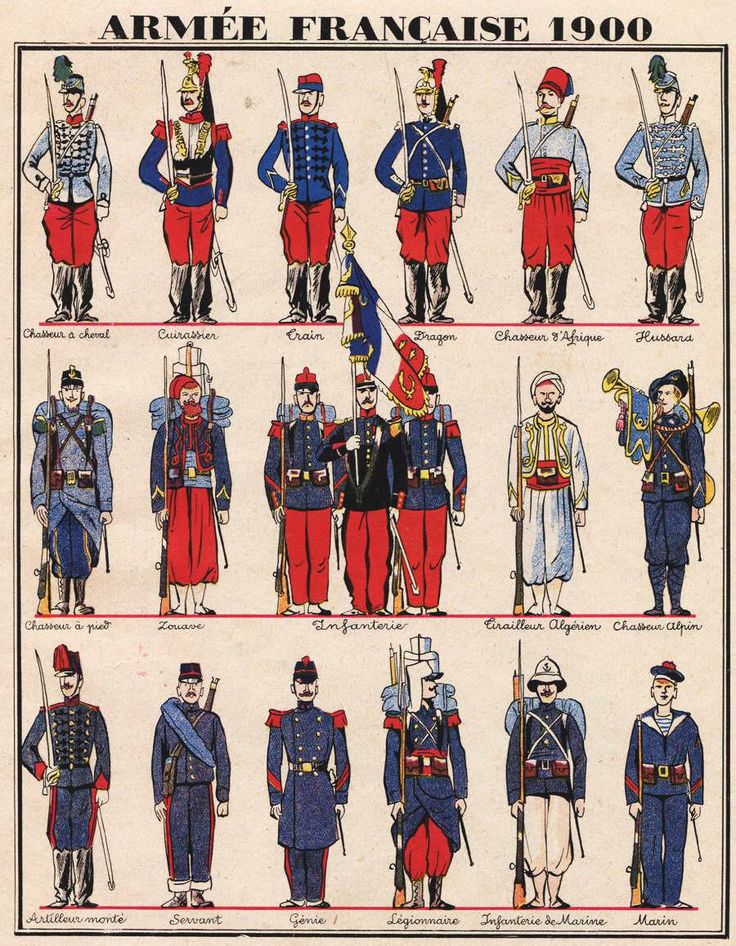
On parade, soldiers of the early 20th century could be peacocks for finery.

But then they met the new technological reality of heavy machine guns

and increasingly heavy artillery

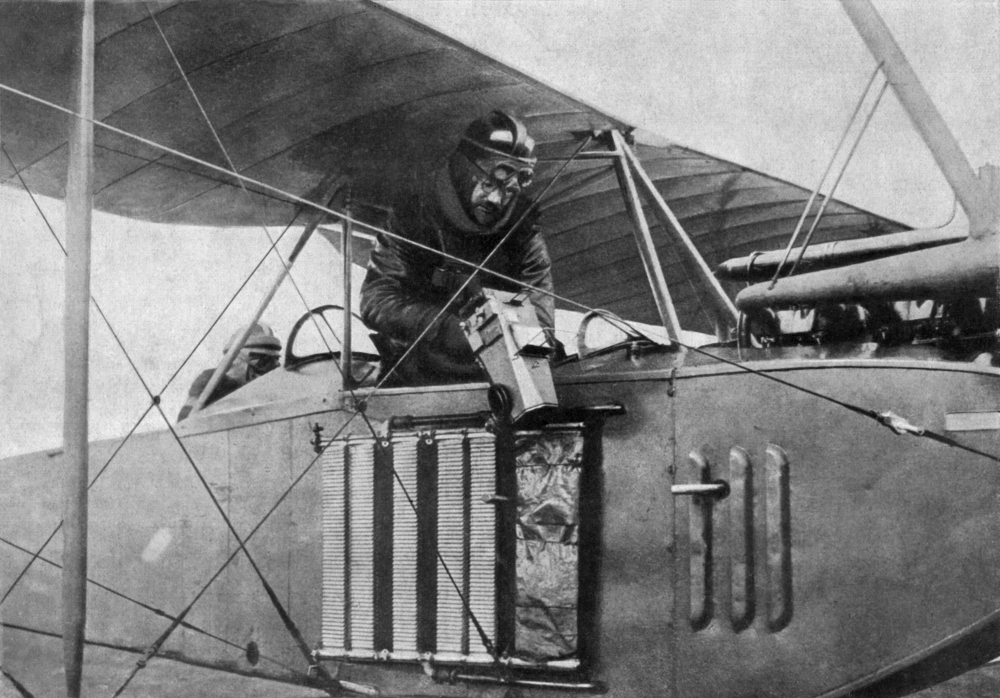
and, in time, even the danger of being spotted from the air,

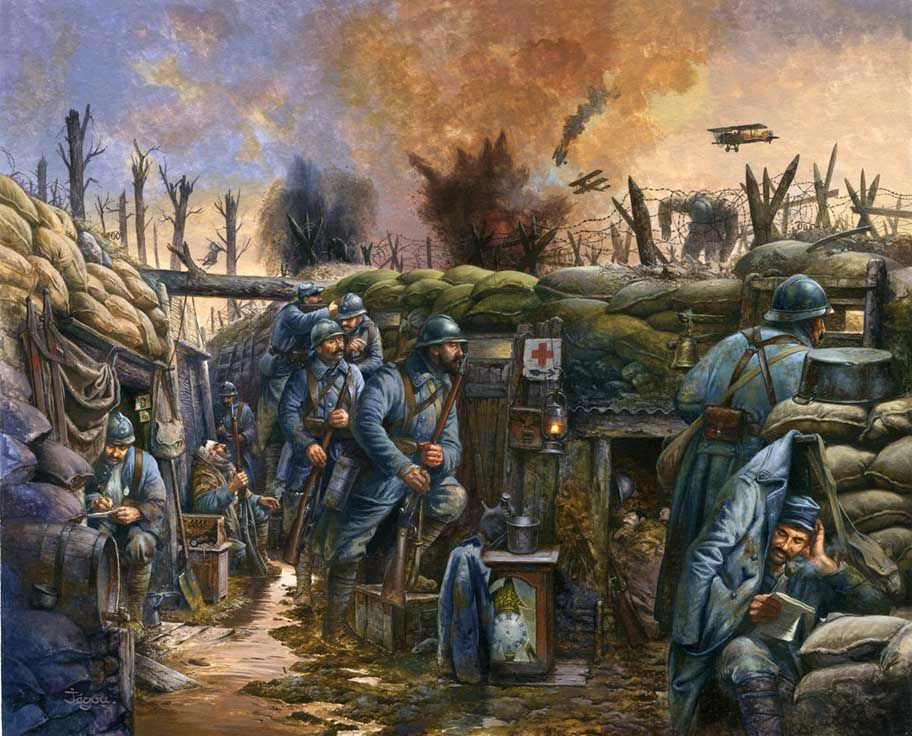
so soldiers not only dug in,

but modified their uniforms, making themselves less visible.

(Gerry Embleton)

After the war, most armies, except for special guard units,

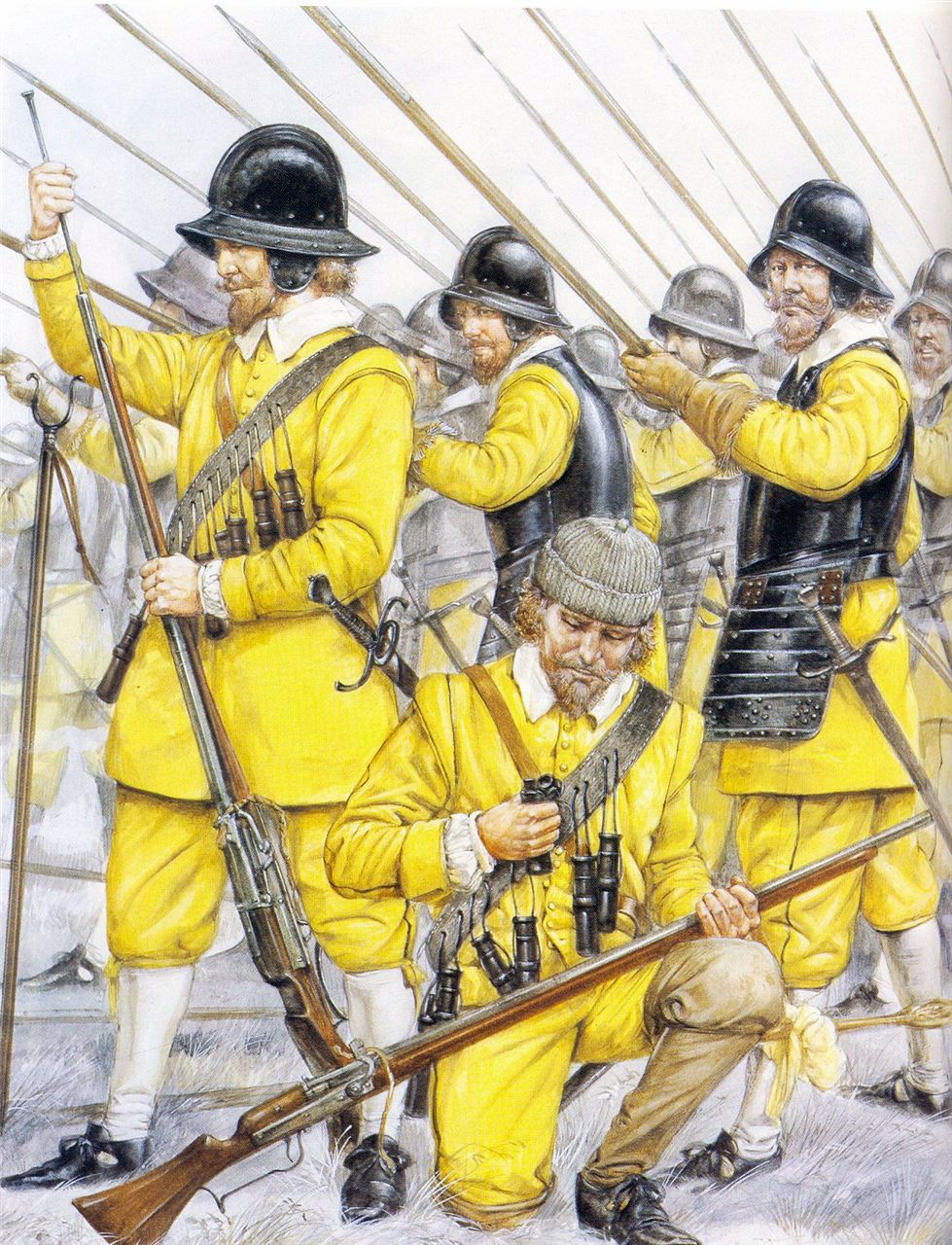
 never went back to being peacocks, abandoning a bright tradition which went back to the 17th century.

(Richard Hook)

Even in the 17th century, soldiers not wearing the same-colored clothing might distinguish themselves from their enemies by what would be called “field signs”, like wearing a strip of cloth on one arm, or sticking a particular piece of a plant or even a scrap of paper in your hatband.

(Henri IV, 1553-1610, king of France, was famous for the white plume he always wore in his hat.)

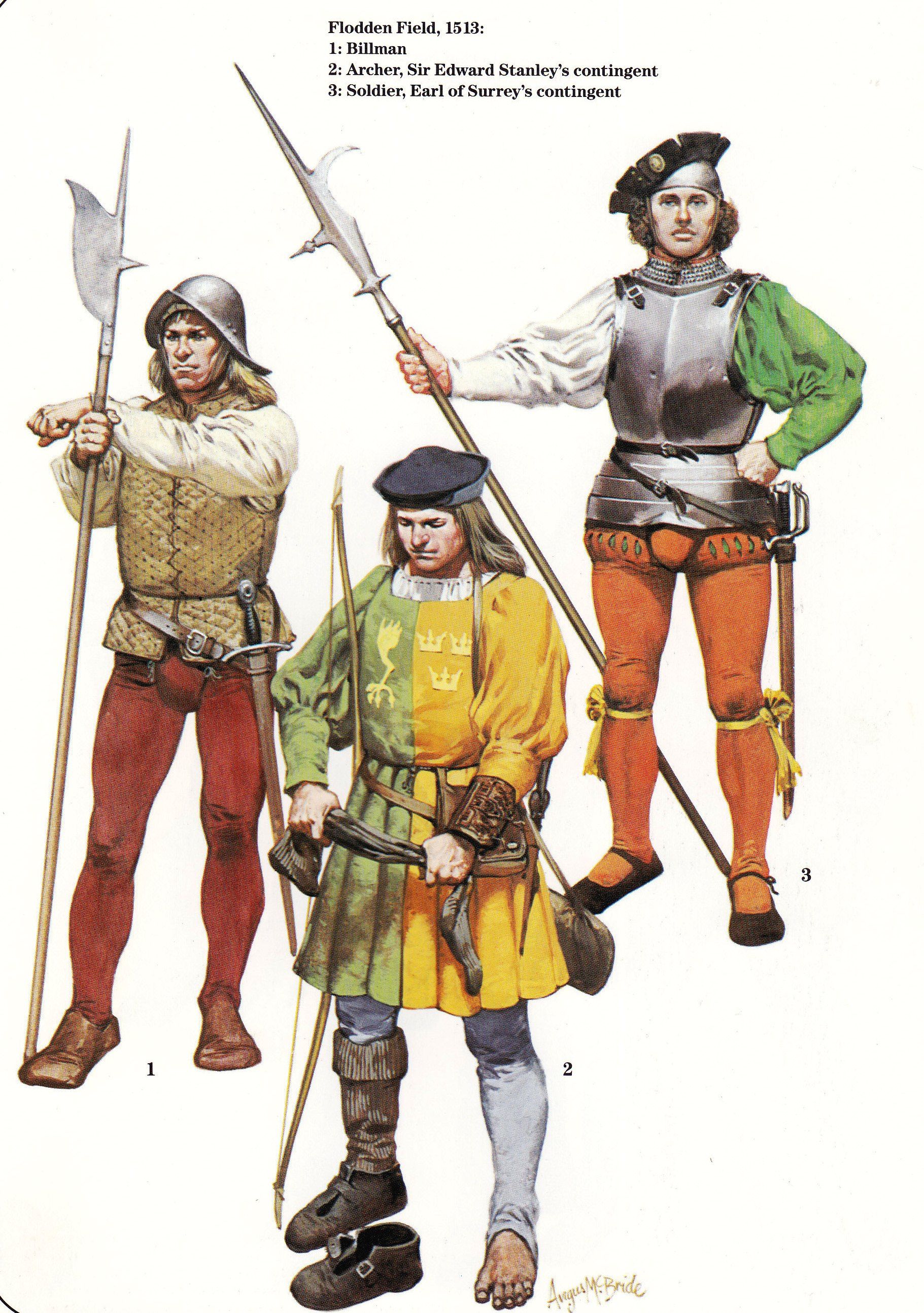
Before this, soldiers might wear the distinctive colors of their commanders (usually noblemen), called “livery”—

(Angus McBride)

Here we can see that Sir Edward Stanley has given this archer clothing in his colors of green and mustard-yellow, while the Earl of Surrey provided his soldiers with his colors of green and white.  You’ll also notice that the archer has some distinctive badges on the front of his coat—an eagle’s claw and crowns.  These are personal indicators of Sir Edward, heraldic markers to indicate to whom the archer belonged.

In the days before distinctive military dress, heraldry—the use of emblems to mark out one knight, and perhaps his followers, from another—had been developed to a high level.  When everyone was covered in metal,

such emblems were a way to identify a knight—and if he had issued similar emblems to his soldiers, a way to identify the troops he had brought and commanded at a battle.

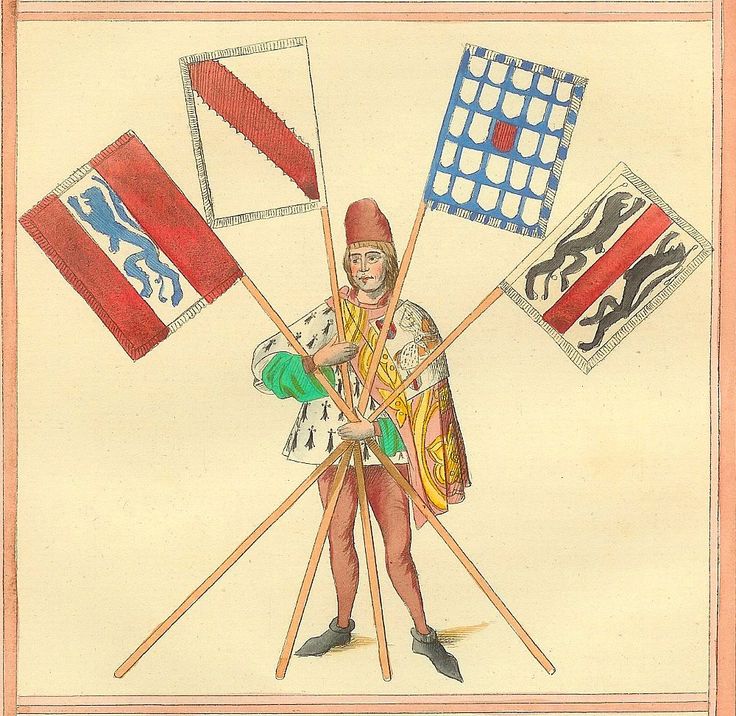
As emblems developed, there also developed a person with a specialized skill to identify them—a herald.

He himself, as you can see, wore distinctive clothing, which also helped him in his other role as messenger between military opponents—he was considered as a neutral and could therefore pass freely.  (For more on heralds, see “Herald-ry in Middle-Earth”, 30 March, 2016 here:  https://doubtfulsea.com//?s=herald&search=Go )

Tolkien himself belonged to the age of drab—

(Here’s what that uniform would have looked like in color—although this is a much higher level officer—looks to be a major—JRRT was commissioned as a second lieutenant and eventually promoted to first lieutenant )

but was well aware of earlier flashiness and we can see it in his description of the guards at Denethor’s gate—even though he sees their outfits as a throwback, just like British soldiers ever returning to bright red uniforms—except for the monarch’s guards:

“The Guards of the gate were robed in black, and their helmets were of strange shape, high-crowned, with long cheek-guards close-fitting to the face, and above the cheek-guards were set the white wings of sea-birds; but the helms gleamed with a flame of silver, for they were indeed wrought of mithril, heirlooms from the glory of old days.  Upon the black surcoats were embroidered in white a tree blossoming like snow beneath a silver crown and many-pointed stars.  This was the livery of the heirs of Elendil, and none wore it now in all Gondor, save the Guards of the Citadel before the Court of the Fountain where the White Tree had grown.”  (The Return of the King, Book Five, Chapter 1, “Minas Tirith”)

(from the Jackson films—as you can see, the helmet fits the description, but the surcoat has disappeared and, instead, the Tree, stars, and crown have been shifted to the breastplate, removing the dramatic contrast between the black cloth and white embroidered emblems which JRRT intended)

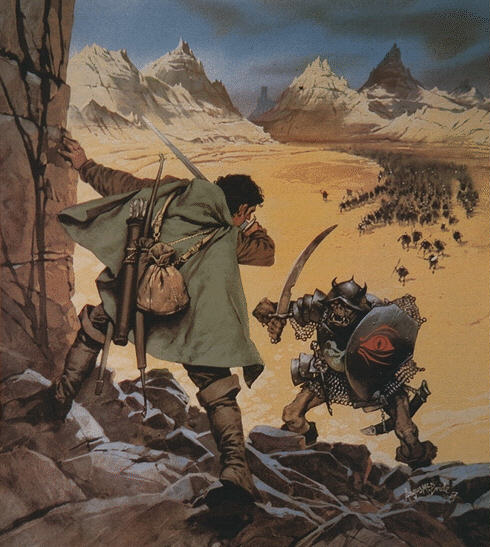
As well, although the orcs wear no livery—no uniforms or even part-colored clothing—they do have badges—the white hand of Saruman

(perhaps suggesting that he has his hand over everything?  I think of the “Armada Portrait” of Queen Elizabeth the First here—just look at the quiet statement in her hand)

and the red eye of Sauron,

(Angus McBride—perhaps implying that, like Big Brother, Sauron has his eye on you?)

but then there’s a new one, only mentioned once, which provided the title for this posting and the puzzle—

“Two liveries Sam noticed, one marked by the Red Eye, the other by a Moon disfigured with a ghastly face of death…” (The Return of the King, Book Six, Chapter 1, “The Tower of Cirith Ungol”)

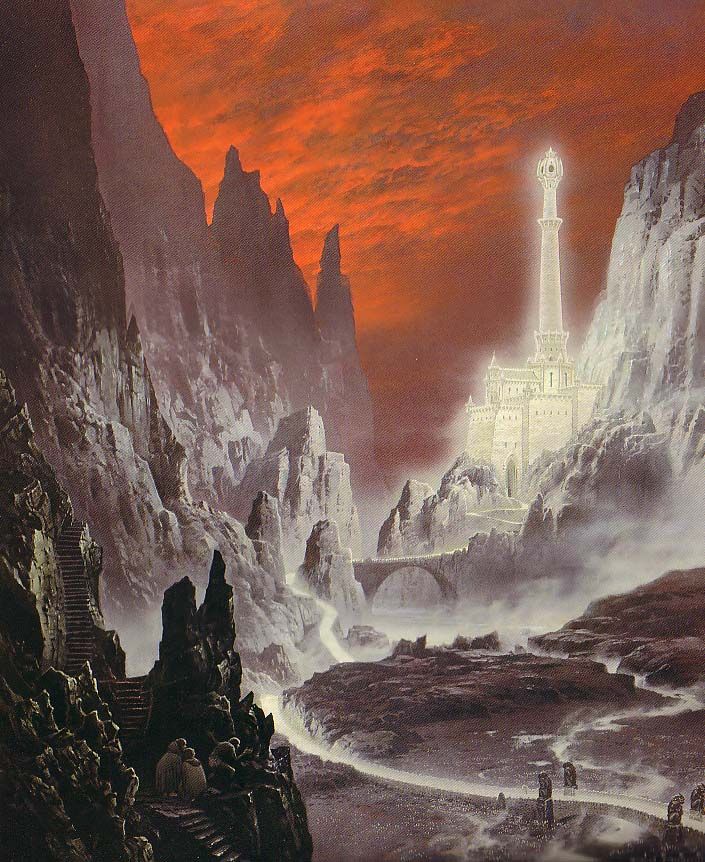
What is JRRT up to here?  Minas Morgul,  the “Tower of Black Sorcery”, the center of this gateway into Mordor,

(Ted Nasmith)

had been built as Minas Ithil, “the Tower of the Moon” and it’s clear that those having that badge must come specifically from that place, and a mockery of its previous Gondorian name, which is interesting because the rest of Sauron’s forces appear to wear only the Red Eye.  Yet, if we can trust an orc, we may have the sense that Sauron doesn’t appreciate deviation, as Grishnakh asks rhetorically of Ugluk:

“They might ask where his strange ideas came from.  Did they come from Saruman, perhaps?  Who does he think he is, setting up on his own with his filthy white badges?  They might agree with me, with Grishnakh their trusted messenger; and I Grishnakh say this:  Saruman is a fool, and a dirty treacherous fool.  But the Great Eye is on him.”  (The Two Towers, Book Three, Chapter 3, “The Uruk-hai”)

So what’s going on here?  Certainly there’s rivalry between Saruman’s orcs and Sauron’s, but just how deep does orc rivalry go?  When Sam arrives at the Tower of Cirith Ungol, he finds it a battleground and, climbing into the tower itself he hears two orcs arguing, Shagrat, the captain of the Tower, and Snaga, one of his men.  Snaga says:

“You won’t be a captain long when They hear about all these goings-on.  I’ve fought for the Tower against those stinking Morgul-rats, but a nice mess you two precious captains have made of things, fighting over the swag.” (The Return of the King, Book Six, Chapter 1, “The Tower of Cirith Ungol”)

So, seeing that emblem on a shield, with “a Moon disfigured with a ghastly face of death”, just whose face is that?  And whose death?

As ever, thanks for reading.

Stay well,

If you were to come up with your own livery, what would it be?—sometimes knights made visual puns—like Sir Roger de Trumpington—

Think about that, pencil in hand, and remember that there’s always

MTCIDC

O

PS

For more on livery, see:  https://en.wikipedia.org/wiki/Livery

There has been some wonderfully imaginative work done on heraldry in Tolkien.  Here’s a link to get you started:  https://en.wikipedia.org/wiki/Heraldry_of_Middle-earth   

On the Roads Again—Once More

10 Wednesday Dec 2025

Posted by Ollamh in Uncategorized

≈ Leave a comment

Tags

Bilbo, Fantasy, Frodo, lotr, Minas Morgul, Mordor, Mt Doom, Orcs, Orodruin, Osgiliath, Roads, Sam, The Lord of the Rings, Tolkien, Udun

As always, dear readers, welcome.

“The Road goes ever on and on
Down from the door where it began.
Now far ahead the Road has gone,
And I must follow, if I can,
Pursuing it with eager feet,
Until it joins some larger way
Where many paths and errands meet.
And whither then? I cannot say.”

as Bilbo sings, on his way away from the Shire to Rivendell.

(JRRT)

We, however, are currently standing at the broken bridge

at Osgiliath,

(from The Encyclopedia of Arda)

but, through the magic of the internet, we’ll hop over the Anduin and continue our journey along the roads of Middle-earth, this time to the worst possible place (unless you’re an orc)—

(Alan Lee)

Mordor.

To get there, we walk the old road which, in the days before Sauron’s previous invasion attempt, ran from Minas Anor (the “ Tower of the Sun”—now Minas Tirith, “Tower of Guard”),

(Ted Nasmith)

to Minas Ithil (the “Tower of the Moon”)—now Minas Morgul  (the “Tower of Black Sorcery”).

(another Ted Nasmith)

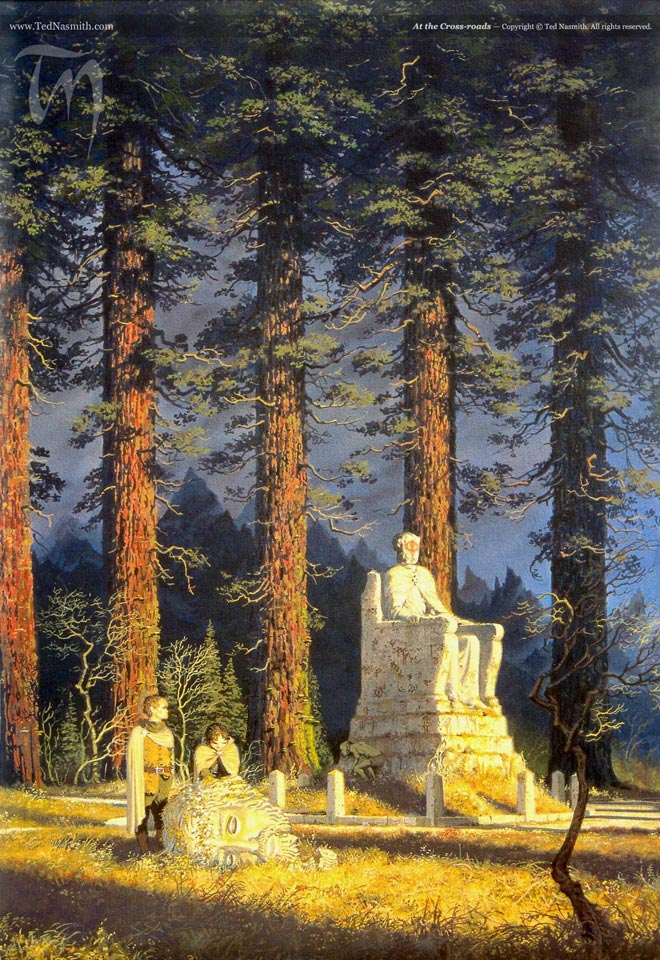
This will lead us eastwards to the crossing of the Ithilien north/south road, where there is a much- abused seated figure—

“The brief glow fell upon a huge sitting figure, still and solemn as the great stone kings of Argonath.  The years had gnawed it, and violent hands had maimed it.  Its head was gone, and in its place was set in mockery a round rough-hewn stone, rudely painted  by savage hands in the likeness of a grinning face with one large red eye in the midst of its forehead.  Upon its knees and mighty chair, and all about the pedestal, were idle scrawls mixed with the foul symbols that the maggot-folk of Mordor used.”  (The Two Towers, Book Four, Chapter 7, “Journey to the Cross-roads”)

(and one more Ted Nasmith.  Notice—except for the figure’s size, perhaps, which here wouldn’t be called “huge” nor its chair “mighty”—how carefully the artist has paid attention to the text—typical of Nasmith’s always fine work.)

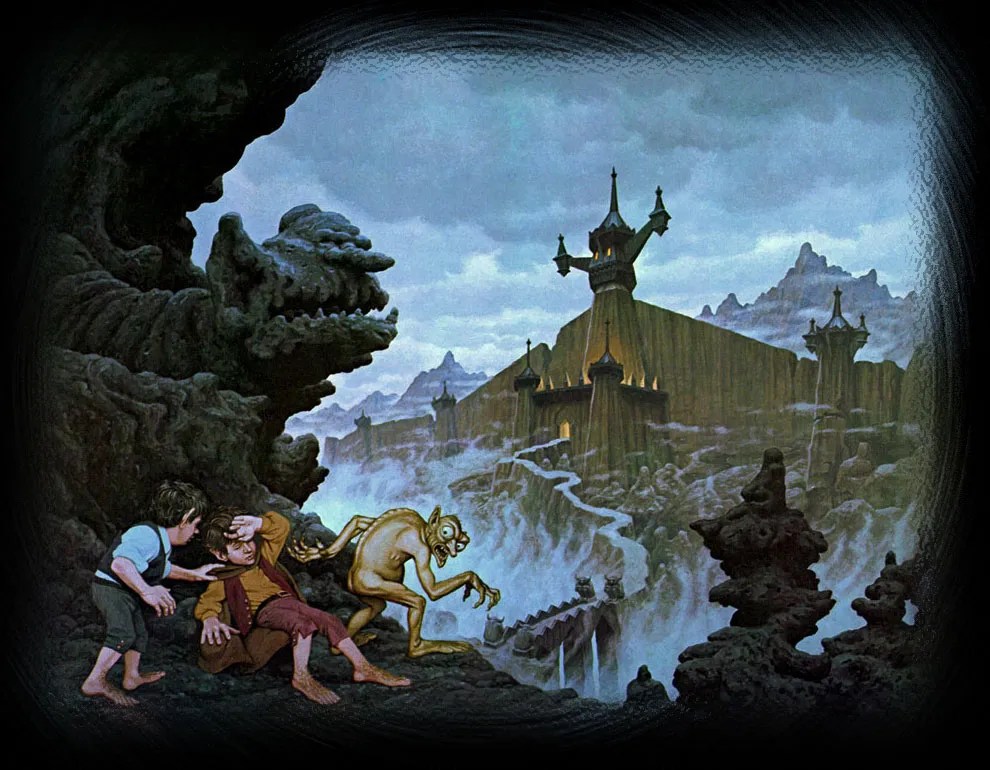
Frodo and Sam pause here, but we’ll keep moving eastwards on the road towards Minas Morgul.

(the Hildebrandts, with a very different view of it and of Gollum)

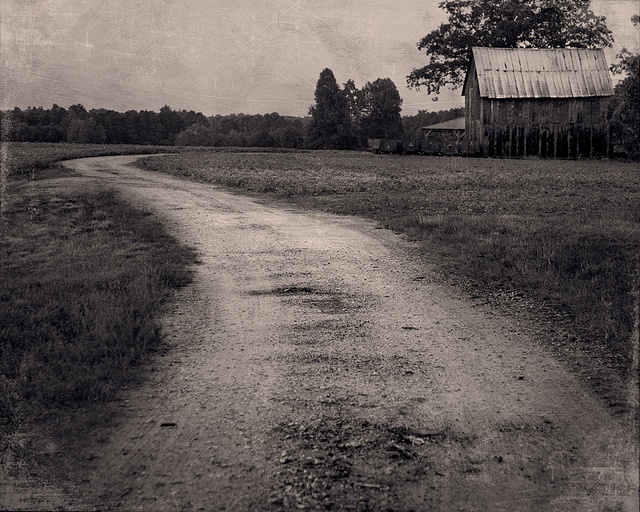
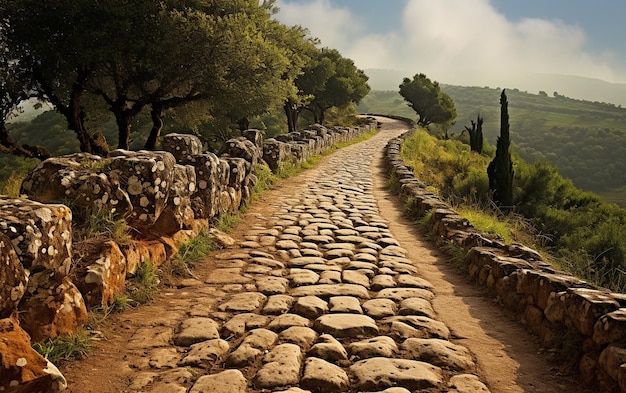
We don’t appear to have a description of this road, but, if you’ve read the previous postings on roads, you’ll know that I would like to imagine that it’s not just a worn dirt track,

but the sort of thing which the Romans built all over their empire,

but now grassgrown and abandoned, like the figure at the crossroads.

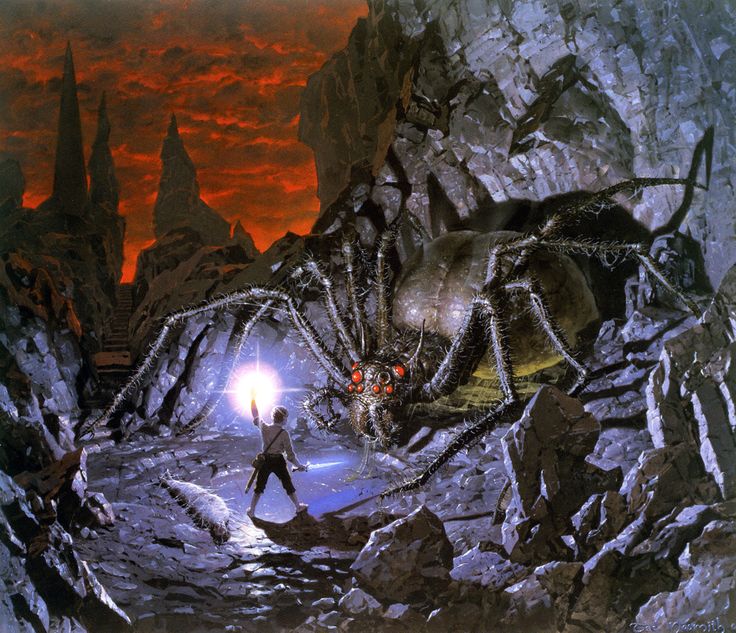
Frodo, Sam, and Gollum skirt Minas Morgul, climbing around it, and we’ll join them, although we’ll avoid the tunnel in which Shelob lives,

(and one more Ted Nasmith)

to come down into Mordor itself.

(Christopher Tolkien)

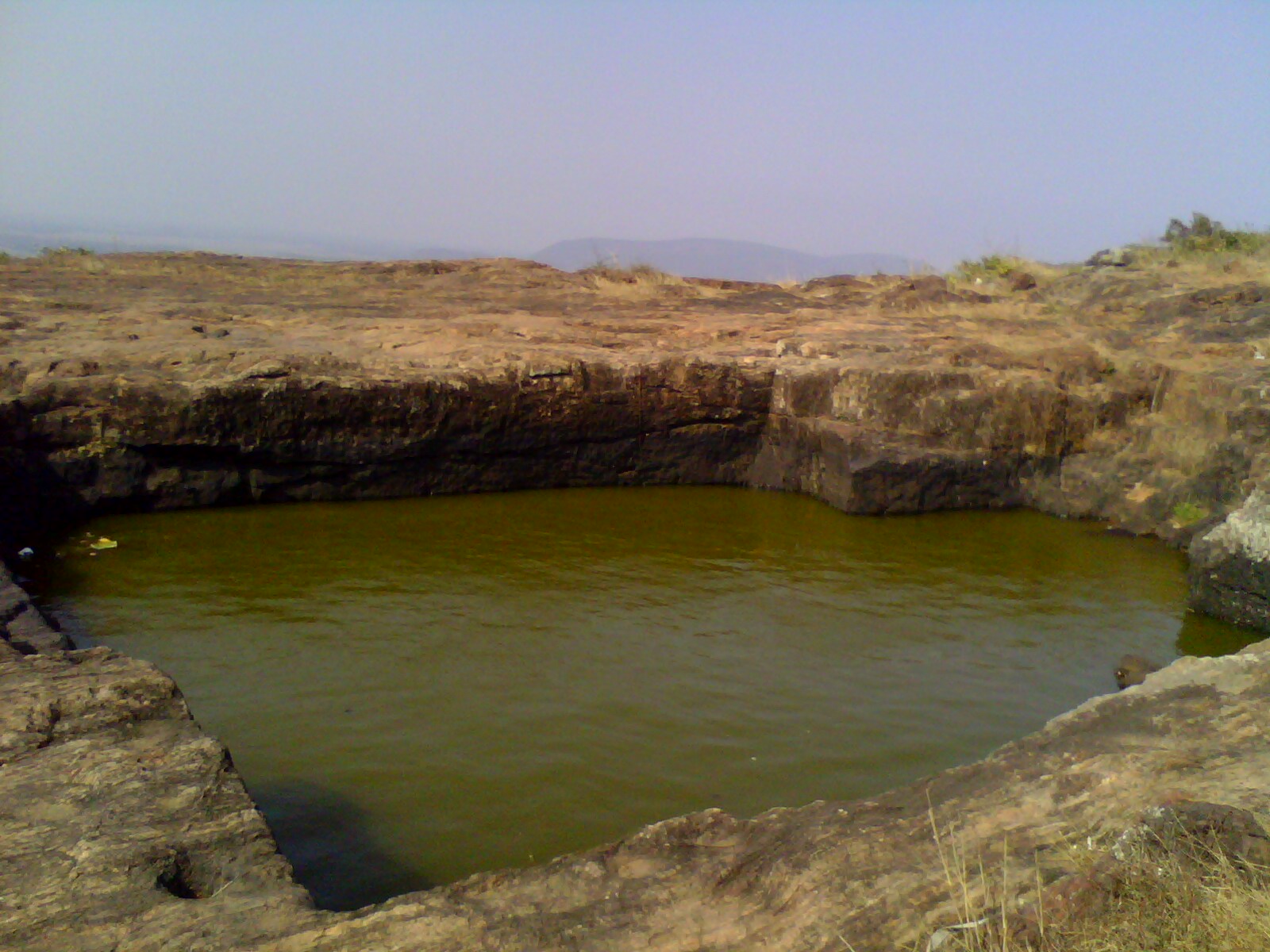
This is, to say the least, a very bleak place,

(in reality, this is Mt Haleakala National Park, on the island of Maui)

but it seems heavily populated with camps of orcs and Sauron’s allies.

“As far as their eyes could reach, along the skirts of the Morgai and away southward, there were camps, some of tents, some ordered like small towns.  One of the largest of these was right below them.  Barely a mile out into the plain it clustered like some huge nest of insects, with straight dreary streets of huts and long low drab buildings.”  (The Return of the King, Book Six, Chapter 2, “The Land of Shadow”)

(Alan Lee)

There are clearly roads, at least in the northern area—

(from the Encyclopedia of Arda)

and when Frodo and Sam disguise themselves as orcs,

(Denis Gordeev)

they make their way along a major one, only to be taken for potential deserters and driven into an orc marching column.

(Denis Gordeev)

Before they reach such a road, however,

“…they saw a beaten path that wound its way under the feet of the westward cliffs.  Had they known, they could have reached it quicker, for it was a track that left the main Morgul-road at the western bridge-end and went down by a long stair cut in the rock to the valley’s bottom.” (The Return of the King, Book Six, Chapter 2, “The Land of Shadow”)

We’ll follow them down this path and eventually reach a road:

“…at the point where it swung east towards the Isenmouthe  twenty miles away.  It was not a broad road, and it had no wall or parapet along the edge, and as it ran on the sheer drop from its brink became deeper and deeper.”  (The Return of the King, Book Six, Chapter 2, “The Land of Shadow”)

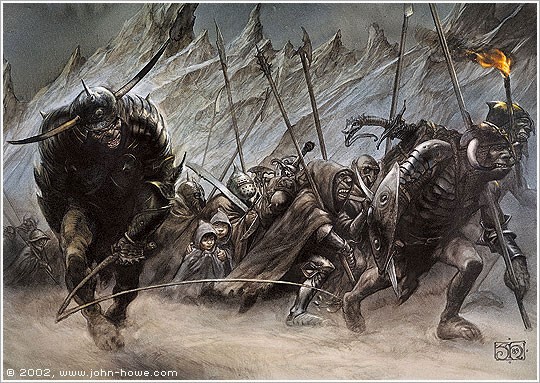
When Frodo and Sam are picked up and driven along in the column,

(John Howe)

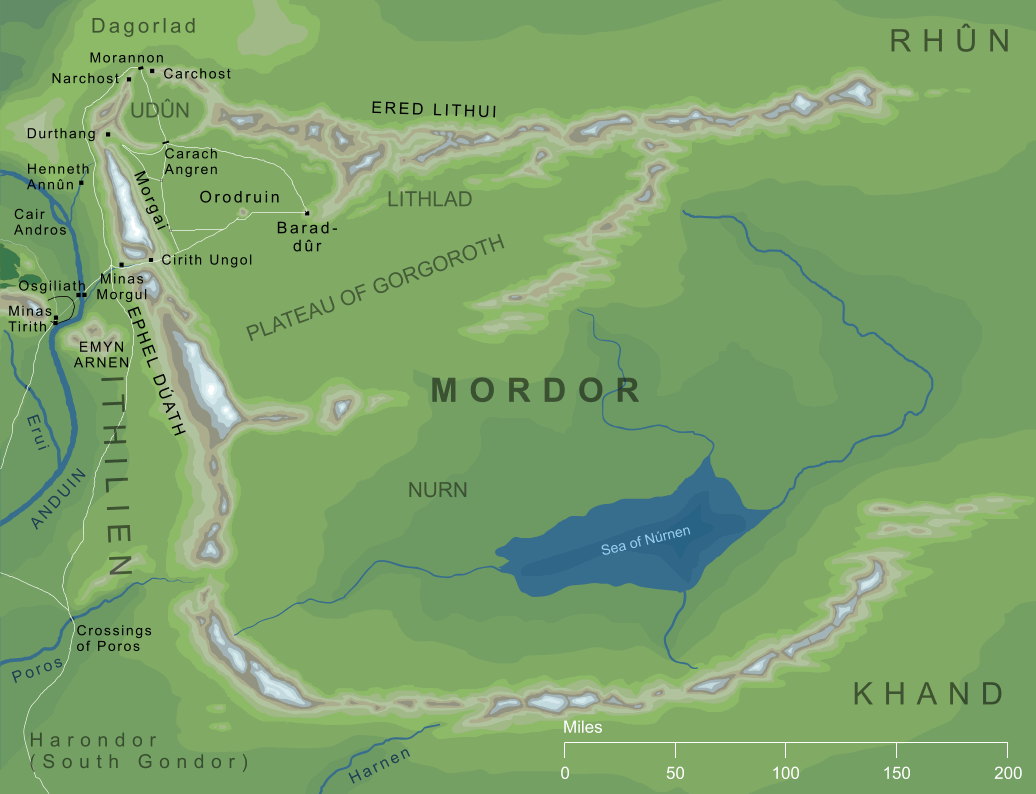
we can now see that the column is headed for Isenmouthe and the entrance to the northernmost part of Mordor, Udun,

(from Karen Wynn Fonstad, The Atlas of Middle-Earth)

but the two manage to escape just before the entrance, dropping

“…over the further edge of the road.  It had a high kerb by which troop-leaders could guide themselves in black night or fog, and it was banked up some feet above the level of the open land.”  (The Return of the King, Book Six, Chapter 2, “The Land of  Shadow”)

(perhaps something like this on the right?)

Frodo and Sam now try cutting across open country, which, although full of places to hide, is hard going—

“As the light grew a little [Sam] saw to his surprise that what from a distance had seemed wide and featureless flats were in fact all broken and tumbled. “  (The Return of the King, Book Six, Chapter 3, “Mount Doom”)

The going, however, is simply too rough for them in their current condition, and they return to the road, as will we, approaching Orodruin (Mt. Doom), where, for the first time since finding a spring on the eastern slope of the Mountains of Shadow, they find water—

“All long ago would have been spent, if they had not dared to follow the orc-road.  For at long intervals on that highway cisterns had been built for the use of troops sent in haste through the waterless regions. 

In one Sam found some water left, stale, muddied by the orcs, but still sufficient for their desperate case.”   (The Return of King, Book Six, Chapter 3, “Mount Doom”)

Struggling to the foot of Mt. Doom (Orodruin), Sam discovers a path—our last road in this series of postings—which is actually part of Sauron’s road from the Barad-dur to the volcano.

(from the Encyclopedia of Arda)

“…for amid the rugged humps and shoulders above him he saw plainly a path or road.  It climbed like a rising girdle from the west and wound snakelike about the Mountain, until before it went round out of view it reached the foot of the cone on the eastern side.”  (The Return of King, Book Six, Chapter 3, “Mount Doom”)

Finally coming to the path, they find

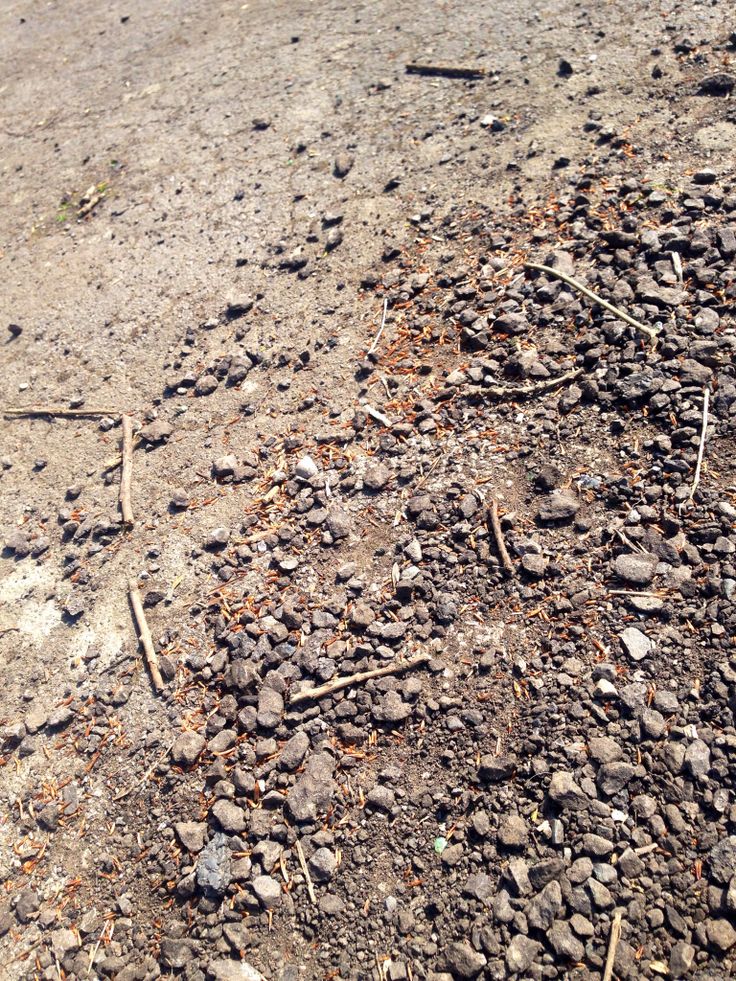
“…that it was broad, paved with broken rubble and beaten ash” The Return of King, Book Six, Chapter 3, “Mount Doom”)

But, before the eagles come to rescue Frodo and Sam, we’ll take our own eagle back to the door where our roads began.

(the Hildebrandts)

As always, thanks for reading.

Stay well,

Remember how perilous it may be to step out your front door,

And remember, as well, that there’s always

MTCIDC

O

PS

For a bit more on the roads of Middle-earth, see:  https://thainsbook.minastirith.cz/roads.html

(Not) Crossing Bridges

03 Wednesday Dec 2025

Posted by Ollamh in Uncategorized

≈ Leave a comment

Tags

Anduin, Boromir, bridges, Etruscans, Horatius, Lars Porsena, Lays of Ancient Rome, Osgiliath, Tarquinius Superbus, The Lord of the Rings, Tolkien

Welcome, dear readers, as always.

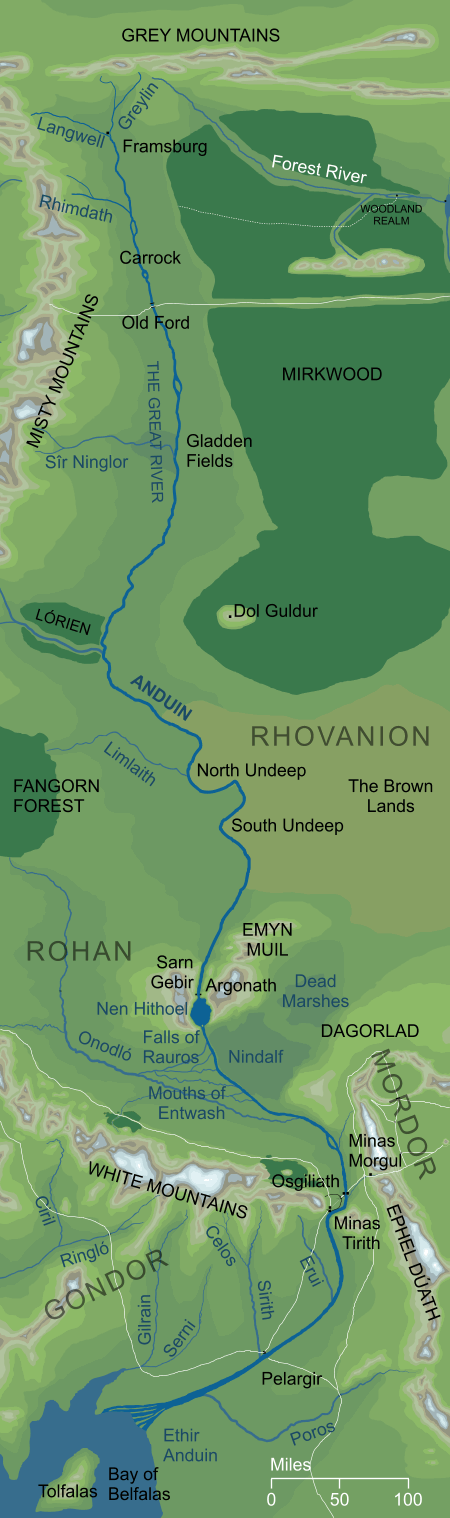
We’ve been traveling along the roads of Middle-earth in the last two postings, but we’ve taken a pause at Osgiliath,

(from the Encylopedia of Arda)

before our trip across the Anduin and beyond.

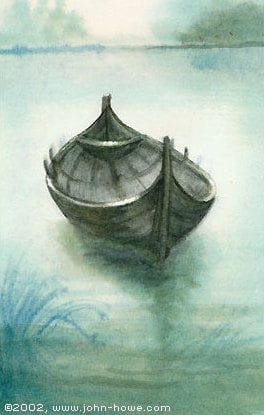
Frodo and Sam had crossed the Anduin by boat, much farther upstream,

(John Howe)

(Encyclopedia of Arda)

but the bridge here is broken—

and the real reason why it’s broken may lie, not in this Middle-earth, but in our own Middle-earth and far in the past, in the early history of Rome.

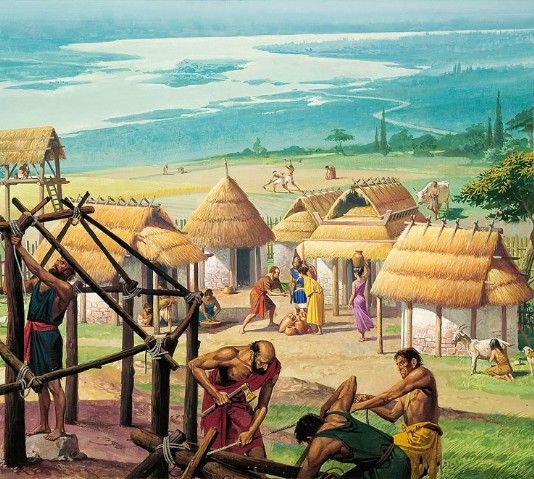
The earliest Italic settlers of the area had been farmers, who built communities on seven hills to the east of the Tiber River and farmed the land below.

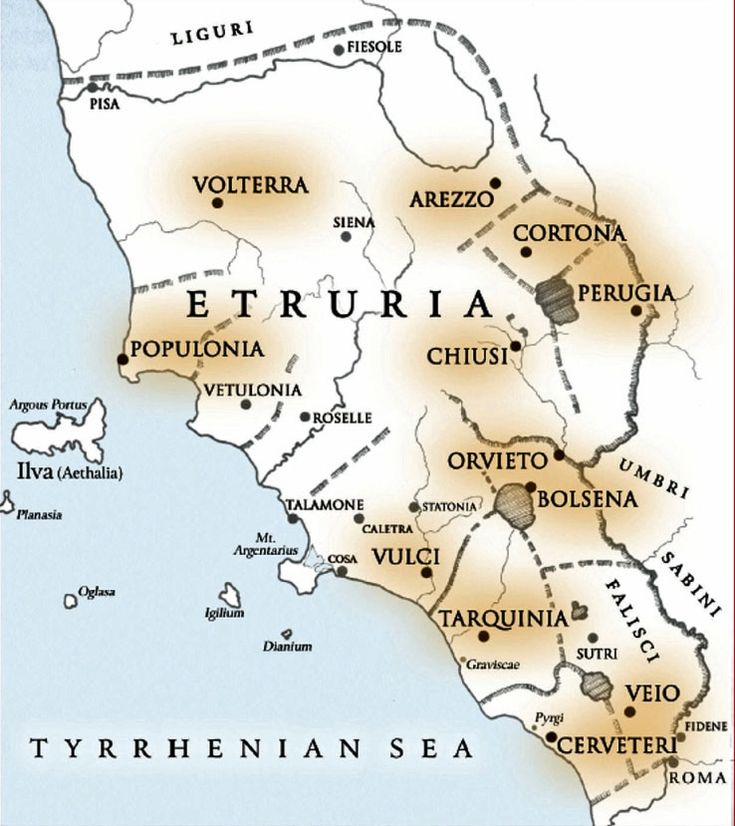
To their north was an older civilization, the Etruscans,

who were, culturally, a more sophisticated people.

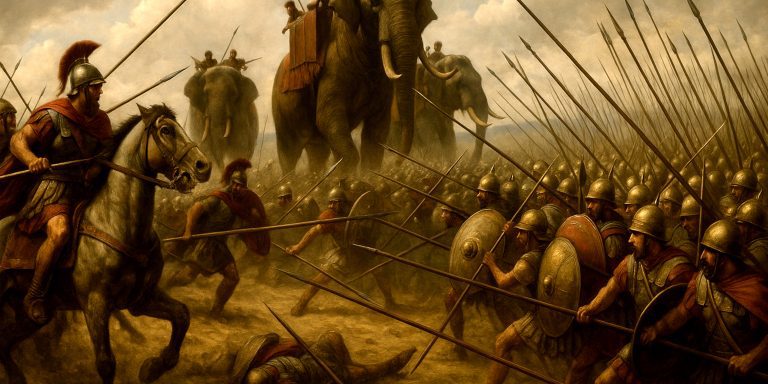
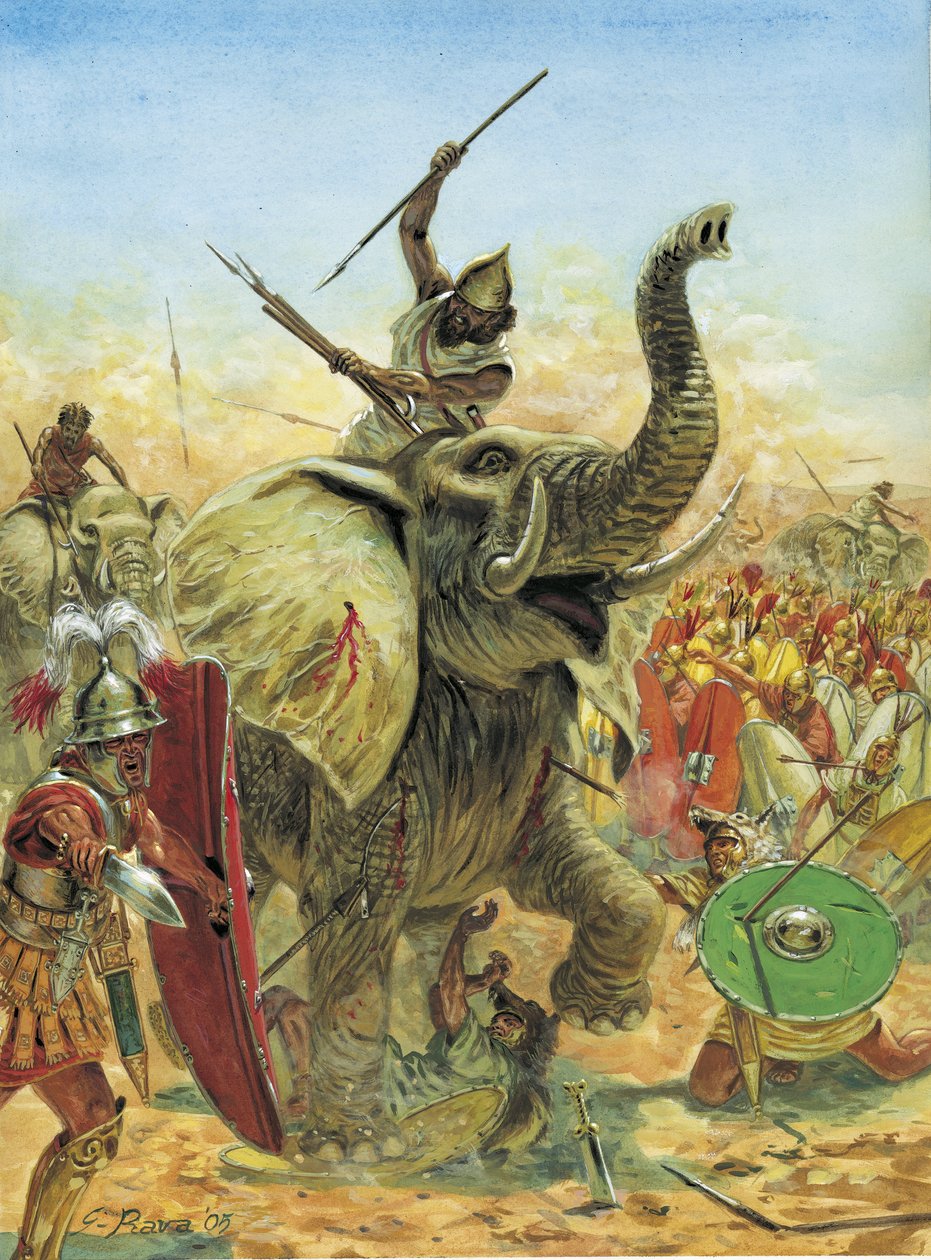
They were also a more powerful military people

(Giuseppe Rava)

and eventually took over Rome for about a century (616-509BC).

Their last ruler of the city, Tarquinius Superbus (“Tarquinius the Arrogant”), was ejected, however, in 509BC, but did not leave quietly, going to the Etruscan king, Lars Porsena, in another Etruscan town, Clusium (Etruscan “Clevsin”),

for help.  Porsena marched on Rome—

(Peter Connolly)

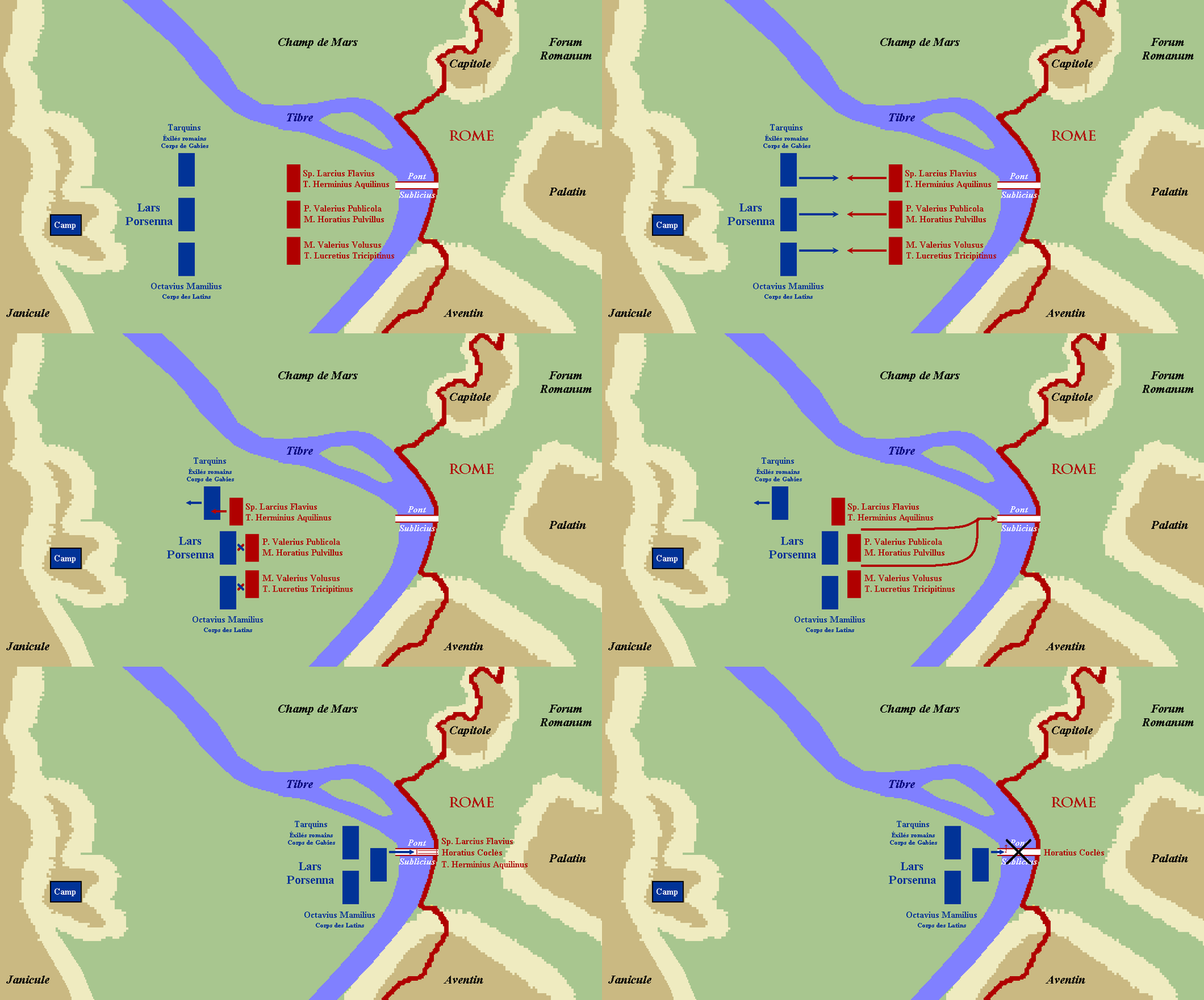
but, after this, ancient histories diverge—and so will we, as we pause once more at that bridge—the Pons Sublicius—the first bridge at the crossing of the Tiber.  As Lars Porsena moved against the city, the Roman militia came out to fight and were defeated.

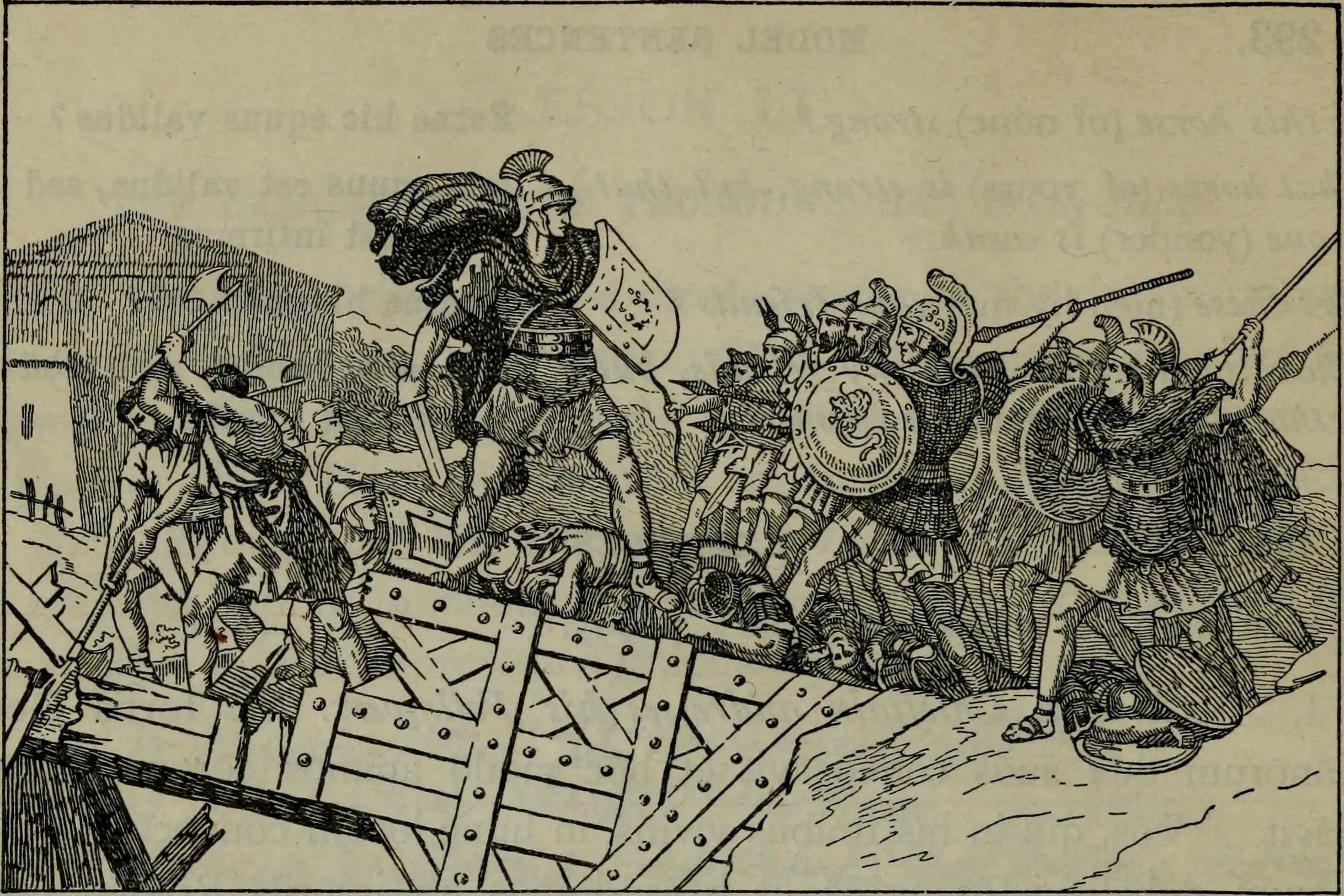
Their only chance to save Rome, they believed, was to break down the bridge and three Romans, led by a lower-rank officer, Horatius, held back the Etruscans with two higher-rank officers while that was done.

Under Etruscan pressure, the other two began to retreat, but Horatius stood his ground, even though wounded more than once, until he had word that the bridge had been broken.  Upon that news, he turned, leaped into the Tiber, and swam to the other bank.

(Richard Hook)

At least one of our sources, Titus Livius (59BC-17AD), is doubtful about all of this, especially because Horatius was said to have done his swimming in full armor, but it fits into a regular story-pattern for Romans, in which a Roman suffers bravely—all for the sake of Rome.  A favorite in this pattern was the story of Regulus, a Roman official, who, being allowed by his Carthaginian captors to return to Rome to deal with terms for a prisoner exchange, spoke against it in Rome, then returned to his captors to meet an unpleasant end.  (For more on Regulus see:  https://en.wikipedia.org/wiki/Marcus_Atilius_Regulus_(consul_267_BC) )

Long after Rome’s empire was history—and legends—Horatius’ story survived and, in Victorian England, had become a literary staple because of the poem “Horatius ”, the first chapter in Thomas Babington Macaulay’s  (1800-1859)

 Lays of Ancient Rome (1842).

This also became a schoolboy staple, a popular favorite for memorizing and reciting in a world and time in which public poetic recitation was common.  (Winston Churchill claimed that he had once won a school prize for doing so.  See:  https://en.wikipedia.org/wiki/Horatius_Cocles  You can have your own copy of the first edition of Macaulay to recite from here:  https://archive.org/details/macaulaylaysofancientrome/page/n7/mode/2up  )

As a Victorian schoolboy, Tolkien

would have had a double exposure to this story, then:  first, in his copy of Livy’s history of Rome, Ab Urbe Condita, and then in Macaulay—which is why, rereading this passage, in which Boromir details Gondor’s rearguard action against Mordor, I saw what may have been the ultimate source for Tolkien’s bridge:

“ ‘Only a remnant of our eastern force came back, destroying the last bridge that still stood amid the ruins of Osgiliath.

I was in the company that held the bridge, until it was cast down behind us.  Four only were saved by swimming:  my brother and myself and two others.’ “ (The Fellowship of the Ring, Book Two, Chapter 2, “The Council of Elrond”)

Thanks, as ever, for reading.  Next posting:  the third and last part of the little series on Middle-earth roads, where we’ll leap over the Anduin and move east.

Stay well,

Building bridges is always better than breaking them–just ask a Roman,

And remember that, as always, there’s

MTCIDC

O

The Doubtful Sea Series Facebook Page

The Doubtful Sea Series Facebook Page

  • Ollamh

Categories

  • Artists and Illustrators
  • Economics in Middle-earth
  • Fairy Tales and Myths
  • Films and Music
  • Games
  • Heroes
  • Imaginary History
  • J.R.R. Tolkien
  • Language
  • Literary History
  • Maps
  • Medieval Russia
  • Military History
  • Military History of Middle-earth
  • Narnia
  • Narrative Methods
  • Poetry
  • Research
  • Star Wars
  • Terra Australis
  • The Rohirrim
  • Theatre and Performance
  • Tolkien
  • Uncategorized
  • Villains
  • Writing as Collaborators
Follow doubtfulsea on WordPress.com

Across the Doubtful Sea

Recent Postings

  • A Moon disfigured December 17, 2025
  • On the Roads Again—Once More December 10, 2025
  • (Not) Crossing Bridges December 3, 2025
  • On the Road(s) Again—Again November 26, 2025
  • On the Road(s) Again November 19, 2025
  • To Bree (Part 2) November 12, 2025
  • To Bree (Part 1) November 5, 2025
  • A Plague o’ Both—No, o’ All Your Houses! October 29, 2025
  • It’s in Writing (2:  I’st a Prologue, or a Poesie for a Ring?) October 22, 2025

Blog Statistics

  • 103,189 Views

Posting Archive

  • December 2025 (3)
  • November 2025 (4)
  • October 2025 (5)
  • September 2025 (4)
  • August 2025 (4)
  • July 2025 (5)
  • June 2025 (4)
  • May 2025 (4)
  • April 2025 (5)
  • March 2025 (4)
  • February 2025 (4)
  • January 2025 (5)
  • December 2024 (4)
  • November 2024 (4)
  • October 2024 (5)
  • September 2024 (4)
  • August 2024 (4)
  • July 2024 (5)
  • June 2024 (4)
  • May 2024 (5)
  • April 2024 (4)
  • March 2024 (4)
  • February 2024 (4)
  • January 2024 (5)
  • December 2023 (4)
  • November 2023 (5)
  • October 2023 (4)
  • September 2023 (4)
  • August 2023 (5)
  • July 2023 (4)
  • June 2023 (4)
  • May 2023 (5)
  • April 2023 (4)
  • March 2023 (5)
  • February 2023 (4)
  • January 2023 (4)
  • December 2022 (4)
  • November 2022 (5)
  • October 2022 (4)
  • September 2022 (4)
  • August 2022 (5)
  • July 2022 (4)
  • June 2022 (5)
  • May 2022 (4)
  • April 2022 (4)
  • March 2022 (5)
  • February 2022 (4)
  • January 2022 (4)
  • December 2021 (5)
  • November 2021 (4)
  • October 2021 (4)
  • September 2021 (5)
  • August 2021 (4)
  • July 2021 (4)
  • June 2021 (5)
  • May 2021 (4)
  • April 2021 (4)
  • March 2021 (5)
  • February 2021 (4)
  • January 2021 (4)
  • December 2020 (5)
  • November 2020 (4)
  • October 2020 (4)
  • September 2020 (5)
  • August 2020 (4)
  • July 2020 (5)
  • June 2020 (4)
  • May 2020 (4)
  • April 2020 (5)
  • March 2020 (4)
  • February 2020 (4)
  • January 2020 (6)
  • December 2019 (4)
  • November 2019 (4)
  • October 2019 (5)
  • September 2019 (4)
  • August 2019 (4)
  • July 2019 (5)
  • June 2019 (4)
  • May 2019 (5)
  • April 2019 (4)
  • March 2019 (4)
  • February 2019 (4)
  • January 2019 (5)
  • December 2018 (4)
  • November 2018 (4)
  • October 2018 (5)
  • September 2018 (4)
  • August 2018 (5)
  • July 2018 (4)
  • June 2018 (4)
  • May 2018 (5)
  • April 2018 (4)
  • March 2018 (4)
  • February 2018 (4)
  • January 2018 (5)
  • December 2017 (4)
  • November 2017 (4)
  • October 2017 (4)
  • September 2017 (4)
  • August 2017 (5)
  • July 2017 (4)
  • June 2017 (4)
  • May 2017 (5)
  • April 2017 (4)
  • March 2017 (5)
  • February 2017 (4)
  • January 2017 (4)
  • December 2016 (4)
  • November 2016 (5)
  • October 2016 (6)
  • September 2016 (5)
  • August 2016 (5)
  • July 2016 (5)
  • June 2016 (5)
  • May 2016 (4)
  • April 2016 (4)
  • March 2016 (5)
  • February 2016 (4)
  • January 2016 (4)
  • December 2015 (5)
  • November 2015 (5)
  • October 2015 (4)
  • September 2015 (5)
  • August 2015 (4)
  • July 2015 (5)
  • June 2015 (5)
  • May 2015 (4)
  • April 2015 (3)
  • March 2015 (4)
  • February 2015 (4)
  • January 2015 (4)
  • December 2014 (5)
  • November 2014 (4)
  • October 2014 (6)
  • September 2014 (1)

Blog at WordPress.com.

  • Subscribe Subscribed
    • doubtfulsea
    • Join 78 other subscribers
    • Already have a WordPress.com account? Log in now.
    • doubtfulsea
    • Subscribe Subscribed
    • Sign up
    • Log in
    • Report this content
    • View site in Reader
    • Manage subscriptions
    • Collapse this bar
 

Loading Comments...