• About

doubtfulsea

~ adventure fantasy

Tag Archives: speech

Do You Speak Villain? (Part 3)

18 Wednesday Feb 2026

Posted by Ollamh in Uncategorized

≈ Leave a comment

Tags

books, Fantasy, Gorbag, Grishnakh, lotr, Orcs, Saruman, Sauron, sergeant, sergeants, Shagrat, soldiers, speech, The Lord of the Rings, Tolkien, Ugluk

As always, welcome, dear readers.

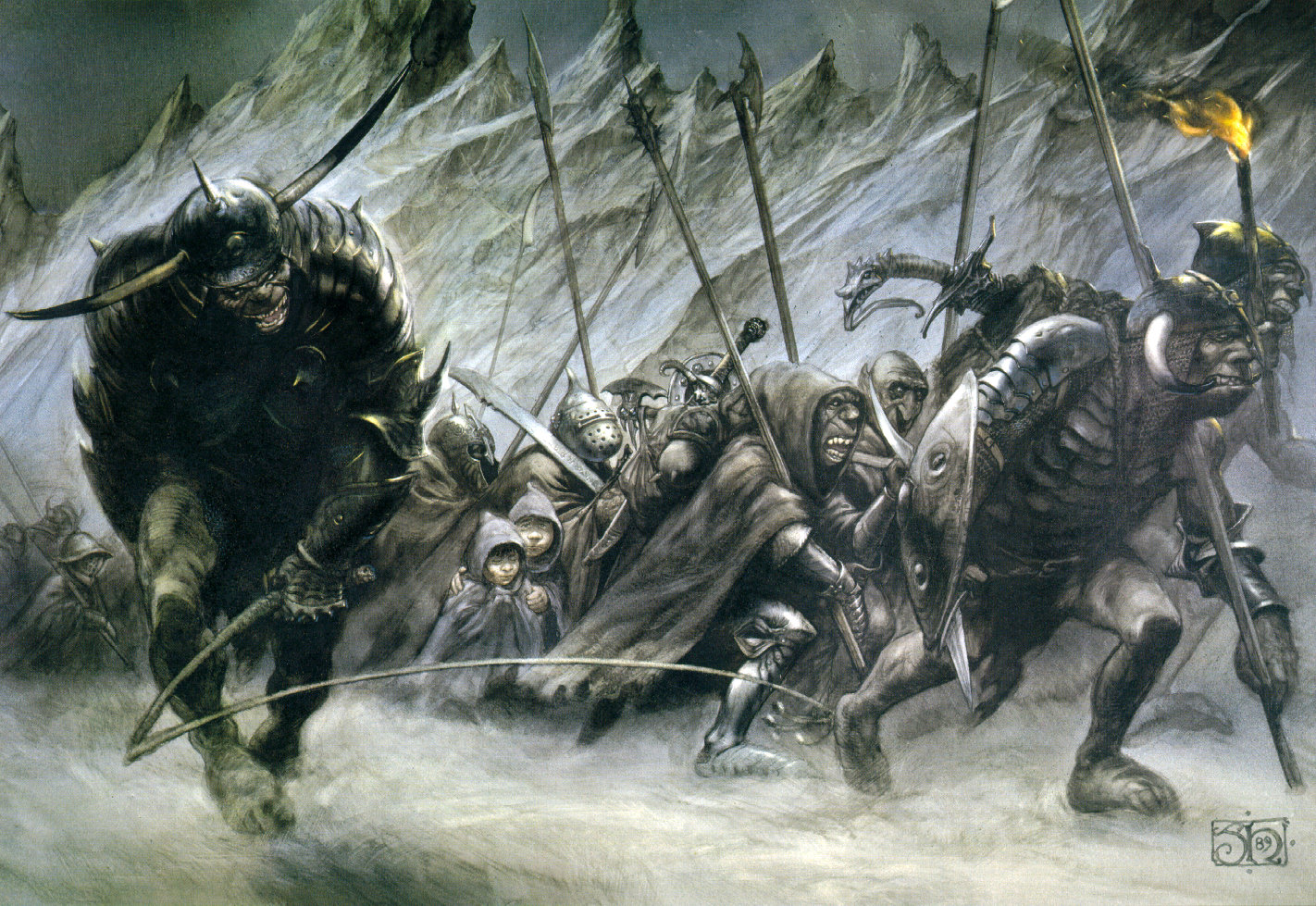
In Parts 1 and 2 of this short series, I’ve looked at Tolkien’s use of speech to characterize—and bring to life—the antagonists of The Lord of the Rings, leaving out Sauron, as having little to say for himself, but observing Saruman,
(the Hildebrandts)

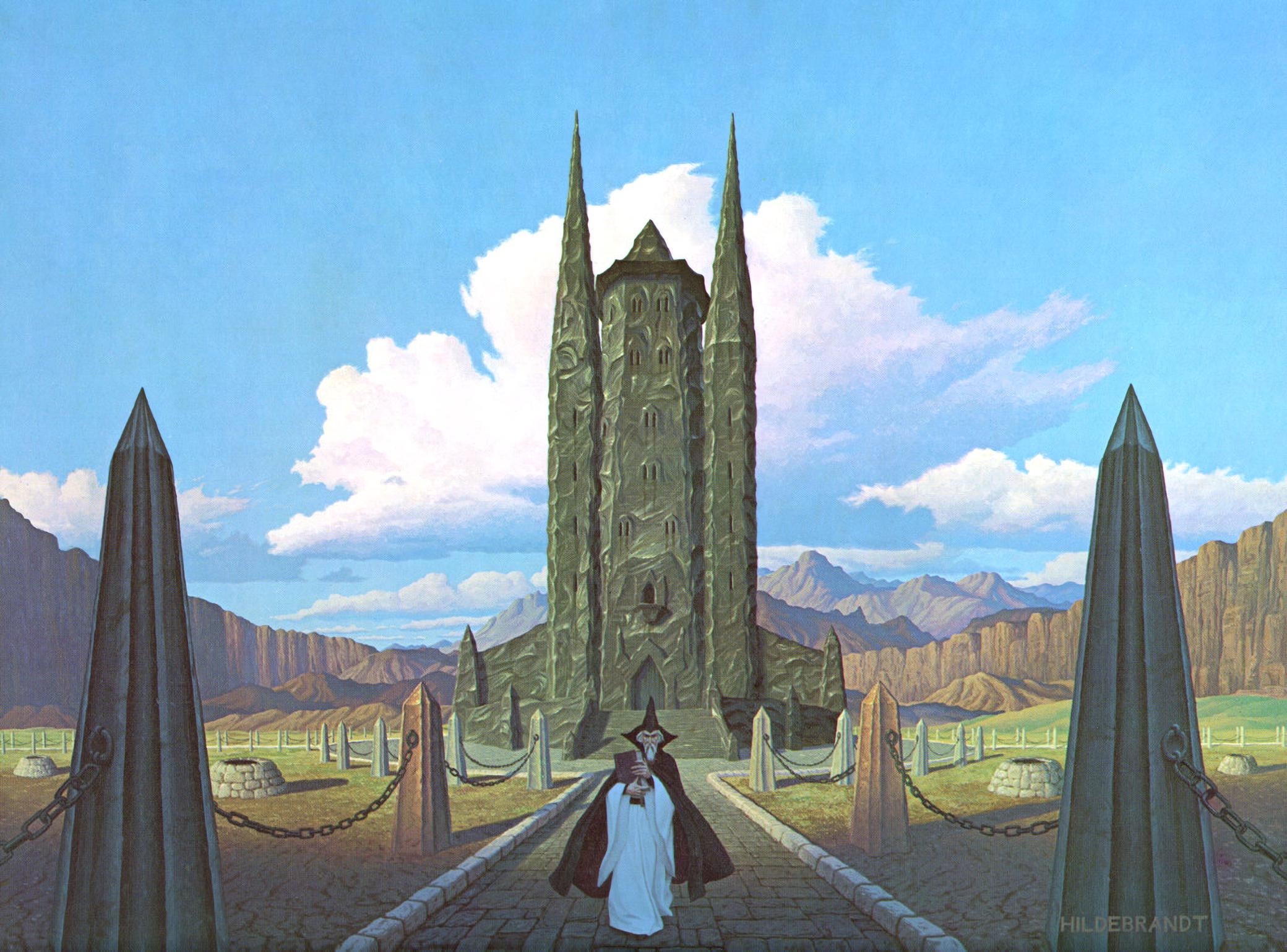
the chief of the Nazgul,
(the Hildebrandts)

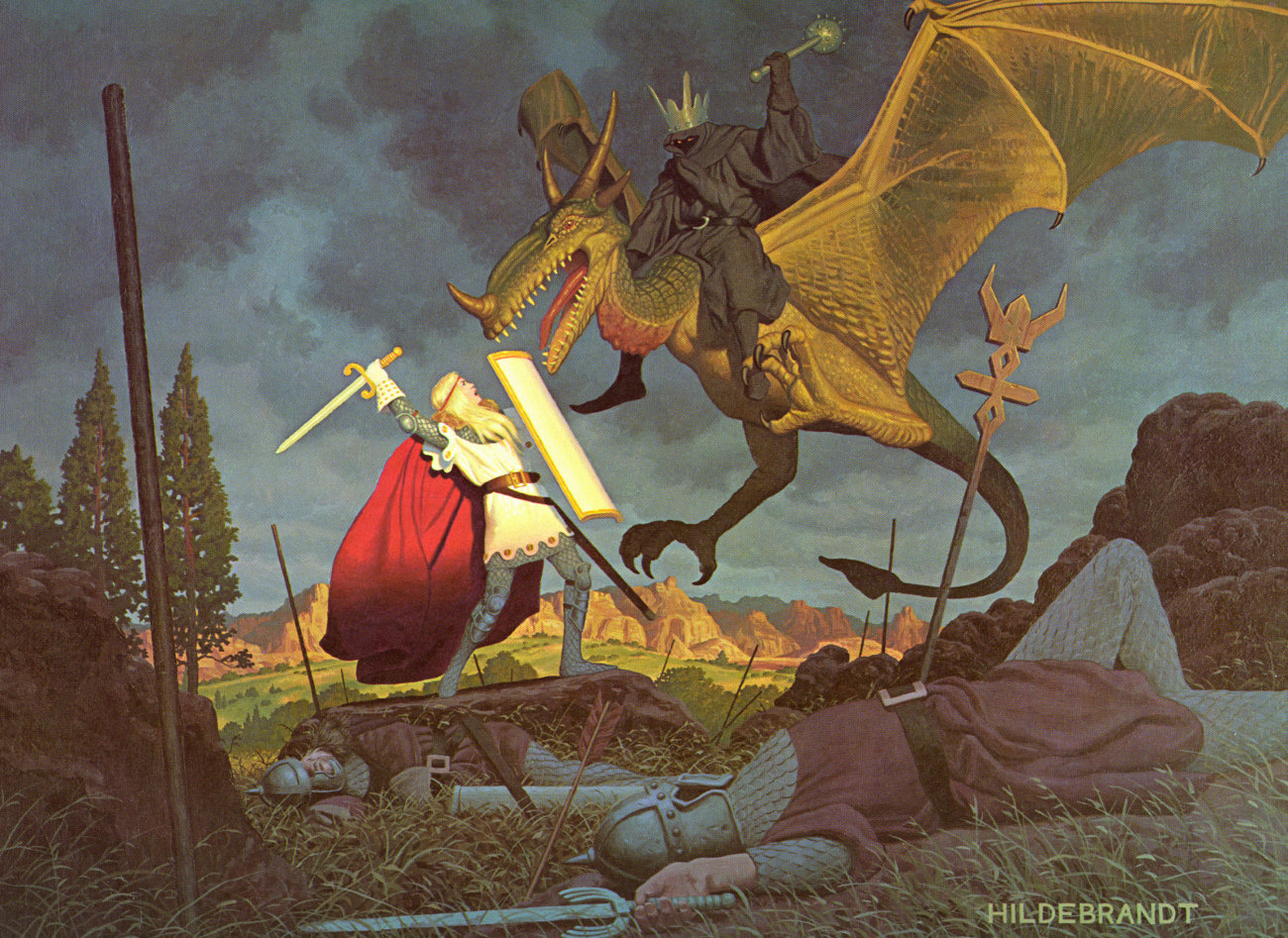
and the Mouth of Sauron.
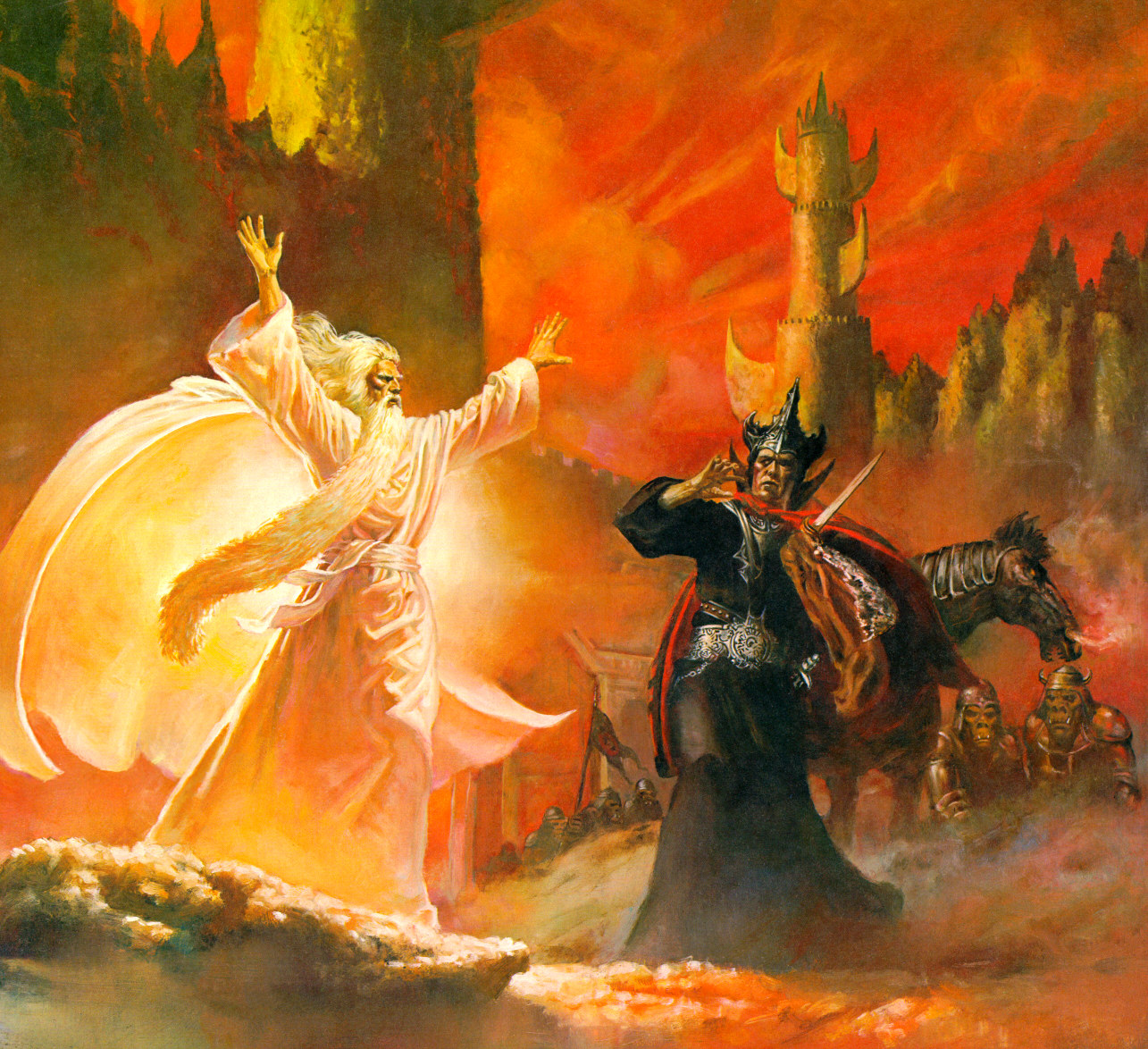
(Douglas Beekman)

I’ve been doing this as a descent down the social ladder and now we’ve reached the foot with the Orcs.
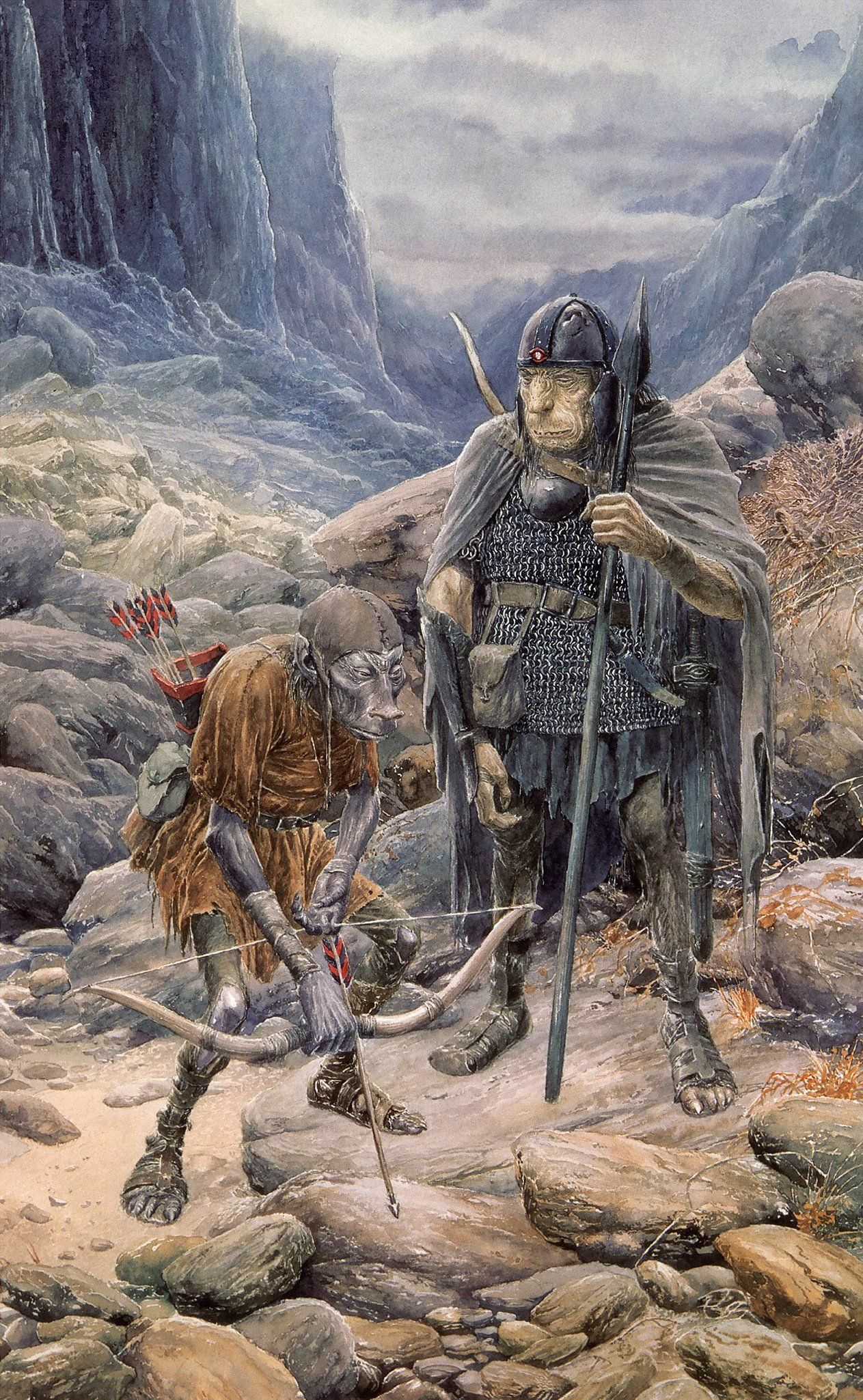
(Alan Lee)

JRRT had very complex thoughts and feelings about them, as his letters show us (see, for instance, some of his thoughts in his unfinished, unsent letter to Peter Hastings, September, 1954, Letters, 285 and 291)  but then the Orcs themselves seem more complex than mere (in more modern terms) “cannon-fodder”—that is, a simple mass of undifferentiated infantry.
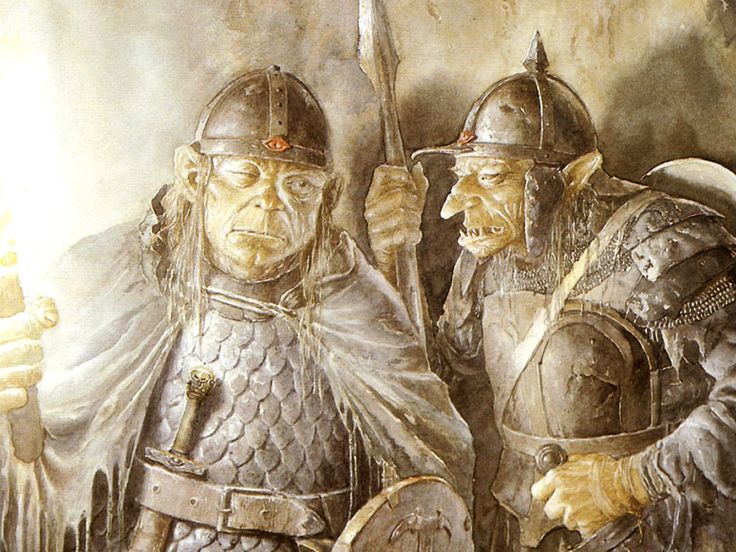
(Alan Lee)

Something which has always struck me about them is Tolkien’s choices for their speech.  At one level, as I pointed out in “Tolkien Among the Indians”, (21 January, 2026), one of their leaders, Ugluk, can sound like a figure out of James Fenimore Cooper’s The Last of the Mohicans—

“ ‘We are the fighting Uruk-hai!  We slew the great warrior.  We took the prisoners.  We are the servants of Saruman the Wise, the White Hand:  the Hand that gives us man’s-flesh to eat.  We came out of Isengard, and led you here, and we shall lead you back by the way we choose.  I am Ugluk.  I have spoken.’ ”

On another level—but here I want to quote another of Tolkien’s letters, one often cited when referring to Sam Gamgee:

“My ‘Sam Gamgee’ is indeed, as you say, a reflexion of the English Soldier, of the privates and batmen [officers’ servants, not denizens of Gotham] I knew in the 1914 war, and recognized as so far superior to myself.”  (draft of a letter to H. Cotton Minchin, April, 1956, Letters, 358)

and obviously Tolkien knew what he intended, but I’ve always seen those “privates and batmen” as something more:  as models for the Orcs—
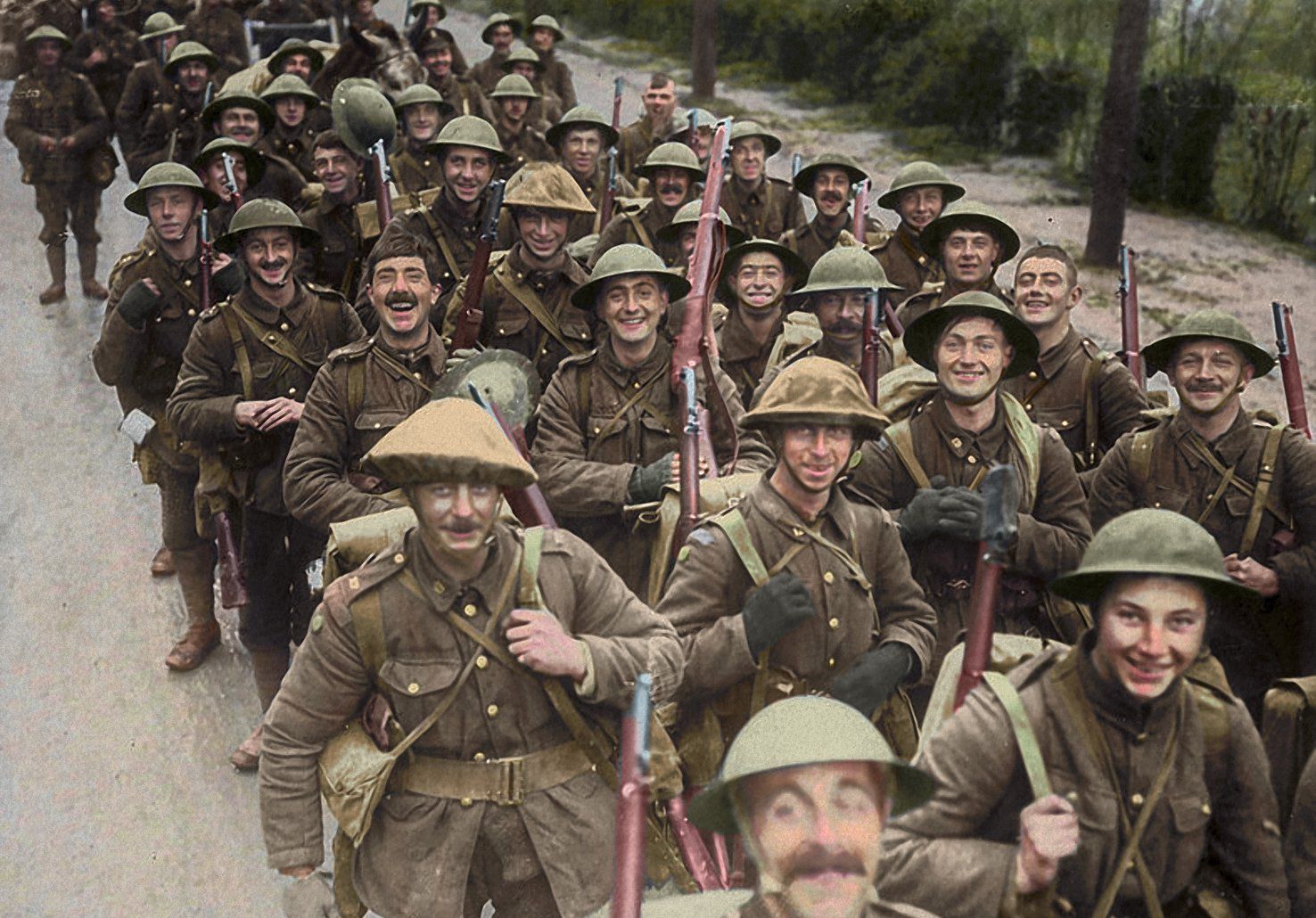
and their commanders, Ugluk and Grishnakh—and later Shagrat and Gorbag—not as of the officer class, to which Tolkien belonged—
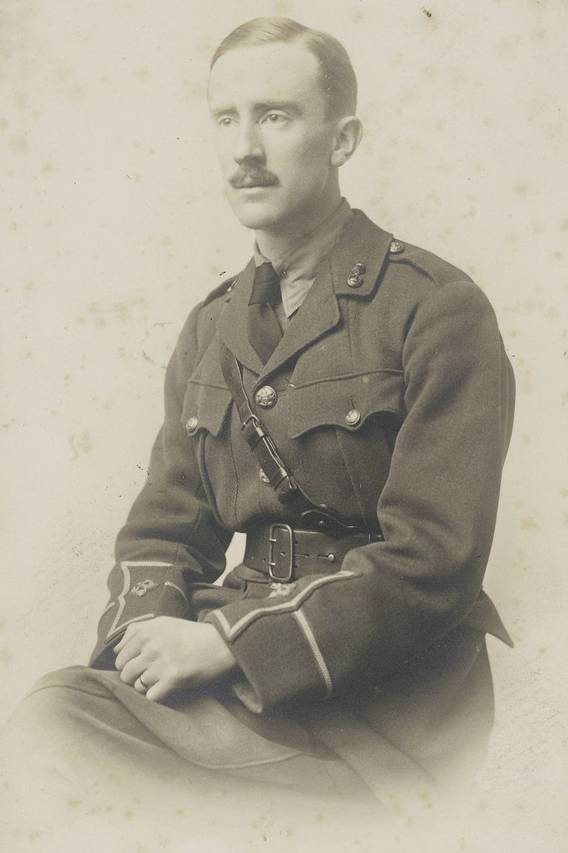
but as sergeants, the tough, experienced men who ran the infantry on a day-to-day basis.
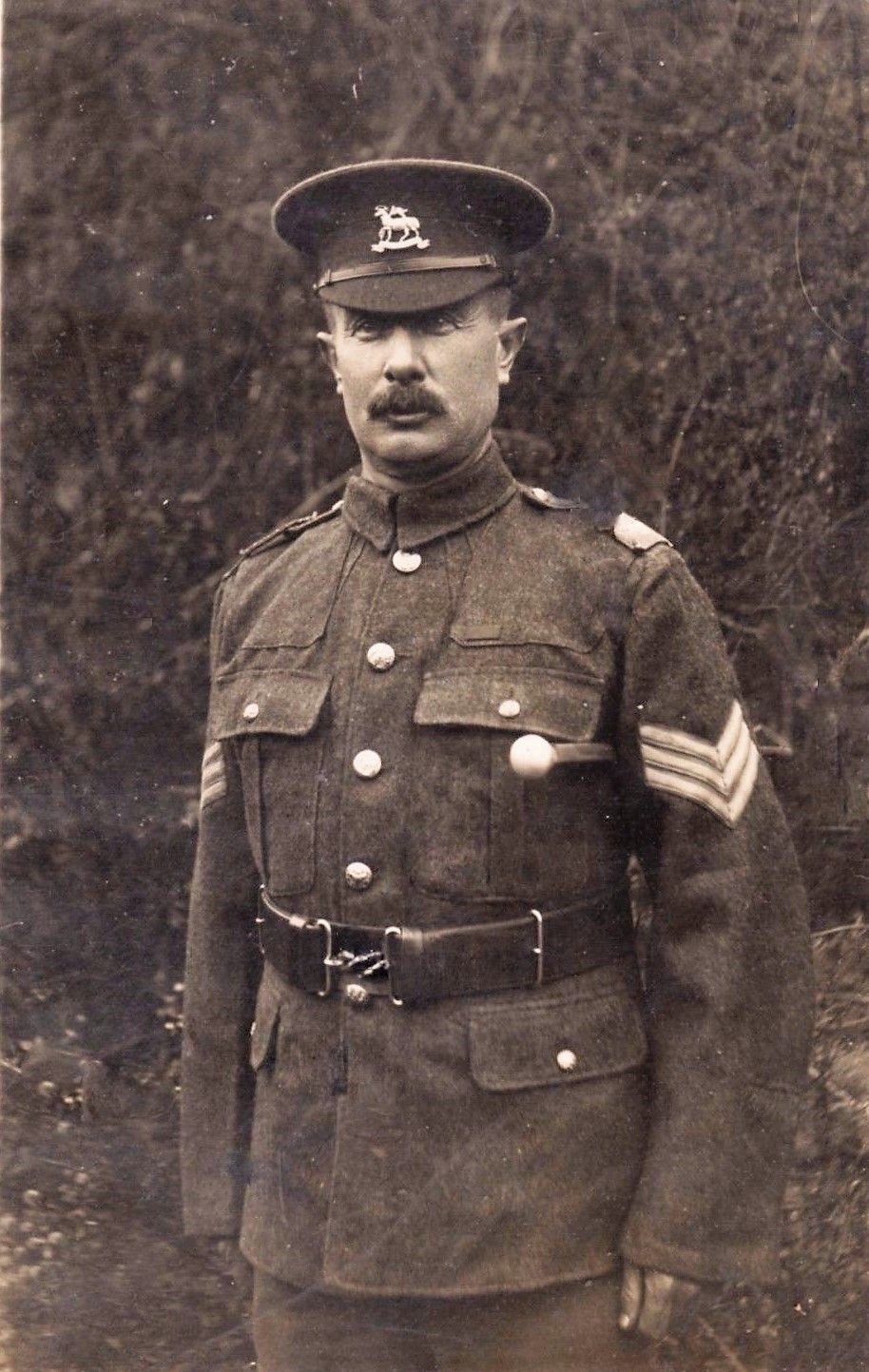
Here they are, talking—

“ ‘Orders,’ said a third voice in a deep growl.  ‘Kill all but NOT the Halflings; they are to be brought back ALIVE as quickly as possible.  That’s my orders.’

“ ‘What are they wanted for?’ asked several voices.  ‘Why alive?  Do they give good sport?’

‘No!  I heard that one of them has got something, something that’s wanted for the War, some Elvish plot or other.  Anyway they’ll both be questioned.’

‘Is that all you know?  Why don’t we search them and find out?  We might find something that we could use ourselves.’

‘That is a very interesting remark,’ sneered a voice, softer than the others but more evil.  ‘I may have to report that.  The prisoners are NOT to be searched or plundered:  those are my orders.’

‘And mine too,’ said the deep voice.  ‘Alive and as captured, no spoiling.  That’s my orders.’ “

So far, those two main voices—the “deep growl” and the “softer…but more evil”–are just that:  voices.  And we can tell immediately that they, being the ones given orders and threatening to make reports, are in charge.  Shortly, we’ll find that the deep voice belongs to ”a large black Orc, probably Ugluk” and the softer to Grishnakh, “a short, crook-legged creature, very broad and with long arms that hung almost to the ground.” 

Why sergeants, not officers?  It’s the tone, I think.  When Grishnakh proposes taking the prisoners to the east bank of the Anduin, where a Nazgul is waiting, Ugluk replies

“ ‘Maybe, maybe!  Then you’ll fly off with our prisoners, and get the pay and praise in Lugburz, and leave us to foot it as best we can through the Horse-country.’ “ 

“pay and praise” and “footing it” sound to me more like the language of soldiers than those of higher ranks, but there’s something more to their talk.  Ugluk sneers at the Nazgul and Grishnakh replies:

“ ‘Nazgul, Nazgul,’ said Grishnakh, shivering and licking his lips, as if the word had a foul taste that he savoured painfully.  ‘You speak of what is deep beyond the reach of your muddy dreams, Ugluk.’ “

There is a fear in this that’s a little surprising:  aren’t the Nazgul on the same side as Grishnakh, at least? 

There is a rivalry between the two groups as well—and clearly even between their two masters, as Grishnakh reveals:

“ ‘You have spoken more than enough, Ugluk,’ sneered the evil voice.  ‘I wonder how they would like it in Lugburz…They might ask where his strange ideas came from.  Did they come from Saruman, perhaps?  Who does he think he is, setting up on his own with his filthy white badges?  They might agree with me, with Grishnakh their trusted messenger; and I Grishnakh say this:  Saruman is a fool, and a dirty treacherous fool.’ “  (all of the text here is from The Two Towers, Book Three, Chapter 3, “The Uruk-hai”)

All of this shows a level of internal tension which would not bode well for an alliance between Sauron and Saruman and, when we reach Shagrat and Gorbag, later in the story, there’s even something more and we’ve already seen it in that “We might find something that we can use ourselves.”

So far, the speech of the two Orc leaders has suggested creatures who clearly don’t trust each other, and one is fearful of something on his own side, revealing, as well, that his master, Sauron, is less than impressed by Saruman and his efforts. 

And now we find that such sergeants may not even trust their men, as when Shagrat says to Gorbag:

“ ‘…but they’ve got eyes and ears everywhere; some among my lot, as like as not.’ “

But why such wariness?  First, because these Orcs are aware that knowledge of the progress of the war in which they’re a part is being kept from them, and it’s not good news:

“ ‘…they’re troubled about something.  The Nazgul down below are, by your account; and Lugburz is too.  Something nearly slipped…As I said, the Big Bosses, ay,’ his voice sank almost to a whisper, ‘ay, even the Biggest, can make mistakes.  Something nearly slipped, you say.  I say, something has slipped.’ “

And second because these Orcs, not trusting their masters and perhaps even fearful of them, may have plans of their own—

“ ‘What d’you say?—if we get a chance, you and me’ll slip off and set up somewhere on our own with a few trusty lads, somwhere where there’s good loot nice and handy, and no big bosses.’

‘Ah!’ said Shagrat.  ‘Like old times!’ “  (The Two Towers, Book Four,  Chapter 10, “The Choices of Master Samwise”)

As we’ll see, however, later in the story, Shagrat and Gorbag don’t even trust each other—

“Quick as a snake, Shagrat slipped aside, twisted round, and drove his knife into his enemy’s throat.

‘Got you, Gorbag!’ he cried.  ‘Not quite dead, eh?  Well, I’ll finish my job now.’  He sprang on to the fallen body, and stamped and trampled it in his fury, stooping now and again to stab and slash it with his knife.“  (The Return of the King, Book Six, Chapter 1, “The Tower of Cirith Ungol”)

So much for “old times”!  But a fitting ending for this posting.  Here, on the lowest rung of the social ladder, we see how JRRT shows both the threat of the enemies’ soldiers and, at the same time, undercuts that threat, as we hear the Orcs doing everything from threatening each other, dissing their own leaders and those of their own side, mistrusting each other and their own men, and even plotting to desert and set up their own little kingdoms before cheerfully knifing each other.  We might wonder—even if Sauron had won, how long would his empire have lasted, with such allies and underlings?

Thanks, as ever, for reading.

Stay well,

I guess that I don’t have to tell you now:  watch your back,

And remember that there’s

MTCIDC

O

PS

For more on Orcs and their language, see “Lingua Orca”, 16 April, 2025.
Class, Order, Family…(2)

24 Wednesday Oct 2018

Posted by Ollamh in J.R.R. Tolkien, Language, Military History, Military History of Middle-earth

≈ Leave a comment

Tags

Cheshire, class, dialect, Drill Sergeant, gentlehobbits, John Howe, Mayor of Michel Delving, Michael Palin, Monty Python, Mummershire, Rustic, Samwise Gamgee, Shire, speech, The Lord of the Rings, Tolkien

Welcome, as ever, dear readers.

In our last posting, we began with JRRT stipulating, when selling the rights to The Lord of the Rings, that Merry and Pippin were not to be “rustics”.  The word “rustics” caught our attention and, from its origin—an  adjective from Latin rus, ruris, n., “country” (as in “countryside”)—we began some exploration of how, in The Lord of the Rings, it was possible to distinguish between “gentlehobbits” and “rustics” by their grammar,  word choices,  and speech patterns.  We also talked about the speech of Saruman (don’t listen too long!) in contrast to his Uruk-hai.

In this posting, we want to do a little more exploring to see what else we might find, first in the speech of the  principal representative of “the rustics” in The Lord of the Rings, Sam Gamgee.  Then we’ll add a bit more on the speech of the orcs.

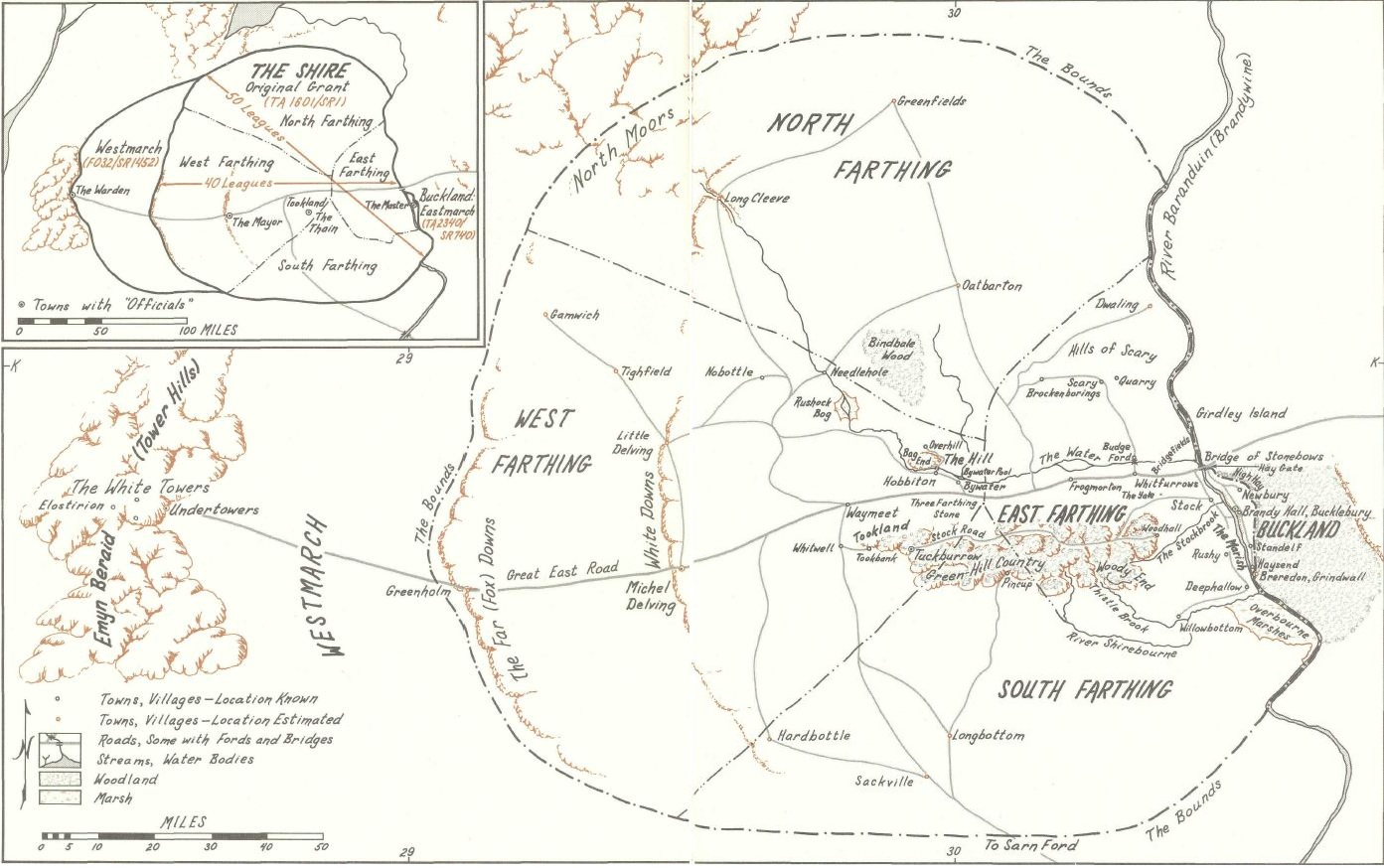
We begin this time with the home of Sam, the Shire.

image1theshire.jpg

Tolkien says of it that it “had hardly any ‘government’, but that “Families for the most part managed their own affairs.”  Thus, although there was an actual Shire official “the Mayor of Michel Delving (or of the Shire), who was elected every seven years…As mayor almost his only duty was to preside at banquets given on the Shire-holidays…”(The Lord of the Rings, Prologue, 3, “Of the Ordering of the Shire”),  at the same time, this was not a democracy (JRRT doesn’t appear very comfortable with them—see Letters, 64, among several other references), but, rather, an oligarchy, in which certain families appear to have held all the power—“The Shire was divided into four quarters…and these again into a number of folklands, which still bore the names of some of the old leading families…It is true that the Took family had long been pre-eminent; for the office of Thain had passed to them (from the Oldbucks) some centuries before, and the chief Took had borne that title ever since…The Took family was still, indeed, accorded a special respect, for it remained both numerous and exceedingly wealthy…”

In contrast to the Tooks, it would appear that the Gamgees were not accorded such respect and, from Sam’s speech, it’s clear that he is well aware of the fact.  The first time we meet Sam, he immediately shows both his “rusticity” and his social status.  Gandalf has caught him eavesdropping outside Frodo’s window and demands to know what he’s doing.  Sam replies:

“ Lor bless you, Mr. Gandalf, sir!…Nothing!  Leastways  I was just trimming the grass-border under the window, if you follow me.” (The Fellowship of the Ring, Book One, Chapter 2, “The Shadow of the Past”)

Here we see pronunciation—“Lor” for “Lord” in “Lor bless you” (which is a Christian exclamation and makes us wonder what it was doing in Sam’s speech to begin with), word choice—“leastways”—and method of expression—“if you follow me”, all of which suggest the nature of Sam’s social class (certainly neither Frodo nor Merry nor Pippin speaks in such a way).  A second marker of class is that both Gandalf and then Frodo are called “sir” along with “Mr.”—“Mr. Gandalf, sir”, and, soon after, “Mr. Frodo, sir”.  Such honorifics are never used when anyone addresses Sam.  He’s always just “Sam”.  And this social distinction is even more marked when Sam believes that Frodo has been killed by Shelob and he addresses Frodo as “Master, dear master” (The Two Towers, Book Four, Chapter 10, “The Choices of Master Samwise”—and we note here the irony of calling Sam “Master Samwise”—Sam may, briefly, be the master of the Ring, but it’s not a choice he really wants or relishes.  Sam is most comfortable “knowing his place”, even as he shows that he has a sticktoittiveness without which both he and Frodo would not only have not reached  Mount Doom, but would have died in its wilderness long before.)

When you hear Sam in the P Jackson movies, the actor, Sean Astin, uses the standard “rural British accent” sometimes referred to as “Mummershire”.  This is based to a large extent on the distinctive accents of Southwest England.  We imagine that JRRT, who was himself from the Midlands however, would have heard Sam sound rather more like people from Cheshire.  Here’s Cheshire on a map of England’s shires.

image2shires.jpg

And here’s a brief YouTube LINK to an elderly native speaker (to provide something a little more like that which Tolkien would have heard—the accent, like all accents under the influence of radio, television, and the internet, seems to be changing pretty rapidly).  Notice those Rs—“shap” for “sharp”, for example.

When we think of accents and orcs (a John Howe illustration),

image3orcs.jpg

we always imagine their leaders as sounding like classic British drill sergeants—here’s an early nineteenth century example, but we believe that the breed hasn’t changed.  Here’s a LINK to a modern example—with a SILLY WARNING because it’s Michael Palin of Monty Python as the drill sergeant.

image4drillsgt.jpg

Put together the sound of that sergeant—who is speaking in a London-area accent—with this quotation and perhaps you’ll see—hear—what we mean:

“ ‘Put up your weapons!’ shouted Ugluk.  ‘And let’s have no more nonsense!  We go straight west from here, and down the stair.  From there straight to the downs, along the river to the forest.  And we march day and night.  That clear?’ “ (The Two Towers, Book Three, Chapter 3, “The Uruk-hai”)

Add that to the whips used by such folk in Mordor and our view, both of Merry and Pippin’s captivity, as well as Frodo and Sam’s being swept up in an orc column, becomes all that much grimmer!

Thanks, as ever, for reading (AT EASE!).

MTCIDC

CD

The Doubtful Sea Series Facebook Page

The Doubtful Sea Series Facebook Page

  • Ollamh

Categories

  • Artists and Illustrators
  • Economics in Middle-earth
  • Fairy Tales and Myths
  • Films and Music
  • Games
  • Heroes
  • Imaginary History
  • J.R.R. Tolkien
  • Language
  • Literary History
  • Maps
  • Medieval Russia
  • Military History
  • Military History of Middle-earth
  • Narnia
  • Narrative Methods
  • Poetry
  • Research
  • Star Wars
  • Terra Australis
  • The Rohirrim
  • Theatre and Performance
  • Tolkien
  • Uncategorized
  • Villains
  • Writing as Collaborators
Follow doubtfulsea on WordPress.com

Across the Doubtful Sea

Recent Postings

  • Do You Speak Villain? (Part 3) February 18, 2026
  • Do You Speak Villain? (2) February 11, 2026
  • Do You Speak Villain? (Part 1) February 4, 2026
  • Towering January 28, 2026
  • Tolkien Among the Indians January 21, 2026
  • Thin and Stretched January 14, 2026
  • Through a glass… January 7, 2026
  • Heffalumps? December 31, 2025
  • We Three Kings December 24, 2025

Blog Statistics

  • 107,620 Views

Posting Archive

  • February 2026 (3)
  • January 2026 (4)
  • December 2025 (5)
  • November 2025 (4)
  • October 2025 (5)
  • September 2025 (4)
  • August 2025 (4)
  • July 2025 (5)
  • June 2025 (4)
  • May 2025 (4)
  • April 2025 (5)
  • March 2025 (4)
  • February 2025 (4)
  • January 2025 (5)
  • December 2024 (4)
  • November 2024 (4)
  • October 2024 (5)
  • September 2024 (4)
  • August 2024 (4)
  • July 2024 (5)
  • June 2024 (4)
  • May 2024 (5)
  • April 2024 (4)
  • March 2024 (4)
  • February 2024 (4)
  • January 2024 (5)
  • December 2023 (4)
  • November 2023 (5)
  • October 2023 (4)
  • September 2023 (4)
  • August 2023 (5)
  • July 2023 (4)
  • June 2023 (4)
  • May 2023 (5)
  • April 2023 (4)
  • March 2023 (5)
  • February 2023 (4)
  • January 2023 (4)
  • December 2022 (4)
  • November 2022 (5)
  • October 2022 (4)
  • September 2022 (4)
  • August 2022 (5)
  • July 2022 (4)
  • June 2022 (5)
  • May 2022 (4)
  • April 2022 (4)
  • March 2022 (5)
  • February 2022 (4)
  • January 2022 (4)
  • December 2021 (5)
  • November 2021 (4)
  • October 2021 (4)
  • September 2021 (5)
  • August 2021 (4)
  • July 2021 (4)
  • June 2021 (5)
  • May 2021 (4)
  • April 2021 (4)
  • March 2021 (5)
  • February 2021 (4)
  • January 2021 (4)
  • December 2020 (5)
  • November 2020 (4)
  • October 2020 (4)
  • September 2020 (5)
  • August 2020 (4)
  • July 2020 (5)
  • June 2020 (4)
  • May 2020 (4)
  • April 2020 (5)
  • March 2020 (4)
  • February 2020 (4)
  • January 2020 (6)
  • December 2019 (4)
  • November 2019 (4)
  • October 2019 (5)
  • September 2019 (4)
  • August 2019 (4)
  • July 2019 (5)
  • June 2019 (4)
  • May 2019 (5)
  • April 2019 (4)
  • March 2019 (4)
  • February 2019 (4)
  • January 2019 (5)
  • December 2018 (4)
  • November 2018 (4)
  • October 2018 (5)
  • September 2018 (4)
  • August 2018 (5)
  • July 2018 (4)
  • June 2018 (4)
  • May 2018 (5)
  • April 2018 (4)
  • March 2018 (4)
  • February 2018 (4)
  • January 2018 (5)
  • December 2017 (4)
  • November 2017 (4)
  • October 2017 (4)
  • September 2017 (4)
  • August 2017 (5)
  • July 2017 (4)
  • June 2017 (4)
  • May 2017 (5)
  • April 2017 (4)
  • March 2017 (5)
  • February 2017 (4)
  • January 2017 (4)
  • December 2016 (4)
  • November 2016 (5)
  • October 2016 (6)
  • September 2016 (5)
  • August 2016 (5)
  • July 2016 (5)
  • June 2016 (5)
  • May 2016 (4)
  • April 2016 (4)
  • March 2016 (5)
  • February 2016 (4)
  • January 2016 (4)
  • December 2015 (5)
  • November 2015 (5)
  • October 2015 (4)
  • September 2015 (5)
  • August 2015 (4)
  • July 2015 (5)
  • June 2015 (5)
  • May 2015 (4)
  • April 2015 (3)
  • March 2015 (4)
  • February 2015 (4)
  • January 2015 (4)
  • December 2014 (5)
  • November 2014 (4)
  • October 2014 (6)
  • September 2014 (1)

Blog at WordPress.com.

  • Subscribe Subscribed
    • doubtfulsea
    • Join 78 other subscribers
    • Already have a WordPress.com account? Log in now.
    • doubtfulsea
    • Subscribe Subscribed
    • Sign up
    • Log in
    • Report this content
    • View site in Reader
    • Manage subscriptions
    • Collapse this bar
 

Loading Comments...