• About

doubtfulsea

~ adventure fantasy

Tag Archives: Ozma of Oz

Return to Horrors?

27 Wednesday Aug 2025

Posted by Ollamh in Uncategorized

≈ 1 Comment

Tags

'Salem's Lot, Acrophobia, Arachnophobia, Billina, Claustrophobia, Coulrophobia, Dracula, ECT, Film, Goblins, Gump, Herpetophobia, jack-pumpkinhead, nome-king, Oz, Ozma of Oz, Return to Oz, Smaug, spiders, Stephen King, The Hobbit, The Marvelous Land of Oz, The Shining, Tik-Tok, Tolkien, trolls, Trypanophobia, Wheelers, wolves

Welcome, dear readers, as always.

Does this picture make your hands sweat?  Can you barely look at it?

How about this one—

Or this one—

Or—

Or—

Or—horror of horrors!—

It’s possible that all of these might have an effect upon you and, in which case, I imagine that you’re reading this hiding under your bed.

Why all of this phobic display?  Because, back in June, I read an article from the BBC about the 40th anniversary of Disney’s Return to Oz entitled:

“ ‘It has the appeal of an actual horror’: How Return to Oz became one of the darkest children’s films ever made”

(You can read the article here:  https://www.bbc.com/culture/article/20250616-the-darkest-childrens-film-ever-made )

This is a film I own and have seen perhaps half-a-dozen times and I’ve never viewed it as the horror film which the article would suggest.  Granted, sensationalism sells the news, but, having read the article again, I’ve thought about how horror can be an element in a work—and a powerful one—without making the work as a whole into something like Bram Stoker’s Dracula.

(And, if you haven’t read it, I would certainly recommend it.  Here it is in the first US edition of 1897:   https://gutenberg.org/files/345/345-h/345-h.htm )

Think, for a moment, about The Hobbit.

Here, we go from the safety of Hobbiton
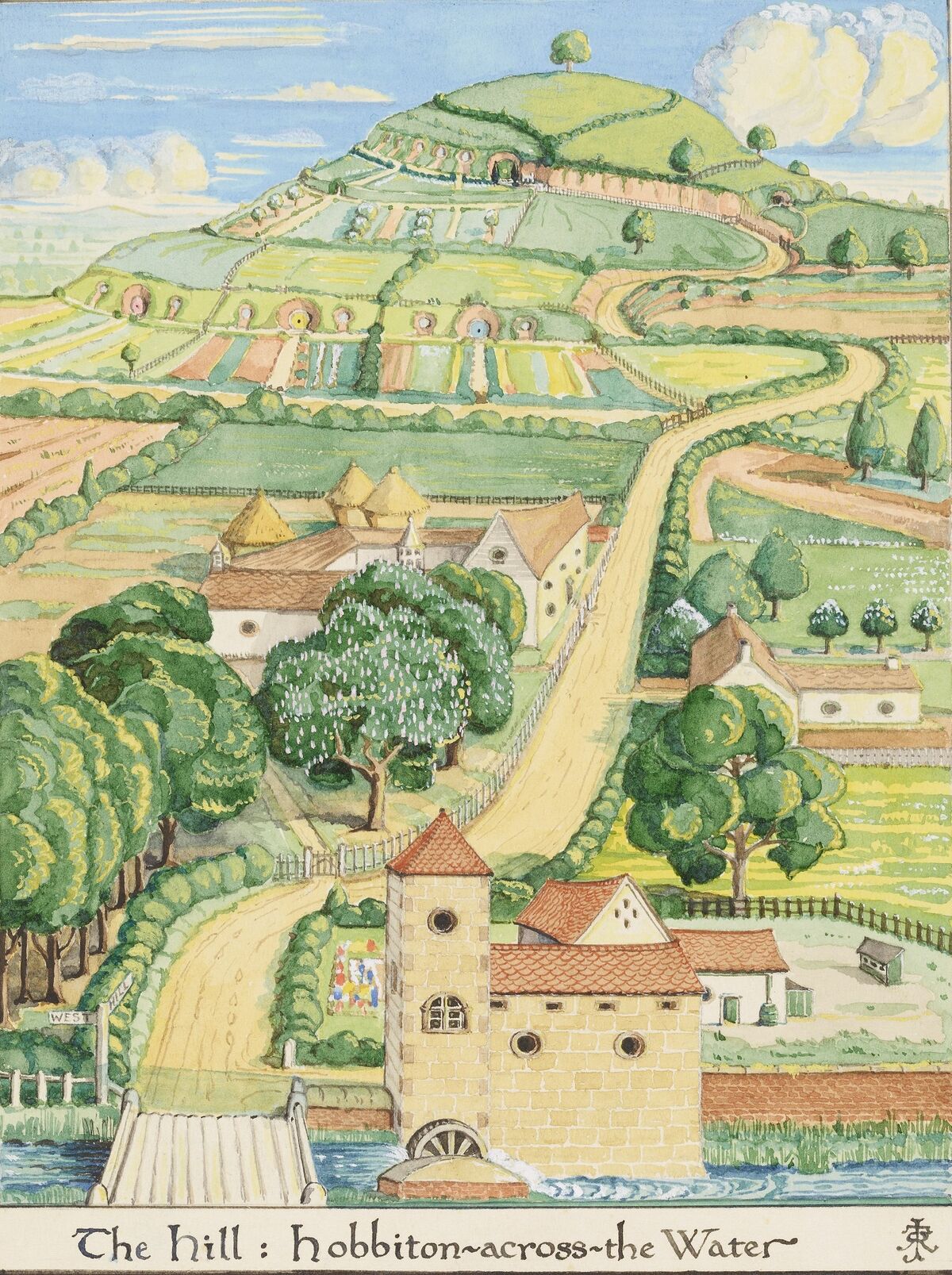
(JRRT)

to a world where there are trolls,

(JRRT)

goblin-infested mountains,

(Alan Lee)

wolves in large packs,

(Tove Jansson)

giant spiders,

(John Tyler Christopher—you can see more of his work here:  https://johntylerchristopher.com/ )

and, finally, an intelligent and vengeful dragon.
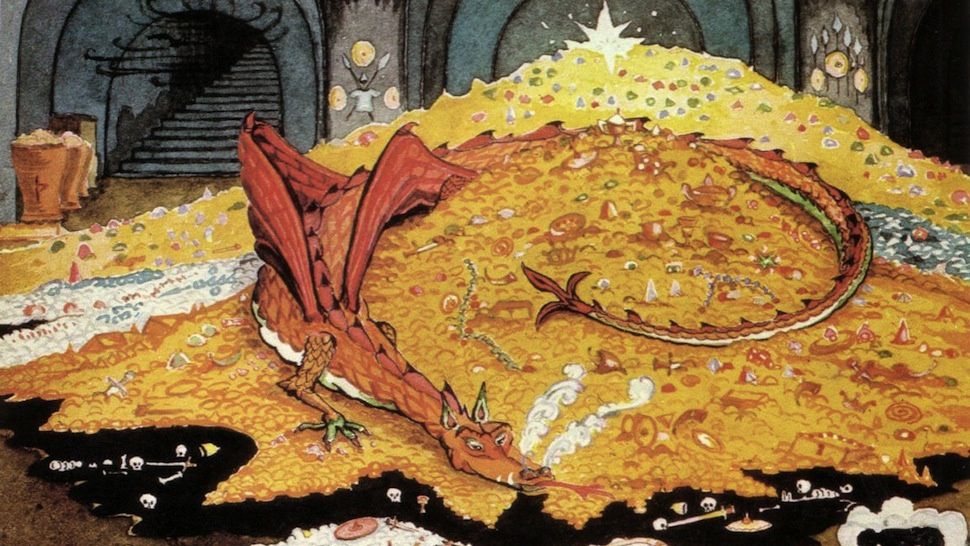
(JRRT)

But does the appearance of all these dangers make the book a horror novel, like one of Stephen King’s more forbidding works?
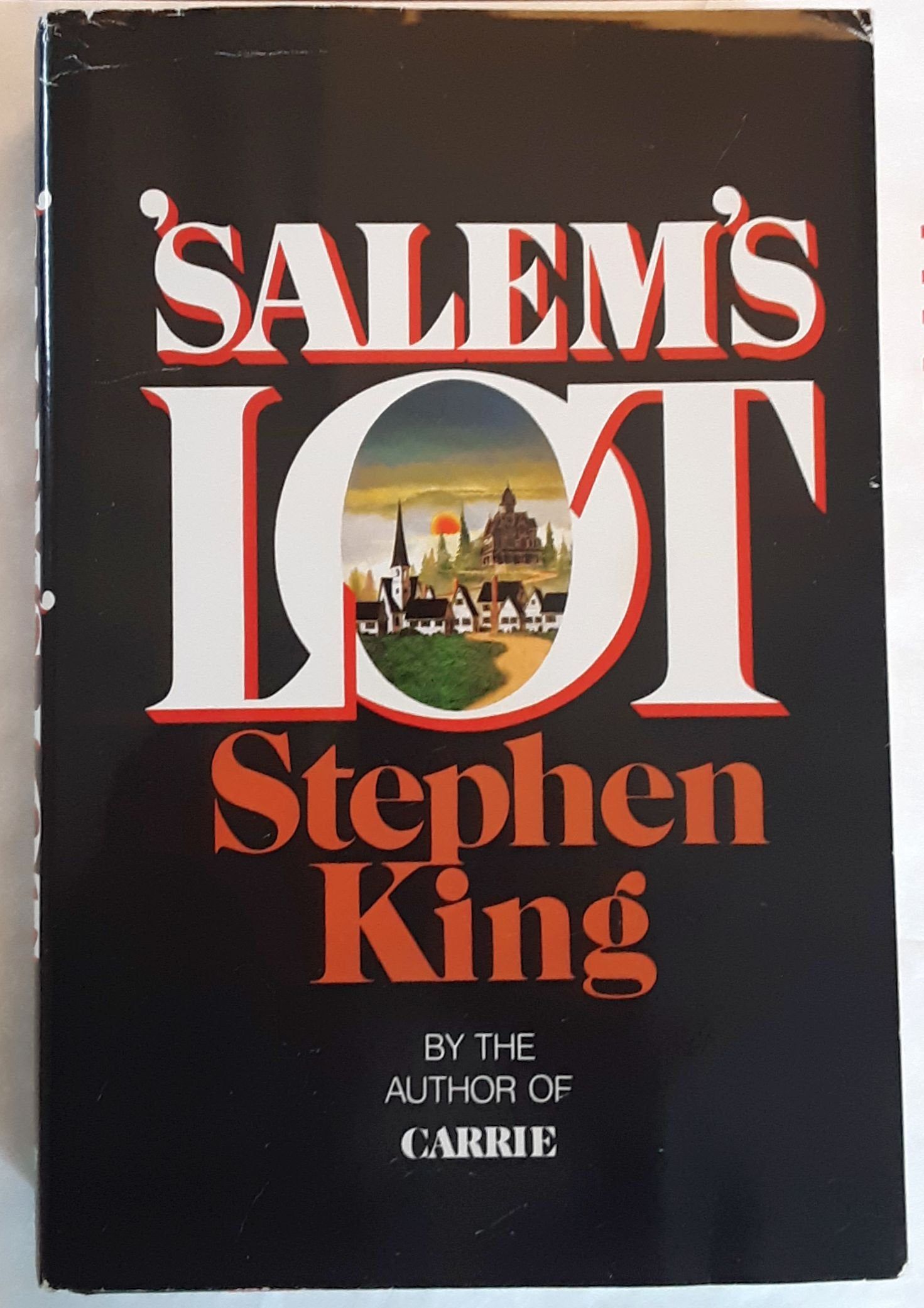
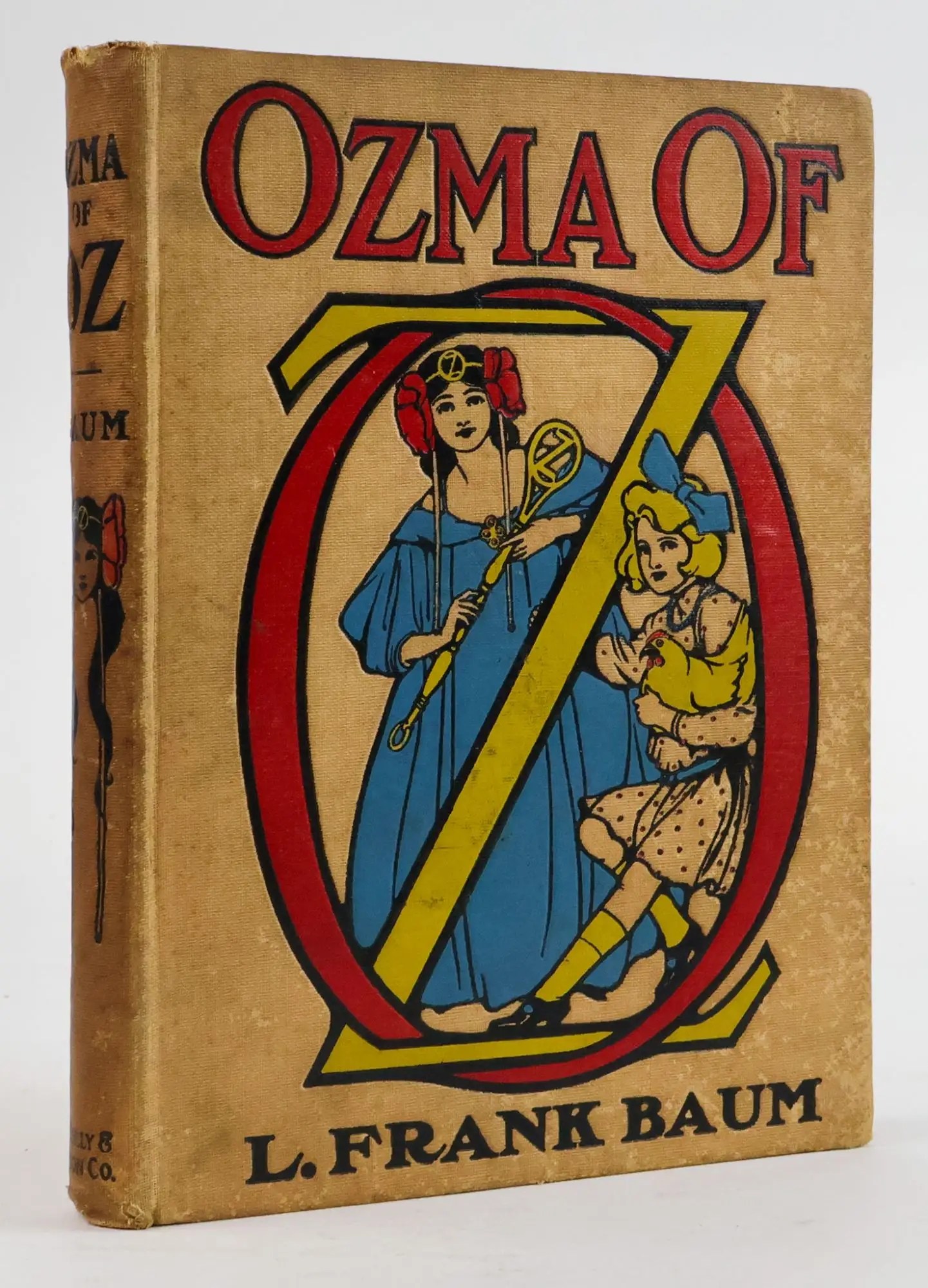
The article points to some potentially disturbing moments—and at least the first is certainly disturbing and, interestingly, is not in the two books upon which the film is based—The Marvelous Land of Oz, 1904,
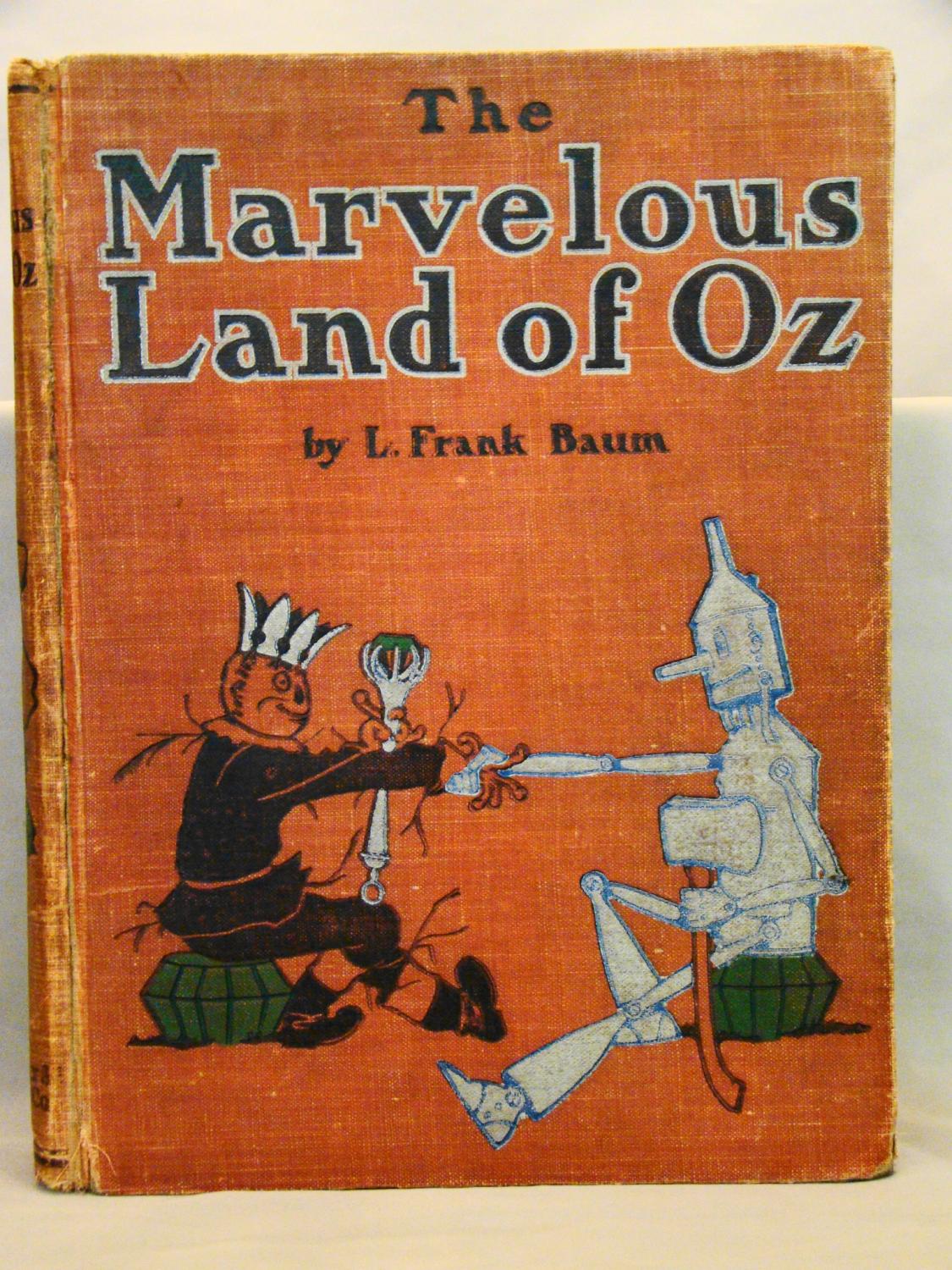
and Ozma of Oz, 1907.  (For more on the combination and the scriptwriters’ changes, see:  “Chickening In”, 12 February,  2025)
The Kansas of the 1939 film was as bleak as a 1930s sound stage could make it, in sepia, suggesting photos of the Dust Bowl of the Great Depression era—

The 1985 movie showed us the real rolling hills of Kansas and the ruin of Uncle Henry and Aunt Em’s farm.
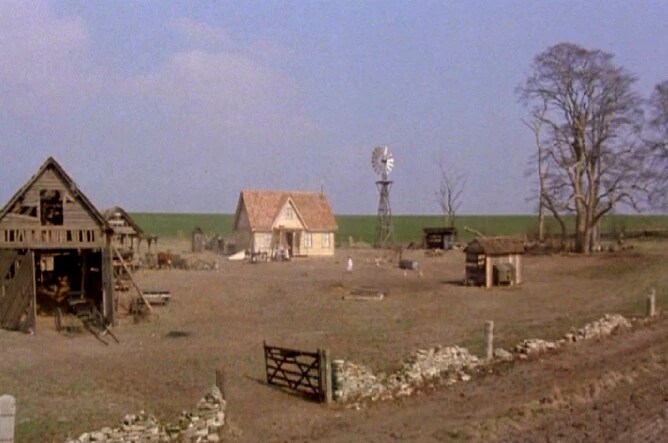
(This is at the end of the film, when the house has been rebuilt—early in the film, the house—which, of course, was ripped from Kansas and dropped on the Wicked Witch of the East—remains unfinished and Uncle Henry crippled from the twister.)

Dorothy, to Aunt Em, also seems somehow ruined, having reappeared after the tornado with stories about having been in a foreign land, Oz, but with no proof of it, and Em, having seen a newspaper ad for medical treatment by electricity, decides to take Dorothy to the clinic and its all-too-calm and rational Dr. Worley.

The treatment consists of running a powerful electrical current through Dorothy’s brain, (now called ECT—electroconvulsive therapy), which is supposed to erase Dorothy’s (supposedly false) memory of Oz. 

As the audience, with its own memories of Oz, from the 1939 film, the many books, or both, knows perfectly well that Oz is real, as is Dorothy’s memory of it, and, as the article points out:

“…the power of these scenes lies in the fact that they are trying to silence Dorothy, to obliterate her memories of Oz”

Dorothy escapes the clinic (one might really says “asylum”, as it has that grim look of Victorian asylums for the insane)
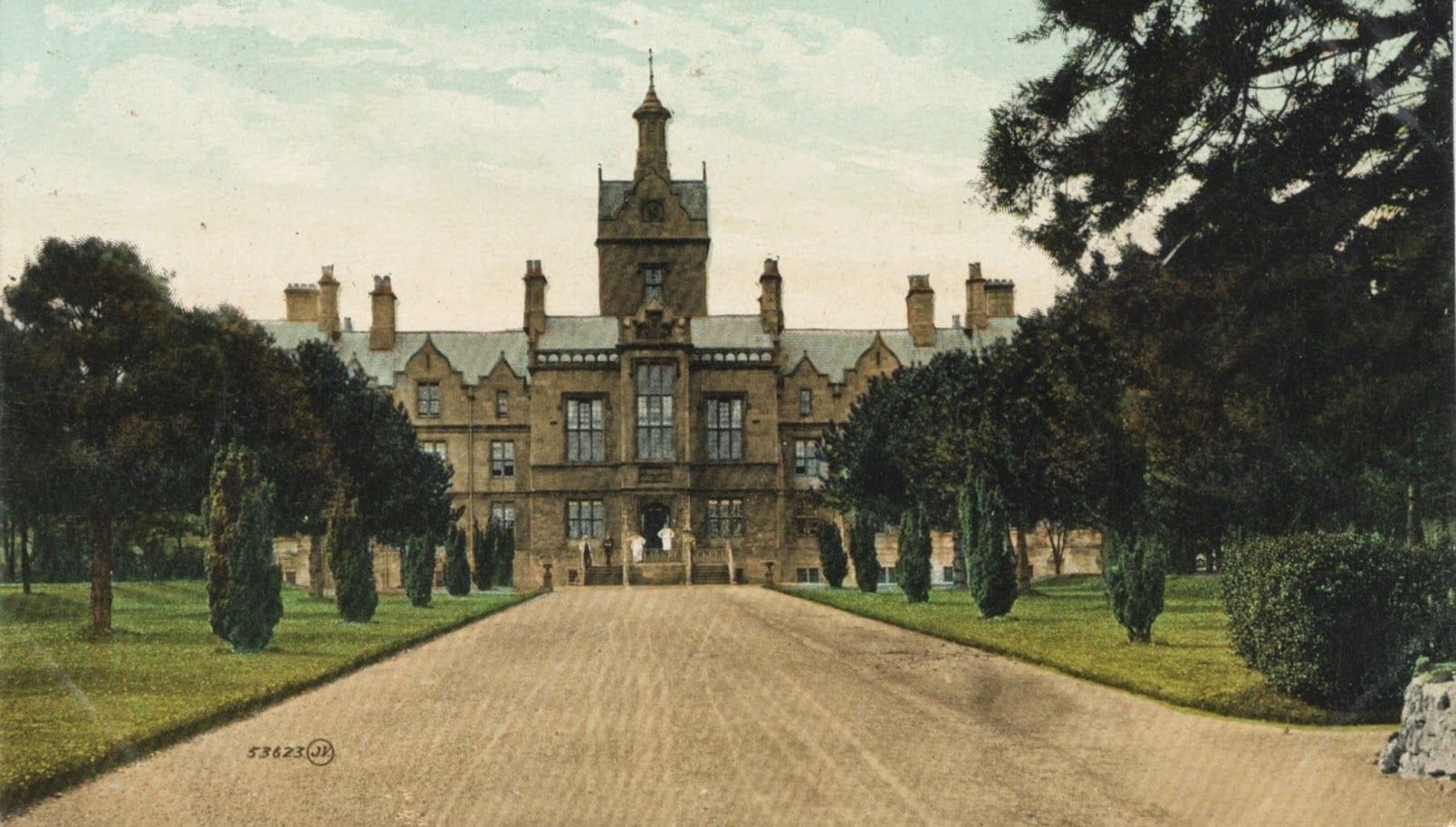
(A real Victorian asylum—and not the grimmest, there being some real competition here)

and turns up in Oz, once more, where the article mentions other potentially disturbing elements:

the destruction of Oz and its citizens petrified,

its ruins haunted by the Wheelers,
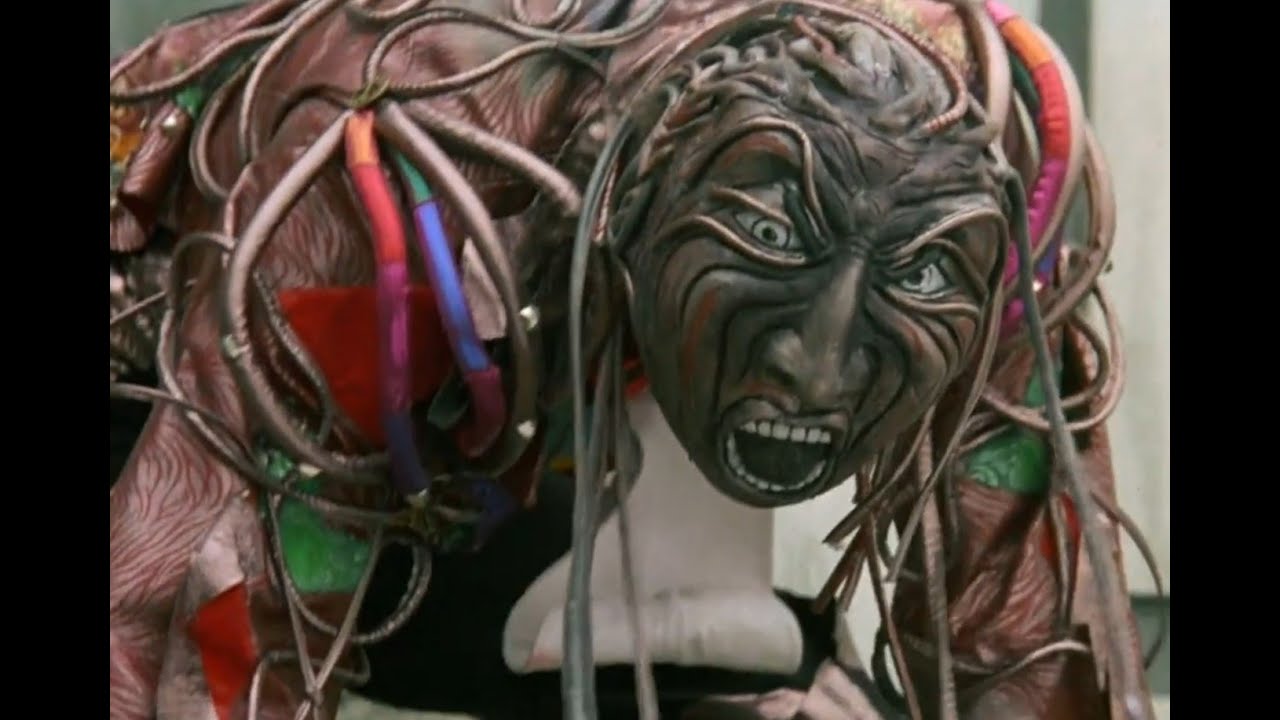
the minions of Princess Mombi, who collects heads and wears them for different occasions,
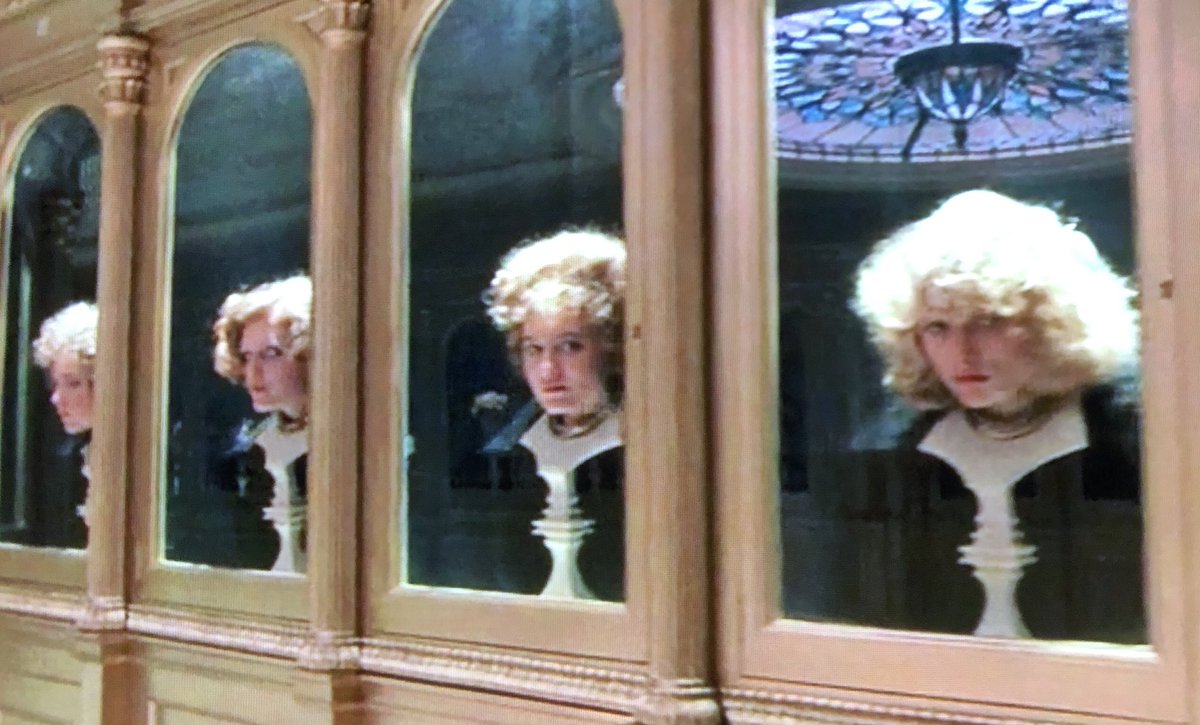
and then there is the Nome King, who is the current ruler of Oz,
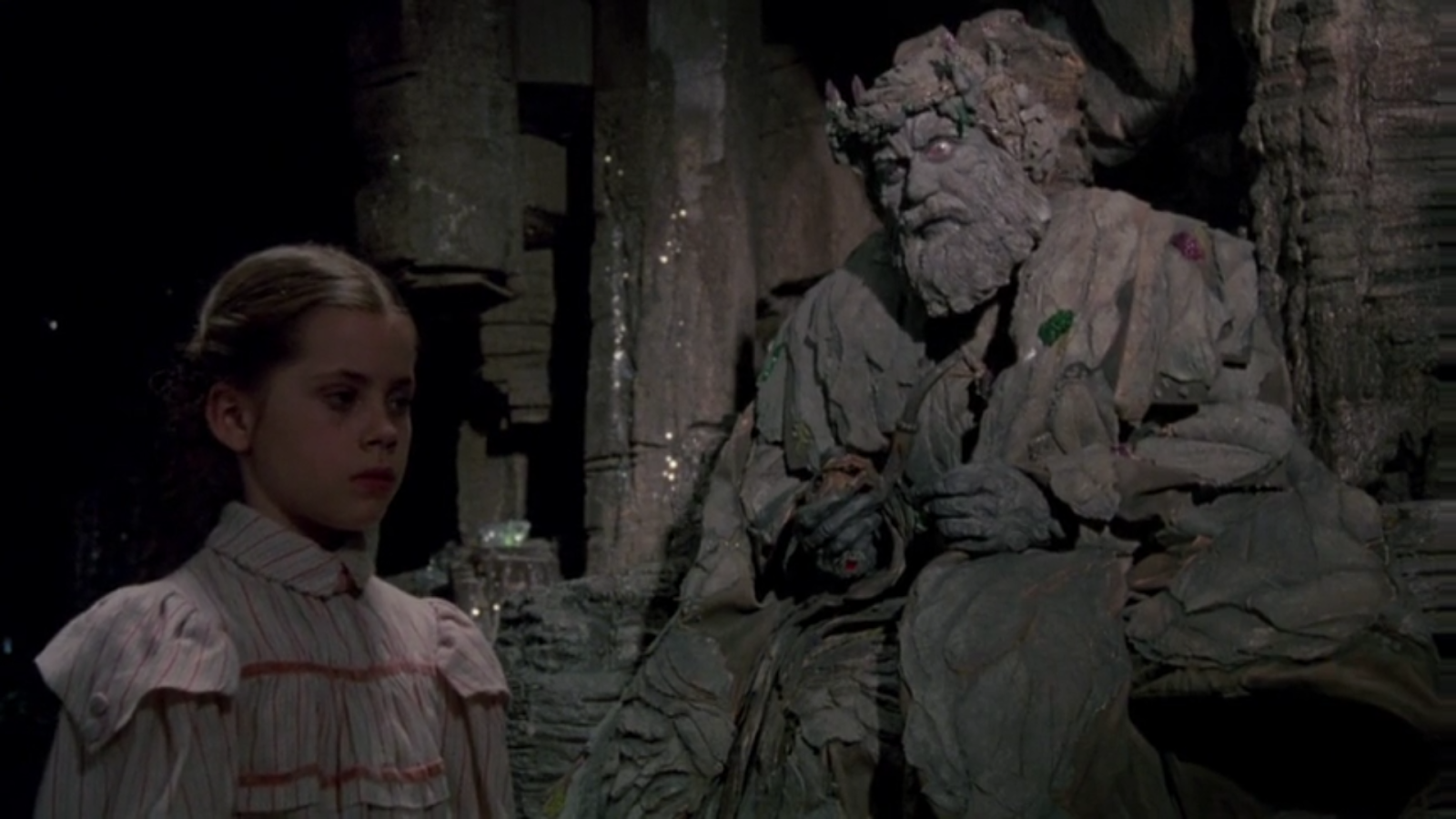
and is the destroyer of the Emerald City, the overlord of Mombi, and has enchanted Dorothy’s former friends, the Scarecrow, the Tinman, and the Cowardly Lion, turning them into inanimate objects.

For the sake of sensationalism, it seems that the article leans heavily on these—as if, I suggested above, one could do the same for The Hobbit, but this leaves out the fact that, although Dorothy’s first allies in Oz have been neutralized, she finds others, just as Bilbo has dwarves, Gandalf, Elrond, the Eagles, and Beorn, not to mention Sting and the Ring.

These include the caustic hen, Billina, who arrives with her from Kansas,

“the Army of Oz”—Tik-Tok,
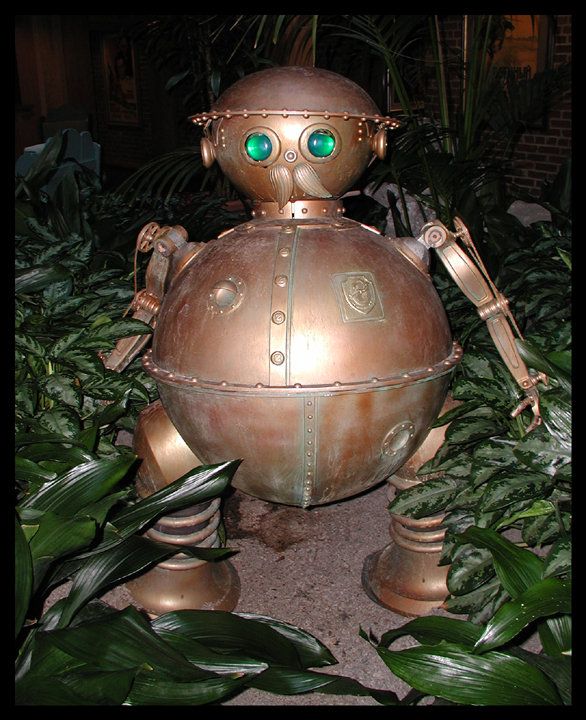
Jack Pumpkinhead,

and the Gump.

I teach story-telling on a regular basis and a dictum I use is “No fiction without friction” .  Just as trolls, goblins, wolves, Gollum, spiders, and Smaug provide the friction in The Hobbit, so the clinic and its smooth-talking doctor, the Wheelers, Princess Mombi, and the Nome King, provide it in Return to Oz.  These plot elements supply the problems which must be solved before the ultimate goal of the story can be achieved—coming home safely (and much better-off) for Bilbo, coming home and keeping her memories of Oz for Dorothy (guaranteed for her when she sees Ozma, rescued from the Nome King, in her mirror in Kansas).

Disturbing moments—in both—what’s that riddle contest with Gollum if nothing short of harrowing?—but is Return to Oz just this side of a horror movie?  As always, I suggest that you see it for yourself, but remember “no fiction without friction” before you rank it with The Shining.

Thanks, as ever, for reading.

Stay well,

Pick a bed with a reasonable clearance,

And remember that, as always, there’s

MTCIDC

O

Lingua Orca

10 Wednesday Feb 2016

Posted by Ollamh in Imaginary History, J.R.R. Tolkien, Language, Literary History, Narrative Methods

≈ Leave a comment

Tags

Adventure, Black Speech, Bree, Cirth, Fantasy, Gandalf, L. Frank Baum, Mordor, Orcs, Origin of Orcs, Ozma of Oz, Princess Langwidere, The Lord of the Rings, Thorin, Tolkien

Welcome, dear readers, as always.

In P. Jackson’s The Desolation of Smaug, there is a scene at the opening, cut from whole cloth as so much of the later Hobbit movies, in which Gandalf meets Thorin in The Prancing Pony in Bree.

gandalfandthorin.jpg

There Gandalf shows Thorin a “message”.

“Gandalf: It is Black Speech.

[Thorin looks at Gandalf with unease]

Gandalf: A promise of payment.

Thorin: For what?

Gandalf: Your head. Someone wants you dead.”

One can laugh at that last—is there the possibility that someone who promised payment for a head would not want the owner dead? (Here we thought, for a moment, of the Princess Langwidere in L. Frank Baum’s Ozma of Oz, who has a collection of 30 exchangeable heads which she keeps locked in a cabinet.)

princesslangwidere.jpg

After laughing, however, we began to wonder just who that message was supposed to be for.

Tolkien says of the Black Speech:

“It is said that the Black Speech was devised by Sauron in the Dark Years, and that he had desired to make it the language of all those that served him, but he failed in that purpose.”

We are never told why he failed: was it too complicated? Too impractical? Too limited? (In modern terms, we can imagine Sauron sending out memos, saying things like: “To All Departments: it has come to Our attention that there are those who are not using the Black Speech in all official documents. Please conform to standards as laid out in Mordor Bulletin #512. Immediate.”) If what Isildur has to say about the inscription inside the ring is true,

One_Ring_Inscription_In_Three_Languages.jpg

Sauron doesn’t appear to have devised a script in which to write it:

“Already the writing upon it, which at first was as clear as red flame, fadeth and is now only barely to be read. It is fashioned in an elven-script of Eregion, for they have no letters in Mordor for such subtle work…” (The Fellowship of the Ring, Book 2, Chapter 2, “The Council of Elrond”)

Tolkien continues:

From the Black Speech, however, were derived many of the words that were in the Third Age wide- spread among the Orcs, such as ghash ‘fire’, but after the first overthrow of Sauron this language in its ancient form was forgotten by all but the Nazgul. When Sauron arose again, it became once more the language of Barad-dur and of the captains of Mordor.”

Could the “promise of payment” be meant for the Nazgul, then? That hardly seems likely—after all, they are the main servants of Sauron, bound to him by the rings they wear, Nazgul, after all, meaning “ring wraith”. Sauron’s success is their success—just as his failure seems to mean their end.

Because this scene exists only in the minds of the scriptwriters, we could have just shrugged it off right there as being a piece with the resurrected Azog and that ridiculous arm which he seems to have borrowed from a macho Frosty the Snowman, “Tauriel” and the embarrassing romance with a Dwarf, etc, etc, etc. Instead, we decided to play with the idea.

Using Tolkien’s actual texts as the basis of our thinking, we wondered: if the message wasn’t for the Nazgul and the Black Speech is specifically linked to Mordor, who else might be the recipient? Well, there are always the Orcs—but could they read it?

We know—sort of—what they are. Fangorn tells Merry and Pippin that they were made by Sauron as mockery of Elves. Tolkien himself seemed initially a bit puzzled about Orcish origins, calling them, in a letter to Milton Waldman (Letters no.131, 151, “probably in late 1951”) “…the Orcs (goblins) and other monsters bred by the First Enemy”. The same is said in Appendix F of The Lord of the Rings: “The Orcs were first bred by the Dark Power of the North in the Elder Days.” Then, in a letter to Naomi Mitchison (Letters, no.144, 177-8, 25 April, 1954), however, he writes: “Orcs…are nowhere clearly stated to be of any particular origin. But since they are servants of the Dark Power, and later of Sauron, neither of whom could, or would, produce living things, they must be ‘corruptions.’” And, again, in the draft of a letter to Peter Hastings, from later in the same year, he explains, quoting Frodo, speaking to Sam: “ ‘The Shadow that bred them can only mock, it cannot make real new things of its own. I don’t think it gave life to the Orcs, it only ruined them and twisted them.’” to which he adds, “In the legends of the Elder Days it is suggested that the Diabolus subjugated and corrupted some of the earliest Elves…” (Letters, no.153, 191). (This is continued later in the same letter, 195.)

Of their speech, JRRT wrote:

“It is said that they had no language of their own, but took what they could of other tongues and perverted it to their own liking; yet they made only brutal jargons, scarcely sufficient for their own needs, unless it were for curses and abuse. So it was in the Third Age Orcs used for communication between breed and breed the Westron tongue…” (The Lord of the Rings, Appendix F)

(Linguistically, we wonder if it would be possible for a people—especially a people who appear, in the later Third Age, to be extensive in number—could actually have had no language—or languages–of their own, particularly if they were a people who had existed before being corrupted by Morgoth. In The Lord of the Rings, for example, although they speak the Common Speech, they clearly have names out of some other language—what might that have been?)

Taking the next step, in a previous posting, we had begun to probe the question of literacy versus orality in Middle Earth and here we might ask the question: were Orcs literate at all? The only possible clue we’d found is in Appendix E of The Lord of the Rings, where it is said of the form of writing called “Cirth”:

d5256b13ca277364da6f842a2744b63c.gif

“The Cirth in their older and simpler form spread eastward in the Second Age, and became known to many peoples, to Men and Dwarves, and even to Orcs…”

This would suggest that they were.

When we actually see the Orcs, however, do we find any evidence of the use of that writing?

There are only a couple of extended passages when we hear the Orcs as well as see them. The first is in the chapter entitled “The Uruk-hai”. In this chapter, the Orcs who have Merry and Pippin argue over their captives and we hear several talk about “orders” and “my orders”, but no documents appear or are mentioned: are these only oral orders? The second time we hear the Orcs is in “The Choices of Master Samwise.” Here, Sam overhears two Orc officers, Gorbag and Shagrat, talking. “The messages go through quicker than anything could fly, as a rule. But I don’t inquire how it’s done. Safest not to.” says Gorbag. And, a little later, Shagrat says, “A message came: Nazgul uneasy. Spies feared on Stairs. Double vigilance. Patrol to head of Stairs.” Unfortunately, there’s no further information here– although that second message almost sounds like it’s one step from being a tweet! (Or, in JRRT’s time, a Western Union telegram.) But then Shagrat says, “ I have my orders…Any trespasser found by the guard is to be held at the tower. Prisoner to be stripped. Full description of every article, garment, weapon, letter, ring, or trinket to be sent to Lugburz at once, and to Lugburz only…” Does such detail require writing? It does say “full description…to be sent”, which certainly suggests it.

We have a final glimpse and earful of the Orcs from “The Tower of Cirith Ungol” and into “The Land of Shadow”, but there are no more discussions of orders or messages or descriptions, just more of the brutality and treachery which seems the norm for such creatures.

So, we have two statements, in total, which are more suggestive than actual proof: Cirth was known to Orcs and the order for a “full description” to be sent to Barad-dur. Does that mean that, should Shagrat or Gorbag have written, he would have done so in Cirth? If so, this proves only literacy in that form and, when we look back to the one sample we have of any length (all of two lines) of the actual Black Speech, it is in Tengwar as we know, from Isildur, that Sauron—at least at the time of the making of the ring—had no Black Speech writing system to employ.

Conclusions? Although it was fun to do the research, at base, this was a fool’s errand—the whole thing, after all, was a creation of the same people who brought you Thranduil on an Irish elk (for more on that, google the extremely useful—and entertaining!– www.tolkien-treasures and see the entry on Thranduil and his mount).

elf-elk-lord-of-the-rings-the-hobbit-Favim.com-2609245.jpg

If we play along, as we have, there’s only a process of elimination. The only people who had anything to do with the (revived) Black Speech were in Mordor. If it wasn’t the Nazgul and it wasn’t the Orcs, who’s left? Only one possibility seems to remain: Sauron wrote it as a memo to himself, a kind of Barad-dur post-it, (“To Me: Thorin. Head. Reward? Do soonest.”), but, being very busy in contract negotiations with Benedict Cumberbatch’s agent on voice-overs, he absentmindedly sent it.

What do you think, dear readers?

As always, thanks for reading!

MTCIDC

CD

The Doubtful Sea Series Facebook Page

The Doubtful Sea Series Facebook Page

  • Ollamh

Categories

  • Artists and Illustrators
  • Economics in Middle-earth
  • Fairy Tales and Myths
  • Films and Music
  • Games
  • Heroes
  • Imaginary History
  • J.R.R. Tolkien
  • Language
  • Literary History
  • Maps
  • Medieval Russia
  • Military History
  • Military History of Middle-earth
  • Narnia
  • Narrative Methods
  • Poetry
  • Research
  • Star Wars
  • Terra Australis
  • The Rohirrim
  • Theatre and Performance
  • Tolkien
  • Uncategorized
  • Villains
  • Writing as Collaborators
Follow doubtfulsea on WordPress.com

Across the Doubtful Sea

Recent Postings

  • Through a glass… January 7, 2026
  • Heffalumps? December 31, 2025
  • We Three Kings December 24, 2025
  • A Moon disfigured December 17, 2025
  • On the Roads Again—Once More December 10, 2025
  • (Not) Crossing Bridges December 3, 2025
  • On the Road(s) Again—Again November 26, 2025
  • On the Road(s) Again November 19, 2025
  • To Bree (Part 2) November 12, 2025

Blog Statistics

  • 104,101 Views

Posting Archive

  • January 2026 (1)
  • December 2025 (5)
  • November 2025 (4)
  • October 2025 (5)
  • September 2025 (4)
  • August 2025 (4)
  • July 2025 (5)
  • June 2025 (4)
  • May 2025 (4)
  • April 2025 (5)
  • March 2025 (4)
  • February 2025 (4)
  • January 2025 (5)
  • December 2024 (4)
  • November 2024 (4)
  • October 2024 (5)
  • September 2024 (4)
  • August 2024 (4)
  • July 2024 (5)
  • June 2024 (4)
  • May 2024 (5)
  • April 2024 (4)
  • March 2024 (4)
  • February 2024 (4)
  • January 2024 (5)
  • December 2023 (4)
  • November 2023 (5)
  • October 2023 (4)
  • September 2023 (4)
  • August 2023 (5)
  • July 2023 (4)
  • June 2023 (4)
  • May 2023 (5)
  • April 2023 (4)
  • March 2023 (5)
  • February 2023 (4)
  • January 2023 (4)
  • December 2022 (4)
  • November 2022 (5)
  • October 2022 (4)
  • September 2022 (4)
  • August 2022 (5)
  • July 2022 (4)
  • June 2022 (5)
  • May 2022 (4)
  • April 2022 (4)
  • March 2022 (5)
  • February 2022 (4)
  • January 2022 (4)
  • December 2021 (5)
  • November 2021 (4)
  • October 2021 (4)
  • September 2021 (5)
  • August 2021 (4)
  • July 2021 (4)
  • June 2021 (5)
  • May 2021 (4)
  • April 2021 (4)
  • March 2021 (5)
  • February 2021 (4)
  • January 2021 (4)
  • December 2020 (5)
  • November 2020 (4)
  • October 2020 (4)
  • September 2020 (5)
  • August 2020 (4)
  • July 2020 (5)
  • June 2020 (4)
  • May 2020 (4)
  • April 2020 (5)
  • March 2020 (4)
  • February 2020 (4)
  • January 2020 (6)
  • December 2019 (4)
  • November 2019 (4)
  • October 2019 (5)
  • September 2019 (4)
  • August 2019 (4)
  • July 2019 (5)
  • June 2019 (4)
  • May 2019 (5)
  • April 2019 (4)
  • March 2019 (4)
  • February 2019 (4)
  • January 2019 (5)
  • December 2018 (4)
  • November 2018 (4)
  • October 2018 (5)
  • September 2018 (4)
  • August 2018 (5)
  • July 2018 (4)
  • June 2018 (4)
  • May 2018 (5)
  • April 2018 (4)
  • March 2018 (4)
  • February 2018 (4)
  • January 2018 (5)
  • December 2017 (4)
  • November 2017 (4)
  • October 2017 (4)
  • September 2017 (4)
  • August 2017 (5)
  • July 2017 (4)
  • June 2017 (4)
  • May 2017 (5)
  • April 2017 (4)
  • March 2017 (5)
  • February 2017 (4)
  • January 2017 (4)
  • December 2016 (4)
  • November 2016 (5)
  • October 2016 (6)
  • September 2016 (5)
  • August 2016 (5)
  • July 2016 (5)
  • June 2016 (5)
  • May 2016 (4)
  • April 2016 (4)
  • March 2016 (5)
  • February 2016 (4)
  • January 2016 (4)
  • December 2015 (5)
  • November 2015 (5)
  • October 2015 (4)
  • September 2015 (5)
  • August 2015 (4)
  • July 2015 (5)
  • June 2015 (5)
  • May 2015 (4)
  • April 2015 (3)
  • March 2015 (4)
  • February 2015 (4)
  • January 2015 (4)
  • December 2014 (5)
  • November 2014 (4)
  • October 2014 (6)
  • September 2014 (1)

Blog at WordPress.com.

  • Subscribe Subscribed
    • doubtfulsea
    • Join 78 other subscribers
    • Already have a WordPress.com account? Log in now.
    • doubtfulsea
    • Subscribe Subscribed
    • Sign up
    • Log in
    • Report this content
    • View site in Reader
    • Manage subscriptions
    • Collapse this bar
 

Loading Comments...