• About

doubtfulsea

~ adventure fantasy

Tag Archives: Lembas

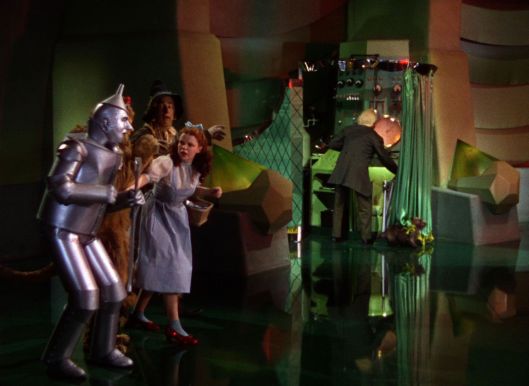
Paying No Attention to the Man Behind the Curtain

08 Wednesday Jun 2016

Posted by Ollamh in J.R.R. Tolkien, Literary History, Narrative Methods

≈ 1 Comment

Tags

Beowulf, Cloacina, Connacht, Grendel, Heorot, Horatius, King of Leinster, Lembas, Lord Chesterfield, Mac Da Tho, Mordor, Odysseus, Penelope, Tamora Pierce, The Lord of the Rings, The Odyssey, The Wizard of Oz, Tolkien, Ulster
Behind-the-Curtain.jpg

Dear Readers,

Welcome, as always, to our blog. In this posting, we want to consider something usually invisible, but, at the same time, for reader/listeners, always there in adventure stories.

Think for a moment about your day. And how filled it is with requirements of the body, from sleep to washing to eating to—yes, you see where we’re going.

PoplarForestPriviesRob.jpg

(And we can’t see this 18th century outhouse—sometimes called a “necessary” or a “privy” then—without thinking of part of a letter by the famous 18th-century essayist/letter-writer Lord Chesterfield (1694-1773).

Philip_Stanhope,_4th_Earl_of_Chesterfield.PNG

Who wrote a series of affectionate and very worldly-wise letters to his illegitimate son. In one of them he had the following advice—

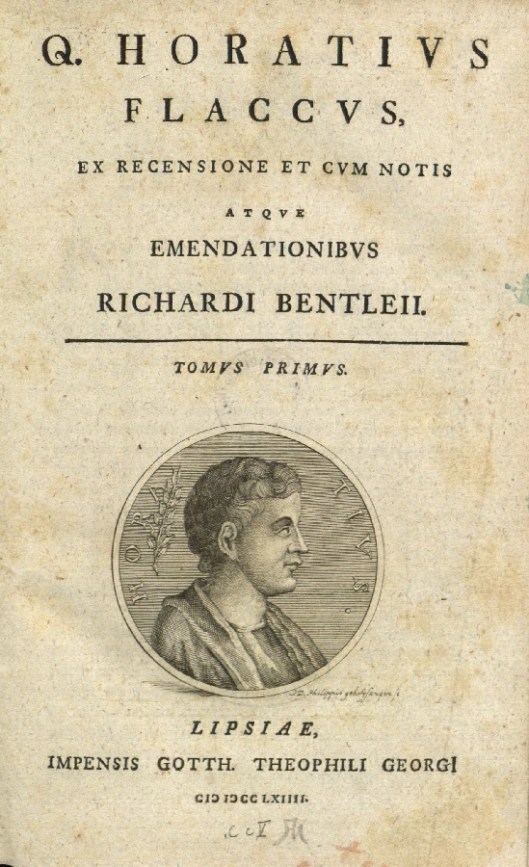
“I knew a gentleman who was so good a manager of his time that he would not even lose that small portion of it which the calls of nature obliged him to pass in the necessary-house; but gradually went through all the Latin poets in those moments. He bought, for example, a common edition of Horace, of which he tore off gradually a couple of pages, carried them with him to that necessary place, read them first, and then sent them down as a sacrifice to Cloacina: this was so much time fairly gained, and I recommend you to follow his example…. Books of science and of a grave sort must be read with continuity; but there are very many, and even very useful ones, which may be read with advantage by snatches and unconnectedly: such are all the good Latin poets, except Virgil in his Æneid, and such are most of the modern poets, in which you will find many pieces worth reading that will not take up above seven or eight minutes.”
earlyeditionofhorace.jpg

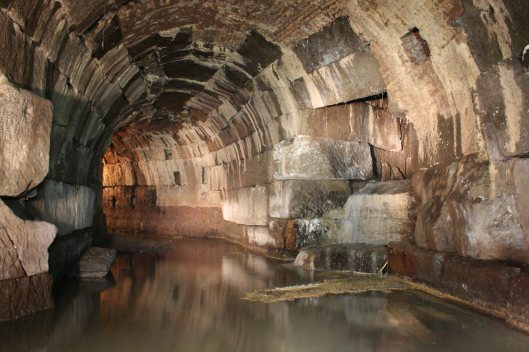
Cloacina was the patron goddess of the ancient main drain of Rome. Here’s an image of her shrine—

Coins-venus-cloacina.jpg

and here’s her drain

Domitian-Cloaca-Forum.jpg

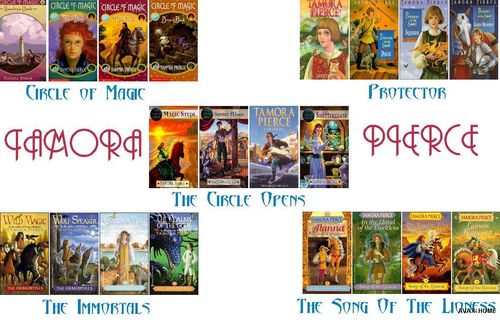
But, as we were starting to say, things of the body, ordinary things, are almost entirely ignored both in traditional adventure and in modern versions. In fact, it’s a bit of a shock to see, in some of Tamora Pierce’s YA novels (a big favorite of ours), that people actually use a latrine.
tpiercebooks.jpg

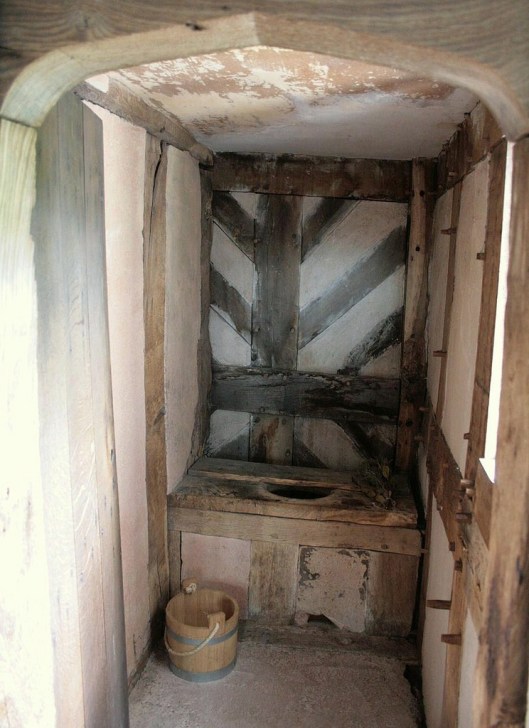
When we look at JRRT, for example, whose works we’ve often tried to set into a medieval context, we never see what one would have seen in such a context, whether behind a farmhouse
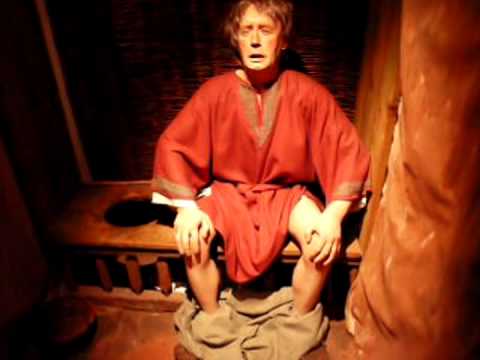
garderobe1.jpg

or in some place grand.

garderobe.jpgGarderobe,_Peveril_Castle,_Derbyshire.jpg

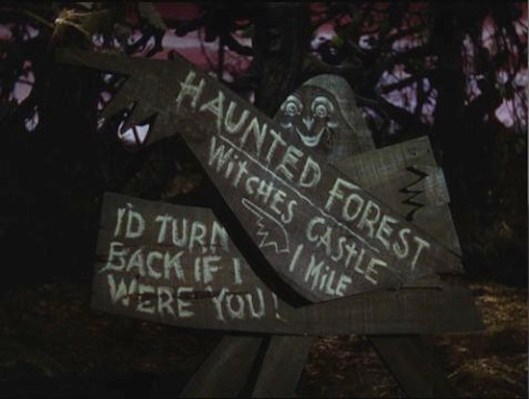
We began with the least common possibility, but this is as true for other functions—usually taken for granted, except for specific reasons. Sleep, for example, is very often employed simply as a way to show the passage of time during an adventure—and, in worlds without googlemaps, Siri, and perhaps even signposts
HauntedForest_sign.jpg

it’s a very natural and easy way to mark time and distance simultaneously.
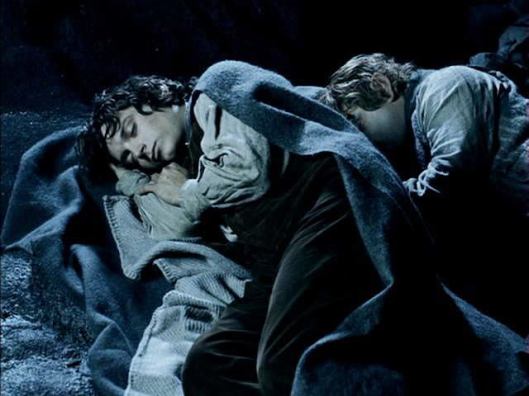
samandfrodoasleep.jpg

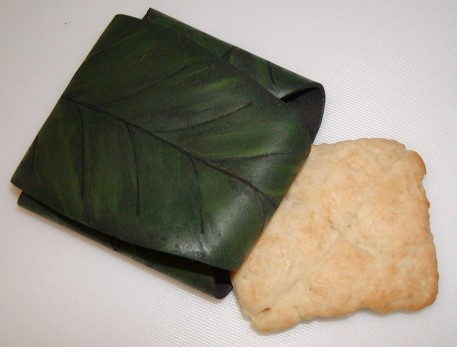
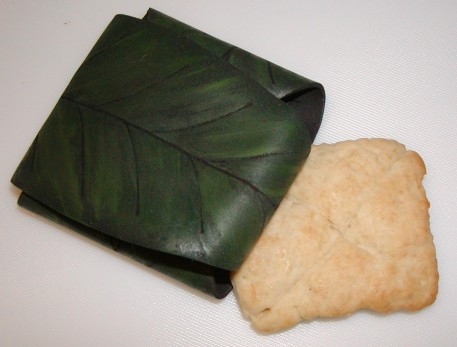
Eating can show the same—think of Sam hoarding lembas as he and Frodo trek towards Mordor—
leaf-lembas.JPG

JRRT then uses it to show urgency, as well—what will they do in Mordor, when it runs out?
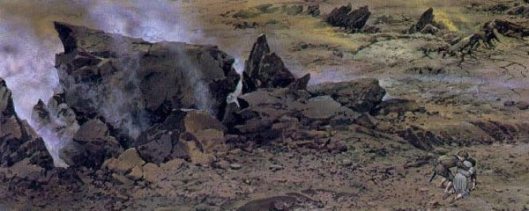
602_NASMITH_Across_Gorgoroth_02.jpg

Of course, eating—in the form of feasting, in particular—can provide a major plot element.

Think of Heorot, the feasting hall, in Beowulf, for instance,
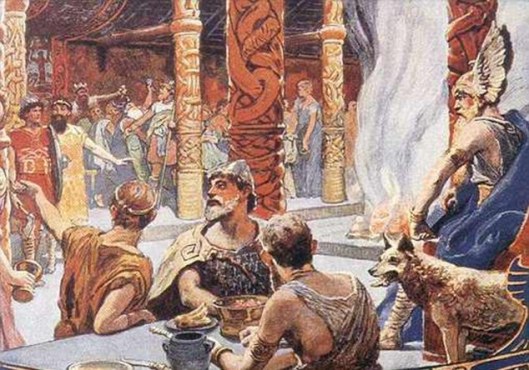
heorot.jpg

where feasts are ruined until Beowulf defeats their ruiner, Grendel.
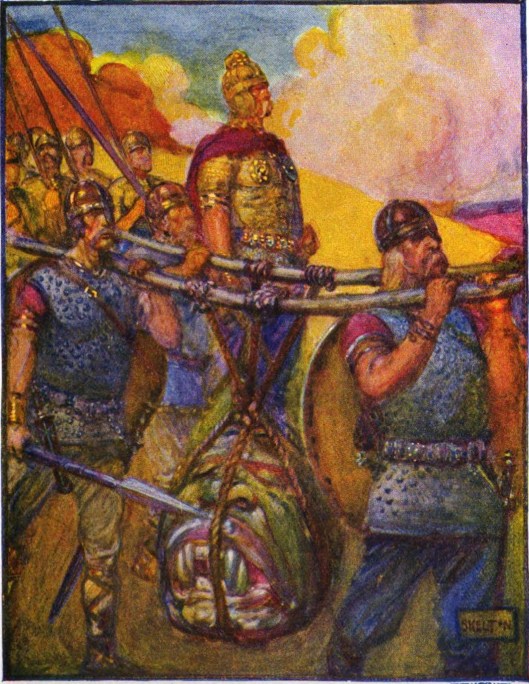
Stories_of_beowulf_head_of_grendel.jpg

Or the endless feasting of the suitors in the Odyssey

greekfeastpaestumdivertomb.jpg

as they eat up everything which makes Odysseus the lord of his lands, besides trying to steal his wife, Penelope.

JohnWilliamWaterhouse-PenelopeandtheSuitors(1912).jpg

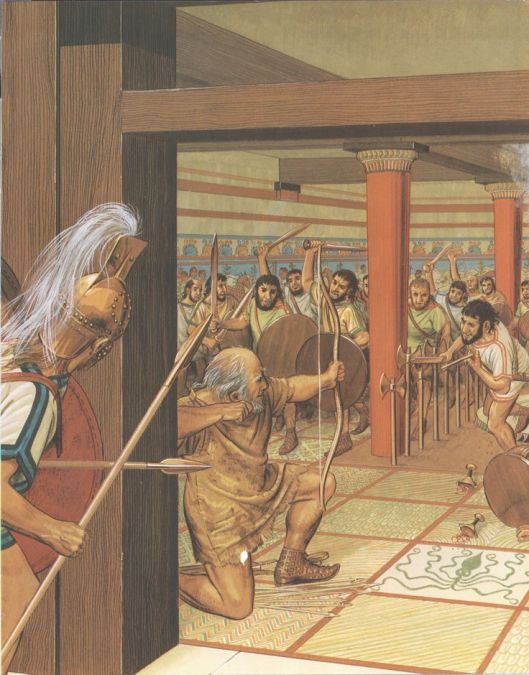
Here, eating and drinking take on a greater significance in that they are symbolic of the slow destruction of Odysseus’ household. They also provide a great setting for his reappearance and then, with the help of Athena, his massacre of the suitors in one of the wildest revenge scenes we know. It has quite a number of illustrators, from ancient
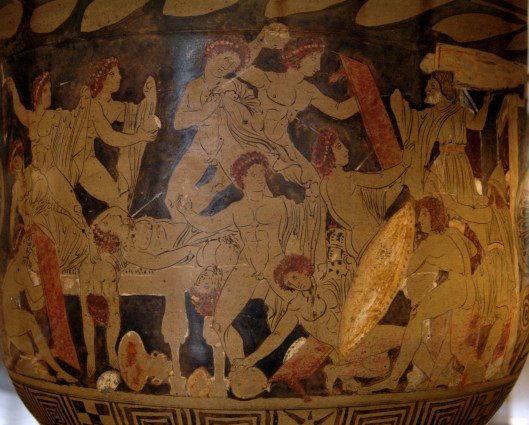
Mnesterophonia_Louvre_CA7124.jpg

to Victorian

odysseus-kills-the-suitors1.jpg

to modern—and our favorite, for the way it’s being shown from the angle of Odysseus’ patron, Athena
peterconnollysuitors.jpg

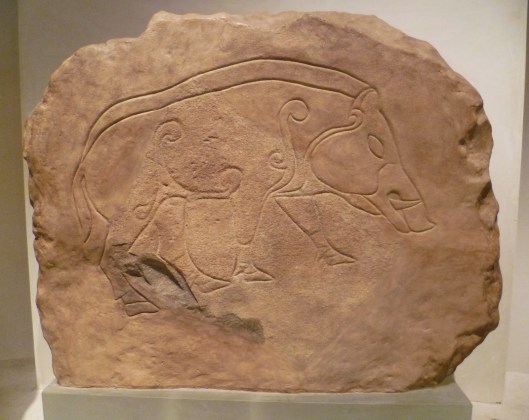
And then there is the feast, held in the rath of the king of Leinster, Mac Da Tho, which has to be one of the zaniest scela in Old Irish literature. Leinster’s most powerful neighbors, Ulster and Connacht, are at dinner, but there is a sudden difficulty over who will carve the pig.
Pictish_symbol_stone_from_Dores Wiki Commons.JPG

Like so many of the stories of the so-called “Ulster Cycle”, it is full of over-the-top violence and grim humor as both powers struggle to gain the honor of carving and therefore having the right to award the curadmir, the “hero’s portion”.

As you think about your favorite heroic or adventure story, consider the above—where can you see body care/body functions? Then, to take it a step farther: where does anyone ever sneeze? (We can think of one special one, but what can you come up with?—Hint: see Odyssey 17…)

Thanks, as ever, for reading.

MTCIDC

CD
 

Food for Thought

20 Wednesday May 2015

Posted by Ollamh in J.R.R. Tolkien, Military History of Middle-earth, Narrative Methods, Villains

≈ Leave a comment

Tags

Eating, Gollum, Isengard, Lembas, Longbottom Leaf, Lorien, Man-Meat, Mordor, Orc, Rivendell, Rohan, Saruman, Sauron, The Hobbit, The Lord of the Rings, Tolkien

Dear Readers,

Welcome!

In this posting, we’re continuing our discussion of villains, specifically in Tolkien, but, for a change, we mention the good guys, as well.

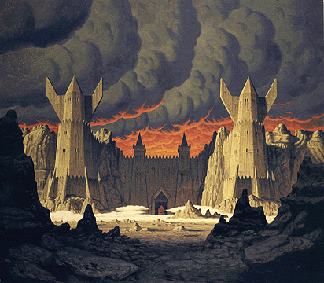
We begin with a wail by Gollum, when assured by Frodo that, if there’s no other way to go, he will enter Mordor by the Morannon, the Black Gate.

morannon_(black_gate)

“No use that way! No use! Don’t take the Precious to Him! He’ll eat us all, if he gets it, eat all the world!” L637

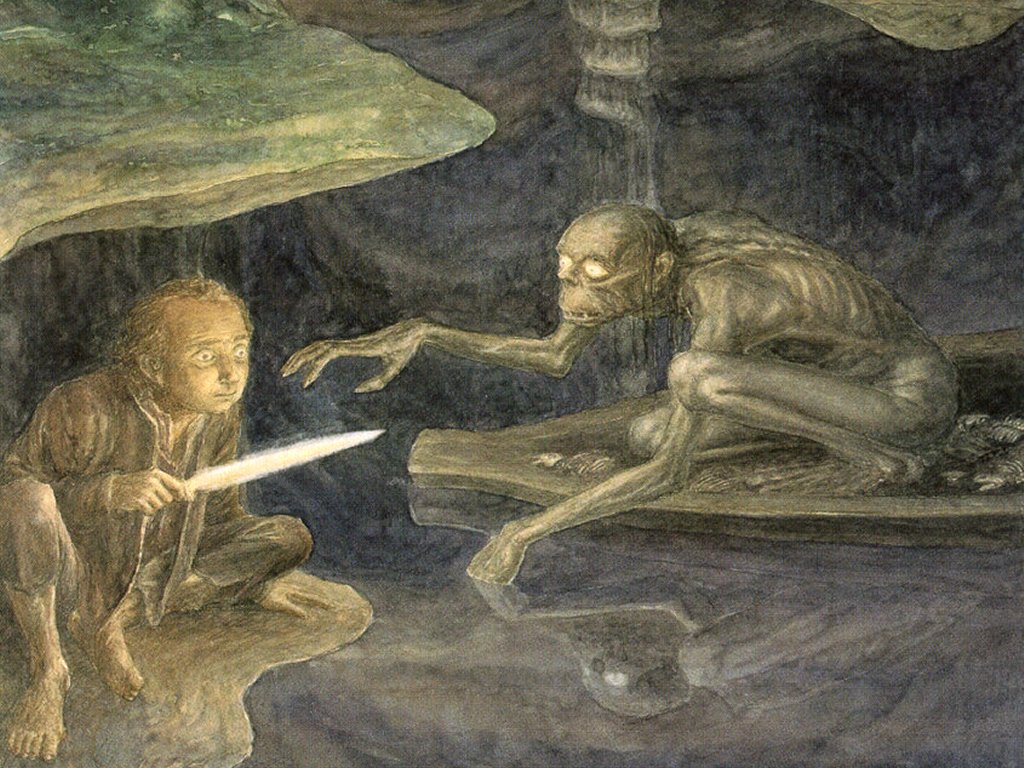
It’s not surprising that Gollum would express his fear in such terms—after all, in his first appearance in The Hobbit, his first words were

“Bless us and splash us, my precioussss! I guess it’s a choice feast, at least a tasty morsel it’d make us, gollum!” 

And this from a creature who appears ready to consume anything living, as the narrator says of him:

“He was looking out of his pale lamp-like eyes for blind fish, which he grabbed with his long fingers as quick as thinking. He liked meat too. Goblin he thought good, when he could get it…”

Alan Lee - The Hobbit - Riddles in the dark

What were goblins in The Hobbit have become the Orcs in The Lord of the Rings and Gollum would still be interested in them, but now we’re told what they eat—and drink.

Orque-Terre_du_Milieu

“Ugluk thrust a flask between his teeth and poured some burning liquid down his throat: he felt a hot fierce glow flow through him. The pain in his legs and ankles vanished. He could stand.” 

red-bull-3

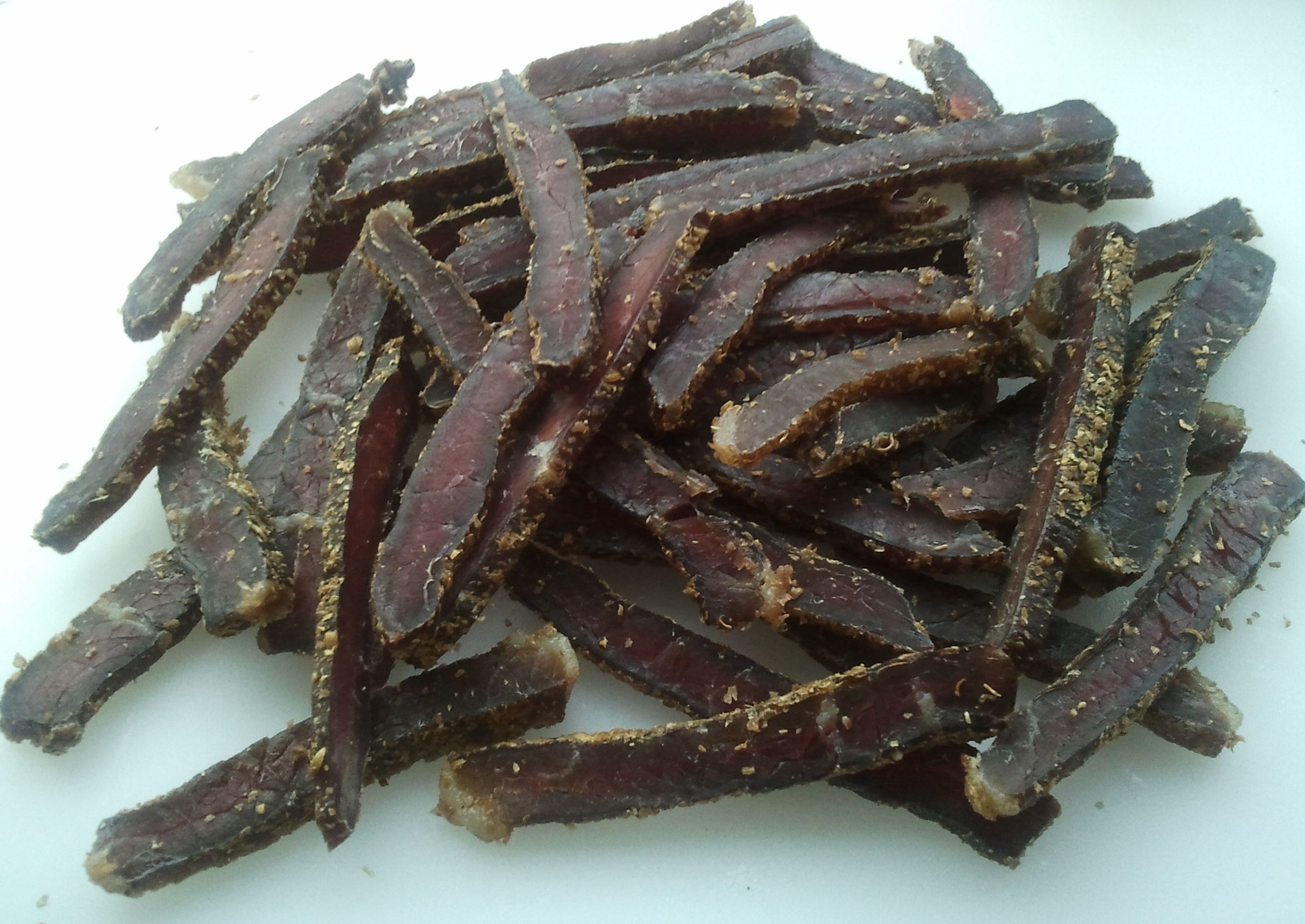
“An Orc stooped over him, and flung him some bread and a strip of raw dried flesh. He ate the stale grey bread hungrily, but not the meat. He was famished, but not yet so famished as to eat flesh flung to him by an Orc, the flesh of he dared not guess what creature.”

SAMSUNG

“”We are the servants of Saruman the Wise, the White Hand: the Hand which gives us man’s –flesh to eat.” 

saruman

     To judge by what Merry and Pippin find when they come to Isengard, Saruman certainly didn’t stint himself, including casks of Longbottom Leaf from the Shire. 

And here is a glaring contrast between the two sides in The Lord of the Rings, and it has to do with plenty and enjoyment. Saruman seems to have all the wealth in the world, but always wants more, and what he has does not appear to be shared out equally. Sauron, Gollum says, wants to eat the world, but would he ever be full?

Contrast the traveling supplies of the orcs as you see them above in our text with lembas

leaf-lembas

As the elves describe it, “…it is more strengthening than any food made by Men, and it is more pleasant than cram, by all accounts.” To which Gimli agrees enthusiastically, “Why, it is better than the honey-cakes of the Beornings, and that is great praise, for the Beornings are the best bakers that I know of…” 

Only contrast the look of West and East to see the difference. Here is what the plains of Rohan must look like:

Grassy_Plains_717200735815PM691

And here is an artist’s rendering of Mordor:

sams_first_view_of_mordor

It’s a striking difference topographically, but the difference is even greater in terms of behavior. Isengard is a fortress and a factory, a little Mordor set against the greater Mordor to the east. It can also be a prison, as Gandalf finds out. In contrast, think of the welcome in Rivendell

rivjrrt2

and Lorien

Lothlorien

The West doesn’t plan to eat the world, instead, it lives in a fruitful land, which it makes more fruitful, and it offers this in hospitality to those who come in peace.

This is what is really at stake in The Lord of the Rings, that sense of bounty, generosity, and pleasure, which it must defend from what would eat all the world.

And, as always, we ask what you think, dear readers?

Thanks for reading, 

MTCIDC,

CD

The Doubtful Sea Series Facebook Page

The Doubtful Sea Series Facebook Page

  • Ollamh

Categories

  • Artists and Illustrators
  • Economics in Middle-earth
  • Fairy Tales and Myths
  • Films and Music
  • Games
  • Heroes
  • Imaginary History
  • J.R.R. Tolkien
  • Language
  • Literary History
  • Maps
  • Medieval Russia
  • Military History
  • Military History of Middle-earth
  • Narnia
  • Narrative Methods
  • Poetry
  • Research
  • Star Wars
  • Terra Australis
  • The Rohirrim
  • Theatre and Performance
  • Tolkien
  • Uncategorized
  • Villains
  • Writing as Collaborators
Follow doubtfulsea on WordPress.com

Across the Doubtful Sea

Recent Postings

  • (Not) Crossing Bridges December 3, 2025
  • On the Road(s) Again—Again November 26, 2025
  • On the Road(s) Again November 19, 2025
  • To Bree (Part 2) November 12, 2025
  • To Bree (Part 1) November 5, 2025
  • A Plague o’ Both—No, o’ All Your Houses! October 29, 2025
  • It’s in Writing (2:  I’st a Prologue, or a Poesie for a Ring?) October 22, 2025
  • It’s in Writing (1) October 15, 2025
  • King Trotter? October 8, 2025

Blog Statistics

  • 102,490 Views

Posting Archive

  • December 2025 (1)
  • November 2025 (4)
  • October 2025 (5)
  • September 2025 (4)
  • August 2025 (4)
  • July 2025 (5)
  • June 2025 (4)
  • May 2025 (4)
  • April 2025 (5)
  • March 2025 (4)
  • February 2025 (4)
  • January 2025 (5)
  • December 2024 (4)
  • November 2024 (4)
  • October 2024 (5)
  • September 2024 (4)
  • August 2024 (4)
  • July 2024 (5)
  • June 2024 (4)
  • May 2024 (5)
  • April 2024 (4)
  • March 2024 (4)
  • February 2024 (4)
  • January 2024 (5)
  • December 2023 (4)
  • November 2023 (5)
  • October 2023 (4)
  • September 2023 (4)
  • August 2023 (5)
  • July 2023 (4)
  • June 2023 (4)
  • May 2023 (5)
  • April 2023 (4)
  • March 2023 (5)
  • February 2023 (4)
  • January 2023 (4)
  • December 2022 (4)
  • November 2022 (5)
  • October 2022 (4)
  • September 2022 (4)
  • August 2022 (5)
  • July 2022 (4)
  • June 2022 (5)
  • May 2022 (4)
  • April 2022 (4)
  • March 2022 (5)
  • February 2022 (4)
  • January 2022 (4)
  • December 2021 (5)
  • November 2021 (4)
  • October 2021 (4)
  • September 2021 (5)
  • August 2021 (4)
  • July 2021 (4)
  • June 2021 (5)
  • May 2021 (4)
  • April 2021 (4)
  • March 2021 (5)
  • February 2021 (4)
  • January 2021 (4)
  • December 2020 (5)
  • November 2020 (4)
  • October 2020 (4)
  • September 2020 (5)
  • August 2020 (4)
  • July 2020 (5)
  • June 2020 (4)
  • May 2020 (4)
  • April 2020 (5)
  • March 2020 (4)
  • February 2020 (4)
  • January 2020 (6)
  • December 2019 (4)
  • November 2019 (4)
  • October 2019 (5)
  • September 2019 (4)
  • August 2019 (4)
  • July 2019 (5)
  • June 2019 (4)
  • May 2019 (5)
  • April 2019 (4)
  • March 2019 (4)
  • February 2019 (4)
  • January 2019 (5)
  • December 2018 (4)
  • November 2018 (4)
  • October 2018 (5)
  • September 2018 (4)
  • August 2018 (5)
  • July 2018 (4)
  • June 2018 (4)
  • May 2018 (5)
  • April 2018 (4)
  • March 2018 (4)
  • February 2018 (4)
  • January 2018 (5)
  • December 2017 (4)
  • November 2017 (4)
  • October 2017 (4)
  • September 2017 (4)
  • August 2017 (5)
  • July 2017 (4)
  • June 2017 (4)
  • May 2017 (5)
  • April 2017 (4)
  • March 2017 (5)
  • February 2017 (4)
  • January 2017 (4)
  • December 2016 (4)
  • November 2016 (5)
  • October 2016 (6)
  • September 2016 (5)
  • August 2016 (5)
  • July 2016 (5)
  • June 2016 (5)
  • May 2016 (4)
  • April 2016 (4)
  • March 2016 (5)
  • February 2016 (4)
  • January 2016 (4)
  • December 2015 (5)
  • November 2015 (5)
  • October 2015 (4)
  • September 2015 (5)
  • August 2015 (4)
  • July 2015 (5)
  • June 2015 (5)
  • May 2015 (4)
  • April 2015 (3)
  • March 2015 (4)
  • February 2015 (4)
  • January 2015 (4)
  • December 2014 (5)
  • November 2014 (4)
  • October 2014 (6)
  • September 2014 (1)

Blog at WordPress.com.

  • Subscribe Subscribed
    • doubtfulsea
    • Join 78 other subscribers
    • Already have a WordPress.com account? Log in now.
    • doubtfulsea
    • Subscribe Subscribed
    • Sign up
    • Log in
    • Report this content
    • View site in Reader
    • Manage subscriptions
    • Collapse this bar
 

Loading Comments...