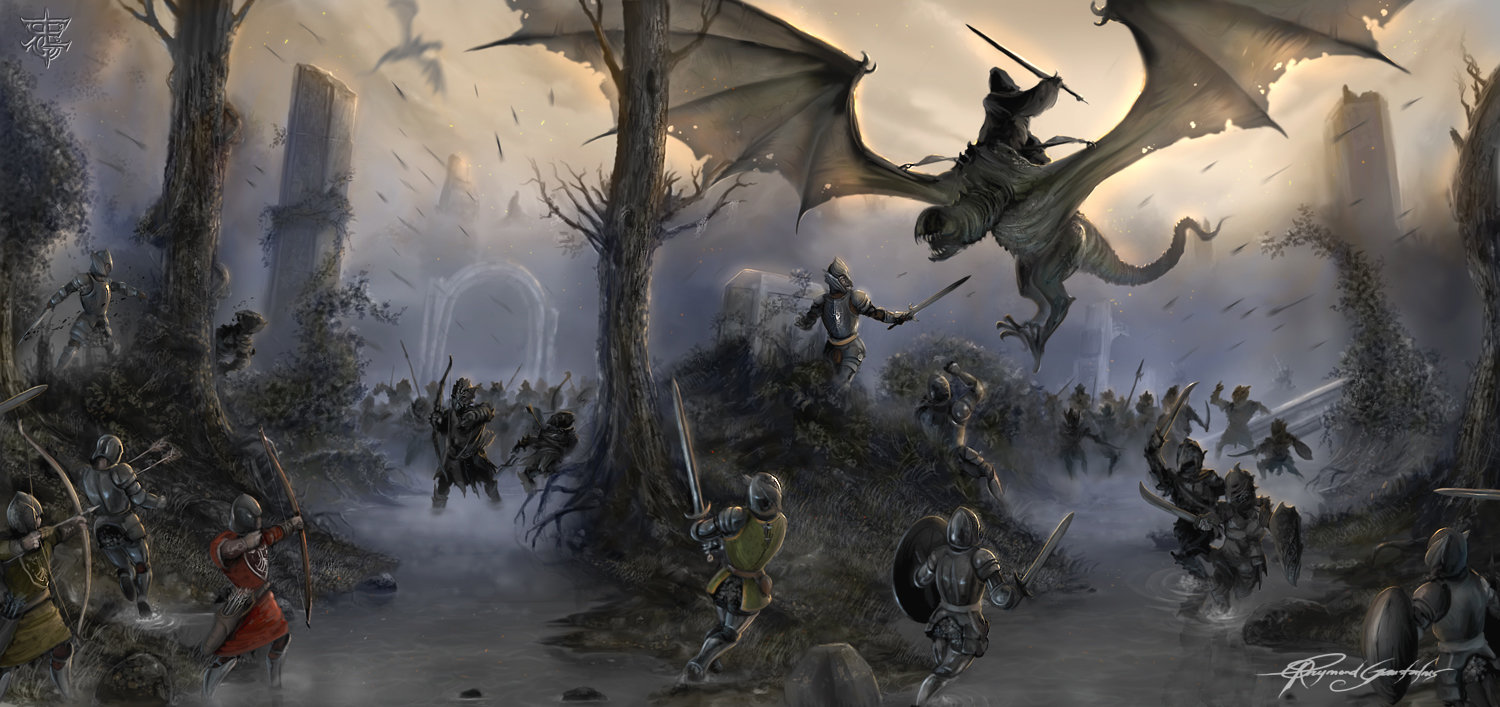
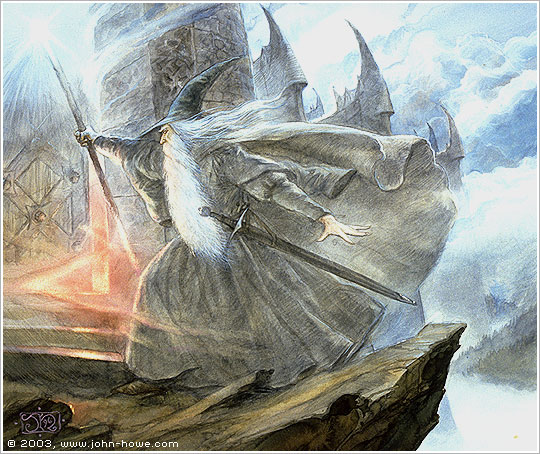
• About

doubtfulsea

~ adventure fantasy

Tag Archives: Alexander

Heffalumps?

31 Wednesday Dec 2025

Posted by Ollamh in Uncategorized

≈ Leave a comment

Tags

Alexander, Dunlendings, elephant, Fantasy, Hannibal, Heffalumps, movies, Mumak, Perseus, Poros, Seleucus, The Lord of the Rings, The War Of the Rohirrim, the-war-of-the-rohrrim, Tolkien, Winnie the Pooh

Welcome, as always, dear readers.

“And then, just as they came to the Six Pine Trees, Pooh looked round to see that nobody else was listening, and said in a very solemn voice:

‘Piglet, I have decided something.’

‘What have you decided, Pooh?’

‘I have decided to catch a Heffalump.’ ” (Winnie-the-Pooh, Chapter V, “In Which Piglet Meets a Heffalump”)

Winnie-the-Pooh has just turned 100,
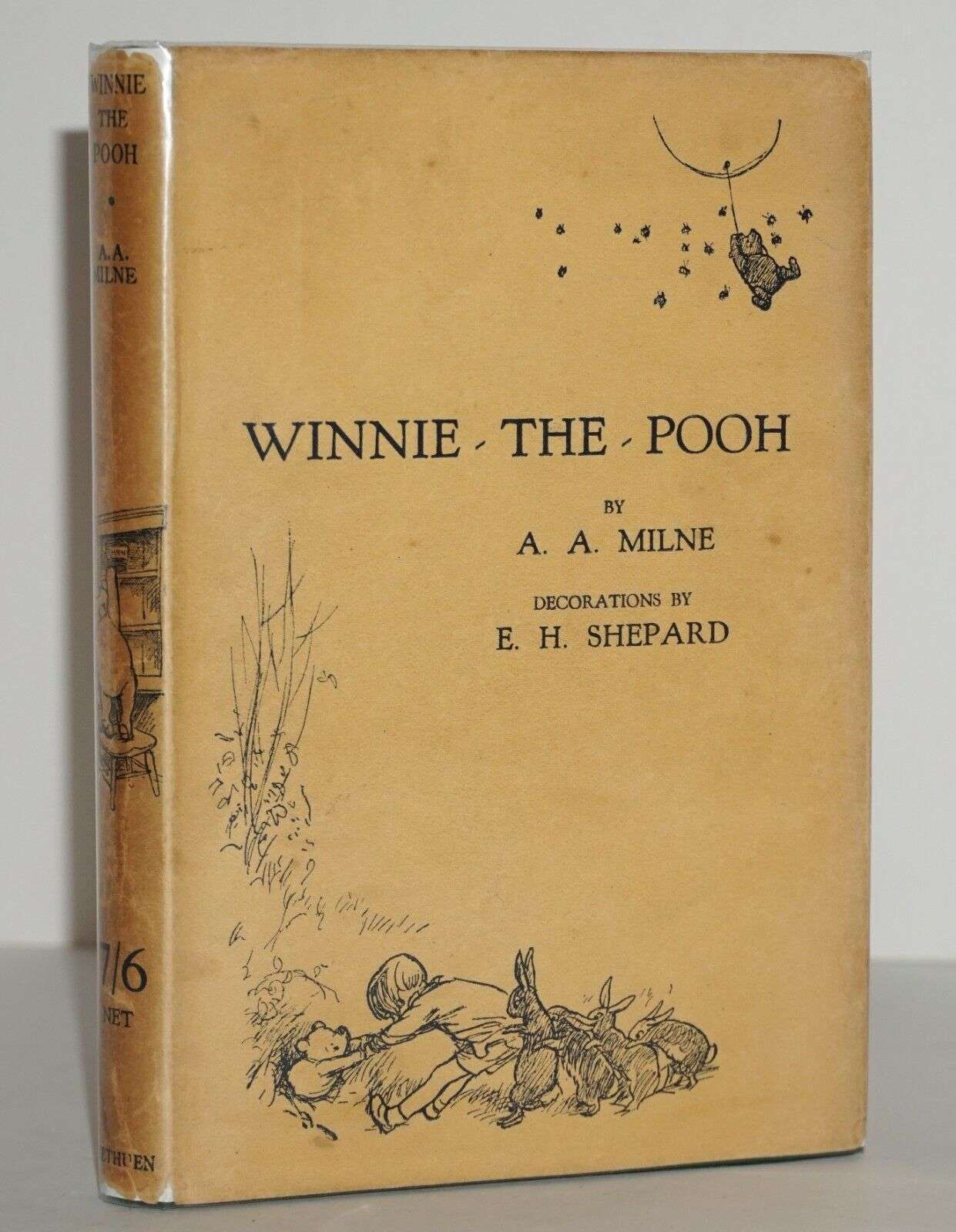
the book’s birthday being in1926, but the Pooh himself first appeared on Christmas eve, 1925, in the The Evening News.
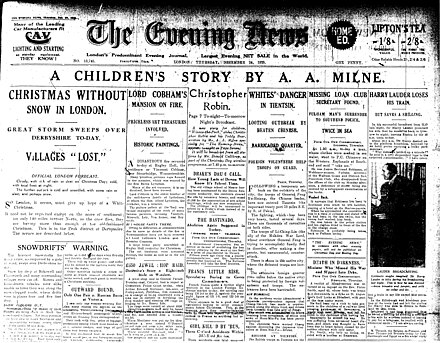
(For more Poohsiana, including the origins of the character, see:  https://en.wikipedia.org/wiki/Winnie-the-Pooh )

Although it’s never defined, from the tone of the chapter, I’ve always imagined that a “heffalump” was, in fact, an elephant. 
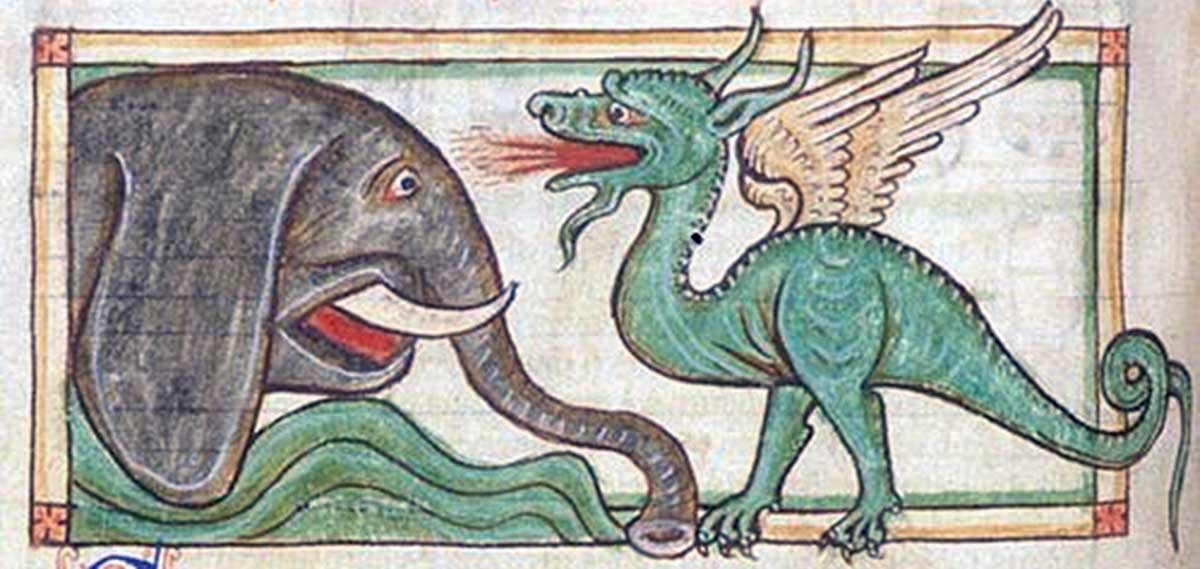
(An elephant and a tradional mortal enemy.  This is from the 13th-century Harley MS 3244, in the British Library, which I found at a wonderful medieval site:  https://medievalbestiary.info/index.html  )

And that elephant reminded me—traditionally, elephants are supposed to have wonderful memories, after all–that I was going to continue my review of the anime The War of the Rohirrim, where, surprisingly, a heffalump—sorry—a mumak—that is, an elephant, appears.
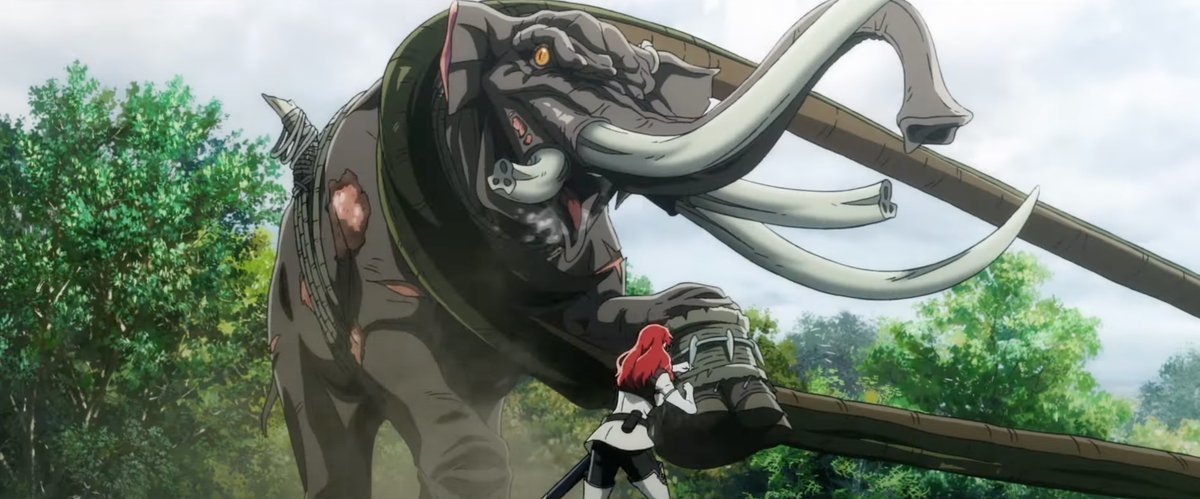
But why? 

The West first encountered war elephants when Alexander, marching eastwards, came up against the forces of Poros, an Indian king.
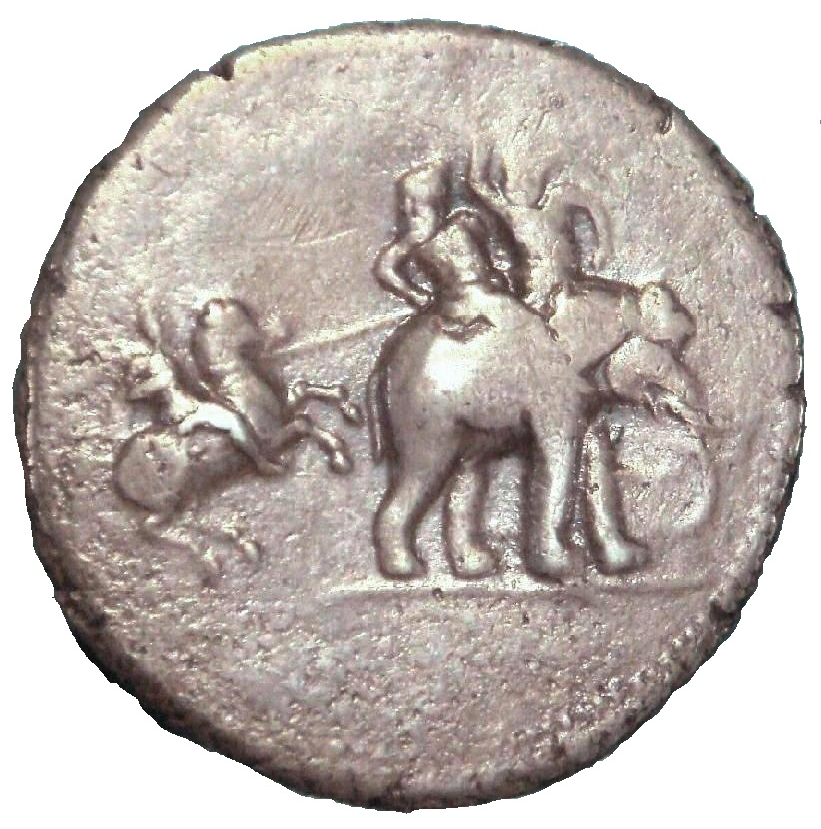
(a Macedonian commemorative coin c.324-3222BC, depicting an elephant-borne Poros.  For more on Poros, see:  https://en.wikipedia.org/wiki/Porus  )

One of Alexander’s generals—and successors—Seleucus, c.358-281BC,
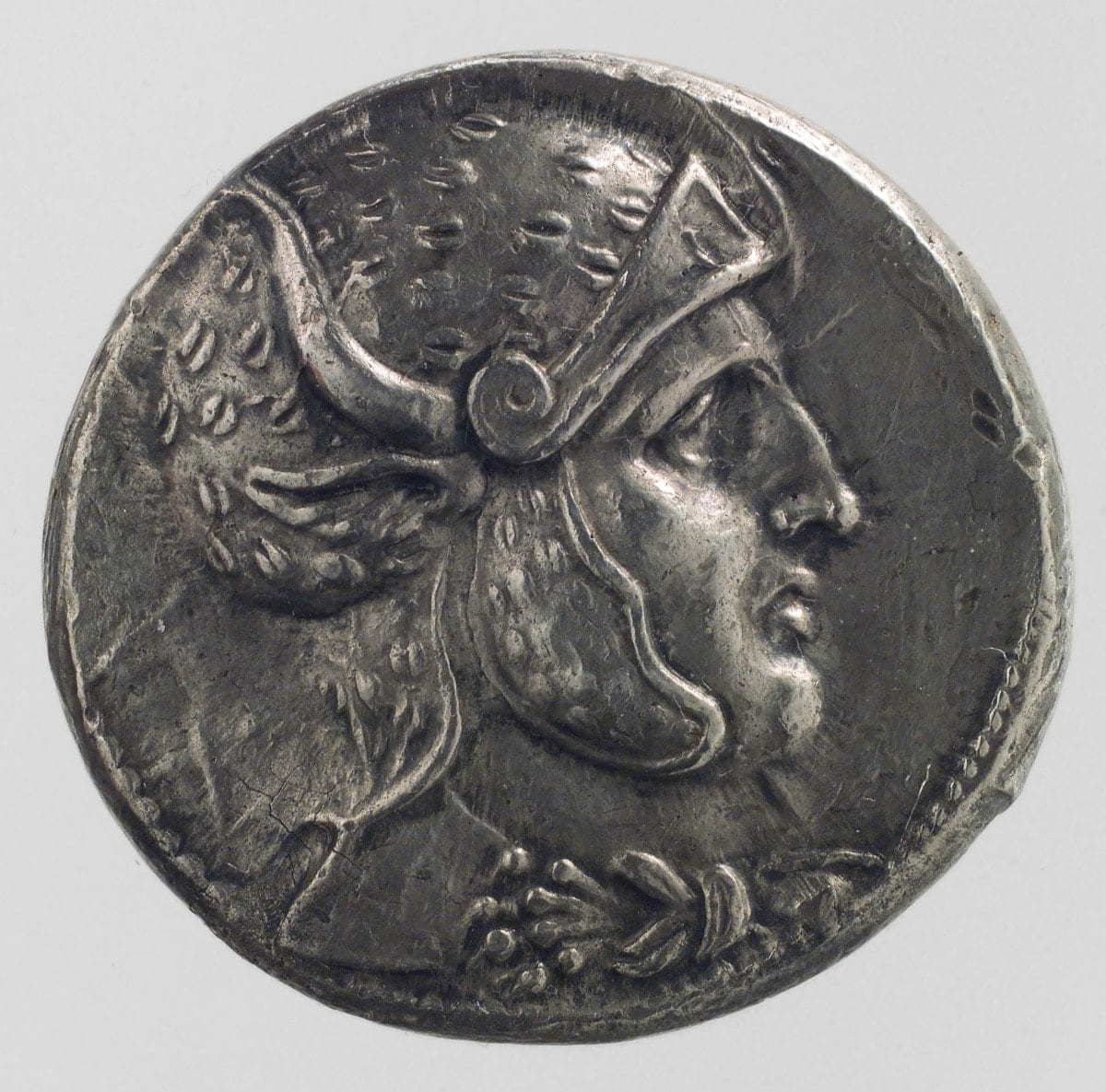
in a treaty with the Indian Mauryan kingdom, received 500 war elephants, which were then employed at the Battle of Ipsus, in 301BC,
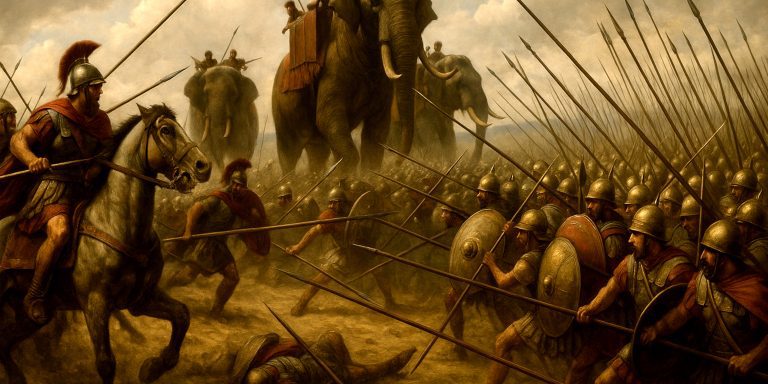
during the wars which Alexander’s generals fought among themselves to define who would control various parts of Alexander’s empire.

Elephants could be seen as rather like tanks—large, mobile weapons to break enemy lines—

(Peter Dennis)
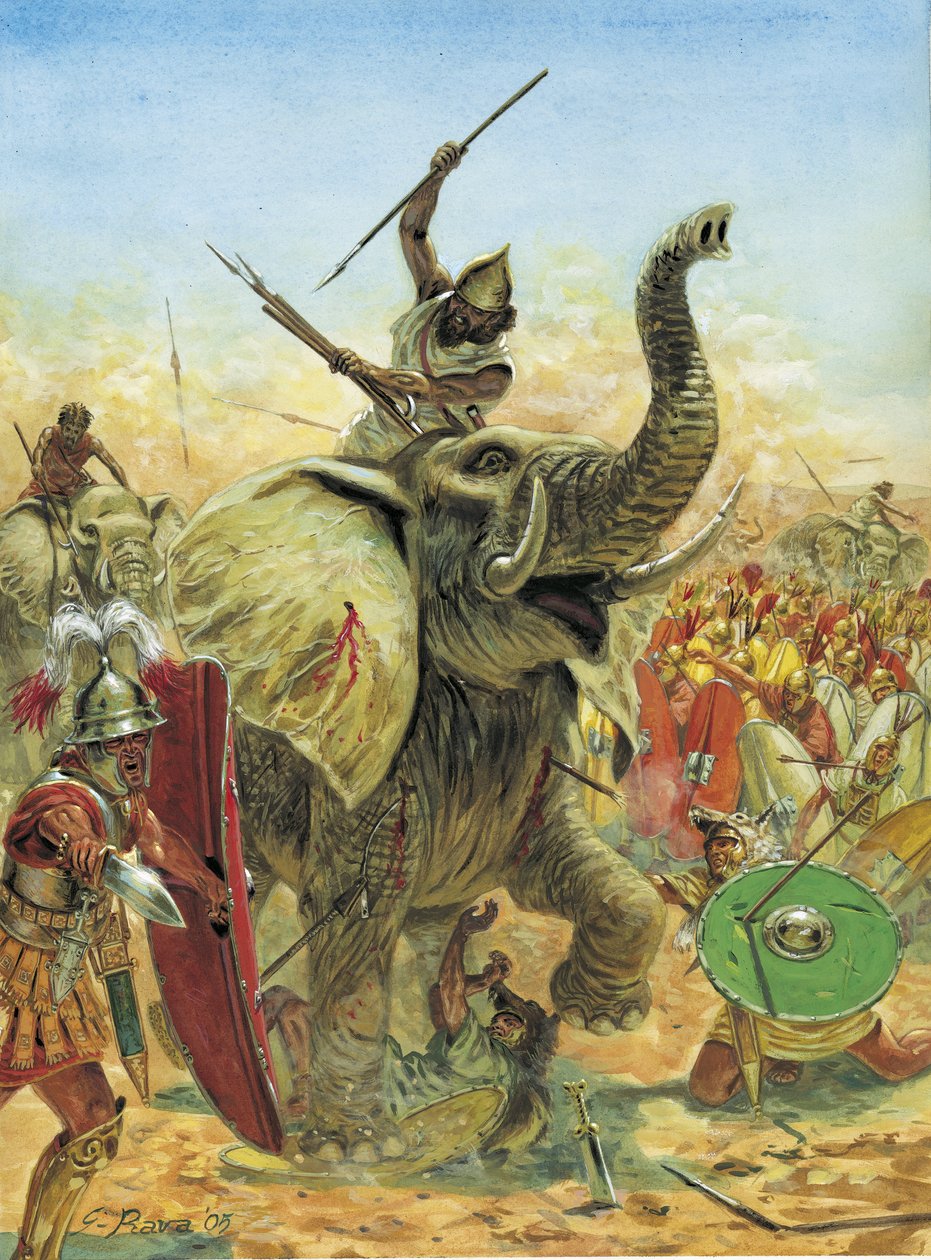
(Giuseppe Rava)

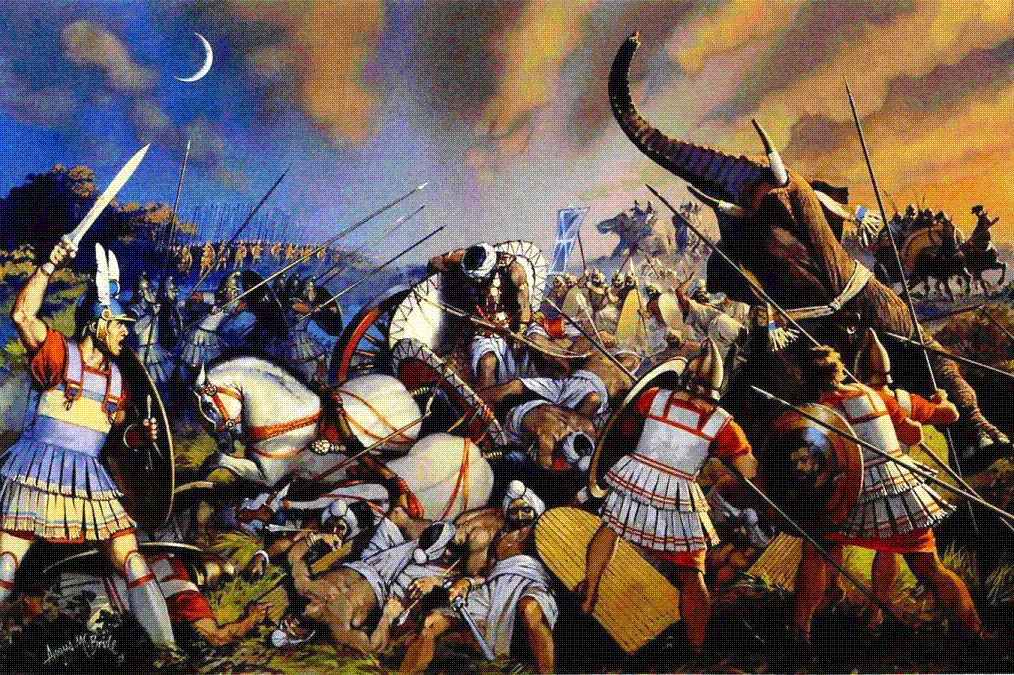
and would continue to be used in the West at least until the Romans defeated the last Macedonian king, Perseus, at the Battle of Pydna, in 168BC, but saw perhaps their most dramatic use in the wars of Carthage against Rome, particularly in the second war, where the Carthaginian general, Hannibal, invaded Italy by crossing the Alps, bringing a number of elephants with him.
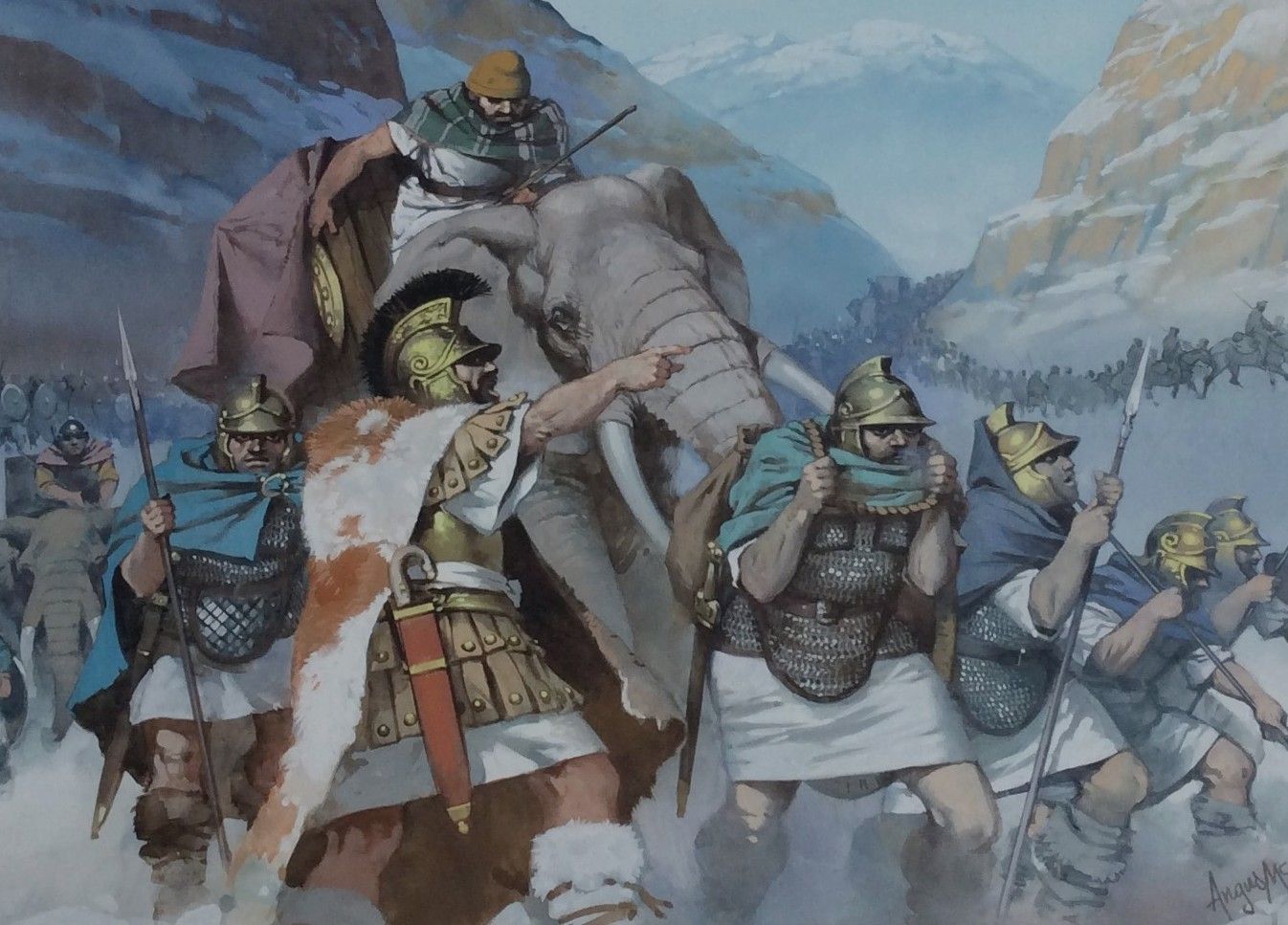
(Angus McBride)

Unfortunately for Hannibal—and his elephants—the Romans had learned to deal with the great beasts and even to turn them back against their owners—
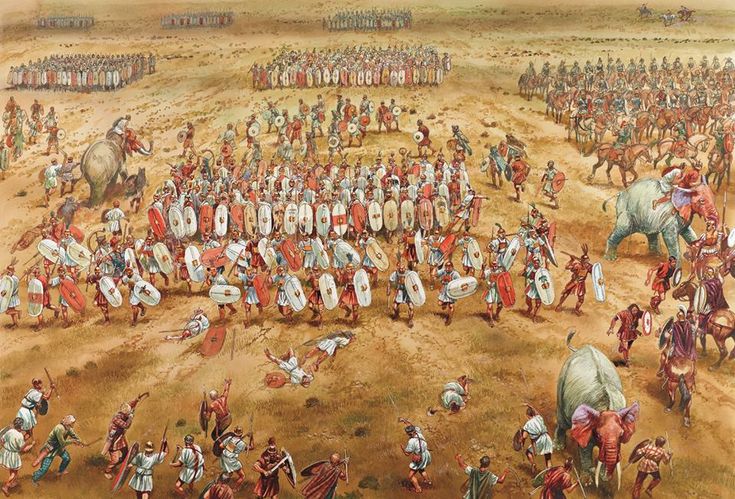
(Peter Dennis)

(for more on war elephants, see:  https://en.wikipedia.org/wiki/War_elephant )

Another factor in warfare was the belief that horses are frightened of elephants,
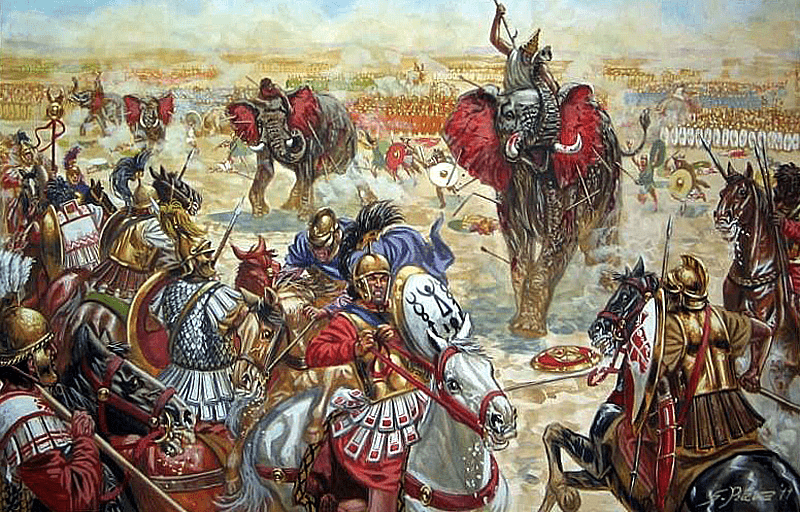
(Giuseppe Rava)

something which even Tolkien mentions—

“But wherever the mumakil came there the horses would not go, but blenched and swerved away…” (The Return of the King, Book Five, Chapter 6, “The Battle of the Pelennor Fields”)

(For more on horses’ potential hippophobia, see:  https://iere.org/are-horses-scared-of-elephants/  )

But that is in relation to the allies of Mordor in its attack on Minas Tirith:  why is there one of these monsters prominent at the Dunlendings’ attack on Edoras, some 250 years earlier? 
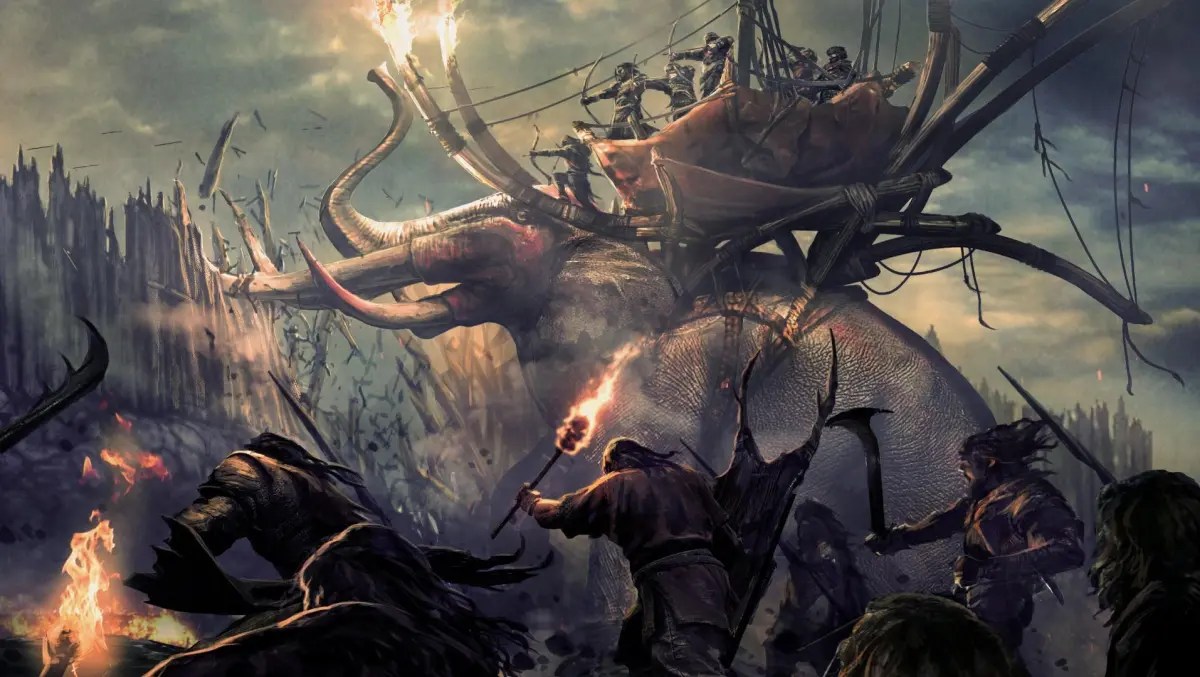
The film’s script-writers seem to be depending upon this passage from Appendix A of The Lord of the Rings:

“Four years later ([TA2758) great troubles came to Rohan, and no help could be sent from Gondor, for three fleets of the Corsairs attacked it and there was war on all its coasts.  At the same time Rohan was again invaded from the East, and the Dunlendings seeing their chance came over the Isen and down from Isengard.  It was soon known that Wulf was their leader.  They were in great force, for they were joined by Enemies of Gondor that landed in the mouths of Lefnui and Isen.”   (Appendix II:  The House of Eorl)

Thank goodness for a map—as, although I know the Isen from Isengard, I had no idea where the Lefnui was—and here, from the Tolkien Gateway, you can see both.  And you can also wonder about how such forces got to Rohan, about which JRRT is completely silent, particularly those who landed at the mouth of the Lefnui, as, straight ahead of them would have been miles of the White Mountains.  Long detour north, then east, through the Gap of Rohan, then southeast into Rohan itself?  

(from the Encyclopedia of Arda)

To which they might add:

“In the days of Beren, the nineteenth Steward, an even greater peril came upon Gondor.  Three great fleets, long prepared, came up from Umbar and the Harad, and assailed the coasts of Gondor in great force;  and the enemy made many landings, even as far north as the mouth of the Isen.  At the same time the Rohirrim were assailed from the west and the east, and their land was overrun, and they were driven into the dales of the White Mountains.” (Appendix A, (iv) Gondor and the Heirs of Anarion; The Stewards)

You can see where this argument might go:  Wulf—the antagonist of The War of the Rohirrim—invades Rohan.  His invasion force includes “…Enemies of Gondor that landed at the mouths of Lefnui and Isen” and those enemies, who were part of the fleet which attacked the west coast of Gondor, “…came up from Umbar and the Harad”, and we’re told in The Lord of the Rings that “…the Mumak of Harad was indeed a beast of vast bulk…” (The Two Towers, Book Four, Chapter 4, “Of Herbs and Stewed Rabbit”).
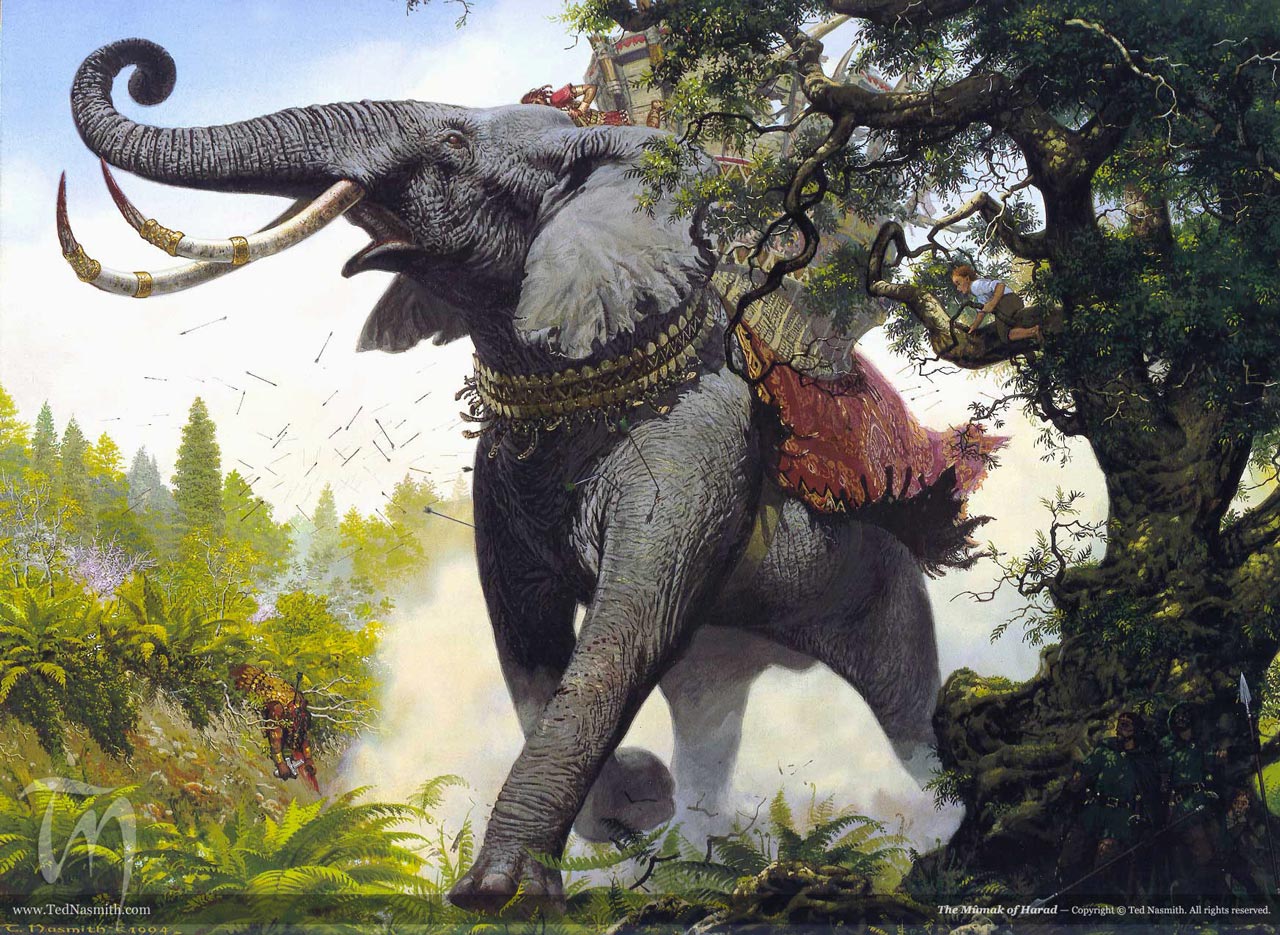
(Ted Nasmith)

So, their reasoning goes:

1. some of the Corsairs were from Harad

2. Harad is where Mumakil come from

3. some of the invasion force which followed Wulf were from the Corsairs who attacked the west coast of Gondor and therefore were from Harad

4. and thus there was the possibility that they might have brought Mumakil with them

Back in 2024, I had written a posting (“Dos Mackaneeks”, 26 June, 2024—here:  https://doubtfulsea.com/2024/06/26/dos-mackaneeks/ ) in which, while discussing “The Phantom Menace”, I had followed this reasoning:  both Saruman and Sauron clearly have access to blasting material of some sort–Saruman’s forces blow a hole in the wall of Helm’s Deep and Sauron’s do the same with the Causeway Forts on their way into the Pelennor.  And so, why would the next step not have been arming their orc armies with early “hand gonnes”?
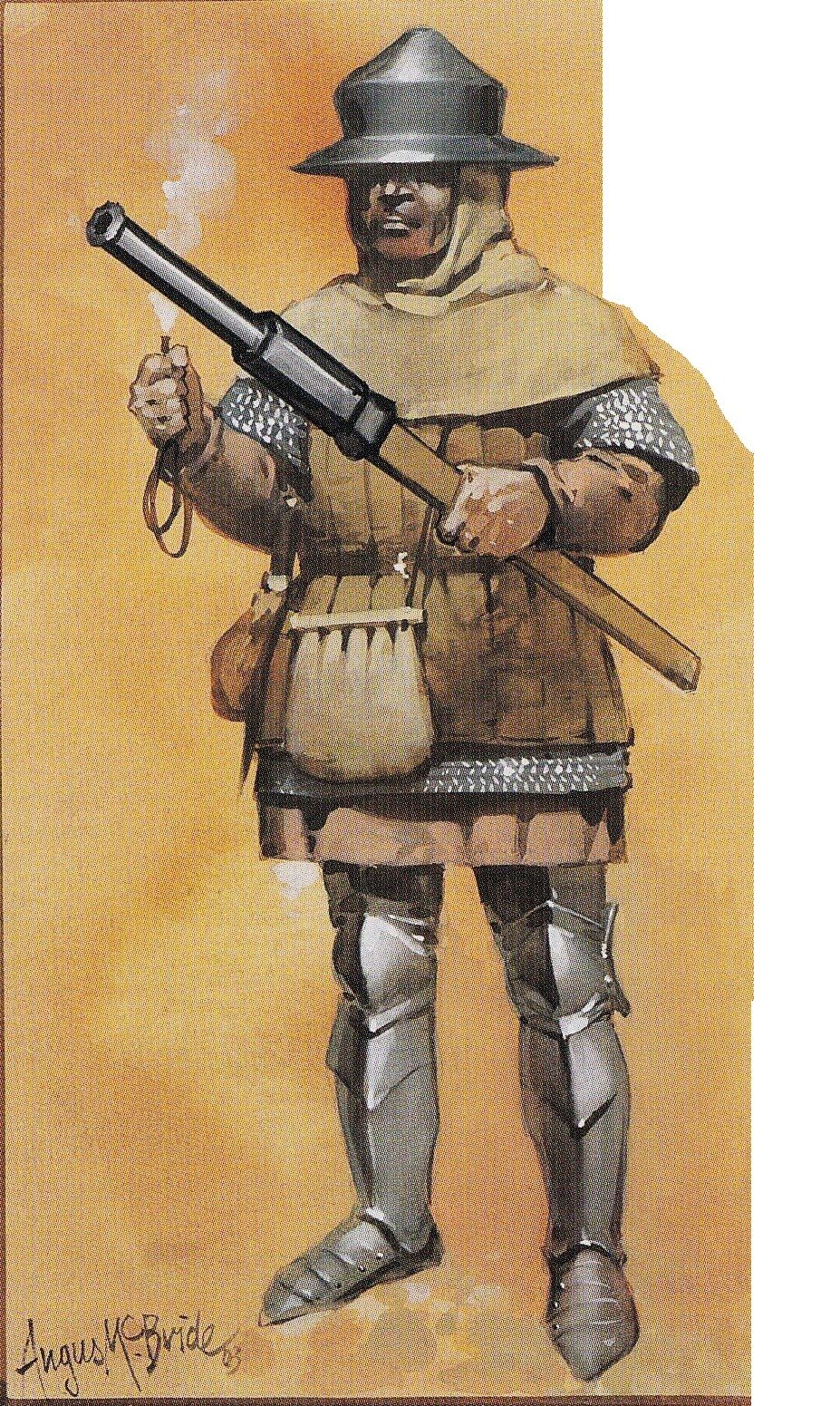
(Angus McBride)

The answer is, they didn’t:  because the author chose for them not to, even though he provided evidence that he could have.  It’s clear that Tolkien was a very deliberate writer, taking years to construct his texts in draft after draft.  And so, had he wanted to have Wulf’s forces include Mumakil, I would suggest that, as he chose to depict them both ambushed by Faramir’s rangers and forming part of the armies which attacked Minas Tirith, they were certainly a possibility at any other point in his long story, but they don’t appear there.

At base, the real problem here, as I and others have suggested, is the extreme thinness of the material upon which The War of the Rohirrim is based:  it’s really only a little over two pages in Appendix A in my 50th Anniversary edition (1065-67).  To flesh this out into a film more than 2 hours long, the script writers created a character named “Hera” out of the nearly-anonymous “Helm’s daughter”, making her a “shield maiden”, adding a nurse for her (“Olwyn”), and a kind of page (“Lief”), as well as constructing a childhood friendship for “Hera” and Wulf, among other additions to a very small story, which is really only background to the later story of Helm’s Deep. 

If you read this blog regularly, you know that I dislike vicious reviews, mostly because, along with what they suggest about their authors, they’re usually simply not helpful, and I don’t write them.  This is my second partial review of The War of the Rohirrim (see “Plain and Grassy”, 24 September, 2025, for the first part:  https://doubtfulsea.com/2025/09/24/plain-and-grassy/ )  and, while I will continue to praise the enormous artistic effort which went into making this film—I’d love to see more anime of heroic stories—I wish someone would make an anime Beowulf, or Sir Gawaine and the Green Knight, just as easy examples—I also wish that the creators would move on—what about a Ramayana, for instance, if they wanted to choose a long-established story?—or, even better, create a completely new story, one in which there would be a fierce, independent heroine, rather than try to make her out of Arwen or Galadriel or invent one like “Tauriel” or “Hera”? 

In the meantime, it’s back to Pooh and Piglet, as they try to trap the illusive Heffalump (which they never succeed in doing).
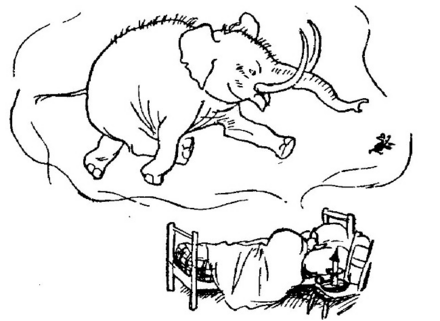
(E.H. Shepard)

As always, thanks for reading.

Stay well,

Enjoy the New Year and may it be a very happy one for you,

And remember that, as always, there’s

MTCIDC

O
Shall We Gather at the River?

08 Wednesday Jul 2015

Posted by Ollamh in J.R.R. Tolkien, Maps, Military History, Narrative Methods

≈ Leave a comment

Tags

Alexander, Anduin, Burnside, Cair Andros, Celeborn, Confederate, D-Day, Denethor, Douro, Faramir, Fredericksburg, French, Gandalf, Hydaspes, Inchon, Indiana Jones, Isola Tiberina, King Poros, Lee, Minas Tirith, Mordor, Napoleonic, Nazgul, Pelennor, Pontoon, Porto, Quebec, Rappahannock, Roechling, Sauron, Soult, The Lord of the Rings, Tolkien, Union, Wellington, West Osgiliath, Zouaves

Dear Readers,

Welcome, as always. In this posting, we thought we’d do a kind of follow-up to our “What Happened to the Rammas Echor” piece by looking at the Mordorian assault on West Osgiliath, which leads up to it. (Yes, we know—bassackwards, right? We can only claim as Indiana Jones does, that “I’m making this up as I go along.”)

We can begin with a map and a description by a participant.

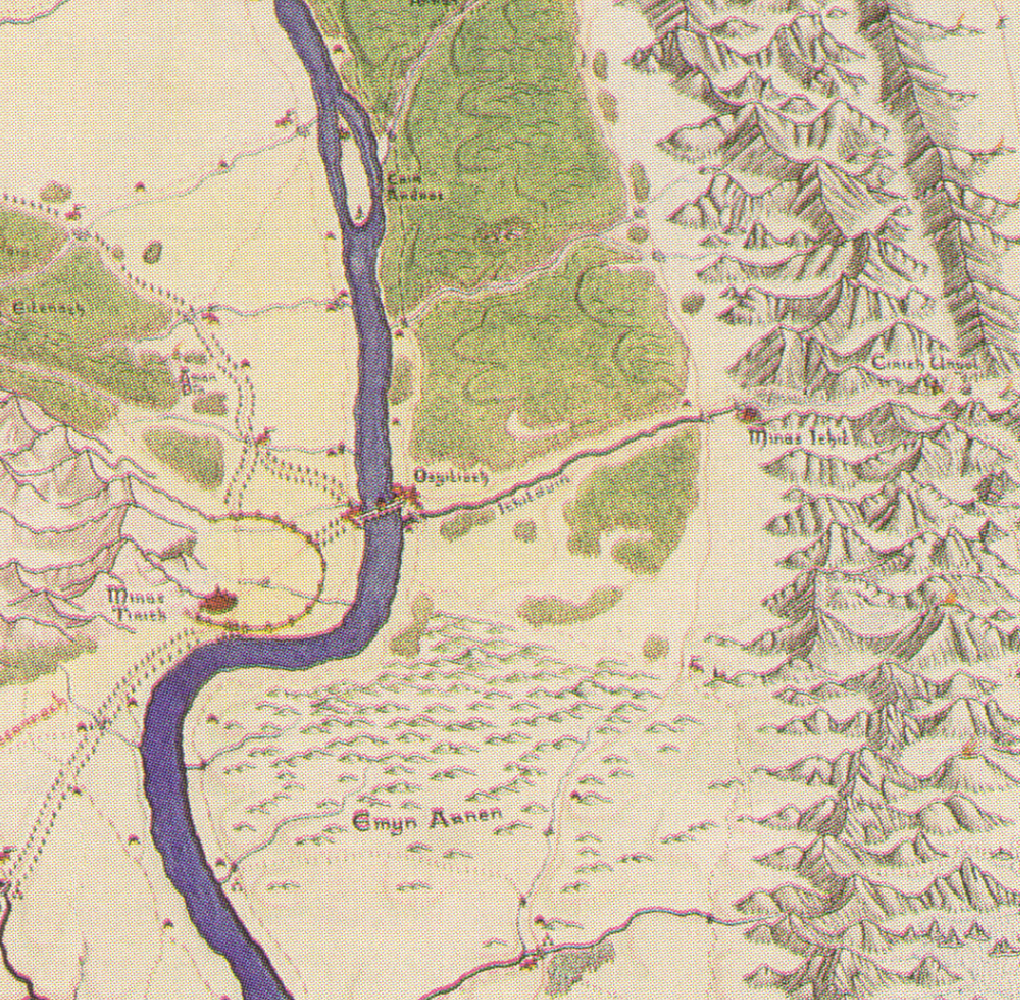
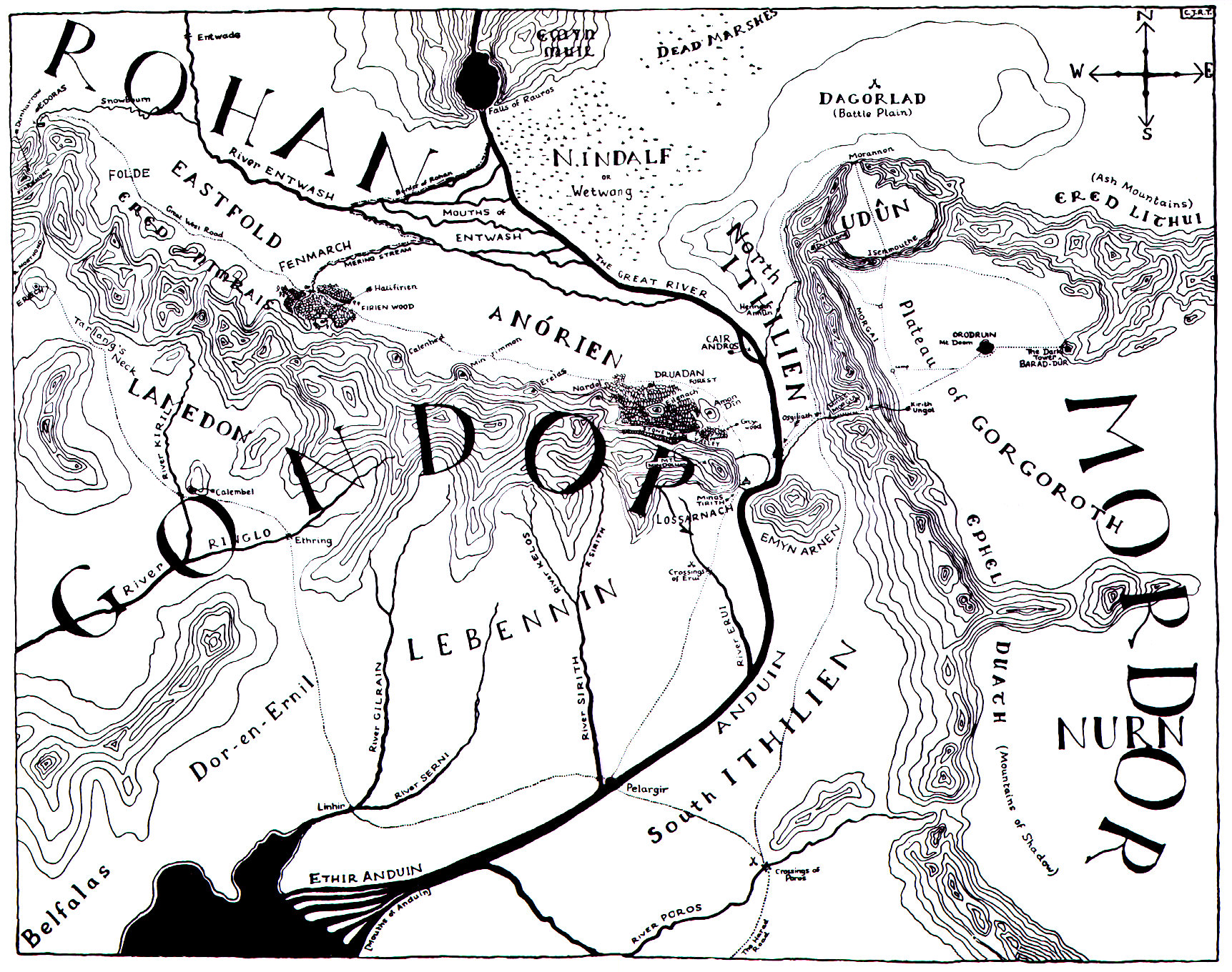
Here’s the Anduin, the major obstacle for Sauron’s forces to cross at a point in easy striking distance of Minas Tirith.

gondor_map

Here’s Denethor’s intelligent assessment of the defensive situation:

“…And the Enemy must pay dearly for the crossing of the River. That he cannot do, in force to assail the City, either north of Cair Andros because of the marshes, or southwards towards Lebennin because of the breadth of the River, that needs many boats. It is at Osgiliath that he will put his weight, as before when Boromir denied him the passage.” LotR 816

EphelDuath_10x10drape2

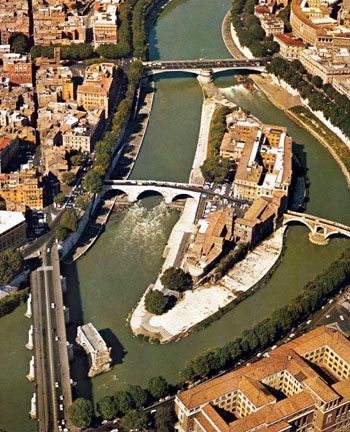
Although there have been very creative attempts to map or depict Cair Andros, for all of its importance in the defense of Gondor, we aren’t given much detail. Its name means “Ship of Long Foam” , called so because of its shape and its action in breaking up the flow of the Anduin. This brought to our minds the Isola Tiberina on the Tiber in Rome,

18-1

which so reminded the Romans of a ship that—well, this 1770s engraving makes their next step obvious—

Piranesi-16059

Cair Andros was fortified and had a garrison, although Denethor refuses to reinforce it, saying “Cair Andros is manned, and no more can be sent so far.” LOtR 816

We also know that the enemy will capture it during their two-proned general assault (Gandalf says to Denethor: “Fugitives from Cair Andros have reached us. The isle has fallen.” LotR 819)

To the south, somewhere between forty and fifty miles, lies Osgiliath.

Anorien

Identified by Denethor as the other major crossing point, it was once a prosperous city, but now lies in ruins, with its bridges destroyed (Celeborn to Aragorn: “And are not the bridges of Osgiliath broken down and all the landings held now by the Enemy?” LotR 367).

The problem, then, for the Enemy is how to cross a river against opposition, a classic problem for generals since there were generals.

We think, for example, of Alexander at the Hydaspes River in 326BC, defended by King “Poros” (actually Porushattama—Greeks were determined to tame everything—including other cultures’ proper names).

1382499630_Hydaspes

(and we couldn’t resist this second image—Alexander in the center of his pikemen—in what looks like 25-28mm)

VendelMacedonians

As you can see from the map, Alexander crossed upstream, having distracted the king with a demonstration (military for “feint/decoy”).

Battle_hydaspes_crossing

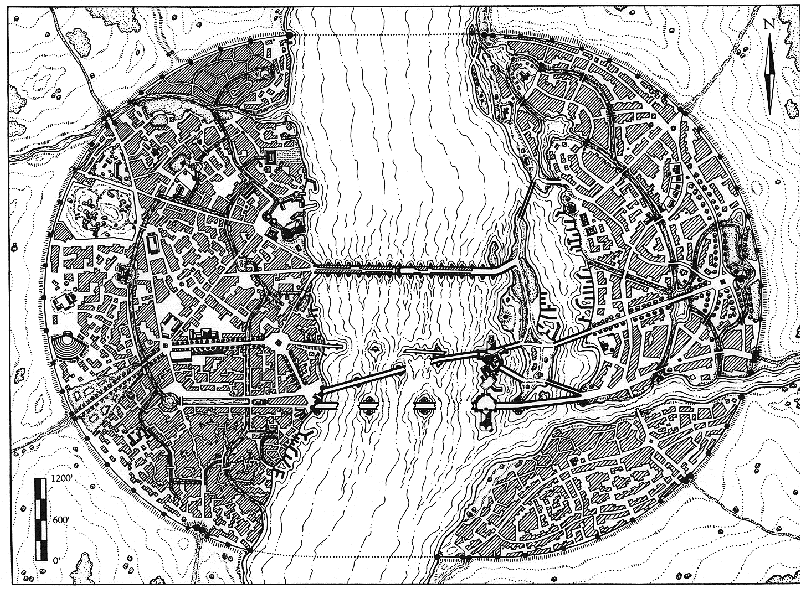
This was through open country, however. In the case of Osgiliath

osgiliath

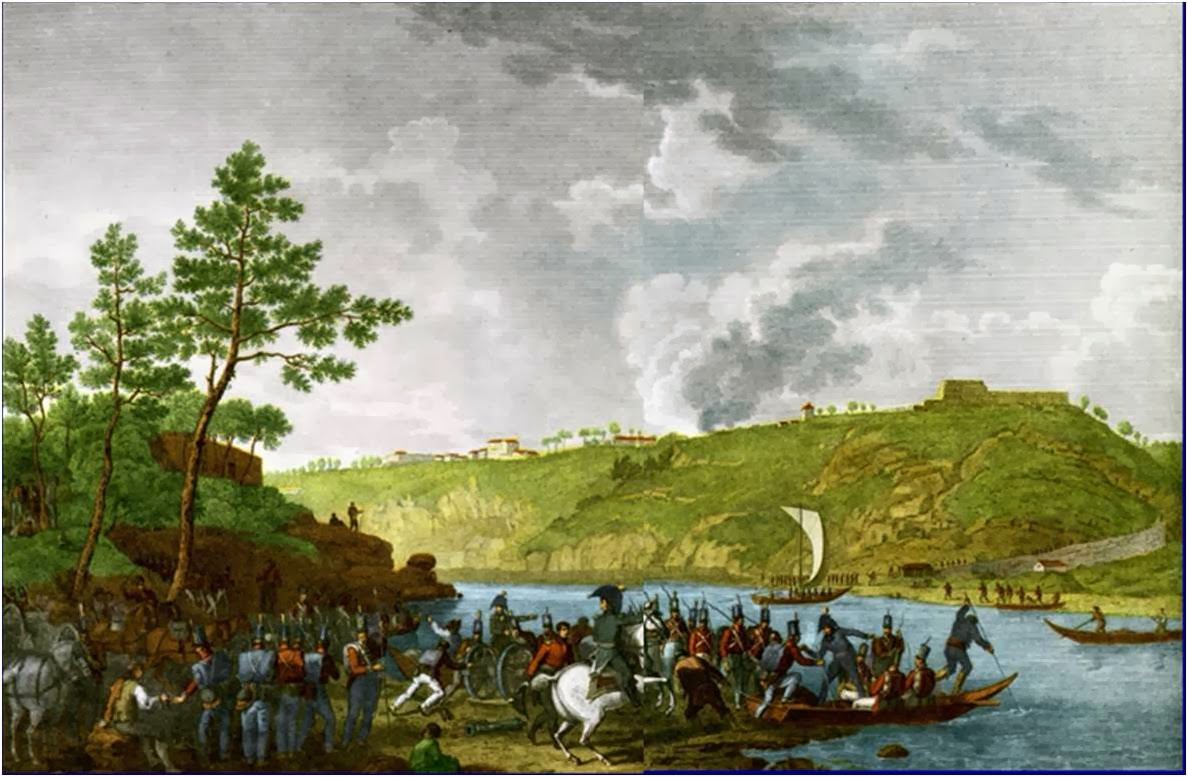
the Enemy would have to cross the river in the face of opposition within a town. Here, we thought of several possibilities: Wellington’s crossing of the river Douro against French resistance in 1809, for example. Here was not only the river, but its steep banks, as well.

Henry Smith Oporto, With The Bridge Of Boats 1809

(The pontoon bridge was set up after the attack.)

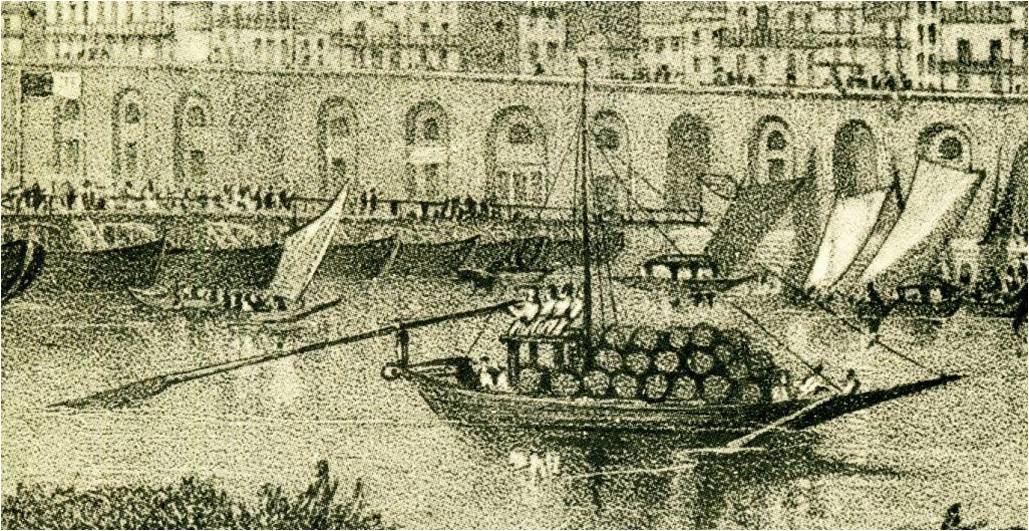
There were no bridges and the French had collected all of the available boats and had either destroyed them or were holding them on the north side of the river. As Porto (the name means what you think it does) was the center of the fortified wine trade (yes , “Pass the port, Wriothsley, will you?”), the major vessel on the river was this—

pb17

Wellington was always a clever and flexible commander and had to be when confronted by the able Marshal Soult across the river. Much of Wellington’s success came from his use of local sources: Portuguese who hated their French occupiers and supplied some of Wellington’s men with a rowboat and crew. On the north side were four wine boats, soon filled with British soldiers—

sec198

and the surprised, but always brave and sturdy, French soldiers were eventually pushed back north, out of the town.

oporto

As you can see, this was really a frontal assault, but, because of their former preparations and their sense of the geography, the French had been lulled into thinking that they were prepared.

A second battle with a river crossing against a defended town which occurred to us was from the US Civil War, Fredericksburg, fought in mid-December, 1862.

Fredericksburg-Overview

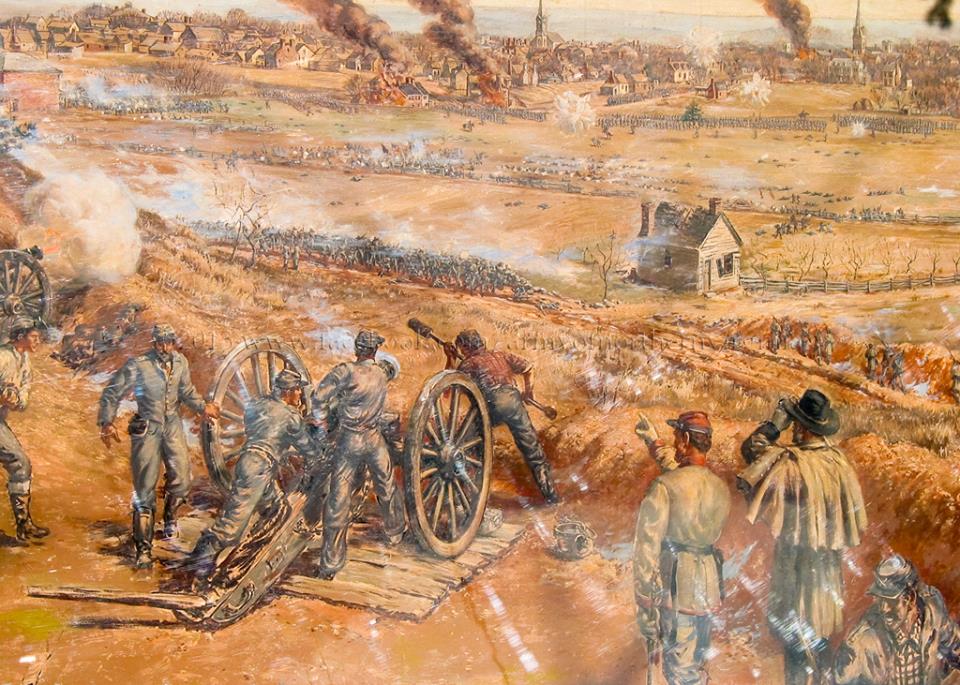
Here, as this extremely useful panorama shows, this was actually a two-step battle: first the Union troops had to cross the Rappahannock River, then they had to drive the Confederate Army from their positions on high ground beyond.

fburg_diorama1

The town of Fredericksburg itself was lightly held: mostly close to the river and relatively few in numbers.

barksdales-men

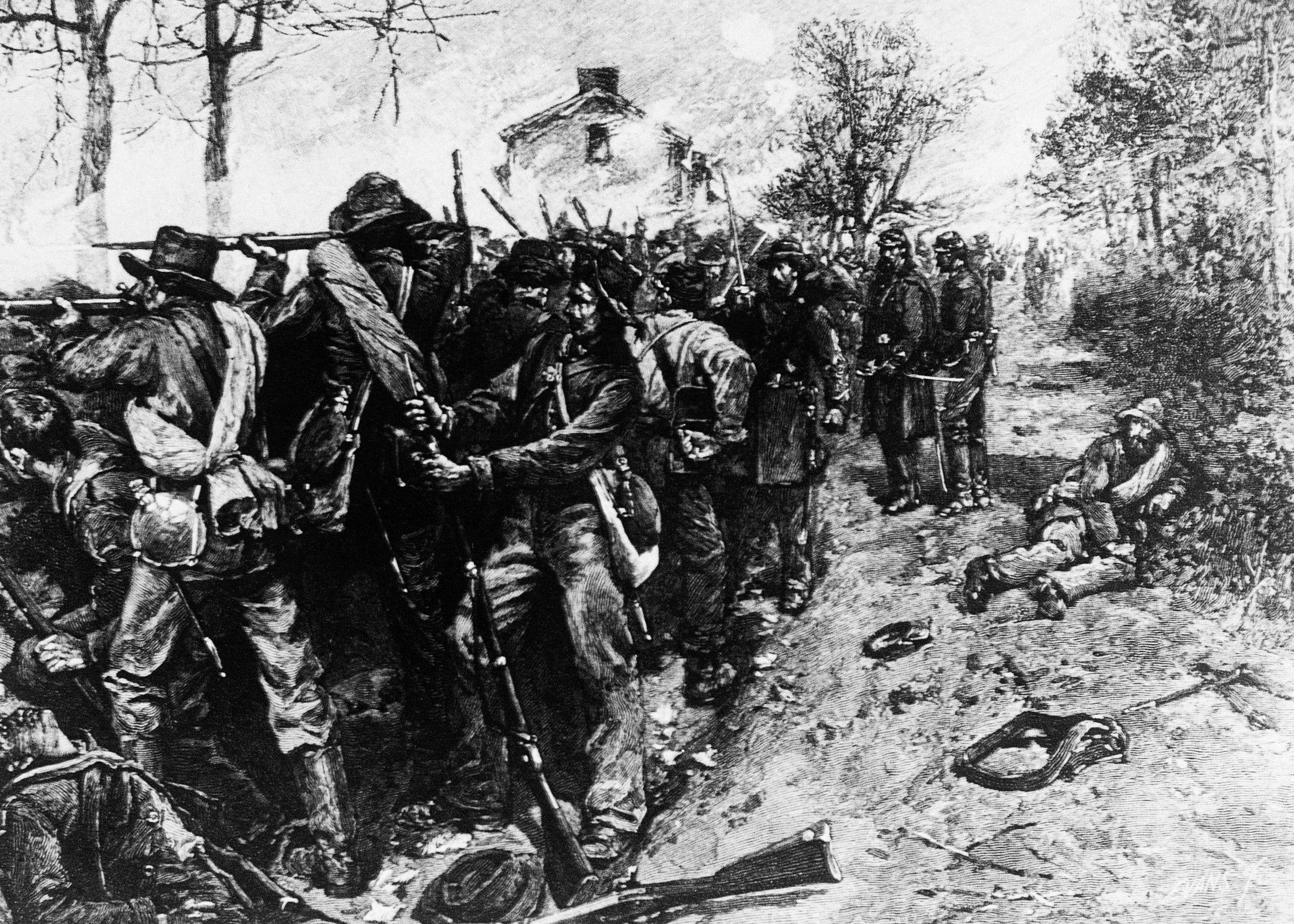
The main Confederate positions were spread a bit thinly for their numbers (not much in the way of reserves, had there been a breakthrough—Lee had had a similar problem at Antietam), but paid close attention to the ground, including taking advantage of a sunken road with a stone wall at its edge as a makeshift trench.

Confederate soldiers rake the field over which Union troops charged six times, from behind the stone walll at the Sunken Road, in  the blood Battle of Fredericksburg, Va., Dec. 1862.  Confederate Sgt. Richard Kirkland became known as the Angel of Marye's Heights when he brought water to wounded Union soldiers. (AP Photo)

To cross the river itself meant a two-stage process: first, to gain the opposite bank and set up a perimeter; second, to build several pontoon bridges to allow for the rapid deployment of troops and artillery.

19th-century armies commonly traveled with pontoons—boats built specifically to be used as the basis for floating bridges—

ACWpontoonsmobile1862

They were dragged along on wagons wherever and whenever armies went—

mud-march-waud-locgov

and, with the addition of planks and anchors and ropes, created complete roadways across bodies of water.

Fredericksburg_pontoon_model

The first stage was difficult,

Amphibious-assault_1376_2

but using pontoons for assault boats

laying-pontoons-fredericksburg

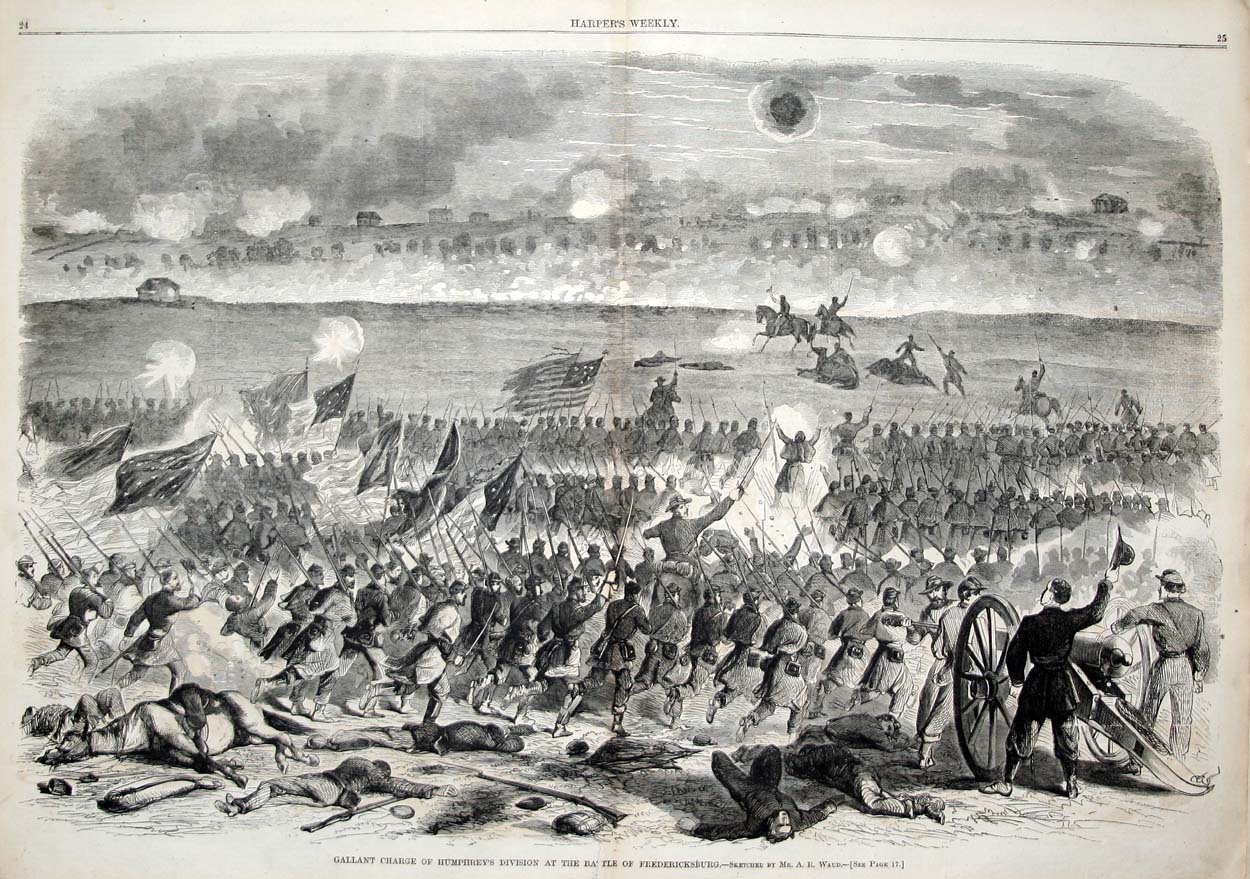
the Union troops managed to secure a foothold on the opposite bank. When bridges went up, stage one had been successful. But, when the Confederates had withdrawn from the town (which they had never intended to occupy in force), there was still that second stage.

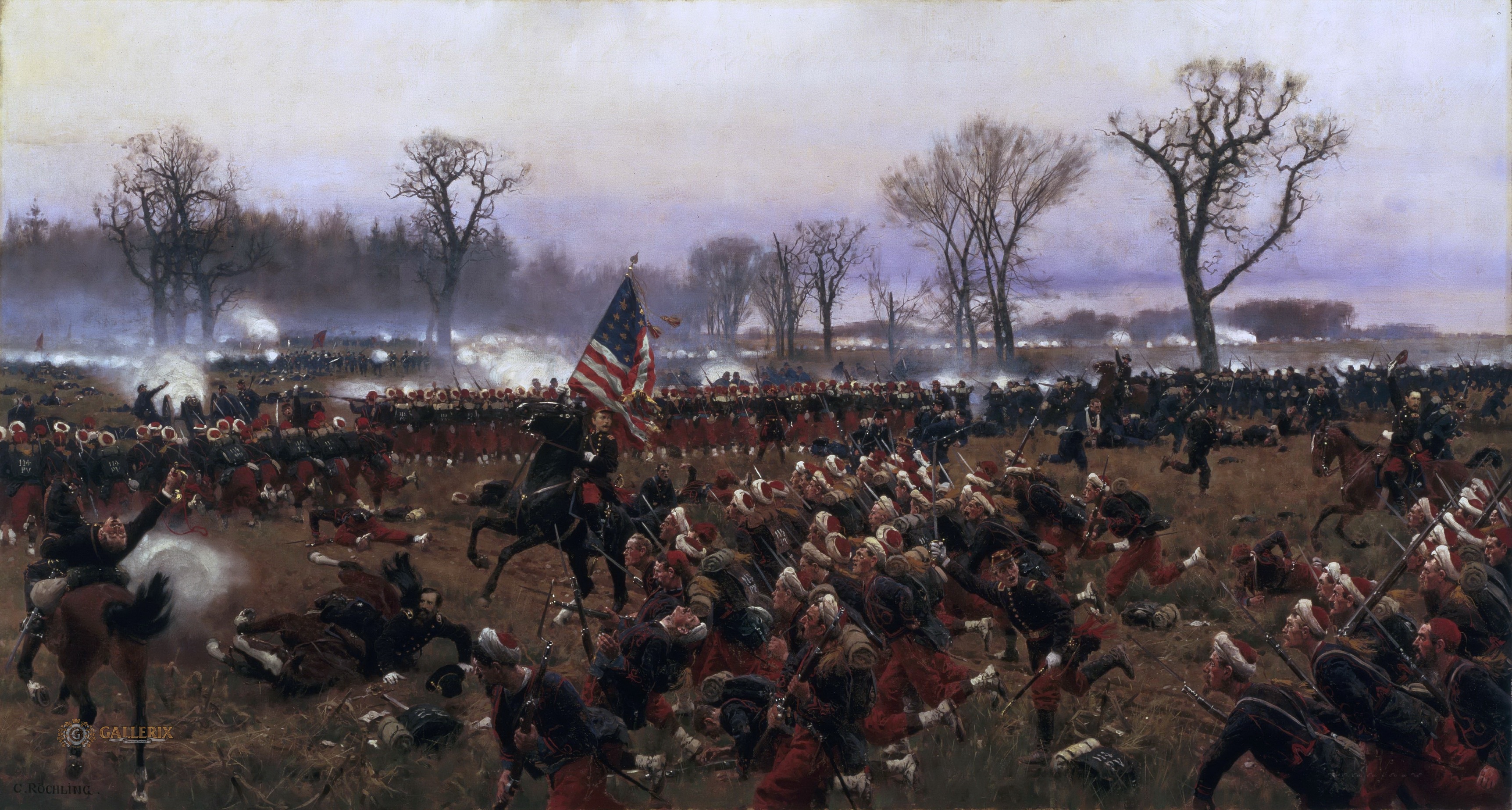
dec13fredericksburgcharge

Great courage, but thrown away against resolute Confederate defenders,

1457692_641056089250250_1771492272_n

as you can see in this splendid painting by Carl Roechling, one of our favorite 19th-c. German military-historical painters of the attack of the 114th Pennsylvania (uniformed like French Zouaves, those most admired of French soldiers during this period).

Öèôðîâàÿ ðåïðîäóêöèÿ íàõîäèòñÿ â èíòåðíåò-ìóçåå Gallerix.ru

You can see the kinds of difficulties, then, for the Enemy in their attack on the west bank of the Anduin. How do they succeed? A messenger from Faramir, commanding the defense of West Osgiliath, describes the assault:

“The plan has been well laid. It is now seen that in secret they have long been building floats and barges in great number in East Osgiliath. They swarmed across like beetles.” LotR 817.

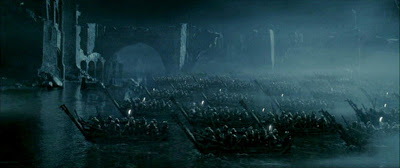
Here is the initial attack in Jackson’s film version—

800px-Orcs_crossing_anduin

When these craft land, they open at the bow and, of course, we immediately thought of D-Day and Pacific island battles and the Inchon landing, and Higgins Boats (LCVPs)

Darke_APA-159_-_LCVP_18 tumblr_n6pop14CrH1s57vgxo3_1280

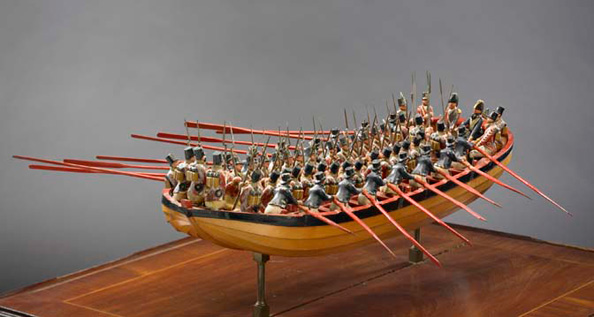
Along with their advanced use of explosives in the attack on the Pelennor to come, these are very sophisticated creatures, especially when one thinks about the landing craft of earlier centuries—the boats designed for the British attack on Quebec in 1759

c-001078

102381

Or the sort of thing you see during the Napoleonic era—

agoid106297-594

These are for amphibious landings. Mostly, when it comes to the era of pontoons, it appears that, when it came to rivers, soldiers simply used them

Voltigeurs_of_a_French_Line_regiment_crossing_the_Danube_before_the_battle_of_Wagram

The “beetles” mentioned by Faramir’s messenger swarm over the men of Gondor, so heavily outnumbered that, as Faramir says, “Today we may make the Enemy pay ten times our loss at the passage and yet rue the exchange. For he can afford to lose a host better than we to lose a company.” LotR 816. And then there is their other weapon, the Chief Nazgul.

battle_of_osgiliath_by_shockbolt

“But it is the Black Captain that defeats us. Few will stand and abide even the rumor of his coming. His own folk quail at him, and they would slay themselves at his bidding.” As Faramir’s messenger adds. LotR 817.

Gandalf goes out to face him

lotr-collectibe_PASSTHED

and we wonder if other commanders—Alexander, Wellington, the Union general Burnside, for example–when faced with the problem of a defended crossing, would wish to have him on their side—or the Black Captain?

As always, thanks for reading.

MTCIDC

CD

The Doubtful Sea Series Facebook Page

The Doubtful Sea Series Facebook Page

  • Ollamh

Categories

  • Artists and Illustrators
  • Economics in Middle-earth
  • Fairy Tales and Myths
  • Films and Music
  • Games
  • Heroes
  • Imaginary History
  • J.R.R. Tolkien
  • Language
  • Literary History
  • Maps
  • Medieval Russia
  • Military History
  • Military History of Middle-earth
  • Narnia
  • Narrative Methods
  • Poetry
  • Research
  • Star Wars
  • Terra Australis
  • The Rohirrim
  • Theatre and Performance
  • Tolkien
  • Uncategorized
  • Villains
  • Writing as Collaborators
Follow doubtfulsea on WordPress.com

Across the Doubtful Sea

Recent Postings

  • Through a glass… January 7, 2026
  • Heffalumps? December 31, 2025
  • We Three Kings December 24, 2025
  • A Moon disfigured December 17, 2025
  • On the Roads Again—Once More December 10, 2025
  • (Not) Crossing Bridges December 3, 2025
  • On the Road(s) Again—Again November 26, 2025
  • On the Road(s) Again November 19, 2025
  • To Bree (Part 2) November 12, 2025

Blog Statistics

  • 104,099 Views

Posting Archive

  • January 2026 (1)
  • December 2025 (5)
  • November 2025 (4)
  • October 2025 (5)
  • September 2025 (4)
  • August 2025 (4)
  • July 2025 (5)
  • June 2025 (4)
  • May 2025 (4)
  • April 2025 (5)
  • March 2025 (4)
  • February 2025 (4)
  • January 2025 (5)
  • December 2024 (4)
  • November 2024 (4)
  • October 2024 (5)
  • September 2024 (4)
  • August 2024 (4)
  • July 2024 (5)
  • June 2024 (4)
  • May 2024 (5)
  • April 2024 (4)
  • March 2024 (4)
  • February 2024 (4)
  • January 2024 (5)
  • December 2023 (4)
  • November 2023 (5)
  • October 2023 (4)
  • September 2023 (4)
  • August 2023 (5)
  • July 2023 (4)
  • June 2023 (4)
  • May 2023 (5)
  • April 2023 (4)
  • March 2023 (5)
  • February 2023 (4)
  • January 2023 (4)
  • December 2022 (4)
  • November 2022 (5)
  • October 2022 (4)
  • September 2022 (4)
  • August 2022 (5)
  • July 2022 (4)
  • June 2022 (5)
  • May 2022 (4)
  • April 2022 (4)
  • March 2022 (5)
  • February 2022 (4)
  • January 2022 (4)
  • December 2021 (5)
  • November 2021 (4)
  • October 2021 (4)
  • September 2021 (5)
  • August 2021 (4)
  • July 2021 (4)
  • June 2021 (5)
  • May 2021 (4)
  • April 2021 (4)
  • March 2021 (5)
  • February 2021 (4)
  • January 2021 (4)
  • December 2020 (5)
  • November 2020 (4)
  • October 2020 (4)
  • September 2020 (5)
  • August 2020 (4)
  • July 2020 (5)
  • June 2020 (4)
  • May 2020 (4)
  • April 2020 (5)
  • March 2020 (4)
  • February 2020 (4)
  • January 2020 (6)
  • December 2019 (4)
  • November 2019 (4)
  • October 2019 (5)
  • September 2019 (4)
  • August 2019 (4)
  • July 2019 (5)
  • June 2019 (4)
  • May 2019 (5)
  • April 2019 (4)
  • March 2019 (4)
  • February 2019 (4)
  • January 2019 (5)
  • December 2018 (4)
  • November 2018 (4)
  • October 2018 (5)
  • September 2018 (4)
  • August 2018 (5)
  • July 2018 (4)
  • June 2018 (4)
  • May 2018 (5)
  • April 2018 (4)
  • March 2018 (4)
  • February 2018 (4)
  • January 2018 (5)
  • December 2017 (4)
  • November 2017 (4)
  • October 2017 (4)
  • September 2017 (4)
  • August 2017 (5)
  • July 2017 (4)
  • June 2017 (4)
  • May 2017 (5)
  • April 2017 (4)
  • March 2017 (5)
  • February 2017 (4)
  • January 2017 (4)
  • December 2016 (4)
  • November 2016 (5)
  • October 2016 (6)
  • September 2016 (5)
  • August 2016 (5)
  • July 2016 (5)
  • June 2016 (5)
  • May 2016 (4)
  • April 2016 (4)
  • March 2016 (5)
  • February 2016 (4)
  • January 2016 (4)
  • December 2015 (5)
  • November 2015 (5)
  • October 2015 (4)
  • September 2015 (5)
  • August 2015 (4)
  • July 2015 (5)
  • June 2015 (5)
  • May 2015 (4)
  • April 2015 (3)
  • March 2015 (4)
  • February 2015 (4)
  • January 2015 (4)
  • December 2014 (5)
  • November 2014 (4)
  • October 2014 (6)
  • September 2014 (1)

Blog at WordPress.com.

  • Subscribe Subscribed
    • doubtfulsea
    • Join 78 other subscribers
    • Already have a WordPress.com account? Log in now.
    • doubtfulsea
    • Subscribe Subscribed
    • Sign up
    • Log in
    • Report this content
    • View site in Reader
    • Manage subscriptions
    • Collapse this bar
 

Loading Comments...