Tags
anime, Fantasy, Mononoke, movies, Rohan, The Lord of the Rings, The War Of the Rohirrim, Tolkien, Yuhimov
Welcome, as always, dear readers.
If you read this blog regularly, you know that, when I review something, I will see it/read it twice before I put fingers to keyboard and that I always try to understand, as best I can, what it is that the creators are intending, finding completely negative reviews of the sort which are too common on the internet simply unhelpful.
I’ve watched The War of the Rohirrim only once, so far,
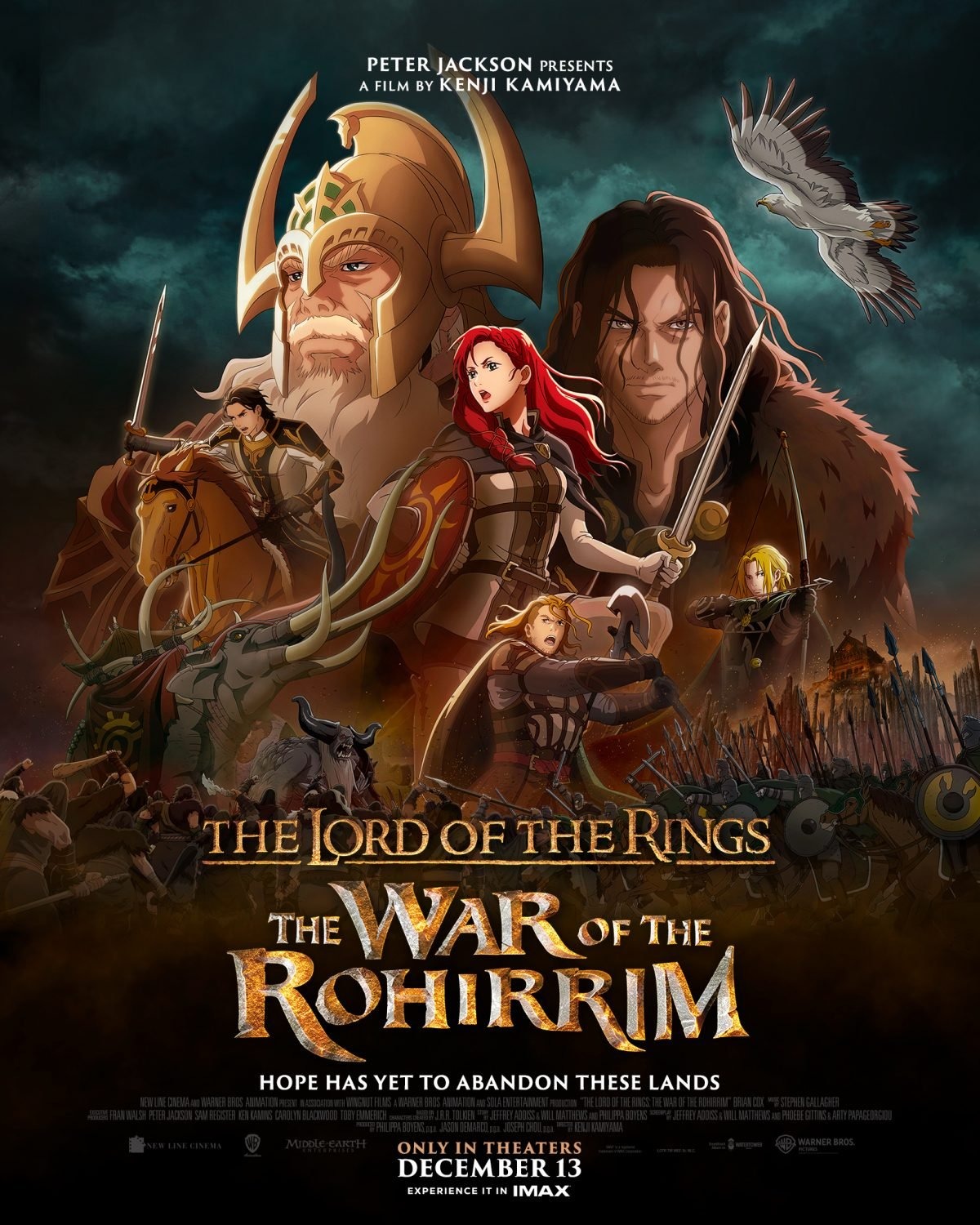
and, after I’ve seen it a second time, I’m sure that I’ll want to say more, but one point struck me immediately and I thought that others might find it interesting—or puzzling, as I did.
To begin with, I very much enjoy anime and have seen all sorts of examples, from the adventures of Cowboy Bebop

to the sad and beautiful adaptation of When Marnie was Here
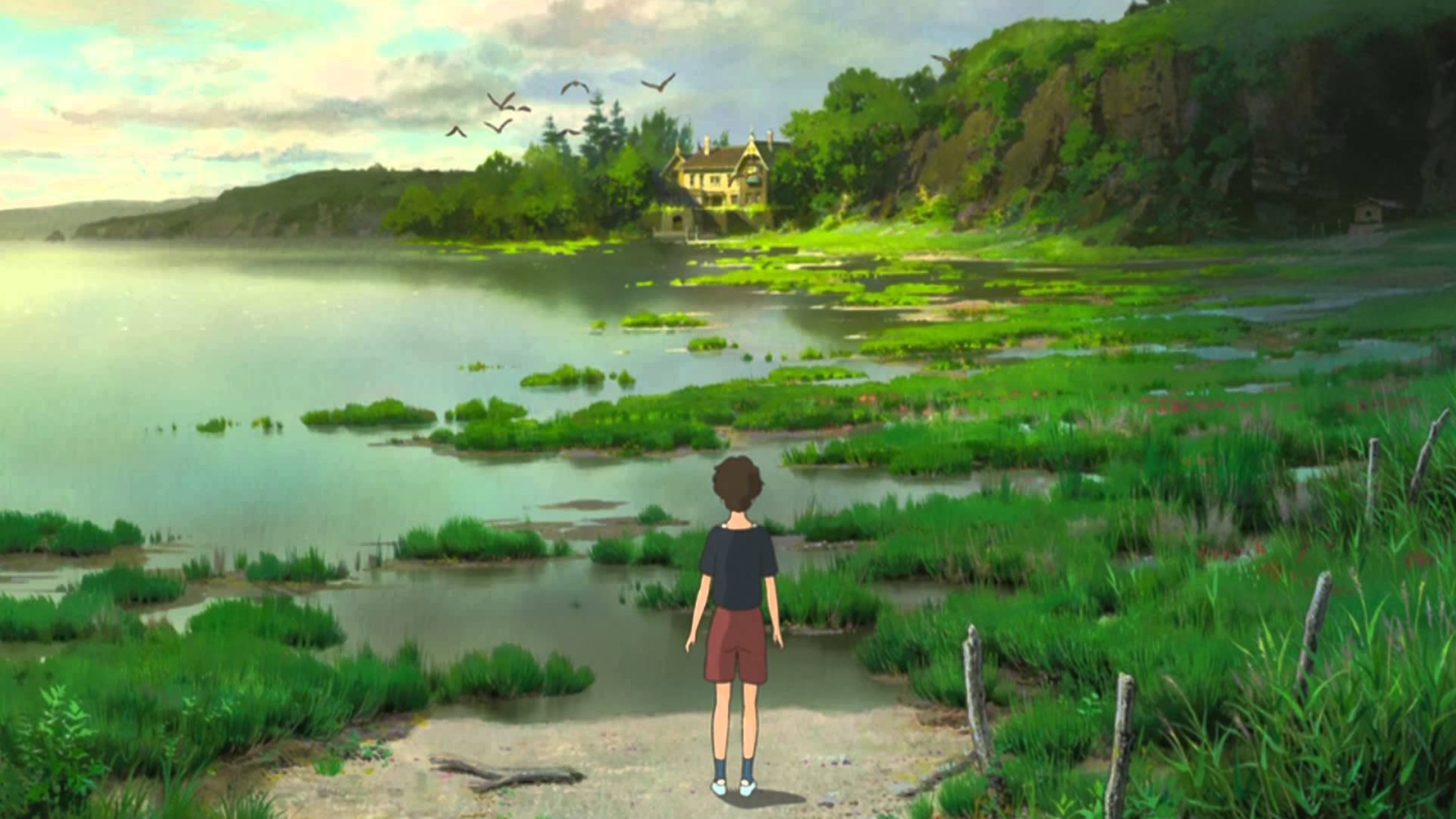
to the almost hallucinatory Mononoke.

My curiosity, then, was aroused to read that someone was making an anime-influenced film from section II, “The House of Eorl” of Appendix A of The Lord of the Rings, both because of the anime and because I’m always interested to see how different artists might imagine works with which I’m familiar.
Some years ago, for instance, a Russian artist, Sergey Yuhimov, had illustrated The Lord of the Rings in the style of Russian religious art, which was an intriguing idea. Here’s the death of Boromir, as an example–

(For more, see: https://www.openculture.com/2014/06/russian-illustrations-of-the-lord-of-the-rings-in-a-medieval-iconographic-style-1993.html )
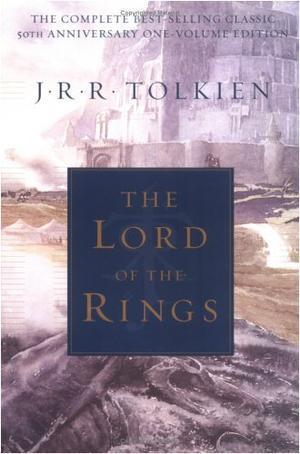
At the same time, I was a bit concerned about just what could be made of this material when there was so little of it—pages 1065-1067 in my 50th-anniversary edition of the book.
Remembering my dismay at “Azog”

and “Tauriel”
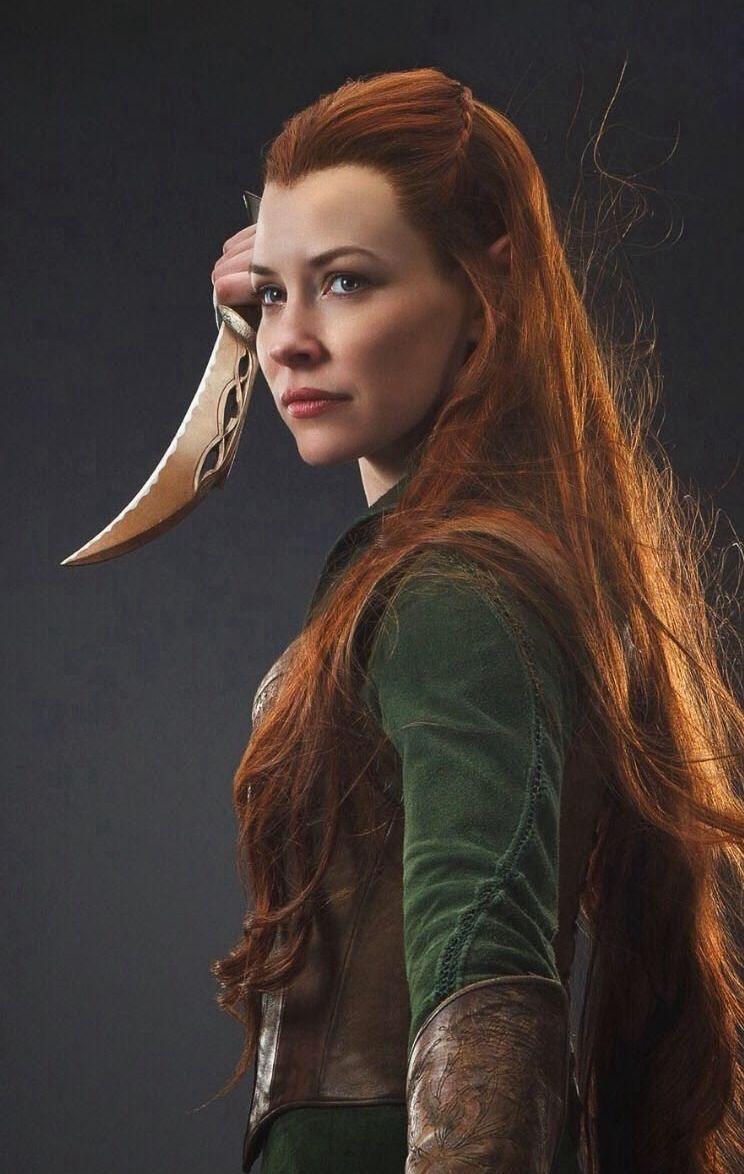
in P. Jackson’s The Hobbit, where there was plenty of original material with which to work, I wondered if this would this mean the appearance of a number of characters never devised—or intended—by the author? (for more on this see “A Fine Romance”, 15 February, 2023)
As I said, however, more on the film in general in a future posting, but for now I want to concentrate on a bit of geography.
Here’s a map of Rohan, the location of the film’s story

It’s divided into a couple of regions, their names based on Old English words—“Wold”, I’m presuming coming for “weald”, defined as “high land covered with wood”, which would be appropriate for land just outside Fangorn, “Emnet” from “emnett”, “a plain”—basically a level or flat area, and “Fold” from a word used in compounds, meaning “earth/land”. (See Bosworth & Toller’s Anglo-Saxon Dictionary here: https://bosworthtoller.com/ ) So, the central area, at least, is, at best, rolling, I would say, and we know, from the text, covered in grass:
“Turning back they saw across the River the far hills kindled. Day leaped into the sky. The red rim of the sun rose over the shoulders of the dark land. Before them in the West the world lay still, formless and grey; but even as they looked, the shadows of night melted, the colours of the waking earth returned: green flowed over the wide meads of Rohan…” (The Two Towers, Book Three, Chapter 2, “The Riders of Rohan”)
“Mead” is from Old English “maed”, “meadow” (itself from Old English “maedwe”, which Etymonline, from the OED, glosses as “low, level tract of land under grass; pasture” (for more, see: https://www.etymonline.com/search?q=meadow )
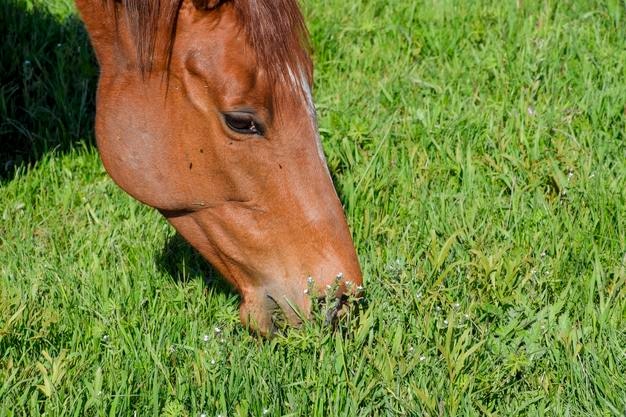
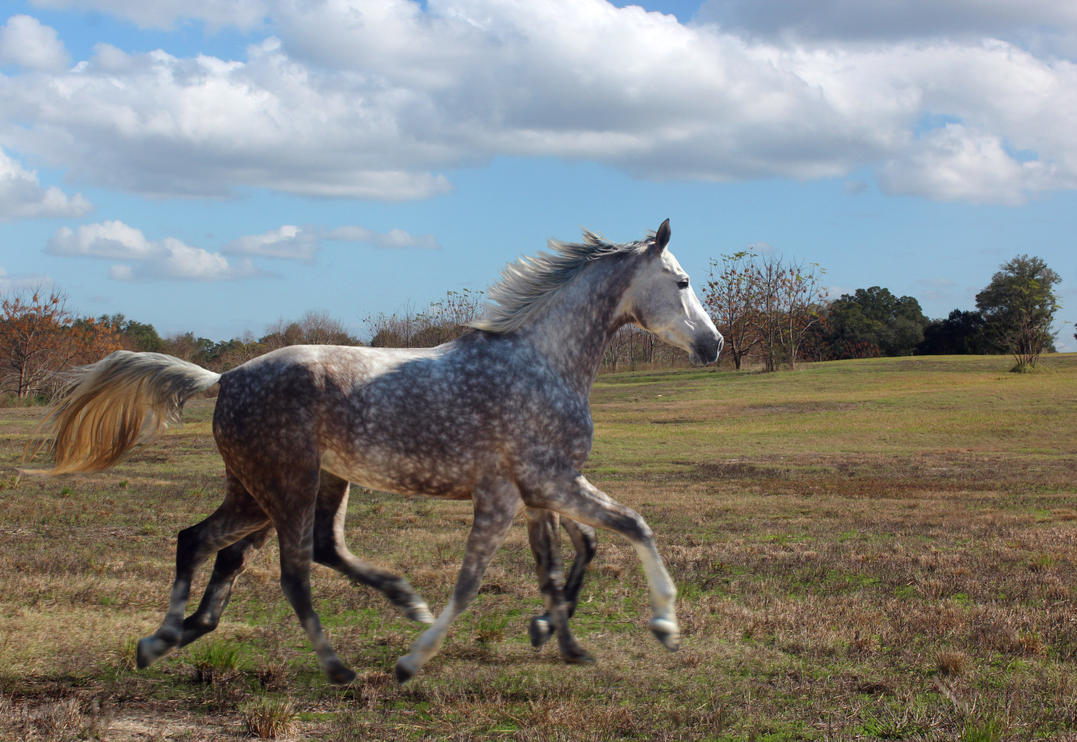
I’ve always imagined, then, something like this—

it being a perfect place for grazing for the herds of horses kept by the Rohirrim.

Unfortunately, New Zealand doesn’t appear to have such places and so Jackson, in his films, had to make do with this—

With those snowy mountains in the background, it makes an impressive scene, but it’s not really what JRRT had clearly—and rather beautifully–imagined.
I thought, however, that the makers of the new film would take advantage of the fact that, their landscape being anything which they could imagine and depict, and would restore to us Tolkien’s vision of the plains of Rohan as he described them.
Unfortunately, that’s not what happened: instead, the artists simply copied the Jackson look of the nearly-barren countryside, far from anything a horse people would delight in—
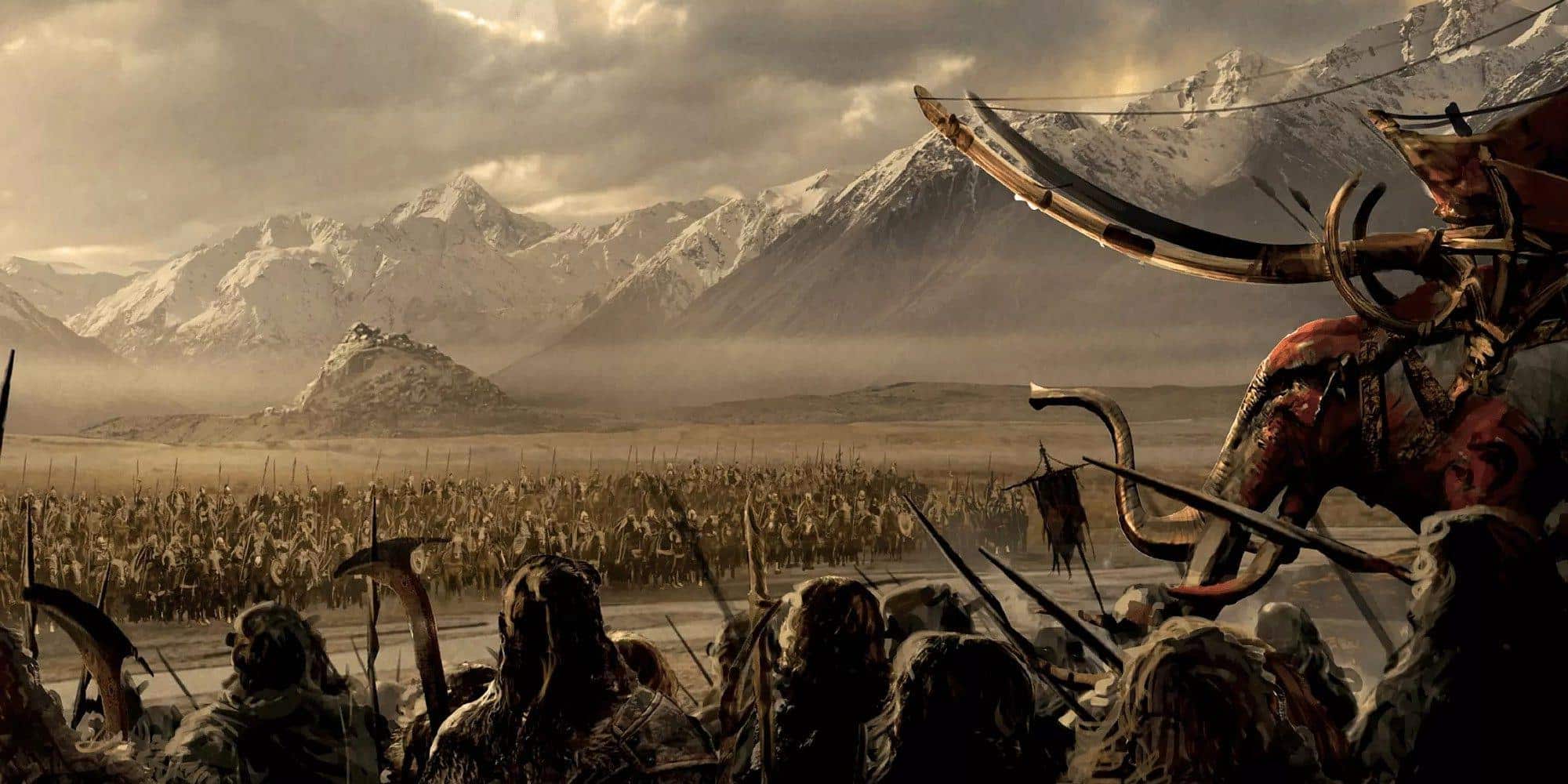
Why do this? The creators weren’t limited, as Jackson was, by the available landscape, and yet they simply followed what was already available on film, virtually down to the last detail.

Needless to say, I was disappointed, and it made me wonder what else I would see as the film progressed. But that’s for another posting.
Thanks for reading, as ever.
Stay well,
May you always seek green—but not greener– pastures,
And remember that, as always, there’s
MTCIDC
O
















 doubtfulsea