• About

doubtfulsea

~ adventure fantasy

Tag Archives: The War Of the Rohirrim

Towering

28 Wednesday Jan 2026

Posted by Ollamh in Uncategorized

≈ Leave a comment

Tags

battering ram, Fantasy, Helm's Deep, Helms Deep, Hera, Hornburg, mangonel, movies, siege, siege tower, sieges, The Lord of the Rings, The War Of the Rohirrim, Tolkien, trebuchet, undermining, Wulf

Welcome, as always, dear readers.

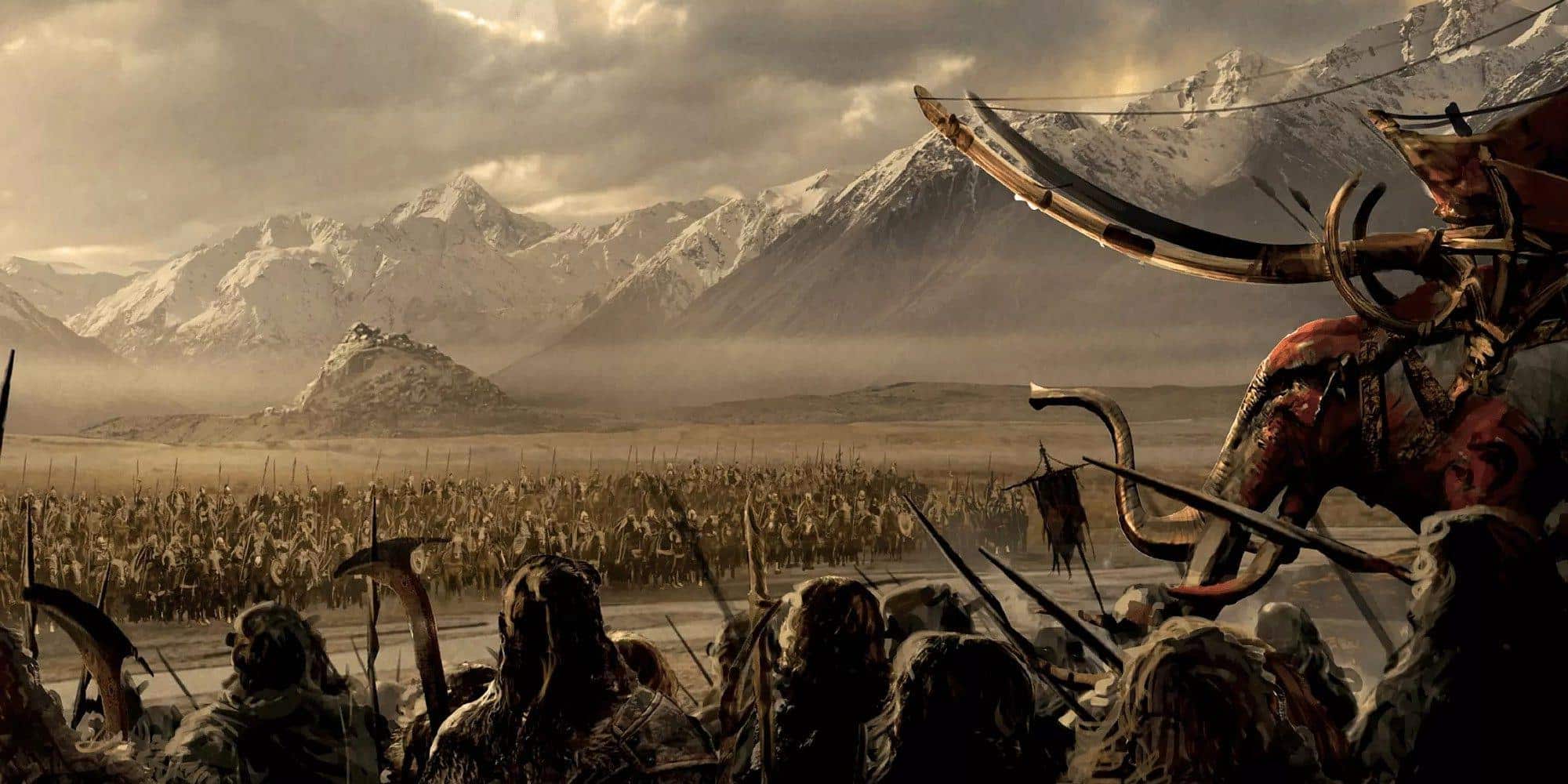
This is another in a short series of mini-reviews of The War of the Rohirrim, a film which I’ve now, as is my custom, seen several times before I review it.  It’s complex enough, I would say, to make it worth taking it apart and reviewing different sections/details–for another in the series, see:  Heffalumps? 31 December, 2025.  The previous review was about the introduction of a mumak into the story, for which there was no textual authority in the 2+ pages of the original in Appendix A of The Lord of the Rings and, on the same theme, I want to talk a little more about that earlier war.

If you were an ancient Roman
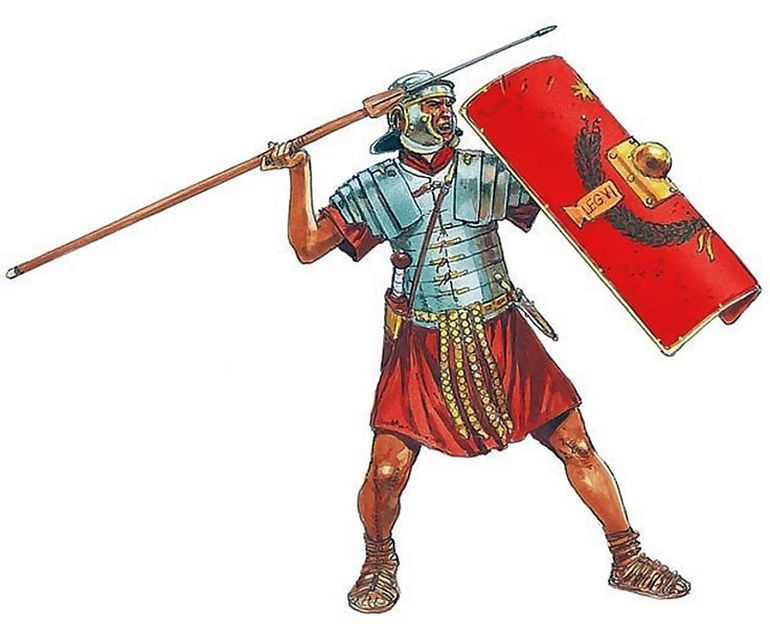
or medieval
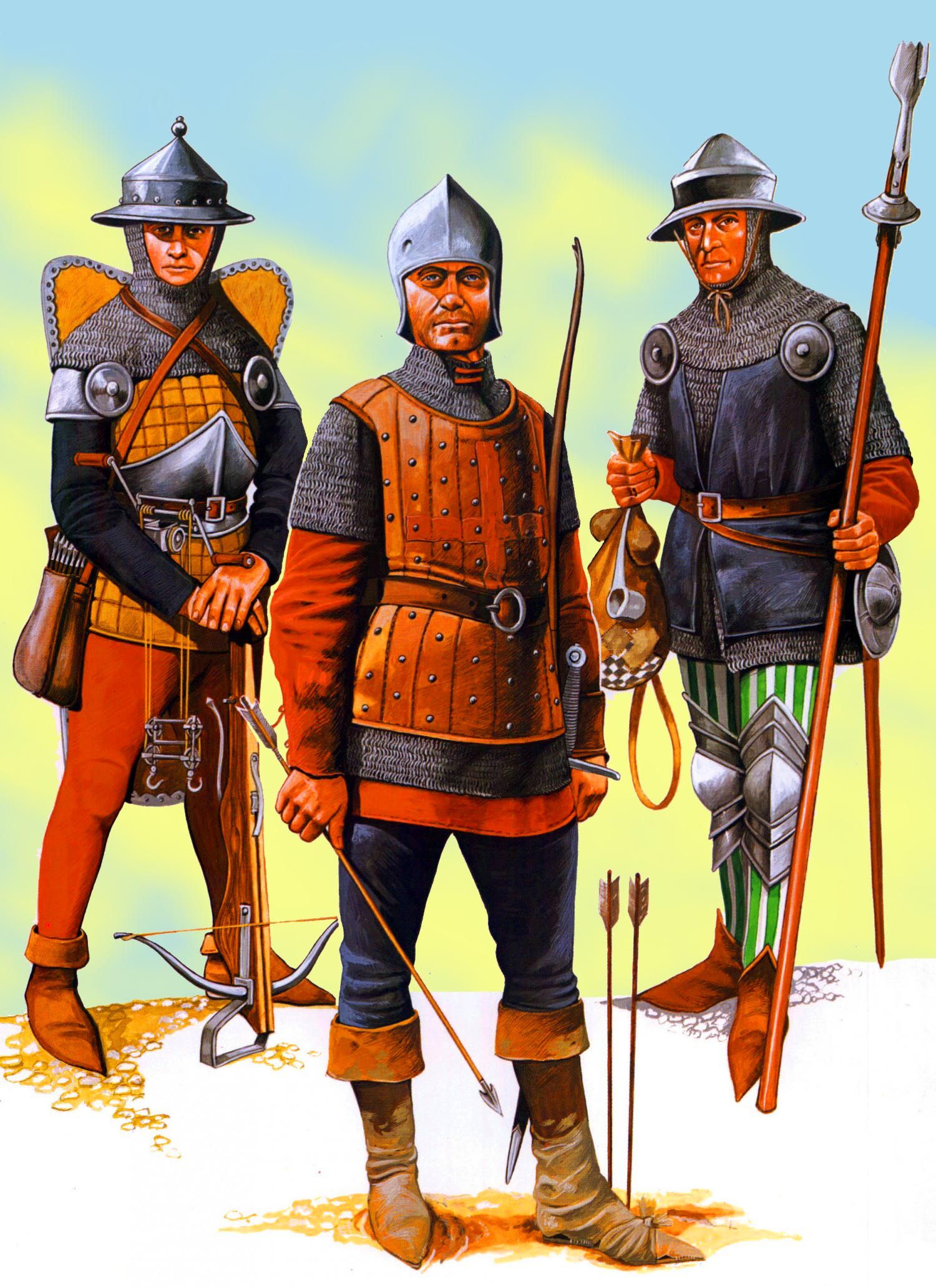
soldier, and you were faced with an enemy’s wall,
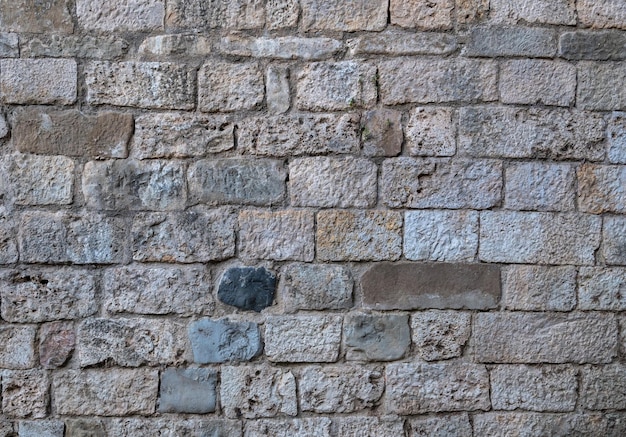
you would have a number of options.  The most dangerous would be to pick up a ladder and attempt to climb—an escalade–
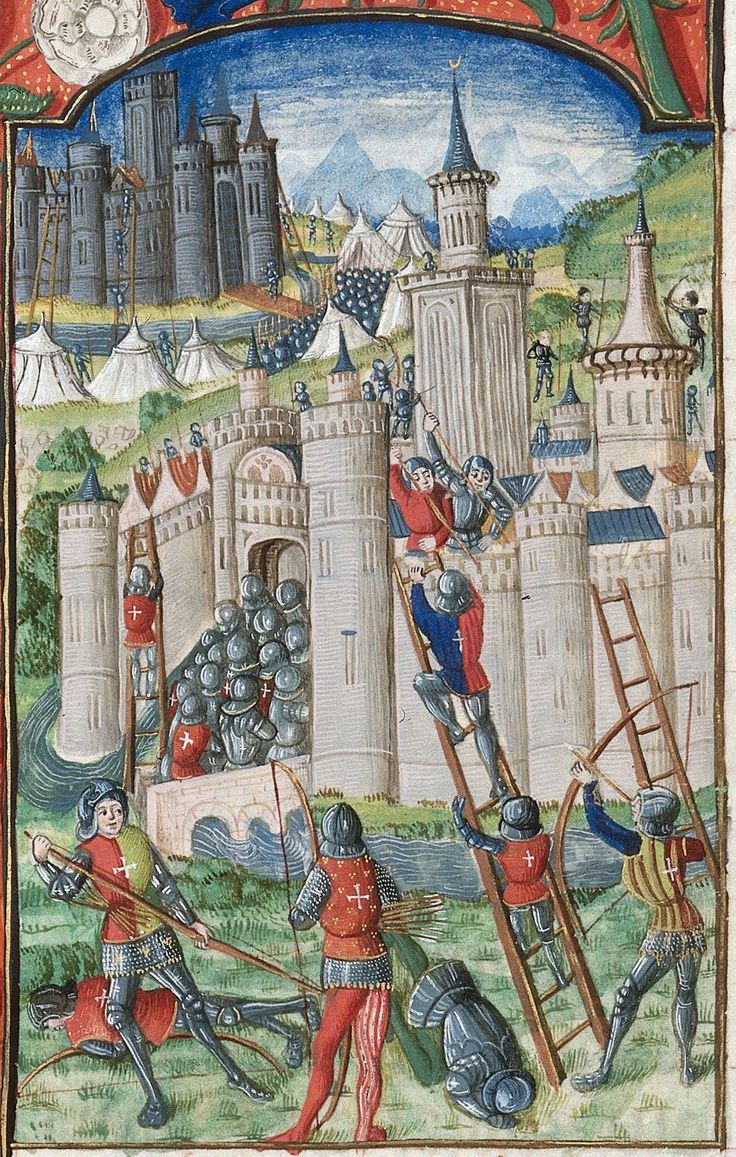
as, after all, high on a ladder, exposed to the enemy above you and, with men climbing below you making it difficult to climb down, you would be in a very awkward position—so perhaps other choices would be preferable?

One possibility would be to dig under.
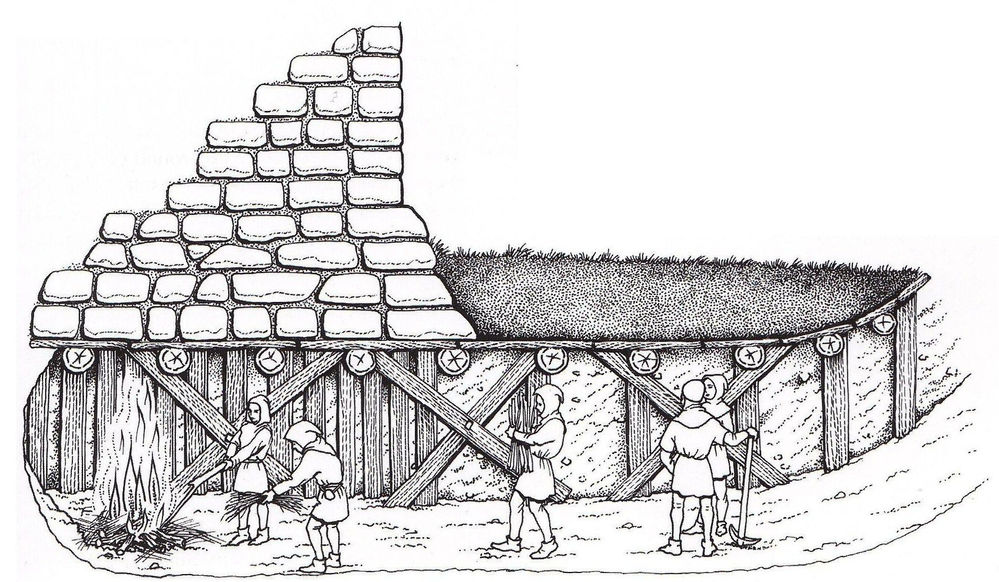
And here in this illustration we see two choices, really:

1. digging a tunnel all the way under the wall and popping out behind the defenders

2. undermining the wall:  cutting away the ground below the wall, substituting wooden props for the missing ground, then setting fire to the props so that the wall above, lacking support, would come crashing down (or so you would hope)  This worked at the siege of Rochester castle in AD1215, where it brought down a corner tower–
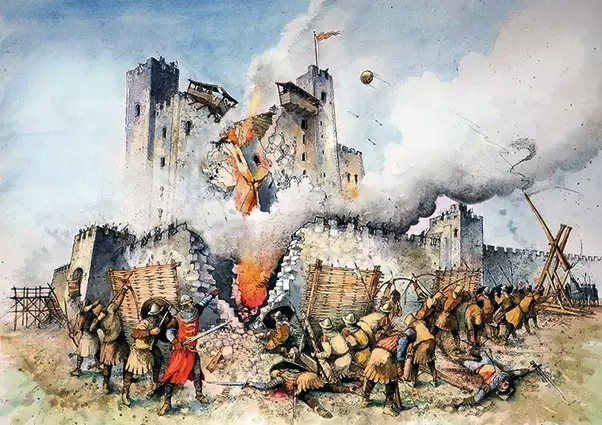
If, however, a wall had been built on a rocky base, as was sometimes the case, tunneling would not be a option.

Another choice:  try battering the wall with a ram (or the gates—often the weakest point)
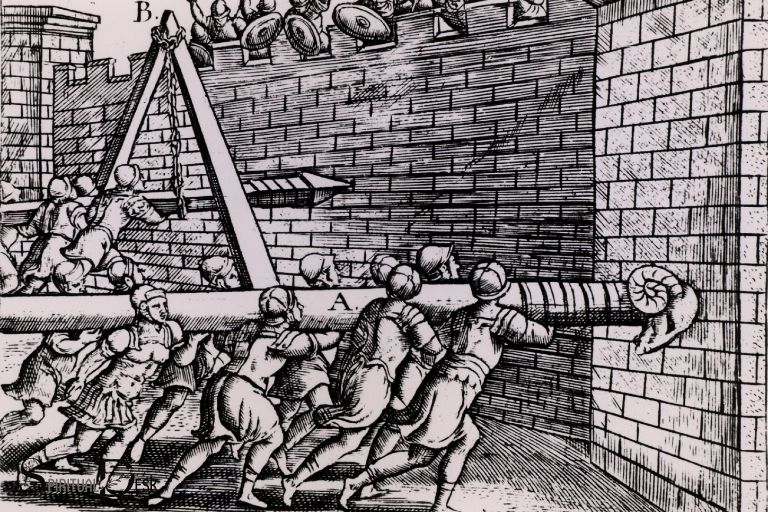
(Julius Caesar, in his commentaries on his campaigns in Gaul, used the image of battering to suggest that, although he was always inclined towards clemency, once one of his rams had touched an enemy’s town wall (in this case that of the Atuatuci) and those inside hadn’t surrendered–si prius quam murum aries attigisset se dedidissent—his clemency was at an end—and so was the town.  See Caesar De Bello Gallico, Book II, Chapter XXXII (32) for the quotation, either in Latin here:  https://www.thelatinlibrary.com/caesar/gall2.shtml or in English here:  https://classics.mit.edu/Caesar/gallic.2.2.html  Interesting to note that Caesar also describes the Roman use of a siege tower just before this—see Chapters XXX and XXXI.)
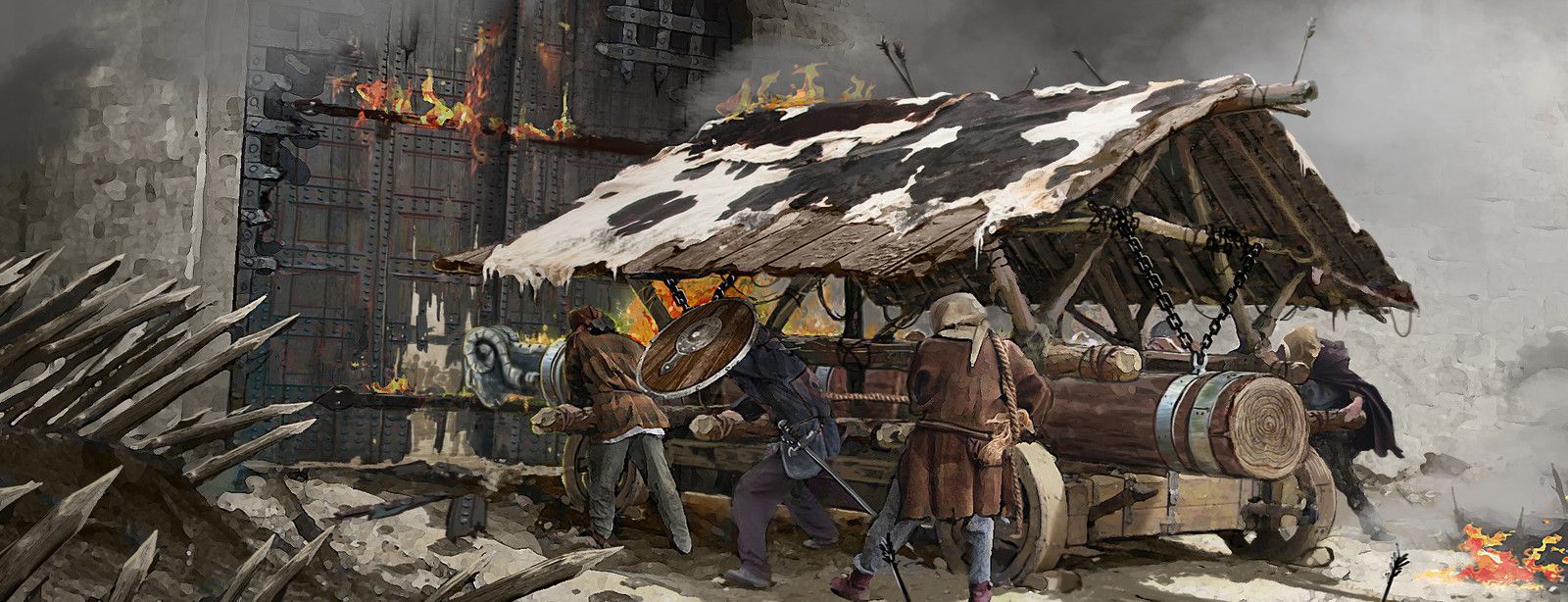
(Lincoln Renall—an artist who seems to be able to draw/paint anything—see more about his work here:  https://lincoln.artstation.com/ )

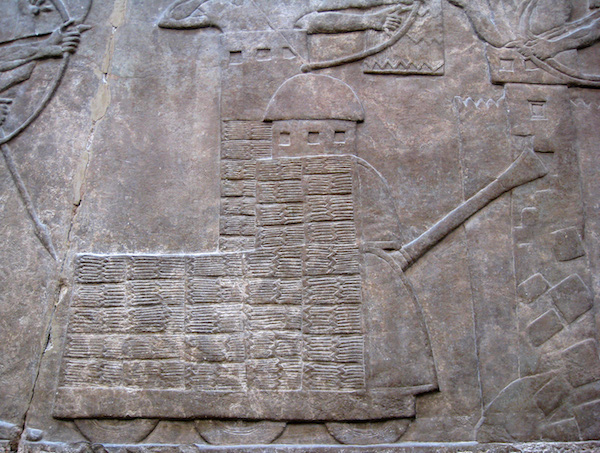
or, if the wall isn’t stone, but mud brick, try prying the wall apart—the ancient Assyrians even seem to have had a device dedicated to it (sometimes captioned as a “battering ram”, but it employed a kind of chisel, rather than a ram).
You might try a stone-thrower of some sort, gradually breaking down the wall from above, like this mangonel–
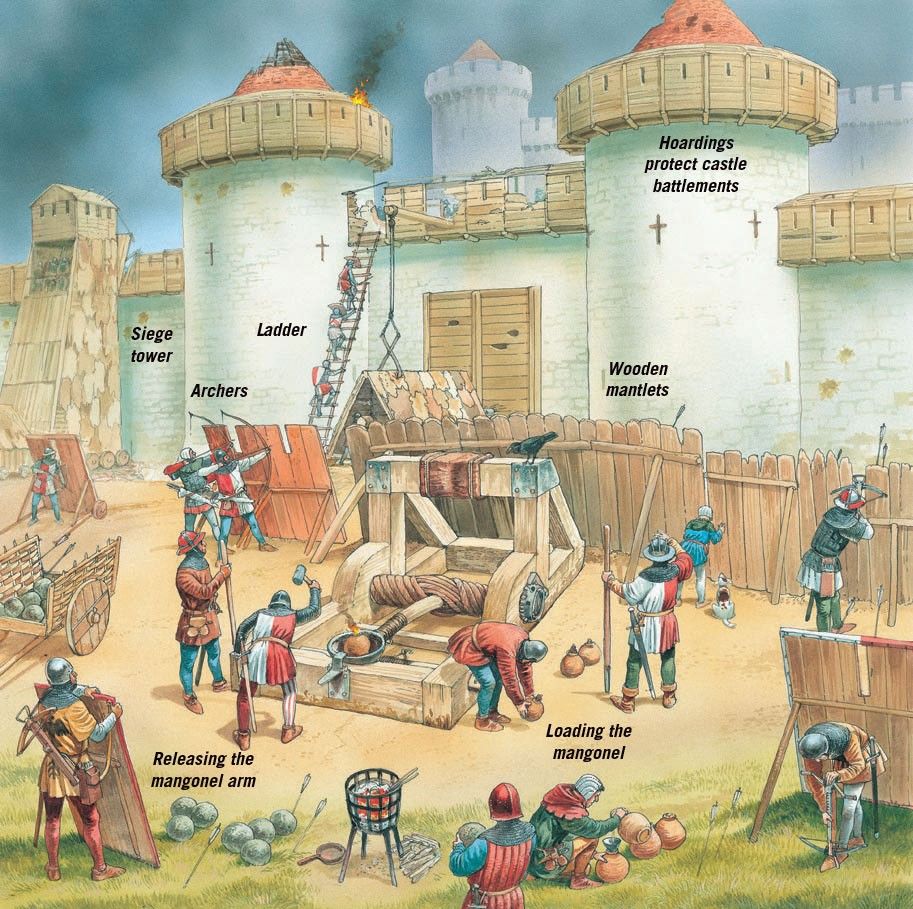
or its big brother, the trebuchet.
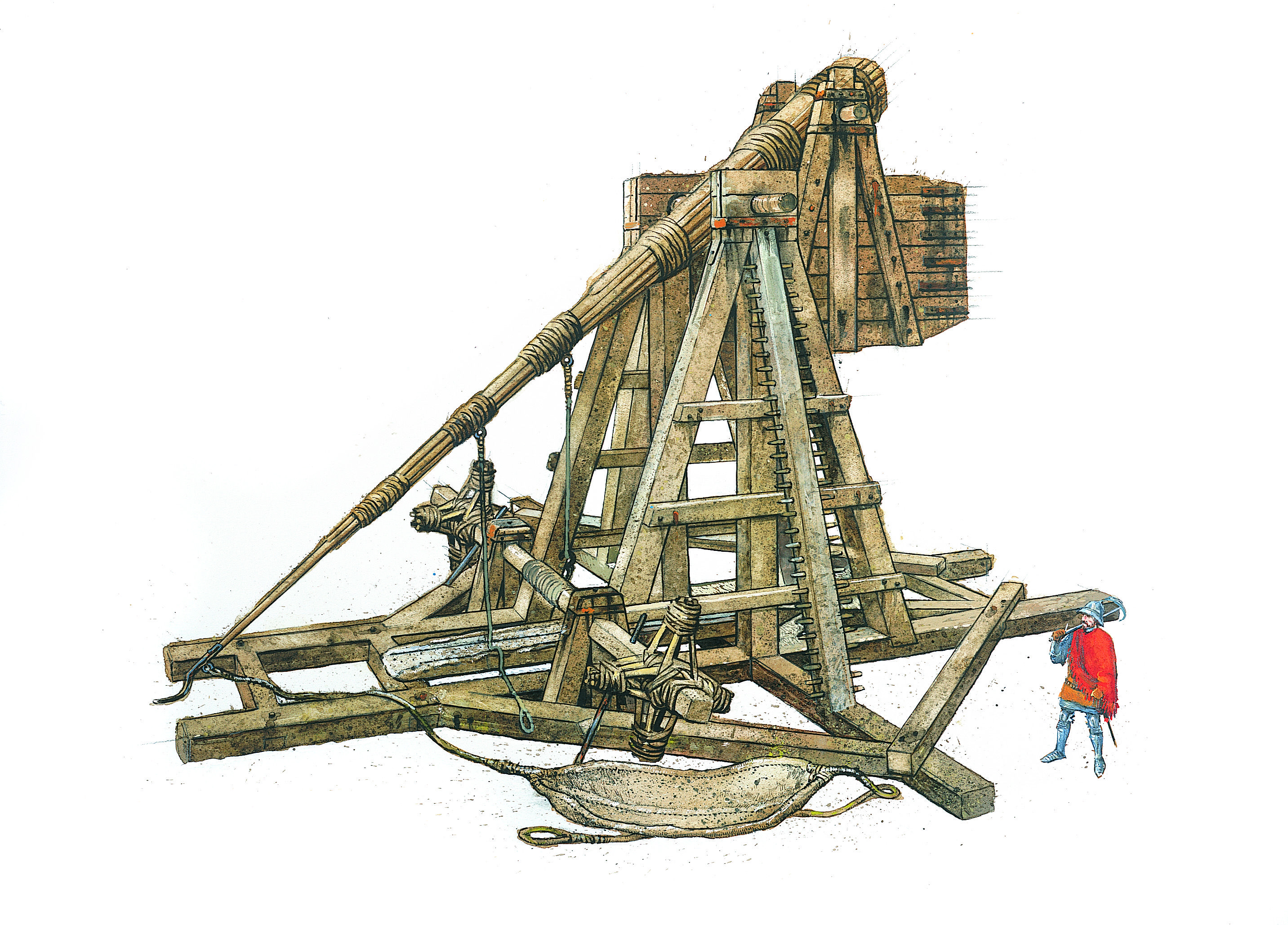
(for an interesting video on trebuchets and the damage they can do, see:  https://www.youtube.com/watch?v=QVO8VznqMeQ )

Then again, you could attempt to go over the wall with a siege tower, in what might be a safer manner than an escalade .
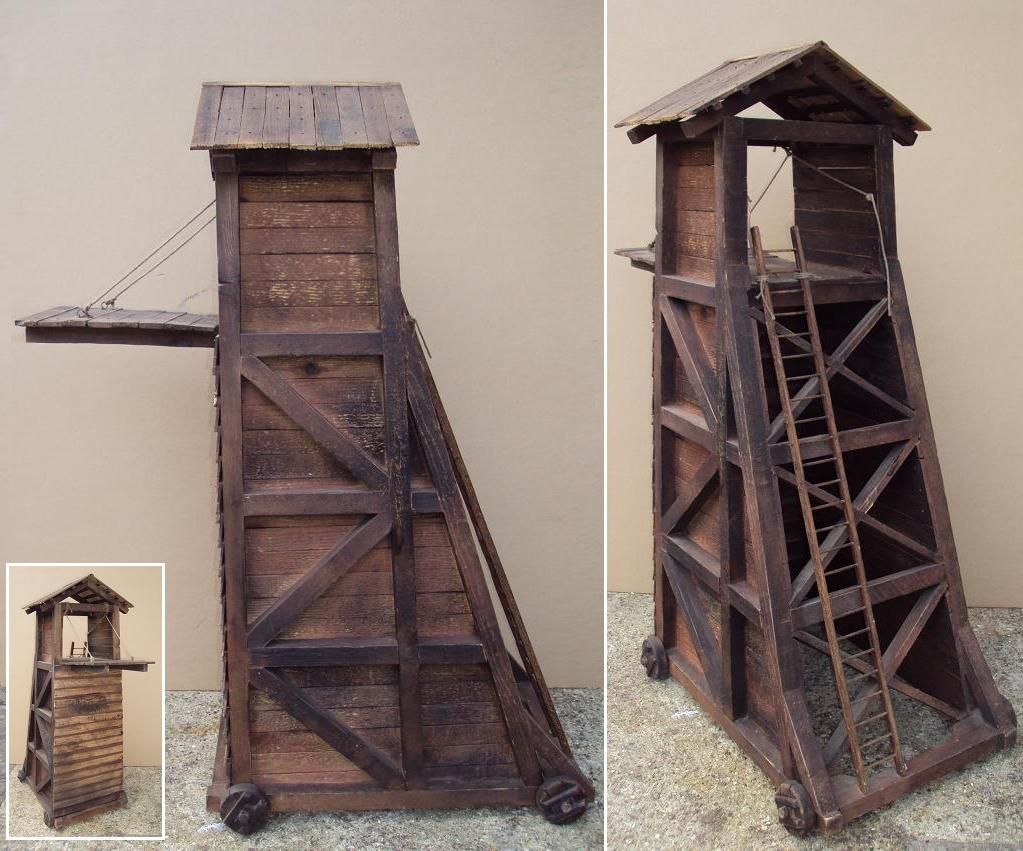
This is a machine made of wood, placed on rollers, built to approach a wall, but to be a little higher and, when it reaches the wall, a drawbridge is dropped and you and your companions rush across it, over the wall, and onto the walkway behind it, where, if your plan works, you then deal with the enemy soldiers there and move towards opening a gate below.  Instead of climbing on a totally exposed ladder set against a hostile wall, then, you will climb on a ladder protected by the tower, safe until you reach that drawbridge.  To  further insure the attackers’ safety, the tower has to be rolled as close to the wall as possible and the drawbridge has to fall onto the wall so that the assault team (you) won’t be vulnerable for long in passing from the tower to the walkway, although, after that, you’re on your own.  (The Atuatuci in Caesar’s narrative, first spot the tower from a distance and make fun of it, laughing at the idea that the Romans would build such a big thing so far away—until the Romans begin to move it closer and they stop laughing and talk surrender.)
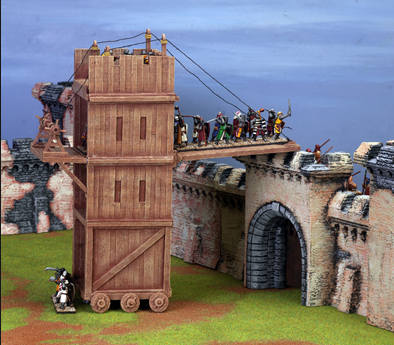
We hear of such towers at the siege of Minas Tirith:

“Then perceiving that the valour of the city was already beaten down, the hidden Captain put forth his strength.  Slowly the great siege-towers built in Osgiliath rolled forward through the dark.”  (The Return of the King, Book Five, Chapter 4, “The Siege of Gondor”)
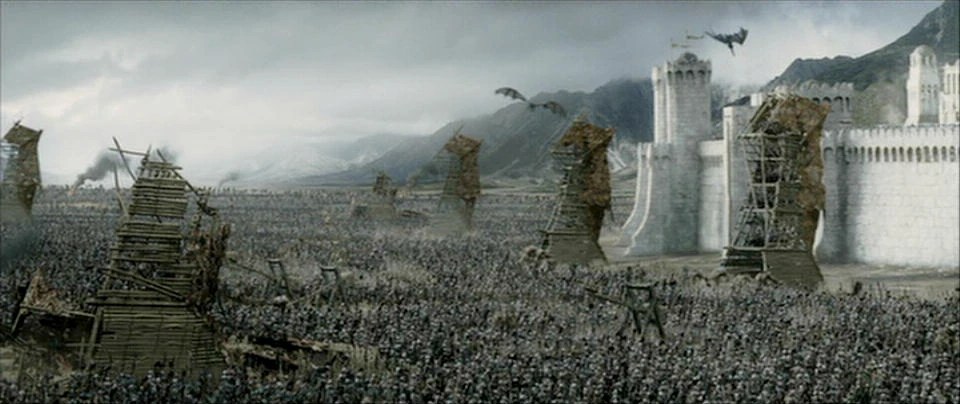
Saruman’s forces at the siege of Helm’s Deep don’t appear to use them, however, having only ladders,
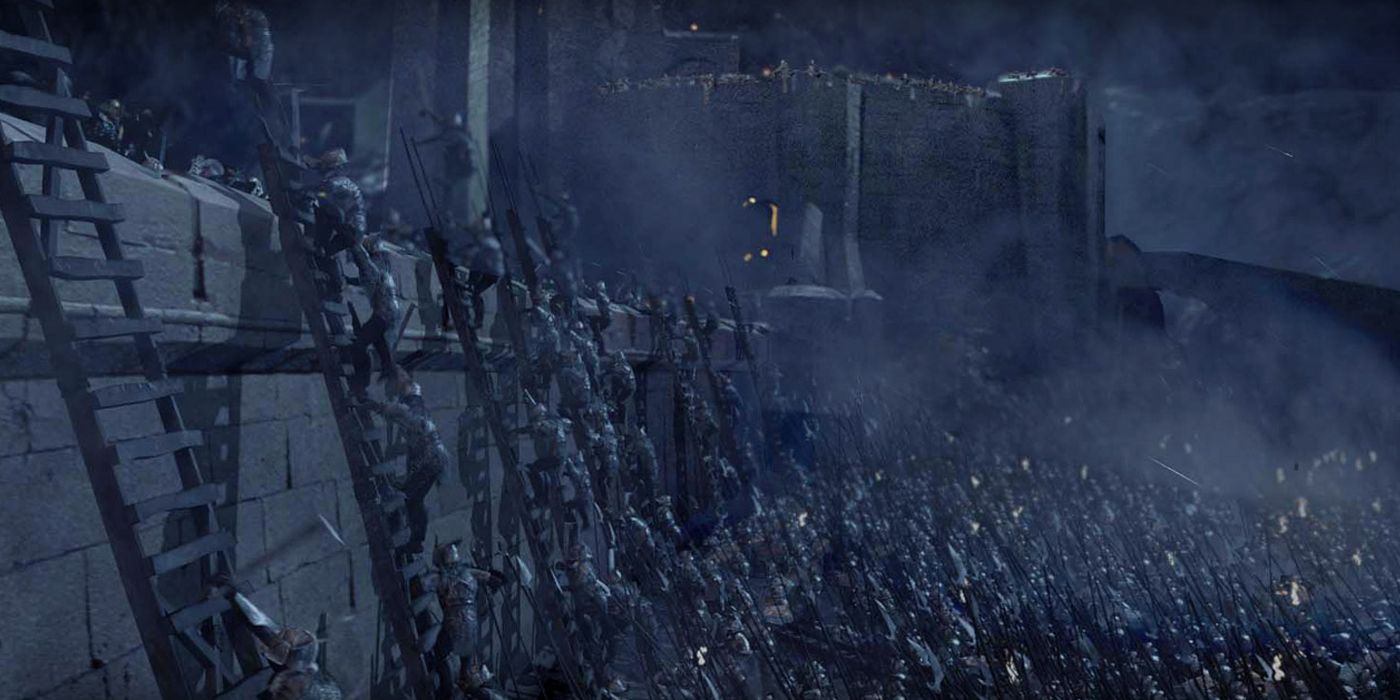
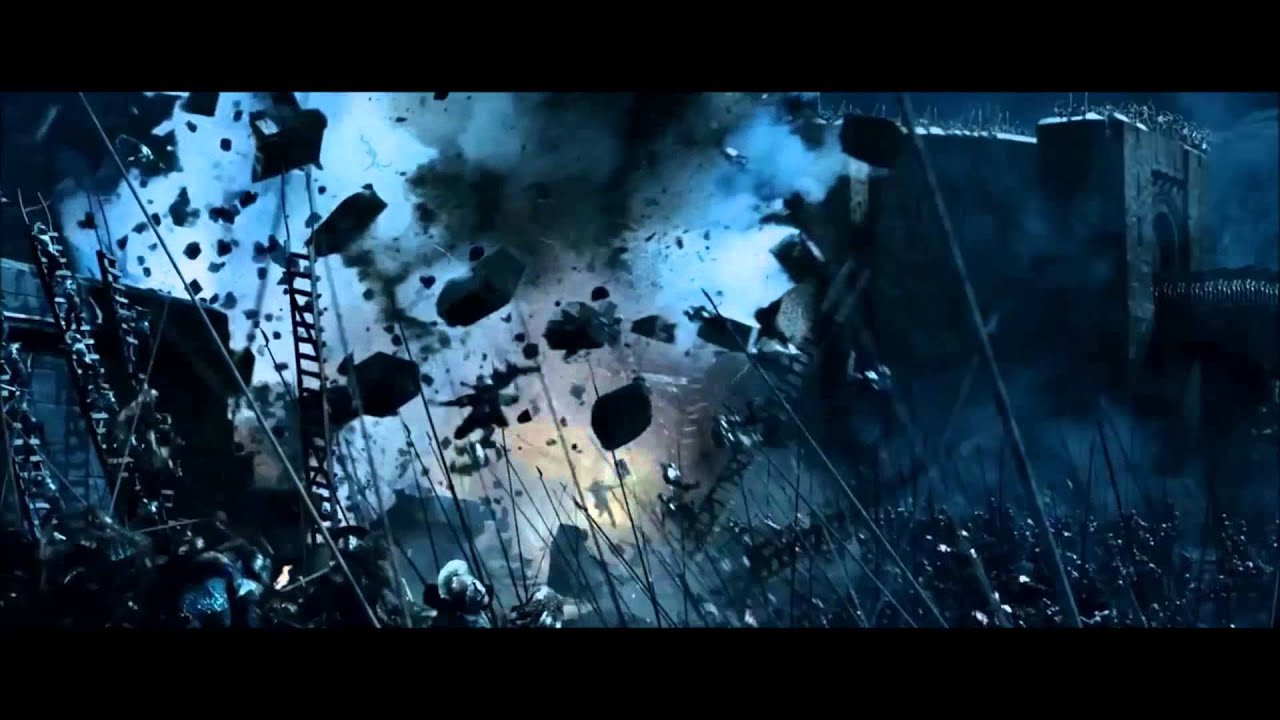
but of course they also have early gunpowder, or something like it.
At the earlier attack on Helm’s Deep, almost 200 years before, as realized in 2024’s The War of the Rohirrim, we see an earlier use of a siege tower.  And here, as in the case of the mumak, this was created by the screen writers—there’s no mention of such a device in the brief summary of that earlier war which appears in The Lord of the Rings.  (See The Lord of the Rings, Appendix A, II “The House of Eorl”)  The siege of Helm’s Deep went through a long winter (“November to March, 2758-9” says the text), but says nothing at all about anything but a kind of standoff, in which Rohan’s enemies lay outside the Hornburg  and “Both the Rohirrim and their foes suffered grievously in the cold, and in the dearth which lasted longer.”  And it lasted until:

“Soon after the winter broke.  Then Frealaf, son of Hild, Helm’s sister, came down out of Dunharrow, to which many had fled, and with a small company of desperate men surprised Wulf in Meduseld and slew him, and regained Edoras.  There were great floods after the snows, and the vale of Entwash became a vast fen.  The Eastern invaders perished or withdrew and there came help at last from Gondor…Before the year (2759) was ended the Dunlendings were driven out, even from Isengard, and Frealaf became king.” (The Lord of the Rings, Appendix A, II “The House of Eorl”)

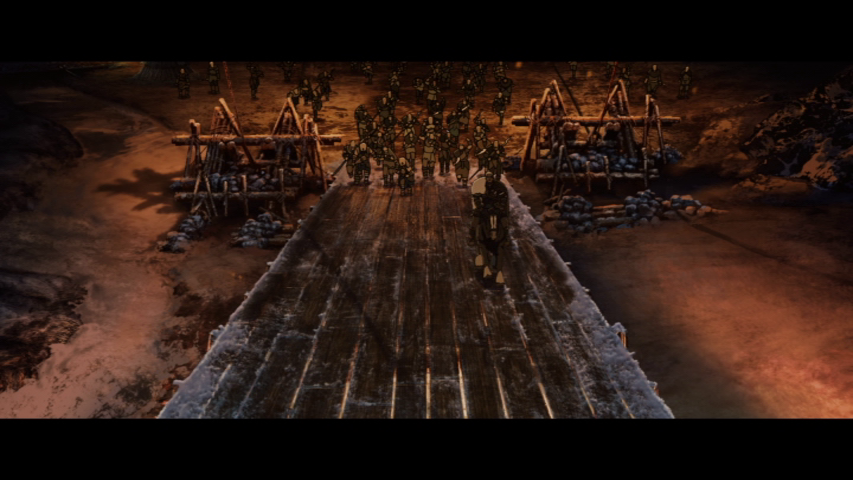
The film, however, has the siege continue while Wulf, the antagonist, commands the building of that siege tower—
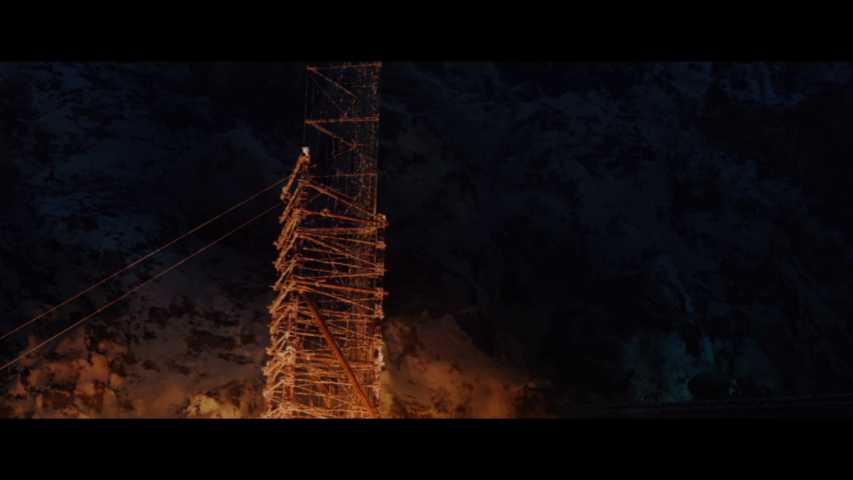
(I apologize for the somewhat dim image—it’s a screen capture from the film, the best I can provide as this whole scene is very dark in the film.)

And the tower, as depicted, is hardly something of the sort created by Roman or medieval siege engineers, being tall and spindly—rickety might also be a useful term—with no protection at all for those inside.  In fact, it is built in place, rather than rolled up to the wall, so that, when finished, it needs an enormously long drawbridge which it seems like the entire besieging army then attempts to cross at once, including horses—something no ancient or medieval soldier would do, as, first, the bridge might not be able to take such weight and movement and, second, the watching enemy would fill such a mass of men and horses full of arrows before it could even cross to the wall.
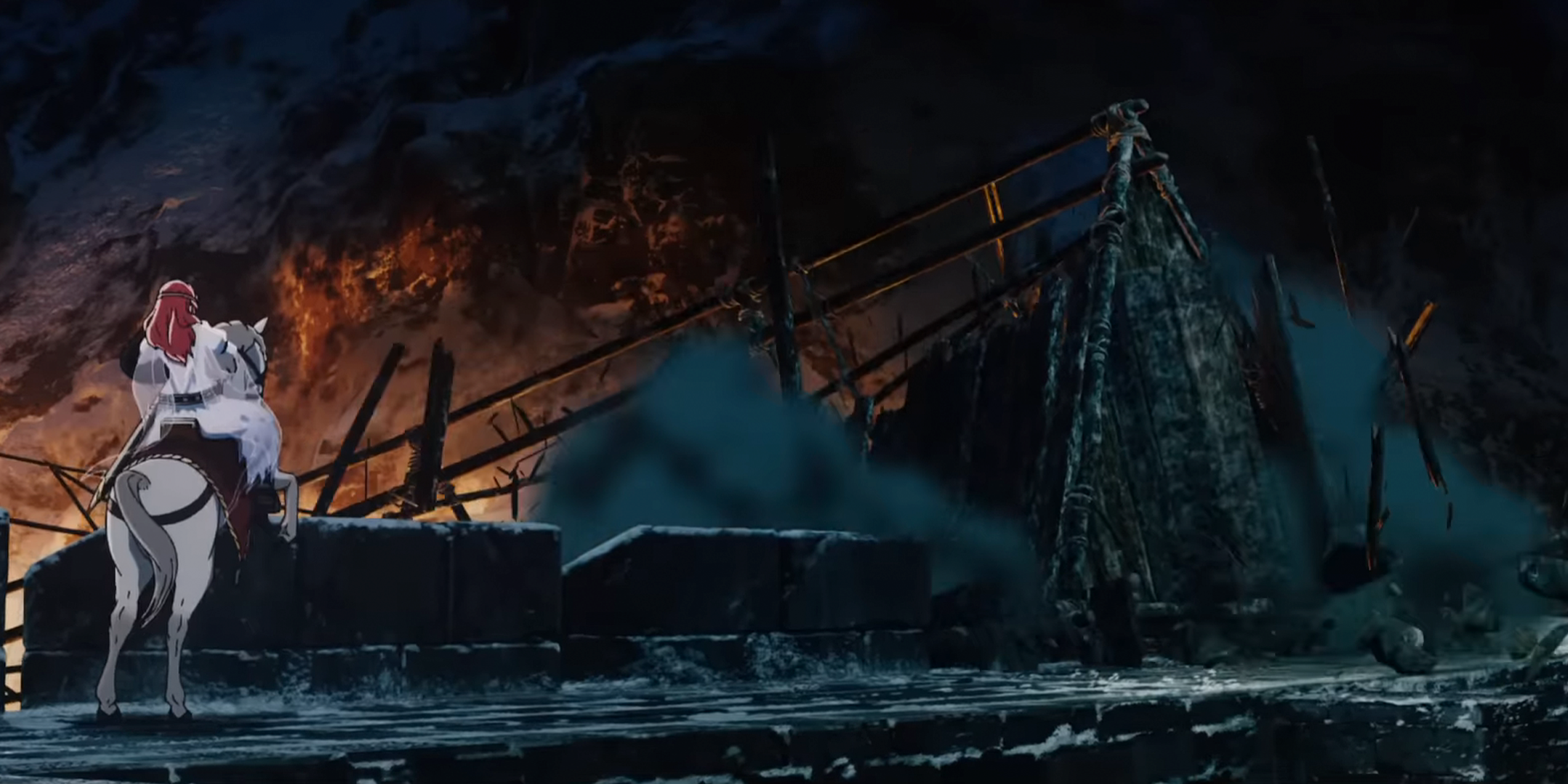
“Hera”, the protagonist, then confronts Wulf at first on that very drawbridge—and on horseback—
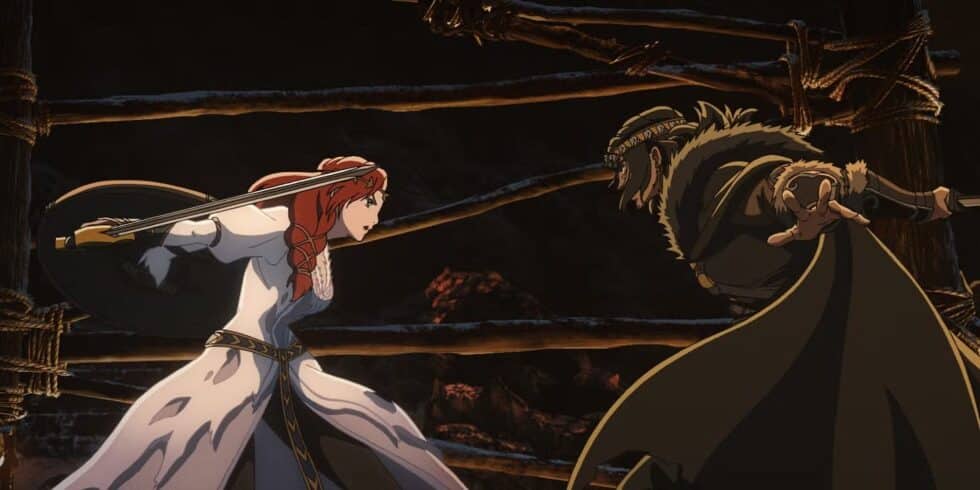
before finally killing him, rather improbably, with a shield, before standing back to see the besiegers fleeing from her cousin, Frealaf, coming like the cavalry in an old western.
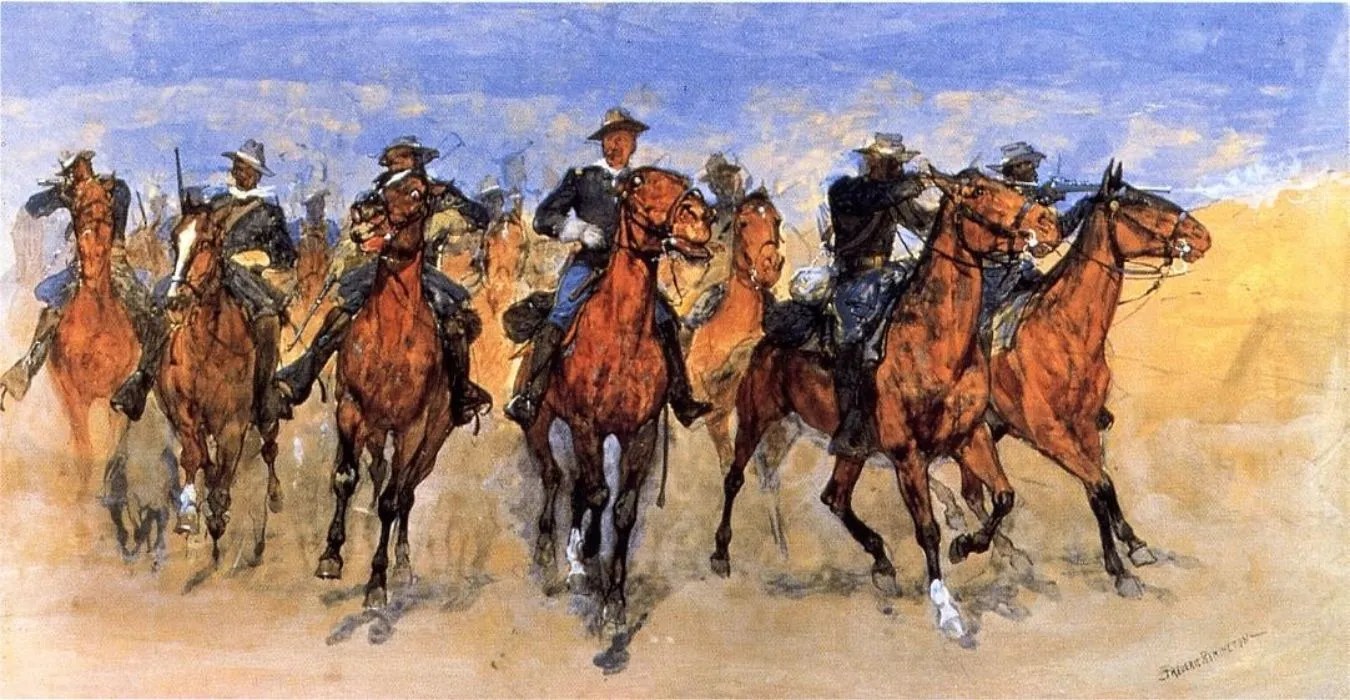
(Frederick Remington)

As I’ve said before, I have nothing but praise for the hard work in making such a film, but look at what the script writers have done to Tolkien’s short text:

1. they employ a heroine plus several supporting characters, none of whom appears in JRRT’s text,

2. who then kills the main antagonist (who appears at the siege in the film when JRRT says that he’s back in Meduseld and is killed there)

3. after he attempts an assault via an impossible tower not mentioned in the narrative which Tolkien published.

As always, I approach films and books believing that those who create them are not out to cheat us, but to provide genuine entertainment and do so after long, hard labor, which clearly The War of the Rohirrim was.  At the same time, I wonder about the honesty of making so many changes and additions to a text, then attaching it to the work of an author who, long dead, had no say in what was done and, in fact, had very strong feelings about others making changes to his work.  With so many changes, it feels more like fan fiction, than the original, and, while I think fan fiction, if well-meaning, is a good tool for learning how to write, no one doing so should then attach the original author’s name to it.  All one has to read are Tolkien’s comments on an earlier attempt at filming his work (see his letter to Forrest J. Ackerman, June, 1958, in Letters, 389-397 ) to imagine what Tolkien would say and the best I can say is that he would be both puzzled and probably very unhappy.

Thanks, as ever, for reading.

Stay well,

If not rickety towers, at least avoid rickety bridges,
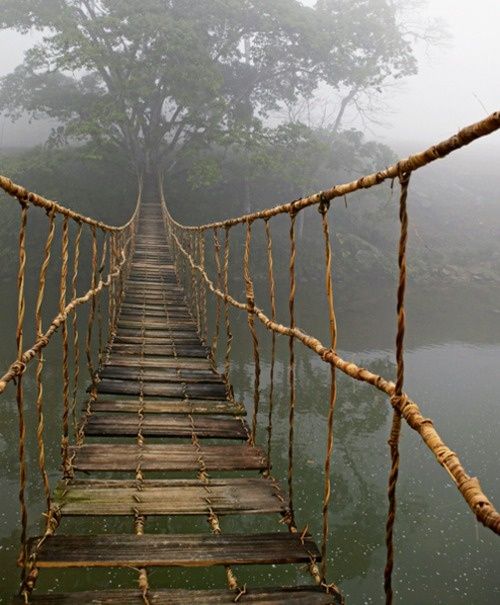
And know that, as always, there’s

MTCDIC

O
Heffalumps?

31 Wednesday Dec 2025

Posted by Ollamh in Uncategorized

≈ Leave a comment

Tags

Alexander, Dunlendings, elephant, Fantasy, Hannibal, Heffalumps, movies, Mumak, Perseus, Poros, Seleucus, The Lord of the Rings, The War Of the Rohirrim, the-war-of-the-rohrrim, Tolkien, Winnie the Pooh

Welcome, as always, dear readers.

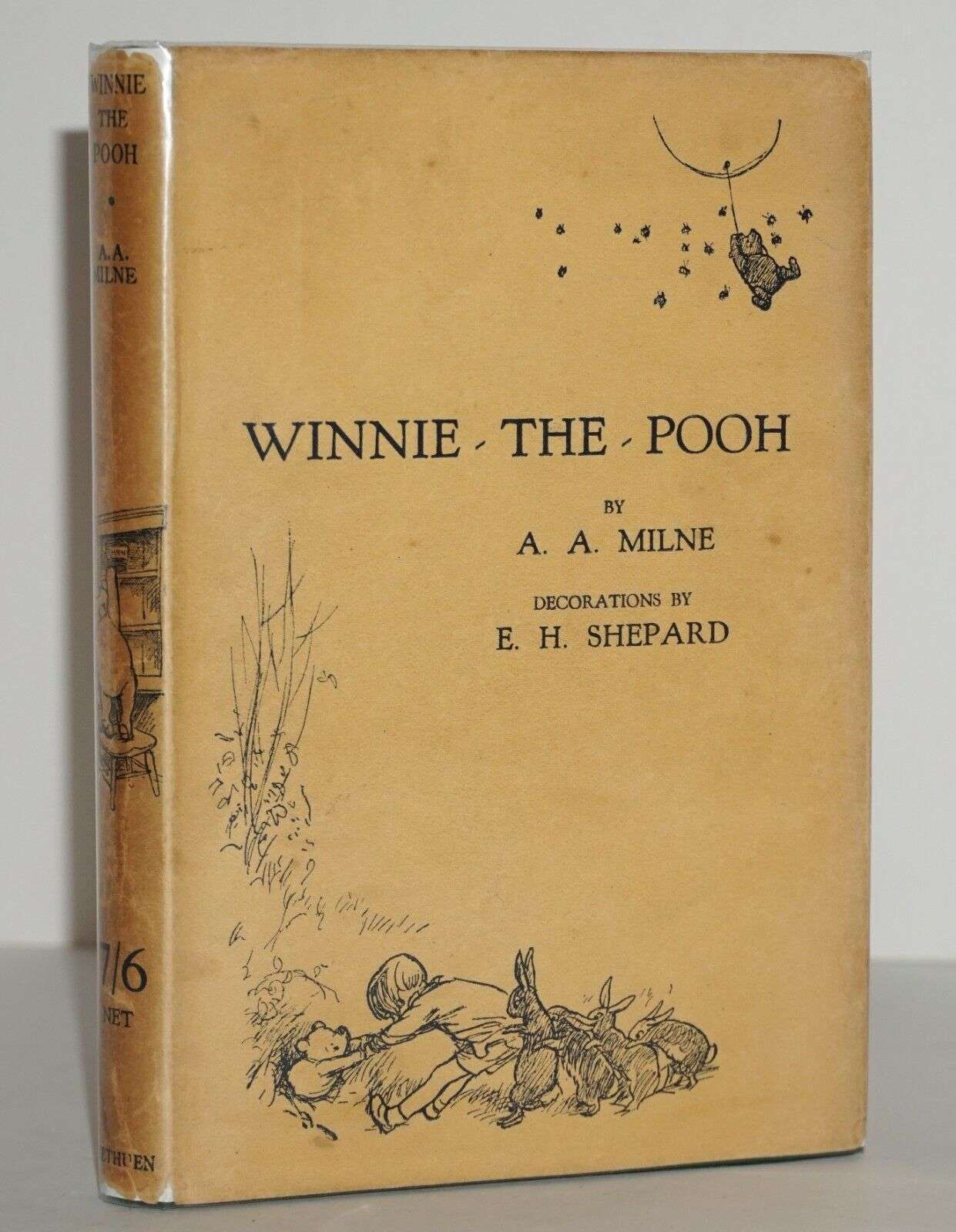
“And then, just as they came to the Six Pine Trees, Pooh looked round to see that nobody else was listening, and said in a very solemn voice:

‘Piglet, I have decided something.’

‘What have you decided, Pooh?’

‘I have decided to catch a Heffalump.’ ” (Winnie-the-Pooh, Chapter V, “In Which Piglet Meets a Heffalump”)

Winnie-the-Pooh has just turned 100,

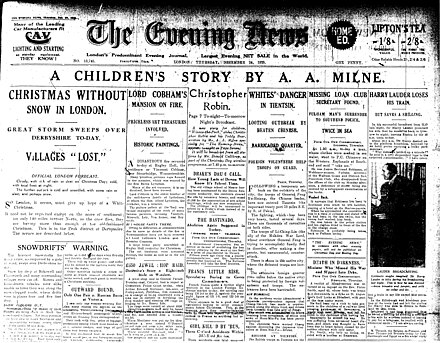
the book’s birthday being in1926, but the Pooh himself first appeared on Christmas eve, 1925, in the The Evening News.

(For more Poohsiana, including the origins of the character, see:  https://en.wikipedia.org/wiki/Winnie-the-Pooh )

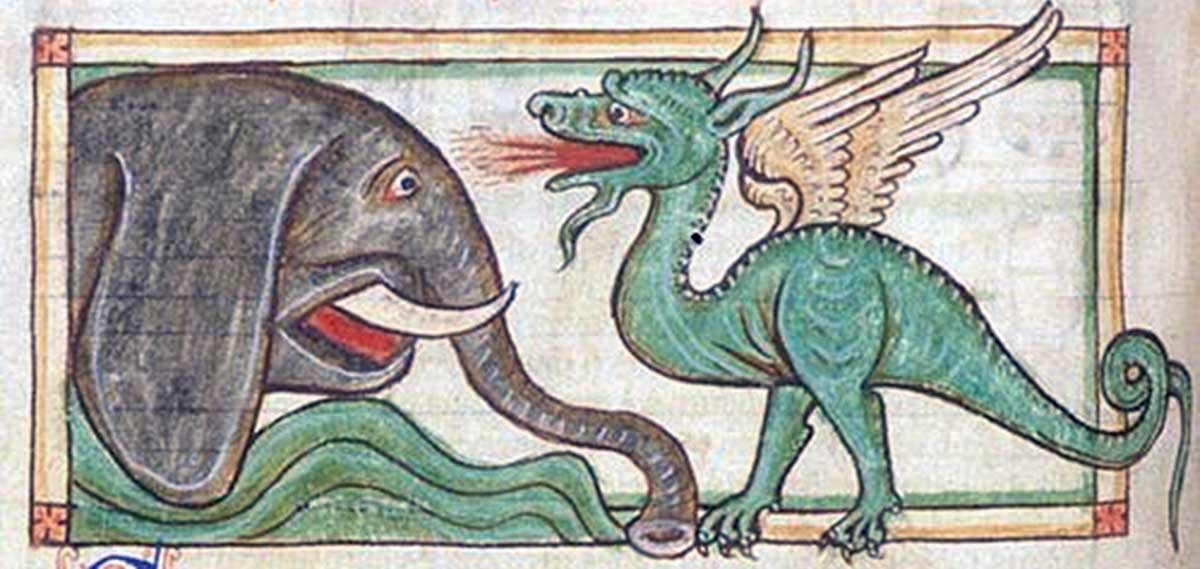
Although it’s never defined, from the tone of the chapter, I’ve always imagined that a “heffalump” was, in fact, an elephant. 

(An elephant and a tradional mortal enemy.  This is from the 13th-century Harley MS 3244, in the British Library, which I found at a wonderful medieval site:  https://medievalbestiary.info/index.html  )

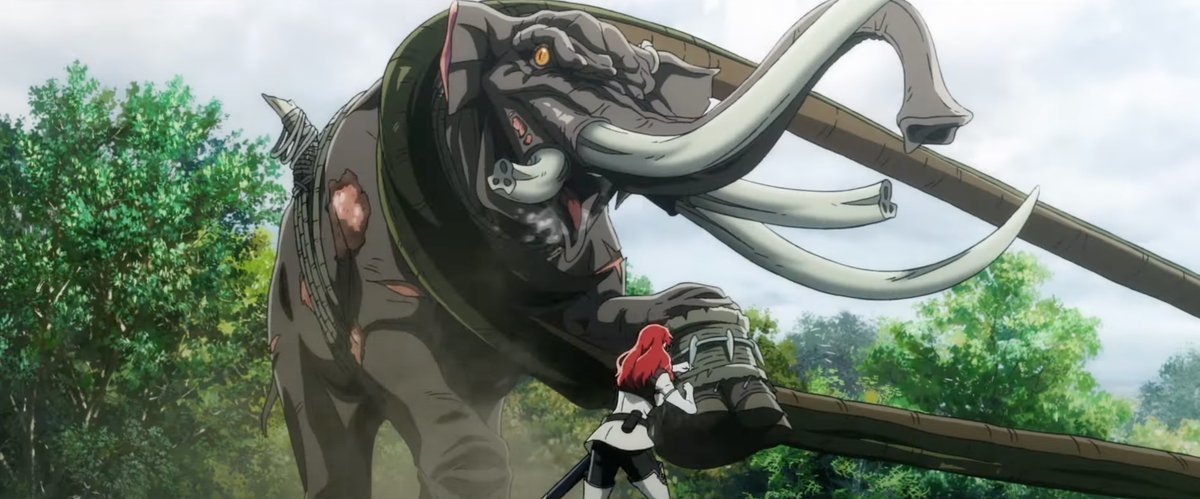
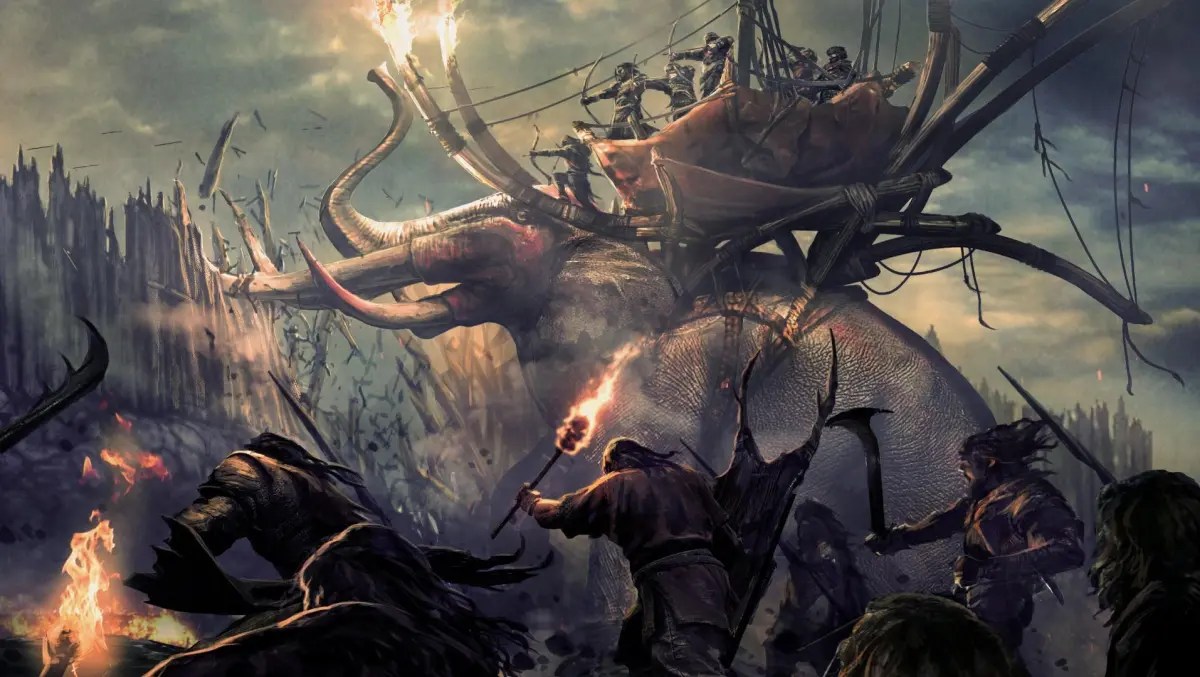
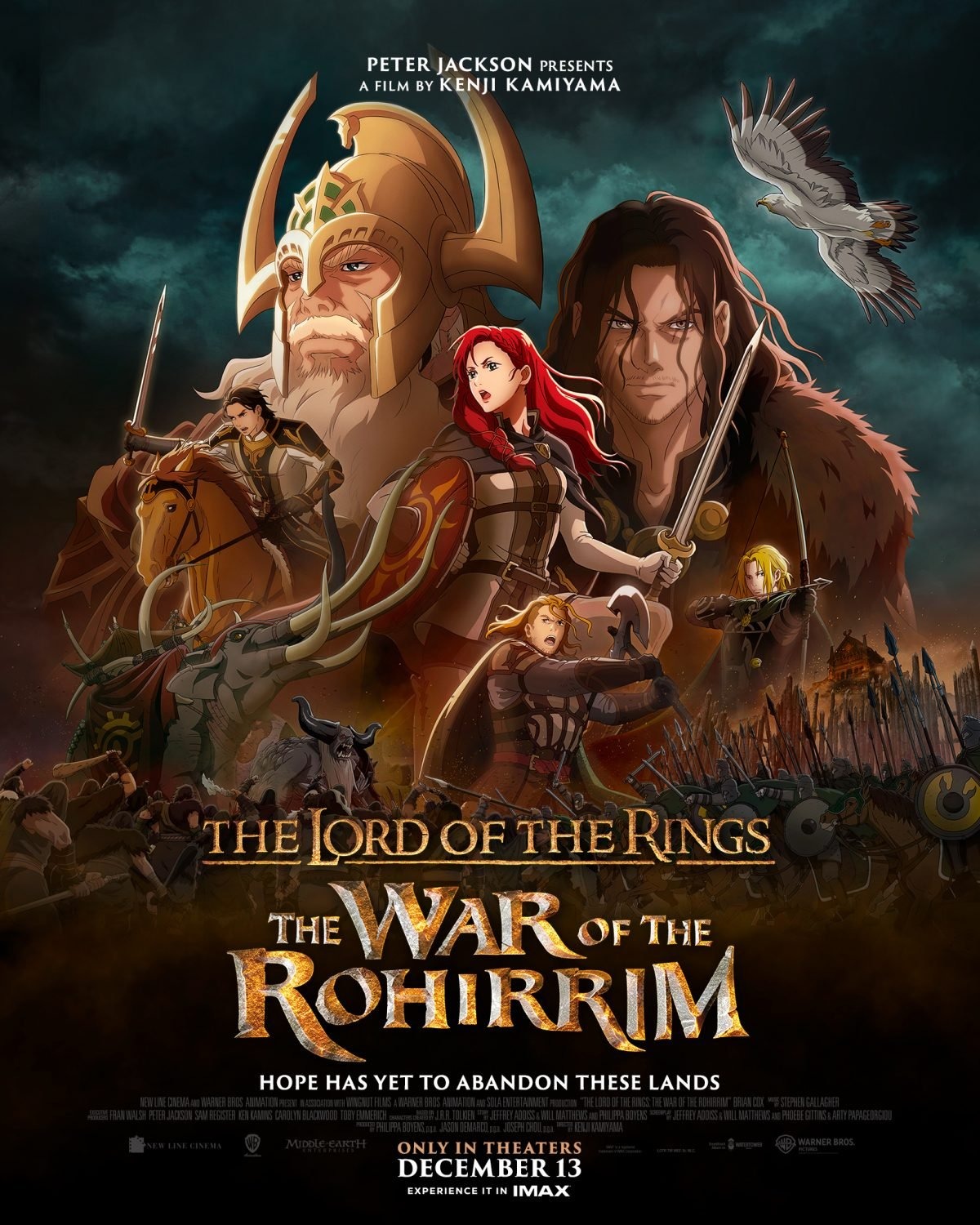
And that elephant reminded me—traditionally, elephants are supposed to have wonderful memories, after all–that I was going to continue my review of the anime The War of the Rohirrim, where, surprisingly, a heffalump—sorry—a mumak—that is, an elephant, appears.

But why? 

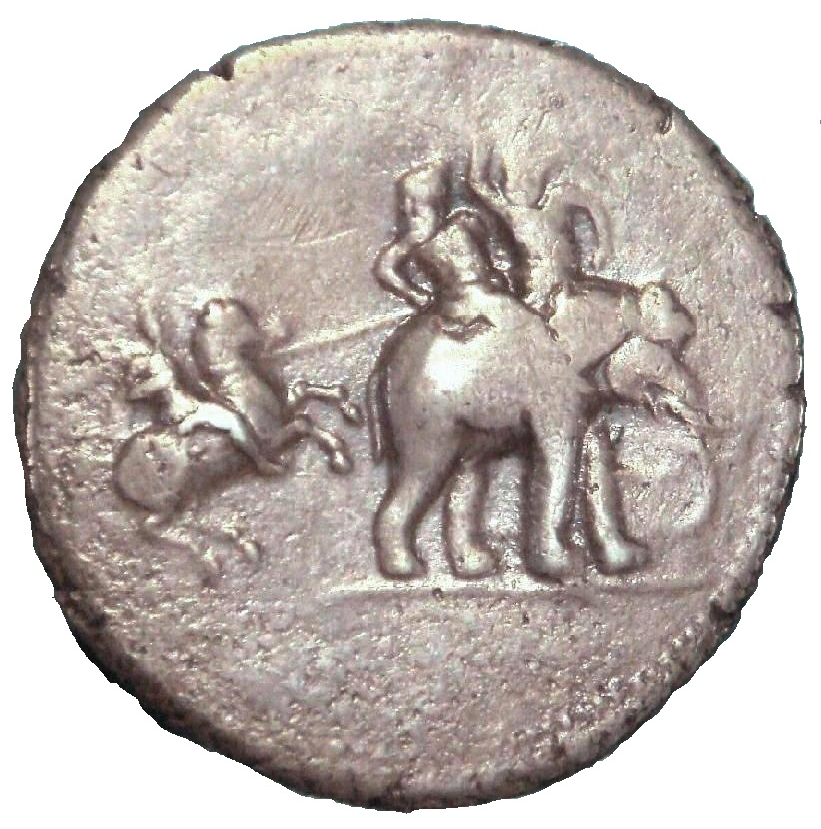
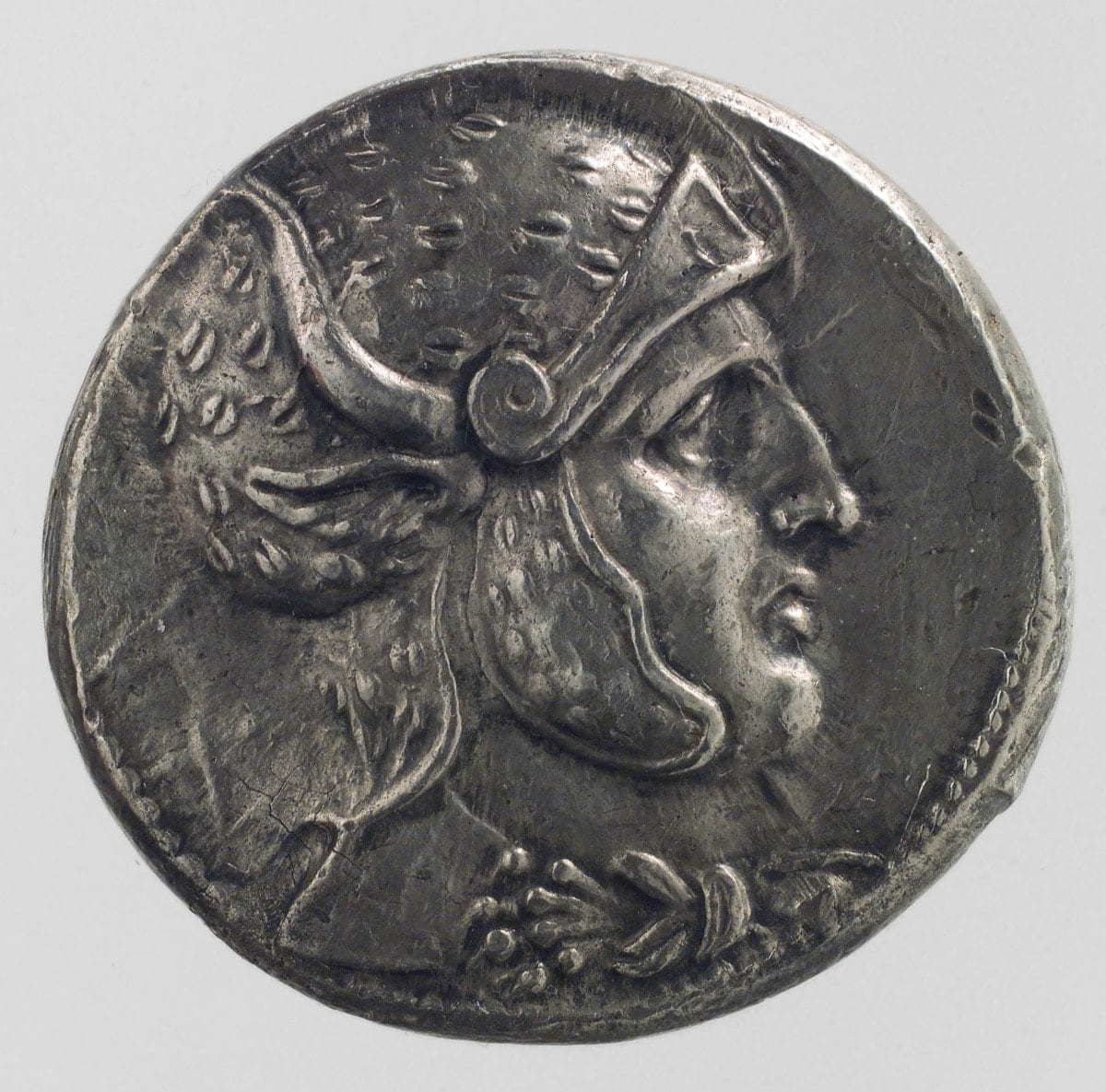
The West first encountered war elephants when Alexander, marching eastwards, came up against the forces of Poros, an Indian king.

(a Macedonian commemorative coin c.324-3222BC, depicting an elephant-borne Poros.  For more on Poros, see:  https://en.wikipedia.org/wiki/Porus  )

One of Alexander’s generals—and successors—Seleucus, c.358-281BC,

in a treaty with the Indian Mauryan kingdom, received 500 war elephants, which were then employed at the Battle of Ipsus, in 301BC,

during the wars which Alexander’s generals fought among themselves to define who would control various parts of Alexander’s empire.

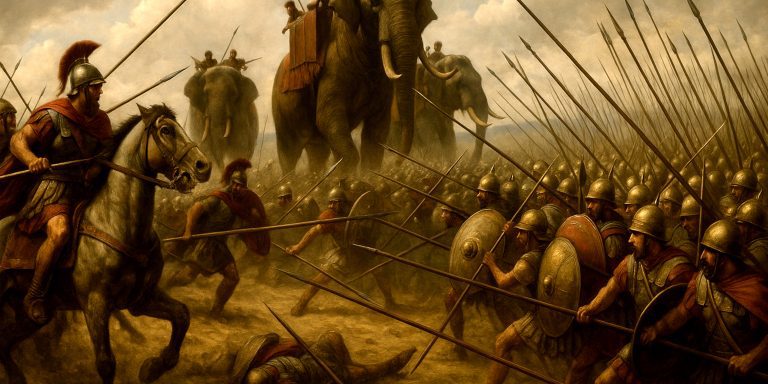
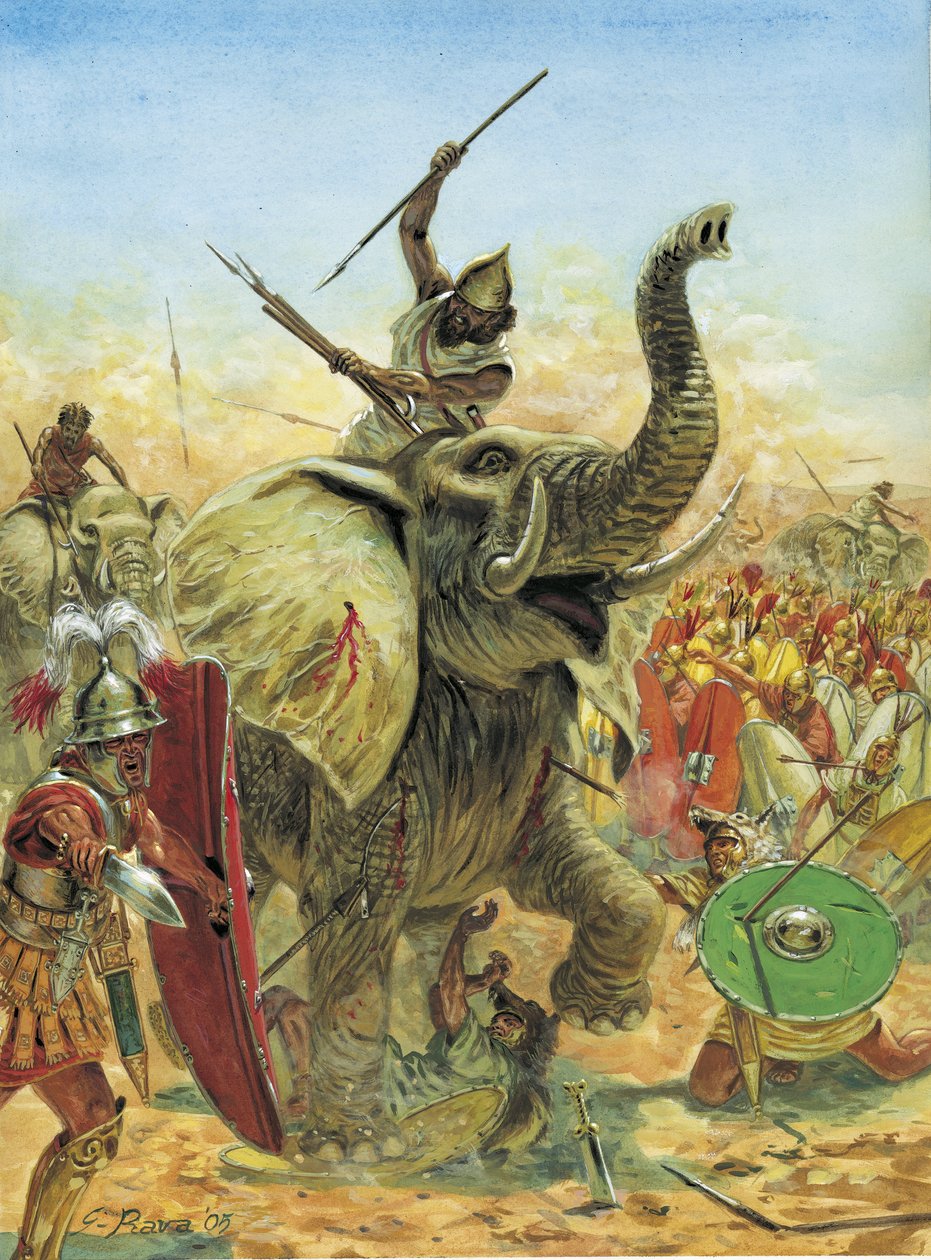
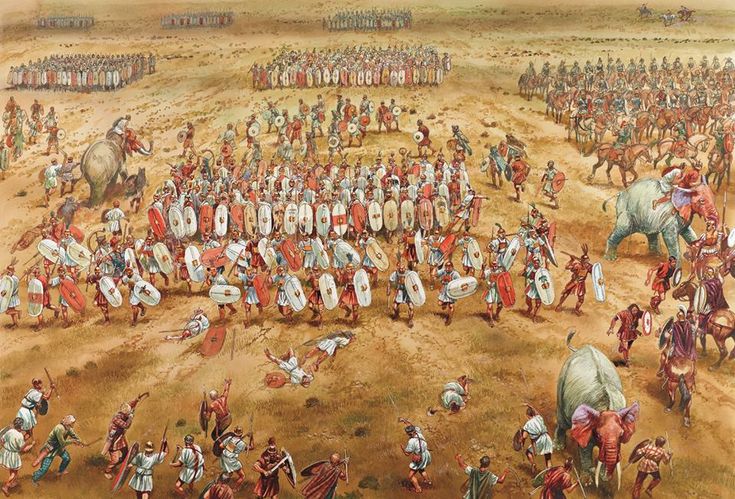
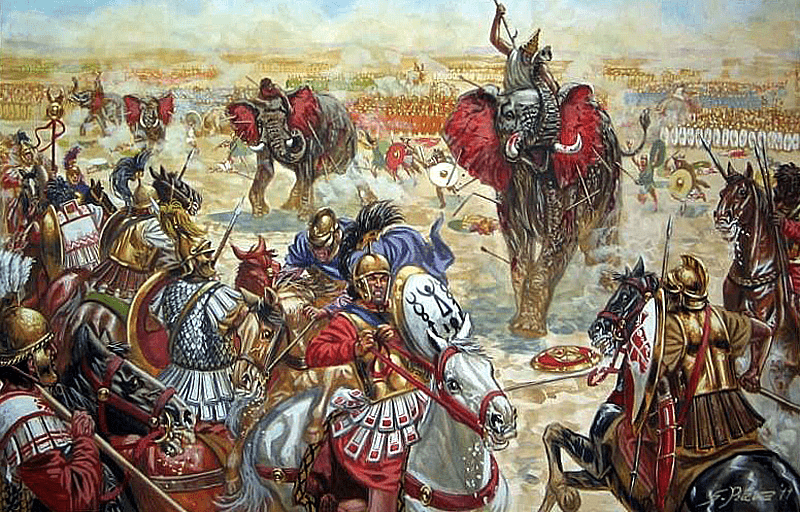
Elephants could be seen as rather like tanks—large, mobile weapons to break enemy lines—

(Peter Dennis)

(Giuseppe Rava)

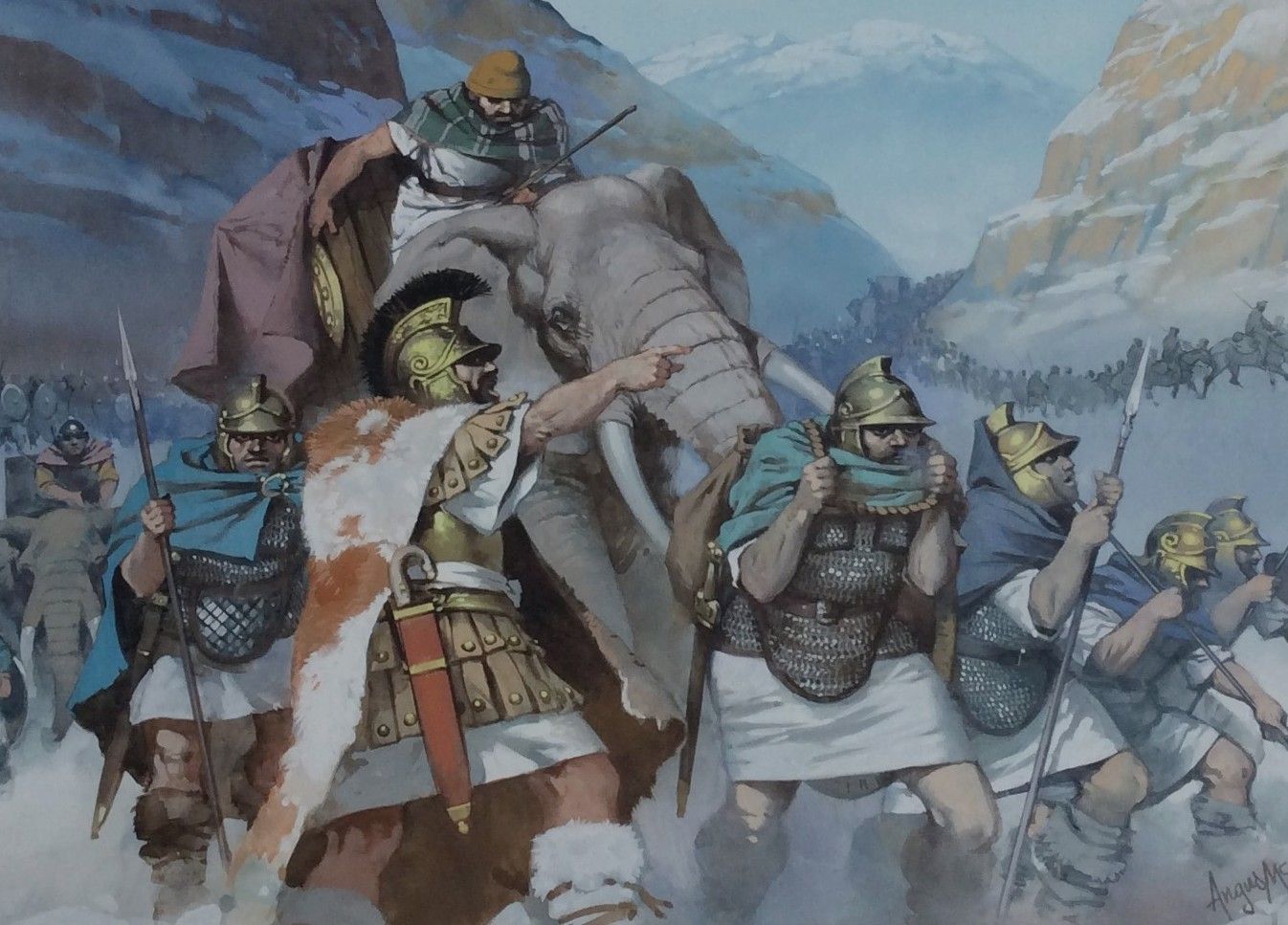
and would continue to be used in the West at least until the Romans defeated the last Macedonian king, Perseus, at the Battle of Pydna, in 168BC, but saw perhaps their most dramatic use in the wars of Carthage against Rome, particularly in the second war, where the Carthaginian general, Hannibal, invaded Italy by crossing the Alps, bringing a number of elephants with him.

(Angus McBride)

Unfortunately for Hannibal—and his elephants—the Romans had learned to deal with the great beasts and even to turn them back against their owners—

(Peter Dennis)

(for more on war elephants, see:  https://en.wikipedia.org/wiki/War_elephant )

Another factor in warfare was the belief that horses are frightened of elephants,

(Giuseppe Rava)

something which even Tolkien mentions—

“But wherever the mumakil came there the horses would not go, but blenched and swerved away…” (The Return of the King, Book Five, Chapter 6, “The Battle of the Pelennor Fields”)

(For more on horses’ potential hippophobia, see:  https://iere.org/are-horses-scared-of-elephants/  )

But that is in relation to the allies of Mordor in its attack on Minas Tirith:  why is there one of these monsters prominent at the Dunlendings’ attack on Edoras, some 250 years earlier? 

The film’s script-writers seem to be depending upon this passage from Appendix A of The Lord of the Rings:

“Four years later ([TA2758) great troubles came to Rohan, and no help could be sent from Gondor, for three fleets of the Corsairs attacked it and there was war on all its coasts.  At the same time Rohan was again invaded from the East, and the Dunlendings seeing their chance came over the Isen and down from Isengard.  It was soon known that Wulf was their leader.  They were in great force, for they were joined by Enemies of Gondor that landed in the mouths of Lefnui and Isen.”   (Appendix II:  The House of Eorl)

Thank goodness for a map—as, although I know the Isen from Isengard, I had no idea where the Lefnui was—and here, from the Tolkien Gateway, you can see both.  And you can also wonder about how such forces got to Rohan, about which JRRT is completely silent, particularly those who landed at the mouth of the Lefnui, as, straight ahead of them would have been miles of the White Mountains.  Long detour north, then east, through the Gap of Rohan, then southeast into Rohan itself?  

(from the Encyclopedia of Arda)

To which they might add:

“In the days of Beren, the nineteenth Steward, an even greater peril came upon Gondor.  Three great fleets, long prepared, came up from Umbar and the Harad, and assailed the coasts of Gondor in great force;  and the enemy made many landings, even as far north as the mouth of the Isen.  At the same time the Rohirrim were assailed from the west and the east, and their land was overrun, and they were driven into the dales of the White Mountains.” (Appendix A, (iv) Gondor and the Heirs of Anarion; The Stewards)

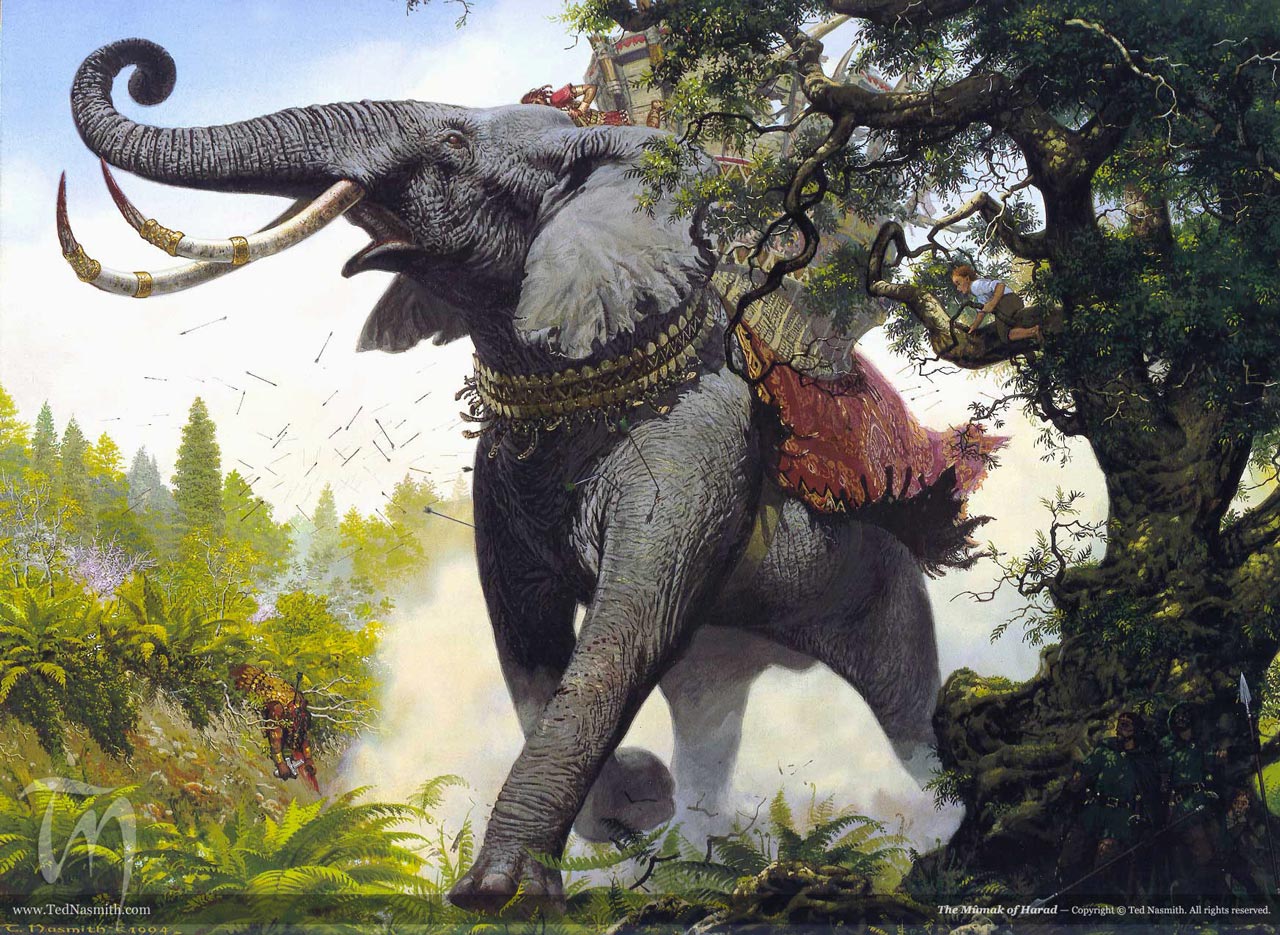
You can see where this argument might go:  Wulf—the antagonist of The War of the Rohirrim—invades Rohan.  His invasion force includes “…Enemies of Gondor that landed at the mouths of Lefnui and Isen” and those enemies, who were part of the fleet which attacked the west coast of Gondor, “…came up from Umbar and the Harad”, and we’re told in The Lord of the Rings that “…the Mumak of Harad was indeed a beast of vast bulk…” (The Two Towers, Book Four, Chapter 4, “Of Herbs and Stewed Rabbit”).

(Ted Nasmith)

So, their reasoning goes:

1. some of the Corsairs were from Harad

2. Harad is where Mumakil come from

3. some of the invasion force which followed Wulf were from the Corsairs who attacked the west coast of Gondor and therefore were from Harad

4. and thus there was the possibility that they might have brought Mumakil with them

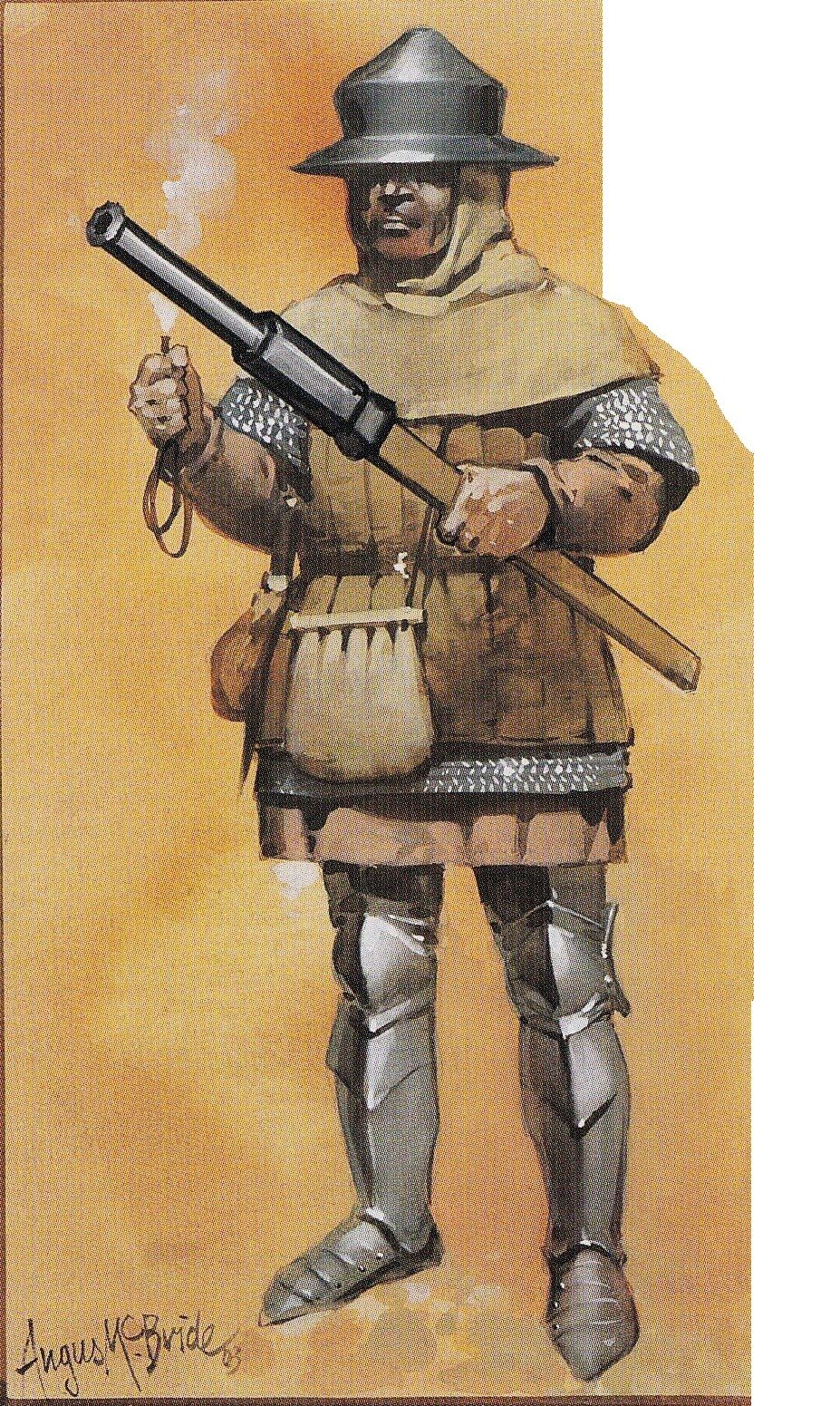
Back in 2024, I had written a posting (“Dos Mackaneeks”, 26 June, 2024—here:  https://doubtfulsea.com/2024/06/26/dos-mackaneeks/ ) in which, while discussing “The Phantom Menace”, I had followed this reasoning:  both Saruman and Sauron clearly have access to blasting material of some sort–Saruman’s forces blow a hole in the wall of Helm’s Deep and Sauron’s do the same with the Causeway Forts on their way into the Pelennor.  And so, why would the next step not have been arming their orc armies with early “hand gonnes”?

(Angus McBride)

The answer is, they didn’t:  because the author chose for them not to, even though he provided evidence that he could have.  It’s clear that Tolkien was a very deliberate writer, taking years to construct his texts in draft after draft.  And so, had he wanted to have Wulf’s forces include Mumakil, I would suggest that, as he chose to depict them both ambushed by Faramir’s rangers and forming part of the armies which attacked Minas Tirith, they were certainly a possibility at any other point in his long story, but they don’t appear there.

At base, the real problem here, as I and others have suggested, is the extreme thinness of the material upon which The War of the Rohirrim is based:  it’s really only a little over two pages in Appendix A in my 50th Anniversary edition (1065-67).  To flesh this out into a film more than 2 hours long, the script writers created a character named “Hera” out of the nearly-anonymous “Helm’s daughter”, making her a “shield maiden”, adding a nurse for her (“Olwyn”), and a kind of page (“Lief”), as well as constructing a childhood friendship for “Hera” and Wulf, among other additions to a very small story, which is really only background to the later story of Helm’s Deep. 

If you read this blog regularly, you know that I dislike vicious reviews, mostly because, along with what they suggest about their authors, they’re usually simply not helpful, and I don’t write them.  This is my second partial review of The War of the Rohirrim (see “Plain and Grassy”, 24 September, 2025, for the first part:  https://doubtfulsea.com/2025/09/24/plain-and-grassy/ )  and, while I will continue to praise the enormous artistic effort which went into making this film—I’d love to see more anime of heroic stories—I wish someone would make an anime Beowulf, or Sir Gawaine and the Green Knight, just as easy examples—I also wish that the creators would move on—what about a Ramayana, for instance, if they wanted to choose a long-established story?—or, even better, create a completely new story, one in which there would be a fierce, independent heroine, rather than try to make her out of Arwen or Galadriel or invent one like “Tauriel” or “Hera”? 

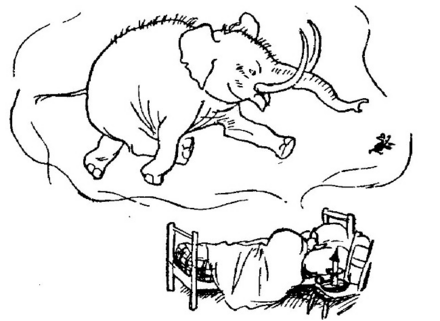
In the meantime, it’s back to Pooh and Piglet, as they try to trap the illusive Heffalump (which they never succeed in doing).

(E.H. Shepard)

As always, thanks for reading.

Stay well,

Enjoy the New Year and may it be a very happy one for you,

And remember that, as always, there’s

MTCIDC

O

Plain and Grassy

24 Wednesday Sep 2025

Posted by Ollamh in Uncategorized

≈ Leave a comment

Tags

anime, Fantasy, Mononoke, movies, Rohan, The Lord of the Rings, The War Of the Rohirrim, Tolkien, Yuhimov

Welcome, as always, dear readers.

If you read this blog regularly, you know that, when I review something, I will see it/read it twice before I put fingers to keyboard and that I always try to understand, as best I can, what it is that the creators are intending, finding completely negative reviews of the sort which are too common on the internet simply unhelpful. 

 I’ve watched The War of the Rohirrim only once, so far,

and, after I’ve seen it a second time, I’m sure that I’ll want to say more, but one point struck me immediately and I thought that others might find it interesting—or puzzling, as I did.

To begin with, I very much enjoy anime and have seen all sorts of examples, from the adventures of Cowboy Bebop

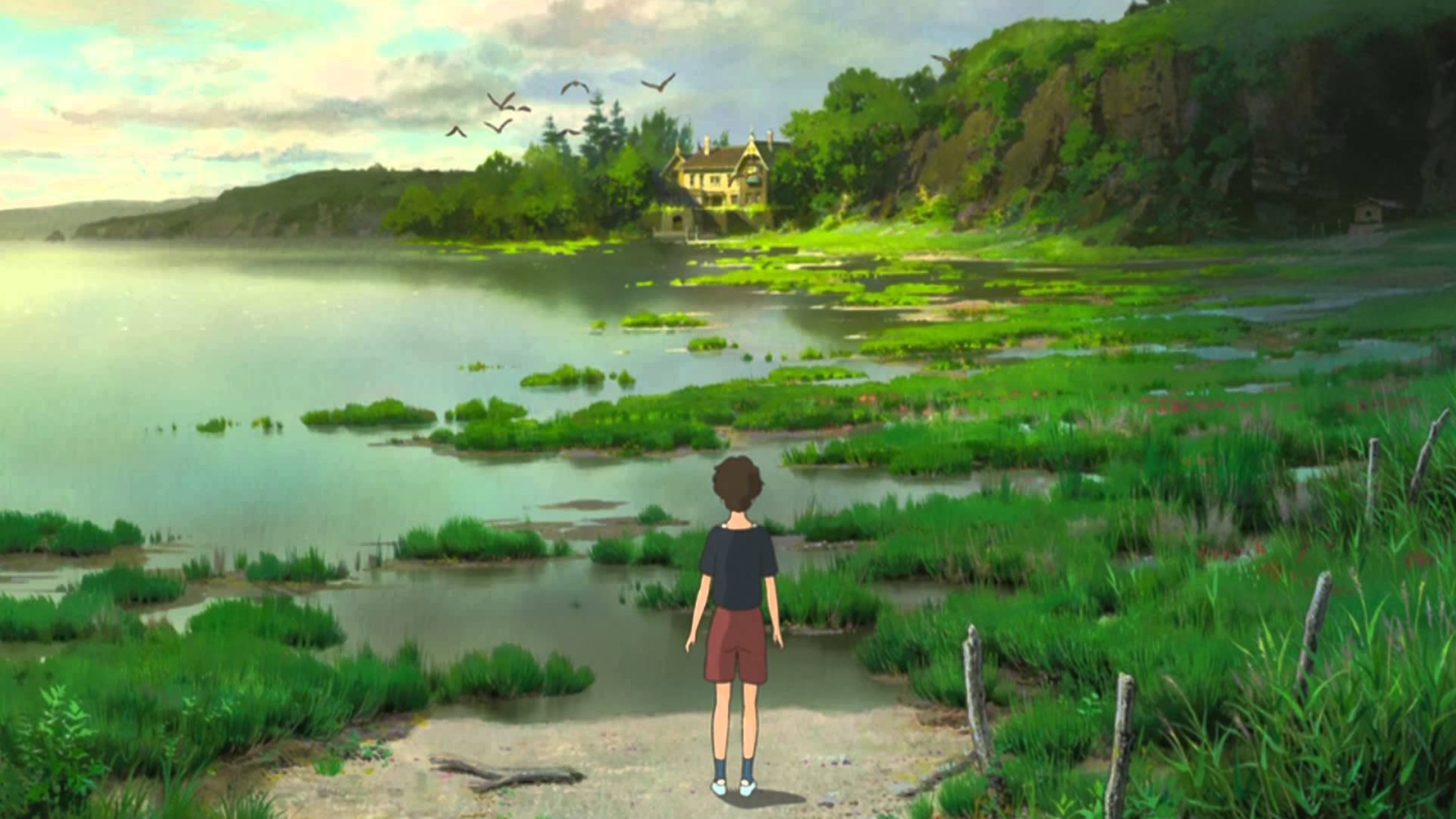
to the sad and beautiful adaptation of When Marnie was Here

to the almost hallucinatory Mononoke.

My curiosity, then, was aroused to read that someone was making an anime-influenced film from section II, “The House of Eorl” of Appendix A of The Lord of the Rings, both because of the anime and because I’m always interested to see how different artists might imagine works with which I’m familiar.

Some years ago, for instance, a Russian artist, Sergey Yuhimov, had illustrated The Lord of the Rings in the style of Russian religious art, which was an intriguing idea.  Here’s the death of Boromir, as an  example–

(For more, see:  https://www.openculture.com/2014/06/russian-illustrations-of-the-lord-of-the-rings-in-a-medieval-iconographic-style-1993.html )

At the same time, I was a bit concerned about just what could be made of this material when there was so little of it—pages 1065-1067 in my 50th-anniversary edition of the book.

Remembering my dismay at “Azog”

and “Tauriel”

 in P. Jackson’s The Hobbit, where there was plenty of original material with which to work, I wondered if this would this mean the appearance of a number of characters never devised—or intended—by the author?  (for more on this see “A Fine Romance”, 15 February, 2023)

As I said, however, more on the film in general in a future posting, but for now I want to concentrate on a bit of geography.

Here’s a map of Rohan, the location of the film’s story

It’s divided into a couple of regions, their names based on Old English words—“Wold”, I’m presuming coming for “weald”, defined as “high land covered with wood”, which would be appropriate for land just outside Fangorn, “Emnet” from “emnett”, “a plain”—basically a level or flat area, and “Fold” from a word used in compounds, meaning “earth/land”.  (See Bosworth & Toller’s  Anglo-Saxon Dictionary here:  https://bosworthtoller.com/  )  So, the central area, at least, is, at best, rolling, I would say, and we know, from the text, covered in grass:

“Turning back they saw across the River the far hills kindled.  Day leaped into the sky.  The red rim of the sun rose over the shoulders of the dark land.  Before them in the West the world lay still, formless and grey; but even as they looked, the shadows of night melted, the colours of the waking earth returned:  green flowed over the wide meads of Rohan…” (The Two Towers, Book Three, Chapter 2, “The Riders of Rohan”)

“Mead” is from Old English “maed”, “meadow” (itself from Old English “maedwe”, which Etymonline, from the OED, glosses as “low, level tract of land under grass; pasture” (for more, see:  https://www.etymonline.com/search?q=meadow )

I’ve always imagined, then, something like this—

it being a perfect place for grazing for the herds of horses kept by the Rohirrim.

Unfortunately, New Zealand doesn’t appear to have such places and so Jackson, in his films, had to make do with this—

With those snowy mountains in the background, it makes an impressive scene, but it’s not really what JRRT had clearly—and rather beautifully–imagined.

I thought, however, that the makers of the new film would take advantage of the fact that, their landscape being anything which they could imagine and depict, and would restore to us Tolkien’s vision of the plains of Rohan as he described them.

Unfortunately, that’s not what happened:  instead, the artists simply copied the Jackson look of the nearly-barren countryside, far from anything a horse people would delight in—

Why do this?  The creators weren’t limited, as Jackson was, by the available landscape, and yet they simply followed what was already available on film, virtually down to the last detail.

Needless to say, I was disappointed, and it made me wonder what else I would see as the film progressed.  But that’s for another posting.

Thanks for reading, as ever.

Stay well,

May you always seek green—but not greener– pastures,

And remember that, as always, there’s

MTCIDC

O

The Doubtful Sea Series Facebook Page

The Doubtful Sea Series Facebook Page

  • Ollamh

Categories

  • Artists and Illustrators
  • Economics in Middle-earth
  • Fairy Tales and Myths
  • Films and Music
  • Games
  • Heroes
  • Imaginary History
  • J.R.R. Tolkien
  • Language
  • Literary History
  • Maps
  • Medieval Russia
  • Military History
  • Military History of Middle-earth
  • Narnia
  • Narrative Methods
  • Poetry
  • Research
  • Star Wars
  • Terra Australis
  • The Rohirrim
  • Theatre and Performance
  • Tolkien
  • Uncategorized
  • Villains
  • Writing as Collaborators
Follow doubtfulsea on WordPress.com

Across the Doubtful Sea

Recent Postings

  • Towering January 28, 2026
  • Tolkien Among the Indians January 21, 2026
  • Thin and Stretched January 14, 2026
  • Through a glass… January 7, 2026
  • Heffalumps? December 31, 2025
  • We Three Kings December 24, 2025
  • A Moon disfigured December 17, 2025
  • On the Roads Again—Once More December 10, 2025
  • (Not) Crossing Bridges December 3, 2025

Blog Statistics

  • 105,537 Views

Posting Archive

  • January 2026 (4)
  • December 2025 (5)
  • November 2025 (4)
  • October 2025 (5)
  • September 2025 (4)
  • August 2025 (4)
  • July 2025 (5)
  • June 2025 (4)
  • May 2025 (4)
  • April 2025 (5)
  • March 2025 (4)
  • February 2025 (4)
  • January 2025 (5)
  • December 2024 (4)
  • November 2024 (4)
  • October 2024 (5)
  • September 2024 (4)
  • August 2024 (4)
  • July 2024 (5)
  • June 2024 (4)
  • May 2024 (5)
  • April 2024 (4)
  • March 2024 (4)
  • February 2024 (4)
  • January 2024 (5)
  • December 2023 (4)
  • November 2023 (5)
  • October 2023 (4)
  • September 2023 (4)
  • August 2023 (5)
  • July 2023 (4)
  • June 2023 (4)
  • May 2023 (5)
  • April 2023 (4)
  • March 2023 (5)
  • February 2023 (4)
  • January 2023 (4)
  • December 2022 (4)
  • November 2022 (5)
  • October 2022 (4)
  • September 2022 (4)
  • August 2022 (5)
  • July 2022 (4)
  • June 2022 (5)
  • May 2022 (4)
  • April 2022 (4)
  • March 2022 (5)
  • February 2022 (4)
  • January 2022 (4)
  • December 2021 (5)
  • November 2021 (4)
  • October 2021 (4)
  • September 2021 (5)
  • August 2021 (4)
  • July 2021 (4)
  • June 2021 (5)
  • May 2021 (4)
  • April 2021 (4)
  • March 2021 (5)
  • February 2021 (4)
  • January 2021 (4)
  • December 2020 (5)
  • November 2020 (4)
  • October 2020 (4)
  • September 2020 (5)
  • August 2020 (4)
  • July 2020 (5)
  • June 2020 (4)
  • May 2020 (4)
  • April 2020 (5)
  • March 2020 (4)
  • February 2020 (4)
  • January 2020 (6)
  • December 2019 (4)
  • November 2019 (4)
  • October 2019 (5)
  • September 2019 (4)
  • August 2019 (4)
  • July 2019 (5)
  • June 2019 (4)
  • May 2019 (5)
  • April 2019 (4)
  • March 2019 (4)
  • February 2019 (4)
  • January 2019 (5)
  • December 2018 (4)
  • November 2018 (4)
  • October 2018 (5)
  • September 2018 (4)
  • August 2018 (5)
  • July 2018 (4)
  • June 2018 (4)
  • May 2018 (5)
  • April 2018 (4)
  • March 2018 (4)
  • February 2018 (4)
  • January 2018 (5)
  • December 2017 (4)
  • November 2017 (4)
  • October 2017 (4)
  • September 2017 (4)
  • August 2017 (5)
  • July 2017 (4)
  • June 2017 (4)
  • May 2017 (5)
  • April 2017 (4)
  • March 2017 (5)
  • February 2017 (4)
  • January 2017 (4)
  • December 2016 (4)
  • November 2016 (5)
  • October 2016 (6)
  • September 2016 (5)
  • August 2016 (5)
  • July 2016 (5)
  • June 2016 (5)
  • May 2016 (4)
  • April 2016 (4)
  • March 2016 (5)
  • February 2016 (4)
  • January 2016 (4)
  • December 2015 (5)
  • November 2015 (5)
  • October 2015 (4)
  • September 2015 (5)
  • August 2015 (4)
  • July 2015 (5)
  • June 2015 (5)
  • May 2015 (4)
  • April 2015 (3)
  • March 2015 (4)
  • February 2015 (4)
  • January 2015 (4)
  • December 2014 (5)
  • November 2014 (4)
  • October 2014 (6)
  • September 2014 (1)

Blog at WordPress.com.

  • Subscribe Subscribed
    • doubtfulsea
    • Join 78 other subscribers
    • Already have a WordPress.com account? Log in now.
    • doubtfulsea
    • Subscribe Subscribed
    • Sign up
    • Log in
    • Report this content
    • View site in Reader
    • Manage subscriptions
    • Collapse this bar
 

Loading Comments...