• About

doubtfulsea

~ adventure fantasy

Tag Archives: Spanish Armada

A Corking Tale?

24 Wednesday Apr 2024

Posted by Ollamh in Uncategorized

≈ Leave a comment

Tags

Elizabeth I, english-history, History, Sir Francis Drake, Spanish Armada

Welcome, as always, dear readers,

I’m about to teach The Hobbit again, which is, as always, a pleasure—and also a repeated source of new things to think—and write—about. 

Take this, for example:

“Chip the glasses and crack the plates!

Blunt the knives and bend the forks!

That’s what Bilbo Baggins hates—

Smash the bottles and burn the corks!” 

(The Hobbit, Chapter One, “An Unexpected Party”)

Seven years ago, this formed a small part of an earlier essay, “Shire Portrait (2)” (8 February, 2017), in which the subject was the economy of the Shire.

JRRT was himself aware of just how much lay underneath that economy which he didn’t depict, writing:

“I am more conscious of my sketchiness in the archaeology and realien [“actualities/realities”] than in the economics:  clothes, agricultural implements, metal-working, pottery, architecture and the like…I am not incapable of or unaware of economic thought; and I think as far as the ‘mortals’ go, Men, Hobbits, and Dwarfs, that the situations are so devised that economic likelihood is there and could be worked out…”  (letter to Naomi Mitchinson, 25 September, 1954, Letters 291-292)

In that essay, I pointed out that, in Tolkien’s world, those threatened corks came primarily from Portugal, from the Quercus suber,
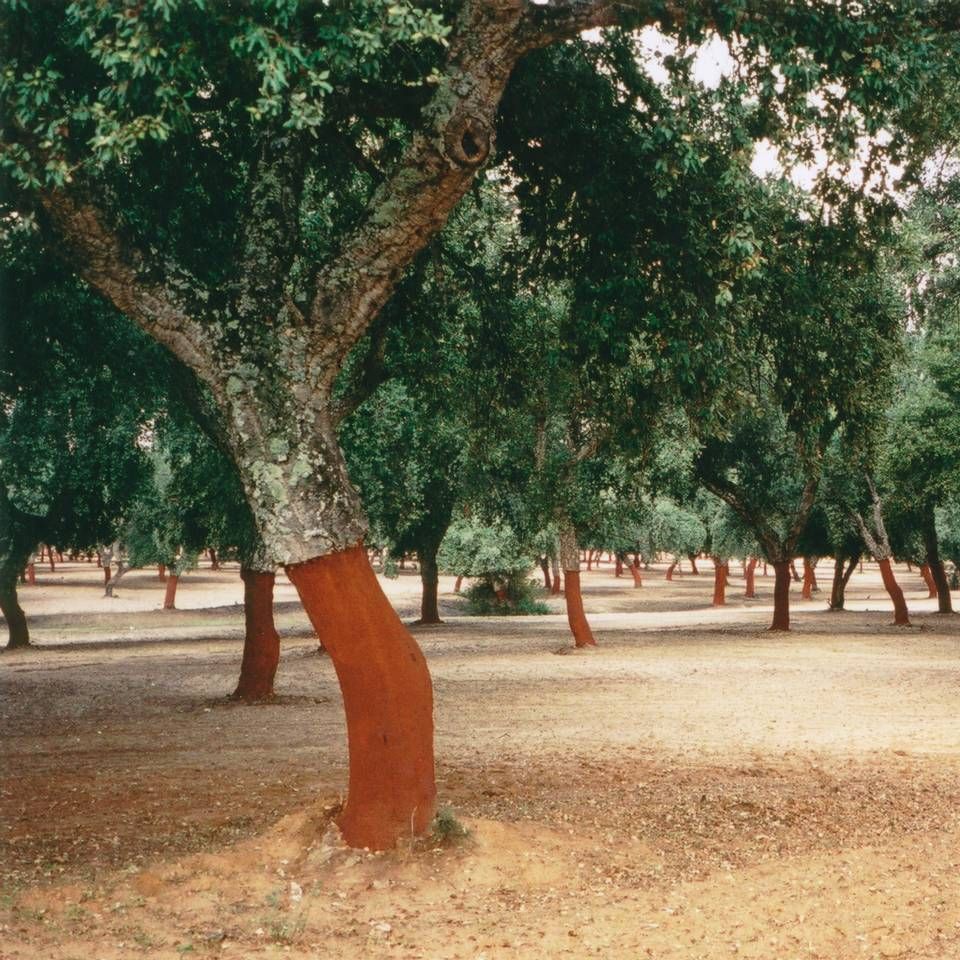
which, as the Wiki articles tells us, actually “is native to southwest Europe and northwest Africa”, suggesting, perhaps, that, in Middle-earth, it might be imported as far away as from Umbar, say, far to the south, had Tolkien bothered to go that far in expressing “economic likelihood”.

This cork bobbed up (they do, don’t they?) in my mind associated with something completely different, however, but certainly naturally:  barrels.
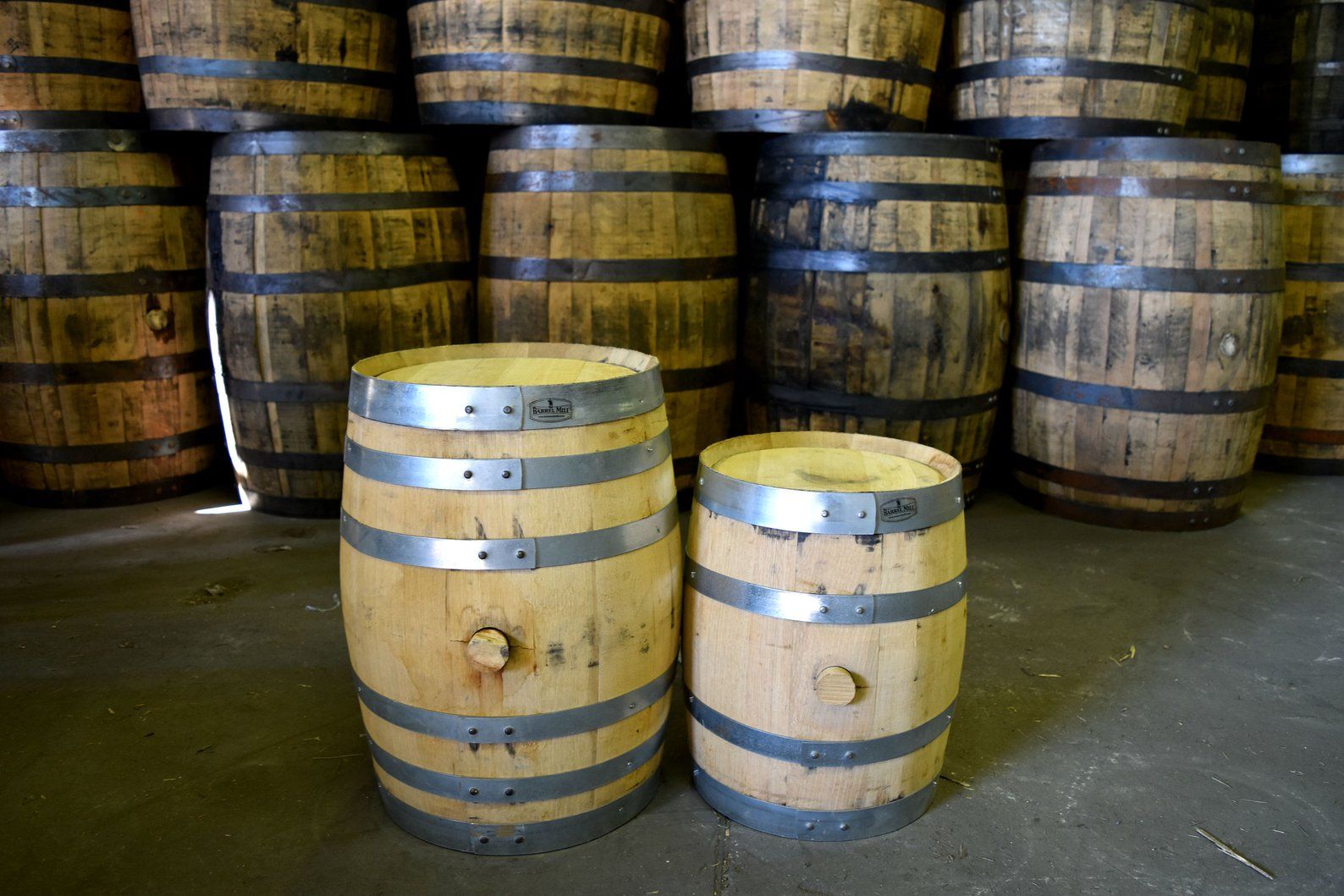
And this led me to what was, in fact, a mistaken idea.

In the mid-1580s, Philip II of Spain,
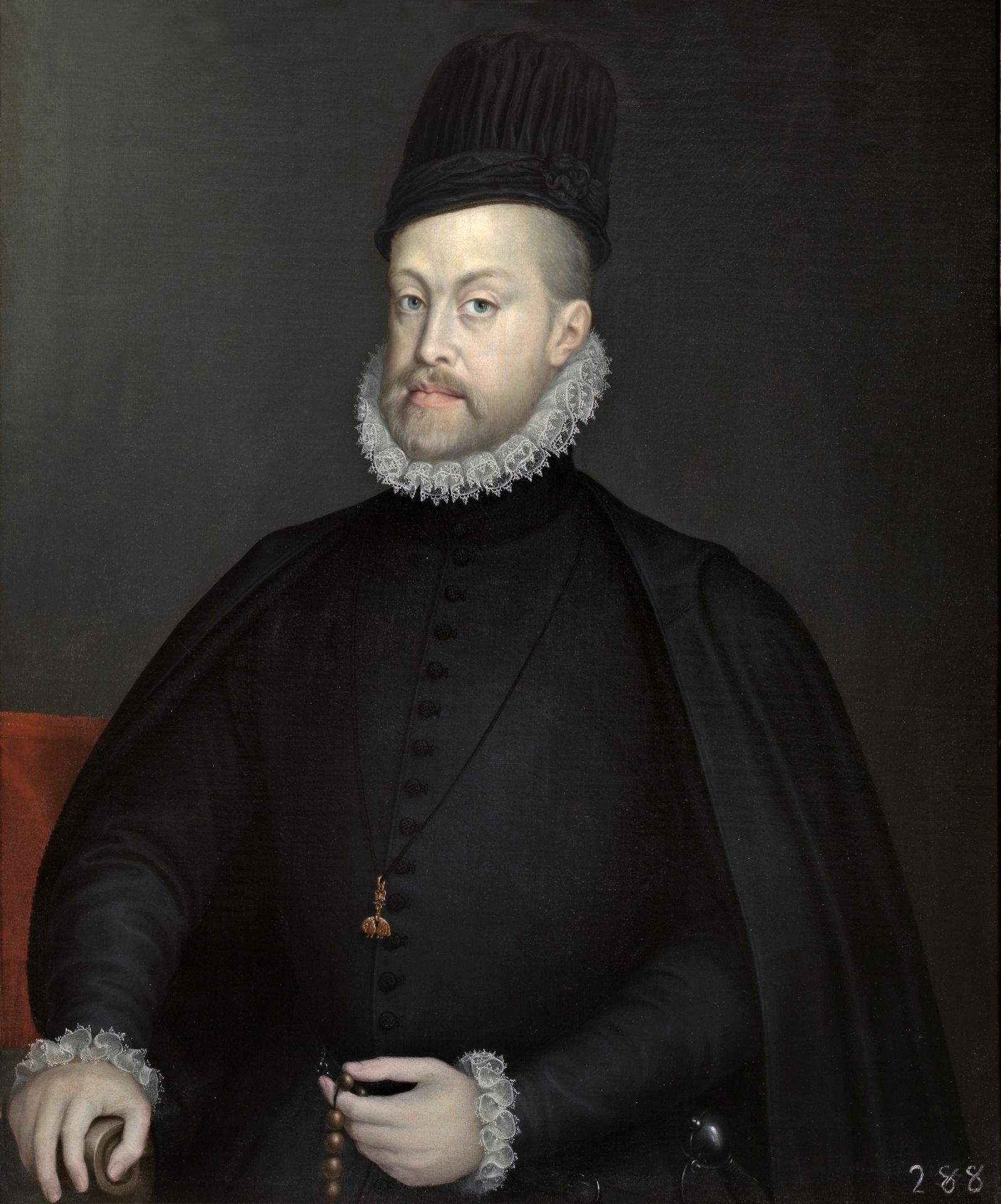
a man for whom the term “religious obsessive” could have been coined, set his sights upon an attack on England.  As “His Most Catholic Majesty”, he was already fighting what seemed like an endless war against his (to his mind) rebellious Protestant subjects in the Netherlands—the so-called “80 Years War” (1568-1648), or “Dutch Revolt”.

England, now a Protestant country under its queen, Elizabeth,

was helping that revolt.  (Philip may also have been annoyed that, as he had once been married to Elizabeth’s half-sister, Mary, 1515-1558,  queen of England, 1553-1558,

he probably thought that, after her death, he should have been king.)

As Spain, because of its looting of its New World possessions, was extremely rich,
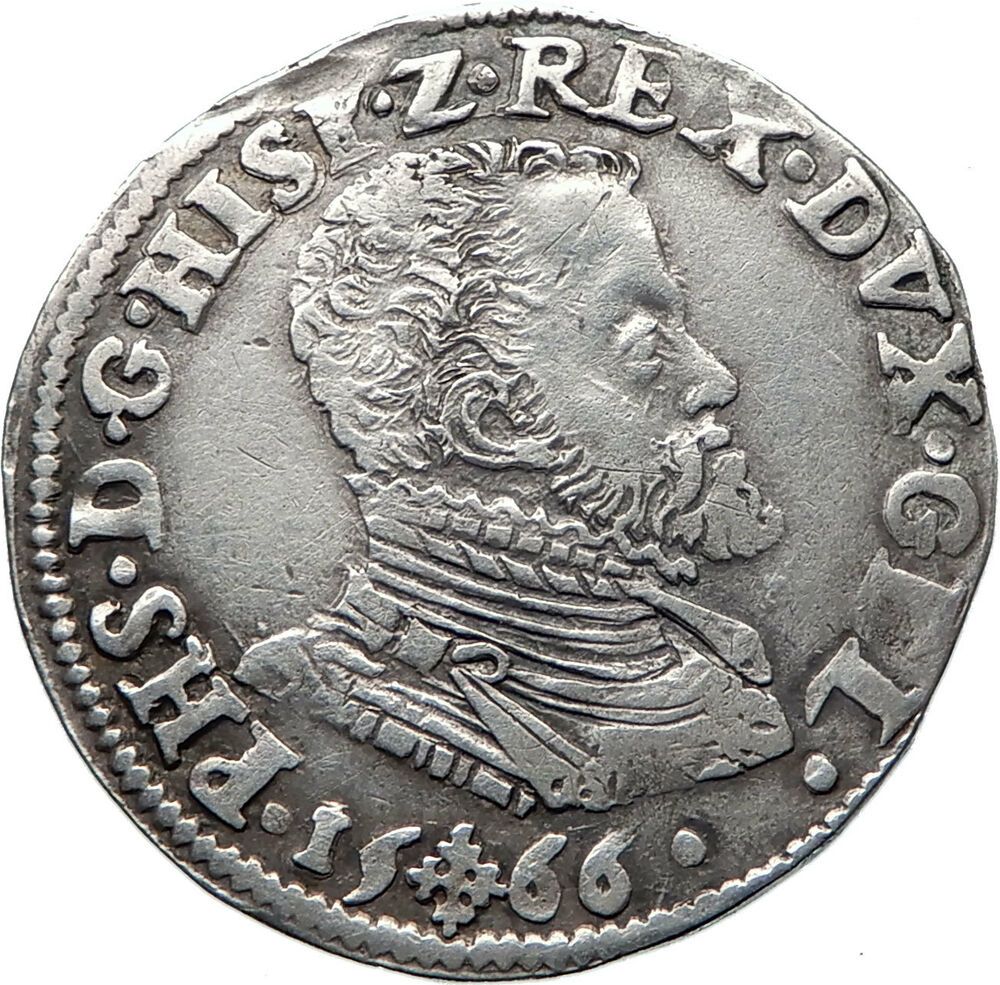
it could afford a long war and, having lots of troops already across from England,

it seemed only a matter of:

1. building lots of landing craft for an invasion army

2. assembling a fleet—an armada, in Spanish, to protect those craft till they hit the beaches of England.

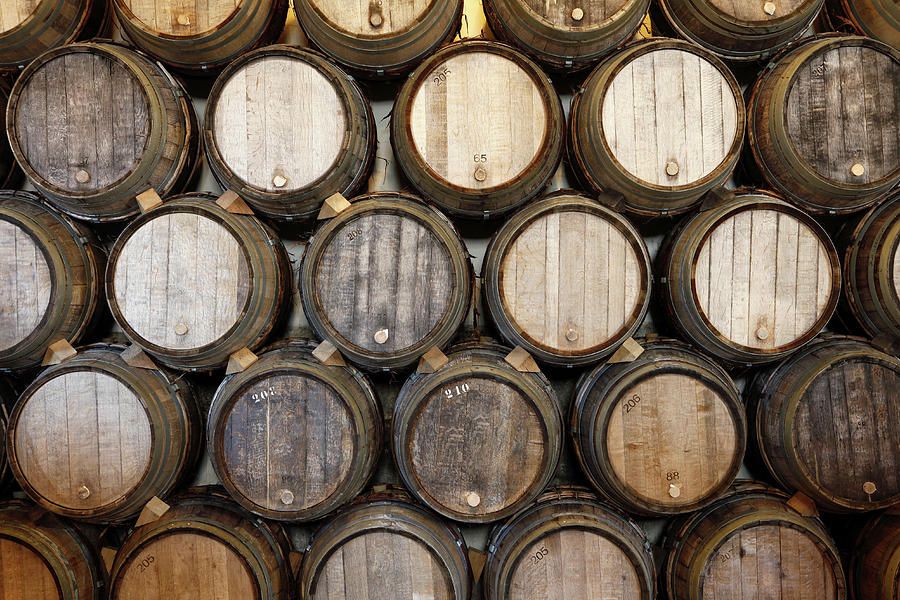
Such a fleet, sailing from Spain at least to the coast of France, where the invasion army was being assembled, as were the landing craft, would need large supplies of food and water to survive on the high seas. 

Such supplies would be carried in a vast number of barrels.
Enter now one of Elizabethan England’s most dashing characters, Sir Francis Drake (1540-1596).

When it came to sailing, Drake seems to have done it all, including surviving a circumnavigation of the globe (1577-1580), but he was, from the Spanish view, a good reason to conquer England along, as Drake had, for years, but a challenge to their (in their minds) domination of the oceans, raiding their possessions in the New World, capturing and looting their treasure ships.  (Under the Spanish form of his name, el Draque, he even supposedly had a significant price on his head:  20,000 ducats which, if I’ve got my figures right, would be almost $2,500,000.00 in today’s money—but the buying power would be substantially more—and I mean substantially.)

In 1587, Drake, with an English fleet, raided the Spanish coast, capturing and destroying ships and generally wreaking mayhem—and here’s where my mistaken idea comes in.  I thought that he had, among other things, ruined the Spanish supply of corks and hence slowed down the Armada’s ability to supply itself with those barrels.  (And I’m not the only one to have thought so—see this wonderfully silly Horrible Histories skit:  https://www.youtube.com/watch?v=w6_UkLHcdJk )

In fact, during his raid on the Spanish coast, Drake’s men not only burned perhaps as many as 37 ships, but also not corks, but 1600-1700 tons of barrel staves,

enough to make 25-30,000 barrels,

barrels which would have held the Armada’s vital supplies. 

This raid delayed the setting off for England by a year.  New staves were made, and other ships replaced the ruined ones, however, and the Armada set off the next year, in 1588, but the staves were not the usual dried wood used for barrels, but green wood and often split, allowing the contents to be spoiled.  As well, the English navy, though small, was superior to the Armada both in seamanship and its ability to deliver firepower,

and the Spanish fleet was driven to flee north, eventually, many ships being lost on a circumnavigation of Britain,

and Philip’s planned invasion never took place.

And so, considering England’s escape and those barrels, perhaps I should have been thinking about another part of The Hobbit altogether…
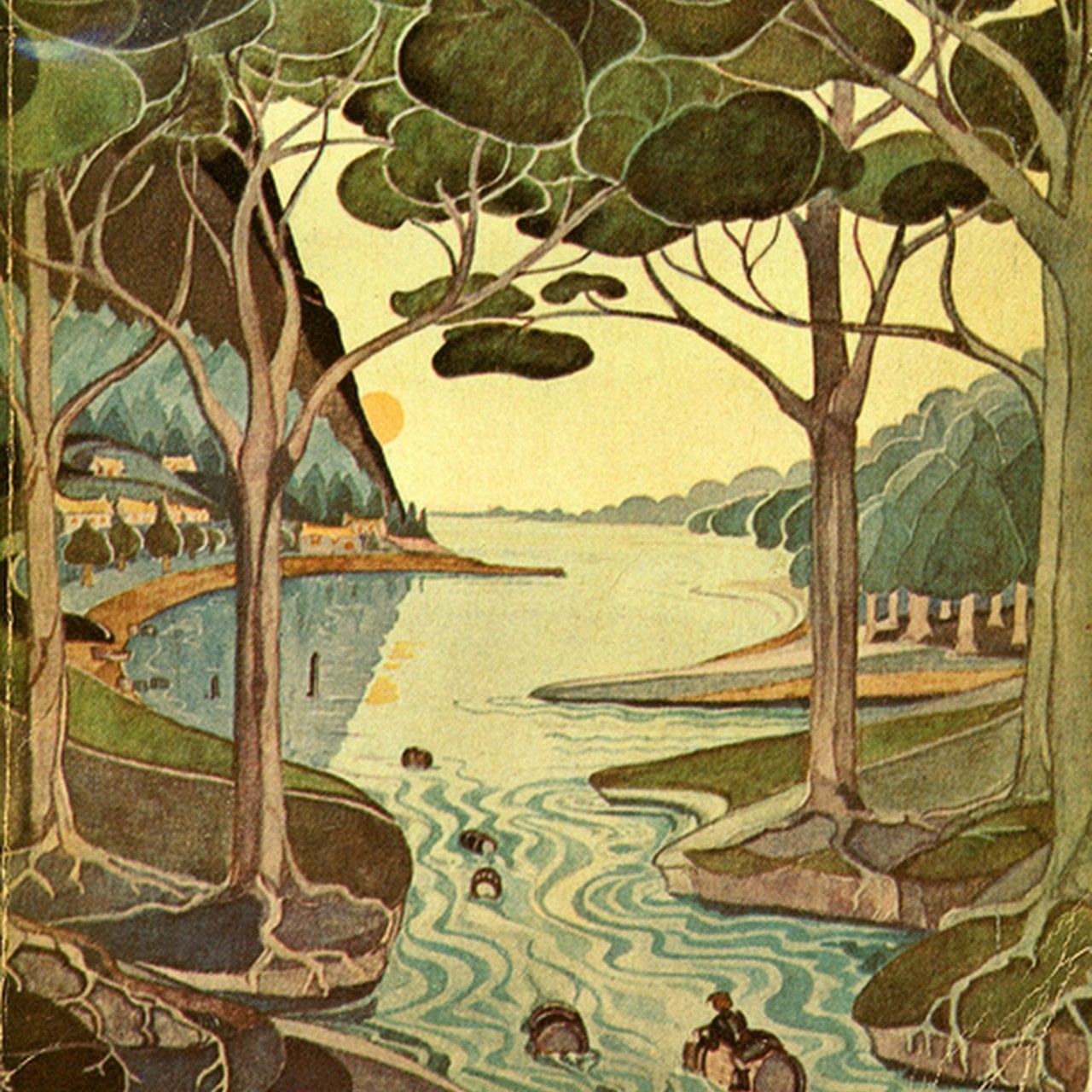
(JRRT)

Thanks, as ever, for reading.

Stay well,

Avoid delusions of grandeur—remember what happened to the Armada,

Image20:  armada

And remember that, as always, there’s

MTCIDC

O

ps

For a traditional view of Drake, see Julian Corbett’s 1899 2-volume work Drake and the Tudor Navy:  https://archive.org/details/corbett-drake-and-the-tudor-navy-v-1/page/n5/mode/2up ;  https://archive.org/details/corbett-drake-and-the-tudor-navy-v-2    For a still-cited work on the Armada, I would recommend Garrett Mattingly’s The Armada, 1959.

pps

For more on cork, see:  https://en.wikipedia.org/wiki/Cork_(material)

ppps

“Corking”, meaning something like “first rate”, is first cited, as far as is presently known, as appearing in 1895 in Outing, An Illustrated Monthly Magazine of Recreation.  Unfortunately, the OED (Oxford English Dictionary)  doesn’t mention which issue, so, if you feel like a search, look here to begin with:  https://archive.org/details/sim_outing-sport-adventure-travel-fiction_october-1894-march-1895_25_contents/page/n1/mode/2up

Beacons or Wills of the Wisp?

16 Wednesday Mar 2016

Posted by Ollamh in Imaginary History, J.R.R. Tolkien, Literary History, Military History, Military History of Middle-earth, Narrative Methods

≈ 2 Comments

Tags

Adventure, Agamemnon, Beacons, British Royal Government, Byzantines, film changes, Lays of Ancient Rome, Minas Tirith, Mulan, Peter Jackson, Spanish Armada, The Great Wall, The Lord of the Rings, Thomas Babington Macaulay, Tolkien

Dear Readers,

Welcome, as always. We begin this posting with something which puzzled us when we last read The Lord of the Rings.

Gandalf and Pippin are on their nonstop ride to Minas Tirith.

gandalfpippin.jpg

Then—

“There was silence again for a while. Then, ‘What is that? Cried Pippin suddenly, clutching at Gandalf’s cloak. ‘Look! Fire, red fire! Are there dragons in this land? Look, there is another!’

For an answer Gandalf cried aloud to his horse. ‘On, Shadowfax! We must hasten. Time is short. See the beacons of Gondor are alight, called for aid. War is kindled. See, there is the fire on Amon Din, and flame on Eilenach; and there they go speeding west: Nardol, Erelas, Min-Rimmon, Calenhad, and the Halifirien on the borders of Rohan.’ ” (The Return of the King, Chapter 1, “Minas Tirith”)

beaconsofgondor.gif

Beacons as a means of rapid communication occurs often, both in western literature and in history.

In Aeschylus’ Agamemnon (458BC), for example, Clytemnestra has a famous (and rather lengthy) speech in which she describes the beacons which alert Mycenae that Troy has been captured—alerting her to begin her plot to kill her husband and take over with her BF, Aegisthus.

clytaga.jpg

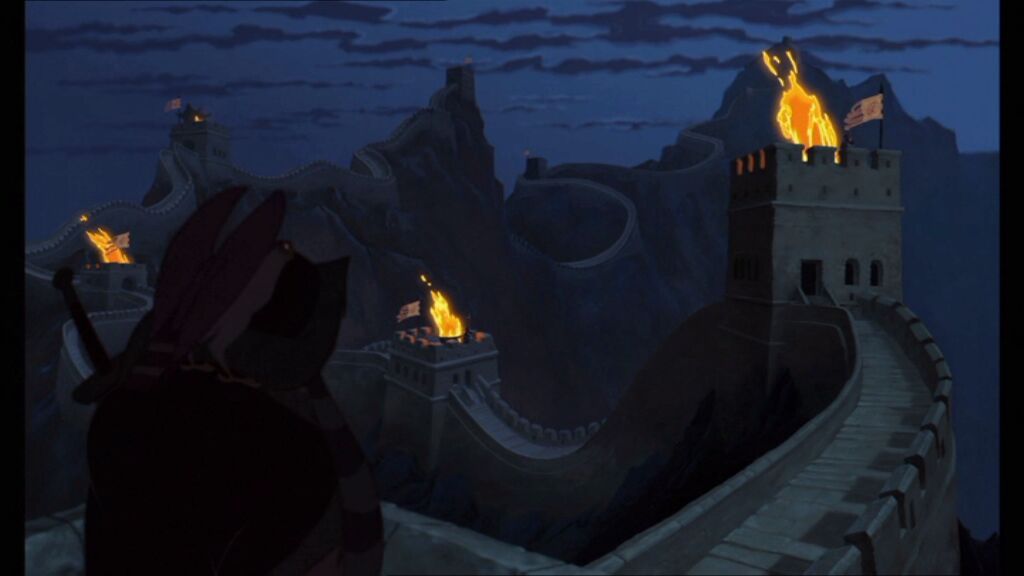
The towers along the Great Wall in China were used as beacon stations, as in Mulan.

mulan-wall-of-china


In the 9th century AD, the Byzantines had developed a system of beacons to warn them of invasion by their neighbors to the east.

If you read the Tolkien sites, you see a fair amount more on beacons, in particular, those set up by the British royal government along the southern shore of England in the 1580s to act as an early warning system to alert the country to the Spanish armada.


spanisharmada.jpg

Tolkien would have known the story of these either from studying English history in his early schooling, or from reading “The Armada”, a well-known poem by Thomas Babington Macaulay first published in his Lays of Ancient Rome (1842).

In Jackson’s The Return of the King, Denethor has been stubborn about not lighting the beacons to alert Rohan that Gondor has need of it. Pippin climbs up the outside of the rock face where the beacon is and, while the guards are distracted, he lights the beacon which, in turn, sets off the whole series.

mtbeacon.jpg

beaconsgondor.jpg

This is not the first or last time one sees changes made in the story—what, for example, are Merry and Pippin doing in a cornfield (that is, a field of maize—do we know that maize even grows in Middle Earth) when Pippin has actually been with Frodo and Sam from the time they left Hobbiton?

05_corn.jpg

In past postings, we have sometimes commented upon the changes made to the story by the scriptwriters—especially the changes to The Hobbit, which have done so much to take the story away from the author’s intent entirely, to the point where, in the third film, Bilbo, the main character, is reduced to something like Third Spear-Carrier from the Left, when the story becomes something like The Tragical Historie of Thorin, Sometime King Under the Mountain. When questioned about this, the scriptwriters, in general, have always made the same reply: “film is different from print” (although, in interviews, they sometimes become more aggressive, once even suggesting that those who disagree with their approach don’t understand the books).

In this posting, however, we intend to follow a different path, trying to understand why the change was made and how it might or might not benefit the narrative.

To a degree, the film has followed its source, in that Gandalf has taken Pippin with him on the ride to Minas Tirith, but Pippin’s role, from that point on in the book, becomes more that of observer than active participant. This is in contrast to Merry, who rides into the battle on the Pelennor and helps Eowyn destroy the Chief Nazgul.

eowynnazgul.jpg

We can imagine, then, that the scriptwriters, who have brought the two Hobbits so far, have decided to give Pippin another moment of action, as a kind of balance: if Merry fights a Nazgul, Pippin can do a little rock-climbing and alert the Rohirrim.

If you, readers, don’t know it, there is very useful area on the site www.theonering.com, called “Film Changes”. This particular change does not appear there, one presumes because, as the site says, their text was based upon a scripts still in the midst of production, but the structure of the area is very useful. It provides a summary title for each change, then there is this:

Film:

Book:

Pro:

Con:

It’s interesting to see how more-or-less neutral in tone this is. The writer shows the contrasts, suggests why the change, and then explains why this is not necessarily a change for the better, but there is none of the hostility we sometimes see on-line, one way or the other, and, if you’re a regular reader of blogs and websites, we’re sure you’ve seen that hostility. It’s one of the least attractive, but widespread features of the internet and it’s a pity that certain of these commentators couldn’t be delayed till dawn would overtake them and send them the way of Tom, Bert, and William in The Hobbit!

img__Art-The_Three_Trolls_are_Turned_to_Stone,_by_JRRT.jpg

[Tolkien’s trees, by the way, always remind us of the work of the Danish illustrator, Kay Nielsen (1886-1957), which we presume JRRT had seen–at least his illustrations for East of the Sun, West of the Moon (1914).

kaynielsen.jpg

We have already provided you with the first two sections: the film has Pippin touch off a beacon after reaching Minas Tirith; in the book, Pippin sees the beacons alight, one after the other, as he and Gandalf ride towards Minas Tirith.

We presume that the Pro would be something like:

  1. provides a balance between the two Hobbits who are so closely linked throughout the story
  2. adds to the drama and underlines Denethor’s less-than-full-commitment—as depicted in the films—to defending Gondor to the end
  3. adds a bit of visual spectacle, seeing the beacons light up, one after another

And the Con?

  1. not in the original—and, as we always wonder, how far can you change things before you forfeit your claim that it’s “JRR Tolkien’s The Lord of the Rings” you’ve filmed?
  2. Denethor is actually much more active and aggressive in his stance in the original, not being willing to give up anything without a fight until the near-fatal wounding of Faramir (and a late-night séance with the palantir)—the beacons have already been lit because he’s attempting to gather all of the forces he can to defend Gondor
  3. in fact, the beacons are not on snowy mountain peaks in the original, but on reachable hilltops, just as are the sites for the beacons used to alert southern England of the approach of the Spanish armada in 1588, as in this fine photo by David Bellamy.

Thorncombe_Beacon_02.jpg

So, it might be a striking visual effect, but, as in #1, this isn’t quite what JRRT had in mind.

What do you think, dear readers? A justifiable change?

Thanks, as always, for reading.

MTCIDC

CD


The Doubtful Sea Series Facebook Page

The Doubtful Sea Series Facebook Page

  • Ollamh

Categories

  • Artists and Illustrators
  • Economics in Middle-earth
  • Fairy Tales and Myths
  • Films and Music
  • Games
  • Heroes
  • Imaginary History
  • J.R.R. Tolkien
  • Language
  • Literary History
  • Maps
  • Medieval Russia
  • Military History
  • Military History of Middle-earth
  • Narnia
  • Narrative Methods
  • Poetry
  • Research
  • Star Wars
  • Terra Australis
  • The Rohirrim
  • Theatre and Performance
  • Tolkien
  • Uncategorized
  • Villains
  • Writing as Collaborators
Follow doubtfulsea on WordPress.com

Across the Doubtful Sea

Recent Postings

  • A Moon disfigured December 17, 2025
  • On the Roads Again—Once More December 10, 2025
  • (Not) Crossing Bridges December 3, 2025
  • On the Road(s) Again—Again November 26, 2025
  • On the Road(s) Again November 19, 2025
  • To Bree (Part 2) November 12, 2025
  • To Bree (Part 1) November 5, 2025
  • A Plague o’ Both—No, o’ All Your Houses! October 29, 2025
  • It’s in Writing (2:  I’st a Prologue, or a Poesie for a Ring?) October 22, 2025

Blog Statistics

  • 103,193 Views

Posting Archive

  • December 2025 (3)
  • November 2025 (4)
  • October 2025 (5)
  • September 2025 (4)
  • August 2025 (4)
  • July 2025 (5)
  • June 2025 (4)
  • May 2025 (4)
  • April 2025 (5)
  • March 2025 (4)
  • February 2025 (4)
  • January 2025 (5)
  • December 2024 (4)
  • November 2024 (4)
  • October 2024 (5)
  • September 2024 (4)
  • August 2024 (4)
  • July 2024 (5)
  • June 2024 (4)
  • May 2024 (5)
  • April 2024 (4)
  • March 2024 (4)
  • February 2024 (4)
  • January 2024 (5)
  • December 2023 (4)
  • November 2023 (5)
  • October 2023 (4)
  • September 2023 (4)
  • August 2023 (5)
  • July 2023 (4)
  • June 2023 (4)
  • May 2023 (5)
  • April 2023 (4)
  • March 2023 (5)
  • February 2023 (4)
  • January 2023 (4)
  • December 2022 (4)
  • November 2022 (5)
  • October 2022 (4)
  • September 2022 (4)
  • August 2022 (5)
  • July 2022 (4)
  • June 2022 (5)
  • May 2022 (4)
  • April 2022 (4)
  • March 2022 (5)
  • February 2022 (4)
  • January 2022 (4)
  • December 2021 (5)
  • November 2021 (4)
  • October 2021 (4)
  • September 2021 (5)
  • August 2021 (4)
  • July 2021 (4)
  • June 2021 (5)
  • May 2021 (4)
  • April 2021 (4)
  • March 2021 (5)
  • February 2021 (4)
  • January 2021 (4)
  • December 2020 (5)
  • November 2020 (4)
  • October 2020 (4)
  • September 2020 (5)
  • August 2020 (4)
  • July 2020 (5)
  • June 2020 (4)
  • May 2020 (4)
  • April 2020 (5)
  • March 2020 (4)
  • February 2020 (4)
  • January 2020 (6)
  • December 2019 (4)
  • November 2019 (4)
  • October 2019 (5)
  • September 2019 (4)
  • August 2019 (4)
  • July 2019 (5)
  • June 2019 (4)
  • May 2019 (5)
  • April 2019 (4)
  • March 2019 (4)
  • February 2019 (4)
  • January 2019 (5)
  • December 2018 (4)
  • November 2018 (4)
  • October 2018 (5)
  • September 2018 (4)
  • August 2018 (5)
  • July 2018 (4)
  • June 2018 (4)
  • May 2018 (5)
  • April 2018 (4)
  • March 2018 (4)
  • February 2018 (4)
  • January 2018 (5)
  • December 2017 (4)
  • November 2017 (4)
  • October 2017 (4)
  • September 2017 (4)
  • August 2017 (5)
  • July 2017 (4)
  • June 2017 (4)
  • May 2017 (5)
  • April 2017 (4)
  • March 2017 (5)
  • February 2017 (4)
  • January 2017 (4)
  • December 2016 (4)
  • November 2016 (5)
  • October 2016 (6)
  • September 2016 (5)
  • August 2016 (5)
  • July 2016 (5)
  • June 2016 (5)
  • May 2016 (4)
  • April 2016 (4)
  • March 2016 (5)
  • February 2016 (4)
  • January 2016 (4)
  • December 2015 (5)
  • November 2015 (5)
  • October 2015 (4)
  • September 2015 (5)
  • August 2015 (4)
  • July 2015 (5)
  • June 2015 (5)
  • May 2015 (4)
  • April 2015 (3)
  • March 2015 (4)
  • February 2015 (4)
  • January 2015 (4)
  • December 2014 (5)
  • November 2014 (4)
  • October 2014 (6)
  • September 2014 (1)

Blog at WordPress.com.

  • Subscribe Subscribed
    • doubtfulsea
    • Join 78 other subscribers
    • Already have a WordPress.com account? Log in now.
    • doubtfulsea
    • Subscribe Subscribed
    • Sign up
    • Log in
    • Report this content
    • View site in Reader
    • Manage subscriptions
    • Collapse this bar
 

Loading Comments...