• About

doubtfulsea

~ adventure fantasy

Tag Archives: Richard III

Horse, Two

03 Wednesday Sep 2025

Posted by Ollamh in Uncategorized

≈ Leave a comment

Tags

Achilles, Alexander the Great, Balios and Xanthus, Bucephalus, Grani, Nazgul, Podarge, Richard III, Shadowfax, Shakespeare, Sleipnir, The Lord of the Rings, the-iliad, Tolkien, Volsunga Saga, Zephyrus

Welcome , dear readers, as always, and, as always, I’m interested in Tolkien’s inspirations…

Enter Richard

King    A horse, a horse, my kingdome for a horse.

Cates   Withdraw my lord, ile helpe you to a horse.

King   Slaue I haue set my life vpon a cast,

And I will stand the hazard of the die,

I thinke there be sixe Richmonds in the field,

Fiue haue I slaine to daie in stead of him,

A horse, a horse, my kingdome for a horse.  (Wm Shakespeare, Richard III, Act V,  Scene 4,  First Quarto, 1597  You can read it here at the excellent Internet Shakespeare site: https://internetshakespeare.uvic.ca/doc/R3_Q1/index.html    )

(artist?)

Richard III is clearly not having a good day:  one of his allies has waited out the battle until a fatal moment, then changed sides.  And Richard has lost his horse, which, as a good horseback soldier, gives him an advantage, in terms of mobility on the battlefield, height over enemy infantry,

(Adam Hook)

and even a better chance of escape.  Without it, surrounded by enemy soldiers, he’s about to be dead.  (In the Shakespeare play, he’s killed by the Earl of Richmond, Henry Tudor, who, in turn, is about to become Henry VII, but, in reality, we don’t know who did him in, but see here for more:  https://le.ac.uk/richard-iii/identification/osteology/injuries/how-richard-iii-died )

Soldiers in the West didn’t begin on horseback.  The Sumerians first had yoked wild asses to their battle cars.

The ancient Egyptians had, by the New Kingdom (1550-1070BC), yoked horses to chariots.

(Rameses II, c.1303-1213BC)

The Assyrians, breeding bigger horses, began to sit soldiers upon their backs.

Greeks in the Iliad went to battle in and sometimes fought from their chariots (sometimes called by classical scholars “battle taxis” under the mistaken impression that they used those chariots only for transportation, which a close reading of the text shows not to be the case), although cavalry, as cavalry, are briefly mentioned, though never shown in action.

But cavalry, when it finally appeared in the Greek world, was meant for scouting and pursuit.

(Angus McBride)

All of this changed with Philip II of Macedon. 382-336BC, and his son, Alexander.  Macedon was prime horse-breeding country and Philip was a military innovator, so, with chariots long gone, Philip trained real battle cavalry, which Alexander then led to victory.

(Peter Connolly)

Alexander had a famous horse, Bucephalus (“Ox Head”),

whom he alone could tame. (see Plutarch’s life of Alexander here—section.6:    https://www.lexundria.com/plut_alex/1-77/prr )

He also fancied himself a kind of descendent of the Trojan War hero Achilles, who had two famous horses, Balios (“Dapple”)  and Xanthus (“Palomino”), born of a Fury, Podarge (“Swiftfoot”), and Zephyrus, the god of the West Wind.

This divine lineage for horses made me think about a famous horse in another adventure story:  Shadowfax.

(Luca Michelucci—you can see more of his work here:  https://www.artnet.com/artists/luca-michelucci/  I like especially his image of Gwaihir rescuing Gandalf from Orthanc)

Shadowfax, according to Gandalf, is the chief of the Mearas, horses descended from one Felarof,  the horse of Eorl, the founder of Rohan.  Felarof was said to have understood the speech of men (Rohirric, we can presume) and may have been brought by Orome, the huntsman of the Valar, from across the sea, suggesting a horse of the Valar themselves.  (See The Lord of the Rings, Appendix A, II, “The House of Eorl”)

Mearas is the plural of mearh, one of the Old English words for “horse” and this might suggest that, with his  interest in things early Germanic, we might imagine that Tolkien would have looked towards Grani,

(from the Ramsund Carving—for more:  https://en.wikipedia.org/wiki/Sigurd_stones )

the horse of Sigurd, descended from Odin’s 8-legged steed, Sleipnir

(on the Tjaengvide image stone—you can read more about it here:  https://en.wikipedia.org/wiki/Tj%C3%A4ngvide_image_stone     For the story of how Sigurd found Grani, see the Icelandic Volsunga Saga  in this bilingual edition, pages 23-24:   https://archive.org/details/vo-lsungasaga-text-translation-finch/page/n89/mode/2up

And I can’t resist this very clever way of producing a modern Sleipnir—
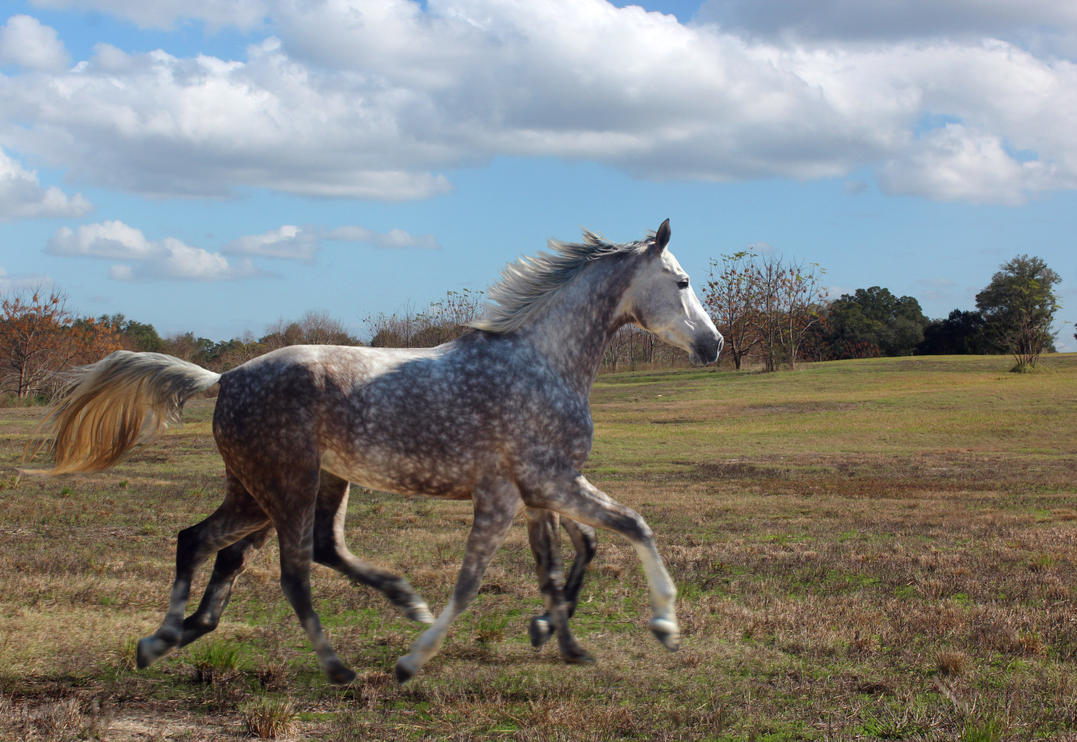
Lachlan Templar—his work appears at Deviant Art, but, when I try to find out more, the site is blocked.)

as an inspiration, but, remembering that Tolkien had begun his formal education in the traditional way:   studying Classics at King Edward’s School in Birmingham,
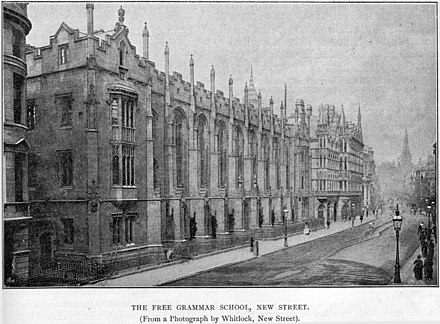
and, initially, continuing  in Classics at Oxford,

I wonder—and return to Balios and Xanthus.  These are horses with as distinguished a lineage as Grani, coming from a Fury

and the god of the West Wind.
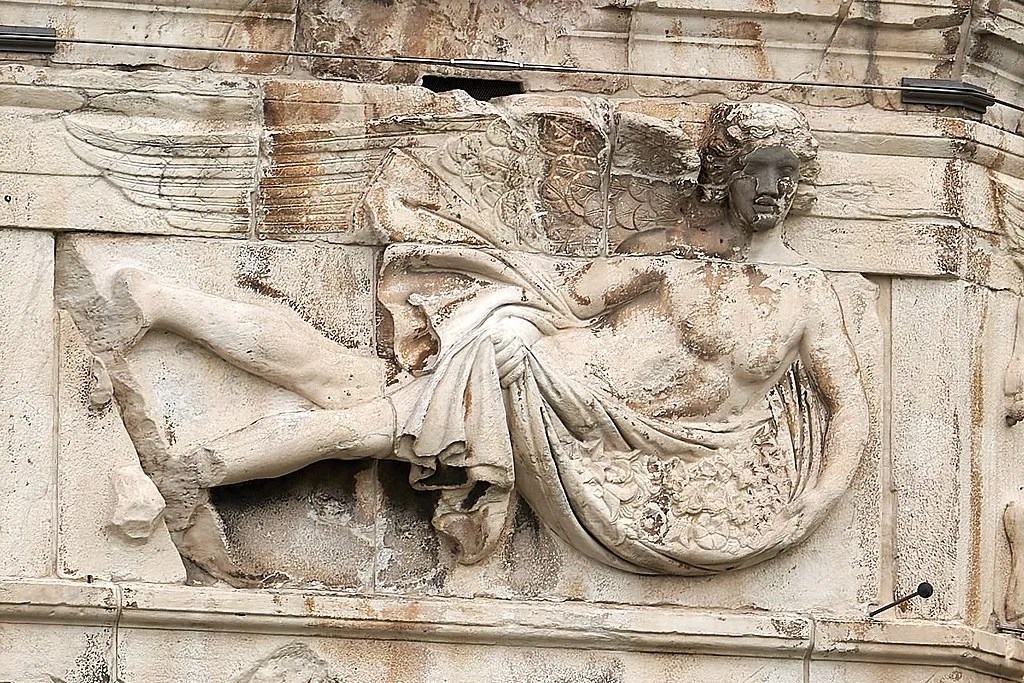
As well,  Felarof—and, in turn, Shadowfax–understand human speech and Balios and Xanthus show emotion more human than equine, weeping when their temporary master and charioteer, Patroclus, is killed in battle by the Trojan hero, Hector, refusing to return to battle, but, instead—

“…but as a monument remains firmly in the ground, one set up on a tomb

For a dead man or woman,

So they remained, immobile, holding the very beautiful chariot [still],

Leaning [their] heads to the earth, and their hot tears

Flow down from under [their] eyelids to the ground

In longing for [their] charioteer.”  (Iliad, Book 17.434-439—my translation]
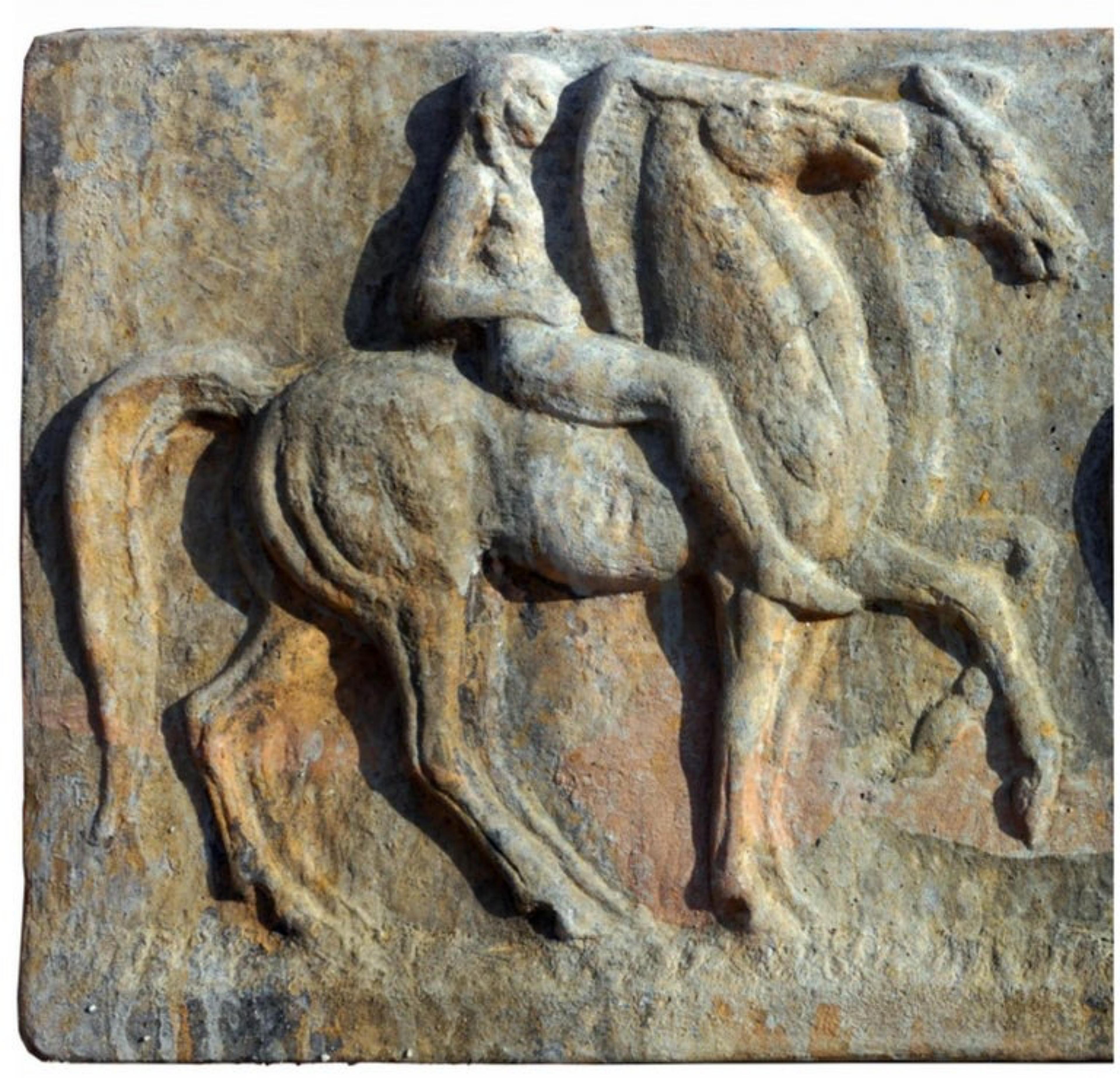
And  there’s more.   Felarof and Shadowfax may understand human speech, and Balios and Xanthus may grieve, in a human way for the death of Achilles’ friend and charioteer, Patroclus, but, in an eerie moment, one of them, Xanthus, actually speaks to Achilles, warning him of his own impending doom:

“We will still keep you safe for now, mighty Achilles,

But a deadly day is near to you.”  (Iliad, Book 19.408-409—my translation)

Could there be another link here?

“But lo!  suddenly in the midst of the glory of the king his golden shield was dimmed.  The new morning was blotted from the sky.  Dark fell about him.  Horses reared and screamed.  Men cast from the saddle lay groveling on the ground…Snowmane wild with terror stood up on high, fighting with the air, and then with a great scream he crashed upon his side; a black dart had pierced him.  The king fell beneath him…” 
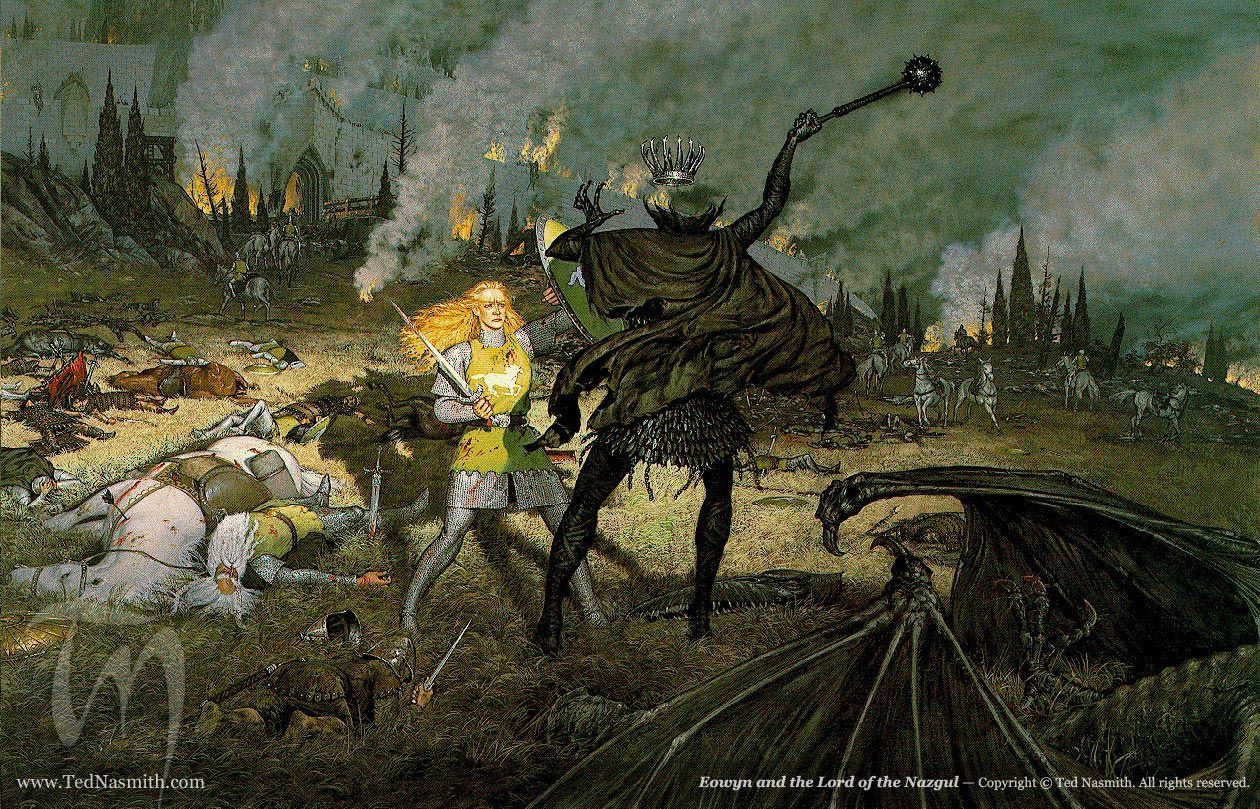
(Ted Nasmith)

Although we have no idea of Snowmane’s lineage except that he’s “Lightfoot’s foal”, and he never speaks a word, he’s certainly involved in a death and, as Balios and Xanthus might have inspired Shadowfax, could this horse-speech be related to Theoden’s horse, Snowmane?
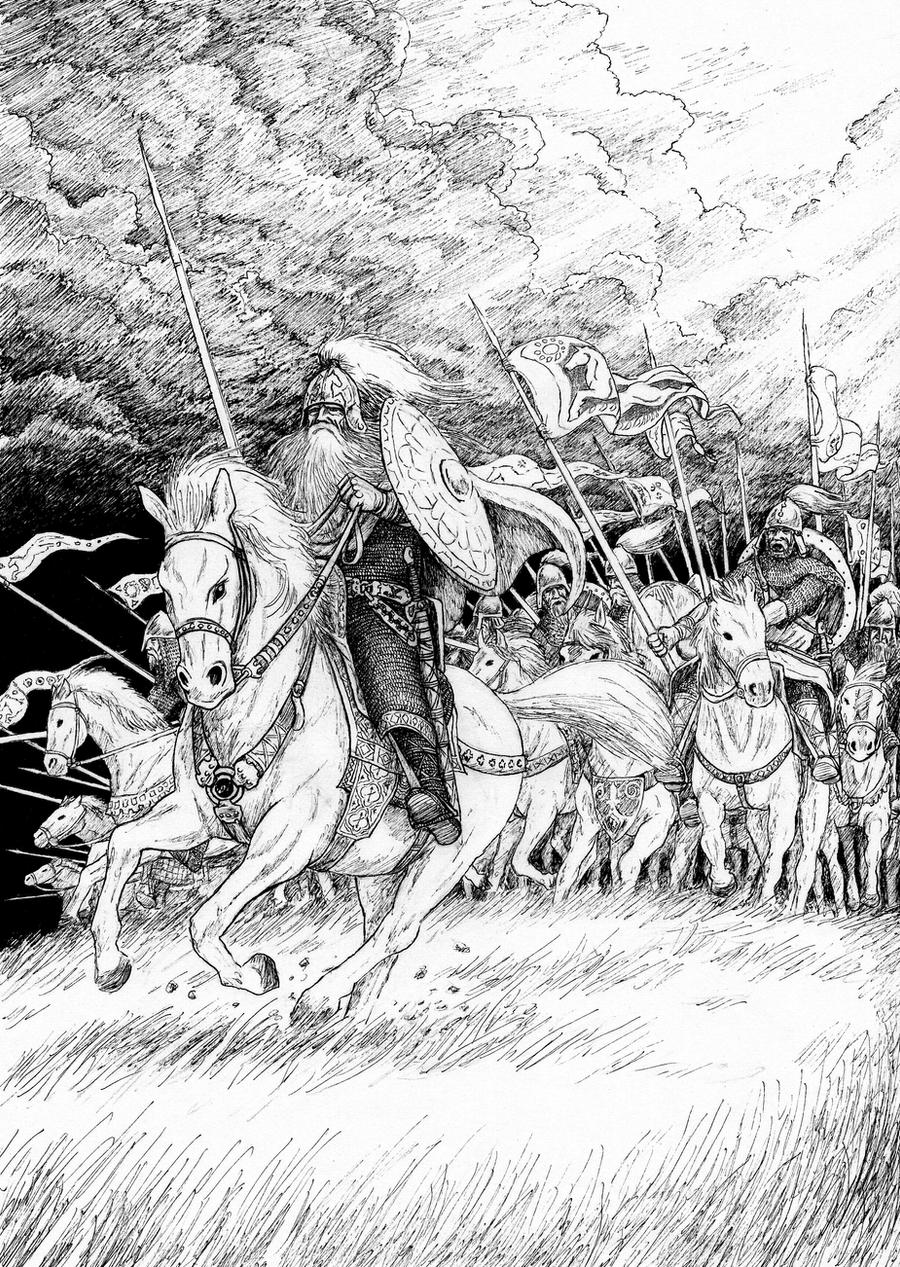
(Joona  Kujanen, aka Tulikoura, a bit more of whose work you can see here:  https://hole-intheground.blogspot.com/2012/03/fridays-at-mathom-house-joona-kujanen.html )

We have no idea of the fate of Achilles’ horses, though we are told that Achilles himself was buried in a mound—

as Agamemnon says to him in the Underworld, speaking of the cremated remains of Achilles and his friend, Patroclus (over whom Achilles’ horses mourned):

“And over them then we, mighty army of the Argive spearmen,

Heaped up a tumulus…”  (Odyssey, Book 24.81-81—my translation)

Just as Snowmane received a similar grave:

“And afterwards when all was over men returned and made a fire there and burned the carcase of the beast; but for Snowmane they dug a grave and set up a stone upon which was carved in the tongues of Gondor and the Mark:

‘Faithful servant yet master’s bane,

Lightfoot’’s foal, swift Snowbane.’

Green and long grew the grass on Snowmane’s Howe…”  (The Return of the King, Book Five, Chapter 6, “The Battle of the Pelennor Fields”)

All coincidence?   Or were JRRT’s many years of classical training still at work, when he’d long abandoned it for Germanic, Finnish, and Welsh?

As ever, thanks for reading.

Stay well,

Horses are wonderful, but remember that they, like us, have their limits—what would you do if a Nazgul on a frightful thing came down upon you?

(Craig J. Spearing—you can read more about him and his work here:  https://pathfinderwiki.com/wiki/Craig_J_Spearing )

And remember that, as ever, there’s

MTCIDC

O

Roses—War of, Cranes—Mon

27 Wednesday Feb 2019

Posted by Ollamh in Heroes, Military History, Narrative Methods

≈ 2 Comments

Tags

Across the Doubtful Sea, Arnemuiden, Bosworth, Clint Dohnen, Edward IV, Era of the Warring States, Henry Tudor, Kojiro Takeda, Lancaster, Mary Rose, Mori, Richard III, Sengoku Jidai, Tewkesbury, The Rose and the Crane, The Wars of the Roses, Tokugawa Shogunate, Tudor Rose, York

Welcome, as always, dear readers.

If you read us regularly, you know that, in general, we tend to write about the past—a lot of the past, including not only our own historical past and the past of Middle-earth, but also about past authors, as well.  Today, we’re doing something slightly different in that we are writing a review of a novel, The Rose and the Crane (2017)

image1rose.jpg

by someone who is definitely of the present, Clint Dohnen, although his book is set in the period 1483-1485.

image2cd.jpg

Like our own Across the Doubtful Sea (2015)

image3doubt.jpg

this is a self-published book, available at Amazon.com, and we found it as an Amazon recommendation.

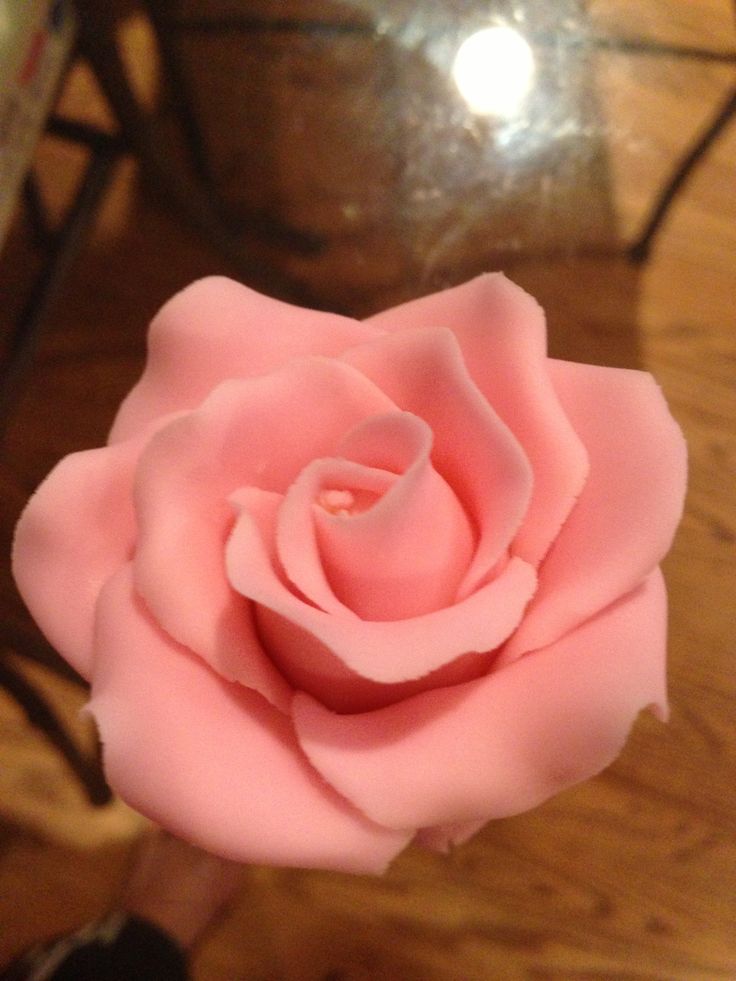
The title interested us immediately for its juxtaposition of two things one would normally not think of at the same time:

image4rose.jpg


image5crane

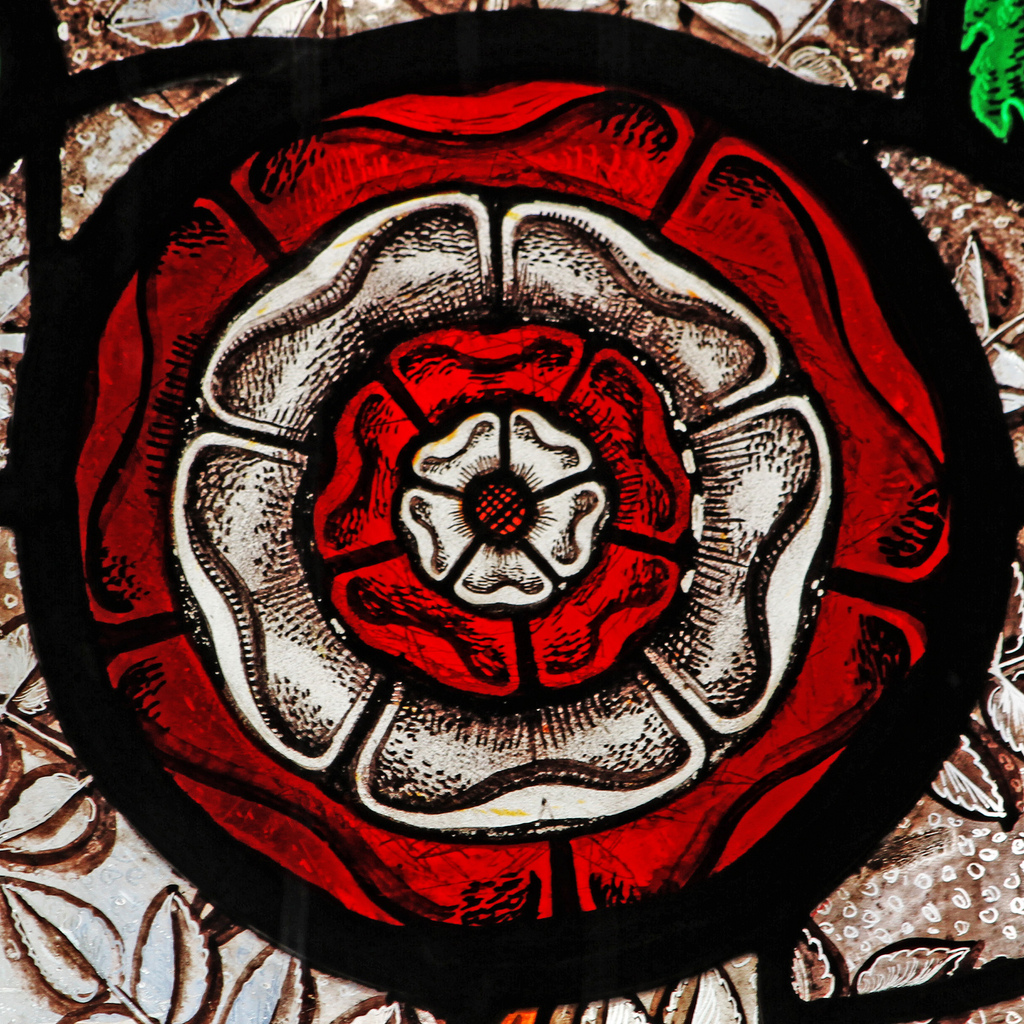
That cover, however, with its crossing of medieval sword and katana, suggested that those two things weren’t plant and bird, but something heraldic, as in the Tudor rose

image6trose

and the badge (mon) of the Mori clan of Japan.

image7mori

That rose was, in fact, a piece of political symbolism, being the combination of two separate house badges, the white rose of York

image8white

and the red rose of Lancaster,

image9red

which noble houses, along with their allies, fought an on-again off-again civil war mostly through central England from 1455 to 1487.  This struggle later came to be known as “The Wars of the Roses” because of those two flowers.

image10roses

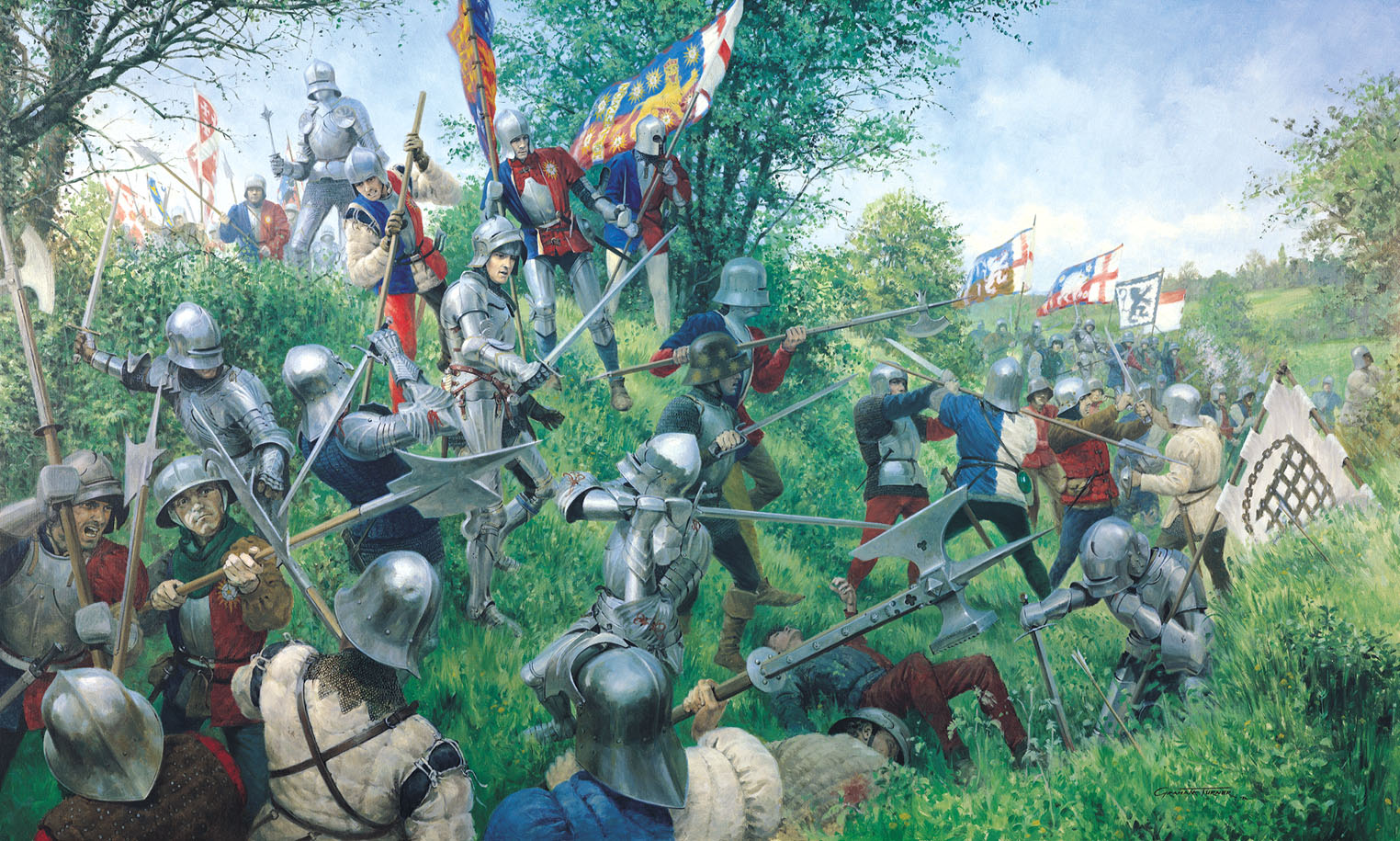
The protagonist of this novel is Simon Lang, a young refugee from that conflict as, at the beginning of the novel, in 1483, his family’s side, the Lancastrians, have suffered what apparently had been a decisive defeat at Tewkesbury, 4 May, 1471 and the heavy hand of the Yorkist government had been upon them since.

TEWKESBURY print

(This is by Graham Turner, who has done a whole series of dramatic paintings of battles of the Wars of the Roses for Osprey, one of our favorite publishers of military history.)

Simon has become an exile, currently working on a Venetian trading ship off the coast of Japan.  (We were a little puzzled by this, we must admit, as, to our knowledge, the first Renaissance ships in that part of the world would only appear–after a strenuous trip around Africa—under Vasco da Gama in 1499—but, once the novel got under weigh, we put this puzzlement aside and let the plot carry us away.)  This ship is armed with cannon, which might seem a little surprising in 1483, but the first known use of guns on European ships actually dates all the way back to the battle of Arnemuiden, 23 September, 1338.

image12arne

When we think of early ships’ guns, however, we always think of those of the Mary Rose,

image13mrose

which sank, with virtually all hands, during a naval battle with the French, on 19 July, 1545, was rediscovered in the late 20th century, raised, and now is on display in Portsmouth, England.

image14mrose

As you can see, about half the ship has survived and, with it, an enormous quantity of wonderfully-preserved artefacts, including a number of its guns.

image15guns

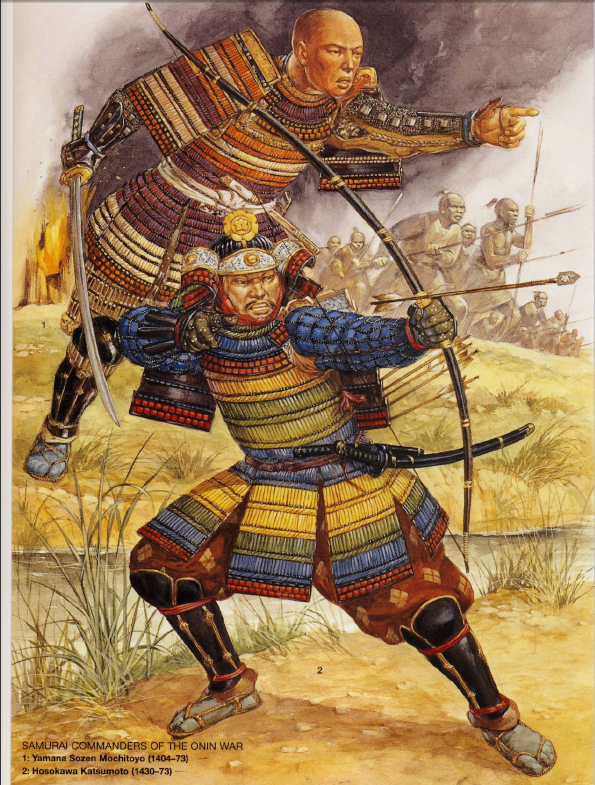
It’s while on board this ship that the Rose, so to speak, meets the Crane, the samurai Kojiro Takeda

image16onin

in the time in Japanese history known as Sengoku Jidai, the “Era of the Warring States” (1467-1600), when the country went through its own complex period of civil wars before the Tokugawa Shogunate (1603-1867) brought repression and peace simultaneously.

Takeda is rescued, along with a friend, from the ship of an enemy family and the first part of the novel deals with adventures in Japan (including a battle to defend the village of Takeda’s friend, which is very clearly and convincingly described—as are all the battles in the book—and there are several of them).

The merchant ship is on a trading venture, however, and the second major episode involves the main characters in an expedition south from Japan to the Molucca Islands (now known as the Maluku), a group which is situated between New Guinea and Borneo.

image17moluccas

There—this is an adventure novel after all—they are attacked by cannibal headhunters.  These headhunters are not given a name, but, from the description, we imagine that they could be Sea Dayaks from Borneo,

image18dayak

known for collecting heads.

M0005506 Punan's heads taken by Sea Dayaks

From there, it’s back to Venice—but this is not a breather because there is another plot—a meanwhile.

After the death of the Yorkist king, Edward IV, in 1483,

image20ed

the crown should have passed to his two sons, but, instead, Edward’s younger brother, at first regent for the two boys, then takes the crown, the two boys are declared illegitimate—and, well, never seen again.

image21aprinces

Much of what was thought to be known of this younger brother, who became Richard III,

The Richard III Society Reveal A Facial Reconstruction Of Richard III

originally came from sources employed by his enemy and eventual replacement, Henry Tudor, aka Henry VII,

image22hank

but, over the years, the image of the hunch-backed monster of Shakespeare

image23olive

has gradually been changed to that of a successful administrator and more-than-competent king and soldier, but this is an adventure novel with both a young late-medieval knight and a ronin (masterless samurai) as main characters, so Richard is put back into his old role—and even more so, being clearly a psychopath.

image24olive

Simon is distantly related—half of noble England seemed to be—to the heads of the Lancastrian family and Richard is determined to remove any possible threat to his position as king, so Simon is a marked man—a situation which will continue to be the case till the very end of the book, when, in one final battle scene, Simon and his friends fight in the army of Henry Tudor at Bosworth, 22 August, 1485.

image25bosworth

Richard III is killed in the struggle

King Richard III in battle: Was Richard Really Evil?

and, in the aftermath, Henry—now Henry VII—returns Simon’s ancestral lands to him and suitably rewards the samurai and the other members of Simon’s fellowship (a familiar scene from the end of Star Wars IV, to “The Field of Cormallen” in The Return of the King).

We hope that you can tell from our summary that this is a fine example of just what we enjoy:  a wild adventure set in an actual historical era which the author has taken pains to reconstruct, with the kinds of characters one would hope for:  exiles with murderous talents, cheerfully making their way through hair-raising situations.  We would add to this three more items:

  1. the descriptions of scenery and actions are clear, precise, and persuasive
  2. the language barrier—after all, in the space of the book, characters move from England to Venice to Japan to the Moluccas and back—is handled with some care—if we have to suspend our disbelief, we only have to do so briefly and some games are played with language throughout
  3. which leads us to our third point—this is—we’ll use an old-fashioned word here—a rollicking book—it’s just plain fun and, like all of the best adventure stories, could easily be read more than once

We hope that you enjoy it as much as we did.

Thanks, as ever, for reading and,

MTCIDC

CD

ps

That image of Richard III has its own interesting story.  After Richard was killed at Bosworth, his body was quickly buried in a religious installation—Greyfriars Priory–in the city of Leicester.  Over the years from 1485 to the early 2000s, the Priory had long disappeared and the body with it (although there was another tradition that the bones had been dumped into the local river and lost).  In August, 2015, however, a joint project of the University of Leicester and Leicester City Council not only located the site, but almost immediately found the skeleton of a man of the right age who seemed to have suffered a battlefield death.  Subsequent DNA matching with descendants, plus the site itself, confirmed that the bones were that of the last Yorkist king and, before he was interred in Leicester Cathedral, measurements were taken and this image made.  Here’s a LINK, if you’d like to learn more.

The Doubtful Sea Series Facebook Page

The Doubtful Sea Series Facebook Page

  • Ollamh

Categories

  • Artists and Illustrators
  • Economics in Middle-earth
  • Fairy Tales and Myths
  • Films and Music
  • Games
  • Heroes
  • Imaginary History
  • J.R.R. Tolkien
  • Language
  • Literary History
  • Maps
  • Medieval Russia
  • Military History
  • Military History of Middle-earth
  • Narnia
  • Narrative Methods
  • Poetry
  • Research
  • Star Wars
  • Terra Australis
  • The Rohirrim
  • Theatre and Performance
  • Tolkien
  • Uncategorized
  • Villains
  • Writing as Collaborators
Follow doubtfulsea on WordPress.com

Across the Doubtful Sea

Recent Postings

  • Through a glass… January 7, 2026
  • Heffalumps? December 31, 2025
  • We Three Kings December 24, 2025
  • A Moon disfigured December 17, 2025
  • On the Roads Again—Once More December 10, 2025
  • (Not) Crossing Bridges December 3, 2025
  • On the Road(s) Again—Again November 26, 2025
  • On the Road(s) Again November 19, 2025
  • To Bree (Part 2) November 12, 2025

Blog Statistics

  • 104,076 Views

Posting Archive

  • January 2026 (1)
  • December 2025 (5)
  • November 2025 (4)
  • October 2025 (5)
  • September 2025 (4)
  • August 2025 (4)
  • July 2025 (5)
  • June 2025 (4)
  • May 2025 (4)
  • April 2025 (5)
  • March 2025 (4)
  • February 2025 (4)
  • January 2025 (5)
  • December 2024 (4)
  • November 2024 (4)
  • October 2024 (5)
  • September 2024 (4)
  • August 2024 (4)
  • July 2024 (5)
  • June 2024 (4)
  • May 2024 (5)
  • April 2024 (4)
  • March 2024 (4)
  • February 2024 (4)
  • January 2024 (5)
  • December 2023 (4)
  • November 2023 (5)
  • October 2023 (4)
  • September 2023 (4)
  • August 2023 (5)
  • July 2023 (4)
  • June 2023 (4)
  • May 2023 (5)
  • April 2023 (4)
  • March 2023 (5)
  • February 2023 (4)
  • January 2023 (4)
  • December 2022 (4)
  • November 2022 (5)
  • October 2022 (4)
  • September 2022 (4)
  • August 2022 (5)
  • July 2022 (4)
  • June 2022 (5)
  • May 2022 (4)
  • April 2022 (4)
  • March 2022 (5)
  • February 2022 (4)
  • January 2022 (4)
  • December 2021 (5)
  • November 2021 (4)
  • October 2021 (4)
  • September 2021 (5)
  • August 2021 (4)
  • July 2021 (4)
  • June 2021 (5)
  • May 2021 (4)
  • April 2021 (4)
  • March 2021 (5)
  • February 2021 (4)
  • January 2021 (4)
  • December 2020 (5)
  • November 2020 (4)
  • October 2020 (4)
  • September 2020 (5)
  • August 2020 (4)
  • July 2020 (5)
  • June 2020 (4)
  • May 2020 (4)
  • April 2020 (5)
  • March 2020 (4)
  • February 2020 (4)
  • January 2020 (6)
  • December 2019 (4)
  • November 2019 (4)
  • October 2019 (5)
  • September 2019 (4)
  • August 2019 (4)
  • July 2019 (5)
  • June 2019 (4)
  • May 2019 (5)
  • April 2019 (4)
  • March 2019 (4)
  • February 2019 (4)
  • January 2019 (5)
  • December 2018 (4)
  • November 2018 (4)
  • October 2018 (5)
  • September 2018 (4)
  • August 2018 (5)
  • July 2018 (4)
  • June 2018 (4)
  • May 2018 (5)
  • April 2018 (4)
  • March 2018 (4)
  • February 2018 (4)
  • January 2018 (5)
  • December 2017 (4)
  • November 2017 (4)
  • October 2017 (4)
  • September 2017 (4)
  • August 2017 (5)
  • July 2017 (4)
  • June 2017 (4)
  • May 2017 (5)
  • April 2017 (4)
  • March 2017 (5)
  • February 2017 (4)
  • January 2017 (4)
  • December 2016 (4)
  • November 2016 (5)
  • October 2016 (6)
  • September 2016 (5)
  • August 2016 (5)
  • July 2016 (5)
  • June 2016 (5)
  • May 2016 (4)
  • April 2016 (4)
  • March 2016 (5)
  • February 2016 (4)
  • January 2016 (4)
  • December 2015 (5)
  • November 2015 (5)
  • October 2015 (4)
  • September 2015 (5)
  • August 2015 (4)
  • July 2015 (5)
  • June 2015 (5)
  • May 2015 (4)
  • April 2015 (3)
  • March 2015 (4)
  • February 2015 (4)
  • January 2015 (4)
  • December 2014 (5)
  • November 2014 (4)
  • October 2014 (6)
  • September 2014 (1)

Blog at WordPress.com.

  • Subscribe Subscribed
    • doubtfulsea
    • Join 78 other subscribers
    • Already have a WordPress.com account? Log in now.
    • doubtfulsea
    • Subscribe Subscribed
    • Sign up
    • Log in
    • Report this content
    • View site in Reader
    • Manage subscriptions
    • Collapse this bar
 

Loading Comments...