Tags
A E Mason, A Midsummer Night's Dream, Brunhilde, cadet, cockfighting, Edith Bratt, Exeter College, Faeries, Fairies, Gilbert and Sullivan, Goblin Feet, Iolanthe, Oxford Poetry, Richard Doyle, Richard Wagner, The Four Feathers, The Great War, The Lord of the Rings, Tolkien, white feather, William Shakespeare, World War I, Yeats
As always, dear readers, welcome.
In 1915, Tolkien was

scrambling to finish his BA at Exeter College

before he was swept up into the war which was gradually devouring the younger male populations of much of western Europe

and would soon swallow him, as well.

Although he had been a cadet in his earlier days,
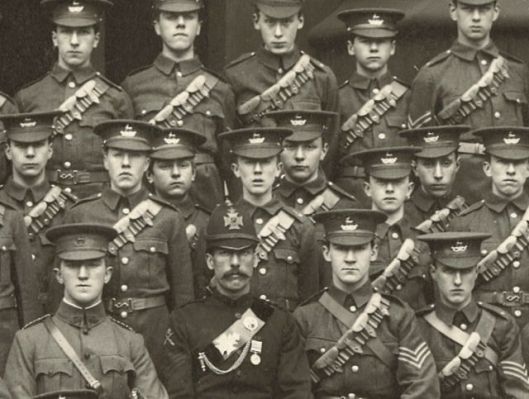
he resisted the societal pressure to join up and that must have been difficult, as it was not uncommon in 1915 for young men not in uniform to be stopped in the street by civilians, particularly women, and asked why they hadn’t enlisted yet before being presented with a white feather as a symbol of cowardice.
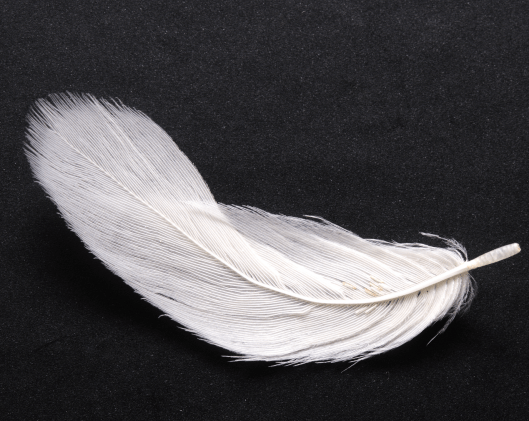
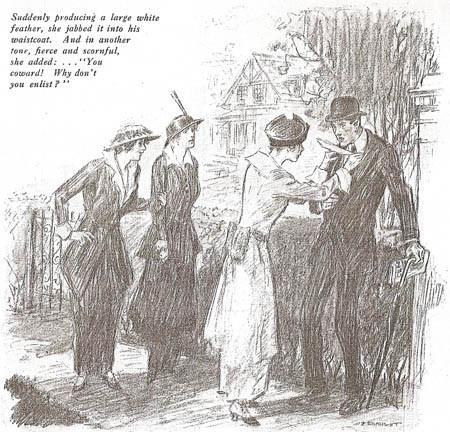
The use of a white feather appears to have been derived from the old sport of cockfighting, in which it was believed that a rooster with a white tail feather would be a poor combatant.
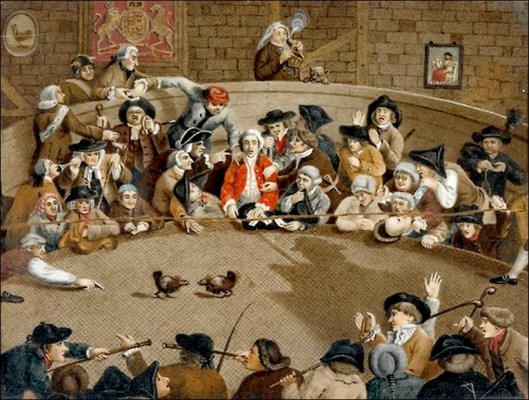
For us, the image is directly related to a famous 1902 adventure novel, The Four Feathers

by A E Mason (1865-1948).
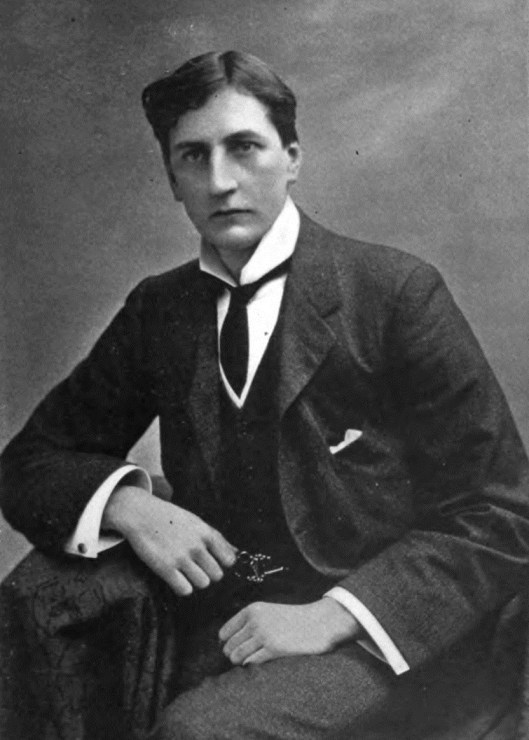
In this book, the main character, Harry Feversham, is thought to be a coward by his brother officers and by his fiancé and goes to heroic lengths to prove otherwise (here’s a LINK so that you can enjoy the book for yourself, if you would like).
As well as the book, there have been a number of films made from it, including the one which we believe to be the best, from 1939.

During this scramble to finish, Tolkien wrote a poem in late April for his wife-to-be, Edith Bratt (1889-1971).
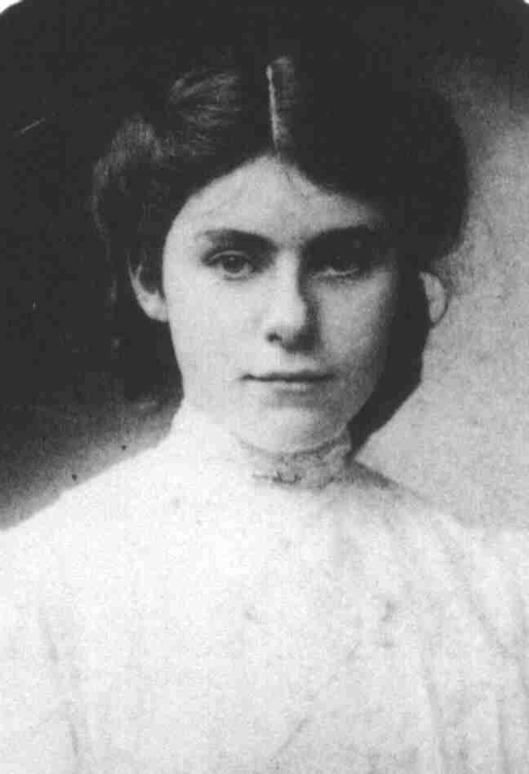
Called “Goblin Feet”, it was first published in Oxford Poetry 1915. (Here’s a LINK so that you may have your own copy of the book.)

Here’s the text:
I am off down the road
Where the fairy lanterns glowed
And the little pretty flitter-mice are flying;
A slender band of gray
It runs creepily away
And the hedges and the grasses are a-sighing.
The air is full of wings,
And of blundery beetle-things
That warn you with their whirring and their humming.
O! I hear the tiny horns
Of enchanted leprechauns
And the padded feet of many gnomes a-coming!
O! the lights! O! the gleams! O! the little twinkly sounds!
O! the rustle of their noiseless little robes!
O! the echo of their feet — of their happy little feet!
O! the swinging lamps in the starlit globes.
I must follow in their train
Down the crooked fairy lane
Where the coney-rabbits long ago have gone.
And where silvery they sing
In a moving moonlit ring
All a twinkle with the jewels they have on.
They are fading round the turn
Where the glow worms palely burn
And the echo of their padding feet is dying!
O! it’s knocking at my heart—
Let me go! let me start!
For the little magic hours are all a-flying.
O! the warmth! O! the hum! O! the colors in the dark!
O! the gauzy wings of golden honey-flies!
O! the music of their feet — of their dancing goblin feet!
O! the magic! O! the sorrow when it dies.
Two things strike us immediately about this text. First, its tone of subdued longing for Otherness—“I must follow”, “O! it’s knocking at my heart”, “O! the sorrow when it dies”. This reminded us of WB Yeats’ (1865-1939) “The Hosting of the Sidhe” (from the volume The Wind Among the Reeds, 1899)
The host is riding from Knocknarea
And over the grave of Clooth-na-Bare;
Caoilte tossing his burning hair,
And Niamh calling Away, come away:
Empty your heart of its mortal dream.
The winds awaken, the leaves whirl round,
Our cheeks are pale, our hair is unbound,
Our breasts are heaving, our eyes are agleam,
Our arms are waving, our lips are apart;
And if any gaze on our rushing band,
We come between him and the deed of his hand,
We come between him and the hope of his heart.
The host is rushing ‘twixt night and day,
And where is there hope or deed as fair?
Caoilte tossing his burning hair,
And Niamh calling Away, come away.
(Here, by the way, is the cover to the first edition of the volume, artwork by Yeats’ friend, Althea Giles.

And here’s a LINK to the earliest edition we can find on the internet—it’s the 4th, from 1903.)
Yeats, in this part of his creative life, was just leaving the late-Victorian era called the “Celtic Twilight”, in which Irish artists of all sorts were attempting to create a new art, independent of British art and literature and based upon what they conceived were “Old Irish models”. To someone of late-Romantic temperament, like Tolkien, the attraction must have been very strong—note that leprechauns have somehow gotten mixed with the goblins!
This mixing of all kinds of beings from Faerie—goblins, fairies, leprechauns, gnomes—and their diminutive size—note five uses of “little” and one “tiny” –is the second thing which strikes us. The shrinking of otherworld beings in English literature can be traced at least as far back as Shakespeare and A Midsummer Night’s Dream,
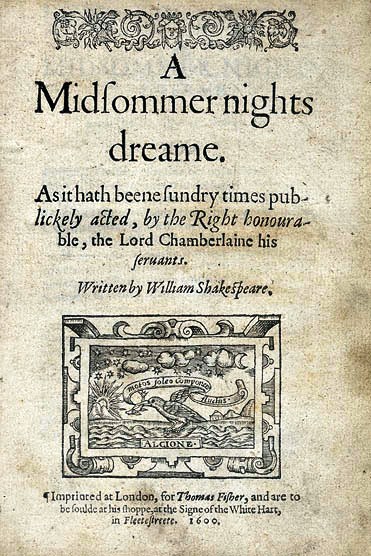
but really catches hold in the 19th century, with the pictorial work of artists like Richard Doyle


and which is parodied by WS Gilbert (1836-1911), in Iolanthe (1882), in which the human-sized (and often played by a stout woman) Queen of the Fairies talks all about curling “myself inside a buttercup”, all the while being costumed to look like a Valkyrie from Wagner’s operas—an extra visual joke (which is, in our Gilbert and Sullivan experience, no longer employed—a pity!).
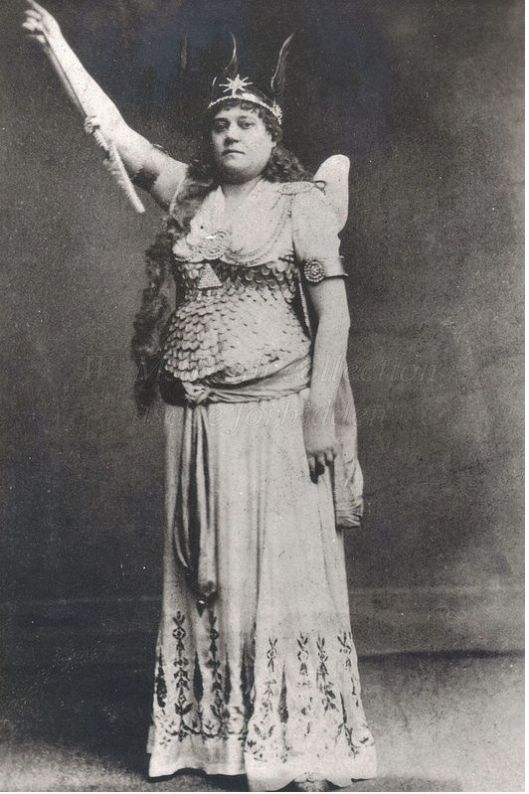

(Arthur Sullivan (1842-1900), who was the composer of Iolanthe, has left us a very beautiful overture for it. Here’s a LINK so that you can hear it.)
JRRT seems, at the very beginning of his literary life, to have been caught up in this mixture of Shakespeare and Victoriana and Yeats’ “Celtic Twilight” mood and it’s perhaps for that reason that, later in life, looking back on it, he said of this early poem:
“I wish the unhappy little thing, representing all that I came (so soon after) to fervently dislike, could be buried forever.” (The Book of Lost Tales Part One, “The Cottage of Lost Play”, 32)
Was he embarrassed at his own youthful influences? And there have certainly been later critics who have been hard upon the poem.
If we put it into the context of 1915, however, this longing to be anywhere but in wartime 1915 makes perfect sense, especially for a young, sensitive, highly-intelligent man deeply in love with a girl he’d worked so hard to be with. The real horrific violence of the Great War was kept hidden from the people of the UK by the Government. Newspapers and magazines were censored, soldiers’ letters were censored (Tolkien and Edith developed a secret code in his letters to get around that censorship), soldiers were not allowed to keep diaries or have cameras (only official photographers were permitted to work at the Front—and their work was closely watched), but word still got back, mainly, we suspect, from those on leave, often wounded, who had experienced events which turned out like this—
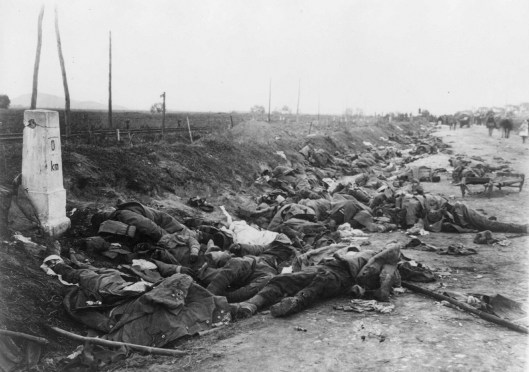
Is it any wonder, with what he knew about and dreaded being part of, that JRRT would have wished to be on the road to Fairyland?
Thanks, as always, for reading.
MTCIDC
CD
ps
In our next, we want to think out loud a bit about the goblins whose feet JRRT wants so much to follow…
 doubtfulsea