Tags
Alexandre Dumas, books, D'Artagnan, Gilbert and Sullivan, Musketeers, Pooh-Bah, Sir Walter Scott, The Lord of the Rings, The Mikado, The Three Musketeers, Tolkien, Waverley
Dear readers, welcome, as always.
What makes The Lord of the Rings so convincing? One might argue that it was simply good story-telling—convincing characters, fast-moving plot, surprises along the way, sad, but satisfying conclusion—and I would certainly agree. For me, however, there is something more and I’ve come to think about it through what might seem a rather remote back door…
Several of the characters in Gilbert and Sullivan’s The Mikado (1885),
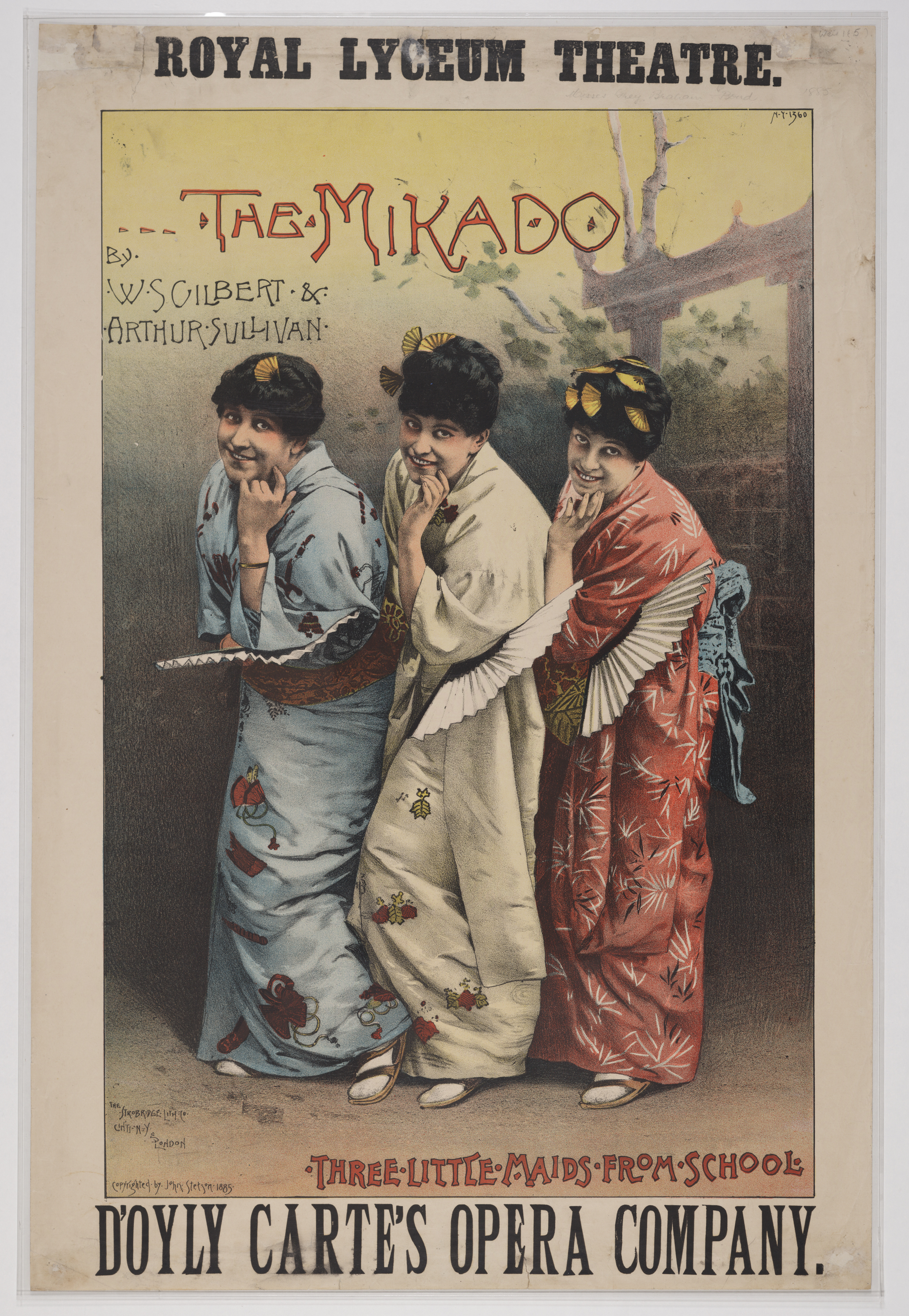
are in trouble. They have told a lie—in a song, of course–and were so convincing that they’re now about to be executed for it. Inevitably, this leads to recriminations and one character, Pooh-Bah,
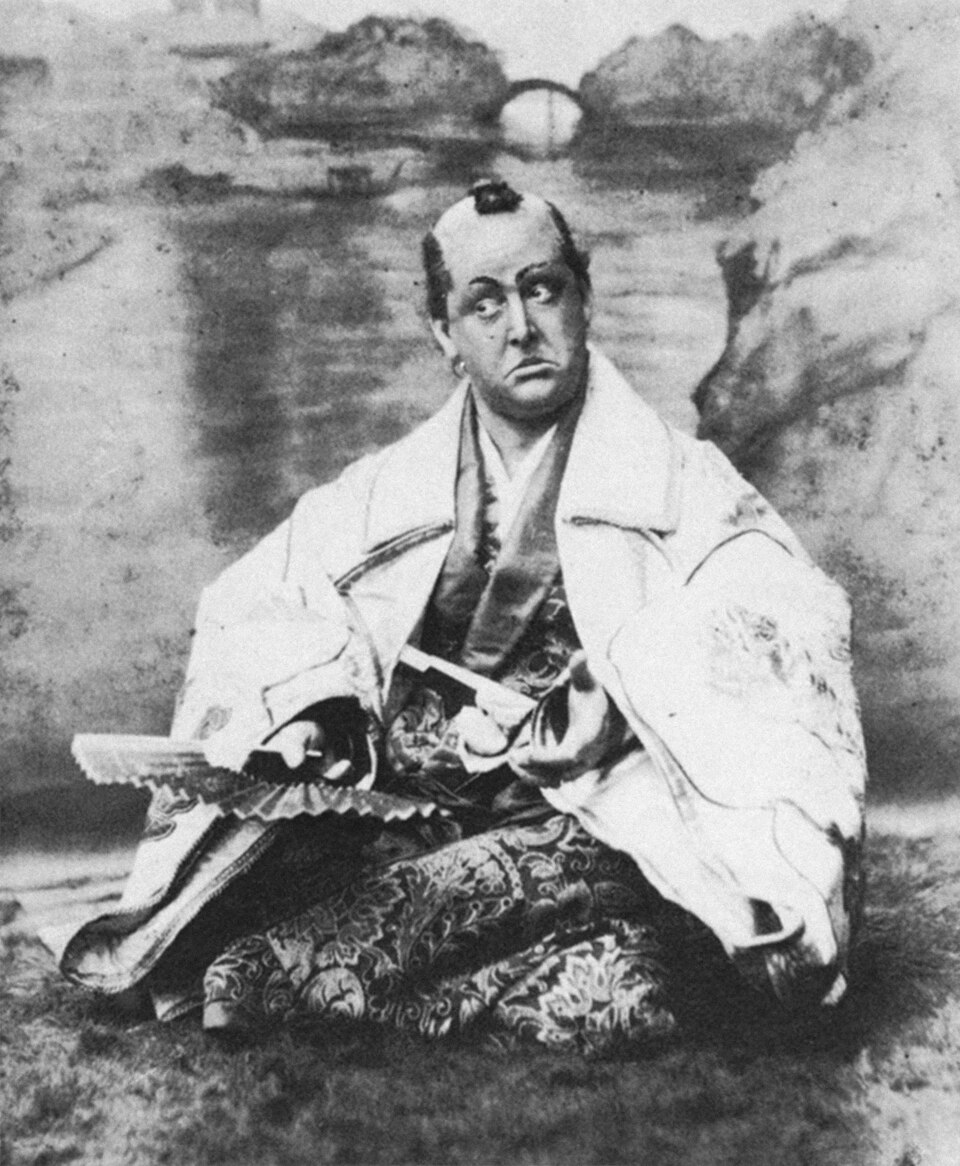
defends himself, saying that his part in the lie, was
“Merely corroborative detail, intended to give artistic verisimilitude to an otherwise bald and unconvincing narrative.”
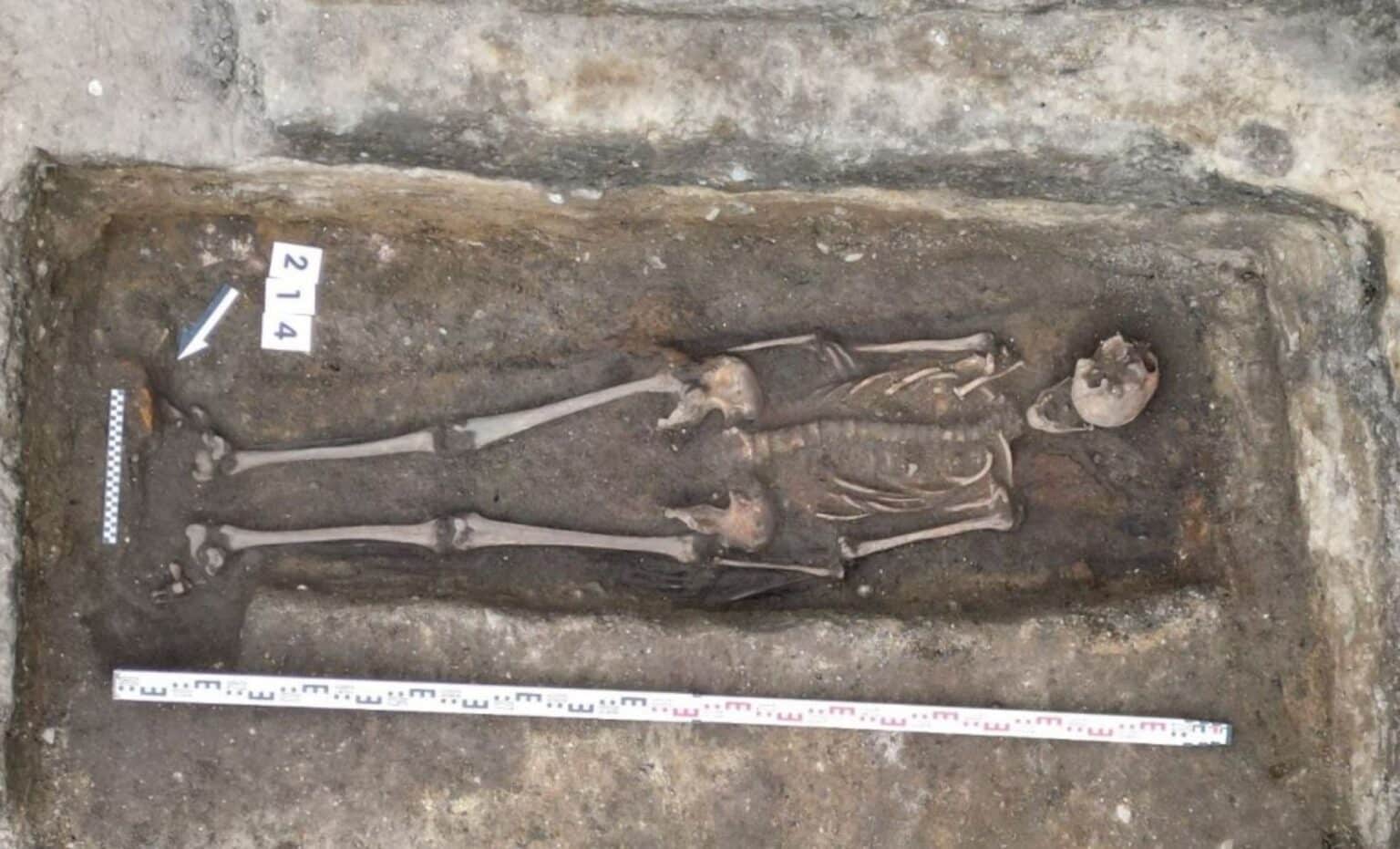
I thought of this line when an old friend sent me a piece from the BBC with the headline “Musketeer D’Artagnan’s remains believed found under Dutch church” (see the article here: https://www.bbc.com/news/articles/cm2rew2dgzzo )
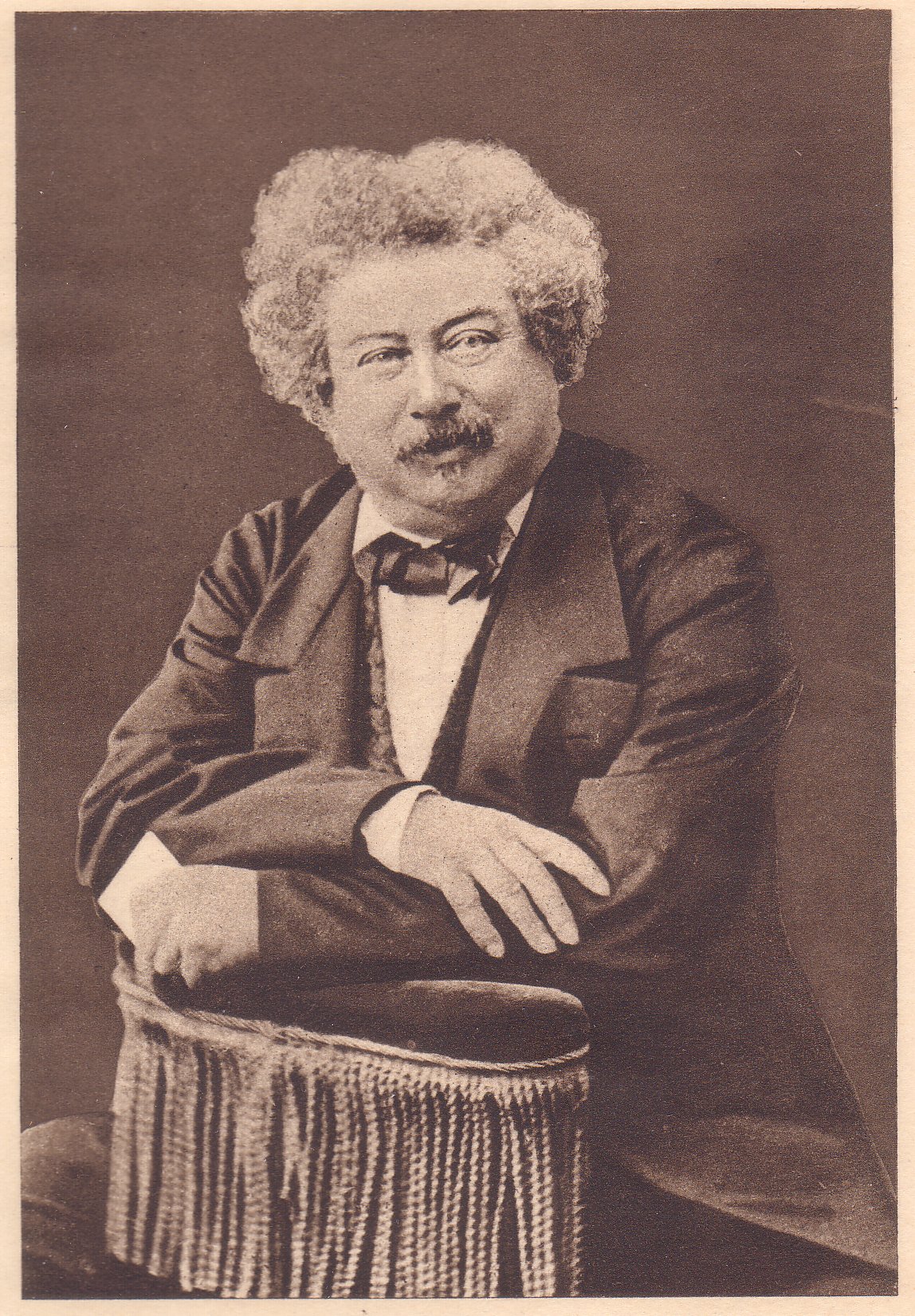
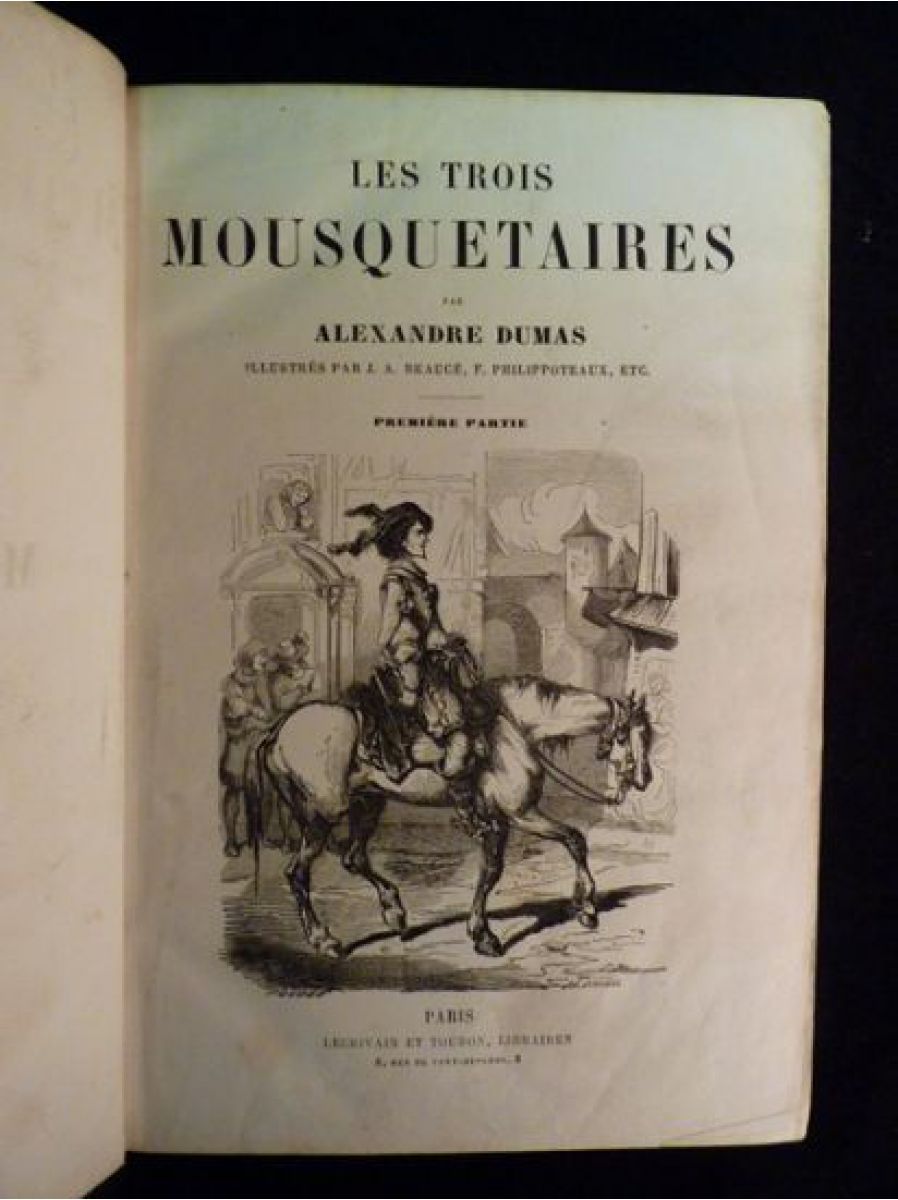
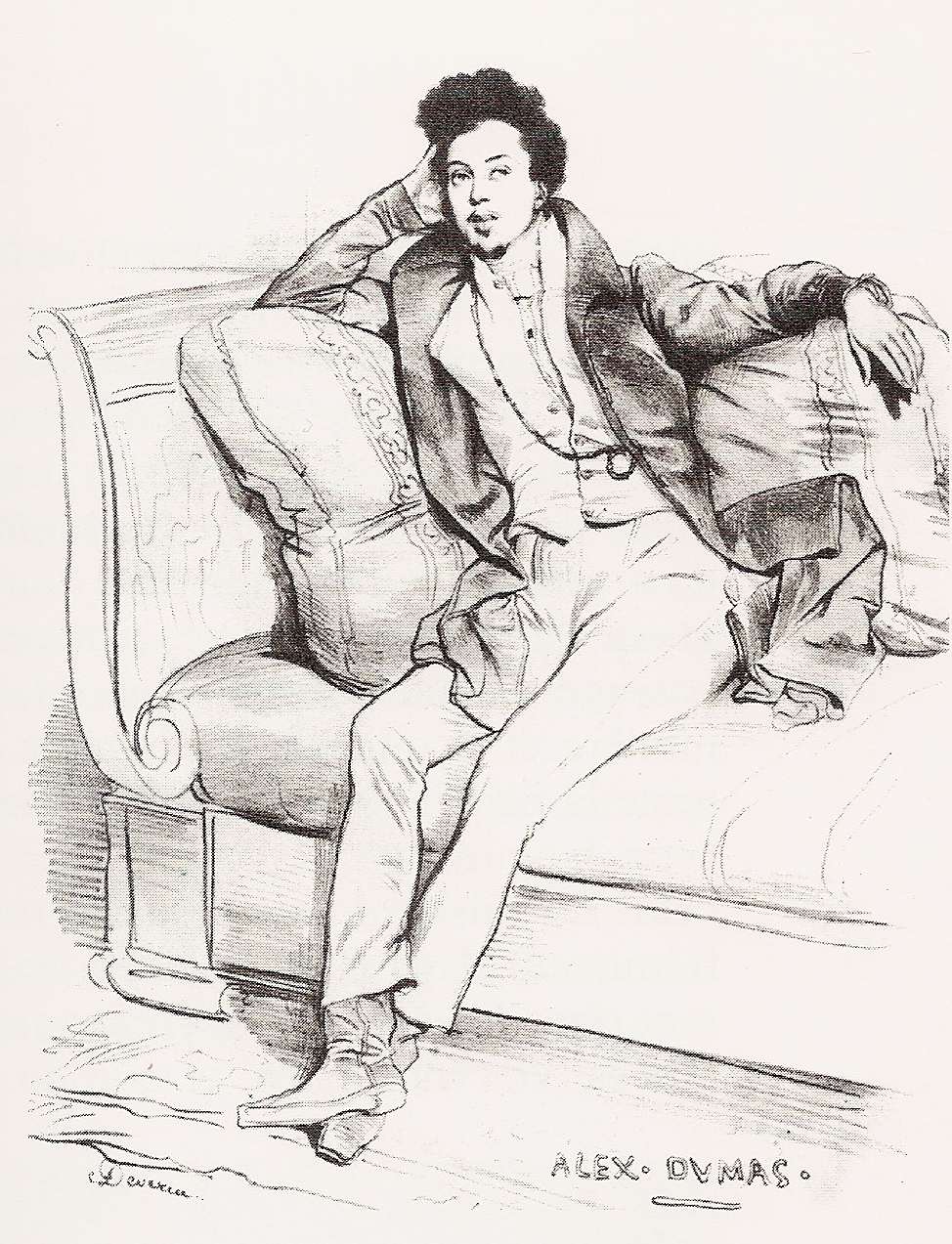
“Musketeer D’Artagnan” is the protagonist of Alexandre Dumas’ (1802-1870) historical adventure novel The Three Musketeers (1844),
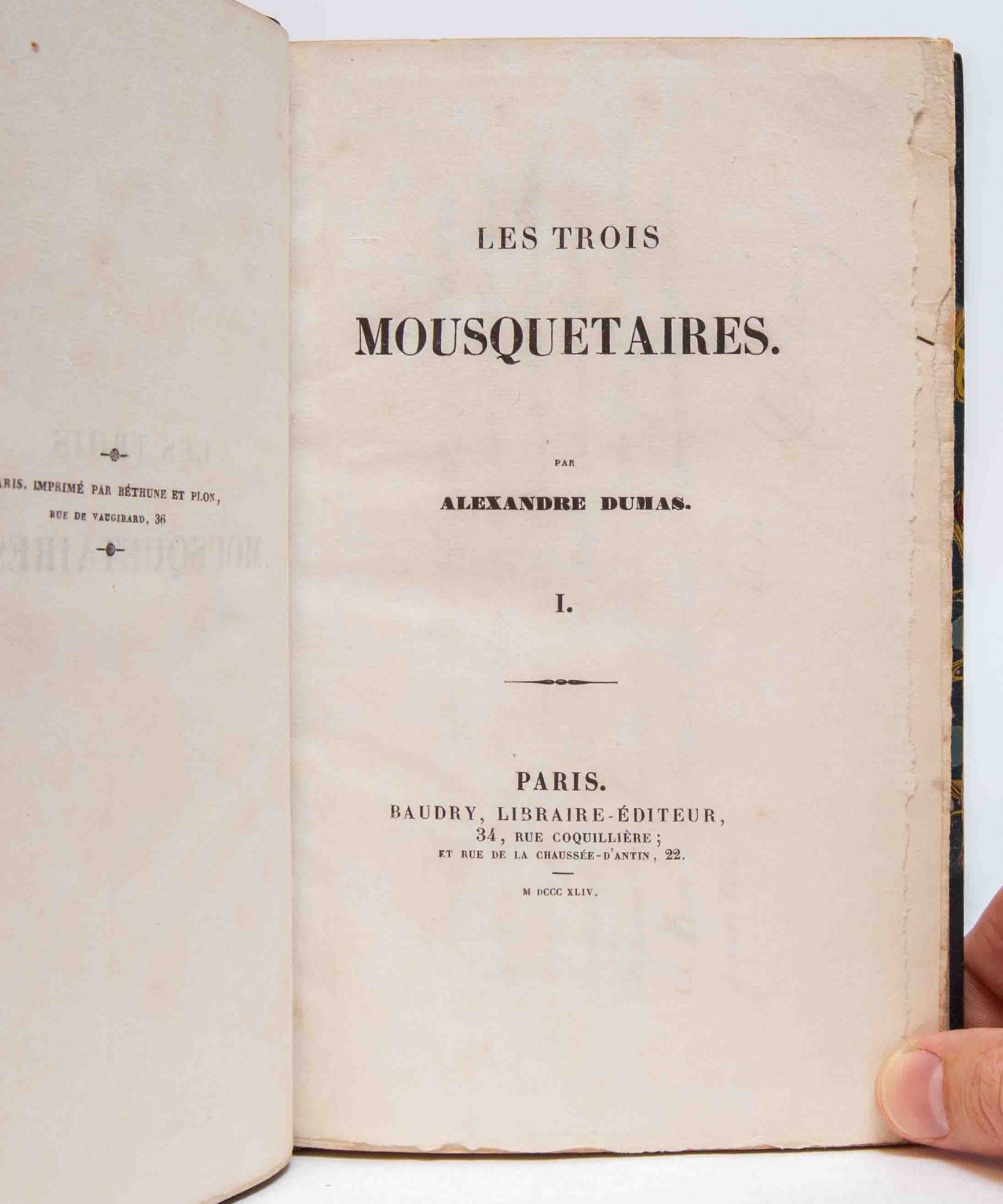
as well as being a major character in two more, Twenty Years After (1845) and The Viconte of Bragelonne (1847).
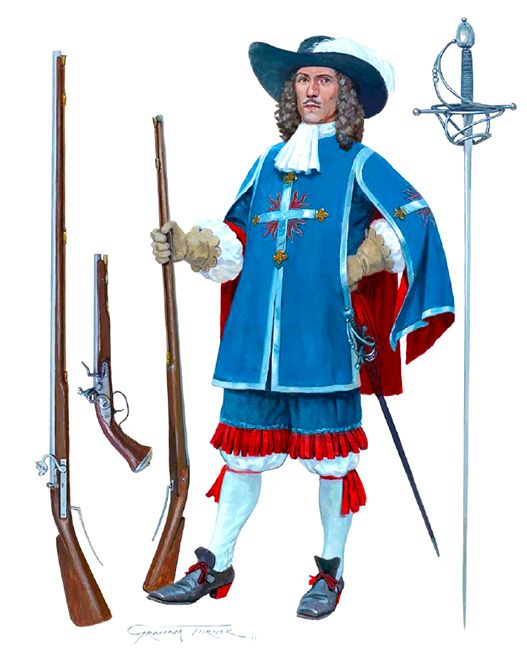
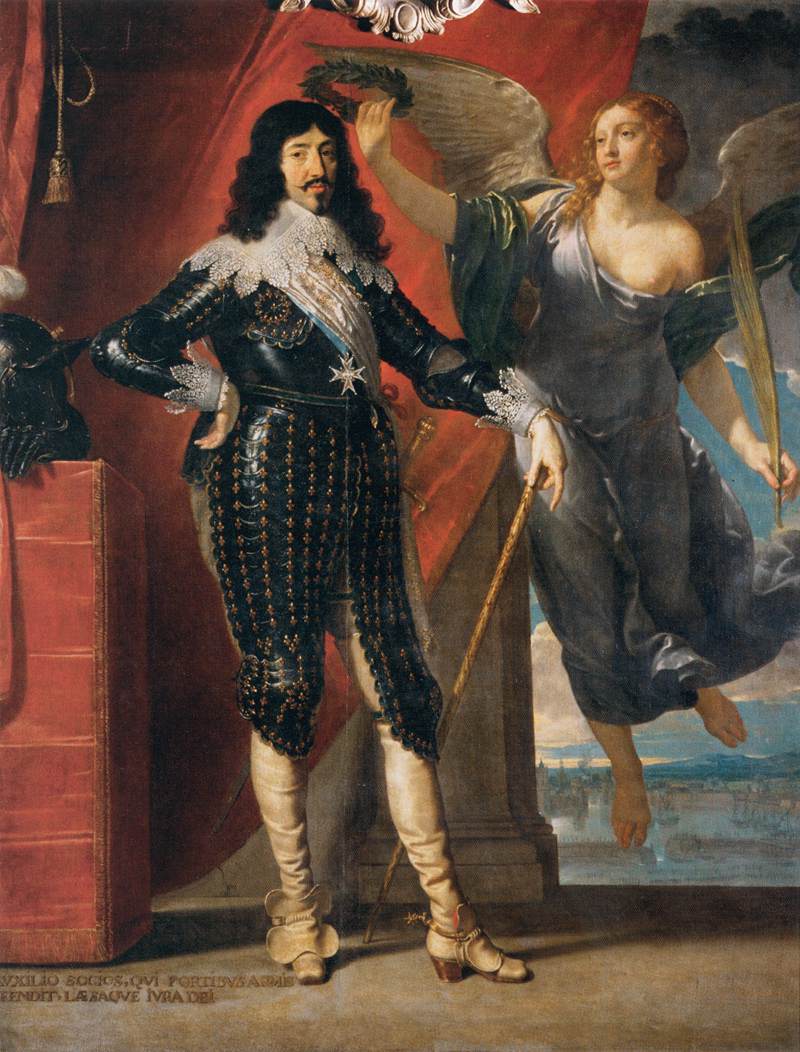
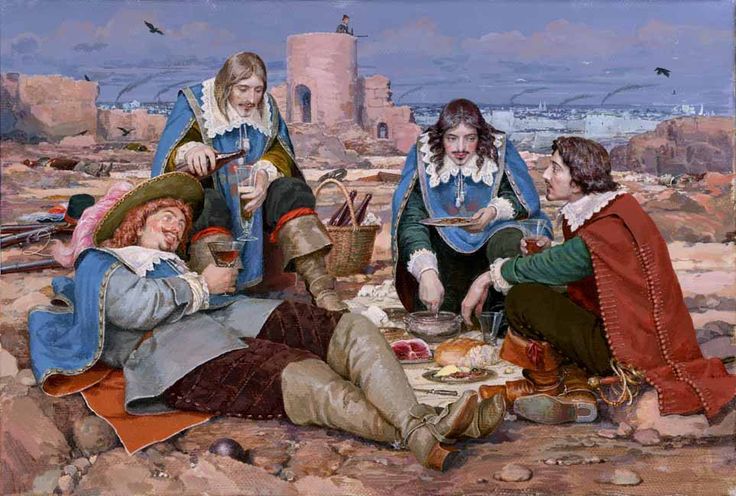
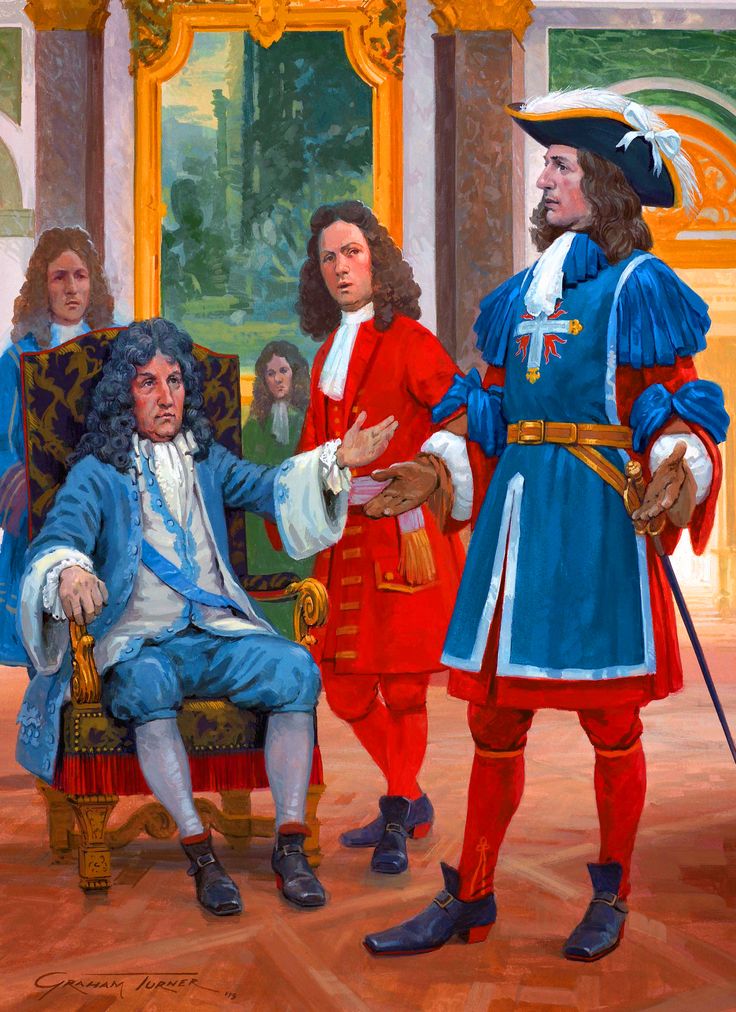
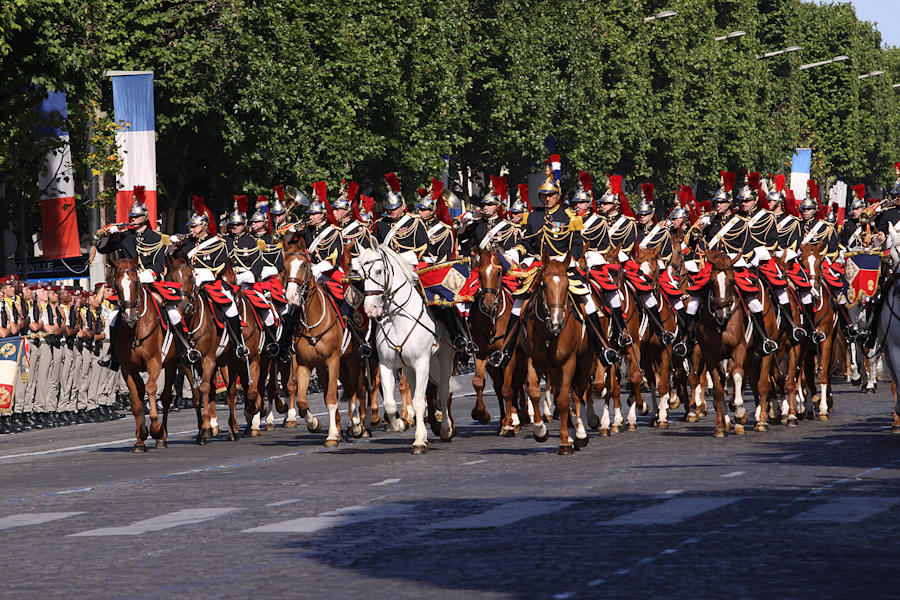
He also happens to have been a real person, Charles de Batz de Castelmore (1611-1673), who had once been a member of Louis XIII’s Musketeers,
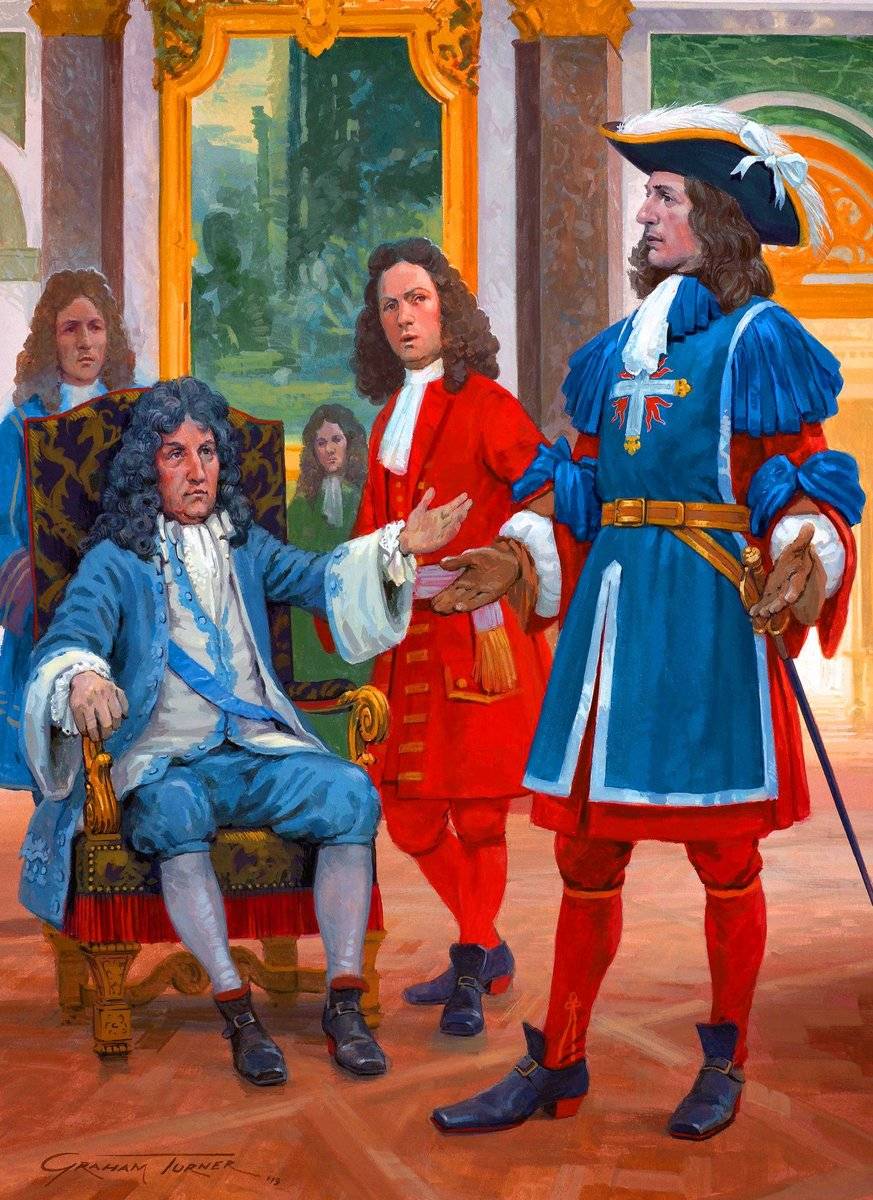
(Graham Turner)
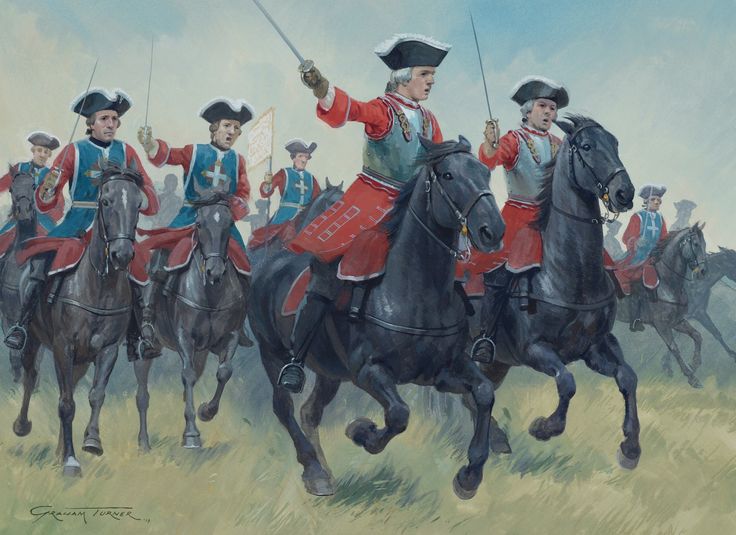
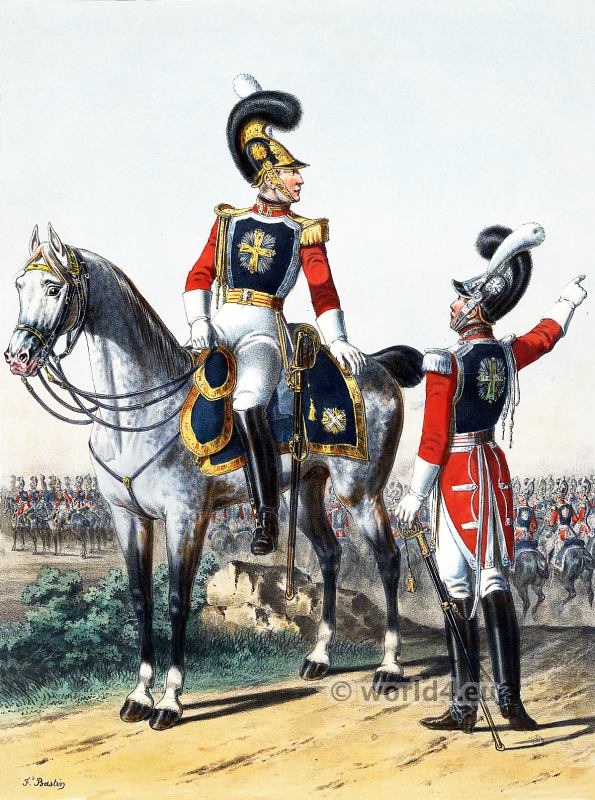
one of the units of Louis’ bodyguard.
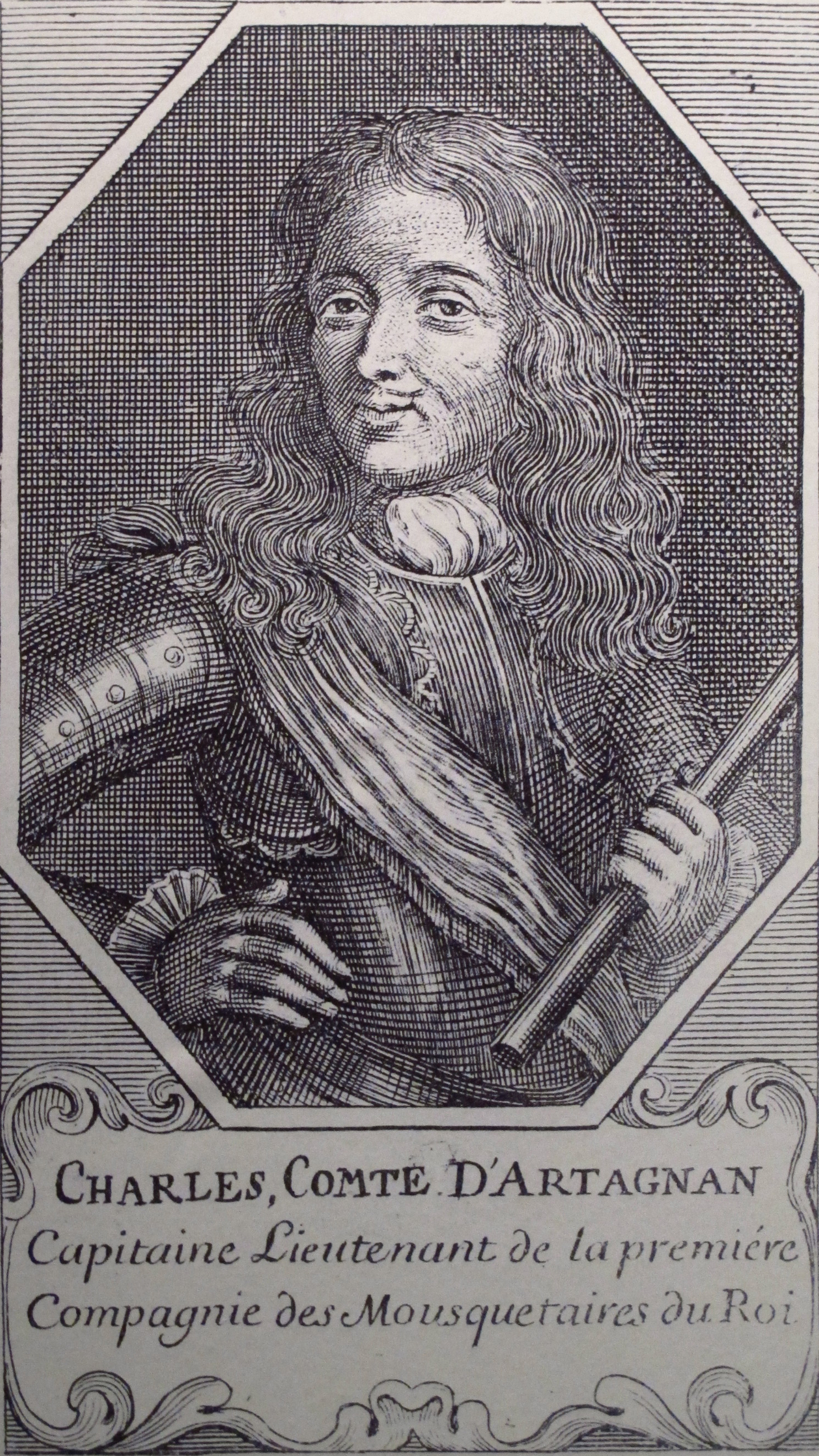
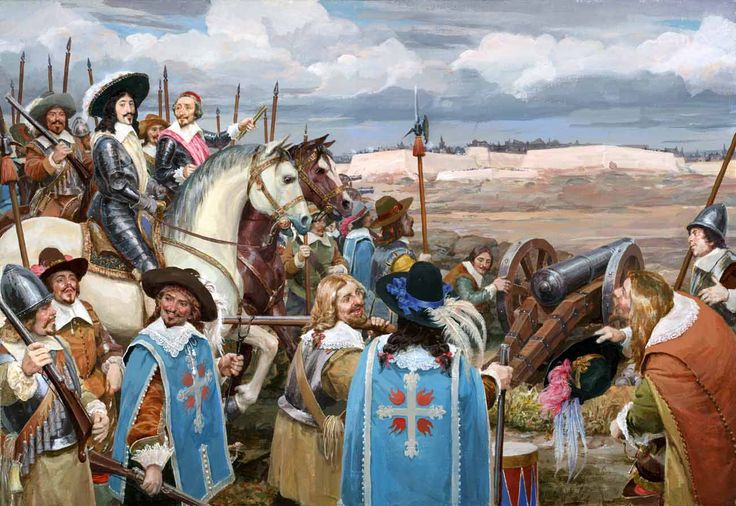
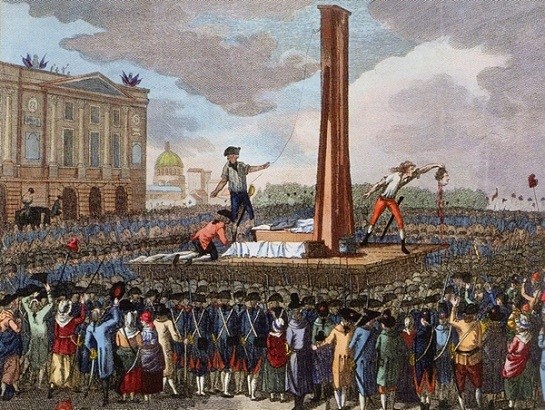
In 1673, he had been at the siege of the Dutch town of Maastricht,
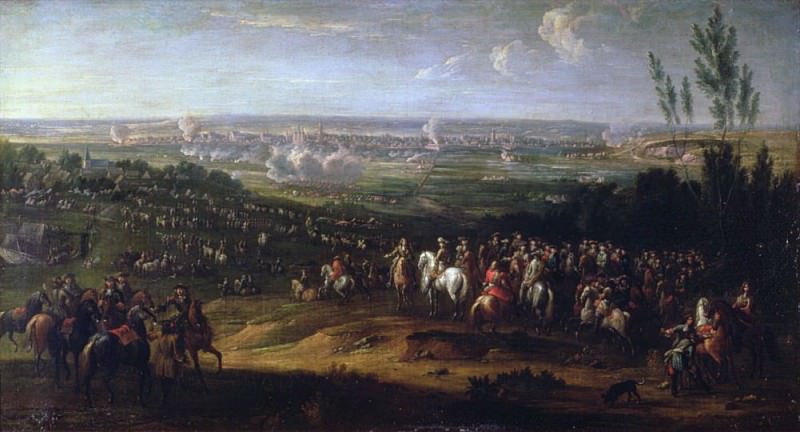
during Louis XIV’s (son of Louis XIII—surprised?) interminable wars, where he was killed, perhaps by a sniper’s bullet—and may have been buried under the floor of this church—
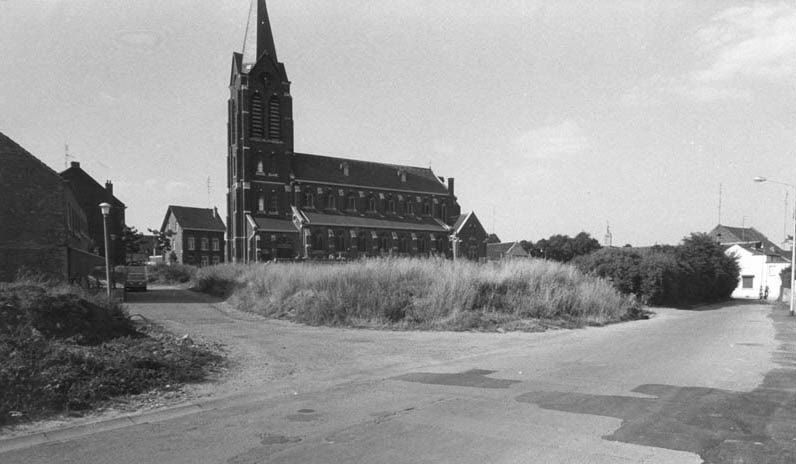
(You can read about the real musketeer here: https://en.wikipedia.org/wiki/Charles_de_Batz_de_Castelmore_d%27Artagnan )
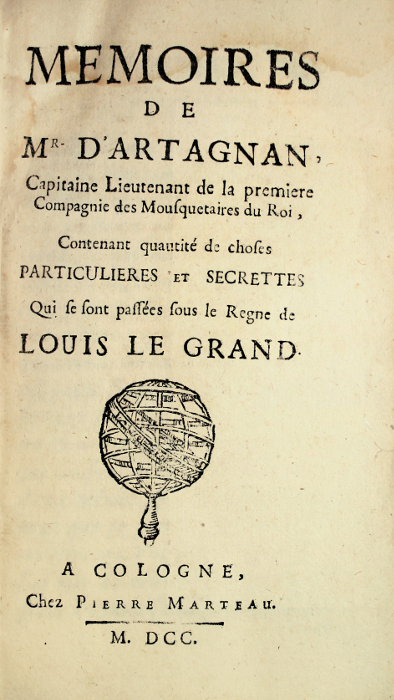
d’Artagnan had already appeared in a somewhat fictionalized form in an earlier book, Memoires de Monsieur d’Artagnan, (1700) by Gatien de Courtilz de Sandras (1644-1712).
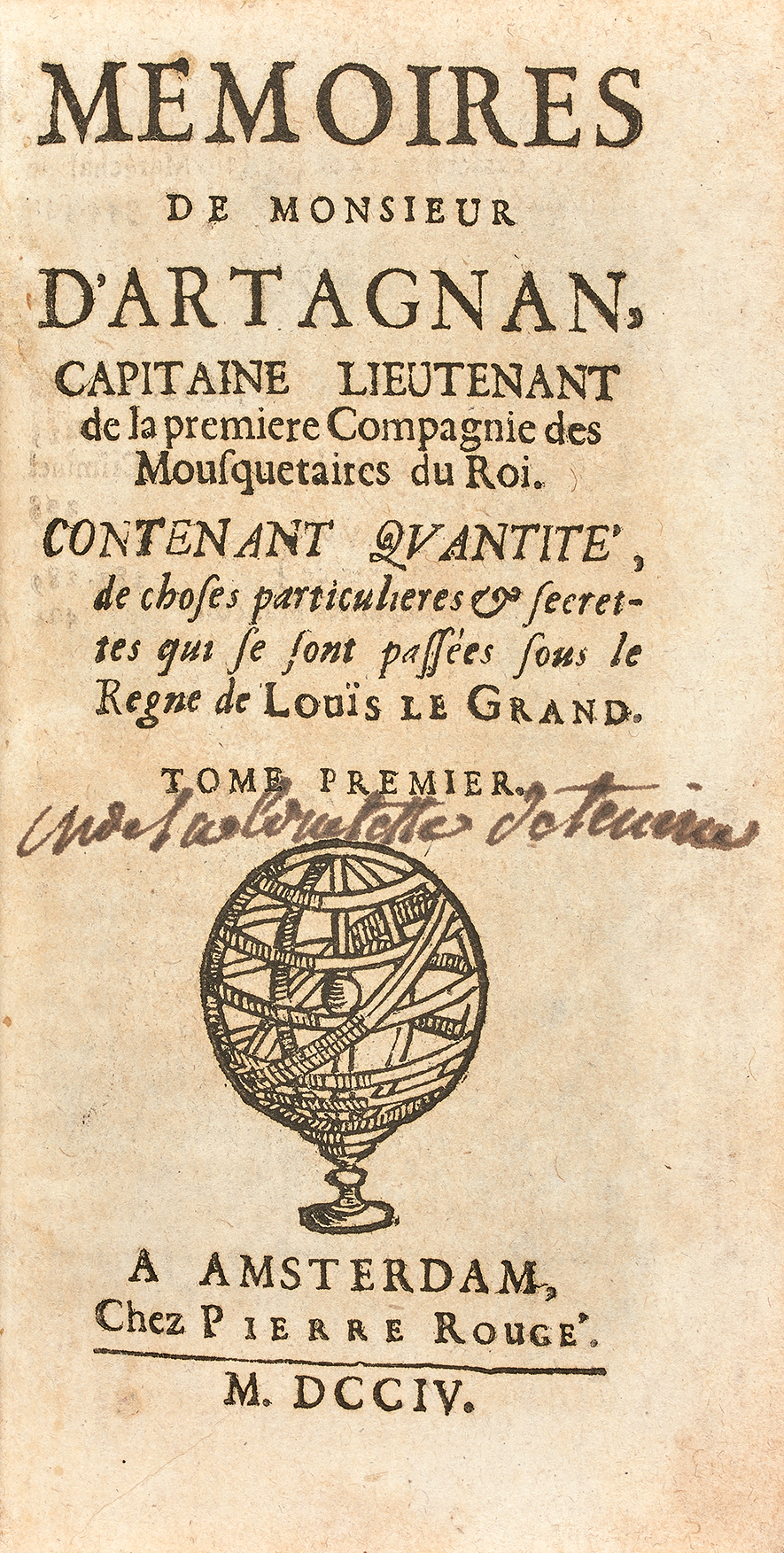
(A 1704 printing. You can read about Gatien here: https://en.wikipedia.org/wiki/Gatien_de_Courtilz_de_Sandras and read the first English translation of his fictionalized work here: https://archive.org/details/memoirsofmonsieu01couruoft/page/n7/mode/2up This is Volume 1 of 3, all being available at the Internet Archive, where you’ll find this volume.)
Dumas claimed, in fact, that he was only working from de Courtilz de Sandras’ account, along with a manuscript (which he himself had actually created), Memoire de M. le conte de la Fere (who is, in fact, Athos one of the three musketeers), implying, therefore, that the work isn’t really a novel, but a true story based upon documents from the 17th century.
Why do this, rather than simply write an original novel and let it go at that?
This is where “artistic verisimilitude” comes in: a novel is fun, but what if this weren’t really a completely-manufactured story, but real history—though much more exciting than simply dry accounts of political decisions and battles (“a bald and unconvincing narrative”)?
Dumas may have been inspired by Sir Walter Scott (1771-1832), whose first novel, Waverley (1814),
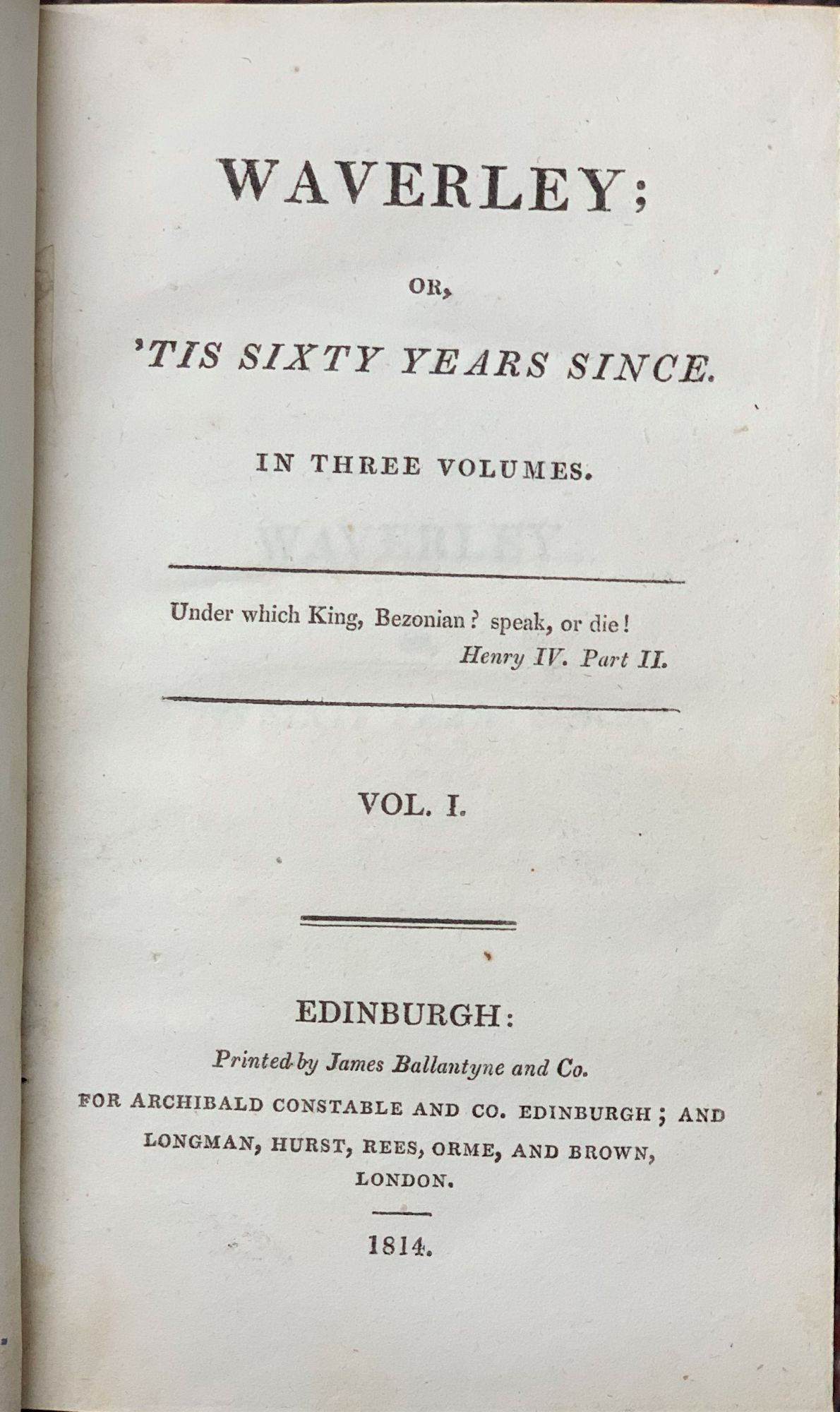
had done the opposite of Hugo, attaching a fictional character—the Waverley of the title—to actual events—the last Jacobite uprising of 1745-46,
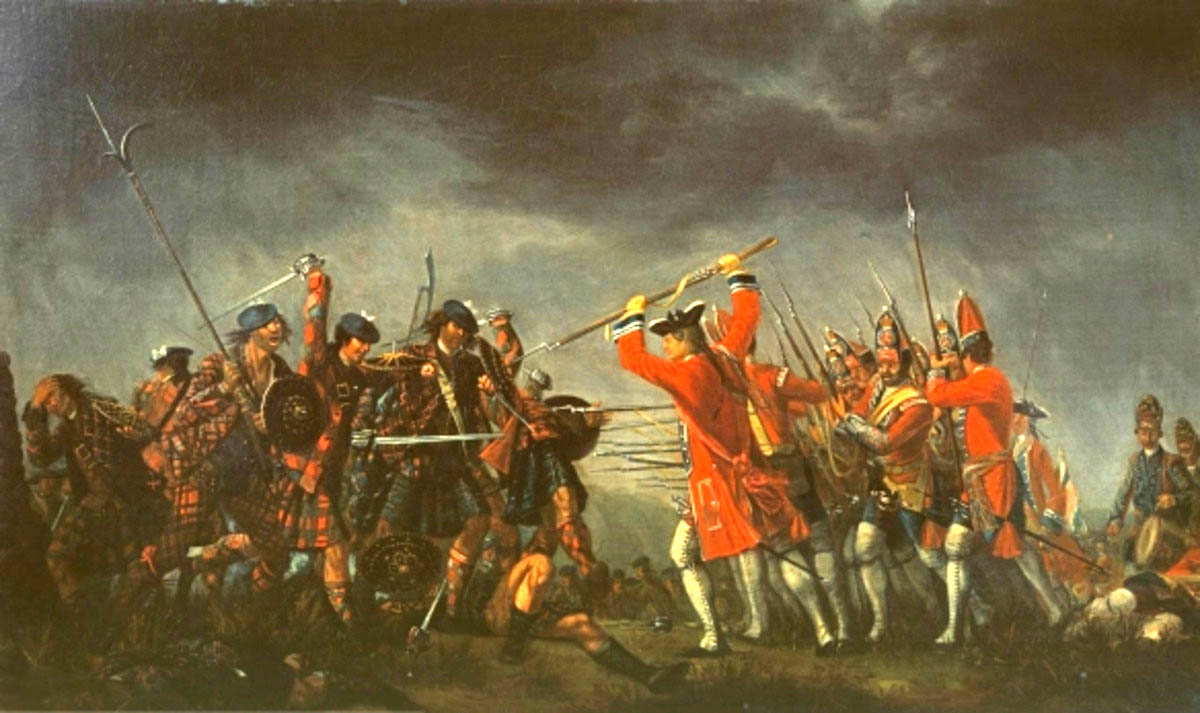
in which a group of Scots (plus some English to the south) attempted to restore the Stuart family to the throne of the UK (if you’re a fan of the Outlander novels or tv series, you’ll be aware of this). Scott’s novel was so successful that he kept using the method all the way to the end of his creative life, taking different periods in UK history as the basis.
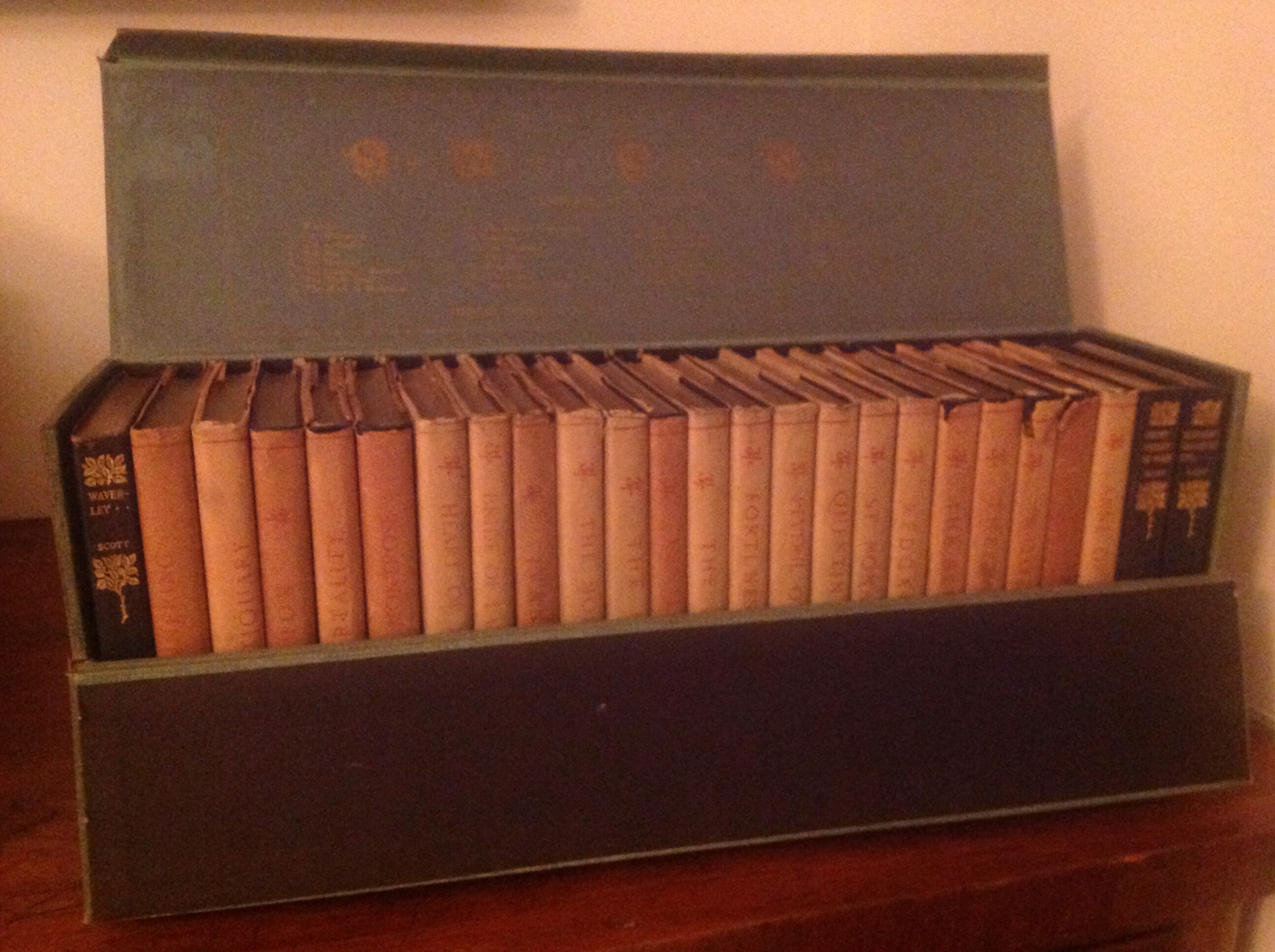
(Here’s a copy of the novel for you, in case you haven’t read it: https://www.gutenberg.org/files/5998/5998-h/5998-h.htm You’ll notice that the notes are by Andrew Lang, whom, if you read this blog regularly, you will remember as the editor of the “Fairy” books, some of which Tolkien read or had read to him as a child.)
But what if you don’t have an historical period into which to place a character? One answer would be to create the period, then add the character, and that’s exactly what we see Tolkien doing. Much has been written about JRRT writing to “create a mythology for England” and he himself seems to have had an early plan for something like this, as he writes to a “Mr. Thompson”:
“Having set myself a task, the arrogance of which I fully recognized and trembled at; being precisely to restore to the English an epic tradition and present them with a mythology of their own…” (letter to “Mr. Thompson, 14 January, 1956, Letters, 335)
In time, Tolkien appears to have abandoned this goal (see this piece for more: https://en.wikipedia.org/wiki/A_mythology_for_England ), but all of the material which JRRT had created, however, remained in the form of the “Prologue” and the “Appendices” to The Lord of the Rings and here we see Pooh-Bah’s “corroborative detail” with essays on Hobbits, Pipe-weed, the ordering of the Shire, and “Note on the Shire Records”, as well as “Annals of the Kings and Rulers”, “The Tale of Years”, and even a section on Middle-earth calendars, all created by Tolkien, but written as if he’s merely an editor, filling in background to actual events. Frodo and those around him, including the antagonists, have thus become 3-dimensional, their actions given an imaginary historical context, just as Waverley and d’Artagnan, one fictional character, one fictionalized actual person, when attached to history, are deepened and, potentially, more convincing, which, in turn, makes the whole story, for me, that much more believable. In fact, it gains verisimilitude, at least while I’m reading it.
All of which makes that news story of the potential discovery of d’Artagnan’s tomb seem so much odder to me. He was a real man turned into fiction in a real historical period. Tolkien created a rich imaginary historical world and placed his characters in it: now I’m wondering when archaeologists will announce that they’ve found the tomb—not of Frodo, who went off to Valinor—
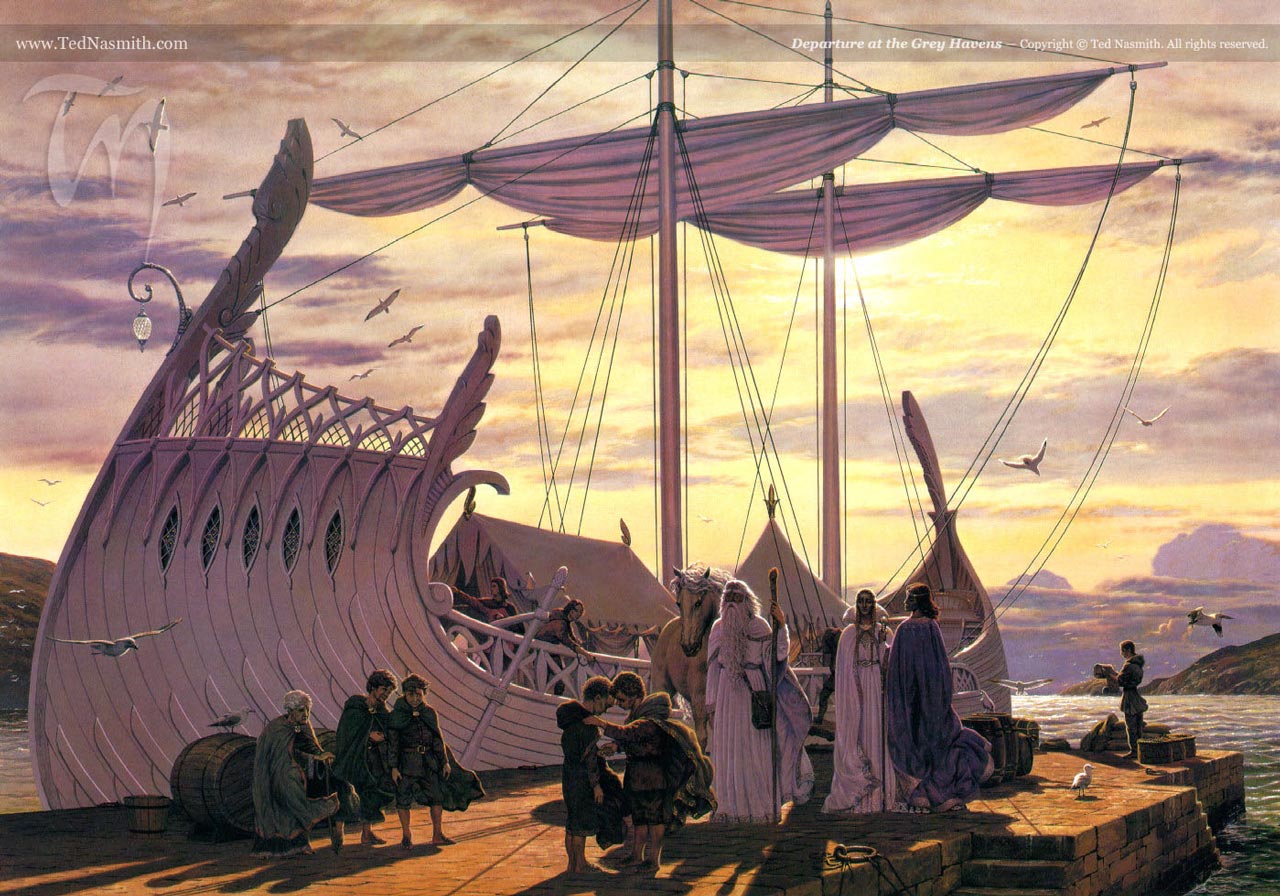
(Ted Nasmith)
but perhaps of Aragorn, in Rath Dinen?
Thanks for reading.
Stay well,
Remember that great literary figures are, in fact, immortal,
And remember, as well, that there’s
MTCIDC
O
PS
Pooh-Bah survives, in case you were worried.
PPS
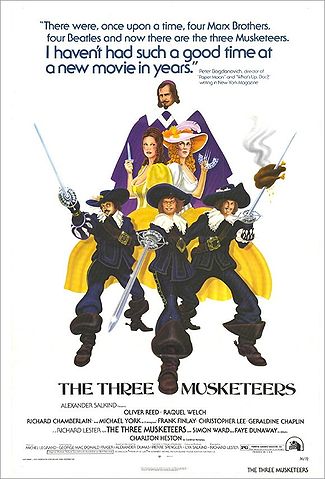
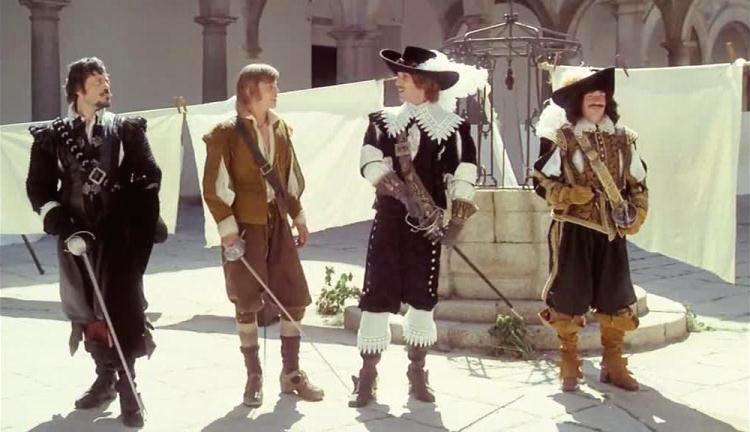
Here’s an English translation of Dumas’ novel, in case you haven’t read it (it’s fun in itself and, if you would like to see an ancestor of modern adventure novels and films, I would certainly recommend it): https://www.gutenberg.org/cache/epub/1257/pg1257-images.html For an introduction to the Musketeers, I would also recommend the old Richard Lester films, which mostly stick to the plot and have some of the liveliest dueling scenes after the Errol Flynn era.

 doubtfulsea