Tags
Emyn Muil, Fantasy, Frigate, Frodo, Gordian Knot, Ninnyhammer, Rope, Sam Gamgee, Tolkien
As always, dear readers, welcome.
“At last they were brought to a halt. The ridge took a sharper bend northward and was gashed by a deeper ravine. On the farther side it reared up again, many fathoms at a single leap; a great grey cliff loomed before them, cut sheer down as if by a knife stroke. They could go no further forwards, and must turn now either west or east. But west would lead them only into more labour and delay, back towards the heart of the hills; east would take them to the outer precipice.”
Frodo and Sam have been traveling away from the Anduin and their friends, headed for Mordor, even as Sam has said,
“ ‘What a fix!…That’s the one place in all the lands we’ve ever heard of that we don’t want to see any closer, and that’s the place we’re trying to get to!’ “
And now they’re in the area called Emyn Muil (translated by Paul Stack as “Drear Hills”—see: https://eldamo.org/index.html )

(This appears to be from Karen Wynn Fonstad’s The Atlas of Middle Earth, an invaluable book.)
which, to me, has always seemed volcanic, like this—

and Peter Jackson must have had a similar idea, as this part of his second film was set in the land near Mt. Ruapeha, an active volcano on New Zealand’s North Island—

Confronted by that ravine, Frodo has tried climbing down, only “…to come down with a jolt to his feet on a wider ledge not many yards lower down.” Sam, helpless, shouts that he’ll come down, until Frodo replies: “Wait! You can’t do anything without a rope.”
An approaching storm has darkened the air around them, but Frodo’s words bring a sudden light to him:
“Rope!…Well, if I don’t deserve to be hung on the end of one as a warning to numbskulls! You’re nowt but a ninnyhammer, Sam Gamgee: that’s what the Gaffer said to me often enough, it being a word of his. Rope!”
And not ordinary rope, but Elvish rope:
“ ‘Maybe you remember them putting the ropes in the boats, as we started off in the Elvish country,’ “ says Sam. “ ‘I took a fancy to it, and I stowed a coil in my pack… ‘It may be a help in many needs’ he said: Haldir, or one of those folk. And he spoke right.’ “

And so Sam “unslung his pack and rummaged in it. There indeed at the bottom was a coil of the silken-grey rope made by the folk of Lorien.”
With it, Frodo is quickly up beside Sam and soon, using the rope, they reach the bottom of the ravine.

(Donato Giancola—you can see more of his impressive work here: https://donatoarts.com/ Don’t forget to check out the dragons.)
But there’s a further problem:
“But Sam did not answer: he was staring back up the cliff. ‘Ninnyhammers!’ he said. ‘Noodles! My beautiful rope! There it is tied to a stump and we’re at the bottom. Just as nice a little stair for that stinking Gollum as we could leave.’ “
And then—
“ [Sam] looked up and gave one last pull to the rope as if in farewell.
To the complete surprise of both the hobbits it came loose. Sam fell over, and the long grey coils slithered silently down on top of him.”
Frodo, of course, mocks Sam, who, hurt, replies:
“ ‘I may not be much good at climbing, Mr. Frodo…but I do know something about rope and about knots. It’s in the family as you might say. Why, my grand-dad, and my uncle Andy after him, him that was the Gaffer’s eldest brother, he had a rope-walk over by Tightfield many a year.’ “ (all of the above from The Two Towers, Book Four, Chapter 1, “The Taming of Smeagol”)
When you read the title of this posting, you’ll probably smile and say, “That means understanding how something works”, and you’d be right. Imagine, however, that the expression began with someone press-ganged (forcibly drafted) into the British Navy during the Napoleonic era.

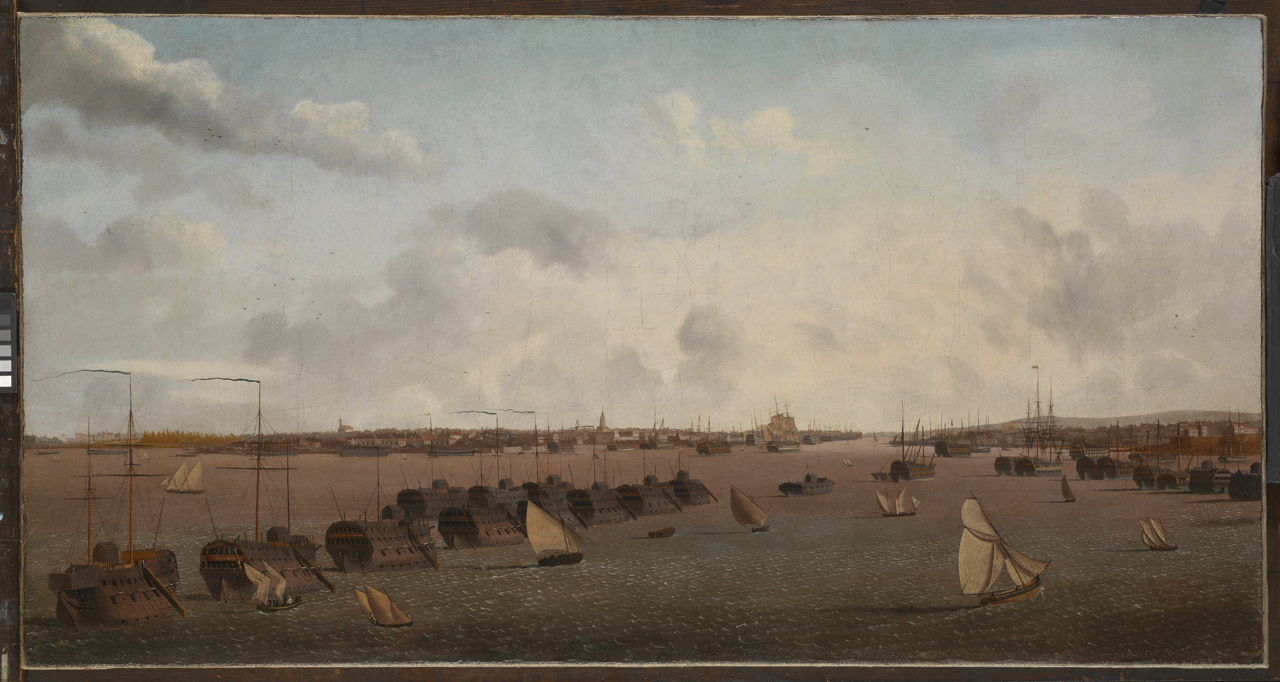
The Royal Navy’s pressgangs tried to kidnap actual sailors, usually from commercial vessels, but, to make up numbers, practically any male of over a certain age might do.
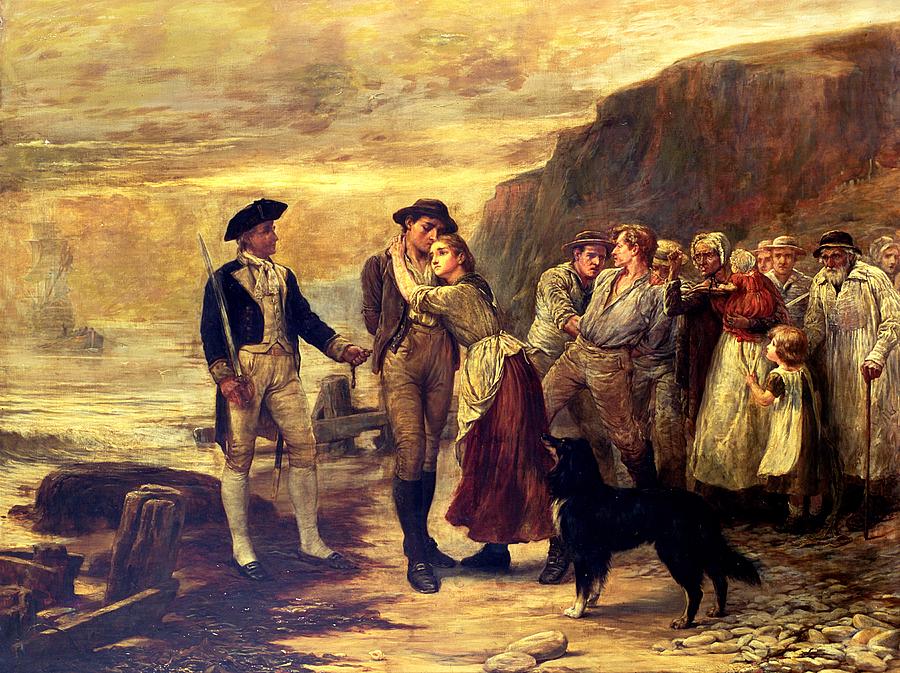
Once aboard (and incapable of escaping), the new crew member might be assigned any number of different duties, from cook
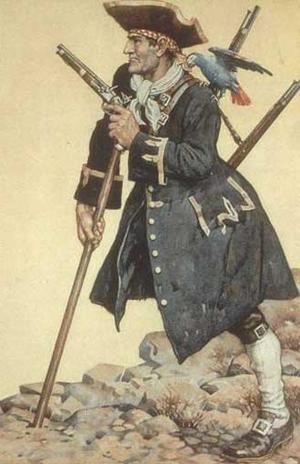
(Long John Silver, from Stevenson’s Treasure Island, was originally a cook)
to gunner,

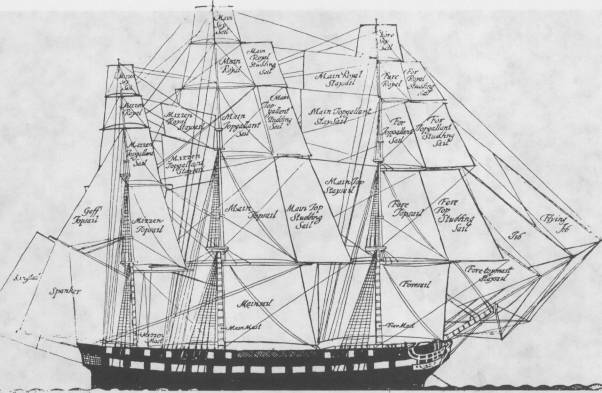
but a major job was in handling the complicated power which made the ship move: the sails and what controlled the sails, the rigging. Many sailors were specifically trained to deal with the sails, but, in emergencies, it could even mean “all hands to the rigging!” (To learn more about how complex this process is, see this 1848 The Art of Rigging: https://archive.org/details/artrigging00steegoog/page/n4/mode/2up based upon David Steel’s 1794 2-volume work.)

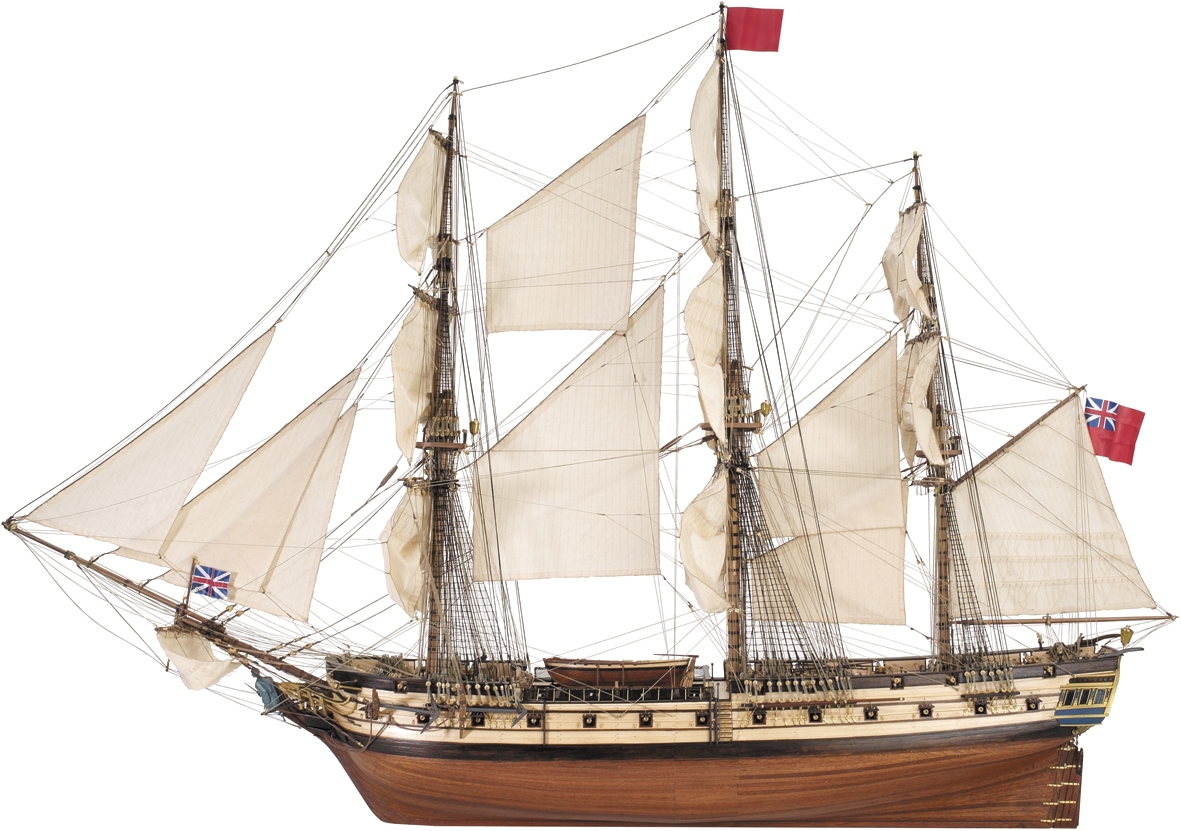
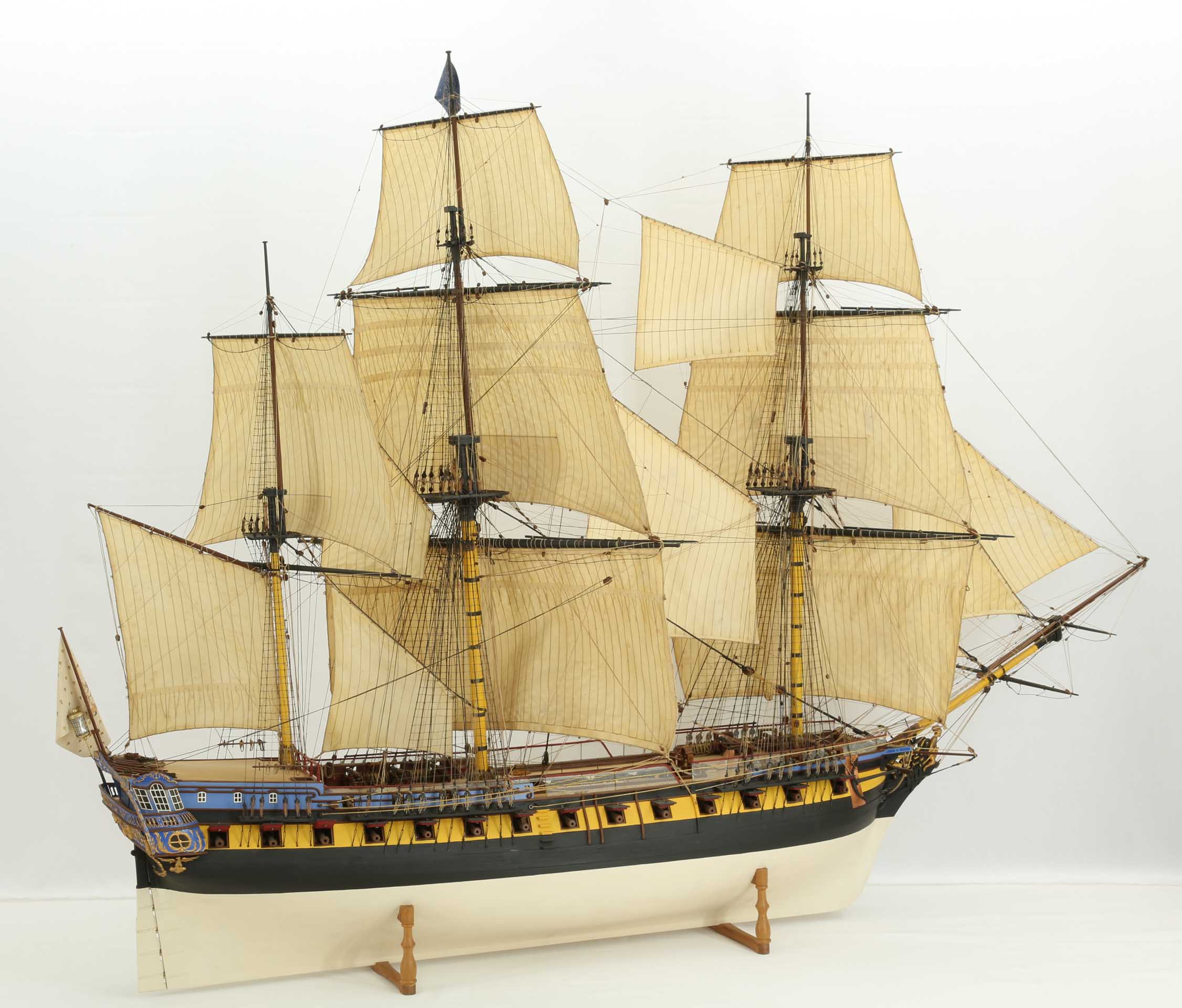
An 18th-century naval frigate (smaller war ship), like this one, HMS Pomone,

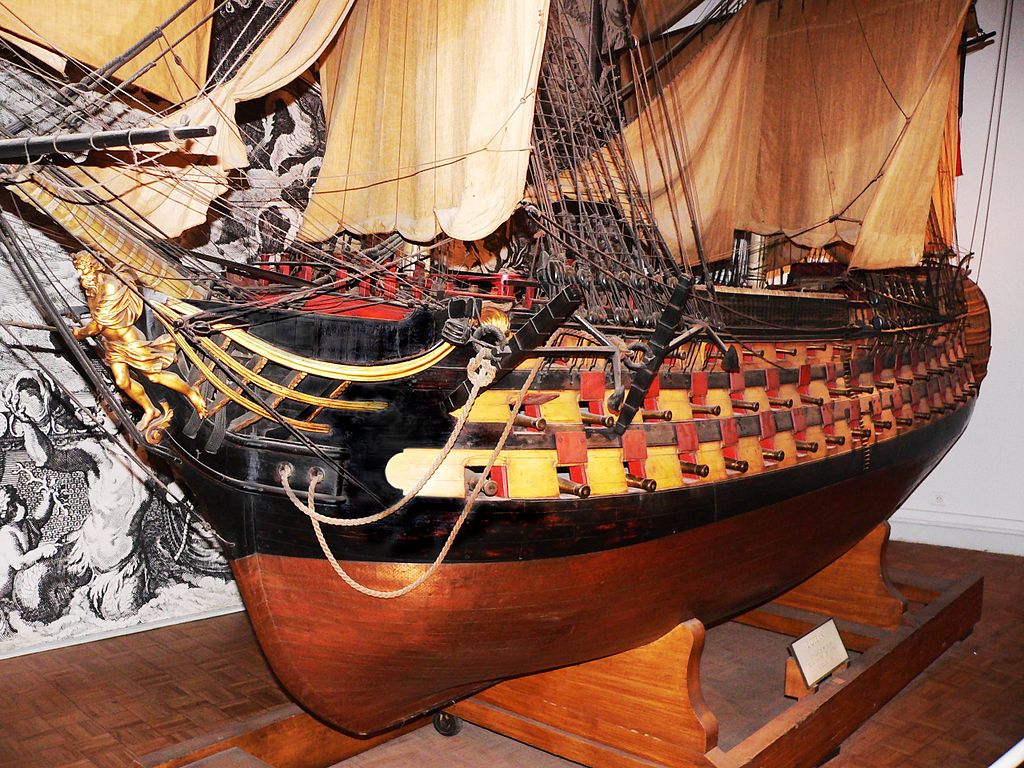
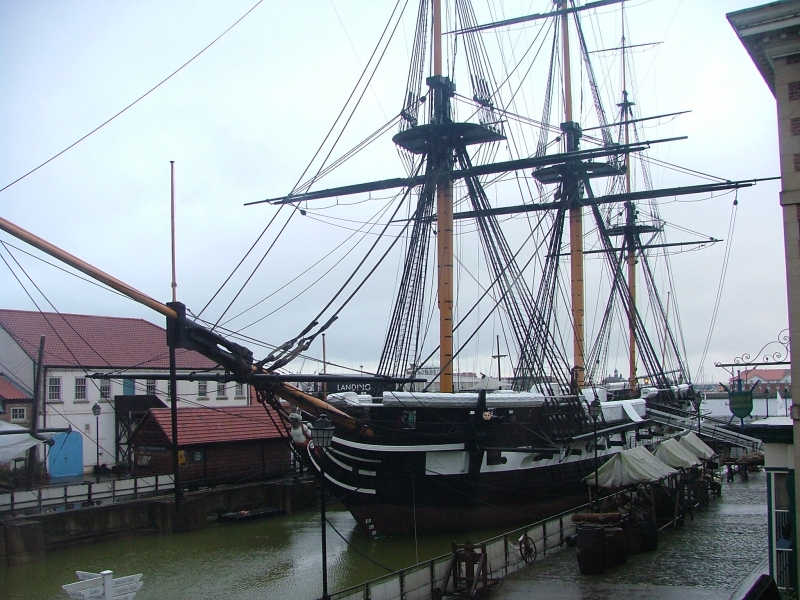
required, as you can imagine, a vast amount of rope for its rigging, and the biggest ships, like HMS Victory,

needed the equivalent of over 30 miles (48km+) of the stuff, so “learning the ropes” was clearly never an easy job for a beginning (and, if pressganged, probably very reluctant) sailor!
To provide that rope, there were what Sam’s grandfather and uncle had—ropewalks—and long walks they could be, like this one, from the Chatham dockyards in England.

To make rope, one began with the fibers of the hemp plant

and twisted and stretched them just as is done with wool to make woolen thread.

The difference is that rope is commonly much longer than thread, as is the case with the ropes needed for HMS Victory’s rigging and so ropewalks had to be long enough to produce long lines. (It’s a complicated process so, for more on this, see: https://en.wikipedia.org/wiki/Ropewalk )
It might seem puzzling, looking at that ropewalk, and thinking about HMS Victory, why hobbits, who certainly weren’t sailors (think: Frodo’s parents died in what must have been a rowboat accident on the Brandywine—see The Fellowship of the Ring, Book One, Chapter 1, “A Long-Expected Party” for gossip on the subject) would have a ropewalk, but we might ask the same question of the elves of Lorien, which was far from the sea, even though elves did take ship at the Grey Havens,

(Ted Nasmith)
to sail westwards. The answer might be, as Sam and Frodo found out, in Haldir’s words, “It may be a help in many needs” and even if one needs and uses rope, it isn’t necessary for most people to require Victory’s 30 miles of the stuff.
But then there’s that other question: if Sam was as familiar with rope as he claimed, and an expert at knot-tying, why did that elvish rope come tumbling down on his head after supporting the two hobbits on their climb?
Thanks for reading, as always.
Stay well,
Considering solving knotty rope problems as Alexander did, with the Gordian knot,

And remember that, as always, there’s
MTCIDC
O








 doubtfulsea