• About

doubtfulsea

~ adventure fantasy

Tag Archives: Big Brother

Hands Down

19 Wednesday Dec 2018

Posted by Ollamh in Films and Music, J.R.R. Tolkien, Military History of Middle-earth

≈ Leave a comment

Tags

1984, Argonath, Barad-Dur, Big Brother, Eye of Sauron, Galadriel, Saruman, Sauron, The Ten Commandments (1956), Theatrical gesture, Uruk-hai, White Hand

As always, dear readers, welcome.

Recently, we quoted the leader of the Uruk-hai, Ugluk:

“We are the fighting Uruk-hai!  We slew the great warrior.  We took the prisoners.  We are the servants of Saruman the Wise, the White Hand:  the Hand that gives us man’s-flesh to eat.”  (The Two Towers,  Book Three, Chapter 3, “The Uruk-hai”)

That White Hand is, of course, Saruman’s

image1saruman.jpg

special badge (in our contemporary world, we might say that it was his “logo”), which we see for the first time on the shield of a dead orc:

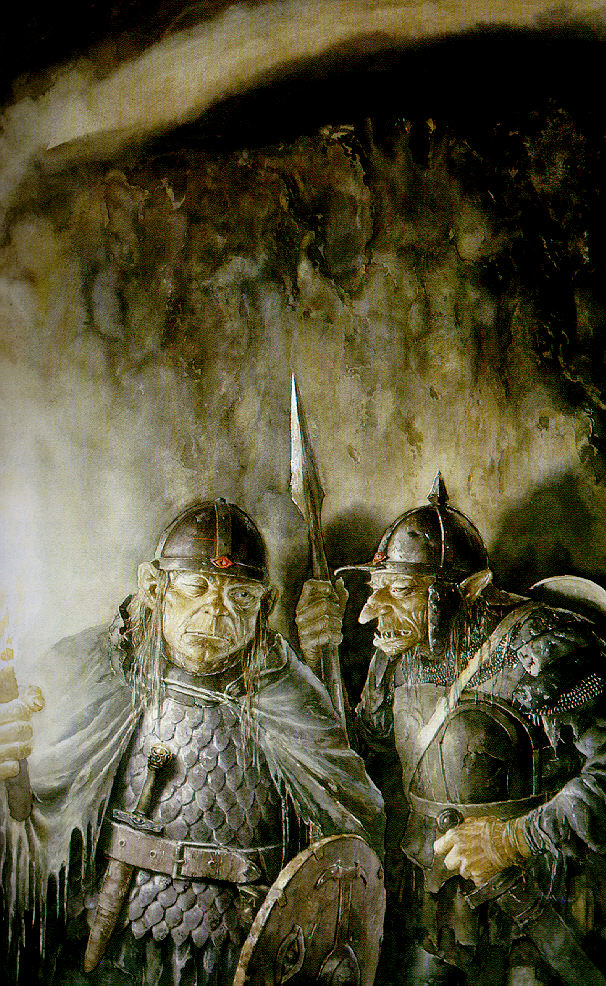
“There were four goblin-soldiers of greater stature, swart, slant-eyed, with thick legs and large hands.  They were armed with short broad-bladed swords, not with the curved scimitars usual with Orcs; and they had bows of yew, in length and shape like the bows of Men.  Upon their shields they bore a strange device:  a small white hand in the centre of a black field… (The Two Towers, Book Three, Chapter 1, “The Departure of Boromir”)
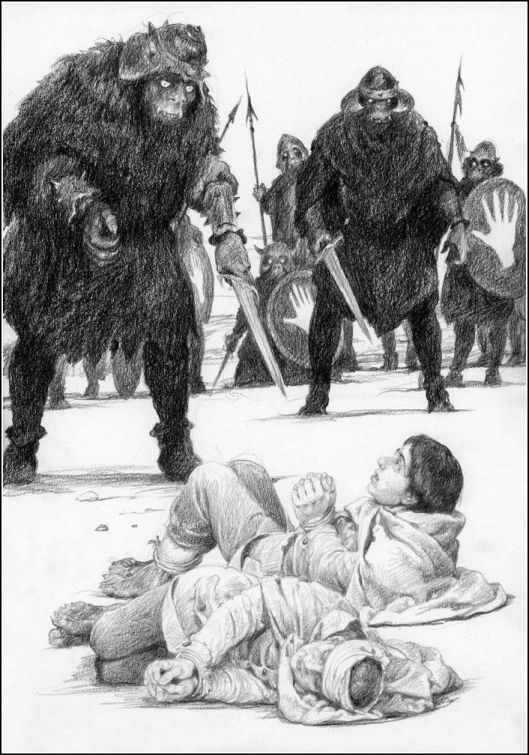
image2orcs.jpg

We can imagine why Sauron has that red eye

image3orc.gif

for his emblem—fiery to indicate Sauron’s turbulent nature (and perhaps relation to Satan—another fallen angel/Maia), plus unblinking, to show that, like Big Brother,
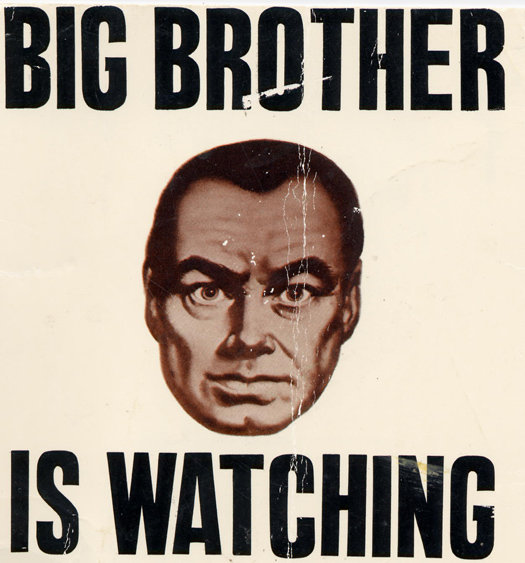
image4bbposter.jpg

he’s always watching—a fact rather broadly expressed in the Jackson films, where the eye has been turned into a searchlight—or, at best, a lighthouse beacon.  (And yes, this is a Barad-dur desk lamp.)

image5eye.jpg

But why does Saruman use a white hand?  And which direction should it face?  In the films, it seems to be applied upside down

image6orc.jpg

which, to us seems like the wrong way up—besides being more difficult to apply as face paint.  What is the meaning of the symbolic use of that hand?

This put us to thinking about hands in The Lord of the Rings in general.  We considered the Ring on and off various hands and even those who lost a finger wearing it, but these all seemed rather passive and, thinking of what Ugluk says, we imagine Saruman’s hand as active.  That being the case, the first prominent hand we could think of was that of the Barrow-wight:

“[Frodo] heard behind his head a creaking and scraping sound.  Raising himself on one arm he looked, and saw now in the pale light that they were in a kind of passage which behind them turned a corner  Round the corner a long arm was groping, walking on its fingers towards Sam, who was lying nearest, and towards the hilt of the sword that lay upon him.” (The Fellowship of the Ring, Book One, Chapter 8, “Fog on the Barrow-downs”)
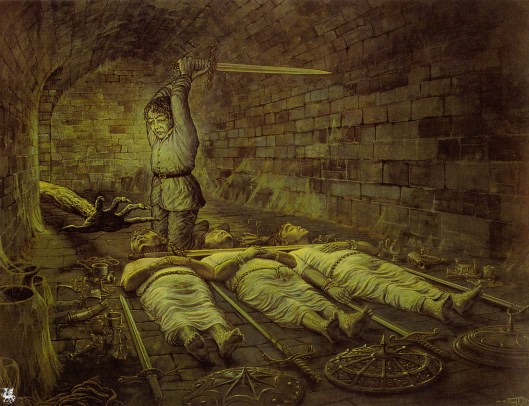
image7wight.jpg

This is certainly a menacing thing and reminds us of something from the 1956 film, The Ten Commandments, where to indicate the deaths of the first-born of Egypt (from the Book of Exodus, Chapter 11, in the Hebrew Bible), the film makers showed viewers this—
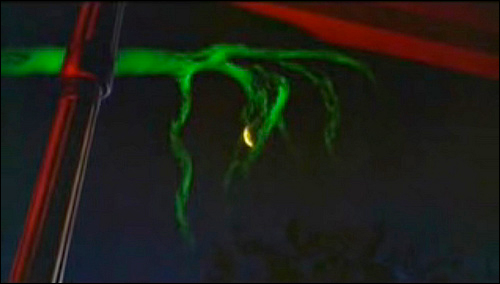
image8aten.jpg

a kind of spindly green hand, which can still creep us out as its function is to grasp things—in this case a sword which will be used to sacrifice the hobbits.

Our next hand—or hands–were those of Galadrielimage8galadriel.jpg
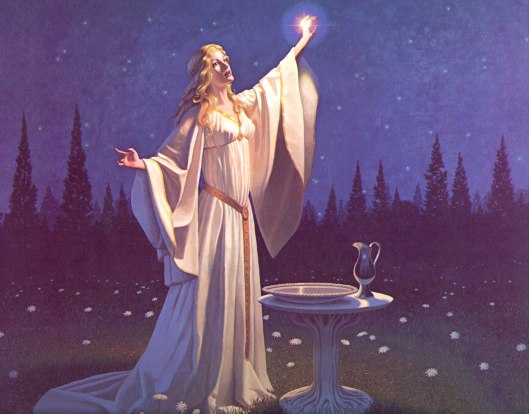
when she takes Frodo and Sam to her Mirror and tells them about the struggle with Sauron:

“She lifted up her white arms and spread out her hands towards the East in a gesture of rejection and denial.”  (The Fellowship of the Ring, Book Two, Chapter 7, “The Mirror of Galadriel”)

Long ago, we did a posting on that gesture, which comes right out of 19th-century rhetorical and theatrical practice.  As this plate illustrates, such gestures were stylized and memorized for their effect on the speaker’s platform, as well as the stage.

image9plate.jpg

We were reminded of our final hands by Galadriel’s gesture:  the Argonath,

image10argonath.jpg

described as:

“Upon great pedestals founded in the deep waters stood two great kings of stone:  still with blurred eyes and crannied brows they frowned upon the North.  The left hand of each was raised palm outwards in gesture of warning; in each right hand there was an axe…” (The Fellowship of the Ring, Book Two, Chapter 9, “The Great River”)

So far, we’ve seen hands which grasp, hands which reject, and hands which warn and perhaps we can imagine that all of these might be part of the message of Saruman’s white hand.  Saruman, in taking up the role of “Mini-Sauron”, has rejected the West he was sent to protect.  In his desire to build his own empire, he has allied himself with Sauron and made war on Rohan, attempting to grasp more and more territory while sacrificing his honor and purpose as one of the Maiar.  That he is not now what he seems to have been in the past should also be a warning of what he intends in the present and what, even maimed, he might be capable of in the future, as the Shire will learn when Saruman becomes Sharkey.

Is there more to this image?  We wouldn’t be surprised:  Sauron is intentionally kept off-stage, we believe to make him that much more menacing, so the real evil we see is, literally, in the hands of Saruman.

image11sar.jpg

Thanks, as ever, for reading.

MTCIDC

CD

Thrones or Dominions (2)

07 Wednesday Nov 2018

Posted by Ollamh in Economics in Middle-earth, Imaginary History, J.R.R. Tolkien, Maps, Military History, Military History of Middle-earth

≈ Leave a comment

Tags

1984, Adolf Hitler, Barad-Dur, Benito Mussolini, Big Brother, Denethor, dictatorships, Elf Kingdom, Eye of Sauron, Gondor, Maiar, map, Middle-earth, Minas Tirith, Mouth of Sauron, Nazgul, Ornthanc, Rohan, Saruman, Sauron, Steward of Gondor, The Lord of the Rings, Theoden, Tolkien, Uruk-hai

As always, dear readers, welcome.

In our last, we began to discuss what we called the governments of Middle-earth at the time of the War of the Ring, making a kind of Grand Tour using the plot movement of The Lord of the Rings to loosely shape our itinerary.  (And here we’re borrowing from a witty idea, on a site called brilliantmaps.com, where we found “If Frodo and Sam had Google Maps of Middle-earth”.)

image1memap.png

Our first stop was the Shire, where we proposed that this was a “government by the few”:  that is, an oligarchy, a certain number of old and established families controlling the state.  From there, we moved on to Bree, where there was so little information that our best guess was that it, too, was probably an oligarchy, some sort of loose-knit one among—or perhaps uniting—the four villages which made up the general area.

Next, we grouped together what we suggested were two Elf kingdoms, Rivendell and Lorien, where Elrond and Galadriel (along with the nearly-invisible Celeborn), clearly were in charge, although neither would claim the title of monarch.

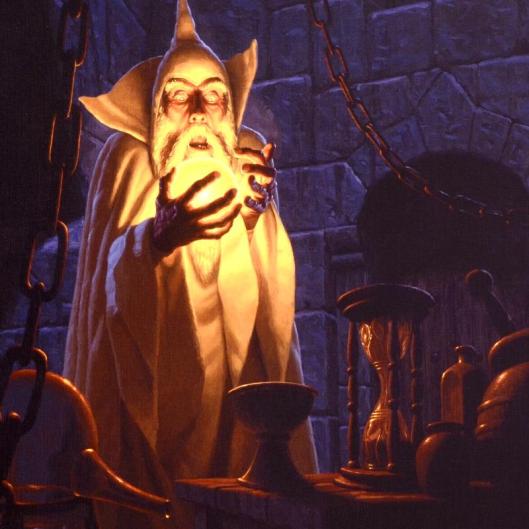
At our next stop, Isengard, Saruman,

image2orthanc.jpg

who had begun as one of the five Maiar sent to oppose the annoyingly-persistent Sauron, had moved from being what Gandalf called “the chief of my order” (The Fellowship of the Ring, Book One, Chapter 2, “The Shadow of the Past”), to being a kind of dictator—but one in the shadow of Sauron, just as Mussolini (1883-1945), who, from 1922, had been a model for such figures,

image3march.jpg

had fallen, by the later 1930s, into being the shadow of another, more powerful, dictator.

image4mushit.jpg

Like Elrond and Galadriel, he carries no title, but his captain, Ugluk, calls him “the Wise, the White Hand:  the Hand that gives us man’s-flesh to eat”, which probably tells us more than we want to know about his rule. (The Two Towers, Book Three, Chapter 3, “The Uruk-hai”)

We believe that this shadow may have been created by Saruman’s growing arrogance (which Gandalf points out to Frodo in “The Shadow of the Past”) combined with his overconfidence in using a palantir he has found in Orthanc and which puts him into communication with Sauron—and Sauron’s ability to seduce.

image5palantir.jpg

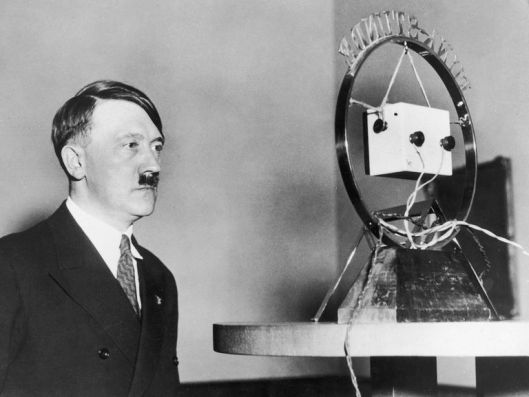
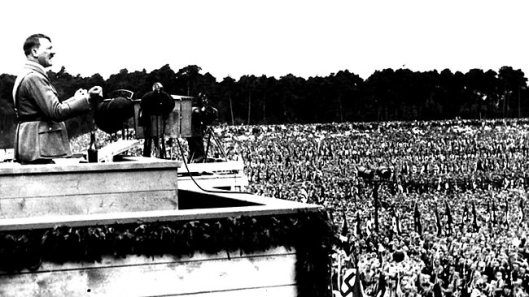
Sauron himself seems like the primal dictator, but a dictator before the 20th century, when dictators began to have a growing media world to employ to make themselves omnipresent in the lives of their citizens.

image6hitradio.jpg

image7hitmovie.jpg

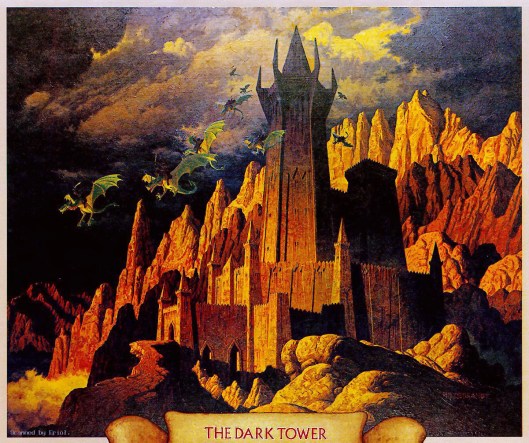
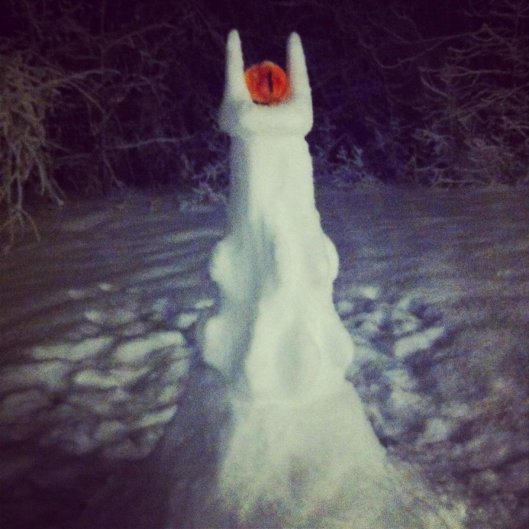
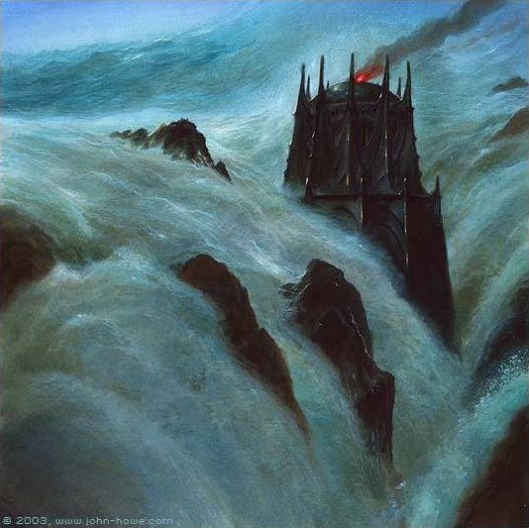
Instead, he’s  remote—sitting in the Barad dur, yet

image8baraddur.jpg

(and we can’t resist this image by “Rackthejipper”)

image9baradsnow.jpg

represented as being like 1984’s Big Brother, always watching.

image10bb.jpg

Or, as it is crudely represented in the Jackson films, literally a giant eye on a tower.

image11jack.jpg

When one thinks of modern dictators, however, one imagines them backed by huge bureaucracies, like the ministries in 1984:

“The Ministry of Truth–Minitrue, in Newspeak [Newspeak was the official

language of Oceania. For an account of its structure and etymology see

Appendix.]–was startlingly different from any other object in sight. It

was an enormous pyramidal structure of glittering white concrete, soaring

up, terrace after terrace, 300 metres into the air. From where Winston

stood it was just possible to read, picked out on its white face in

elegant lettering, the three slogans of the Party:


WAR IS PEACE

FREEDOM IS SLAVERY

IGNORANCE IS STRENGTH


The Ministry of Truth contained, it was said, three thousand rooms above

ground level, and corresponding ramifications below. Scattered about London

there were just three other buildings of similar appearance and size. So

completely did they dwarf the surrounding architecture that from the roof

of Victory Mansions you could see all four of them simultaneously. They

were the homes of the four Ministries between which the entire apparatus

of government was divided. The Ministry of Truth, which concerned itself

with news, entertainment, education, and the fine arts. The Ministry of

Peace, which concerned itself with war. The Ministry of Love, which

maintained law and order. And the Ministry of Plenty, which was responsible

for economic affairs. Their names, in Newspeak: Minitrue, Minipax, Miniluv,

and Miniplenty. (George Orwell, 1984, Chapter 1)


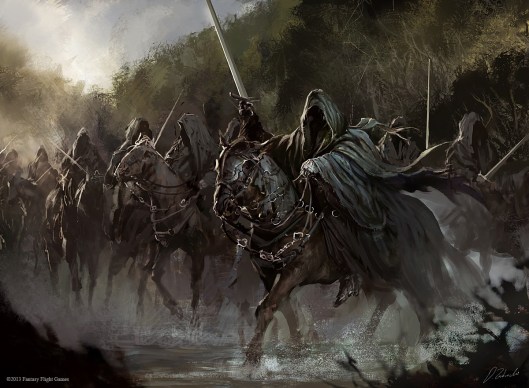
Instead, what we can see of Sauron’s government is much more medieval, beginning with the Nazgul, who were once human kings,

image12nazgul.jpg

who would be like the barons, the chief feudal deputies  of a king in a feudal world of the sort medieval England was and upon which much of Middle-earth, as we’ve suggested in many earlier postings, was based.  The chief of these was then the commander of Sauron’s main attack on Minas Tirith.

image13naz.jpg

To which we would add “the Voice of Sauron” (reminding us, of course, that he is only the spokesperson and Sauron would be presumed to have his eye on him, as well).  If you look for images of him, you will commonly find this:

image14jack.jpg

But, like certain other depictions in the Jackson films (that eye, for example), it is a very literal interpretation for someone JRRT described as:

“The rider was robed all in black, and black was his lofty helm; yet this was no Ringwraith but a living man…it is told that he was a renegade, who came of the race of those that are named the Black Numenoreans…” (The Return of the King, Book Five, Chapter 10, “The Black Gate Opens”)

Here’s an image possibility which comes a bit closer to the text, in our opinion.

image15lieutenant.jpg

From dictators, we make a final stop at two actual feudal  kings, the first, the ruler of Rohan, Theoden,

image16theoden.jpg

is clearly the descendant of earlier kings, as we are told in Appendix A, of The Lord of the Rings, “The Kings of the Mark”, where the line begins with Eorl the Young and continues for about five hundred years.

In the case of our other monarchy, Gondor, the kings who ruled for so many centuries (from SA3320 to TA 2050), have disappeared and, though the fiction is maintained that they will someday return, the actual ruler is their deputy, the Steward, and his role as lieutenant is symbolized literally by his position in the old throne room:

“At the far end, upon a dais [a kind of raised platform] of many steps was set a high throne under a canopy of marble shaped like a crowned helm; behind it was carved upon the wall and set with gems an image of a tree in flower.  But the throne was empty.  At the foot of the dais, upon the lowest step which was broad and deep, there was a stone chair, black and unadorned, and on it sat an old man gazing at his lap.”  (The Return of the King, Book Five, Chapter 1, “Minas Tirith)image17throne.jpg

At the same time, Denethor, and all of the previous Stewards, were kings in all but name, having ruled Gondor for twenty-five generations (see Appendix A, “The Stewards” for details).

So, in sum we have:

  1. 2 possible oligarchies (the Shire, Bree)
  2. 4 kingdoms (or at least sort of, in the case of the Elves—Rivendell, Lorien, plus Rohan and Gondor)
  3. 2 dictatorships (eastern Rohan, extending from Isengard, Mordor)

And, just when we were summarizing, the thought came to us:  what about the dwarves?  We can imagine that, considering Thorin’s family, there have been the equivalent of kings among the dwarves, but that’s a posting for another day!

Thanks, as ever, for reading.

MTCIDC

CD

Oh, Come, Let Us Adore…

21 Wednesday Jun 2017

Posted by Ollamh in Imaginary History, J.R.R. Tolkien, Literary History, Military History, Military History of Middle-earth, Narrative Methods

≈ Leave a comment

Tags

1984, Adolf Hitler, altar, Ar-Pharazon, Armenelos, Artemis, Aulis, Avebury, Aztec, Benito Mussolini, Big Brother, France, Gallic Celts, George Orwell, Germany, Gondor, Greek temple, Hera, Herodotus, human sacrifice, Iphigenia, Melkor, Nazis, nemeton, Numenor, occupation, Olympia, Pantheon, Rome, sacrifice, Sauron, shrine, Soviet Union, Stalin, Stonehenge, Tenochtitlan, The Hobbit, The Lord of the Rings, The Silmarillion, The War of the Ring, Tolkien, Valar, World War II, worship

Welcome, as always, dear readers.

Some time ago, we posted a piece on what Sauron wanted out of the War of the Ring. Our evidence was this, spoken to Aragorn and Gandalf and the allied army which had marched to the Morannon as a distraction, by the Lieutenant of the Tower:

“The rabble of Gondor and its deluded allies shall withdraw at once beyond the Anduin, first taking oaths never again to assail Sauron the Great in arms, open or secret. All lands east of the Anduin shall be Sauron’s for ever, solely. West of the Anduin as far as the Misty Mountains and the Gap of Rohan shall be tributary to Mordor, and men there shall bear no weapons, but shall have leave to govern their own affairs. But they shall help to rebuild Isengard which they have wantonly destroyed, and that shall be Sauron’s, and there his lieutenant shall dwell: not Saruman, but one more worthy of trust.” (The Return of the King, Book Five, Chapter 10, “The Black Gate Opens”)

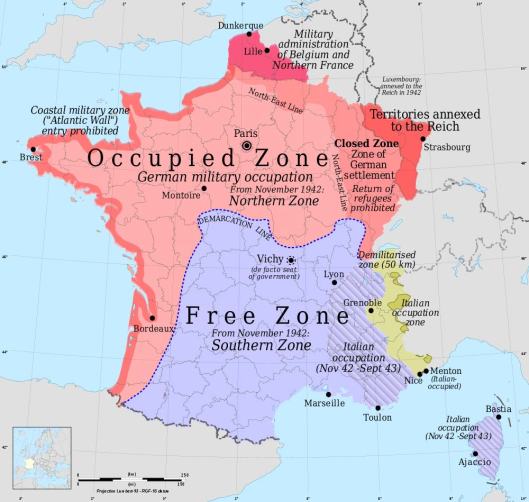
These are political conditions: Sauron is demanding territory, just as any conqueror in our world would. When France was occupied by the Nazis in 1940–something with which JRRT would have been quite familiar while writing The Lord of the Rings—here’s a map of what Hitler demanded—and got.

France-occupation

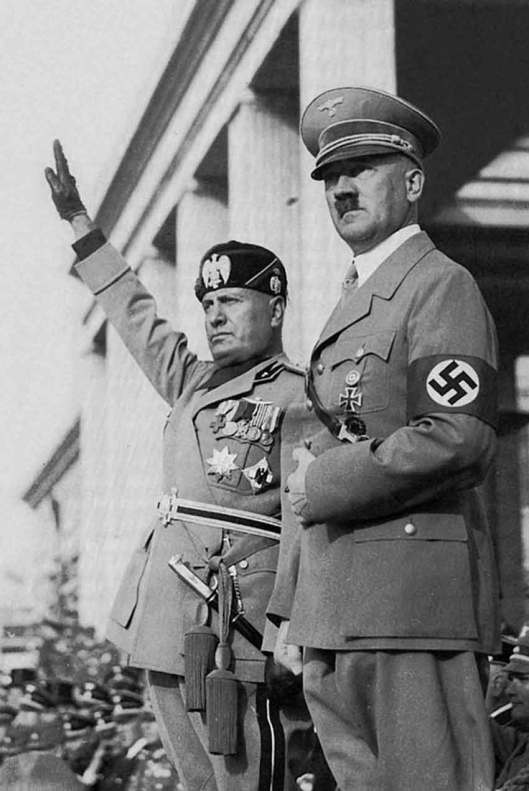
The last sentence of Sauron’s conditions even reminds us of the relationship between Hitler and Mussolini—although not how Mussolini would have viewed it.

Hitler-and-Mussolini

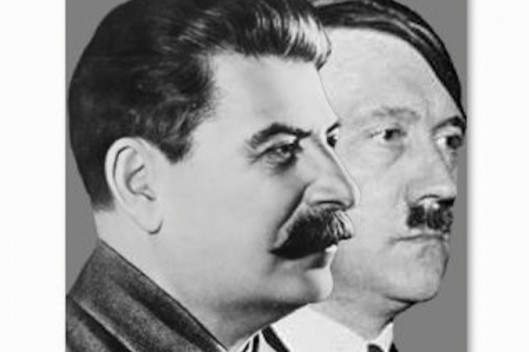
Hitler had another dictator-partner for a short time, however, Stalin, whom he distrusted even more than Mussolini.

STALIN-HITLER-2-676x450

And Stalin, unlike Sauron, won his war and swallowed all of central Europe, as well as eastern Germany.

post-war-soviet-influence

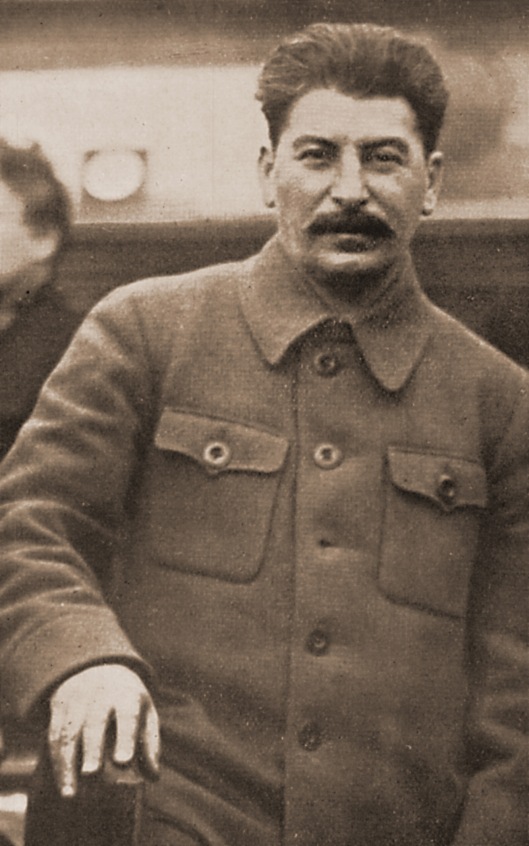
It’s clear that George Orwell had this dictator in mind when he was creating his “Big Brother”, in 1984, even to his physical description (from a poster—it appears that no one has actually seen Big Brother in the flesh): “an enormous face, more than a meter wide: the face of a man about forty-five, with a heavy black mustache and ruggedly handsome features…”

stalin

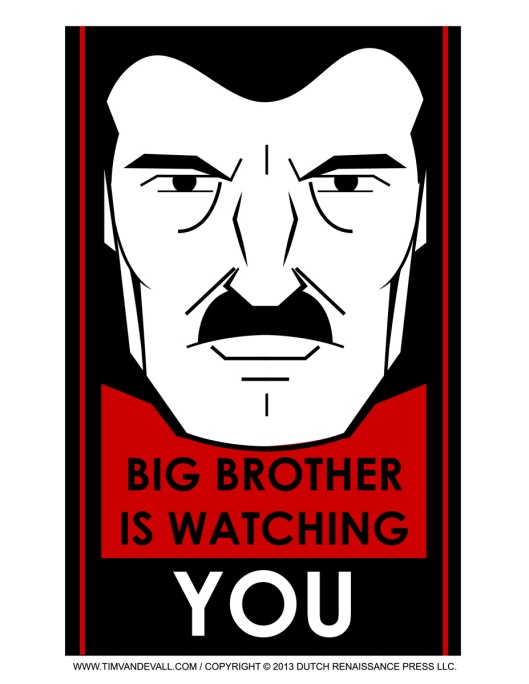
These posters were so constructed that, “It was one of those pictures…which are so contrived that the eyes follow you about when you move.”

Big-Brother-Is-Watching-You-Poster

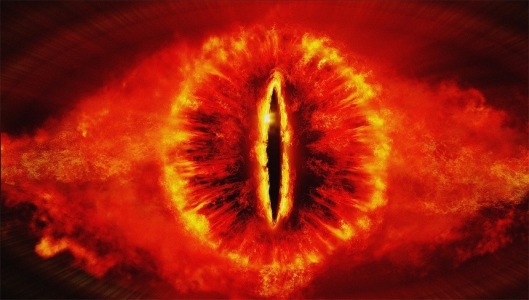
In fact, as we think about the image, its slogan, “Big Brother is Watching” might be applied to the All-Seeing Eye.

sauron-eye

That all-seeing eye, however, has another meaning, we believe, and it has to do with a goal which the Lieutenant doesn’t mention, but JRRT does:

“Sauron desired to be a God-King, and was held to be this by his servants.  If he had been victorious he would have demanded divine honour from all the rational creatures and absolute temporal power over the whole world.” (Letters, 244)

Thus, like various gods through the history of the world, by showing himself not a full physical form, but only as an eye, we can imagine that Sauron was claiming divine omniscience.

This set us to thinking: there is virtually no trace of religion in the latter part of the Third Age and certainly no religious structures. What might Sauron build as a shrine—to himself? And, as a corollary, what would he demand for worship?

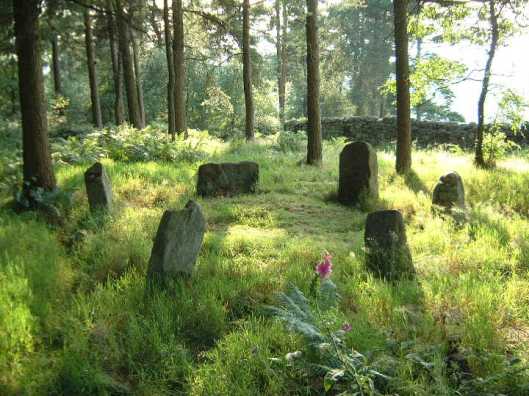
In Western Europe, some the earliest shrines were not actual buildings, but sites claimed to be somehow invested with divinity, such as groves of trees, something which the Gallic Celts called a nemeton, perhaps related to the Old Irish word nemed, meaning, according to the on-line OI/Middle Irish dictionary, “(small) sacred place”.

DollTorWest0801

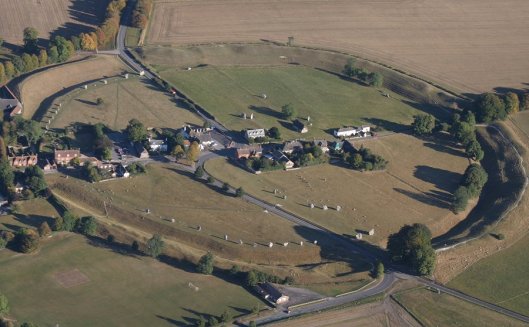
It’s easy to see how this could lead to the idea of a stone circle (perhaps beginning with a ditch of the sort which could ring settlements?), like that at Avebury.

Avebury

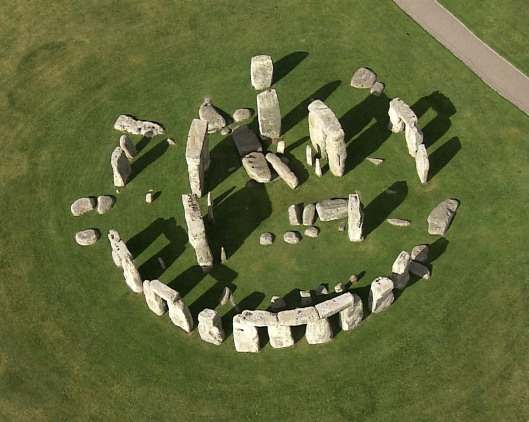
Or its more concentrated version, Stonehenge.

stonehenge-copy1

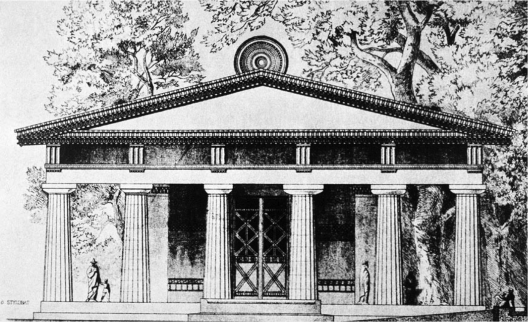
Another possibility might be to organize that grove into lines of pillars—using the trunks of the trees—and adding a roof—and you get a Greek temple.

templeofhera

Herodotus tells us that, in his time, this temple, devoted to Hera at Olympia, still had a couple of wooden columns, showing just how old it was. (There are also building elements, like pegs—all in stone in later time—which mirror earlier wooden construction.)

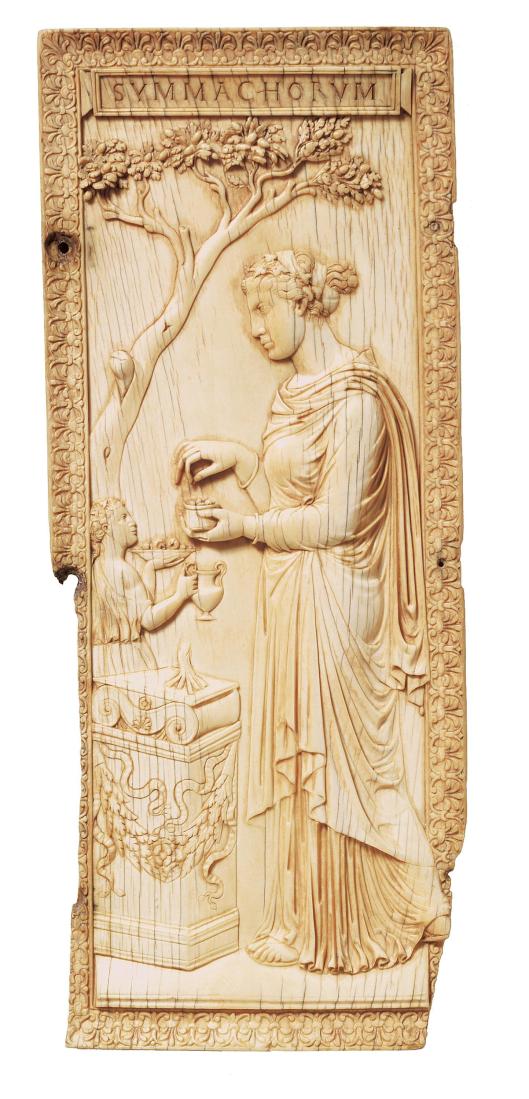
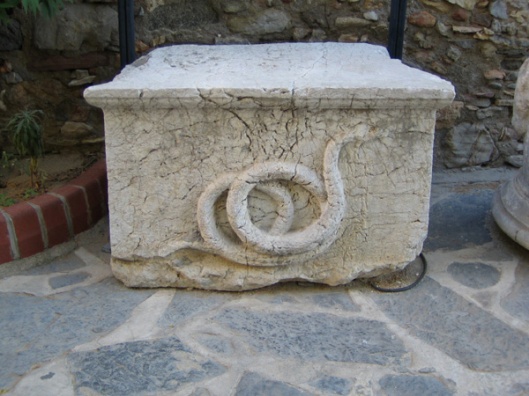
In the Greek world (and the Roman, as well), worship was done outside the building, at an altar in front.

snake-altar-from-mausoleum-of-halicarnassus-in-bodrum

That worship would consist of prayers and sacrifices. As the majority of the gods were believed to live in a place above humans (Olympus—an actual mountain, but also, seemingly, an imaginary location in the sky), sacrifices were conveyed in smoke. These could be as simple as incense

elt200810220812093544851-142058F954A638F8693

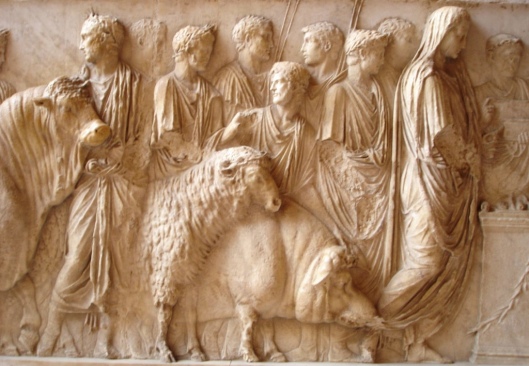
or as complicated as the barbecue after a multiple animal-slaughter, like the Roman suovetaurilia (“pigsheepbullactivity”). (Guess who got to consume the actual meat?)

multipleanimalsacrifice

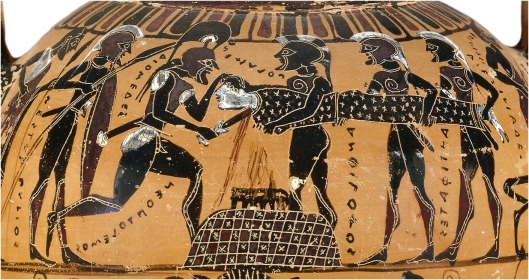
Classical people did not practice human sacrifice, considering it abominable, but it may have existed, at least in desperate circumstances in the far past, as has been preserved in the Greek story of Iphigenia, murdered at the altar of Artemis at Aulis to propitiate the goddess, who had blocked the Greeks from sailing to attack Troy.

Black-figured Tyrrhenian amphora (wine-jar) attributed to the Timiades Painter

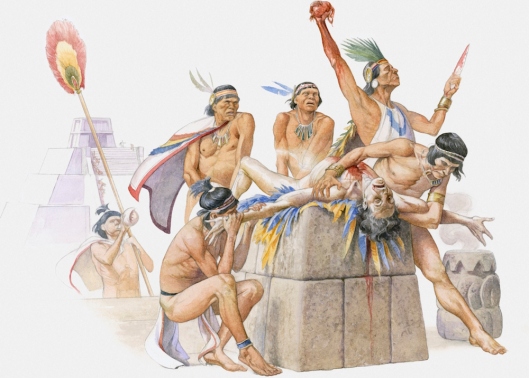
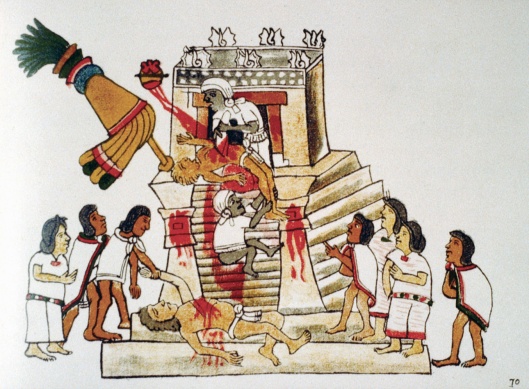
Of course, when it comes to wholesale, regular human sacrifice, we immediately think of Aztec devotion to their god, Huitzilopochtli, who was fed on the blood of human hearts at the top of his temple in the Aztec capital, Tenochtitlan.

huitzilopochtli

ThinkstockPhotos-98193978

sacrifice-2

And this brings us back to Sauron, his temple, his worship. Because there is so much wonderful material to work from in The Hobbit and The Lord of the Rings, in general, we confine ourselves to those and the Letters, but a little wider research gave us a clue—a horrible but not surprising clue—to answer our original question. In the Silmarillion, we found this:

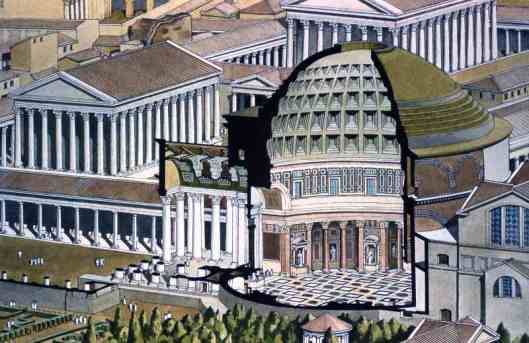
“But Sauron caused to be built upon the hill in the midst of the city of the Numenoreans, Armenelos the Golden, a mighty temple; and it was in the form of a circle at the base, and there the walls were fifty feet in thickness, and the width of the base was five hundred feet across the center, and the walls rose from the ground five hundred feet, and they were crowned with a mighty dome. And that dome was roofed all with silver, and rose glittering in the sun, so that the light of it could be seen afar off; but soon the light was darkened and the silver became black.” (The Silmarillion, “Akallabeth”, 273)

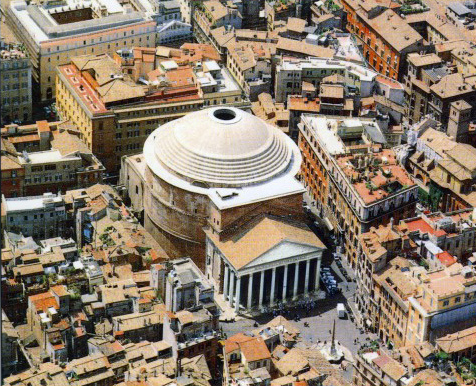
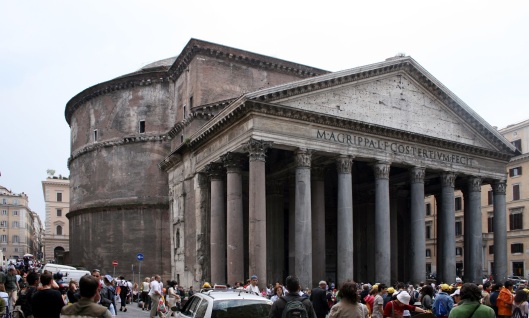
As people who are much involved with the Greco-Roman world, this description immediately brings to our minds the Pantheon, in Rome, whose dome was sheathed in copper, until that was stolen by the eastern emperor Constans II in 663AD, only to be stolen from him en route by Saracen pirates. It’s not 500 feet by 500 feet (152.4m.), of course, being only about 140 (42.67m.), but it’s certainly large and impressive—and circular, with a mighty dome.

aerial-view-pantheon

26.pantheon

Pantheon_Rome_(1)

But why did the “silver become black”? Do we have a bad feeling about this?

“For there was an altar of fire in the midst of the temple, and in the topmost of the dome there was a louver, whence there issued a great smoke…Thereafter the fire and smoke went up without ceasing; for the power of Sauron daily increased, and in that temple, with the spilling of blood and torment and great wickedness, men made sacrifice to Melkor that he should release them from Death. And most often from among the Faithful they chose their victims…”

Sauron, once Melkor’s servant, had gained great power over the Numenorean king, Ar-Pharazon, using it to persuade the king to attack the Valar—and thus bring about the destruction of Numenor. Sauron’s spirit survived that destruction, and perhaps his memory of Melkor’s temple and its worship would have, as well?

Thanks, as ever, for reading!

MTCIDC

CD

PS

We can’t resist adding this wonderful John Howe impression of the drowning of the city of Armenelos…

John_Howe_-_The_Drowning_of_Numenor


Now You Don’t See Me, Now You Don’t

07 Thursday May 2015

Posted by Ollamh in J.R.R. Tolkien, Narrative Methods, Villains

≈ Leave a comment

Tags

1984, Antagonists, Big Brother, Hobbits, Invisible, Palantir, Paradise Lost, Prince Valiant, Ramayana, Ravana, Saruman, Sauron, The Lord of the Rings, Tolkien, Villains, Visible

Invisible-Man

Dear Readers,

Welcome, as always.

     Imagine this—and we’re sure it’s happened to you. You’re working, somewhere by yourself, maybe downstairs. It’s late. Very. Everyone else is long asleep. And you suddenly, for no easy reason, look up. It’s nothing. Nothing…visible. Is it something you heard, then? But what? Is it even a sound—and certainly not something distinctive, like things in old horror movies—chains, groans, thumping footsteps from overhead—but maybe something very quiet—almost nothing more than the disturbance of familiar patterns like appliance hums. In fact, maybe it’s the silence under the familiar patterns which magnifies it. No matter what it is, it’s there. And, at the moment you actively take notice, the creepy feeling catches hold, and you sit, listening ever more intently. (Holding your breath is optional, but a popular choice for times like this.)

     Recently, we wrote about two kinds of villains, those we called “open-ended” and those we called “terminal”. Another classification which might spring from that eerie feeling described above: villains visible and villains invisible.

     Let’s return for a moment to that not-so-quiet place where your work was disturbed by…what? If you were a small child, perhaps it would be easy to give it shape from a fairy tale book you’d read, or a movie you’d seen. One of us, for example, was haunted in far childhood by a Hal Foster Prince Valiant illustration in which Prince Valiant has been drugged by Morgan le Fay. Every night, creatures like those in the picture would creep out of the eaves doors at the far end of the room and clutch at the bottom of the bed…

PV-3-19-38

 As we’re adults (sort of), however, do we necessarily embody whatever it is at such moments? And there’s that second question: do we want to? For all that we may be creeped out, is there some odd, perverse pleasure in being creeped out? Certainly those who make horror movies think so! But is there a difference between seeing what scares you and only feeling it?

     With that in mind, suppose that you’re not you, spooking yourself (yes, pun intended) late at night in your living room, but Tolkien constructing a long and complex combination of myth and adventure. You’ve got a wide assortment of protagonists, beginning with some of those beings you created in an earlier story, Hobbits.

fellowship

     What about villains, antagonists? As we’ve discussed in a previous posting, they are necessary to provide friction, that resistance which pushes against the heroes and creates the motion which is a plot.

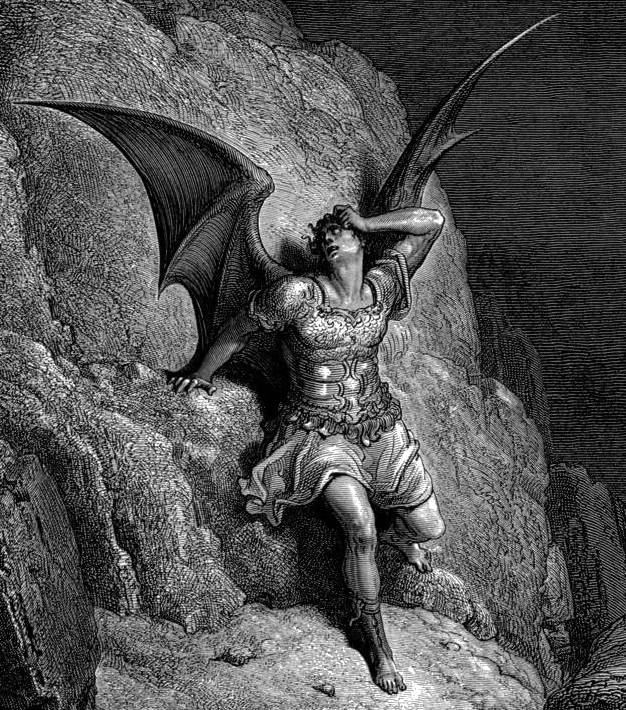
     Commonly, such a figure is visible, like Lucifer, in Paradise Lost.

GustaveDoreParadiseLostSatanProfile

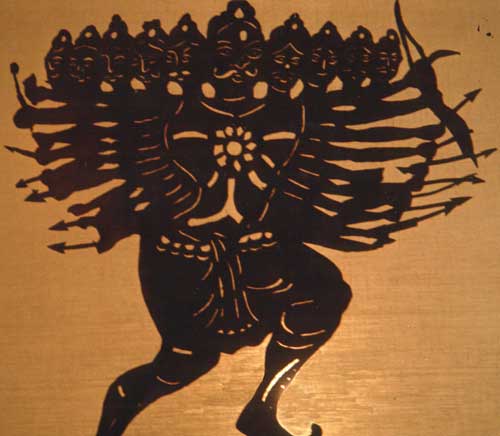
     Or he’s very visible, like Ravana in the Ramayana, with his ten heads.

page12_1

     For us, however, this is to risk circumscribing the villain, his visible body suggesting his visible limits. After all, it was a Sauron with hands who lost the Ring to a sword blade. To have a body, then, is to be vulnerable (literally, in the case above) and, more perhaps more important, in terms of story, more predictable, more bound by conventions.

     You (as JRRT) create Sauron, then, who once had a body, but now you make him nearly disembodied, being represented physically as a single, fiery eye.

Eye_of_Sauron

     This gives the effect of a brooding, ever-watchful presence, a bit like all of those posters in 1984’s London of Big Brother.

big-brother-is-watching

     This presence can be captured in the text in all sorts of ways, both direct and indirect. You have only to look up “Sauron” in the index to The Lord of the Rings to understand this: “Dark Lord, Enemy, Black One, Black Hand, Black Master, Base Master of Treachery, Dark Power, dark hands of the East, Nameless One, etc.”

     A brooding presence, however, is a real challenge for anyone trying to transfer The Lord of the Rings to the screen, which is why, after the previous defeat of Sauron, in which he appears as a huge being in black armor, he is reduced to that eye, sometimes captured in a palantir

palantir

Or Galadriel’s mirror, though, more often, as Sam and Frodo come closer to their goal, as the equivalent of a tower-mounted searchlight.

Mordor

     Film and fiction are different media, with different needs and tools to satisfy those needs, as the script writers never tire of explaining to us. In our opinion, however, this extremely literal depiction so strongly smacks of old black-and-white prison escape films,

C_71_article_1408592_image_list_image_list_item_1_image%20(1)

that we wish that those script writers could have left the Dark Lord offstage entirely, if this is the best they could do.

     With our feeling that an bodyless villain might be more powerful here than an incarnated one—remember feeling spooked at night by a subtle change in the ambience?—we would wish that the writers had been a bit more imaginative—and had read their author a little more closely. After all, he had plenty of good ideas about how to depict villains. And it is perhaps a sad commentary on their work that, increasingly, in their years of using JRRT, they abandoned him, choosing, instead, to bloat his story and turn it in directions he clearly never intended. Why not, for example, do as Tolkien did and mirror the villain not only in that long list of titles, but also in the actions and words both of his subordinates and his opponents? Would this have worked? Perhaps a reference to the amount of time “You Know Who” appears on-screen in the first Harry Potter movie in contrast to how often he is mentioned would suggest how this might have worked.

     As for villainous subordinates and their actions, we’ll have more to say about them in our next.

lee34

Thanks, as always, for reading. Remember: we want to encourage discussion and debate. If you agree with us, say so. If you don’t, say so and we can have fun working through our views.

MTCIDC

CD
The Doubtful Sea Series Facebook Page

The Doubtful Sea Series Facebook Page

  • Ollamh

Categories

  • Artists and Illustrators
  • Economics in Middle-earth
  • Fairy Tales and Myths
  • Films and Music
  • Games
  • Heroes
  • Imaginary History
  • J.R.R. Tolkien
  • Language
  • Literary History
  • Maps
  • Medieval Russia
  • Military History
  • Military History of Middle-earth
  • Narnia
  • Narrative Methods
  • Poetry
  • Research
  • Star Wars
  • Terra Australis
  • The Rohirrim
  • Theatre and Performance
  • Tolkien
  • Uncategorized
  • Villains
  • Writing as Collaborators
Follow doubtfulsea on WordPress.com

Across the Doubtful Sea

Recent Postings

  • A Moon disfigured December 17, 2025
  • On the Roads Again—Once More December 10, 2025
  • (Not) Crossing Bridges December 3, 2025
  • On the Road(s) Again—Again November 26, 2025
  • On the Road(s) Again November 19, 2025
  • To Bree (Part 2) November 12, 2025
  • To Bree (Part 1) November 5, 2025
  • A Plague o’ Both—No, o’ All Your Houses! October 29, 2025
  • It’s in Writing (2:  I’st a Prologue, or a Poesie for a Ring?) October 22, 2025

Blog Statistics

  • 103,217 Views

Posting Archive

  • December 2025 (3)
  • November 2025 (4)
  • October 2025 (5)
  • September 2025 (4)
  • August 2025 (4)
  • July 2025 (5)
  • June 2025 (4)
  • May 2025 (4)
  • April 2025 (5)
  • March 2025 (4)
  • February 2025 (4)
  • January 2025 (5)
  • December 2024 (4)
  • November 2024 (4)
  • October 2024 (5)
  • September 2024 (4)
  • August 2024 (4)
  • July 2024 (5)
  • June 2024 (4)
  • May 2024 (5)
  • April 2024 (4)
  • March 2024 (4)
  • February 2024 (4)
  • January 2024 (5)
  • December 2023 (4)
  • November 2023 (5)
  • October 2023 (4)
  • September 2023 (4)
  • August 2023 (5)
  • July 2023 (4)
  • June 2023 (4)
  • May 2023 (5)
  • April 2023 (4)
  • March 2023 (5)
  • February 2023 (4)
  • January 2023 (4)
  • December 2022 (4)
  • November 2022 (5)
  • October 2022 (4)
  • September 2022 (4)
  • August 2022 (5)
  • July 2022 (4)
  • June 2022 (5)
  • May 2022 (4)
  • April 2022 (4)
  • March 2022 (5)
  • February 2022 (4)
  • January 2022 (4)
  • December 2021 (5)
  • November 2021 (4)
  • October 2021 (4)
  • September 2021 (5)
  • August 2021 (4)
  • July 2021 (4)
  • June 2021 (5)
  • May 2021 (4)
  • April 2021 (4)
  • March 2021 (5)
  • February 2021 (4)
  • January 2021 (4)
  • December 2020 (5)
  • November 2020 (4)
  • October 2020 (4)
  • September 2020 (5)
  • August 2020 (4)
  • July 2020 (5)
  • June 2020 (4)
  • May 2020 (4)
  • April 2020 (5)
  • March 2020 (4)
  • February 2020 (4)
  • January 2020 (6)
  • December 2019 (4)
  • November 2019 (4)
  • October 2019 (5)
  • September 2019 (4)
  • August 2019 (4)
  • July 2019 (5)
  • June 2019 (4)
  • May 2019 (5)
  • April 2019 (4)
  • March 2019 (4)
  • February 2019 (4)
  • January 2019 (5)
  • December 2018 (4)
  • November 2018 (4)
  • October 2018 (5)
  • September 2018 (4)
  • August 2018 (5)
  • July 2018 (4)
  • June 2018 (4)
  • May 2018 (5)
  • April 2018 (4)
  • March 2018 (4)
  • February 2018 (4)
  • January 2018 (5)
  • December 2017 (4)
  • November 2017 (4)
  • October 2017 (4)
  • September 2017 (4)
  • August 2017 (5)
  • July 2017 (4)
  • June 2017 (4)
  • May 2017 (5)
  • April 2017 (4)
  • March 2017 (5)
  • February 2017 (4)
  • January 2017 (4)
  • December 2016 (4)
  • November 2016 (5)
  • October 2016 (6)
  • September 2016 (5)
  • August 2016 (5)
  • July 2016 (5)
  • June 2016 (5)
  • May 2016 (4)
  • April 2016 (4)
  • March 2016 (5)
  • February 2016 (4)
  • January 2016 (4)
  • December 2015 (5)
  • November 2015 (5)
  • October 2015 (4)
  • September 2015 (5)
  • August 2015 (4)
  • July 2015 (5)
  • June 2015 (5)
  • May 2015 (4)
  • April 2015 (3)
  • March 2015 (4)
  • February 2015 (4)
  • January 2015 (4)
  • December 2014 (5)
  • November 2014 (4)
  • October 2014 (6)
  • September 2014 (1)

Blog at WordPress.com.

  • Subscribe Subscribed
    • doubtfulsea
    • Join 78 other subscribers
    • Already have a WordPress.com account? Log in now.
    • doubtfulsea
    • Subscribe Subscribed
    • Sign up
    • Log in
    • Report this content
    • View site in Reader
    • Manage subscriptions
    • Collapse this bar
 

Loading Comments...