• About

doubtfulsea

~ adventure fantasy

Tag Archives: Bataclava

Green and Quiet.2

12 Wednesday Sep 2018

Posted by Ollamh in Heroes, J.R.R. Tolkien, Military History

≈ Leave a comment

Tags

21st Lancers, Bataclava, Cavalry, Charge of the Light Brigade, Edwardian, Great War, horses, King Edward, Medieval, Omdurman, Oxford, Pelennor, railways, Rohirrim, Romans, Scots Greys, Tolkien, Victorian, Waterloo

Welcome, as ever, dear readers.

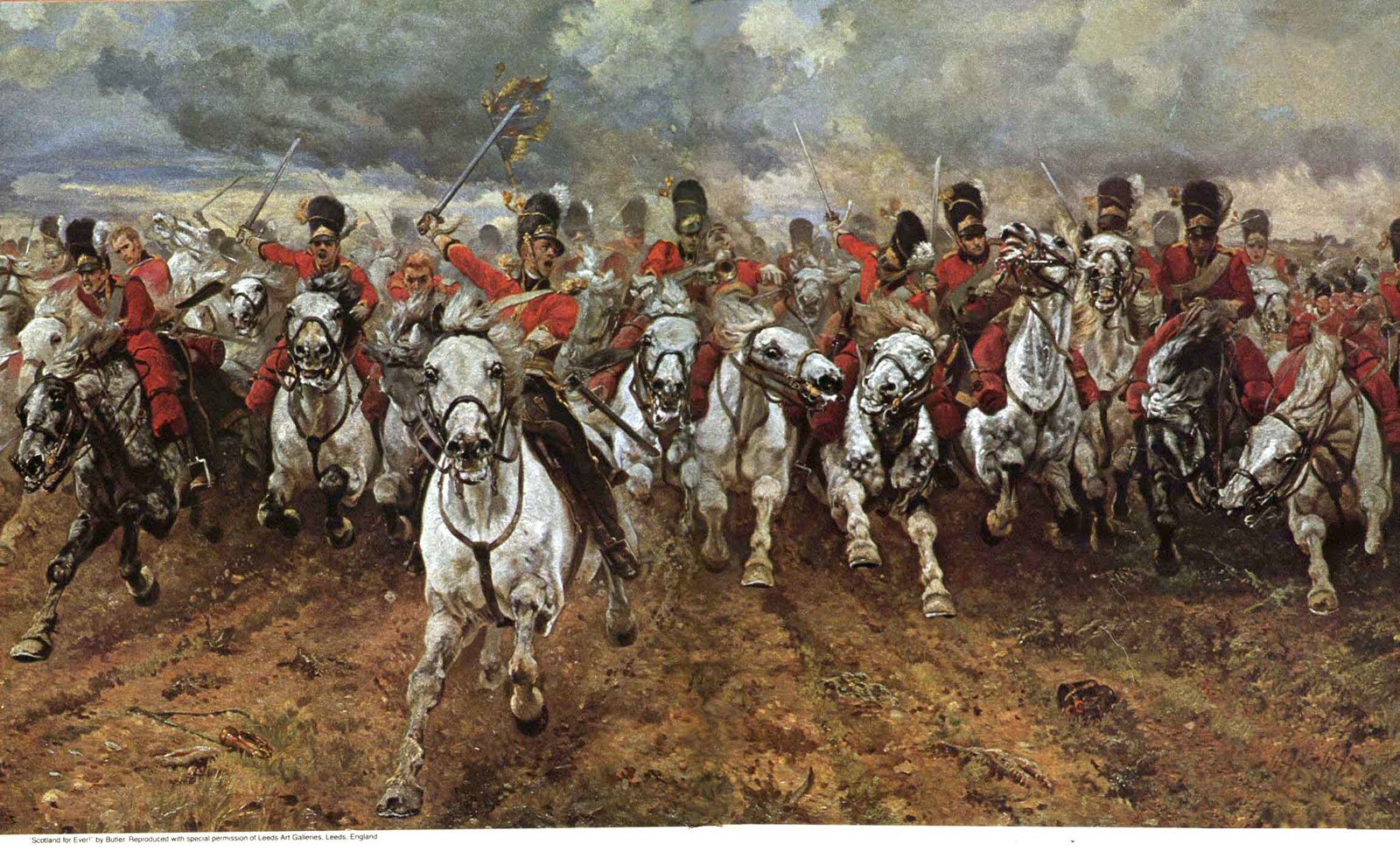
The late-Victorian/Edwardian world of JRRT’s childhood and youth was full of stirring stories and illustrations of military adventure, from the 1815 charge of the Scots Greys at Waterloo
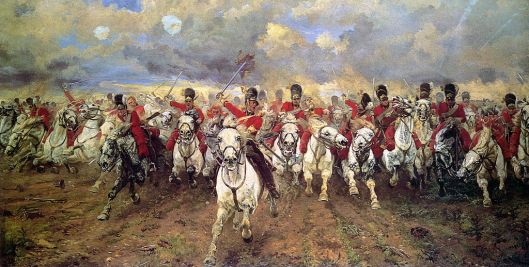
image1scot.jpg

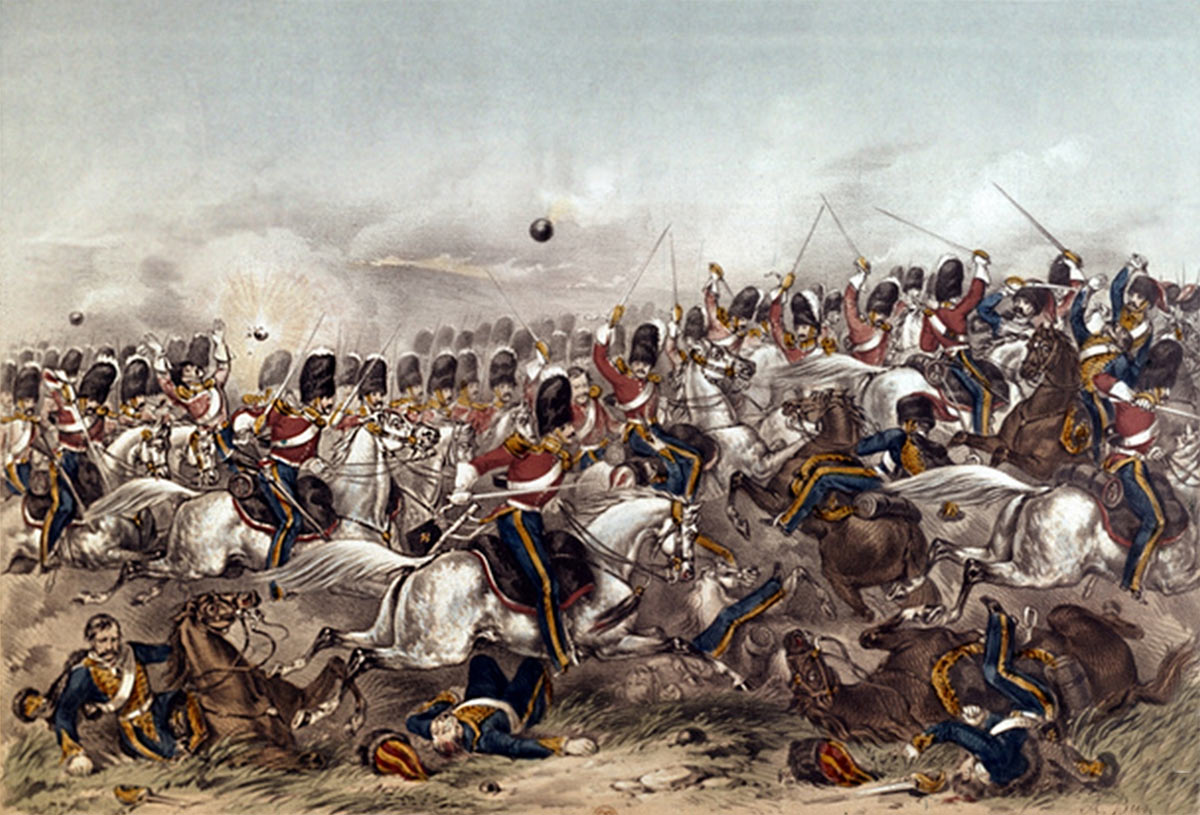
to the disastrous (but glorious) charge of the Light Brigade at Balaclava in 1854
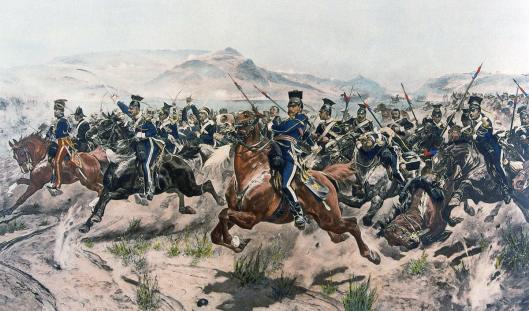
image2.jpg

to the near-disastrous (but also glorious) charge of the 21st Lancers at Omdurman (1898)
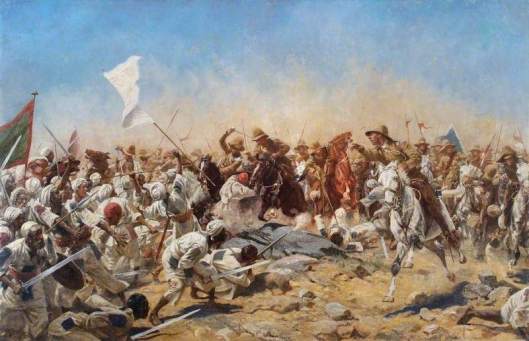
image3omdurman.jpg

to the expectation of more glorious attacks in the event of a Great War on the continent.
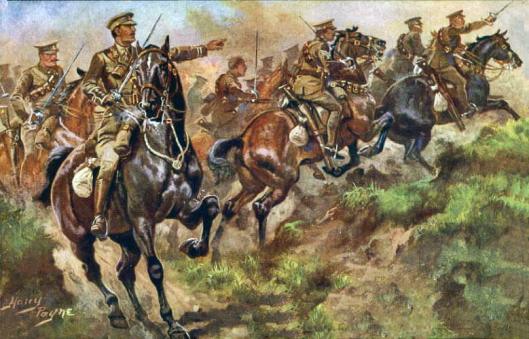
image4eleventhhus.jpg

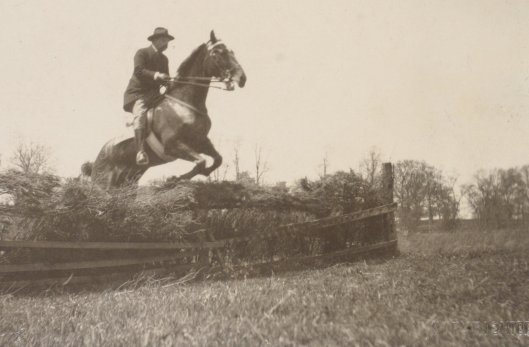
Such images may have inspired him to join a volunteer cavalry unit at Oxford, King Edward’s Horse,
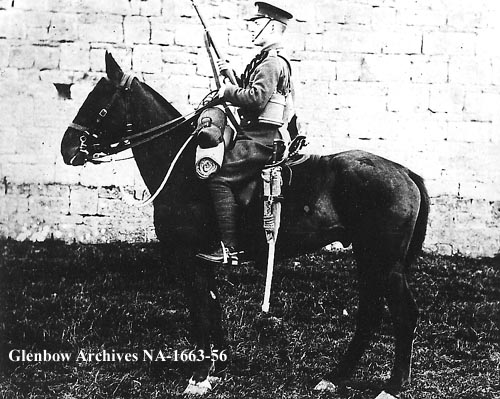
image5keh.jpg

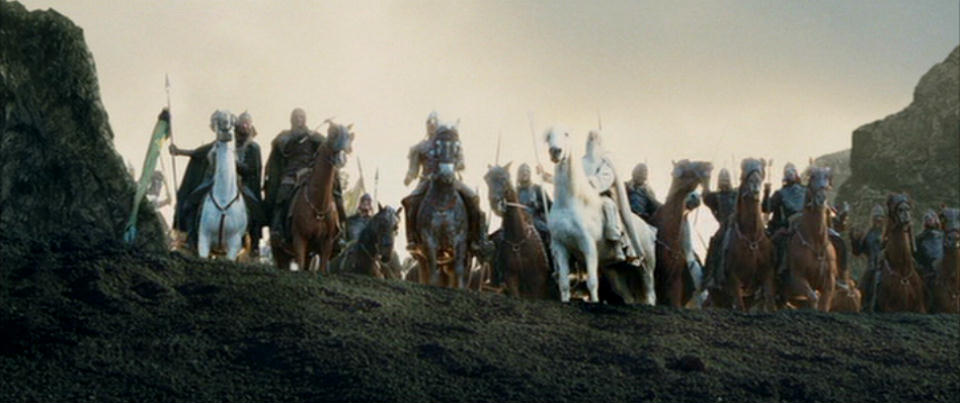
and may even lie behind the charge of the Rohirrim at the Battle of the Pelennor Fields.
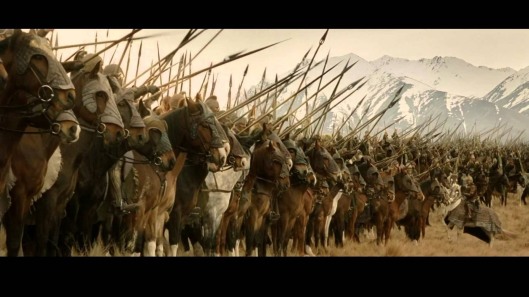
image6pel.jpg

To us, however, it also symbolizes something else:  the role of the horse in Tolkien’s world.  Its military role was more than simply carrying the glamorous cavalry, however.
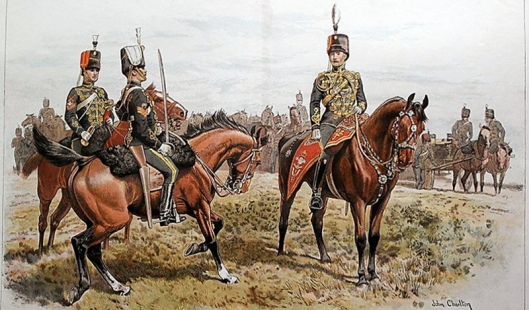
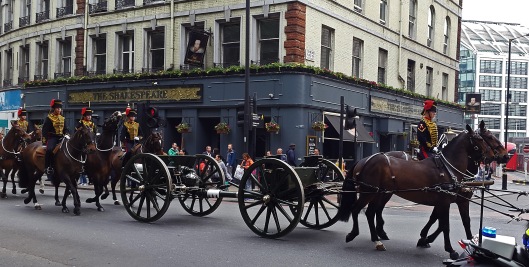
image7hussars.jpg

It also pulled the guns,

image8rha.jpg

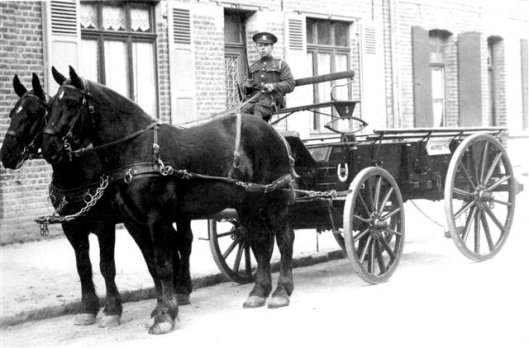
the supply wagons,

image9gsw.jpg

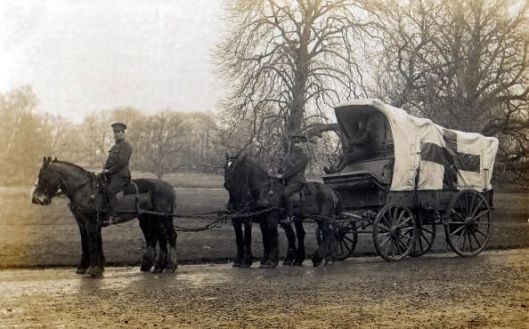
the ambulances,

image10ambulance.jpg

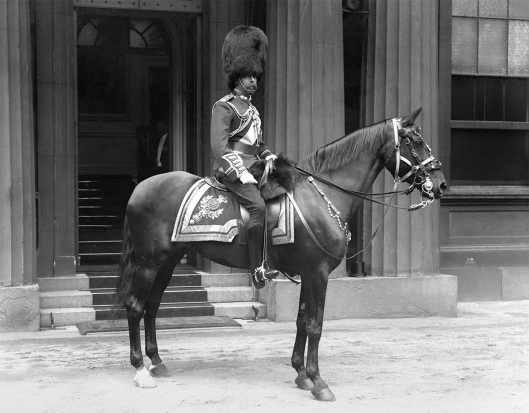
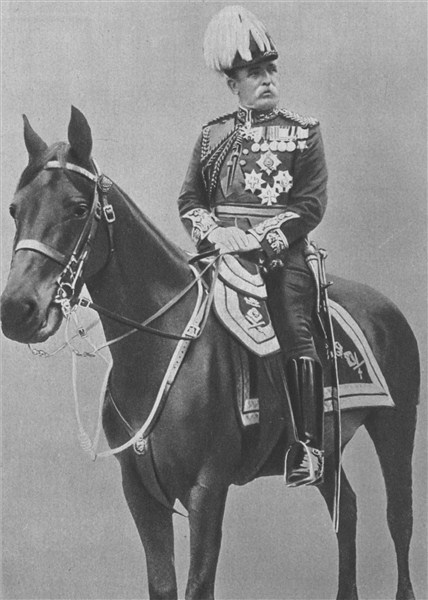
as well as carried those in control of it all, from the Kings (after 1901)
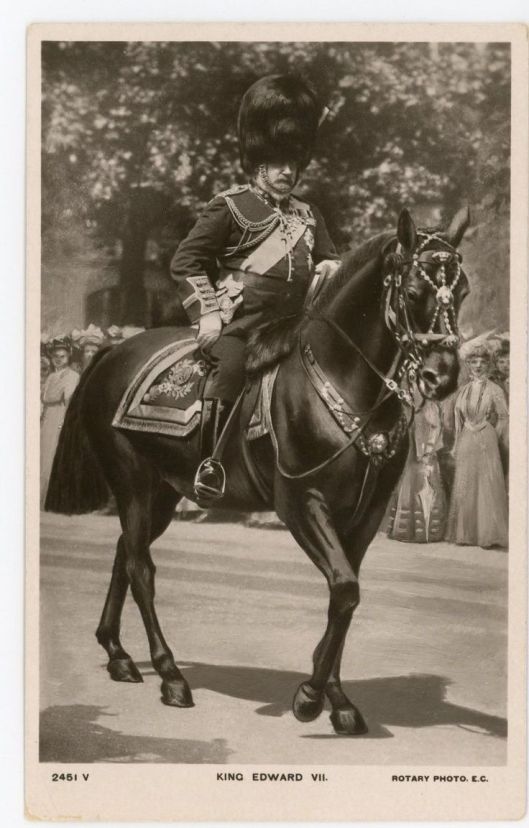
image11ed7.jpg

image12geo5.jpg

to the generals,

image13french.jpg

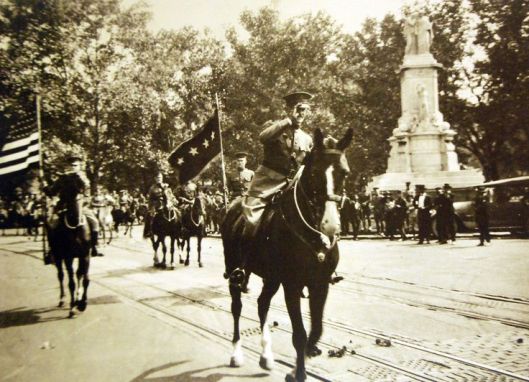
and it was the same for all of Europe and the US, as well.
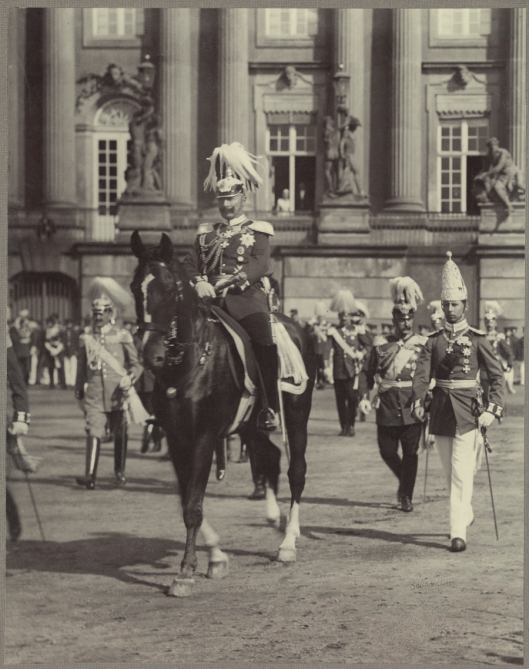
image14kaiser.png

image15tr.jpg

image16pershing.jpg

All of which simply reflected that, for all that there were railroads
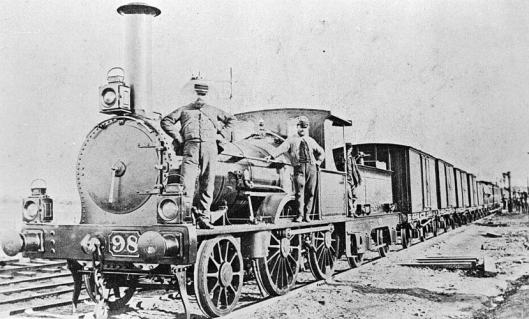
image17railway.jpg

and the West was crisscrossed with railway tracks,
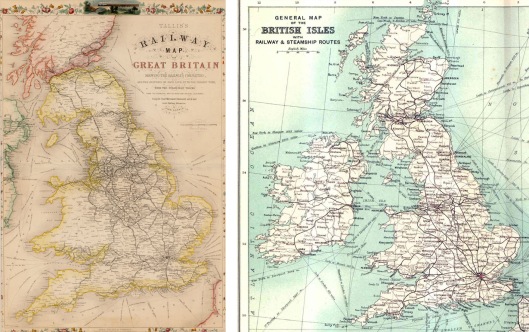
image18rrmaps.jpg

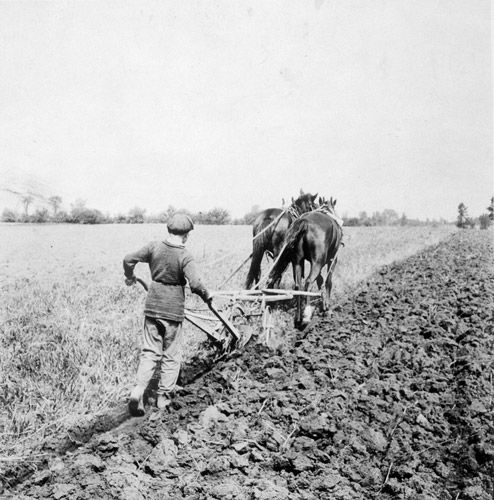
horses still pulled the world,

image19plowing.jpg

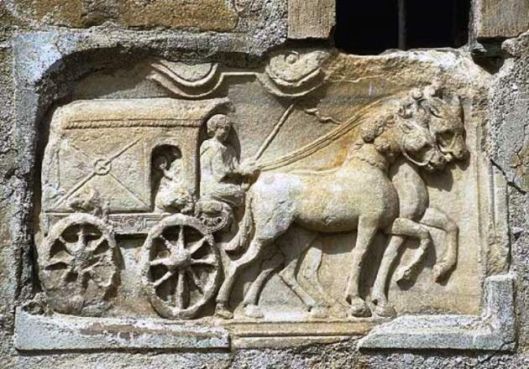
as they had from Roman times

image20roman.jpg

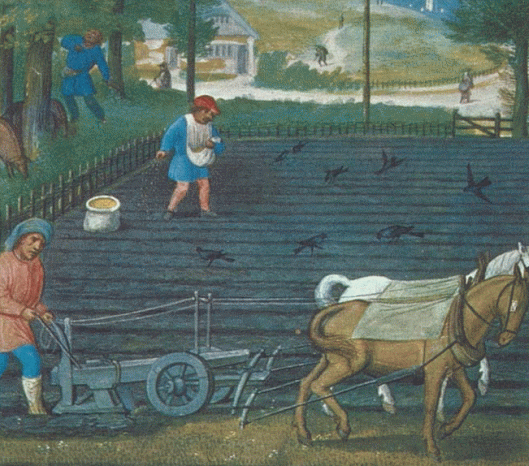
through medieval

image21medplow.gif

and still did, even beyond the Great War.
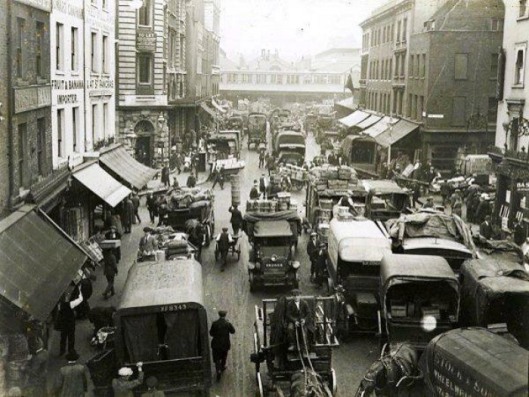
image22london.jpg

In our last posting, we discussed a line from The Hobbit :  “By some curious chance one morning long ago in the quiet of the world, when there was less noise and more green…”

We suggested that, with that phrase “long ago” and that imperfect tense verb form, “was”, all was no longer so quiet or green and that goblins/orcs, or their modern equivalent in the Industrial Revolution, were eating up the green of the world, as well as the quiet, but we would like to add to that that a major change in transport, which removed the horse almost entirely from the picture, also contributed greatly.

First, of course, it was those railways which cut through everywhere, steaming and smoking and hooting.
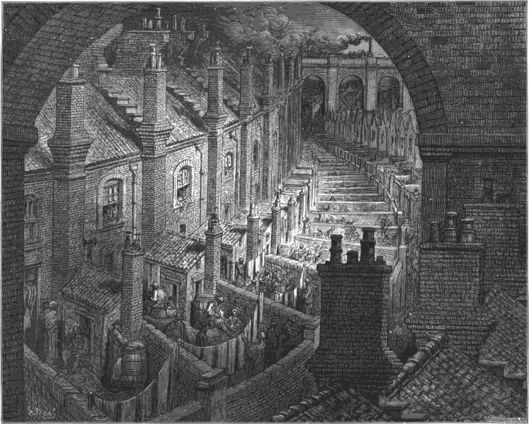
image23rr.png

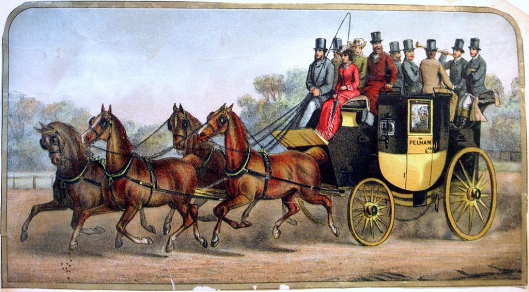
These greatly reduced the use of horses for carrying things—and people—over distances.
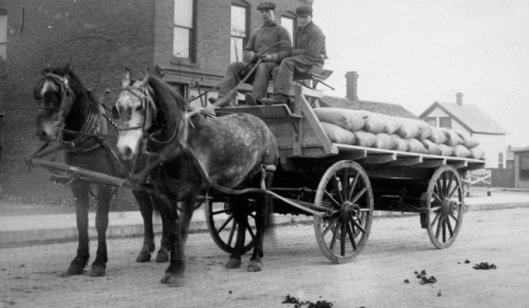
image24wagon.jpg

image25stage.jpg

At the turn of the century, however, a new invention would come to so diminish the employment of horses eventually to the point where they would be thought obsolete.
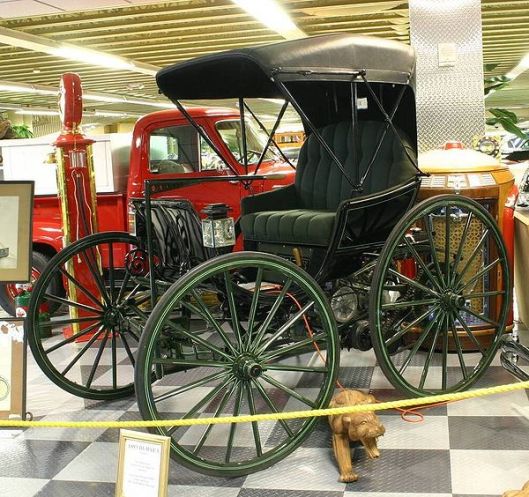
image26duryea.JPG

At first, they were few and far between, available only to the rich for personal use.
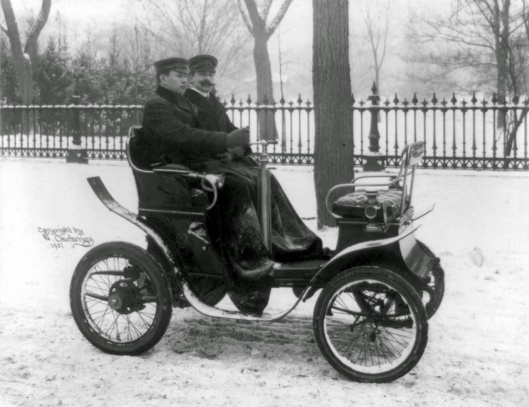
image27richcar.jpg

The massive production needed for the Great War (1914-1918),
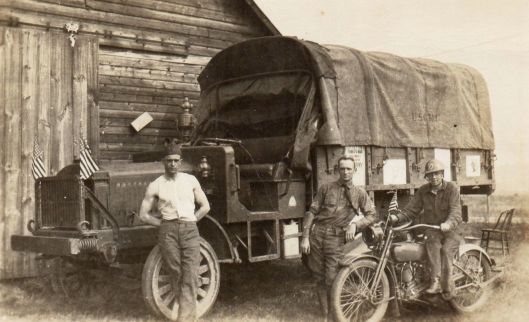
image28atruck.jpg

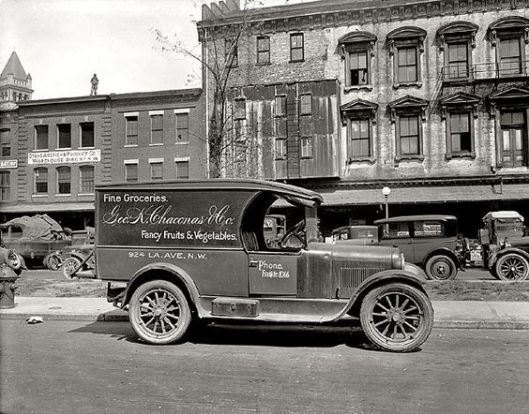
however, encouraged both post-war demand and supply.
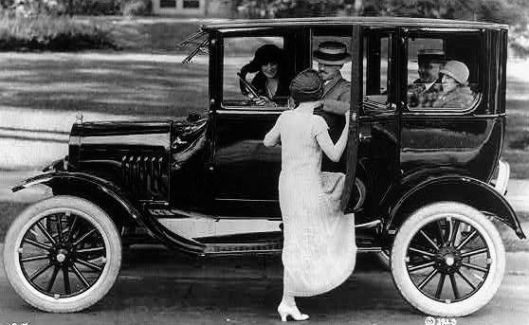
image28car.jpg

image29van.jpg

As we’ve discussed in previous postings, the Romans had been masters of the paved road.
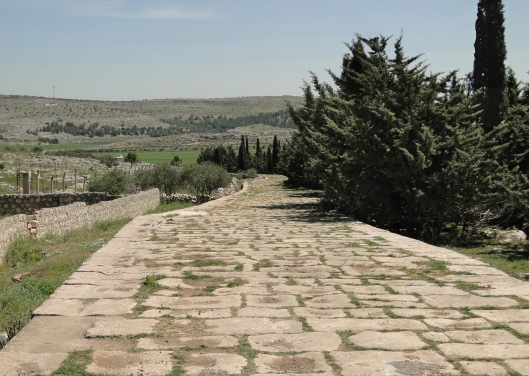
image30romanroad


After the Romans, however, the secret (and the massive amounts of cash, as well as the numbers of workers) to such roads was lost and roads declined into, at best, wide paths—dust baths in summer, swamps in winter.
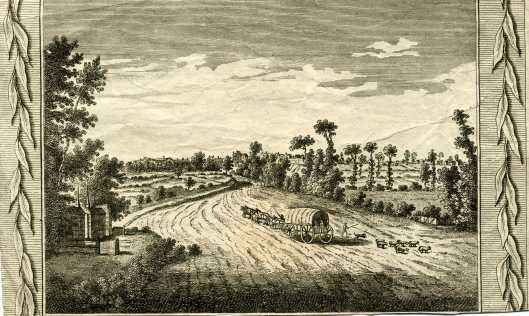
image31greatnorth.jpg

At best, a road might be “metalled”—that is, covered in loose stone (from Latin “metallum”—here, meaning “quarry”).
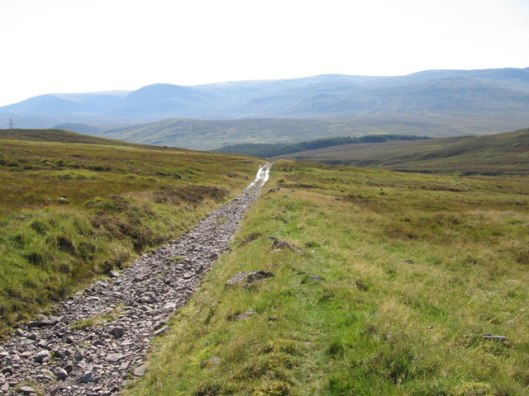
image32metalled.jpg

In the 1820s, the Scots engineer, JL McAdam, created roads with a crushed stone surface over larger inlaid stones.
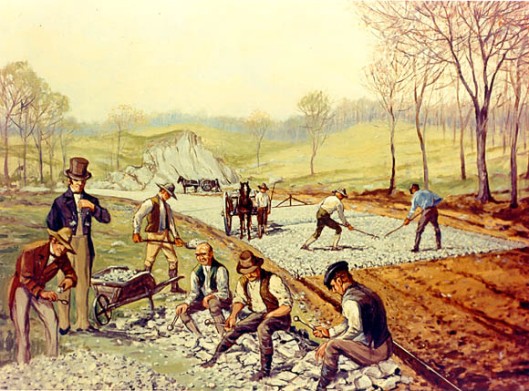
image33mcadam


Each of these was an improvement over a dirt track,
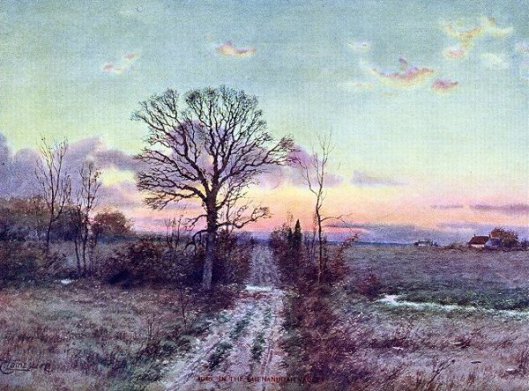
image34track.jpg

but, about 1900, the next process arrived, with the use of bitumen and then various petroleum substances to cover the surface and, along with the use of concrete, these produced the roads we still drive on today.
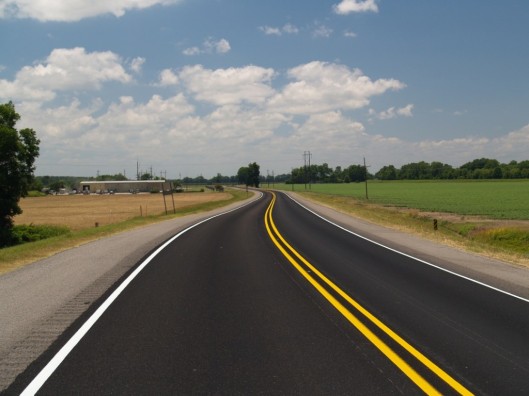
image35highway.jpg

Unfortunately for green and quiet, this rapidly multiplied the decay of both, as cars and trucks and the roads they needed began to spread across the landscape.  Imagine, for a man who had been born into the greener and quieter and horsier world of 1892, what this 1930s traffic jam would have been like and you can easily see why he would have believed that goblins and orcs could so harm the peaceful world!
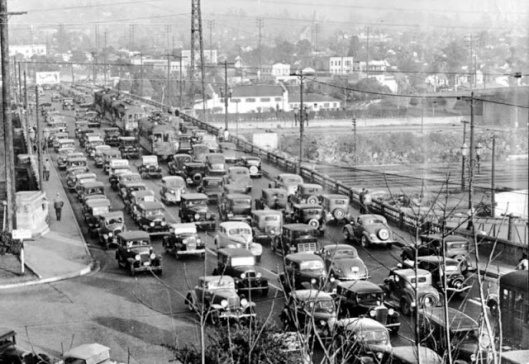
image36jam.jpg

Thanks, as ever, for reading.

MTCIDC

ps

Recently, we happened upon this very interesting story, which we had never seen before, from the online BBC New, 3 July, 2006.  The author mentions “Tolkien’s son” by whom he means JRRT’s second son, Michael.

Many years ago I corresponded with Tolkien’s son, a schoolmaster like myself. He said the Dark Riders in his novel were based on a real recurring nightmare from the Forst World War. Tolkien, riding a good cavlary horse, had somehow got lost behind the German lines,and, imagining he was behind his own trenches, rode towards a group of mounted cavalrymen standing in the shade of a coppice.

It was only when he drew nearer he realised his mistake for they German Ulhans, noted for their atrocities and taking no prisoners. When they saw him they set off in pursuit with their lances levelled at him. He swung his horse round and galloped off hotly pursued by the Germans. They had faster steeds but Tolkien’s horse was a big-boned hunter.

They got near enough for him to see their skull and crossbone helmet badges. Fortunately for Tolkien (and us, his readers)he raced towards some old trenches which his horse, used to hunting, took in its stride. The Uhlans’ horses weren’t up to it and they reined in leaving Tolkien to get away to his own side.

He was terrified and the cruel faces of those Uhlans and their badges haunted him in nightmares for a long time afterwards. Years later, when he was writing his novel, the Dark Riders were the result of that terrifying chase.
Revd John Waddington-Feather, Shrewsbury

There are some odd typos, but we think that the basic story might be true except for the details about the German cavalry.  Uhlans are lancers, but lancer cap badges looked like this.
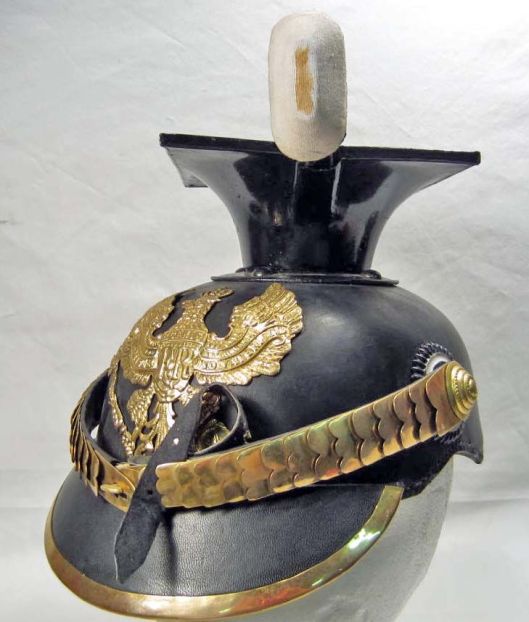
image37czapska.jpg

German hussar busbies, however, could have the famous “death’s head” badge.
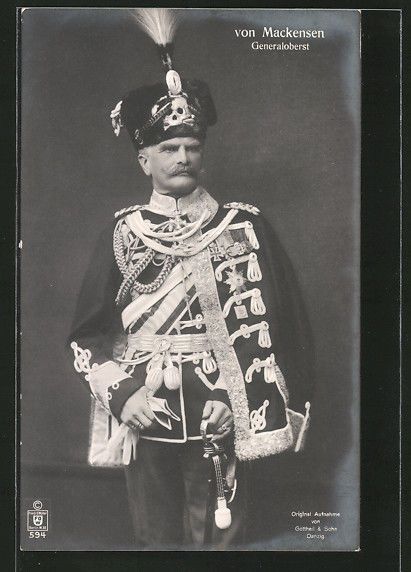
image38vonm.jpg

And German hussars also could carry lances as in this picture from 1915.
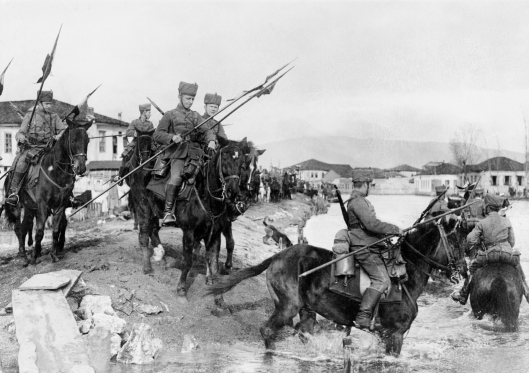
image39hussars.jpg

German cavalry went to war with covers over their headgear (as in the photo of the hussars), but, if the story is accurate, we might presume that the hussars, for some reason, have shed those covers.

Charge! The End?

14 Wednesday Oct 2015

Posted by Ollamh in Films and Music, J.R.R. Tolkien, Military History, Military History of Middle-earth

≈ Leave a comment

Tags

Adventure, Bataclava, Bigelow, British, British Heavy Brigade, Cavalry, Cawnpore, Charges, Chasseurs d'Afrique, Crimean War, French, Funckens, Gandalf, Helm's Deep, John Ford, Minas Tirith, Oliphaunts, Prussian, Remington, Rohirrim, Rossbach, Russian, Schreyvogel, seige, Stagecoach, surreneder, The Charge of the Light Brigade, The Lord of the Rings, Tolkien, Trostle Farm, Warhorse, Waterloo, Western, William Simpson

Dear Readers,

Welcome, as always.

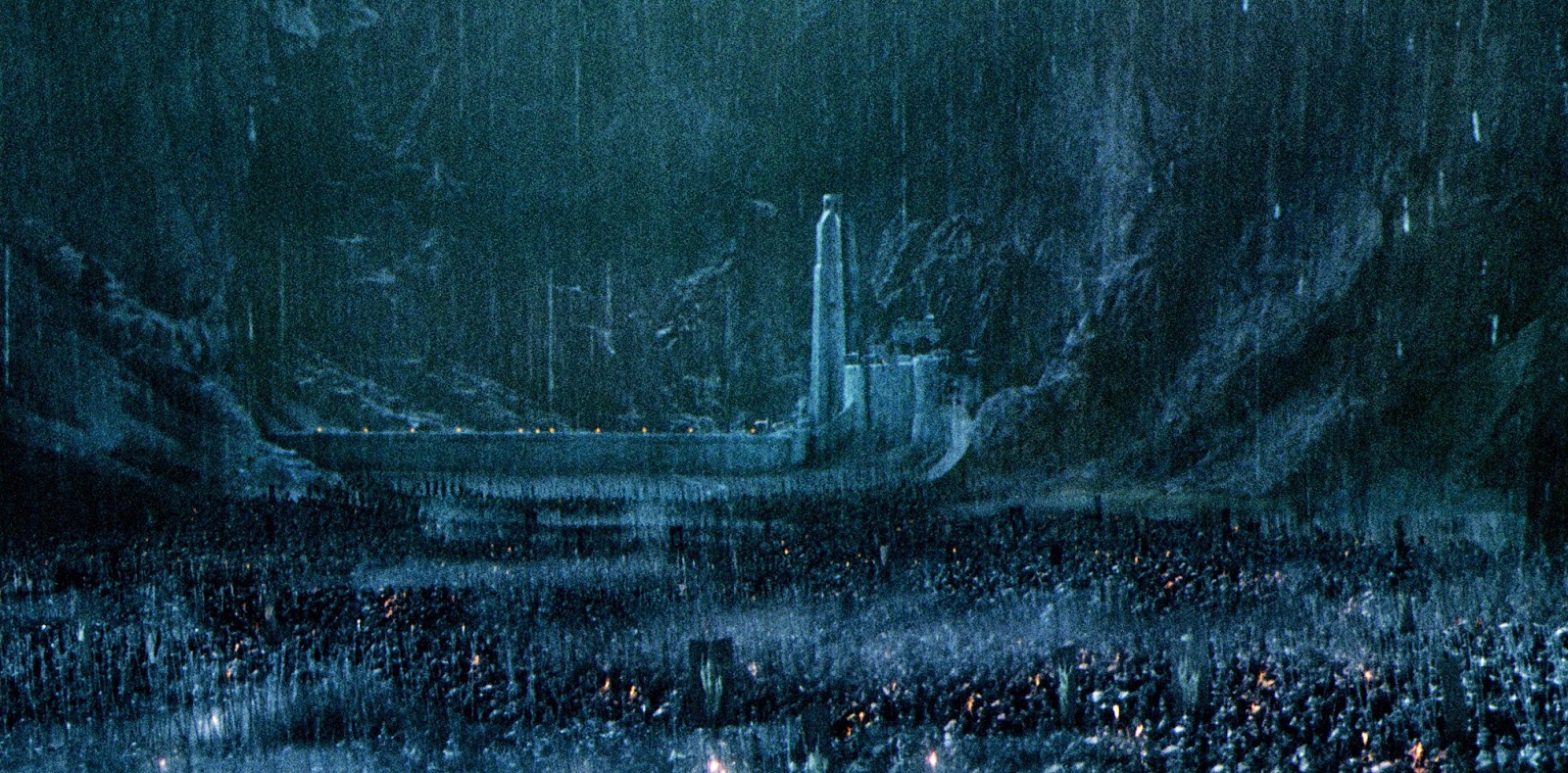
In our last, we were discussing film music, where it comes from and what it does. This brought us, as always, it seems, back to JRRT. In that post, we talked about the “Shire theme”. In this, we want to talk not about a theme, but about a scene, one we have mentioned before, the charge of the Rohirrim and the attempted raising of the siege of Minas Tirith.

gondorattacked rohirrimformup

Although, strictly speaking, what is happening to Minas Tirith is simply a frontal assault, not a siege in the classic sense. Although, seen in this illustration (by the wonderful husband and wife team of the Funckens), they may look the same—

funckenssiegeupclose

in a formal siege, you surround a town/fortress

siegediggingin

call on the place to surrender

The-Entrance-Into-Belfort-Of-The-German-Commander-Bearing-The-Flag-Of-Truce-4th-November-1870-1884

use your heavy weapons to bombard the place

catapault42cm

Drive the defenders back from their outer works

William Simpson - The Attack on the Malakoff 1855

And then call upon the defenders to surrender—which, often they do (fewer Alamos than myth would tell you)

surrender4

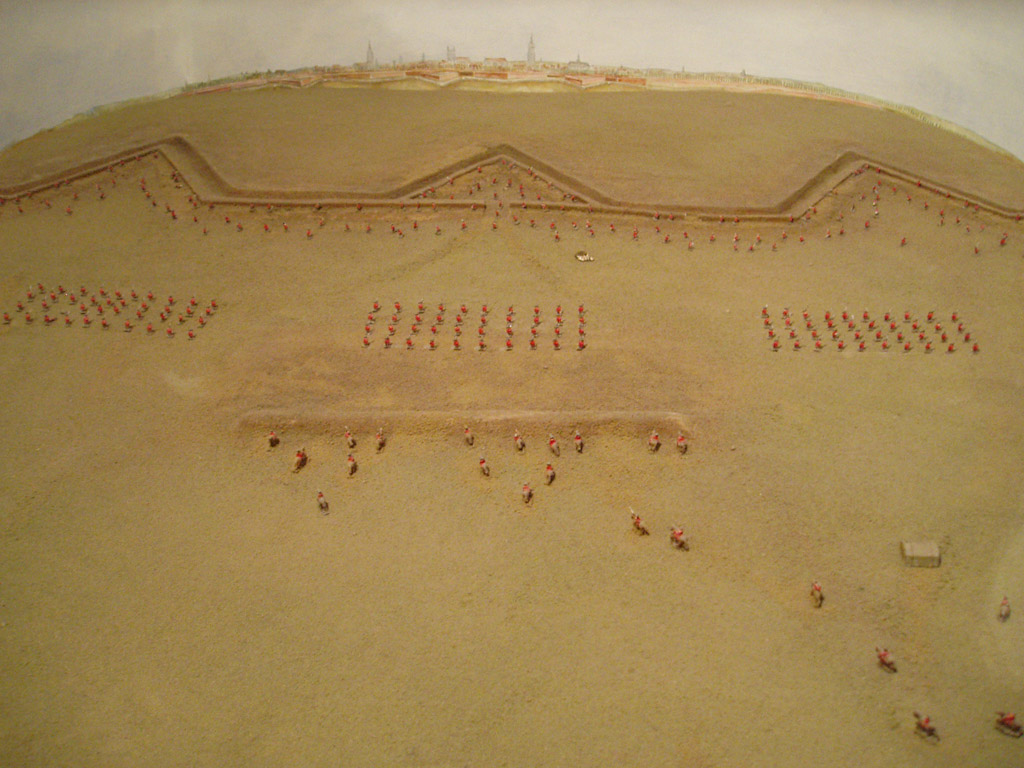
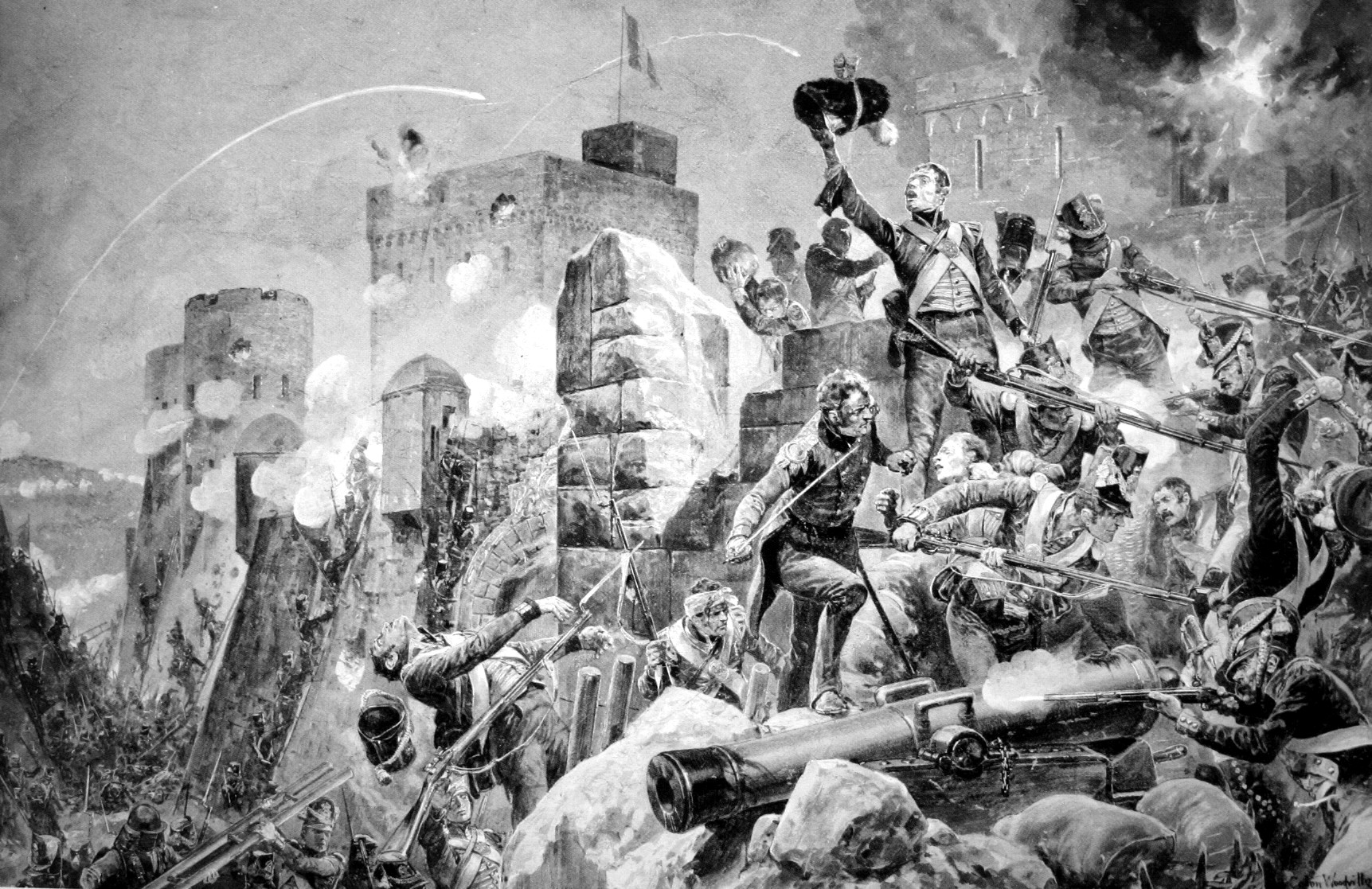
But, if not, a final—usually costly—attackSiege_of_Badajoz,_by_Richard_Caton_Woodville_Jr

march6

and, potentially, the massacre of all—or at least all of the garrison–inside. (In Jackson’s LoTR, the Orcs are certainly not taking prisoners as they break into Minas Tirith).

The charge of the Rohirrim, though, brought to mind other charges, such as the charge of the Prussian cavalry against the French/Allied army at Rossbach, in 1757—

Schlacht_bei_Roßbach1

or the French and British cavalry charges at Waterloo, 1815—

cavwaterloo1 ChargeofthelightBrigade

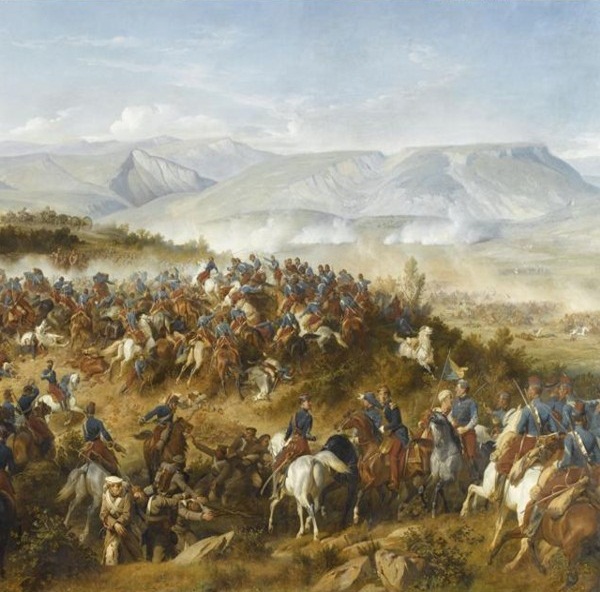
or those _other_ charges at the battle of Balaclava, 1854, that of the French 4th Chasseurs d’Afrique

Chasseurs_d'Afrique_à_Balaclava

or of the British Heavy Brigade, which drove the Russian cavalry from the British camp.

balaclava-scots-greys-1200

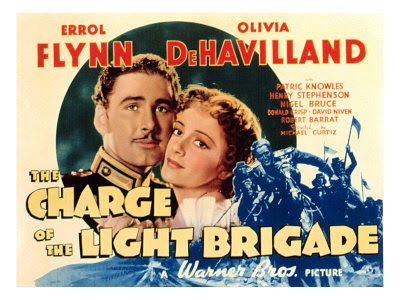
Those last two remind us, of course, of one of our favorite adventure movies, the 1936 The Charge of the Light Brigade

charge1

It is not so authentic in look as the 1968 movie of the same name,

Charge+of+the+Light+Brigade+movie+poster+2

and, in fact, the film states at its opening that it’s only loosely based on actual historical events (including not only the charge, but the 1857 massacre at Cawnpore—which, in reality, occurred some three years after the Crimean War battle). It also beefs up the Russian defense—adding non-existent earthworks, for instance. Here’s the movie’s view

1225664651_the-charge-of-the-light-brigade_00016

and here’s William Simpson’s near-contemporary illustration (Simpson arrived after the battle, but must have talked to survivors and certainly could have seen the terrain).

William_Simpson_-_Charge_of_the_light_cavalry_brigade,_25th_Oct._1854,_under_Major_General_the_Earl_of_Cardigan

All of these charges were directed at enemy forces on an open battlefield. The attack of the Rohirrim actually comes from a different scenario, one which is based upon a theme familiar to those who have seen American westerns: the arrival of the cavalry in the nick of time.

In this scenario, someone is trapped and surrounded—or at least persistently assaulted by a more numerous enemy—the classic is an attack upon circled wagons

frontier-wagon-circle

The crisis comes and it looks like those attacked are about to be overwhelmed

wagon-box-fight-1867-granger

but, at the last minute, help arrives—the cavalry, bugles sounding, guidons waving (although that illustrated in this vidcap is the 1885 pattern and the film from which this comes takes place in 1880—then again, the uniforms are a bit odd, too—here’s Remington’s and Schreyvogel’s more accurate views, as well) rides fearlessly to the rescue.

Stagecoach_216Pyxurz SCHREYVOGEL_Charles_Cavalry_Charge_1905_Wadsworth_Athenaeum_source_Sandstead_d2h_ remingtoncav

After sorting through more than 50 westerns, we believe that the movie from which our first image comes is probably the source of the modern idea of the arrival of the cavalry—see this clip from John Ford’s Stagecoach (1939)

CLIP

This happens twice, of course, in The Lord of the Rings, first at Helm’s deep, when Gandalf arrives—

helms-deep gandalfarrives

and again, as we began, at Minas Tirith. It’s interesting, however, to see that, in this second example, the cavalry rescue is not so successful, since there are those oliphaunts we discussed in an earlier posting—

mumakil_by_cg_warrior-d4muefu

In our world, it wasn’t giant oliphaunts who eventually defeated cavalry and drove them to the edges of the battlefield, where they lasted a little longer, but this

maximwarhorse

as you can see in this clip from Warhorse.

CLIP

And it’s for the best, really. It’s bad enough that we humans engage in violent actions without dragging the rest of the animal kingdom into it…

trostle-farm

(A few of the 80 horses lost by Bigelow’s 9th MA Battery at the Trostle Farm, 2 July, 1863—and, as a sad ps, 25 horses were killed or so badly injured that they were put down at the filming of the 1936 The Charge of the Light Brigade—this so shocked those in Congress that a law for the protection of animals in films was passed to prevent future harm).

Thanks, as always, for reading.

MTCIDC

CD

The Doubtful Sea Series Facebook Page

The Doubtful Sea Series Facebook Page

  • Ollamh

Categories

  • Artists and Illustrators
  • Economics in Middle-earth
  • Fairy Tales and Myths
  • Films and Music
  • Games
  • Heroes
  • Imaginary History
  • J.R.R. Tolkien
  • Language
  • Literary History
  • Maps
  • Medieval Russia
  • Military History
  • Military History of Middle-earth
  • Narnia
  • Narrative Methods
  • Poetry
  • Research
  • Star Wars
  • Terra Australis
  • The Rohirrim
  • Theatre and Performance
  • Tolkien
  • Uncategorized
  • Villains
  • Writing as Collaborators
Follow doubtfulsea on WordPress.com

Across the Doubtful Sea

Recent Postings

  • Through a glass… January 7, 2026
  • Heffalumps? December 31, 2025
  • We Three Kings December 24, 2025
  • A Moon disfigured December 17, 2025
  • On the Roads Again—Once More December 10, 2025
  • (Not) Crossing Bridges December 3, 2025
  • On the Road(s) Again—Again November 26, 2025
  • On the Road(s) Again November 19, 2025
  • To Bree (Part 2) November 12, 2025

Blog Statistics

  • 104,106 Views

Posting Archive

  • January 2026 (1)
  • December 2025 (5)
  • November 2025 (4)
  • October 2025 (5)
  • September 2025 (4)
  • August 2025 (4)
  • July 2025 (5)
  • June 2025 (4)
  • May 2025 (4)
  • April 2025 (5)
  • March 2025 (4)
  • February 2025 (4)
  • January 2025 (5)
  • December 2024 (4)
  • November 2024 (4)
  • October 2024 (5)
  • September 2024 (4)
  • August 2024 (4)
  • July 2024 (5)
  • June 2024 (4)
  • May 2024 (5)
  • April 2024 (4)
  • March 2024 (4)
  • February 2024 (4)
  • January 2024 (5)
  • December 2023 (4)
  • November 2023 (5)
  • October 2023 (4)
  • September 2023 (4)
  • August 2023 (5)
  • July 2023 (4)
  • June 2023 (4)
  • May 2023 (5)
  • April 2023 (4)
  • March 2023 (5)
  • February 2023 (4)
  • January 2023 (4)
  • December 2022 (4)
  • November 2022 (5)
  • October 2022 (4)
  • September 2022 (4)
  • August 2022 (5)
  • July 2022 (4)
  • June 2022 (5)
  • May 2022 (4)
  • April 2022 (4)
  • March 2022 (5)
  • February 2022 (4)
  • January 2022 (4)
  • December 2021 (5)
  • November 2021 (4)
  • October 2021 (4)
  • September 2021 (5)
  • August 2021 (4)
  • July 2021 (4)
  • June 2021 (5)
  • May 2021 (4)
  • April 2021 (4)
  • March 2021 (5)
  • February 2021 (4)
  • January 2021 (4)
  • December 2020 (5)
  • November 2020 (4)
  • October 2020 (4)
  • September 2020 (5)
  • August 2020 (4)
  • July 2020 (5)
  • June 2020 (4)
  • May 2020 (4)
  • April 2020 (5)
  • March 2020 (4)
  • February 2020 (4)
  • January 2020 (6)
  • December 2019 (4)
  • November 2019 (4)
  • October 2019 (5)
  • September 2019 (4)
  • August 2019 (4)
  • July 2019 (5)
  • June 2019 (4)
  • May 2019 (5)
  • April 2019 (4)
  • March 2019 (4)
  • February 2019 (4)
  • January 2019 (5)
  • December 2018 (4)
  • November 2018 (4)
  • October 2018 (5)
  • September 2018 (4)
  • August 2018 (5)
  • July 2018 (4)
  • June 2018 (4)
  • May 2018 (5)
  • April 2018 (4)
  • March 2018 (4)
  • February 2018 (4)
  • January 2018 (5)
  • December 2017 (4)
  • November 2017 (4)
  • October 2017 (4)
  • September 2017 (4)
  • August 2017 (5)
  • July 2017 (4)
  • June 2017 (4)
  • May 2017 (5)
  • April 2017 (4)
  • March 2017 (5)
  • February 2017 (4)
  • January 2017 (4)
  • December 2016 (4)
  • November 2016 (5)
  • October 2016 (6)
  • September 2016 (5)
  • August 2016 (5)
  • July 2016 (5)
  • June 2016 (5)
  • May 2016 (4)
  • April 2016 (4)
  • March 2016 (5)
  • February 2016 (4)
  • January 2016 (4)
  • December 2015 (5)
  • November 2015 (5)
  • October 2015 (4)
  • September 2015 (5)
  • August 2015 (4)
  • July 2015 (5)
  • June 2015 (5)
  • May 2015 (4)
  • April 2015 (3)
  • March 2015 (4)
  • February 2015 (4)
  • January 2015 (4)
  • December 2014 (5)
  • November 2014 (4)
  • October 2014 (6)
  • September 2014 (1)

Blog at WordPress.com.

  • Subscribe Subscribed
    • doubtfulsea
    • Join 78 other subscribers
    • Already have a WordPress.com account? Log in now.
    • doubtfulsea
    • Subscribe Subscribed
    • Sign up
    • Log in
    • Report this content
    • View site in Reader
    • Manage subscriptions
    • Collapse this bar
 

Loading Comments...