• About

doubtfulsea

~ adventure fantasy

Tag Archives: anachronisms

Chickening In

12 Wednesday Feb 2025

Posted by Ollamh in Uncategorized

≈ Leave a comment

Tags

anachronisms, bacon and eggs, Billina, Chickens, Claymation, Nomes, Oz, Ozma, The Hobbit, Winky Guards

Welcome, dear readers, as always.

Recently, I had an interesting conversation with a dear friend on the subject of Oz books.  As a child, he had read all of them, whereas I used to look at the whole shelf of them in the local library
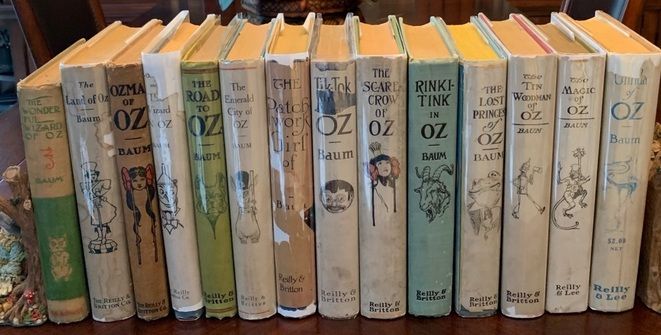
and puzzle over names like “Tik-Tok” and “Rinky-Tink”, with their strange covers,
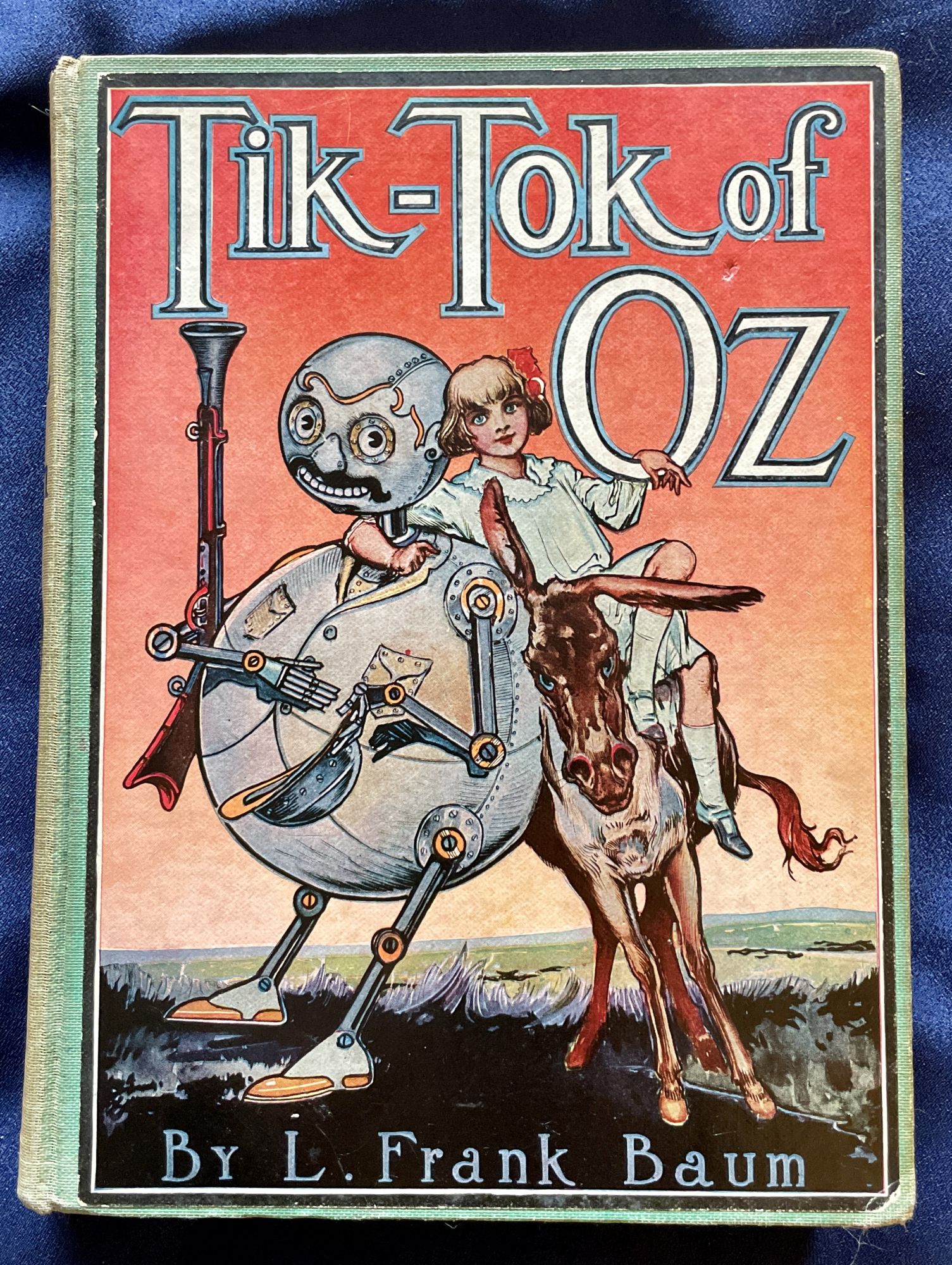
but, interested in history and science fiction, I never read one of them, going to other sections of the library for my books.  My only contact with Oz lay in the (then) yearly showing of “The Wizard of Oz” on TV, where I would be yearly creeped out by what I later found out were the Winky Guards and their song—

which you can see/hear here, in case you’ve forgotten the Winkies:  https://www.youtube.com/watch?v=nx8-J66yawM

Then came a kind of sequel, “The Return to Oz”,
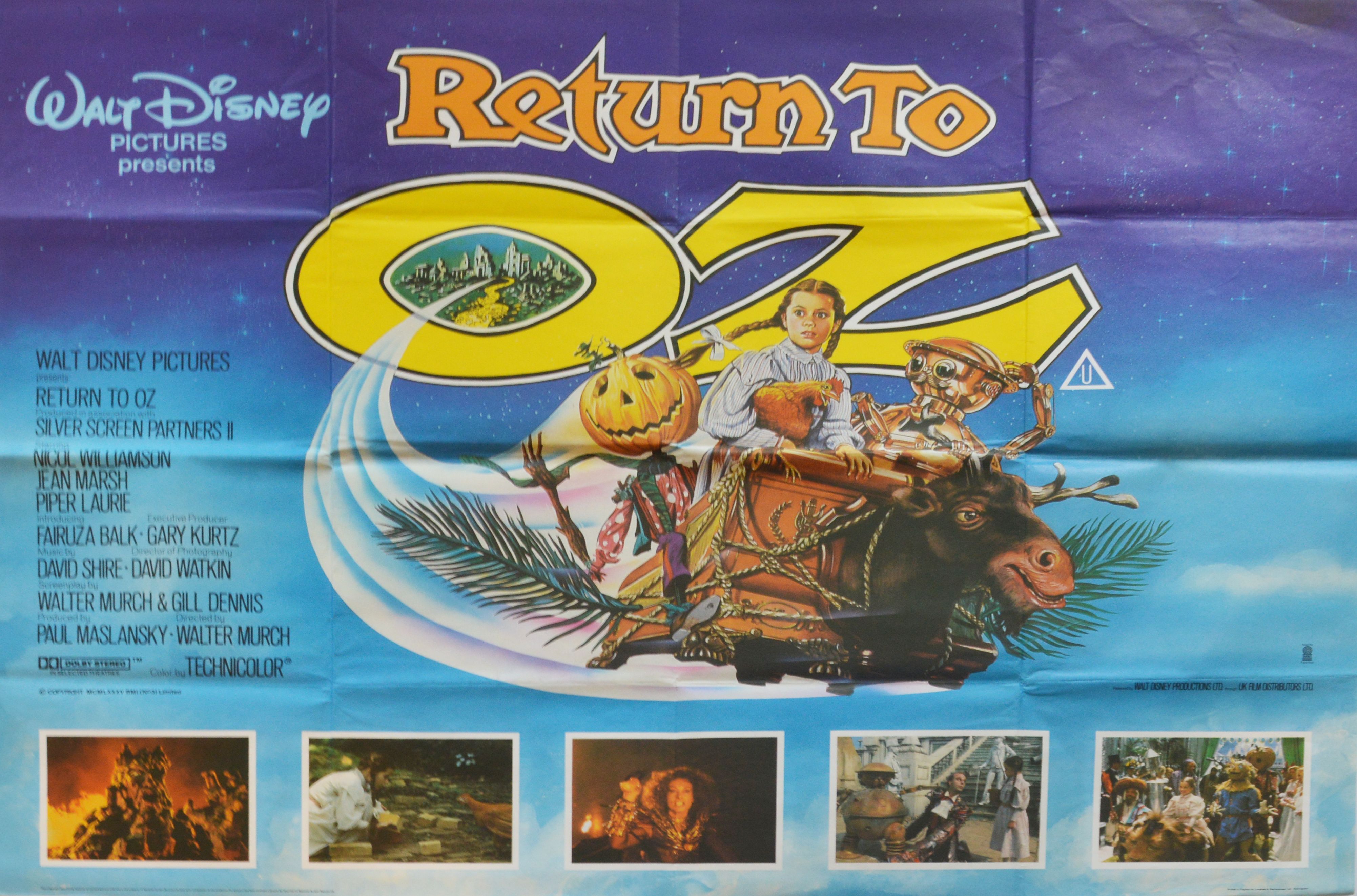
with its wonderful Claymation figures
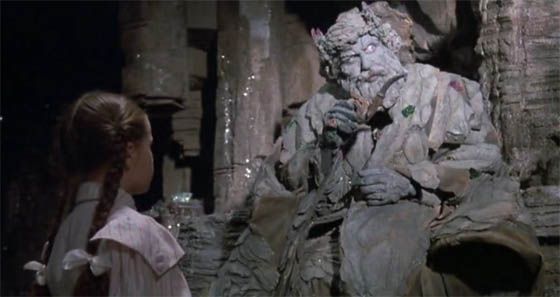
and its critics:  it had run together a number of different Oz books, taking something from here and there, as well as adding what might be a disturbing element about the early use of shock treatment (Dorothy’s Aunt Em has Uncle Henry take her to an early clinic where her stories of her adventures in Oz are to be—literally—shocked out of her.  Anyone who has read Silvia Plath’s The Bell Jar, 1963, will know what a horrific form of treatment this is.)

As someone innocent of Oz, I had no idea if any of this criticism were true—although I was sure that L. Frank would never have sent Dorothy to such a place—but much later, doing research for an earlier posting, I saw that the script writers had combined two figures the witch Mombi, from The Marvelous Land of Oz, 1904

with Princess Langwidere, from Ozma of Oz, 1907,

making her the “Princess” Mombi and giving her the actual Princess’ collection of heads (she liked to change them, depending upon her mood).  Also from Ozma, along with other characters and details, came the Nomes, led by their king, Dorothy, and Dorothy’s pet chicken, Billina, who, in the world of Oz, could talk.

This last character would actually be crucial in the film as in the book, as the Nomes had a definite weakness:

“But—thunderation! Don’t you know that eggs are poison?” roared the King, while his rock-colored eyes stuck out in great terror. «Poison! well, I declare,” said Billina, indignantly. «I’ll have you know all my eggs are warranted strictly fresh and up to date. Poison, indeed!” «You don’t understand,” retorted the little monarch, nervously. “Eggs belong only to the outside world—to the world on the earth’s surface, where you came from. Here, in my underground kingdom, they are rank poison, as I said, and we Nomes can’t bear them around.” (Ozma of Oz, Chapter XV, “Billina Frightens the Nome King”)

In the film, it’s one of Billina’s eggs which destroys the Nome king, but, in the book, they are more of a provocation and the Nome king is defeated—but not killed—when his magic belt (which Billina has heard mentioned earlier) is pulled from him.

Dorothy and Billina are, of course—and proudly—from Kansas but, as I’m always interested in backstories and origins, I wondered:  before Kansas, where did chickens come from originally?  Are chickens indigenous?

But, as chickens turn out to be ancient, the answer is “it’s complicated”.

Wikipedia begins:

“The chicken (Gallus gallus domesticus) is a large and round short-winged bird, domesticated from the red junglefowl of Southeast Asia around 8,000 years ago.”

The first question which immediately springs to mind is:  “Southeast Asia?  Around 8,000 years ago?”  And how did this domesticated creature come west—and when?  Lots of mystery here, with explanations like “it came via Persia”, which is a pretty long distance from Southeast Asia.  Ancient Greece, clearly had them, but, although it has a word for “rooster” (“alektor”, among related forms, transliterated) and provides us with lots of illustrations of them,
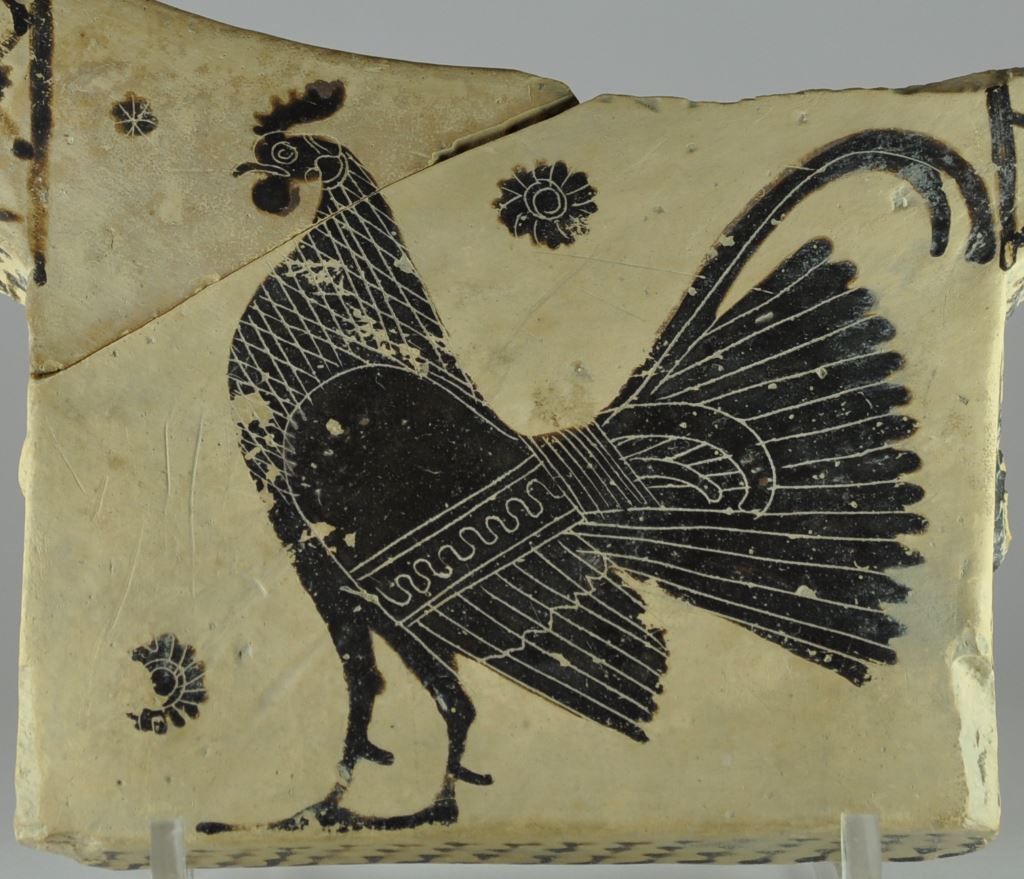
(5th century BC)

doesn’t appear to have a separate word for hens—without hens, however, no more roosters, so hens were obviously present.  Ancient Rome has gallus for a rooster and gallina for a hen (along with pullus, which has a more generic meaning of “young one”—but is clearly the ancestor of “pullet” from Old French poulette, a diminutive of poule, “a hen”), but, when it comes to illustrations, images are seemingly almost entirely of roosters

and images of hens are as rare as—dare I say it?—hens’ teeth.

The Romans didn’t introduce chickens to the UK—recent archeological evidence suggests the pre-Roman 5th-3rd century BC—but we can presume that the chickens found a home there and, from there, traveled to the New World in the Age of Colonization, eventually making their way to Kansas, where some gallinaceous ancestors produced Billina.

As we know, Tolkien became aware of anachronisms in the 1937 The Hobbit—
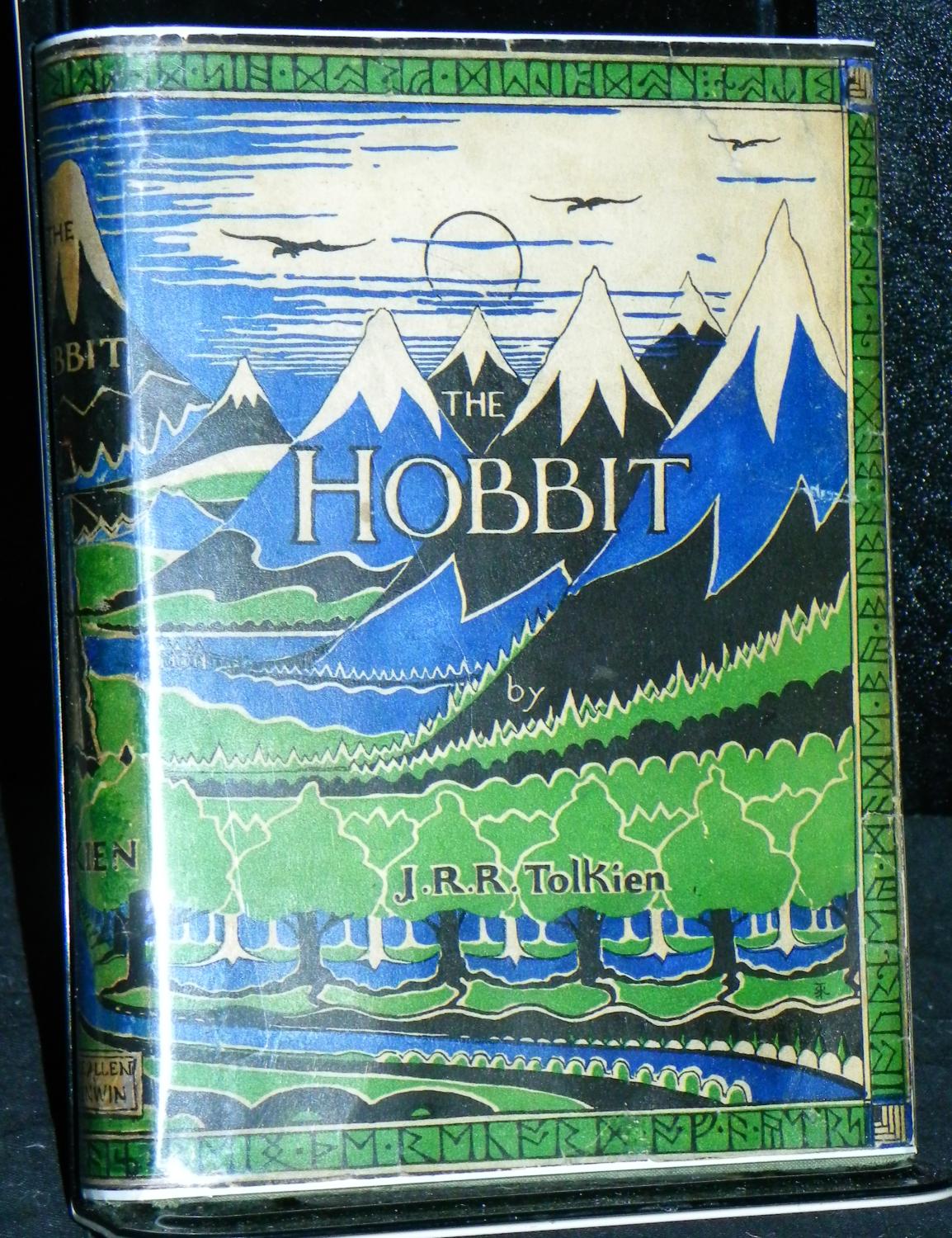
things like:

“…he began to feel a shriek coming up inside, and very soon it burst out like the whistle of an engine coming out of a tunnel”

and, in the 1966 revision of the text, he considered replacing them.  Ultimately, references to tobacco remained, as did that engine, but one thing did change, Gandalf’s demand:

“And just bring out the cold chicken and tomatoes”

 became “And just bring out the cold chicken and pickles!” 

Gandalf just previously had requested, “Put on a few eggs, there’s a good fellow!”

showing an instance where the egg came before the chicken—always a philosophical problem as to precedence—but it’s clear that JRRT was quite convinced that, although tomatoes might be alien, chickens and their produce were native and that the Nome king’s view of eggs:

“Eggs belong only to the outside world—to the world on the earth’s surface, where you came from. Here, in my underground kingdom, they are rank poison, as I said, and we Nomes can’t bear them around.”

might pertain to Oz, but not to Middle-earth.

As always, thanks for reading.

Stay well,

Whichever came first, where would bacon be without eggs?
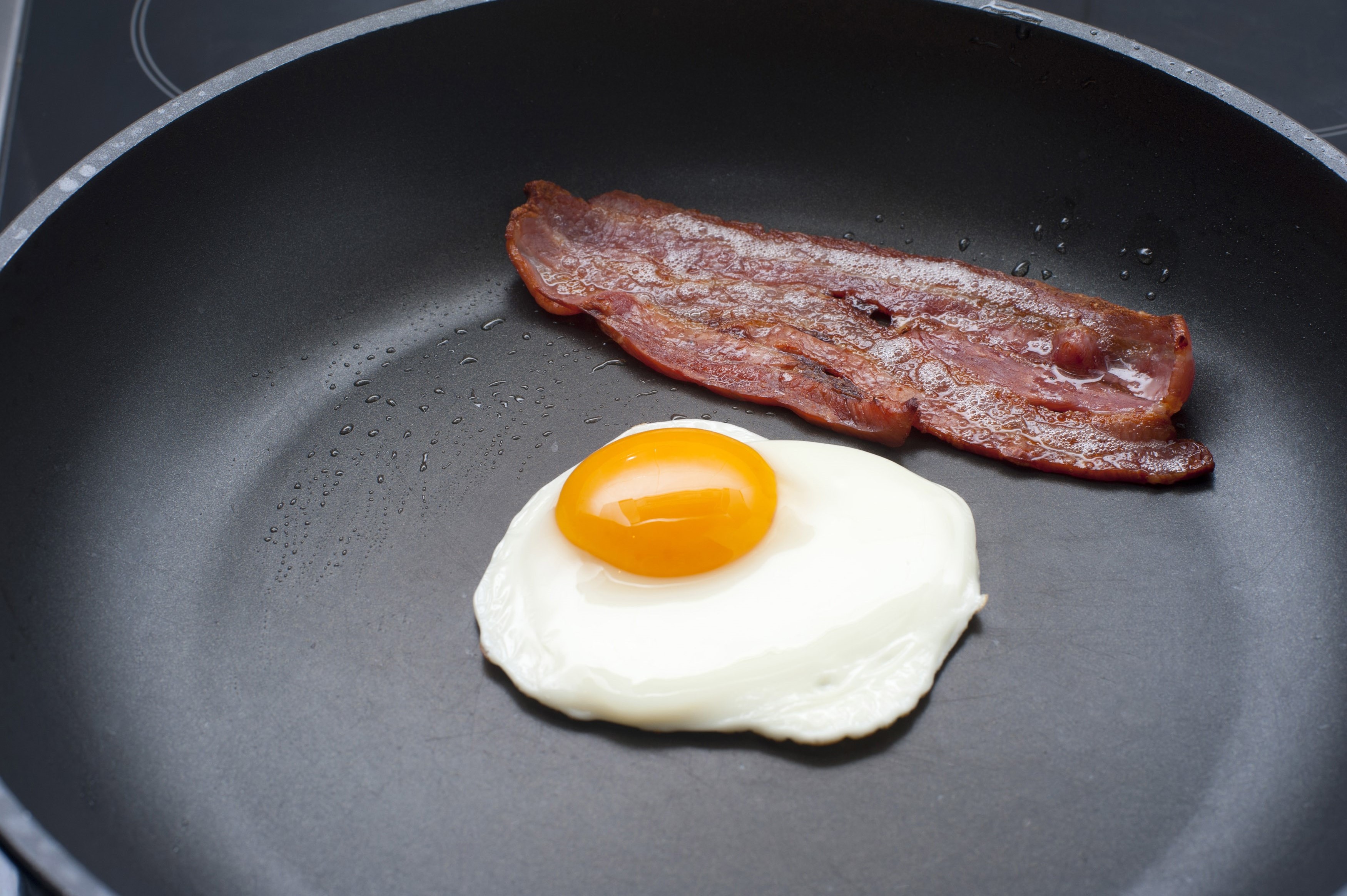
Fresh breakfast with a tasty fried egg and crispy bacon in a sauce pan waiting to be served and eaten

(Bilbo might be polled on this as, throughout The Hobbit, his thought of comfort always includes this dish)

And remember that there’s always

MTCIDC

O
Mathoms and Fathoms

18 Wednesday Jan 2017

Posted by Ollamh in Economics in Middle-earth, Imaginary History, J.R.R. Tolkien, Literary History, Research, Uncategorized

≈ Leave a comment

Tags

Across the Doubtful Sea, alternate history, anachronisms, Anglo-Saxon, Bertil Thorvaldsen, cabinet of curiosities, Cicero, Elias Ashmole, Gaius Verres, Greeks, Hellenistic, hobbit measurement system, John Tradescant the Younger, Marquette University, mathom, Mathom-house, mathum, Muses, Oxford, Renaissance, Rochester, Romans, sculptor, Shire, Strong Museum of Play, The Lord of the Rings, Tolkien, Victorian Museum

Welcome, dear readers, as always.

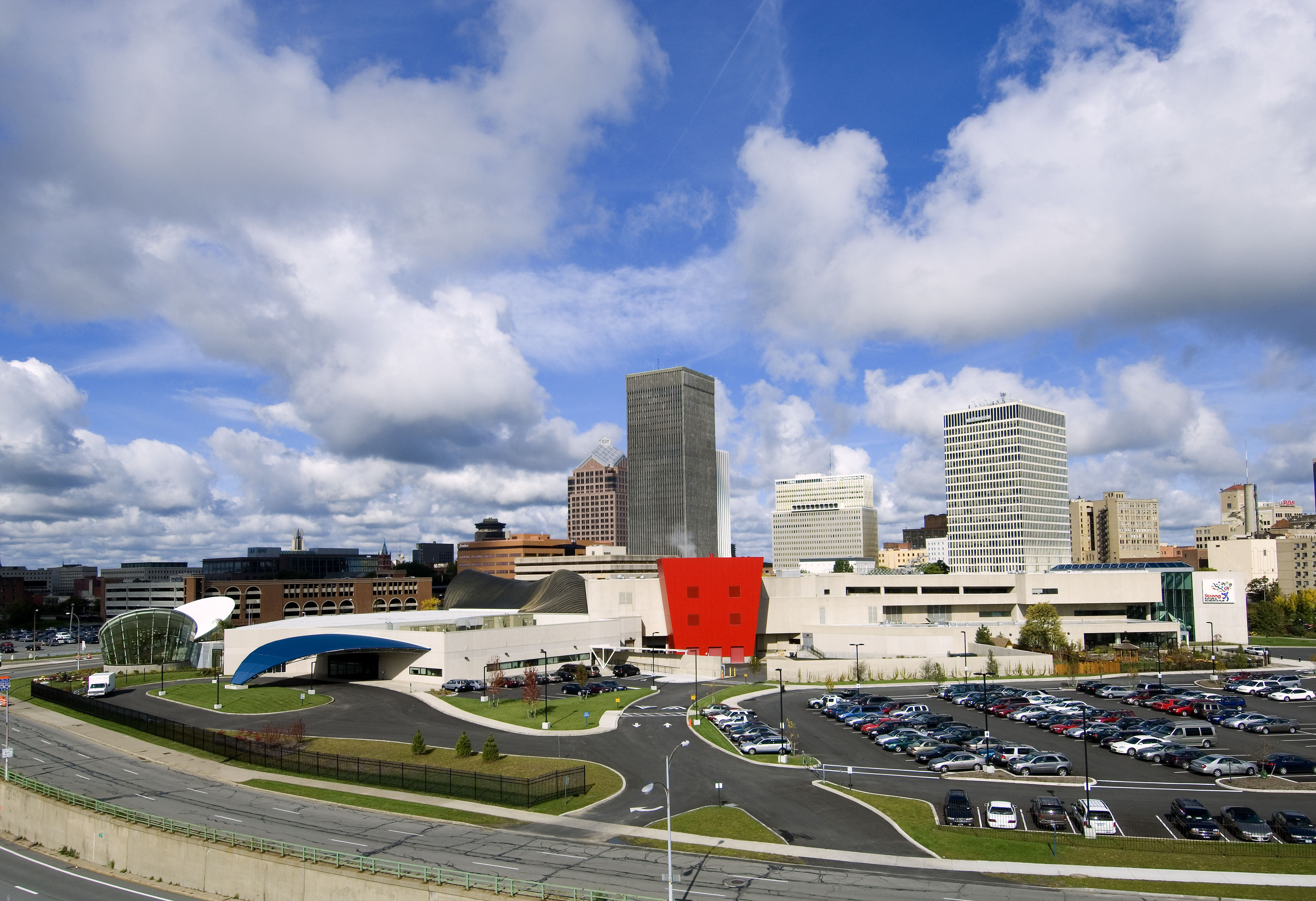
A year or two ago, we were visiting the Strong Museum of Play in Rochester, New York, a wonderful place, filled with memorabilia of childhood, as well as up-to-date exhibits and generally just fun things to see and do. (Strong Museum website)

1Strong-back-exterior.jpg

Museums, as public display areas, are rather recent in western history.

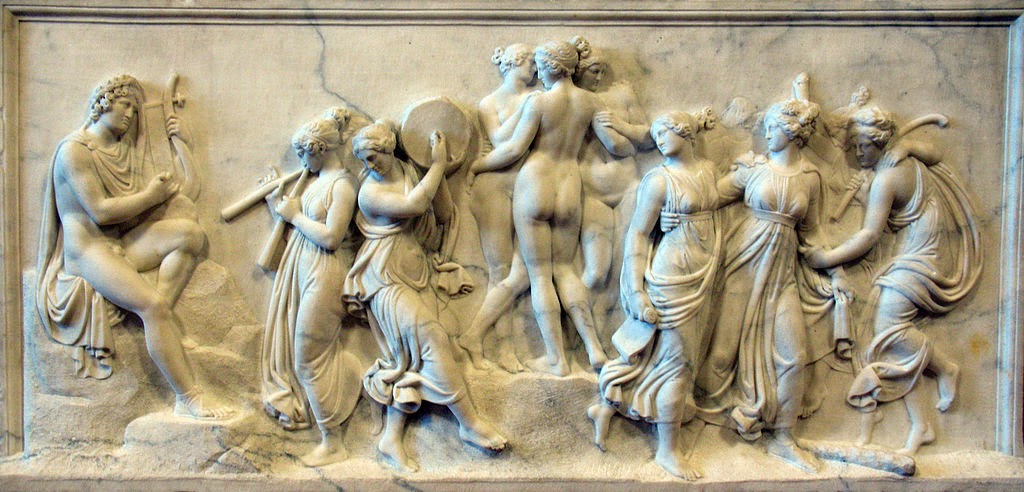
The name tells us that it was to be a place devoted to the inspirers of the arts, the ancient Greek Muses.

2a-thorvaldsonmuses.JPG

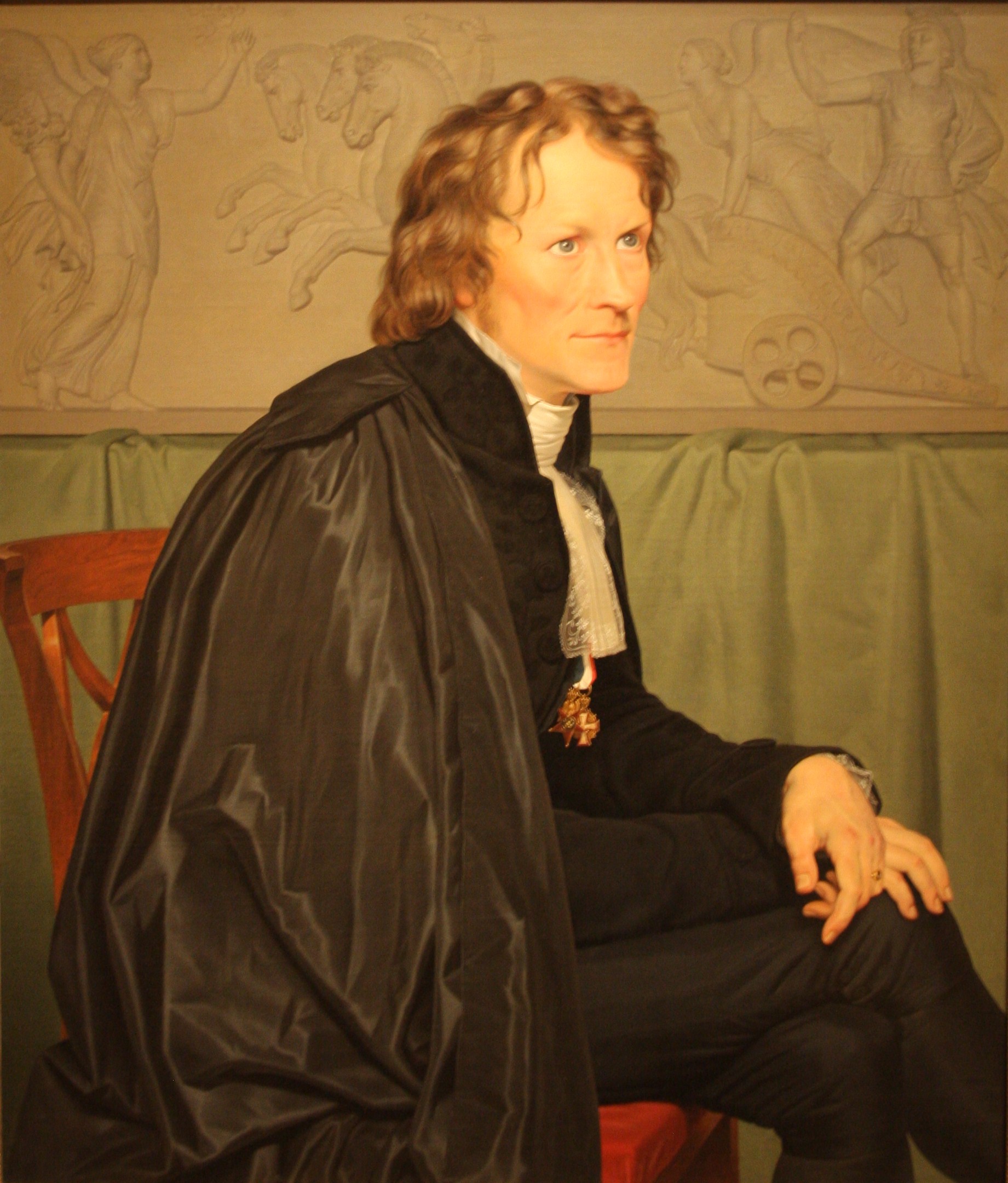
(This is not ancient, but a 19th-century imitation by Bertil Thorvaldsen, 1770-1844, one of the early Romantic period’s most famous sculptors.)

2bb-bertilthorvaldsen.JPG

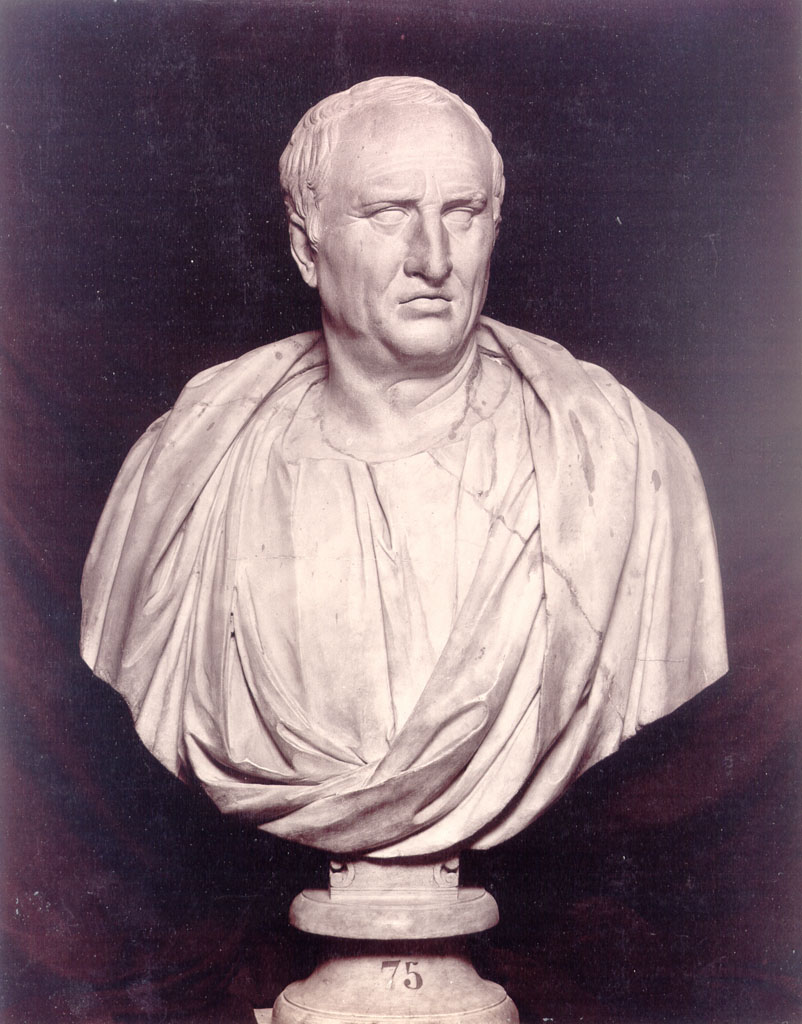
Greeks—later ones (in the period called “Hellenistic”)—and the Romans collected artistic things, but they were private collections—although Cicero

2bbcicero.jpg

in his orations attacking the corrupt ex-governor of Sicily, Gaius Verres, mentions that a predecessor had nobly allowed his art to be loaned out to decorate the public streets on festive occasions. (It is a horrible irony that Verres, who had fled Rome when it was clear that Cicero had demolished him and his reputation in his first speech, was eventually murdered in Massilia—present-day Marseilles–over a piece of sculpture.)

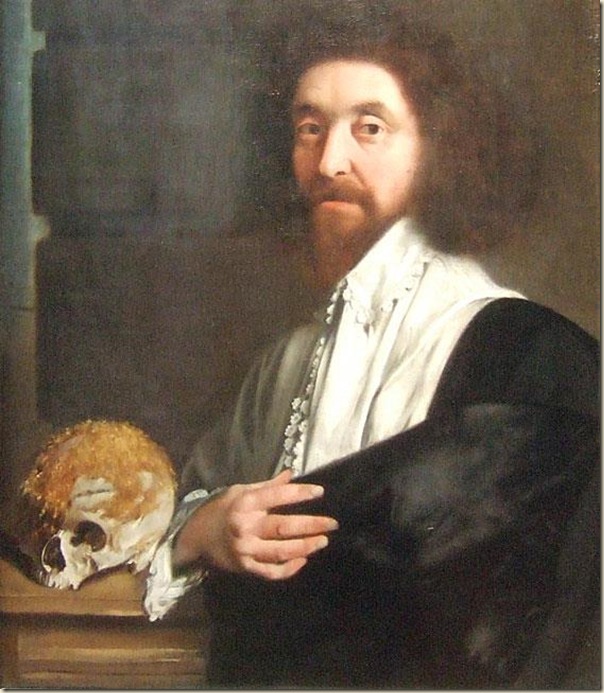
The first actual “museums” in modern times were Renaissance collections—often hodgepodge assemblies called things like “cabinet of curiosities”, but in England, by the 17th century, John Tradescant the Younger (1608-1662)

2b-jtradescantjr.jpg

had built upon his father’s collection, which was held in the family house south of the Thames (called “The Ark”).

2ctradescanthouse.png

At his death, that collection passed to Elias Ashmole (1617-1692)

2dashmole.jpg

—and there’s a really strange story about how this happened and the consequences, including the very suspicious death of Tradescant’s second wife, Hester.

2ehestertrad.png

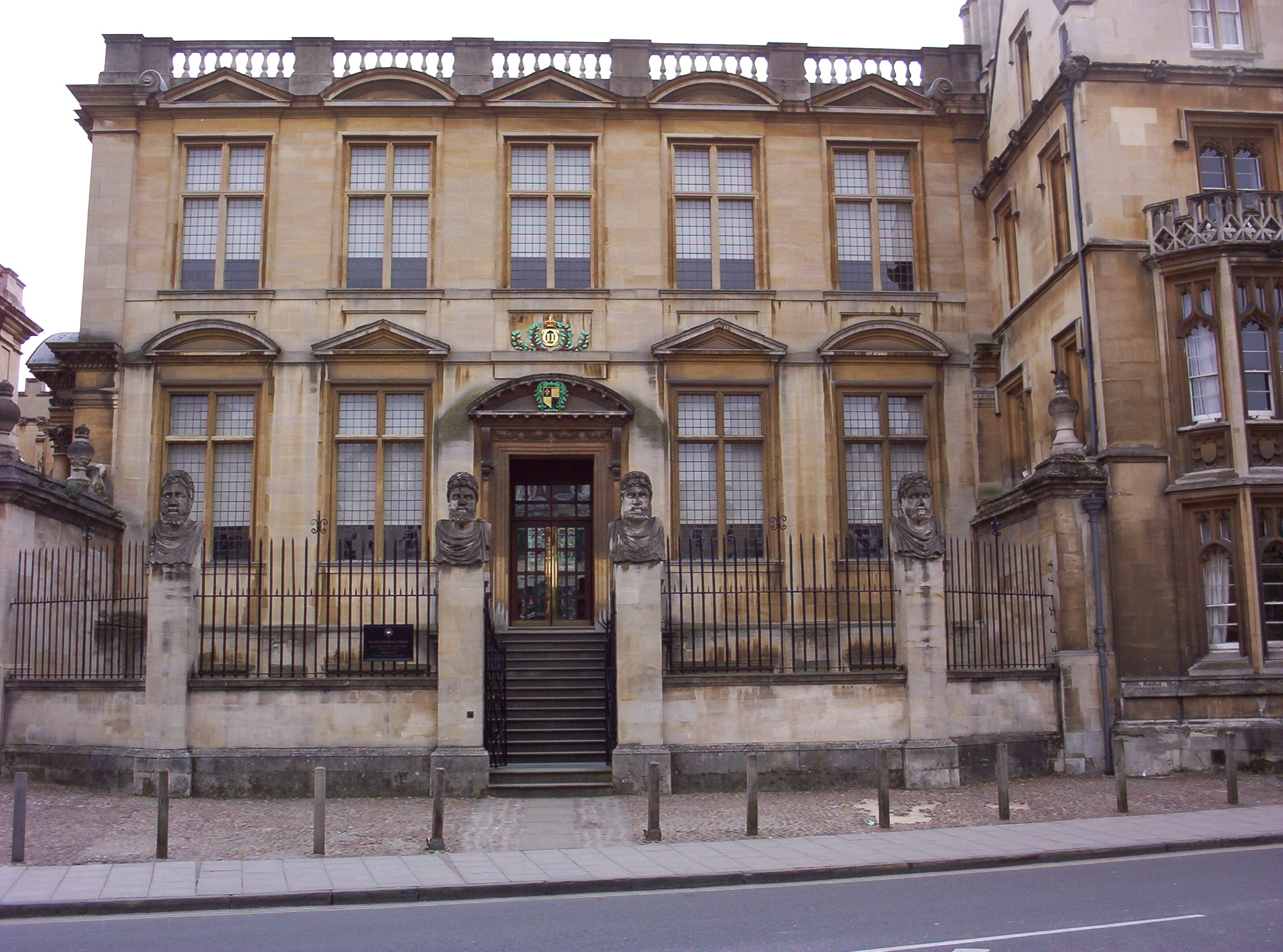
Ashmole bequeathed it to his alma mater, Oxford, on the condition that an appropriate building be constructed for it. That structure was built, in 1678-83, and may have been the first public museum in western Europe.

2eashmolean.JPG

There is, in fact, a museum in the Shire. In the Prologue to The Lord of the Rings, we are told of Bilbo that:

“…his coat of marvellous mail, the gift of the Dwarves from the Dragon-hoard, he lent to a museum, to the Michel Delving Mathom-house, in fact.”

(where Gandalf supposes it is “still gathering dust”—The Fellowship of the Ring, Book 2, Chapter 4, “A Journey in the Dark”).   Its name and function are described in the Prologue:

“The Mathom-house it was called; for anything that Hobbits had no immediate use for, but were unwilling to throw away, they called a mathom.”

Such a description suggests something more like an old-fashioned Victorian museum,

4pittrivers.jpg

or even a “cabinet of curiosities” like Ole Worm’s 17th-century one.

5oleworm.jpg

We suspect that the Mathom-house is JRRT’s quiet joke on such older museums, which, even in his day, could be filled with dusty glass cases in which were a wide variety of objects, from fossils to rusty weapons found in the fields, all described on yellowing, hand-labeled cards. In the Hammond and Scull Companion, they suggest that the joke is even more complex, first quoting Tolkien “mathom is meant to recall ancient English mathm”, to which they add:

“Bosworth and Toller’s Anglo-Saxon Dictionary (1898) notes mathum ‘a precious or valuable thing (often refers to gifts)’. Thus Tolkien uses mathom ironically for things which are not treasured, only for where there was ‘no immediate use’ or which the Hobbits ‘were unwilling to throw away’.”

The Strong Museum, in contrast, is bright-colored and inviting, and, in a section dedicated to children’s authors, there is an entire display case devoted to JRRT, which included this. It’s a beautiful replica from the Marquette University Tolkien archive of a menu (the label gives the date “1937-1955”) on which JRRT has carefully written out the hobbit linear measurement system.

2jjrtmeasure.JPG

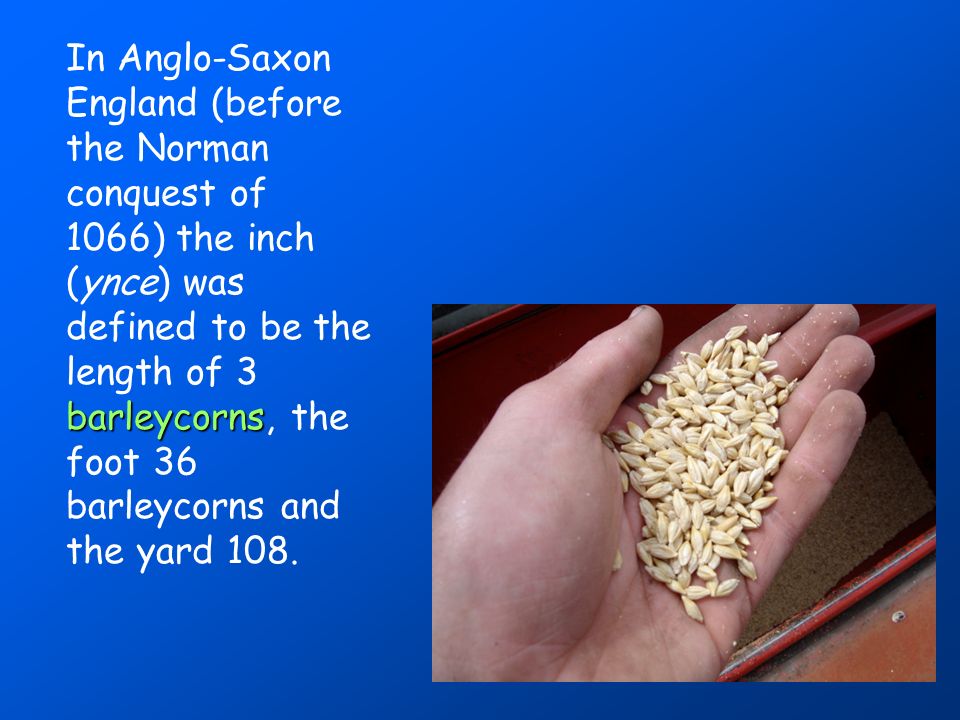
You can see that, unlike the rather abstract mechanism of the metric system, with its linear basis being a segment of the distance from the North Pole to the equator, Tolkien has used the Anglo-Saxon tradition, where the “foot” was actually originally based upon body parts, being divided into 4 palms or 12 thumbs (although there is another system based upon barley corns).

3barleycornmeasure.jpg

And, just to confirm this, to the right of his bold numbers, there are fainter numbers which indicate the English equivalents.

This system, as ingenious and carefully-worked out as it is, is never used, either in The Hobbit or in The Lord of the Rings. The measurements we can remember—this was done off the top of our heads—any reader who would like to supply more, please feel free!– actually being used are:

  1. leagues (about 3 miles per league is pretty standard = 4.8km)
  2. ells—30 make the coil of elven rope Sam takes from the boat in The Fellowship of the Ring, Book 2, Chapter 8, “Farewell to Lorien” (one ell = about 45 inches = 114 cm; 30 ells = about 112 feet = about 34 metres)
  3. inches–Sam, in The Return of the King, Book 6, Chapter 4, “The Field of Cormallen”, comments that Merry and Pippin are “three inches taller than you ought to be” (3 inches = 7.6cm)

Why spend so much time and effort on something which never went anywhere farther than a menu card in an archive, then?

It’s possible, of course, that this was written in a moment of boredom: although we don’t actually know the occasion, we can imagine that the menu was for a formal dinner to which JRRT had been obliged to go and he improved upon a dull moment with a little Middle-earth fun. Then again, the dating of the card, “1937-1955” places it between the publication of The Hobbit and that of The Lord of the Rings: was this something worked up to be employed in the latter, but simply never needed—or was it, once produced, abandoned as too obscure and hence the use of the (potentially) more familiar leagues, ells, and inches? Or, again, was this simply a product of the almost-obsessive side of JRRT, where so much was so painstakingly created in fine detail? Here is another item from the Strong Museum which displays that side. It is a working-out of the phases of the moon for The Lord of the Rings (sorry it’s a little blurry—this was taken through plexiglass with an i-phone).

6phases.JPG

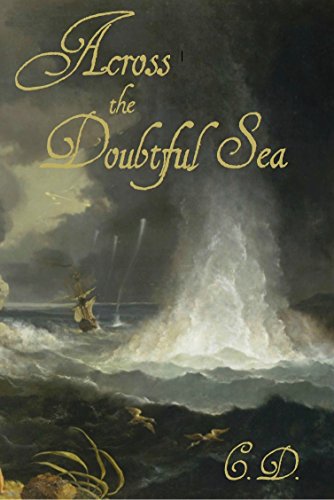
In an early posting, we once wrote about achieving authenticity in a fantasy novel. Our first, Across the Doubtful Sea, which was set in an alternate 18th century, in France, in London, in South America, and in the South Pacific, required a great deal of research.

51qpin-2XcL.jpg

To prepare for it, we spent some time reading books on everything from 18th-century navies to South Pacific exploration (and even posted a partial bibliography).   Much of our research went into the finished book, but much never did. What we hoped, however, was that, by having so much background in our heads, that background would be reflected in our text. That meant, even if it were an alternate 18th-century, there wouldn’t be glaring anachronisms, on the one hand, but, on the other, that we would give our work a “feel” for the period which would be convincing to our readers and so increase both their engagement and their enjoyment. We would like to think that JRRT, when scribbling hobbit measures on a menu card, had had the same goals.

Thanks, as always, for reading.

MTCIDC

CD

ps

We’ve had the crazy idea to build our own imaginary Mathom-house for the works of JRRT and we’re having fun thinking what visitors would see hung from the walls or lying in the cases. Readers: what would you like to see on display?

The Doubtful Sea Series Facebook Page

The Doubtful Sea Series Facebook Page

  • Ollamh

Categories

  • Artists and Illustrators
  • Economics in Middle-earth
  • Fairy Tales and Myths
  • Films and Music
  • Games
  • Heroes
  • Imaginary History
  • J.R.R. Tolkien
  • Language
  • Literary History
  • Maps
  • Medieval Russia
  • Military History
  • Military History of Middle-earth
  • Narnia
  • Narrative Methods
  • Poetry
  • Research
  • Star Wars
  • Terra Australis
  • The Rohirrim
  • Theatre and Performance
  • Tolkien
  • Uncategorized
  • Villains
  • Writing as Collaborators
Follow doubtfulsea on WordPress.com

Across the Doubtful Sea

Recent Postings

  • A Moon disfigured December 17, 2025
  • On the Roads Again—Once More December 10, 2025
  • (Not) Crossing Bridges December 3, 2025
  • On the Road(s) Again—Again November 26, 2025
  • On the Road(s) Again November 19, 2025
  • To Bree (Part 2) November 12, 2025
  • To Bree (Part 1) November 5, 2025
  • A Plague o’ Both—No, o’ All Your Houses! October 29, 2025
  • It’s in Writing (2:  I’st a Prologue, or a Poesie for a Ring?) October 22, 2025

Blog Statistics

  • 103,226 Views

Posting Archive

  • December 2025 (3)
  • November 2025 (4)
  • October 2025 (5)
  • September 2025 (4)
  • August 2025 (4)
  • July 2025 (5)
  • June 2025 (4)
  • May 2025 (4)
  • April 2025 (5)
  • March 2025 (4)
  • February 2025 (4)
  • January 2025 (5)
  • December 2024 (4)
  • November 2024 (4)
  • October 2024 (5)
  • September 2024 (4)
  • August 2024 (4)
  • July 2024 (5)
  • June 2024 (4)
  • May 2024 (5)
  • April 2024 (4)
  • March 2024 (4)
  • February 2024 (4)
  • January 2024 (5)
  • December 2023 (4)
  • November 2023 (5)
  • October 2023 (4)
  • September 2023 (4)
  • August 2023 (5)
  • July 2023 (4)
  • June 2023 (4)
  • May 2023 (5)
  • April 2023 (4)
  • March 2023 (5)
  • February 2023 (4)
  • January 2023 (4)
  • December 2022 (4)
  • November 2022 (5)
  • October 2022 (4)
  • September 2022 (4)
  • August 2022 (5)
  • July 2022 (4)
  • June 2022 (5)
  • May 2022 (4)
  • April 2022 (4)
  • March 2022 (5)
  • February 2022 (4)
  • January 2022 (4)
  • December 2021 (5)
  • November 2021 (4)
  • October 2021 (4)
  • September 2021 (5)
  • August 2021 (4)
  • July 2021 (4)
  • June 2021 (5)
  • May 2021 (4)
  • April 2021 (4)
  • March 2021 (5)
  • February 2021 (4)
  • January 2021 (4)
  • December 2020 (5)
  • November 2020 (4)
  • October 2020 (4)
  • September 2020 (5)
  • August 2020 (4)
  • July 2020 (5)
  • June 2020 (4)
  • May 2020 (4)
  • April 2020 (5)
  • March 2020 (4)
  • February 2020 (4)
  • January 2020 (6)
  • December 2019 (4)
  • November 2019 (4)
  • October 2019 (5)
  • September 2019 (4)
  • August 2019 (4)
  • July 2019 (5)
  • June 2019 (4)
  • May 2019 (5)
  • April 2019 (4)
  • March 2019 (4)
  • February 2019 (4)
  • January 2019 (5)
  • December 2018 (4)
  • November 2018 (4)
  • October 2018 (5)
  • September 2018 (4)
  • August 2018 (5)
  • July 2018 (4)
  • June 2018 (4)
  • May 2018 (5)
  • April 2018 (4)
  • March 2018 (4)
  • February 2018 (4)
  • January 2018 (5)
  • December 2017 (4)
  • November 2017 (4)
  • October 2017 (4)
  • September 2017 (4)
  • August 2017 (5)
  • July 2017 (4)
  • June 2017 (4)
  • May 2017 (5)
  • April 2017 (4)
  • March 2017 (5)
  • February 2017 (4)
  • January 2017 (4)
  • December 2016 (4)
  • November 2016 (5)
  • October 2016 (6)
  • September 2016 (5)
  • August 2016 (5)
  • July 2016 (5)
  • June 2016 (5)
  • May 2016 (4)
  • April 2016 (4)
  • March 2016 (5)
  • February 2016 (4)
  • January 2016 (4)
  • December 2015 (5)
  • November 2015 (5)
  • October 2015 (4)
  • September 2015 (5)
  • August 2015 (4)
  • July 2015 (5)
  • June 2015 (5)
  • May 2015 (4)
  • April 2015 (3)
  • March 2015 (4)
  • February 2015 (4)
  • January 2015 (4)
  • December 2014 (5)
  • November 2014 (4)
  • October 2014 (6)
  • September 2014 (1)

Blog at WordPress.com.

  • Subscribe Subscribed
    • doubtfulsea
    • Join 78 other subscribers
    • Already have a WordPress.com account? Log in now.
    • doubtfulsea
    • Subscribe Subscribed
    • Sign up
    • Log in
    • Report this content
    • View site in Reader
    • Manage subscriptions
    • Collapse this bar
 

Loading Comments...