• About

doubtfulsea

~ adventure fantasy

Monthly Archives: November 2024

You’ve Got Mail

27 Wednesday Nov 2024

Posted by Ollamh in Uncategorized

≈ Leave a comment

Tags

Bayeux Tapestry, chain mail, mithril

Dear readers, welcome, as ever.

Although that title has been used formerly elsewhere,

this posting isn’t about a romcom, but, instead, comes from a comment by Tolkien in a letter to Rhona Beare:

“The Rohirrim were not ‘medieval’ in our sense.  The styles of the Bayeux Tapestry (made in England) fit them well enough, if one remembers that the kind of tennis-nets [the] soldiers seem to have on are only a clumsy conventional sign for chain-mail of small rings.”  (Letter to Rhona Beare, 14 October, 1958, Letters, 401.)

“Tennis-nets”?
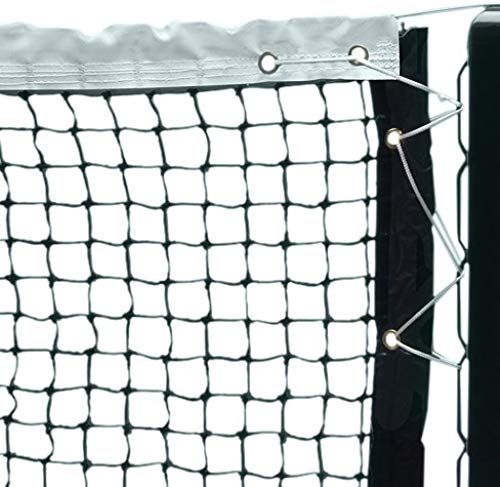
Let’s start off with the Bayeux Tapestry.

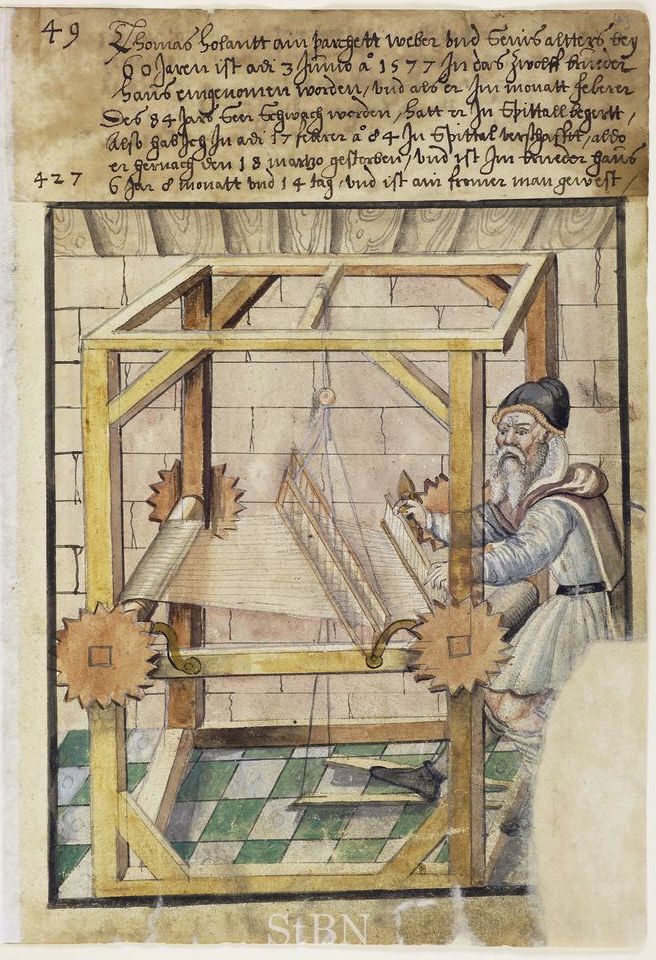
In fact, it’s not a tapestry at all.  Here’s a tapestry—

(3rd quarter 15th-century tapestry from “Pays-Bas meridionnaux”—“southern lowlands”—that is, the Netherlands, modern Belgium, and even northernmost France at the time this tapestry was made)

Tapestries are woven on looms. 
The Bayeux Tapestry is actually a 230-foot long by 20 inch high (70.1m. by 50.8cm) embroidery, in which a piece of cloth has a design plotted on the cloth and the design then stitched on—like this—
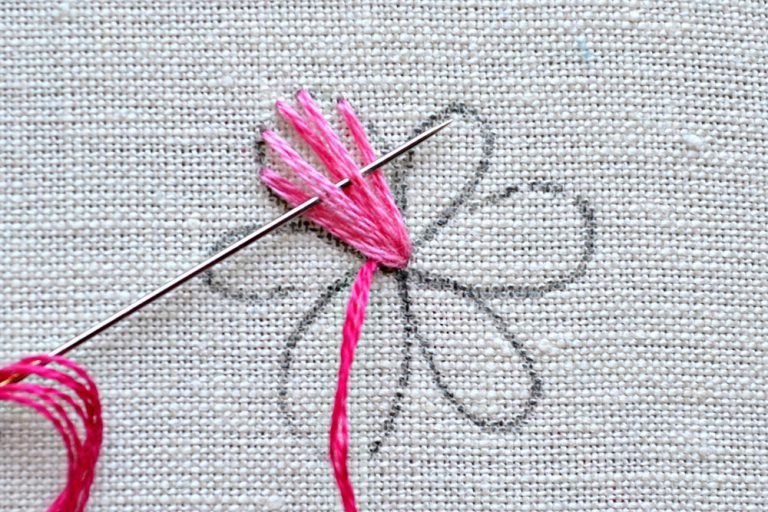
Whether it was made in England, as Tolkien very confidently asserts, or in Normandy is a question over which scholars tussle, but the subject is definitely Norman, as it depicts the conquest of southern Anglo-Saxon England by the Normans in 1066, including a little propaganda suggesting that the Anglo-Saxon king, Harold Godwinson, had violated a sacred oath in not handing the throne over to William, the Duke of Normandy, but, instead, taking it for himself (Harold is the one on the right, with the droopy mustache, William on the left, on the throne).
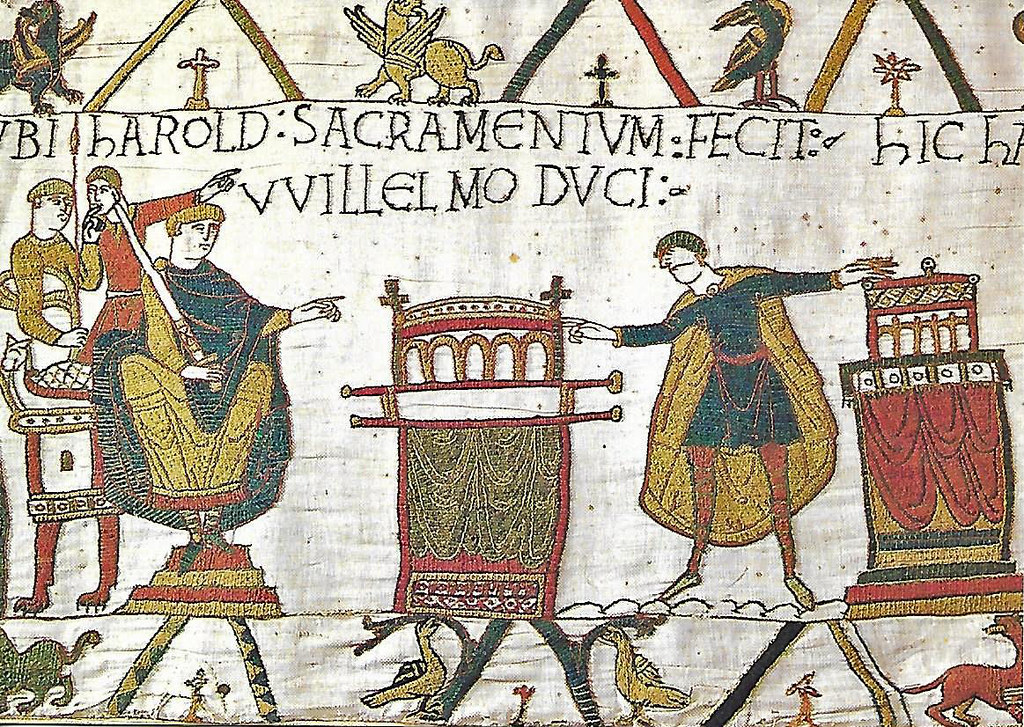
Those “tennis-nets”, which do, in fact, look a little like tennis nets,

are, as JRRT says, chain mail, which, in this image, both Anglo-Saxons (on foot on the left) and Norman (mounted, on the right) are wearing.  For a modern reconstruction—

(by Gerry Embleton, one of my favorite contemporary English military artists)

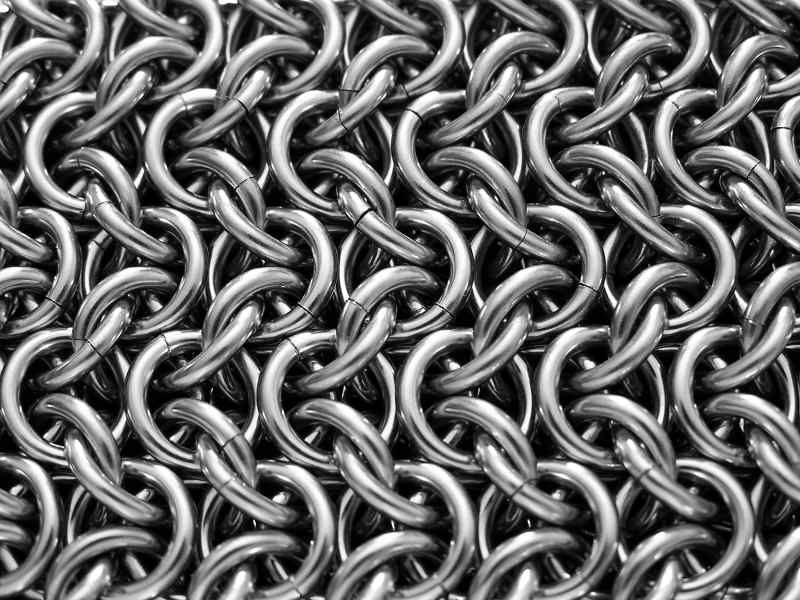
Seen up close, the mail can look like tiny fragments of chain, linked together—
Before there was plate armor of the kind you might see in a museum or in some films with medieval themes,

there were other methods to protect the body, including various kinds of lamellar (scale) armor—little overlapping plates sewn onto a backing—

and even overlapping metal strips strung together (the Roman lorica segmentata)—

the ancient Celts, who were wonderful metal-workers, had devised chain-mail
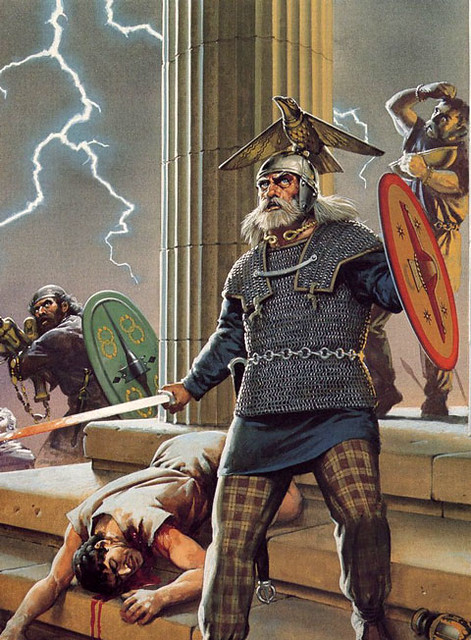
(Angus McBride)

which the Romans, ever on the lookout for better military technology, then adopted.

(Angus Mcbride again—and I really like the little sketch on the lower left-hand corner, giving you just a hint of how the artist worked).

Even when plate began to appear, mail was still used under certain sections of it, to allow for flexibility,
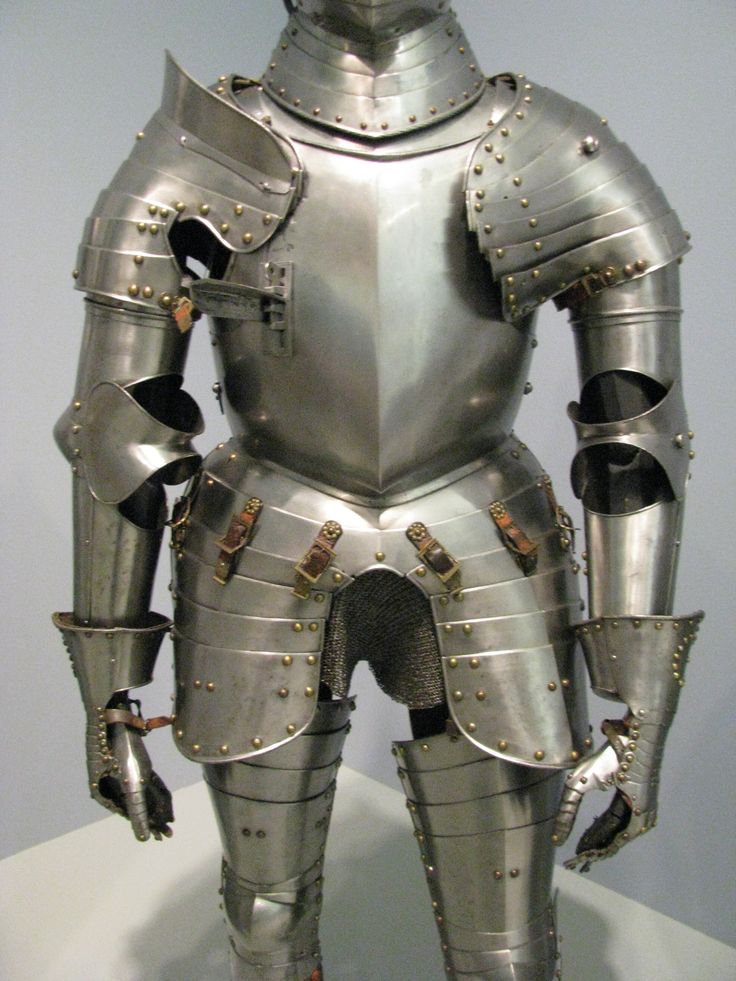
and foot soldiers might continue to wear it, as full plate was expensive.

(another Gerry Embleton)

What JRRT is imagining is that the Rohirrim would, basically, look like 11th-century Normans.
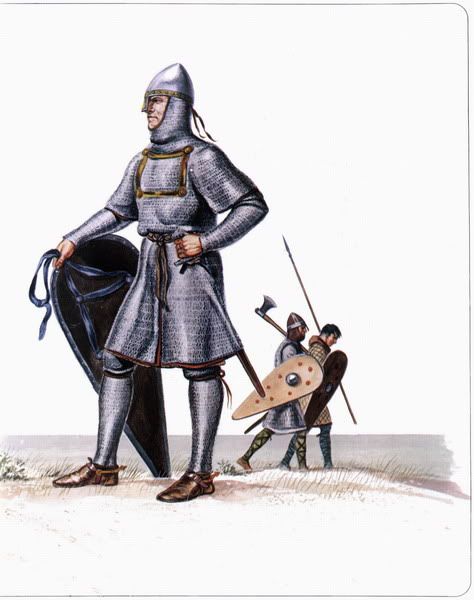
(one more Gerry Embleton)

And this is what we’re to visualize when it comes to that “mithril shirt” which, once upon a time, Thorin had given to Bilbo—

“ ‘Mr. Baggins!’ he cried.  ‘Here is the first payment of your reward!  Cast off your old coat and put on this!’

With that he put on Bilbo a small coat of mail, wrought for some young elf-prince long ago.  It was of silver-steel, which the elves call mithril…” (The Hobbit, Chapter 13, “Not At Home”)

(Alan Lee)

And, when an orc attacks Frodo in the Chamber of Records in Moria,

(Angus McBride again)

It’s no wonder that Frodo, to his friends’ surprise says, “ ‘I am all right…I can walk.  Put me down!”

since he is wearing that mithril coat passed on to him by Bilbo in Rivendell, although, when Gandalf mentions mithril and Bilbo’s coat in particular—

“ ‘I wonder what has become of it?  Gathering dust still in Michel Delving Mathom-house, I suppose.’”

And Gimli adds,

“ ‘What?…A corselet of Moria-silver?  That was a kingly gift!’ “

And Gandalf replies,

“ ‘Yes…I never told him, but its worth was greater than the value of the whole Shire and everything in it.’”

 it’s Frodo who is surprised—

“…he felt staggered to think that he had been walking about with the price of the Shire under his jacket.” (The Fellowship of the Ring, Book Two, Chapter 4, “A Journey in the Dark”)

Should you want to own a chain mail shirt of your own,
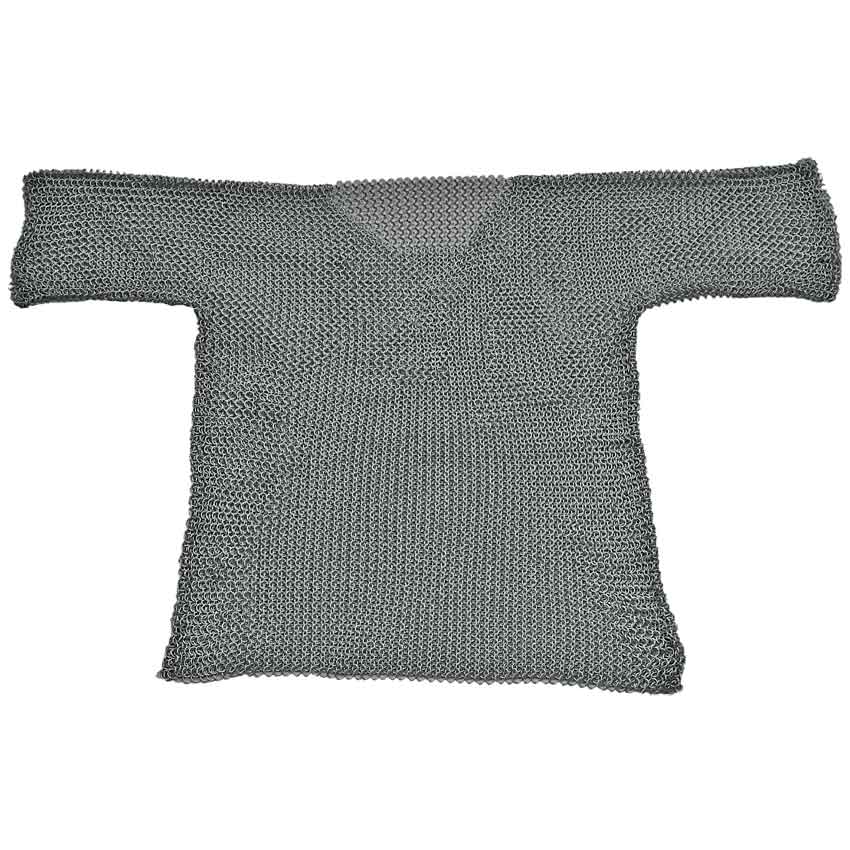
you can find one on line, but it’s not mithril, of course, nor made for a young elf-prince, but, at $87.00 (US), you can acquire one for far less than the price of the Shire.  Perhaps for Christmas?

Thanks, as ever, for reading.

Stay well,

Happy Thanksgiving, if you’re in a place where people celebrate it as a formal holiday, although I hope that they’re thankful all year round,

And remember that, as always, there’s

MTCIDC

O

Drums (but no guns)

20 Wednesday Nov 2024

Posted by Ollamh in Uncategorized

≈ Leave a comment

Tags

anachronism, Ben Hur, drums, Fantasy, guns, mehter, Music, Tolkien

Dear readers, welcome, as always.

JRRT was well aware of anachronisms and, in his 1966 revision of The Hobbit, he replaced certain items.  Certain ones remained, however, including:

“…In that last hour Beorn himself had appeared—no one knew how or from where.  He came alone, and in bear’s shape; and he seemed to have grown almost to giant-size in his wrath.

The roar of his voice was like drums and guns…”  (The Hobbit, Chapter 18, “The Return Journey”)

This is the narrator speaking and it has been argued, quite plausibly, to my mind, that he’s someone speaking in the 1930s, telling a tale to his children, and therefore is perfectly justified in using things which are normal in his own time period, as out of place as they might be in Bilbo’s world.  (Although Gandalf is known for his fireworks,

meaning that gunpowder is available, and, as we know from explosions at Helm’s Deep and the Causeways Forts, Saruman and Sauron both appear to use some sort of explosive.)

(This is by the brilliant Grant Davis, a Lego wizard—you can read something about him here:  https://www.georgefox.edu/journalonline/summer19/feature/building-blocks.html )

Drums, however, are a different matter and, when it comes to Tolkien, I always immediately think of

“…We cannot get out.  The end comes, and then drums, drums in the deep.”  (The Fellowship of the Ring, Book Two, Chapter 5, “The Bridge at Khazad-dum”)

Gandalf has been reading to the Fellowship from a ruined diary of the reoccupation of Moria by the dwarves

as they sit in what was once the Chamber of Records, having no idea that, very soon, they could be duplicating the same doomed words as orcs attack them.

(Angus McBride)

“Gandalf had hardly spoken these words, when there came a great noise:  a rolling Boom that seemed to come from depths far below, and to tremble in the stone at their feet.  They sprang towards the door in alarm.  Doom, doom it rolled again, as if huge hands were turning the very caverns of Moria into a vast drum.  Then there came an echoing blast:  a great horn was blown in the hall, and answering horns and harsh cries were heard farther off.  There was a hurrying sound of many feet.

‘They are coming!’ cried Legolas.

‘We cannot get out,’ said Gimli.

‘Trapped!’ cried Gandalf.  ‘Why did I delay?  Here we are, caught, just as they were before.  But I was not here then.  We will see what—‘

Doom, doom came the drum-beat and the walls shook.”

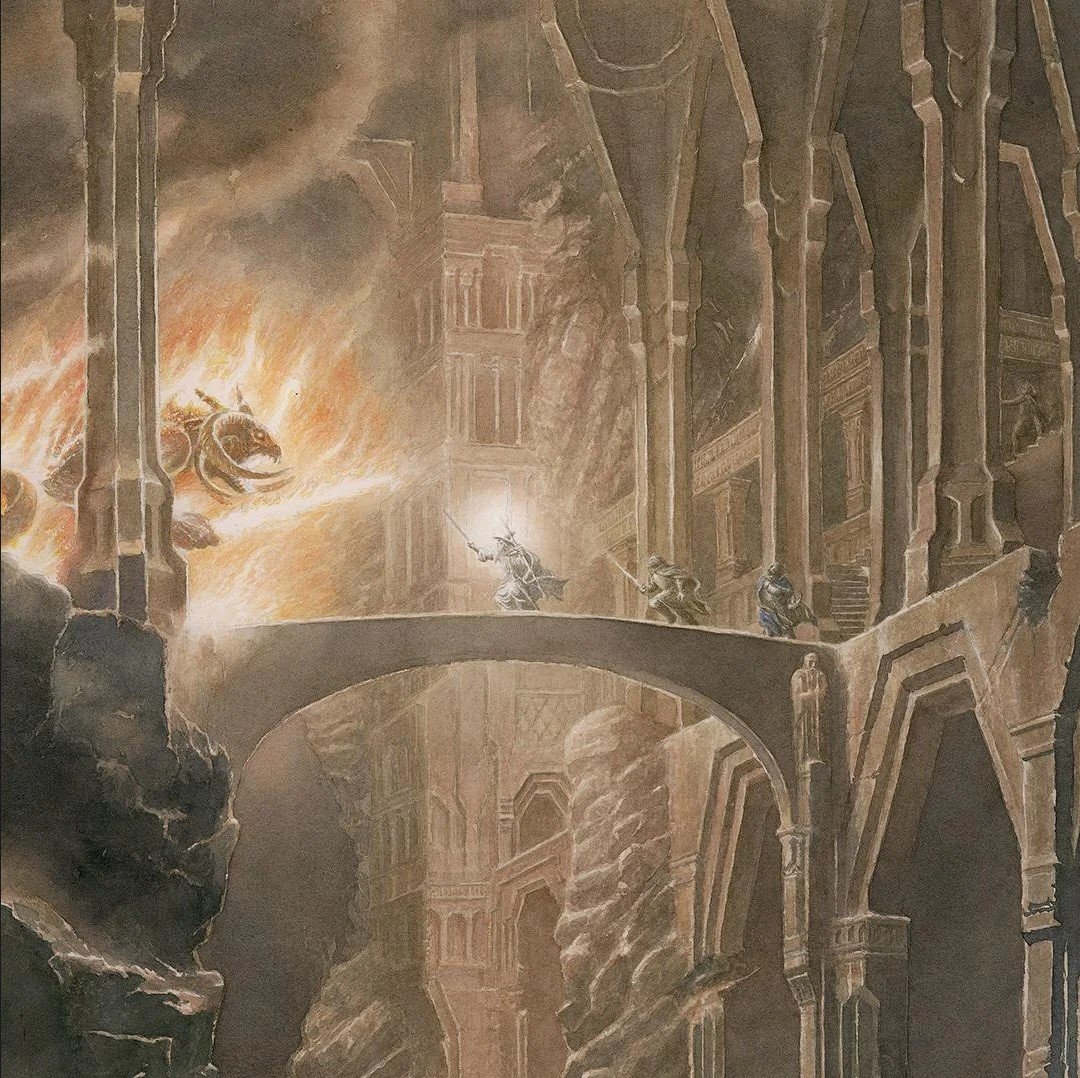
And this booming sound will pursue the company all the way to the Bridge of Khazad-dum itself.

(Alan Lee)

We never see this drum, but I’ve always wondered what it and other drums used by the orcs and other opponents of the Fellowship and their friends might have looked like and, if possible, sounded like.

Certainly whatever the orcs are using here must be rather large to penetrate the stone walls of Moria.

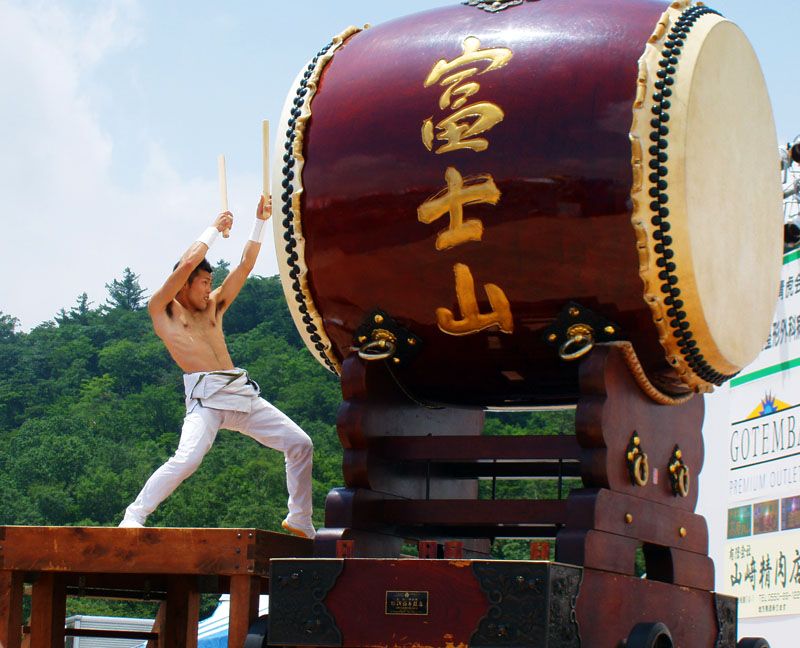
My first choice might be o-daiko, a Japanese drum which can be as big as six feet in diameter

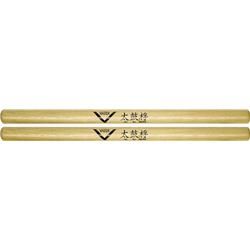
and I’ve seen mention of one which is almost ten feet.  It is played with two large, thick wooden sticks, called bachi,

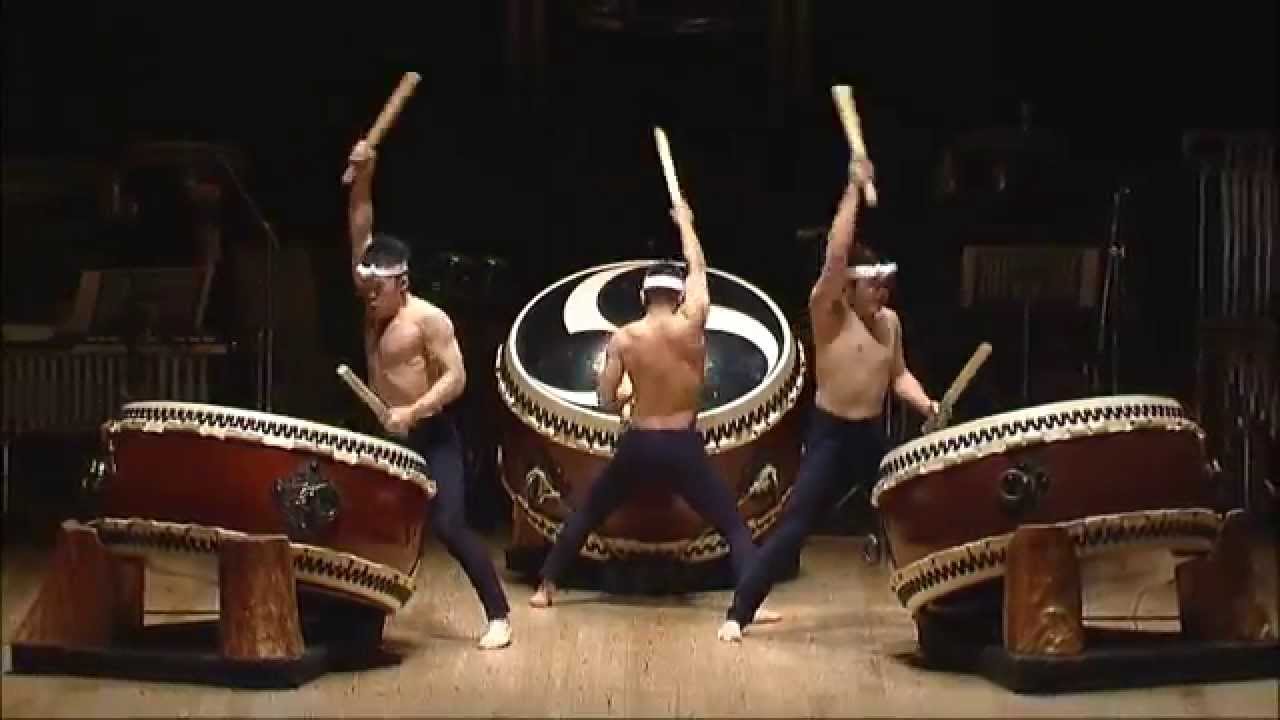
and has been used for everything from folk festivals to war to theatre.  By itself, it has a deep boom, but played in groups…

You can read about it here:   https://instrumentsoftheworld.com/instrument/131-Odaiko.html  and hear and watch three drummers here:  https://www.youtube.com/watch?v=C7HL5wYqAbU  (And perhaps I should add some sort of warning here:  they’re not only loud, but frenzied and, well, the sound can carry you away…)

And what about the Haradrim?  Here’s how they are depicted in the Jackson films—

(They are wearing, to me, a very odd helmet/mask, making them look a little like mechanical pandas—which is, I admit, a pretty terrifying thought!)

(By the wonderfully creative Patrick Lawrence.  You can see more of his work here:  https://pwlawrence.com/ )

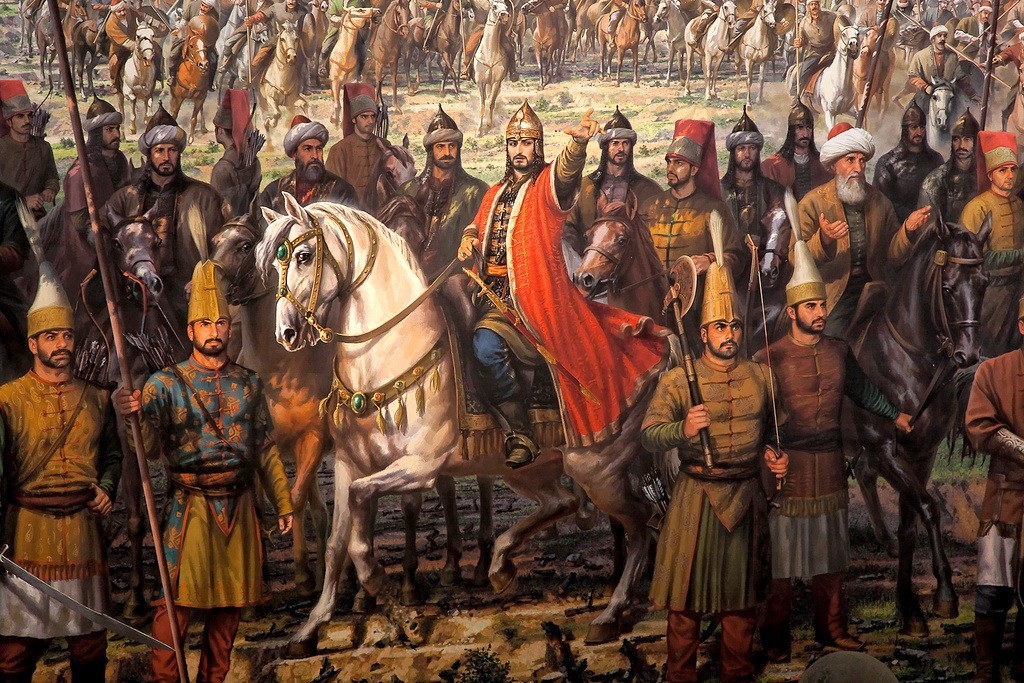
but I’ve always pictured them as more like the Ottoman Turks, the sort who came to dominate southeastern Europe from the 14th century on, captured Constantinople in 1453,

and almost captured Vienna twice—in 1529 and again in 1683.

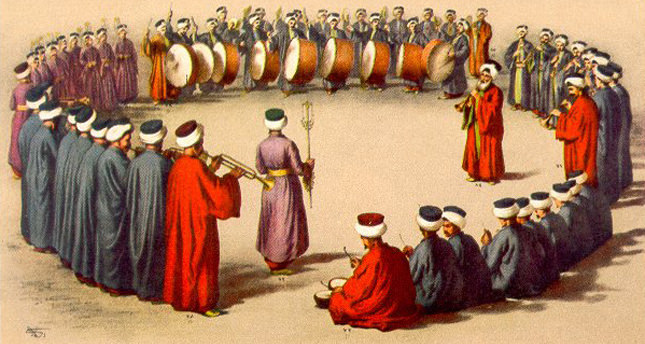
Their terror weapon—besides their fearsome reputation—was their music, often called mehter in the West. 

Drums, cymbals, wind and brass instruments combined to make a very fierce sound—as you can hear here:  https://www.youtube.com/watch?v=ktBSoeSmMio  and you can read more about them here:  https://en.wikipedia.org/wiki/Ottoman_military_band )

And I’d add to all of this booming racket one more sound from the enemy:

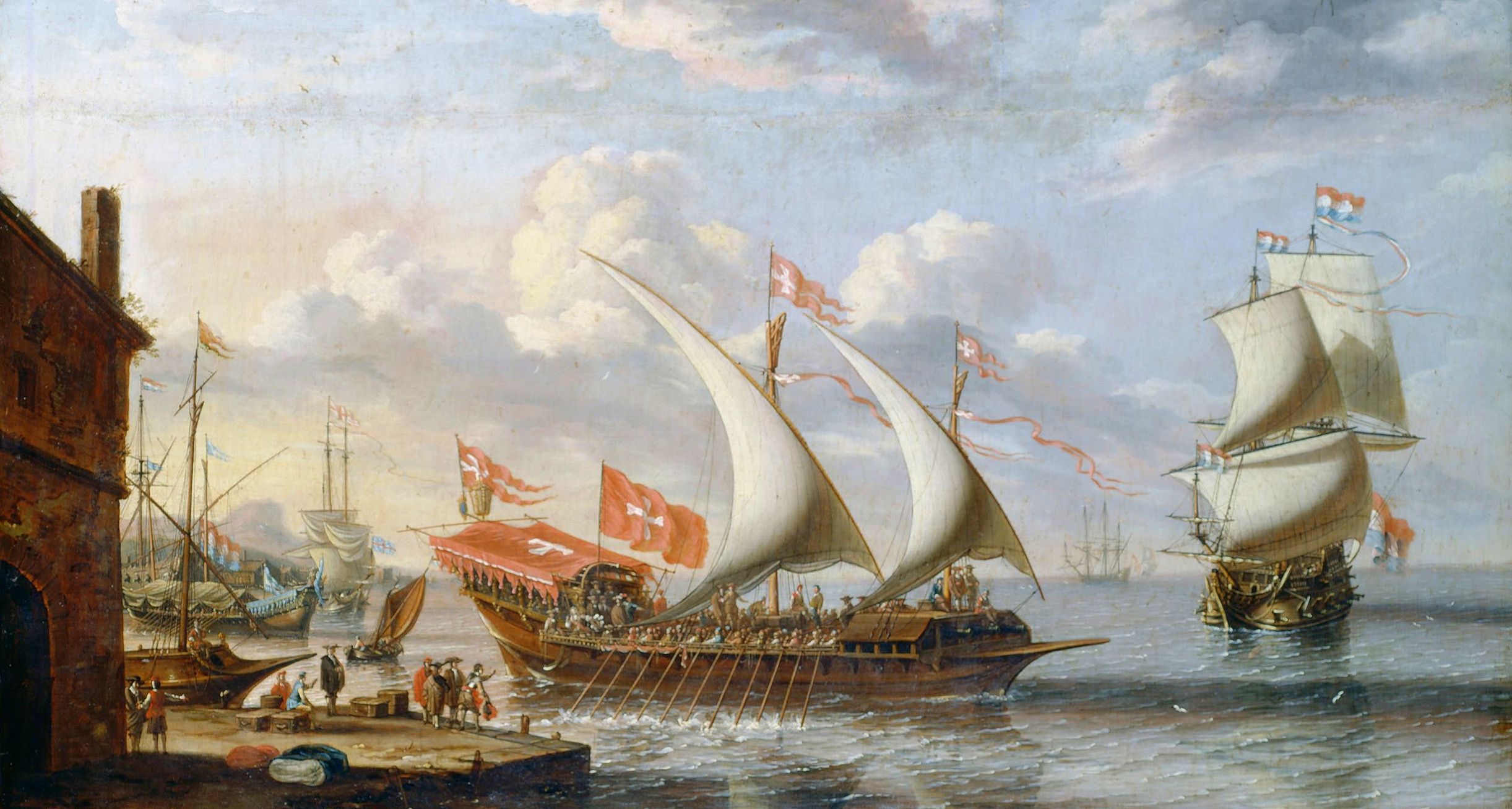
“For Anduin, from the bend at the Harlond, so flowed that from the City men could look down it lengthwise for some leagues, and the far sighted could see any ships that approached.  And looking thither they cried in dismay; for black against the glittering stream they beheld a fleet borne up on the wind:  dromonds, and ships of great draught with many oars, and with black sails bellying in the breeze.”  (The Return of the King, Book Five, Chapter 6, “The Battle of the Pelennor Fields”)

Here’s a dromond (this is a version of the word dromon, “runner”, the name of the standard Byzantine warship)

and you’ll notice that it is an oared vessel, as are those which JRRT describes  as“ships of great draught”.  To coordinate the oars, a basic tempo must be kept and that would mean, traditionally, a drum—and a fairly large one, too, to carry the rhythm across the ship, rather like the cartoons we always see of Roman galleys, like this from the French comic Asterix—

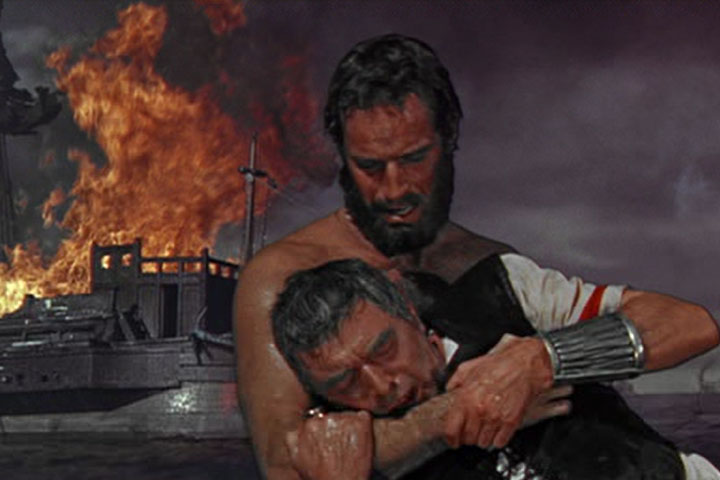
You can see/hear a classic rowing scene here (from the 1959 Ben Hur):  https://www.youtube.com/watch?v=ax7wcShvrus

So, as advertised in the title of this posting, no guns, but certainly lots of drums—perhaps Howard Shore would consider a second edition of his score?

Thanks, as ever, for reading.

Stay well,

If rammed, be sure to have your life jacket handy (and plan to save the Roman admiral, as Ben Hur does),

And remember that, as always, there’s

MTCIDC

O
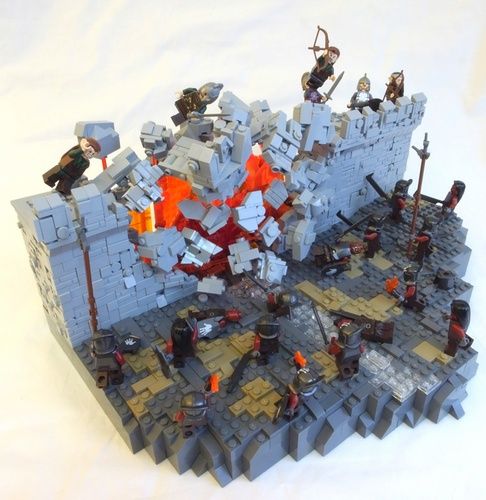
PS

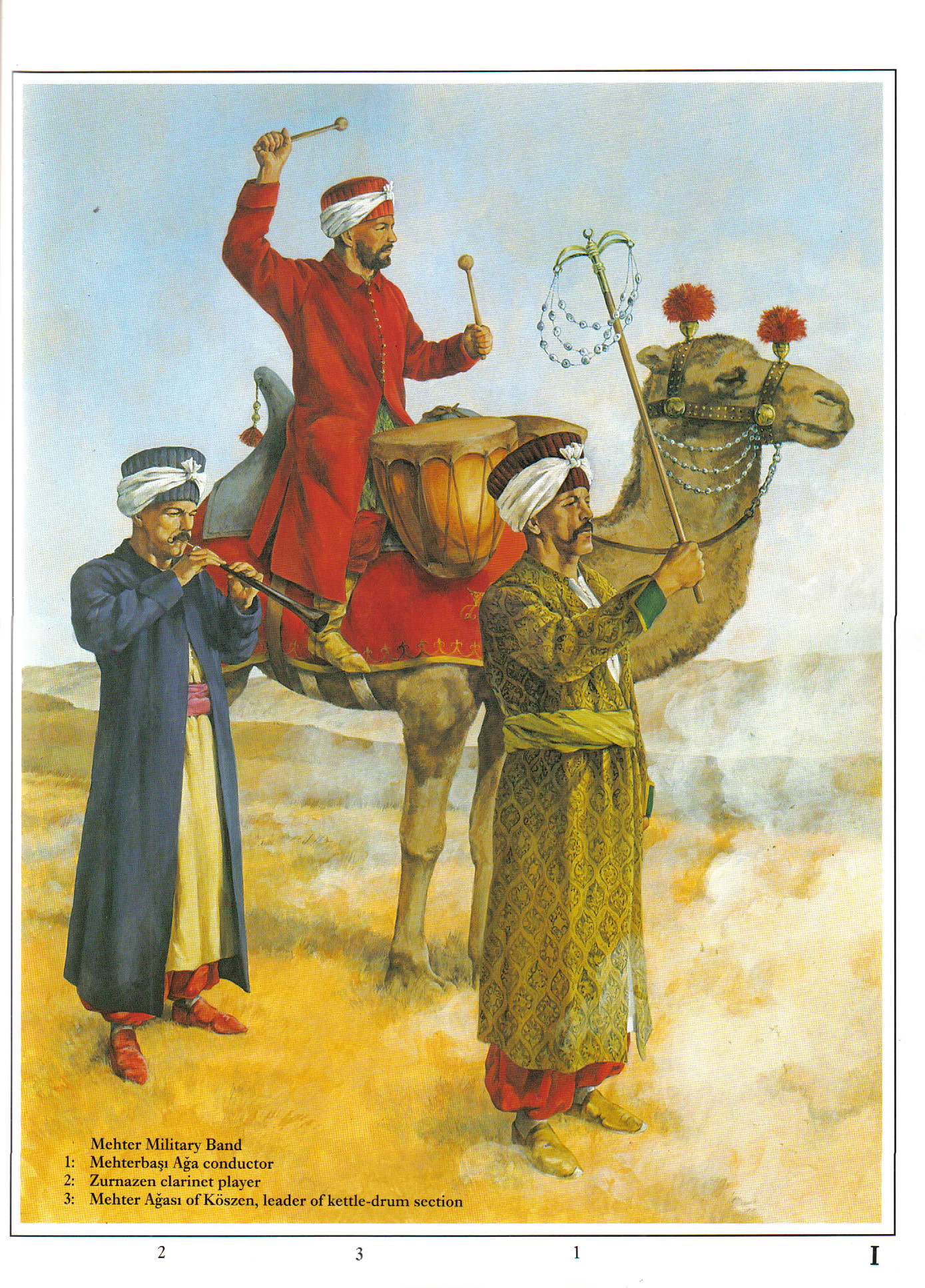
I couldn’t resist adding this image—surely the Haradrim from the far south would have had camels—and kettle drums?

(not sure of the artist–perhaps Richard Hook?)

Watery Connections?

13 Wednesday Nov 2024

Posted by Ollamh in Uncategorized

≈ Leave a comment

Tags

books, Excalibur, Fantasy, King Arthur, Tolkien

As ever, dear readers, welcome.

Dennis, the politicized peasant,

 has something to say:

“ARTHUR: I am your king!

WOMAN: Well, I didn’t vote for you.

ARTHUR: You don’t vote for kings.

WOMAN: Well, how did you become King, then?

ARTHUR: The Lady of the Lake,…

[angels sing]

…her arm clad in the purest shimmering samite, held aloft Excalibur from the bosom of the water signifying by Divine Providence that I, Arthur, was to carry Excalibur.

[singing stops]

That is why I am your king!

DENNIS: Listen. Strange women lying in ponds distributing swords is no basis for a system of government. Supreme executive power derives from a mandate from the masses, not from some farcical aquatic ceremony.

ARTHUR: Be quiet!

DENNIS: Well, but you can’t expect to wield supreme executive power just ’cause some watery tart threw a sword at you!”  (Monty Python and the Holy Grail, Scene 3, “Repression is Nine Tenths of the Law?”  which you can read here:  http://www.montypython.50webs.com/scripts/Holy_Grail/Scene3.htm  

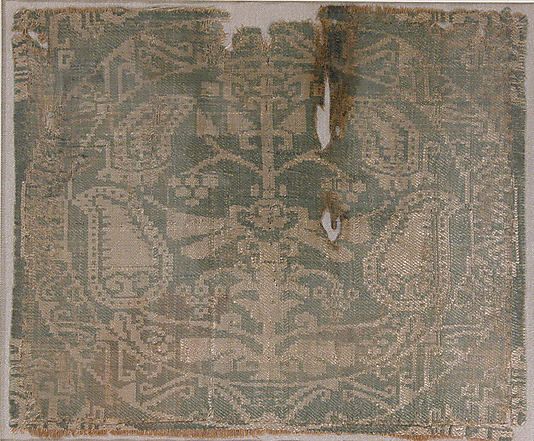
In case you are wondering what “samite” is, see

and:  https://en.wikipedia.org/wiki/Samite

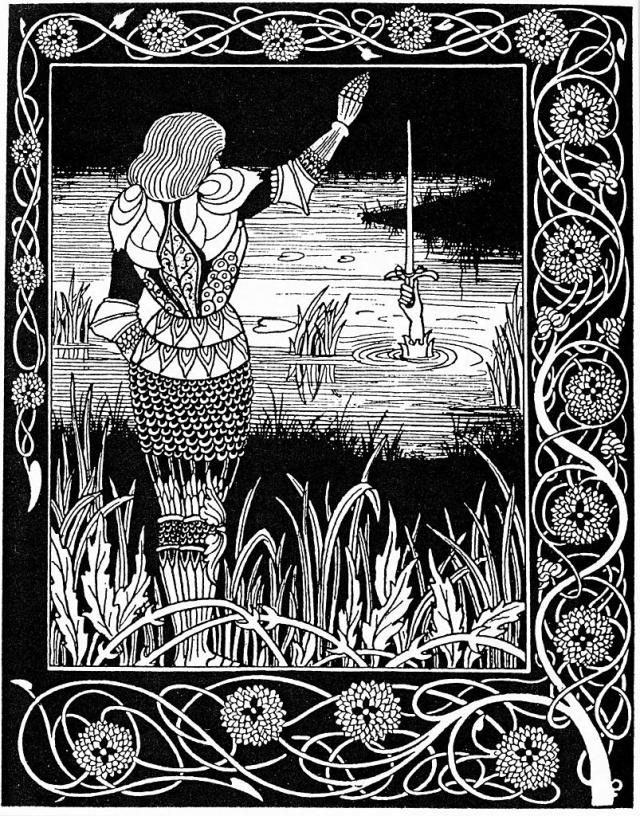
The Pythons, by the way, look to be mocking lines from “The Passing of Arthur”, a poem in Tennyson’s long series of Arthurian poems Idylls of the King here, where the dying Arthur commands his one surviving knight, Sir Bedivere, to toss his sword, Excalibur, into the local lake.  Bedivere is tempted not to, but, on his third try, he does so and

“So flashed and fell the brand Excalibur:
But ere he dipt the surface, rose an arm
Clothed in white samite, mystic, wonderful,
And caught him by the hilt, and brandished him
Three times, and drew him under in the mere.”

For the whole of the poem see:  https://d.lib.rochester.edu/camelot/text/tennyson-passing-of-arthur   Arthur had received the sword from this same Lady in “The Coming of Arthur”, which you can read here:  https://d.lib.rochester.edu/camelot/text/tennyson-coming-of-arthur  These are both drawn from the excellent Arthurian website which, if you don’t know it and are interested in Arthur, you need to:  https://d.lib.rochester.edu/camelot-project  There’s some confusion about Arthur and his swords, which you can read about here:  https://en.wikipedia.org/wiki/Excalibur )

“Strange women lying in ponds” is the Pythons’ way of mentioning a rather common phenomenon we see in various forms both in folklore and in literature which is influenced by it, everything from classical water nymphs, naiads,

to mermaids

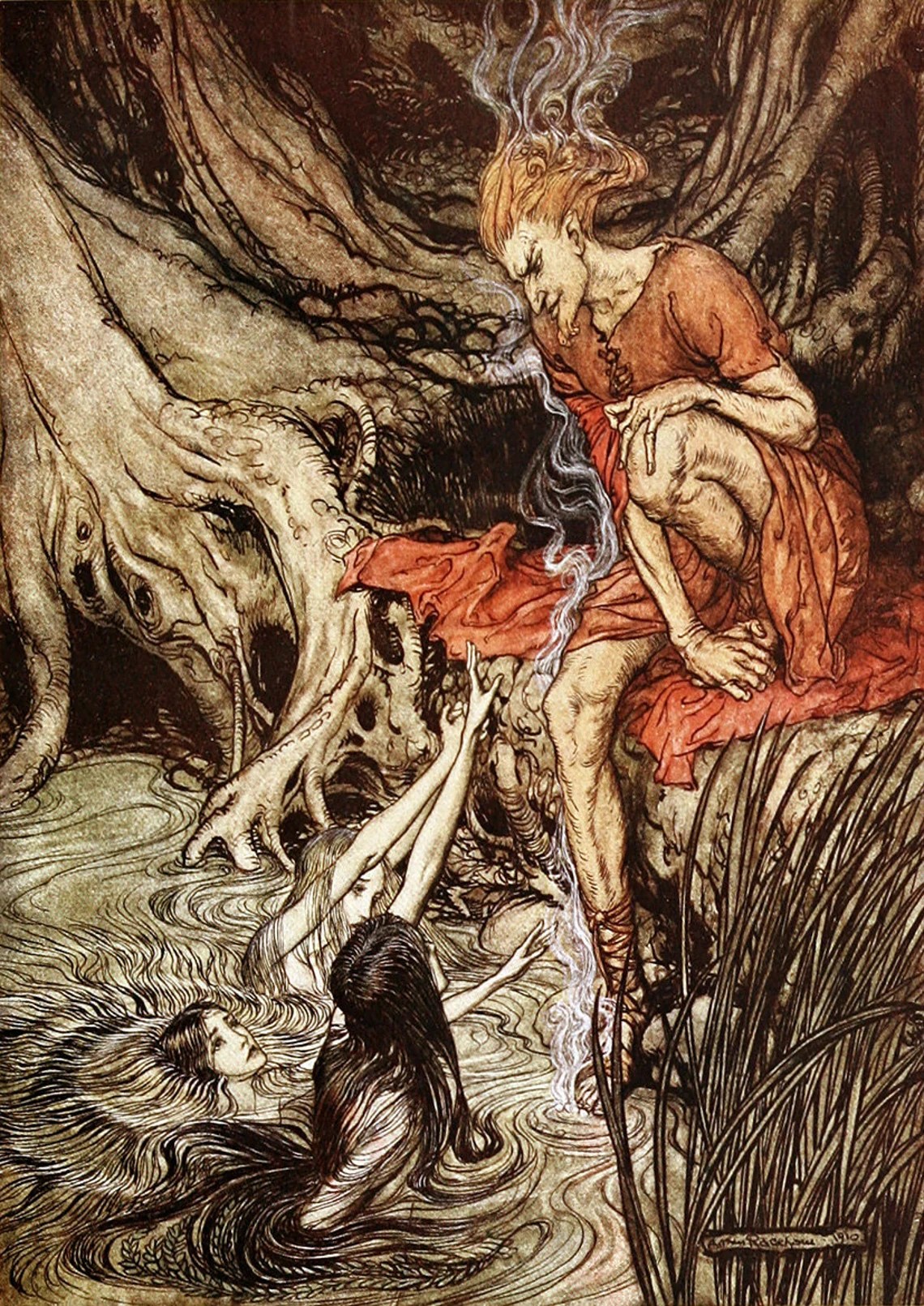
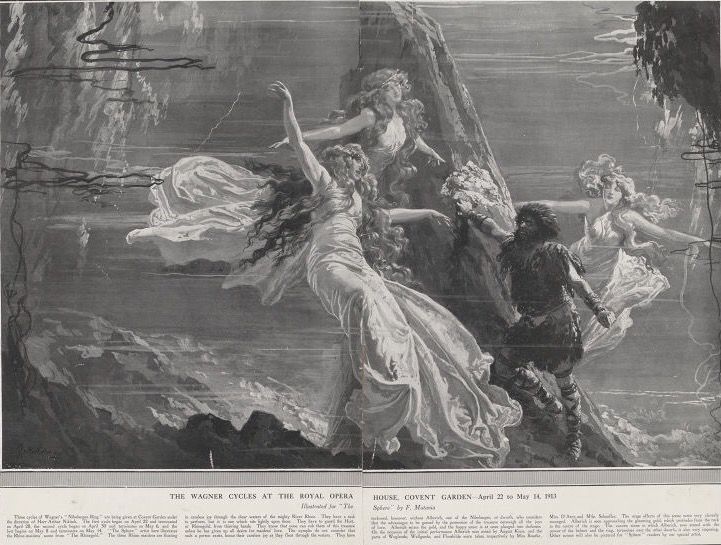
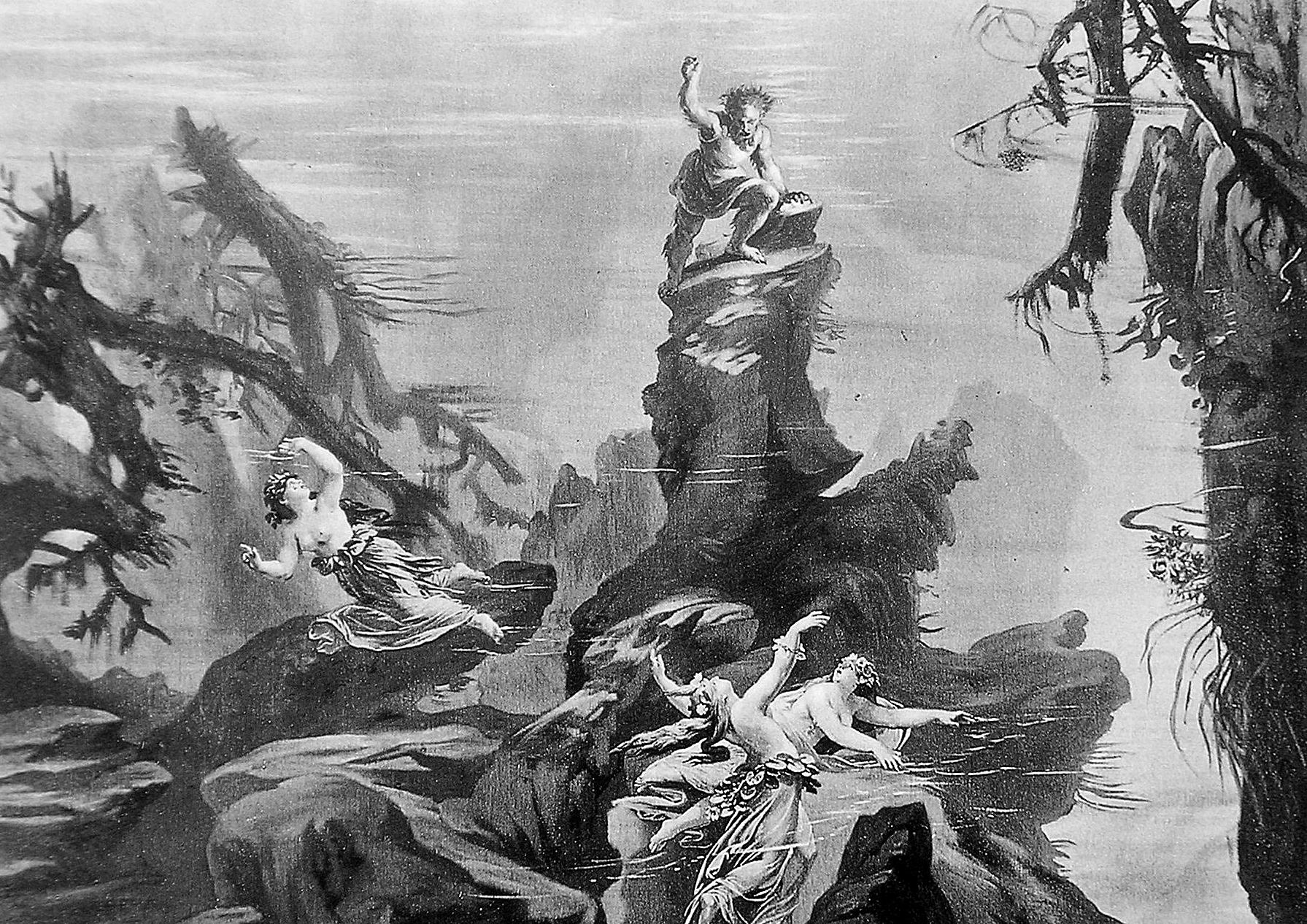
to the Rhinemaidens (Rheintoechter—“Rhine Daughters”) who appear in the “Ring Cycle”, Der Ring des Nibelungen, the 4-part series of Germanic mythological operas of Richard Wagner (1813-1883).

(Here chatting with the trickster god, Loge, an illustration by Arthur Rackham, 1867-1939.  You can see all of his illustrations to Wagner’s story here:  https://archive.org/details/rhinegoldvalkyri00wagn )

They are the guardians of the mysterious, but powerful “Rheingold”

which the dwarf, Alberich,

steals from them and fashions into a ring containing all the power of the original gold, which would enable its possessor to rule the world.

With another Ring in mind, there is, I would suggest, a bit more than a faint resemblance here between Wagner’s story and Tolkien’s, although Tolkien, seemingly fairly knowledgeable about Wagner’s work from early in his school days (see Carpenter Tolkien, 52) was very clear about just how faint that resemblance was as far as he was concerned:

“Both rings were round, and there the resemblance ceases.”  (from a letter to Allen & Unwin, 23 February, 1961, Letters, 436)

But might there be at least a little more similarity than that?

One fact is obvious:  Tolkien’s is a circlet which embodies tremendous power, just as the Nibelungen ring does, although that power wasn’t in the material from which it was made, but in the maker, Sauron. 

Alberich’s ring, like Sauron’s, has not remained with him, coming first into the possession of the god Wotan, and then into the possession of a dragon, Fafner (formerly a giant), then into that of his killer,  Siegfried (who also happens to be Wotan’s grandson), and then into that of the Valkyrie, Bruennhilde, Siegfried’s lover, who, leaping onto Siegfried’s funeral pyre, leaves the Ring to be collected from her ashes by the Rhinemaidens while, meanwhile, there is a cataclysm in the background and Valhalla, the home of the gods, is destroyed, along with the gods—“die Goetterdaemmerung”—literally “the gods’ dusk”. 

That ring isn’t destroyed, but we can certainly note that combination of the ring changing hands and huge destruction associated with that act—

“And even as he spoke the earth rocked beneath their feet.  Then rising swiftly up, far above the Towers of the Black Gate, high above the mountains, a vast soaring darkness sprang into the sky, flickering with fire.  The earth groaned and quaked.  The Towers of the Teeth swayed, tottered and fell down; the mighty rampart crumbled; the Black Gate was hurled in ruin; and from far away, now dim, now growing, now mounting to the clouds, there came a drumming rumble, a roar, a long echoing roll of ruinous noise.”  (The Return of the King, Book Six, Chapter 4, “The Field of Cormallen”)

(Ted Nasmith)

As well, coming back to the beginning of this posting, there is also a water association.  In fact, two:

1. after the defeat of Sauron at the foot of Orodruin, in which Isildur took the Ring from Sauron:

“…It fell into the Great River, Anduin, and vanished.  For Isildur was marching north along the east bank of the River, and near the Gladden Fields he was waylaid by the Orcs of the Mountains, and almost all his folk were slain.  He leaped into the waters, but the Ring slipped from his finger as he swam, and there the Orcs saw him and killed him with arrows…And there in the dark pools amid the Gladden Fields…the Ring passed out of knowledge and legend…”

2. but, many years later, two “akin to the fathers of the fathers of the Stoors”

“…took a boat and went down to the Gladden Fields…There Smeagol got out and went nosing about the banks but Deagol sat in the boat and fished.  Suddenly a great fish took his hook, and before he knew where he was, he was dragged out and down into the water, to the bottom.  Then he let go of his line, for he thought he saw something shining in the river-bed; and holding his breath he grabbed at it.

Then up he came spluttering, with weeds in his hair and a handful of mud; and he swam to the bank.  And behold!  when he washed the mud away, there in his hand lay a beautiful golden ring…” (The Fellowship of the Ring, Book One, Chapter 2, “The Shadow of the Past”)

To steal the Rhinegold from the Rhinemaidens, Alberich the dwarf has dived into the Rhine.

His son, Hagen, trying to regain the ring, is dragged into the river and drowned by them, even as they keep the ring.

Might we imagine, then, that the death of Gollum and all which precedes it is—perhaps—somehow a bit more related to Wagner’s story than JRRT was comfortable with?

(Ted Nasmith)

As ever, thanks for reading.

Stay well,

Stay dry,

And remember that there’s always

MTCIDC

O

Paleo-Tolkien

06 Wednesday Nov 2024

Posted by Ollamh in Uncategorized

≈ Leave a comment

Tags

books, Conan Doyle, darwin, Fantasy, Fiction, literature, sloths, Tolkien

As always, welcome, dear readers.

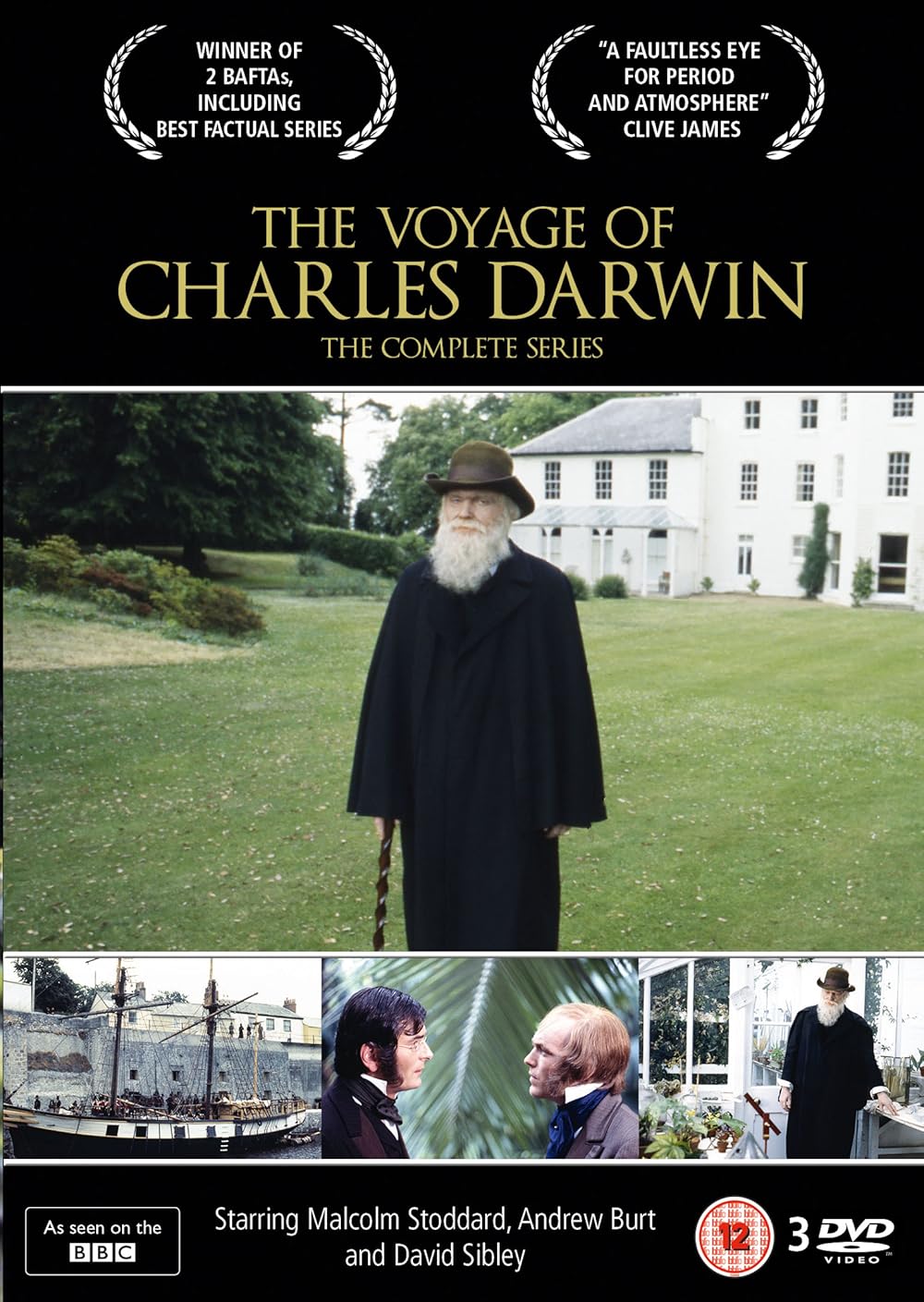
Recently, I’ve been watching a very interesting dramatized documentary, “The Voyage of Charles Darwin”.

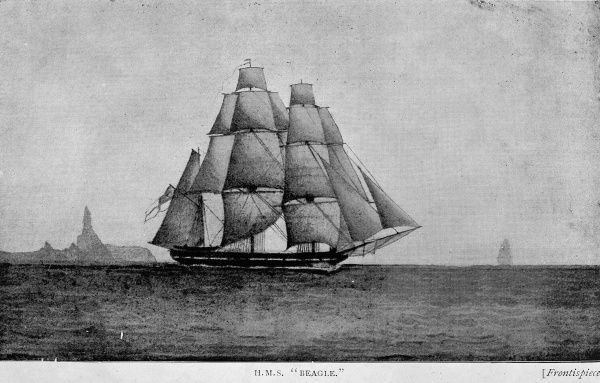
As the name implies, this includes his 5-year journey around the globe on HMS Beagle,

but goes on to follow his subsequent intellectual development through his gradual understanding of evolution.  (You can learn more about him from this rather provocative Britannica entry here:  https://www.britannica.com/biography/Charles-Darwin/The-Beagle-voyage )

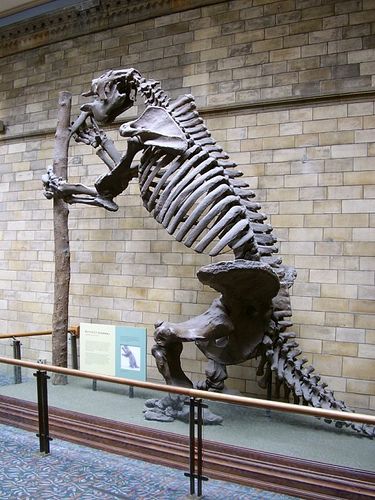
On his travels along the east coast of South America, Darwin uncovered fossils which puzzled him, including those of a giant ground sloth,

a creature whose (much smaller) tree-dwelling descendant Darwin could see in his own day.

(For more on ground sloths, see:    https://en.wikipedia.org/wiki/Ground_sloth ;  for modern sloths, see:  https://en.wikipedia.org/wiki/Sloth  For more on Darwin and fossils, see:  https://www.khanacademy.org/partner-content/amnh/human-evolutio/x1dd6613c:evolution-by-natural-selection/a/charles-darwins-evidence-for-evolution )

When I first saw this series, replayed on PBS (Public Broadcasting Service) many years ago, I had come across it by accident—very much an accident because I had, I thought, no interest whatever in science, not having enjoyed the required courses in school (gross understatement).  It was so well done, both visually and dramatically, that I was hooked and now, years later, I’ve acquired both an active interest in the history of science as well as my own DVD set of the documentary and am enjoying it even more.  It was in my mind, then, when I came across this Tolkien letter to Rhona Beare, an early Tolkien enthusiast, who had written to Tolkien with a number of questions about various details in The Lord of the Rings, including “Did the Witch-king ride a pterodactyl at the siege of Gondor?” to which JRRT replied:

“Yes and no.  I did not intend the steed of the Witch-King to be what is now called a ‘pterodactyl’, and often is drawn (with rather less shadowy evidence than lies behind many monsters of the new and fascinating semi-scientific mythology of the ‘Prehistoric’).  But obviously it is pterodactylic and owes much to the new mythology, and its description even provides a sort of way in which it could be a last survivor of older geological eras.”  (letter to Rhona Beare, 14 October, 1958, Letters, 403)

The choice of “steed” Beare andTolkien are referring to is based upon this:

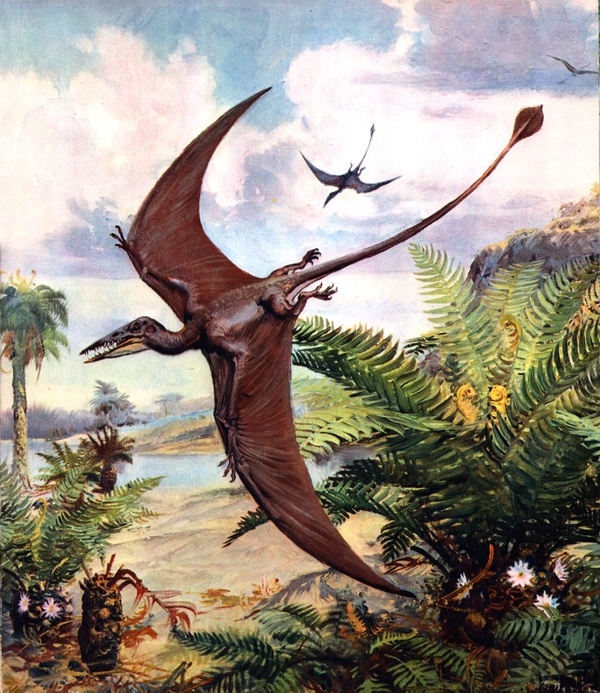
“The great shadow descended like a falling cloud.  And behold!  It was a winged creature:  if bird, then greater than all other birds, and it was naked, and neither quill nor feather did it bear, and its vast pinions were as webs of hide between horned fingers; and it stank.  A creature of an older world maybe it was, whose kind, lingering in forgotten mountains cold beneath the Moon, outstayed their day…” (The Return of the King, Book Five, Chapter 6, “The Battle of the Pelennor Fields”)

And one can see why a pterodactyl might be tempting—

(Alan Lee)

Those words in Tolkien’s text, “A creature of an older world maybe it was, whose kind, lingering in forgotten mountains cold beneath the Moon…” reminded me of a novel Tolkien may once have read, Conan Doyle’s The Lost World, 1912.  In this novel, a group of adventurers gains access to just that:  a secluded South American valley, in which various early creatures, including pterodactyls, are still living and, in fact, a young pterodactyl is even brought back to London.  Neither Letters nor Carpenter’s biography mentions Conan Doyle or the novel, but the idea of the “older world” and the pterodactyl suggest, at least to me, that this is a book which JRRT had read.  Here it is for you to read as well:  https://gutenberg.org/cache/epub/139/pg139-images.html

And, for further evidence, perhaps this, from Chapter IX?

“Well, suddenly out of the darkness, out of the night, there swooped something with a swish like an aeroplane. The whole group of us were covered for an instant by a canopy of leathery wings, and I had a momentary vision of a long, snake-like neck, a fierce, red, greedy eye, and a great snapping beak, filled, to my amazement, with little, gleaming teeth. The next instant it was gone—and so was our dinner. A huge black shadow, twenty feet across, skimmed up into the air; for an instant the monster wings blotted out the stars, and then it vanished over the brow of the cliff above us.”

This beast derived, perhaps, from Conan Doyle, and/or from what Tolkien called the “new and fascinating semi-scientific mythology of the ‘Prehistoric’”, made me think about another of Tolkien’s creatures, which some have fancifully believed may have come from memories of dinosaurs,

something which had engaged his imagination from far childhood:  dragons.

In his essay “On Fairy-Stories” he depicts this as a kind of early passion:

“I desired dragons with a profound desire.  Of course, I in my timid body did not wish to have them in the neighborhood, intruding into my relatively safe world, in which it was, for instance, possible to read stories in peace of mind, free from fear.  But the world that contained even the imagination of Fafnir was richer and more beautiful, at whatever cost of peril.”  (“On Fairy-Stories” in The Monsters and the Critics, 1983, edited by Christopher Tolkien, 135).

Tolkien freely admitted, and more than once, the strong influence of Beowulf on his work and nowhere is this influence stronger, I would say, than in The Hobbit.  And yet dragons in Beowulf are surprisingly disposable.  The dragon which brings about Beowulf’s dramatic death is dumped over a cliff into the sea:

dracan éc scufun

wyrm ofer weallclif·    léton wég niman,

flód fæðmian  frætwa hyrde. 

“The dragon, too, [that] wyrm they pushed over [the] cliff wall.  They let [the] waves take away,

To grasp, [the] keeper of [the] treasure.”  (Beowulf, 3132-33)

(My translation, with help from this excellent site:  https://heorot.dk/beowulf-rede-text.html I’ve kept “wyrm” mostly because it works nicely with those other double-u words, wall, waves, away. )

And, earlier in the poem, we are told that the dragon which Sigemund kills “hát gemealt”—“has melted”, presumably from its own heat.  (Beowulf, 897)

Smaug, however, is different.

(JRRT)

Not only does he talk, which Beowulf’s dragon does not, but, killed by Bard’s black arrow, he becomes a potential paleontological discovery:

“He would never again return to his golden bed, but was stretched cold as stone, twisted upon the floor of the shallows.  There for ages his huge bones could be seen in calm weather amid the ruined piles of the old town.”  (The Hobbit, Chapter 14, “Fire and Water”)

If Darwin had been puzzled about giant ground sloth remains, what might he have felt if he had discovered Smaug?

Thanks, as always, for reading.

Stay well,

As the proverb says, “Never laugh at live dragons”,

And remember that, as ever, there’s

MTCIDC

O

PS

Flanders and Swann, whom I have mentioned before, have a quietly cheerful song about a sloth here:  https://www.youtube.com/watch?v=blDNO5qznjM

The Doubtful Sea Series Facebook Page

The Doubtful Sea Series Facebook Page

  • Ollamh

Categories

  • Artists and Illustrators
  • Economics in Middle-earth
  • Fairy Tales and Myths
  • Films and Music
  • Games
  • Heroes
  • Imaginary History
  • J.R.R. Tolkien
  • Language
  • Literary History
  • Maps
  • Medieval Russia
  • Military History
  • Military History of Middle-earth
  • Narnia
  • Narrative Methods
  • Poetry
  • Research
  • Star Wars
  • Terra Australis
  • The Rohirrim
  • Theatre and Performance
  • Tolkien
  • Uncategorized
  • Villains
  • Writing as Collaborators
Follow doubtfulsea on WordPress.com

Across the Doubtful Sea

Recent Postings

  • A Moon disfigured December 17, 2025
  • On the Roads Again—Once More December 10, 2025
  • (Not) Crossing Bridges December 3, 2025
  • On the Road(s) Again—Again November 26, 2025
  • On the Road(s) Again November 19, 2025
  • To Bree (Part 2) November 12, 2025
  • To Bree (Part 1) November 5, 2025
  • A Plague o’ Both—No, o’ All Your Houses! October 29, 2025
  • It’s in Writing (2:  I’st a Prologue, or a Poesie for a Ring?) October 22, 2025

Blog Statistics

  • 103,189 Views

Posting Archive

  • December 2025 (3)
  • November 2025 (4)
  • October 2025 (5)
  • September 2025 (4)
  • August 2025 (4)
  • July 2025 (5)
  • June 2025 (4)
  • May 2025 (4)
  • April 2025 (5)
  • March 2025 (4)
  • February 2025 (4)
  • January 2025 (5)
  • December 2024 (4)
  • November 2024 (4)
  • October 2024 (5)
  • September 2024 (4)
  • August 2024 (4)
  • July 2024 (5)
  • June 2024 (4)
  • May 2024 (5)
  • April 2024 (4)
  • March 2024 (4)
  • February 2024 (4)
  • January 2024 (5)
  • December 2023 (4)
  • November 2023 (5)
  • October 2023 (4)
  • September 2023 (4)
  • August 2023 (5)
  • July 2023 (4)
  • June 2023 (4)
  • May 2023 (5)
  • April 2023 (4)
  • March 2023 (5)
  • February 2023 (4)
  • January 2023 (4)
  • December 2022 (4)
  • November 2022 (5)
  • October 2022 (4)
  • September 2022 (4)
  • August 2022 (5)
  • July 2022 (4)
  • June 2022 (5)
  • May 2022 (4)
  • April 2022 (4)
  • March 2022 (5)
  • February 2022 (4)
  • January 2022 (4)
  • December 2021 (5)
  • November 2021 (4)
  • October 2021 (4)
  • September 2021 (5)
  • August 2021 (4)
  • July 2021 (4)
  • June 2021 (5)
  • May 2021 (4)
  • April 2021 (4)
  • March 2021 (5)
  • February 2021 (4)
  • January 2021 (4)
  • December 2020 (5)
  • November 2020 (4)
  • October 2020 (4)
  • September 2020 (5)
  • August 2020 (4)
  • July 2020 (5)
  • June 2020 (4)
  • May 2020 (4)
  • April 2020 (5)
  • March 2020 (4)
  • February 2020 (4)
  • January 2020 (6)
  • December 2019 (4)
  • November 2019 (4)
  • October 2019 (5)
  • September 2019 (4)
  • August 2019 (4)
  • July 2019 (5)
  • June 2019 (4)
  • May 2019 (5)
  • April 2019 (4)
  • March 2019 (4)
  • February 2019 (4)
  • January 2019 (5)
  • December 2018 (4)
  • November 2018 (4)
  • October 2018 (5)
  • September 2018 (4)
  • August 2018 (5)
  • July 2018 (4)
  • June 2018 (4)
  • May 2018 (5)
  • April 2018 (4)
  • March 2018 (4)
  • February 2018 (4)
  • January 2018 (5)
  • December 2017 (4)
  • November 2017 (4)
  • October 2017 (4)
  • September 2017 (4)
  • August 2017 (5)
  • July 2017 (4)
  • June 2017 (4)
  • May 2017 (5)
  • April 2017 (4)
  • March 2017 (5)
  • February 2017 (4)
  • January 2017 (4)
  • December 2016 (4)
  • November 2016 (5)
  • October 2016 (6)
  • September 2016 (5)
  • August 2016 (5)
  • July 2016 (5)
  • June 2016 (5)
  • May 2016 (4)
  • April 2016 (4)
  • March 2016 (5)
  • February 2016 (4)
  • January 2016 (4)
  • December 2015 (5)
  • November 2015 (5)
  • October 2015 (4)
  • September 2015 (5)
  • August 2015 (4)
  • July 2015 (5)
  • June 2015 (5)
  • May 2015 (4)
  • April 2015 (3)
  • March 2015 (4)
  • February 2015 (4)
  • January 2015 (4)
  • December 2014 (5)
  • November 2014 (4)
  • October 2014 (6)
  • September 2014 (1)

Blog at WordPress.com.

  • Subscribe Subscribed
    • doubtfulsea
    • Join 78 other subscribers
    • Already have a WordPress.com account? Log in now.
    • doubtfulsea
    • Subscribe Subscribed
    • Sign up
    • Log in
    • Report this content
    • View site in Reader
    • Manage subscriptions
    • Collapse this bar
 

Loading Comments...