• About

doubtfulsea

~ adventure fantasy

Monthly Archives: October 2024

Pumpkinheaded

30 Wednesday Oct 2024

Posted by Ollamh in Uncategorized

≈ Leave a comment

Tags

art, fall, Halloween, Music

As ever, dear readers, welcome.

This posting will appear the day before Halloween, so, we’ll get into the spirit of the holiday (yes, pun intended),

with a story you might not know.

As a child, I most enjoyed and dreaded Halloween, the pleasure from thinking about what to dress up as—not to mention the candy—the dread because, yearly, there was the showing of this Disney animated feature—
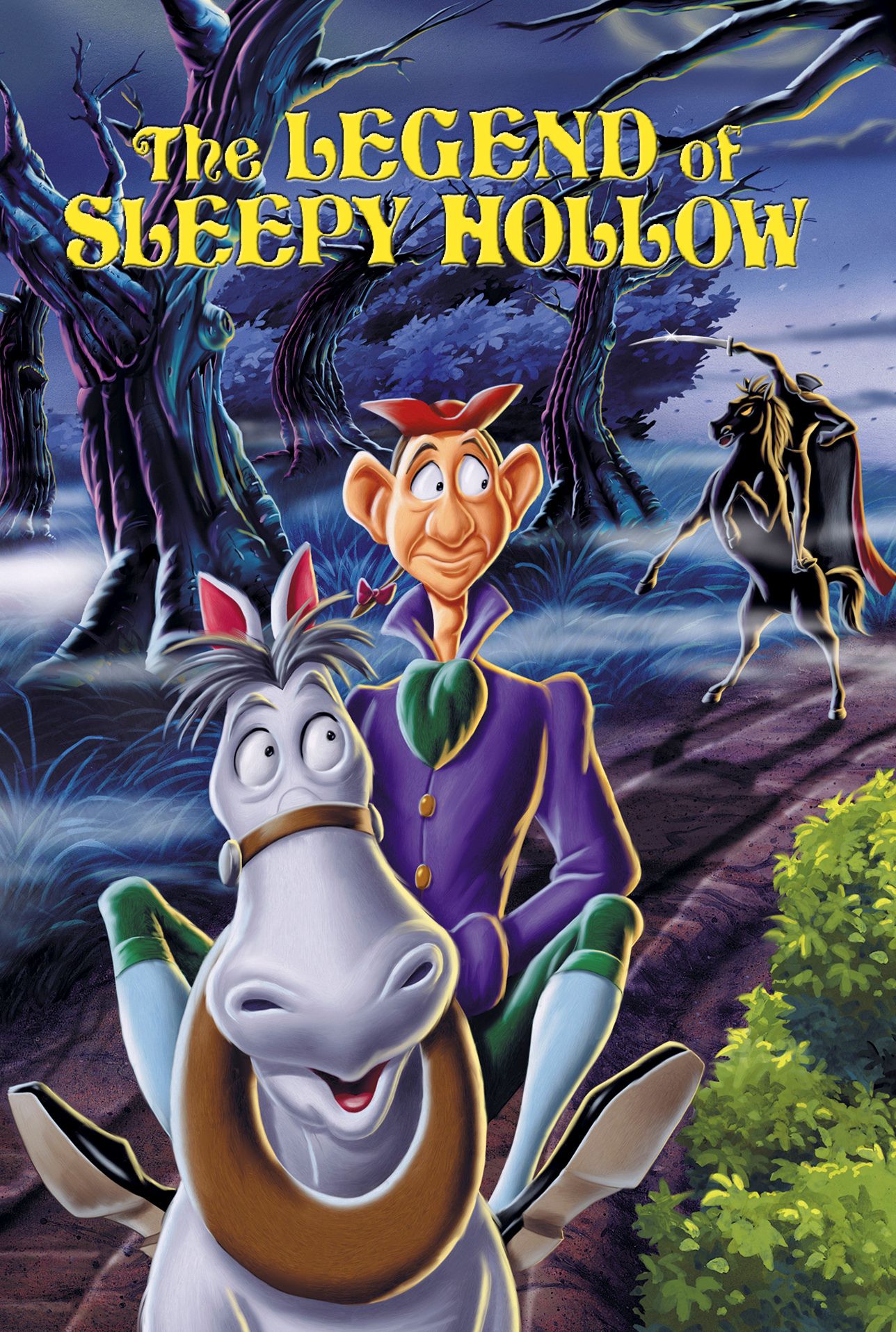
In some ways, this was a Disney hybrid:  the usual wonderful artwork (who could better create the sinister atmosphere of Ichabod Crane’s lonely ride through the increasingly spooky woods?)

but with a swinging, catchy score featuring the famous crooner (a kind of soulful singer from the 1940s—the animated feature dates from 1949), Bing Crosby, 1903-1977.

And the heart of the dread was the appearance of this character—
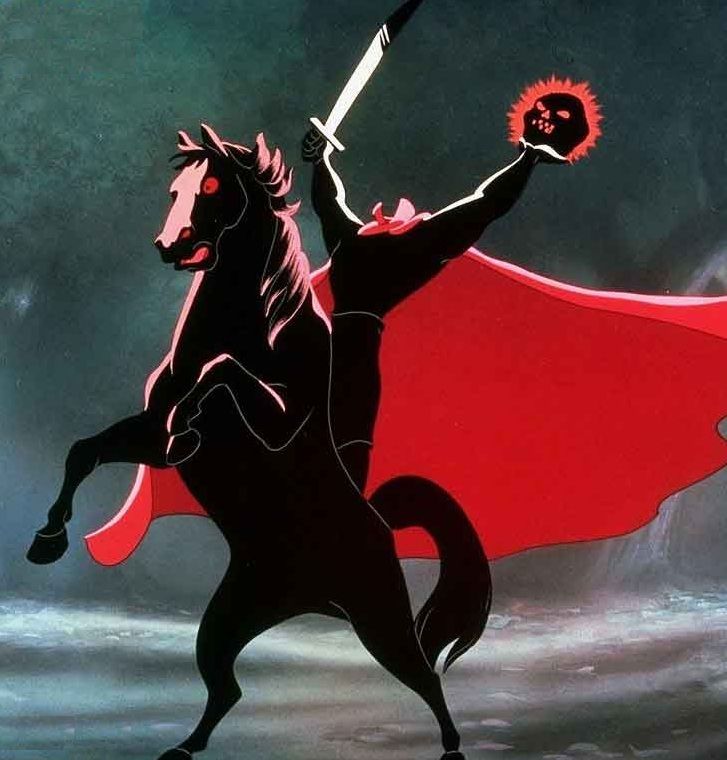
the Headless Horseman.  (In case you don’t know the story, you can read it here, taken from Washington Irving’s, 1783-1859, The Sketch Book of Geoffrey Crayon, Gent., most of which being published serially in 1819-1820 and first time in book form in the US in 1824.
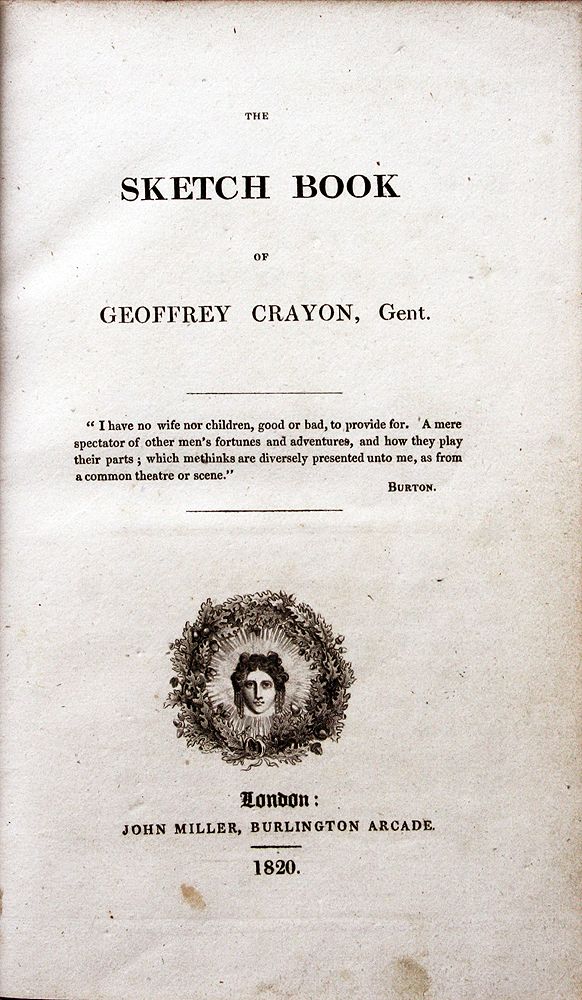
(one installment from the first British publication):  This is from a 1907 edition of the two best-known tales from that collection of essays and short stories, “Rip Van Winkle” and “The Legend of Sleepy Hollow, with illustrations by George H. Boughton:  https://archive.org/details/ripvanwinkleandl00irvi/mode/2up  For a complete edition (an illustrated version from 1864) see:  https://www.gutenberg.org/cache/epub/2048/pg2048-images.html   For more on the complicated publishing history of the work, see:  https://en.wikipedia.org/wiki/The_Sketch_Book_of_Geoffrey_Crayon,_Gent. )

I’m not going to add a spoiler here, but the protagonist, Ichabod Crane, pursued by what he believes to be the headless ghost of a “Hessian soldier”,

eventually disappears, all discovered of him being:

“the tracks of horses’ hoofs deeply

dented in the road, and evidently at furious

speed, were traced to the bridge, beyond

which, on the bank of a broad part of the

brook, where the water lay deep and black,

was found the hat of the unfortunate Ichabod,

and close beside it a shattered pumpkin.”

And this pumpkin brings us to another story, this one by Nathaniel Hawthorne, 1804-1864,

from his collection of short stories, Mosses from an Old Manse, first published in 1846.

This is “Feathertop”, originally published independently in 1852, and added to the collection for the second edition of 1854. 

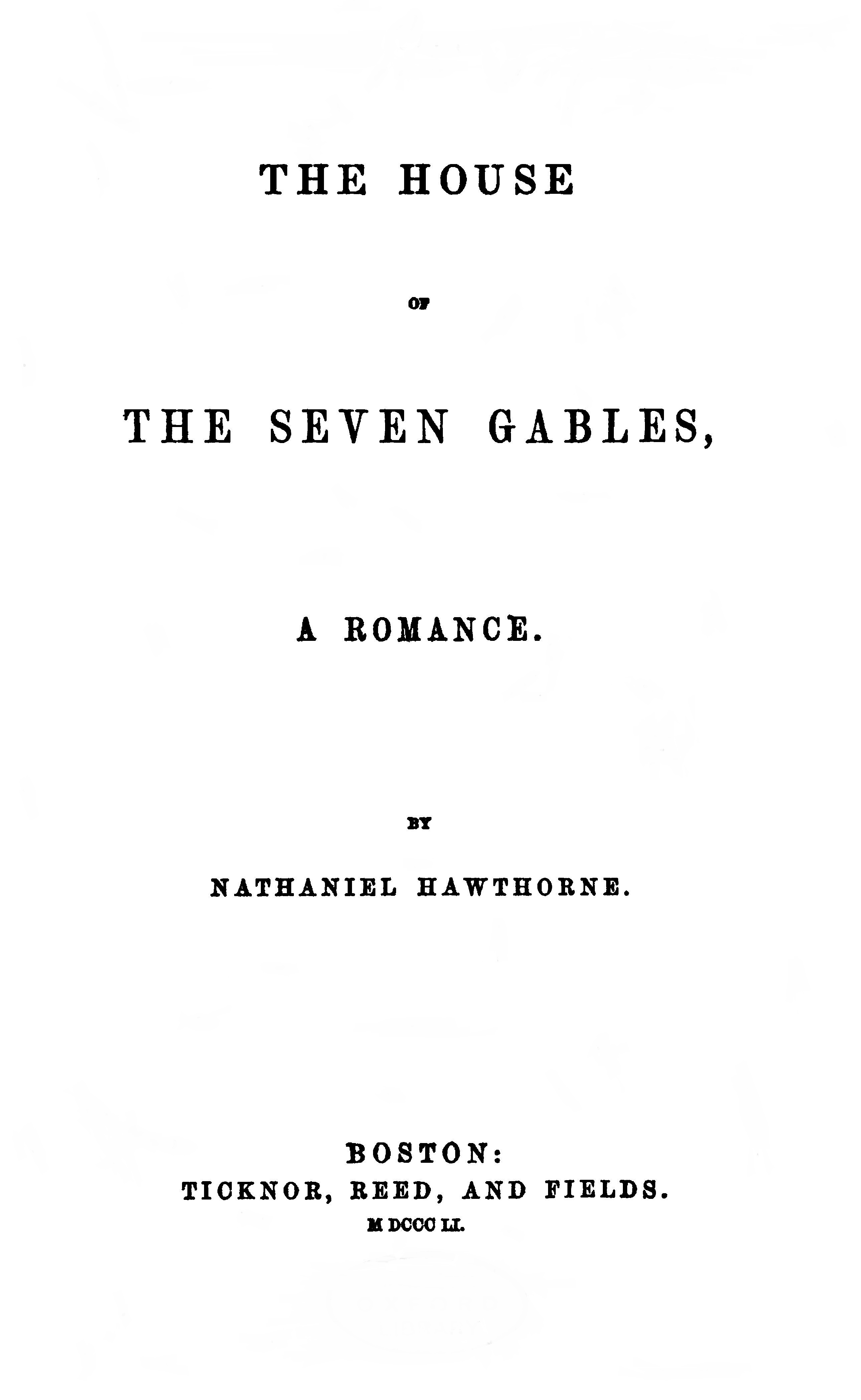
Hawthorne came from a very old Massachusetts Bay family (an ancestor, John Hathorne, had been involved in the opening stages of the Salem witchcraft trials in 1692) and the history of the Bay haunted him, producing short stories like “Young Goodman Brown” (1835), and the novels The Scarlet Letter (1850) and my particular favorite The House of the Seven Gables (1851).
“Feathertop” involves Mother Rigby, a pipe-smoking old witch,

(a relatively young witch, by Gabriel Metsu, 1629-1667, but, as you’ll see, the pipe is crucial)

who builds a scarecrow for her garden,

(by Carl Gustav Carus, 1789-1869)

including

“The most important item of all, probably, although it made so little show, was a certain broomstick, on which Mother Rigby had taken many an airy gallop at midnight, and which now served the scarecrow by way of a spinal column, or, as the unlearned phrase it, a backbone. One of its arms was a disabled flail which used to be wielded by Goodman Rigby, before his spouse worried him out of this troublesome world; the other, if I mistake not, was composed of the pudding stick and a broken rung of a chair, tied loosely together at the elbow. As for its legs, the right was a hoe handle, and the left an undistinguished and miscellaneous stick from the woodpile. Its lungs, stomach, and other affairs of that kind were nothing better than a meal bag stuffed with straw.”

Having constructed the body, she added

“…its head; and this was admirably supplied by a somewhat withered and shrivelled pumpkin, in which Mother Rigby cut two holes for the eyes and a slit for the mouth, leaving a bluish-colored knob in the middle to pass for a nose. It was really quite a respectable face.”

She dresses it in the remains of what were once fine clothes, including a rooster tail for his hat (hence his name), but, continuing to look at it, she says to herself:

” ‘That puppet yonder,’ thought Mother Rigby, still with her eyes fixed on the scarecrow, ‘is too good a piece of work to stand all summer in a corn-patch, frightening away the crows and blackbirds. He’s capable of better things. Why, I’ve danced with a worse one, when partners happened to be scarce, at our witch meetings in the forest! What if I should let him take his chance among the other men of straw and empty fellows who go bustling about the world?’ “

As you can see, this is quickly turning from a story of enchantment into a satire, as she animates the “puppet” (a word used in the 17th century to have, for witches, the meaning of something like a voodoo doll and used for the same purpose)
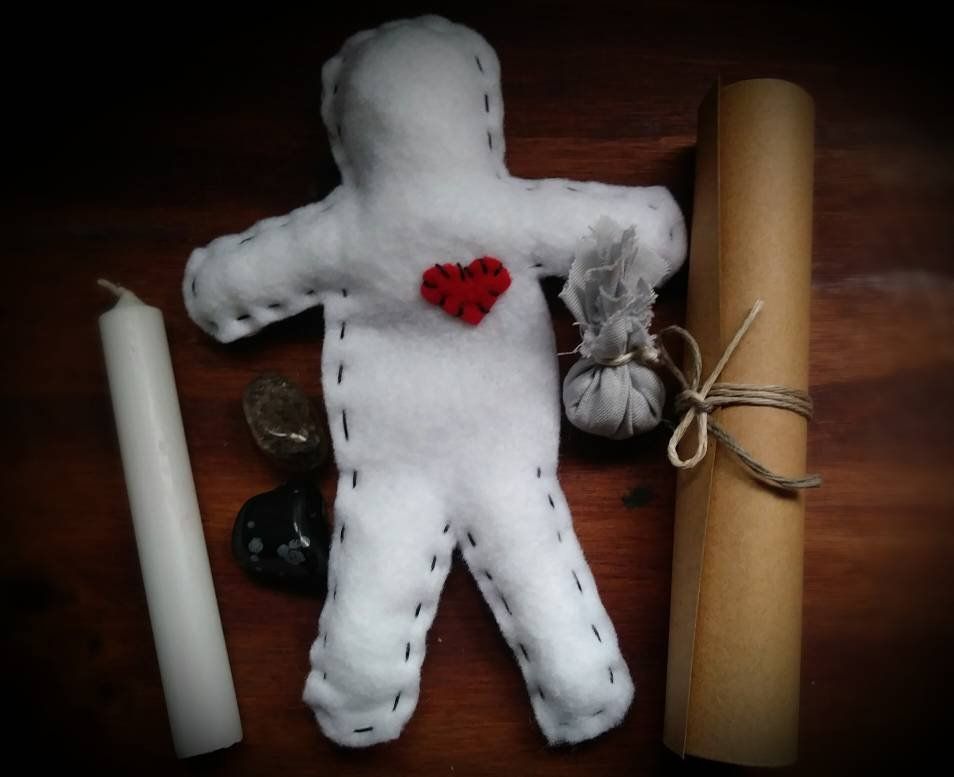
by getting it to puff on her pipe
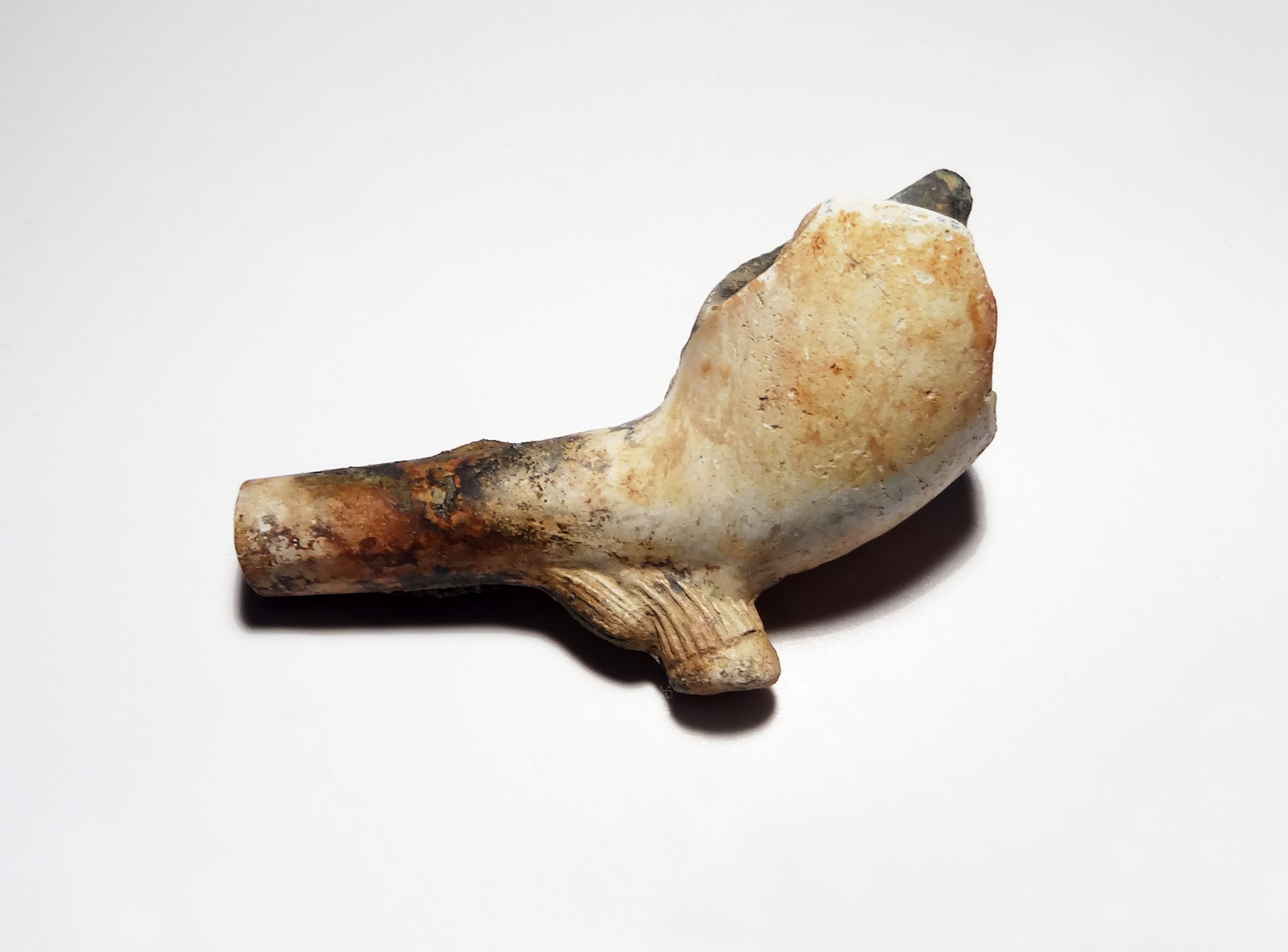
before sending it out in the world to prey upon an enemy, Master Gookin, a wealthy merchant with a pretty daughter Mother Rigby wants him to woo.

Needless to say, in his enchanted form, and puffing on the magic pipe (he claims it’s for medicinal purposes), the scarecrow gains entry to Gookin’s house and even begins to romance the merchant’s daughter when, by chance,

“…”she cast a glance towards the full-length looking-glass in front of which they happened to be standing. It was one of the truest plates in the world and incapable of flattery. No sooner did the images therein reflected meet Polly’s eye than she shrieked, shrank from the stranger’s side, gazed at him for a moment in the wildest dismay, and sank insensible upon the floor. Feathertop likewise had looked towards the mirror, and there beheld, not the glittering mockery of his outside show, but a picture of the sordid patchwork of his real composition stripped of all witchcraft.”

The scarecrow, being reminded of what he really is, rushes back to his maker, smashes the pipe, and collapses into his component parts, leaving his creator to say to herself:

” ‘Poor Feathertop!’ she continued.  ‘I could easily give him another chance and send him forth again tomorrow. But no; his feelings are too tender, his sensibilities too deep. He seems to have too much heart to bustle for his own advantage in such an empty and heartless world. Well! well! I’ll make a scarecrow of him after all. ‘Tis an innocent and useful vocation, and will suit my darling well; and, if each of his human brethren had as fit a one, ‘t would be the better for mankind; and as for this pipe of tobacco, I need it more than he.’ “

(You can read the story for yourself here:  https://gutenberg.org/cache/epub/512/pg512-images.html )
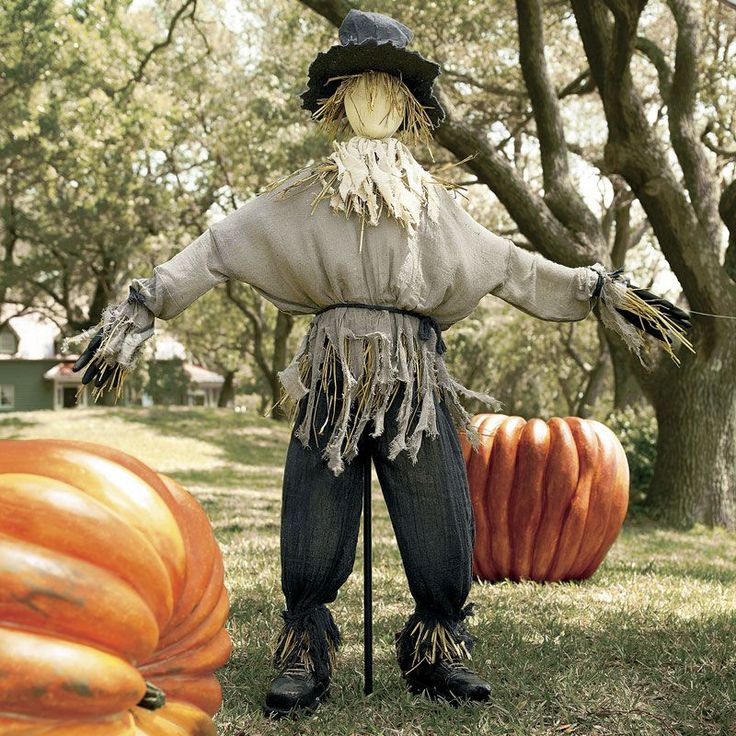
And perhaps that scarecrow eventually found himself in a much more heroic role, much later in time and as far away as Kansas—

As always, thanks for reading.

Stay well,

Happy Halloween,

And remember that, as always, there’s

MTCIDC

O

PS

Before pumpkins had come from the New World, the old world hollowed out turnips, like this one, putting a candle inside to light the dark world of the end of the old growing year.

PPS

In 1908, Percy MacKaye, 1875-1956, poet and playwright, dramatized a version of the story, which appeared briefly in New York in 1911, and you can read it here:   https://ia902901.us.archive.org/23/items/scarecroworglass00mackuoft/scarecroworglass00mackuoft.pdf

PPPS

In 1961, there was a television musical of Hawthorne’s story,
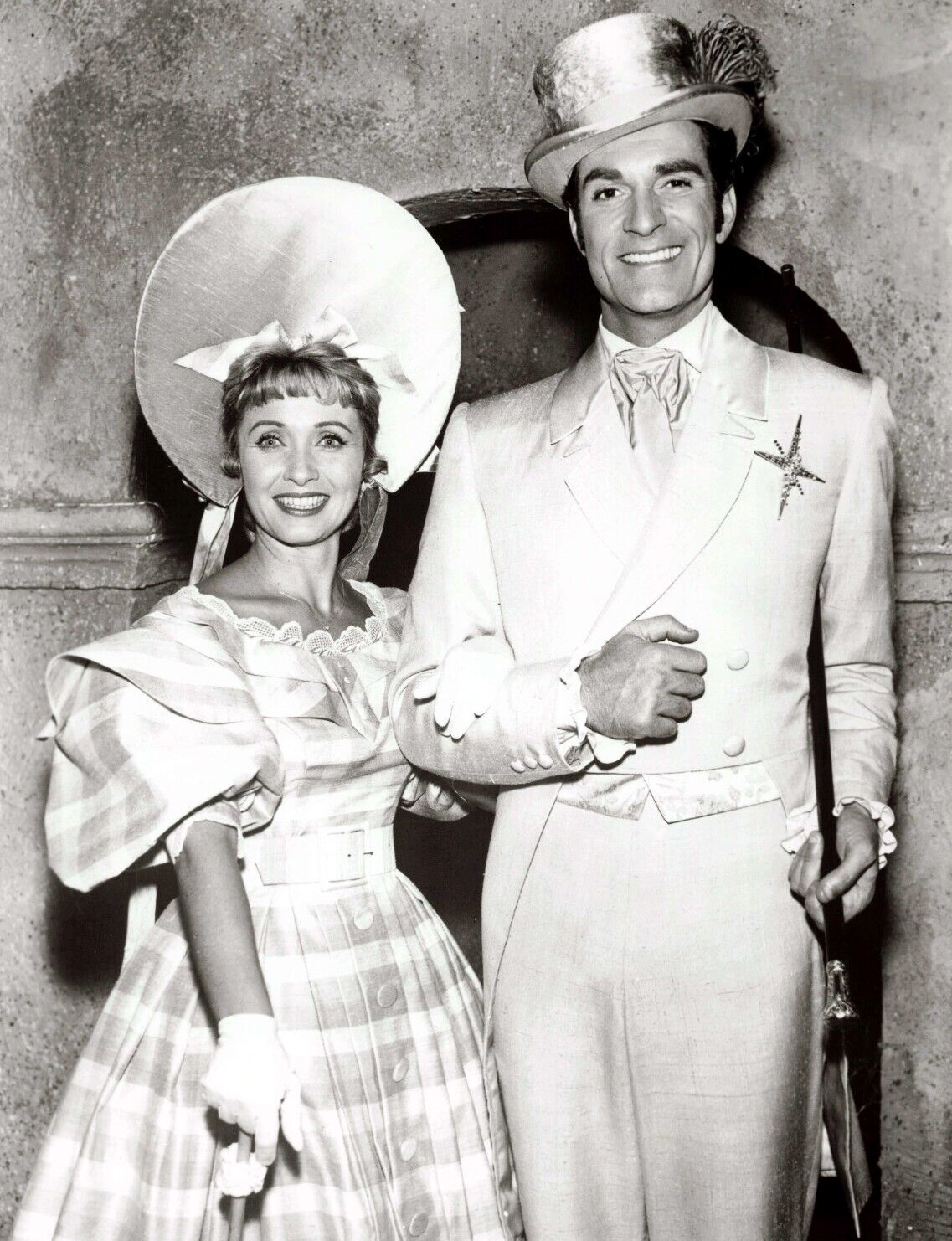
with music by Mary Rogers, who then went on to compose the music for Once Upon a Mattress, my favorite version of Andersen’s “The Princess and the Pea” (which, looking at the Danish, which is “Princessen Pa Aerten” should really be “The Princess On the Pea”).  You can hear a catchy duet between the witch and her scarecrow creation, “A Gentleman of Breeding” here:  https://www.youtube.com/watch?v=GXONisleuSw

Deserving

23 Wednesday Oct 2024

Posted by Ollamh in Uncategorized

≈ Leave a comment

Tags

Fantasy, J.R.R. Tolkien, lord-of-the-rings, The Lord of the Rings, Tolkien

Welcome, dear readers, as always.

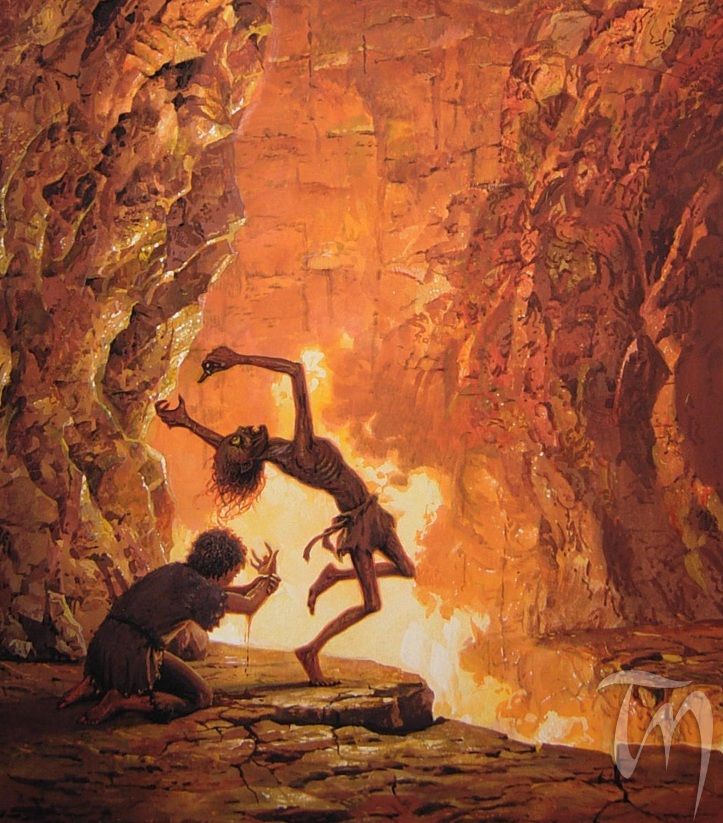
“ ‘I am sorry,’ said Frodo.  ‘But I am frightened and I do not feel any pity for Gollum.’

‘You have not seen him,’ Gandalf broke in.

‘No, and I don’t want to,’ said Frodo.  ‘I can’t understand you.  Do you mean to say that you, and the Elves, have let him live on after all those horrible deeds?  Now at any rate he is as bad as an Orc, and just an enemy.  He deserves death.’

‘Deserves it!  I daresay he does.  Many that live deserve death.  And some that die deserve life.  Can you give it to them?  Then do not be too eager to deal out death in judgement.’”  (The Fellowship of the Ring, Book One, Chapter Two, “The Shadow of the Past”)

(Alan Lee)

I’ve always thought that this was one of the most striking passages early in The Lord of the Rings.  Gandalf has been telling Frodo about his meeting with Gollum, including the unwelcome thought that Sauron, who has found out from Gollum that the Ring wasn’t lost and, in fact, was in the hands of someone called “Baggins” and may even be aware that “Baggins” and “Shire” are linked.  Frodo’s natural reaction is to panic and to blame Gollum, turning vindictive in his fear.  In contrast, Gandalf, whose more humane reaction was probably a product of his Maia nature and his long experience of events and people in Middle-earth (having arrived there in TA 1000, 2000 years before the joint birthday party which sets The Lord of the Rings in motion—TA 3001—see Christopher Tolkien, Unfinished Tales, 405,    “The Istari”), opposes Frodo’s sentence of death with one of compassion, so, when Frodo says, “What a pity that Bilbo did not stab that vile creature when he had a chance!”  Gandalf replies, “Pity?  It was Pity that stayed his hand.  Pity, and Mercy:  not to strike without need.”

I’ve also wondered where such a humane sentiment came from in Gandalf’s creator.  His deep Christian faith must have played a part, but I think another element was his experience in 1916,

when, as he writes to his son, Michael:

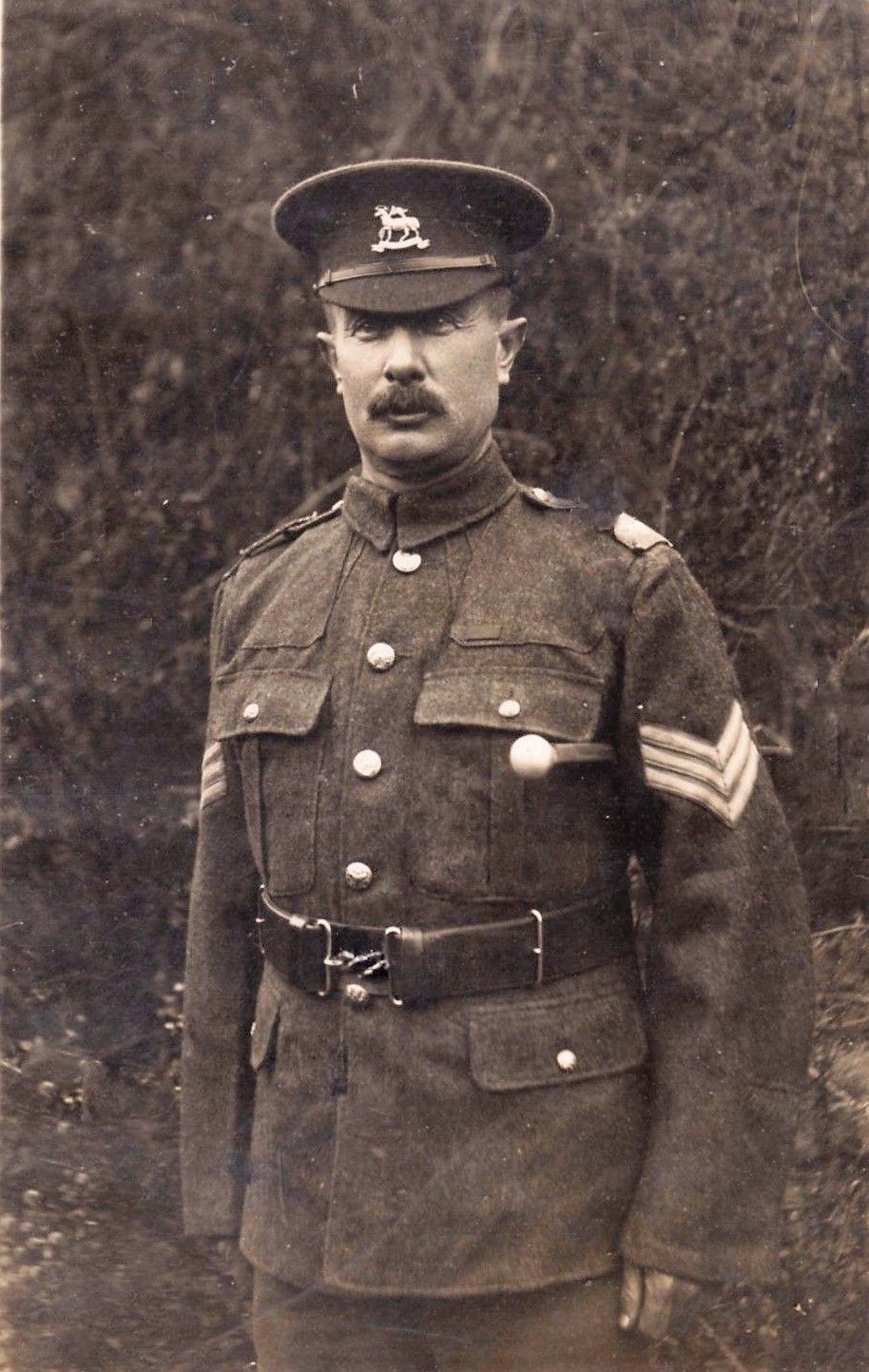
“Bolted into the army:  July 1915.  I found the situation intolerable and married on March 22, 1916.  May found me crossing the Channel…for the carnage of the Somme.”  (from a letter to Michael Tolkien, 6-8 March, 1941, Letters, 73)

This was the beginning of Tolkien’s short experience of actual combat in what was called, at the time, The Great War—meaning “the Big War” in British English, as it was the biggest war in any contemporary’s experience and, without World War II, it obviously couldn’t be called “World War I”.  At the same time, I think that JRRT’s time at the front, although really only measured in a few months (June to November, 1916—see Carpenter, Tolkien, 90-96 for details) might have made him find that other meaning of “great” ironic and I suspect that he would have agreed with Yoda’s reply to Luke’s “I’m looking for a great warrior.”—“Ahhh!  A great warrior…Wars not make one great.” in Star Wars V .  (You can read the script for this scene, pages 55-58, at:  https://assets.scriptslug.com/live/pdf/scripts/star-wars-episode-v-the-empire-strikes-back-1980.pdf )

The new second lieutenant

belonged to one of the battalions (sub-units) of the Lancashire Fusiliers,

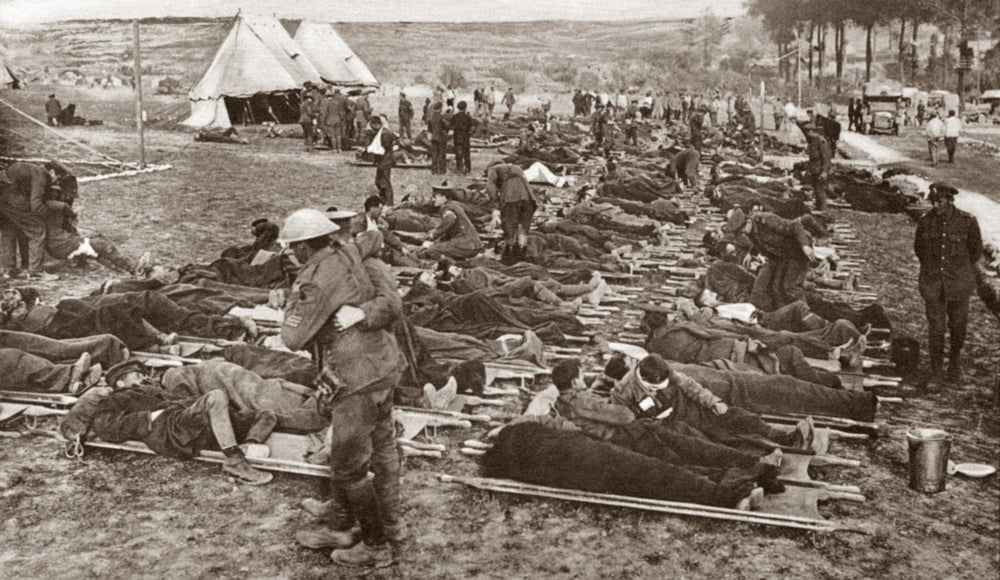
one of the oldest infantry regiments in the British Army (begun as “Peyton’s Regiment” in 1688—you can read more about it here:  https://en.wikipedia.org/wiki/Lancashire_Fusiliers ).  It was only one of the many units designated to be part of what would become known as “The Somme”, a battle which lasted from 1 July to 18 November, 1916—and which would cost the British alone 57,470 casualties on the first day and a total of 415,690 by 18 November.  (You can read a very detailed article about it here:  https://en.wikipedia.org/wiki/Battle_of_the_Somme )

The battlefield was huge—

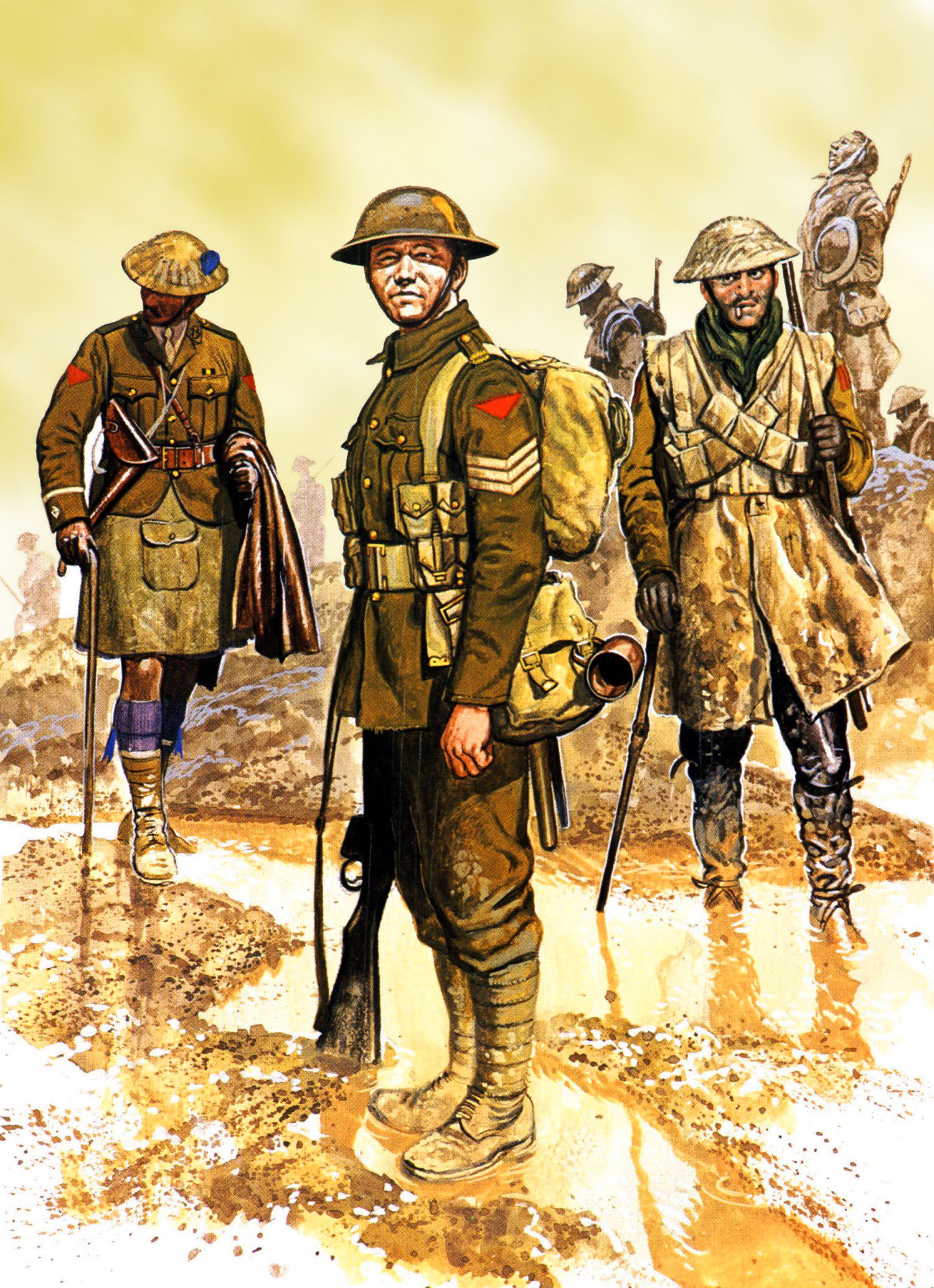
and Tolkien would have seen only a tiny portion of it, but what he saw should have terrified any sensible person.

We begin with the trench he would have crouched in, waiting for the order to attack (going “over the top”, which means climbing up over the forward lip of the trench).

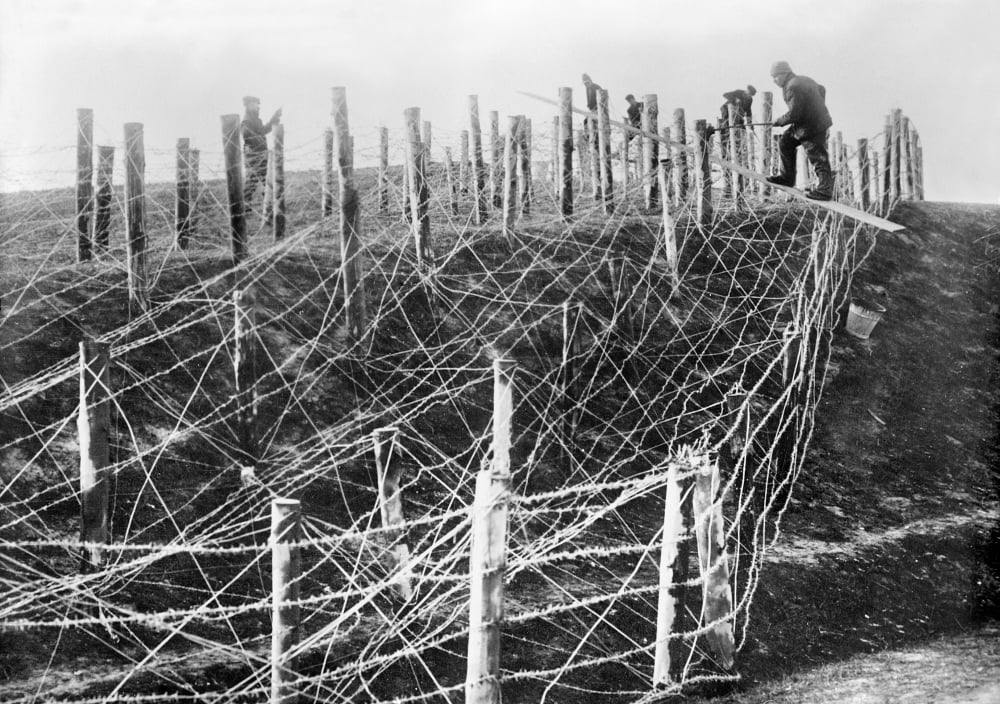
In front of the trench was a long stretch of barbed wire, which had to be negotiated before any further forward motion was to be made.

Ahead lay the wilderness called “no man’s land”.

This varied, depending upon what had been there before the War, but, since it was often pounded by one side or the other’s artillery, whatever had been there before—farms, villages, forests—had been turned into a beaten-down desert of ruins.

Beyond there, lay the enemy’s wire entanglements.

And, beyond there were the enemy’s trenches—as many as three lines of them.

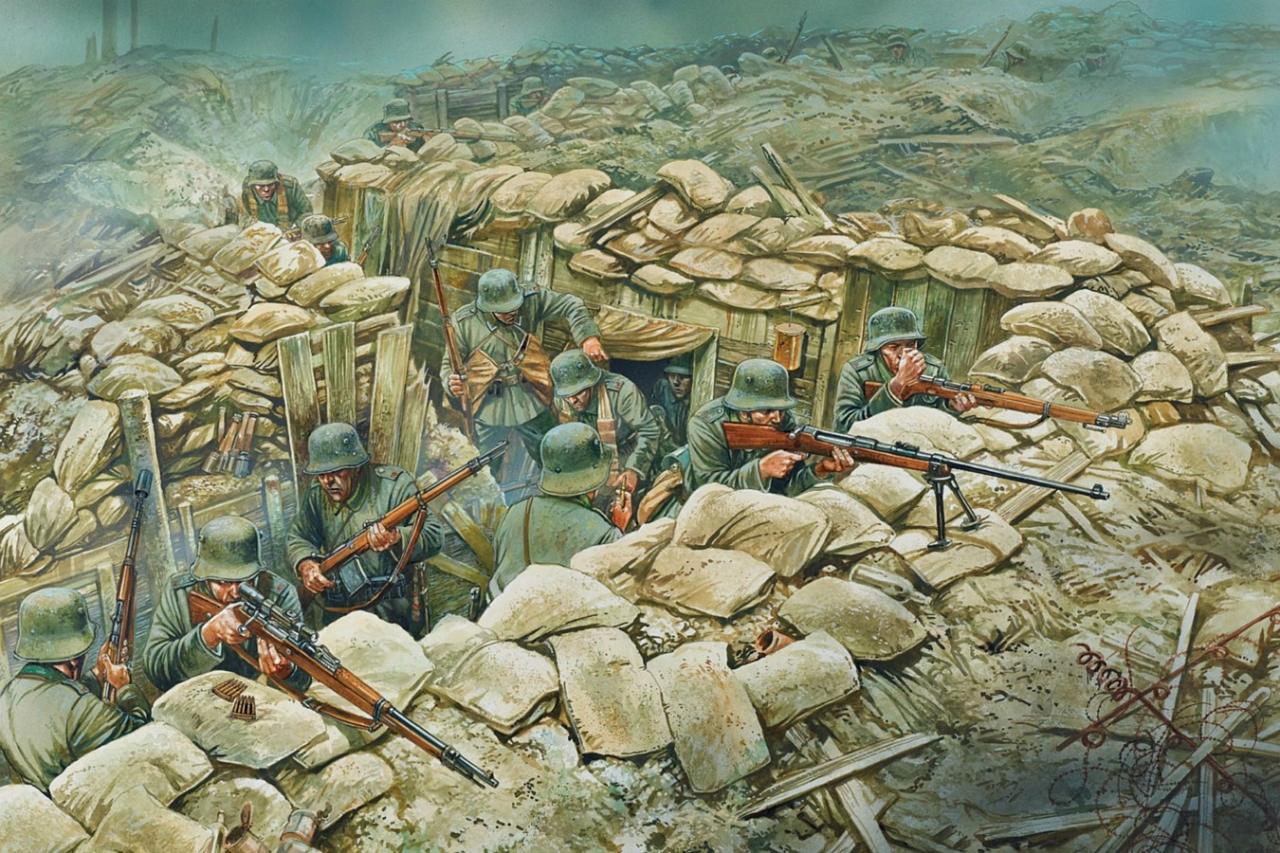
These could look like the trench Tolkien had crawled out of, but they could also be much more elaborate, with pillboxes made of concrete, reinforced with steel girders, and buried under a layer of soil both to conceal them and to help to protect them from the shells which the enemy would attempt to drop on them.

(This is the rear entry of a German pillbox.)

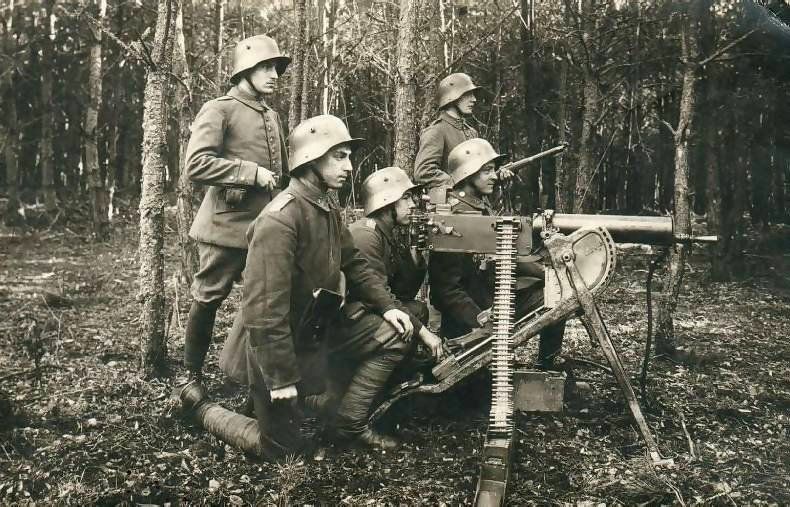
In those trenches would be multiple machine guns, placed to sweep the wire which lay before them.

Each of these guns could fire 600 rounds per minute, to which would be added the rifle fire of the infantry who were the trenches’ garrison.

(Peter Dennis)

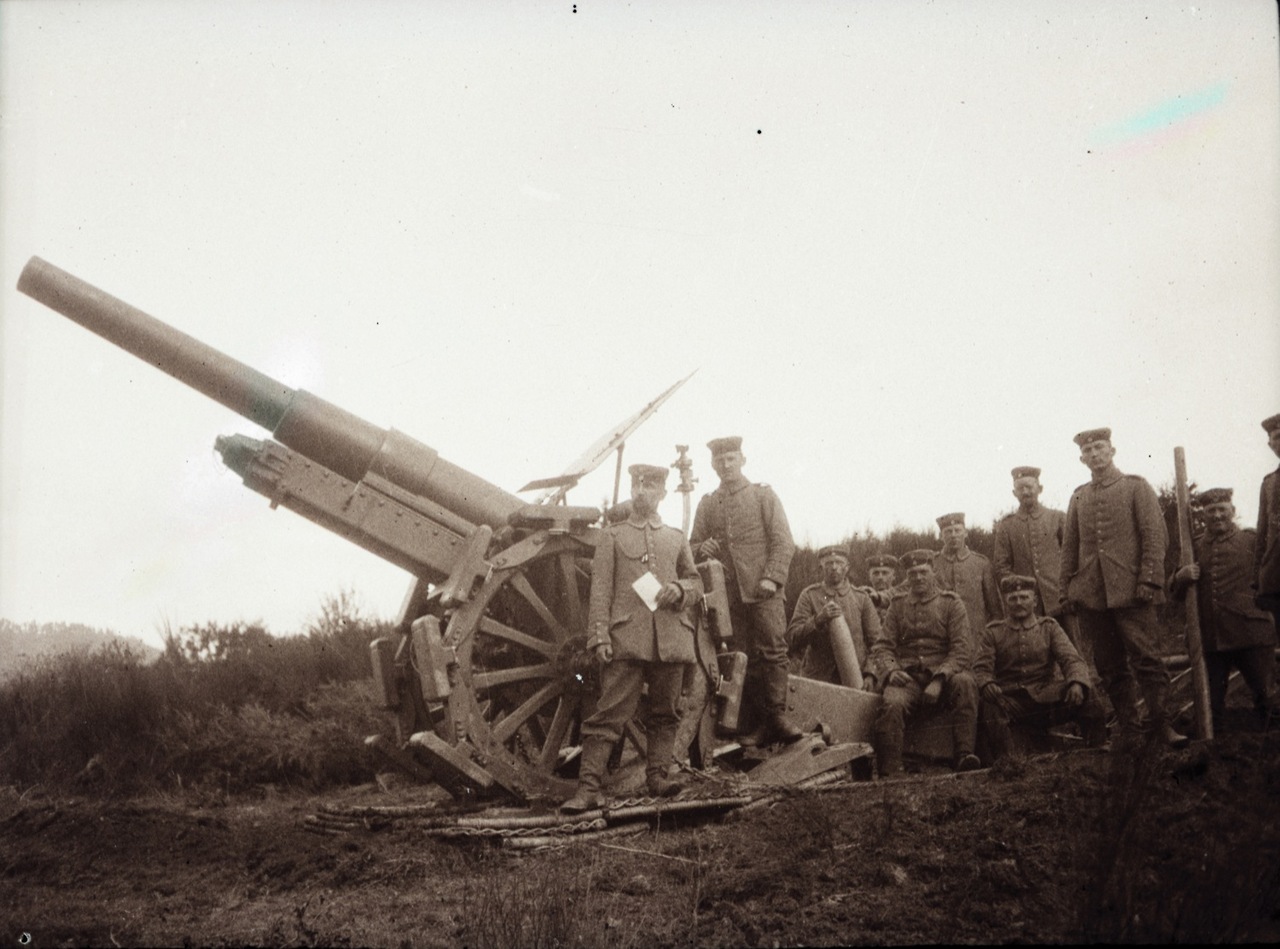
Behind the trenches would be artillery, whose job was, when an attack began, to fire as many shells as possible into the enemy trenches and into no man’s land, to slow down, if not stop, the enemy attack, forcing the attackers back with heavy casualties.

Before the attack on 1 July, the British had used their heavy artillery

to destroy enemy entrenchments and, hopefully, to cut apart those deep fields of barbed wire in front of them.

Unfortunately, on 1 July, the artillery—even after a massive bombardment—failed to disrupt the wire and soldiers were simply pinned to it, perfect targets for machine gunners and the casualties mounted—and mounted

so that one can easily see why Tolkien would refer to his experience in 1916 as “the carnage of the Somme” with its British 57,470 casualties on its first day and 415,690 by its final one.

In later years, he might have a somewhat ambivalent view of what he had gone through, writing to his son Michael that

“War is a grim hard ugly business.  But it is as good a master as Oxford, or better.” (letter to Michael Tolkien, 12 July, 1940, Letters, 61)

and yet could also write this about the end of the second war:

“The appalling destruction and misery of this war mount hourly, destruction of what should be (indeed is) the common wealth of Europe, and the world, if mankind were not so besotted, wealth the loss of which will affect us all, victors or not.  Yet people gloat to hear of the endless lines, 40 miles long, of miserable refugees, women and children pouring West, dying on the way.  There seem no bowels of mercy or compassion, no imagination, left in this dark diabolic hour.”  (letter to Christopher Tolkien, 20 January, 1945, Letters, 160)

Having experienced one of the bloodiest periods in the Great War, it is no wonder, then, that JRRT could sound like Gandalf, speaking of mercy, on the one hand, and, on the other, like a changed Frodo near the end of his adventures:

“ ‘Fight?’ said Frodo.  ‘Well, I suppose it may come to that.  But remember:  there is to be no slaying of hobbits, not even if they have gone over to the other side.  Really gone over, I mean;  not just obeying ruffians’ orders because they are frightened.  No hobbit has ever killed another on purpose in the Shire, and it is not to begin now.  And nobody is to be killed at all, if it can be helped.  Keep your tempers and hold your hands to the last possible moment.’ “ (The Return of the King, Book Six, Chapter 8, “The Scouring of the Shire”)

As always, thanks for reading.

Stay well,

Consider what, had Bilbo done what Frodo wished, might have been Frodo’s fate—and Middle-earth’s,

(Ted Nasmith)

And remember that, as always, there’s

MTCIDC

O

Opera…Tolkien?

16 Wednesday Oct 2024

Posted by Ollamh in Uncategorized

≈ Leave a comment

Tags

books, Fantasy, J.R.R. Tolkien, The Hobbit, Tolkien

As always, dear readers, welcome.

I’ve just read an interesting piece of news:  there’s going to be an opera based upon The Lord of the Rings (see:  https://www.classicfm.com/music-news/lord-of-the-rings-opera-approved-tolkien-estate/ ).  The composer is Paul Corfield Godfrey, 1950-, who had already composed a rather massive work on the Silmarillion, of which you can hear an excerpt here:   https://www.youtube.com/watch?v=Q4HUnCx4dLI                           You can also hear “The Lament for Boromir” here:  https://www.youtube.com/watch?v=6nxvzZ98LS4  and “The Man in the Moon Came Down Too Soon” and “The Song of the Troll”, along with one or two others on YouTube as well.  (There’s the proviso with these:  you may be accused of being a bot, unless you know the secret password.)

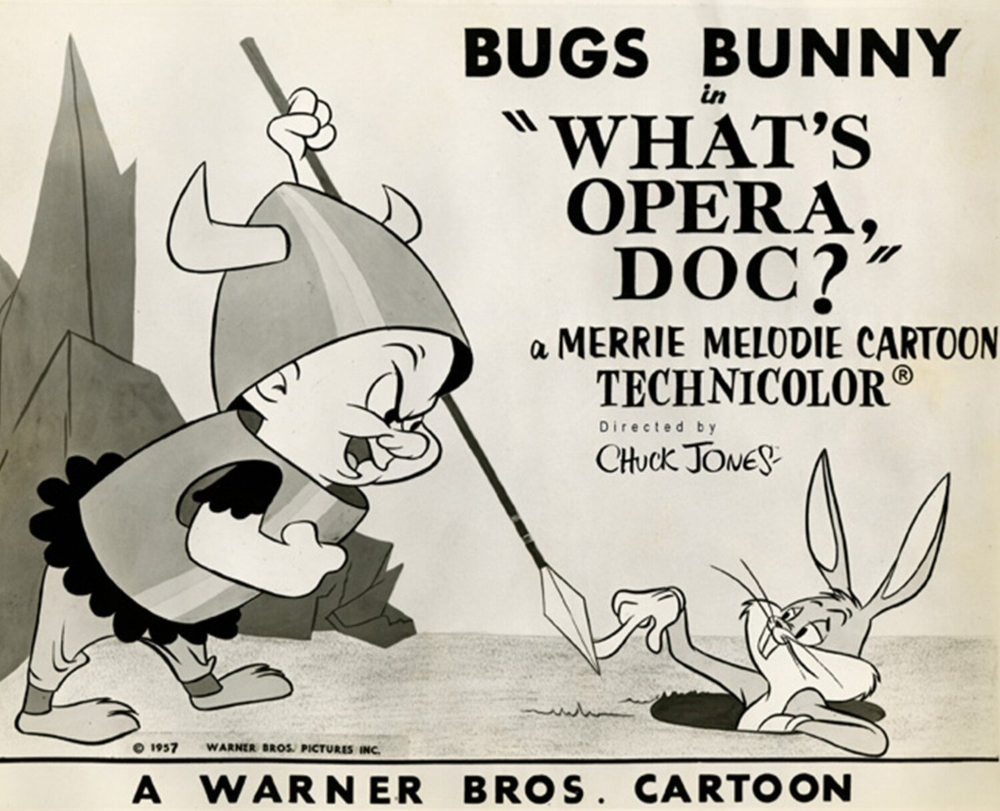
For me, opera began with a cartoon.

As a child, I saw it, loved it (Bugs Bunny always being a favorite, along with Daffy Duck), and that’s where opera first appeared in my life.

In terms of real opera, it’s an odd little piece, having, at one level, a standard plot:  Elmer Fudd pursues Bugs, as he had done many times before.

At another level, however, it’s a parody of grand opera, in which Elmer plays the Wagnerian hero, Siegfried, and Bugs, at a certain point in the story, turns himself into the Valkyrie, Brunnhilde.

And, for only the third time in their lives of pursuit and escape, Elmer actually succeeds in dealing with Bugs.

Although, in case you haven’t seen it, or forgot the plot and are worried, Bugs comes back from the dead long enough to say to the audience, “Well, what did you expect in an opera?  A happy ending?” before subsiding again.  (You can see it here:  https://www.youtube.com/watch?v=6jDcWAWRRHo provided, of course, that you’re not a bot.  You can also read a very interesting article about the making of the cartoon here:  https://en.wikipedia.org/wiki/What%27s_Opera,_Doc%3F )

Peter Schickele, 1935-2024,

the creator of PDQ Bach, 1807-1742?,

whom he once described as “the youngest and oddest of Johann Sebastian’s 20-odd children”, in a memorable introduction to Baroque opera as exemplified in PDQ Bach’s, “Haensel and Gretel and Ted and Alice”, explained that there were, in the period, two kinds of opera, “opera seria”, which was concerned with tragedies and histories, and “opera funnia”—and you can guess where this would go.

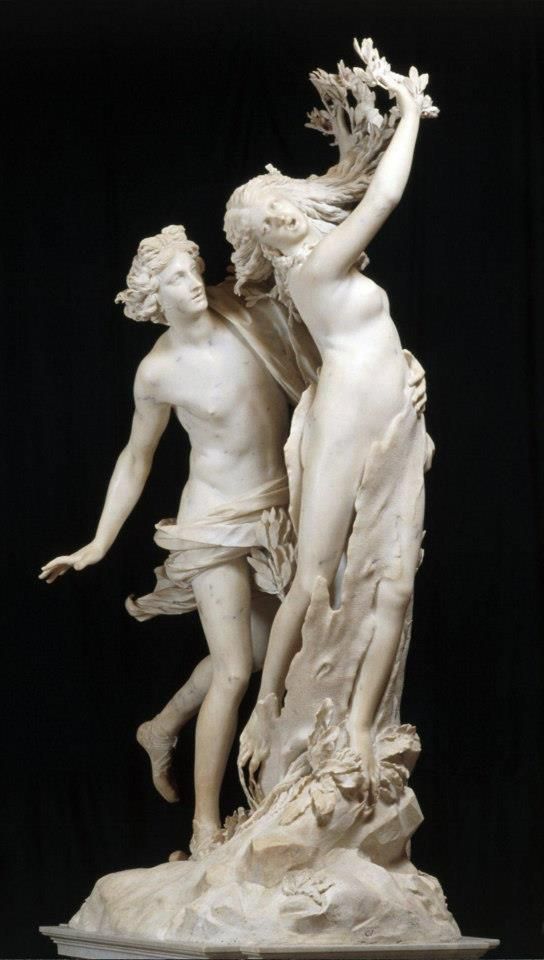
Opera seria, however, was real and where opera began, with Jacopo Peri’s, 1561-1633,

Dafne, in 1598.  This is based upon the ancient story of Daphne, who, pursued by Apollo, is turned into a laurel tree (you can read the most familiar version of the story, as told by Ovid in Book 1 of his Metamorphoses, here:  https://www.theoi.com/Text/OvidMetamorphoses1.html at line 452 and following).

(by Gian Lorenzo Bernini, 1598-1680, dated to 1622-25)

The goal of this and subsequent works, both by Peri and others, was to attempt to revive what they understood Greek tragedy to have been like, with its dark mythological stories—truly opera seria!  To Peri and his contemporaries, this meant not only solo songs and choruses, but that all of the dialogue would be sung, too, in what came to be called recitativo, and this convention continued into the 20th century.

There is another possibility, however, although not “opera funnia”.  It’s a form known in German as “Singspiel” and in French as “Opera comique” and combines the solo songs and choruses of opera seria with spoken dialogue, rather than recitativo, in just the way contemporary musicals are really plays with music, where songs appear at important dramatic points in the story.

(Rodgers and Hammerstein’s “Oklahoma”, 1943)

In 1964, an English composer, Carey Blyton, 1932-2002, wrote to JRR Tolkien requesting his permission to create a “Hobbit overture”.  Tolkien was clearly delighted and granted permission immediately, providing for us, as well, with this sidelight on himself and music:

“As an author I am honoured to hear that I have inspired a composer.  I have long hoped to do so, and hope also that I might find the result intelligible to me, or feel that it was akin to my own inspiration…I have little musical knowledge.  Though I come from a musical family, owing to defects of education and opportunity as an orphan, such music as was in me was submerged (until I married a musician), or was transformed into linguistic terms.  Music gives me great pleasure and sometimes inspiration, but I remain in the position in reverse of one who likes to read or hear poetry but knows little of its technique or tradition, or of linguistic structure.”  (from a letter to Carey Blyton, 16 August, 1964, Letters, 490.  You  can hear Blyton’s overture, composed in 1967 as Opus 52a, here:  https://www.youtube.com/watch?v=rybV4xDq_DM  –that is, if you persist in insisting that you’re not a bot.)

The musician was, of course, his wife, Edith, and Tolkien’s interest in music was certainly developed enough that, in a trip to Italy in 1955 with his daughter, Priscilla, he reacted to a performance of Giuseppe Verdi’s Rigoletto, with the words “Perfectly astounding”.  (from a letter to Christopher and Faith Tolkien, 15 August, 1955, Letters, 325)

I’ll be very curious to see what comes of this opera project, which claims to be retaining Tom Bombadil

(the Hildebrandts)

and the equally neglected Barrow-wight.

Under the Spell of the Barrow-wight, by Ted Nasmith

(Ted Nasmith)

If the selection I’ve heard from Godfrey’s Silmarillion provides us with an idea of his treatment of The Lord of the Rings, we will hear not only Tolkien’s poems, like “The Man in the Moon”, set to music, but the dialogue may also be done in recitativo, and I’ll be very curious to see how he manages this, as there’s so much of it—perhaps a narrator for continuity? 

Thinking about this has set me wondering about how one might turn The Hobbit into an opera, dialogue aside.  Tolkien has provided us with about 15 lyrics throughout:

Chapter 1, “An Unexpected Party”: 

“Chip the glasses…”  a chorus for the dwarves

“Far over the misty mountains cold…”  a second chorus for the dwarves

“Far over the misty mountains cold…”  a reprise of the first verse, sung by Thorin and overheard by Bilbo

Chapter 3, “A Short Rest”

“O!  What are you doing…”  a chorus for elves

Chapter 4, “Over Hill and Under Hill”

“Clap!  Snap!  the black crack!”  a chorus for goblins

Chapter 5, “Riddles in the Dark”

Just a thought, but perhaps these riddles could all be sung, the glaring exception being Bilbo’s “What have I got in my pocket?”

Chapter 6, “Out of the Frying-Pan into the Fire”

“Fifteen birds in five fir-trees” another goblin chorus

“Burn, burn tree and fern” a goblin chorus—but possibly add in the howling of the wolves?

Chapter 7, “Queer Lodgings”

“The wind was on the withered heath”  a chorus for dwarves

Chapter 8, “Flies and Spiders” 

“Old fat spider”

“Lazy lob and crazy cob”  two songs for Bilbo—the first time we’ve heard his voice

Chapter 9. “Barrels Out of Bond”

“Roll—roll—roll—roll”

“Down the swift dark stream you go”  two choruses for the forest elves

Chapter 10, “A Warm Welcome”

“The King beneath the mountains”  sung by the people of Lake-town

Chapter 15, “The Gathering of the Clouds”

“Under the Mountain dark and tall”  a dwarf chorus

Chapter 19, “The Last Stage”

“The dragon is withered”  a chorus for the elves of Rivendell

“Sing all ye joyful, now sing all together!”  a second chorus for the elves

“Roads go ever ever on”  a song for Bilbo and the last in the book

Reading through this list:

1. it’s easy to see that the majority of the lyrics are meant for a chorus of dwarves, goblins, Lake-town people, and assorted elves

2. the only solo numbers (excepting the riddles, if sung) are few in number and given to Bilbo

3. there are lyric gaps in the potential script:  Chapters 11-14 and 16-18 have no songs at all

If you were the librettist, how would you fill not only those gaps, but provide for more solos—for Gandalf, Bilbo,Thorin, the Chief Goblin, Gollum, Beorn, Thranduil (the forest elf king), the Master of Lake-town, Bard, Smaug, Roac (the elderly raven), as well as perhaps small comic parts for the Sackville-Bagginses, and something for the stone trolls (a trio about eating might be appropriate) too?  It’s also important to note the complete lack (except with the possible exception of the Lake-towners) of female voices in solos and choruses.  How could that imbalance be readjusted—without seriously messing with Tolkien’s text (and we know from his correspondence with Forrest J. Ackerman on a potential film version of The Lord of the Rings that, although he conceded that a different art form might require some adjustment, he had his limits as to just what and how much might be altered—see “from a letter to Forrest J. Ackerman”, June, 1958, Letters, 389-397)  Considering the story, it would seem that it would be a fitting subject for an opera seria, but there would be the danger—as there will be for Godfrey’s The Lord of the Rings—that, not maintaining the tone and making too many additions or changes to the text might quickly turn it into an opera—funnia.

Thanks for reading, as ever,

Stay well,

Beware of Godfrey’s “The Song of the Troll”—it’s catchy!

And remember that, as always, there’s

MTCIDC

O

PS

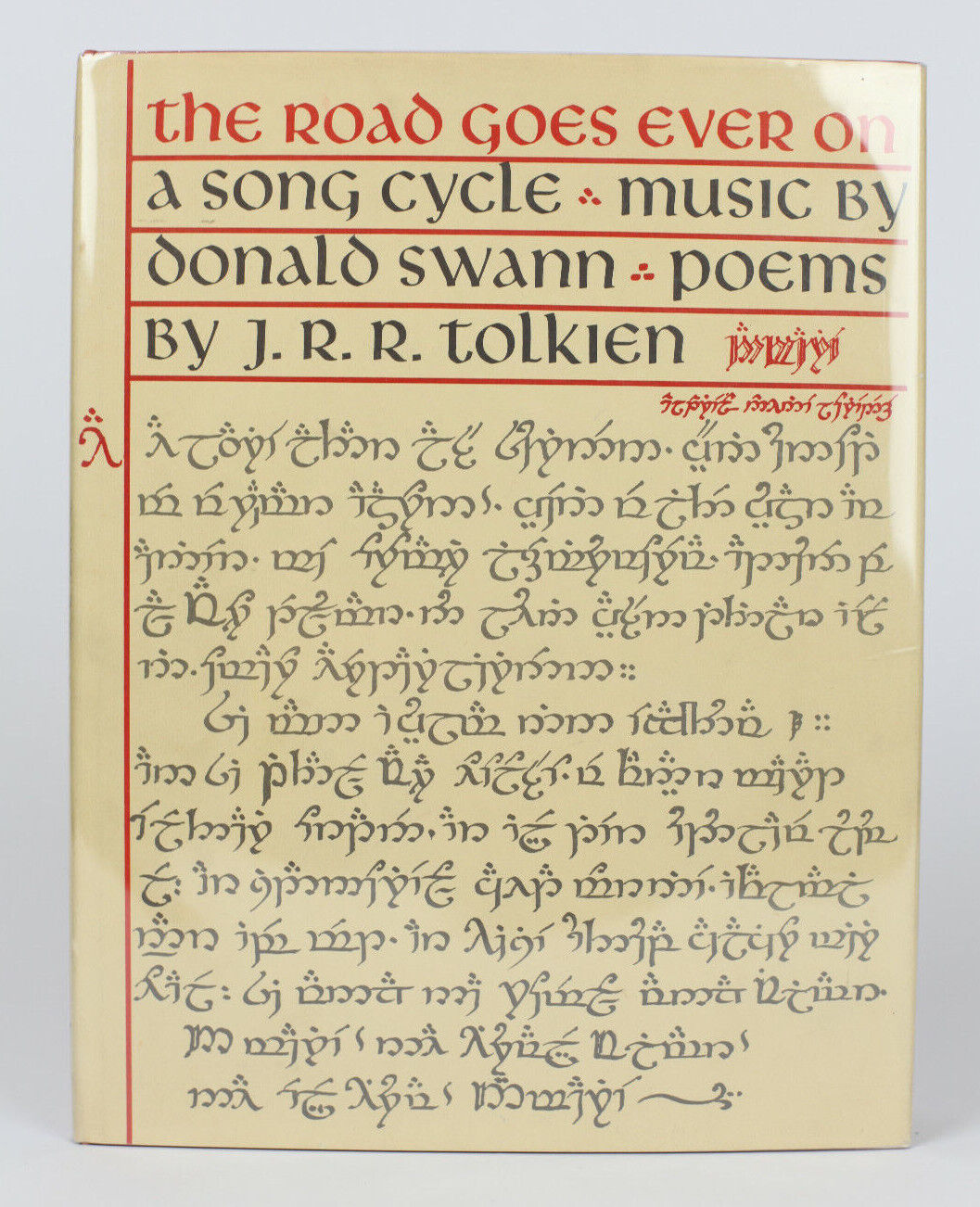
I’m not aware that Tolkien ever heard that “Hobbit overture”, but, in 1967, he collaborated with the composer, Donald Swann, 1923-1994, on a short cycle of his poems drawn from various sources, entitled The Road Goes Ever On. 

 You can read about it here:  https://en.wikipedia.org/wiki/The_Road_Goes_Ever_On  And, provided that you have finally proved to YouTube’s satisfaction that you are not, indeed, a bot, you can hear it here:  https://www.youtube.com/watch?v=YtH6ROfV7WA  I’ve loved the cycle for years, have sung it, and very much recommend it. )

Evil—But…

09 Wednesday Oct 2024

Posted by Ollamh in Uncategorized

≈ Leave a comment

Tags

Fantasy, J.R.R. Tolkien, lord-of-the-rings, The Lord of the Rings, Tolkien

Welcome, dear readers, as always.

Although the hero of Robert Louis Stevenson’s Treasure Island, 1883,

is the young narrator, Jim Hawkins, the other major character is a rascal, Long John Silver.

If you haven’t read the book, it’s a story about buried treasure (surprised?), a map,

and a voyage to find that treasure—with a crew the half of which are, unknown at first to the protagonists, (temporarily) retired pirates, led by the cook, Silver, of the pirate captain who buried the treasure, Flint.

It’s easy to see why Silver is the other major character:  charming and cold-blooded by turns, he dominates those pirates and yet clearly has a soft spot in his heart for Jim Hawkins.  At the book’s end, while the other pirates are defeated and killed or marooned on the island, we hear that:

“Silver was gone…But that was not all.  The sea-cook had not gone empty-handed. He had cut through a bulkhead unobserved, and had removed one of the sacks of coin, worth, perhaps, three or four hundred guineas, to help him on his further wanderings.

I think we were all pleased to be so cheaply quit of him.” 

The other protagonists, like Squire Trelawney and Doctor Livesey,

are sympathetic, but pale in comparison with Silver, one moment genial, the next, treacherous. (Treasure Island, Chapter XXXIV “And Last”)

And so at least I, as a reader, have always been pleased as well.  (If you want to read the story in my favorite edition, from 1911, illustrated by N.C. Wyeth, here it is:  https://archive.org/details/treasureisland00stev/page/n5/mode/2up )

There is a tradition of having, at worst, a sneaking affection for a villain which dates in English literature at least as far back as the Romantics, when the Satan of Milton’s Paradise Lost, 1667/1674, is seen as other than the destroyer of Paradise.  Shelley, in his introduction to his Prometheus Unbound, 1820, almost casually refers to Satan as “the Hero of Paradise Lost” and Blake, in The Marriage of Heaven and Hell, 1790-1793, says of Milton that

“The reason Milton wrote in fetters when he wrote of Angels and God, and at liberty when of Devils and Hell, is because he was a true poet, and of the Devil’s party without knowing it.” (“The Voice of the Devil” 3. “Energy is Eternal Delight”—But I hasten to point out that there has been an enormous amount of scholarly ink spilled over what Blake may actually have meant by this—for my purpose, however, we’ll leave it as a kind of “sympathy for the Devil”.)

Both of these Romantics found Satan more interesting than Adam and angels—in his adversarial relationship to Heaven, he’s simply more developed, and therefore not only more realistic, but, in his way, more dangerous—and tempting.

And this is why I have a soft spot for Orcs.  It’s not that I admire their behavior, from murdering Boromir

(Inger Edelfeldt)

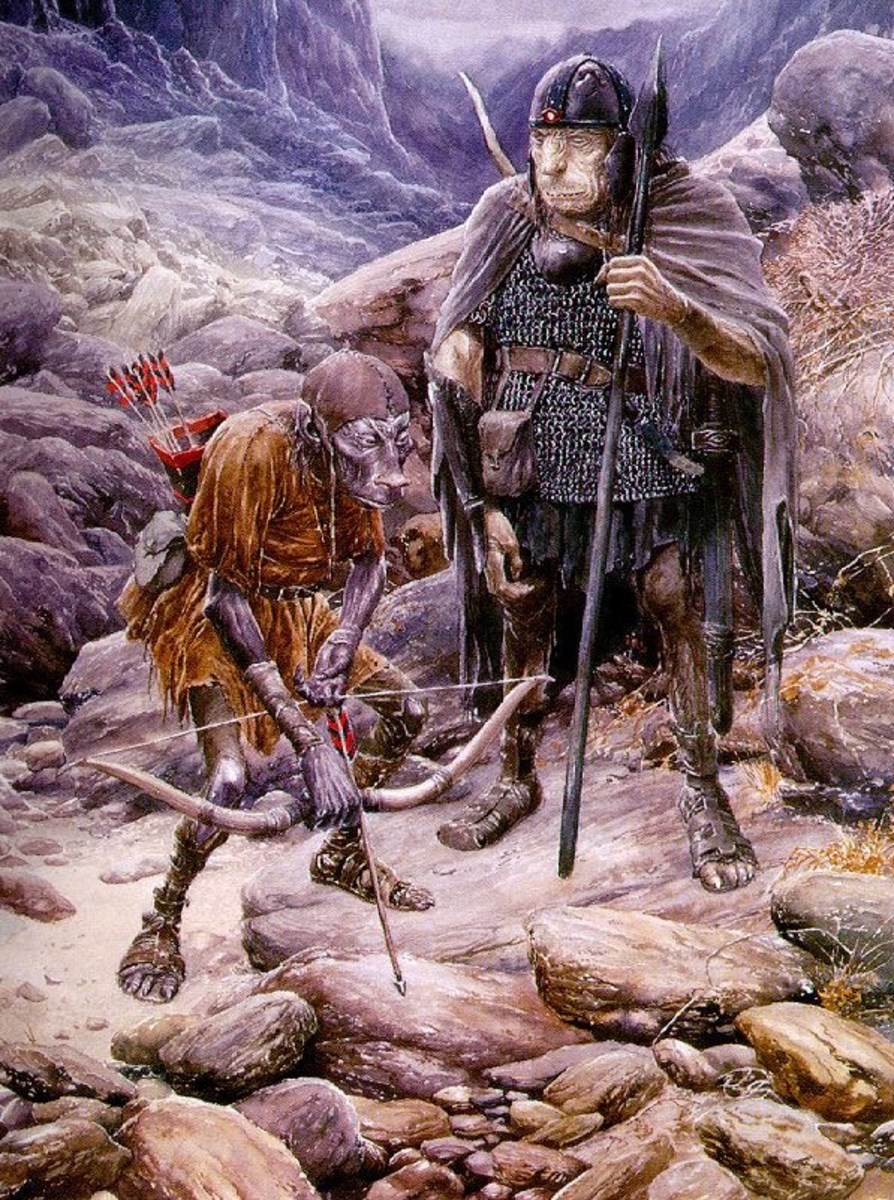
to murdering each other,

(Alan Lee—this is the pre-murder stage—very soon the archer will shoot an arrow into the other’s eye—see The Return of the King, Book Six, Chapter 2, “The Land of Shadow”)

but that Tolkien has brought them to life through his use of dialogue:  these are real foot soldiers in a real war and vivid because of it, even if they’re villains.

In the draft of a letter from 1956, he had written:

“My ‘Sam Gamgee’ is indeed, as you say, a reflexion of the English Soldier, of the privates and batmen I knew in the 1914 war, and recognized as so far superior to myself.”  (draft of a letter to H. Cotton Minchin, not dated, although JRRT noted that some version was sent 16 April, 1956, Letters, 358)

Although I would worry if Tolkien thought that the Orcs were superior to anyone, starting with himself, I would suggest that they are also modeled on the soldiers he knew in the Great War (note, by the way:  “batmen” here means “officers’ servants” not Bruce Wayne and descendants).

Consider, in comparison, the dialogue of the two Gondorian soldiers, Mablung and Damrod, we overhear when they are keeping an eye on Frodo and Sam—it seems more like an ancient history lesson than the talk of men in the trenches:

“ ‘Aye, curse the Southrons!’ said Damrod. ‘  ‘Tis said that there were dealings of old between Gondor and the kingdoms of the Harad in the Far South; there was never friendship.  In those days our bounds were away south beyond the mouths of Anduin, and Umbar, the nearest of their realms, acknowledged our sway.’ “ (The Two Towers,Book Three, Chapter 4, “Of Herbs and Stewed Rabbit”—I might add that “acknowledged our sway” sounds more like William Morris, 1834-1896, a strong influence on Tolkien, and one who revived archaic language in his writings, than the speech of ordinary infantry of any age.)

Now here are two Orcs, Grishnak and Ugluk, who sound more like Great War sergeants than historians:

“At that moment Pippin saw why some of the troop had been pointing eastward.  From that direction there now came hoarse cries, and there was Grishnakh again, and at his back a couple of score of others like him:  long-armed crook-legged Orcs.  They had a red eye painted on their shields.  Ugluk stepped forward to meet them.

‘So you’ve come back?’ he said.  ‘Thought better of it, eh?’

‘I’ve returned to see that Orders are carried out and the prisoners safe,’ answered Grishnakh.

‘Indeed!’ said Ugluk.  ‘Waste of effort.  I’ll see that orders are carried out in my command.  And what else did you come back for?  Did you leave anything behind?’

‘I left a fool,’ snarled Grishnakh.  ‘But there were some stout fellows with him that are too good to lose. I knew that you’d lead them into a mess.  I’ve come to help them.’ “  (The Two Towers, Book Three, Chapter 3, “The Uruk-hai”)

And what about this bit of reminiscence and wary conversation between Gorbag and Shagrat:

“…What d’you say?—if we get a chance, you and me’ll slip off and set up somewhere on our own with a few trusty lads, somewhere where there’s good loot nice and handy, and no big bosses.’

‘Ah!’ said Shagrat.  ‘Like old times!’

‘Yes,’ said Gorbag.  ‘But don’t count on it.  I’m not easy in my mind.  As I said, the Big Bosses, ay,’ his voice sank almost to a whisper, ‘ay, even the Biggest, can make mistakes.  Something nearly slipped, you say.  I say, something has slipped.  And we’ve got to look out.  Always the poor Uruks to put slips right, and small thanks.  But don’t forget:  the enemies don’t love us any more than they love Him, and if they get topsides on Him, we’re done too…’ “ (The Two Towers, Book Four, Chapter 10, “The Choices of Master Samwise”)

You won’t love them, considering their behavior towards Merry and Pippin, Frodo and Sam, you’ll probably be glad that at least 3 out of 4 are killed (Shagrat, though wounded by Snaga, escapes to report to the Barad-dur—see The Return of the King, Book Six, Chapter 1, “The Tower of Cirith Ungol”), but, perhaps, like me, you might remember Tolkien’s description of the Orcs to Peter Hastings:

“…fundamentally a race of ‘rational incarnate’ creatures, though horribly corrupted, if no more so than many Men to be met today.” (draft of letter to Peter Hastings, September, 1954, Letters, 285)

and find that, like “many Men to be met today”—and even for fictional men, like Long John Silver—you can have, as JRRT seems to, a brief moment of sympathy for them in their corruption as well as admitting that they can often be a lot more engaging than their virtuous Gondorian and Rohirric opponents.

Thanks, as always, for reading.

Stay well,

Beware the temptation of the Dark Side, even if it makes you want to turn the page and read on,

And remember that there’s always

MTCIDC

O

Jonah, Monstro, Moby

03 Thursday Oct 2024

Posted by Ollamh in Uncategorized

≈ Leave a comment

Tags

jonah, nineveh

As always, dear readers, welcome.

This summer, I read a very interesting article on the possibility (I think probability) of a complex language of sperm whales (here is the BBC article:  https://www.bbc.com/future/article/20240709-the-sperm-whale-phonetic-alphabet-revealed-by-ai and there’s a very  detailed scientific essay, but actually quite followable, as it’s well written and defines its vocabulary on the subject here:  file:///C:/Users/twb/Downloads/s41467-024-47221-8.pdf ).

When I think of whales, 3 come readily to mind from literature.  The first is the creature who swallows Jonah (although it is described as piscem grandem, a “big fish” in Jerome’s translation, which a whale isn’t, although ancient people probably weren’t aware of the difference—the Greek version says ketos megas, “big sea monster”).

(This is from a mosaic found on the floor of a synagogue at Huqoq, in 2017.  For more on the discovery, see:  https://www.biblicalarchaeology.org/daily/news/huqoq-mosaics-jonah-and-the-whale-the-tower-of-babel/  I like this depiction because of its vaguely comic air—Jonah being swallowed by a fish which is being swallowed by a fish which is being swallowed by a fish, like something out of Finding Nemo.)

But the story begins in Nineveh, the capital of the Neo-Assyrian empire.

(A very genteel 19th-century reconstruction—for more early drawings of Nineveh and its remarkable reliefs, see Austen Henry Layard, 1817-1894, The Monuments of Nineveh, 1853, here:  https://archive.org/details/the-monuments-of-nineveh.-from-drawings-made-on-the-spot/page/n1/mode/2up Layard was the first serious 19th-century archaeologist to dig extensively at the site, sending back heaps of his discoveries to the British Museum, where they remain today.  He’s also a very good writer and, if you’re interested in the history of archaeology, you may enjoy his Nineveh and Its Remains, 1867, here:  https://archive.org/details/ninevehanditsre03layagoog/page/n6/mode/2up For a quick little piece on Layard and the British Museum see:  https://smarthistory.org/assyrian-lamassus-in-victorian-britain/ )

According to the story as translated by Jerome, Dominus (“the Lord”) was not pleased with the city, saying to Jonah that he should go there and inform the people that ascendit malitia eius coram me “its wickedness has come up into my presence”—and, knowing other instances of when something like this has happened, Nineveh is in for destruction unless—and that’s why Jonah is sent.  Instead of obeying, however, Jonah skips town, hops on a ship, and suddenly (are we surprised?) there’s a tremendous storm, as well as dialogue between the ship’s captain, the crew, and Jonah, who admits that he’s the reason and that, if they want calm weather, they need to throw him overboard.  The sailors are decent folk, and, at first, refuse, but, Jonah prevailing, over he goes and meets that piscis grandis.

(An ambo—a lectern from which readings are delivered—this one dates c.1130AD and is found in the church of Saint Pantaleone in Ravello, Italy)

By repenting, he’s saved, goes to Nineveh, warns the people and they, and even the king, change their ways, and there’s a happy ending—although the ending of the book itself seems rather abrupt and the book in general has been the center of scholarly discussion for centuries.  If you’d like to read Jerome’s Latin translation, which is my go-to for the Bible in general, see:  https://vulgate.org/ot/jonah_1.htm  For more about Jonah, see:  https://en.wikipedia.org/wiki/Jonah although this article needs a little editing.  On the Book of Jonah see:  https://en.wikipedia.org/wiki/Book_of_Jonah  It’s interesting that, in Western sailor’s lore, a “Jonah” is a person on board a ship who brings misfortune.  There’s a horrible example of this in Peter Weir’s outstanding film, Master and Commander, 2003, if you like first-rate adventure films—highly recommended!)

I suspect that my first whale and its occupant were well known to the author of my second story, “Carlo Collodi” (real name:  Carlo Lorenzini, 1826-1890),

who originally published his serial of the burattino (“puppet”) who could talk and move on his own in a children’s magazine, Il Giornale dei Bambini (“Children’s Magazine”) in 1881.  (The Wiki article needs to be corrected here, saying that it was first published in Il Corriere dei Piccoli–something like “The Little Ones’ Messenger”—which was not founded till 1908.  For an article about the Giornale, see:  https://www.academia.edu/7325693/Ferdinando_Martini_e_la_direzione_del_Giornale_per_i_Bambini_in_alcuni_documenti_inediti_1881_1889_ )

It is always one of the great pleasures of researching and writing this blog that I’m always taught something new and, in the case of that original short story of Pinocchio, it was a little shocking.  As someone who first met Pinocchio, Collodi’s creation, in a later revival of Disney’s 1940 Pinocchio,

I’d always imagined that, once more united with his creator, Geppetto, Pinocchio would become a real boy and live happily ever after.  In that serial, however, two tricksters, a cat and a fox, in the disguise of “assassins” attempting to steal money from Pinocchio, hang him, and that, apparently, was where the serial ended—until the publishers wanted the story to continue and so Pinocchio was rescued by an agent of his patron, the Blue Haired Fairy, and the story went on—to (more or less—lots more complications than in the film) the ending which I had always known:  Pinocchio is eventually rewarded by becoming that real boy.  (For a rather grim essay on the original form of the story, see:  https://slate.com/culture/2011/10/carlo-collodi-s-pinocchio-why-is-the-original-pinocchio-subjected-to-such-sadistic-treatment.html )

Collodi published the extended work in 1883

and, in its later chapters we see that Jonah motif appear again, when Pinocchio’s creator, Geppetto, seeking the lost Pinocchio at sea, is swallowed—along with his ship—by what the Italian text calls a pesce-cane, but which an early translator called a “dogfish”, although pescecane means “shark” in modern Italian (a “dogfish” is a gatttucio).  Pinocchio rescues Geppetto

and proceeds on his way to his boy-metamorphosis (although he has to rescue the Blue Haired Fairy from poverty and illness before the final change).  You can read the Italian here:  https://archive.org/details/laavventuredipin00coll/page/n3/mode/2up and a 1904 translation into English here:  https://archive.org/details/adventuresofpino00coll_4/page/n7/mode/2up  Be warned, however, that there is a certain level of cruelty, particularly towards animals, in this story which would make me hesitate to read this to a modern child.

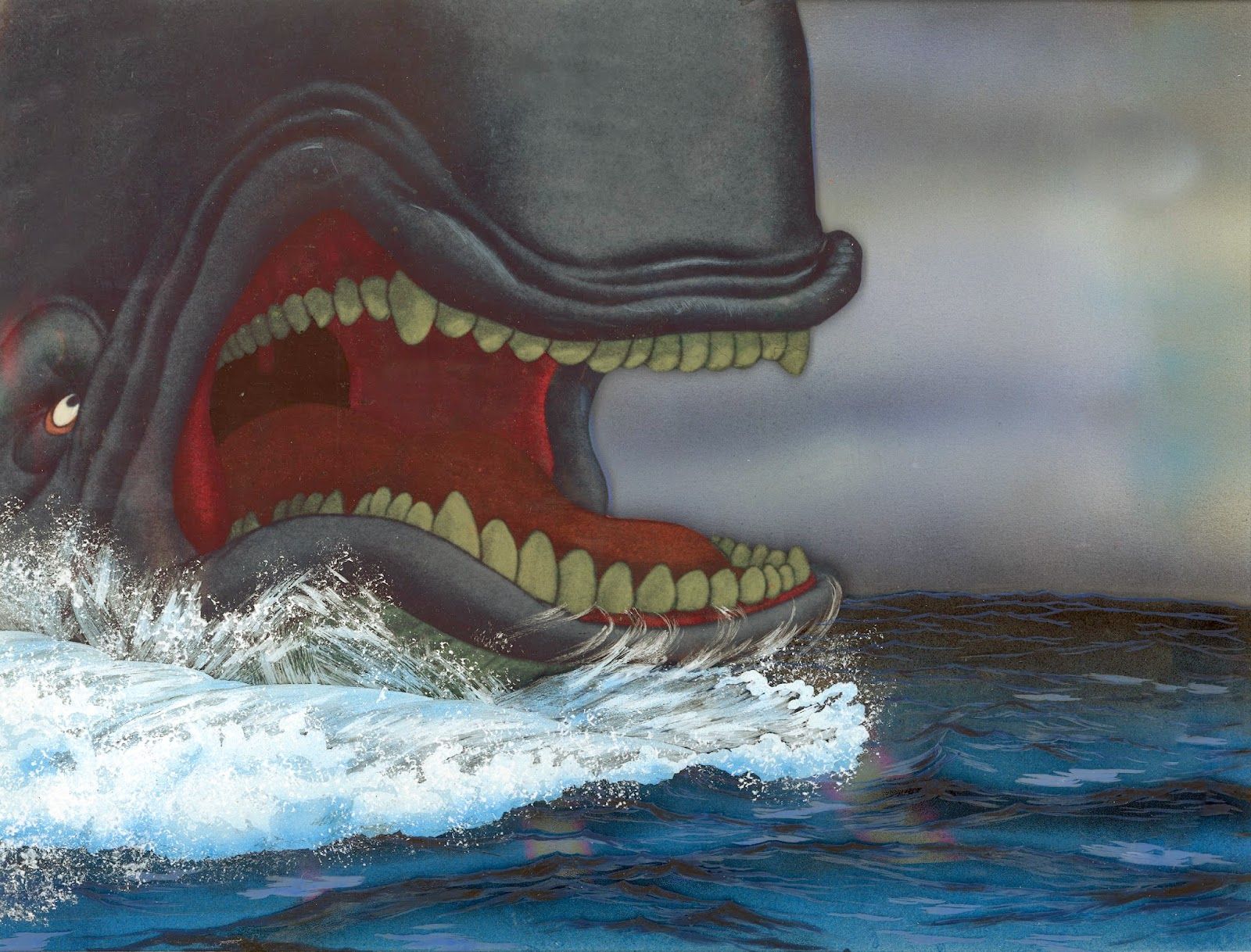
Again, as in the Jonah story, what I’ve always imagined as a whale (and so do Disney’s animators)

it seems to be everything but a cetacean (and, if you didn’t know that technical word for kinds of sea mammals, you can go back to the beginning of this posting and see where it comes from in Jonah’s swallower being called, in Greek, ketos megas),

but my third is very definitely a whale, although he only swallows a selection of his relentless pursuer (reminds me, of course, of Captain Hook, from Peter Pan, where the Crocodile there has swallowed one of Hook’s hands and now wants the rest).

It’s also a story, which, although I’ve read it twice, I can only point to, suggesting that, if you haven’t read it, you might try it, as, like War and Peace, it has the undeserved reputation of being a book more likely to be mentioned than actually read and as, over the years, War and Peace has become a favorite, a book which, every so often, I find that I just have to reread, I would say the same for this long, complex work.

(If you’d like to try War and Peace, I would recommend seeing this BBC production first.  It encapsulates many of the longer story’s elements, and, as you’d expect from the BBC, it’s beautifully acted, and it’s visually beautifully realized.)

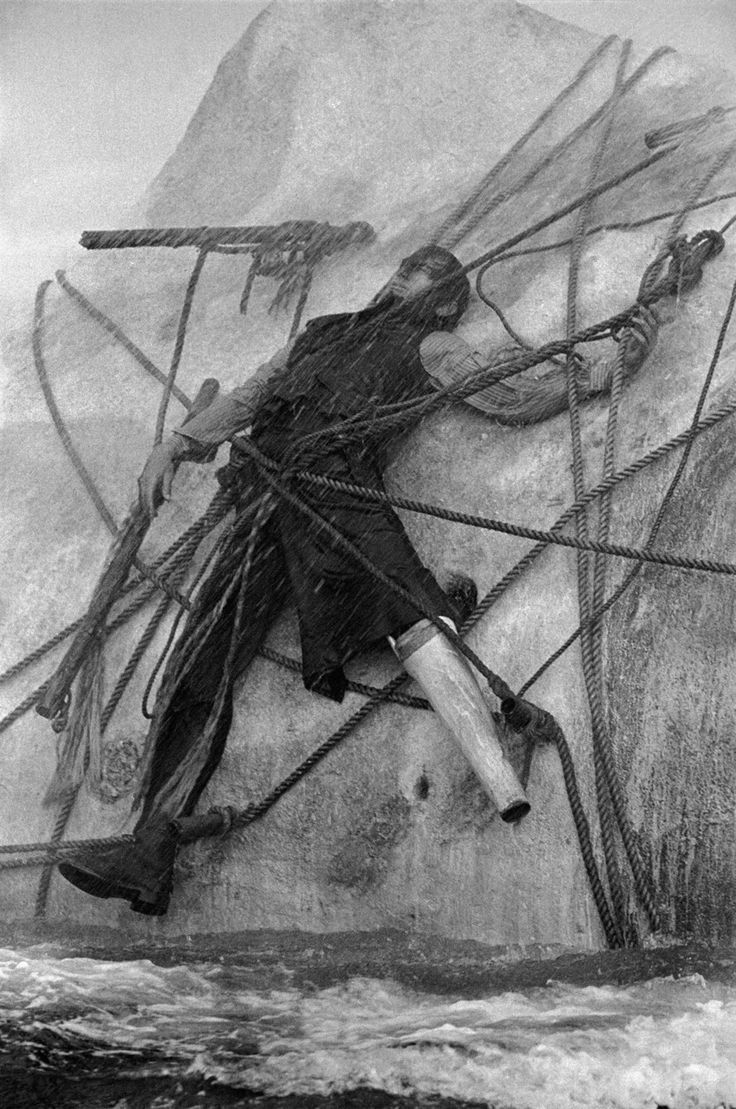
But my final whale is one of the principal characters (although spoken of, kept offstage till late in the book) of Herman Melville’s, 1851 novel.

It’s such a crazy mixture of archaic language, image, description, drama, philosophical/theological discussion that you might find it a bit like Finnegans Wake—an interesting idea, but difficult to digest (but definitely easier to follow—although, if you should try Moby Dick, I would recommend this to help you to visualize it—it may be a coloring book, but it’s extremely well detailed and drawn.)

Its whale and his pursuer, Captain Ahab, have been analyzed in every way possible—see this to read much more:  https://en.wikipedia.org/wiki/Moby-Dick –and the critical library is now enormous, but I would say that, for all that it covers, in its chapters, everything you’d ever want to know about whales and whaling, among other things, at base, it’s a book about a mad obsessive, a man so fixed upon revenge that he’s willing to sacrifice everything to gain it, including his own life, strangled by his own harpoon line and dragged into the sea to follow the whale upon whom he’s sworn vengeance.

Here’s the book, if you’d like to try it:  https://www.gutenberg.org/cache/epub/2701/pg2701-images.html#link2HCH0135  There is also an extremely useful site here:  http://powermobydick.com/ which explains the many references which often seem to litter the pages, chapter by chapter.

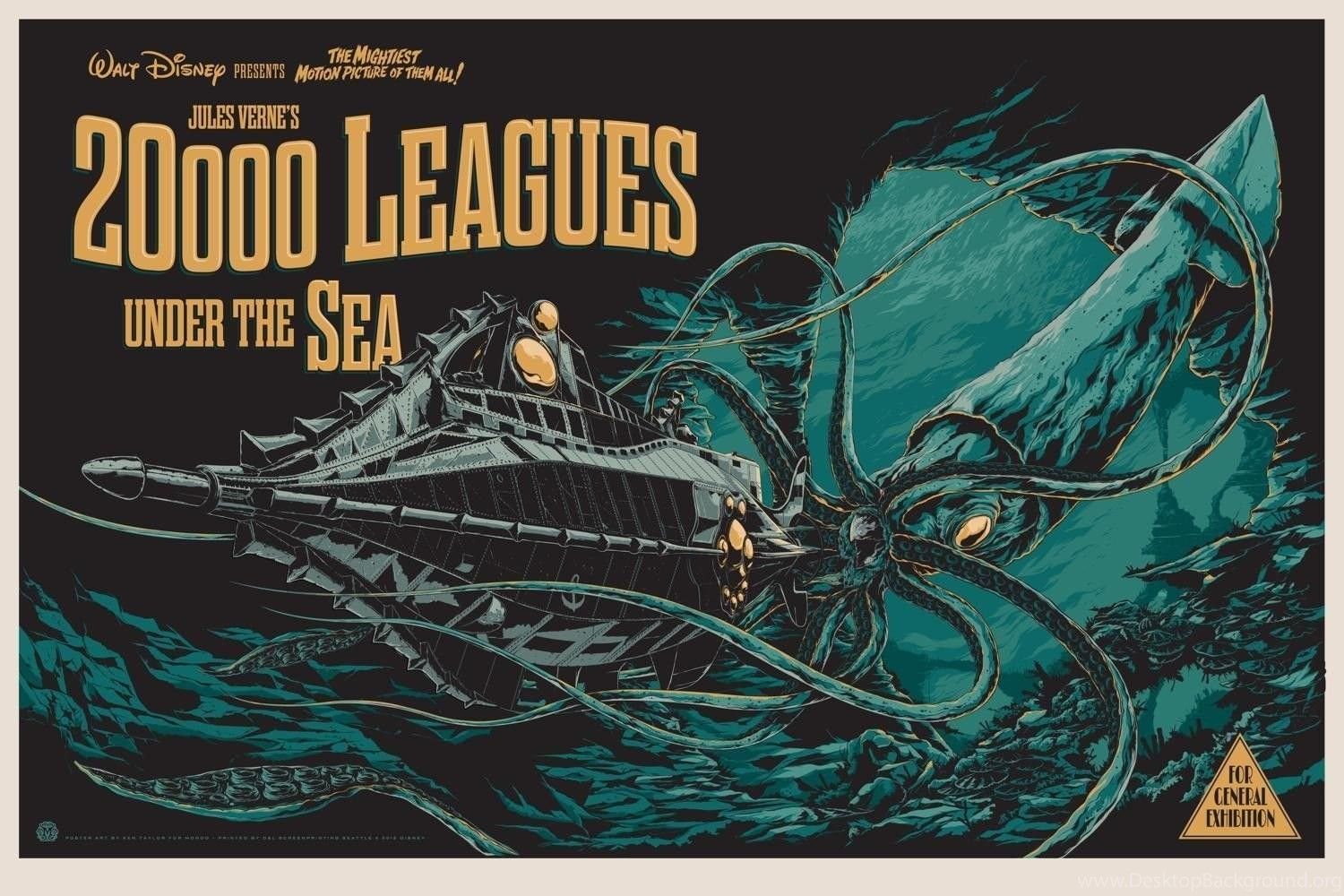
 But this seems like such a grim ending that I’ll add this:  https://www.youtube.com/watch?v=AkjTGCrLvAU  It’s Kirk Douglas, as harpooner Ned Land, in Disney’s 1954 Twenty Thousand Leagues Under the Sea,

singing “I’ve a Whale of a Tale”.  This is a great adaptation of Jules Verne’s original, with an impressive Victorian submarine, the Nautilus.  (Those thousands of leagues don’t mean deep, by the way, but long, as it describes the ranging ability of Captain Nemo’s ship.)

As always, thanks for reading.

Stay well,

Imagine not hunting whales, but chatting with them,

And remember that, as always, there’s

MTCIDC

O

The Doubtful Sea Series Facebook Page

The Doubtful Sea Series Facebook Page

  • Ollamh

Categories

  • Artists and Illustrators
  • Economics in Middle-earth
  • Fairy Tales and Myths
  • Films and Music
  • Games
  • Heroes
  • Imaginary History
  • J.R.R. Tolkien
  • Language
  • Literary History
  • Maps
  • Medieval Russia
  • Military History
  • Military History of Middle-earth
  • Narnia
  • Narrative Methods
  • Poetry
  • Research
  • Star Wars
  • Terra Australis
  • The Rohirrim
  • Theatre and Performance
  • Tolkien
  • Uncategorized
  • Villains
  • Writing as Collaborators
Follow doubtfulsea on WordPress.com

Across the Doubtful Sea

Recent Postings

  • Through a glass… January 7, 2026
  • Heffalumps? December 31, 2025
  • We Three Kings December 24, 2025
  • A Moon disfigured December 17, 2025
  • On the Roads Again—Once More December 10, 2025
  • (Not) Crossing Bridges December 3, 2025
  • On the Road(s) Again—Again November 26, 2025
  • On the Road(s) Again November 19, 2025
  • To Bree (Part 2) November 12, 2025

Blog Statistics

  • 104,065 Views

Posting Archive

  • January 2026 (1)
  • December 2025 (5)
  • November 2025 (4)
  • October 2025 (5)
  • September 2025 (4)
  • August 2025 (4)
  • July 2025 (5)
  • June 2025 (4)
  • May 2025 (4)
  • April 2025 (5)
  • March 2025 (4)
  • February 2025 (4)
  • January 2025 (5)
  • December 2024 (4)
  • November 2024 (4)
  • October 2024 (5)
  • September 2024 (4)
  • August 2024 (4)
  • July 2024 (5)
  • June 2024 (4)
  • May 2024 (5)
  • April 2024 (4)
  • March 2024 (4)
  • February 2024 (4)
  • January 2024 (5)
  • December 2023 (4)
  • November 2023 (5)
  • October 2023 (4)
  • September 2023 (4)
  • August 2023 (5)
  • July 2023 (4)
  • June 2023 (4)
  • May 2023 (5)
  • April 2023 (4)
  • March 2023 (5)
  • February 2023 (4)
  • January 2023 (4)
  • December 2022 (4)
  • November 2022 (5)
  • October 2022 (4)
  • September 2022 (4)
  • August 2022 (5)
  • July 2022 (4)
  • June 2022 (5)
  • May 2022 (4)
  • April 2022 (4)
  • March 2022 (5)
  • February 2022 (4)
  • January 2022 (4)
  • December 2021 (5)
  • November 2021 (4)
  • October 2021 (4)
  • September 2021 (5)
  • August 2021 (4)
  • July 2021 (4)
  • June 2021 (5)
  • May 2021 (4)
  • April 2021 (4)
  • March 2021 (5)
  • February 2021 (4)
  • January 2021 (4)
  • December 2020 (5)
  • November 2020 (4)
  • October 2020 (4)
  • September 2020 (5)
  • August 2020 (4)
  • July 2020 (5)
  • June 2020 (4)
  • May 2020 (4)
  • April 2020 (5)
  • March 2020 (4)
  • February 2020 (4)
  • January 2020 (6)
  • December 2019 (4)
  • November 2019 (4)
  • October 2019 (5)
  • September 2019 (4)
  • August 2019 (4)
  • July 2019 (5)
  • June 2019 (4)
  • May 2019 (5)
  • April 2019 (4)
  • March 2019 (4)
  • February 2019 (4)
  • January 2019 (5)
  • December 2018 (4)
  • November 2018 (4)
  • October 2018 (5)
  • September 2018 (4)
  • August 2018 (5)
  • July 2018 (4)
  • June 2018 (4)
  • May 2018 (5)
  • April 2018 (4)
  • March 2018 (4)
  • February 2018 (4)
  • January 2018 (5)
  • December 2017 (4)
  • November 2017 (4)
  • October 2017 (4)
  • September 2017 (4)
  • August 2017 (5)
  • July 2017 (4)
  • June 2017 (4)
  • May 2017 (5)
  • April 2017 (4)
  • March 2017 (5)
  • February 2017 (4)
  • January 2017 (4)
  • December 2016 (4)
  • November 2016 (5)
  • October 2016 (6)
  • September 2016 (5)
  • August 2016 (5)
  • July 2016 (5)
  • June 2016 (5)
  • May 2016 (4)
  • April 2016 (4)
  • March 2016 (5)
  • February 2016 (4)
  • January 2016 (4)
  • December 2015 (5)
  • November 2015 (5)
  • October 2015 (4)
  • September 2015 (5)
  • August 2015 (4)
  • July 2015 (5)
  • June 2015 (5)
  • May 2015 (4)
  • April 2015 (3)
  • March 2015 (4)
  • February 2015 (4)
  • January 2015 (4)
  • December 2014 (5)
  • November 2014 (4)
  • October 2014 (6)
  • September 2014 (1)

Blog at WordPress.com.

  • Subscribe Subscribed
    • doubtfulsea
    • Join 78 other subscribers
    • Already have a WordPress.com account? Log in now.
    • doubtfulsea
    • Subscribe Subscribed
    • Sign up
    • Log in
    • Report this content
    • View site in Reader
    • Manage subscriptions
    • Collapse this bar
 

Loading Comments...