• About

doubtfulsea

~ adventure fantasy

Monthly Archives: June 2024

Dos Mackaneeks

26 Wednesday Jun 2024

Posted by Ollamh in Uncategorized

≈ Leave a comment

Tags

Fantasy, lord-of-the-rings, The Lord of the Rings, Tolkien, Writing

Welcome, as always, dear readers.

Star Wars:  the Phantom Menace

certainly begins with a bang:  a Jedi and his padawan, sent on a peace mission to the planet Naboo, are attacked by poisoned gas and droids
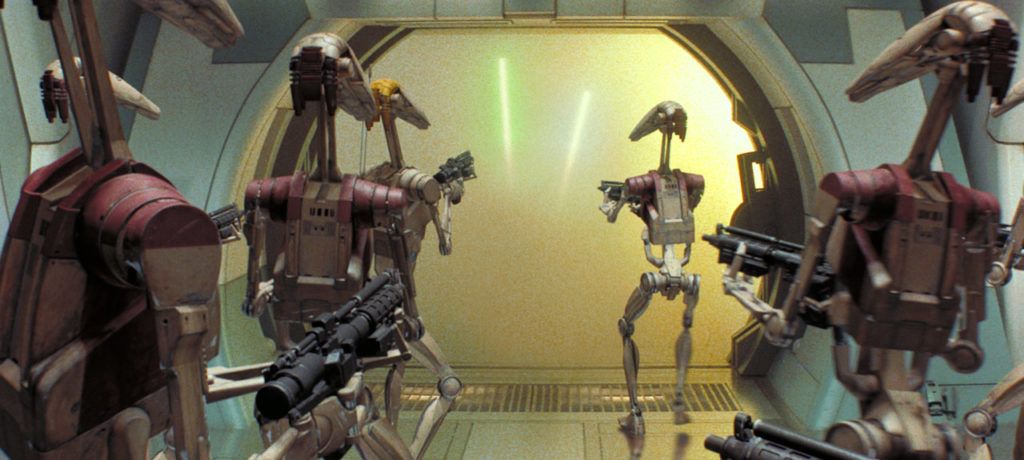
(reminding me at once of those lines from Weird Al Jankovic’s song:

“But their response, it didn’t thrill us

They locked the doors and tried to kill us”

If you don’t know “The Saga Begins”, you can watch it here:  https://www.youtube.com/watch?v=hEcjgJSqSRU )

but escape to the surface only to be almost squashed in an invasion of droid armor
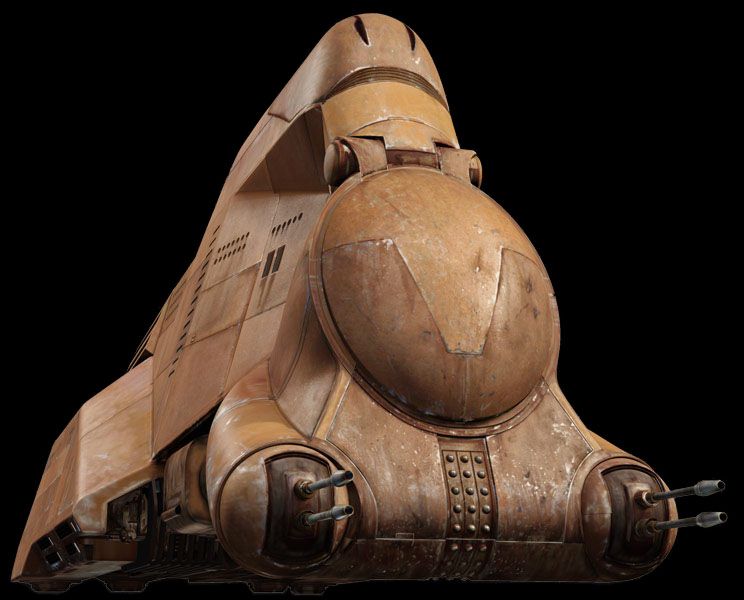
before they rescue an unlikely helper (right out of Thompson’s Motif-Index of Folk-Literature B350-B390, “Grateful Animals”),

who takes them to an underwater city where they come before Boss Nass, who blames upperworlders for the invasion

and responds to their warning that, after they finish with the upperworlders, the invaders will be coming for those below the water:

“Dos mackaneeks no comen here.  Dey not know of usen.”

The Gungans (which is what these people call themselves) are sophisticated technologically enough to have an underwater city

and self-propelled transport,

and they even can produce an energy shield,

but faced with the armament of the invading droid army—

and its hordes of infantry,

their use of energy balls (“boomas”)
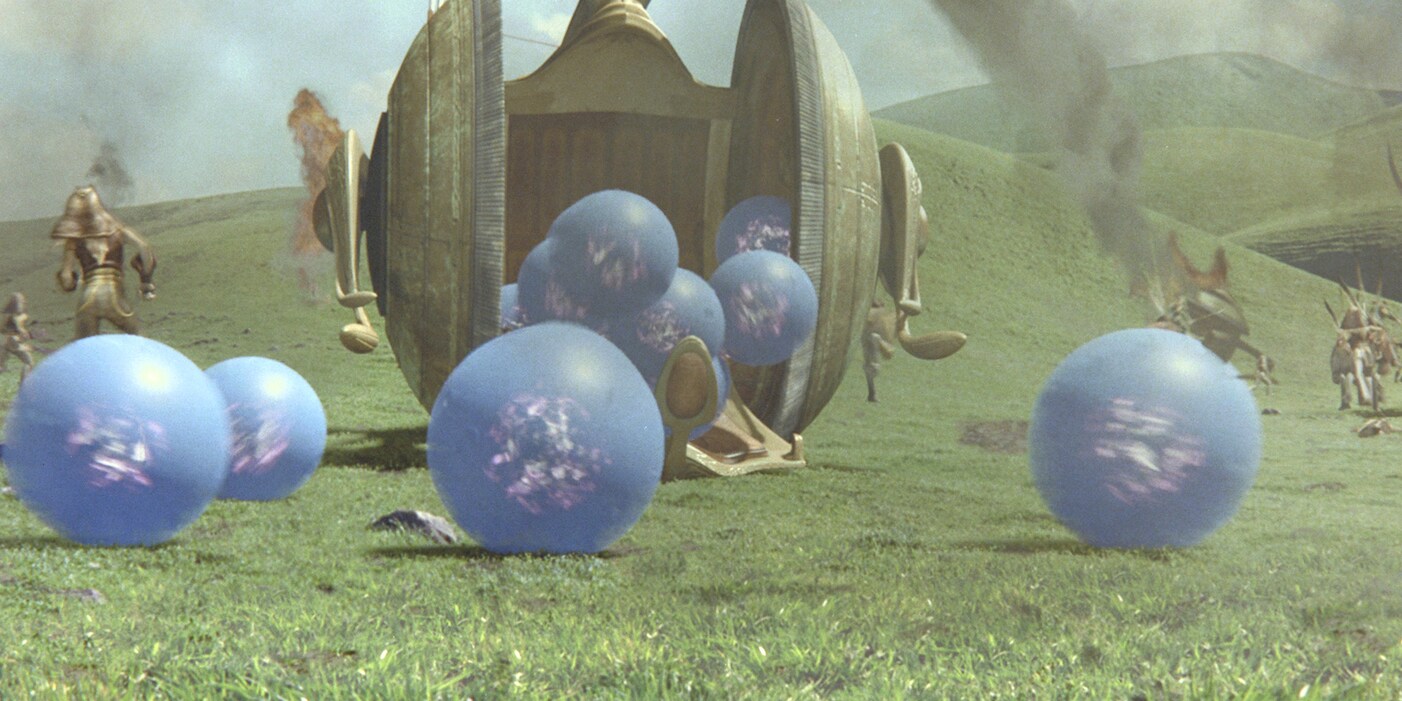
and shields
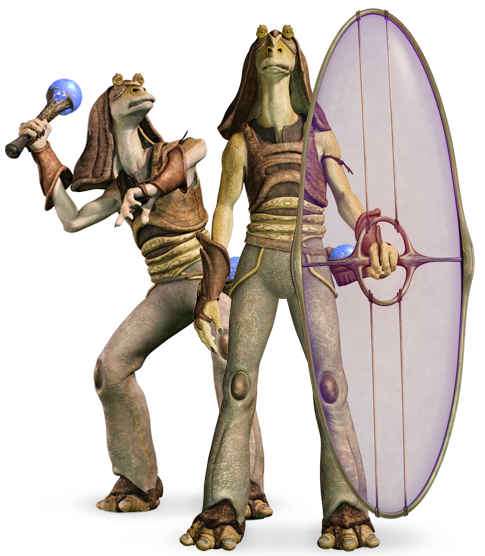
which bear a faint resemblance to Celtic shields in some clear material
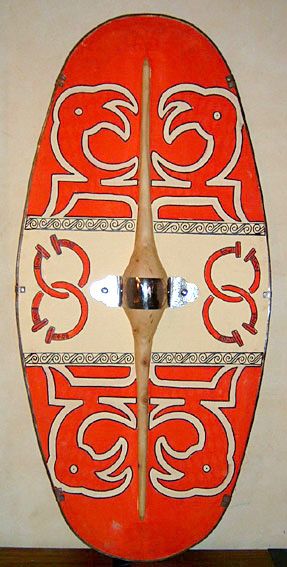
show them to be really no match for the droids and their technology.  Only luck from the outside saves them.

The Gungans are brave and their weapons can cause some damage, but it’s obvious that they’re outclassed technologically, which makes me think of the Aztecs, the center of whose capital, Tenochtitlan, built in the middle of a lake, was a series of sophisticated and elegant stone buildings (complete with an aqueduct),
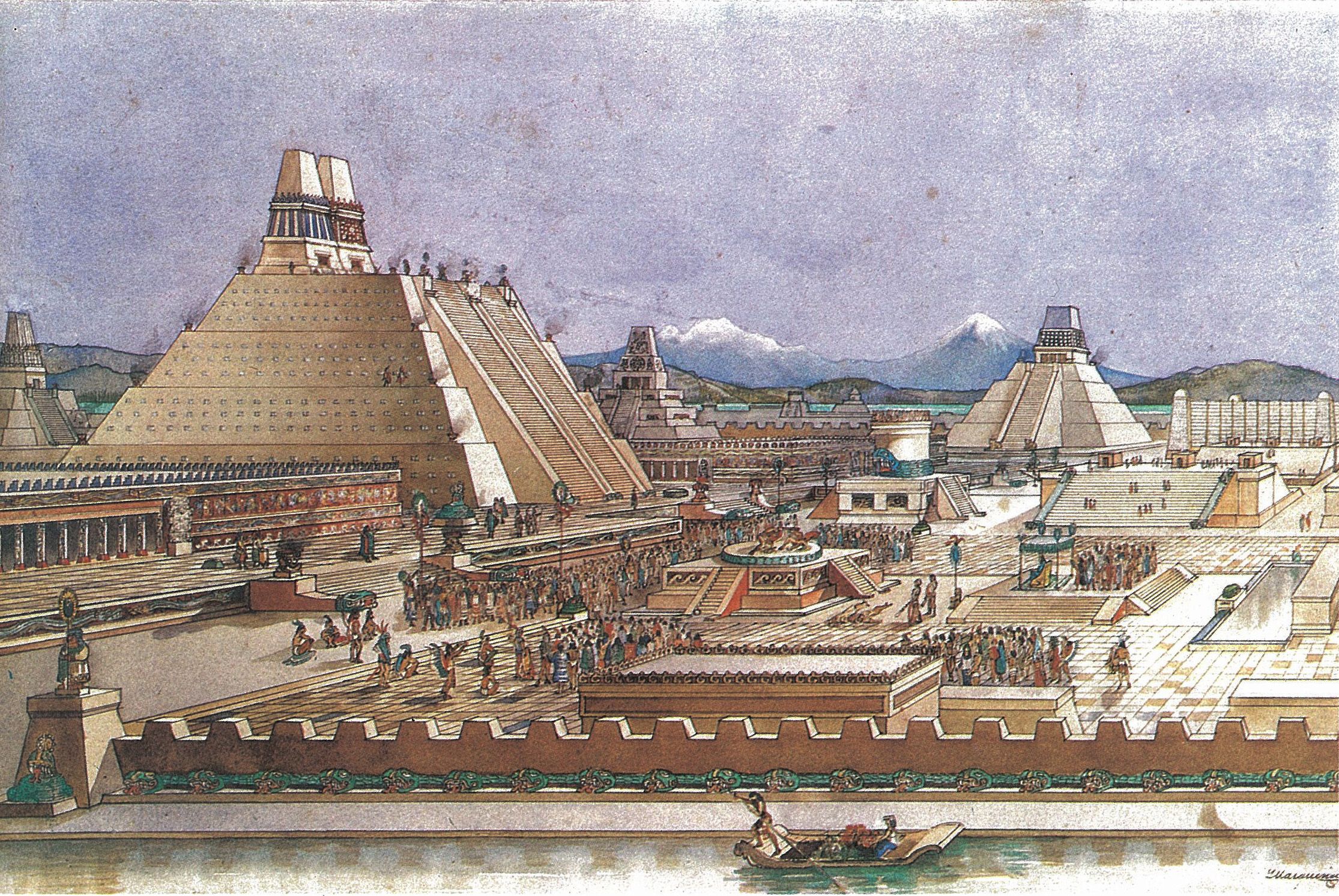
but who, unfortunately for them, were a late Neolithic culture who, with no metal with which to work, made their weapons using volcanic glass, obsidian, which was sharp,

(this and the next by Angus McBride)

but no match for the conquistadores’ steel weapons, armor, and early firearms.

And this brings me to a “what if”.

When Helm’s Deep is attacked,
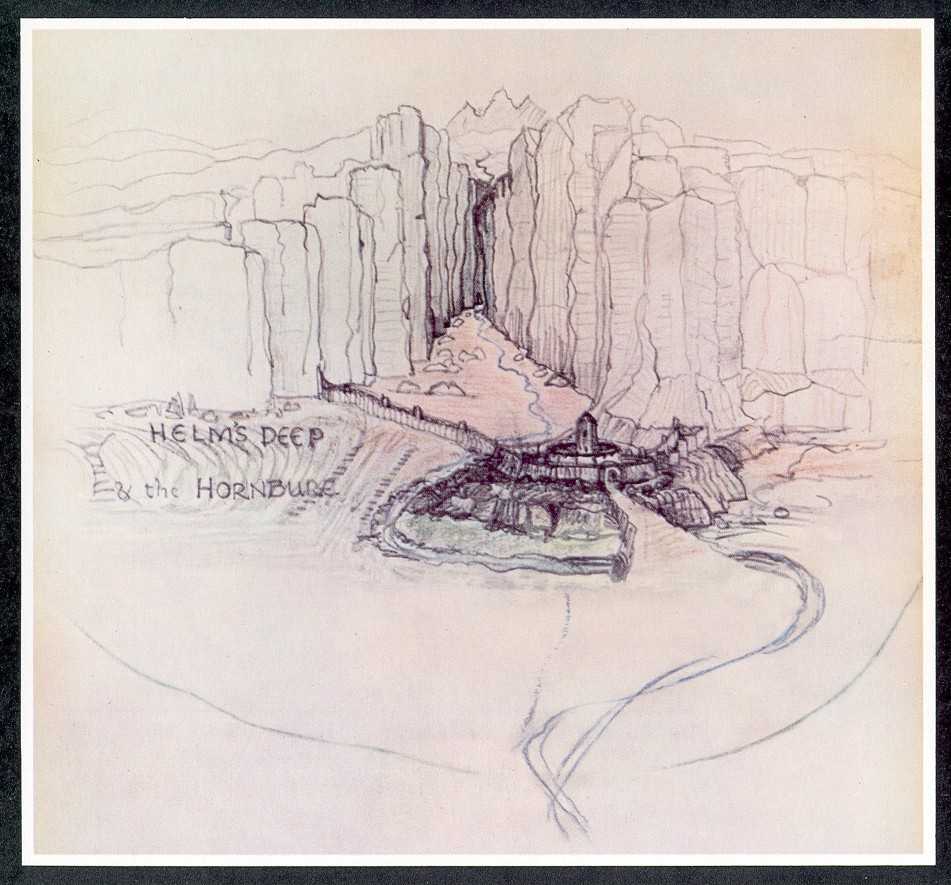
(JRRT)

the orcs’ original method is perhaps the worst in the repertoire:  escalade—that is, putting ladders up against a wall, then climbing up them.  You can imagine why I call it the worst—
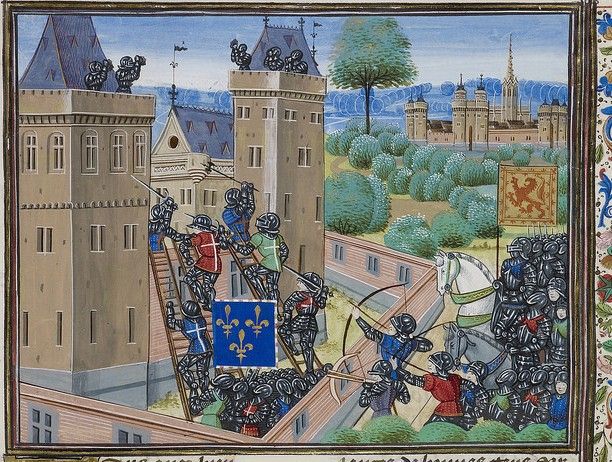
the attackers are visible all the way up the ladders and:

1. they can be pushed off

2. the ladders can be pushed off

3. people can whack you when you reach the top

4. people can shoot you on the way up

5. people can drop things on you on the way up

(In several historical assaults, ladders were found to be too short, adding an extra difficulty.)

Such attacks usually only succeed if:

1. they are a surprise  (this happened at the terrible siege of Badajoz in 1812—the French garrison was too focused in one direction and some of the British attackers climbed up the back of the fortress–)

2. the attackers can pin down enough of the defenders with archery/gunfire to allow the climbers to reach the top—and an attack can still fail if those at the top aren’t supported by others coming up behind them—Alexander the Great almost died when he was isolated after scaling an enemy wall (reinforcements overburdened the ladders and they broke—see Arrian The Anabasis of Alexander, Book VI, Sections 9-10—which you can read in translation here:  https://www.gutenberg.org/cache/epub/46976/pg46976-images.html#Page_329  )

The orcs, however, are concealing a secret weapon—

“Even as they spoke there came a blare of trumpets.  Then there was a crash and a flash of flame and smoke.  The waters of the Deeping-stream poured out hissing and foaming:  they were choked no longer, a gaping hole was blasted in the wall.  A host of dark shapes poured in.

‘Devilry of Saruman!’ cried Aragorn.  ‘They have crept in the culvert again, while we talked, and they have lit the fire of Orthanc beneath our feet.’ “  (The Two Towers, Book Three, Chapter 7, “Helm’s Deep”)
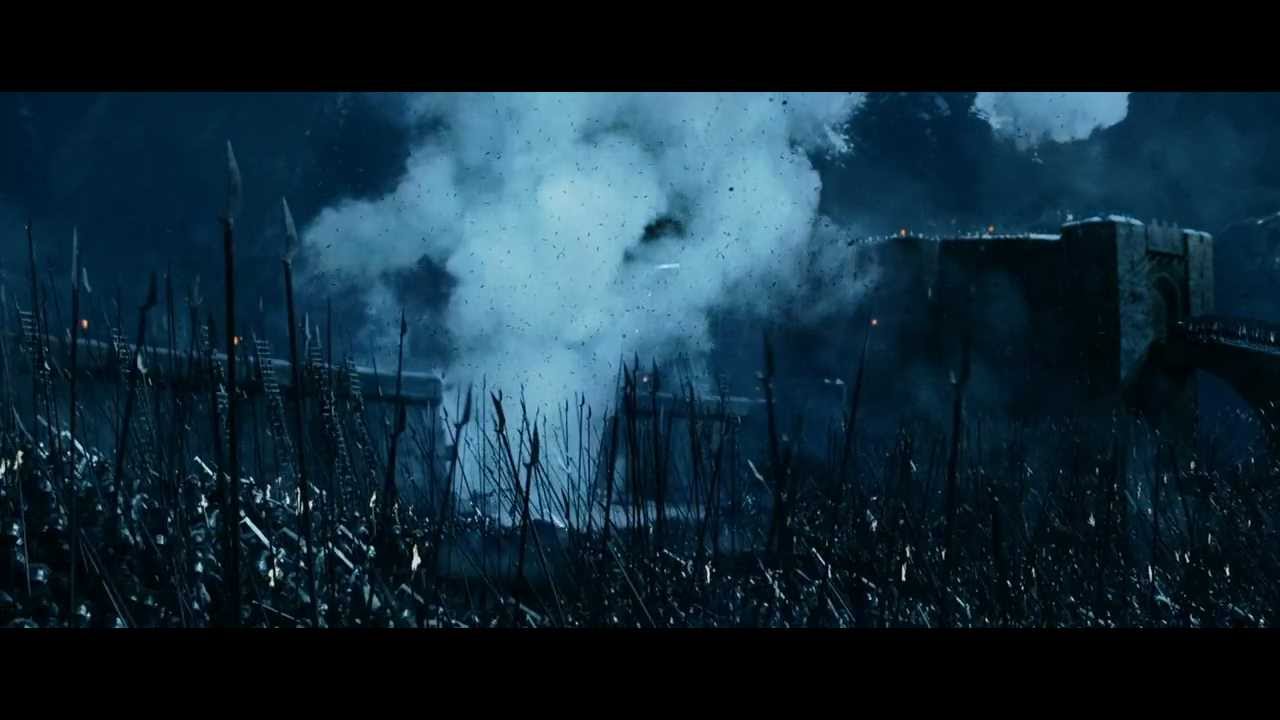
And it’s not just Saruman’s “Devilry”—

“The bells of day had scarcely rung out again, a mockery in the unlightened dark, when far away he saw fires spring up, across in the dim spaces where the walls of the Pelennor stood.  The watchmen cried aloud, and all men in the City stood to arms.  Now ever and anon there was a red flash, and slowly through the heavy air dull rumbles could be heard.

‘They have taken the wall!’ men cried.  ‘They are blasting breaches in it.  They are coming!’ “ (The Return of the King, Book Five, Chapter 4, “The Siege of Gondor”)
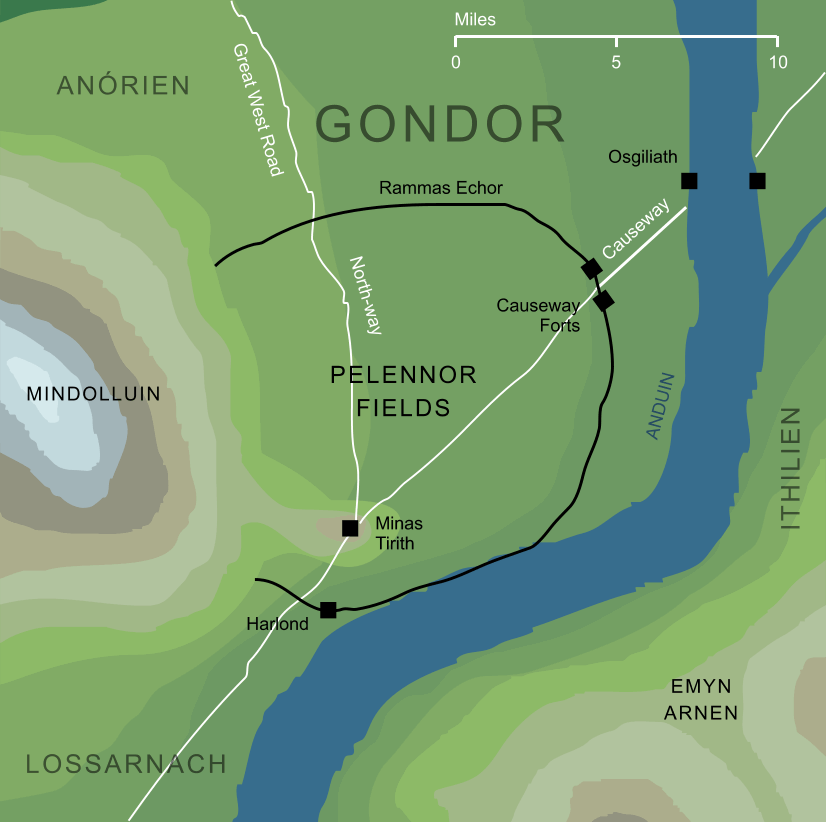
I think that we can assume that “the fire of Orthanc” is, in fact, gunpowder.

In our Western world, the first known mention of it was by Friar Roger Bacon in the mid-13th century,

and the first known depiction of a gunpowder weapon dates from the early 14th century.

The only uses in The Lord of the Rings are for what would be called, in later times, “mines”.  In our Middle-earth, medieval technology further developed the use of gunpowder into bigger, deadlier forms—early cannon, called “bombards”
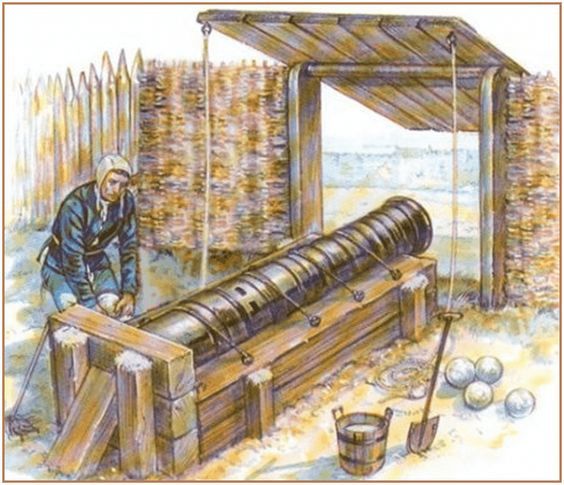
and miniaturized them as “handgonnes”.
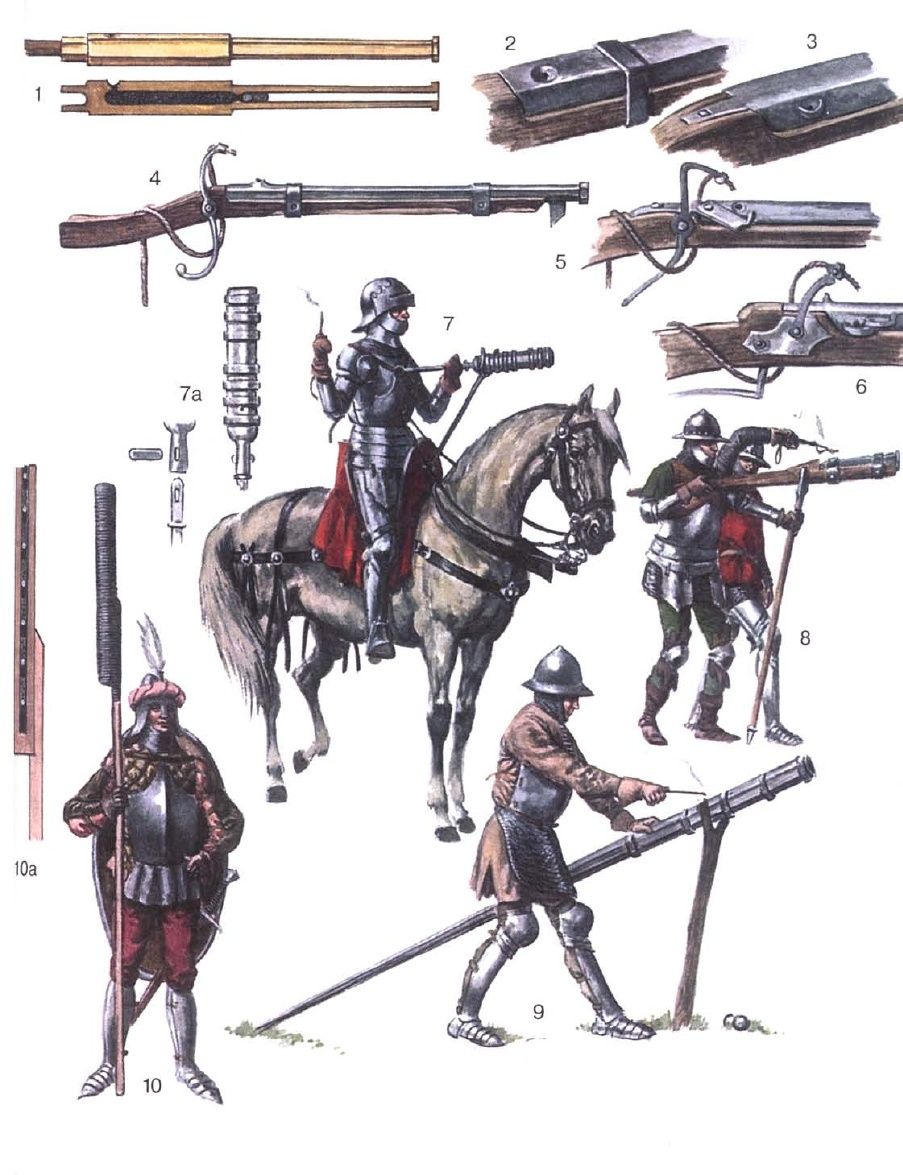
(Liliane and Fred Funcken)

What if Saruman—and Sauron—had had time to develop their “fire of Orthanc”?

This is how we usually see orcs and their armament—all medieval—spears, swords, bows.
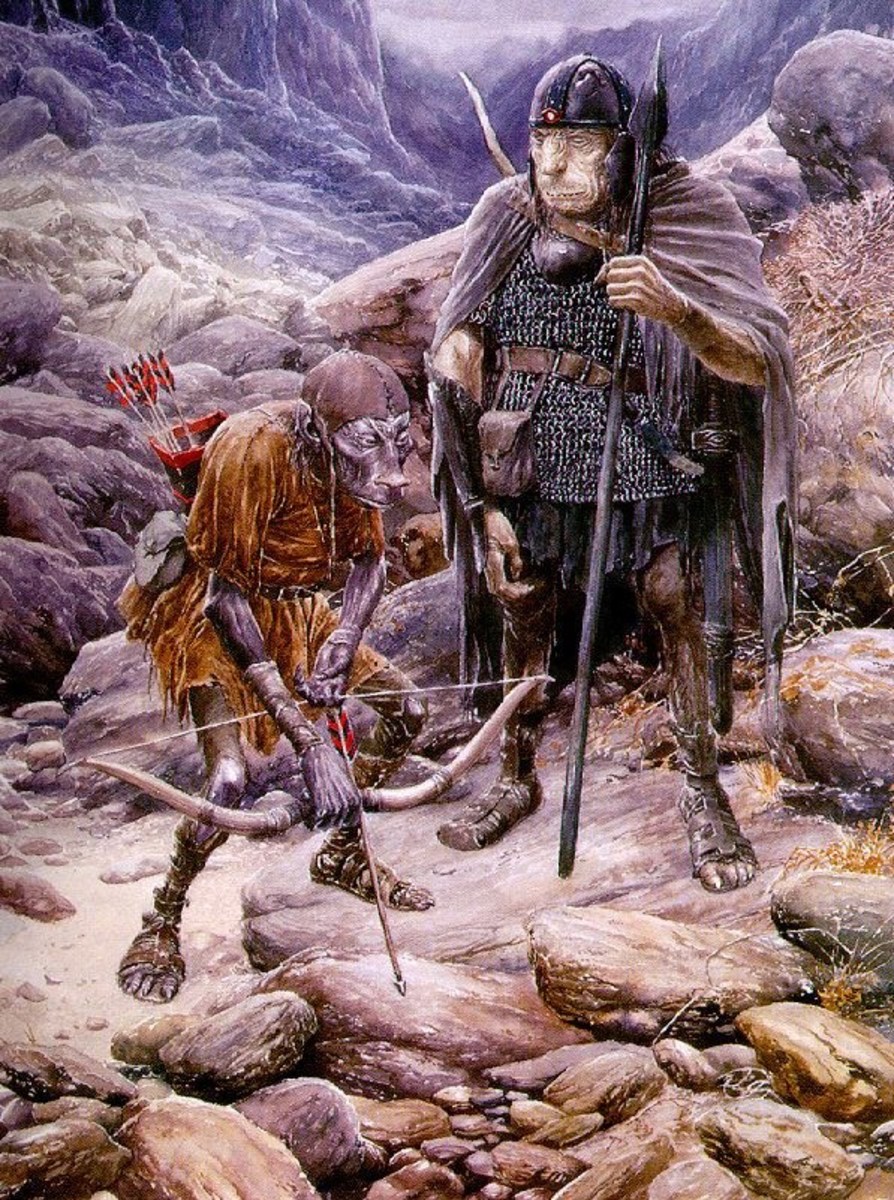
(Alan Lee)

Suppose, however, that there had been further armament.  Imagine orcs with handgonnes, for example.

And, instead of massive stone-throwers employed to break down the walls of Minas Tirith—also a medieval weapon—

giant bombards.
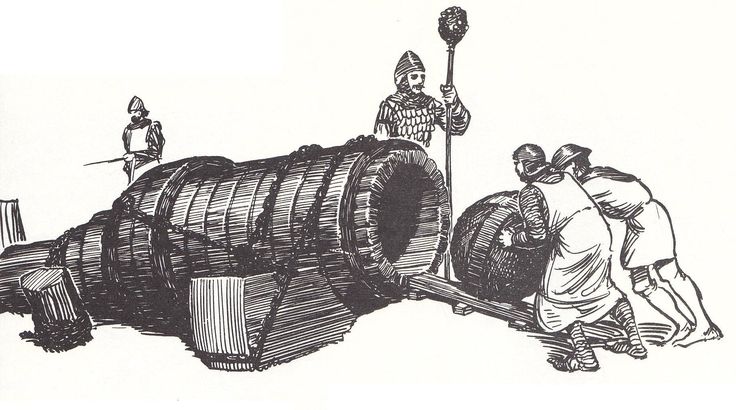
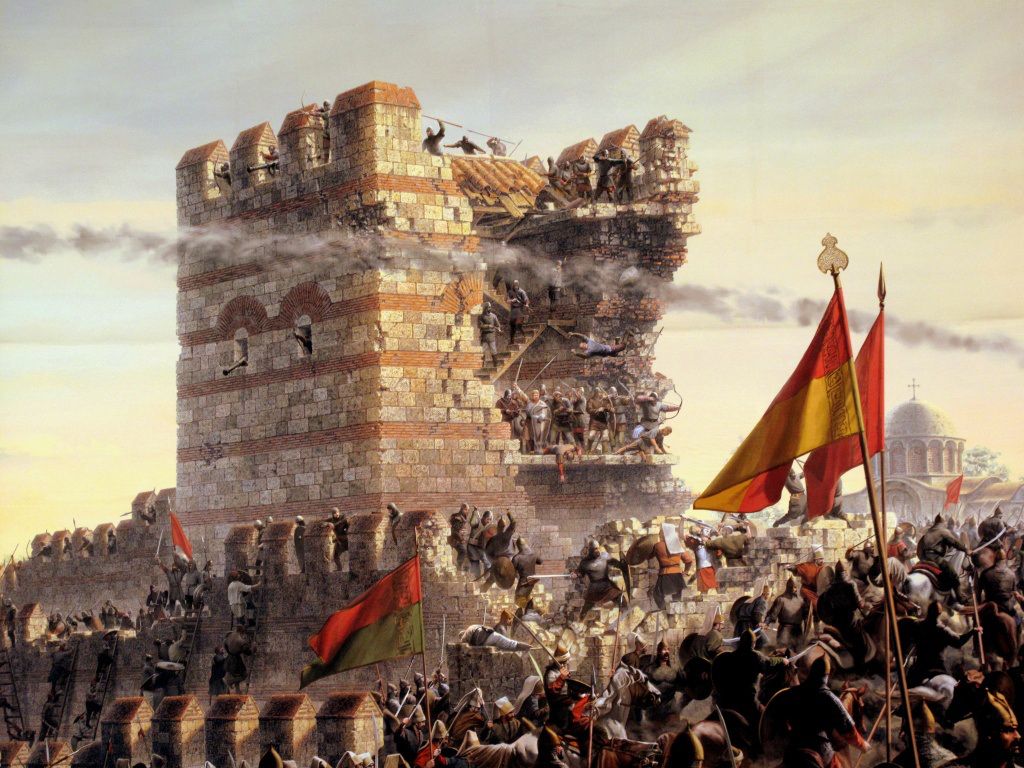
It was weapons like these, in 1453, which broke holes in the ancient walls of Constantinople,

allowing the Turkish besiegers to enter a place which only once before, in its 1000 year plus history, had been broken into.

And why stop there? 

Leonardo da Vinci (1452-1519)
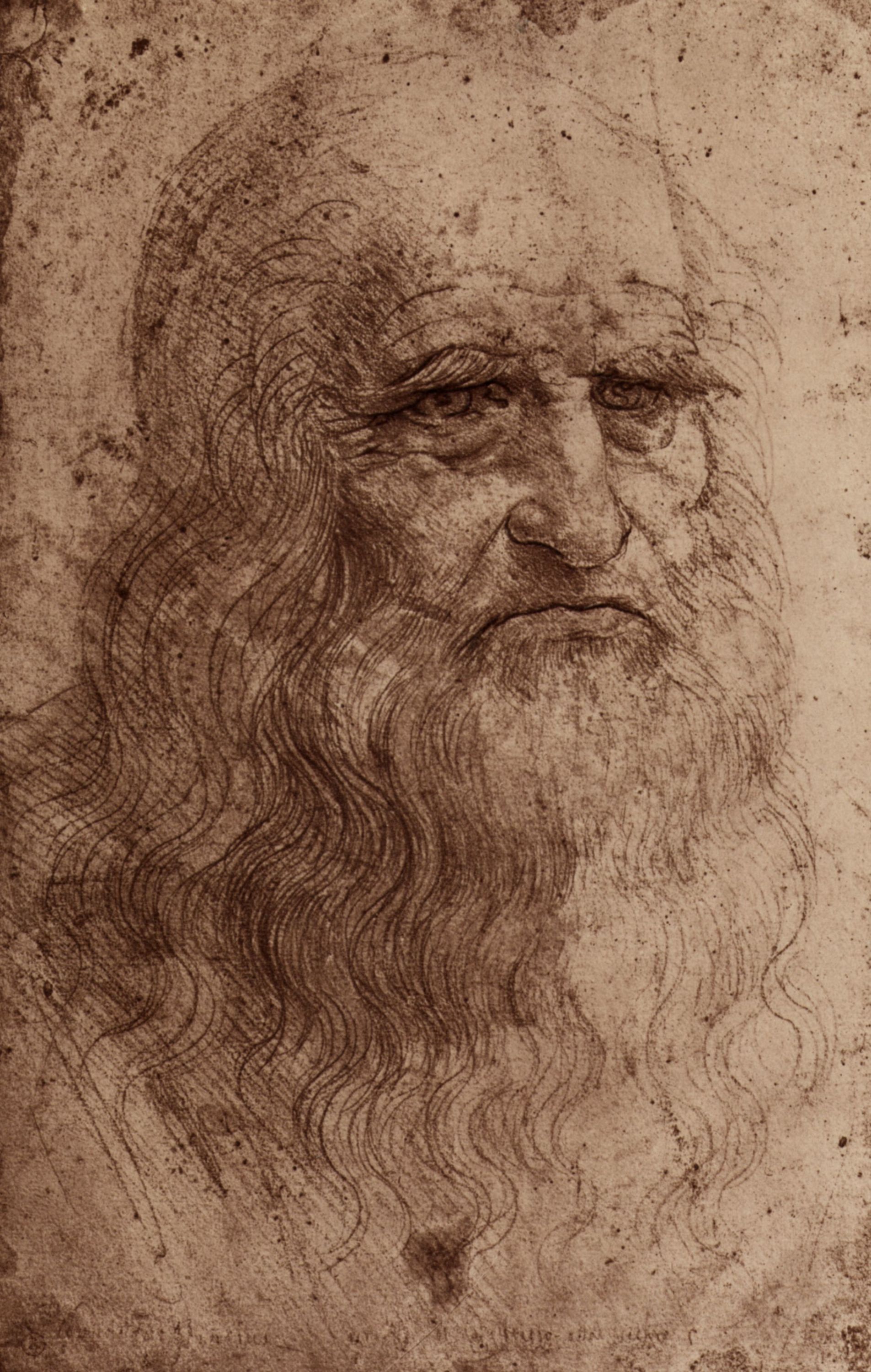
was born only the year before the fall of Constantinople, just at the very end of the Western Middle Ages.  In 1487, he sketched this—

which, in terms of much of its technology, was possible in 1487, although it would have been more than a little crowded inside with all of those guns, especially when they jerked backwards in the recoil which would have come with firing them.  Fortunately for the West, da Vinci doesn’t appear to have figured out a useful way of propelling his invention
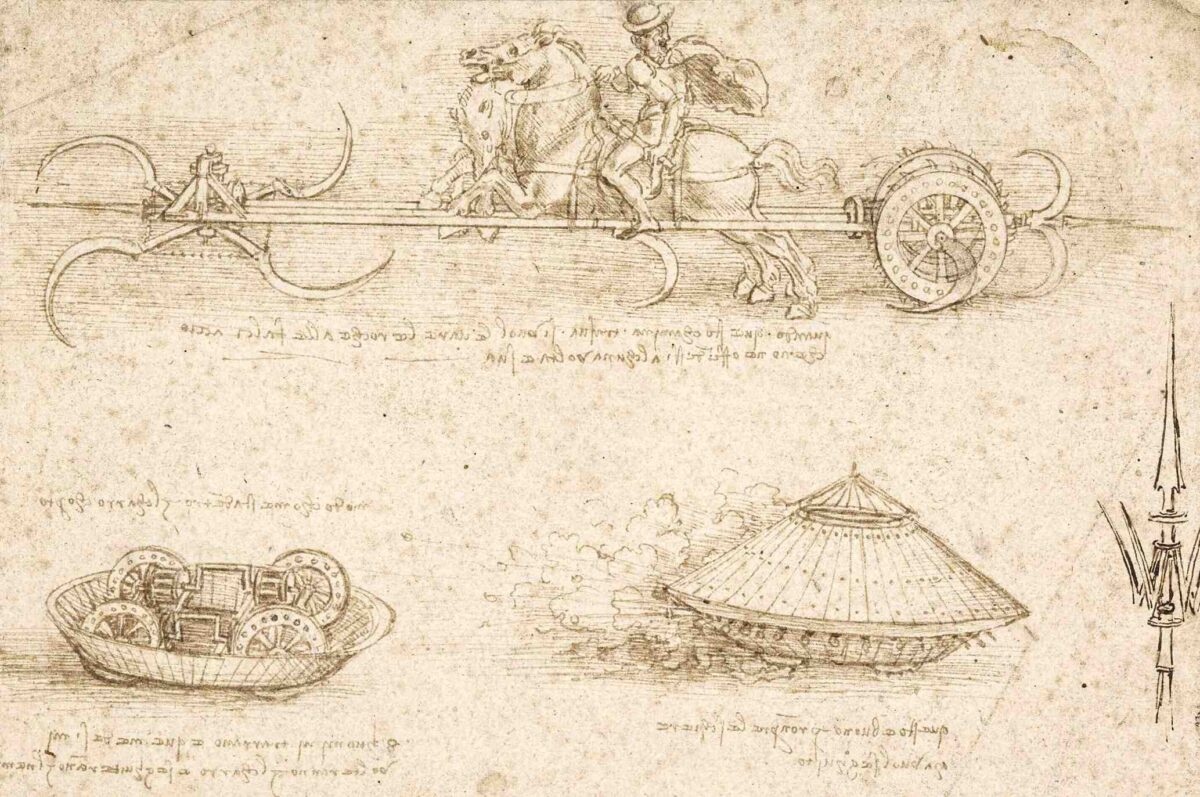
and it was only in the early 20th century that the internal combustion engine could be employed to move such a metal monster.

Consider, however, if the opponents of the West in the later Third Age had developed what clearly they had begun.  Seeing such approaching, on foot or, worse, in an armored vehicle, what could Rohirrim or Gondorians have done beyond believing what Qui Gon had tried to warn Boss Nass about:

Dos Mackaneeks!

Thanks, as always, for reading.

Stay well,

Remember the places where tanks are vulnerable,

and remember, as well, that there’s always

MTCIDC

O

Soul Divided

19 Wednesday Jun 2024

Posted by Ollamh in Uncategorized

≈ Leave a comment

Tags

books, Fantasy, Harry Potter, Hogwarts, Writing

As always, dear readers, welcome.

Although I’ve never reread any but the first of them, I enjoyed the “Harry Potter” books when they were originally published, beginning in 1997.

My favorite was that first,

or, by its US title.

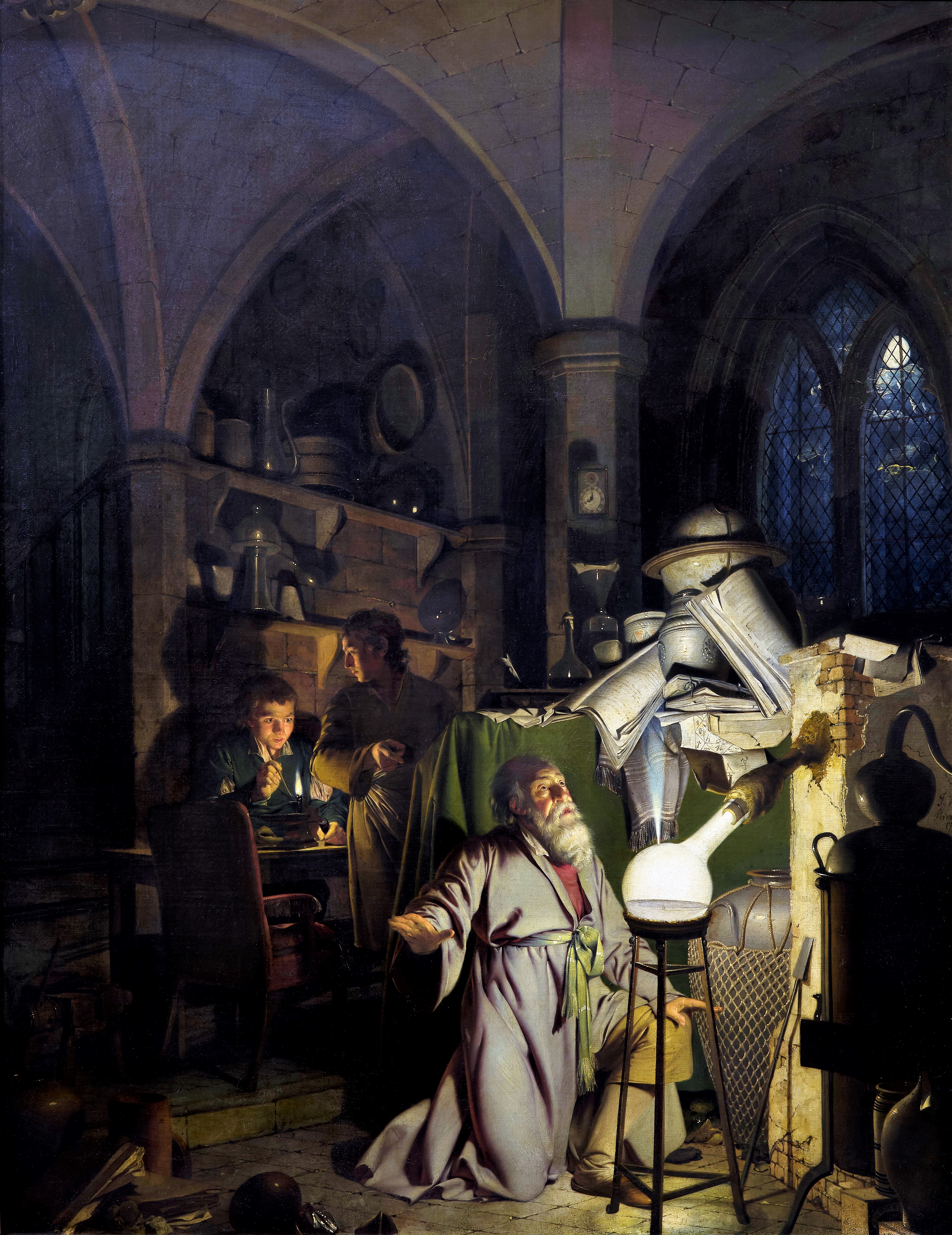
I prefer the original British title because it suggests something magical.  “Sorcerer’s Stone” was a make-shift replacement, with no resonance.  The “philosopher’s stone”, however, was a real (or at least hoped-for) thing, being thought of as a kind of alchemical tool which could turn substances into precious metals, and which seemed very appropriate for a book set mostly in a boarding school for witches and wizards.  (You can read more about it here:  https://en.wikipedia.org/wiki/Philosopher’s_stone   Illustrating the article is a wonderful painting by Joseph Wright of Derby, 1734-1797,

which, although entitled–in short form—the full title is practically a brief lecture–“The Alchymist, in Search of the Philosopher’s Stone…”, has always struck me as potentially being a very useful portrait of Merlin.  If you know T.H. White’s The Once and Future King, you might imagine that that’s the young Wart—aka Arthur—in the background.)

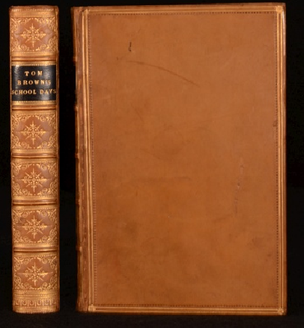
When the series continued, I wondered how far the author would take what was, initially, a clever takeoff on a literary type:  the school story, which dates at least as far back as Thomas Hughes’ 1857 Tom Brown’s School Days and which you can read here:  https://www.gutenberg.org/cache/epub/1480/pg1480-images.html

In fact, although the series progressed with the main protagonists continuing their magical education, it became increasingly entangled with the villain, Voldemort, and a world folktale, classified in the Aarne-Thompson-Uther Index as “The Giant (Ogre) who had no heart in his body” (ATU302).  In this story, of which at least 250 versions exist, the Giant (or his equivalent), to protect himself, removes his heart and conceals it where (he hopes) it cannot be found.   The protagonist (along with helpers) must find that location and destroy the heart—or at least use it as leverage.  (You can read the translation of a Norwegian version of it here, under the title “Cinder-Lad and His Six Brothers”:  https://archive.org/details/fairystoriesmych00shim/page/n7/mode/2up   And you can read more about the tale here:  https://en.wikipedia.org/wiki/The_Giant_Who_Had_No_Heart_in_His_Body )  In the Harry Potter books, it’s not one piece of his heart–here, his soul–but 7, all hidden in what are called “Horcruxes”, and it takes Harry and his friends (along with the headmaster, at one point) to locate and destroy the set, providing for a major plot element beginning with the second book Harry Potter and the Chamber of Secrets.  (For more, see: https://fortheloveofharry.com/list-of-horcruxes/  )

When all of the Horcruxes are gone, so is Voldemort and this brings to mind another complex story.

“The Enemy still lacks one thing to give him strength and knowledge to beat down all resistance, break the last defences, and cover all the lands in a second darkness.  He lacks the One Ring…

…the Nine he has gathered to himself; the Seven also, or else they are destroyed.  The Three are hidden still.  But that no longer troubles him.  He only needs the One; for he made that Ring himself, it is his, and he let a great part of his own former power pass into it, so that he could rule all the others.  If he recovers it, then he will command them all again, wherever they be, even the Three, and all that has been wrought with them will be laid bare, and he will be stronger than ever.”  (The Fellowship of the Ring, Book One, Chapter 2, “The Shadow of the Past”)

If this Ring is so crucial, it would be easy to wonder why Sauron hasn’t been more aggressive in finding it, but Gandalf answers that next:

“…He believed that the One had perished, that the Elves had destroyed it, as should have been done.  But he knows now that it has not perished, that it has been found.  So he is seeking it, seeking it, and all his thought is bent on it…”

In the Norwegian version of “The Giant (Ogre) who had no heart in his body”, the Giant’s heart was concealed in an egg and, when the egg was broken, “the giant burst to pieces”.

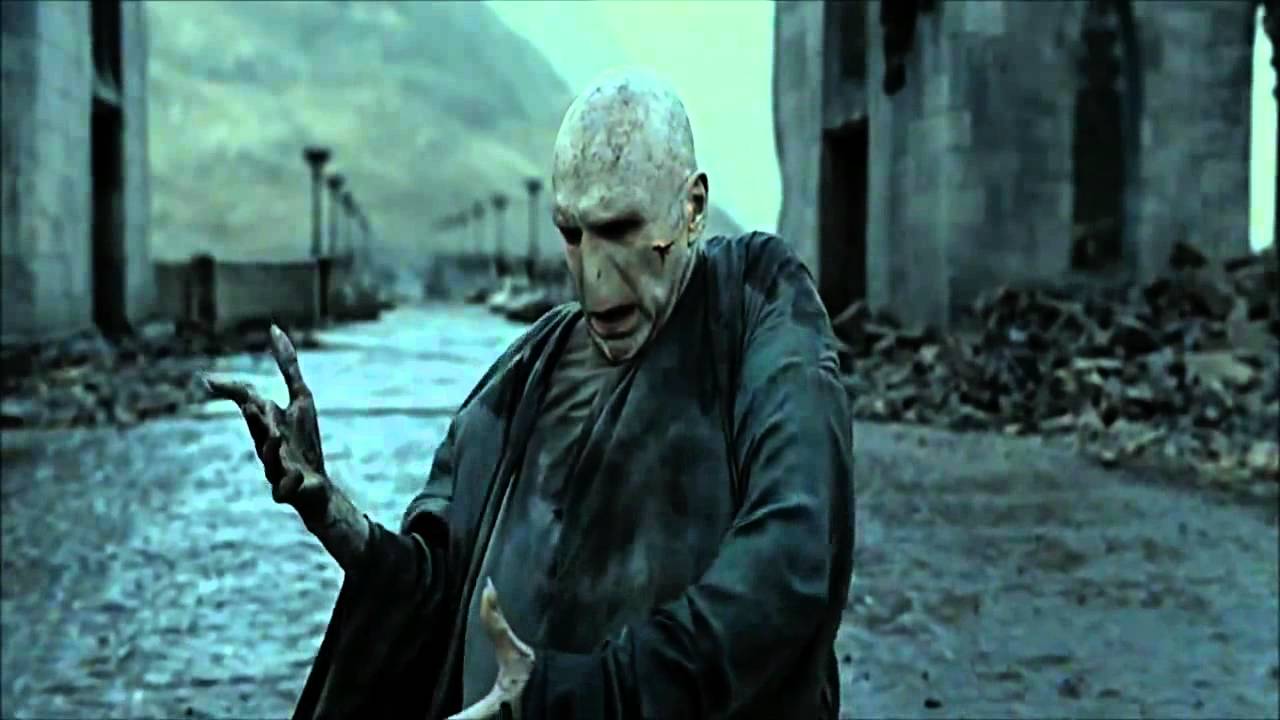
When the last Horcrux is gone, Voldemort seems to melt away,

rather like the demise of the Wicked Witch of the West when she is doused with water.

When the Ring is destroyed, the end is a bit more dramatic:

“And even as he spoke the earth rocked beneath their feet.  Then rising swiftly up, far above the Towers of the Black Gate, high above the mountains, a vast soaring darkness sprang into the sky, flickering with fire.  The earth groaned and quaked.  The Towers of the Teeth swayed, tottered, and fell down; the mighty rampart crumbled; the Black Gate was hurled in ruin; and from far away, now dim, now growing, now mounting to the clouds,  there came a drumming rumble, a roar, a long echoing roll of ruinous noise.

…And as the Captains gazed south to the Land of Mordor, it seemed to them that, black against the pall of cloud, there rose a huge shape of shadow, impenetrable, lightning-crowned, filling all the sky.  Enormous it reared above the world, and stretched out towards them a vast threatening hand, terrible but impotent:  for even as it leaned over them, a great wind took it, and it was all blown away, and passed; and then a hush fell.” (The Return of the King, Book Six, Chapter 4, “The Field of Cormallen”)

(An amazing illustration by Ted Nasmith)

Somehow, in contrast, for all that his end brings a dramatic conclusion to the Harry Potter series, the melting of Voldemort seems more like the melting of Vole de Mort, in comparison.

(by Exifia at Deviant Art—I’m sorry that I can’t say more, but Deviant Art’s website appears to be unavailable at present)

Thanks, as ever, for reading.

Stay well,

When it comes to hiding things, see E.A. Poe, “The Purloined Letter” here:  https://poestories.com/read/purloined

And remember that, as always, there’s

MTCIDC

O

PS

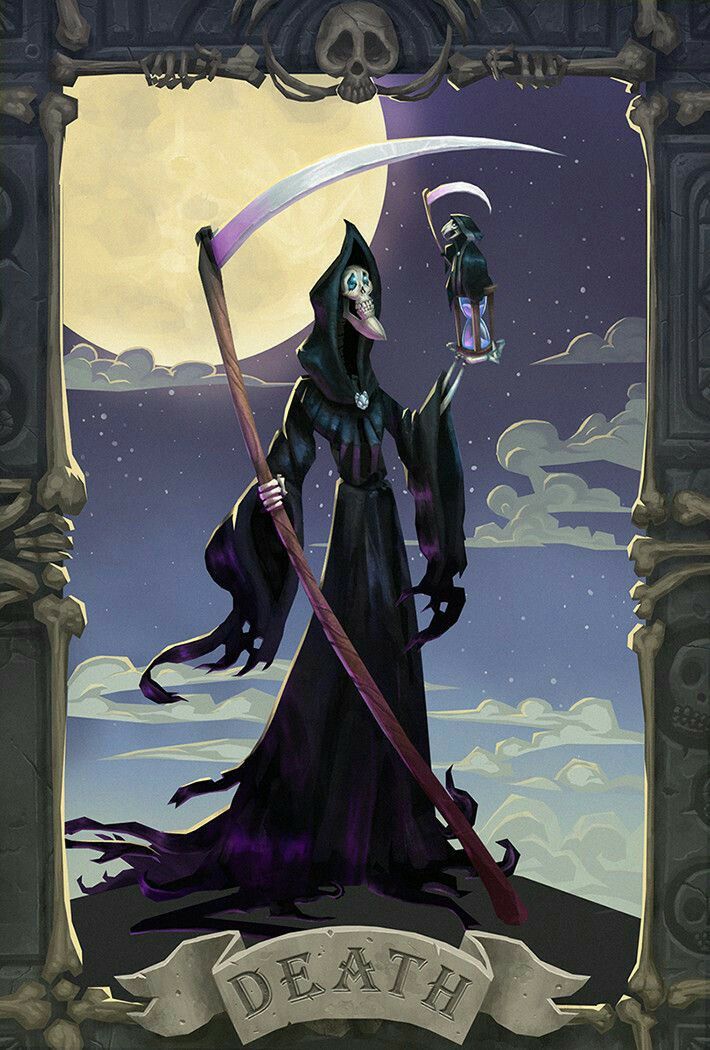
Looking at Vole de Mort, I’m reminded of one of my (many) favorite Terry Pratchett characters,  The Death of Rats (“aka ‘The Grim Squeaker’ “).  Put a black robe on him and perhaps a resemblance?

(credited to Paul Southard)

For more, see:  https://wiki.lspace.org/Death_of_Rats

Istanbul, not…

12 Wednesday Jun 2024

Posted by Ollamh in Uncategorized

≈ Leave a comment

Tags

Byzantium, History, istanbul, travel, Turkey

Welcome, dear readers, as always. Last’s weeks visit to Harry Turtledove’s Videssos (aka Byzantium) brought a certain song to mind and so the title of this posting comes from a 1953 pop hit by a Canadian vocal group called “The Four Lads”.

It’s perhaps an “ear worm”, based pretty much on the rhythm IS-tan-BUL, not CON-stan-ti-NOP-le, repeated throughout, so parental caution.  Here’s the whole lyric—

“Istanbul was Constantinople
Now it’s Istanbul, not Constantinople
Been a long time gone, Constantinople
Now it’s Turkish delight on a moonlit night

Every gal in Constantinople
Lives in Istanbul, not Constantinople
So if you’ve a date in Constantinople
She’ll be waiting in Istanbul

Even old New York was once New Amsterdam
Why they changed it I can’t say
People just liked it better that way

So, take me back to Constantinople
No, you can’t go back to Constantinople
Been a long time gone, Constantinople
Why did Constantinople get the works?
That’s nobody’s business but the Turks

Istanbul, Istanbul

Istanbul, Istanbul

Even old New York was once New Amsterdam
Why they changed it I can’t say
People just liked it better that way

Istanbul was Constantinople
Now it’s Istanbul, not Constantinople
Been a long time gone, oh Constantinople
Why did Constantinople get the works?
That’s nobody’s business but the Turks

So, take me back to Constantinople
No, you can’t go back to Constantinople
Been a long time gone, Constantinople
Why did Constantinople get the works?
That’s nobody’s business but the Turks

Istanbul!”

(from a site called “Songfacts”—although they credit it to the 1990 cover by They Might Be Giants.  You can hear the original here:  https://www.youtube.com/watch?v=Wcze7EGorOk )

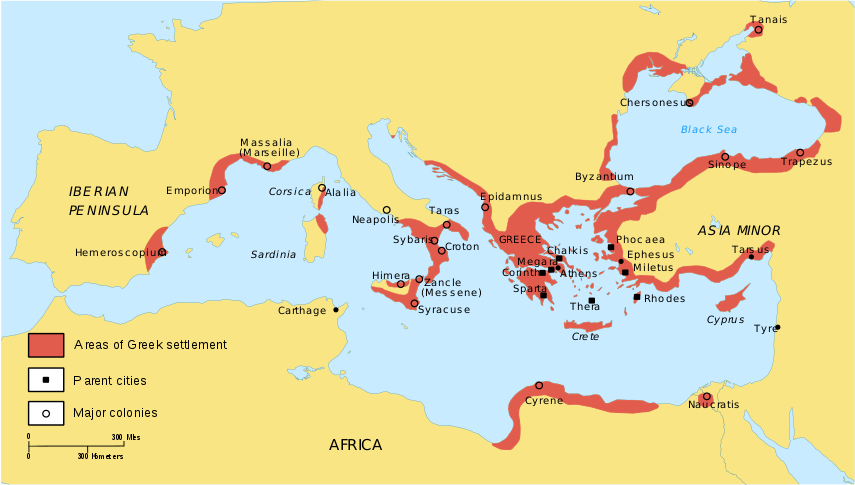
“Constantinople” was originally “Byzantium”,  meaning of the name unknown.  It was a 7th-century BC Greek settlement based upon an earlier Thracian one.

In 330AD, the Roman emperor whom we call Constantine I (c272-337AD),

to be closer not only to the goods and raw materials which came from the Black Sea region, but also to keep an eye on the Empire’s latest eastern threat, the Sassanids.

Constantine, clearly intending to indicate the continuity of his choice of capital, even if it was far from the old heartland of Italy, called it Nova Roma, but the inhabitants tended to call it “the city of Constantine” or “Constantinoupolis”—or, for short, simply “the city” “he polis” (say “he” as “hay”—it’s the definite article “the”—and the custom of shortening can even be seen here in the US:  people who live around New York City never call it “New York City”, but always “the City”). 

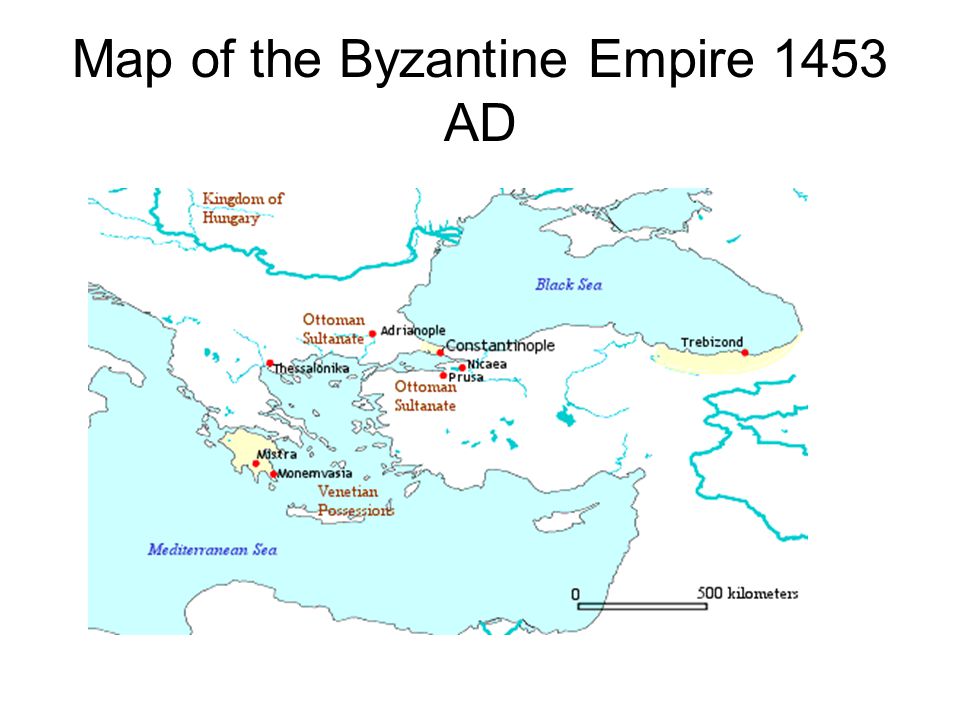
As if Constantine’s name for it had a charm, this “new Rome”, successfully weathered the changes which turned the western empire, with its ancient capital of “old Rome”, into a series of Germanic kingdoms, surviving into the mid-15th century AD.  By its later years, however, its territory, like its power, shrank and shrank

to a couple of small enclaves and the City itself.  

And this is what Tolkien was thinking of when he wrote

“In the south Gondor rises to a peak of power, almost reflecting Numenor, and then fades slowly to decayed Middle Age, a kind of proud, venerable, but increasingly impotent Byzantium.”  (from a letter to Milton Waldman, “probably written late in 1951”, Letters, 219)

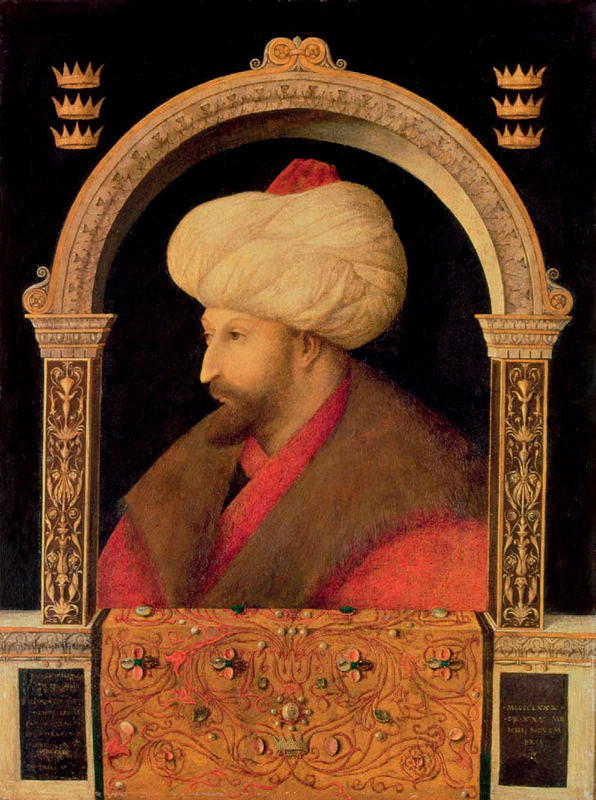
This impotence finally came to an end, at least for “New Rome”, on 29 May, 1453, when a huge Ottoman army, under Mehmet II,

using that very modern weapon, the bombard,

broke into the city and captured it.

In earlier postings, I went into a comparison of the two, Byzantium and Minas Tirith, their look and their sieges, in some detail (see “The Fall of Two Cities?”, 9 March, 2016, and “A Kind of Proud, Venerable, But Increasingly Impotent Byzantium”, 1 June, 2016), but as JRRT himself went to some lengths in more than one letter to discuss toponymy (place names and their study) and the proper translation of place names (see, for instance, the letter to Rayner Unwin, 3 July, 1956, Letters, 359-361), I find it interesting to see what happened to Byzantium/New Rome/Constantinople.

The song says that it’s “Istanbul, not Constantinople”, but, surprisingly, this isn’t an Ottoman Turkish name and here we see that, although the Ottoman Sultan may have captured the city, he somehow never captured what it was called.  As I wrote above, the locals had called it “Constantinoupolis”, or simply “he Polis”.  Thus, when someone might ask, “Where are you going?” you might reply, “Eis ten Polin”—“to/towards the City” and that form, spoken casually, probably became “Is-tan-bul”, thus retaining part of its ancient Byzantine nomenclature—which it retains to this day, the name being legalized as the name in 1930.

But this brings me to an interesting point.  Minas Tirith, “the Tower of Guard” (formerly Minas Anor, “the Tower of the Sun”—even in Middle-earth names move around, depending upon historical circumstance) survived Sauron’s attack, which Byzantium/New Rome/Constantinople did not—and yet its name survived.

(Ted Nasmith)

When Sauron’s forces captured Minas Tirith/Anor’s matching fortress, Minas Ithil (“the Tower of the Moon”), its name was changed to the grim-sounding Minas Morgul (“the Tower of Dark Sorcery”).

(and another Ted Nasmith)

Had Minas Tirith fallen to Sauron, what might have happened to its name—or is that nobody’s business but the orcs’?

Thanks, as ever, for reading.

Stay well,

Imagine what maps and signposts would look like in the Black Speech (“One Road to Rule Them All, One Road to Lose Them”?).

And remember that, as always, there’s

MTCIDC

O
PS

Reading about “Istanbul” by the Four Lads, I noted that a jazz critic suggested that it was actually written in reply to a 1928 song, “Constantinople”, which you can listen to (warning:  it’s catchy) here:  https://www.youtube.com/watch?v=OFDdPT9H_dQ

And He Sent Out a (Turtle) Dove

05 Wednesday Jun 2024

Posted by Ollamh in Uncategorized

≈ Leave a comment

Welcome, dear readers, as always.

“cumque transissent quadraginta dies aperiens Noe fenestram arcae quam fecerat dimisit corvumqui egrediebatur et revertebatur donec siccarentur aquae super terram emisit quoque columbam post eum ut videret si iam cessassent aquae super faciem terraequae cum non invenisset ubi requiesceret pes eius reversa est ad eum in arcam aquae enim erant super universam terram extenditque manum et adprehensam intulit in arcamexpectatis autem ultra septem diebus aliis rursum dimisit columbam ex arcaat illa venit ad eum ad vesperam portans ramum olivae virentibus foliis in ore suo intellexit ergo Noe quod cessassent aquae super terramexpectavitque nihilominus septem alios dies et emisit columbam quae non est reversa ultra ad eum”

“And when forty days had passed, Noah, opening a window of the ark which he had made, sent out a raven, who was going out and returning while the waters were drying up over the earth.  He sent out as well a dove after him so that he might see if now the waters had gone down [literally, “ceased”] over the surface of the earth who, when she had not found where she might rest her foot, returned into the ark to him (for the waters were still over the whole earth) and he stretched out [his] hand and brought the captured [bird] into the ark.  However, when a further seven days had been waited out, he again sent out the dove from the ark, but it came to him at evening carrying in its mouth an olive branch with growing leaves and so Noah understood that the waters had receded over the earth and he waited no more than seven more days and sent out the dove which did not return again to him.”

(Genesis 8.6-12—my translation.  The text is from Jerome’s translation, which you can read more of here, both in Latin and English, in Genesis 6-8:  https://vulgate.org/ot/genesis_6.htm    )

The story of the Flood stretches out, like its waters, over much of early Western human history, not only in the Judeo-Christian Bible, and in the story of Pyrrha and Deucalion in Ovid’s  Metamorphoses (for more on Pyrrha, Deucalion, and floods, see “Flooded Out”, 6 April, 2022), but even in Tolkien, with the destruction of Numenor, but, for me, it’s both a wonderful story, and inspired some of my favorite medieval mosaics, those in the cathedral at Monreale, in Sicily.

Inside this amazingly colorful space, almost hallucinogenic, on one wall, are a series of images illustrating the story of Noah and his Ark.

I love the whole series (here it is:  https://www.christianiconography.info/sicily/noahMonreale.html ), but, if I had to choose among them, it would be the building of the Ark

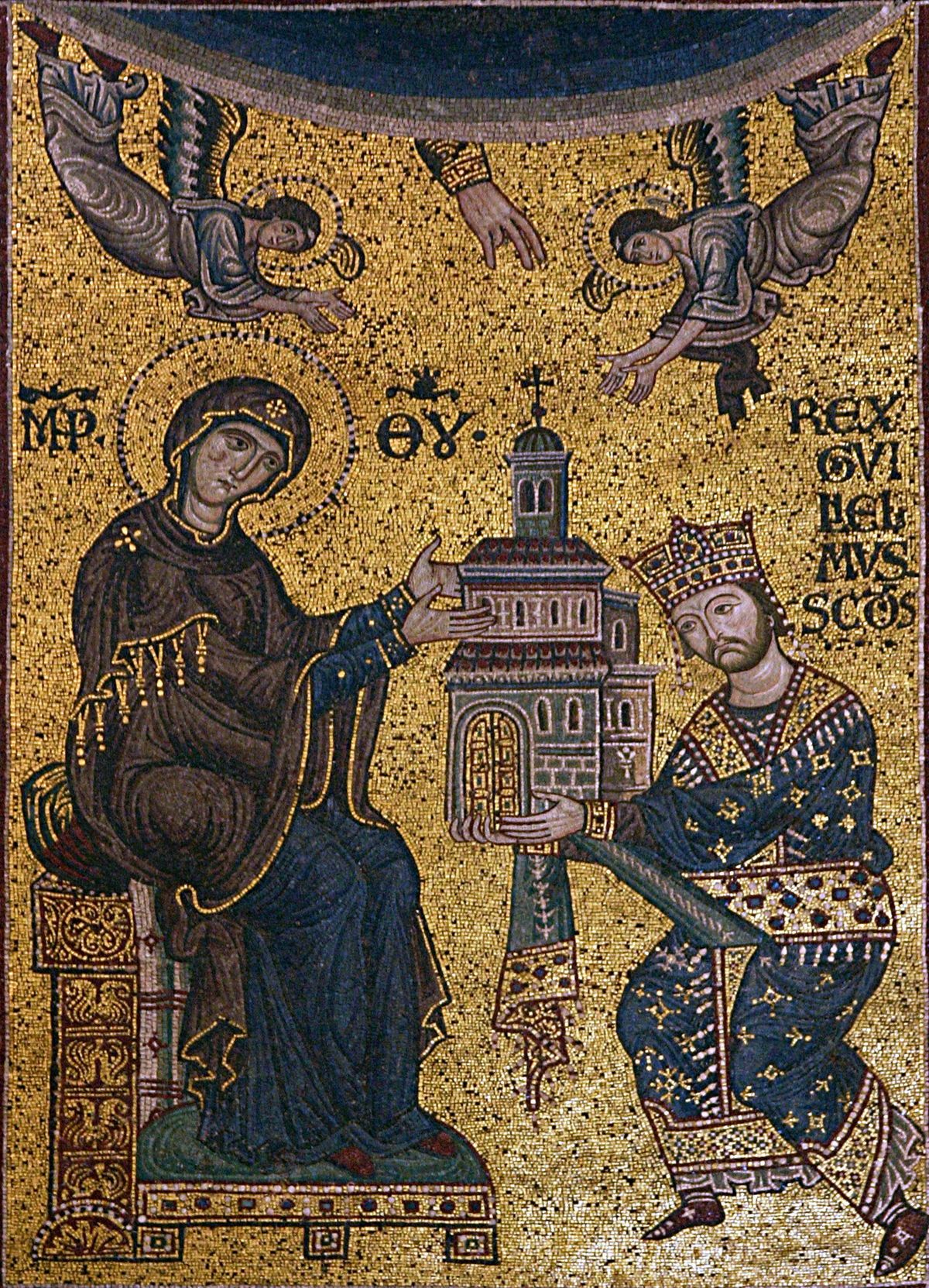
and the one which illustrates the title of this posting which I love most—

The construction of the building began in the reign of William II (1167-1189),

the Norman ruler of this part of Sicily.  Here, he’s presenting the (in his time unfinished) structure to the Virgin Mary.  Although, unfortunately, we don’t know the names of the artists who created such wonderful images, they presumably were either Byzantines or were trained in the Byzantine style of mosaic-making (for more see:  https://en.wikipedia.org/wiki/Monreale_Cathedral_mosaics ) and this makes another Tolkien connection for me, remembering his remark, in a letter to Milton Waldman, that

“In the south Gondor rises to a peak of power, almost reflecting Numenor, and then fades slowly to decayed Middle Age, a kind of proud, venerable, but increasingly impotent Byzantium.”  (letter to Milton Waldman, “probably written in late 1951”, Letters, 203)

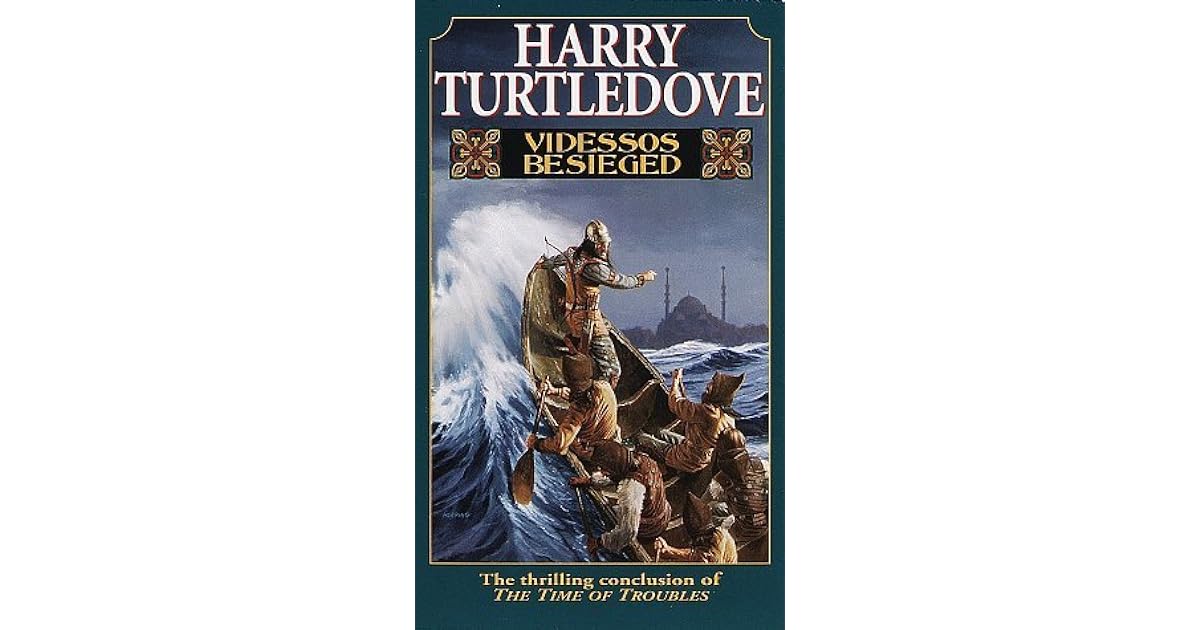
And “dove” and “Byzantium” bring me to the main subject of this posting, the science fiction/fantasy author, Harry Turtledove (1949-and may he live to be a 100 and more).

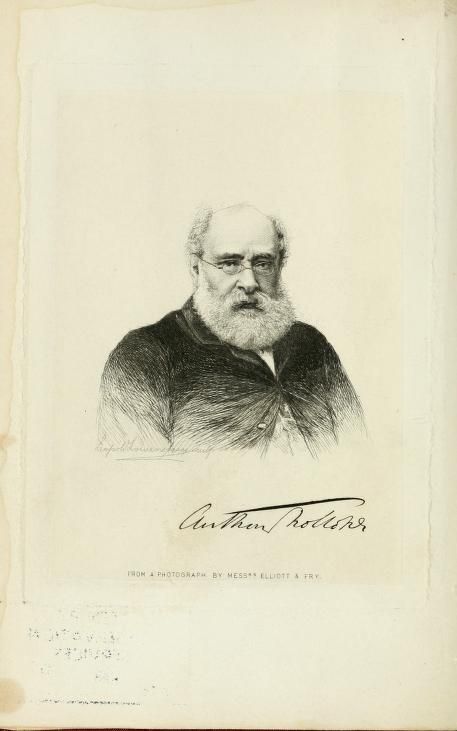
Turtledove, a lifelong Californian, got his PhD in Byzantine history from UCLA in 1977 with a dissertation entitled “The Immediate Successors of Justinian: A Study of the Persian Problem and of Continuity and Change in Internal Secular Affairs in the Later Roman Empire During the Reigns of Justin II and Tiberius II Constantine (AD 565–582) and this also fits into this posting—although Turtledove himself never fit into the academic world (too few jobs for Byzantinists, alas!) and, instead, became an astonishingly prolific author, with approximately 111 books by 2023 (not counting collaborations, short stories, edited collections and the fact that my eyes crossed after I counted 100—you can see a list in chronological order by series here:  https://www.bookseriesinorder.com/harry-turtledove/ ).  For a comparison, there’s Anthony Trollope (1815-1882),

a Victorian novelist known in his own time for his prolificacy, but who only turned out about 60 novels between 1847 and 1882.  (For a list, see:  https://www.orderofbooks.com/authors/anthony-trollope/  If you enjoy long, complex social novels written by someone with an eye for character and detail, and you don’t know his work, I would recommend starting with The Warden, 1855, which you can read here in an 1862 American reprint:   https://archive.org/details/warden02trolgoog/page/n4/mode/2up )

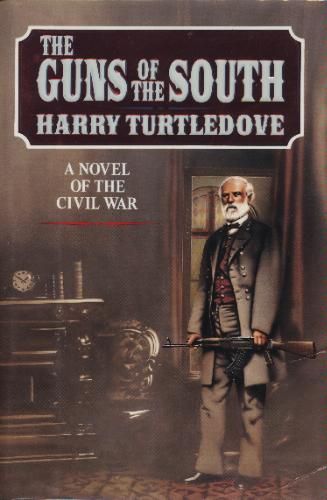
I had first met Turtledove’s work in a “what if” novel, The Guns of the South (1992),

in which time-travelers provide Robert E. Lee’s Army of Northern Virginia with AK47s in 1863, with consequences which you might image for the Union Army of the Potomac and beyond.  It was a good, gripping read and I was curious to see what else this man had written. My further connection with Turtledove was not “what if”, but fantasy–based upon the real Byzantium–and which began with a recommendation of his “Videssos” series by a friend who had once had seen him appear as a substitute for her regular professor in a class at UCLA.   He lectured for over an hour without notes and, if she didn’t use the word “spell-binding”, she certainly gave me the impression that this was a born story-teller. 

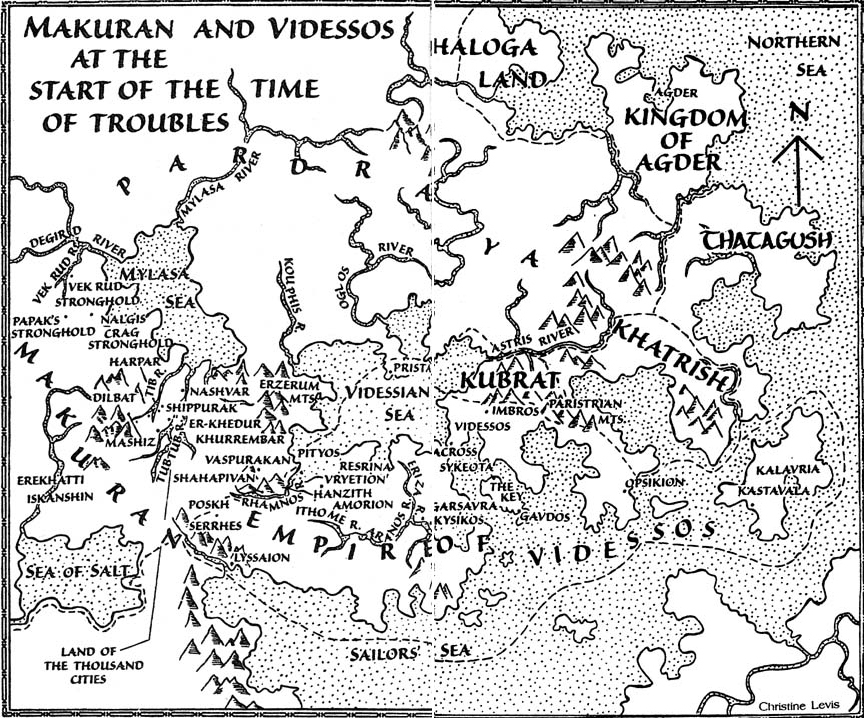
And so I came to “Videssos”, which is, in fact, Byzantium by another name, as the map which appears in the various series immediately indicates—

in which the world of the Mediterranean has been (roughly) reversed.

There are three series in all, plus one extra novel, The Bridge of the Separator (2005), a kind of “prequel” to the series published first (or perhaps to the whole series–I’m not quite clear on this), but which was not in the ultimate chronological structure of the whole.

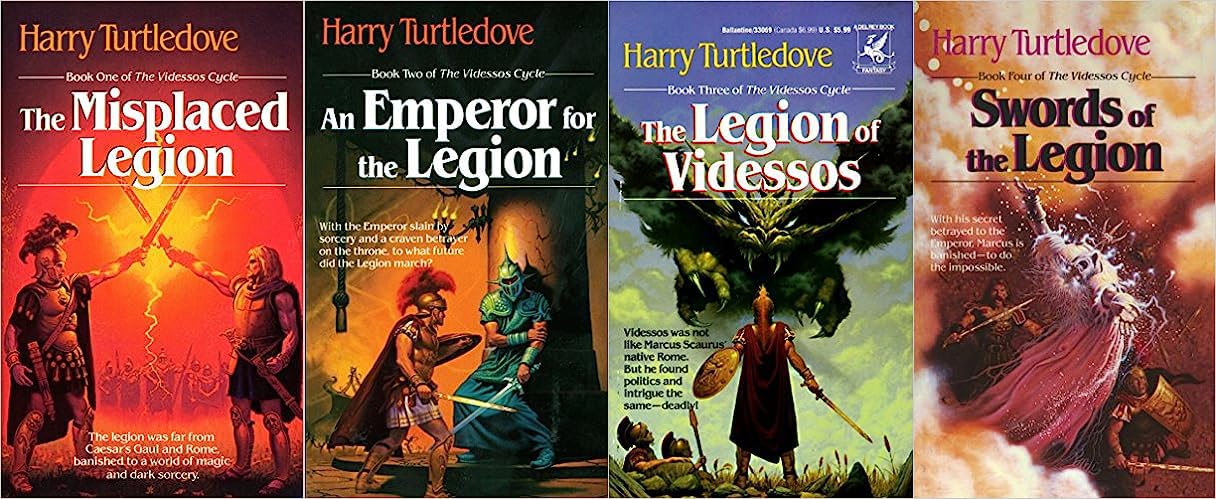
The series first published (all in 1987) is that sometimes called “The Videssos Cycle”—

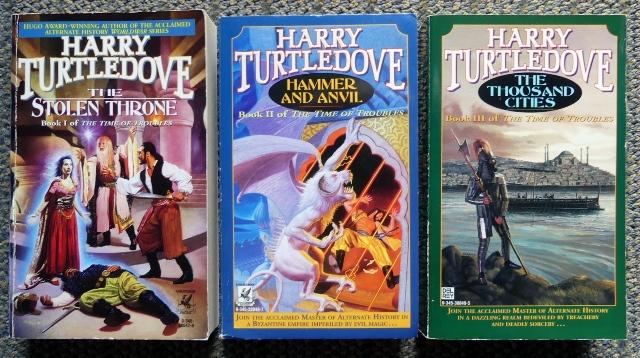
 but which actually takes place at the end of the era which the total collection portrays.  Next, moving backward, comes “The Time of Troubles”—

and finally comes the “Krispos” series.

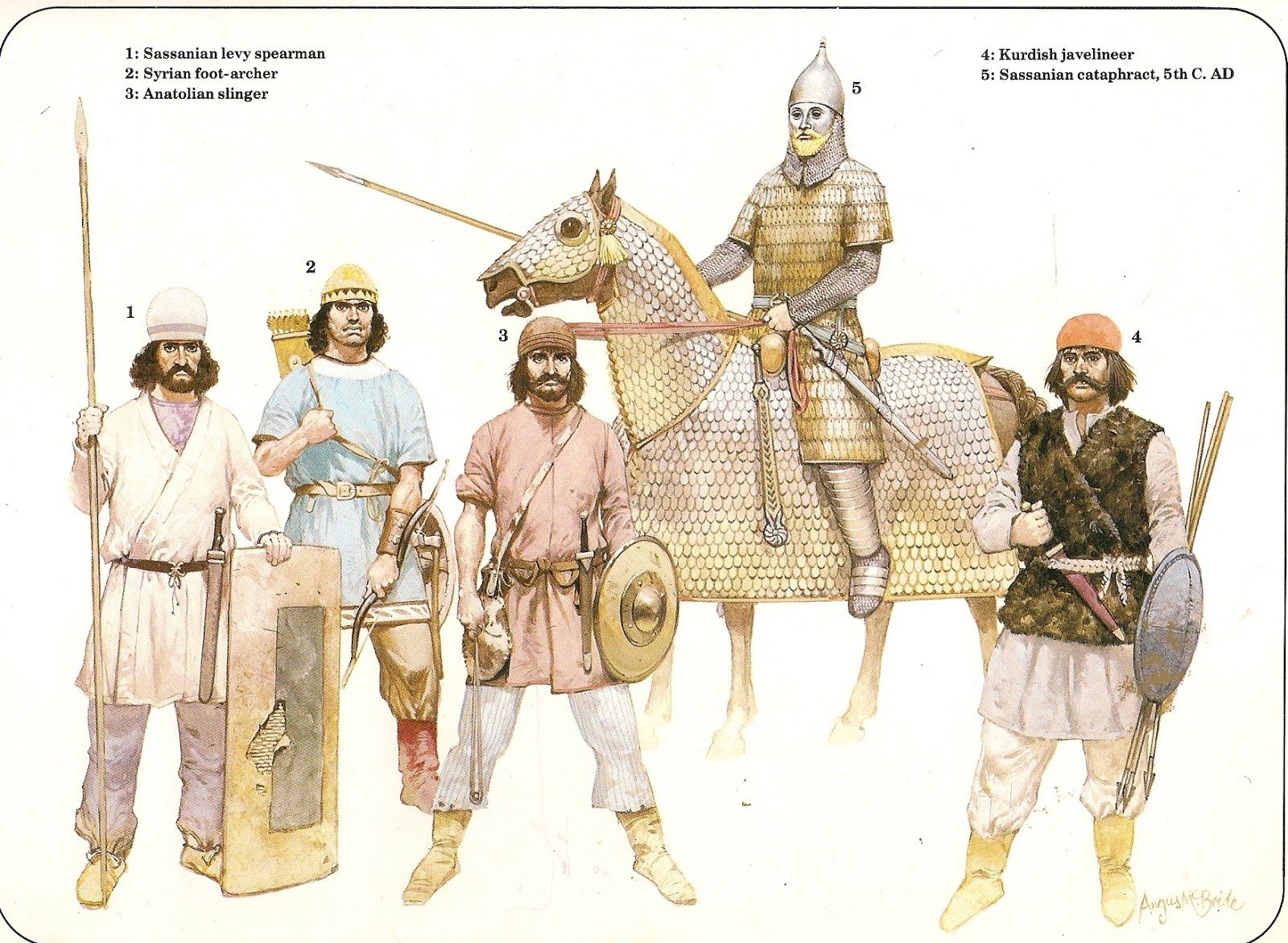
Unlike Turtledove, I’m not a Byzantinist, but it’s possible to recognize certain elements immediately.  The “Makuraners”, for instance, appear to be based upon the fierce Sassanid Persians, with their heavily-armored cavalry,

(Angus McBride)

of which we actually have a period image from a sgraffito on a wall in Dura-Europos, which fell to the Sassanid king, Shapur I, in 257AD (Dura-Europos is a fascinating place in itself:  https://en.wikipedia.org/wiki/Dura-Europos#Looting_by_ISIS )

The capital of Videssos, sometimes called “Videssos the City”, has a number of elements which make it an easy match for Byzantium at its height.

(For more parallels, see:  https://en.wikipedia.org/wiki/Videssos_cycle )

It’s not, however, the parallels which have interested me so much as the complexity of the world which these books provide.  Like that of The Lord of the Rings, this is an ancient world, with a complicated history, ruled by dynasties which can be overthrown, all of it entangled with religion (much of it based upon ancient Zoroastrianism) and the most intelligent understanding—and depiction—of magic which I’ve read in fantasy novels.  My friend’s depiction of Turtledove was clearly extremely accurate and, if you enjoy these, that’s only about a dozen books out of over a hundred.  For years there’s been a game in which you’re asked, “If you could only take ________ with you to a desert island, what would you take?”  Certainly, if I had to spend the (about) 370 days on the Ark with Noah, his family, and their vast collection of animals in 2s and 7s, I’d think seriously about answering, “How about the whole Turtledove opus?”

As ever, thanks for reading.

Stay well,

Try to remember just how long a cubit is,

And remember that, as always, there’s

MTCIDC

O
The Doubtful Sea Series Facebook Page

The Doubtful Sea Series Facebook Page

  • Ollamh

Categories

  • Artists and Illustrators
  • Economics in Middle-earth
  • Fairy Tales and Myths
  • Films and Music
  • Games
  • Heroes
  • Imaginary History
  • J.R.R. Tolkien
  • Language
  • Literary History
  • Maps
  • Medieval Russia
  • Military History
  • Military History of Middle-earth
  • Narnia
  • Narrative Methods
  • Poetry
  • Research
  • Star Wars
  • Terra Australis
  • The Rohirrim
  • Theatre and Performance
  • Tolkien
  • Uncategorized
  • Villains
  • Writing as Collaborators
Follow doubtfulsea on WordPress.com

Across the Doubtful Sea

Recent Postings

  • A Moon disfigured December 17, 2025
  • On the Roads Again—Once More December 10, 2025
  • (Not) Crossing Bridges December 3, 2025
  • On the Road(s) Again—Again November 26, 2025
  • On the Road(s) Again November 19, 2025
  • To Bree (Part 2) November 12, 2025
  • To Bree (Part 1) November 5, 2025
  • A Plague o’ Both—No, o’ All Your Houses! October 29, 2025
  • It’s in Writing (2:  I’st a Prologue, or a Poesie for a Ring?) October 22, 2025

Blog Statistics

  • 103,189 Views

Posting Archive

  • December 2025 (3)
  • November 2025 (4)
  • October 2025 (5)
  • September 2025 (4)
  • August 2025 (4)
  • July 2025 (5)
  • June 2025 (4)
  • May 2025 (4)
  • April 2025 (5)
  • March 2025 (4)
  • February 2025 (4)
  • January 2025 (5)
  • December 2024 (4)
  • November 2024 (4)
  • October 2024 (5)
  • September 2024 (4)
  • August 2024 (4)
  • July 2024 (5)
  • June 2024 (4)
  • May 2024 (5)
  • April 2024 (4)
  • March 2024 (4)
  • February 2024 (4)
  • January 2024 (5)
  • December 2023 (4)
  • November 2023 (5)
  • October 2023 (4)
  • September 2023 (4)
  • August 2023 (5)
  • July 2023 (4)
  • June 2023 (4)
  • May 2023 (5)
  • April 2023 (4)
  • March 2023 (5)
  • February 2023 (4)
  • January 2023 (4)
  • December 2022 (4)
  • November 2022 (5)
  • October 2022 (4)
  • September 2022 (4)
  • August 2022 (5)
  • July 2022 (4)
  • June 2022 (5)
  • May 2022 (4)
  • April 2022 (4)
  • March 2022 (5)
  • February 2022 (4)
  • January 2022 (4)
  • December 2021 (5)
  • November 2021 (4)
  • October 2021 (4)
  • September 2021 (5)
  • August 2021 (4)
  • July 2021 (4)
  • June 2021 (5)
  • May 2021 (4)
  • April 2021 (4)
  • March 2021 (5)
  • February 2021 (4)
  • January 2021 (4)
  • December 2020 (5)
  • November 2020 (4)
  • October 2020 (4)
  • September 2020 (5)
  • August 2020 (4)
  • July 2020 (5)
  • June 2020 (4)
  • May 2020 (4)
  • April 2020 (5)
  • March 2020 (4)
  • February 2020 (4)
  • January 2020 (6)
  • December 2019 (4)
  • November 2019 (4)
  • October 2019 (5)
  • September 2019 (4)
  • August 2019 (4)
  • July 2019 (5)
  • June 2019 (4)
  • May 2019 (5)
  • April 2019 (4)
  • March 2019 (4)
  • February 2019 (4)
  • January 2019 (5)
  • December 2018 (4)
  • November 2018 (4)
  • October 2018 (5)
  • September 2018 (4)
  • August 2018 (5)
  • July 2018 (4)
  • June 2018 (4)
  • May 2018 (5)
  • April 2018 (4)
  • March 2018 (4)
  • February 2018 (4)
  • January 2018 (5)
  • December 2017 (4)
  • November 2017 (4)
  • October 2017 (4)
  • September 2017 (4)
  • August 2017 (5)
  • July 2017 (4)
  • June 2017 (4)
  • May 2017 (5)
  • April 2017 (4)
  • March 2017 (5)
  • February 2017 (4)
  • January 2017 (4)
  • December 2016 (4)
  • November 2016 (5)
  • October 2016 (6)
  • September 2016 (5)
  • August 2016 (5)
  • July 2016 (5)
  • June 2016 (5)
  • May 2016 (4)
  • April 2016 (4)
  • March 2016 (5)
  • February 2016 (4)
  • January 2016 (4)
  • December 2015 (5)
  • November 2015 (5)
  • October 2015 (4)
  • September 2015 (5)
  • August 2015 (4)
  • July 2015 (5)
  • June 2015 (5)
  • May 2015 (4)
  • April 2015 (3)
  • March 2015 (4)
  • February 2015 (4)
  • January 2015 (4)
  • December 2014 (5)
  • November 2014 (4)
  • October 2014 (6)
  • September 2014 (1)

Blog at WordPress.com.

  • Subscribe Subscribed
    • doubtfulsea
    • Join 78 other subscribers
    • Already have a WordPress.com account? Log in now.
    • doubtfulsea
    • Subscribe Subscribed
    • Sign up
    • Log in
    • Report this content
    • View site in Reader
    • Manage subscriptions
    • Collapse this bar
 

Loading Comments...