• About

doubtfulsea

~ adventure fantasy

Monthly Archives: March 2024

Setting Boundaries

27 Wednesday Mar 2024

Posted by Ollamh in Uncategorized

≈ Leave a comment

Tags

books, Fantasy, J.R.R. Tolkien, lord-of-the-rings, Tolkien

Welcome, dear readers, as always.

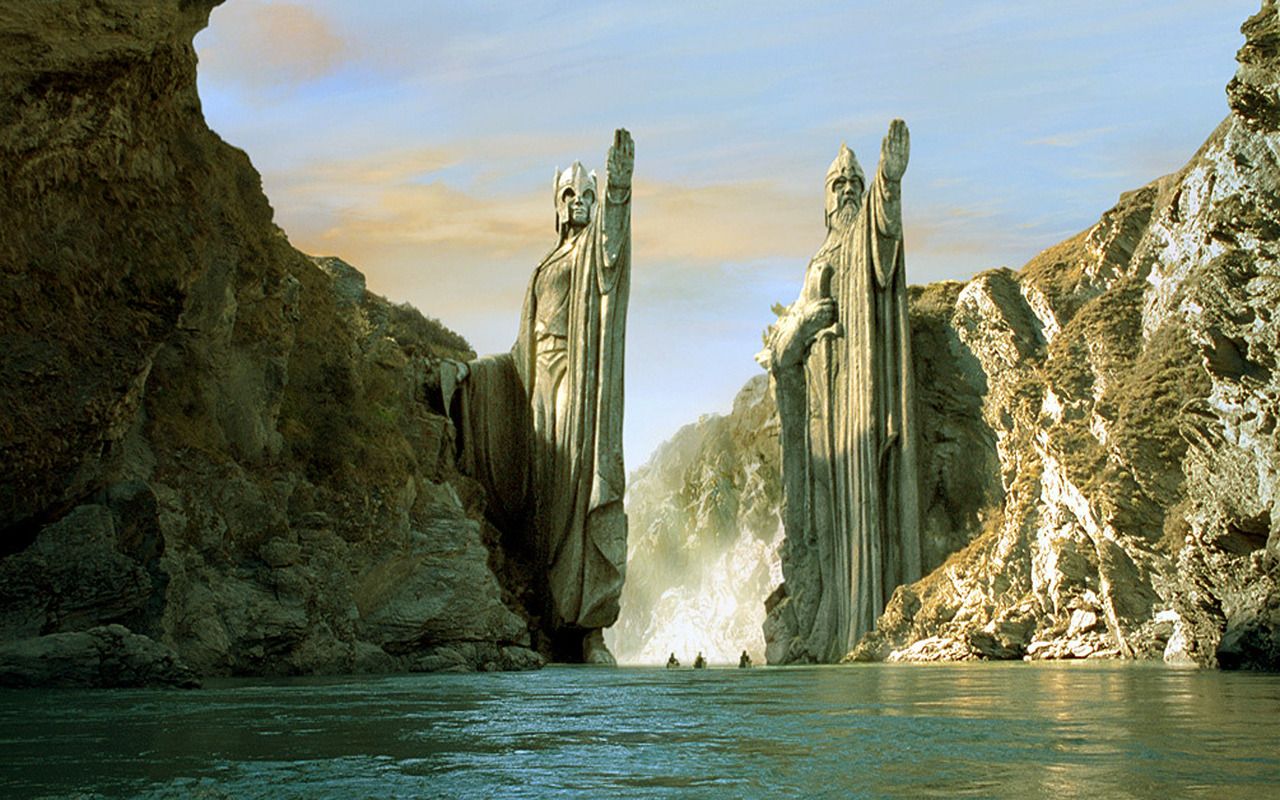
“ ‘Behold the Argonath, the Pillars of the Kings!’ cried Aragorn…

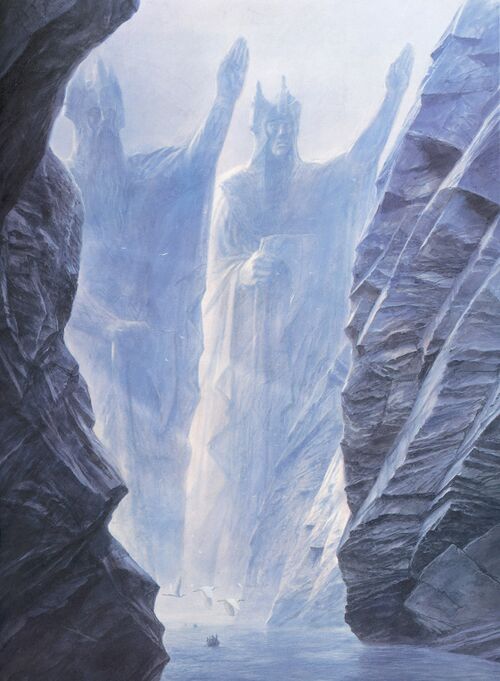
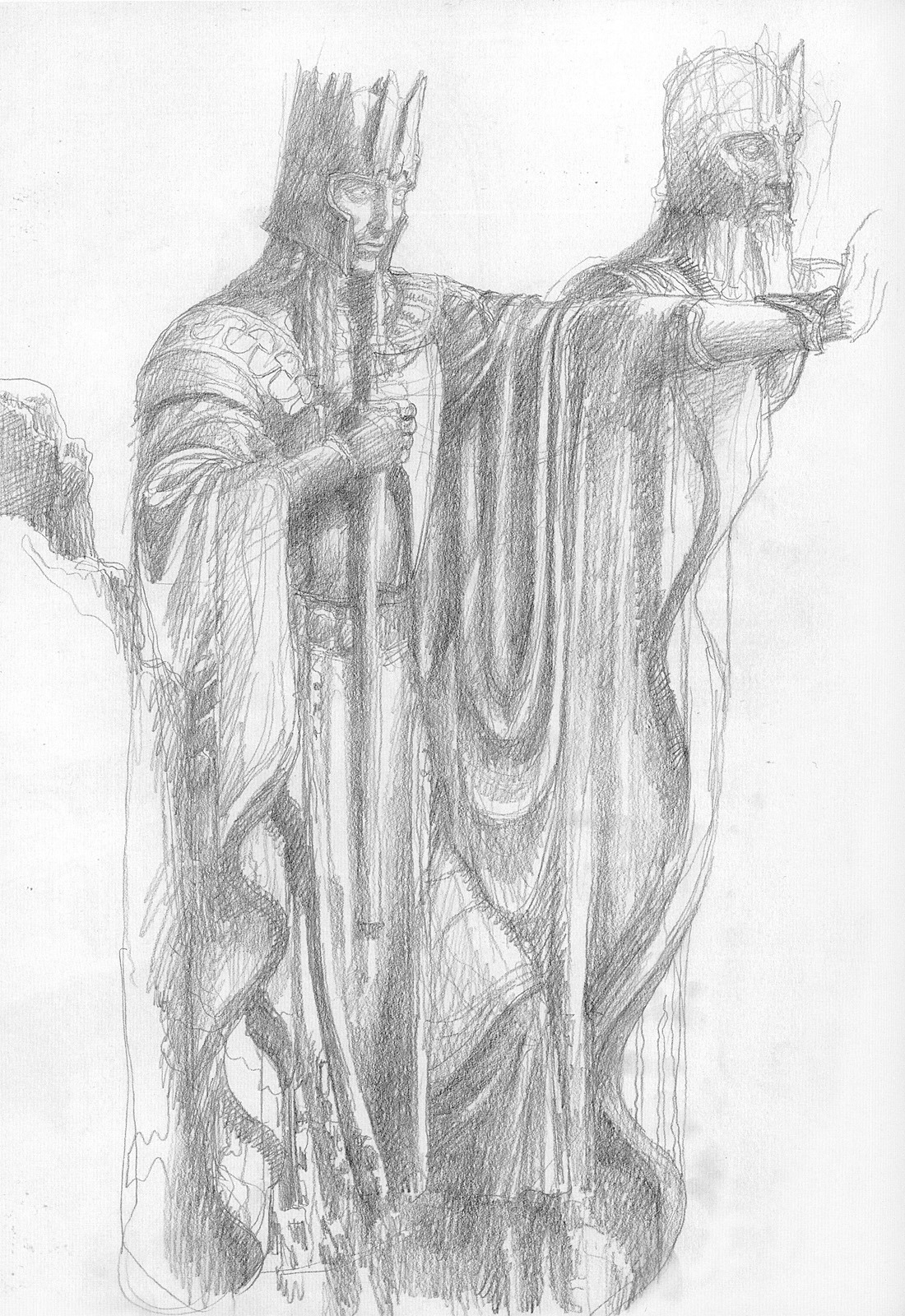
As Frodo was born towards them the great pillars rose like towers to meet him.  Giants they seemed to him, vast grey figures silent but threatening.  Then he saw that they were indeed shaped and fashioned:  the craft and power of old had wrought upon them, and still they preserved through the suns and rains of forgotten years the mighty likenesses in which they had been hewn.  Upon great pedestals founded in the deep waters stood two great kings of stone:  still with blurred eyes and crannied brows they frowned upon the North.  The left hand of each was raised palm outwards in gesture of warning; in each right hand there was an axe; upon each head there was a crumbling helm and crown.  Great power and majesty they still wore, the silent wardens of a long-vanished kingdom…” (The Fellowship of the Ring, Book Two, Chapter 9, “The Great River”)

There are a number of illustrations of this, from the Hildebrandts

to John Howe
to Alan Lee
to J.C. Barquet

and more, including in Jackson’s The Lord of the Rings,

where, in the sometimes perverse method of the films, one figure has a sword, rather than the axe which Tolkien had specifically described (true of the Alan Lee sketch, as well).  Reviewing this short list, however, the first two of these seem to portray the kings with a more peaceably raised left hand, whereas the others more clearly portray what the author wanted:  “The left hand of each was raised outwards in a gesture of warning…”

These figures, in fact, are boundary markers, set up by the Gondorian king Minalcar (later crowned as Romendacil II) some time during his regency (TA1240-1304—see The Lord of the Rings, Appendix A, (ii) “The Southern Line[:] Heirs of Anarion” and (iv) “Gondor and the Heirs of Anarion”) and the gesture is clearly meant as a warning to potential invaders.

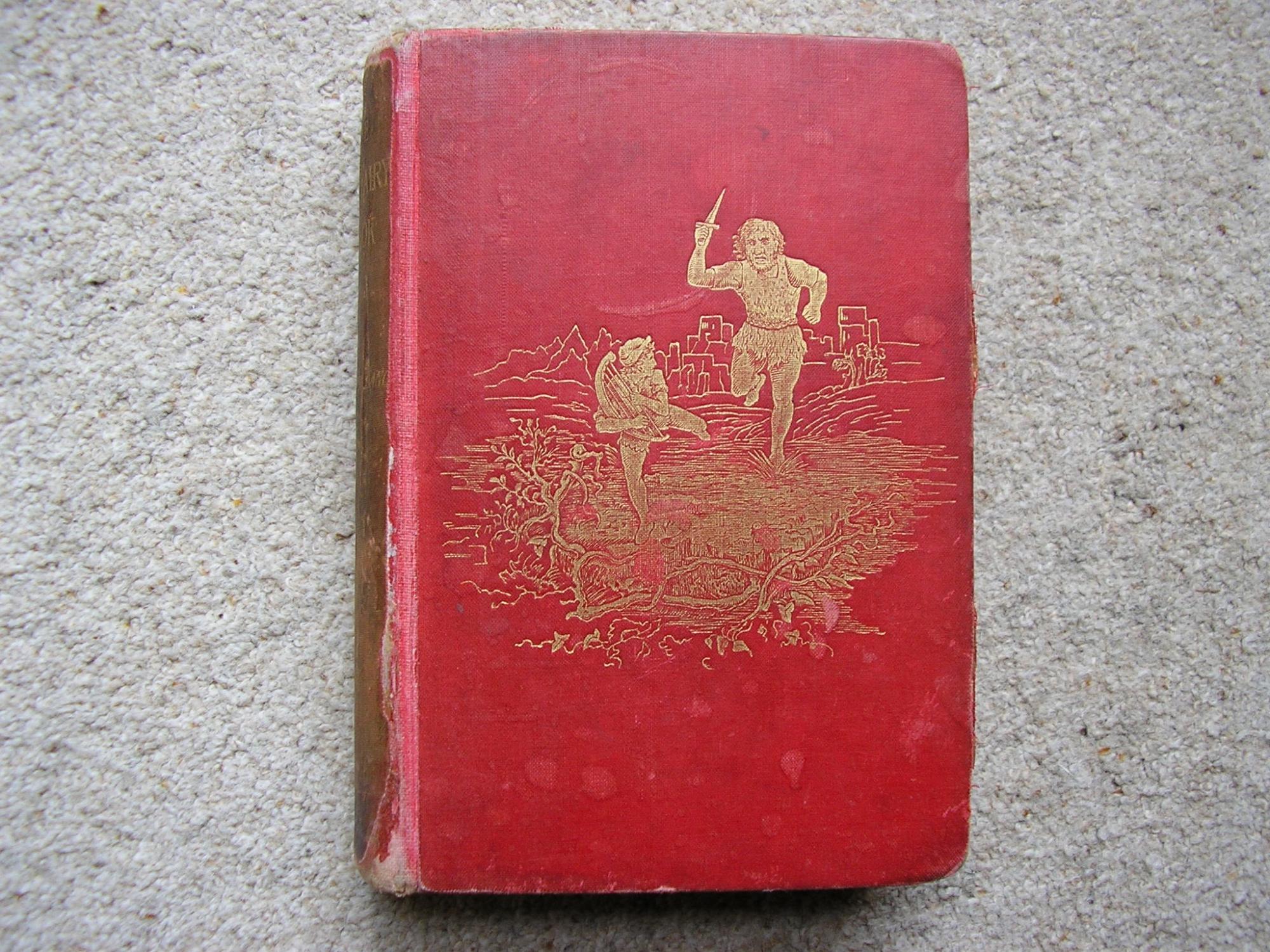
More than once, in past postings, I’ve suggested influences upon Tolkien, from The Red Fairy Book of his childhood,
to Mussolini as a possible Saruman model.
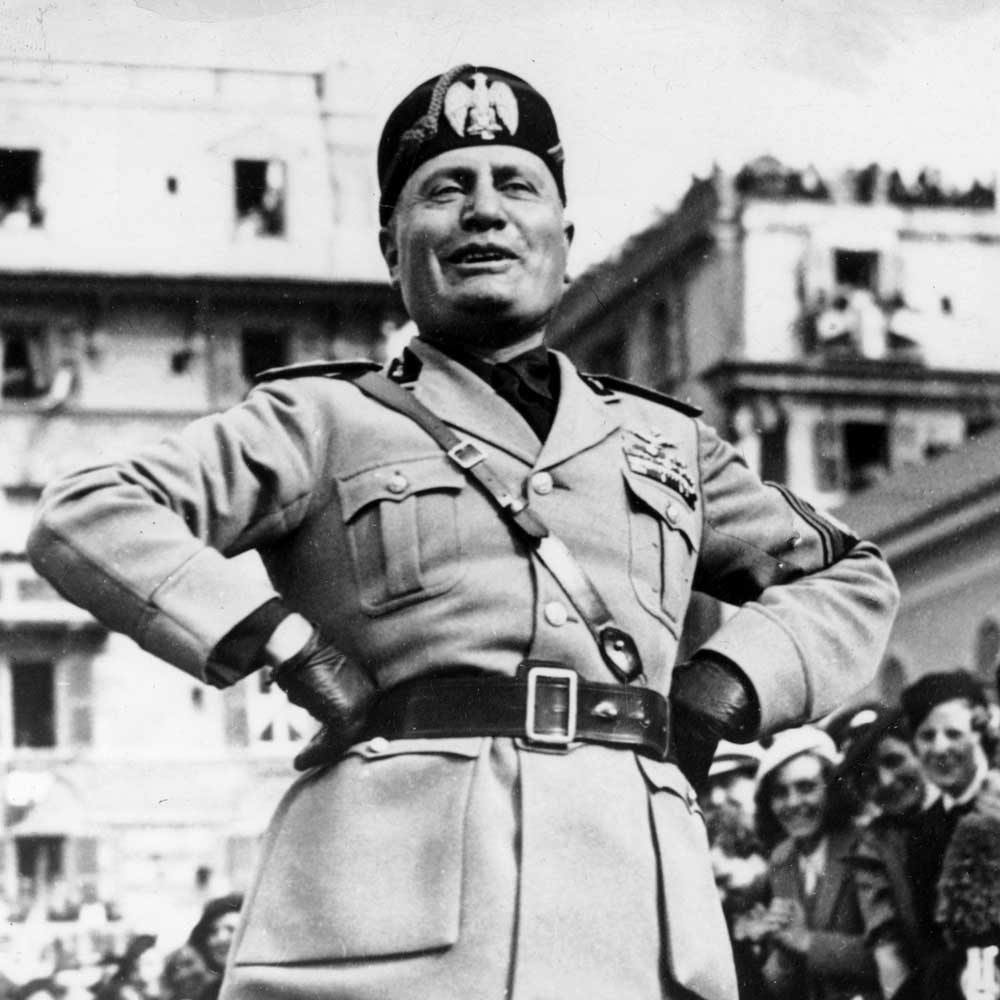
In this posting, however, I’m moving forward, perhaps seeing a Tolkien model for something erected long after Tolkien’s death in 1973.

It begins with a bit of history in JRRT’s lifetime.

At the end of the Great War (aka “World War I”), the Middle East, the majority of it the fading Ottoman Empire, was very much in flux, with France and Britain struggling diplomatically to extend their influence over Syria, Lebanon, and the area then known as Palestine, as well as farther inland.  (For more on this, see David Fromkin’s The Peace to End All Peace, 1989,

and Sean McMeekin’s The Ottoman Endgame, 2016)
Farther north, and encouraged by the victorious Allies, Greece had invaded Turkey, hoping to expand Greece beyond its current boundaries.

This led to a number of bloody encounters between the two sides, with the Greeks advancing to within 50 miles (80km) of the capital at Ankara in the late summer of 1921 before being stopped at the climactic battle in the area of the Sakarya River.  When the Greeks finally withdrew, they had suffered 23,000 casualties (plus perhaps as many as 15,000 prisoners) against Turkish totals of 22,000 casualties and 1,000 prisoners.  This withdrawal turned into a scorched earth retreat towards the Aegean coast and ultimate evacuation of the Greek army along with thousands of civilians from Asia Minor.  (For more see:  https://www.historynet.com/the-battle-that-made-kemal-ataturk/ ) 

In 2015, the Turkish government established the Battle of Sakarya National Historic Park, but, in 2008, several private companies had already commemorated the battle by commissioning a statue of a Turkish infantryman to be placed on a height (Karaltepe) looking westward in the direction from which the Greek army had come.
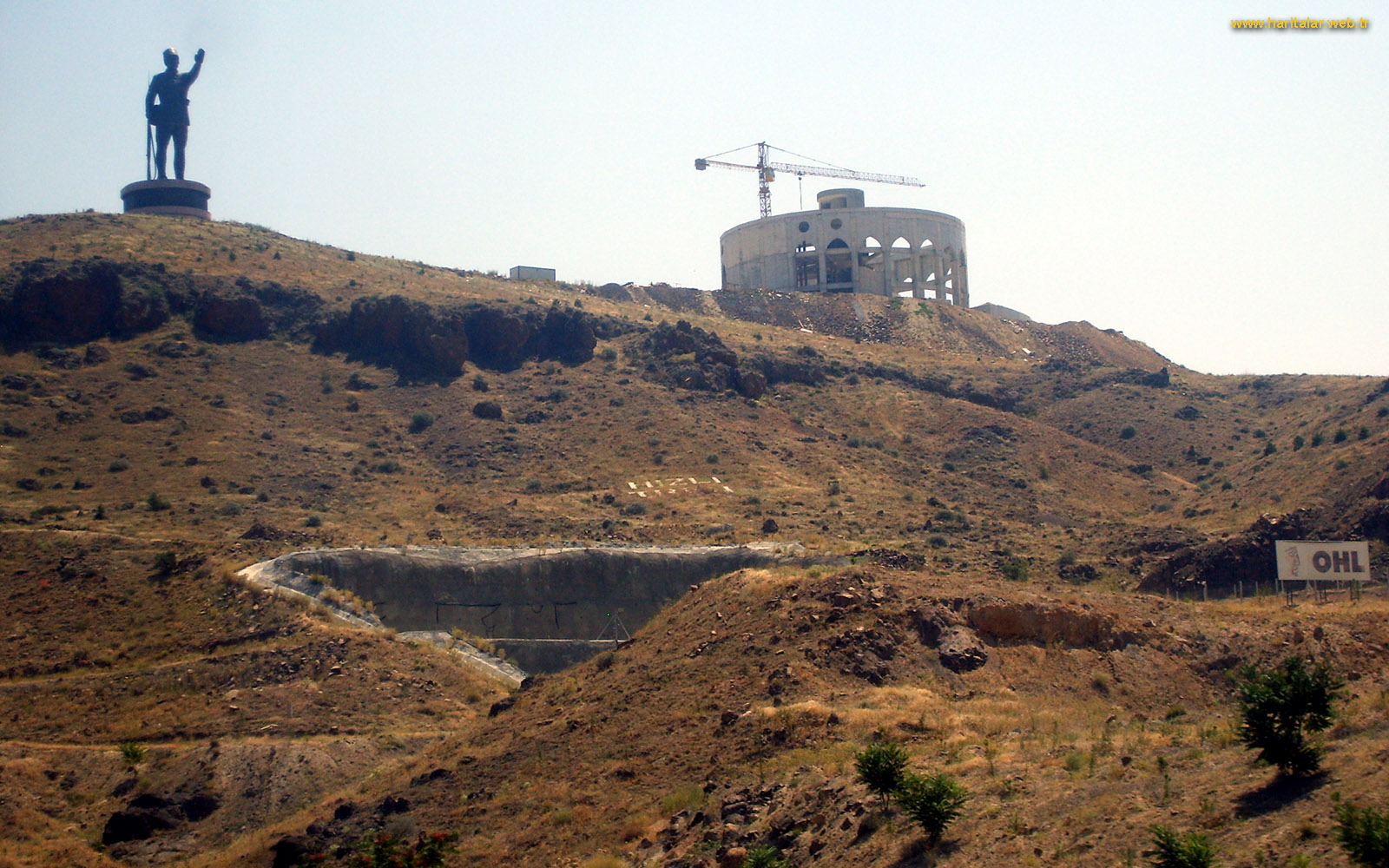
 It’s not a boundary marker, per se, as the Argonath is meant to be, but, by marking the line of Turkish resistance to the Greek invasion, it has somewhat of the same effect.  And, though not gigantic, like the Gondorian figures, it’s over 100 feet (31m) tall on its base and the pose certainly reminds me of what Frodo sees in the river ahead,
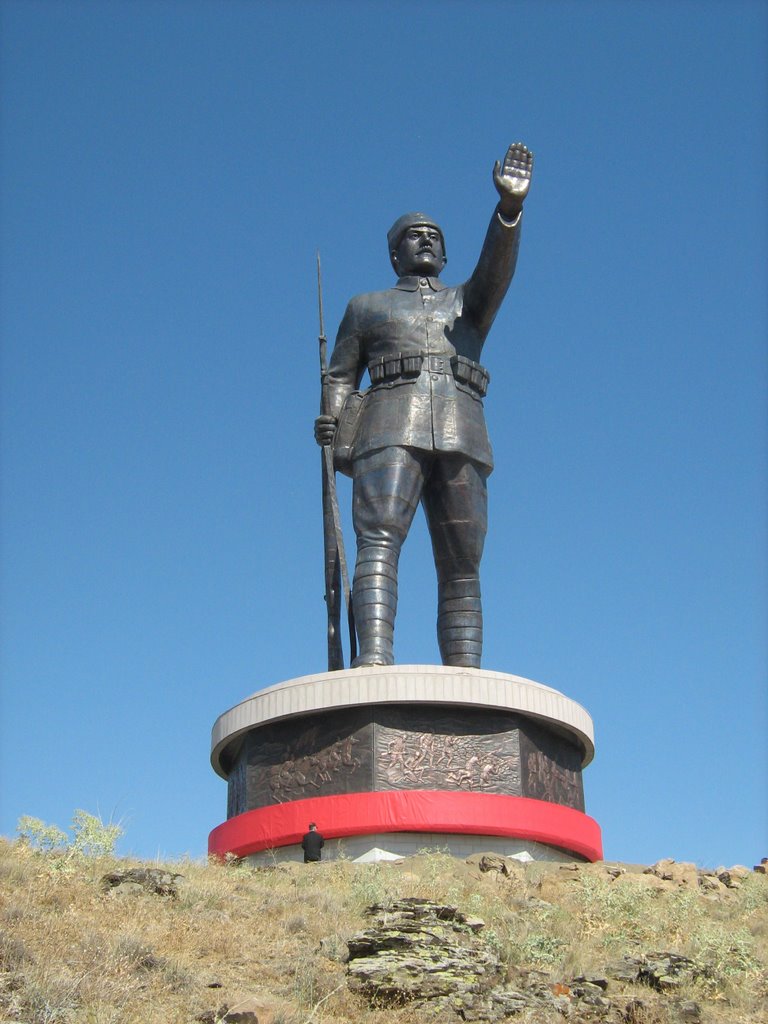
even if it doesn’t produce the same emotional reaction as it did members of the Fellowship:

“Awe and fear fell upon Frodo, and he cowered down, shutting his eyes and not daring to look up as the boat drew near.  Even Boromir bowed his head as the boats whirled by, frail and fleeting as little leaves, under the enduring shadow of the sentinels of Numenor.”

Had the designers of the Turkish monument read The Fellowship of the Ring, or perhaps had seen the Jackson movie?
Thanks for reading, as ever.

Stay well,

What ancient monument might awe you?

And remember that, as always, there’s

MTCIDC

O

ps

In answer to my own question, I’ve always loved this—

It’s often called “the mourning Athena”, but I imagine that the goddess isn’t grieving, but reading a boundary stone and, armed with helmet and spear, seems ready to defend her city from any who would violate that boundary.  It’s nowhere near the monumental size of those images discussed above, being only about 1 ½ feet (.48m) high, but, with a goddess, does size matter?

*(A)Dun[e]-(aic)

20 Wednesday Mar 2024

Posted by Ollamh in Uncategorized

≈ Leave a comment

Tags

books, dune, Fantasy, frank-herbert, science fiction

Welcome, dear readers, as always.

If you’re a regular reader, you know that I have begun a (definitely!) long-term project to deepen my knowledge of Science Fiction.  I’ve read Sci-Fi since childhood, but totally unscientifically (sorry!), and, being interested in both Fantasy and Sci-Fi, I thought that it was more than time to have a better grasp of it and its (as I’ve found out) complicated history.

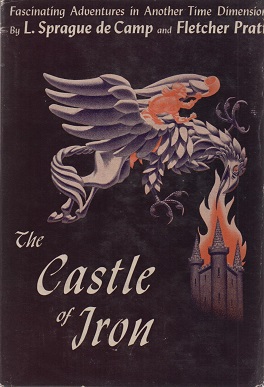
Although I’m still reading somewhat haphazardly—when I find an author whose work catches my attention, I catch myself reading more than one representative—see novels by L. Sprague de Camp (1907-2000), including those in collaboration with Fletcher Pratt (1897-1956)—like Lest Darkness Fall, 1941,

or The Castle of Iron, 1950,

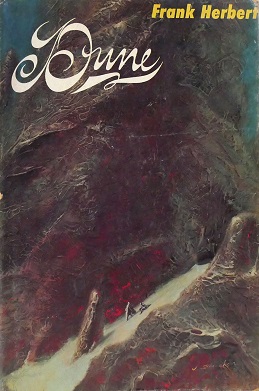
I am developing a chronological list, and, so far, have read about three dozen novels and maybe a dozen short stories, my most recent novel being Dune, 1965,

about which I’ve already written one posting (see “No Names, No…”, 10 January, 2024).  It’s an impressive beginning, full of vividly imagined things, especially anything and everything about the desert planet of Arrakis, its native inhabitants, their environment, and their survival in it.  It’s easy to see how some early reviewers compared it to The Lord of the Rings for its depth of detail.  In my earlier posting, I admitted to being less convinced by the names, which sometimes seem rather haphazard—something which Tolkien would never allow (and actually criticized in the work of E.R. Eddison, 1882-1945—see a letter to Caroline Everett, 24 June, 1957, Letters, 372)—and this brings me to the subject of this posting, which is about Chakobsa—not “Shikwoshir”, or “Shikowschir”, or even “Schakobsche” or “Farschipse”, all possible names for a Northwest Caucasian language (or perhaps invented dialect based upon one of the languages—see https://en.wikipedia.org/wiki/Chakobsa )–but one of the principal languages of Dune.

The first film based upon Dune appeared in 1984

and was not a success—I remember seeing it, but have virtually no memory of what I saw.  (For more on the tribulations of making a film of the novel, see:  https://en.wikipedia.org/wiki/Dune_(1984_film) )  If anyone spoke anything other than standard English, I couldn’t say.  There was a difference, however, in Dune, 2021,

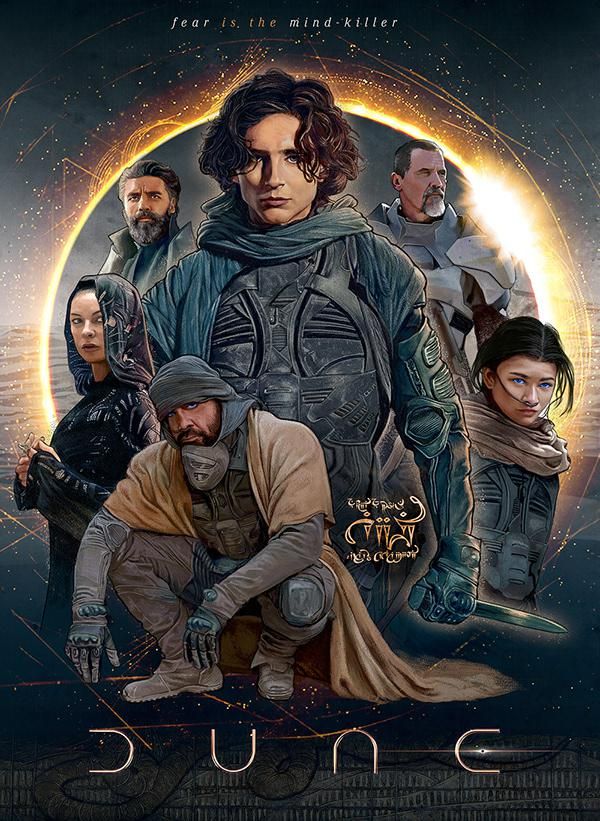
where, although English substitutes for Galach, the standard universal language (like the Common Speech of Middle-earth), the language of the natives of Arrakis, the Fremen, is in need of subtitles.  (And there seems to be a bit of confusion here about what they actually speak, which even one of its creators, in an aside in a recording, admits:  https://dune.fandom.com/wiki/%22Neo-Chakobsa%22_(2020s_film_series)?file=Work_Stream_6-_Translating_into_Chakobsa%2C_Part_1 )  The language we hear most about—and which appears even more frequently in Dune 2, 2023,

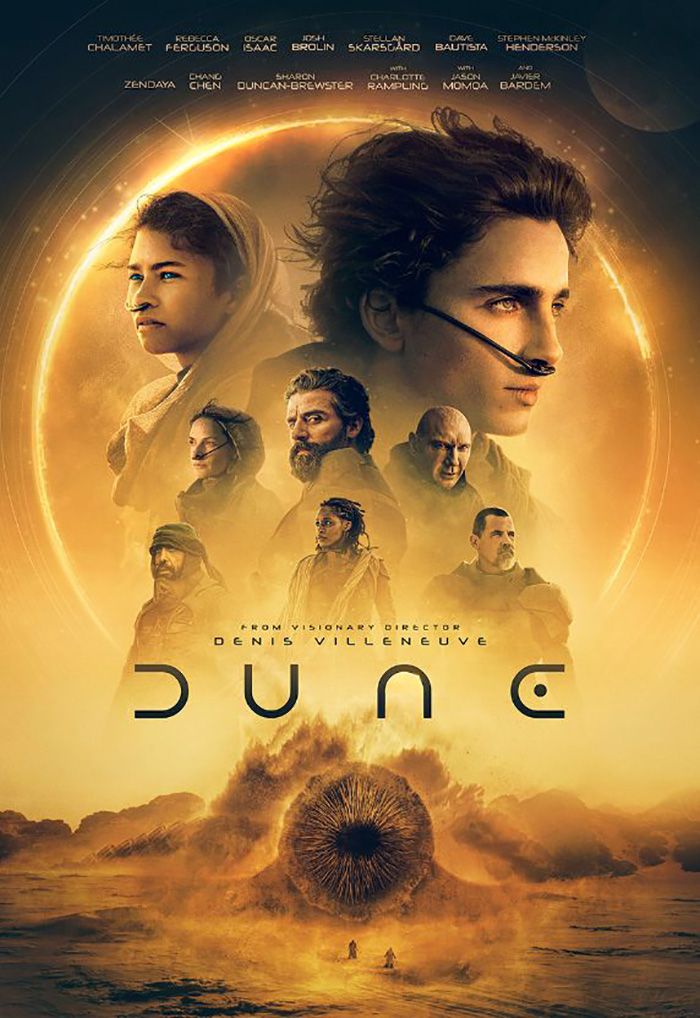
was named by the original author, Frank Herbert (1920-1986), after that Northwest Causcasian language, Chakobsa, but, linguistically, has nothing to do with it.  Instead, it was a gallimaufry (a wonderful word in itself, meaning “a hodgepodge”—see:   https://www.etymonline.com/word/gallimaufry where you’ll discover that it’s actually one of those etymologies with a question mark after it).  As Herbert’s son, Brian, says of the linguistic constructions in Dune in general:

“  The words and names in Dune are from many tongues, including Navajo, Latin, Chakobsa (a language found in the Caucasus), the Nahuatl dialect of the Aztecs, Greek, Persian, East Indian, Russian, Turkish, Finnish, Old English, and, of course, Arabic.” (Dune, “Afterword”, 878 in the Ace edition)

There is a great difference, however, between Herbert’s approach to language and that of the language created for the Fremen in the two films and the latter approach might be seen as coming directly from JRRT’s method of language construction.

In 1931, Tolkien gave a lecture to the Johnson Society at Pembroke College, Oxford.

Daringly entitled “A Secret Vice”, it was an essay about his own “vice”, the creation of languages.  In it, he used his own early experiences with everything from Esperanto to “Nevbosh”, expressing not only his long interest, but also his ideas about the possibilities to be found in such a hobby, including:

“…various other interests in the hobby.  There is the purely philological (a necessary part of the completed whole though it may be developed for its own sake):  you may, for instance, construct a pseudo-historical background and deduce the form you have actually decided on from an antecedent and different form (conceived in outline); or you can posit certain tendencies of development and see what sort of form this will produce.  In the first case you discover what sort of general tendencies of change produce this a given character; in the second you discover the character produced by given tendencies.  Both are interesting, and their exploration gives one a much greater precision and sureness in construction—in the technique in fact of producing an effect you wish to produce for its own sake.” (Tolkien, A Secret Vice:  Tolkien on Invented Languages, edited by Dimitra Fimi & Andrew Higgins, Harper/Collins, 2016, 25)

I was reminded of this passage when I watched a brief interview with the creators of Chakobsa, Jessie and David Peterson, which you can see here:  https://www.bbc.com/reel/video/p0hg5n6z/dune-and-the-art-of-creating-a-fictional-language  .  David was the creator of Valyrian and Dothraki for A Game of Thrones, as well as the author of a very entertaining and informative book on the subject of constructed languages (“conlang” for short), The Art of Language Invention (Penguin, 2015).

(For more on Valyrian, see:  https://en.wikipedia.org/wiki/Valyrian_languages .  For more on Dothraki, see:  https://en.wikipedia.org/wiki/Dothraki_language )

In the interview, Jessie talks about the “evolutionary method” of designing a language—that is, just like Tolkien, creating an older version of the language which you then “age”, using standard linguistic methods for consistent change over time.  We see an example of this in an interview the Petersons did with IndieWire:

“The most everyday terms in any language — things like “hello” and “goodbye” — are often ones that have the most history behind them. ‘You don’t try to come up with a way to say hello. You try to come up with what would have been a common phrase that was repeated when you saw someone and which ended up getting reduced to a smaller form,’ Jessie Peterson said. “

All of this was trickier, of course, for the Petersons, since, unlike Tolkien, the language they were employed to build already had some chosen, if not invented, elements—words from Herbert’s gallimaufry—which they were obliged to begin with.  In the same interview with IndieWire, David Peterson had this to say about such difficulties:

”Peterson traced the longest existing phrase in Chakobsa, a funeral rite spoken for Jamis (Babs Olusanmokun) as his water is given to the well at Sietch Tabr, to a Romani nursery rhyme. 

‘He just changed the meaning and said that it had something to do with water,’ Peterson told IndieWire. “A lot of [Chakobsa] is just borrowed kind of haphazardly from different languages. We just had to come up with our own system and incorporate it as best we could.”  (You can read the whole interview here:  https://www.indiewire.com/features/craft/dune-fremen-langauge-how-to-speak-1234958145/ )

An interesting feature in Tolkien’s language invention—and perhaps eventually crucial—

“I might fling out the view that for perfect construction of an art-language it is found necessary to construct at least in outline a mythology concomitant.  Not solely because some pieces of verse will inevitably be part of the (more or less) completed structure, but because the making of language and mythology are related functions (coeval and congenital, not related as disease to health, or as by-products to main manufacture); to give your language an individual flavour, it must have woven into it the threads of an individual mythology, individual while working within the scheme of natural human mythopoeia, as your word-form may be individual while working within the hackneyed limits of human, even European, phonetics.  The converse indeed is true, your language construction will breed a mythology.”  (Tolkien, A Secret Vice, 23-24)

So far, David, and now David and Jessie, Peterson have worked to create languages for other people’s stories and mythologies.  I wonder what they might produce if they constructed a language—or languages—for a story of their own?

As always, thanks for reading.

Stay well,

So shiira isim un-rauqizak,

And remember that, as ever, there’s

MTCIDC

O

PS

If creating languages interests you, have a look at Jessie Peterson’s website here:  https://www.quothalinguist.com/about-me/

Glittering Caves, or, Cheese, Hobbit!

13 Wednesday Mar 2024

Posted by Ollamh in Uncategorized

≈ Leave a comment

Tags

Fantasy, J.R.R. Tolkien, lord-of-the-rings, The Lord of the Rings, travel

Welcome, dear readers, as ever.

In a letter to a “Mr. Wrigley”, Tolkien made this remark:

“I fear you may be right that the search for the sources of The Lord of the Rings is going to occupy academics for a generation or two.  I wish this need not be so.  To my mind it is the particular use in a particular situation of any motive, whether invented, deliberately borrowed, or unconsciously remembered that is the most interesting thing to consider.”  (letter to Mr. Wrigley, 25 May, 1972, Letters, 587)

I would like to add:  not just unconsciously remembered, but also consciously, as in the Caves of Aglarond.

“Strange are the ways of Men, Legolas!” Gimli suddenly burst out, continuing:  “Here they have one of the marvels of the Northern World, and what do they say of it?  Caves, they say!  Caves!  Holes to fly to in time of war, to store fodder in!  My good Legolas, do you know that the caverns of Helm’s Deep are vast and beautiful?  There would be an endless pilgrimage of Dwarves, merely to gaze at them, if such things were known to be.  Aye indeed, they would pay pure gold for a brief glance!”  (The Two Towers, Book Three, Chapter 8, “The Road to Isengard”)

Gimli and Legolas have just survived Saruman’s failed attack on Helm’s Deep,

(the Hildebrandts)

where Gimli, separated from his companions, has taken refuge in the very caves he is now raving about.

(Ted Nasmith—and, as ever, he has chosen a moment no one else has thought to illustrate—one of the many reasons I so admire his work)

As Gimli goes on—and he does for half a page—we hear of

“immeasurable halls, filled with an everlasting music of water that tinkles into pools, as fair as Kheled-zaram in the starlight…gems and crystals and veins of precious ore glint in the polished walls; and the light glows through folded marbles, shell-like, translucent as the living hands of Queen Galadriel.”

Remembering Gimli’s ultimate request from Galadriel—a strand of her hair:

“…which surpasses the gold of the earth as the stars surpass the gems of the mine.” (The Fellowship of the Ring, Book Two, Chapter 8, “Farewell to Lorien”)

this is an impressive comparison.  But, for all of JRRT’s wonderful imagination, in fact these caves, although perhaps embroidered by that imagination, were based upon a real place, as Tolkien tells us in a letter:

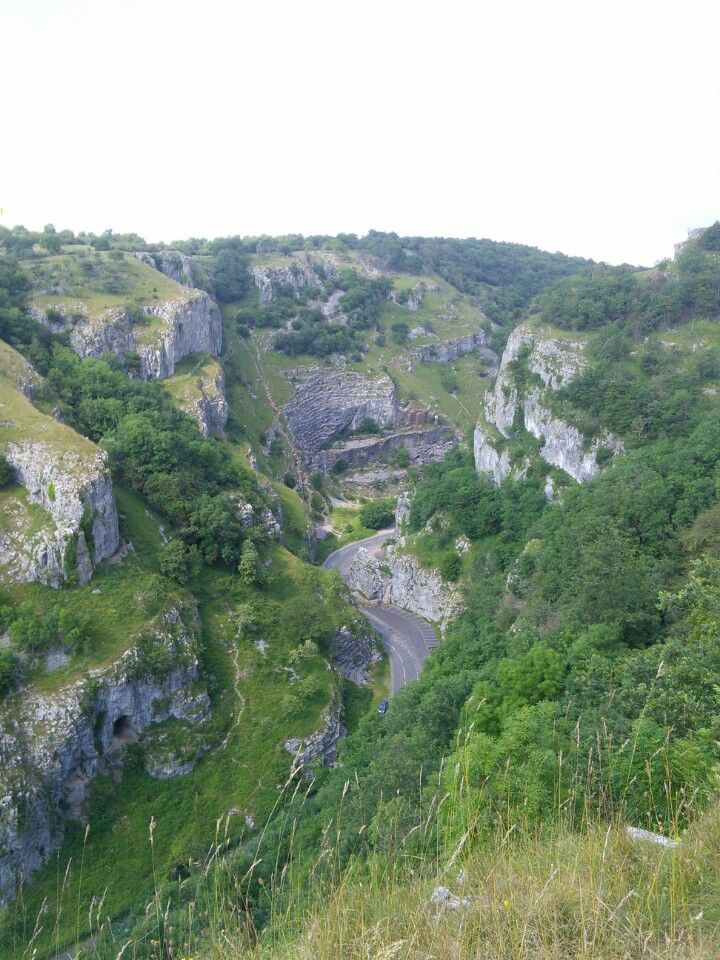
“I was most pleased by your reference to the description of ‘glittering caves’.  No other critic, I think, has picked it out for special mention.  It may interest you to know that the passage was based on the caves in Cheddar Gorge and was written just after I had revisited these in 1940 but was still coloured by my memory of them much earlier before they became so commercialized.  I had been there during my honeymoon nearly thirty years earlier.”  (letter to P. Rorke, SJ, 4 February, 1971, Letters, 572)

Cheddar Gorge is a natural feature in Dorset, in southwest England in the area of the Mendip Hills.

A gorge is a kind of valley and Cheddar Gorge is one which has cut through layers of limestone to form it.

As you can see, this is spectacular in itself, but there is an attraction within the attraction:  a series of caves in the limestone and this is the sort of thing which Tolkien might have seen on his two visits—

which then inspired Gimli’s impassioned speech (which, by the way, is totally unnecessary to the plot, but which brilliantly illuminates (sorry!) Gimli’s character and adds to his growing friendship with Legolas, who, persuaded by the dwarf’s rhetoric, pledges to return to the caves with him—in return for visiting Fangorn Forest with Legolas).

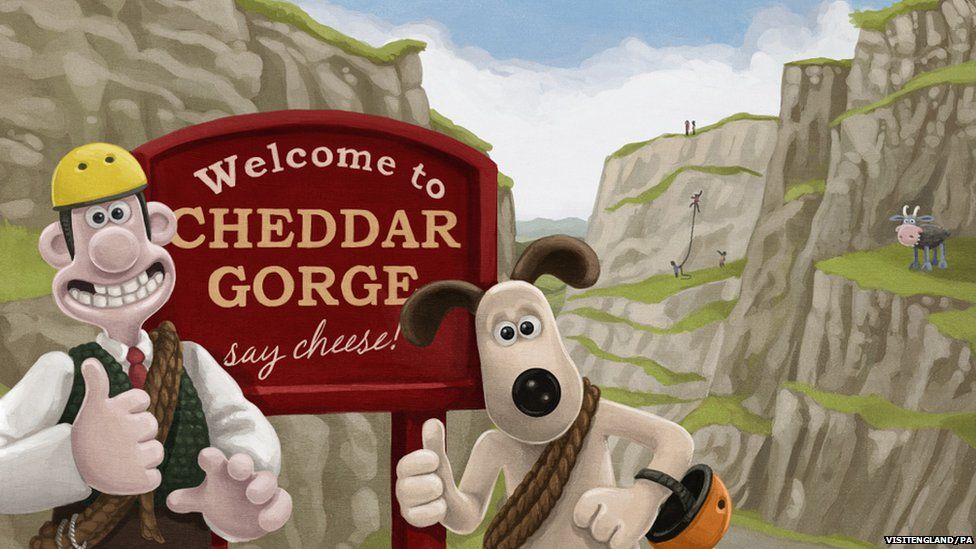
For those who love cheese, there is another connection here, of course:  billed as “the world’s most popular cheese”, there is Cheddar, a tangy, solid variety, which seems to have originated—yes, in the village of Cheddar, just below the Gorge (and it has been suggested that some of the caves were used to age the cheese in the past).

In a left (or perhaps wrong) turn from Tolkien’s “the particular use in a particular situation of any motive, whether invented, deliberately borrowed, or unconsciously remembered that is the most interesting thing to consider”, I found that, once I made the association:  Caves of Aglarond, Cheddar Gorge, my next step was directly to Cheddar Cheese and, from there, to another English cheese, Wensleydale, made to the northeast, in Yorkshire.

And here’s where cheese and hobbits became intertwined with the characters most devoted to Wensleydale, Wallace and his skeptical dog, Gromit.

These are the brilliant stop-motion creations of Nick Park,

beginning with the pair’s first adventure, “A Grand Day Out” (1989)

in which, in search of a cheese holiday,

they visit the moon in a ramshackle rocket which Wallace (a part-time inventor) built for the trip.

Since then, they have had a number of adventures—“The Wrong Trousers” (1993), “A Close Shave” (1995), and “A Matter of Loaf and Death” (2008), all shorts, along with a feature-length film, “The Curse of the Were-Rabbit” (2005).  If you don’t know them, you can see “A Grand Day Out” for free at the wonderful Internet Archive:  https://archive.org/details/agranddayout_202001 and, if this delights you as much as it’s always delighted me, you can see more at the Archive under “Aardman Animations”, including a series of very short films highlighting some of Wallace’s inventions:  https://archive.org/details/94920

This is very much English humor:  wacky, but played straight, as if visiting the Moon in search of exotic cheese is a perfectly normal thing to do.  I don’t know if JRRT would have enjoyed Wallace and Gromit, but he says this of hobbits:

“…I am personally immensely amused by hobbits as such, and can contemplate them eating and making their rather fatuous jokes indefinitely…” (letter to D.A. Furth, 24 July, 1938, Letters, 49)

so perhaps the adventures of two eccentrics—well, one eccentric and one very sensible canine–

would tickle him.  As I was writing this, I discovered, however, that someone else had already made the association of Cheddar (Gorge) and Wallace and Gromit, at least–

Thanks for reading, as always,

Stay well,

Squirrel away, as Wallace does, Jacob’s Cream Crackers—you just shouldn’t run out,

And remember that there’s always

MTCIDC

O

PS

For more on Cheddar Gorge, see:  https://en.wikipedia.org/wiki/Cheddar_Gorge   For more on Cheddar cheese see:  https://en.wikipedia.org/wiki/Cheddar_cheese

Seem Fairer

06 Wednesday Mar 2024

Posted by Ollamh in Uncategorized

≈ Leave a comment

Tags

books, Fantasy, J.R.R. Tolkien, lord-of-the-rings, Tolkien

As ever, dear readers, welcome.

If you flip to the back of The Letters of J.R.R. Tolkien,

and page through the index to the aitches, you’ll find five references to Adolf Hitler.  The first, to his son, Michael, simply mentions the idea that Hitler must soon attack Britain (letter to Michael Tolkien, 12 January, 1941, Letters, 64).  The third is to another son, Christopher, and makes a brief reference to Stalin and Hitler (letter to Christopher Tolkien, 22 August, 1944, Letters, 131).  Both of these are neutral in tone.  The second, however, has more the tone of a rant:

“Anyway, I have in this War a burning private grudge—which would probably make me a better soldier at 49 than I was at 22:  against that ruddy little ignoramus Adolf Hitler (for the odd thing about demonic inspiration and impetus is that it in no way enhances the purely intellectual stature:  it chiefly affects the mere will).”  (letter to Michael Tolkien, 9 June, 1941, Letters, 77)

And the fourth and fifth (in the same letter) have a similar tone:

“We knew that Hitler was a vulgar and ignorant little cad, in addition to any other defects (or the source of them)…” (letter to Christopher Tolkien, 23-25 September, 1944, Letters, 133)

Both of which are entirely understandable, of course.  In terms of his family, two of his sons were involved in the Second World War, Michael as an anti-aircraft gunner, Christopher as a pilot, and Tolkien worried very much about both, as various letters to them make very plain.

That “burning private grudge”, however, was about something entirely different—and characteristic of JRRT—was his anger at the Nazi perversion of what he thought of as “that noble northern spirit”, as he says in that letter to Michael:

“Ruining, perverting, misapplying, and making for ever accursed, that noble northern spirit, a supreme contribution to Europe, which I have ever loved and tried to present in its true light.”

This being under the direction of:

“…a man inspired by a mad, whirlwind, devil:  a typhoon, a passion:  that makes the poor old Kaiser look like an old woman knitting.”

For all that Tolkien descends to name-calling (not his usual method of dealing with whom or what he doesn’t like), there is a certain—I won’t call it respect—but wary awe of someone he calls a “mad, whirlwind, devil” and, as always when I think about JRRT, his time, and his influences, I wonder about how he his impression of that “vulgar and ignorant little cad”—and “whirlwind devil”—might have influenced his work.

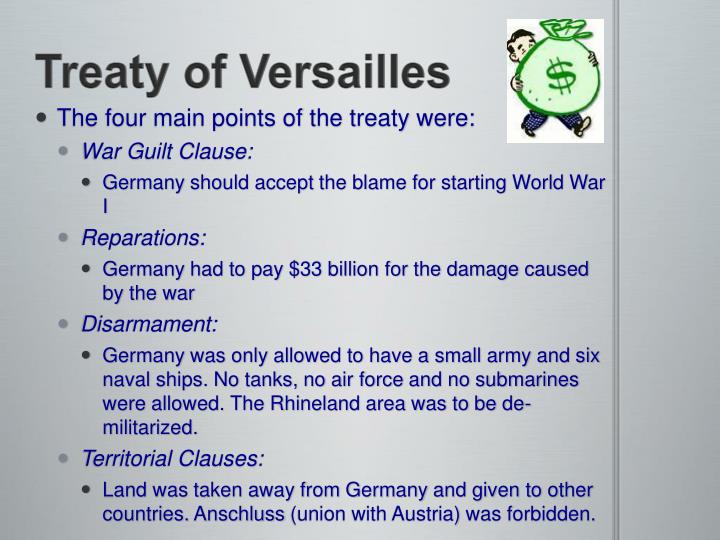
Germany after the Great War was economically and socially in ruins.  The 1919 Treaty of Versailles, blaming Germany for the war and designed to exact severe punishment for that, had done much to put her in that condition.

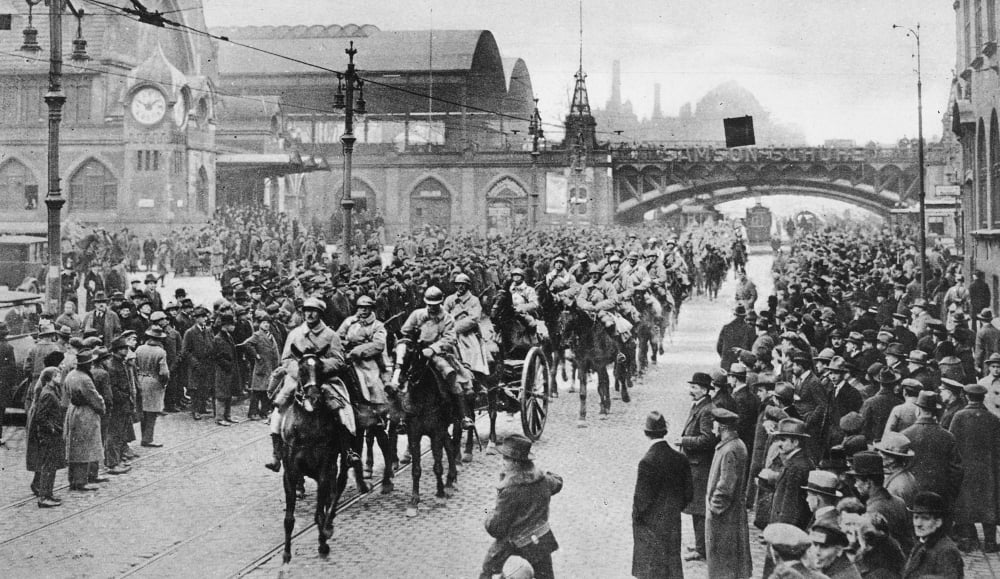
When Germany was unable to pay the amount demanded on time, parts of western Germany were then occupied by several of the Allies.

Bankruptcy, monetary depreciation,

and ideas of revolution swirled—including a brief attempt at revolution in Munich, in 1923.

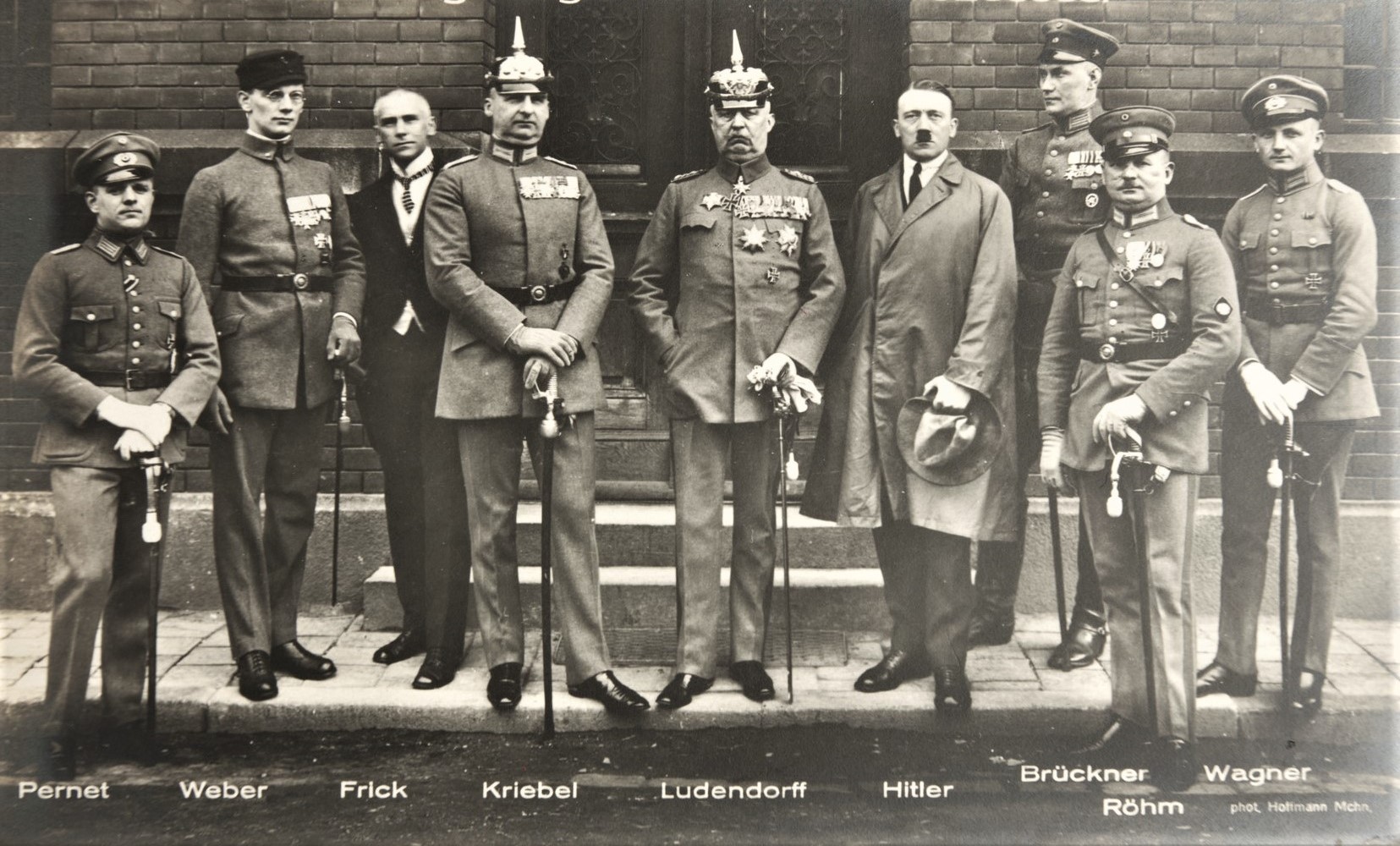
The leader of this attempt was an ex-serviceman named Hitler.

With a sympathetic court, instead of being executed for treason, he was given a light sentence and soon was out on the streets again, presenting himself not as a violent revolutionary, but as a reformer, someone who was working to bring his country back from the wreckage it has suffered from war, a brutal treaty, a ruined economy, and social unrest (some of which he himself had inspired—and would continue to inspire).

In time, he was so successful at this that he became his country’s director, under the very neutral title of Fuehrer, “Leader” and the economy did improve, living conditions did improve—

but under all of this improvement was something else and here I’m immediately reminded of Sauron:

“Sauron was of course not ‘evil’ in origin…until he became the main representative of Evil of later ages.  But at the beginning of the Second Age he was still beautiful to look at, or could still assume a beautiful visible shape—and was not indeed wholly evil, not unless all ‘reformers’ who want to hurry up with ‘reconstruction’ and ‘reorganization’ are wholly evil, even before pride and the lust to exert their will eat them up.” (draft of a letter to Peter Hastings, September, 1954, Letters, 284)

“But many of the Elves listened to Sauron.  He was still fair in that early time, and his motives and those of the Elves seemed to go partly together:  the healing of the desolate lands.  Sauron found their weak point, suggesting that, helping one another, they could make Western Middle-earth as beautiful as Valinor.” (to Milton Waldman, typescript, “late 1951”, Letters, 212)

And here are the consequences:

“[Sauron] lingers in Middle-earth.  Very slowly, beginning with fair motives:  the reorganizing and rehabilitation of the ruin of Middle-earth, ‘neglected by the gods’, he becomes a reincarnation of Evil, and a thing lusting for Complete Power—and so consumed ever more fiercely with hate (especially of gods and Elves).  All through the twilight of the Second Age the Shadow is growing in the East of Middle-earth, spreading its sway more and more over Men…” (to Milton Waldman, typescript, “late 1951”, Letters, 211)

The title of this posting, as I’ll bet you all know, is part of a remark which Frodo makes just after Strider has appeared and approached him at The Prancing Pony in Bree:

(the Hildebrandts)

“You have frightened me several times tonight, but never in the way that the servants of the Enemy would, or so I imagine.  I think that one of his spies would—well, seem fairer and feel fouler, if you understand.”

To which Strider makes a reply one would never expect Hitler—or Sauron– to have made—

“ ‘I see,’ laughed Strider.  ‘I look foul and feel fair.  Is that it?’ “

As always, thanks for reading.

Stay well,

When it comes to reformers, it might always be wise to question their ultimate motives,

And remember that, as always, there’s

MTCIDC

O

The Doubtful Sea Series Facebook Page

The Doubtful Sea Series Facebook Page

  • Ollamh

Categories

  • Artists and Illustrators
  • Economics in Middle-earth
  • Fairy Tales and Myths
  • Films and Music
  • Games
  • Heroes
  • Imaginary History
  • J.R.R. Tolkien
  • Language
  • Literary History
  • Maps
  • Medieval Russia
  • Military History
  • Military History of Middle-earth
  • Narnia
  • Narrative Methods
  • Poetry
  • Research
  • Star Wars
  • Terra Australis
  • The Rohirrim
  • Theatre and Performance
  • Tolkien
  • Uncategorized
  • Villains
  • Writing as Collaborators
Follow doubtfulsea on WordPress.com

Across the Doubtful Sea

Recent Postings

  • A Moon disfigured December 17, 2025
  • On the Roads Again—Once More December 10, 2025
  • (Not) Crossing Bridges December 3, 2025
  • On the Road(s) Again—Again November 26, 2025
  • On the Road(s) Again November 19, 2025
  • To Bree (Part 2) November 12, 2025
  • To Bree (Part 1) November 5, 2025
  • A Plague o’ Both—No, o’ All Your Houses! October 29, 2025
  • It’s in Writing (2:  I’st a Prologue, or a Poesie for a Ring?) October 22, 2025

Blog Statistics

  • 103,189 Views

Posting Archive

  • December 2025 (3)
  • November 2025 (4)
  • October 2025 (5)
  • September 2025 (4)
  • August 2025 (4)
  • July 2025 (5)
  • June 2025 (4)
  • May 2025 (4)
  • April 2025 (5)
  • March 2025 (4)
  • February 2025 (4)
  • January 2025 (5)
  • December 2024 (4)
  • November 2024 (4)
  • October 2024 (5)
  • September 2024 (4)
  • August 2024 (4)
  • July 2024 (5)
  • June 2024 (4)
  • May 2024 (5)
  • April 2024 (4)
  • March 2024 (4)
  • February 2024 (4)
  • January 2024 (5)
  • December 2023 (4)
  • November 2023 (5)
  • October 2023 (4)
  • September 2023 (4)
  • August 2023 (5)
  • July 2023 (4)
  • June 2023 (4)
  • May 2023 (5)
  • April 2023 (4)
  • March 2023 (5)
  • February 2023 (4)
  • January 2023 (4)
  • December 2022 (4)
  • November 2022 (5)
  • October 2022 (4)
  • September 2022 (4)
  • August 2022 (5)
  • July 2022 (4)
  • June 2022 (5)
  • May 2022 (4)
  • April 2022 (4)
  • March 2022 (5)
  • February 2022 (4)
  • January 2022 (4)
  • December 2021 (5)
  • November 2021 (4)
  • October 2021 (4)
  • September 2021 (5)
  • August 2021 (4)
  • July 2021 (4)
  • June 2021 (5)
  • May 2021 (4)
  • April 2021 (4)
  • March 2021 (5)
  • February 2021 (4)
  • January 2021 (4)
  • December 2020 (5)
  • November 2020 (4)
  • October 2020 (4)
  • September 2020 (5)
  • August 2020 (4)
  • July 2020 (5)
  • June 2020 (4)
  • May 2020 (4)
  • April 2020 (5)
  • March 2020 (4)
  • February 2020 (4)
  • January 2020 (6)
  • December 2019 (4)
  • November 2019 (4)
  • October 2019 (5)
  • September 2019 (4)
  • August 2019 (4)
  • July 2019 (5)
  • June 2019 (4)
  • May 2019 (5)
  • April 2019 (4)
  • March 2019 (4)
  • February 2019 (4)
  • January 2019 (5)
  • December 2018 (4)
  • November 2018 (4)
  • October 2018 (5)
  • September 2018 (4)
  • August 2018 (5)
  • July 2018 (4)
  • June 2018 (4)
  • May 2018 (5)
  • April 2018 (4)
  • March 2018 (4)
  • February 2018 (4)
  • January 2018 (5)
  • December 2017 (4)
  • November 2017 (4)
  • October 2017 (4)
  • September 2017 (4)
  • August 2017 (5)
  • July 2017 (4)
  • June 2017 (4)
  • May 2017 (5)
  • April 2017 (4)
  • March 2017 (5)
  • February 2017 (4)
  • January 2017 (4)
  • December 2016 (4)
  • November 2016 (5)
  • October 2016 (6)
  • September 2016 (5)
  • August 2016 (5)
  • July 2016 (5)
  • June 2016 (5)
  • May 2016 (4)
  • April 2016 (4)
  • March 2016 (5)
  • February 2016 (4)
  • January 2016 (4)
  • December 2015 (5)
  • November 2015 (5)
  • October 2015 (4)
  • September 2015 (5)
  • August 2015 (4)
  • July 2015 (5)
  • June 2015 (5)
  • May 2015 (4)
  • April 2015 (3)
  • March 2015 (4)
  • February 2015 (4)
  • January 2015 (4)
  • December 2014 (5)
  • November 2014 (4)
  • October 2014 (6)
  • September 2014 (1)

Blog at WordPress.com.

  • Subscribe Subscribed
    • doubtfulsea
    • Join 78 other subscribers
    • Already have a WordPress.com account? Log in now.
    • doubtfulsea
    • Subscribe Subscribed
    • Sign up
    • Log in
    • Report this content
    • View site in Reader
    • Manage subscriptions
    • Collapse this bar
 

Loading Comments...