• About

doubtfulsea

~ adventure fantasy

Tag Archives: William Duke of Normandy

Doom

19 Wednesday Mar 2025

Posted by Ollamh in Uncategorized

≈ Leave a comment

Tags

anglo-saxons, Dialogus, Domesday Book, Errantry, Gothic, History, janissaries, Janissary, literature, lotr, Mazarbul, Normans, Tolkien, William Duke of Normandy

As ever, dear readers, welcome.

If nothing else would tell us that Tolkien had a fine ear for rhythm and rhyme, just take this stanza from “Errantry”, first published in The Oxford Magazine, Vol.52, No.5–

“Of crystal was his habergeon,
His scabbard of chalcedony;
With silver tipped at plenilune
His spear was hewn of ebony.
His javelins were of malachite
And stalactite – he brandished them
And went and fought the dragon flies
Of Paradise, and vanquished them.”

In his rhyming, JRRT has used some rather specialized words:

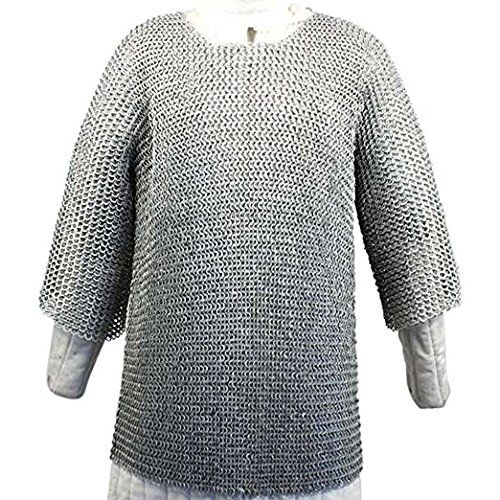
habergeon  an (often-half-sleeved) chain mail shirt—usually made of steel, not something as fragile as crystal might be
chalcedony   a kind of silica which comes in a number of varieties and colors—here’s one—

plenilune    full moon—the idea being that his spear was given its tip/blade at the full moon, suggesting perhaps a magical making? 

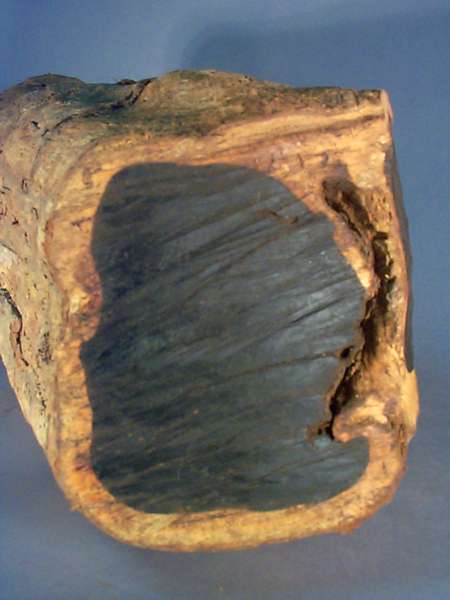
ebony      a dark hardwood which can be turned into a glossy black
malachite   another stone, which is copper-bearing

stalactite   this isn’t a stone, but a stone deposit which hangs down in caves

and is probably there for the internal rhyme with malachite, although malachite can be discovered in stalactites, so possibly JRRT is using two different possibilities at once

brandish     to wave—something heroic warriors sometimes do with their weapons, in a boasting or threatening manner

(I haven’t been able to find an artist for this one, alas.)

For the “dragon flies of Paradise”, you’re on your own—although–

So, when it came to the soundscape of The Lord of the Rings (a subject which could use a lot of exploring—there are cues everywhere), I wasn’t surprised to see him play a little game with an unlikely toy, a drum.

(a traditional Turkish drum—with two sticks, the larger for the top, the smaller for the underside, which gives it a distinctive double sound—you can hear—and see—some here:  https://www.youtube.com/watch?v=2eaxzv6obf8  These musicians are dressed as Janissaries, members of the Sultan’s elite troops

 and you can see why such bands then influenced later 18th-century-early-19th-century composers like Mozart and Beethoven—and frightened defenders when they heard this music coming.  Here’s Beethoven’s impression:     https://www.youtube.com/watch?v=Nd0OjCO9x5Y   )

Here’s a passage of that scape which recently caught my eye:

“Gandalf had hardly spoken these words, when there came a great noise:  a rolling Boom that seemed to come from depths far below, and to tremble in the stone at their feet.  They sprang towards the door in alarm.  Doom, doom it rolled again, as if huge hands were turning the very caverns of Moria into a vast drum.  Then there came an echoing blast:  a great horn was blown in the hall, and answering horns and harsh cries were heard further off.  There was a hurrying sound of many feet.”  (The Fellowship of the Ring, Book Two, Chapter 5, “The Bridge of Khazad-dum”)

You see what I mean about soundscape:  everything described, except the movement of the Fellowship, is a sound—and notice that even the place name in the chapter title, which has, in the original, a circumflex over the –u- in “dum” , lengthening  the sound of the word, echoes  that drum and its message:  doom!

And “doom”  is an interesting word. 

A quick look at its past can take us as far back as Gothic, the ancestral cousin of the Germanic languages and our oldest surviving sample of such ancestors.  Etymonline has “Gothic doms, ‘discernment, distinction’”– https://www.etymonline.com/word/doom  but, using my on-line Gothic dictionary, we find domjan and afdomjan, where the basic sense seems to be “to establish”, from which comes the meaning “to judge” and possibly even “to condemn”.  (Here’s the page:  http://www.wulfila.be/gothic/browse/search/?find=domjan&mode=1  at the very helpful  “Wulfila” site—Wulfila was the 4th-century AD translator of the Judeo-Christian Bible from Greek into Gothic.  It’s interesting that, often the original Greek word is a form of krino, which probably original meant to “separate”, but came, in time to be used to mean “to judge, decide”, and even “to condemn”—see the Perseus page here:  https://www.perseus.tufts.edu/hopper/morph?l=kri%2Fnw&la=greek&can=kri%2Fnw0#lexicon )

This brings us to what, I imagine, was a strong influence on Tolkien whenever he wrote that word:  that oppressor of the conquered Anglo-Saxons, the so-called “Domesday Book”.
After the defeat of Harold Godwinson and his army at Hastings, in October, 1066,

Duke William of Normandy drove a ruthless campaign of conquest throughout England, giving out land to his chief followers, who then built early castles, which we call “motte and bailey”, to protect themselves and to dominate the landscape.

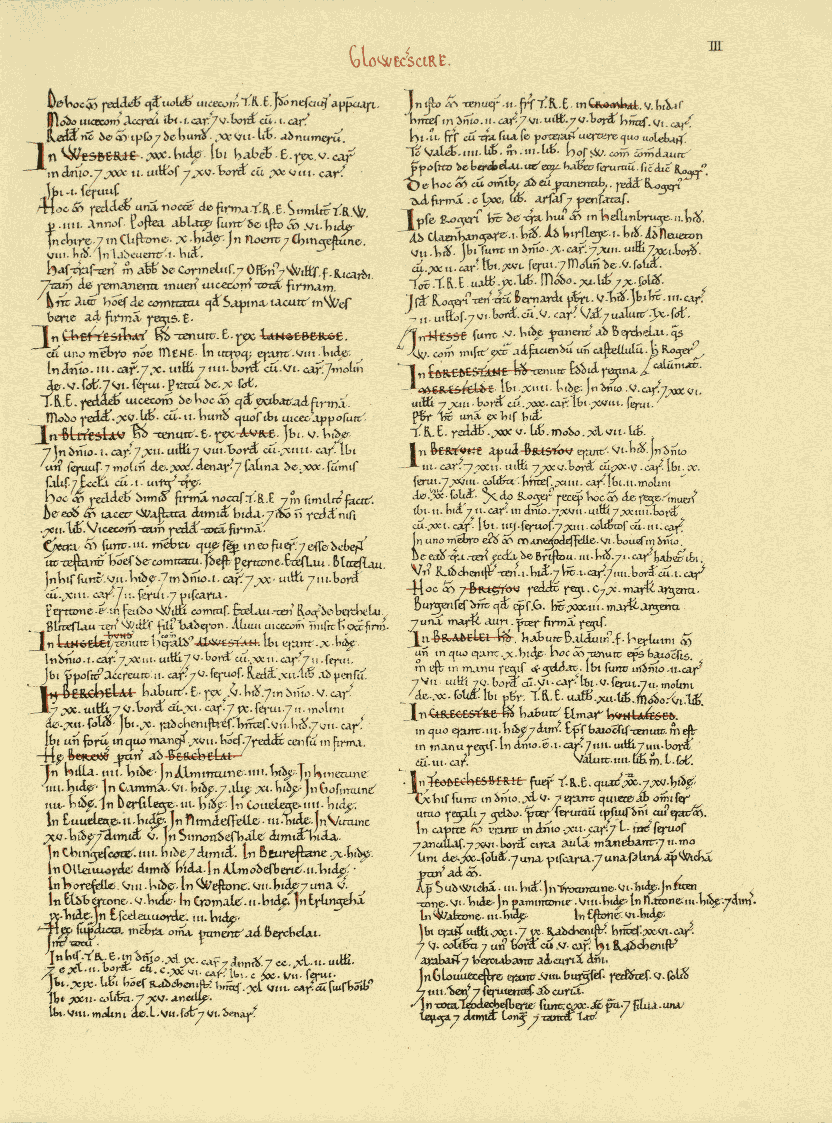
As well, perhaps helped by previous Anglo-Saxon tax records (easily accessible to the Norman officials because both they and their predecessors would have written in Latin), the Normans created a massive census, both of people and places, detailed practically down to the last chicken, asking, basically, “who is the owner? what does he own?  what’s it worth?  how much tax does he pay?”  It had no name, originally, as such, being called Liber de Wintonia—“the Winchester Book”—because that’s where the manuscript was originally stored.  (There were originally two volumes and you can read much more about them here:  https://en.wikipedia.org/wiki/Domesday_Book   And you can see the work itself here:  https://opendomesday.org/

The name by which we know it seems to have been a grim local joke, first known reference being in the 12th-century Dialogus de Scaccario, “Dialogue Concerning the Exchequer” (“scaccarium” being  a chess board, because the table used for accounting was gridded like one—it’s explained, in fact, in the “Dialogue”, but you can read about it here:  https://en.wikipedia.org/wiki/Exchequer ). 

In the text, the author (thought to have been Richard FitzNeal, the bishop of Ely, c.1130-1198), wrote:

“Hic liber ab indigenis ‘Domesdei’ nuncupatur id est dies iudicii per metaphoram.”

“This book is called by the locals ‘Doomsday’” : that is, as a metaphor, the Day of Judgment.”

(Dialogus de Scaccario, Book 1, Section 16B, which you can read here:  https://archive.org/details/cu31924021674365/page/n119/mode/2up in Latin, or here, in English:  https://avalon.law.yale.edu/medieval/excheq.asp#b1p16   This is a wonderfully practical text, explaining in enormous detail things like the vocabulary of the exchequer.  As is so often the case with medieval Latin, it’s a very pleasant read, written in plain, straightforward language and being just what it says it is, a dialogue between a “magister” and a “discipulus” .) 

Considering the choice of phrase, it isn’t surprising that that it was the choice of the “indigeni” .  One part of William’s master plan of conquest was to take the land away from its original Anglo-Saxon (indigenous) land-holders
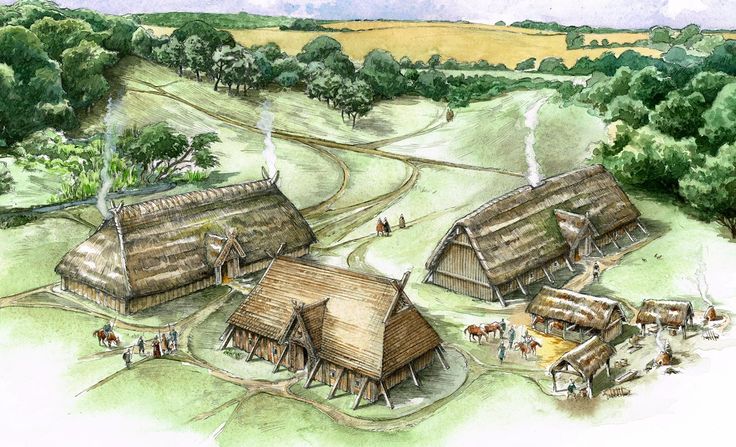
and hand it over to his own followers, thus dispossessing most of the former—and, because those owners had no recourse, it must have seemed very like the Last Judgment—the original Doomsday.

Thus, when the members of the Fellowship hear “boom” turn into “doom”, it can suggest not only a play with sound, but the same kind of catastrophic event, trapped, as they seem to be, in the record room of Mazarbul—

(Angus McBride)

And we can take this one step farther.   As Tolkien’s income grew from the sale of his books, his frustration at the amount which disappeared into tax-paying grew, as he writes:

“A Socialist government will pretty well reduce me to penury on retirement!  As it is socialist legislation is robbing me of probably ¾ of the fruits of my labors, and my ‘royalties’ are merely waiting in the bank until  the Tax Collectors walk in and bag them.  Do you wonder that anyone who can gets out of this island?  Though soon there will be nowhere to go to escape the rising tide of ‘orquerie’.”  (letter to Michael Tolkien, 6 November, 1956, Letters, 367) 

So, when JRRT thought of “doom”, as a medievalist, might he also have been equating himself with those Anglo-Saxons, not only losing their homes, but forced to hand over their hard-earned cash
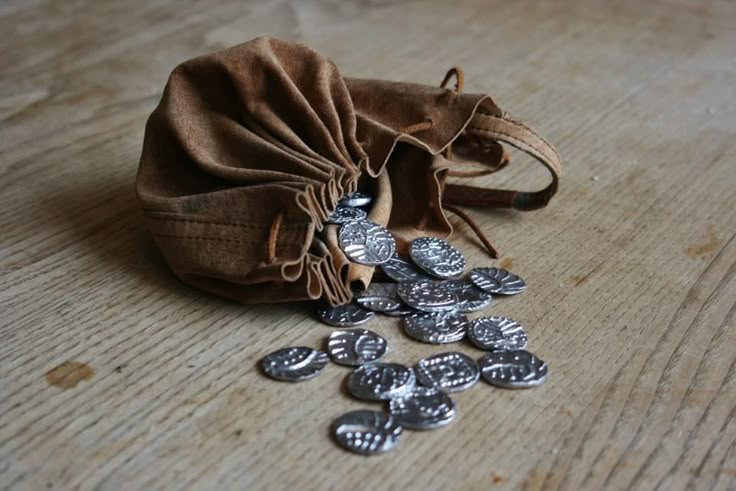
to those grim Normans, as well?

Thanks for reading, as always.

Stay well,

We’re only a month away, here in the US, from 15 April, our own “Domesday” for taxes owed,

And remember that, as ever, there’s

MTCIDC

O

Weaving (Not Hugo)

31 Wednesday Jan 2018

Posted by Ollamh in Artists and Illustrators, Fairy Tales and Myths, J.R.R. Tolkien, Literary History, Military History, The Rohirrim

≈ Leave a comment

Tags

Anglo-Saxon, Battle of Hastings, Bayeux Cathedral, Bayeux Tapestry, Bishop of Bayeux, Edward the Confessor, Harold Godwinson, Lambert Leonard-Leforestier, Louvre, Musee Napoleon, Napoleon, Normans, Odo, Odo Earl of Kent, Old English Hexateuch, Rohan, Rohirrim, The Lord of the Rings, Tolkien, Tower of Babel, William Duke of Normandy, William the Conqueror

Welcome, dear readers, as ever.

In our last, we quoted JRRT on the subject of the Rohirrim:

“The styles of the Bayeux Tapestry (made in England) fit them well enough, if one remembers that the kind of tennis-nets [the] soldiers seem to have on are only a clumsy conventional sign for chain-mail of small rings.”  (Letters, 281)

We’ve mentioned the so-called Bayeux Tapestry before and even shown an illustration or two, but we thought that it would be fun to delve a little deeper into the subject—beginning with its name and why Tolkien added “(made in England)” to his sentence.

The first known reference to this approximately 230-foot-long (70.1 meters) by 20 inch high (.5m) piece of fabric dates from the latter part of the 15th century AD, from an inventory at Our Lady of Bayeux Cathedral—commonly known in English as Bayeux Cathedral—in 1476.  There has been much scholarly argument over its site of manufacture, but the evidence appears to us to identify the commissioner of the work as Odo, Bishop of Bayeux, and half-brother to William, Duke of Normandy (where Bayeux is situated), aka, “William the Conqueror”.  Odo is depicted and identified three times on the piece, twice in more peaceful settings—once blessing a meal,

image1odo.jpg

once sitting with William and his half-brother, Robert,

image2odo.jpeg

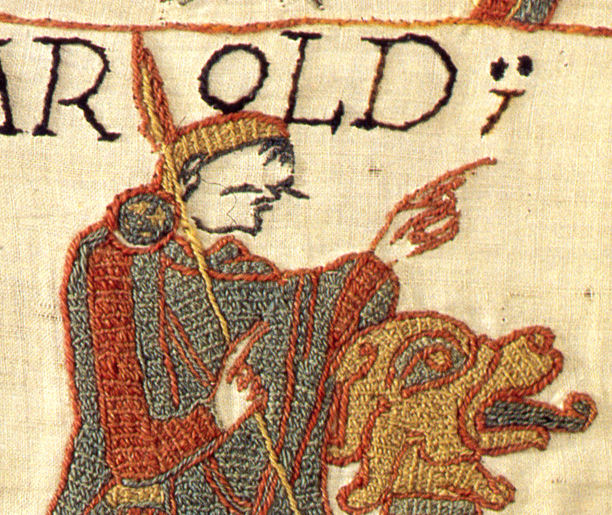
and once in a decidedly not peaceful setting, encouraging the troops at the Battle of Hastings, wearing a mail shirt and helmet and brandishing a club.  (The Latin inscription—called a titulus—says “Here Bishop Odo, holding a club, puts strength into the lads”.)

image3odo.png

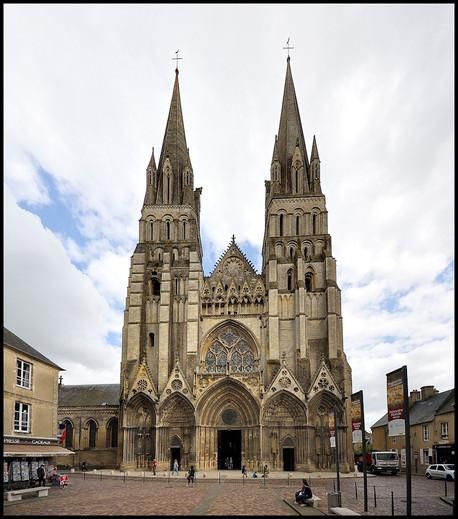
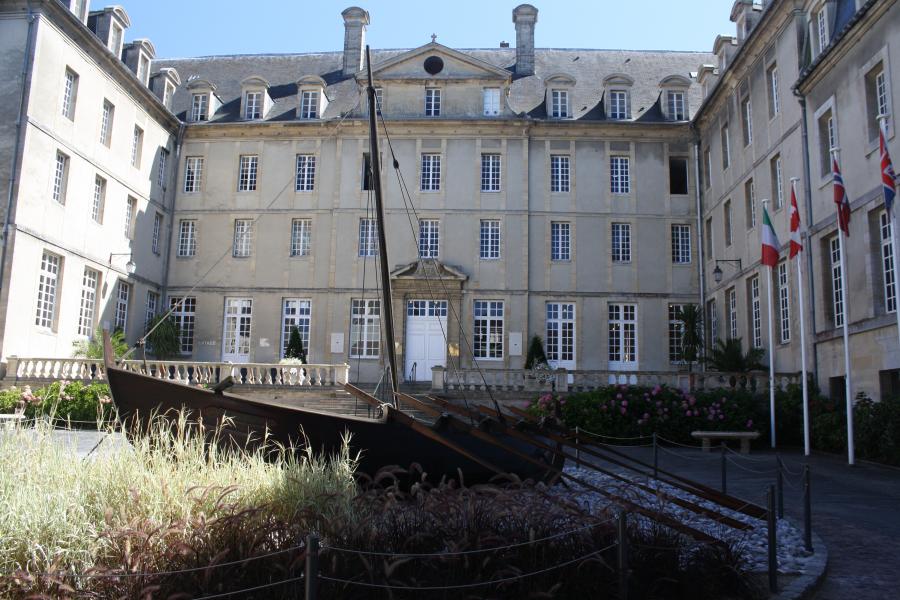
As well, several of the figures on the piece have been identified as vassals (feudal allies) of Odo.  Finally, Odo was not only the Bishop of Bayeux, but also instrumental in rebuilding the cathedral in which the artefact was first known to have been housed, Bayeux Cathedral (elements of which are buried inside this later Gothic version).

image4bayeux.jpg

It seems natural to us, then, that he, at one time William’s right-hand man, would have been responsible for the creation of the work.  (We might also add that the Norman victory made Odo Earl of Kent—one more reason for commissioning a work which shows that victory in detail.)

We said that there was argument as to where the work was made, but we, ourselves, would agree with JRRT and the idea that it was made in England for, among other reasons, the depiction of people and scenery on it remind us strongly of the Anglo-Saxon artistic tradition—especially embodied in the mid-11th-century manuscript of the “Old English Hexateuch”, with its 394 colored illustrations, which is to be found in the British Library (Cotton MS Claudius B. iv.).

image5babel.jpg

This is a depiction of the construction of the Tower of Babel.  Below is a picture of Normans building ships for their invasion of England from the Bayeux work.

image6ship.jpg

The Bayeux work is much sparer, but there’s that same interest in illustrating motion.

But, when we say that the Bayeux work is sparer, that is not to say that it lacks detail, as there are (at least) four visual levels throughout.  If we take just one scene at random

image7levels.jpg

and go from top to bottom we see:

  1. a narrow band of single figures—in this case, animals
  2. a broader band of action—in this case it’s Normans loading their equipment—and other things—for the attack on England (The titulus says: “These are carrying arms to the ships and here they are dragging a cart with wine and arms.”)
  3. the captions—tituli—for every scene
  4. a lower narrow band—again, here, animals, but there are other possibilities, as in this scene, where we see scavengers removing the arms and armor of the dead after the Battle of Hastings

image8scavengers.jpg

The images in the “Old English Hexateuch” illustrate individual Bible stories.  Those in the Bayeux work are scenes, all parts of a long historical narrative, which begins in 1064 (it is thought) with Edward the Confessor, the King of England,

image9eddie.jpg

sending the powerful nobleman, Harold Godwinson, on what appears (from subsequent panels) to be a mission to France.

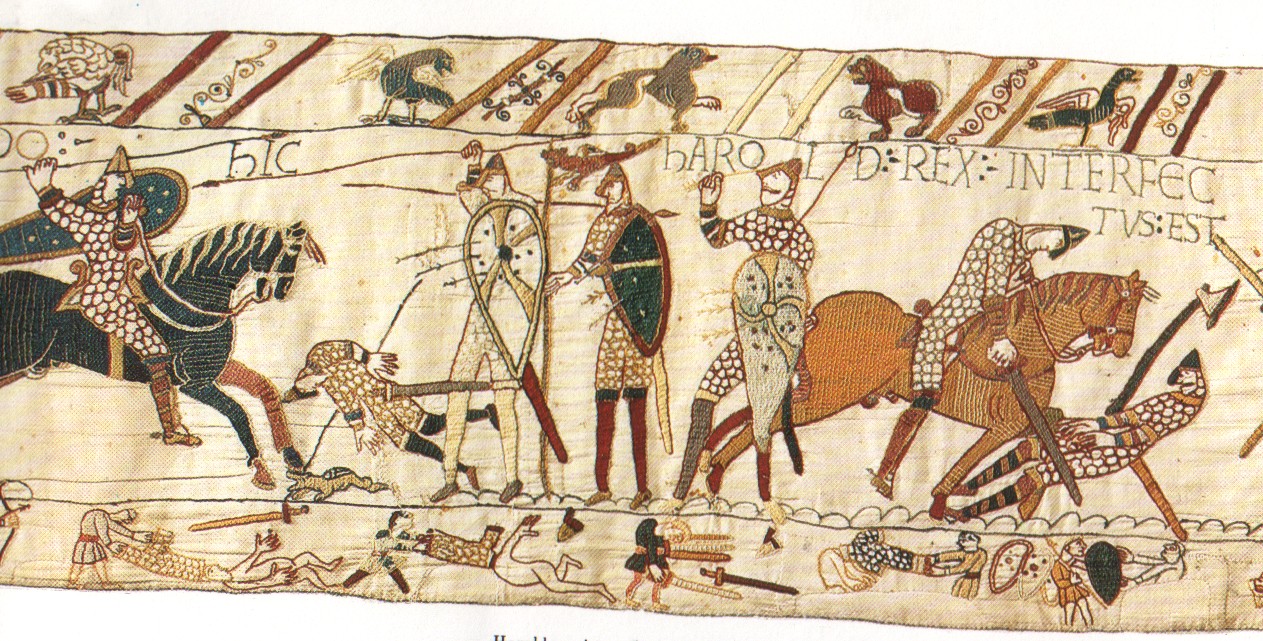
The last scenes, at the far end, include the death of Harold on the battlefield of Hastings

image10deathofharold.jpg

and the flight of the English from the field, with Normans in hot pursuit in October, 1066.

image11flight.jpg

Throughout our discussion, we have avoided calling this work by its traditional name because, in fact, the “Bayeux Tapestry” is not a tapestry.  A tapestry is a solid piece of fabric, woven on a loom.

image12medloom.jpg

The Bayeux Tapestry is really the Bayeux Embroidery, in which various designs are stitched onto a cloth.

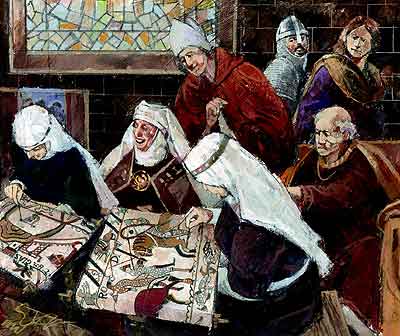
image13making.jpg

In this close-up, you can see how it’s done, with outlines giving the figures shape, as if they were drawn with a needle, then filled in.  (For more on this, and on the work in general, try this LINK.)

image14stitching.jpg

For its size and detail and historical importance, there’s no embroidery like it from early medieval England, and perhaps from Europe, but there was one moment when it almost disappeared for good.  During that period of the French Revolution when the Church (1% of the population which owned 10% of the land), was being nationalized (and plundered),

image15church.jpg

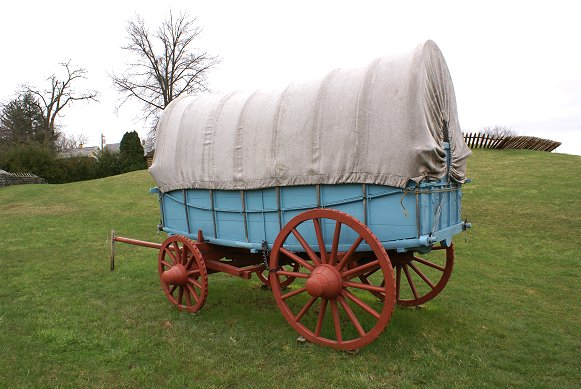
it was destined to be used for military wagon covers.

image16wagon.jpg

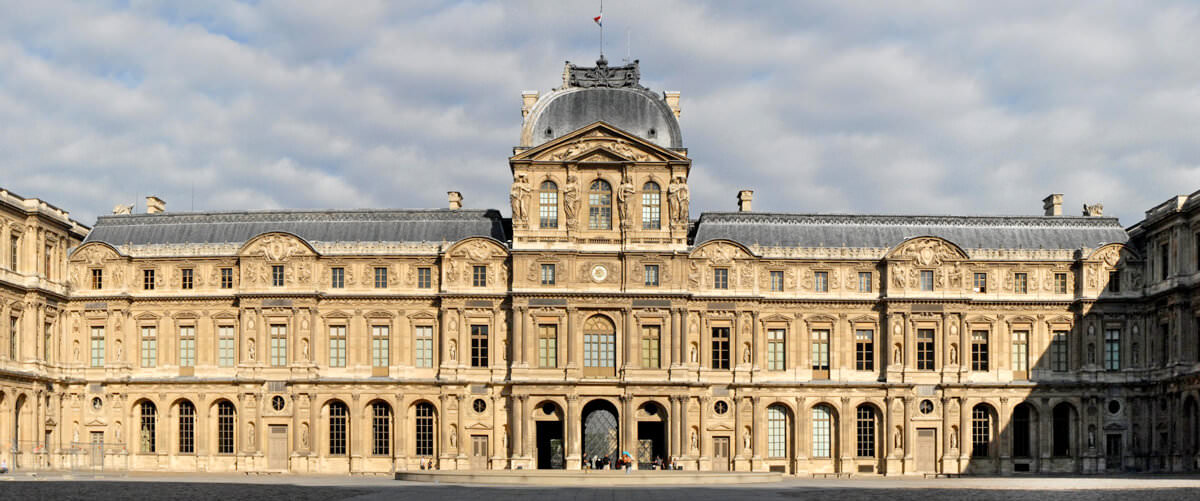
It was only saved at the last minute and shipped off to the Musee Napoleon (formerly—and subsequently—the Louvre).

image17louvre.jpg

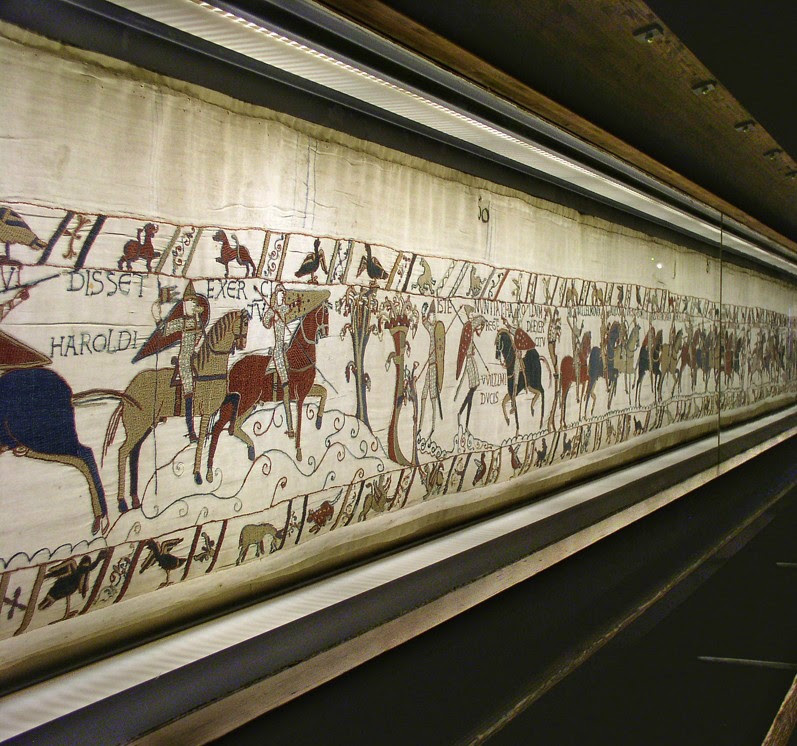
Eventually, it was returned to Bayeux where, today, it can be seen in a museum there, cleverly displayed in a way which allows the entire length to be viewed.

image18museum.jpg

image19display.jpg

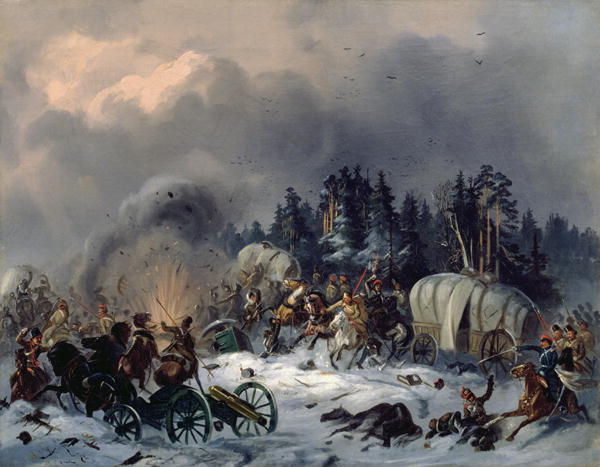
Without a member of Bayeux’ city council, Lambert Leonard-Leforestier, and his quick thinking, however, the last anyone might have seen of it would have been more like this—

image20wagon.jpg

destroyed on wagons lost in Napoleon’s disastrous retreat from Russia.

Thanks, as ever, for reading.

MTCIDC

CD

PS

There is one more detail from the Bayeux Embroidery we’d like to mention.  If you’re a fan of Game of Thrones, you might remember a passing comet.  In fact, a passing comet—Halley’s Comet—appears on the Embroidery and, for people of the time, portended something big to come…

image21halleyscomet.jpg

For more on Halley’s comet, here’s a LINK.

The Doubtful Sea Series Facebook Page

The Doubtful Sea Series Facebook Page

  • Ollamh

Categories

  • Artists and Illustrators
  • Economics in Middle-earth
  • Fairy Tales and Myths
  • Films and Music
  • Games
  • Heroes
  • Imaginary History
  • J.R.R. Tolkien
  • Language
  • Literary History
  • Maps
  • Medieval Russia
  • Military History
  • Military History of Middle-earth
  • Narnia
  • Narrative Methods
  • Poetry
  • Research
  • Star Wars
  • Terra Australis
  • The Rohirrim
  • Theatre and Performance
  • Tolkien
  • Uncategorized
  • Villains
  • Writing as Collaborators
Follow doubtfulsea on WordPress.com

Across the Doubtful Sea

Recent Postings

  • A Moon disfigured December 17, 2025
  • On the Roads Again—Once More December 10, 2025
  • (Not) Crossing Bridges December 3, 2025
  • On the Road(s) Again—Again November 26, 2025
  • On the Road(s) Again November 19, 2025
  • To Bree (Part 2) November 12, 2025
  • To Bree (Part 1) November 5, 2025
  • A Plague o’ Both—No, o’ All Your Houses! October 29, 2025
  • It’s in Writing (2:  I’st a Prologue, or a Poesie for a Ring?) October 22, 2025

Blog Statistics

  • 103,201 Views

Posting Archive

  • December 2025 (3)
  • November 2025 (4)
  • October 2025 (5)
  • September 2025 (4)
  • August 2025 (4)
  • July 2025 (5)
  • June 2025 (4)
  • May 2025 (4)
  • April 2025 (5)
  • March 2025 (4)
  • February 2025 (4)
  • January 2025 (5)
  • December 2024 (4)
  • November 2024 (4)
  • October 2024 (5)
  • September 2024 (4)
  • August 2024 (4)
  • July 2024 (5)
  • June 2024 (4)
  • May 2024 (5)
  • April 2024 (4)
  • March 2024 (4)
  • February 2024 (4)
  • January 2024 (5)
  • December 2023 (4)
  • November 2023 (5)
  • October 2023 (4)
  • September 2023 (4)
  • August 2023 (5)
  • July 2023 (4)
  • June 2023 (4)
  • May 2023 (5)
  • April 2023 (4)
  • March 2023 (5)
  • February 2023 (4)
  • January 2023 (4)
  • December 2022 (4)
  • November 2022 (5)
  • October 2022 (4)
  • September 2022 (4)
  • August 2022 (5)
  • July 2022 (4)
  • June 2022 (5)
  • May 2022 (4)
  • April 2022 (4)
  • March 2022 (5)
  • February 2022 (4)
  • January 2022 (4)
  • December 2021 (5)
  • November 2021 (4)
  • October 2021 (4)
  • September 2021 (5)
  • August 2021 (4)
  • July 2021 (4)
  • June 2021 (5)
  • May 2021 (4)
  • April 2021 (4)
  • March 2021 (5)
  • February 2021 (4)
  • January 2021 (4)
  • December 2020 (5)
  • November 2020 (4)
  • October 2020 (4)
  • September 2020 (5)
  • August 2020 (4)
  • July 2020 (5)
  • June 2020 (4)
  • May 2020 (4)
  • April 2020 (5)
  • March 2020 (4)
  • February 2020 (4)
  • January 2020 (6)
  • December 2019 (4)
  • November 2019 (4)
  • October 2019 (5)
  • September 2019 (4)
  • August 2019 (4)
  • July 2019 (5)
  • June 2019 (4)
  • May 2019 (5)
  • April 2019 (4)
  • March 2019 (4)
  • February 2019 (4)
  • January 2019 (5)
  • December 2018 (4)
  • November 2018 (4)
  • October 2018 (5)
  • September 2018 (4)
  • August 2018 (5)
  • July 2018 (4)
  • June 2018 (4)
  • May 2018 (5)
  • April 2018 (4)
  • March 2018 (4)
  • February 2018 (4)
  • January 2018 (5)
  • December 2017 (4)
  • November 2017 (4)
  • October 2017 (4)
  • September 2017 (4)
  • August 2017 (5)
  • July 2017 (4)
  • June 2017 (4)
  • May 2017 (5)
  • April 2017 (4)
  • March 2017 (5)
  • February 2017 (4)
  • January 2017 (4)
  • December 2016 (4)
  • November 2016 (5)
  • October 2016 (6)
  • September 2016 (5)
  • August 2016 (5)
  • July 2016 (5)
  • June 2016 (5)
  • May 2016 (4)
  • April 2016 (4)
  • March 2016 (5)
  • February 2016 (4)
  • January 2016 (4)
  • December 2015 (5)
  • November 2015 (5)
  • October 2015 (4)
  • September 2015 (5)
  • August 2015 (4)
  • July 2015 (5)
  • June 2015 (5)
  • May 2015 (4)
  • April 2015 (3)
  • March 2015 (4)
  • February 2015 (4)
  • January 2015 (4)
  • December 2014 (5)
  • November 2014 (4)
  • October 2014 (6)
  • September 2014 (1)

Blog at WordPress.com.

  • Subscribe Subscribed
    • doubtfulsea
    • Join 78 other subscribers
    • Already have a WordPress.com account? Log in now.
    • doubtfulsea
    • Subscribe Subscribed
    • Sign up
    • Log in
    • Report this content
    • View site in Reader
    • Manage subscriptions
    • Collapse this bar
 

Loading Comments...