• About

doubtfulsea

~ adventure fantasy

Tag Archives: Music

Drums (but no guns)

20 Wednesday Nov 2024

Posted by Ollamh in Uncategorized

≈ Leave a comment

Tags

anachronism, Ben Hur, drums, Fantasy, guns, mehter, Music, Tolkien

Dear readers, welcome, as always.

JRRT was well aware of anachronisms and, in his 1966 revision of The Hobbit, he replaced certain items.  Certain ones remained, however, including:

“…In that last hour Beorn himself had appeared—no one knew how or from where.  He came alone, and in bear’s shape; and he seemed to have grown almost to giant-size in his wrath.

The roar of his voice was like drums and guns…”  (The Hobbit, Chapter 18, “The Return Journey”)

This is the narrator speaking and it has been argued, quite plausibly, to my mind, that he’s someone speaking in the 1930s, telling a tale to his children, and therefore is perfectly justified in using things which are normal in his own time period, as out of place as they might be in Bilbo’s world.  (Although Gandalf is known for his fireworks,

meaning that gunpowder is available, and, as we know from explosions at Helm’s Deep and the Causeways Forts, Saruman and Sauron both appear to use some sort of explosive.)
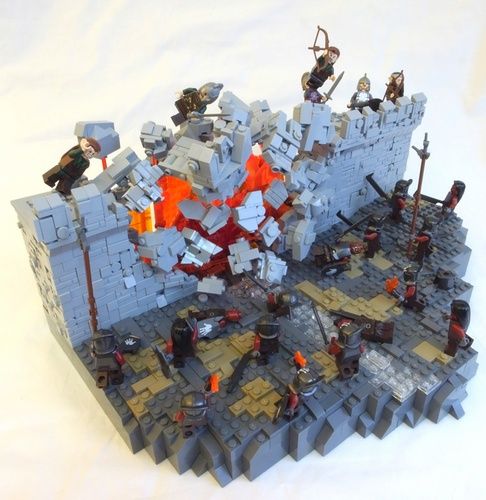
(This is by the brilliant Grant Davis, a Lego wizard—you can read something about him here:  https://www.georgefox.edu/journalonline/summer19/feature/building-blocks.html )

Drums, however, are a different matter and, when it comes to Tolkien, I always immediately think of

“…We cannot get out.  The end comes, and then drums, drums in the deep.”  (The Fellowship of the Ring, Book Two, Chapter 5, “The Bridge at Khazad-dum”)

Gandalf has been reading to the Fellowship from a ruined diary of the reoccupation of Moria by the dwarves

as they sit in what was once the Chamber of Records, having no idea that, very soon, they could be duplicating the same doomed words as orcs attack them.

(Angus McBride)

“Gandalf had hardly spoken these words, when there came a great noise:  a rolling Boom that seemed to come from depths far below, and to tremble in the stone at their feet.  They sprang towards the door in alarm.  Doom, doom it rolled again, as if huge hands were turning the very caverns of Moria into a vast drum.  Then there came an echoing blast:  a great horn was blown in the hall, and answering horns and harsh cries were heard farther off.  There was a hurrying sound of many feet.

‘They are coming!’ cried Legolas.

‘We cannot get out,’ said Gimli.

‘Trapped!’ cried Gandalf.  ‘Why did I delay?  Here we are, caught, just as they were before.  But I was not here then.  We will see what—‘

Doom, doom came the drum-beat and the walls shook.”

And this booming sound will pursue the company all the way to the Bridge of Khazad-dum itself.
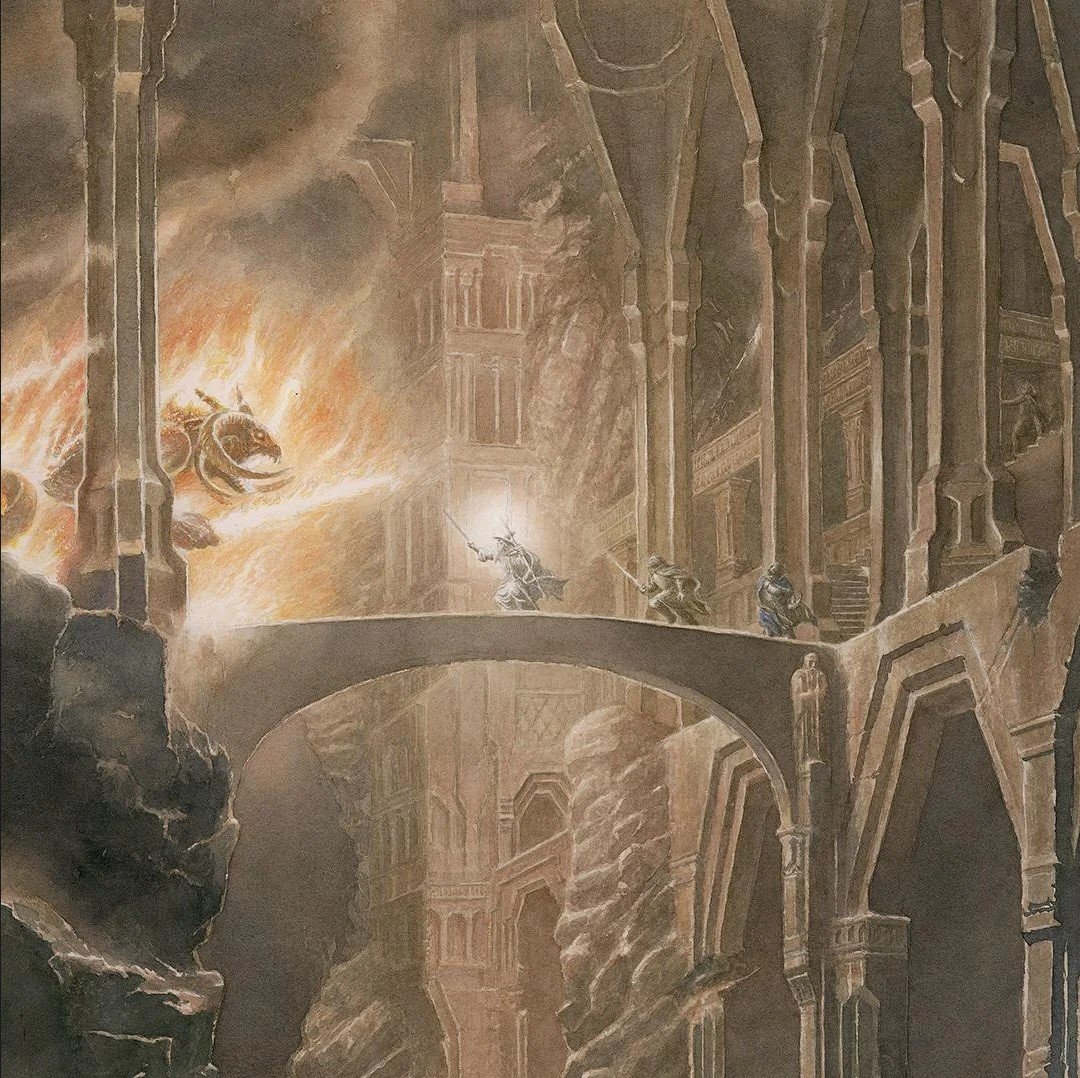
(Alan Lee)

We never see this drum, but I’ve always wondered what it and other drums used by the orcs and other opponents of the Fellowship and their friends might have looked like and, if possible, sounded like.

Certainly whatever the orcs are using here must be rather large to penetrate the stone walls of Moria.

My first choice might be o-daiko, a Japanese drum which can be as big as six feet in diameter
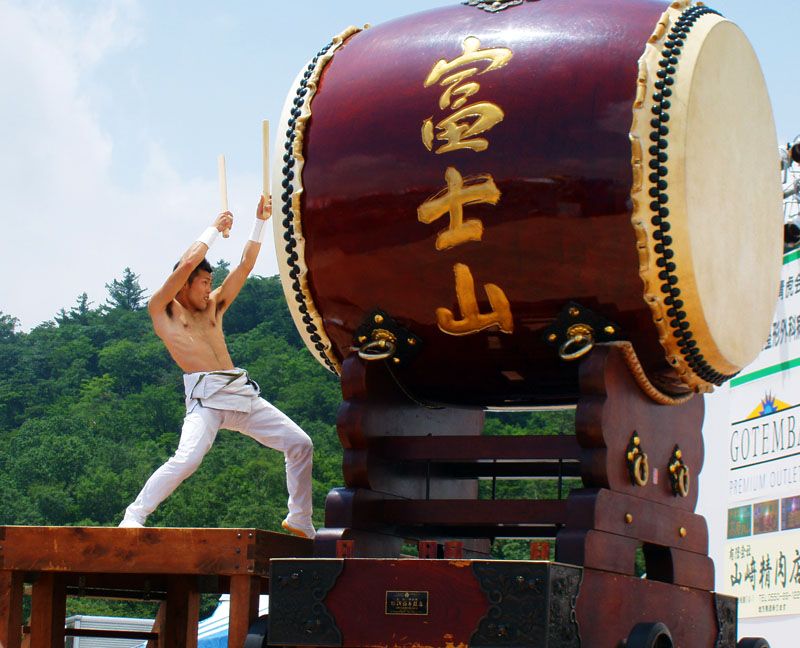
and I’ve seen mention of one which is almost ten feet.  It is played with two large, thick wooden sticks, called bachi,
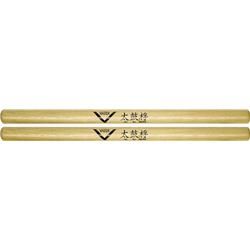
and has been used for everything from folk festivals to war to theatre.  By itself, it has a deep boom, but played in groups…
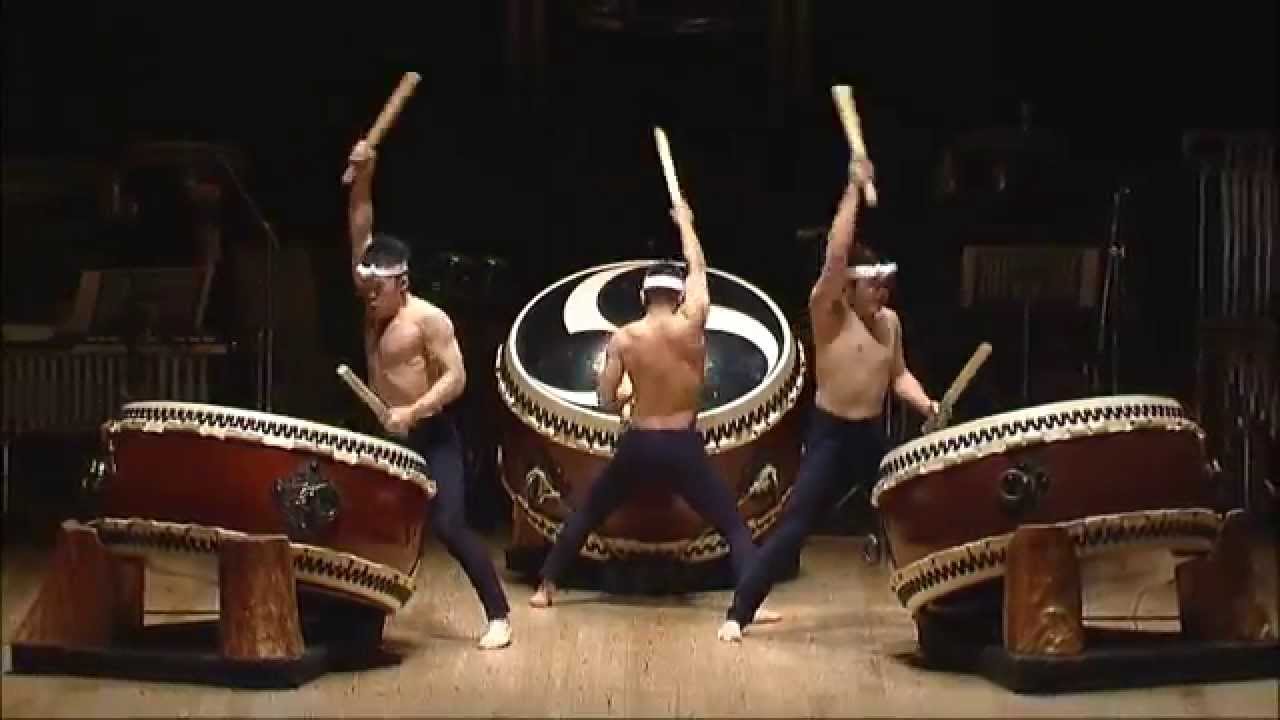
You can read about it here:   https://instrumentsoftheworld.com/instrument/131-Odaiko.html  and hear and watch three drummers here:  https://www.youtube.com/watch?v=C7HL5wYqAbU  (And perhaps I should add some sort of warning here:  they’re not only loud, but frenzied and, well, the sound can carry you away…)

And what about the Haradrim?  Here’s how they are depicted in the Jackson films—

(They are wearing, to me, a very odd helmet/mask, making them look a little like mechanical pandas—which is, I admit, a pretty terrifying thought!)

(By the wonderfully creative Patrick Lawrence.  You can see more of his work here:  https://pwlawrence.com/ )

but I’ve always pictured them as more like the Ottoman Turks, the sort who came to dominate southeastern Europe from the 14th century on, captured Constantinople in 1453,

and almost captured Vienna twice—in 1529 and again in 1683.
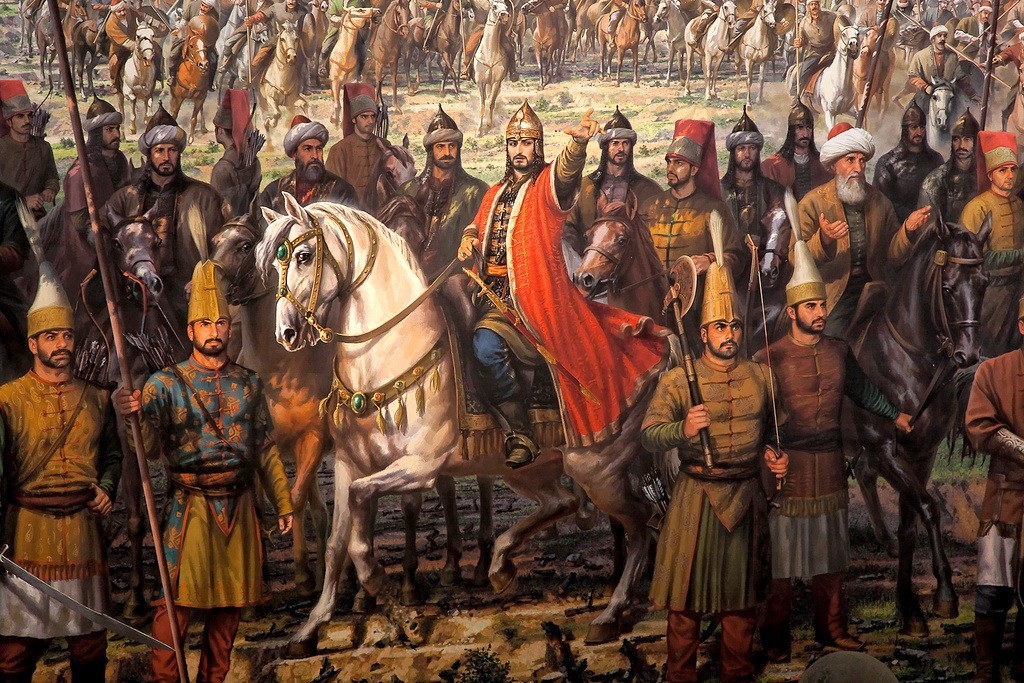
Their terror weapon—besides their fearsome reputation—was their music, often called mehter in the West. 
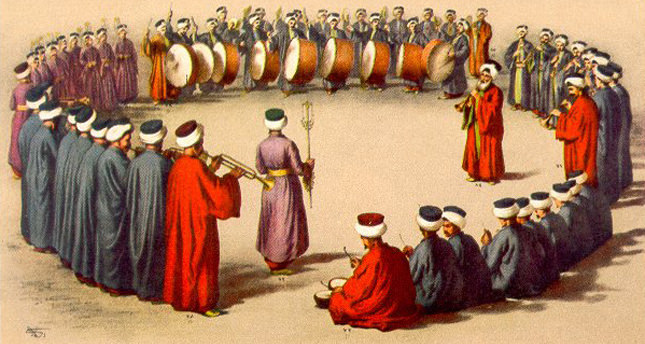
Drums, cymbals, wind and brass instruments combined to make a very fierce sound—as you can hear here:  https://www.youtube.com/watch?v=ktBSoeSmMio  and you can read more about them here:  https://en.wikipedia.org/wiki/Ottoman_military_band )

And I’d add to all of this booming racket one more sound from the enemy:

“For Anduin, from the bend at the Harlond, so flowed that from the City men could look down it lengthwise for some leagues, and the far sighted could see any ships that approached.  And looking thither they cried in dismay; for black against the glittering stream they beheld a fleet borne up on the wind:  dromonds, and ships of great draught with many oars, and with black sails bellying in the breeze.”  (The Return of the King, Book Five, Chapter 6, “The Battle of the Pelennor Fields”)

Here’s a dromond (this is a version of the word dromon, “runner”, the name of the standard Byzantine warship)
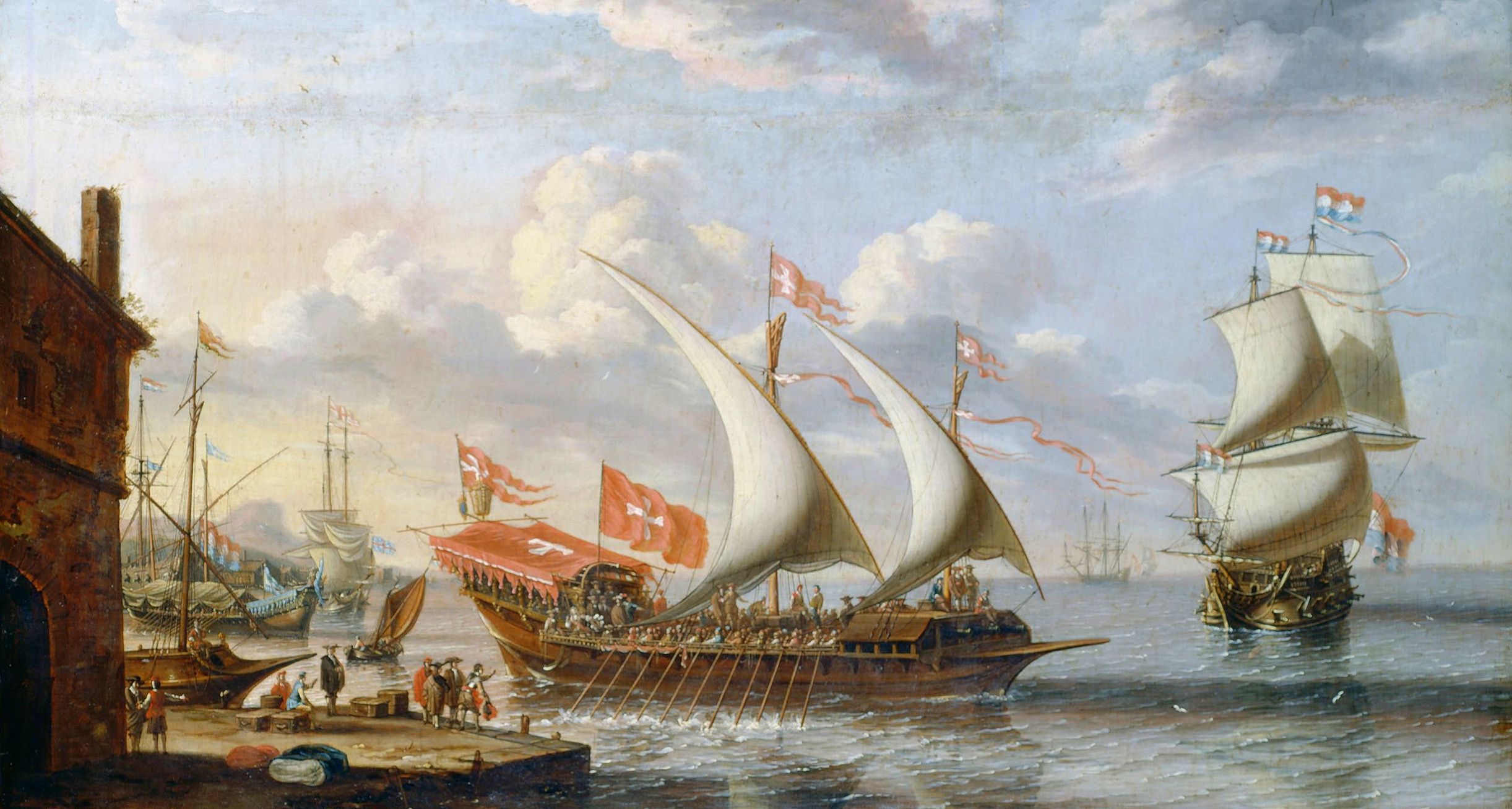
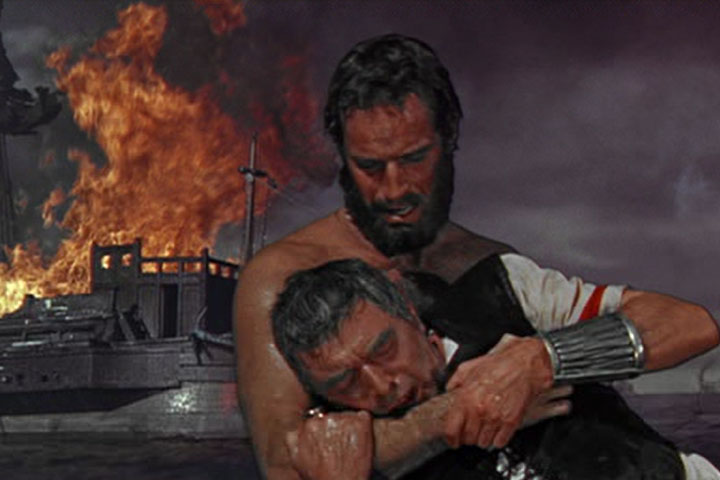
and you’ll notice that it is an oared vessel, as are those which JRRT describes  as“ships of great draught”.  To coordinate the oars, a basic tempo must be kept and that would mean, traditionally, a drum—and a fairly large one, too, to carry the rhythm across the ship, rather like the cartoons we always see of Roman galleys, like this from the French comic Asterix—

You can see/hear a classic rowing scene here (from the 1959 Ben Hur):  https://www.youtube.com/watch?v=ax7wcShvrus

So, as advertised in the title of this posting, no guns, but certainly lots of drums—perhaps Howard Shore would consider a second edition of his score?

Thanks, as ever, for reading.

Stay well,

If rammed, be sure to have your life jacket handy (and plan to save the Roman admiral, as Ben Hur does),
And remember that, as always, there’s

MTCIDC

O

PS

I couldn’t resist adding this image—surely the Haradrim from the far south would have had camels—and kettle drums?
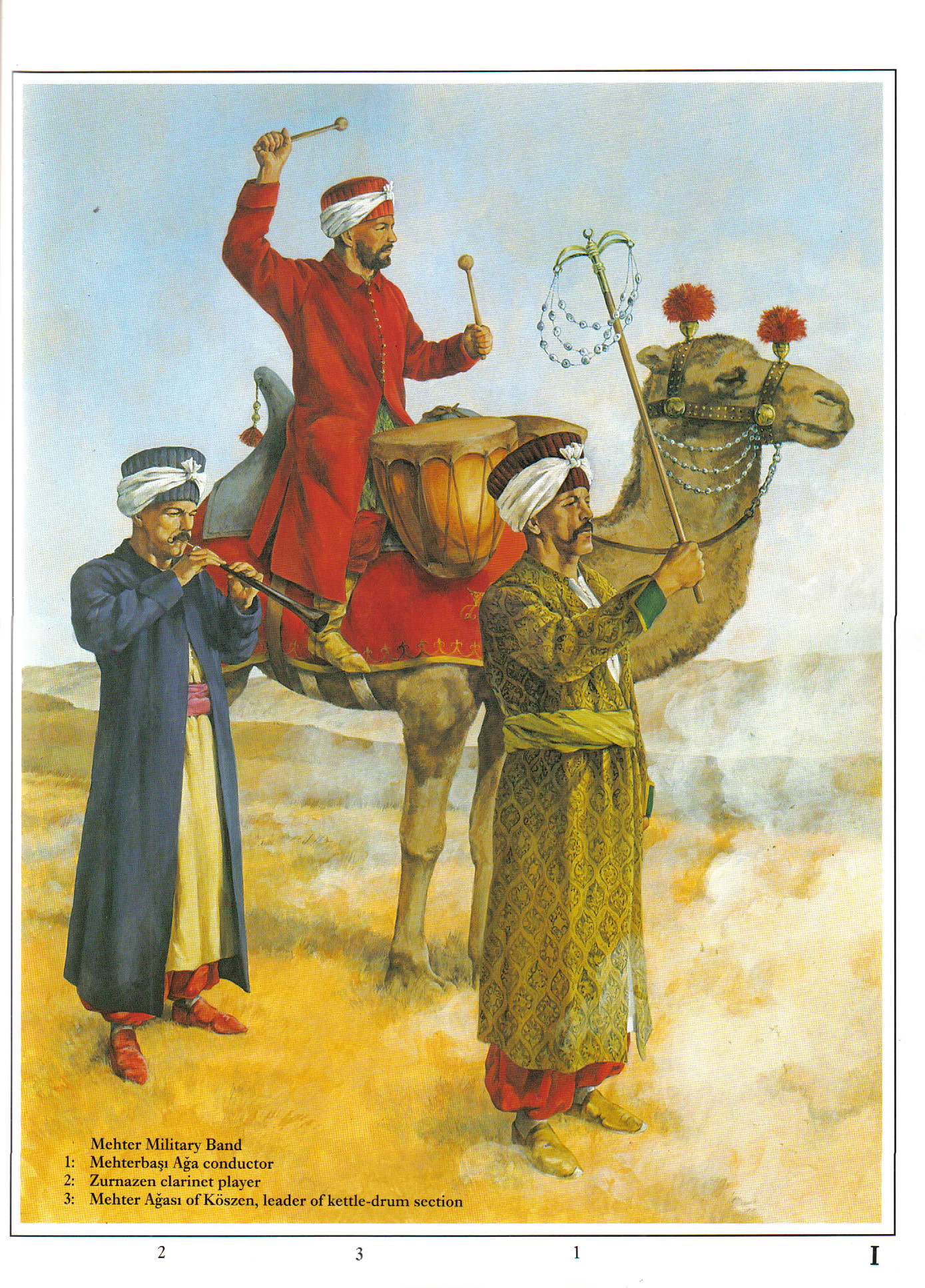
(not sure of the artist–perhaps Richard Hook?)

Pumpkinheaded

30 Wednesday Oct 2024

Posted by Ollamh in Uncategorized

≈ Leave a comment

Tags

art, fall, Halloween, Music

As ever, dear readers, welcome.

This posting will appear the day before Halloween, so, we’ll get into the spirit of the holiday (yes, pun intended),

with a story you might not know.

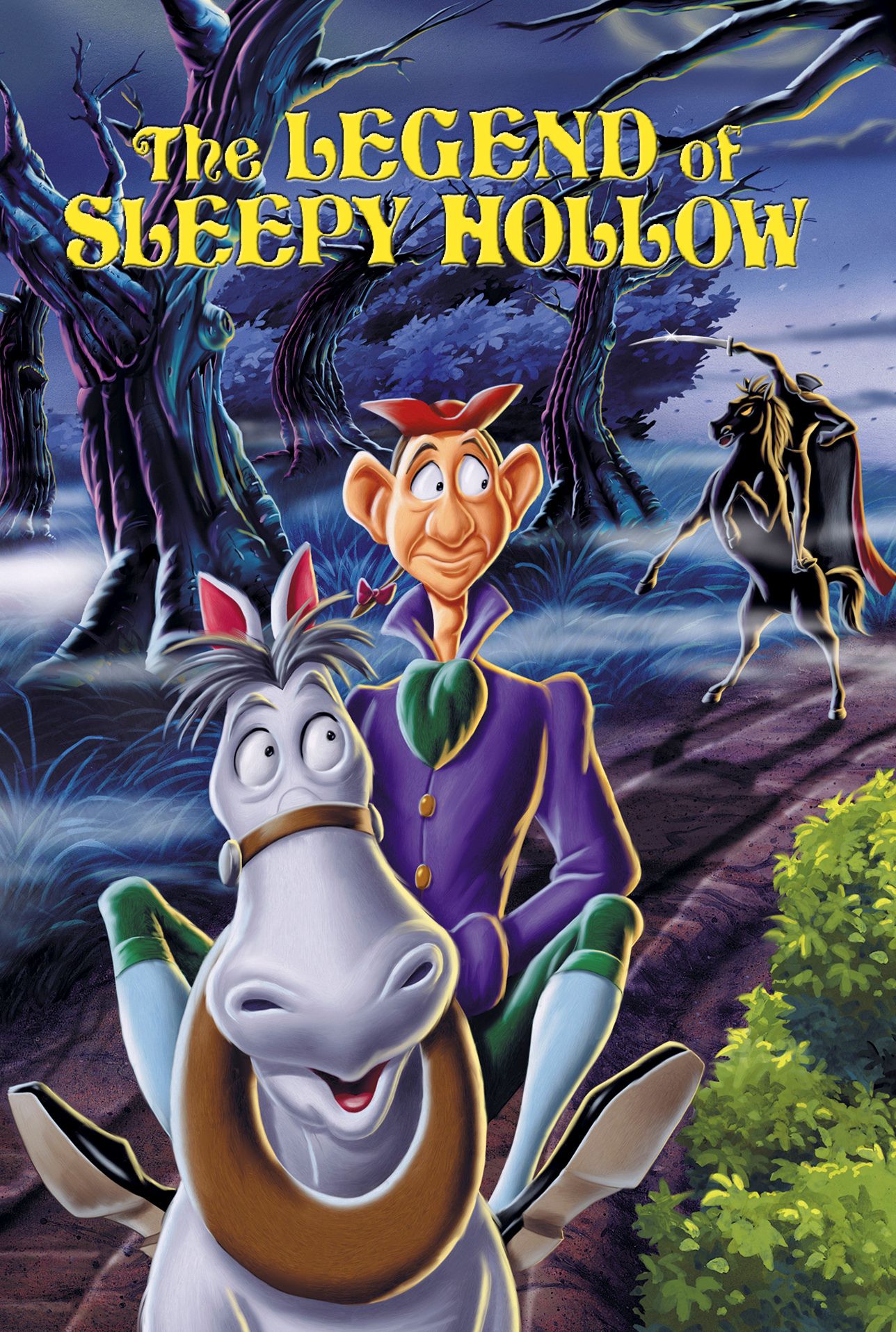
As a child, I most enjoyed and dreaded Halloween, the pleasure from thinking about what to dress up as—not to mention the candy—the dread because, yearly, there was the showing of this Disney animated feature—

In some ways, this was a Disney hybrid:  the usual wonderful artwork (who could better create the sinister atmosphere of Ichabod Crane’s lonely ride through the increasingly spooky woods?)

but with a swinging, catchy score featuring the famous crooner (a kind of soulful singer from the 1940s—the animated feature dates from 1949), Bing Crosby, 1903-1977.

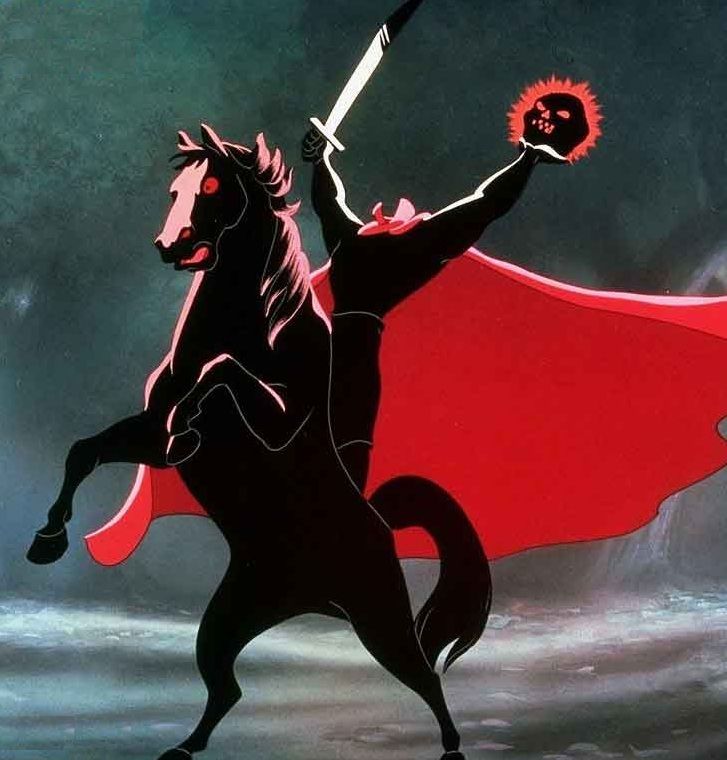
And the heart of the dread was the appearance of this character—

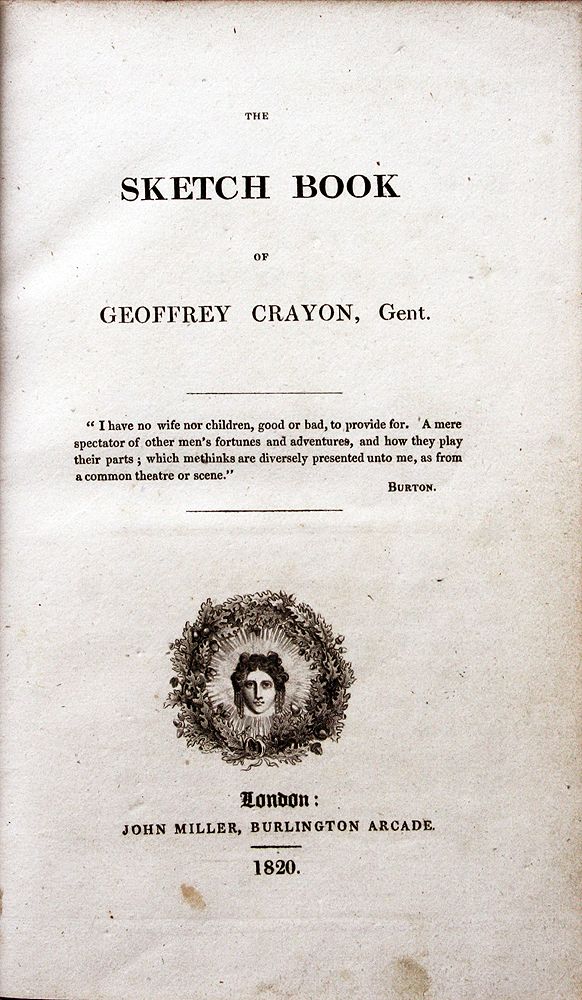
the Headless Horseman.  (In case you don’t know the story, you can read it here, taken from Washington Irving’s, 1783-1859, The Sketch Book of Geoffrey Crayon, Gent., most of which being published serially in 1819-1820 and first time in book form in the US in 1824.

(one installment from the first British publication):  This is from a 1907 edition of the two best-known tales from that collection of essays and short stories, “Rip Van Winkle” and “The Legend of Sleepy Hollow, with illustrations by George H. Boughton:  https://archive.org/details/ripvanwinkleandl00irvi/mode/2up  For a complete edition (an illustrated version from 1864) see:  https://www.gutenberg.org/cache/epub/2048/pg2048-images.html   For more on the complicated publishing history of the work, see:  https://en.wikipedia.org/wiki/The_Sketch_Book_of_Geoffrey_Crayon,_Gent. )

I’m not going to add a spoiler here, but the protagonist, Ichabod Crane, pursued by what he believes to be the headless ghost of a “Hessian soldier”,

eventually disappears, all discovered of him being:

“the tracks of horses’ hoofs deeply

dented in the road, and evidently at furious

speed, were traced to the bridge, beyond

which, on the bank of a broad part of the

brook, where the water lay deep and black,

was found the hat of the unfortunate Ichabod,

and close beside it a shattered pumpkin.”

And this pumpkin brings us to another story, this one by Nathaniel Hawthorne, 1804-1864,

from his collection of short stories, Mosses from an Old Manse, first published in 1846.

This is “Feathertop”, originally published independently in 1852, and added to the collection for the second edition of 1854. 

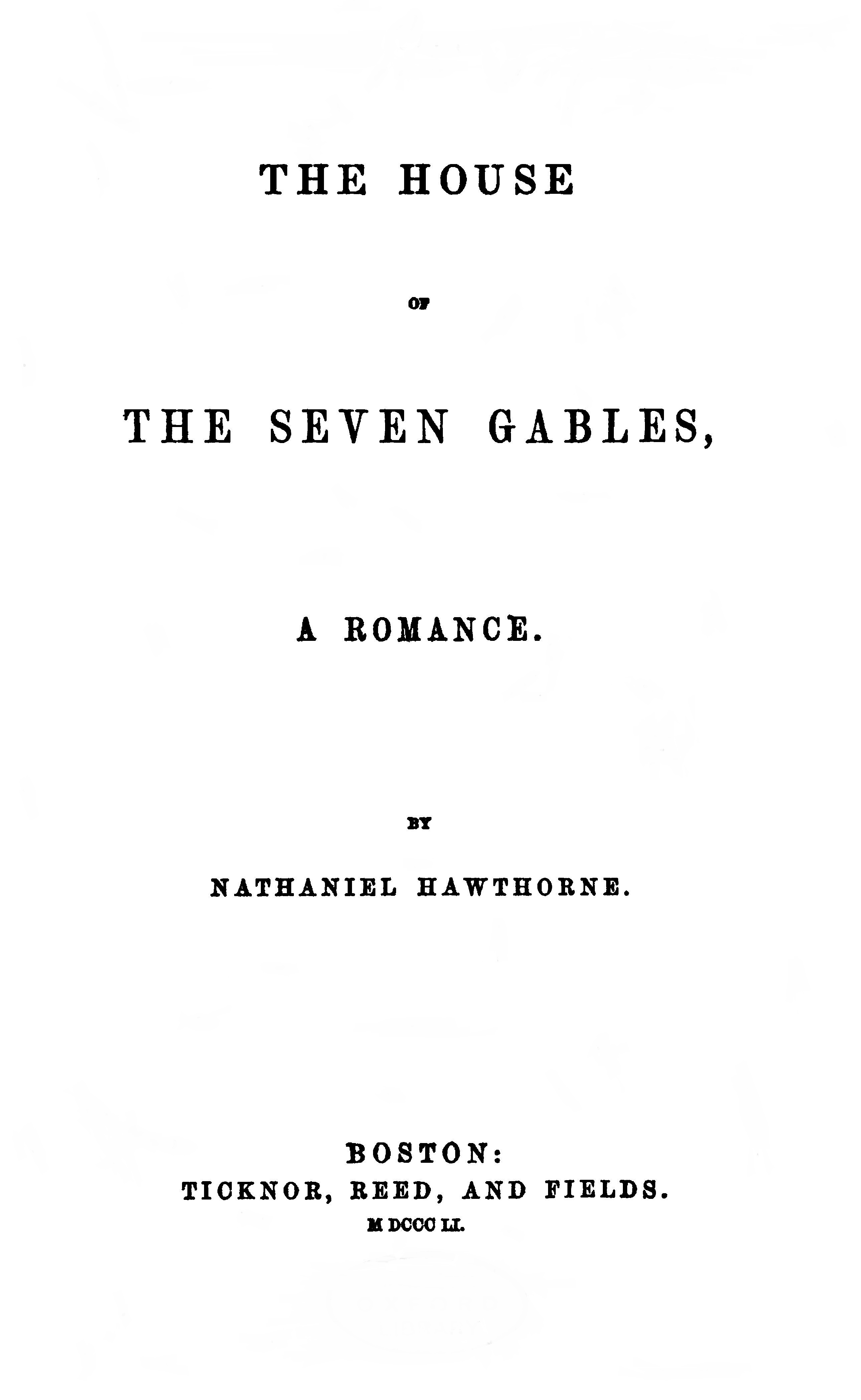
Hawthorne came from a very old Massachusetts Bay family (an ancestor, John Hathorne, had been involved in the opening stages of the Salem witchcraft trials in 1692) and the history of the Bay haunted him, producing short stories like “Young Goodman Brown” (1835), and the novels The Scarlet Letter (1850) and my particular favorite The House of the Seven Gables (1851).

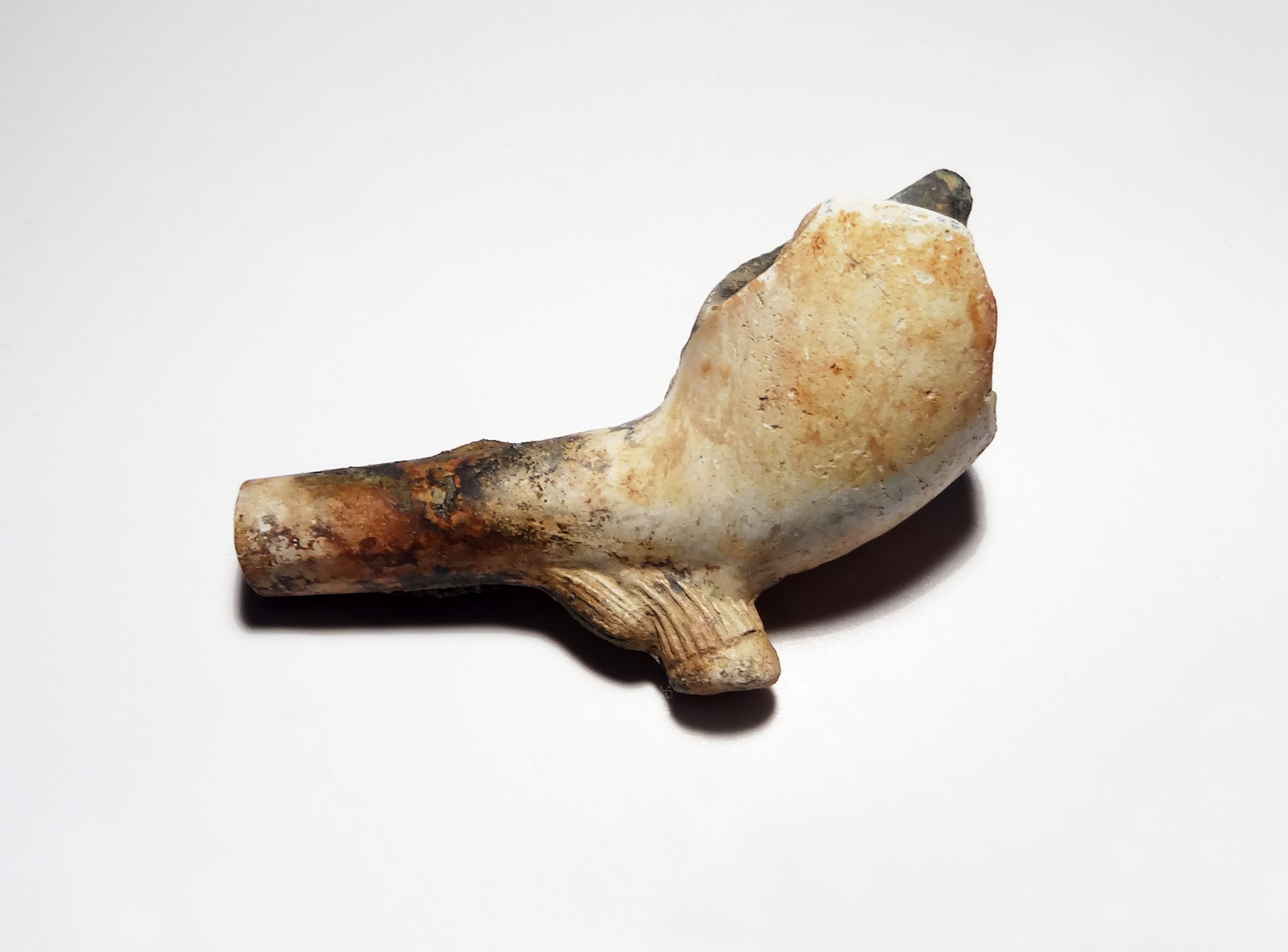
“Feathertop” involves Mother Rigby, a pipe-smoking old witch,

(a relatively young witch, by Gabriel Metsu, 1629-1667, but, as you’ll see, the pipe is crucial)

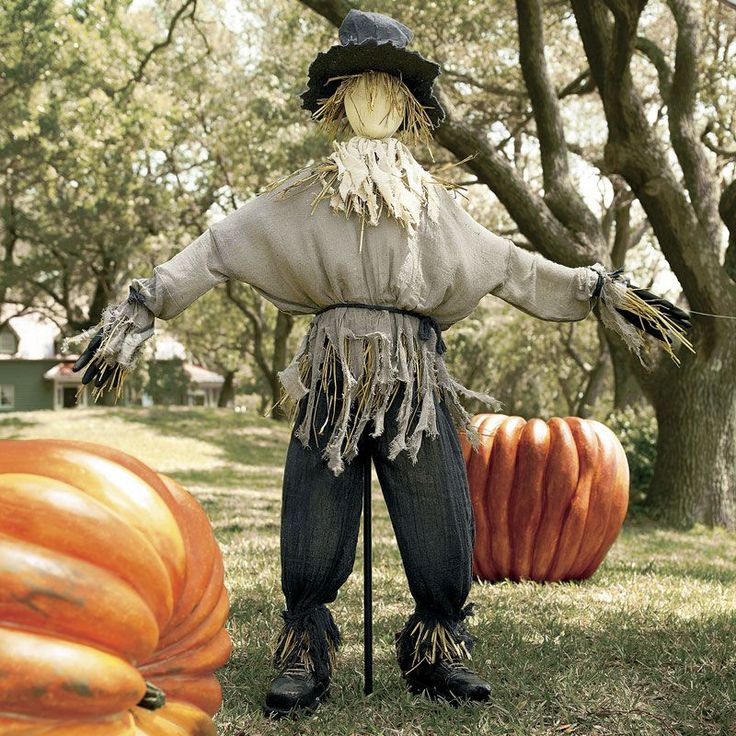
who builds a scarecrow for her garden,

(by Carl Gustav Carus, 1789-1869)

including

“The most important item of all, probably, although it made so little show, was a certain broomstick, on which Mother Rigby had taken many an airy gallop at midnight, and which now served the scarecrow by way of a spinal column, or, as the unlearned phrase it, a backbone. One of its arms was a disabled flail which used to be wielded by Goodman Rigby, before his spouse worried him out of this troublesome world; the other, if I mistake not, was composed of the pudding stick and a broken rung of a chair, tied loosely together at the elbow. As for its legs, the right was a hoe handle, and the left an undistinguished and miscellaneous stick from the woodpile. Its lungs, stomach, and other affairs of that kind were nothing better than a meal bag stuffed with straw.”

Having constructed the body, she added

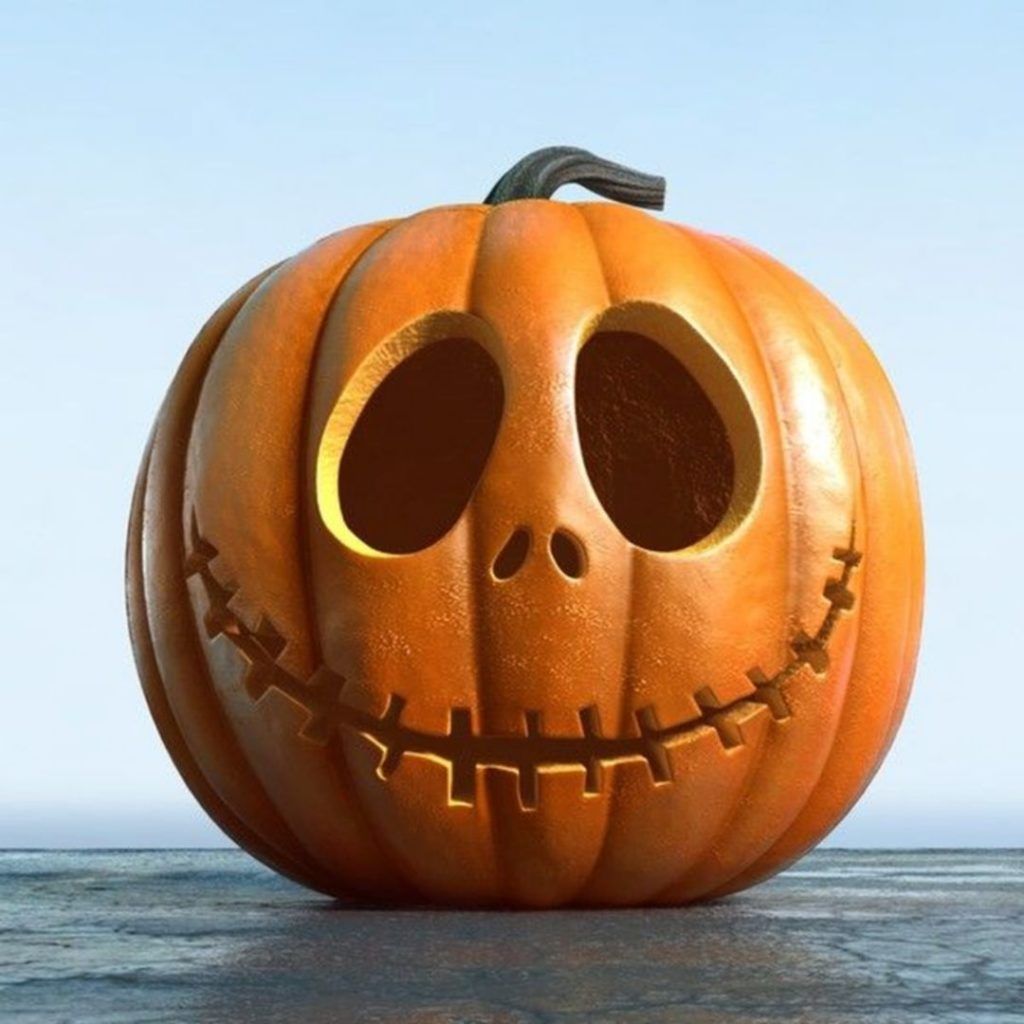
“…its head; and this was admirably supplied by a somewhat withered and shrivelled pumpkin, in which Mother Rigby cut two holes for the eyes and a slit for the mouth, leaving a bluish-colored knob in the middle to pass for a nose. It was really quite a respectable face.”

She dresses it in the remains of what were once fine clothes, including a rooster tail for his hat (hence his name), but, continuing to look at it, she says to herself:

” ‘That puppet yonder,’ thought Mother Rigby, still with her eyes fixed on the scarecrow, ‘is too good a piece of work to stand all summer in a corn-patch, frightening away the crows and blackbirds. He’s capable of better things. Why, I’ve danced with a worse one, when partners happened to be scarce, at our witch meetings in the forest! What if I should let him take his chance among the other men of straw and empty fellows who go bustling about the world?’ “

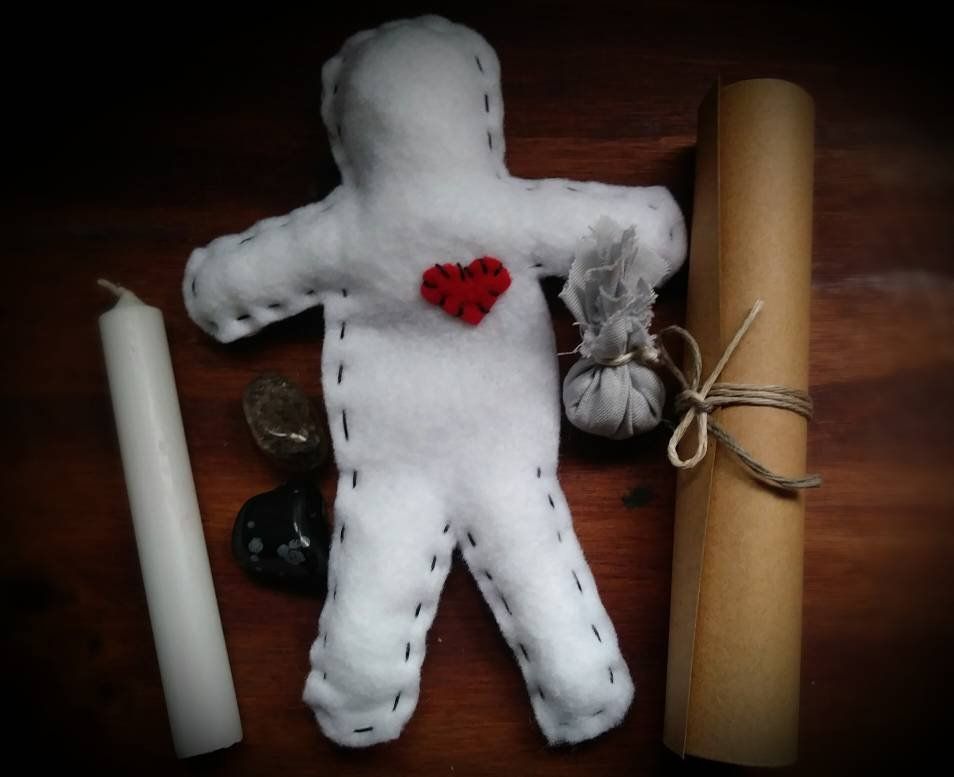
As you can see, this is quickly turning from a story of enchantment into a satire, as she animates the “puppet” (a word used in the 17th century to have, for witches, the meaning of something like a voodoo doll and used for the same purpose)

by getting it to puff on her pipe

before sending it out in the world to prey upon an enemy, Master Gookin, a wealthy merchant with a pretty daughter Mother Rigby wants him to woo.

Needless to say, in his enchanted form, and puffing on the magic pipe (he claims it’s for medicinal purposes), the scarecrow gains entry to Gookin’s house and even begins to romance the merchant’s daughter when, by chance,

“…”she cast a glance towards the full-length looking-glass in front of which they happened to be standing. It was one of the truest plates in the world and incapable of flattery. No sooner did the images therein reflected meet Polly’s eye than she shrieked, shrank from the stranger’s side, gazed at him for a moment in the wildest dismay, and sank insensible upon the floor. Feathertop likewise had looked towards the mirror, and there beheld, not the glittering mockery of his outside show, but a picture of the sordid patchwork of his real composition stripped of all witchcraft.”

The scarecrow, being reminded of what he really is, rushes back to his maker, smashes the pipe, and collapses into his component parts, leaving his creator to say to herself:

” ‘Poor Feathertop!’ she continued.  ‘I could easily give him another chance and send him forth again tomorrow. But no; his feelings are too tender, his sensibilities too deep. He seems to have too much heart to bustle for his own advantage in such an empty and heartless world. Well! well! I’ll make a scarecrow of him after all. ‘Tis an innocent and useful vocation, and will suit my darling well; and, if each of his human brethren had as fit a one, ‘t would be the better for mankind; and as for this pipe of tobacco, I need it more than he.’ “

(You can read the story for yourself here:  https://gutenberg.org/cache/epub/512/pg512-images.html )

And perhaps that scarecrow eventually found himself in a much more heroic role, much later in time and as far away as Kansas—

As always, thanks for reading.

Stay well,

Happy Halloween,

And remember that, as always, there’s

MTCIDC

O

PS

Before pumpkins had come from the New World, the old world hollowed out turnips, like this one, putting a candle inside to light the dark world of the end of the old growing year.

PPS

In 1908, Percy MacKaye, 1875-1956, poet and playwright, dramatized a version of the story, which appeared briefly in New York in 1911, and you can read it here:   https://ia902901.us.archive.org/23/items/scarecroworglass00mackuoft/scarecroworglass00mackuoft.pdf

PPPS

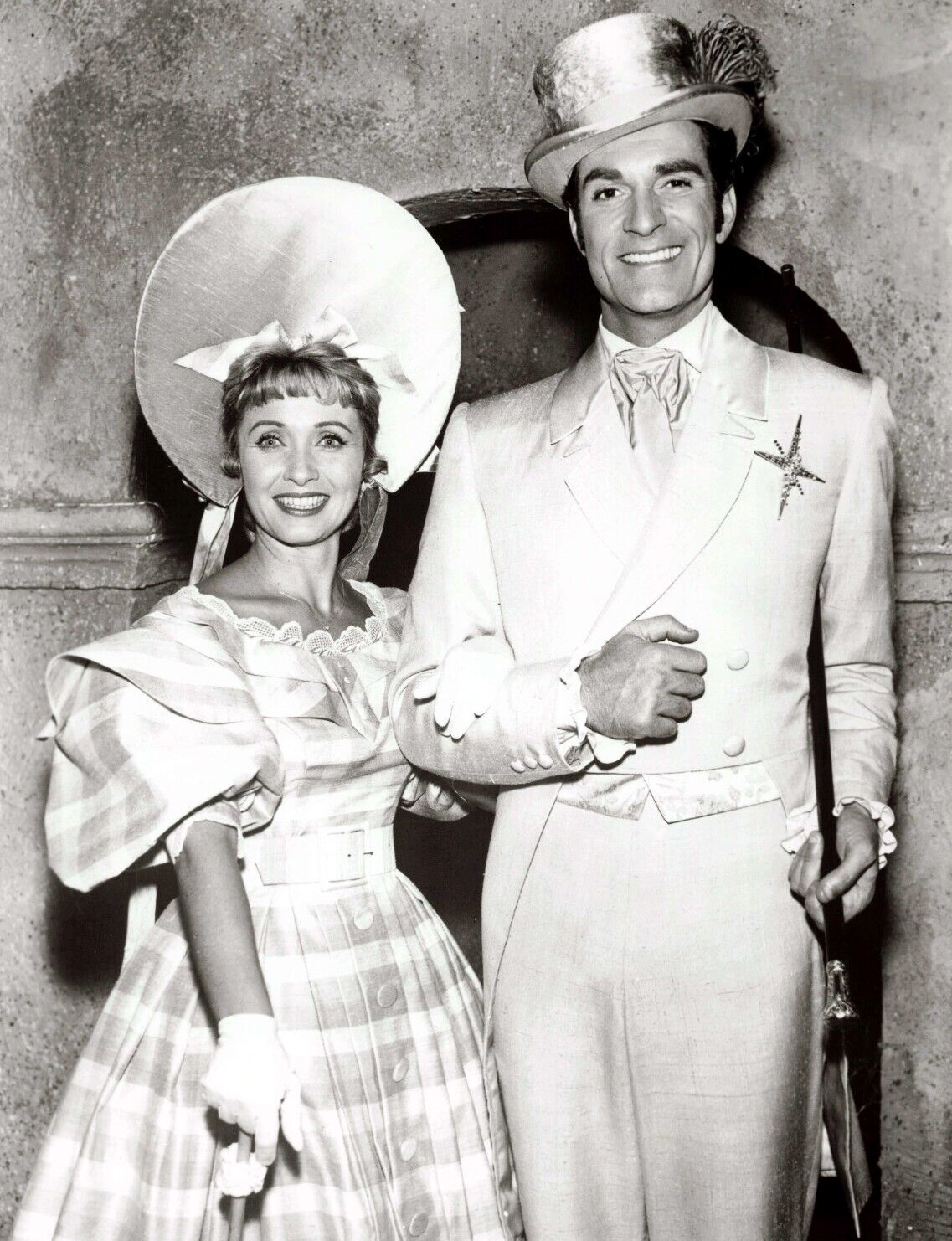
In 1961, there was a television musical of Hawthorne’s story,

with music by Mary Rogers, who then went on to compose the music for Once Upon a Mattress, my favorite version of Andersen’s “The Princess and the Pea” (which, looking at the Danish, which is “Princessen Pa Aerten” should really be “The Princess On the Pea”).  You can hear a catchy duet between the witch and her scarecrow creation, “A Gentleman of Breeding” here:  https://www.youtube.com/watch?v=GXONisleuSw

Song in Darkness

14 Wednesday Sep 2016

Posted by Ollamh in Artists and Illustrators, Films and Music, Imaginary History, J.R.R. Tolkien, Narrative Methods

≈ Leave a comment

Tags

Ainur, Arda, Frodo, Iluvatar, In western lands beneath the Sun, Middle-earth, Morgoth, Music, Sam Gamgee, Song, The Lord of the Rings, The Silmarillion, The Tower of Cirith Ungol, Tolkien

Dear Readers,

Welcome, as always.

For this posting, we consulted the Sortes Tolkienses, and landed upon a particular passage which had us thinking about song in Middle-earth:

“It was quiet, horribly quiet. The torch, that was already burning low when he arrived, sputtered and went out; and he felt the darkness cover him like a tide. And then softly, to his own surprise, there at the vain end of his long journey and his grief, moved by what thought in his heart he could not tell, Sam began to sing. “

At this moment, Frodo has been taken by the enemy after the two Hobbits had been led into and escaped Shelob’s lair, and Sam, though only a simple gardener from the Shire, has resolved to carry Frodo’s burden and rescue him from the tower.

cirithungol

Along with carrying the Ring, which would have otherwise been taken from Frodo in the tower, Sam has also brought with him Sting, Frodo’s sword, and Galadriel’s phial, which she gave to Frodo as a gift upon their leave-taking from Lothlorien.

shelob Sam

The phial is used when the two Hobbits are pursued by Shelob, as a means both of light and of defense. Faced with a darkness he has never encountered before, however, but set on finding and rescuing Frodo, even if he’s not sure how, Sam has the option of pulling out the phial straight away when the lights in the tower of Cirith Ungol go out.

Instead, Sam sings—although he’s not quite sure why—and, in the shadow of Mordor, recalls home in the Shire:

“His voice sounded thin and quavering in the cold dark tower: the voice of a forlorn and weary hobbit that no listening orc could mistake for the clear song of an Elven-lord.  He murmured old tunes out of the Shire, and snatches of Mr. Bilbo’s rhymes that came into his mind like fleeting glimpses of the country of his home. And then suddenly new strength rose in him, and his voice rang out, while words of his own came unbidden to fit the simple tune.

            In western lands beneath the Sun

                        the flowers may rise in Spring,

            the trees may bud, the waters run,

                        the merry finches sing.

            Or there maybe ‘tis a cloudless night

                        and swaying beeches bear

            the Elven-stars as jewels white

                        amid their branching hair.


            Though here at journey’s end I lie

                        in darkness buried deep,

            beyond all towers strong and high,

                        beyond all mountains steep,

            above all shadows rides the Sun

                        and stars forever dwell:

            I will not say the Day is done,

                        nor bid the Stars farewell.”

(The talented Tolkien artist, Joe Gilronan, has illustrated what Sam would have imagined singing this song–  a clear contrast to the darkness surrounding him:)

b4d306be0fef7b0b9fdbc7daf47c4d35samwise-the-gardner-joe-gilronan

Why is this, which seems like a last, desperate gesture, successful?  After all, it not only revives Sam’s spirits, but it reaches Frodo who, badly injured as he has been, responds with the same song, enabling Sam to find him.

In Middle-earth, and in Arda more generally, song is both enjoyed and revered on a deeper level. The music of the creator Iluvatar is, as recounted in The Silmarillion, what brought the world into being, and it is such a strong force that Morgoth, the first dark lord, sought to challenge Iluvatar’s song and power with his own. Even here, however, music as a dark force failed.

“Then Iluvatar spoke, and he said: ‘Mighty are the Ainur, and mightiest among them is Melkor; but that he may know, and all the Ainur, that I am Iluvatar, those things that ye have sung, I will show them forth, that ye may see what ye have done. And thou, Melkor, shall see that no theme may be played that hath not its uttermost source in me, nor can any alter the music in my despite.’ ” (The Silmarillion)

180px-Ted_Nasmith_-_Melkor_Weaves_Opposing_Music

Thus in The Lord of the Rings, we never hear an orc song, nor do we see singing, marching uruk-hai. They are beings created by Sauron, who has not the spiritual authority of Iluvatar, and, as Iluvatar is the ultimate creator of all life, so is he the creator of all music in Arda.  In Middle-earth, besides the odd scene in The Hobbit in which the goblins sing in Goblin-town, we see only Elves singing (such as the Hymn to Elbereth), Hobbits (both snatches of Bilbo’s literary songs and drinking-songs), and Dwarves (it was their music which persuaded Bilbo to leave the Shire and join their journey).

Sam’s song, then, holds power in its own right—although it’s simply an old tune from home, its uttermost source is in Iluvatar and the first music, and it becomes clear why even a hobbit’s hum in the darkest of places can bring him comfort—it cannot be contested by darkness.

Thank you, as always, for  reading.

MTCIDC,

CD

The Doubtful Sea Series Facebook Page

The Doubtful Sea Series Facebook Page

  • Ollamh

Categories

  • Artists and Illustrators
  • Economics in Middle-earth
  • Fairy Tales and Myths
  • Films and Music
  • Games
  • Heroes
  • Imaginary History
  • J.R.R. Tolkien
  • Language
  • Literary History
  • Maps
  • Medieval Russia
  • Military History
  • Military History of Middle-earth
  • Narnia
  • Narrative Methods
  • Poetry
  • Research
  • Star Wars
  • Terra Australis
  • The Rohirrim
  • Theatre and Performance
  • Tolkien
  • Uncategorized
  • Villains
  • Writing as Collaborators
Follow doubtfulsea on WordPress.com

Across the Doubtful Sea

Recent Postings

  • A Moon disfigured December 17, 2025
  • On the Roads Again—Once More December 10, 2025
  • (Not) Crossing Bridges December 3, 2025
  • On the Road(s) Again—Again November 26, 2025
  • On the Road(s) Again November 19, 2025
  • To Bree (Part 2) November 12, 2025
  • To Bree (Part 1) November 5, 2025
  • A Plague o’ Both—No, o’ All Your Houses! October 29, 2025
  • It’s in Writing (2:  I’st a Prologue, or a Poesie for a Ring?) October 22, 2025

Blog Statistics

  • 103,200 Views

Posting Archive

  • December 2025 (3)
  • November 2025 (4)
  • October 2025 (5)
  • September 2025 (4)
  • August 2025 (4)
  • July 2025 (5)
  • June 2025 (4)
  • May 2025 (4)
  • April 2025 (5)
  • March 2025 (4)
  • February 2025 (4)
  • January 2025 (5)
  • December 2024 (4)
  • November 2024 (4)
  • October 2024 (5)
  • September 2024 (4)
  • August 2024 (4)
  • July 2024 (5)
  • June 2024 (4)
  • May 2024 (5)
  • April 2024 (4)
  • March 2024 (4)
  • February 2024 (4)
  • January 2024 (5)
  • December 2023 (4)
  • November 2023 (5)
  • October 2023 (4)
  • September 2023 (4)
  • August 2023 (5)
  • July 2023 (4)
  • June 2023 (4)
  • May 2023 (5)
  • April 2023 (4)
  • March 2023 (5)
  • February 2023 (4)
  • January 2023 (4)
  • December 2022 (4)
  • November 2022 (5)
  • October 2022 (4)
  • September 2022 (4)
  • August 2022 (5)
  • July 2022 (4)
  • June 2022 (5)
  • May 2022 (4)
  • April 2022 (4)
  • March 2022 (5)
  • February 2022 (4)
  • January 2022 (4)
  • December 2021 (5)
  • November 2021 (4)
  • October 2021 (4)
  • September 2021 (5)
  • August 2021 (4)
  • July 2021 (4)
  • June 2021 (5)
  • May 2021 (4)
  • April 2021 (4)
  • March 2021 (5)
  • February 2021 (4)
  • January 2021 (4)
  • December 2020 (5)
  • November 2020 (4)
  • October 2020 (4)
  • September 2020 (5)
  • August 2020 (4)
  • July 2020 (5)
  • June 2020 (4)
  • May 2020 (4)
  • April 2020 (5)
  • March 2020 (4)
  • February 2020 (4)
  • January 2020 (6)
  • December 2019 (4)
  • November 2019 (4)
  • October 2019 (5)
  • September 2019 (4)
  • August 2019 (4)
  • July 2019 (5)
  • June 2019 (4)
  • May 2019 (5)
  • April 2019 (4)
  • March 2019 (4)
  • February 2019 (4)
  • January 2019 (5)
  • December 2018 (4)
  • November 2018 (4)
  • October 2018 (5)
  • September 2018 (4)
  • August 2018 (5)
  • July 2018 (4)
  • June 2018 (4)
  • May 2018 (5)
  • April 2018 (4)
  • March 2018 (4)
  • February 2018 (4)
  • January 2018 (5)
  • December 2017 (4)
  • November 2017 (4)
  • October 2017 (4)
  • September 2017 (4)
  • August 2017 (5)
  • July 2017 (4)
  • June 2017 (4)
  • May 2017 (5)
  • April 2017 (4)
  • March 2017 (5)
  • February 2017 (4)
  • January 2017 (4)
  • December 2016 (4)
  • November 2016 (5)
  • October 2016 (6)
  • September 2016 (5)
  • August 2016 (5)
  • July 2016 (5)
  • June 2016 (5)
  • May 2016 (4)
  • April 2016 (4)
  • March 2016 (5)
  • February 2016 (4)
  • January 2016 (4)
  • December 2015 (5)
  • November 2015 (5)
  • October 2015 (4)
  • September 2015 (5)
  • August 2015 (4)
  • July 2015 (5)
  • June 2015 (5)
  • May 2015 (4)
  • April 2015 (3)
  • March 2015 (4)
  • February 2015 (4)
  • January 2015 (4)
  • December 2014 (5)
  • November 2014 (4)
  • October 2014 (6)
  • September 2014 (1)

Blog at WordPress.com.

  • Subscribe Subscribed
    • doubtfulsea
    • Join 78 other subscribers
    • Already have a WordPress.com account? Log in now.
    • doubtfulsea
    • Subscribe Subscribed
    • Sign up
    • Log in
    • Report this content
    • View site in Reader
    • Manage subscriptions
    • Collapse this bar
 

Loading Comments...