• About

doubtfulsea

~ adventure fantasy

Tag Archives: Gothic

The Voices in His Head 

02 Thursday Oct 2025

Posted by Ollamh in Uncategorized

≈ Leave a comment

Tags

Finnish, Gothic, Greek, Joseph Wright, Landscape, languages, Latin, Middle English, Old English, Old Norse, seascape, soundscape, Tolkien, Welsh

As ever, welcome, dear readers.

Everyone knows the term “seascape”—as in this painting by Eugene Boudin (1824-1898)–
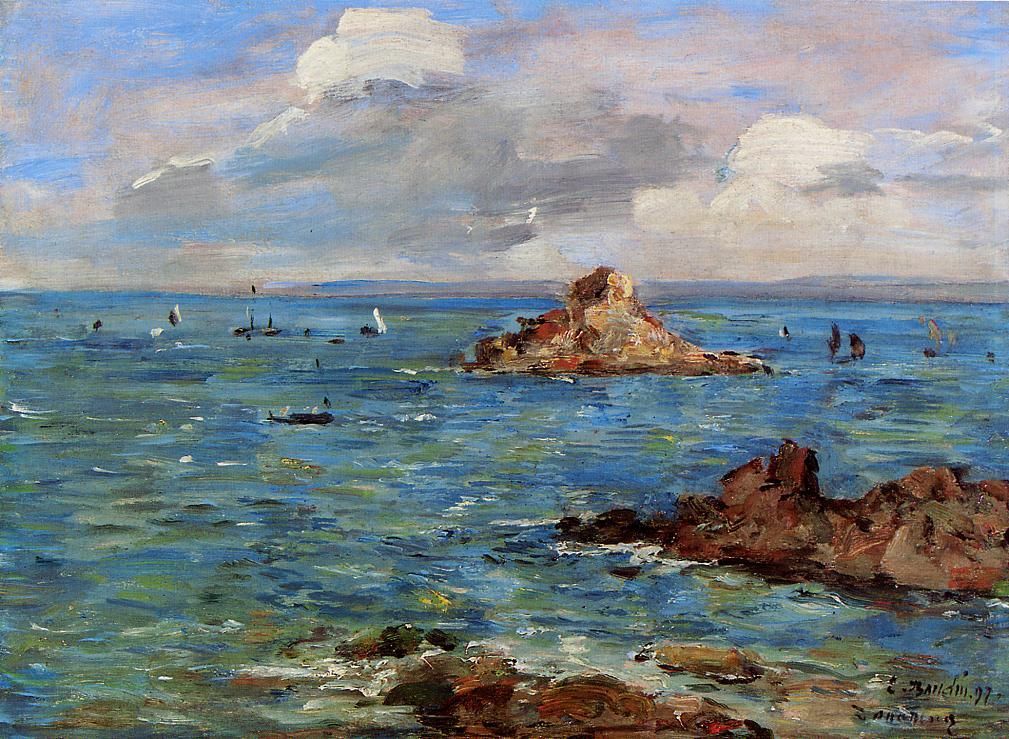
(You can learn a little more about him and see a small gallery of his work here:  https://en.wikipedia.org/wiki/Eug%C3%A8ne_Boudin   and see a lot more of his work here:  https://www.wikiart.org/en/eugene-boudin  There is also a much longer and detailed biography—in French—here:   https://fr.wikipedia.org/wiki/Eug%C3%A8ne_Boudin    As you view his work, you can see why Monet claimed him as an early influence, as well as a dear friend.)

and “landscape”—as in this painting by John Constable (1776-1837)—

(And you can learn a bit more about Constable and see a small gallery of his works here:  https://en.wikipedia.org/wiki/John_Constable )

but, in this posting, I want to talk about another –scape:  soundscape, and, in particular, the soundscape I imagine inside the head of J.R.R. Tolkien.

We might begin where he began, with the tutoring of his mother, Mabel.
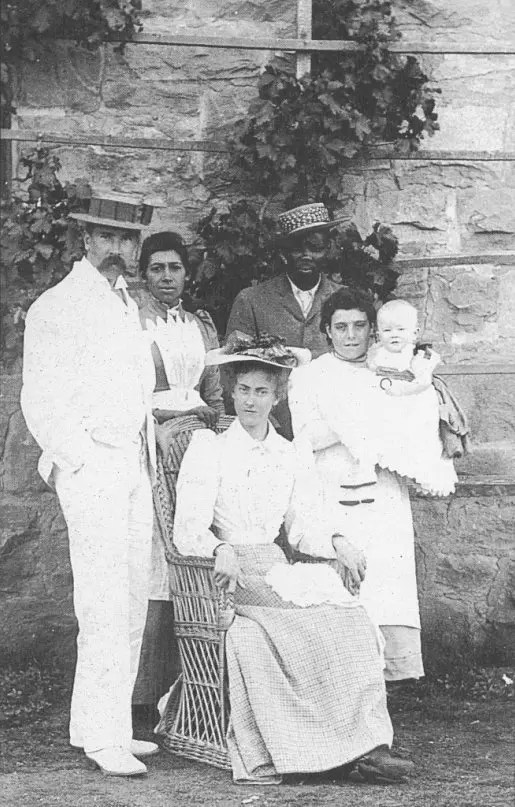
(Taken in Blomfontein, with Tolkien’s father on the left and a very tiny Tolkien on the right)

Carpenter’s biography tells us that Mabel

“…knew Latin…’

so we can imagine something like this in Tolkien’s ears:  

https://www.youtube.com/watch?v=BbcRm5EbGxg   “Scorpio Martianus”

To which I’ll add:

https://www.youtube.com/watch?v=mPuEO0VAh04  This is an attempt at Latin conversation and fun to listen to, but the subtitles don’t always mirror what is said and the use of “ius” instead of “lex” might be questioned for “law” in the script.

NativLang:  https://www.youtube.com/watch?v=_enn7NIo-S0&t=44s   This is a favorite language site of mine and this is entitled “What Latin Sounded Like and How We Know”.

“…French…”

Try this slowed-down version with subtitles—in both French and English—as I imagine that any French Mabel would have tried out would have been in talking to JRRT, then a small child, and would have been slow:  https://www.youtube.com/watch?v=aMx0d42wzBs    Unfortunately, in later life Tolkien would write:  “For instance I dislike French..”—and he also rejected French cooking—see “From a letter to Deborah Webster”, 25 October, 1958, Letters, 411.

“…and German…”  (Carpenter, J.R.R. Tolkien. 35)

This is actually German words/phrases at the children’s level (with German/English subtitles):  https://www.youtube.com/watch?v=PSu7RN1IP5Q

From Mabel, we can pass to more formal education, first at King Edward’s School in Birmingham.

Here, according to Carpenter, he was exposed to Greek:

“On his return to King Edward’s, Ronald was placed in the Sixth Class, about half way up the school.  He was now learning Greek.  Of his first contact with this language he later wrote:  ‘The fluidity of Greek, punctuated by hardness, and with its surface glitter captivated me.  But part of the attraction was antiquity and alien remoteness (from me):  it did not touch home.’ “  (Carpenter, J.R.R. Tolkien. 35)

For ancient Greek, try:   https://www.youtube.com/watch?v=NOJsnFz4Um0   

This is closer to what we understand Greek to have sounded like, including turning Greek theta into the sound T + a tiny explosion of breath afterwards (as Greek phi would sound like P + that same explosion).  There are a number of recitations on-line, but often strongly influenced by modern Greek, including the distinctive modern Greek pronunciation of sigma, which is a kind of hissy under-the-breath sound, which I like, but seems more modern than classical.

Even as he was increasing his knowledge of Latin and adding Greek to it through school instruction, Tolkien was making his own additions to what went on in his head.

Because his guardian, Father Francis Morgan (1857-1935)

spoke Spanish fluently and had a collection of books in Spanish, Tolkien was drawn to the language, later writing:

“…my guardian was half Spanish and in my early teens I used to pinch his books and try to learn it:  the only Romance language that gives me the particular pleasure of which I am speaking…”  (letter to W.H. Auden, 7 June, 1955, Letters, 312)

Here’s a little fun Spanish—this is Castilian, which is what I imagine Father Francis spoke, his family being from Andalusia:  https://www.youtube.com/watch?v=ybfyLfI5Ml0   You can read more about Father Francis here:  https://en.wikipedia.org/wiki/Francis_Xavier_Morgan )

We can add to this Anglo-Saxon (now commonly called Old English) at this time—and here’s a sample for you:

Beowulf:  https://www.youtube.com/watch?v=CH-_GwoO4xI

and likewise Middle English, which you can hear here:

Chaucer, General Prologue:  https://www.youtube.com/watch?v=qWM1Yk_BXMw

both thanks to an assistant master at King Edward’s, George Brewerton, who loaned Tolkien an Anglo-Saxon primer –my guess being Sweet’s—
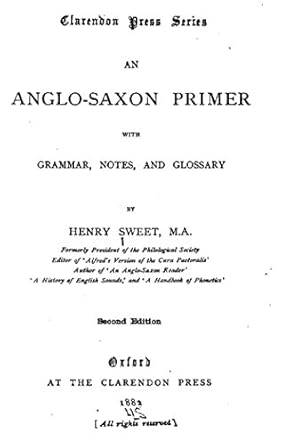
(You can see what Brewerton’s loan looked like here:  https://archive.org/details/anglosaxonprimer00sweerich )

and who:

“…encouraged his students to read Chaucer , and he recited the Canterbury Tales to them in the original Middle English.”  (Carpenter, J.R.R. Tolkien, 35)

(Here, by the way, is an interesting comparison in the changing sounds of English over centuries:  Old/Middle/Early Modern “The Lord’s Prayer”:  https://www.youtube.com/watch?v=nhgXnEGSn4A  )

This isn’t all, however. 

“One of his school-friends had bought a book at a missionary sale, but found that he had no use for it and sold it to Tolkien.  It was Joseph Wright’s Primer of the Gothic Language.  Tolkien opened it and immediately experienced ‘a sensation at least as full of delight as first looking into Chapman’s Homer. ‘ “ (Carpenter, J.R.R. Tolkien, 45)

(If you’d like to see what so pleased JRRT, see:  https://archive.org/details/aprimergothicla00wriggoog )

Here’s a short possible reconstruction of what Gothic sounded like: https://www.youtube.com/shorts/GORwFe5TL5c

And more about Gothic here:  https://www.youtube.com/watch?v=l-pmudxHUfQ

To which we should add Old Norse:

“Then he turned to a different language and took a few hesitant steps in Old Norse, reading line by line in the original words the story of Sigurd and the dragon Fafnir that had fascinated him in Andrew Lang’s Red Fairy Book when he was a small child.” (Carpenter, J.R.R. Tolkien, 43)

Here’s a brief selection :  https://www.youtube.com/watch?v=_ASsCH17cbA  ( This is from Jackson Crawford’s very interesting Norse website.  And you can read the Sigurd story which fascinated Tolkien here:  https://archive.org/details/redfairybook00langiala/redfairybook00langiala/  Tolkien formalized and extended his study of Old Norse at Oxford—see Carpenter, 71-72.  Old Norse is the ancestor of Icelandic and JRRT was particularly pleased when he was informed that The Hobbit was being translated into Icelandic.  See “from a letter ot Ungfru Adalsteinsdottir”, 5 June, 1973, Letters, 603)

With all of this behind him, Tolkien went off to Oxford, to Exeter College,
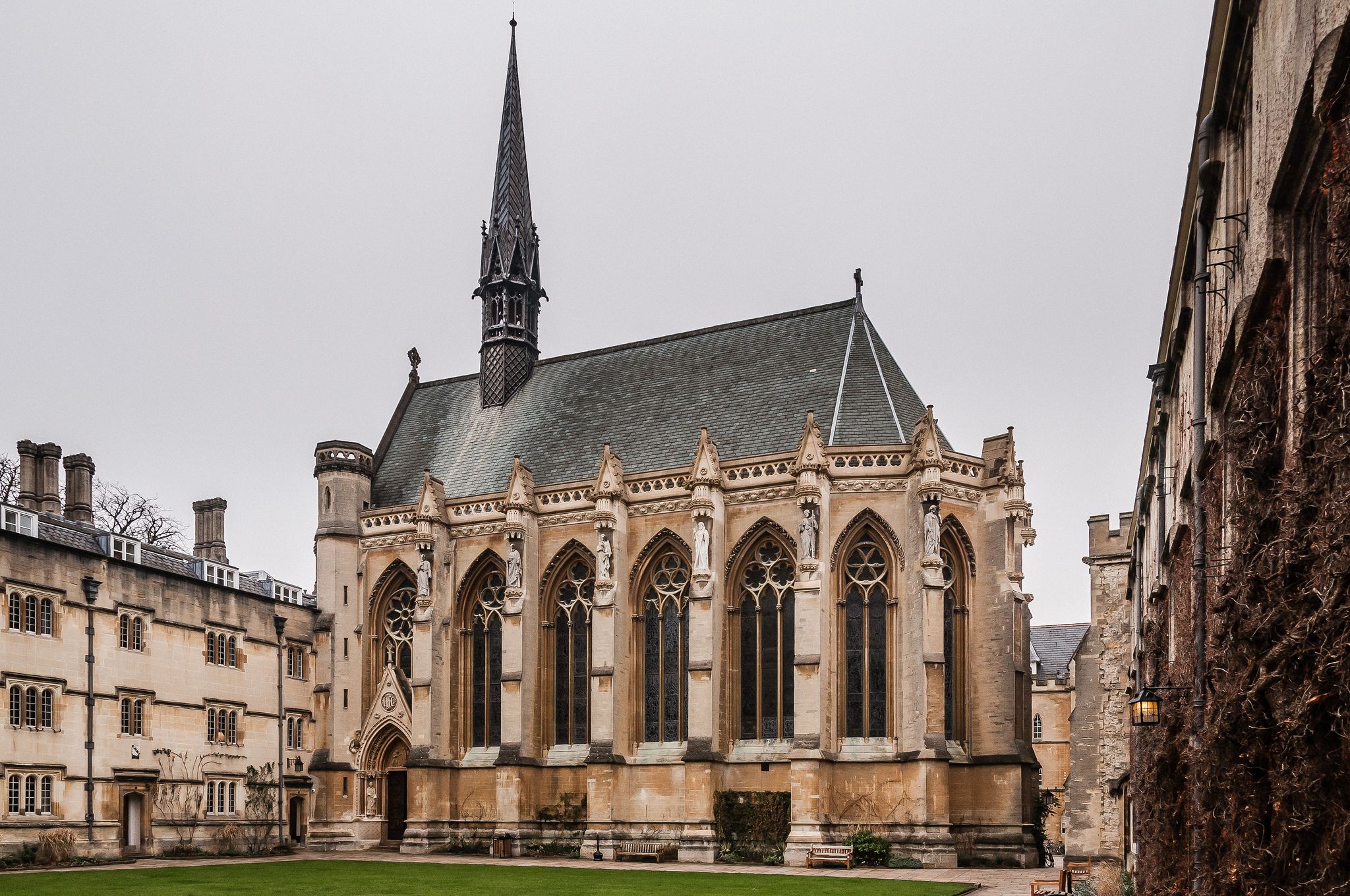
intending to continue his classical studies, but then:

“I did not learn any Welsh till I was an undergraduate, and found in it an abiding linguistic-aesthetic satisfaction…”

and here you can hear some Welsh:   https://www.youtube.com/watch?v=fvtbdq3WiyU

As a child, Tolkien’s eye had been caught by hopper cars labeled in Welsh full of coal from Welsh mines  (Carpenter, J.R.R. Tolkien, 33-34),

but it was only at Exeter , encouraged by the man who had written the Gothic text which had been such a revelation, Joseph Wright (1855-1930), that

“He managed to find books of medieval Welsh, and he began to read the language that had fascinated him on coal-trucks.  He was not disappointed; indeed he was confirmed in all his expectations of beauty.”  (Carpenter, J.R.R. Tolkien, 64)

and then:

 “ ‘Most important, perhaps, after Gothic was the discovery in Exeter College library, when I was supposed to be reading for Honour Mods, of a Finnish Grammar.   It was like discovering a complete wine-cellar filled with bottles of an amazing wine of a kind and flavour never tasted before.  It quite intoxicated me…’ ” (letter to W.H. Auden, 7 June, 1955, Letters, 312)

Here’s what Finnish sounds like:   https://www.youtube.com/watch?v=r6xt8HZy1-k

(I have no current evidence for what Tolkien’s actual discovery might have been, but here’s an 1890 Finnish grammar that, being an Oxford University Press publication, might be a good possibility:  https://www.gutenberg.org/files/59795/59795-h/59795-h.htm )

So, what might Tolkien have had echoing through his capacious head?  German, French, Latin, Greek, Old and Middle English, Gothic, Spanish, Old Norse, Welsh, and Finnish—which I thought covered them all until I discovered:

“In hospital, besides working on his mythology and the elvish languages, he was teaching himself a little Russian and improving his Spanish and Italian.”  (Carpenter, J.R.R. Tolkien, 106)

and:

“The Dutch edition and translation are going well.  I have had to swot at Dutch; but it is not a really nice language.  Actually I am at present immersed in Hebrew.  If you want a beautiful but idiotic alphabet, and a language so difficult that it makes Latin (and even Greek) seem footling—but also glimpses into a past that makes Homer seem recent—then that is the stuff!”  (letter to Michael George Tolkien, 24 April, 1957, Letters, 370)

As if German, French, Latin, Greek, Old and Middle English, Gothic ,Old Norse, Spanish, Italian, and a little Russian, Welsh, and Finnish—not to mention creating Sindarin, Quenya, a little of the language of the Dwarves, a bit of the tongue of the Ents, Rohirric, and even a fragment of the Black Speech–were not enough.

Thanks, as ever for reading.

Stay well,

Remember that:  “To learn a language is to have one more window from which to look at the world.” (a Chinese proverb)

And remember, as well, that there’s

MTCIDC

O

PS

As a contrast, here’s the sound of a language Tolkien didn’t care for (besides French)–see “From a letter to Deborah Webster”, 25 October, 1958, Letters, 412–https://www.youtube.com/watch?v=vfXBjv-uMZM

Doom

19 Wednesday Mar 2025

Posted by Ollamh in Uncategorized

≈ Leave a comment

Tags

anglo-saxons, Dialogus, Domesday Book, Errantry, Gothic, History, janissaries, Janissary, literature, lotr, Mazarbul, Normans, Tolkien, William Duke of Normandy

As ever, dear readers, welcome.

If nothing else would tell us that Tolkien had a fine ear for rhythm and rhyme, just take this stanza from “Errantry”, first published in The Oxford Magazine, Vol.52, No.5–

“Of crystal was his habergeon,
His scabbard of chalcedony;
With silver tipped at plenilune
His spear was hewn of ebony.
His javelins were of malachite
And stalactite – he brandished them
And went and fought the dragon flies
Of Paradise, and vanquished them.”

In his rhyming, JRRT has used some rather specialized words:

habergeon  an (often-half-sleeved) chain mail shirt—usually made of steel, not something as fragile as crystal might be

chalcedony   a kind of silica which comes in a number of varieties and colors—here’s one—

plenilune    full moon—the idea being that his spear was given its tip/blade at the full moon, suggesting perhaps a magical making? 

ebony      a dark hardwood which can be turned into a glossy black

malachite   another stone, which is copper-bearing

stalactite   this isn’t a stone, but a stone deposit which hangs down in caves

and is probably there for the internal rhyme with malachite, although malachite can be discovered in stalactites, so possibly JRRT is using two different possibilities at once

brandish     to wave—something heroic warriors sometimes do with their weapons, in a boasting or threatening manner

(I haven’t been able to find an artist for this one, alas.)

For the “dragon flies of Paradise”, you’re on your own—although–

So, when it came to the soundscape of The Lord of the Rings (a subject which could use a lot of exploring—there are cues everywhere), I wasn’t surprised to see him play a little game with an unlikely toy, a drum.

(a traditional Turkish drum—with two sticks, the larger for the top, the smaller for the underside, which gives it a distinctive double sound—you can hear—and see—some here:  https://www.youtube.com/watch?v=2eaxzv6obf8  These musicians are dressed as Janissaries, members of the Sultan’s elite troops

 and you can see why such bands then influenced later 18th-century-early-19th-century composers like Mozart and Beethoven—and frightened defenders when they heard this music coming.  Here’s Beethoven’s impression:     https://www.youtube.com/watch?v=Nd0OjCO9x5Y   )

Here’s a passage of that scape which recently caught my eye:

“Gandalf had hardly spoken these words, when there came a great noise:  a rolling Boom that seemed to come from depths far below, and to tremble in the stone at their feet.  They sprang towards the door in alarm.  Doom, doom it rolled again, as if huge hands were turning the very caverns of Moria into a vast drum.  Then there came an echoing blast:  a great horn was blown in the hall, and answering horns and harsh cries were heard further off.  There was a hurrying sound of many feet.”  (The Fellowship of the Ring, Book Two, Chapter 5, “The Bridge of Khazad-dum”)

You see what I mean about soundscape:  everything described, except the movement of the Fellowship, is a sound—and notice that even the place name in the chapter title, which has, in the original, a circumflex over the –u- in “dum” , lengthening  the sound of the word, echoes  that drum and its message:  doom!

And “doom”  is an interesting word. 

A quick look at its past can take us as far back as Gothic, the ancestral cousin of the Germanic languages and our oldest surviving sample of such ancestors.  Etymonline has “Gothic doms, ‘discernment, distinction’”– https://www.etymonline.com/word/doom  but, using my on-line Gothic dictionary, we find domjan and afdomjan, where the basic sense seems to be “to establish”, from which comes the meaning “to judge” and possibly even “to condemn”.  (Here’s the page:  http://www.wulfila.be/gothic/browse/search/?find=domjan&mode=1  at the very helpful  “Wulfila” site—Wulfila was the 4th-century AD translator of the Judeo-Christian Bible from Greek into Gothic.  It’s interesting that, often the original Greek word is a form of krino, which probably original meant to “separate”, but came, in time to be used to mean “to judge, decide”, and even “to condemn”—see the Perseus page here:  https://www.perseus.tufts.edu/hopper/morph?l=kri%2Fnw&la=greek&can=kri%2Fnw0#lexicon )

This brings us to what, I imagine, was a strong influence on Tolkien whenever he wrote that word:  that oppressor of the conquered Anglo-Saxons, the so-called “Domesday Book”.

After the defeat of Harold Godwinson and his army at Hastings, in October, 1066,

Duke William of Normandy drove a ruthless campaign of conquest throughout England, giving out land to his chief followers, who then built early castles, which we call “motte and bailey”, to protect themselves and to dominate the landscape.

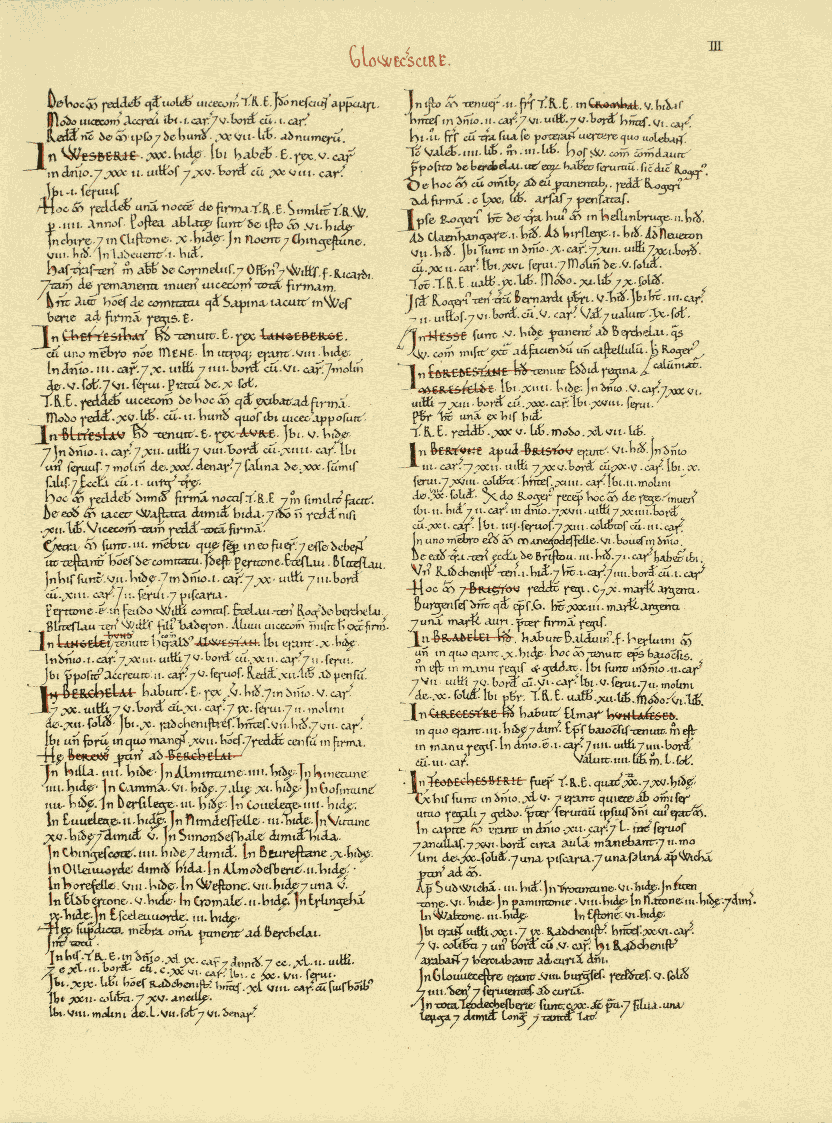
As well, perhaps helped by previous Anglo-Saxon tax records (easily accessible to the Norman officials because both they and their predecessors would have written in Latin), the Normans created a massive census, both of people and places, detailed practically down to the last chicken, asking, basically, “who is the owner? what does he own?  what’s it worth?  how much tax does he pay?”  It had no name, originally, as such, being called Liber de Wintonia—“the Winchester Book”—because that’s where the manuscript was originally stored.  (There were originally two volumes and you can read much more about them here:  https://en.wikipedia.org/wiki/Domesday_Book   And you can see the work itself here:  https://opendomesday.org/

The name by which we know it seems to have been a grim local joke, first known reference being in the 12th-century Dialogus de Scaccario, “Dialogue Concerning the Exchequer” (“scaccarium” being  a chess board, because the table used for accounting was gridded like one—it’s explained, in fact, in the “Dialogue”, but you can read about it here:  https://en.wikipedia.org/wiki/Exchequer ). 

In the text, the author (thought to have been Richard FitzNeal, the bishop of Ely, c.1130-1198), wrote:

“Hic liber ab indigenis ‘Domesdei’ nuncupatur id est dies iudicii per metaphoram.”

“This book is called by the locals ‘Doomsday’” : that is, as a metaphor, the Day of Judgment.”

(Dialogus de Scaccario, Book 1, Section 16B, which you can read here:  https://archive.org/details/cu31924021674365/page/n119/mode/2up in Latin, or here, in English:  https://avalon.law.yale.edu/medieval/excheq.asp#b1p16   This is a wonderfully practical text, explaining in enormous detail things like the vocabulary of the exchequer.  As is so often the case with medieval Latin, it’s a very pleasant read, written in plain, straightforward language and being just what it says it is, a dialogue between a “magister” and a “discipulus” .) 

Considering the choice of phrase, it isn’t surprising that that it was the choice of the “indigeni” .  One part of William’s master plan of conquest was to take the land away from its original Anglo-Saxon (indigenous) land-holders

and hand it over to his own followers, thus dispossessing most of the former—and, because those owners had no recourse, it must have seemed very like the Last Judgment—the original Doomsday.

Thus, when the members of the Fellowship hear “boom” turn into “doom”, it can suggest not only a play with sound, but the same kind of catastrophic event, trapped, as they seem to be, in the record room of Mazarbul—

(Angus McBride)

And we can take this one step farther.   As Tolkien’s income grew from the sale of his books, his frustration at the amount which disappeared into tax-paying grew, as he writes:

“A Socialist government will pretty well reduce me to penury on retirement!  As it is socialist legislation is robbing me of probably ¾ of the fruits of my labors, and my ‘royalties’ are merely waiting in the bank until  the Tax Collectors walk in and bag them.  Do you wonder that anyone who can gets out of this island?  Though soon there will be nowhere to go to escape the rising tide of ‘orquerie’.”  (letter to Michael Tolkien, 6 November, 1956, Letters, 367) 

So, when JRRT thought of “doom”, as a medievalist, might he also have been equating himself with those Anglo-Saxons, not only losing their homes, but forced to hand over their hard-earned cash

to those grim Normans, as well?

Thanks for reading, as always.

Stay well,

We’re only a month away, here in the US, from 15 April, our own “Domesday” for taxes owed,

And remember that, as ever, there’s

MTCIDC

O

Battering Ram or…Wolf?

01 Wednesday May 2024

Posted by Ollamh in Uncategorized

≈ Leave a comment

Tags

Dracula, Gothic, History, horror, reviews

Ad haec Caesar respondit: se magis consuetudine sua quam merito eorum civitatem conservaturum, si prius quam murum aries attigisset se dedidissent;

“Caesar replies to these things that he would preserve their town, more by his own custom than by [their] deserving it, if they would have surrendered before the ram had touched the [town] wall.” (Caesar, De Bello Gallico, 2.32.  My translation.)

The Aduatuci (or Atuatuci) were a Germanic tribe in what is now eastern Belgium and they were in trouble.  Involved in resisting Julius Caesar’s conquest of their region, they found themselves besieged by a Roman army long-experienced in dealing with fortified towns like this one.  Appalled by the preparations they could see being made, they quickly agreed upon terms with Caesar—on his condition, as stated above, the idea being that, once the ram had touched the wall, it would knock it down and everyone inside would be at the mercy of the Romans (murdered on the spot or sold into slavery.  We have no idea what the town looked like, but if its walls were of the sort called murus gallicus,

as Caesar himself describes the building technique, it was his obvious preparations and chilly threat which caused the capitulation,  Caesar admitting that such walls would have stymied Roman rams.  See for more:  https://en.wikipedia.org/wiki/Murus_gallicus    Just after their surrender, the Aduatuci made the mistake of trying to trick the Romans and paid dearly for it.  See:   https://www.livius.org/articles/battle/oppidum-aduatucorum-57-bce/   )

Among those preparations would have been a siege weapon in use at least as far back as the Neo-Assyrians (10th through 7th century BC), as this relief from the edge of a bronze vessel demonstrates.

Caesar’s threat suggests that his weapon would be aimed at a wall, but, the Assyrian relief is aimed at what, I think, we’ve come to expect from medieval illustrations—

and from adventure movies—see this scene from Braveheart (1995) as an example:  https://www.youtube.com/watch?v=7PXrVUaoEEc  —

a gate, it being the weakest part of a defensive wall.

As always, welcome, dear readers.

What’s going on here, that we begin, as Horace (65-8BC) put it in his Ars Poetica, 146-149, when cautioning poets about trying to tackle bigger subjects that they can possibly manage, in medias res, “in the middle of the action”?

Because this posting is really about being in mediam portam, “in the middle of the gate”, as Tolkien says of the main gate of Minas Tirith:

“Very strong it might be, wrought of steel and iron, and guarded with towers and bastions of indomitable stone, yet it was the key, the weakest point in all that high and impenetrable wall.”  (The Return of the King, Book Five, Chapter 4, “The Siege of Gondor”)

What’s attacking that gate is a monstrous ram:

“…in the midst was a huge ram, great as a forest-tree a hundred feet in length, swinging on mighty chains.  Long had it been forging in the dark smithies of Mordor, and its hideous head, founded of black steel, was shaped in the likeness of a ravening wolf, on its[,] spells of ruin lay.  Grond they named it, in memory of the Hammer of the Underworld of old.”

(from Jackson’s Return of the King, and, as usual, it varies from the text—this time, instead of simply having a wolf’s head, the whole thing appears to be a wolf—and it seems to have ingested a George Forman grill, as well)

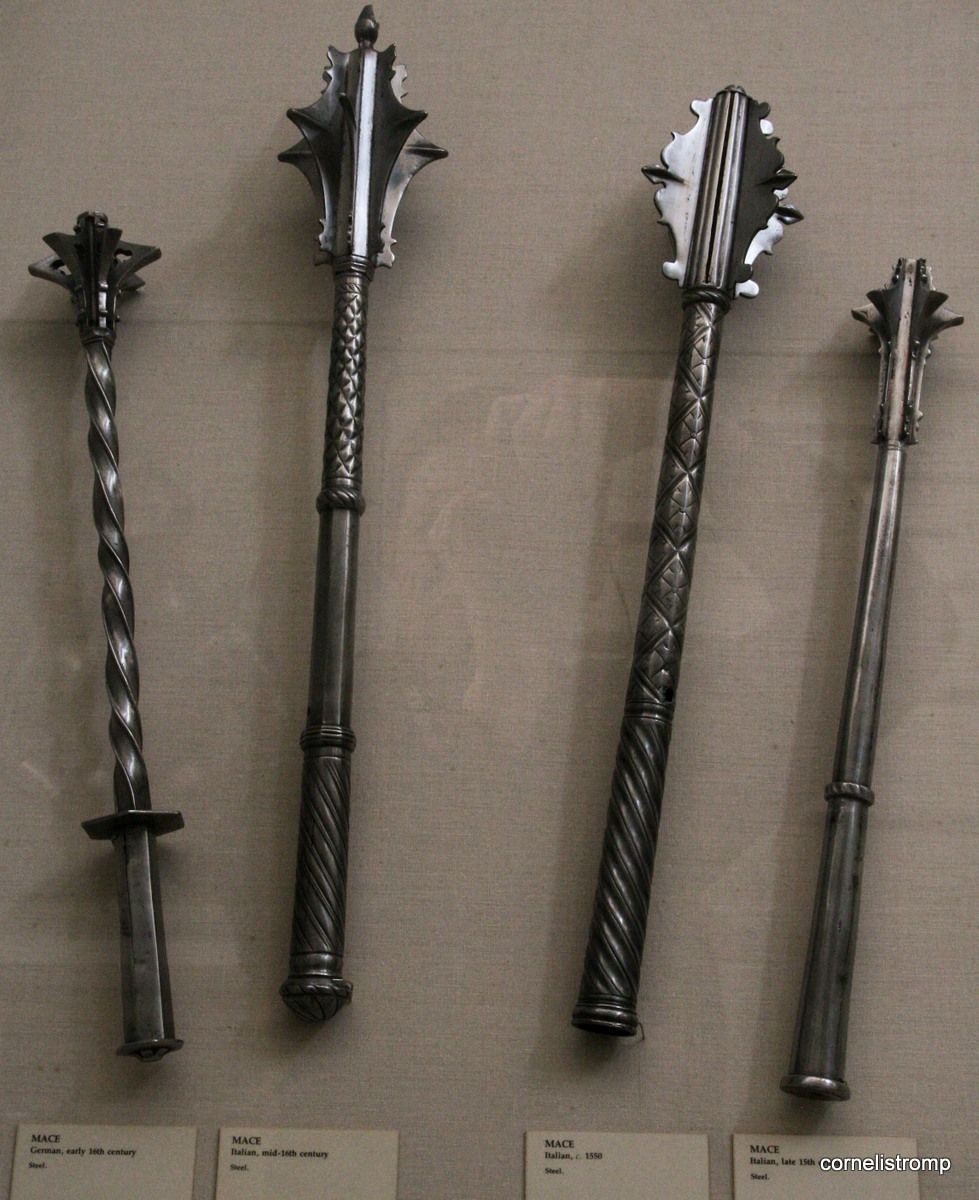
“Grond” is glossed as “the Hammer of the Underworld” and, elsewhere, as Morgoth’s mace—

but I’ve wondered about two non-Middle-earth influences upon its creation.

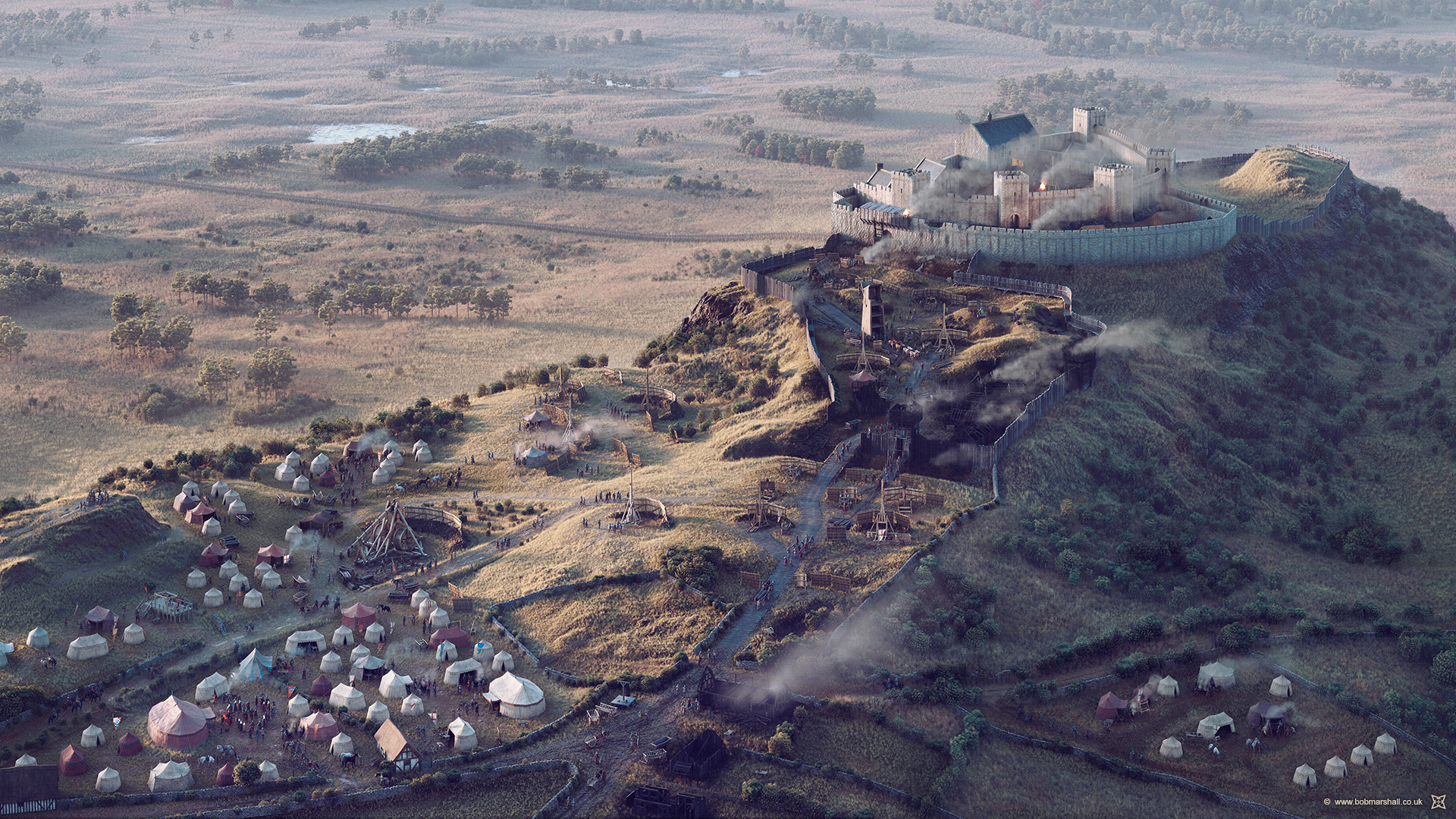
The first is to be found in something I suspect JRRT could have read at some point in his academic career, the Chronicle of Piers de Langtoft.  This is a early 14th-century compilation of earlier English history, combined with what is thought to be “Peter of Langtoft’s” own work, written in Norman French verse.  In his narration of events, the author includes an account of Edward I’s siege of Stirling Castle in 1304.

(This breathtaking reconstruction of the siege is by Bob Marshall, whose site is here:  https://www.bobmarshall.co.uk/stirlingcastle/   I recommend this site for:  a. the wonderful artwork; b. the excellent research and thinking behind it.  You can see more of his work—and it’s all as impressive as this—here:  https://bobmarshall.co.uk/)  Among the siege weapons Edward employed was something of which Piers/Peter writes:

“Entre ses aferes le reys fet carpenter

Une engine orrible, et Ludgar appeler

Et cel a son hurtir crevant le mur enter.”

“Among these events, the king had made of wood

A terrible device, and to be called ‘Ludgar’

And that [one] at its hit breaking down the whole wall.”

(my translation)

This “Ludgar” has been interpreted as being a large stone-thrower, called a trebuchet,

but it’s not its function which interested me, but what “Ludgar” is actually a shortened form of:  “Loup de Guerre”—“War Wolf”.  Could this have sparked Tolkien’s imagination to combine that name with another siege weapon?

(You can have your own copy of the text here:  https://ia801500.us.archive.org/5/items/chronicleofpierr02pete/chronicleofpierr02pete.pdf )

And that wolf leads me to my second possible influence, perhaps rather more unusual than the first.

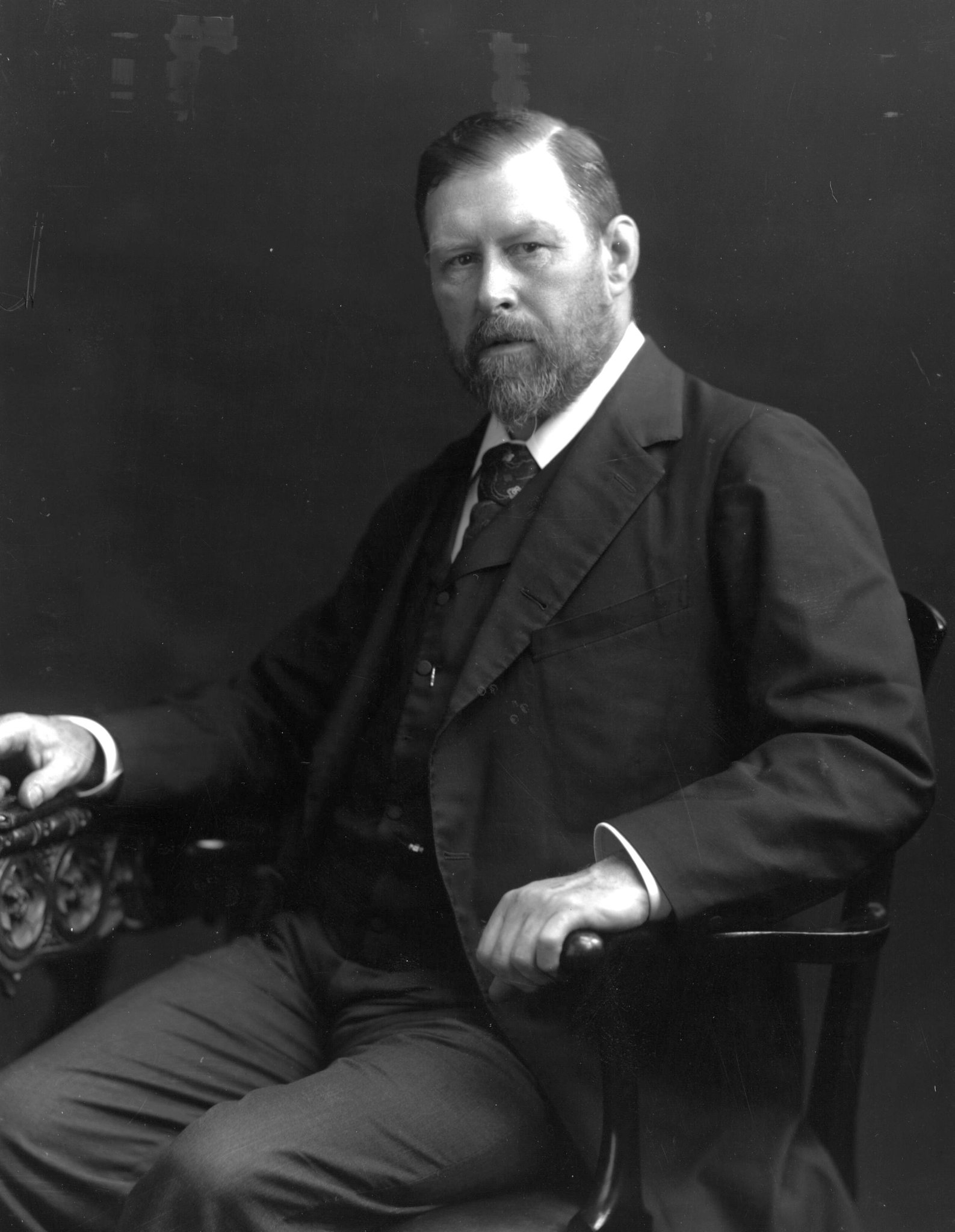
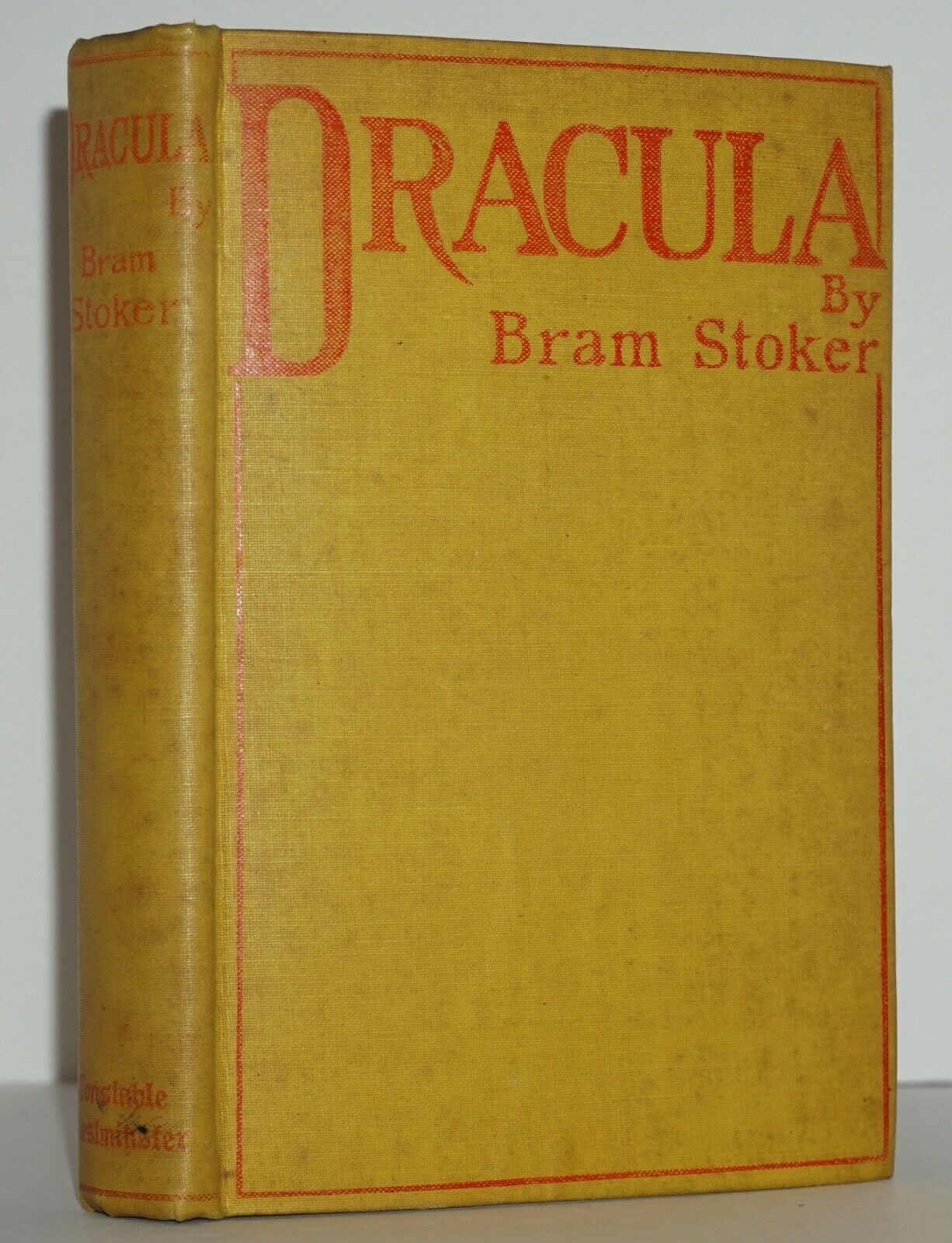
Neither The Letters of JRR Tolkien nor Oronzo Cilli’s impressive Tolkien’s Library has any mention of Bram Stoker (1847-1912)

or his 1897 masterpiece, Dracula,

but, as I’m currently finishing reading it with a class, I noticed another wolf—with a similar task to that of Grond—in Stoker’s novel.

Please pardon the quick plot summary, if you’ve read the book.

Lucy Westenra is Dracula’s first victim in his one-man invasion of England.  To protect her, Dr Van Helsing surrounds her with garlic, including among other things, a garland for her neck and for the window of her first floor bedroom.  Lucy feels safe and her mother, who has a weak heart, comes to join her in bed.

Thwarted by Van Helsing’s work, Dracula picks a weapon from the London Zoological Gardens and–

“After a while there was the low howl again out in the shrubbery, and shortly after there was a crash at the window, and a lot of broken glass was hurled on the floor. The window blind blew back with the wind that rushed in, and in the aperture of the broken panes there was the head of a great, gaunt grey wolf. Mother cried out in a fright, and struggled up into a sitting posture, and clutched wildly at anything that would help her. Amongst other things, she clutched the wreath of flowers that Dr. Van Helsing insisted on my wearing round my neck, and tore it away from me. For a second or two she sat up, pointing at the wolf, and there was a strange and horrible gurgling in her throat; then she fell over—as if struck with lightning, and her head hit my forehead and made me dizzy for a moment or two. The room and all round seemed to spin round. I kept my eyes fixed on the window, but the wolf drew his head back, and a whole myriad of little specks seemed to come blowing in through the broken window, and wheeling and circling round like the pillar of dust that travellers describe when there is a simoon in the desert. I tried to stir, but there was some spell upon me, and dear mother’s poor body, which seemed to grow cold already—for her dear heart had ceased to beat—weighed me down; and I remembered no more for a while.”  (Dracula, Chapter XII, “Memorandum left by Lucy Westenra”)

(Abigail Rorer from the Folio Society edition)

Perhaps not so grand as:

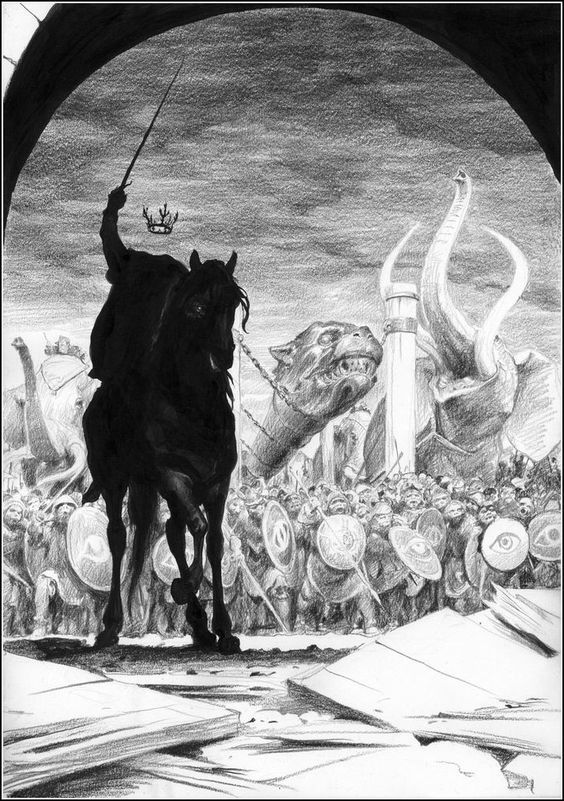
“…Thrice the great ram boomed.  And suddenly upon the last stroke the Gate of Gondor broke.  As if stricken by some blasting spell it burst asunder:  there was a flash of searing lightning, and the doors tumbled in riven fragments to the ground.

In rode the Lord of the Nazgul.”

(Denis Gordeev)

but equally effective and, as the Witch King of Agmar stands at the ruined gate, so Dracula stands at the broken window.  The difference is, the Witch King is thwarted by the advent of the Rohirrim,

(Julia Alexeeva)

while Dracula slips in and begins Lucy’s final transformation into a vampire.

So, could an early 14th century text and a late 19th-century horror novel have given Tolkien inspiration?  If an 1890 children’s book can offer him a talking dragon (“The Story of Sigurd” in Andrew Lang’s The Red Fairy Book, which you can read here:  https://archive.org/details/redfairybook00langiala/redfairybook00langiala/ )

why not?

Thanks, as ever, for reading.

Stay well,

Even if garlic might not keep out vampires, it’s good in bread,

And remember that, as always, there’s

MTCIDC

O

PS

In case you haven’t read Dracula, here’s your chance in a copy of the first American edition of 1897:  https://www.gutenberg.org/cache/epub/345/pg345-images.html

Lent to a Museum (Mathom.2)

07 Wednesday Mar 2018

Posted by Ollamh in Artists and Illustrators, Heroes, J.R.R. Tolkien, Literary History, Military History, Narrative Methods

≈ Leave a comment

Tags

Abbotsford, armor, Ashestiel, Cartley Hole, Castle, Craigievar, cuirassier, czapska, Edinburgh, Gothic, Henry Fox Talbot, Horace Walpole, Marquis de Montrose, Mathom-house, Melrose Abbey, Napoleon's Hair, Prince Albert, Queen Victoria, Rob Roy MacGregor, Scottish, Scottish Baronial, Sir Walter Scott, Strawberry Hill, The Lay of the Last Minstrel, The Lord of the Rings, Tolkien, Waterloo, Waverly

Welcome, as always, dear readers.

In a posting from January, 2017, we discussed the idea of a “mathom house” at Michel Delving in the Shire.  We know about this place from the Prologue to The Lord of the Rings:

“So, though there was still some store of weapons in the Shire, these were used mostly as trophies, hanging above hearths or on walls, or gathered into the museum at Michel Delving.  The Mathom-house it was called:  for anything that Hobbits had no immediate use for, but were unwilling to throw away, they called a mathom.  Their dwellings were apt to become rather crowded with mathoms, and many of the presents that passed from hand to hand were of that sort.”  (Prologue, The Lord of the Rings)

Rereading this passage this time, we were caught by two things:  “some store of weapons” and “Their dwellings were apt to become rather crowded with mathoms” because, put together, they sound like part of the description of the personal Mathom-house of the original inspirer (we would say) of adventure-writing in English, Sir Walter Scott.

image1raeburnscott.jpg

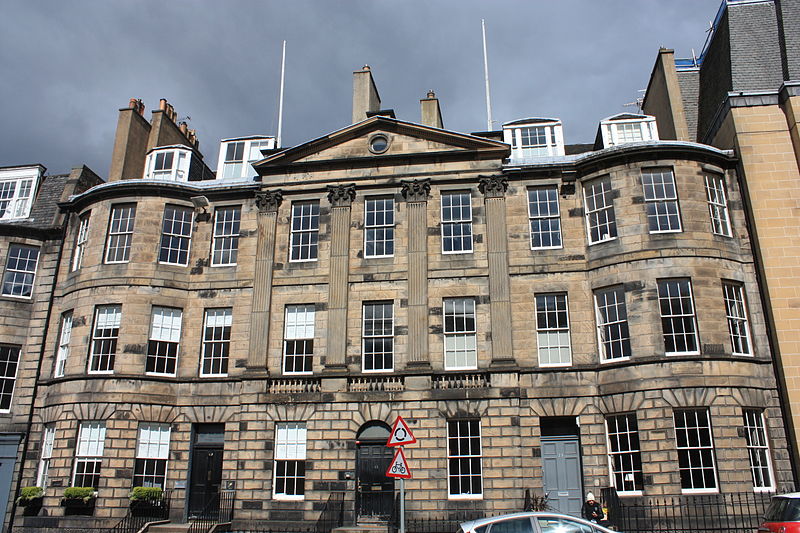
Trained to become a lawyer, Scott had lived for some years in several houses in Edinburgh, for much of his later life at Number 39, North Castle Street–

image2ncastlestreet.jpg

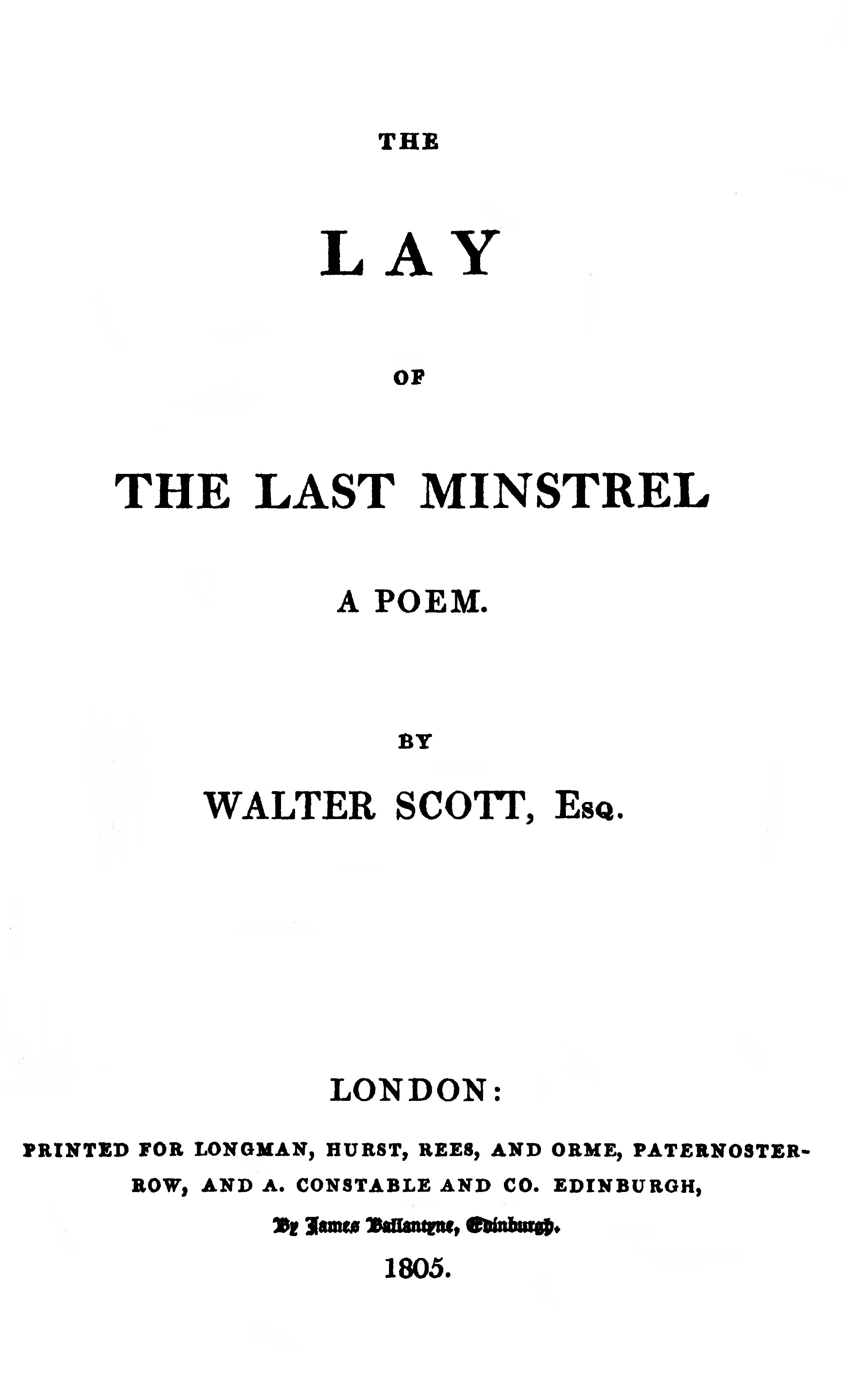
Although he began his rise to literary fame with the publication of The Lay of the Last Minstrel, a long poem, in 1805,

image3layfirstedition.jpg

money began to pour in with his first novel, Waverley, published anonymously, in 1814.

image4waverley.jpg

(What a great illustration, by the way—both the first edition and the manuscript.)

Because his legal work required him to have a residence outside Edinburgh, Scott had rented this, at Ashestiel, from 1804-1811.

image5ashestiel.jpg

When the lease was up, he then invested in this rather modest farm house at what was called “Cartley Hole”, which locals called “Clarty Hole”, “clarty” being a Scots word for “mucky”, suggesting that our illustration is prettier than the actual place.

image6cartleyholefarm.jpg

More commercially successful novels and an eventual baronetcy gave Scott grander ideas and he began to rebuild—and rebuild—the house, as well as changing its name to the more dignified “Abbotsford”, as it was near the ruins of the 12th-century Melrose Abbey.

image7melroseabbey.jpg

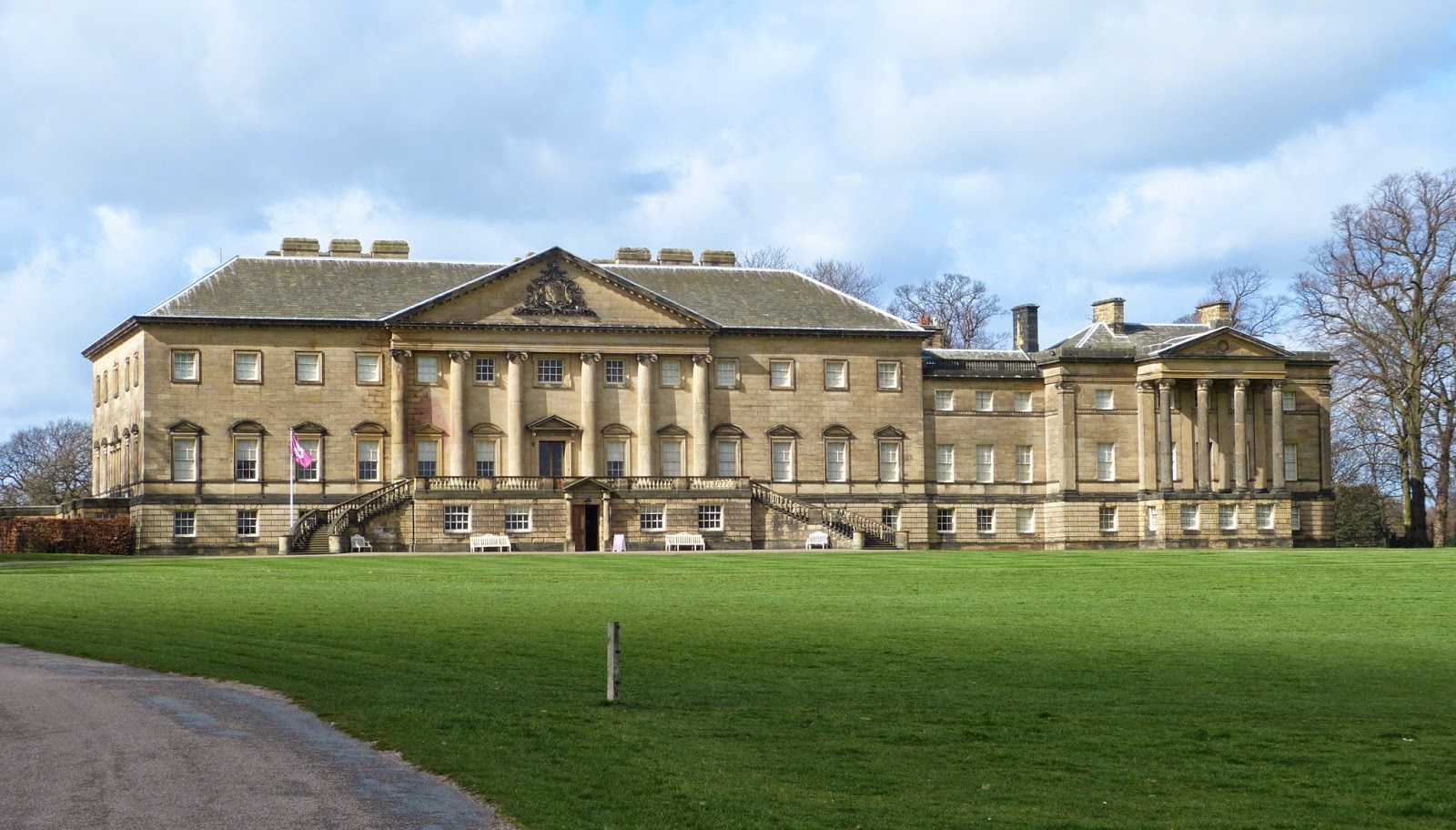
“Bigger” at this time might have meant something Georgian, like this—

image8nostellpriory.jpg

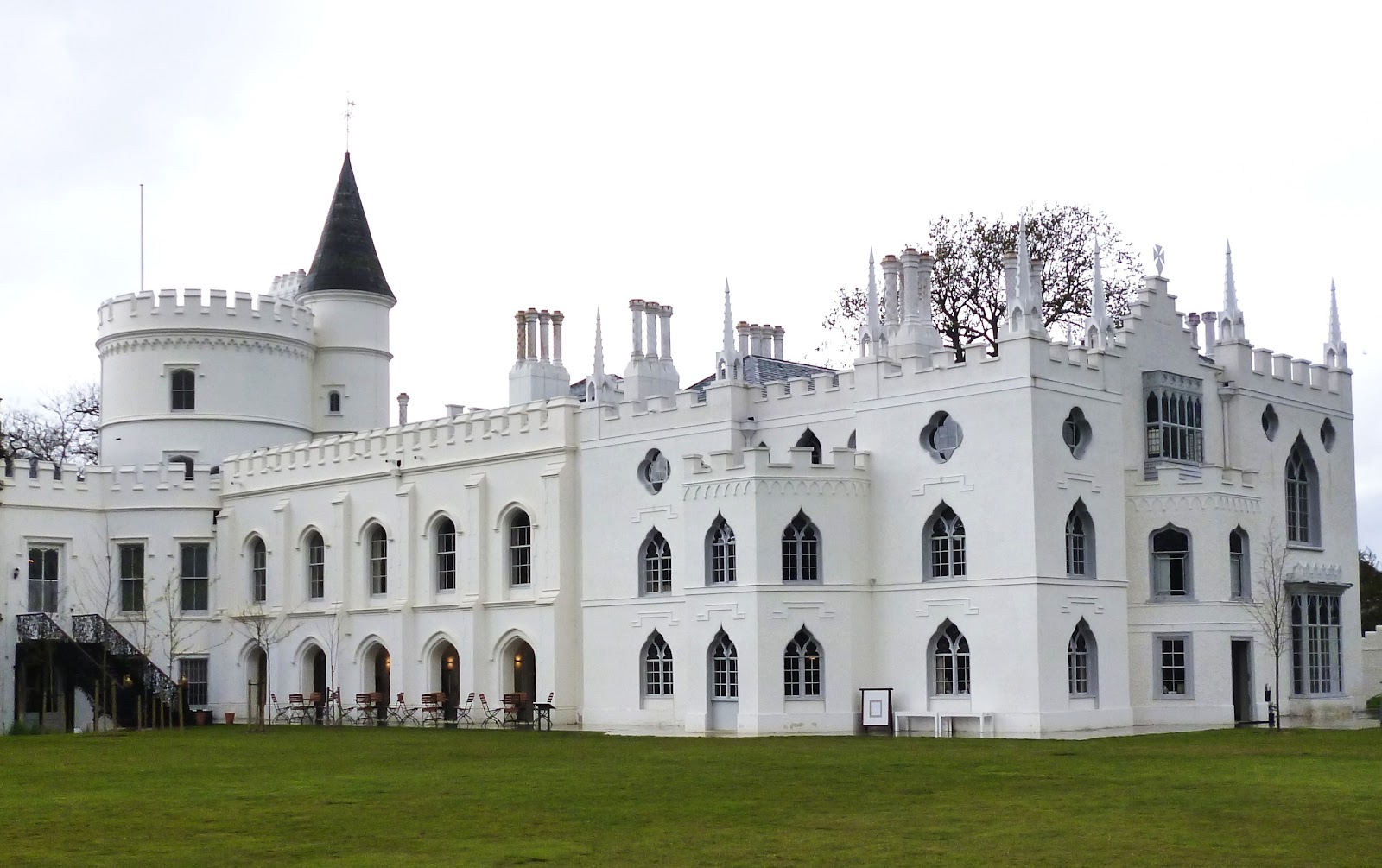
but Scott, no doubt influenced by the Gothic ideas of people like Horace Walpole

image9hw


and his Strawberry Hill

image10strawberryhill.JPG

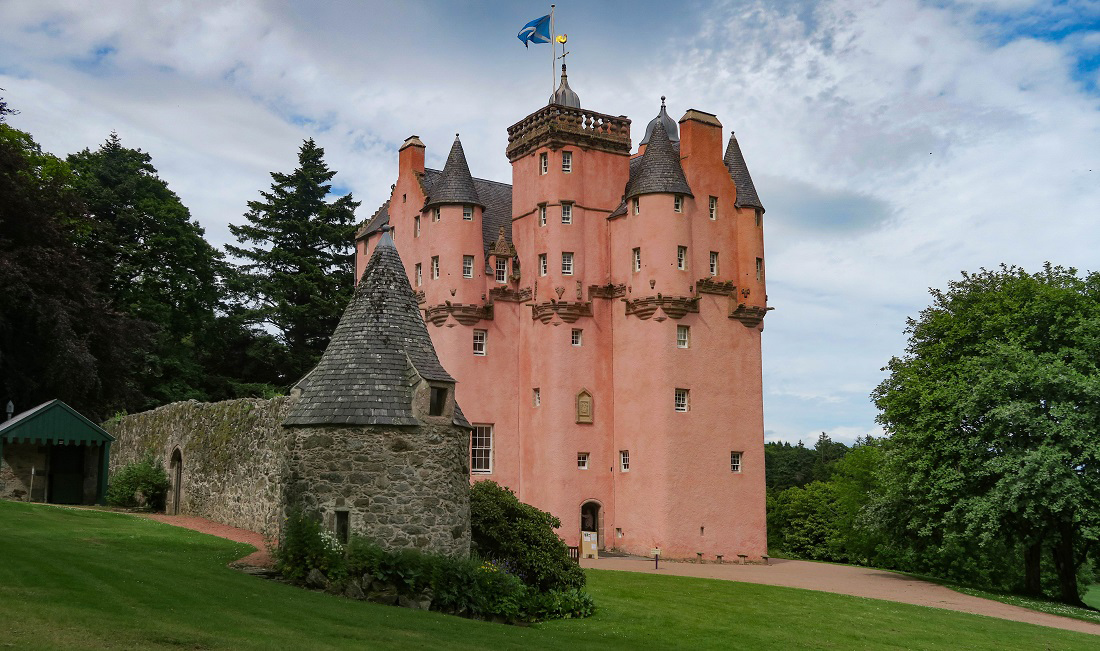
fixed upon a design which, in time, was not only bigger, but Gothic—and Scottish, in the style called “Scottish Baronial”, like this castle at Craigievar, completed in 1626.

image11craigievar.jpg

In a way, such a choice makes sense:  many of his novels have Scots locations and they made him wealthy enough to build such a place.

image12hftabbotsford.jpg

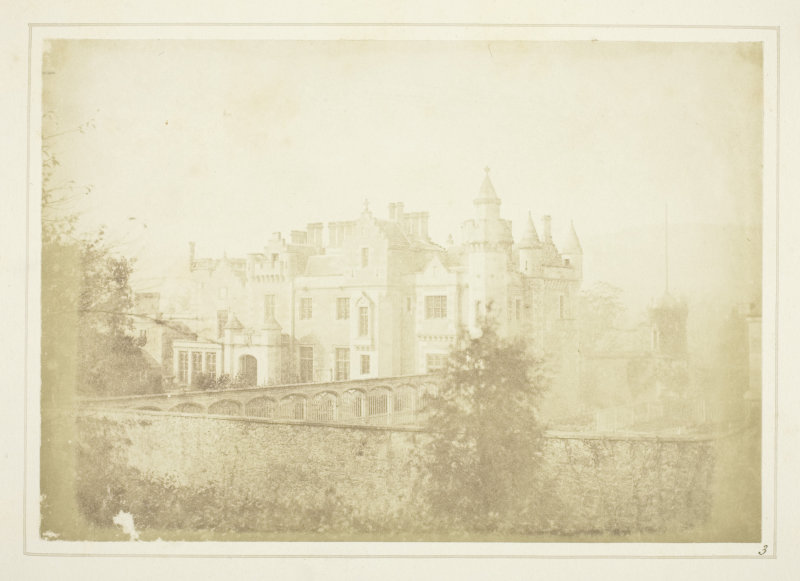
This is perhaps the first photographic image of Abbotsford.  It dates from 1844 and is by the English inventor, as far as we currently know, of photography, Henry Fox Talbot.

image13talbot.jpg

And here is a modern image.

image14abbotsford.jpg

The outside of Abbotsford is striking enough, but it’s what’s inside which made us think of a Mathom-house.

There is seemingly an endless “store of weapons”.

image15armory.JPG

And then there are all of those other things.  A lock of Napoleon’s hair.

image16nappy.jpg

image17nappy'shair.jpg

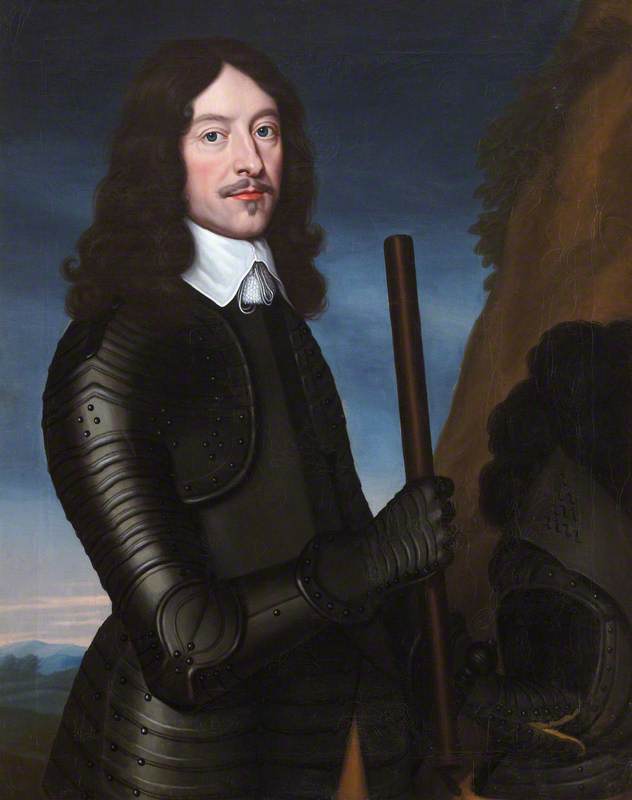
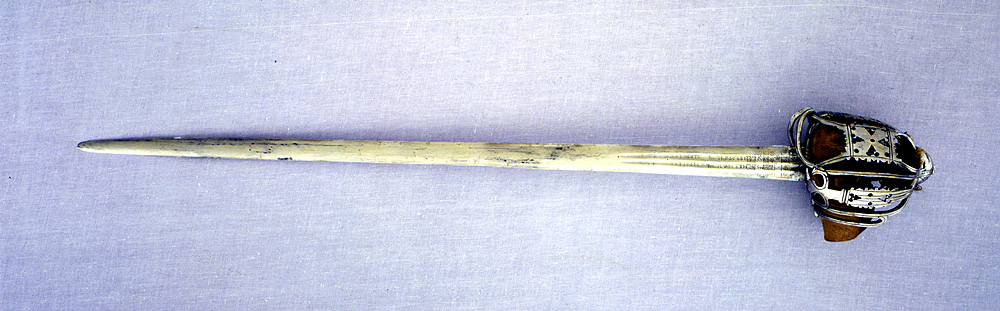
The sword of a 17th-century Scottish hero, the Marquis of Montrose.

image18montrose.jpg

image19montrosesword.jpg

The sporran (purse) of that early-18th century Highland legend, Rob Roy MacGregor.

image20sporran.jpg

(Scot also believed he had Rob Roy’s musket.)image21rrsmusket.jpg

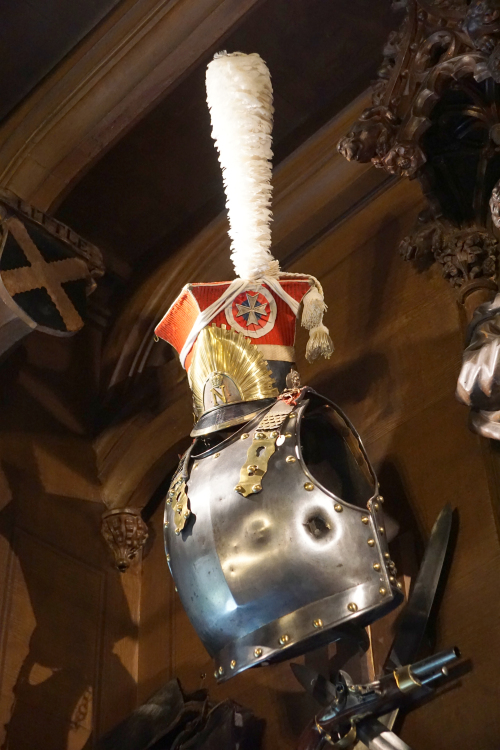
And even souvenirs he had picked up from the battlefield of Waterloo, which he had visited only a short time after the battle.

image22waterloo.jpg

image23cuirass.jpg

Note the hole in the breastplate—and also that the  headgear with it (a czapska) belongs not to the man who would have worn the breastplate, a cuirassier,

image24cuirassier.jpg

but to a French/Polish lancer

image25lancer.jpg

With all of these trophies tacked onto every possible surface—including full suits of armor–

image26armor.jpg

we wouldn’t be surprised to see a rather familiar object, ancient, famous, which we are told “was arranged on a stand in the hall (until he lent it to a Museum)”—would you?

image27mithril.jpg

Thanks, as ever, for reading.

MTCIDC

CD

PS

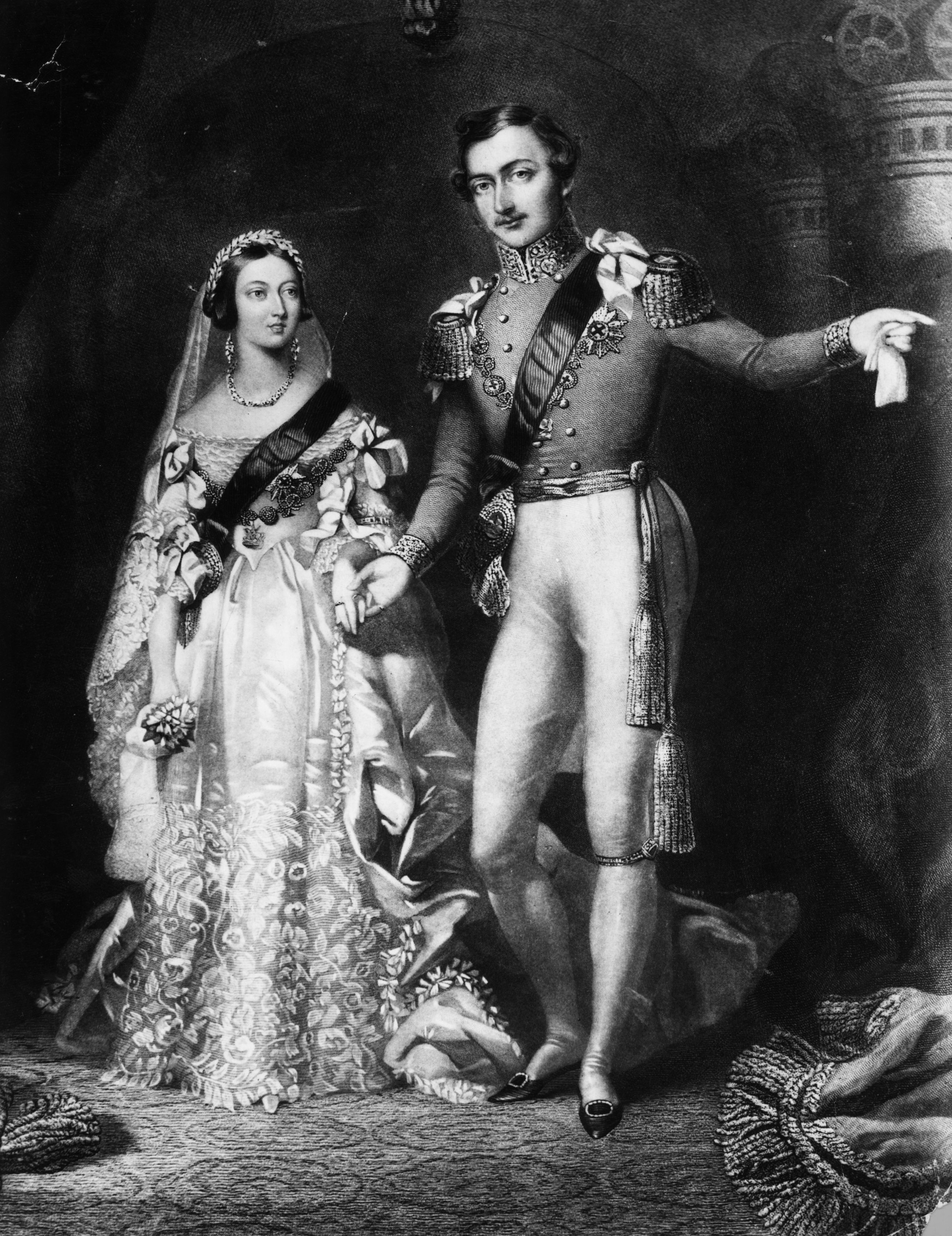
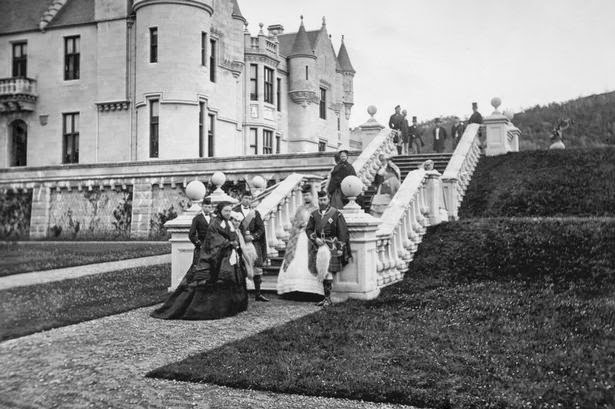
Abbotsford was opened to visitors within a few months of Scott’s death.  Among those tourists were Queen Victoria and Prince Albert.

image28avicandalbie.jpeg

They liked the place so much that, when they decided that they needed a little place in the country, Abbotsford would be one of their models.

image28balmoral.JPG

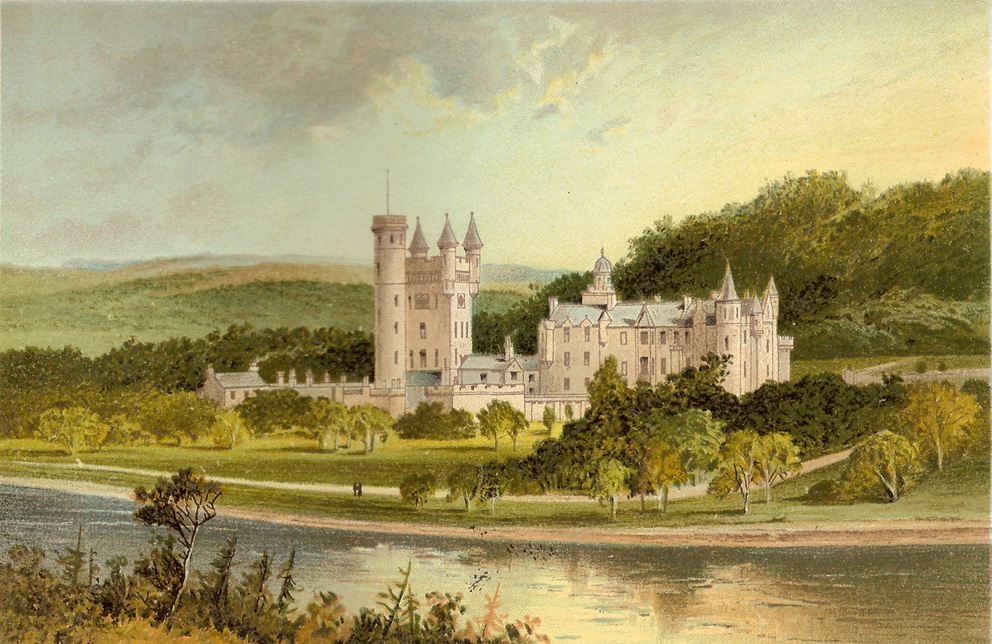
Long after Albert’s death in 1861, the Queen continued to pay a yearly visit to Balmoral.

image29vicatbalmoral.jpg

PPS

If you’d be interested in seeing Abbotsford as an early 20th-century tourist might have seen it, here’s a LINK to Beautiful Britain:  Abbotsford (1912).


The Doubtful Sea Series Facebook Page

The Doubtful Sea Series Facebook Page

  • Ollamh

Categories

  • Artists and Illustrators
  • Economics in Middle-earth
  • Fairy Tales and Myths
  • Films and Music
  • Games
  • Heroes
  • Imaginary History
  • J.R.R. Tolkien
  • Language
  • Literary History
  • Maps
  • Medieval Russia
  • Military History
  • Military History of Middle-earth
  • Narnia
  • Narrative Methods
  • Poetry
  • Research
  • Star Wars
  • Terra Australis
  • The Rohirrim
  • Theatre and Performance
  • Tolkien
  • Uncategorized
  • Villains
  • Writing as Collaborators
Follow doubtfulsea on WordPress.com

Across the Doubtful Sea

Recent Postings

  • Through a glass… January 7, 2026
  • Heffalumps? December 31, 2025
  • We Three Kings December 24, 2025
  • A Moon disfigured December 17, 2025
  • On the Roads Again—Once More December 10, 2025
  • (Not) Crossing Bridges December 3, 2025
  • On the Road(s) Again—Again November 26, 2025
  • On the Road(s) Again November 19, 2025
  • To Bree (Part 2) November 12, 2025

Blog Statistics

  • 104,103 Views

Posting Archive

  • January 2026 (1)
  • December 2025 (5)
  • November 2025 (4)
  • October 2025 (5)
  • September 2025 (4)
  • August 2025 (4)
  • July 2025 (5)
  • June 2025 (4)
  • May 2025 (4)
  • April 2025 (5)
  • March 2025 (4)
  • February 2025 (4)
  • January 2025 (5)
  • December 2024 (4)
  • November 2024 (4)
  • October 2024 (5)
  • September 2024 (4)
  • August 2024 (4)
  • July 2024 (5)
  • June 2024 (4)
  • May 2024 (5)
  • April 2024 (4)
  • March 2024 (4)
  • February 2024 (4)
  • January 2024 (5)
  • December 2023 (4)
  • November 2023 (5)
  • October 2023 (4)
  • September 2023 (4)
  • August 2023 (5)
  • July 2023 (4)
  • June 2023 (4)
  • May 2023 (5)
  • April 2023 (4)
  • March 2023 (5)
  • February 2023 (4)
  • January 2023 (4)
  • December 2022 (4)
  • November 2022 (5)
  • October 2022 (4)
  • September 2022 (4)
  • August 2022 (5)
  • July 2022 (4)
  • June 2022 (5)
  • May 2022 (4)
  • April 2022 (4)
  • March 2022 (5)
  • February 2022 (4)
  • January 2022 (4)
  • December 2021 (5)
  • November 2021 (4)
  • October 2021 (4)
  • September 2021 (5)
  • August 2021 (4)
  • July 2021 (4)
  • June 2021 (5)
  • May 2021 (4)
  • April 2021 (4)
  • March 2021 (5)
  • February 2021 (4)
  • January 2021 (4)
  • December 2020 (5)
  • November 2020 (4)
  • October 2020 (4)
  • September 2020 (5)
  • August 2020 (4)
  • July 2020 (5)
  • June 2020 (4)
  • May 2020 (4)
  • April 2020 (5)
  • March 2020 (4)
  • February 2020 (4)
  • January 2020 (6)
  • December 2019 (4)
  • November 2019 (4)
  • October 2019 (5)
  • September 2019 (4)
  • August 2019 (4)
  • July 2019 (5)
  • June 2019 (4)
  • May 2019 (5)
  • April 2019 (4)
  • March 2019 (4)
  • February 2019 (4)
  • January 2019 (5)
  • December 2018 (4)
  • November 2018 (4)
  • October 2018 (5)
  • September 2018 (4)
  • August 2018 (5)
  • July 2018 (4)
  • June 2018 (4)
  • May 2018 (5)
  • April 2018 (4)
  • March 2018 (4)
  • February 2018 (4)
  • January 2018 (5)
  • December 2017 (4)
  • November 2017 (4)
  • October 2017 (4)
  • September 2017 (4)
  • August 2017 (5)
  • July 2017 (4)
  • June 2017 (4)
  • May 2017 (5)
  • April 2017 (4)
  • March 2017 (5)
  • February 2017 (4)
  • January 2017 (4)
  • December 2016 (4)
  • November 2016 (5)
  • October 2016 (6)
  • September 2016 (5)
  • August 2016 (5)
  • July 2016 (5)
  • June 2016 (5)
  • May 2016 (4)
  • April 2016 (4)
  • March 2016 (5)
  • February 2016 (4)
  • January 2016 (4)
  • December 2015 (5)
  • November 2015 (5)
  • October 2015 (4)
  • September 2015 (5)
  • August 2015 (4)
  • July 2015 (5)
  • June 2015 (5)
  • May 2015 (4)
  • April 2015 (3)
  • March 2015 (4)
  • February 2015 (4)
  • January 2015 (4)
  • December 2014 (5)
  • November 2014 (4)
  • October 2014 (6)
  • September 2014 (1)

Blog at WordPress.com.

  • Subscribe Subscribed
    • doubtfulsea
    • Join 78 other subscribers
    • Already have a WordPress.com account? Log in now.
    • doubtfulsea
    • Subscribe Subscribed
    • Sign up
    • Log in
    • Report this content
    • View site in Reader
    • Manage subscriptions
    • Collapse this bar
 

Loading Comments...