Welcome, dear readers, as always. Last’s weeks visit to Harry Turtledove’s Videssos (aka Byzantium) brought a certain song to mind and so the title of this posting comes from a 1953 pop hit by a Canadian vocal group called “The Four Lads”.

It’s perhaps an “ear worm”, based pretty much on the rhythm IS-tan-BUL, not CON-stan-ti-NOP-le, repeated throughout, so parental caution. Here’s the whole lyric—
“Istanbul was Constantinople
Now it’s Istanbul, not Constantinople
Been a long time gone, Constantinople
Now it’s Turkish delight on a moonlit night
Every gal in Constantinople
Lives in Istanbul, not Constantinople
So if you’ve a date in Constantinople
She’ll be waiting in Istanbul
Even old New York was once New Amsterdam
Why they changed it I can’t say
People just liked it better that way
So, take me back to Constantinople
No, you can’t go back to Constantinople
Been a long time gone, Constantinople
Why did Constantinople get the works?
That’s nobody’s business but the Turks
Istanbul, Istanbul
Istanbul, Istanbul
Even old New York was once New Amsterdam
Why they changed it I can’t say
People just liked it better that way
Istanbul was Constantinople
Now it’s Istanbul, not Constantinople
Been a long time gone, oh Constantinople
Why did Constantinople get the works?
That’s nobody’s business but the Turks
So, take me back to Constantinople
No, you can’t go back to Constantinople
Been a long time gone, Constantinople
Why did Constantinople get the works?
That’s nobody’s business but the Turks
Istanbul!”
(from a site called “Songfacts”—although they credit it to the 1990 cover by They Might Be Giants. You can hear the original here: https://www.youtube.com/watch?v=Wcze7EGorOk )
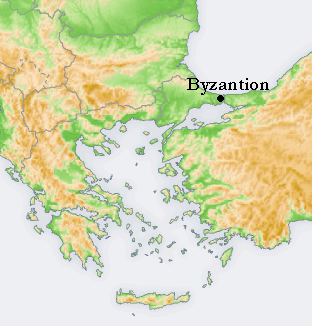
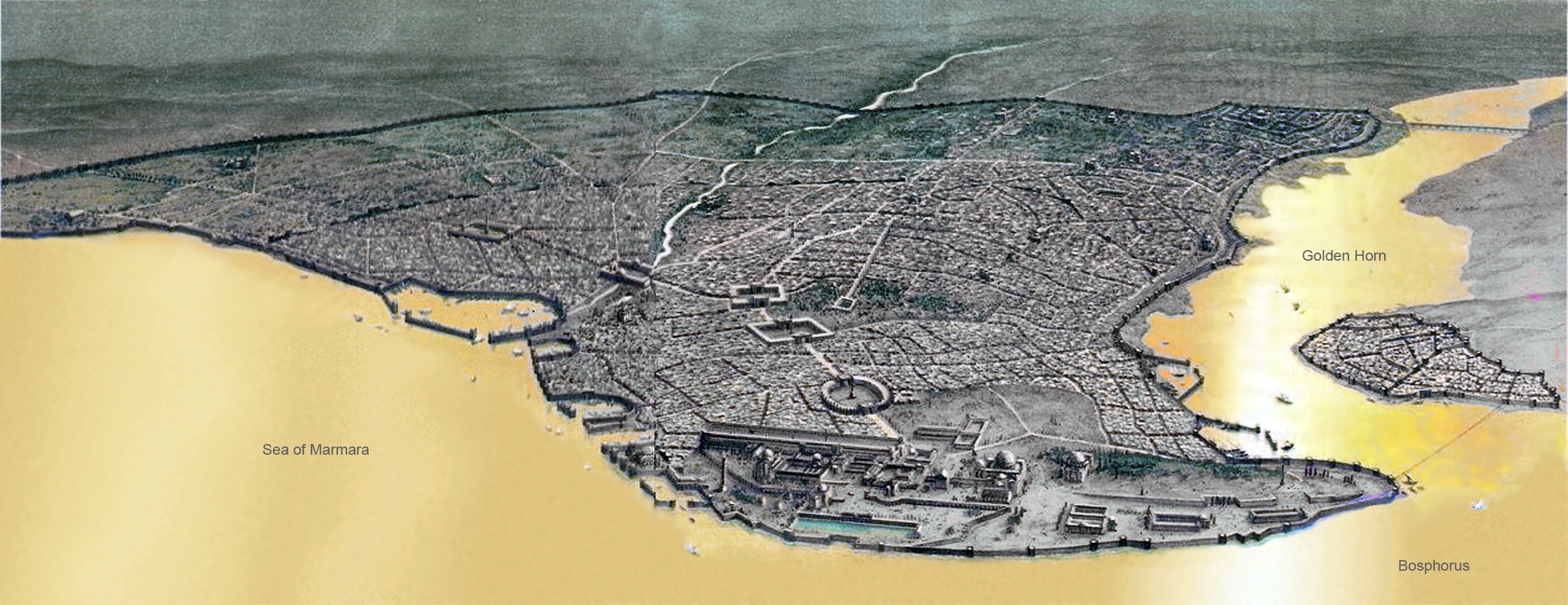
“Constantinople” was originally “Byzantium”, meaning of the name unknown. It was a 7th-century BC Greek settlement based upon an earlier Thracian one.
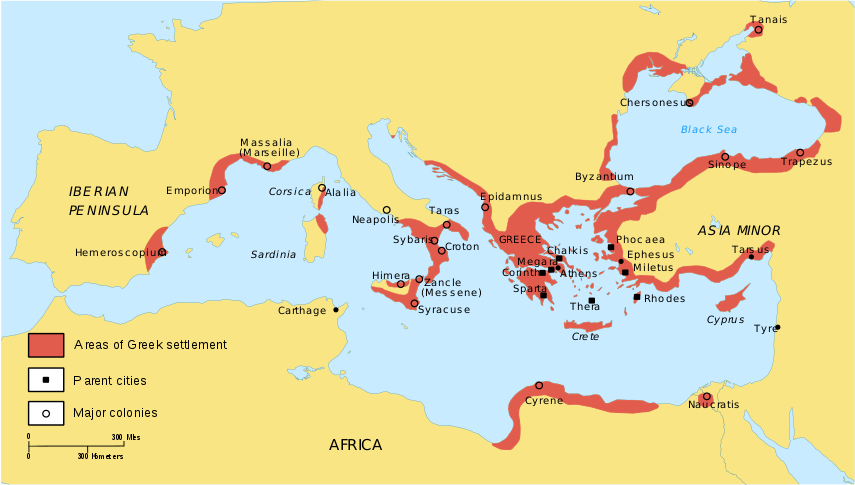
In 330AD, the Roman emperor whom we call Constantine I (c272-337AD),

to be closer not only to the goods and raw materials which came from the Black Sea region, but also to keep an eye on the Empire’s latest eastern threat, the Sassanids.


Constantine, clearly intending to indicate the continuity of his choice of capital, even if it was far from the old heartland of Italy, called it Nova Roma, but the inhabitants tended to call it “the city of Constantine” or “Constantinoupolis”—or, for short, simply “the city” “he polis” (say “he” as “hay”—it’s the definite article “the”—and the custom of shortening can even be seen here in the US: people who live around New York City never call it “New York City”, but always “the City”).
As if Constantine’s name for it had a charm, this “new Rome”, successfully weathered the changes which turned the western empire, with its ancient capital of “old Rome”, into a series of Germanic kingdoms, surviving into the mid-15th century AD. By its later years, however, its territory, like its power, shrank and shrank

to a couple of small enclaves and the City itself.
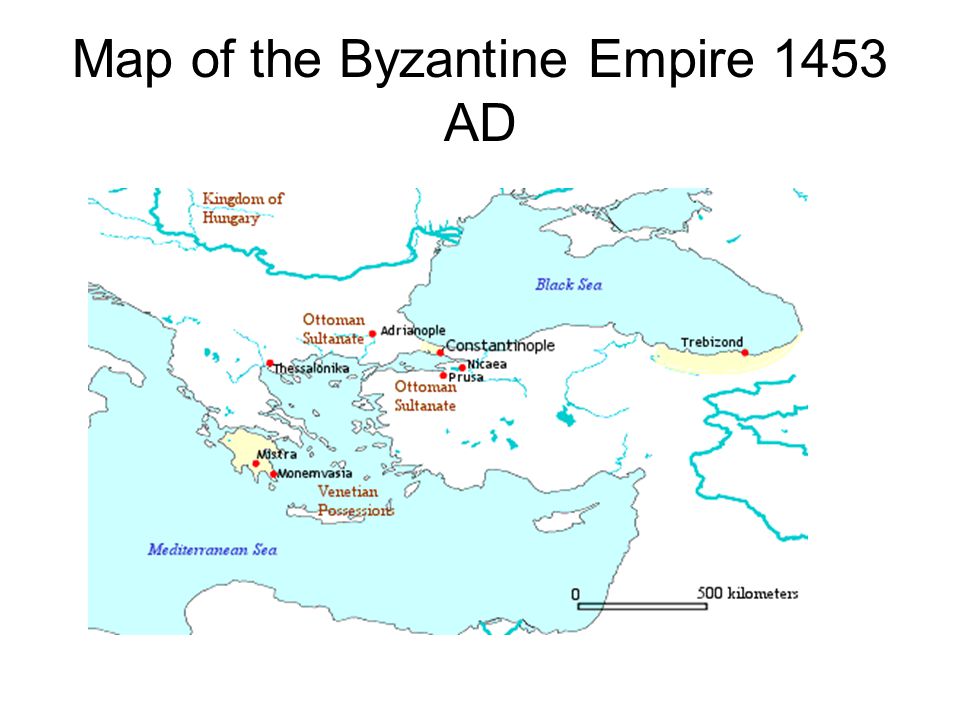
And this is what Tolkien was thinking of when he wrote
“In the south Gondor rises to a peak of power, almost reflecting Numenor, and then fades slowly to decayed Middle Age, a kind of proud, venerable, but increasingly impotent Byzantium.” (from a letter to Milton Waldman, “probably written late in 1951”, Letters, 219)
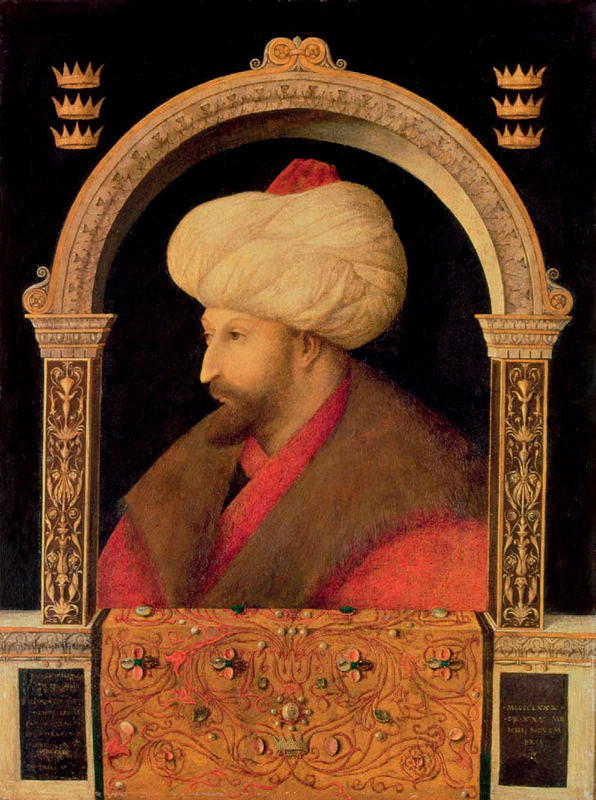
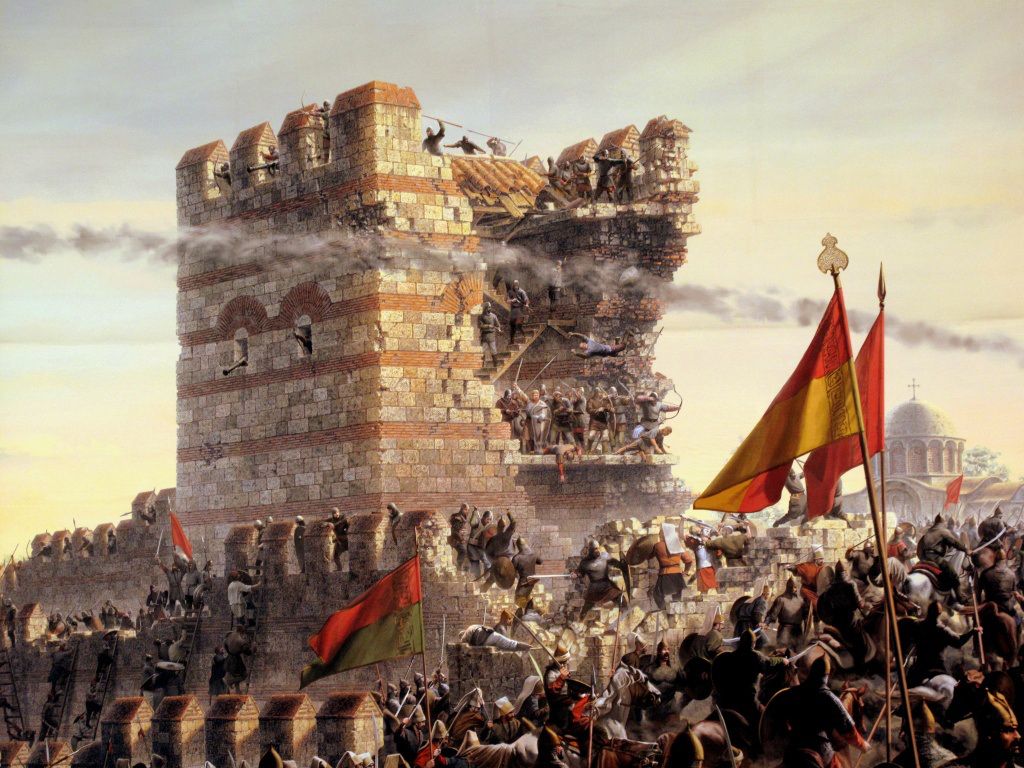
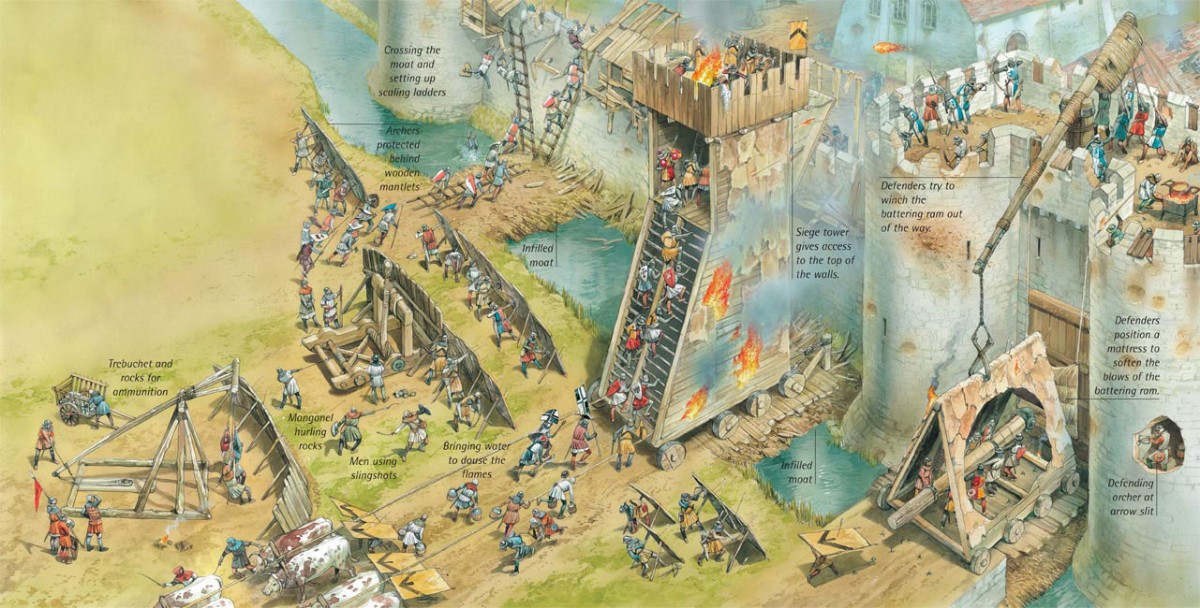
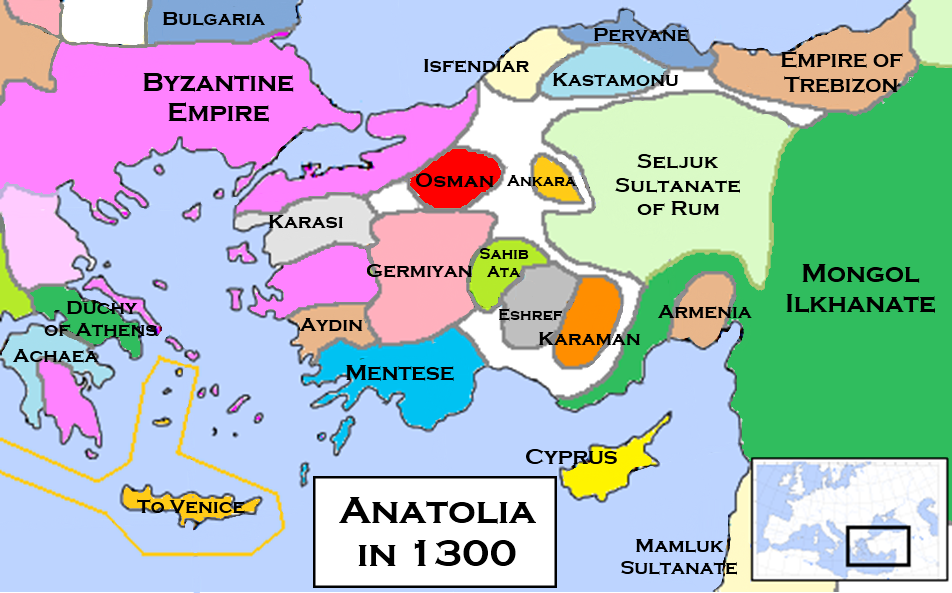
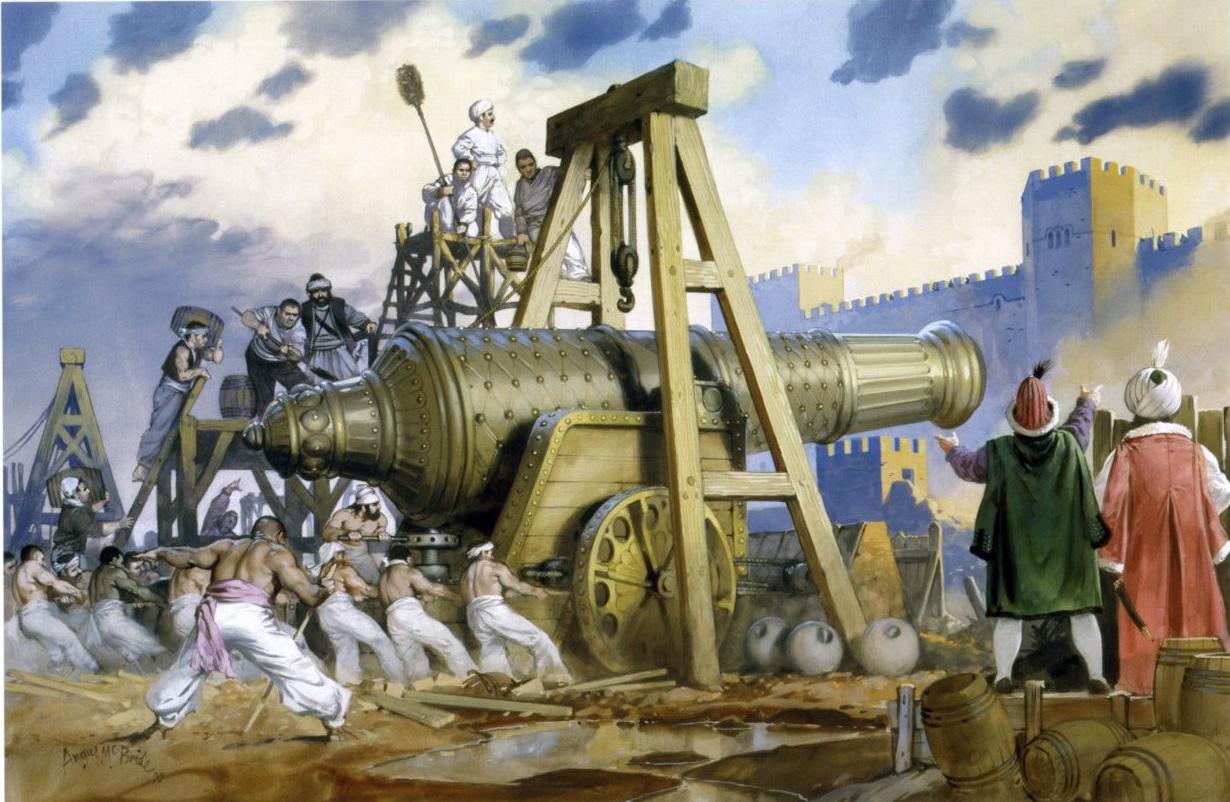
This impotence finally came to an end, at least for “New Rome”, on 29 May, 1453, when a huge Ottoman army, under Mehmet II,
using that very modern weapon, the bombard,

broke into the city and captured it.
In earlier postings, I went into a comparison of the two, Byzantium and Minas Tirith, their look and their sieges, in some detail (see “The Fall of Two Cities?”, 9 March, 2016, and “A Kind of Proud, Venerable, But Increasingly Impotent Byzantium”, 1 June, 2016), but as JRRT himself went to some lengths in more than one letter to discuss toponymy (place names and their study) and the proper translation of place names (see, for instance, the letter to Rayner Unwin, 3 July, 1956, Letters, 359-361), I find it interesting to see what happened to Byzantium/New Rome/Constantinople.
The song says that it’s “Istanbul, not Constantinople”, but, surprisingly, this isn’t an Ottoman Turkish name and here we see that, although the Ottoman Sultan may have captured the city, he somehow never captured what it was called. As I wrote above, the locals had called it “Constantinoupolis”, or simply “he Polis”. Thus, when someone might ask, “Where are you going?” you might reply, “Eis ten Polin”—“to/towards the City” and that form, spoken casually, probably became “Is-tan-bul”, thus retaining part of its ancient Byzantine nomenclature—which it retains to this day, the name being legalized as the name in 1930.
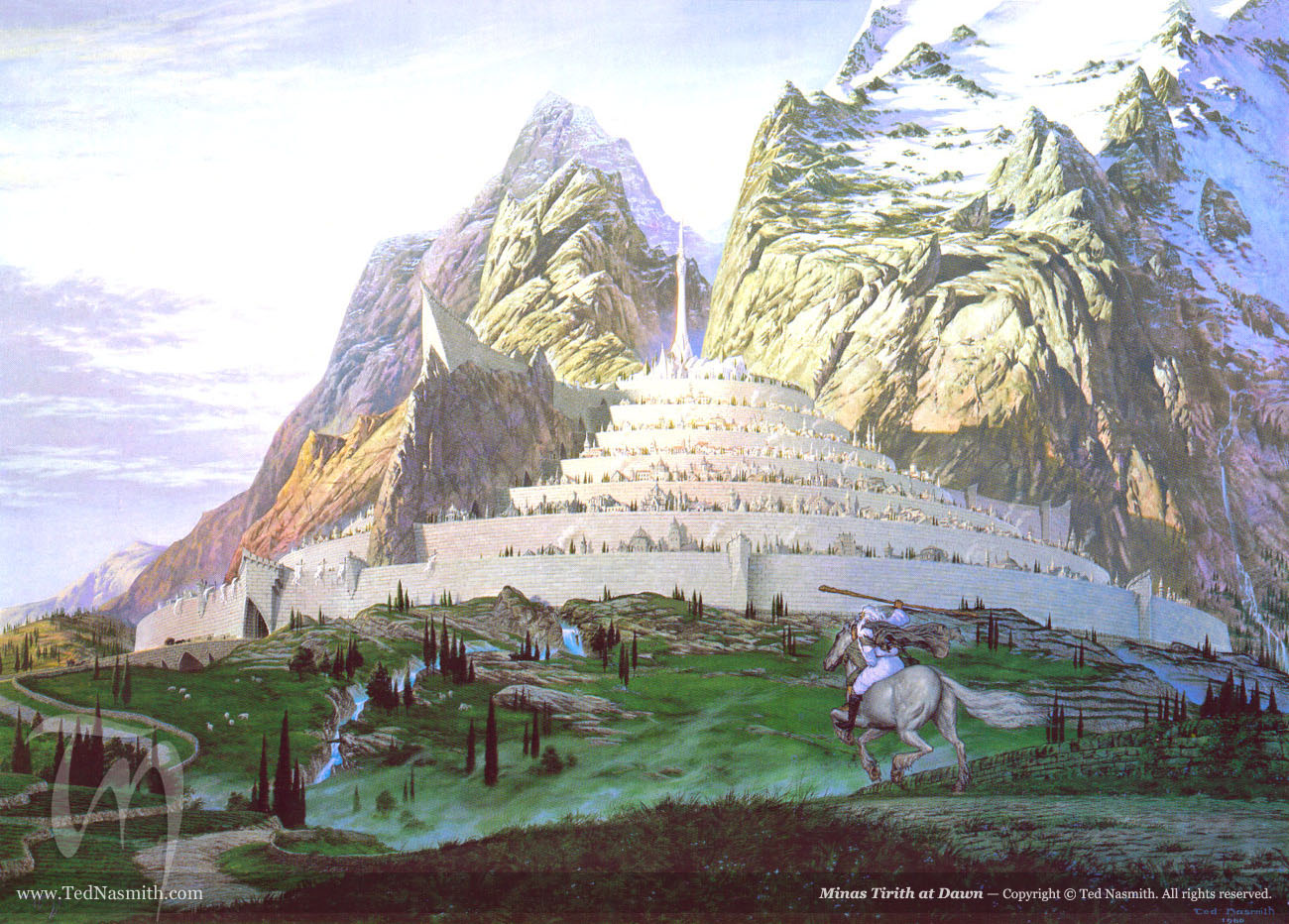
But this brings me to an interesting point. Minas Tirith, “the Tower of Guard” (formerly Minas Anor, “the Tower of the Sun”—even in Middle-earth names move around, depending upon historical circumstance) survived Sauron’s attack, which Byzantium/New Rome/Constantinople did not—and yet its name survived.

(Ted Nasmith)
When Sauron’s forces captured Minas Tirith/Anor’s matching fortress, Minas Ithil (“the Tower of the Moon”), its name was changed to the grim-sounding Minas Morgul (“the Tower of Dark Sorcery”).

(and another Ted Nasmith)
Had Minas Tirith fallen to Sauron, what might have happened to its name—or is that nobody’s business but the orcs’?
Thanks, as ever, for reading.
Stay well,
Imagine what maps and signposts would look like in the Black Speech (“One Road to Rule Them All, One Road to Lose Them”?).
And remember that, as always, there’s
MTCIDC
O
PS
Reading about “Istanbul” by the Four Lads, I noted that a jazz critic suggested that it was actually written in reply to a 1928 song, “Constantinople”, which you can listen to (warning: it’s catchy) here: https://www.youtube.com/watch?v=OFDdPT9H_dQ












 doubtfulsea