Tags
crow, Cuchulain, Fantasy, Gandalf, Grima, Huginn, Muninn, nursery rhyme, nursery-rhymes, Odin, Poe, raven, Sing a Song of Six Pence, Sleipnir, The Hobbit, The Lord of the Rings, Theoden
Welcome, as always, dear readers.
“ ‘I greet you…and maybe you look for welcome. But truth to tell your welcome is doubtful here, Master Gandalf. You have ever been a herald of woe. Troubles follow you like crows, and ever the oftener the worse….Here you come again! And with you come evils worse than before, as might be expected. Why should I welcome you, Gandalf Stormcrow?’ “ (The Two Towers, Book Three, Chapter 6, “The King of the Golden Hall”)
Theoden is being less than hospitable, although we soon learn that he’s being manipulated by Grima to be so,
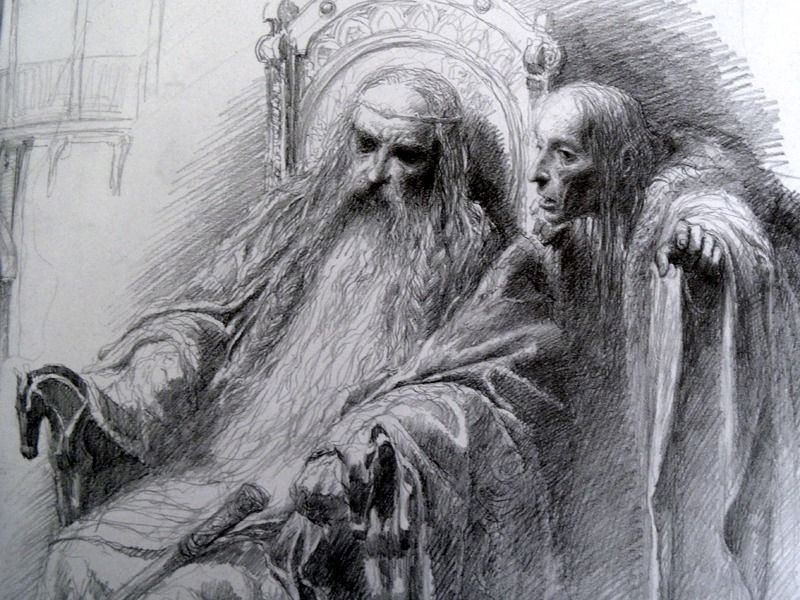
(Alan Lee)
but his insulting name seems odd: “Stormcrow”?
If we were southerners in the US, we might imagine that Theoden is actually calling Gandalf a cuckoo, as the yellow-billed cuckoo, native there, is sometimes called that,
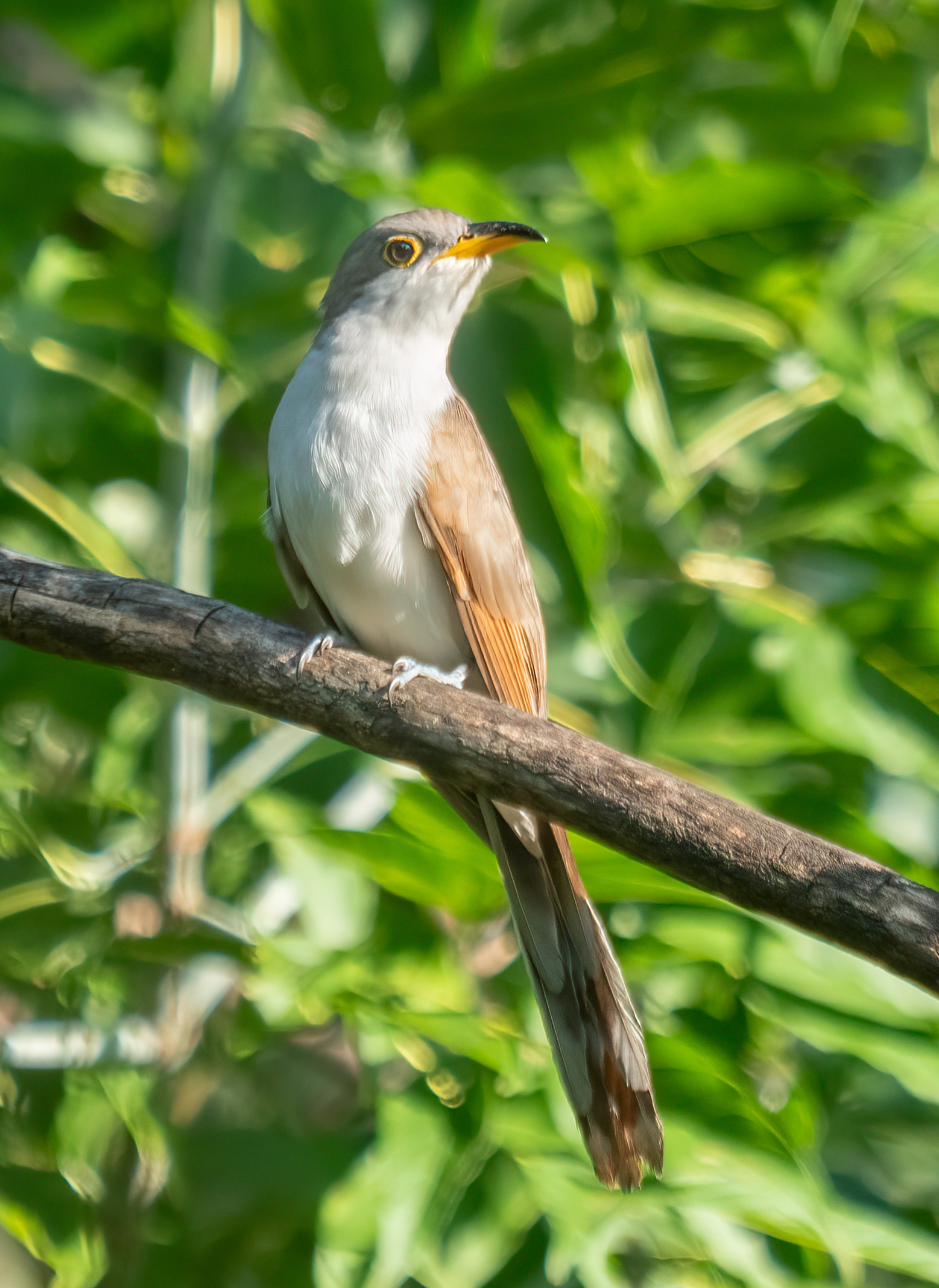
because, as the Wiki article says, the nickname perhaps comes from the fact of “the bird’s habit of calling on hot days, often presaging rain or thunderstorms”. (For more, see: https://en.wikipedia.org/wiki/Yellow-billed_cuckoo )
Although we don’t hear of cuckoos in Middle-earth, certainly Gandalf appears in Meduseld in the middle of another kind of tempest, as Grima continues Theoden’s line of reasoning:
“ ‘It is not yet five days since the bitter tidings came that Theodred your son was slain upon the West Marches: your right-hand, Second Marshal of the Mark. In Eomer there is little trust…And even now we learn from Gondor that the Dark Lord is stirring in the East…Why indeed should we welcome you, Master Stormcrow?’ “
And there that word is again. What does Tolkien have against crows?
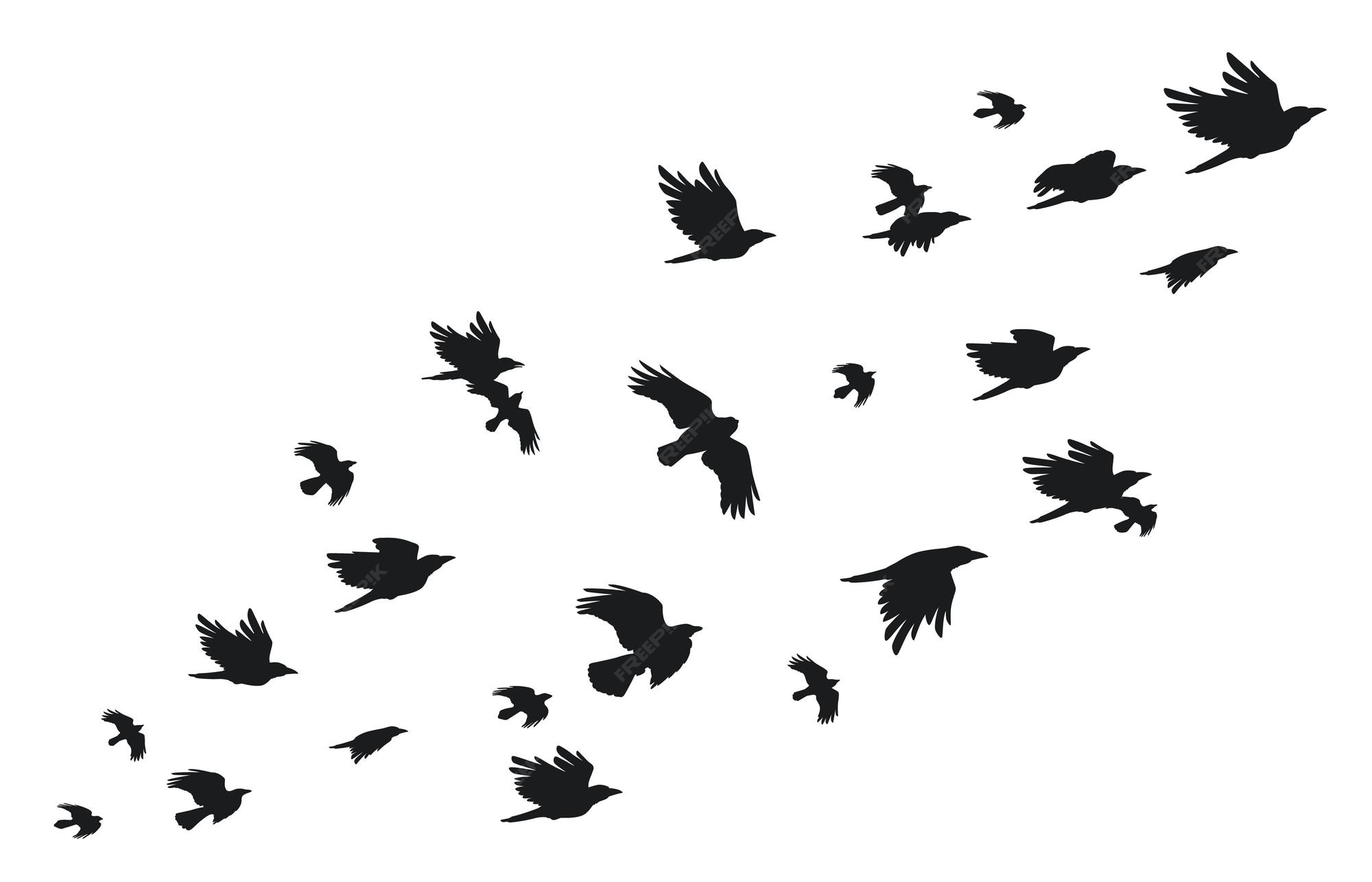
There might be a clue in that line “troubles follow you like crows”, which reminds me of something which happened earlier in The Lord of the Rings when “Flocks of birds, flying at great speed”, appeared over the Fellowship. Aragorn wakes and reports to Gandalf:
“ ‘Regiments of black crows are flying over all the land between the Mountains and the Greyflood…and they have passed over Hollin. They are not natives here; they are crebain out of Fangorn and Dunland. I do not know what they are about…but I think they are spying out the land.’ “ (The Fellowship of the Ring, Book Two, Chapter 3, “The Ring Goes South”)
It’s clear that, in Tolkien’s mind, crows do not get good press. Here they are in The Hobbit, as well, as Balin says to Bilbo:
“ ‘Those were crows! And nasty suspicious-looking creatures at that, and rude as well. You must have heard the ugly names they were calling after us.’ “ (The Hobbit, Chapter 15, “The Gathering of the Clouds”)
So, crows are “nasty suspicious-looking creatures”, “rude”, and even possibly spies.
They are also in contrast to another large black bird—
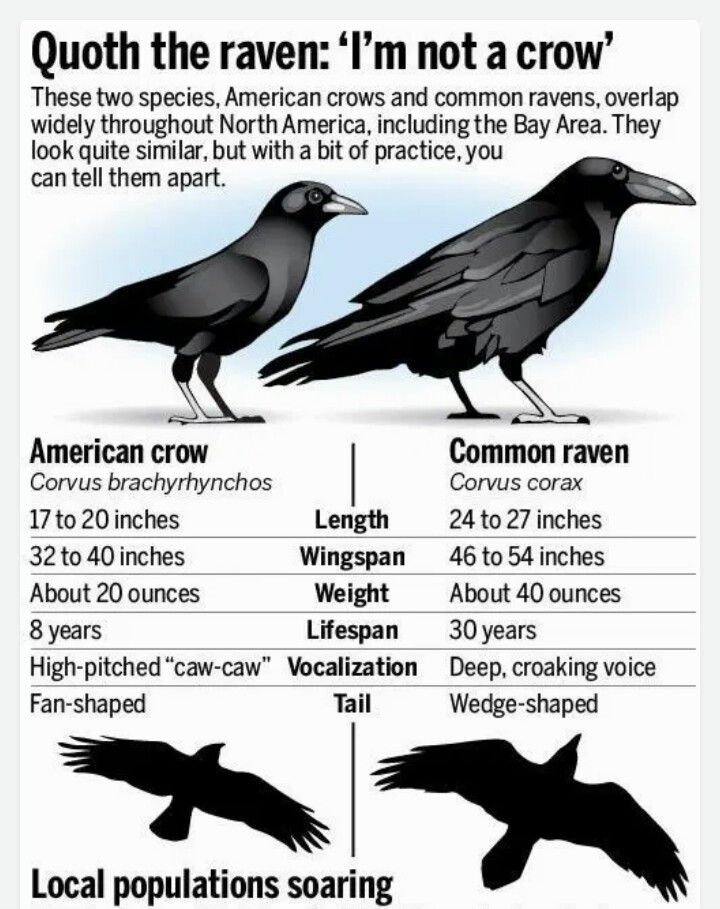
(I apologize to my non-North American readers for using North American birds in this chart, but this seemed the best choice and the European varieties are similar.)
“ ‘I only wish he was a raven!’ said Balin.
‘I thought that you did not like them! You seemed very shy of them, when we came this way before.’
‘Those were crows!…But the ravens are different. There used to be great friendship between them and the people of Thror; and they often brought us secret news…
‘They live many a year, and their memories are long, and they hand on their wisdom to their children.’ “ (The Hobbit, Chapter 15, “The Gathering of the Clouds”)
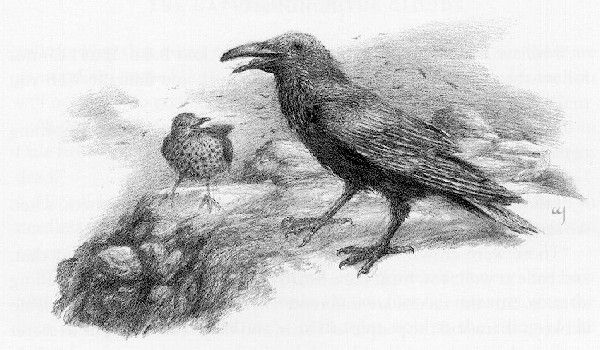
(Alan Lee)
Why the preference for ravens?
Possibly, as a small child, Tolkien was upset by this nursery rhyme—
“Sing a song of sixpence,
A pocket full of rye.
Four and twenty blackbirds
Baked in a pie.
When the pie was opened,
The birds began to sing.
Wasn’t that a dainty (or dandy) dish
To set before the king?
The king was in his counting house,
Counting out his money.
The queen was in the parlour,
Eating bread and honey.
The maid was in the garden,
Hanging out the clothes,
When down came a blackbird
And pecked off her nose.”
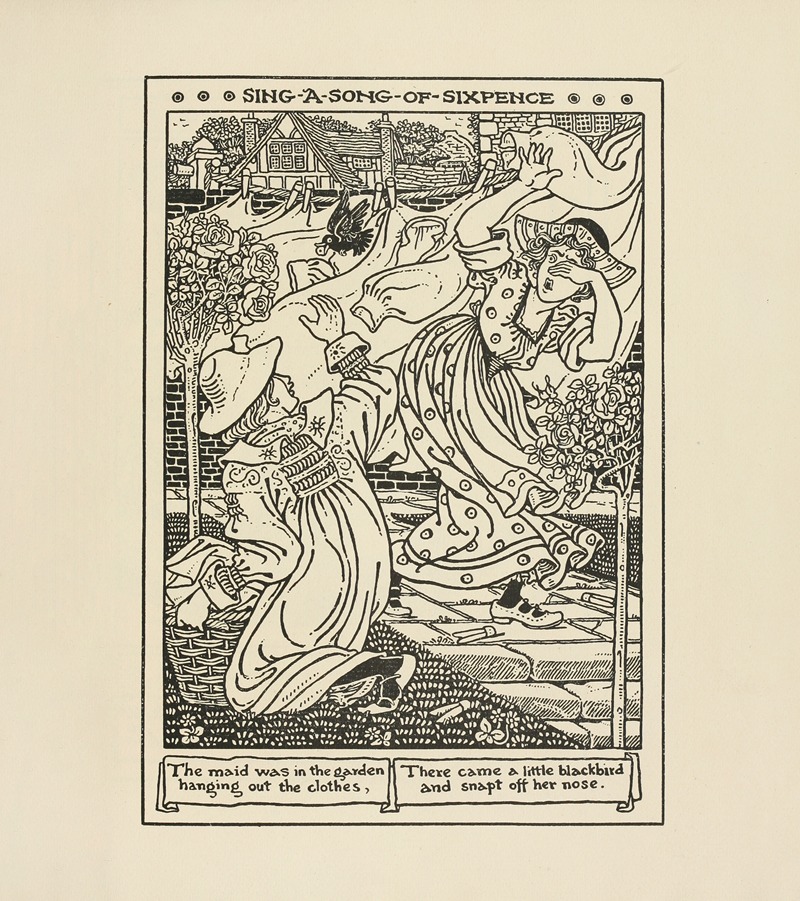
(This is by Winifred Smith from her 1895 collection of nursery rhymes—all of which you can read here: https://archive.org/details/nurserysongsrhym00smit/page/n7/mode/2up )
and he associated blackbirds with crows? (For more on this rather mysterious rhyme, see: https://en.wikipedia.org/wiki/Sing_a_Song_of_Sixpence )
Crows are also linked to the death of the Irish hero, Cuchulain,
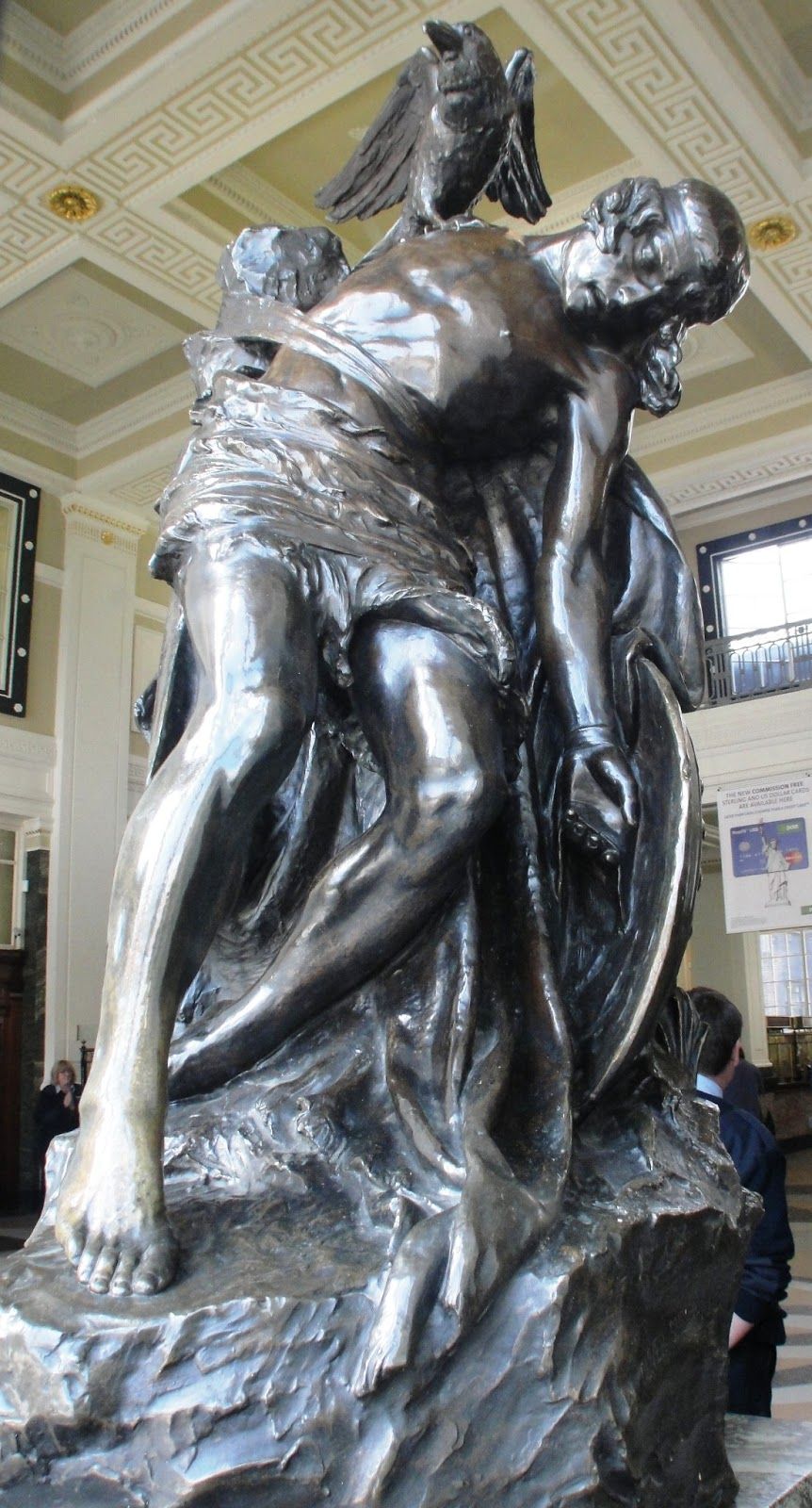
the Morrigan, 3-formed battle goddess, who brings about the hero’s end , sometimes employing that form as “the Badb” (“Bath-v”, where the “a” is that in “father” and “th” is like the “th” in “either”, the name meaning “crow”). And Tolkien was not fond of Old Irish literature, writing:
“I do know Celtic things (many in their original languages Irish and Welsh), and feel for them a certain distaste: largely for their fundamental unreason. They have bright colour, but are like a broken stained glass window reassembled without design.” (letter to Stanley Unwin, 16 December, 1937, Letters, 35— I would strongly disagree with JRRT. Raised in Classics and fond of medieval chivalry, Tolkien, I suspect, found the Irish stories in particular full of an earlier, more chaotic, world-view, as well as sometimes wild violence, which, to him, meant “unreason”. But this is one of those times when I wish that we could e-mail him and ask him to say more! For the death of Cuchulain, see: The Cuchullin Saga in Irish Literature here: https://archive.org/details/cu31924026824940 beginning on page 251)
The real reason for his choice of ravens might actually be completely different: an association with Gandalf.
In a letter to Stanley Unwin in which he discusses potential illustrations by Horus Engels for a German translation of The Hobbit, he says:
“He has sent me some illustrations (of the Trolls and Gollum) which despite certain merits, such as one would expect of a German, are I fear too ‘Disnified’ for my taste: Bilbo with a dribbling nose, and Gandalf as a figure of vulgar fun rather than the Odinic wanderer that I think of…” (letter to Stanley Unwin, 7 December, 1946, Letters, 172)
Odin is the Germanic high god and has not only a many-legged horse, Sleipnir,
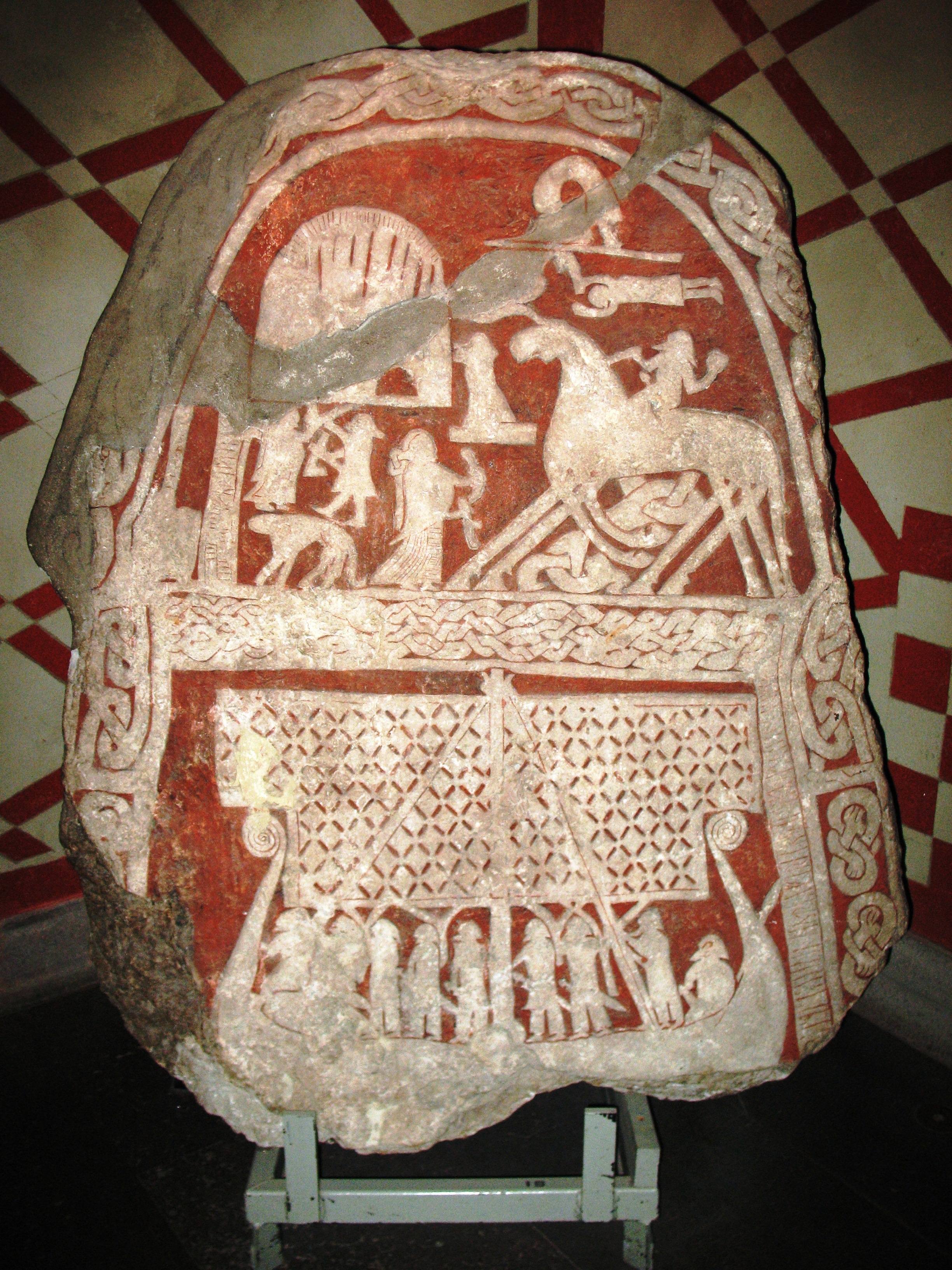
(from the Tjaegnvide Image Stone—about which see: https://en.wikipedia.org/wiki/Tj%C3%A4ngvide_image_stone )
but also two ravens, Huginn and Muninn,
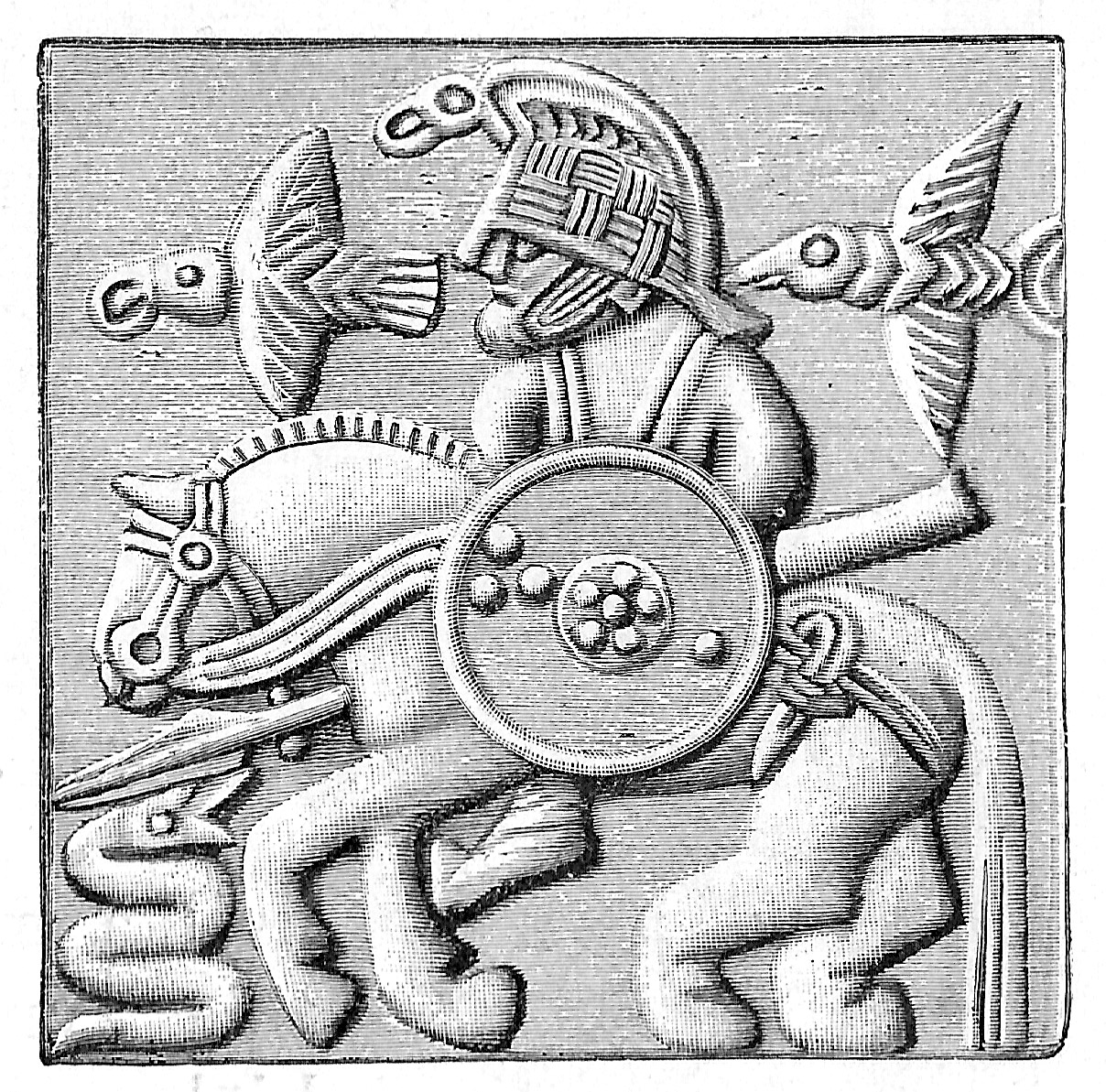
(bronze helmet plate from one of the Vendel period helmets—550-800AD–see for more: http://early-med.archeurope.com/iron-age-scandinavia/the-late-iron-age-in-scandinavia/helmets-from-the-vendel-period/ )
whom he sends around the world every day to seek information about world events. (You can learn more about Odin here: https://en.wikipedia.org/wiki/Odin and about his ravens here: https://en.wikipedia.org/wiki/Huginn_and_Muninn )
If Tolkien sees Gandalf as “Odinic”, then we can imagine that his preference for ravens over crows may not come from dread of a nursery rhyme or dislike of a Celtic warrior, but from his strong attachment to things northern Germanic and, if so, then Theoden and his puppeteer, Grima, were right in picking a bird to label Gandalf, but wrong in choosing which one—although “stormraven” sounds a little clunky in comparison with “stormcrow”.
Thanks, as ever, for reading.
Stay well,
Avoid birds with a one-word vocabulary,
And remember that there’s always
MTCIDC
O
 doubtfulsea