• About

doubtfulsea

~ adventure fantasy

Tag Archives: Dale

The Toys of Dale

25 Wednesday Dec 2024

Posted by Ollamh in Uncategorized

≈ Leave a comment

Tags

christmas, Dale, Dwarves, Tolkien, toys

Welcome, as always, dear readers.

From his letters, it’s clear that Tolkien had very mixed feelings about Christmas. 

To his son, Christopher, far away in the RAF, he writes:

“Today is the ‘last day for posting in time for Christmas’, and though I resent the way in which this feast of peace and joy is made into a labour (not to say a nightmare of shabby commercialism)…”

and continues:

“…The shops, by the way, pass belief here this year.  There is stuff that a barbarian would be ashamed of, bits of shapeless wood and paper smeared with paint, and would certainly not be such fools as to purchase, selling for idiotic prices like 18/6 [18 shillings, 6 pence, when 1 shilling, 3 pence would buy a quart of milk—see:  https://www.sunnyavenue.co.uk/insight/how-much-is-a-shilling-worth-today ).  Surely this Xmas Gift business is a form of dementia, when it allows itself to be cheated so transparently.”  (letter to Christopher Tolkien, 10 December, 1944, Letters, 149-150)

He has, however, already qualified this a bit by calling Christmas a “feast of peace and joy”, with a further proviso some years later in a letter to his son Michael:

“Well here comes Christmas!  That astonishing thing that no ‘commercialism’ can in fact defile—unless you let it.” (letter to Michael Tolkien, 19 December, 1962, Letters, 457)

I have no idea what “bits of shapeless wood and paper smeared with paint” might actually be, but, as Tolkien has clearly been shopping and there are children in the family, I imagine that it was some crude, mass-produced toy, which might also suffer from wartime shortages of raw materials.  Perhaps something like this?
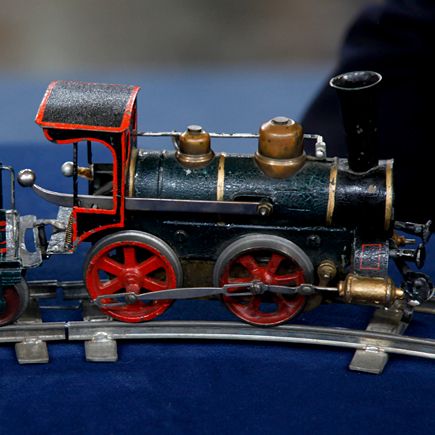
Born in 1893, Tolkien had grown up in a world of increasingly-sophisticated children’s playthings, from Marklin’s beautifully-engineered toy trains
to William Britain’s popular toy soldiers
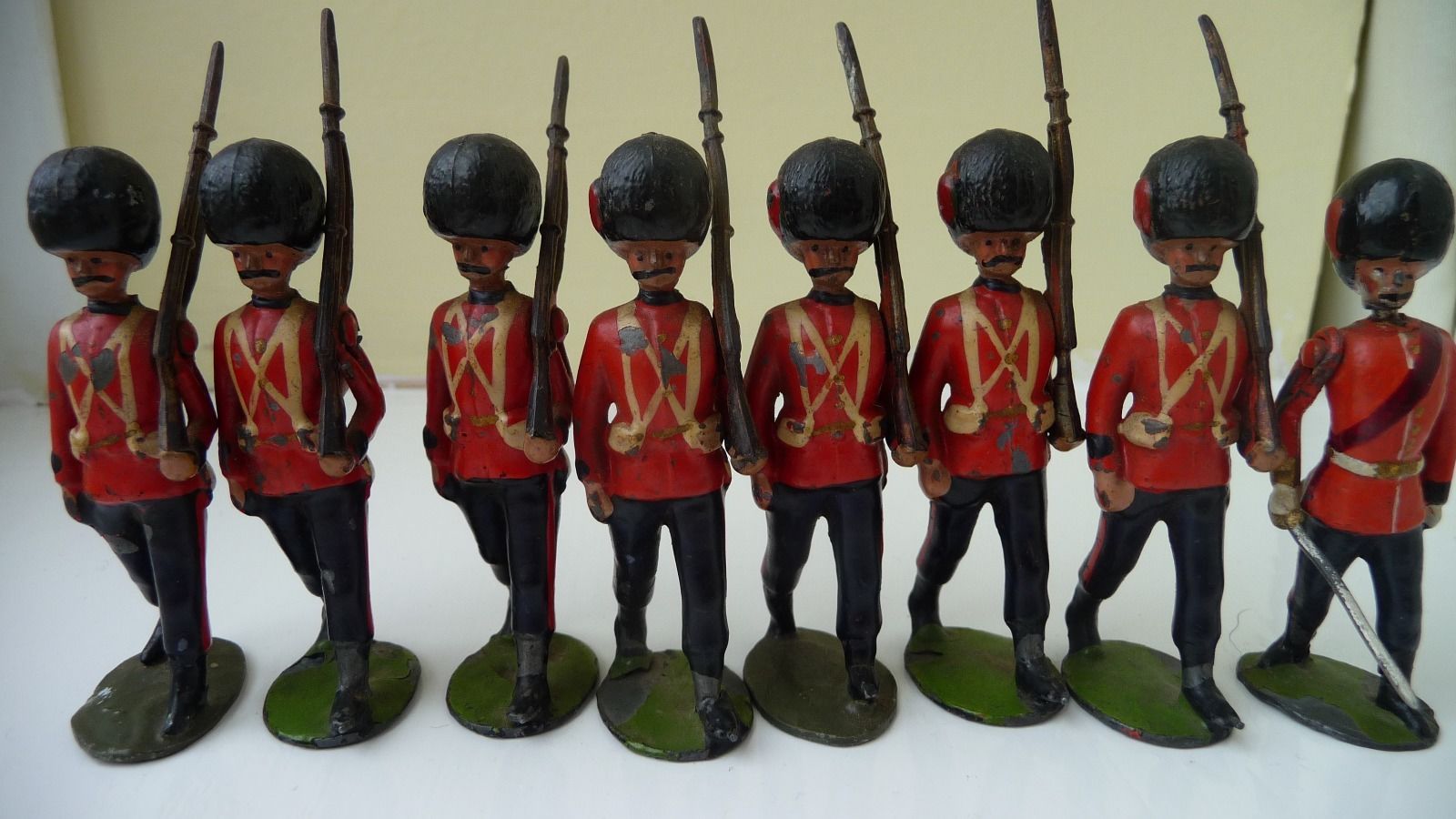
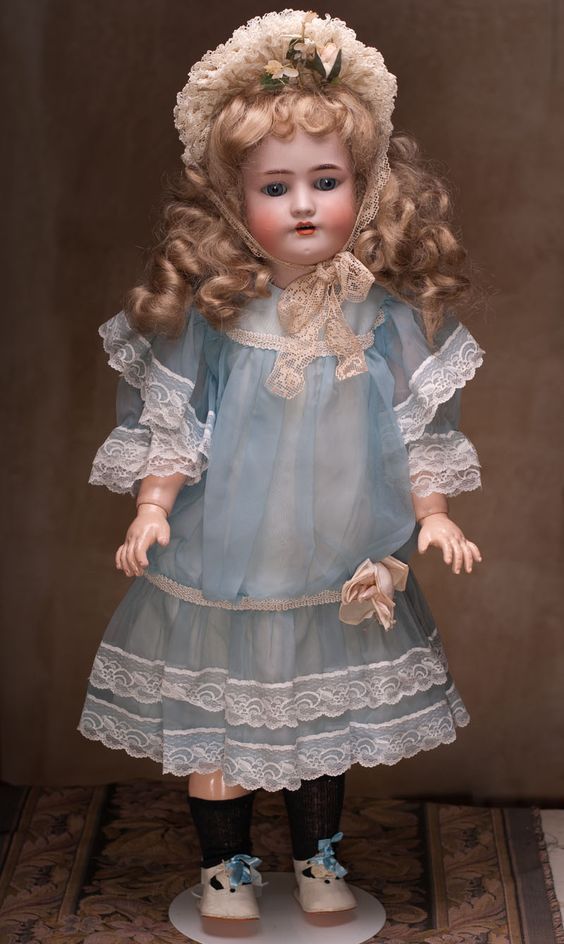
for boys and elaborate dolls,
elegant tea sets,
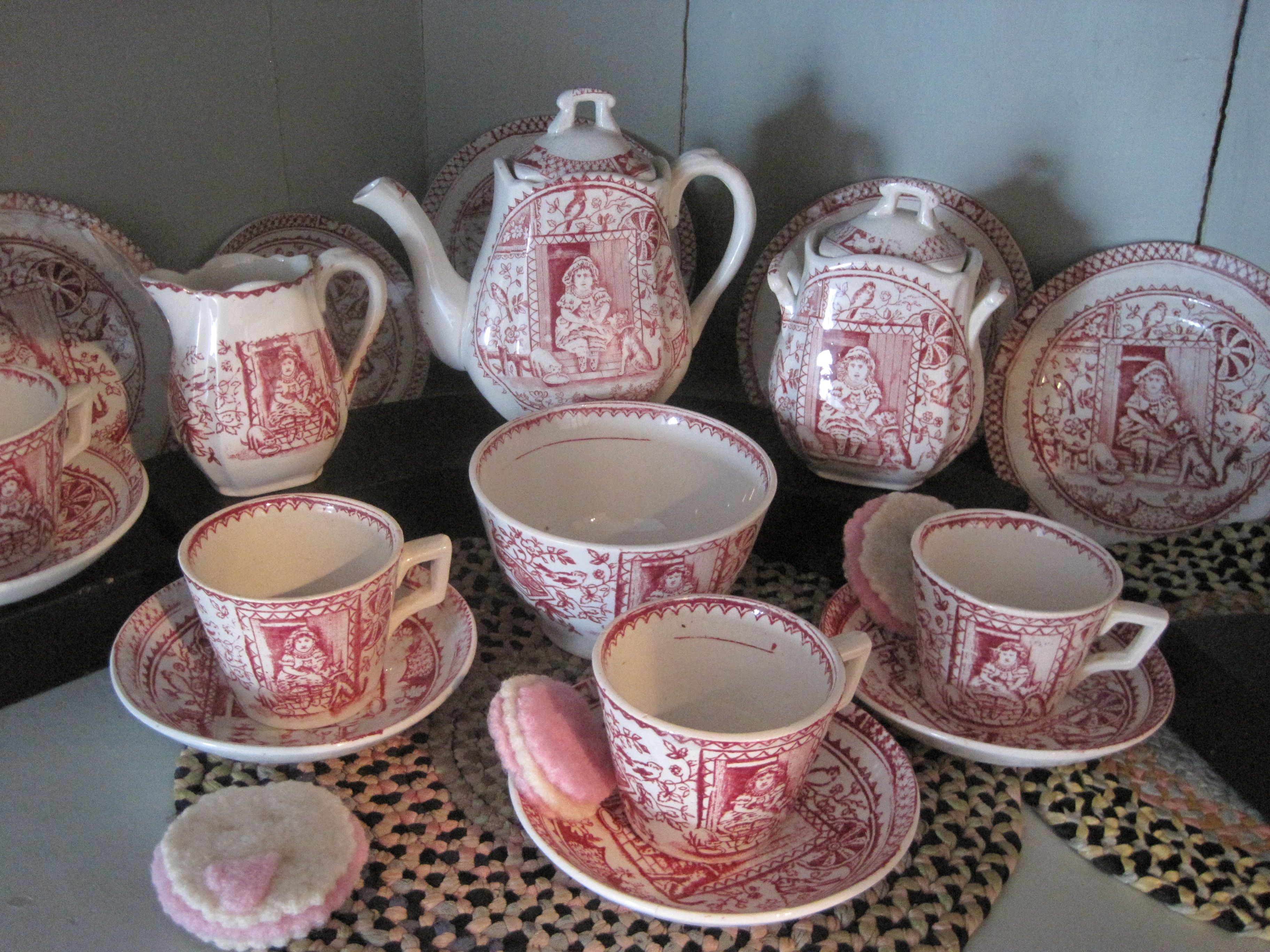
and doll houses for girls, among other toys.

As one of two sons of a mother barely scraping by,

it’s unlikely that he, or his younger brother, Hilary, could ever have more than glimpsed such things in a toy shop window,

and had to be contented with the lesser toys of the age—clay rather than stone marbles,

a wooden hoop, rather than a steel one,
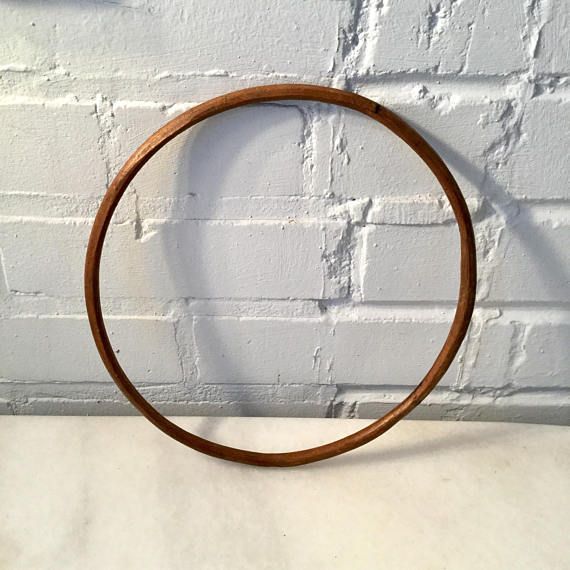
or, in a moment of splurging on his mother’s part, perhaps a pop gun—one is mentioned in The Hobbit where, in Chapter 1, Gandalf refers to Bilbo opening his door like one—for more on that and other such weapons in fiction, see “Pop!” 13 December, 2017 here:  https://doubtfulsea.com//?s=popgun&search=Go

In the Third Age of Middle-earth, we might expect to be surprised and puzzled by Gandalf’s remark, as there are no guns to be seen there and here we can’t use the plausible explanation for other anachronisms in the text, that it’s the narrator telling the story in the 1930s, as it’s Gandalf who says it, not the exterior—and much more modern—narrator.

But I would suggest another explanation—which also appears in The Hobbit.  Speaking of the long-lost world of the dwarves’ Lonely Mountain and the town of Dale at its foot, Thorin says:

“Altogether those were good days for us, and the poorest of us had money to spend, and to lend, and leisure to make beautiful things just for the fun of it, not to speak of the most marvelous and magical toys, the like of which is not to be found in the world now-a-days.  So my grandfather’s halls became full of armour and jewels and carvings and cups, and the toy market of Dale was the wonder of the North.”  (The Hobbit, Chapter One, “An Unexpected Party”)

Perhaps, even before the appearance of gunpowder weapons (foreshadowed both by Saruman’s attack on Helm’s Deep and Sauron’s on the Causeway Forts in The Lord of the Rings), then, the dwarvish and human craftsmen of the region had created something which, in their time, used air to propel its missile, rather than this? 

But what about other “most marvelous and magical” toys?

The Third Age in Middle-earth is, at base, a medieval world, the kind of place Tolkien, as a boy, would have seen through the eyes of illustrators like Howard Pyle (1853-1911)
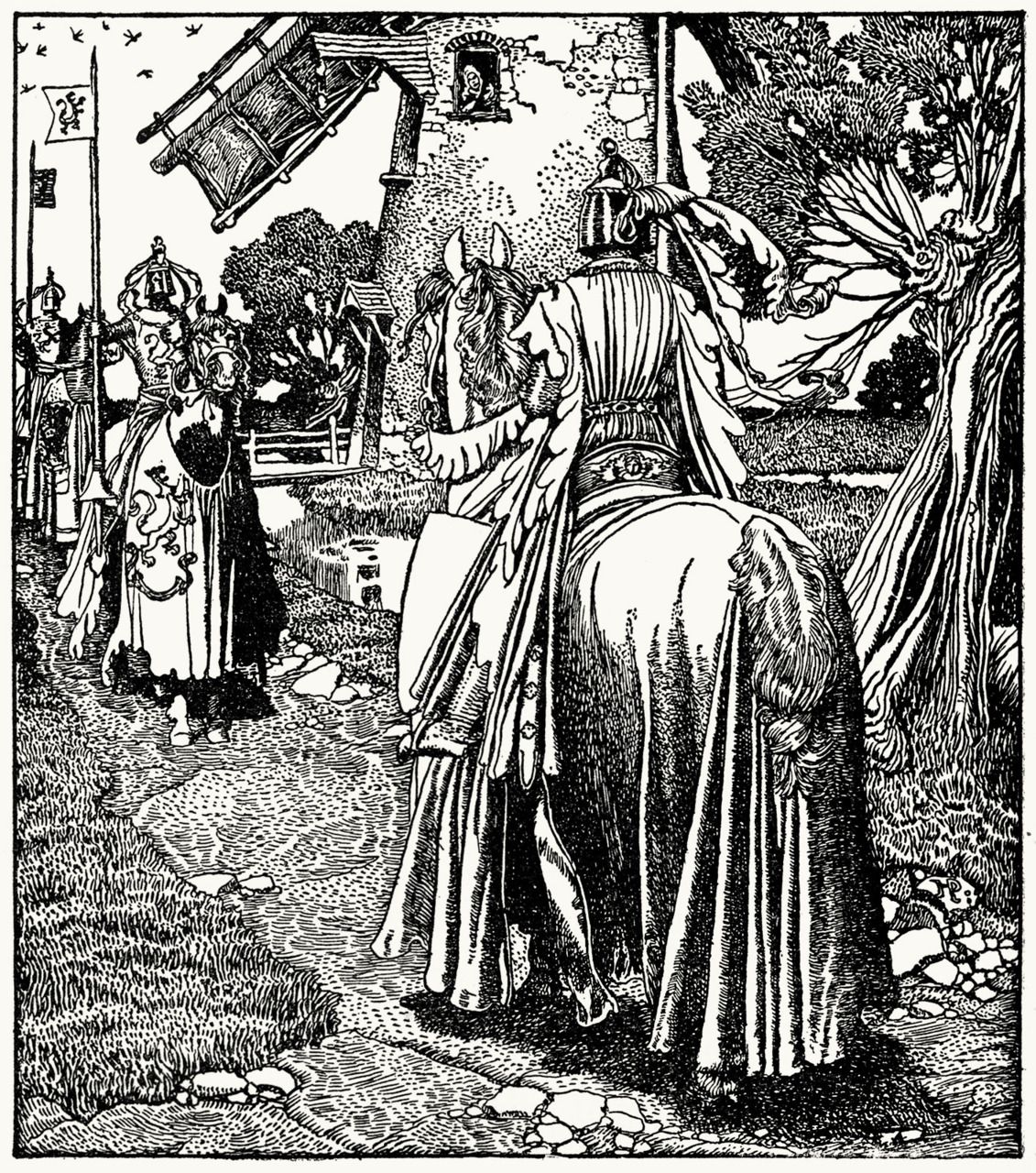
(from his The Story of King Arthur and his Knights, 1903, which you can read here:   https://archive.org/details/storykingarthur02pylegoog/page/n15/mode/2up )

and the writings of authors like his favorite, William Morris (1834-1896).

(You can read this here:  https://gutenberg.org/cache/epub/169/pg169-images.html )

Toys like that Marklin train above, therefore, wouldn’t have been available,

but, as Tolkien shows us a clock on the right-hand wall of the entryway at Bag End,
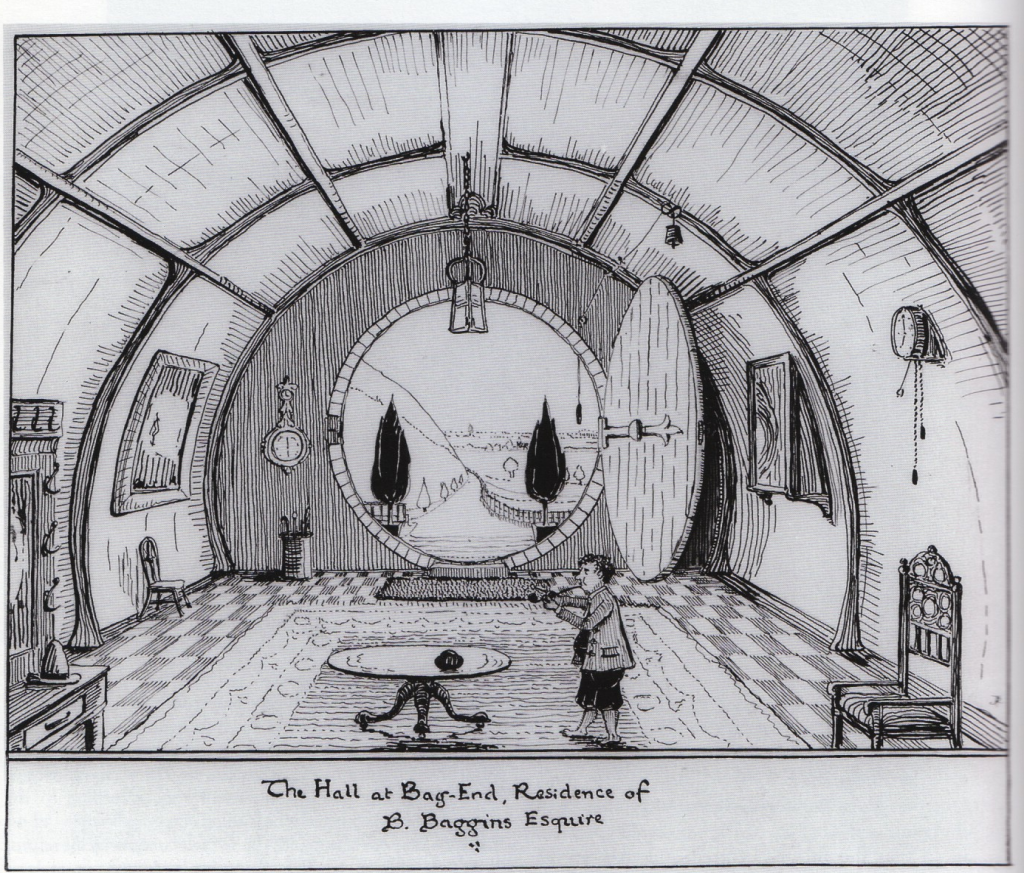
and, as mechanical toys were certainly for sale in the later Victorian world,
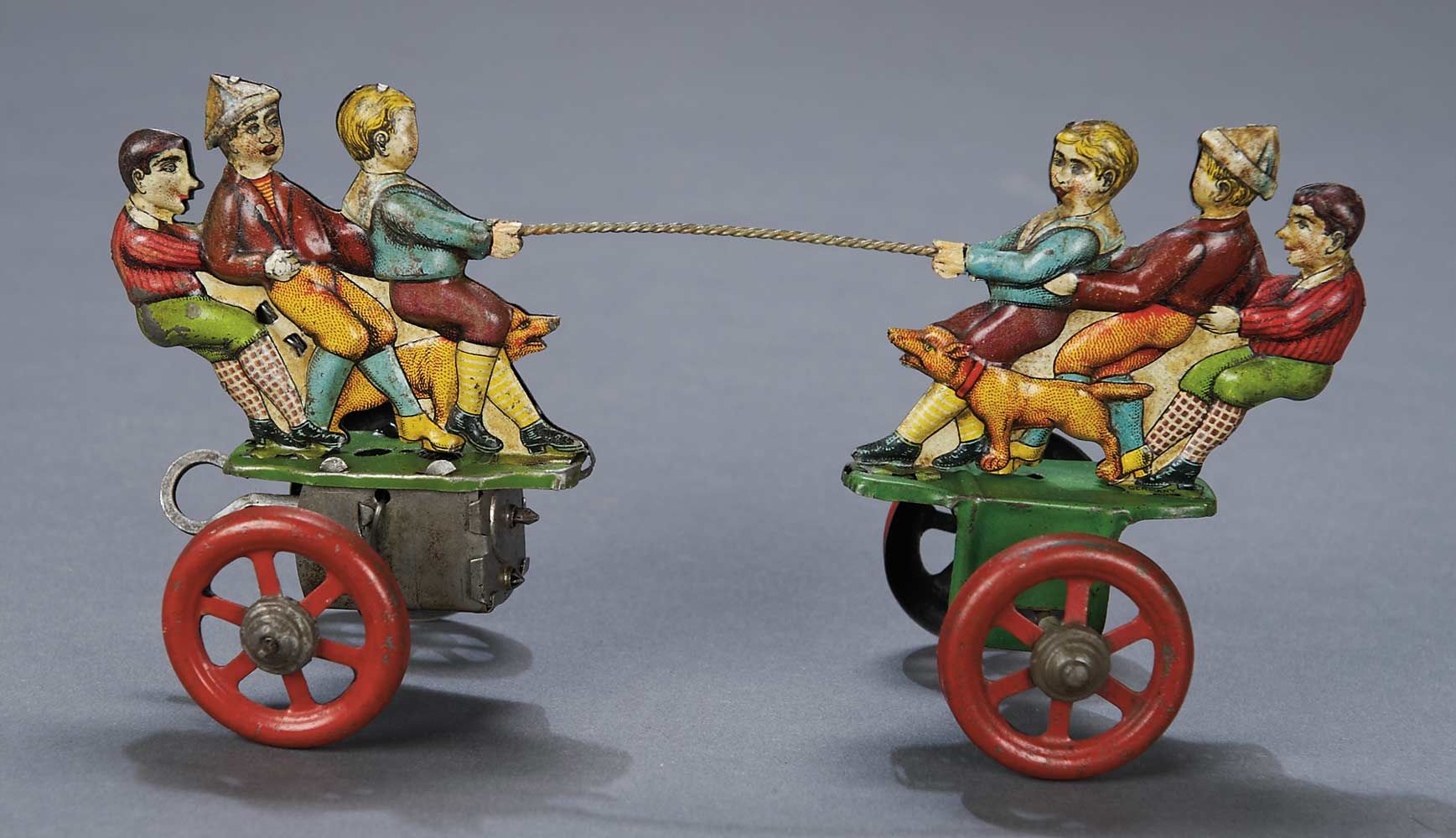
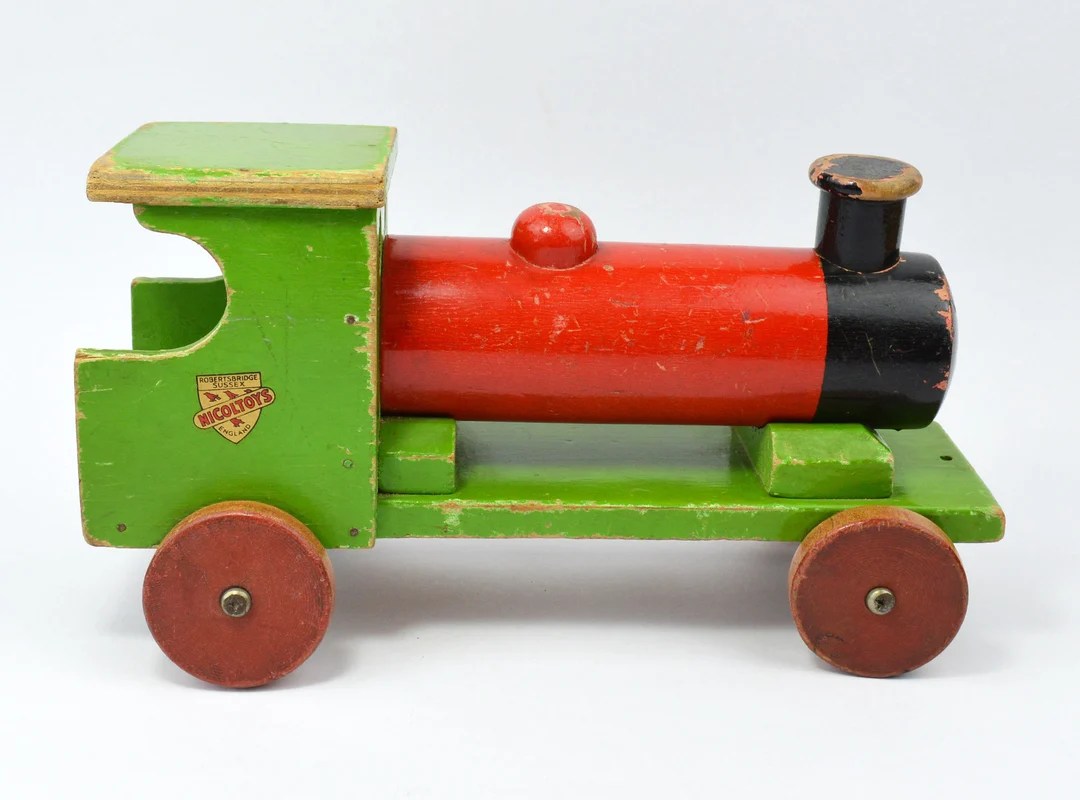
perhaps we can imagine something like this on sale in the Dale toy market?

or this?
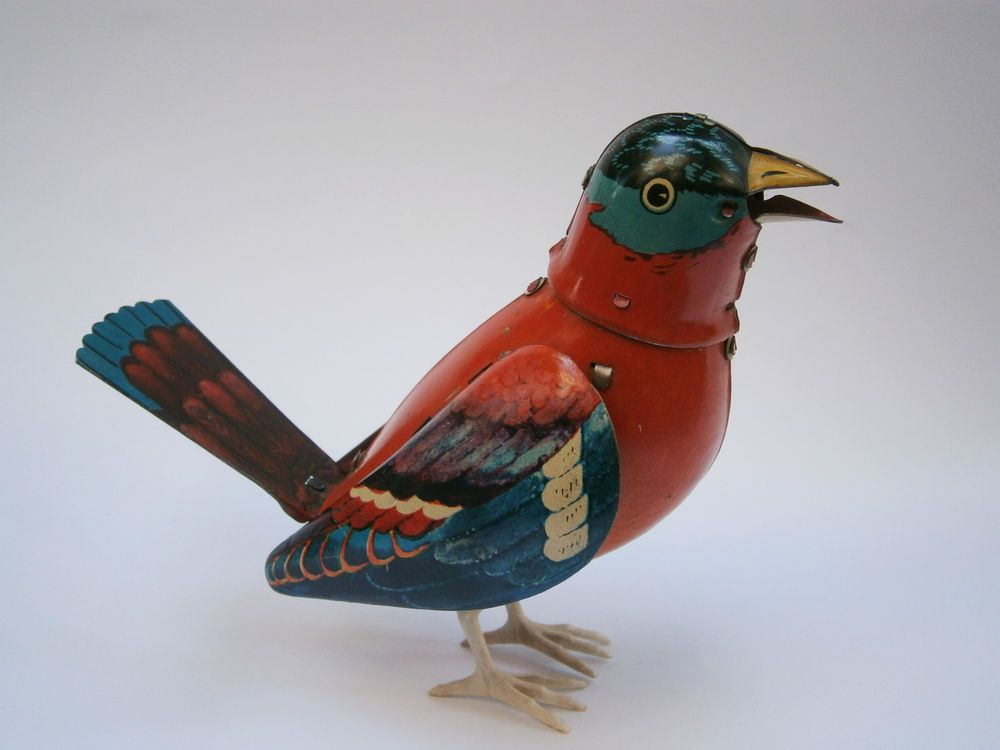
always remembering that, although these might seem crude to us, they are antiques and worn from being once much-loved and much-played with, and, in medieval Middle-earth, anything which moved without being pushed or pulled would be magical!

Thanks for reading, as always.

Stay well,

Remember what JRRT said about keeping Christmas magical,

And remember, as well, that there’s

MTCIDC

O

PS

There are many sites for early mechanical toys, some informational, some for collectors, and some both at once.  Here’s one which is fun to read and has a practical side:  https://www.unclealstoys.com/origin-of-wind-up-toys-discovering-the-fascinating-history/

Dragon Economics 101

03 Wednesday Jul 2019

Posted by Ollamh in Economics in Middle-earth, J.R.R. Tolkien, Military History

≈ Leave a comment

Tags

Artillery, Belgium, Cathedral, Cloth Hall, Dale, Esgaroth, Great War, howitzers, Laketown, Lonely Mountain, No Man's Land, Smaug, The Hobbit, The Lord of the Rings, Tolkien, trenches, Ypres

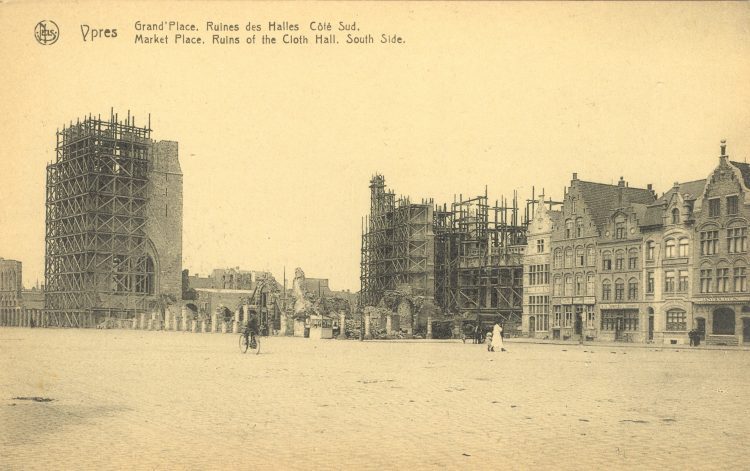
Here is a postcard of the town of Ypres, in southern Belgium, in the years before the Great War, with its famous Cloth Hall and cathedral.

image1clothhallcath.jpg

The Cloth Hall was begun in 1200 and finished in 1304, being a center of the woolen trade in the region.

image2clothhall.jpg

The cathedral was begun in 1230 and finished in 1370.

image3cathedral.jpg

Then the Great War began and Ypres was just behind Allied lines.

image4map.jpg

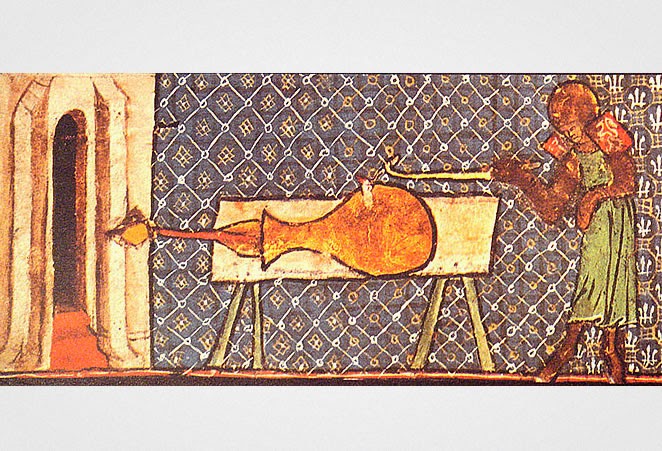
Artillery had begun in the Middle Ages, as something which looks like a high school science experiment (plus armor).

image5millemete.jpg

By 1914, it was much bigger and much more efficient.

image6howitzer.jpg

(The German says, “Our Growlers!”—perhaps a soldier’s slang word for heavy howitzers like these?)

And, as the war progressed, bigger and more efficient yet.

image7biggergun.jpg

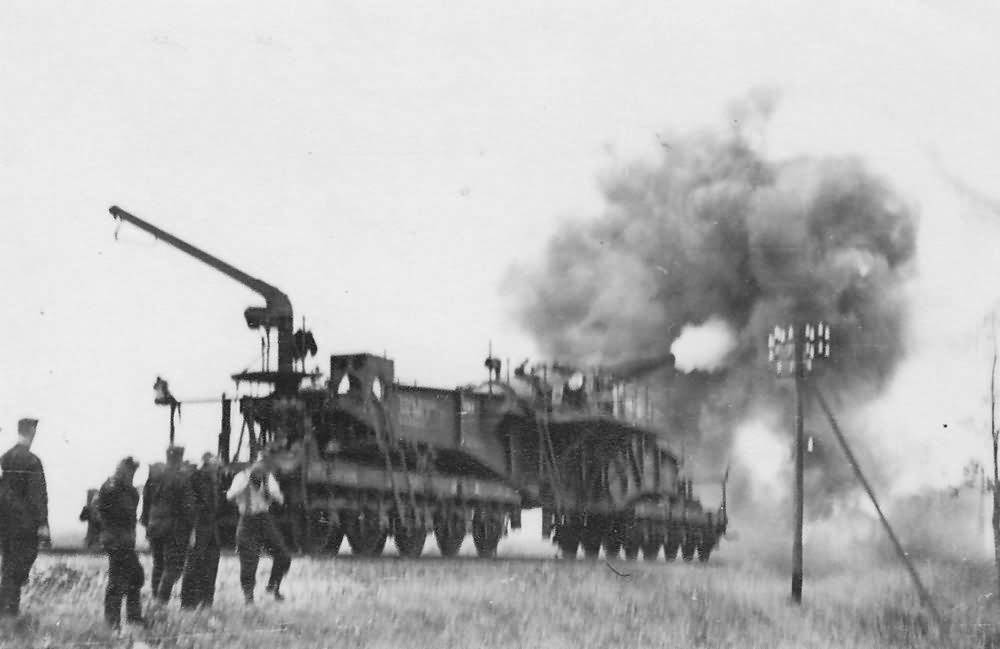
And even more so—to the point where some guns became so big and heavy that only railways could move them around.

image8railwaygun.jpg

Needless to say, when shells from such guns hit Ypres, the damage they caused was enormous.

image9ypres


image10ruins.jpg

And not only to Ypres, but to the whole region—entire villages disappeared, as did forests, landscapes became moonscapes.

image11nomansland.jpg

For some months in 1916, Second Lieutenant Tolkien walked through, lived through, this devastated world,

image12jrrt

which took many years to be repaired.

image13ypres.jpg

And, in the meantime, the economies of Europe suffered, with so much damaged or shifted to war work, and governments left with enormous debts, both the victors and the vanquished.

This devastation made us think about another devastation, first described by Thorin in Chapter One of The Hobbit, and, of course we wondered if JRRT thought of the damage caused by the endless, pitiless bombardments as he wrote about the ruin brought by a dragon.

Thorin begins, as we did at the opening of this posting, showing a peaceful, prosperous world:

“Altogether those were good days for us, and the poorest of us had money to spend and to lend, and leisure to make beautiful things just for the fun of it, not to speak of the most marvellous and magical toys, the like of which is not to be found in the world now-a-days.  So my grandfather’s halls became full of armour and jewels and carvings and cups, and the toy market of Dale was the wonder of the North.”

But, just as the Great War came to the ridges north of Ypres, so Smaug came down upon the town of Dale just below the Lonely Mountain and to the Mountain, as well:

“Then he came down the slopes and when he reached the woods they all went up in fire.  By that time all the bells were ringing in Dale and the warriors were arming.  The dwarves rushed out of their great gate; but there was the dragon waiting for them.  None escaped that way.  The river rushed up in steam and a fog fell on Dale, and in the fog the dragon came on them and destroyed most of the warriors…Then he went back and crept in through the Front Gate and routed out all the halls, and lanes, and tunnels, alleys, cellars, mansions and passages…Later he used to crawl out of the great gate and come by night to Dale, and carry away people, especially maidens, to eat, until Dale was ruined and all the people dead or gone.  What goes on there now I don’t know for certain, but I don’t suppose any one lives nearer the Mountain than the far edge of the Long Lake now-a-days.”

image14erebor.jpg

Thorin is correct about this:  Dale is ruined and abandoned (you can see the remains of the town on the right hand side of this illustration) and the Mountain has only one inhabitant.

image15smaug.jpg

When Bilbo disturbs him and steals a cup, Smaug goes on a second rampage, flying as far south as Lake-town:

“Fire leaped from the dragon’s jaws.  He circled for a while high in the air above them lighting all the lake…Fire leaped from the thatched roofs and wooden beam-ends as he hurtled down and past and round again…Flames unquenchable sprang high into the night. “  (The Hobbit, Chapter Fourteen, “Fire and Water”)

image16laketown.jpg

And, even when Bard’s arrow brings him down, Smaug causes a final wave of destruction:

“Full on the town he fell.  His last throes splintered it to sparks and gledes.  The lake roared in.  A vast steam leaped up, white in the sudden dark under the moon.  There was a hiss, a gushing whirl, and then silence.  And that was the end of Smaug and Esgaroth…”

Just as certain parts of Europe were destroyed and their economies stunted by the Great War, we can hear, in Thorin’s words, that the same has happened to Dale and the Lonely Mountain:  with no dwarves and no men to make the “armour and jewels and carvings and cups”, not to mention the “most marvellous and magical toys”, the whole economy of the area to the north of the Long Lake was completely destroyed.  Survivors built up Lake-town, but no one dared to revive the trade which had once enriched an entire region.

image17laketown.jpg

And, as for the few remaining dwarves:

“After that we went away, and we have had to earn our livings as best we could up and down the lands, often sinking as low as black-smith-work or even coal-mining.” says Thorin.

Although Thorin dies in the struggle to regain what was lost, there is a happy ending of sorts for the dwarves.  With Smaug dead, they can finally return, as can men, and rebuild, just as Europe began to rebuild—Ypres restored both Cloth Hall and cathedral in time.


image18ypres


But the dragon would return and all too soon…

Thanks, as always, for reading and

MTCIDC

CD

The Doubtful Sea Series Facebook Page

The Doubtful Sea Series Facebook Page

  • Ollamh

Categories

  • Artists and Illustrators
  • Economics in Middle-earth
  • Fairy Tales and Myths
  • Films and Music
  • Games
  • Heroes
  • Imaginary History
  • J.R.R. Tolkien
  • Language
  • Literary History
  • Maps
  • Medieval Russia
  • Military History
  • Military History of Middle-earth
  • Narnia
  • Narrative Methods
  • Poetry
  • Research
  • Star Wars
  • Terra Australis
  • The Rohirrim
  • Theatre and Performance
  • Tolkien
  • Uncategorized
  • Villains
  • Writing as Collaborators
Follow doubtfulsea on WordPress.com

Across the Doubtful Sea

Recent Postings

  • A Moon disfigured December 17, 2025
  • On the Roads Again—Once More December 10, 2025
  • (Not) Crossing Bridges December 3, 2025
  • On the Road(s) Again—Again November 26, 2025
  • On the Road(s) Again November 19, 2025
  • To Bree (Part 2) November 12, 2025
  • To Bree (Part 1) November 5, 2025
  • A Plague o’ Both—No, o’ All Your Houses! October 29, 2025
  • It’s in Writing (2:  I’st a Prologue, or a Poesie for a Ring?) October 22, 2025

Blog Statistics

  • 103,208 Views

Posting Archive

  • December 2025 (3)
  • November 2025 (4)
  • October 2025 (5)
  • September 2025 (4)
  • August 2025 (4)
  • July 2025 (5)
  • June 2025 (4)
  • May 2025 (4)
  • April 2025 (5)
  • March 2025 (4)
  • February 2025 (4)
  • January 2025 (5)
  • December 2024 (4)
  • November 2024 (4)
  • October 2024 (5)
  • September 2024 (4)
  • August 2024 (4)
  • July 2024 (5)
  • June 2024 (4)
  • May 2024 (5)
  • April 2024 (4)
  • March 2024 (4)
  • February 2024 (4)
  • January 2024 (5)
  • December 2023 (4)
  • November 2023 (5)
  • October 2023 (4)
  • September 2023 (4)
  • August 2023 (5)
  • July 2023 (4)
  • June 2023 (4)
  • May 2023 (5)
  • April 2023 (4)
  • March 2023 (5)
  • February 2023 (4)
  • January 2023 (4)
  • December 2022 (4)
  • November 2022 (5)
  • October 2022 (4)
  • September 2022 (4)
  • August 2022 (5)
  • July 2022 (4)
  • June 2022 (5)
  • May 2022 (4)
  • April 2022 (4)
  • March 2022 (5)
  • February 2022 (4)
  • January 2022 (4)
  • December 2021 (5)
  • November 2021 (4)
  • October 2021 (4)
  • September 2021 (5)
  • August 2021 (4)
  • July 2021 (4)
  • June 2021 (5)
  • May 2021 (4)
  • April 2021 (4)
  • March 2021 (5)
  • February 2021 (4)
  • January 2021 (4)
  • December 2020 (5)
  • November 2020 (4)
  • October 2020 (4)
  • September 2020 (5)
  • August 2020 (4)
  • July 2020 (5)
  • June 2020 (4)
  • May 2020 (4)
  • April 2020 (5)
  • March 2020 (4)
  • February 2020 (4)
  • January 2020 (6)
  • December 2019 (4)
  • November 2019 (4)
  • October 2019 (5)
  • September 2019 (4)
  • August 2019 (4)
  • July 2019 (5)
  • June 2019 (4)
  • May 2019 (5)
  • April 2019 (4)
  • March 2019 (4)
  • February 2019 (4)
  • January 2019 (5)
  • December 2018 (4)
  • November 2018 (4)
  • October 2018 (5)
  • September 2018 (4)
  • August 2018 (5)
  • July 2018 (4)
  • June 2018 (4)
  • May 2018 (5)
  • April 2018 (4)
  • March 2018 (4)
  • February 2018 (4)
  • January 2018 (5)
  • December 2017 (4)
  • November 2017 (4)
  • October 2017 (4)
  • September 2017 (4)
  • August 2017 (5)
  • July 2017 (4)
  • June 2017 (4)
  • May 2017 (5)
  • April 2017 (4)
  • March 2017 (5)
  • February 2017 (4)
  • January 2017 (4)
  • December 2016 (4)
  • November 2016 (5)
  • October 2016 (6)
  • September 2016 (5)
  • August 2016 (5)
  • July 2016 (5)
  • June 2016 (5)
  • May 2016 (4)
  • April 2016 (4)
  • March 2016 (5)
  • February 2016 (4)
  • January 2016 (4)
  • December 2015 (5)
  • November 2015 (5)
  • October 2015 (4)
  • September 2015 (5)
  • August 2015 (4)
  • July 2015 (5)
  • June 2015 (5)
  • May 2015 (4)
  • April 2015 (3)
  • March 2015 (4)
  • February 2015 (4)
  • January 2015 (4)
  • December 2014 (5)
  • November 2014 (4)
  • October 2014 (6)
  • September 2014 (1)

Blog at WordPress.com.

  • Subscribe Subscribed
    • doubtfulsea
    • Join 78 other subscribers
    • Already have a WordPress.com account? Log in now.
    • doubtfulsea
    • Subscribe Subscribed
    • Sign up
    • Log in
    • Report this content
    • View site in Reader
    • Manage subscriptions
    • Collapse this bar
 

Loading Comments...