• About

doubtfulsea

~ adventure fantasy

Tag Archives: art

Pumpkinheaded

30 Wednesday Oct 2024

Posted by Ollamh in Uncategorized

≈ Leave a comment

Tags

art, fall, Halloween, Music

As ever, dear readers, welcome.

This posting will appear the day before Halloween, so, we’ll get into the spirit of the holiday (yes, pun intended),

with a story you might not know.

As a child, I most enjoyed and dreaded Halloween, the pleasure from thinking about what to dress up as—not to mention the candy—the dread because, yearly, there was the showing of this Disney animated feature—

In some ways, this was a Disney hybrid:  the usual wonderful artwork (who could better create the sinister atmosphere of Ichabod Crane’s lonely ride through the increasingly spooky woods?)

but with a swinging, catchy score featuring the famous crooner (a kind of soulful singer from the 1940s—the animated feature dates from 1949), Bing Crosby, 1903-1977.

And the heart of the dread was the appearance of this character—
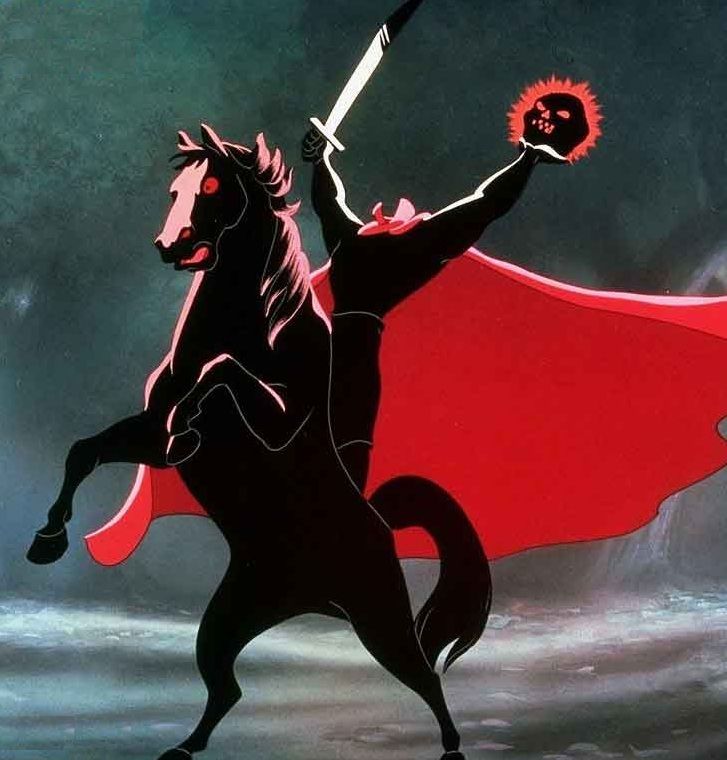
the Headless Horseman.  (In case you don’t know the story, you can read it here, taken from Washington Irving’s, 1783-1859, The Sketch Book of Geoffrey Crayon, Gent., most of which being published serially in 1819-1820 and first time in book form in the US in 1824.
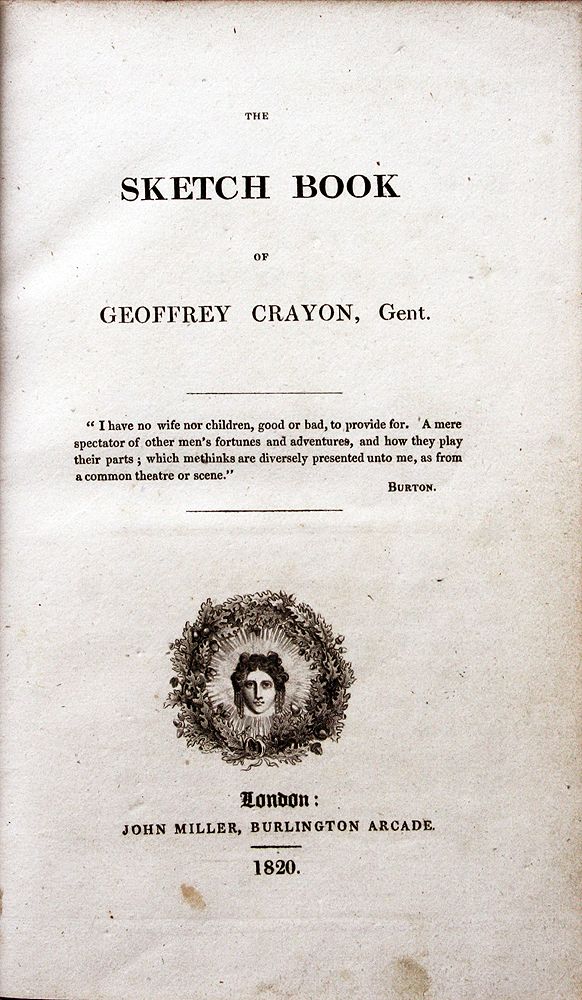
(one installment from the first British publication):  This is from a 1907 edition of the two best-known tales from that collection of essays and short stories, “Rip Van Winkle” and “The Legend of Sleepy Hollow, with illustrations by George H. Boughton:  https://archive.org/details/ripvanwinkleandl00irvi/mode/2up  For a complete edition (an illustrated version from 1864) see:  https://www.gutenberg.org/cache/epub/2048/pg2048-images.html   For more on the complicated publishing history of the work, see:  https://en.wikipedia.org/wiki/The_Sketch_Book_of_Geoffrey_Crayon,_Gent. )

I’m not going to add a spoiler here, but the protagonist, Ichabod Crane, pursued by what he believes to be the headless ghost of a “Hessian soldier”,

eventually disappears, all discovered of him being:

“the tracks of horses’ hoofs deeply

dented in the road, and evidently at furious

speed, were traced to the bridge, beyond

which, on the bank of a broad part of the

brook, where the water lay deep and black,

was found the hat of the unfortunate Ichabod,

and close beside it a shattered pumpkin.”

And this pumpkin brings us to another story, this one by Nathaniel Hawthorne, 1804-1864,

from his collection of short stories, Mosses from an Old Manse, first published in 1846.

This is “Feathertop”, originally published independently in 1852, and added to the collection for the second edition of 1854. 

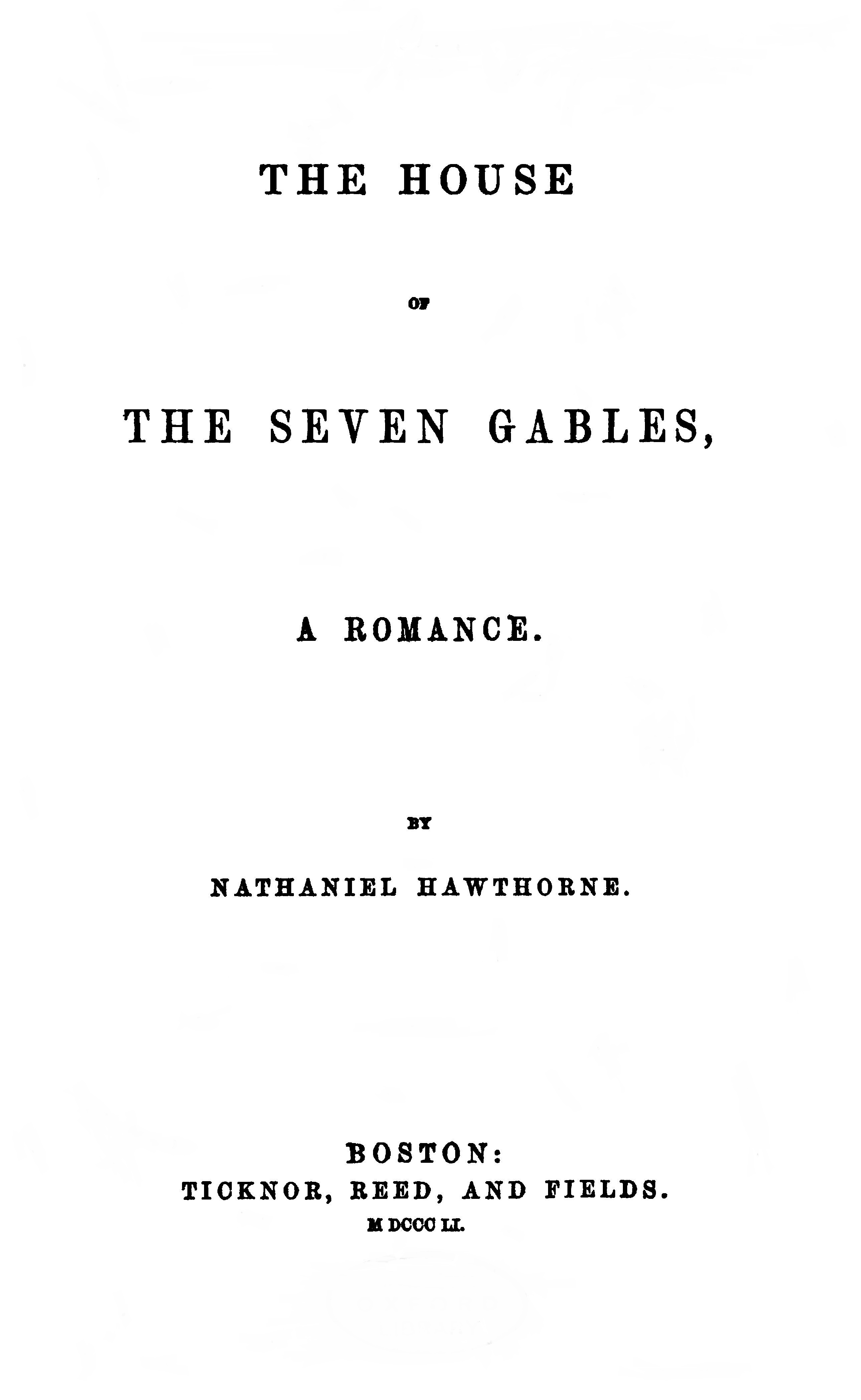
Hawthorne came from a very old Massachusetts Bay family (an ancestor, John Hathorne, had been involved in the opening stages of the Salem witchcraft trials in 1692) and the history of the Bay haunted him, producing short stories like “Young Goodman Brown” (1835), and the novels The Scarlet Letter (1850) and my particular favorite The House of the Seven Gables (1851).
“Feathertop” involves Mother Rigby, a pipe-smoking old witch,

(a relatively young witch, by Gabriel Metsu, 1629-1667, but, as you’ll see, the pipe is crucial)

who builds a scarecrow for her garden,

(by Carl Gustav Carus, 1789-1869)

including

“The most important item of all, probably, although it made so little show, was a certain broomstick, on which Mother Rigby had taken many an airy gallop at midnight, and which now served the scarecrow by way of a spinal column, or, as the unlearned phrase it, a backbone. One of its arms was a disabled flail which used to be wielded by Goodman Rigby, before his spouse worried him out of this troublesome world; the other, if I mistake not, was composed of the pudding stick and a broken rung of a chair, tied loosely together at the elbow. As for its legs, the right was a hoe handle, and the left an undistinguished and miscellaneous stick from the woodpile. Its lungs, stomach, and other affairs of that kind were nothing better than a meal bag stuffed with straw.”

Having constructed the body, she added

“…its head; and this was admirably supplied by a somewhat withered and shrivelled pumpkin, in which Mother Rigby cut two holes for the eyes and a slit for the mouth, leaving a bluish-colored knob in the middle to pass for a nose. It was really quite a respectable face.”

She dresses it in the remains of what were once fine clothes, including a rooster tail for his hat (hence his name), but, continuing to look at it, she says to herself:

” ‘That puppet yonder,’ thought Mother Rigby, still with her eyes fixed on the scarecrow, ‘is too good a piece of work to stand all summer in a corn-patch, frightening away the crows and blackbirds. He’s capable of better things. Why, I’ve danced with a worse one, when partners happened to be scarce, at our witch meetings in the forest! What if I should let him take his chance among the other men of straw and empty fellows who go bustling about the world?’ “

As you can see, this is quickly turning from a story of enchantment into a satire, as she animates the “puppet” (a word used in the 17th century to have, for witches, the meaning of something like a voodoo doll and used for the same purpose)

by getting it to puff on her pipe
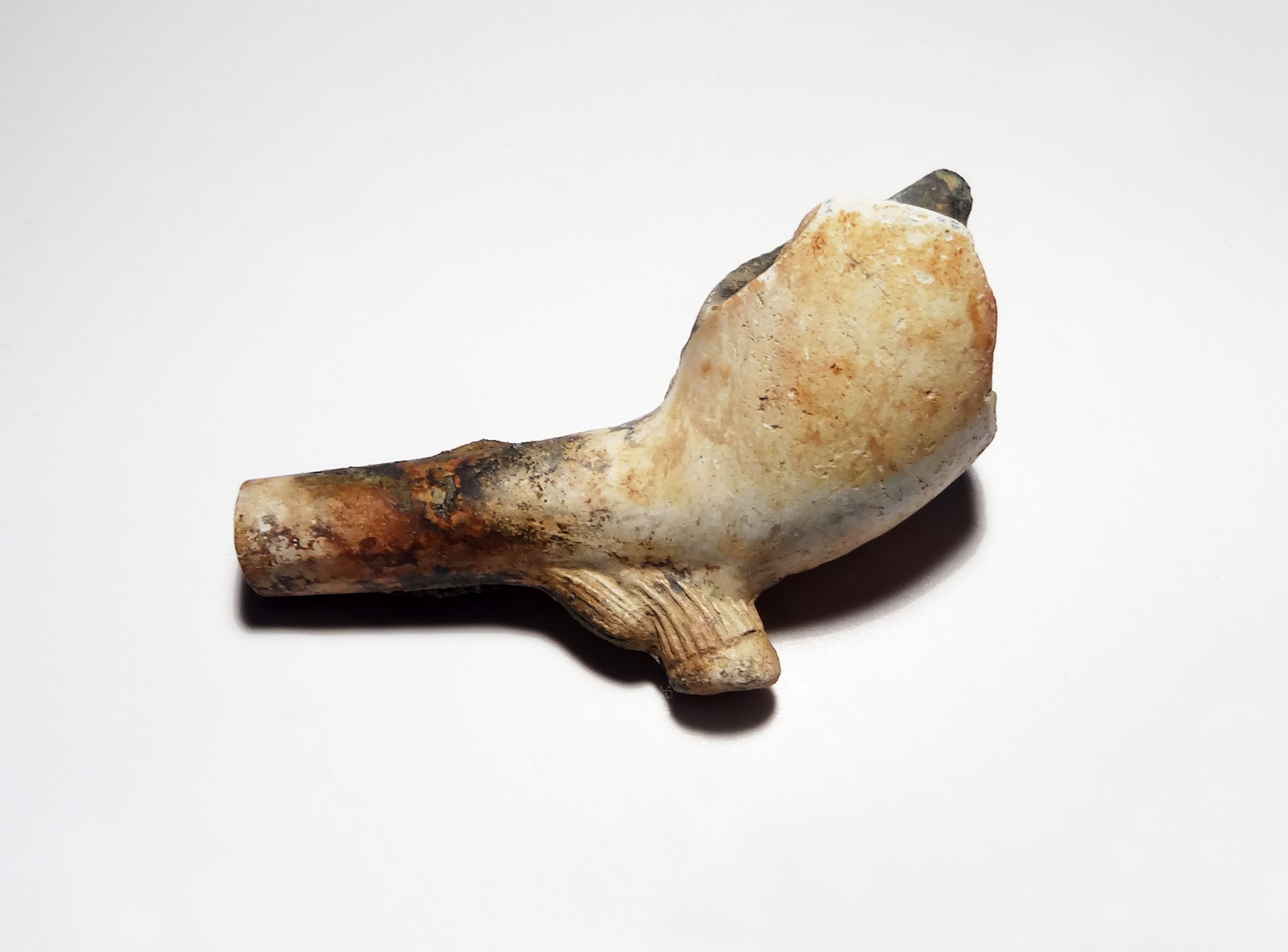
before sending it out in the world to prey upon an enemy, Master Gookin, a wealthy merchant with a pretty daughter Mother Rigby wants him to woo.

Needless to say, in his enchanted form, and puffing on the magic pipe (he claims it’s for medicinal purposes), the scarecrow gains entry to Gookin’s house and even begins to romance the merchant’s daughter when, by chance,

“…”she cast a glance towards the full-length looking-glass in front of which they happened to be standing. It was one of the truest plates in the world and incapable of flattery. No sooner did the images therein reflected meet Polly’s eye than she shrieked, shrank from the stranger’s side, gazed at him for a moment in the wildest dismay, and sank insensible upon the floor. Feathertop likewise had looked towards the mirror, and there beheld, not the glittering mockery of his outside show, but a picture of the sordid patchwork of his real composition stripped of all witchcraft.”

The scarecrow, being reminded of what he really is, rushes back to his maker, smashes the pipe, and collapses into his component parts, leaving his creator to say to herself:

” ‘Poor Feathertop!’ she continued.  ‘I could easily give him another chance and send him forth again tomorrow. But no; his feelings are too tender, his sensibilities too deep. He seems to have too much heart to bustle for his own advantage in such an empty and heartless world. Well! well! I’ll make a scarecrow of him after all. ‘Tis an innocent and useful vocation, and will suit my darling well; and, if each of his human brethren had as fit a one, ‘t would be the better for mankind; and as for this pipe of tobacco, I need it more than he.’ “

(You can read the story for yourself here:  https://gutenberg.org/cache/epub/512/pg512-images.html )
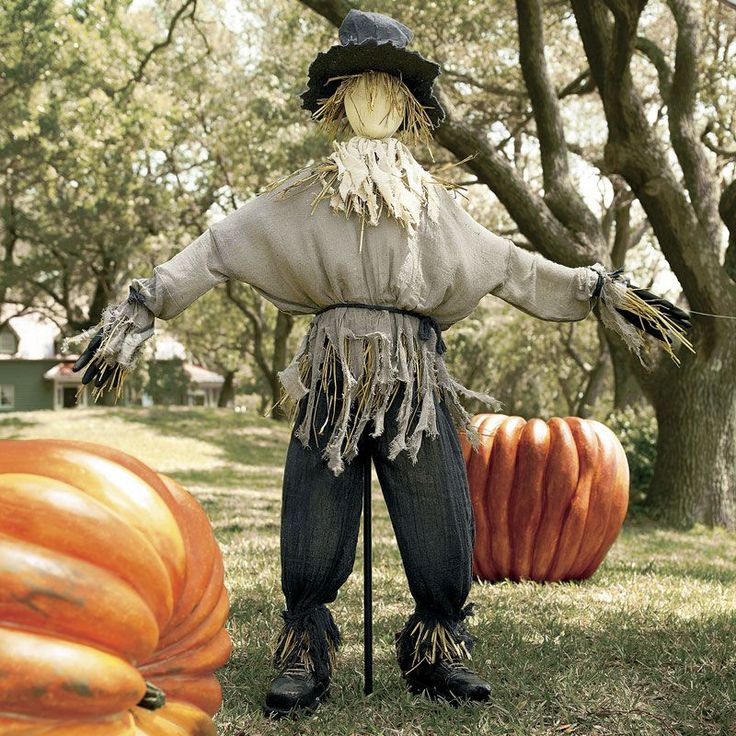
And perhaps that scarecrow eventually found himself in a much more heroic role, much later in time and as far away as Kansas—

As always, thanks for reading.

Stay well,

Happy Halloween,

And remember that, as always, there’s

MTCIDC

O

PS

Before pumpkins had come from the New World, the old world hollowed out turnips, like this one, putting a candle inside to light the dark world of the end of the old growing year.

PPS

In 1908, Percy MacKaye, 1875-1956, poet and playwright, dramatized a version of the story, which appeared briefly in New York in 1911, and you can read it here:   https://ia902901.us.archive.org/23/items/scarecroworglass00mackuoft/scarecroworglass00mackuoft.pdf

PPPS

In 1961, there was a television musical of Hawthorne’s story,
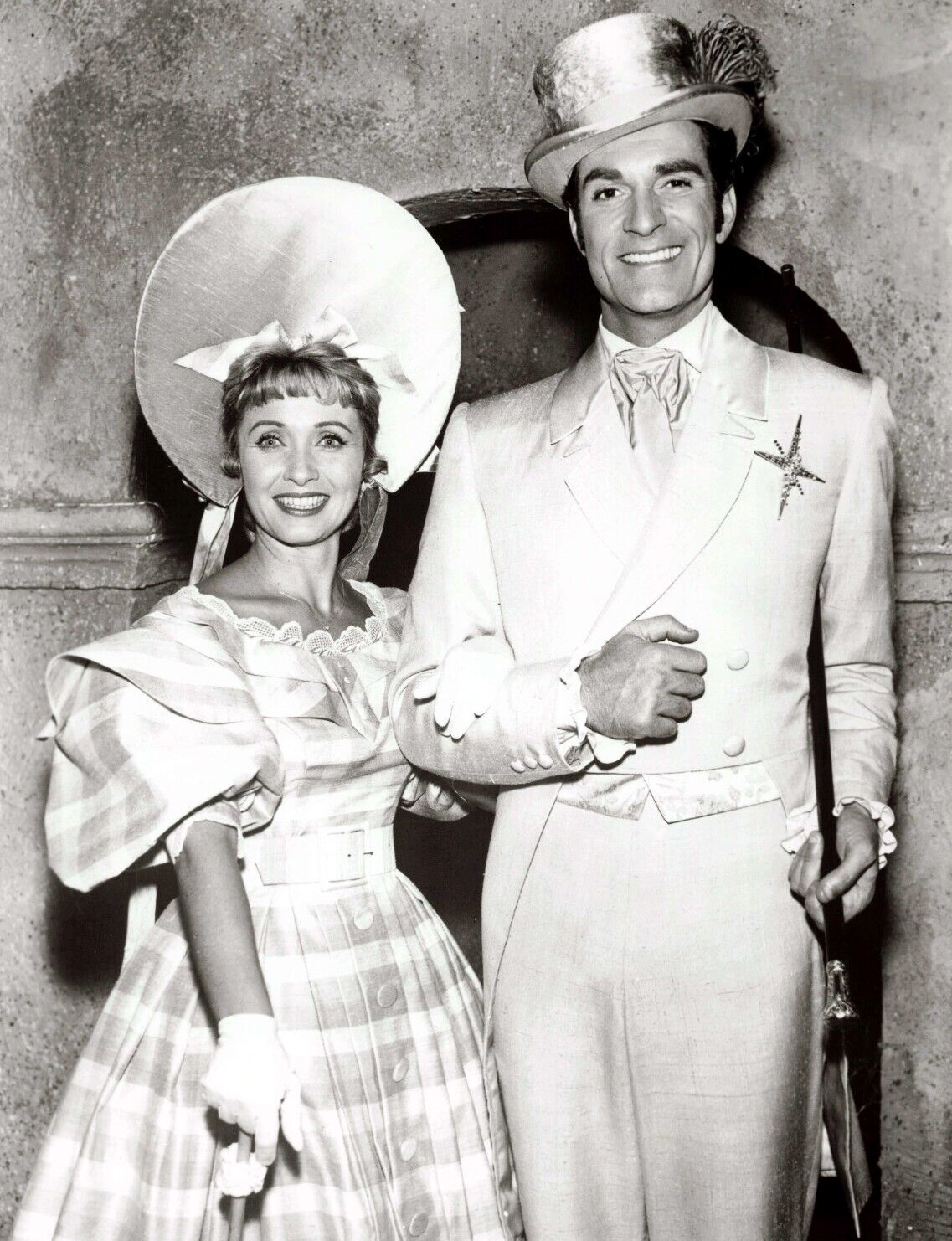
with music by Mary Rogers, who then went on to compose the music for Once Upon a Mattress, my favorite version of Andersen’s “The Princess and the Pea” (which, looking at the Danish, which is “Princessen Pa Aerten” should really be “The Princess On the Pea”).  You can hear a catchy duet between the witch and her scarecrow creation, “A Gentleman of Breeding” here:  https://www.youtube.com/watch?v=GXONisleuSw
And Whither Then?

25 Wednesday Nov 2015

Posted by Ollamh in Artists and Illustrators, Fairy Tales and Myths, J.R.R. Tolkien, Narrative Methods

≈ 1 Comment

Tags

Adrien Guignet, Aeneid, art, bibliomancy, Bilbo, Birth of Venus, Bouguereau, chimp painting, Chinese, critics, Cumae, Delphi, Etruscans, Frodo, future, Genesis, Greeks, Homer, Impressionism, It's a dangerous business going out your door, Joseph, Kansas City Royals, Monet, New York Mets, Oedipus, plastrons, prophetic, prophetic books, Pythia, Romans, Scapula, Sibyls, Sortes Tolkienses, Sortes Vergilianae, the Bible, The Lord of the Rings, The New Testament, Tolkien, Vergil, World Series, Zhang Dynasty

“It’s a dangerous business, Frodo, going out your front door. You step onto the Road, and if you don’t keep your feet, there’s no knowing where you might be swept off to.” (The Fellowship of the Ring, Book 1, Chapter 3)

Dear Readers,

Welcome, as always. In this posting, we want to propose an aid for that dangerous business to which Frodo is referring when he quotes Bilbo.

The desire to know what will happen next makes for good novel readers—and writers—but it’s also an ancient human desire.

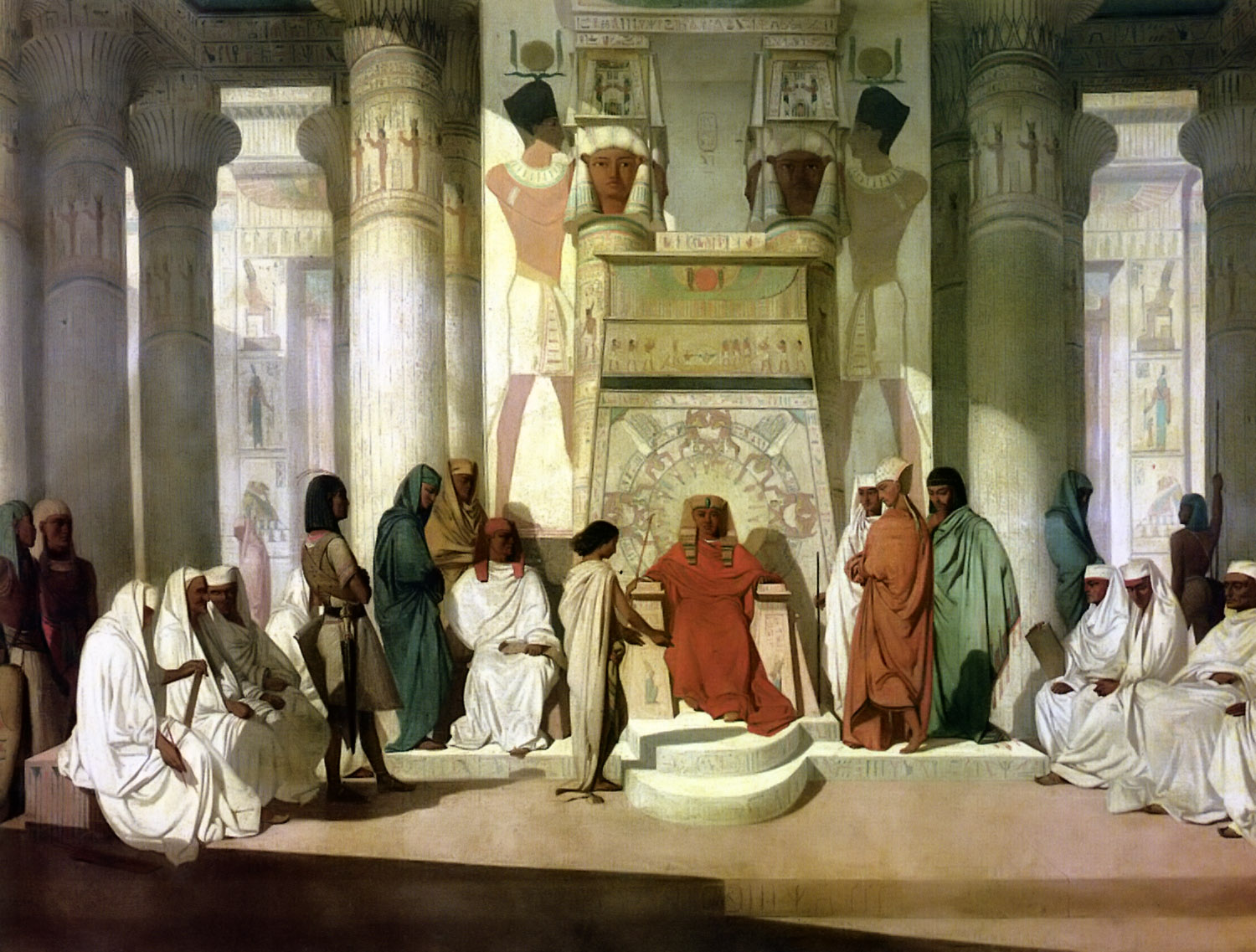
The Old Testament gives us a pharaoh with dreams, which Joseph interprets (Genesis 41-44) and which provides us with this splendid picture by Adrien Guignet (1816-1854).

Joseph Explaining the Dream to Pharoah, Jean Adrien Guignet

(This is an example of a whole world of painting which was devalued and declared stuffy and old-fashioned and pompous once Impressionism—which was originally mocked as just that, “impressions” rather than paintings—gained a foothold among art-buyers and the more progressive art critics. To us, although it may not have the wonderful fragmentations and color-freshness of those later painters, such older works have great importance historically—it’s the yin to the Impressionists’ yang, after all—and the over-the-top quality of some things—like this “Birth of Venus” by Bouguereau—1825-1905—has, we think, its own loopy charm.

The_Birth_of_Venus_by_William-Adolphe_Bouguereau_(1879)

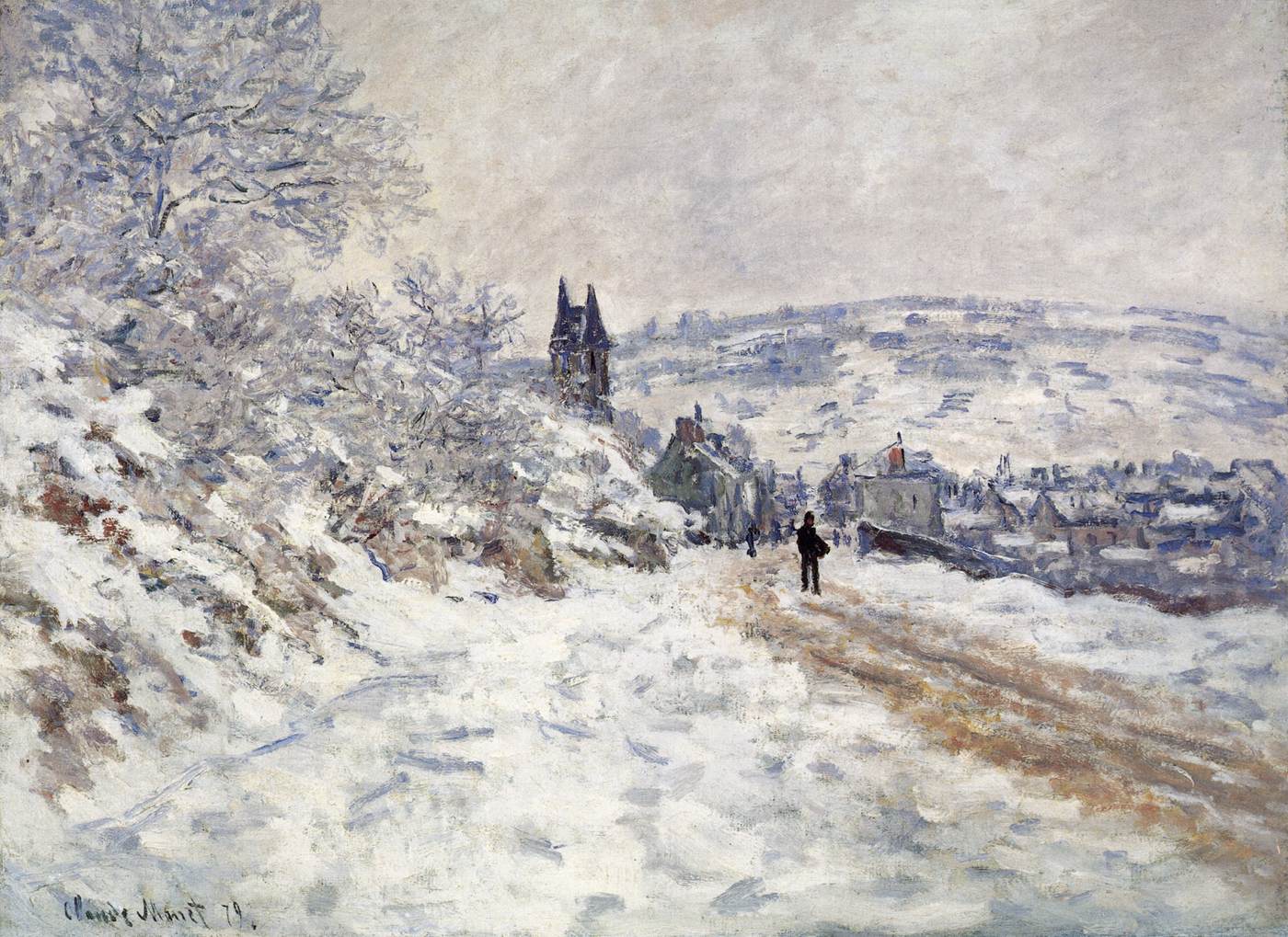
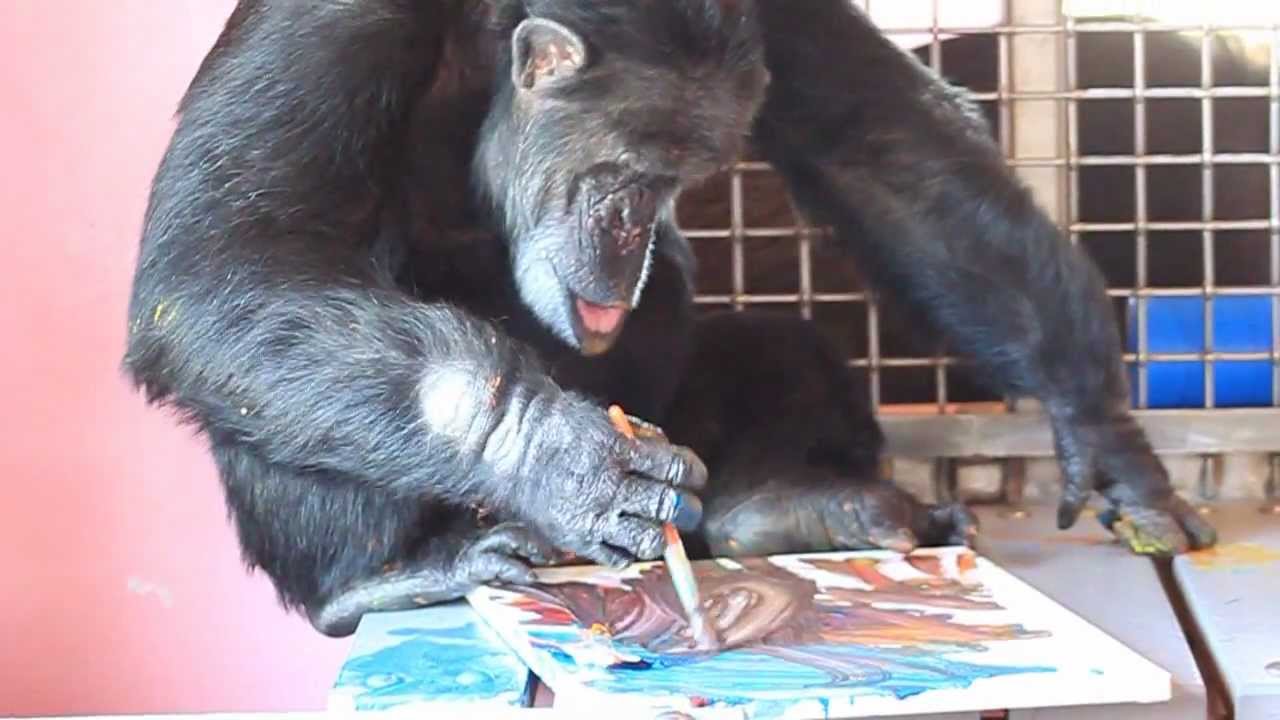
You see what we mean about yin/yang, however, when we compare it with this Monet, painted in the same year—1879. If you were brought up on academic painters like Bouguereau, Monet’s work must have looked like chimp paintings!

1vethe2

maxresdefault)

The Chinese of the Zhang Dynasty (1500-1000BC) used turtle plastrons and cow shoulder blades to consult about the future.

Shang_dynasty_inscribed_tortoise_plastron

Shang_dynasty_inscribed_scapula

The Greeks had a number of prophetic sites, like Delphi, with its Pythia.

Pythia

And the Romans had several methods, beginning with what they inherited from their big brothers to the north, the Etruscans.

liver

And, yes, this is a sheep’s liver, done in bronze. What does it do? Lots of discussion about that! It appears to have gods and perhaps constellations, or at least the sky, involved. (For more and some useful references, google “liver of Piacenza”)

The Romans consulted the insides of selected animals

haruspex

and the flying patterns of birds

romrem

although this could lead to the occasional argument

romrem1

as well as their own counterpart to people like the Pythia at Delphi, the Sibyls. One Sibyl, who was reputed to live at Cumae, even had a collection of prophetic books which talked about the future.

CumaeanSibyl

Later Romans also consulted a particular book, Vergil’s Aeneid, the idea being that you would open the book (a scroll, early on, a book—a codex—in later imperial times), close your eyes, run your finger along the lines and stop—and the line your finger was on would tell you something about the future. This is a form of bibliomancy, or telling the future by using a book. Ancients might choose Homer, or, in this case, Vergil (the Aeneid) or, for the Judeo-Christian tradition, the Bible. If you use Vergil, the practice is called Sortes Vergilianae (“Vergilian lots”—that is to say, not building sites—although one could build an interpretation upon one—but things used to determine the fate of something).

Today, we, as Tolkien fans, propose to add another text, suggesting Sortes Tolkienses (SOR-tes tol-kee-EN-ses). Pick up your copy of The Lord of the Rings, and ask it a question. Then close your eyes, open the book (make sure that it is rightsideup before you do this—although perhaps upsidedown would provide a greater-yet feel of randomness), run your index finger down the page, stop, open eyes, and read.

For our first try, we asked it who would win this year’s World Series, the New York Mets or the Kansas City Royals.

Hmm. Page 351 of the 2004 HarperCollins edition.

“…Frodo felt that he was in a timeless land that did not fade or change or fall into forgetfulness.”

Well, this is the 111th World Series—that would certainly suggest a kind of timelessness, we supposed. Then there was that business about not fading or changing—which team had won the Series last? A quick flick through statistics gave us the Royals in 1985 and the Mets in 1986. Okay. Does that mean that, since the Mets won more recently, that wouldn’t change?

Should we try again? Influenced by the rash Oedipus, asking the Pythia only one question and not pausing for clarification, we decided that it meant the Mets.

But then the Royals won.

So, we leave it to you, dear readers. You consult the Sortes Tolkienses—just make sure that the course of your life—or your team—doesn’t depend upon it!

Thanks, as always, for reading.

MTCIDC

CD

PS

There is a very entertaining experiment with the more established Sortes Vergilianae to be found by googling timesonline.typepad.com/dons_life/2012/03/sortes-virgilianae.html—an essay by the ever-lively Mary Beard.

The Doubtful Sea Series Facebook Page

The Doubtful Sea Series Facebook Page

  • Ollamh

Categories

  • Artists and Illustrators
  • Economics in Middle-earth
  • Fairy Tales and Myths
  • Films and Music
  • Games
  • Heroes
  • Imaginary History
  • J.R.R. Tolkien
  • Language
  • Literary History
  • Maps
  • Medieval Russia
  • Military History
  • Military History of Middle-earth
  • Narnia
  • Narrative Methods
  • Poetry
  • Research
  • Star Wars
  • Terra Australis
  • The Rohirrim
  • Theatre and Performance
  • Tolkien
  • Uncategorized
  • Villains
  • Writing as Collaborators
Follow doubtfulsea on WordPress.com

Across the Doubtful Sea

Recent Postings

  • A Moon disfigured December 17, 2025
  • On the Roads Again—Once More December 10, 2025
  • (Not) Crossing Bridges December 3, 2025
  • On the Road(s) Again—Again November 26, 2025
  • On the Road(s) Again November 19, 2025
  • To Bree (Part 2) November 12, 2025
  • To Bree (Part 1) November 5, 2025
  • A Plague o’ Both—No, o’ All Your Houses! October 29, 2025
  • It’s in Writing (2:  I’st a Prologue, or a Poesie for a Ring?) October 22, 2025

Blog Statistics

  • 103,210 Views

Posting Archive

  • December 2025 (3)
  • November 2025 (4)
  • October 2025 (5)
  • September 2025 (4)
  • August 2025 (4)
  • July 2025 (5)
  • June 2025 (4)
  • May 2025 (4)
  • April 2025 (5)
  • March 2025 (4)
  • February 2025 (4)
  • January 2025 (5)
  • December 2024 (4)
  • November 2024 (4)
  • October 2024 (5)
  • September 2024 (4)
  • August 2024 (4)
  • July 2024 (5)
  • June 2024 (4)
  • May 2024 (5)
  • April 2024 (4)
  • March 2024 (4)
  • February 2024 (4)
  • January 2024 (5)
  • December 2023 (4)
  • November 2023 (5)
  • October 2023 (4)
  • September 2023 (4)
  • August 2023 (5)
  • July 2023 (4)
  • June 2023 (4)
  • May 2023 (5)
  • April 2023 (4)
  • March 2023 (5)
  • February 2023 (4)
  • January 2023 (4)
  • December 2022 (4)
  • November 2022 (5)
  • October 2022 (4)
  • September 2022 (4)
  • August 2022 (5)
  • July 2022 (4)
  • June 2022 (5)
  • May 2022 (4)
  • April 2022 (4)
  • March 2022 (5)
  • February 2022 (4)
  • January 2022 (4)
  • December 2021 (5)
  • November 2021 (4)
  • October 2021 (4)
  • September 2021 (5)
  • August 2021 (4)
  • July 2021 (4)
  • June 2021 (5)
  • May 2021 (4)
  • April 2021 (4)
  • March 2021 (5)
  • February 2021 (4)
  • January 2021 (4)
  • December 2020 (5)
  • November 2020 (4)
  • October 2020 (4)
  • September 2020 (5)
  • August 2020 (4)
  • July 2020 (5)
  • June 2020 (4)
  • May 2020 (4)
  • April 2020 (5)
  • March 2020 (4)
  • February 2020 (4)
  • January 2020 (6)
  • December 2019 (4)
  • November 2019 (4)
  • October 2019 (5)
  • September 2019 (4)
  • August 2019 (4)
  • July 2019 (5)
  • June 2019 (4)
  • May 2019 (5)
  • April 2019 (4)
  • March 2019 (4)
  • February 2019 (4)
  • January 2019 (5)
  • December 2018 (4)
  • November 2018 (4)
  • October 2018 (5)
  • September 2018 (4)
  • August 2018 (5)
  • July 2018 (4)
  • June 2018 (4)
  • May 2018 (5)
  • April 2018 (4)
  • March 2018 (4)
  • February 2018 (4)
  • January 2018 (5)
  • December 2017 (4)
  • November 2017 (4)
  • October 2017 (4)
  • September 2017 (4)
  • August 2017 (5)
  • July 2017 (4)
  • June 2017 (4)
  • May 2017 (5)
  • April 2017 (4)
  • March 2017 (5)
  • February 2017 (4)
  • January 2017 (4)
  • December 2016 (4)
  • November 2016 (5)
  • October 2016 (6)
  • September 2016 (5)
  • August 2016 (5)
  • July 2016 (5)
  • June 2016 (5)
  • May 2016 (4)
  • April 2016 (4)
  • March 2016 (5)
  • February 2016 (4)
  • January 2016 (4)
  • December 2015 (5)
  • November 2015 (5)
  • October 2015 (4)
  • September 2015 (5)
  • August 2015 (4)
  • July 2015 (5)
  • June 2015 (5)
  • May 2015 (4)
  • April 2015 (3)
  • March 2015 (4)
  • February 2015 (4)
  • January 2015 (4)
  • December 2014 (5)
  • November 2014 (4)
  • October 2014 (6)
  • September 2014 (1)

Blog at WordPress.com.

  • Subscribe Subscribed
    • doubtfulsea
    • Join 78 other subscribers
    • Already have a WordPress.com account? Log in now.
    • doubtfulsea
    • Subscribe Subscribed
    • Sign up
    • Log in
    • Report this content
    • View site in Reader
    • Manage subscriptions
    • Collapse this bar
 

Loading Comments...