Tags
carol, Cornelia Funke, Inkheart, Krabat, Lusatia, magi, Otfried Preussler, The Little Watersprite, The Little Witch, The Robber Hotzenplotz, Three Kings
As always, dear readers, welcome.
If you aren’t familiar with it, the title of this posting comes from an 1857 Christmas carol, written by John Henry Hopkins, Jr, 1820-1891,

and beginning:
“We three kings of orient are;
Bearing gifts we traverse afar,
Field and fountain, moor and mountain,
Following yonder star.”
(For more on this carol see: https://en.wikipedia.org/wiki/We_Three_Kings Carol, itself, is interesting, being a medieval dance/song combination, about which you can learn more here: https://en.wikipedia.org/wiki/Carol_(music) )
This carol, in turn, was ultimately inspired by this line from the Judeo/Christian Bible:
1 cum ergo natus esset Iesus in Bethleem Iudaeae in diebus Herodis regis ecce magi ab oriente venerunt Hierosolymam.
“1 When therefore Jesus had been born in Bethlehem of Judea, in the days of King Herod, behold, magi came to Jerusalem from the east.” (Matthew 2,1—my translation from Jerome’s Latin Vulgate)
And we see here some confusion: the song says “3 kings of orient” and the text upon which this is based definitely says “from the east” (“ab oriente”), but doesn’t give the number and also doesn’t say “kings” (“reges”), but “magi”, that is, priests

of the ancient Persian religion of Zoroastrianism, who were known for their interest in the stars. (The figure is carrying a bunch of sacred twigs, called a “barsom”. For more on this see: https://en.wikipedia.org/wiki/Barsom For more on “magi”, see: https://en.wikipedia.org/wiki/Biblical_Magi )
This confusion began early in Christian tradition, seeming to be involved with older Biblical prophecies, and, from this 3rd century AD sarcophagus lid, the number, at least, appears to have been established very early in that tradition—
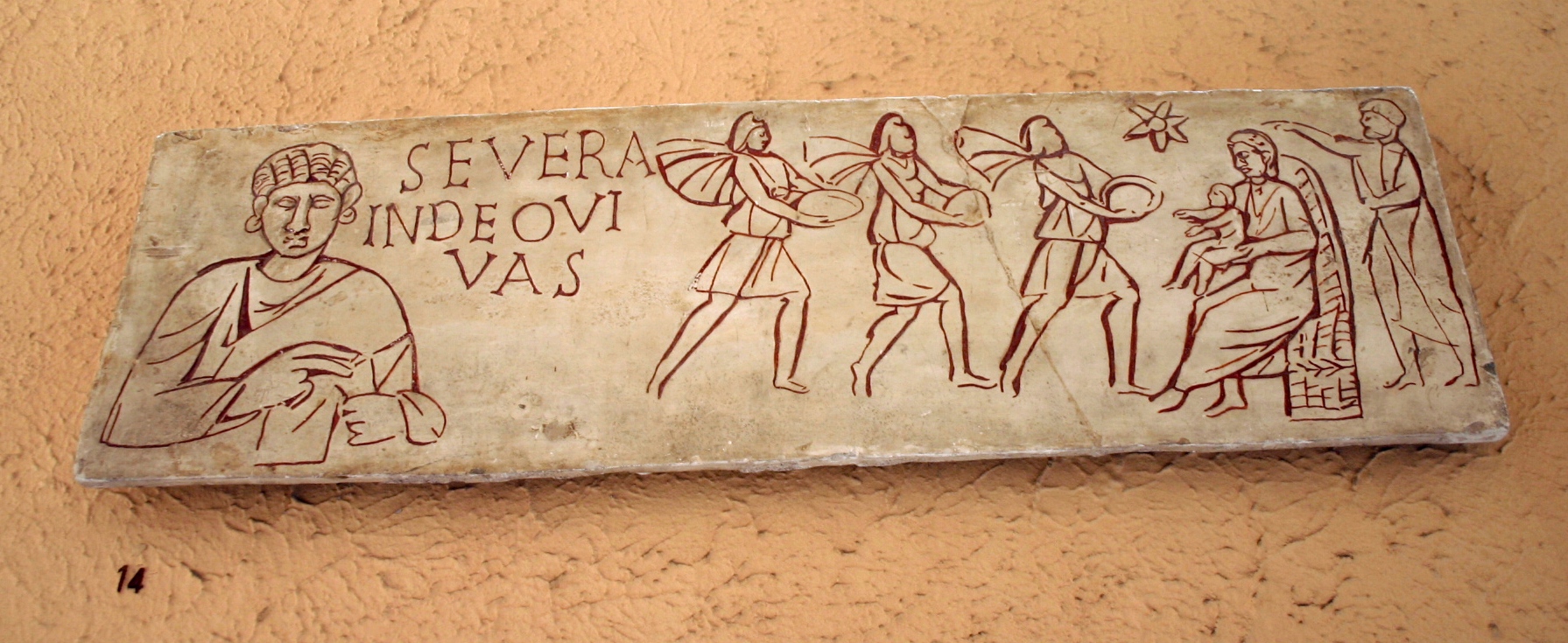
(The inscription: “Severa in Deo vivas” is a pious wish: “Severa, may you live in God”, Severa being, presumably, the original occupant of the sarcophagus.)
Over time, this whole tradition became part of the Christian calendar, the 6th of January becoming a feast day called, in the West, “Epiphany” and, in some places, “Three Kings Day”, where the appearance of the three “magi/reges”, among other events, was celebrated. (For more on this, see: https://en.wikipedia.org/wiki/Epiphany_(holiday) )
And this tradition, in turn, inspired the beginning of this 1971 fantasy novel, Krabat,
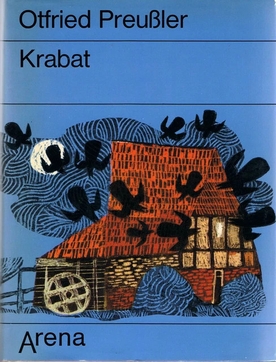
by Otfried Preussler, 1923-2013 –

(For more on Preussler, see: https://en.wikipedia.org/wiki/Otfried_Preu%C3%9Fler )
which opens with:
“It was between New Year’s Day and Twelfth Night [“Three Kings Day/Epiphany”}, and Krabat, who was fourteen at the time, had joined forces with two other Wendish beggar boys…the boys were going from village to village in the country around Hoyerswerda, dressed as the Three Kings from the East. They wore straw crowns on top of their caps, and one of them, little Lobosch from Maukendorf, who was playing the part of the King of the Moors, blackened his face with soot every morning. He walked proudly at the head of the little procession, bearing the Star of Bethlehem, which Krabat had nailed to a stick.”
I had come to this book by way of one of my favorite fantasy writers, Cornelia Funke, 1958- —
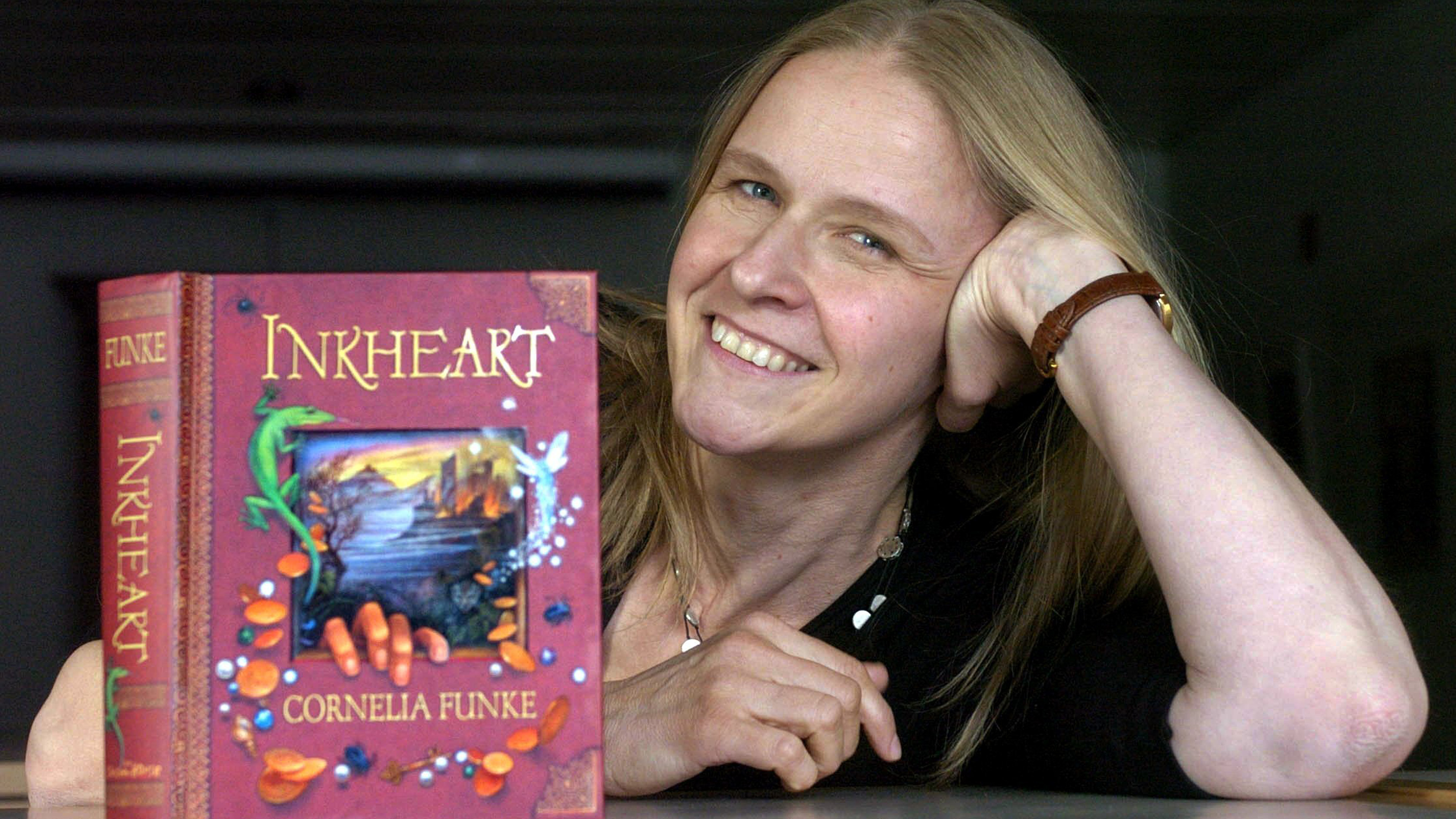
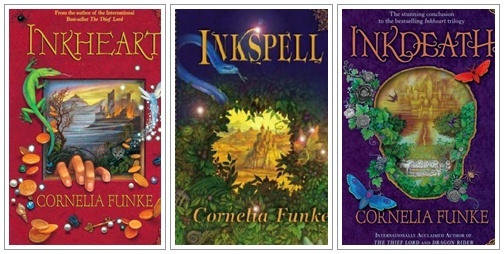
and, if you don’t know her work, I would recommend the book in this image as a good starting point—Inkheart (Tintenherz in the original German)
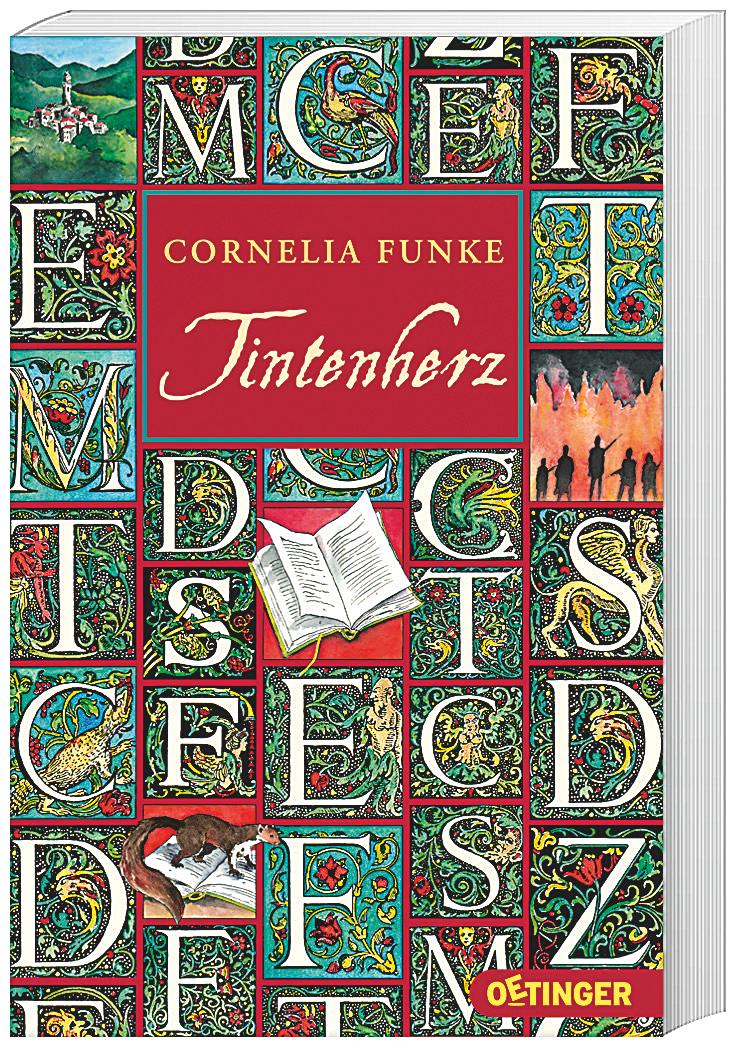
about a bookbinder, Mortimer, called “Mo” whose other talent is that he’s such a good reader that, when he does so, the characters from his reading become part of our world. He and his daughter, Meggie, are then caught up in a plot by another character to use Mo’s talent—but I don’t want to do a spoiler here, so I’ll just say that it’s a wonderfully imaginative book and, in fact, part of a series—
There’s also a very good film adaptation–

(For more on Cornelia Funke, see: https://en.wikipedia.org/wiki/Cornelia_Funke )
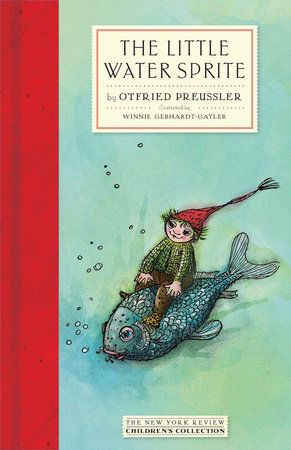
Otfried Preussler had begun his writing career some years before with children’s books like The Little Watersprite (Der Kleine Wassermann), 1956,
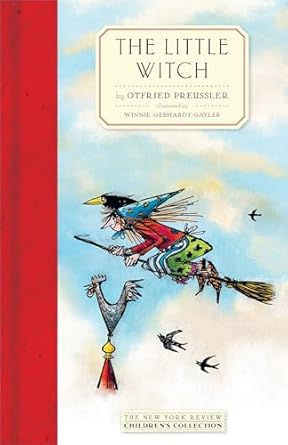
The Little Witch (Die Kleine Hexe), 1957,
and The Robber Hotzenplotz (Der Raeuber Hotzenplotz), 1962,

which employ folktale/fairy tale elements, and the latter two of which I’ve read. They are very simple books, seemingly for younger children, but Krabat is a much darker, more complex, work, set in an area between Germany and Poland called Lusatia,

where the population can speak German or a Slavic language called “Wendish”, which is mentioned as being spoken in the novel (for more on Lusatia see: https://en.wikipedia.org/wiki/Lusatia#Sources and for Wendish, see: https://en.wikipedia.org/wiki/Wends If you read this book—and I hope you do—a map, though not necessary, will come in handy, as regional places are often mentioned.).
The hero, Krabat, whose name comes from “Croat”—that is, a person from Croatia—now the Republic of Croatia—a land on the edge of the Adriatic—was, it seems, originally, an actual person, Janko Sajatovic, a soldier (Croats were used for things like skirmishing), who became a folk hero—including being a sorcerer—in the region in which the novel is set. (For more on Janko, see: https://en.wikipedia.org/wiki/Krabat )
In the novel, however, he is an orphan, a beggar, who finds himself apprenticed to a mysterious master who runs a mill,
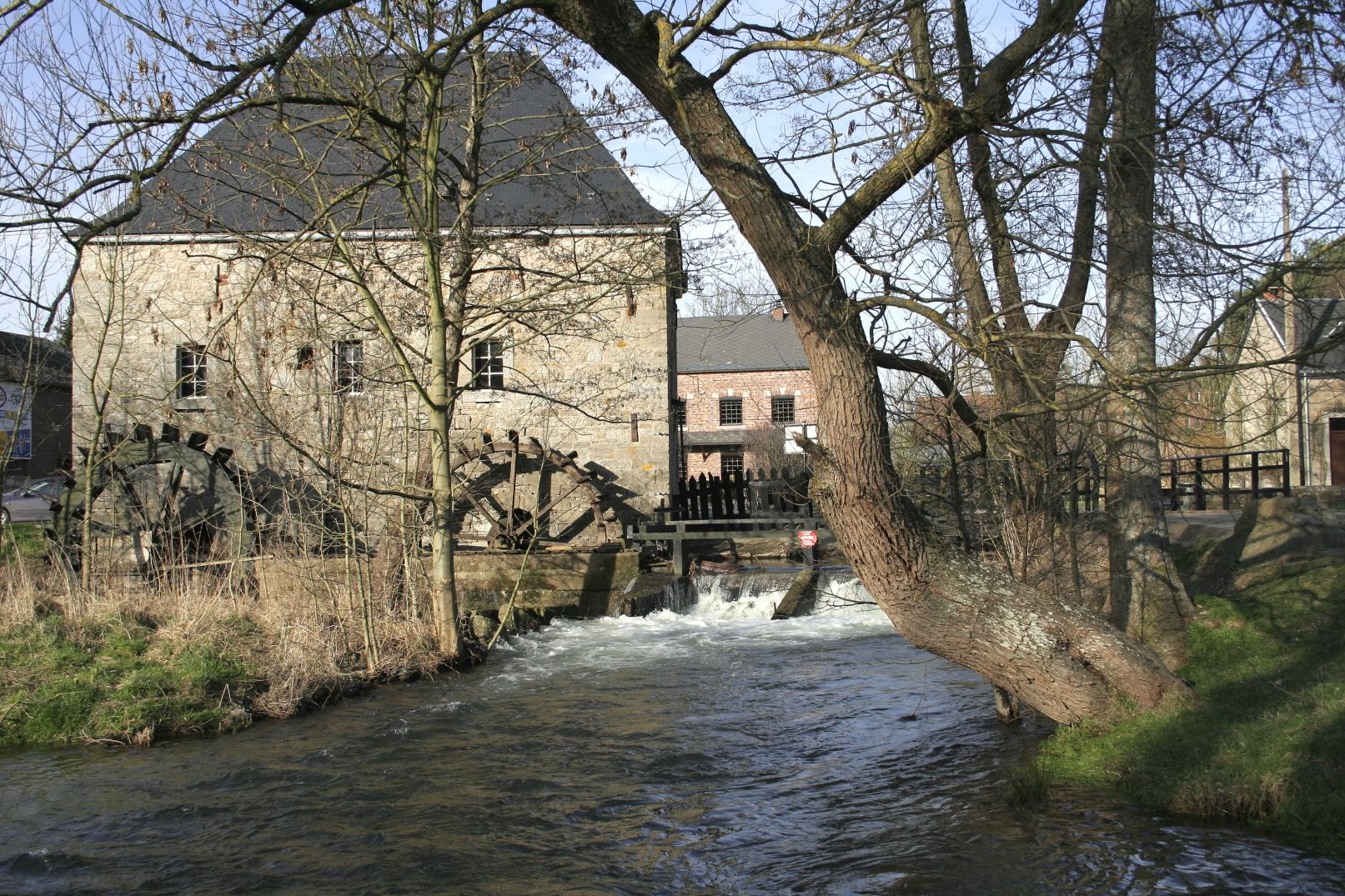
but is, in fact, a wizard, who teaches mill skills, but, at the same time, instructs his apprentices in magic—and there is a terrible price.
Again, no spoiler—although, if you want one (not recommended—it will take the fun out of reading the book, which is full of mystery, the secrets of which being only gradually revealed), here it is: https://en.wikipedia.org/wiki/Krabat_(novel)
Thanks, as ever, for reading.
Stay well,
In Matthew 2, the magi bring presents for the baby Jesus—
“…et apertis thesauris suis obtulerunt ei munera aurum tus et murram.”
“…and, their treasures being opened, they offered him gifts: gold, frankincense, and myrrh.”
And, I hope that the magi, should they pass your house, leave you something you’ve always wanted,
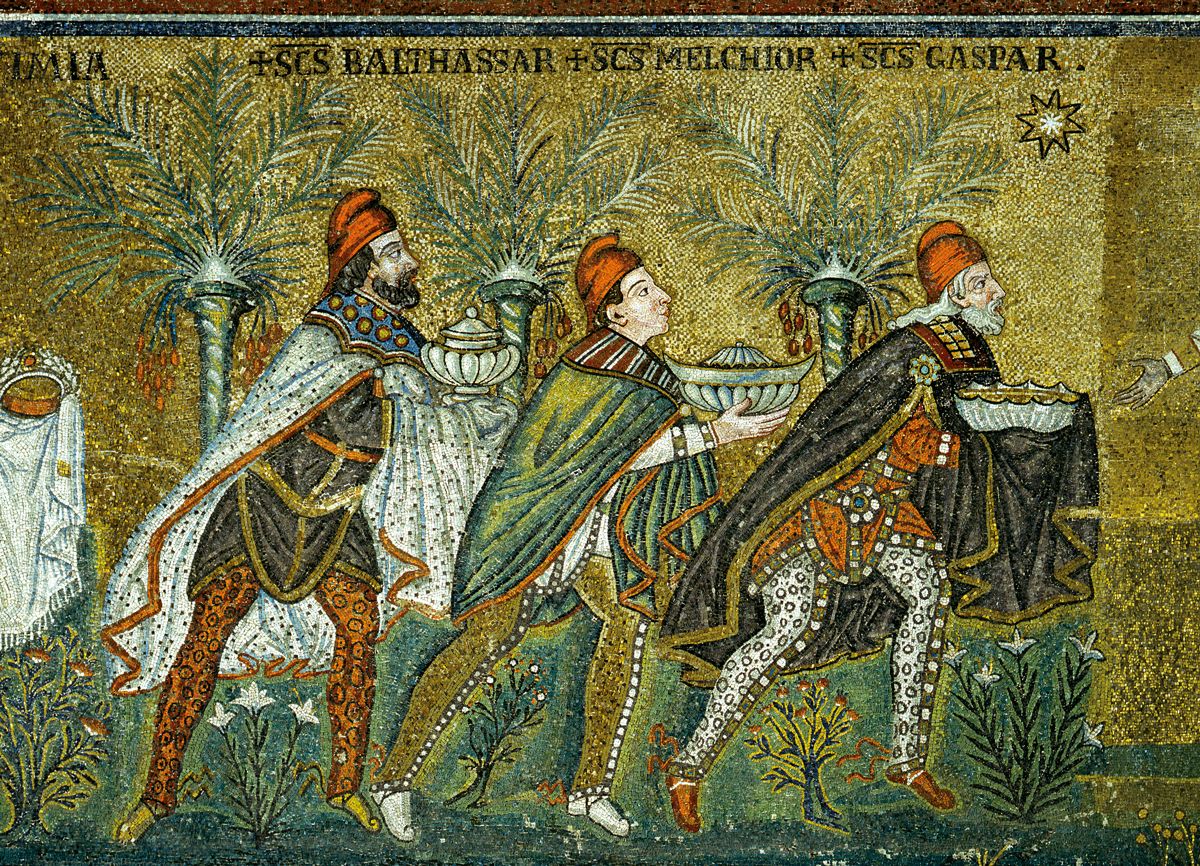
(One of my favorite images of them, a 6th-century AD mosaic from the church of Sant’ Apollinare Nuovo in Ravenna, Italy—the mosaicists have given the magi Eastern clothing, as appropriate for those who come “ab oriente”)
And, as ever, know that there’s
MTCIDC
O
 doubtfulsea