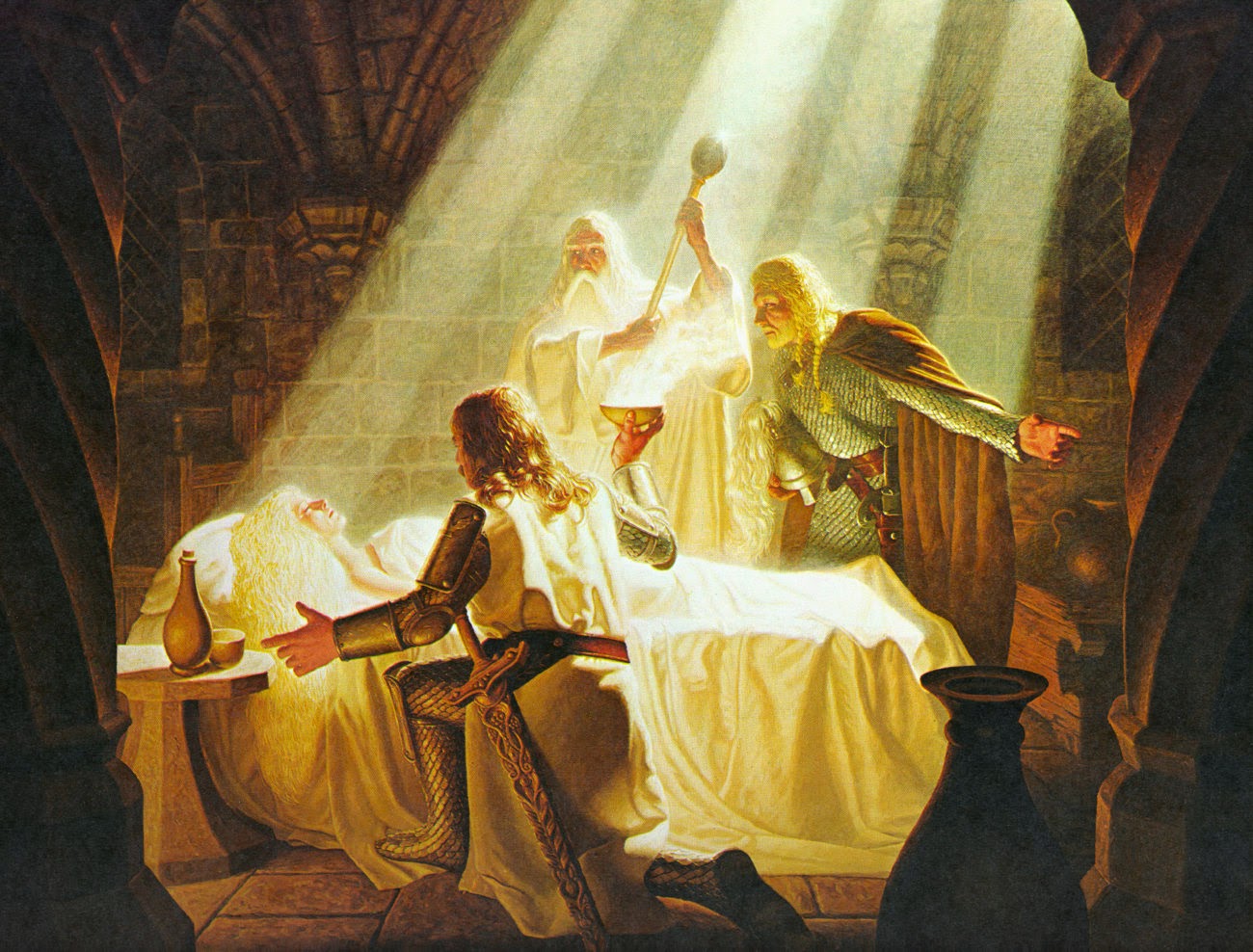
• About

doubtfulsea

~ adventure fantasy

Category Archives: Uncategorized

Echoes

08 Wednesday Dec 2021

Posted by Ollamh in Uncategorized

≈ Leave a comment

As ever, dear readers, welcome.

In my last posting, which was about goblins,  I quoted a stanza from a poem which my grandmother used to recite, James Whitcomb Riley’s “Little Orphant Annie” (1885).  Riley wanted to sound like someone from rural Ohio, so the poem is written in late 19th-century Midwestern US dialect:

“An’ one time a little girl ‘ud allus laugh an’ grin

An’ make fun of ever’one, an’ all her blood an’ kin;

An’ onc’t, when they was “company,” an’ ole folks was there,

She mocked ‘em an’ shocked ‘em, an’ said she didn’t care!

An’ jist as she kicked up her heels, an’ turn’t to run an’ hide,

They was two great Black Things a-standin’ by her side,

An’ they snatched her through the ceilin’ ‘fore she knowed  what she’s about!

An’ the Gobble-uns’ll git you

Ef you

   Don’t

     Watch

        Out!”

(If you don’t know the poem, here’s a LINK to the whole text:  https://poets.org/poem/little-orphant-annie )

It was, for a small person, a fairly disturbing poem, and this stanza in particular, haunted me (pun definitely intended).   I was used to monsters of all types and sizes, from Frankenstein

to Godzilla,
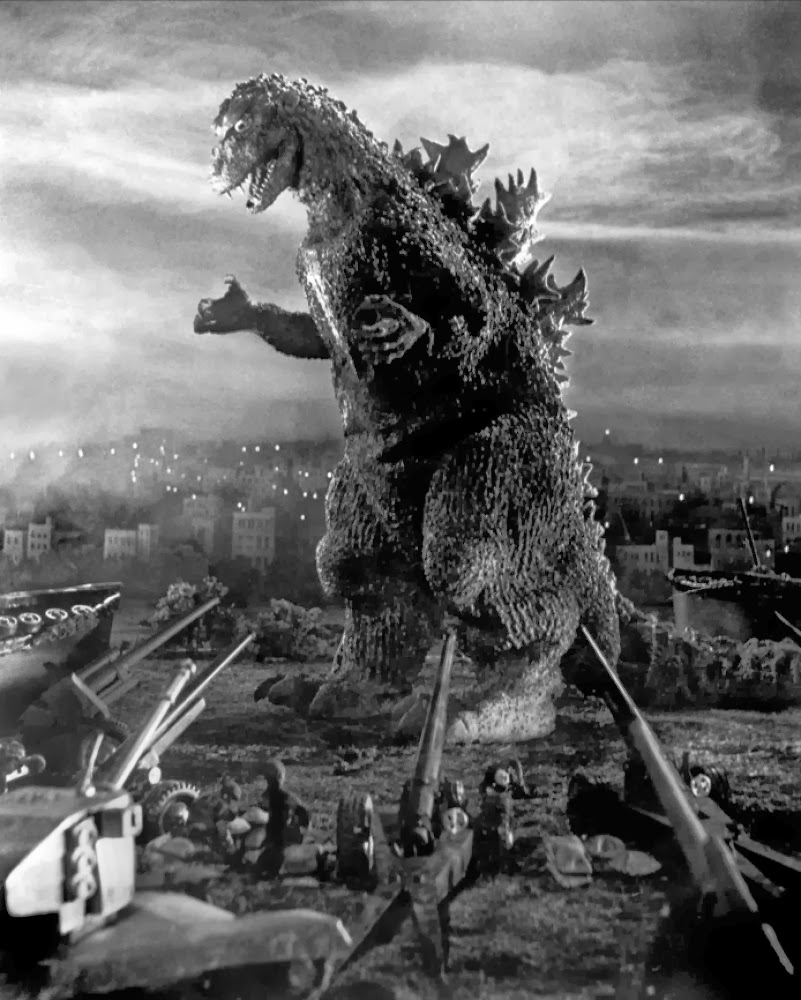
to fairy tale dragons,
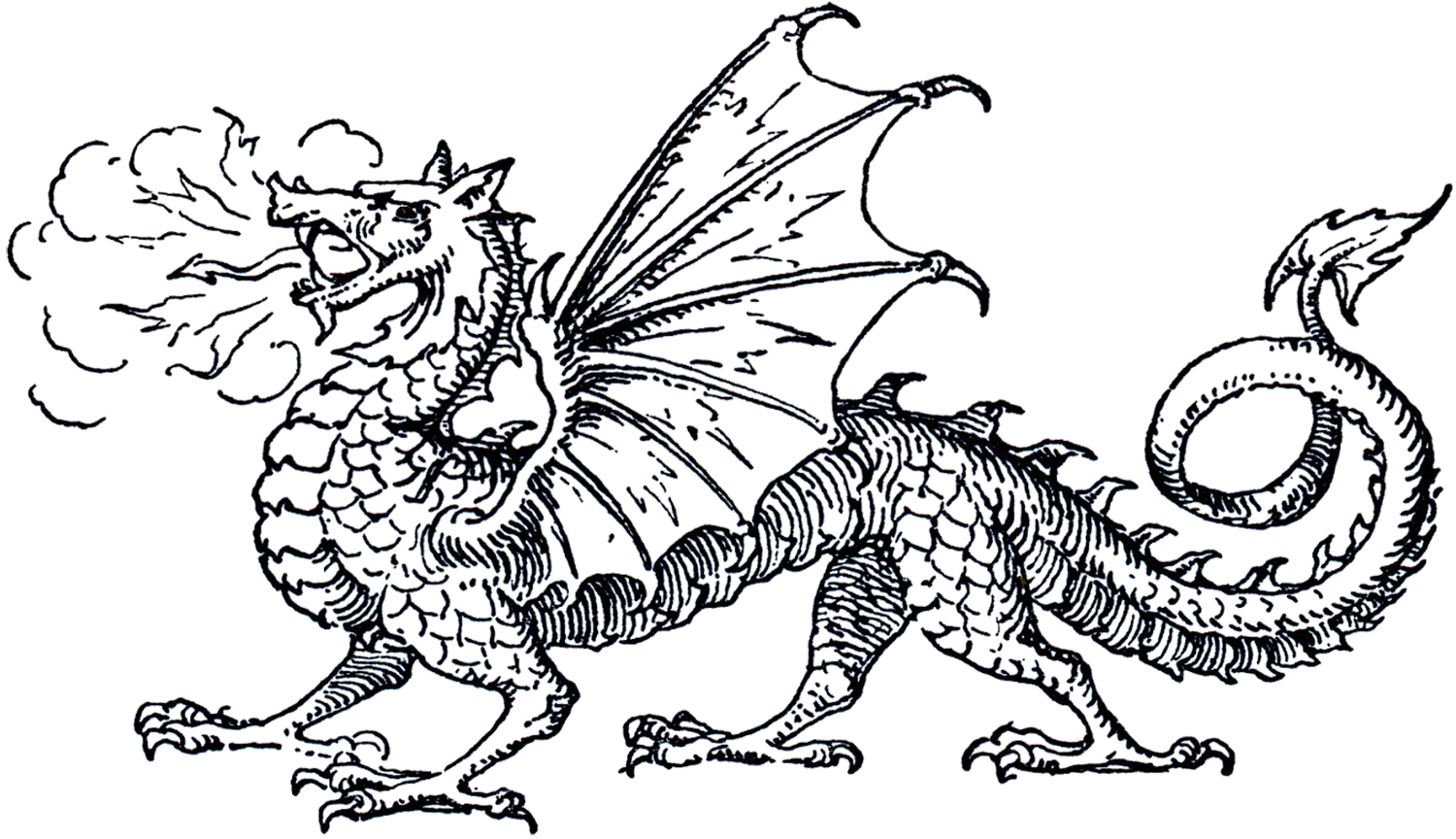
but somehow these goblins were especially troubling because, unlike those other creatures, who all had a distinctive look, these had no shape, being described as just “two great Black Things”. 

I forgot all about them, however—except for that warning at the end of the stanza—“And the Gobble-uns’ll  git ef you don’t watch out!” (always good to be watchful about the supernatural), until I was in grad school and I met this in Milton’s Paradise Lost:

“The other shape,

If shape it might be call’d that shape had none

Distinguishable in member, joint, or limb,

Or substance might be call’d that shadow seem’d,

For each seem’d either;  black it stood as Night,

Fierce as ten Furies, terrible as Hell,

And shook a dreadful Dart; what seem’d his head

The likeness of a Kingly Crown had on.”

(Paradise Lost, Book II, 666-673)

It was a description of Death and there was that shapelessness again.  But there was another  shapeless something  in my life by then—and, I suspect for you, dear readers, as well:

“Upon it sat a shape, black-mantled, huge and threatening.  A crown of steel he bore, but between rim and robe naught was there to see, save only a deadly gleam of eyes:  the Lord of the Nazgul.”  (The Return of the King, Book Five, Chapter 6, “The Battle of the Pelennor Fields”)

(A wonderful image by Donato Giancola)

JRRT could be a little touchy about influences—see, for instance, this from a surviving draft of a letter to a “Mr. Drang”:

“As in the case with Moria.  In fact this first appeared in The Hobbit chap.1.  It was there, as I remember, a casual ‘echo’ of Soria Moria Castle in one of the Scandinavian tales translated by Dasent.  (The tale had no interest for me:  I had already forgotten it and have never since looked at it.  It was thus merely the source of the sound-sequence …”  (Letters, 384)

(Tolkien mentions  “Dasent”—who is actually Sir George W. Dasent—and “Scandinavian tales”—meaning his Popular Tales from the Norse (1859—actually a translation of a Norwegian work by Asbjornsen and Moe, 1843/4—and the two praised Dasent’s translation)—here’s a LINK for you for it:  https://www.gutenberg.org/cache/epub/8933/pg8933-images.html –in which said castle appears, but I suspect that it’s more likely that he read it—or probably first had it read to him by his mother—in Andrew Lang’s 1890 The Red Fairy Book.  Here’s a copy for you—https://en.wikisource.org/wiki/The_Red_Fairy_Book )
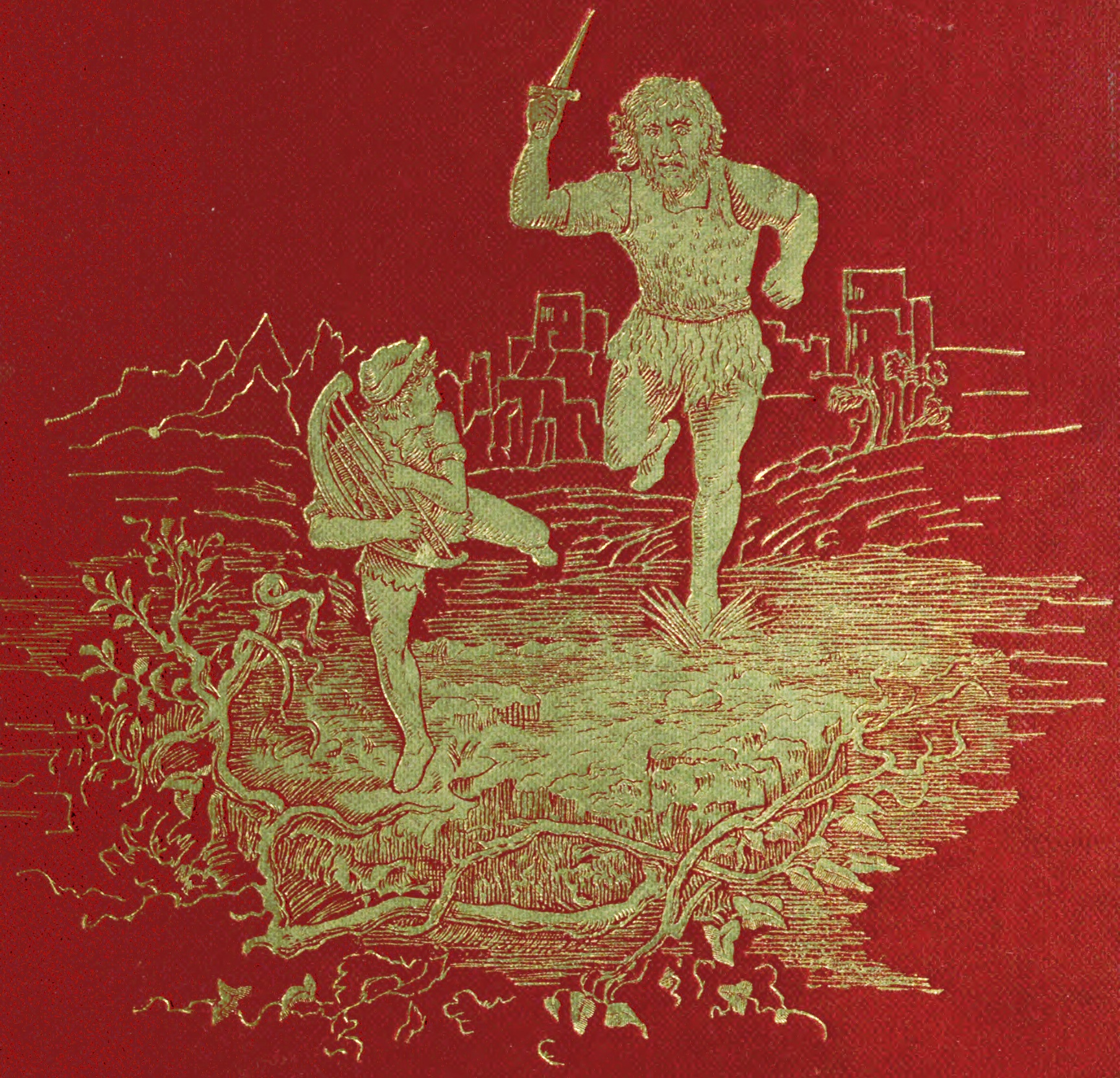
And there’s only one direct mention of Milton in Letters (see page 344), but Tolkien was a Victorian, if a late one, which meant that, even as a schoolboy, he would have been exposed to what would then have been considered the core of English literature (and, to a degree, morality), poems like Paradise Lost (1667/1674)

(This is the 1674 edition, in which Milton made some changes to the text and redivided it from the original 10 into 12 books, inspired, I suspect, by the Aeneid.  And here’s a LINK to a copy of that edition for you:   https://archive.org/details/ParadiseLost1674CopyB )

and books like John Bunyan’s The Pilgrim’s Progress (1678). 

(If you don’t own a copy, here’s a LINK to an 1878 facsimile of the first edition:   https://archive.org/details/pilgrimsprogress1878buny/page/n15/mode/2up )

There is also another echo, I think, in the same passage, where the Nazgul says to Eowyn:

“ ‘Hinder me?  Thou fool.  No living man may hinder me!’

Then Merry heard of all sounds in that hour the strangest.  It seemed that Dernhelm laughed, and the clear voice was like the ring of steel.  ‘But no living man am I!  You look upon a woman.  Eowyn I am, Eomund’s daughter.  You stand between me and my lord and kin.  Begone, if you be not deathless!  For living or dark undead, I will smite you, if you touch him.’ “

(by Ted Nasmith)

In Act IV of Shakespeare’s Macbeth (1606?),

Macbeth is given a series of prophecies by the same witches who had appeared to him in Act I.

One of these prophecies (delivered by the “Apparition” of a “Bloody Childe”) is:

Be bloody, bold, & resolute:

Laugh to scorne

The powre of man:  For none of woman borne

Shall harme Macbeth.”

(Macbeth, Act IV, Scene 1, 1619-1622)

This makes Macbeth quite cocky as he polishes off one opponent, Seyward,  near the end of Act V, sneering at him as “borne of woman”.  But then he meets MacDuff (“MacDuffe” in the spelling of the First Folio (1623), from which my text comes) and to his boast:

“I beare a charmed Life, which must not yield

To one of woman borne.”

MacDuff replies:

“Dispaire thy Charme,

And let the Angell whom thou still hast serv’d

Tell thee, MacDuffe was from his Mother’s womb

Untimely ript.”

(Macbeth, Act V, Scene 7, 2451-6)

Needless to say, “Exeunt fighting”—“they leave [the stage] fighting”, but only MacDuff reenters—carrying Macbeth’s head.

Although Tolkien professes an early dislike of Shakespeare (Letters, 213), there is no doubt that he had read Macbeth, as he expresses his disappointment in Shakespeare’s employment of Birnam Wood.  Speaking of the Ents, he writes:

“Their part in the story is due, I think, to my bitter disappointment and disgust from schooldays with the shabby use made in Shakespeare of the coming of ‘Great Birnam Wood to high Dunsinane hill’. “

(Letter to W.H. Auden, 7 June, 1955, Letters, 212)

So, like it or not, somewhere in the back of JRRT’s capacious mind lay an image from Milton and an idea from Shakespeare, waiting to come together in a new and stirring scene.

Thanks, as always, for reading,

Stay well,

Avoid elderly ladies making suspicious stews in public,

And know that, as ever, there’s

MTCIDC

O

ps

But if Shakespeare was “disliked cordially” by JRRT, the present author loves him and perhaps you do, too.  If so, you might enjoy reading him as I do, in the earliest editions, which give you a clearer sense of how “chewy” Shakespeare’s speech was.  Here’s a LINK to the First Folio version of Macbeth so that you can see what I mean:  https://internetshakespeare.uvic.ca/doc/Mac_F1/complete/index.html   And, if you’d like to learn about the reconstructed pronunciation of south-central English in Shakespeare’s time, have a look at this:  https://www.youtube.com/watch?v=gi7IyqOjarA
Where the Goblins Go

01 Wednesday Dec 2021

Posted by Ollamh in Uncategorized

≈ Leave a comment

“Ding-dong!  The Witch is dead!

Which old Witch?  The Wicked Witch!

Ding-dong!  The Wicked Witch is dead.

Wake up you sleepy head, rub your eyes, get out of bed.

Wake up, the Wicked Witch is dead.

She’s gone where the goblins go–

Below, below, below.

Yo-ho, let’s open up and sing and ring the bells out.

Ding-dong the merry-oh, sing it high, sing it low.

Let them know the Wicked Witch is dead!”

(E.Y. Harburg, 1939—my additional punctuation where it seems to be needed)

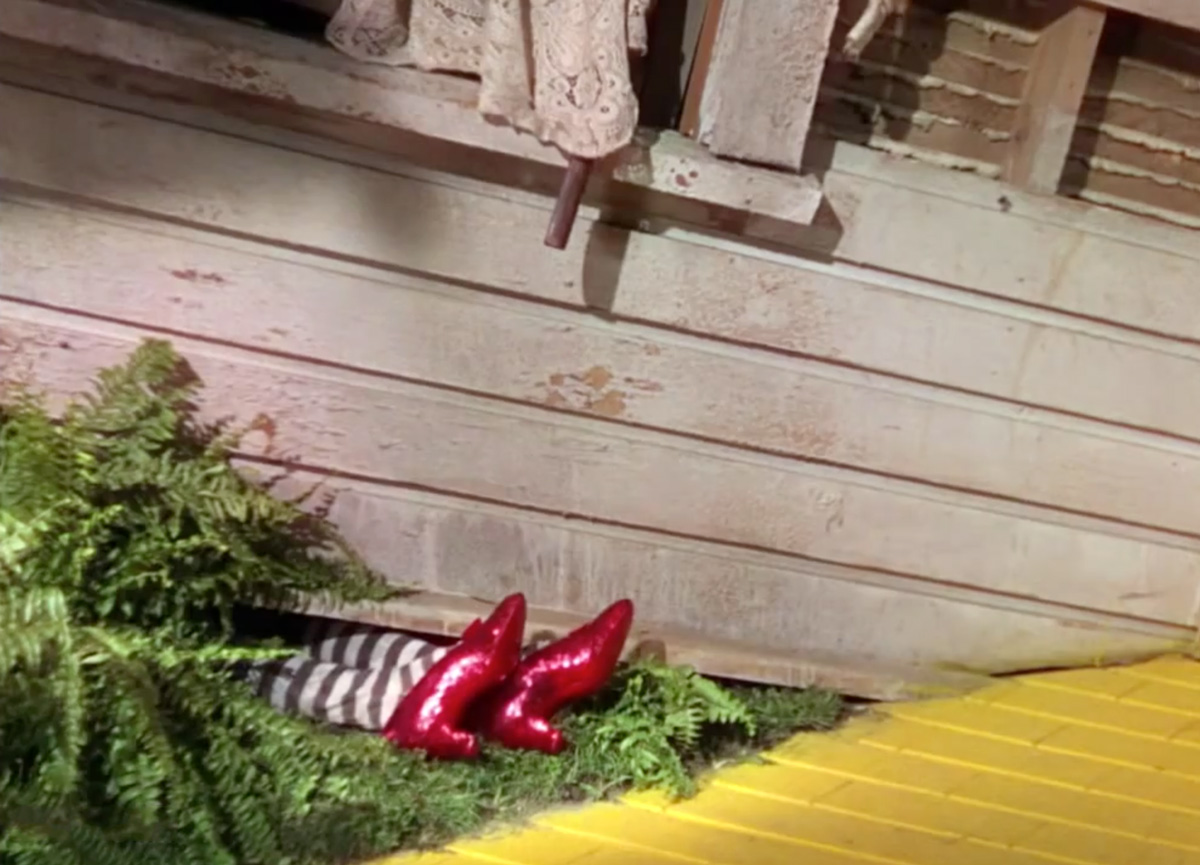
Welcome, as always, dear readers.  This rather blood-thirsty ditty appears, as probably all readers know, after a house lands on an unsuspecting practitioner of magic, the Wicked Witch of the East.

She may be unsuspecting, but she is also an oppressor, having previously subjugated those now singing about her demise, the Munchkins.

(This desire to dominate seems to run in her family, as her sister, the Wicked Witch of the West,

is the terror of the Winkies—who also form her bodyguard.

If this is unfamiliar to you, here’s a map to help—

When I was very little and first saw The Wizard of Oz, something in this song, although one of rejoicing, puzzled me.  I knew what “goblins” were, sort of, from a poem which my grandmother used to recite, Jame Whitcomb Riley’s “Little Orphant Annie” (1885).  Those goblins were mentioned at the end of most stanzas, but it was this stanza that stood out for me (it’s written in late 19th-century Midwestern US dialect, which is why some of the spelling might seem a little odd):

“An’ one time a little girl ‘ud allus laugh an’ grin

An’ make fun of ever’one, an’ all her blood an’ kin;

An’ onc’t, when they was “company,” an’ ole folks was there,

She mocked ‘em an’ shocked ‘em, an’ said she didn’t care!

An’ jist as she kicked up her heels, an’ turn’t to run an’ hide,

They was two great Black Things a-standin’ by her side,

An’ they snatched her through the ceilin’ ‘fore she knowed  what she’s about!

An’ the Gobble-uns’ll git you

Ef you

   Don’t

     Watch

        Out!”

(If you don’t know the poem, here’s a LINK to the whole text:  https://poets.org/poem/little-orphant-annie )

But, if the goblins in the song went somehow “below”, where did those two “Things” come from which took the little girl through the ceiling?  My bedroom was at the top of the house, under the roof, and there were storage spaces tucked into the lower sides, each one closed by a little door,

and, when I went to bed at night, I began to be a little nervous:  did we have goblins in our house?  did the goblins live behind those doors?

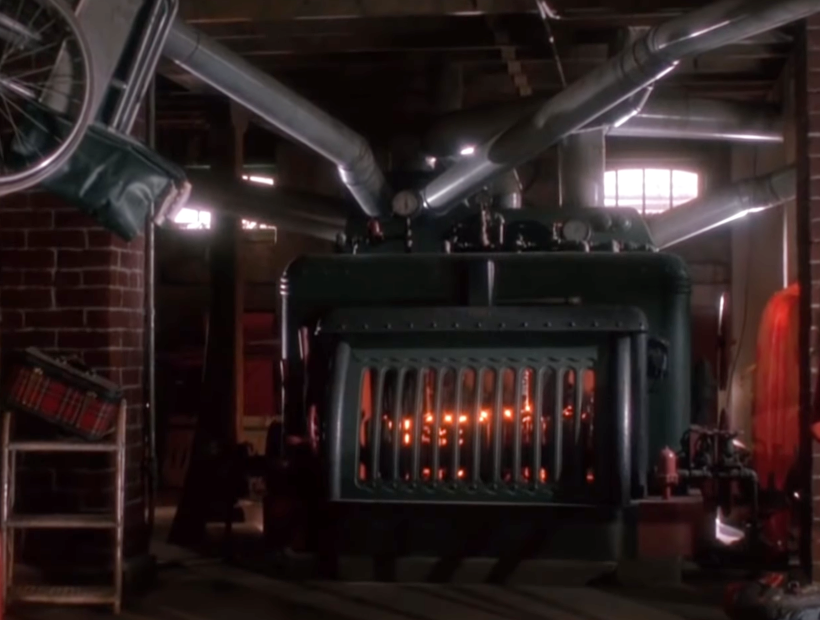
We also had a small and very gloomy cellar, however, the dominant object being what seemed to me a gigantic coal furnace (yes, right out of the movie, Home Alone),

but away from its heat and light, there were nothing but dark, cobwebby corners.

I was as reluctant to go down there as I was to peek behind the little doors upstairs.  Was this “below”?

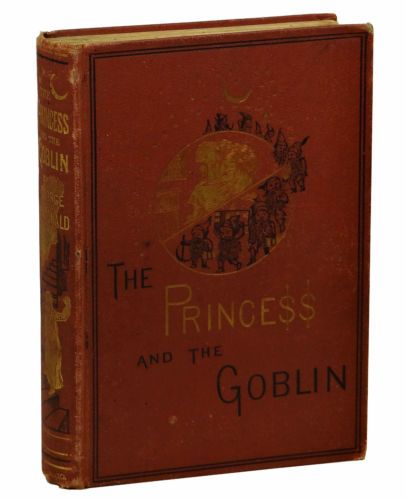
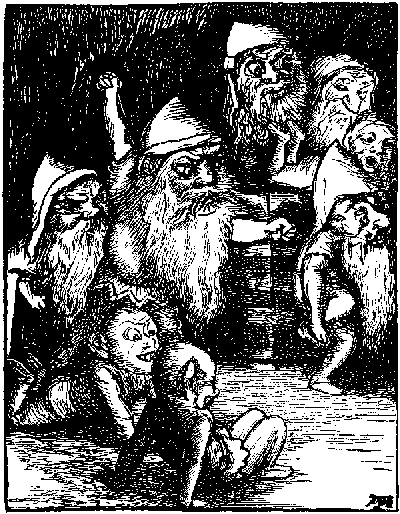
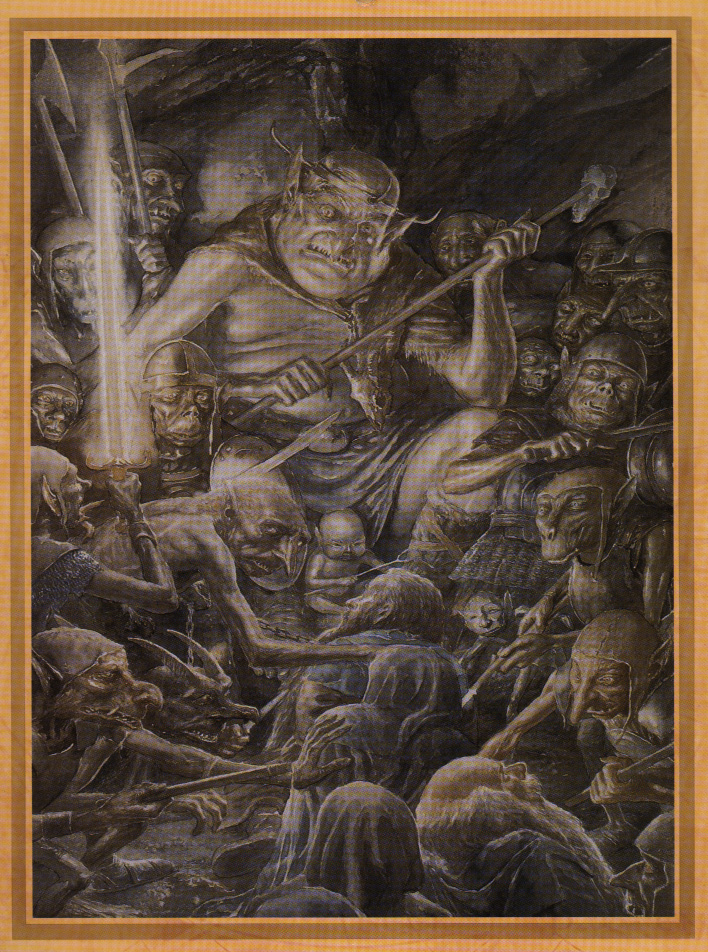
If so, it would certainly fit in with 19th-century depictions of goblins, like those in fairy tales, both folk and literary, which my mother and grandmother read to me—and which I later read to myself– like George MacDonald’s The Princess and the Goblin (1870/2), illustrated by Arthur Hughes,

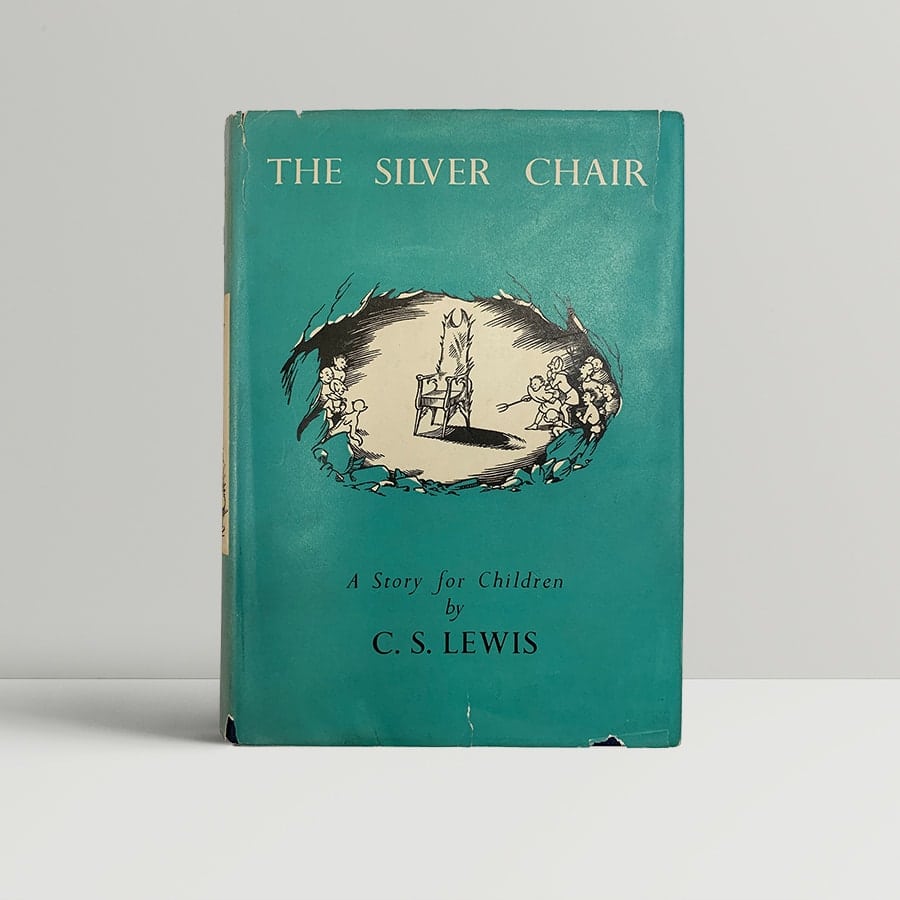
where the goblins live in an underground kingdom, but plan to tunnel to the surface to steal the princess of the book’s title and marry her to a goblin prince.  (May the idea of tunneling to the surface have been an inspiration for the gnomes of Underland in CS Lewis’ The Silver Chair (1953) and their mistress, the Lady of the Green Kirtle’s, plan to invade the upper world through a tunnel?

The goblins’ underground dwellings, however, were much larger and more elaborate than our little basement and so, as I grew, did my sense of those goblins, so that, by the time I first read The Hobbit, I could easily imagine, when Bilbo and the dwarves have been captured, that:

“…they stumbled into a big cavern.

It was lit by a great red fire in the middle, and by torches along the walls…There in the shadows on a large flat stone sat a tremendous goblin with a huge head, and armed goblins were standing around him carrying the axes and the bent swords that they use.”  (The Hobbit, Chapter 4, “Over Hill and Under Hill”)

Now this was a real “below”—and, just as in the song, the place was full of goblins.

And yet there was always the lingering question, even if “below” could be answered—or at least imagined—why “below” at all? Why didn’t goblins live in villages, or trees, or on beaches?  James Whitcomb Riley, after all, could suggest that some at least used a house’s upper floor (and my small  person fear easily agreed with that).

But I suppose that the answer is really a very basic one.  What was behind those little doors upstairs and what lay in the corners of the cellar was darkness.  As Tolkien described the goblins:

“Now goblins are cruel, wicked, and bad-hearted…”

to which Treebeard adds:

“It is a mark of evil things that came in the Great Darkness that they cannot abide the Sun…” (The Two Towers, Book Three, Chapter 4, “Treebeard”)

Above or below, then, the important element was avoiding the day and perhaps it’s instructive that, when I began to worry so much about those little doors that I couldn’t sleep, my mother bought me a flashlight.

As always, thanks for reading.

Stay well,

Always carry extra batteries,

And remember that, as ever, there’s

MTCIDC

O

ps

And, if you don’t have a copy of The Princess and the Goblin, here’s a LINK to an edition from 1907, which includes Hughes’ original illustrations:  https://www.gatewaytotheclassics.com/browse/display.php?author=macdonald&book=goblin&story=_front

Propaganda

24 Wednesday Nov 2021

Posted by Ollamh in Uncategorized

≈ Leave a comment

As ever, dear readers, welcome.

As Gondor musters to defend itself, we can see that Gondor is a feudal state: 

“And so the companies came and were hailed and cheered and passed through the Gate…The men of Ringlo Vale behind the son of their lord…a long line of men of many sorts…scantily equipped save for the household of Golasgil their lord…Imrahil, Prince of Dol Amroth…and a company of knights in full harness…” (The Return of the King, Book Five, Chapter 1, “Minas Tirith”)

In the early feudal system, a lord got his land from a king and, in return, he owed that king military service, meaning that, not only did he have to show up upon royal command, but he had to bring his own men with him.

In the 20th century, such a system was long gone, replaced in most of Europe in the mid-19th century by a system called conscription.  In this system, laws were passed so that men from about 18 and at least into their early 30s were to be graded as to their suitability to become soldiers, the youngest being selected to serve a certain number of years of active duty

before going into various stages of reserves, who could then be called up in case of war.

The purpose of this was to swell armies, as each increasingly-industrialized state sought to keep its position of power and influence in pre-Great War Europe.

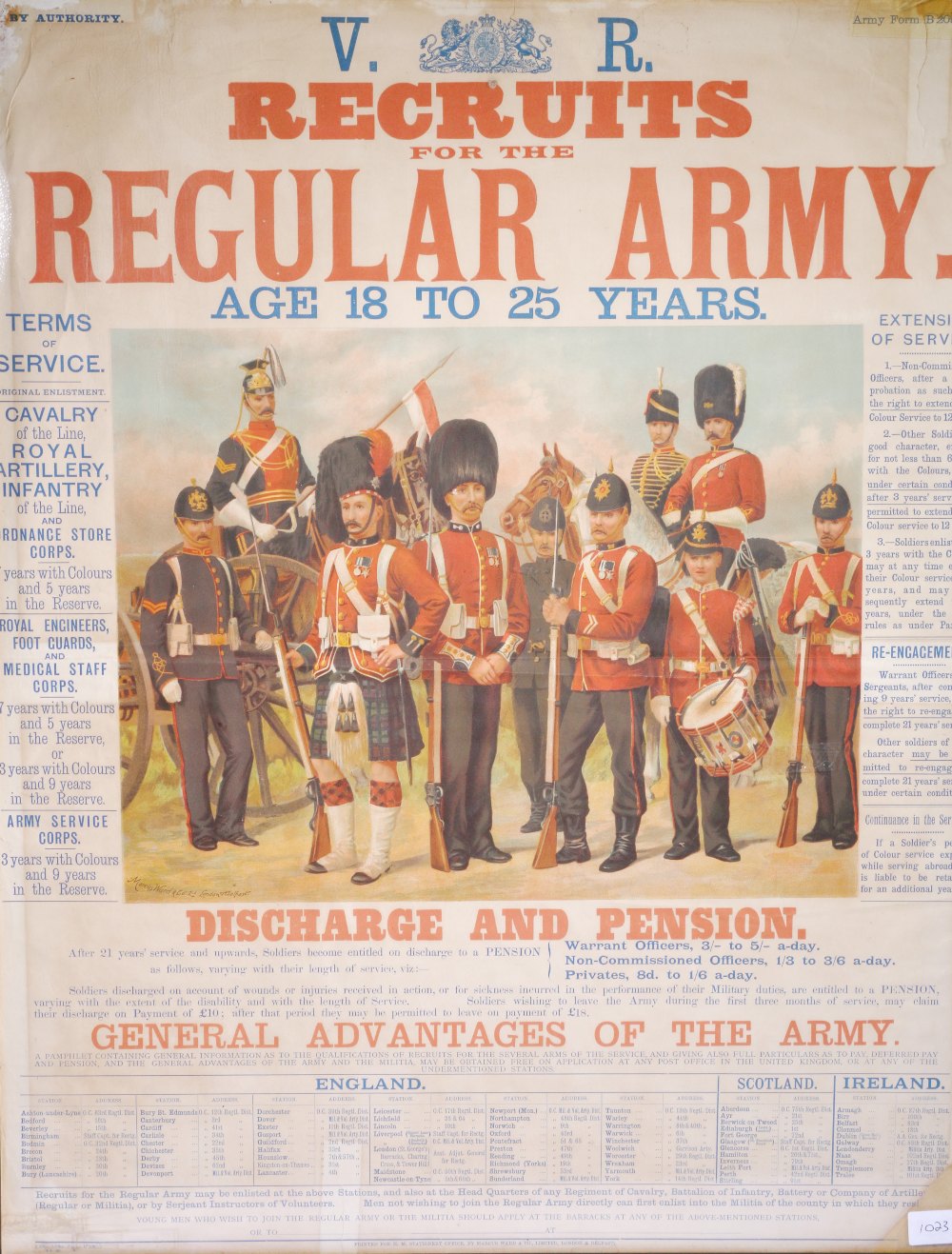
The exception was Britain, which relied entirely upon willing recruits to fill the ranks of its much smaller regular army.

(You can see, by the way, by the wording of this poster, that, even though their army was much smaller, the plan was still to build up reserves.)

Thus, when war actually came in August, 1914, although the other European countries involved called in masses of reservists,

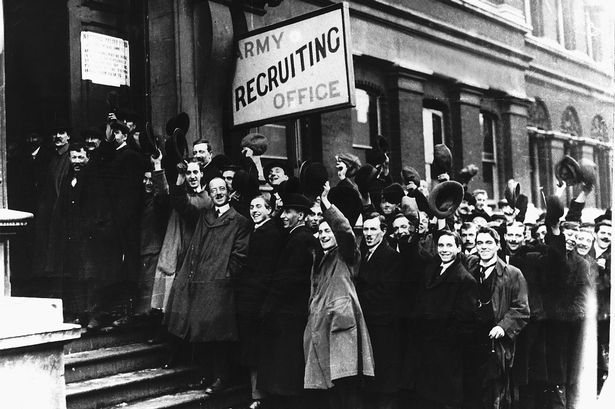
the British government had to depend initially upon volunteers.

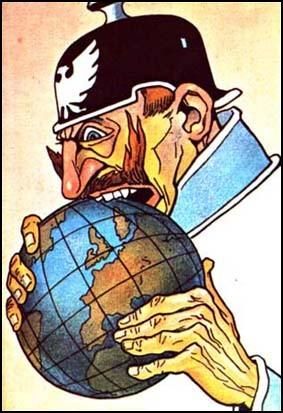
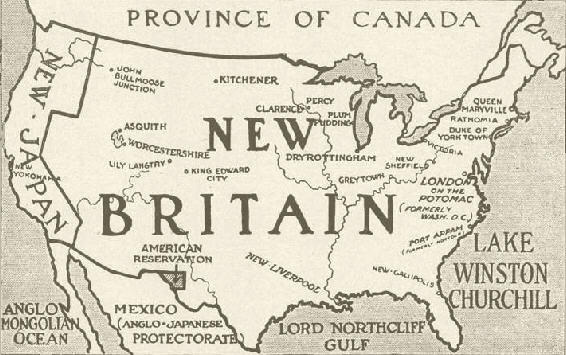
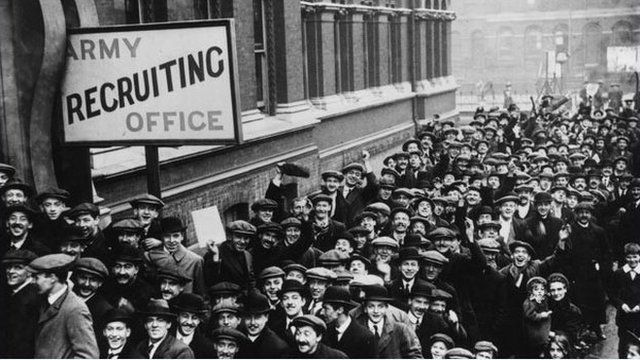
This worked surprisingly well in 1914 and into 1915, in part because of native patriotism, but also because of a view of the German enemy projected in popular literature and the popular press.  Here’s the Kaiser, the German emperor Wilhelm II, about to take a big bite out of the world, for example.

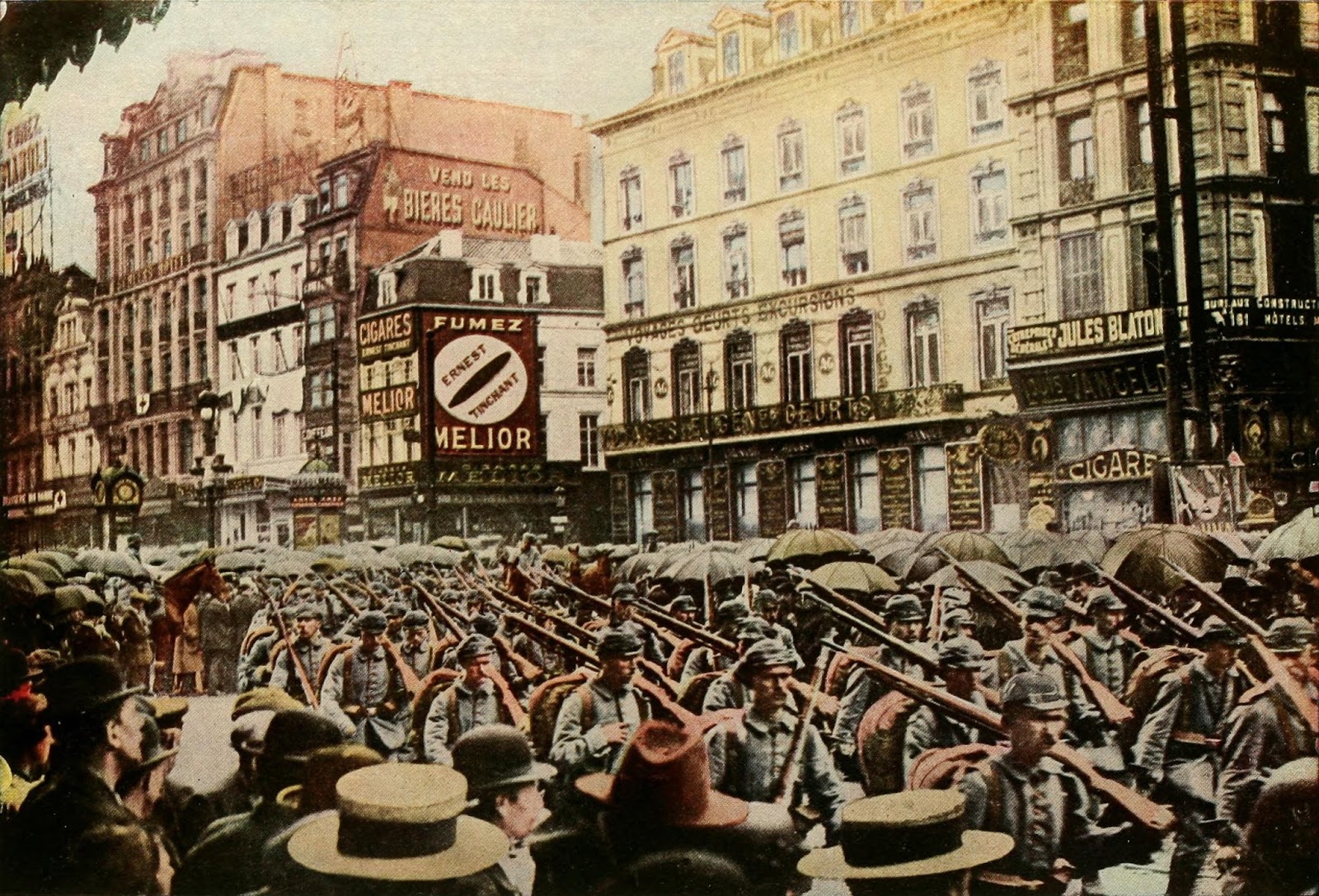
Unfortunately, the Germans themselves provided a good deal of ammunition for such a view with their march through neutral Belgium in 1914

and their subsequent occupation.  During their last war with France, in 1870-71, Prussian and their allied troops had occasionally found themselves the victims of what we would call “partisans” or guerrillas, but the French—and the Germans—called them “francs tireurs”, meaning armed men not belonging to a recognized military unit who would try to sabotage Prussian war efforts by everything from train derailments to ambushing individual soldiers.

In 1914, the Germans were convinced that they would face the same thing in Belgium and northern France, and so behaved mercilessly to civilians of those two countries, murdering, by some reports, over 7000 of them as well as destroying public buildings, including the priceless medieval library in Louvain/Leuven.

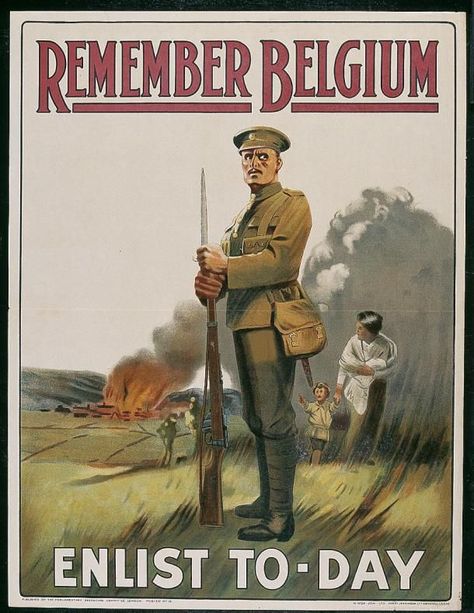
The destruction of Louvain/Leuven is well documented, but some of the stories about atrocities were undoubtedly simply exaggerations or even complete fictions, but, as we’ve seen in the internet age, rumors are sometimes more powerful than truth and Britain, in need of soldiers, was certainly willing to use any reports, as distorted as they might be, as a recruiting stimulus.  And so the Germans became everything from uniformed, bloated vampires  (the caption reads: “The ferocious beast feels hunger coming on”)

to maddened gorillas,

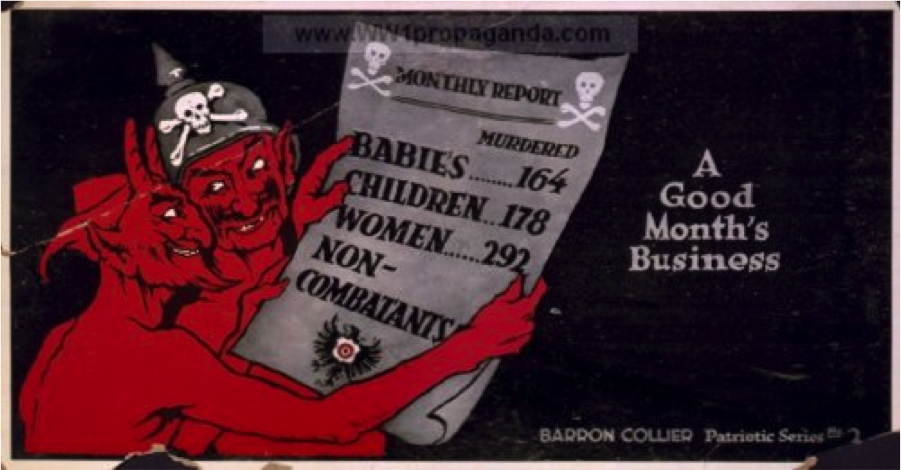
the Kaiser an ally of the Devil,

and all civilians and their homes everywhere would be endangered by them.

Although the British themselves instituted conscription in early 1916,

the grotesque propaganda continued, as the war ground into 1917 and then through most of 1918.

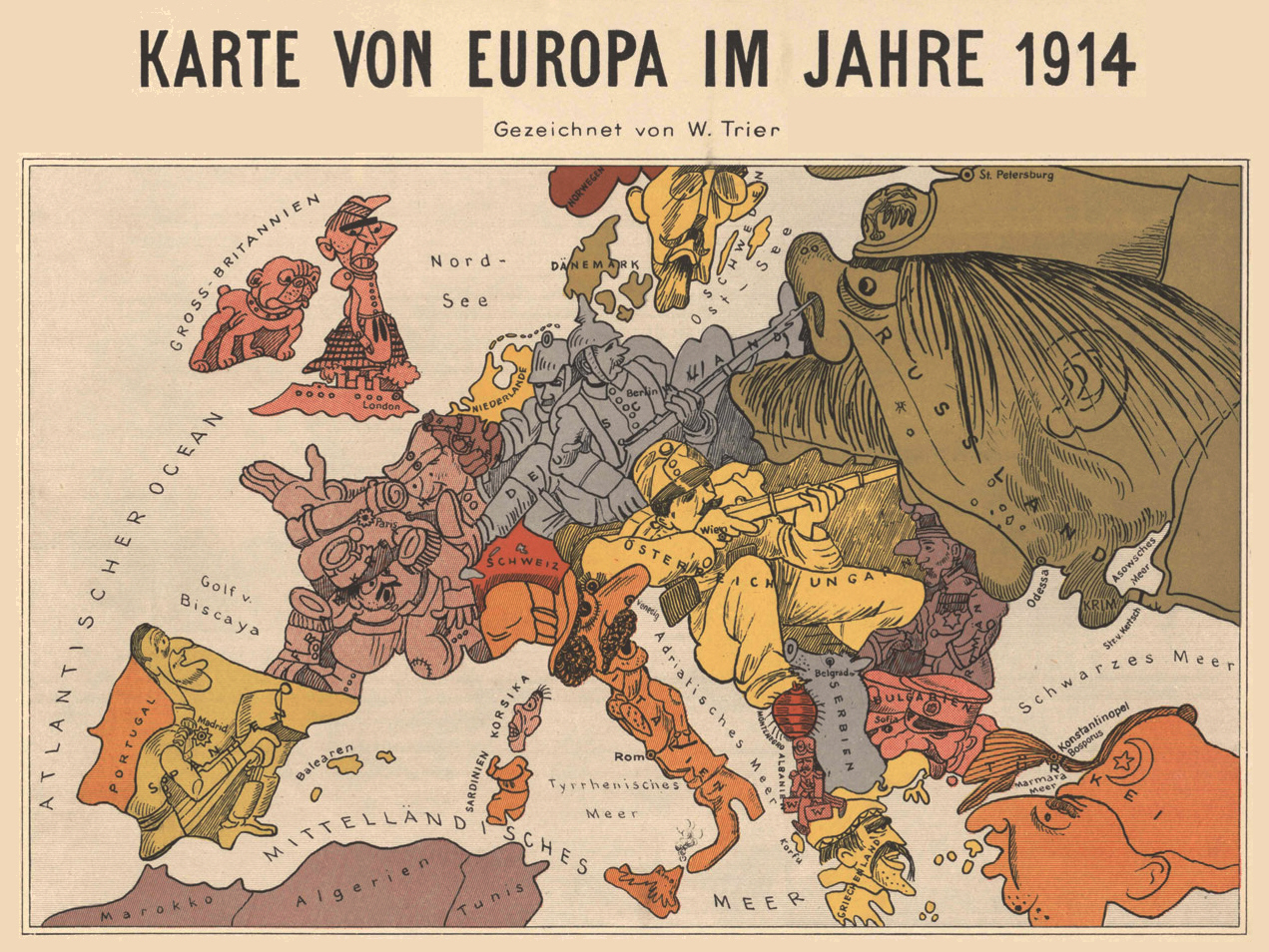
And the Germans, from the war’s start, projected their own image of the enemy.  A favorite was Britain as a blood-sucking spider, planning to bring all of Europe—

and perhaps beyond–

into its web.  Often in posters and on postcards, German soldiers are depicted as bigger than their enemies, as if they were adults and their adversaries were only little boys in uniform.

(The verses read:  “Strike, Michael/strike strongly/so that the sparks fly/so they have dread and gloom before the German blows”—it’s catchier auf deutsch)

I can never look at such artwork without thinking just how much at least of the English variety Tolkien must have seen.  It’s clear that, although he would have been 21 and over in 1914,

he wasn’t one to rush to a recruiting station as so many did,

so that I can imagine he would have had a skeptical reaction to such stuff, at best.

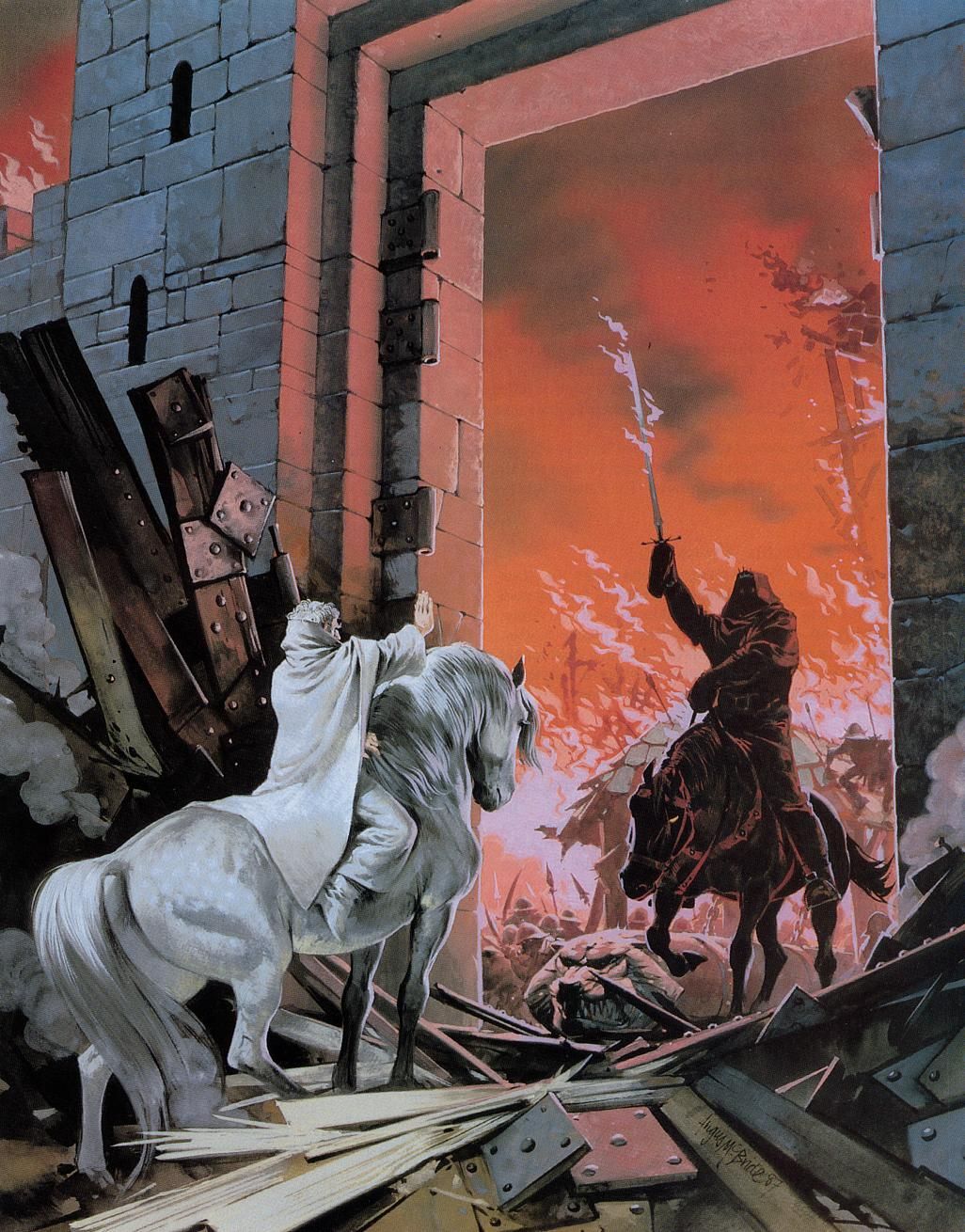
But, in a “what if” moment, I imagine a Gondor much more like 1914 Britain, where the feudal system has gone and there is general literacy:  can we imagine the posters Denethor’s administration would have turned out?  Orcs looting Osgiliath, Orcs burning the Pelennor, a mounted  Nazgul in the ruined gateway of Minas Tirith with the words,  “Will You Wait Till You See This?”

And, of course, there would be the other side’s propaganda, too—big red, staring eyes everywhere,

like that painted on the replacement for the fallen head of the unnamed king at the crossroads in South Ithilien,

and perhaps posters (to be read aloud by the few literate among the Orcs to the masses of others) like this,

with a slight revision of the words:  “If You Were a Horse Boy Aged 18-50, YOU Would Be Fighting for Theoden!   What Are You Doing for the Eye!”

Thanks for reading, as ever.

Stay well,

Don’t believe all you read,

And know that, as always, there’s

MTCIDC

O

Thirty Days Hath…

17 Wednesday Nov 2021

Posted by Ollamh in Uncategorized

≈ Leave a comment

As ever, dear readers, welcome.

Since Grima attempted to brain Gandalf with something he seems to have randomly picked up in Orthanc,

things have not gone well for Pippin.  Tempted to examine the makeshift weapon, he has suffered an interrogation from Sauron

and now is flying south at great speed on Shadowfax with Gandalf as his companion.

(a drawing by Anna Kulisz)

As they ride, Pippin:

“…heard Gandalf singing softly to himself, murmuring brief snatches  of rhyme in many tongues, as the miles ran under them.  At last the wizard passed into a song of which the hobbit caught the words:  a few lines came clear to his ears through the rushing of the wind:

‘Tall ships and tall kings

Three times three,

What brought they from the foundered land

Over the flowing sea?

Seven stars and seven stones

And one white tree.’

‘What are you saying, Gandalf?’ asked Pippin.

‘I was just running over some of the Rhymes of Lore in my mind,’ answered the wizard.  ‘Hobbits, I suppose, have forgotten them, even those that they ever knew.’

‘No, not all,’ said Pippin.  ‘And we have many of our own, which wouldn’t interest you, perhaps.’ “

(The Two Towers, Book Three, Chapter 11, “The Palantir”)

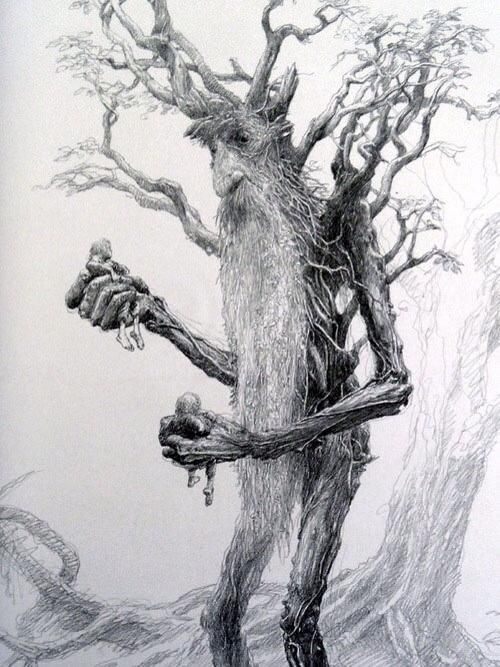
It’s not only wizards and hobbits who have such lore, however.   Treebeard

also has a stock, as we can see in his conversation with Merry and Pippin:

“  ‘What are you, I wonder?  I cannot place you.  You do not seem to come in the old lists that I learned when I was young.  But that was a long, long time ago, and they may have made new lists.  Let me see!  Let me see!  How did it go?

“Learn now the lore of Living Creatures!

First name the four, the free peoples:

Eldest of all, the elf-children;

Dwarf the delver, dark are his houses;

Ent, the earthborn, old as mountains;

Man the mortal, master of horses;”

Hm, hm, hm.

“Beaver the builder, buck the leaper,

Bear, bee-hunter, boar the fighter;

Hound is hungry, hare is fearful…”

hm, hm.

“Eagle in eyrie, ox in pasture,

Hart horn-crowned; hawk is swiftest,

Swan the whitest, serpent coldest…”

Hoom, hm; hoom, hm, how did it go?  Room tum, room tum, roomty toom tum.  It was a long list.’ “

(The Two Towers, Book Three, Chapter 4, “Treebeard”)

It’s interesting to note that both Gandalf and Treebeard’s lore is patterned in verse forms, Gandalf’s in a 6-line stanza of a/b/c/b/d/b and Treebeard’s, which has the suggestion of the common Old English four-stress, alliterative line which we see in poems like Beowulf.

Hwaet!  We Gardena    in geardagum

Theodcyninga    thrym gefrunon…

 Silence!  We Spear-Danes    in the so-long past time

Heard of the heroics    of high kings of the people…

(My translation—not strictly accurate, but I want to give the feel of the form.  For the original, as well as a more literal translation, please see one of my favorite Old English sites:  https://heorot.dk/beowulf-rede-text.html   For more on the form, see:   http://oe.langeslag.org/docs/s01c_verse.pdf  )

There’s a telling detail, by the way, in Treebeard’s “ Room tum, room tum, roomty toom tum”.   If we emphasize certain syllables, we can see that he’s trying to stir his memory of the next lines by doing the stresses of the poem:   ROOM tum  ROOM tum   ROOM-ty TOOM tum, as in DWARF the DEL-ver   DARK are his HOUS-es .

Keeping things in your memory is an ancient concern in Western culture, going back to the Greco-Roman world, particularly for public speakers—politicians and lawyers–and the Greeks even had a goddess for memory, Mnemosyne (Mnay-MAH-sih-nee, in modern—American—English pronunciation).

There were various ingenious methods created both for remembering and for developing the memory, some of them quite elaborate, such as that cited in our earliest-surviving Latin rhetorical text, the anonymous Rhetorica ad Herennium (c.80BC), in which the author explains a complex association system based upon loci, “places” and imagines, “figures/images”.

(Here’s the Latin with an English translation, if you’d like to learn more:  https://archive.org/details/adcherenniumdera00capluoft  You’ll want to turn to Book III, Section XVI and beyond, beginning on page 205.)

As well, just as appears to be the case in Middle-earth, the use of rhythm and/or rhyme is common in Western wisdom literature, even for remembering the most basic things.  In English, for example, with what can sometimes seem like a completely arbitrary spelling system, how do we remember which comes first, I or E in a word?

“I before E,

except after C—

Or, when sounded like AY,

As in ‘neighbor’ and ‘weigh’.

Or the Julio-Gregorian calendar—which months have how many days?

“Thirty days hath September,

April, June, and November.”

This, unfortunately, leaves out 28-day February, with its extra day, every four years, and so there is a little more:

“All the rest have thirty-one

Save February at twenty-eight,

But leap year, coming once in four,

February then has one day more.”

This starts out with a bounce, but stumbles, doesn’t it, at “Save February at twenty-eight”?  Perhaps if we rewrote it as something like

“Thirty-one the rest—but wait—

February’s twenty-eight

Except in leap year—one in four—

And then that month has one day more.”

(For an article which covers a good deal of ground on the subject of this little useful rhyme see:  https://en.wikipedia.org/wiki/Thirty_Days_Hath_September

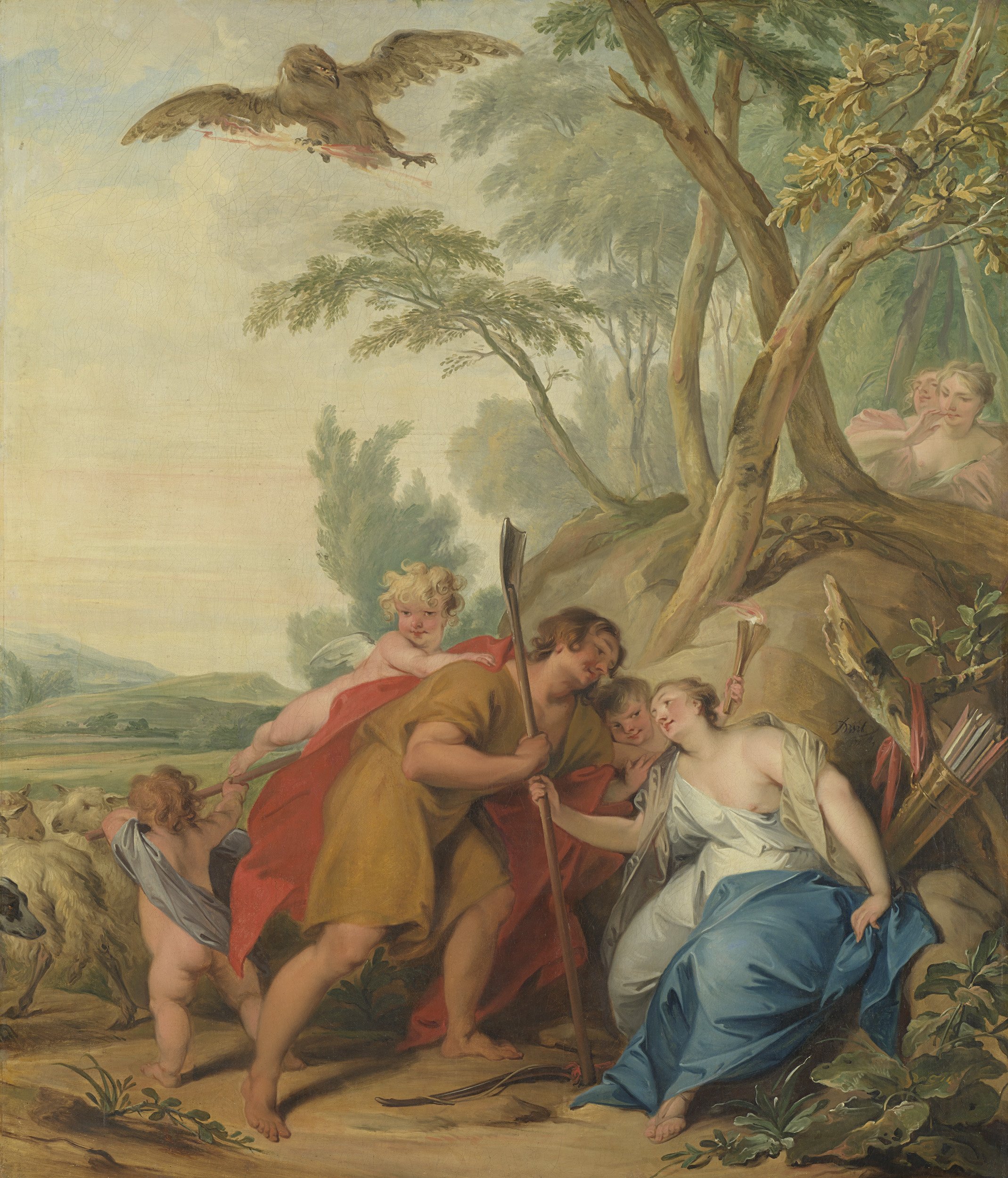
Mnemosyne was said to have been seduced by Zeus, who appeared to her disguised as a shepherd.

He slept with her over nine days and the fruit of that seduction was the 9 Muses,

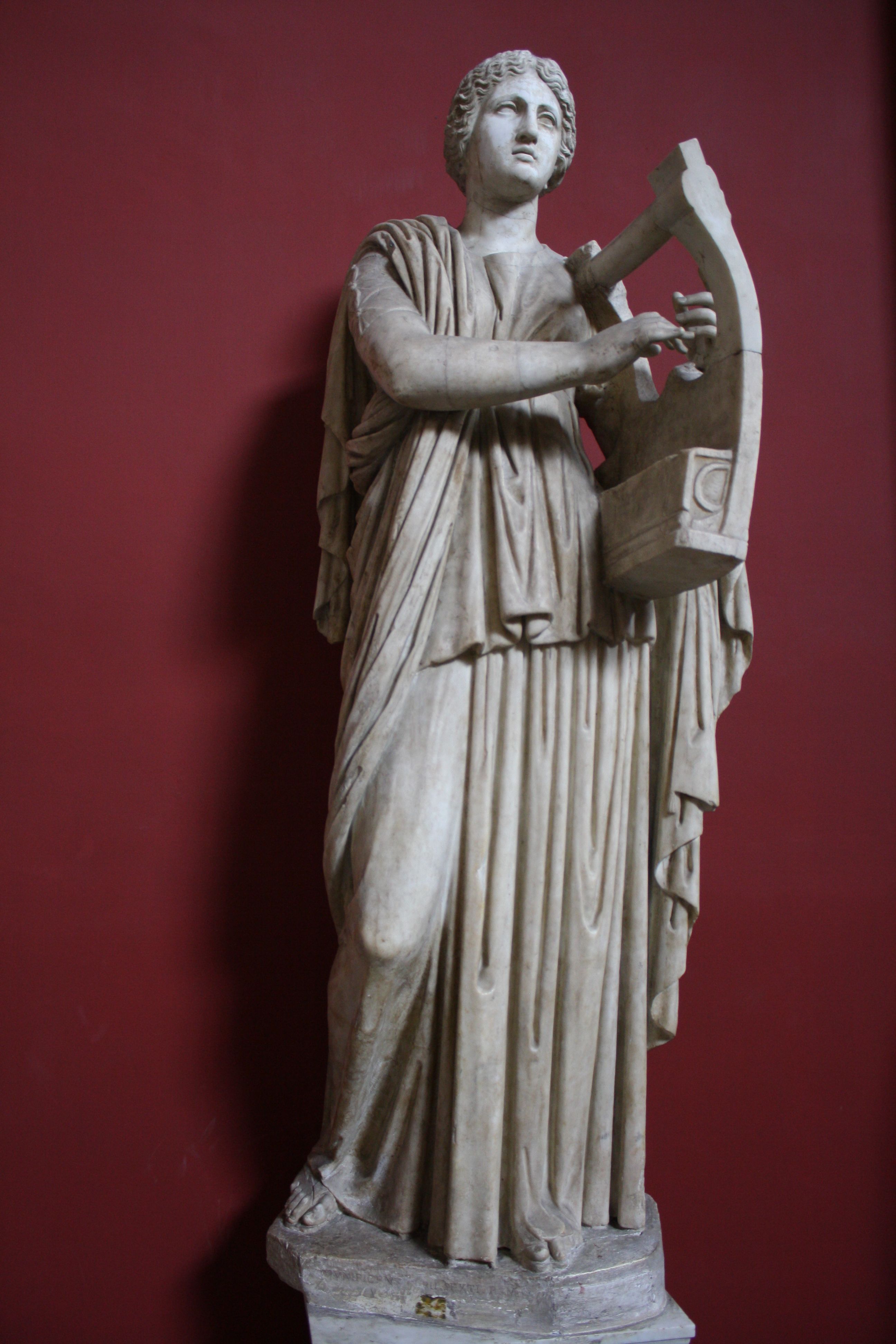
who inspired all of the arts, which, although they require creativity to bring into being, also require their mother’s gift of memory to retain what is created.  Several goddesses are involved in the creation of poetry—Calliope,

Thalia,

and Erato–

so I wonder who may have inspired Merry and Pippin to suggest adding to Treebeard’s lore:

“ ‘We always seem to have got left out of the old lists, and the old stories,’ said Merry.  ‘Yet we’ve been about for quite a long time.  We’re hobbits.’

‘Why not make a new line?’ said Pippin.

Half-grown hobbits, the hole-dwellers.

Put us in amongst the four, next to Man (the Big People) and you’ve got it.’ “

As always, thanks for reading.

Stay well,

Keep your thoughts in order,

And know that there will always be

MTCIDC

O

Take His Medicine

10 Wednesday Nov 2021

Posted by Ollamh in Uncategorized

≈ Leave a comment

As ever, dear readers, welcome.

We’ve seen this scene not long ago—

Merry and Pippin in the hands of the Orcs, both of them a bit roughed up in their capture.  And now things have gotten worse, as a scout for the Rohirrim has spotted them and pursuit will soon begin.  Ugluk, the leader of Saruman’s Uruk-hai—whom, if you read last week’s posting, you know that I can see as the equivalent of a tough old British sergeant—

now has to move his men along at a faster rate:  “Now we’ll have to leg it double quick.” 

He has two burdens, however, in Merry and Pippin, whom the Orcs have been carrying, as he says to Pippin:

“ ‘My lads are tired of lugging you about.  We have got to climb down and you must use your legs…’

He cut the thongs around Pippin’s legs and ankles, picked him up by the hair and stood him on his feet.  Pippin fell down, and Ugluk dragged him up by his hair again.  Several Orcs laughed.  Ugluk thrust a flask between his teeth and poured some burning liquid down his throat:  he felt a hot fierce glow flow through him.  The pain in his legs and ankles vanished.  He could stand.”

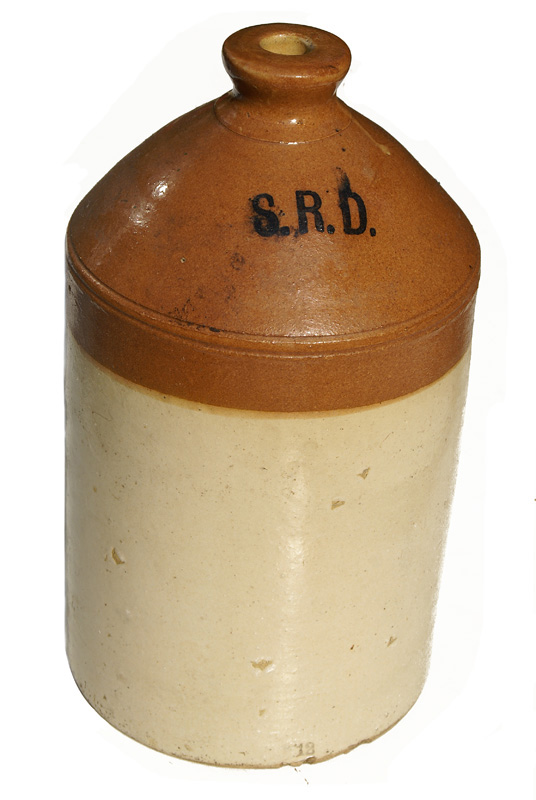
If we continue with the idea that behind the Orcs is the British Army of 1916, then we might imagine that what Sergeant Ugluk has just done is what was done on a daily basis:  he’s issued a rum ration, which came in large ceramic containers, like this one—

(SRD stood for “Supply Reserve Depot”, but soldiers had more creative—and sometimes bitter—translations, like “Service Rum—Diluted” or “Seldom Reaches Destination”.)

Rations were handed out

in very small portions—1/16th of a pint—in the older system an ounce—roughly 30ml—here’s what that looks like.

(And here’s a useful article which will tell you more:  https://pointshistory.com/2014/05/29/world-war-i-part-2-the-british-rum-ration/ )

Having gotten Pippin onto his feet, Ugluk moves on to Merry.

“ ‘Now for the other!’ said Ugluk.  Pippin saw him go to Merry, who was lying close by, and kick him.  Merry groaned.  Seizing him roughly, Ugluk pulled him into a sitting position, and tore the bandage from his head.  Then he smeared the wound with some dark stuff out of a small wooden box.  Merry cried out and struggled wildly.

The Orcs clapped and hooted.  ‘Can’t take his medicine,’ they jeered.  ‘Doesn’t know what’s good for him.  Ai!  We shall have good fun later.’

But at the moment Ugluk was not engaged in sport.  He needed speed and had to humour unwilling followers.  He was healing Merry in orc-fashion; and his treatment worked swiftly.  When he had forced a drink from his flask down the hobbit’s throat, cut his leg-bonds, and dragged him to his feet, Merry stood up, looking pale but grim and defiant, and very much alive.  The gash in his forehead gave him no more trouble, but he bore a brown scar to the end of his days.”  (The Two Towers, Book Three, Chapter 3, “The Uruk-hai”)

This is Orc first aid and it made me think about the medical system which JRRT would have encountered in those bloody days at the Somme, in the summer of 1916.

The obstacles facing the British soldiers once they’d climbed out of their trenches

 are almost unbelievable.

First, there was the landscape itself, ruined by endless shell fire from both sides.

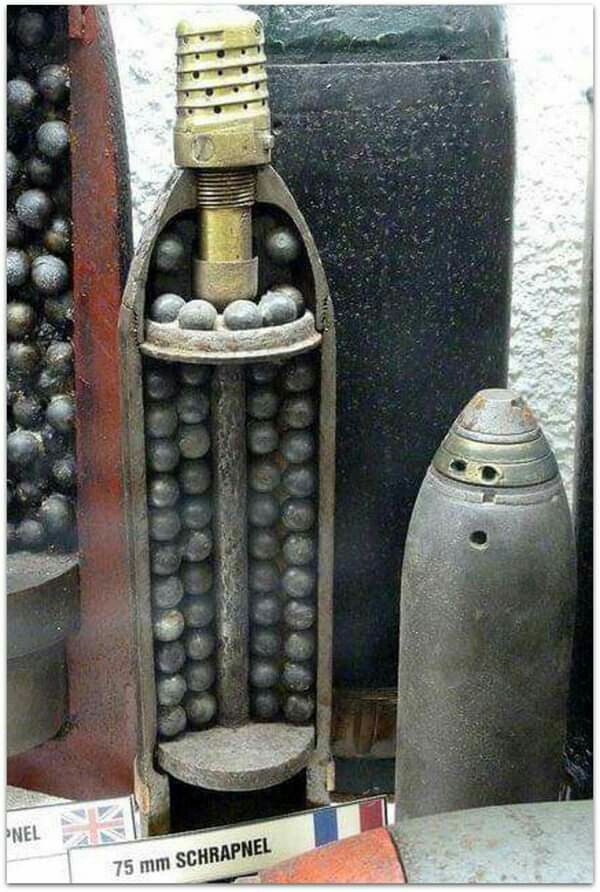
Then, as the Germans recovered from the initial British artillery bombardment, their guns might start up again, lobbing high explosives and shrapnel (metal balls spread by shells which were timed to explode overhead) at the oncoming troops.

In front of the advancing troops would be miles of barbed wire

which, it was hoped, had been cut by that initial bombardment, but was not always the case. 

And beyond the wire were the many German machine guns, each firing about 600 rounds (shots) a minute,

and sited so that each gun’s fire would cross that of at least one other, doubling the danger of being hit.  This would be combined with rifle fire from the enemy infantry

and hand grenades if the British soldiers managed to get close enough.

It is no wonder, then, that casualties were so high.  On the first day of the Somme, 1 July, 1916, the British lost nearly 60,000 men killed, wounded, or taken prisoner. 

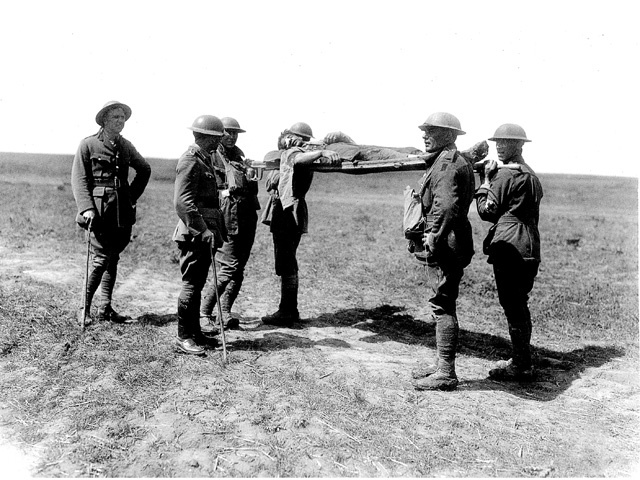
If a soldier was wounded close to his own trenches, he might be able to limp or drag himself back, or he might be helped by another soldier, wounded or not,

although there was a certain suspicion among the higher command that this would be an easy way for unwounded men to slip away from the fighting and could be frowned upon.  Sometimes captured Germans might be pressed into service to help with the wounded.

(It was a fairly common fact that, once soldiers were wounded, they could be considered as somehow out of the war and both sides could be very gentle with the other side’s casualties.)  There were also military stretcher-bearers, whose job was to go out onto the battlefield behind the advancing troops to pick up casualties—which could be a very dangerous job if they got too close to the fighting.

Once back behind their own lines, the wounded came—or were brought—to a first aid station, for immediate treatment and a look-over, to see how badly wounded someone was.

World War I first-aid station. Artwork showing stretcher-bearers and wounded soldiers arriving at a first-aid station during the First World War (1914-1918). This painting, signed and dated 1927, is by the French artist Lucien Jonas (1880-1947). Jonas served as an official war artist, producing thousands of works during and after the war, of scenes from the trenches and battlefields of the Western Front.

If further treatment was required, wounded men would be conveyed by ambulance—either horse-drawn

or motorized

to the next medical stop, the casualty clearing station.

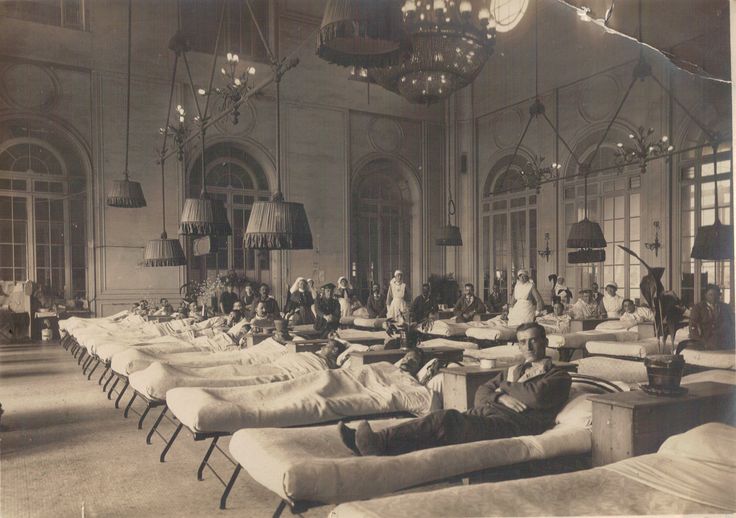
A very serious wound would necessitate further attention at a base hospital

(which could be in a converted hotel or chateau, as here) or even a transfer to Britain.

Here’s the whole process done wonderfully in silhouette.

It’s a blessing for those of us who love Tolkien’s work that, although he was involved in the Somme battle and subsequently went through the medical system, he wasn’t wounded by shrapnel

or a German sniper’s bullet,

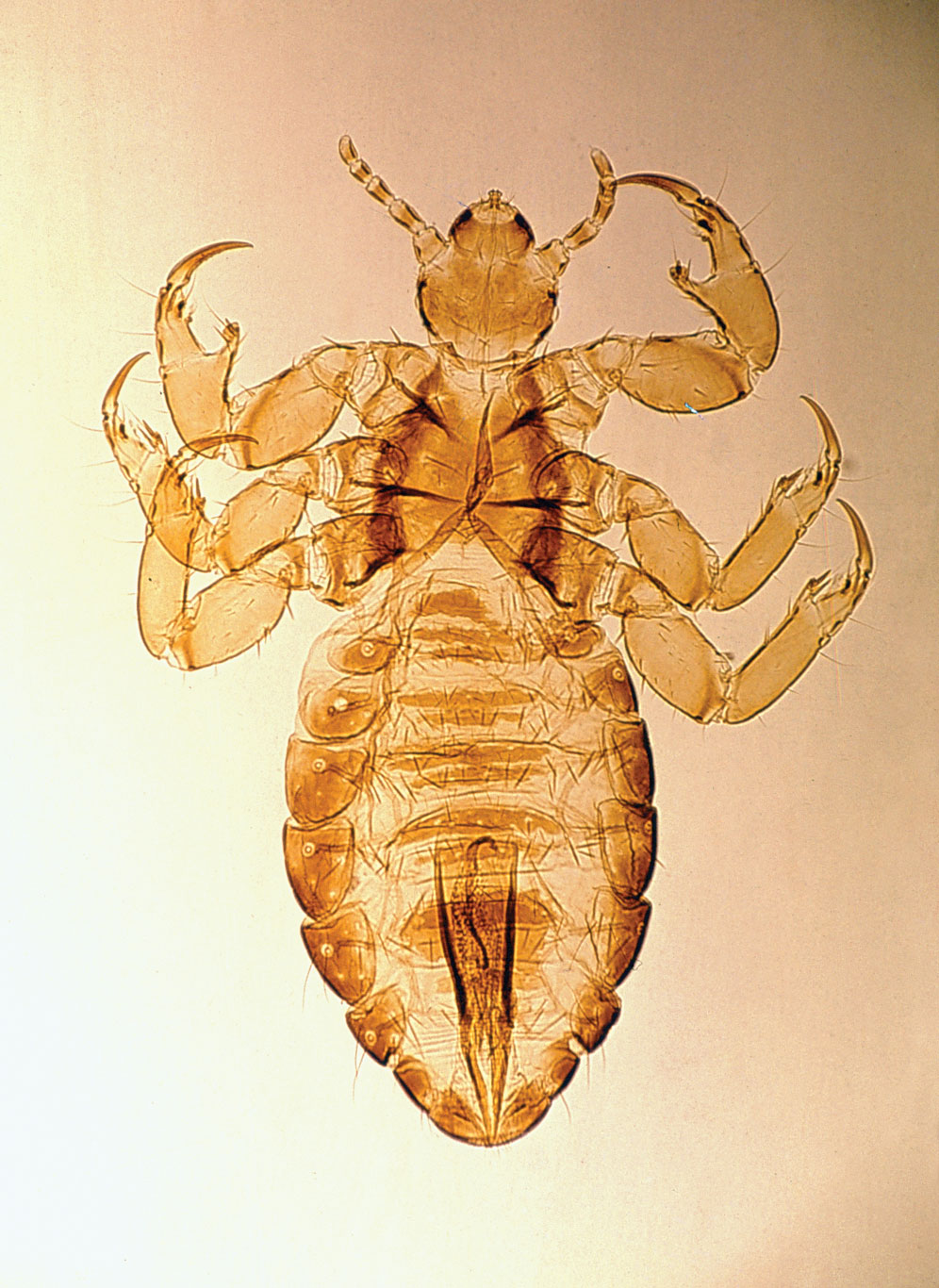
but by an attacker who favored neither side and whose effects, if rarely fatal, could be long-lasting:  a human body louse.

In October, 1916, he was invalided out of his unit, suffering from a number of complaints linked to something called “trench fever”, and eventually shipped back to England, never to return to France.  The cause was that louse, which had crawled into the lining of his clothing

to lay eggs.

Within the louse or its eggs was a bacterium which could enter the body through a break in the skin and, once in, produced a wide series of symptoms very nicely depicted here—

With huge numbers of soldiers living so close together and very few chances until your unit was pulled back from the trenches to wash thoroughly and have your uniform properly cleaned, the best the men could do was to try to pick or burn the lice out of the seams, which, considering the huge numbers and persistence of lice, was never very successful.

1915, The Vosges, France — in well constructed German trenches in the Vosges 1915. — Image by © Bettmann/CORBIS

Ugluk could treat exhaustion and surface head wounds with his rough medicine, but, in 1916, there was no cure for trench fever—in fact, it was only late in the War that lice were firmly identified as a major factor (here’s a copy of a major medical work of the period which seeks to understand what’s going on:   https://archive.org/details/medicaldiseaseso00hursuoft  see page 180 and following).  Mild cases—CS Lewis had one—seemed to cure themselves, but for severe cases, like Tolkien’s, the best that could be done was to send the patient home—which saved him from the bloodbaths to come and gave us The Hobbit and The Lord of the Rings.

As ever, thanks for reading.

Stay well,

Avoid the trenches at all costs,

And remember that there’s always

MTCIDC

O

Ugluk Orckins

03 Wednesday Nov 2021

Posted by Ollamh in Uncategorized

≈ Leave a comment

As always, dear readers, welcome.

It has been discussed, both elsewhere in print and on this blog, what an Orc is.

 Treebeard’s definition is often cited, saying of Saruman:

“ ‘He has taken up with foul folk, with the Orcs.  Brm, hoom!  Worse than that:  he has been doing something to them; something dangerous.  For these Isengarders are more like wicked Men.  It is a mark of evil things that came in the Great Darkness that they cannot abide the Sun; but Saruman’s Orcs can endure it, even if they hate it.  I wondered what he has done?  Are they Men he has ruined, or has he blended the races of Orcs and Men?  That would be a black evil!’ ”  (The Two Towers, Book Three, Chapter 4, “Treebeard”)

When asked about Orcs, JRRT offered several clues, saying:

1. “Also the Orcs (goblins) and other monsters bred by the First Enemy…” (letter to Milton Waldman, late 1951? Letters, 151)—so, somehow created by Morgoth, Sauron’s master

2.  “But since they are servants of the Dark Power, and later of Sauron, neither of whom could, or would, produce living things, they must be ‘corruptions’.” (letter to Naomi Mitchison, 25 April, 1951, Letters, 178)

3. “Treebeard does not say that the Dark Lord ‘created’ Trolls and Orcs.  He says he ‘made’ them in counterfeit of certain creatures pre-existing.  There is, to me, a wide gulf between the two statements…It is not true actually of the Orcs—who are fundamentally a race of ‘rational incarnate’ creatures, though horribly corrupted…” (draft of letter to Peter Hastings, September, 1954, Letters, 190)—in this same letter, he also quotes Frodo:  “ ‘The Shadow that bred them can only mock, it cannot make real new things of its own.  I don’t think it gave life to the Orcs, it only ruined them and twisted them.’ “ (The Return of the King, Book Six, Chapter 1, “The Tower of Cirith Ungol”)

4. “I have represented at least the Orcs as pre-existing real beings on whom the Dark Lord has exerted the fullness of his power in remodeling and corrupting them, not making them.”  (from the same draft to Peter Hastings)

5. “Elves may turn into Orcs, and if this required the special pervasive malice of Morgoth, still Elves themselves could do evil deeds.” (continuation of draft of letter sent to Rhona Beare, 14 October, 1958, Letters, 287)

As these are remarks by the creator (well, “sub-creator”, as JRRT would say), then they must be true, but I would offer another detail—not as to who or what Orcs are, but on whom they might be based.

Humphrey Carpenter, in his 1977 biography of Tolkien, quotes him as writing:

“My ‘Sam Gamgee’ is indeed a reflexion of the English soldier, of the privates and batmen I knew in the 1914 war…” (Carpenter, 89)

Such a soldier was called a “Tommy” (short for “Tommy Atkins”) in the Great War, and, although there is, as is often the case with nicknames (just try looking up the old name for a US soldier, “Doughboy”) controversy, it seems to have been a generic name for “infantryman” as early as the 1740s. 

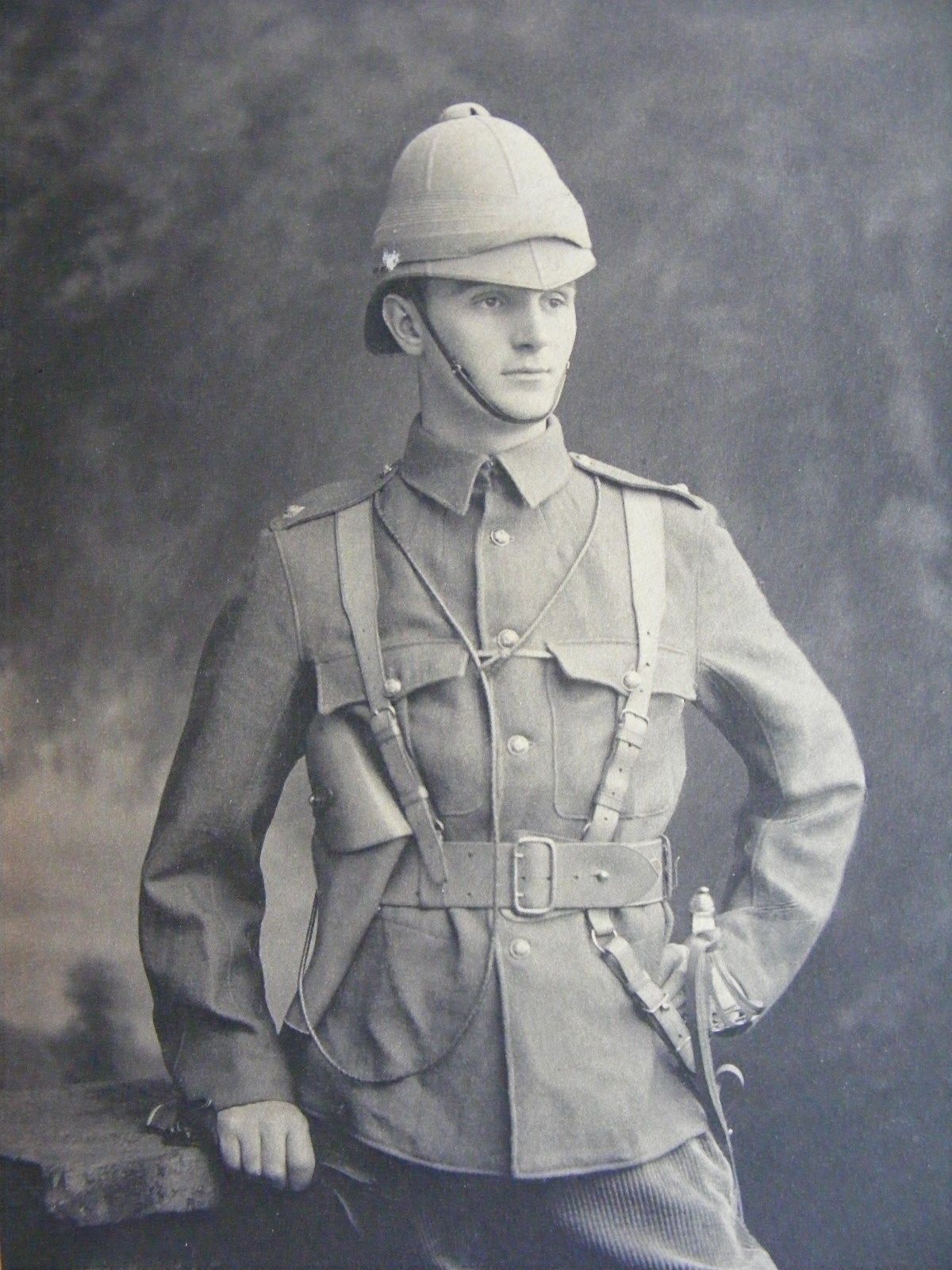
JRRT’s Tommies in 1916 would have looked like this—

although very often more like this—

(A “batman”, by the way, isn’t what you might think

but an officer’s servant, called, it seems, after the pack saddle—in French “un bat”—on which rested an officer’s worldly goods in the field.)

Over the Tommies was a massive hierarchy, beginning with the army’s commander-in-chief—from late December, 1915, Douglas Haig,

down through a Tommy’s regimental commander, a colonel or lieutenant colonel,

to his company commander, a captain,

down to his platoon commander, a second lieutenant, like the one so often written about on this blog.

While a lieutenant might march at the head of the parade, however

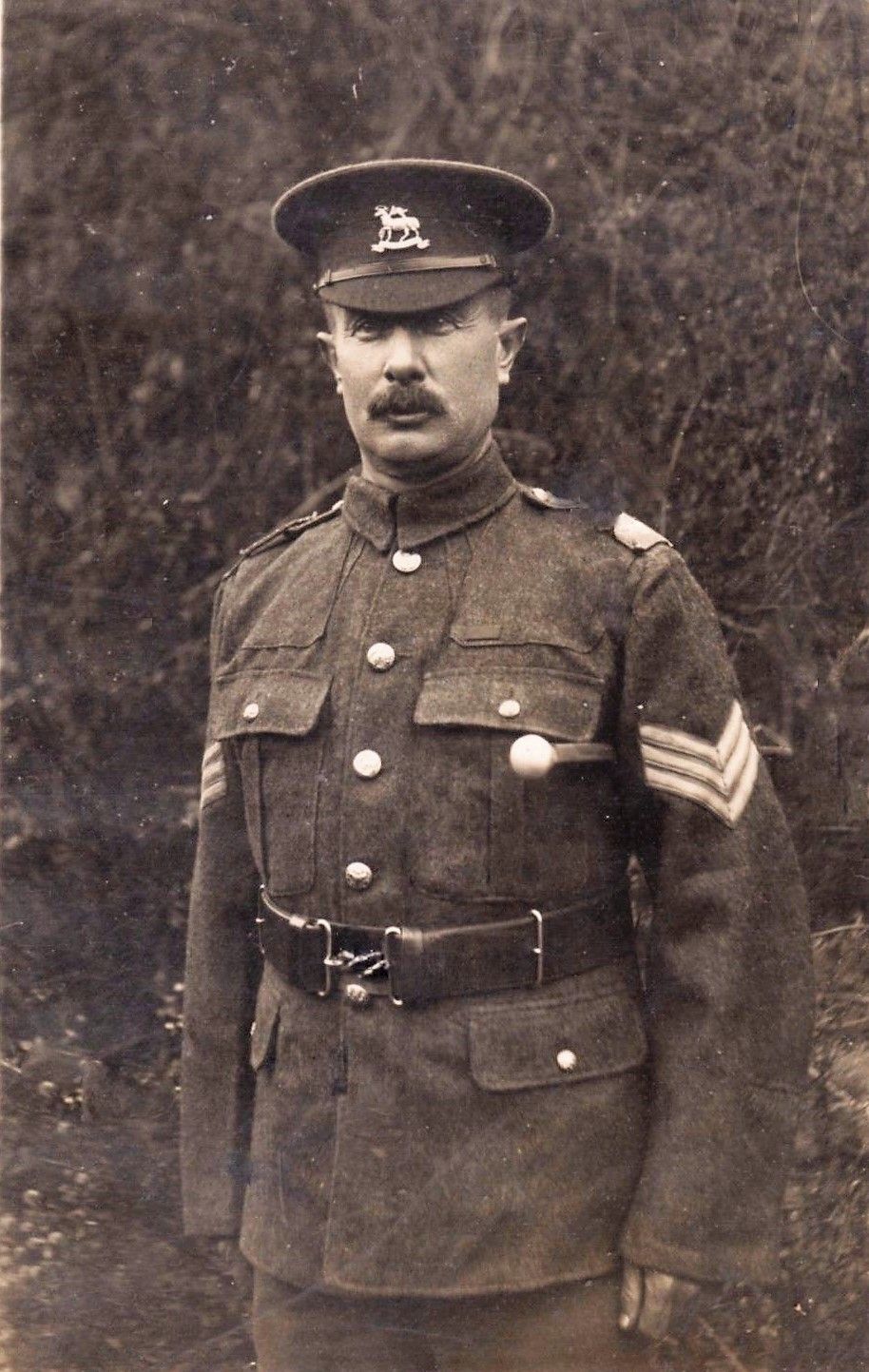
the Tommy’s real boss was the man behind him, the sergeant, in the pre-Great War days, usually a senior soldier, with much experience, on battlefields and in barracks, who stood between the men and the officers, often as a kind of interpreter, and, to junior officers, as a kind of mentor.

At the beginning of the Great War, in 1914, senior officers were often men with long experience, many veterans of colonial wars across the globe,

and they commanded an all-volunteer army.

To meet the massive German army, swollen with reservists called up for active duty,

the British government initially relied upon patriotic calls for more volunteers, and got them.

So many soldiers needed many officers to control them and the government called in reservists and retired officers, but also depended upon boys who had been trained at their private schools in earlier student cadet organizations and then the OTC (Officer Training Corps), one such organization being formed at King Edward’s School, in Birmingham.

Such officers came from the middle and upper classes and therefore would have sounded very different from  their (mostly) lower class soldiers.  Officers were “gentlemen” and, even in the later years of the War, when replacements had to be found lower down the social scale, those promoted were coached in how to act as if they had come from much farther up that scale—hence the (really rather insulting) initials,“TG”, attached to them—“Temporary Gentlemen”.

Sergeants, however, were usually of the same social class as the men and would have sounded like them, as well as shared their values.

Which brings us to our Orcs.

Here is the sound of one of Sauron’s upper-class commanders—perhaps this is the Dark Lord’s Field Marshall Haig– on the field of battle:

“ ‘Come not between the Nazgul and his prey!  Or he will not slay thee in thy turn.  He will bear thee away to the houses of lamentation, beyond all darkness, where thy flesh will be devoured, and thy shriveled mind be left naked to the Lidless Eye.’ “ (The Return of the King, Book Five, Chapter 6, “The Battle of the Pelennor Fields”)

And here is what I would suggest is an Orc sergeant, Ugluk:

“ ‘You’ll run with me behind you…Run! Or you’ll never see your beloved holes again.  By the White Hand!  What’s the use of sending out mountain-maggots on a trip, only half trained.  Run, curse you!  Run while night lasts!’ “ (The Two Towers, Book Three, Chapter 3, “The Uruk-hai”)

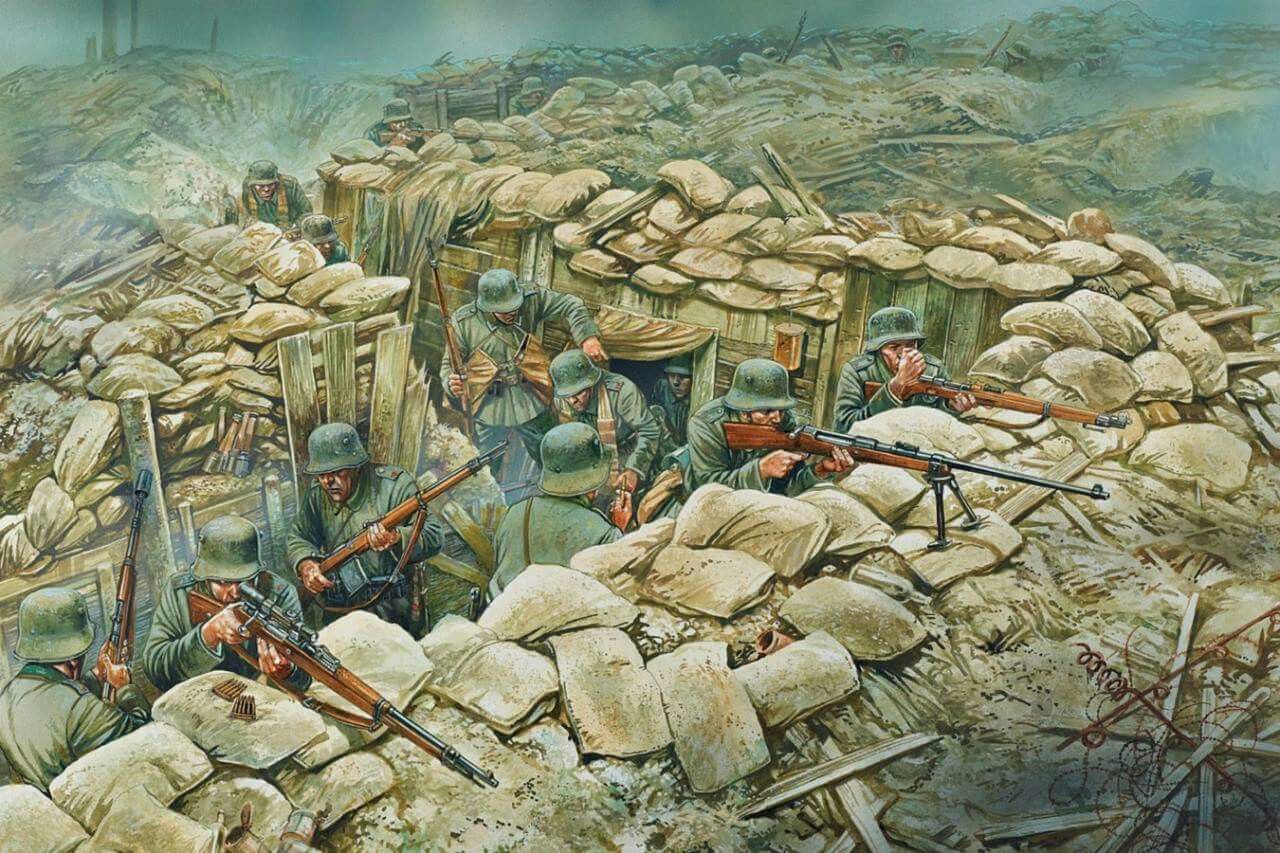
And, if that’s an Orc sergeant, then, although they carry swords, spears, and bows,

rather than modern magazine rifles and bayonets

mightn’t we see those whom Ugluk is driving before him, as Tolkien says of Sam Gamgee, a “reflexion of the British soldier”, but now corrupted and twisted, as the Orcs were by Morgoth and Sauron, into the infantry of the Dark Lord?

Thanks, as always, for reading.

Stay well,

And in your ranks,

And remember that, as ever, there’s

MTCIDC

O

Scuttlebutt

27 Wednesday Oct 2021

Posted by Ollamh in Uncategorized

≈ Leave a comment

“ ‘What are they wanted for?’ asked several voices. ‘Why alive?  Do they give good sport?’

‘No!  I heard that one of them has got something, something that’s wanted for the War, some Elvish plot or other.’ “ (The Two Towers, Book  Three, Chapter 3, “The Uruk-hai”)

As ever, dear readers, welcome.

 Pippin and Merry are in a bad spot.  After Boromir’s death,

they have been dragged off by the Orcs who killed him.

The Orc leaders, Ugluk, of Isengard, and Grishnakh, of Mordor, had been given orders to capture Hobbits, but the orders are rather vague, which is not surprising, considering who gave them and their ultimate purpose.  On the one hand, there is Saruman,

who we know from his attempt at corrupting Gandalf is aware that the Ring exists and is associated with the Shire. (The Felllowship of the Ring, Book Two, Chapter 2, “The Council of Elrond).

On the other is the original owner of the Ring,

who has learned from a tortured Gollum of the name Baggins, also associated with the Shire,

and has dispatched not only a band of Orcs to find Hobbits, under Grishnakh, but also several of “the apple of the Great Eye”, as Grishnakh puts it, the Nazgul.

(a wonderfully atmospheric depiction by Anato Finnstark)

Each of these two, Saruman and Sauron, is determined to obtain the Ring for himself, but also very cautious about the kind of thinking expressed by one of the anonymous Orc voices quoted above: 

“ ‘Is that all you know?  Why don’t we search them and find out?  We might find something that we could use ourselves.’ “

Grishnakh’s orders, as he states them, reflect Sauron’s caution:  “The prisoners are NOT to be searched or plundered…”  And Ugluk’s are, basically, the same:  “Alive and as captured, no spoiling.”

With such lack of specificity even for those in charge of the operation, it’s not surprising that mostly what the ordinary Orc soldiers know can be summed up in the title of this posting, scuttlebutt, originally a naval term, for the gossip which sailors spread when they spent time around the ship’s water barrel, a butt being an old name for a big wooden container for liquids.

It’s a given that JRRT’s reading influenced his writing (we only have to think about how much of Beowulf appears in The Hobbit).  It’s also true that his life on the Western Front, brief as it was (June to October, 1916),

also had its influence and here, in this Orcish scuttlebutt, we have a good example, which is really as much derived from  his experience of the War in general as from his overseas service. 

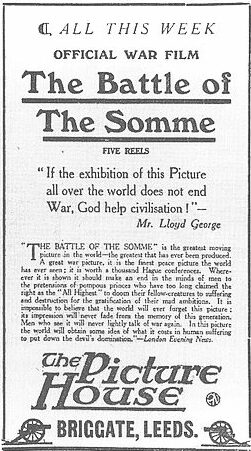
Those in charge of waging the War were, from early on—and this was true for both sides—very aware of the influence of the media upon people’s opinions.  Although there was no internet yet, or television, or radio, there was still the press–books, magazines, and, most of all, newspapers–as well as film, though still in its infancy.   A hit movie of 1916, in fact, was the “documentary” (the British War Office was behind it, so it was hardly likely to be impartial) The Battle of the Somme.

(You can see this film for yourself here:  https://archive.org/details/TheBattleOfTheSomme1916Film  This comes from the Internet Archive, which has a large collection of silent films, all for free and is one of the best cultural resources on the planet, as far as I’m concerned.)

Censorship was practiced worldwide, and sometimes extremely aggressively:  penalties for anything from conveying government-controlled information to simply voicing opposition to the War could be severe.  And such censorship was comprehensive:

“Mail, telegrams, pamphlets and books, news and newspapers, plays, photographs, films, and speech were all subject to censorship – or restrictions – during the First World War.”

This is from a website called “JanetPanic” and is describing the situation in the US, but it sums up just how far governments, both of the Allies and the Central Powers, were willing to go both to protect not only militarily sensitive information, but also their citizens’ perception of what was going on at the Front, wherever that Front happened to be.

At the Front, soldiers in the British Army were forbidden to keep diaries (the public explanation being that, if captured, they might convey all sorts of military information to the enemy, but, the unspoken, which was also true, was that conditions in the trenches were so horrendous

that governments preferred to keep the public from knowing too much about day-to-day life in what many thought was Hell—or beyond).   Private cameras were forbidden by March, 1915 and those found taking pictures were to be arrested.  (See this very interesting article:  https://historynewsnetwork.org/article/173470 )

Soldiers’ mail was censored, beginning by their own officers (JRRT developed a private code to be used with Edith so that she might learn at least a little more),

 but, to ease the minds of those at home, this postcard was developed—a little piece of closely-monitored truth:

As well, informers were encouraged—just look at the sixth “DON’T” in this poster’s list—

And we can hear an echo of this in Grishnakh’s words to Ugluk:

“You have spoken more than enough, Ugluk…I wonder how they would like it in Lugburz.  They might think that Ugluk’s shoulders needed relieving of a swollen head.  They might ask where his strange ideas came from.  Did they come from Saruman, perhaps?  Who does he think he is, setting up on his own with his filthy white badges?  They might agree with me, with Grishnakh their trusted messenger; and I Grishnakh say this:  Saruman is a fool, and a dirty treacherous fool.  But the Great Eye is on him.”

When information about the real situation is closely guarded, rumor—scuttlebutt—is what soldiers—Tommies or Orcs—have to go on and, with heavy censorship, it would have been easy for JRRT, like his Orcs, to feel that the Great Eye was upon him, as well.

Thanks, as ever, for reading,

Stay well,

If you know anything about the Ring, do as this poster suggests—

And know as well that—and this, I hope, is no secret—there’s always

MTCIDC

O

ps

(Here’s a very good introductory article on the subject of censorship in the Great War:  https://encyclopedia.1914-1918-online.net/article/censorship  This is from the extremely useful  “1914-1918-Online:   International Encyclopedia of the First World War”.)

I.D.?

20 Wednesday Oct 2021

Posted by Ollamh in Uncategorized

≈ Leave a comment

Welcome, as always, dear readers.

I’ve just finished teaching The Odyssey once more and, because it’s such a complex work (after all, it’s made up of a number of songs by a number of singers over generations, all then put together as a single poem in the Hellenistic world), that I always find new things to think about.

This time, I began with a recurring difficulty for Odysseus.

In the 19 years he’s been away from home, he’s had no end of other difficulties, beginning with the demand by Agamemnon that he join the expedition against Troy.

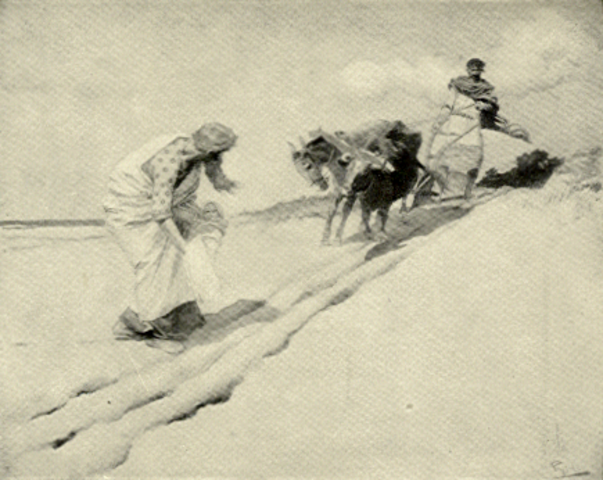
He tried to dodge that by pretending to be mad, plowing the beach, but that attempt was scuttled by someone almost as clever as he, Palamedes, who placed the infant Telemachos on the beach in front of the plow and, when Odysseus swerved to avoid him, Odysseus, clearly sane, was then forced to join the other Greeks.

After ten years and the final fall of Troy,

Odysseus’ problems had just begun, including such as the Lotos-eaters (although he himself did not indulge),

a very large humanoid with a taste for human flesh,

almost becoming pork luncheon meat,

visiting the dead in the Otherworld,

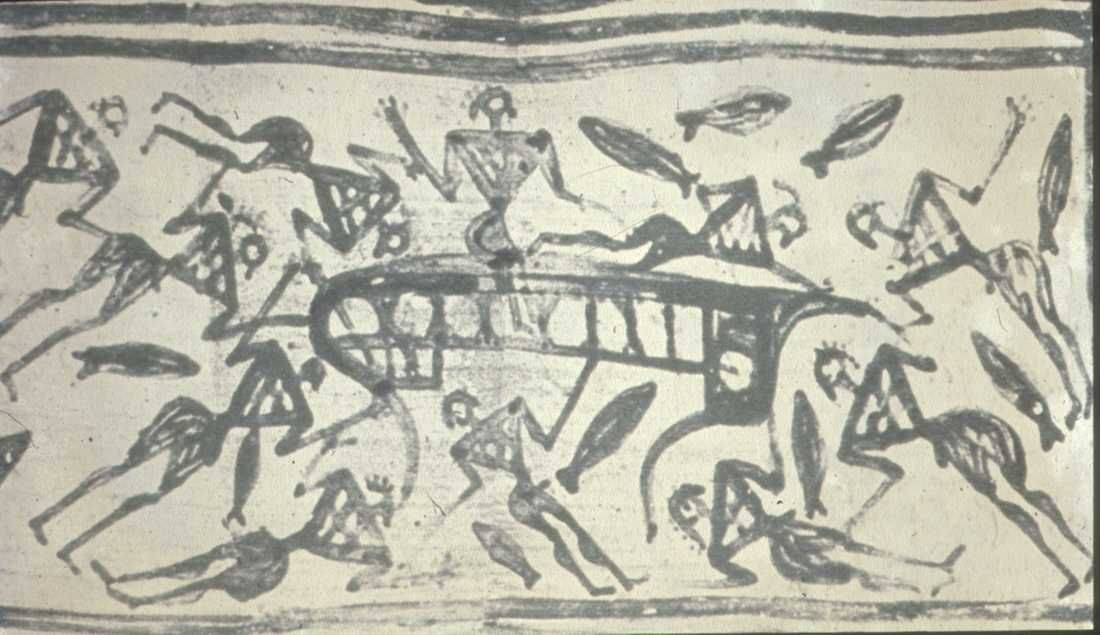
avoiding Sirens (while still listening to them),

and the twin dangers of snaky Scylla and shaky Charybdis,

as well as being shipwrecked not once, but twice.

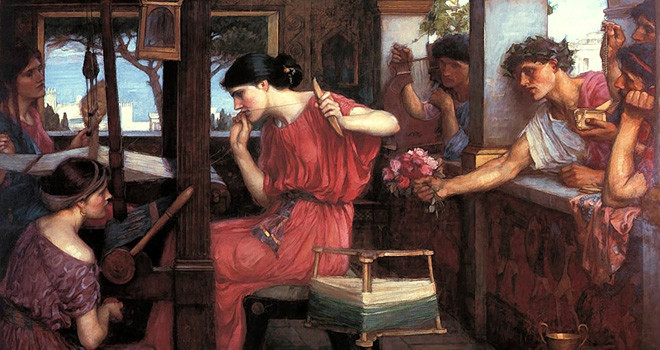
Even when he reaches home, he will have to confront over 100 suitors, all pursuing his wife.

But, besides those problems, he has another:  proving to people that he is who he says he is.  

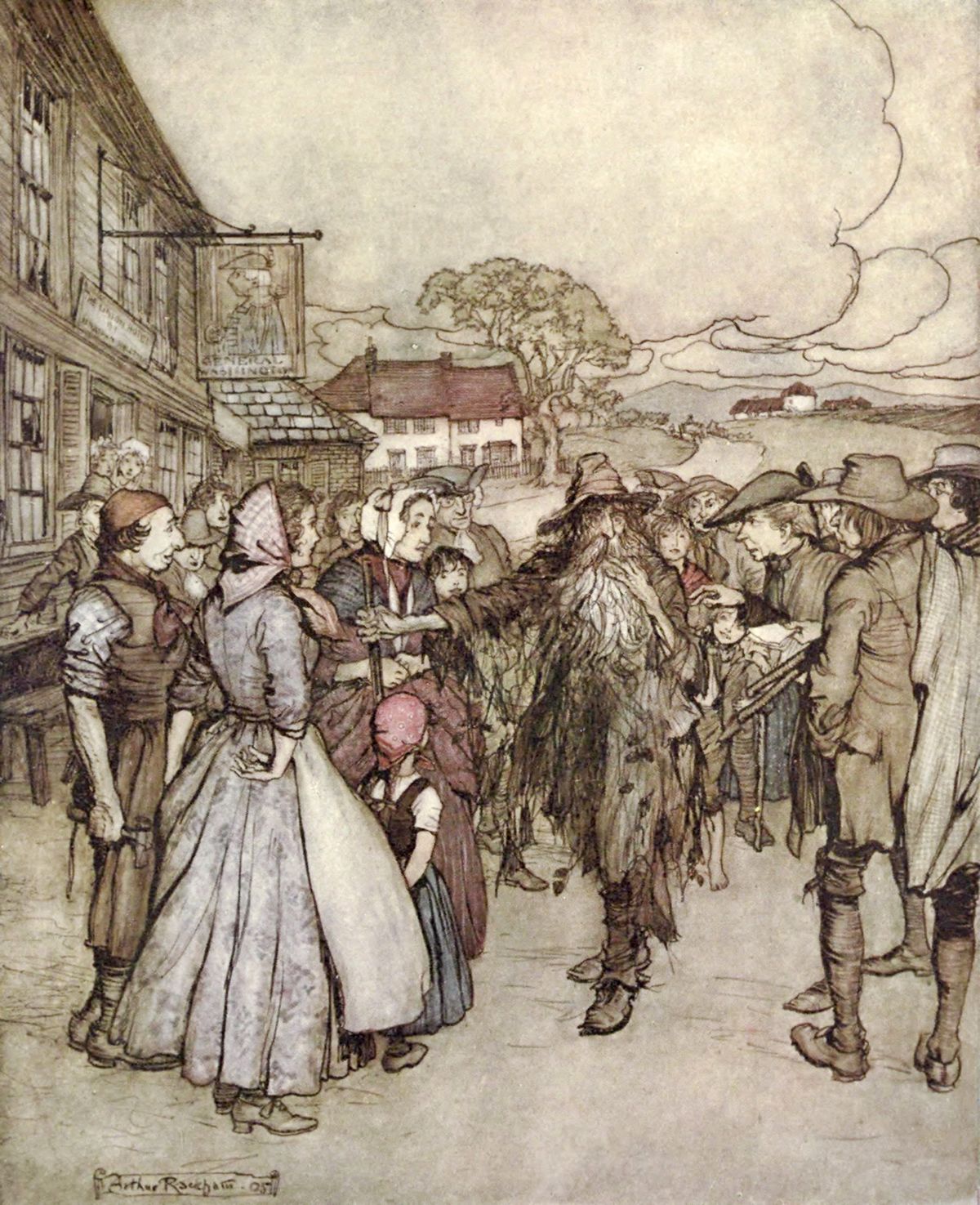
This shouldn’t be surprising, of course.  After all, he’s been gone almost 20 years, so he’s a little like Washington Irving’s Rip van Winkle,    

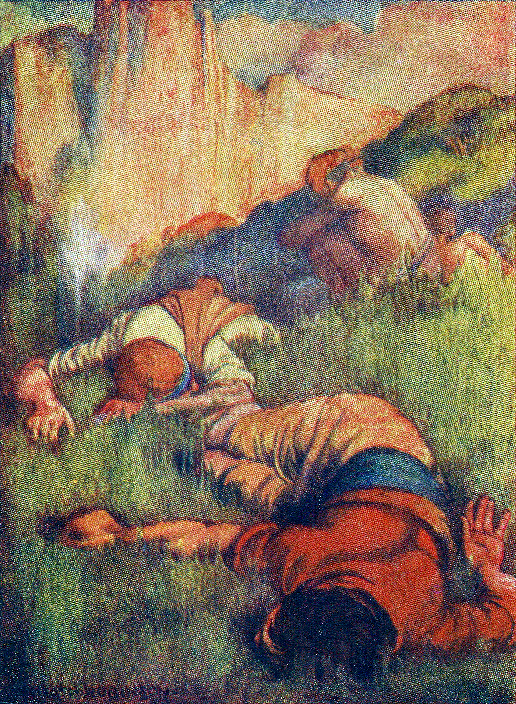
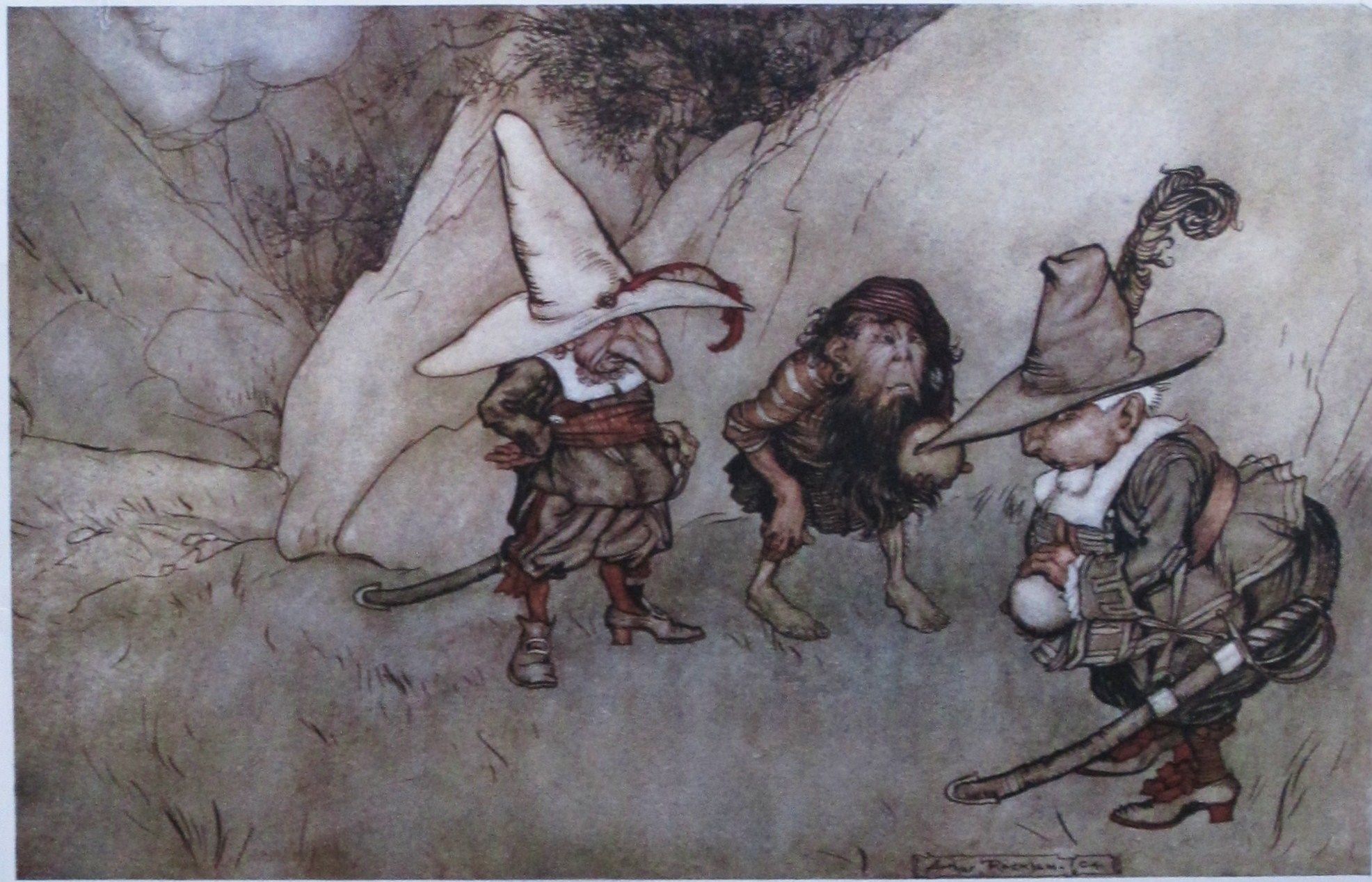
who fell into a deep sleep after drinking heavily during a game of bowls with some strange little men

and woke up 20 years later, only to find that the world had changed significantly, from the days of King George to those of George Washington.  People in his village think that he’s strange, if not mad, and his sanity is no longer doubted only when two elderly locals identify him.                         

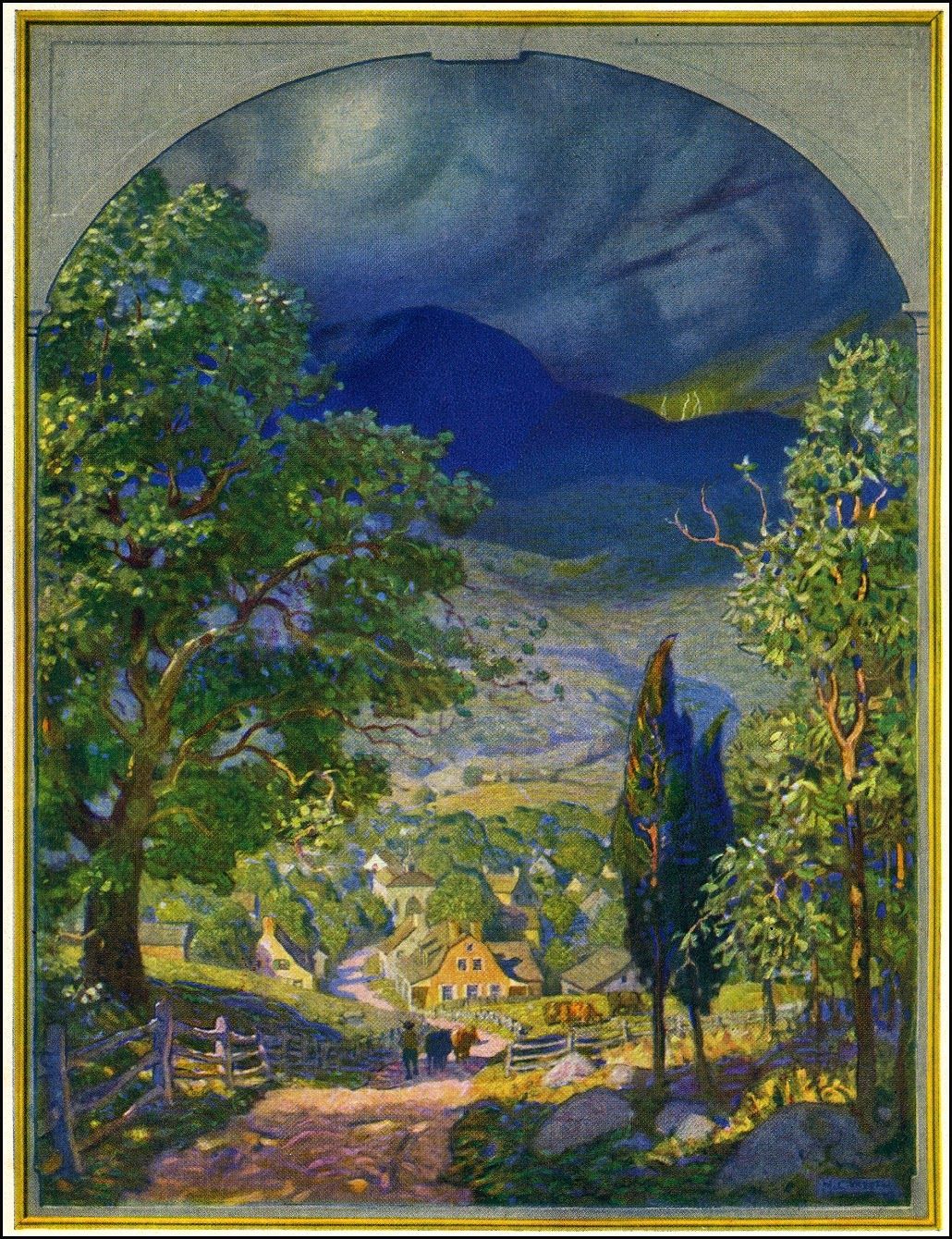
(If you don’t know this story, here’s Arthur Rackham’s beautifully-illustrated version from 1905 for you:  https://archive.org/details/ripvanwinkle00irvirich or, if you’d prefer, here’s N.C. Wyeth’s equally beautiful 1921 edition:   https://archive.org/details/ripvanwinkle00irvi   I can’t resist adding this, which is the frontispiece to the Wyeth.)

For Odysseus, now back on his home island, and because he is potentially in great danger from those suitors, even if he has the goddess Athena on his side,

just revealing his identity is tricky, but proving it depends mainly upon two things:  his ability to remember the past and to encourage others to do the same, and a deep scar he had received as a young man in a boar hunt with his grandfather, Autolycus.

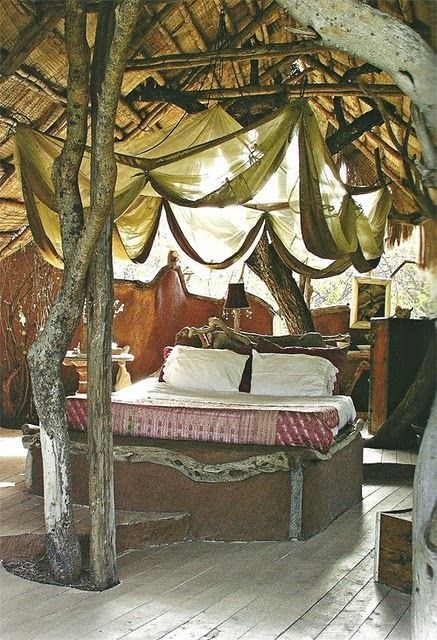
For his wife, Penelope, there is one more proof:  a very special bed he once made for them, which included part of an olive tree as a bedpost.

(This is someone’s clever modern reconstruction.)

Although he hasn’t been asleep or away from home for twenty years, Aragorn

(An Alan Lee illustration, at the moment when Eowyn gives Aragorn what’s called a “stirrup cup”.)

 would appear to have a similar problem of identification, but with a twist.  Unlike Rip van Winkle, who is a nobody, and more like Odysseus, who is the headman of Ithaka, if he is really who he says he is, he has a claim to the throne of Gondor, which has been vacant for 969 years.  But how to prove that?

He has Gandalf’s backing, of course,

(I would be glad to credit the author of this very good portrait, but the signature is just too small to read, unfortunately!)

who knows his—and his people’s—history, as he says to Frodo:

“ ‘But there are few left in Middle-earth like Aragorn son of Arathorn.  The race of the Kings from over the Sea is nearly at an end.  It may be that this War of the Ring will be their last adventure.’

‘Do you really mean that Strider is one of the people of the old Kings?’ said Frodo in wonder.  ‘I thought they had all vanished long ago.  I thought he was only a Ranger.’

‘Only a Ranger!’ cried Gandalf.  ‘My dear Frodo, that is just what the Rangers are:  the last remnant in the North of the great people, the Men of the West.’ “ (The Fellowship of the Ring, Book Two, Chapter 1, “Many Meetings”)

Gandalf’s word alone would never be enough, however, as the bitter words of Denethor much later in the story—though clearly poisoned by Sauron through the palantir—show us:

“Do I not know thee, Mithrandir?  Thy hope is to rule in my stead, to stand behind every throne, north, south, or west.  I have read thy mind and its policies…With the left hand thou wouldst use me for a while as a shield against Mordor, and with the right bring up this Ranger of the North to supplant me.” (The Return of the King, Book Five, Chapter 7, “The Pyre of Denethor”)

Aragorn, however, has a series of other proofs at hand.

First, he has the sword of Elendil, Narsil, broken under him when he was killed at the siege of the Barad-dur,

and which is the subject of a kind of prophecy made in a dream more than once to Faramir and once to Boromir, in which “I heard a voice, remote but clear, crying:

‘Seek for the Sword that was broken:

 In Imladris it dwells;

There shall be counsels taken

 Stronger than Morgul-spells.

There shall be shown a token

 That Doom is near at hand,

For Isildur’s Bane shall waken,

 And the Halfling forth shall stand.’ “

(The Fellowship of the Ring, Book Two, Chapter 2, “The Council of Elrond”)

Aragorn then immediately confirms the first half of this prophecy:

“ ‘And here in the house of Elrond more shall be made clear to you,’ said Aragorn, standing up.  He cast his sword upon the table that stood before Elrond, and the blade was in two pieces.  ‘Here is the Sword that was Broken!’ he said.

‘And who are you, and what have you to do with Minas Tirith?’ asked Boromir, looking in wonder at the lean face of the Ranger in his weather-stained cloak.

‘He is Aragorn son of Arathorn,’ said Elrond; ‘and he is descended through many fathers from Isildur Elendil’s son of Minas Ithil…’ “

The second proof lies in his claim on the palantir tossed from Orthanc

by Grima:

“ ‘You have looked in that accursed stone of wizardry!’ exclaimed Gimli with fear and astonishment in his face…

‘You forget to whom you speak,’ said Aragorn sternly, and his eyes glinted…’Nay, my friends, I am the lawful master of the Stone, and I had both the right and strength to use it…’ (The Return of the King, Book Five, Chapter 2, “The Passing of the Grey Company”)

The third proof is derived from the first and second.  When Aragorn used the palantir to contact Sauron, he never spoke, but:

“ ‘And he beheld me.  Yes, Master Gimli, he saw me, but in other guise than you see me here…To know that I lived and walked the earth was a blow to his heart, I deem; for he knew it not till now. ..Sauron had not forgotten Isildur and the sword of Elendil.  Now in the very hour of his great designs the heir of Isildur and the Sword are revealed; for I showed the blade re-forged to him.  He is not so mighty yet that he is above fear; nay, doubt ever gnaws him.’ “

And by Sauron’s reaction, it would seem that Aragorn’s claim to be the rightful king is confirmed:  by the enemy.

The fourth proof is also confirmed by others.  In one of the grimmest chapters, for me, of the whole story, Aragorn and his company ride The Paths of the Dead and, deep in the mountain, Aragorn summons the Oath-Breakers, who had deserted Isildur and were cursed by him never to find peace until called upon once more to fulfill their oath.  Aragorn claims their aid, saying:

 “ ‘The hour is come at last.  Now I go to Pelargir upon Anduin, and ye shall come after me.  And when all this land is clean of the servants of Sauron, I will hold the oath fulfilled, and ye shall have peace and depart for ever.  For I am Elessar, Isildur’s heir of Gondor.’ “

The dead follow him, sweeping down upon the fleet of the Corsairs, and, again, that they do so, confirms once more Aragorn’s claim.

There may be other details throughout the text I haven’t thought of—there often are!—but I want to conclude with perhaps the gentlest proof. 

In the chapter entitled “The Houses of Healing”, Faramir, Eowyn, and Merry all lie at the point of death—and all are saved by Aragorn, and here is a final confirmation as Gandalf says:

“ ‘Let us enter!  For it is only in the coming of Aragorn that any hope remains for the sick that lie in the House.  Thus spake Ioreth, wise-woman of Gondor:  “The hands of the king are the hands of a healer, and so shall the rightful king be known.” ‘ “ (The Return of the King, Book Five, Chapter 8, “The Houses of Healing”)

Proof enough for me.

Thanks for reading, as ever.

Stay well,

Let us all hope for healing in this troubled time,

And know that, as always, there’s

MTCIDC

O

No (Gondorian) Man’s Land

13 Wednesday Oct 2021

Posted by Ollamh in Uncategorized

≈ Leave a comment

As always, dear readers, welcome.

More than once, people have likened Mordor to the Black Country of central England,

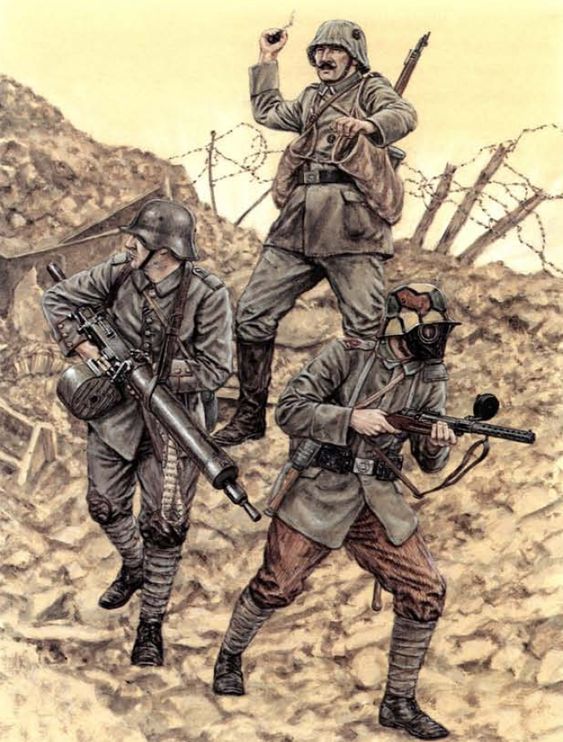
or perhaps even to the blighted landscape of the Western Front,

but could we extend that even farther west, to the long approach by which Frodo and Sam, led by Gollum, make their way towards Minas Morgul?

Faramir, who has captured Frodo and Sam

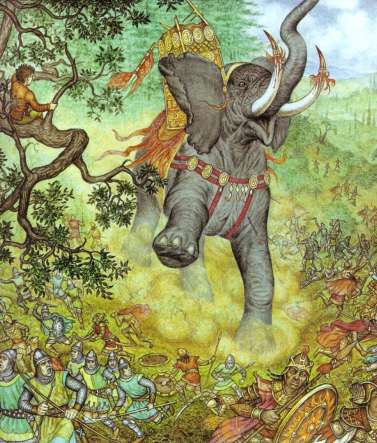
while setting an ambush for a column of Sauron’s allies, including their oliphaunts,

 is now trying to warn Frodo both from traveling with Gollum and from going that route to Mordor as Gollum has proposed, saying,

“The valley of Minas Morgul passed into evil very long ago, and it was a menace and a dread while the banished Enemy dwelt yet far away, and Ithilien was still for the most part in our keeping.  As you know, that city was once a strong place, proud and fair, Minas Ithil, the twin sister of our own city.  But it was taken by fell men whom the Enemy in his first strength had dominated, and who wandered homeless and masterless after his fall…After his going they took Minas Ithil and dwelt there, and they filled it, and all the valley about, with decay:  it seemed empty and was not so, for a shapeless fear lived within the ruined walls.”  (The Two Towers, Book Four, Chapter 6, “The Forbidden Pool”)

Rereading this, then, the first image which came to my mind was not this—

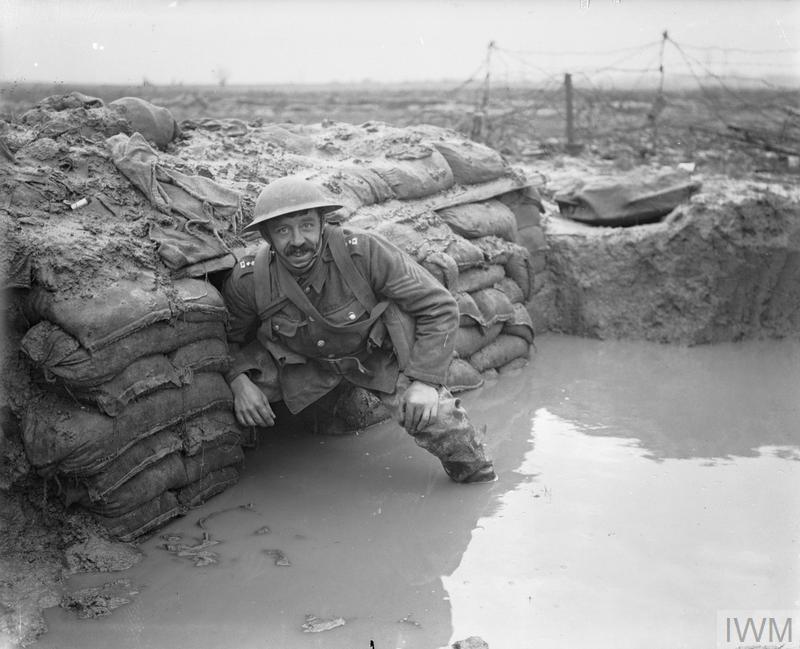
but this—

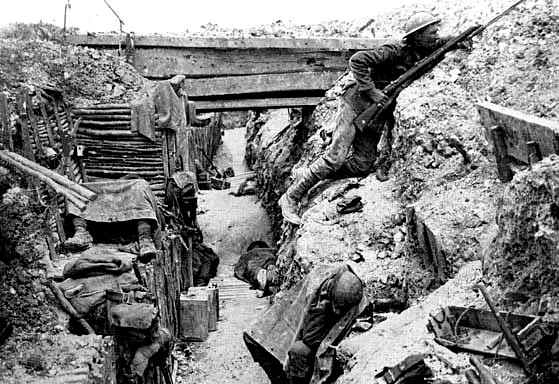
and what the new Second Lieutenant Tolkien

must have seen when he arrived in the trenches

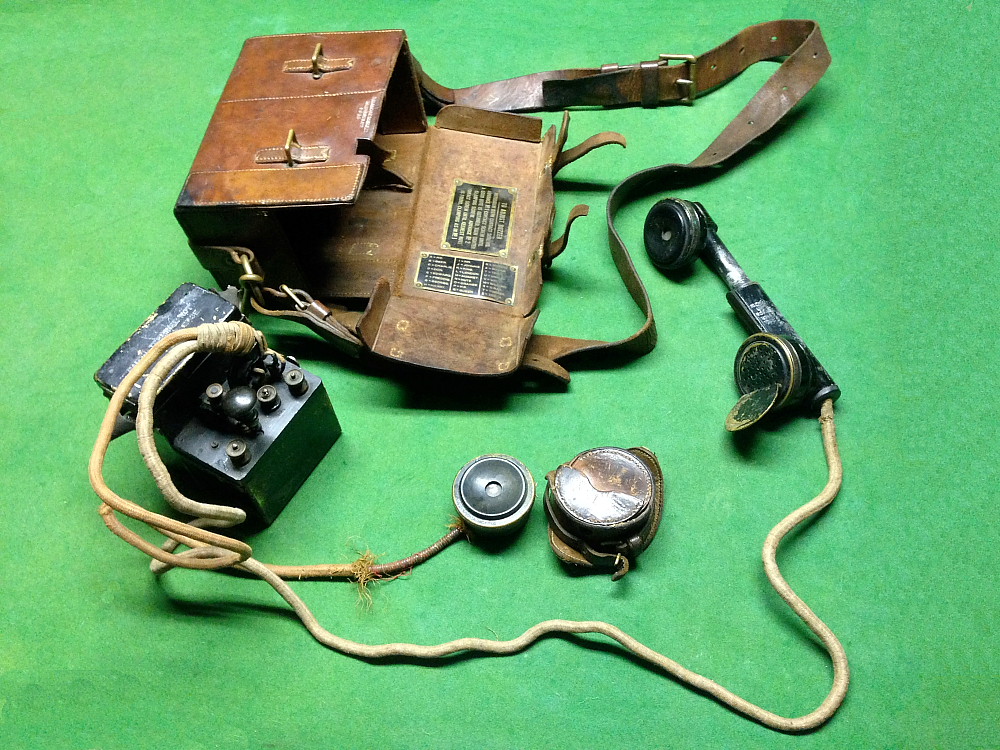
as a signals officer

in June, 1916.

At first, it would simply have been the view beyond the trenches, which was grim:  acres (hectares) of barbed wire would block seeing much farther than the lip of the entrenchment.

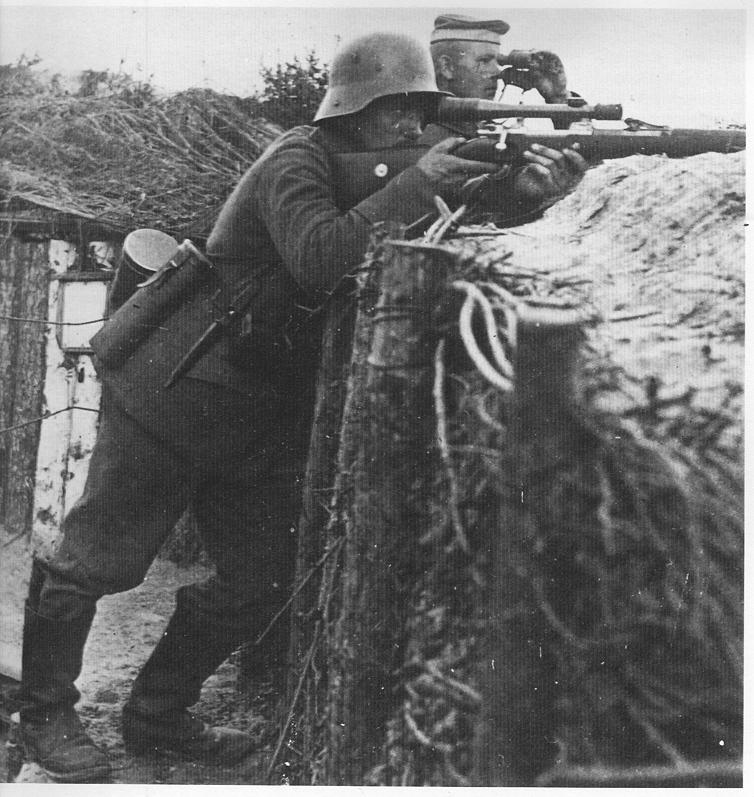
And, because enemy snipers with specialized rifles were just waiting for a soldier to poke his head up, it wasn’t really a good idea to do that anyway.

(There’s even a mocking song on the subject from 1918, a British soldier suggesting to his enemy counterpart that keeping your head down was the only way to survive.  This is the chorus:

“Late last night in the pale moon light
I saw you, I saw you!
You were fixing your barb’d wire
When we opened up – rapid fire!
If you want to see your Vater in the Vaterland
Keep your head down Fritzie boy
Keep your Head down Fritzie Boy!”

(You can hear a period performance here:  https://www.youtube.com/watch?v=J2eSiTvVlEs )

As is true with many Great War soldiers’ songs, it’s a parody of a 1913 hit “Hold Your Hand Out, Naughty Boy”)

(And here’s the original:  https://www.youtube.com/watch?v=PtWC5L1sXt8 )

Although those trenches were grim,

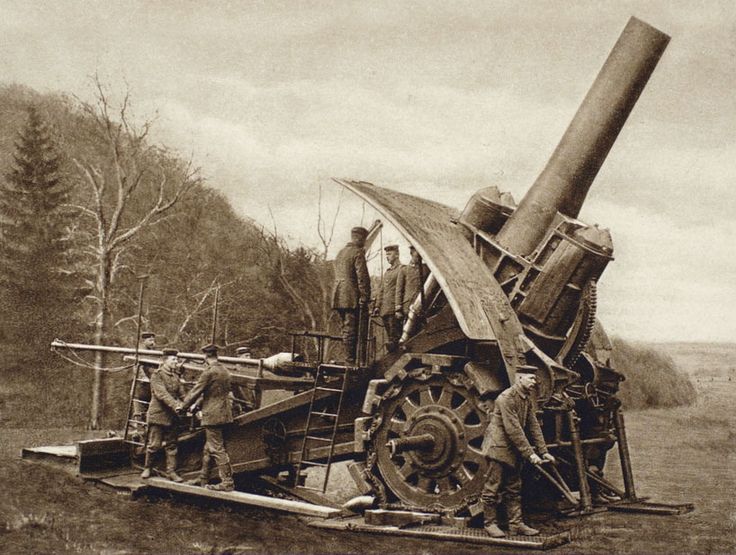
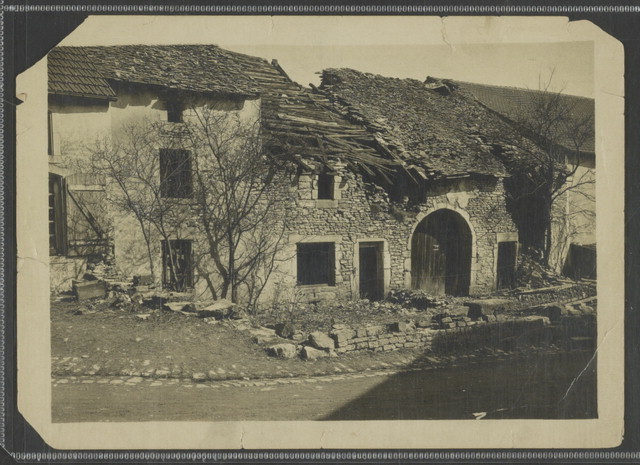
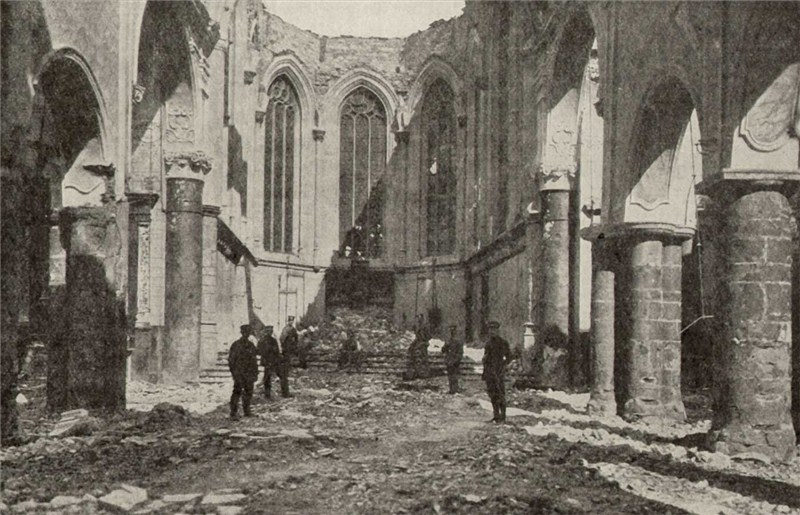
the world beyond those trenches, could JRRT have seen it—and he would have seen a little of it as his unit moved forward during the vast battle called “the Somme”–was an even bleaker one.  Several years of war and the pounding of big guns, both German

and British

had destroyed trees,

houses,

churches,

whole villages

and even towns.

The ruined landscape between the Allied and German trenches was commonly called “No Man’s Land”, rather like a withered version of the Ithilien in which Faramir fights his war, but it was actually a sort of everyman’s land as, once darkness fell, one might see soldiers of both sides at various tasks.

All of that barbed wire needed replacement and extension and wiring parties (a duty soldiers hated as, in the dark, they were as likely to be shot at by their own side as by the enemy) slipped out to work on their entanglements.

Then there were always patrols—

small groups whose job it was to prevent the enemy from slipping across the broken ground to spy or even to make minor attacks, called “trench raids”,

meant both to keep the other side nervous and to gather information, through prisoners or captured documents or even from what might seem like a minor item, like the badge from a cap.

Such badges, like this one, could carry distinctive regimental emblems, providing the raiders with a sense of what regiment was facing them and thus adding to the more general picture of enemy movements on their own side of No Man’s Land.  (This is, in fact, the badge of JRRT’s own regiment, the Lancashire Fusiliers.)

It’s easy, then, to imagine Faramir and his men in their camouflage suddenly appearing here:

“Four tall Men stood there.  Two had spears in their hands with broad bright heads.  Two had great bows, almost of their own height, and great quivers of long green-feathered arrows.  All had swords at their sides, and were clad in green and brown of varied hues, as if the better to walk unseen in the glades of Ithilien.  Green gauntlets covered their hands, and their faces were hooded and masked with green, except for their eyes, which were very keen and bright.”  (

And, when the Germans withdrew to a second position, in 1917, the “Hindenburg Line”, they left behind them much more destruction, even cutting down fruit trees to deny them to the Allies.

As Frodo and Sam move eastward, I can imagine them walking through that same landscape

until they came to this—

at the crossroads—

north to the Morannon, south to Harad, west to Minas Tirith through ruined Osgiliath, east to Mordor—where they found:

“The brief glow fell upon a huge sitting figure, still and solemn as the great stone kings of Argonath.  The years had gnawed it, and violent hands had maimed it.  Its head was gone, and in its place was set in mockery a round rough-hewn stone, rudely painted by savage hands in the likeness of a grinning face with one large red eye in the midst of its forehead.  Upon its knees and mighty chair, and all about the pedestal, were idle scrawls mixed with the foul symbols that the maggot-folk of Mordor used.” (The Two Towers, Book Four, Chapter 7, “Journey to the Cross-Roads”)

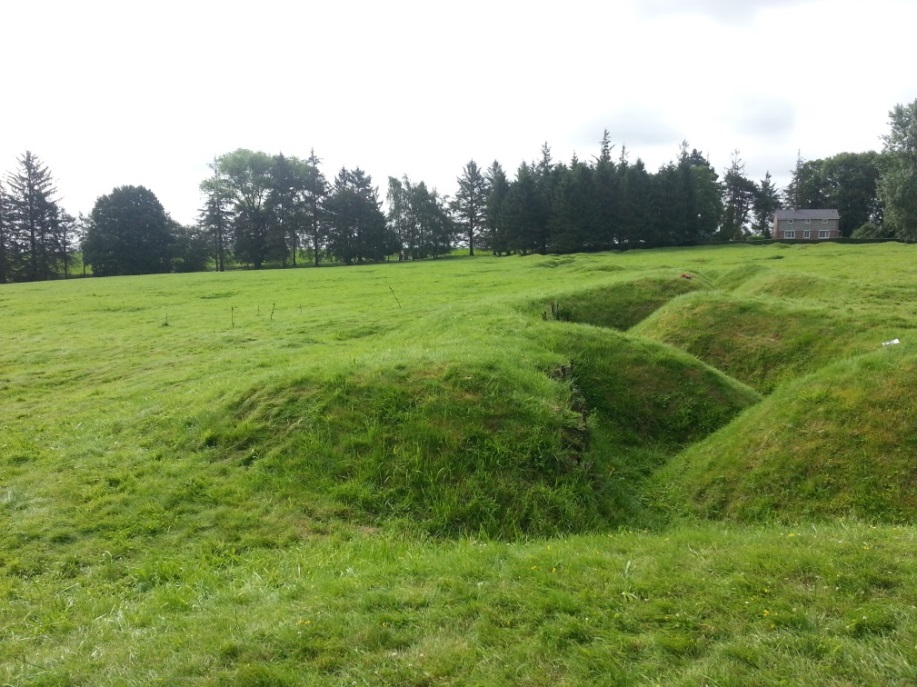
If Tolkien could visit the same area over which both sides struggled in the summer of 1916, instead of endless blight—

he would see, among the overgrown trenches,

and the still-discovered remains of century-old bombardments,

this—

and perhaps, in hopes of a world more like the latter, he would add to that description of the maimed king:

“Suddenly, caught by the level beams, Frodo saw the old king’s head:  it was lying rolled away by the roadside.  ‘Look, Sam!’ he cried, startled into speech.  ‘Look!  The king has got a crown again!’

The eyes were hollow and the carven beard was broken, but above the high stern forehead there was a coronal of silver and gold.  A trailing plant with flowers like small white stars had bound itself across the brows as if in reverence for the fallen king, and in the crevices of his stony hair yellow stonecrop gleamed.

‘They cannot conquer for ever!’ said Frodo.” (The Two Towers, Book Four, Chapter 7, “Journey to the Cross-Roads”)

Thanks, as always, for reading.

Stay well,

Mistrust guides with ulterior motives,

And know that, as ever, there’s

MTCIDC

O

Gondor, Angria, Gondal, and Boxen

06 Wednesday Oct 2021

Posted by Ollamh in Uncategorized

≈ Leave a comment

As ever, dear readers, welcome.

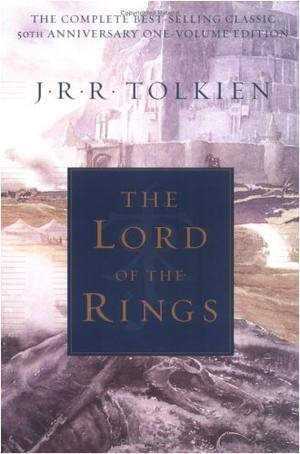
I suspect that anyone who has spent any time with Tolkien has probably seen this passage:

“The ‘stories’ were made rather to provide a world for the languages than the reverse.  To me a name comes first and the story follows.” (letter to Houghton Mifflin, 30 June, 1955—with a rather complicated history—see Letters 219 for the quotation and 218 for an explanation)

As a rather sceptical person, I’ve always then looked at the extensive appendices to my copy of The Lord of the Rings,

which cover pages 1033-1138, and then at the many volumes subsequently edited and published by Christopher Tolkien,

and thought, “That’s an awful lot of ‘story’ for the bits and pieces of Elvish, Dwarfish, and even Black Speech, which are to be found there.”

And so I wondered if JRRT, for all of his language passion, hadn’t also a passion for world-creating and was somehow misrepresenting himself and his creativity.  As a young grown-up, he certainly once had large plans, as he explained in this 1951 letter to Milton Waldman:

“But once upon a time (my crest has long since fallen) I had a mind to make a body of more or less connected legend, ranging from the large and cosmogonic, to the level of romantic fairy-story, the lesser drawing splendour from the vast backcloths…” (Letters, 144)

We know that, as a child, he was given those “fairy-stories”, from books like Andrew Lang’s The Red Fairy Book (1890),

and it’s clear that he once even tried his hand at writing such a story:

“I first tried to write a story when I was about seven.  It was about a dragon.  I remember nothing about it except a philological fact.  My mother said nothing about the dragon, but pointed out that one could not say ‘a green great dragon’, but had to say ‘a great green dragon’.  I wondered why, and still do.  The fact that I remember this is possibly significant, as I do not think I ever tried to write a story again for many years…”  (letter of 7 June, 1955, to W.H. Auden, Letters, 214)

(This lovely beast is by “Deskridge”—that’s Daniel Eskridge–at Deviant Art—I couldn’t resist including it.  If you’d like to see more of his work, you can find it at: https://daniel-eskridge.pixels.com/featured/green-dragon-daniel-eskridge.html  )

When he took up story telling again, however, it was, by his own account “Say 1912 to 1913.”, when he was a student at Oxford.

(He’s easy to spot, isn’t he?  In the far back, clinging to that rather elderly vine.)

And, to my sceptical mind, the question was always, why?

After all, in contrast to JRRT’s one attempt at such things at seven, and then not again till his very late teens, early twenties, we have two literary families who began very early at world-building.

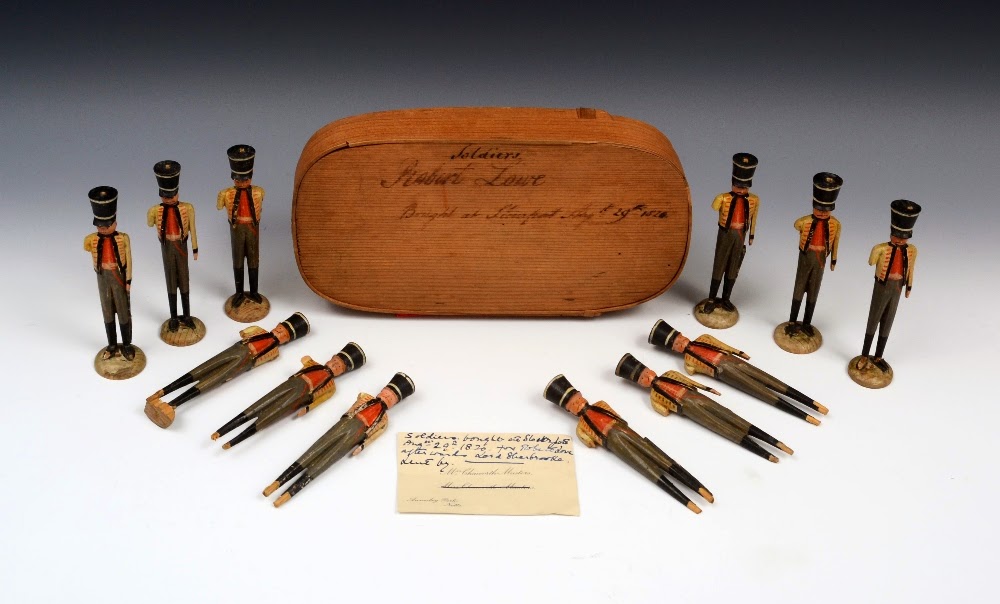
The first began in a rather bleak part of England in 1826

with a gift of wooden soldiers

by a priest father

to his son

and his three daughters.

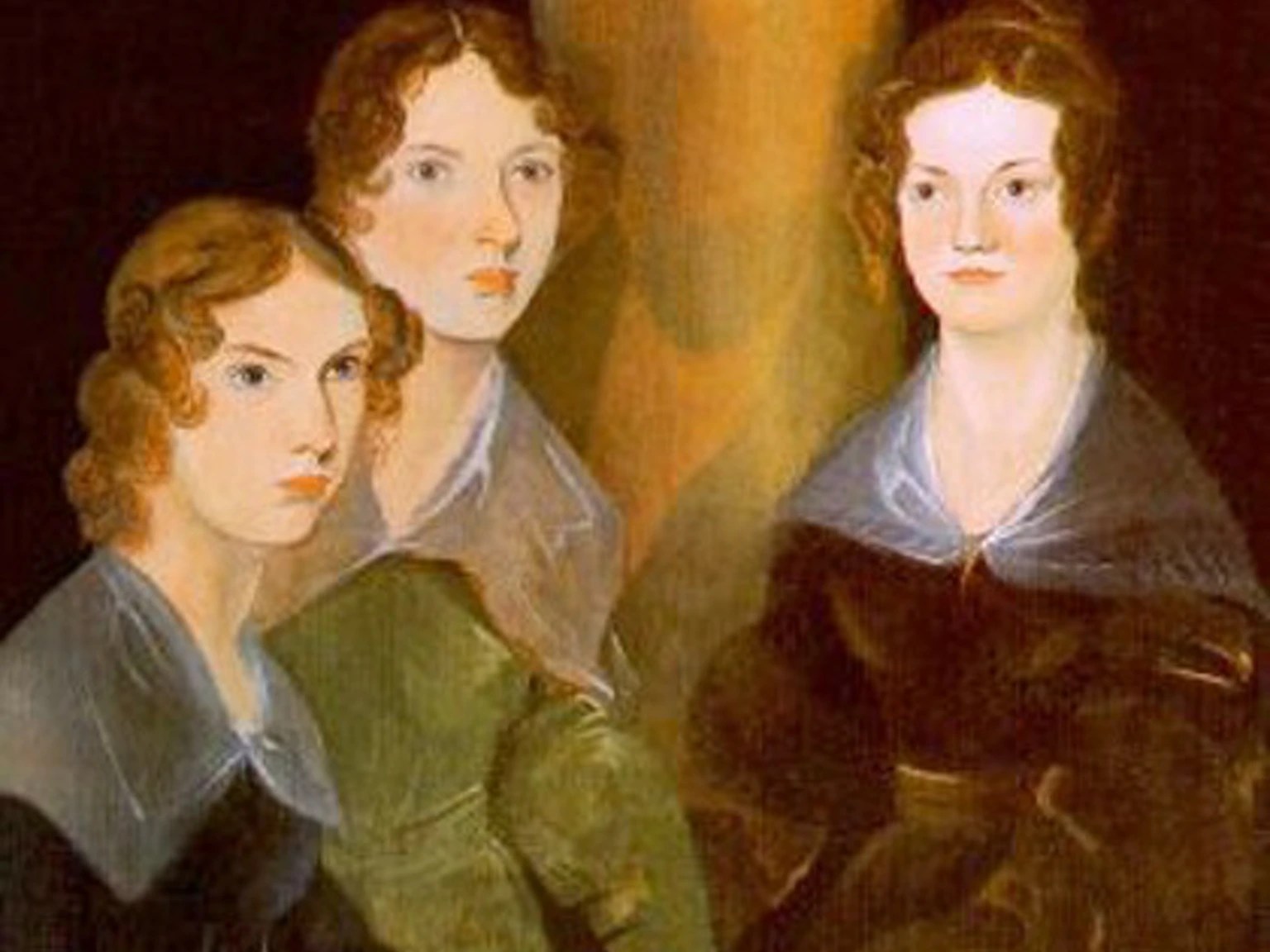
The soldiers became characters in a place first called “Glasstown”, then the “Glasstown Confederacy” which was then extended by two of the four children, Branwell Bronte (1817-1848)

and his sister, Charlotte (1816-1855),

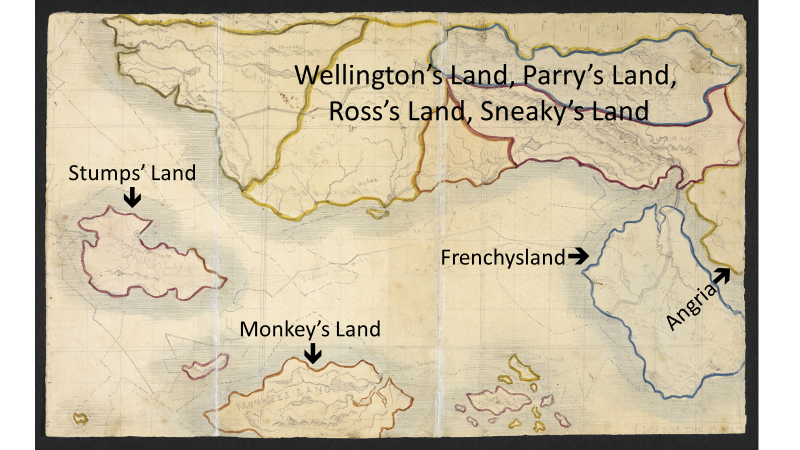
into the more complex world of “Angria”,

of which Charlotte has left us a series of short story accounts of some of its characters and events.

The two younger sisters, Anne (1820-1849)

and Emily (1818-1848)

were soon relegated to minor positions in this world and, in time, seceded, perhaps about 1834, creating their own world, Gondal.

(I found this recreation at the website of “Merricat Mulwray”, credited to “Bruce Poulsen”.  Here’s the website, should you like to read the attached essay:  https://merricatmulwray.com/2019/10/11/the-brontes-paracosm-gondal/ )

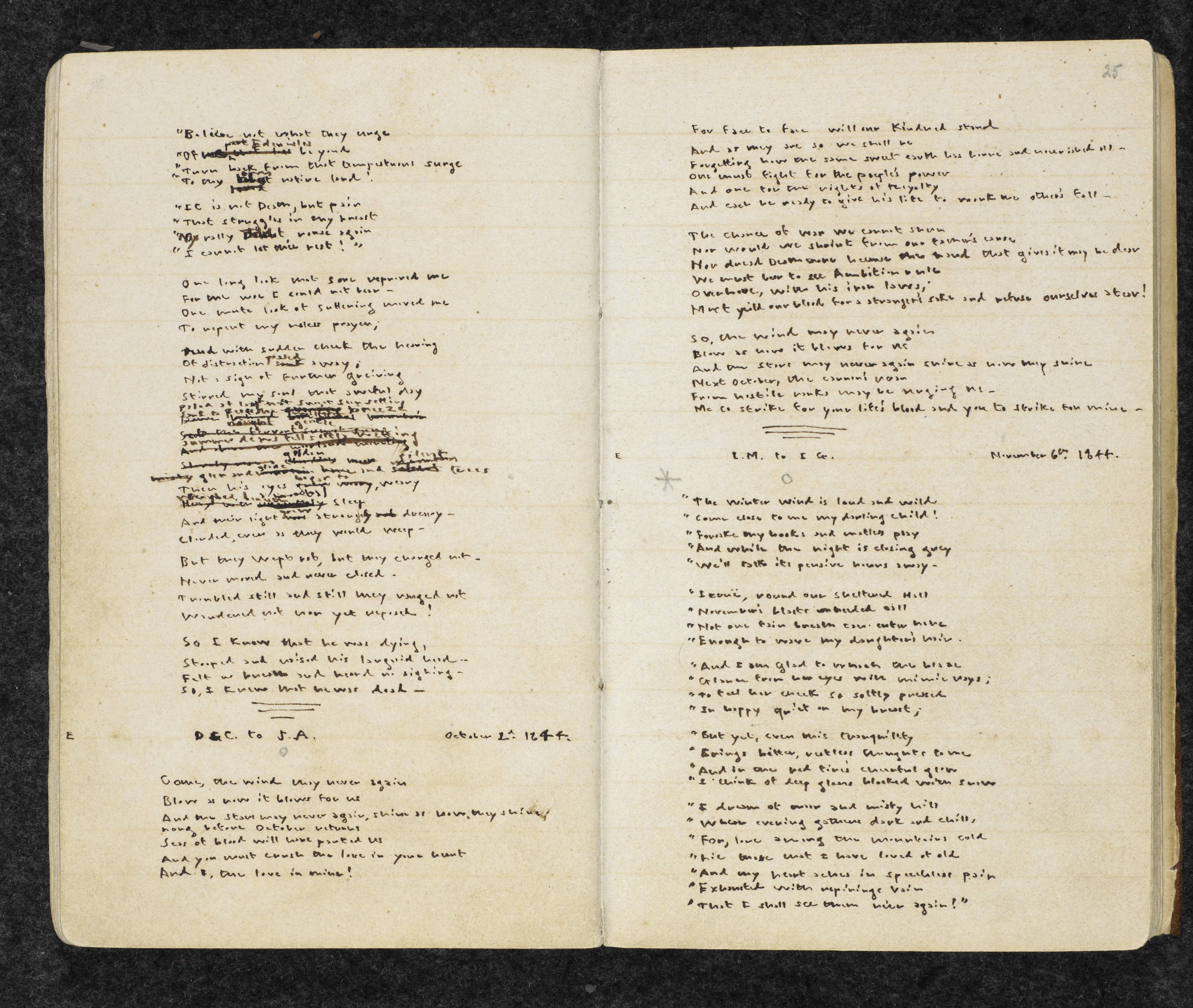
We appear to have much more about Angria, thanks to Charlotte, but some Gondal material survives, in bits and pieces, as well as in a series of poems by Emily, found in a manuscript and first printed in their original form in 1938.  (Some, heavily edited by Charlotte, had appeared earlier.)

The older children seem to have abandoned Angria with childhood, but Anne and Emily continued their creation into adulthood—here is a wonderful sketch, by Emily, of the two sisters at work in 1837.

Another literary pair, almost a century later, lived in a house in northern Ireland

which appears to have been piled high with books.  As one of a pair of children, C.S. Lewis (1898-1963)

described it in his autobiography, Surprised by Joy (1956:)

“There were books in the study, books in the drawing-room, books in the cloakroom, books (two deep) in the great bookcase on the landing, books in a bedroom, books piled as high as my shoulder in the cistern attic, books of all kinds reflecting every transient stage of my parents’ interests, books readable and unreadable, books suitable for children and books most emphatically not.” (quoted in Lewis and Lewis, Boxen, 348-349)

This was a world of rainy day reading, in a place where there were many rainy days, at a time when middle-class children like the Lewises,

were watched closely for signs of childhood illnesses and kept at home, just in case.  These two children, the older, Warren (1895-1973),

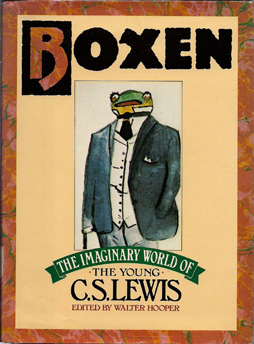
dubbed forever “Warnie” by his brother, and Clive, who, as a child renamed himself “Jack”, practically immured at times, read and read and began to evolve new worlds from what they found in books and their imaginations.  The initial result was Warnie’s “India” and Jack’s “Animal-Land”, which were then blended into the more comprehensive “Boxen”.  Characters and situations came from their reading and from the political world around them (this would have been in the years of rising international tension before the Great War of 1914-1918, in which both served, and when there was increasing debate over whether Ireland would have home rule, or continue to be governed from London) and the material eventually gathered and published in 1985

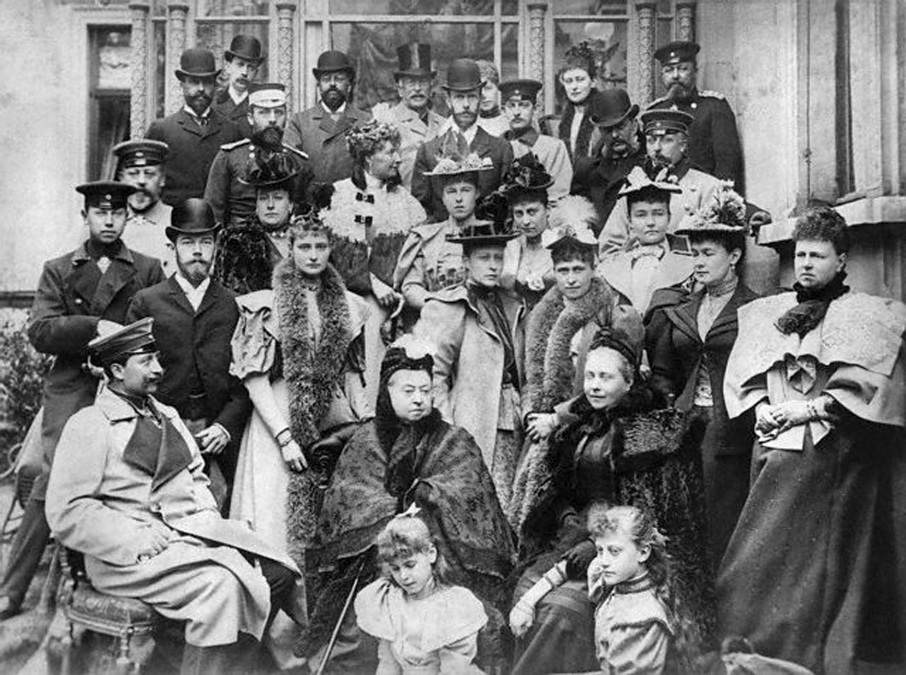
sometimes reads like a comic nightmare version of the sort of history from which Stephen Daedalus was trying to awaken in Ulysses—itself begun in 1907.   Perhaps one of my favorite characters combines a monarch at a time when virtually all of Europe was in the hands of royal families (many of them the descendants of Queen Victoria),

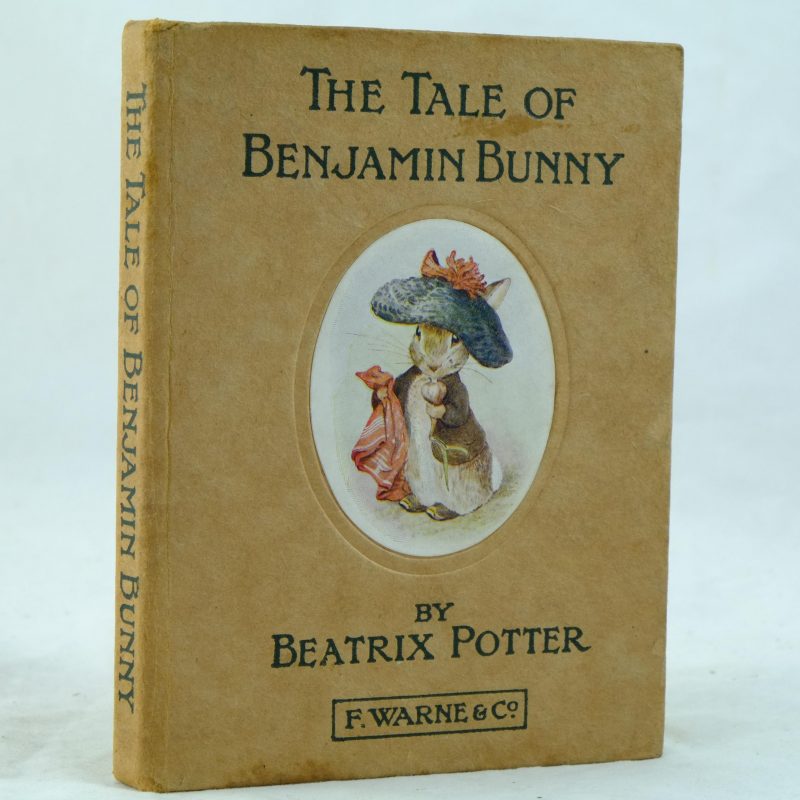
with a character from the world of Beatrix Potter,

to produce King Bunny.

(imagine his tam-o-shanter replaced with a crown)

Such childish creativity brings me back to that “green great dragon”.  It’s clear from the mass of later material that Tolkien had the ability to create worlds even more complex than Angria, Gondal, or Boxen:  why didn’t he begin to do so until his university days?  Perhaps because the Brontes had each other to bounce ideas off, as did the Lewises?  JRRT’s own brother, Hillary, is a shadowy figure, especially in contrast to the almost hyperactive and endlessly creative Brontes.  I wonder, however, if along with being on his own creatively, Tolkien also lacked the very stimulus to create such worlds with which I began this essay.  In my quotation, I left off what might be a crucial clue:

“The fact that I remember this [the green great dragon problem] is possibly significant, as I do not think I ever tried to write a story again for many years, and was taken up with language.”  (Italics mine)

Tolkien had already told Auden in that letter that:

“All this only as a background to the stories, though languages and names are for me inextricable from the stories.  They are and were so to speak an attempt to give a background or a world in which my impressions of linguistic taste could have a function.  The stories were comparatively late in coming.”

So, although the capacity for world-building was always there, something was lacking—and then it appeared:

“I mentioned Finnish, because that set the rocket off in story.  I was immensely attracted by something in the air of the Kalevala, even in Kirby’s poor translation…the beginning of the legendarium, of which the Trilogy is part (the conclusion), was in an attempt to reorganize some of the Kalevala, especially the tale of Kullervo the hapless, into a form of my own.”

The rocket went off,

Middle-earth began to appear, and sceptical I began to believe.

Thanks, as always, for reading.

Stay well,

Remember that Hillary built his own little world in his garden and orchard,

And know that, as ever, there’s

MTCIDC

O

← Older posts
Newer posts →

The Doubtful Sea Series Facebook Page

The Doubtful Sea Series Facebook Page

  • Ollamh

Categories

  • Artists and Illustrators
  • Economics in Middle-earth
  • Fairy Tales and Myths
  • Films and Music
  • Games
  • Heroes
  • Imaginary History
  • J.R.R. Tolkien
  • Language
  • Literary History
  • Maps
  • Medieval Russia
  • Military History
  • Military History of Middle-earth
  • Narnia
  • Narrative Methods
  • Poetry
  • Research
  • Star Wars
  • Terra Australis
  • The Rohirrim
  • Theatre and Performance
  • Tolkien
  • Uncategorized
  • Villains
  • Writing as Collaborators
Follow doubtfulsea on WordPress.com

Across the Doubtful Sea

Recent Postings

  • The Damage of Dragons March 11, 2026
  • Encouragement March 4, 2026
  • Eavesdropping February 25, 2026
  • Do You Speak Villain? (Part 3) February 18, 2026
  • Do You Speak Villain? (2) February 11, 2026
  • Do You Speak Villain? (Part 1) February 4, 2026
  • Towering January 28, 2026
  • Tolkien Among the Indians January 21, 2026
  • Thin and Stretched January 14, 2026

Blog Statistics

  • 109,036 Views

Posting Archive

  • March 2026 (2)
  • February 2026 (4)
  • January 2026 (4)
  • December 2025 (5)
  • November 2025 (4)
  • October 2025 (5)
  • September 2025 (4)
  • August 2025 (4)
  • July 2025 (5)
  • June 2025 (4)
  • May 2025 (4)
  • April 2025 (5)
  • March 2025 (4)
  • February 2025 (4)
  • January 2025 (5)
  • December 2024 (4)
  • November 2024 (4)
  • October 2024 (5)
  • September 2024 (4)
  • August 2024 (4)
  • July 2024 (5)
  • June 2024 (4)
  • May 2024 (5)
  • April 2024 (4)
  • March 2024 (4)
  • February 2024 (4)
  • January 2024 (5)
  • December 2023 (4)
  • November 2023 (5)
  • October 2023 (4)
  • September 2023 (4)
  • August 2023 (5)
  • July 2023 (4)
  • June 2023 (4)
  • May 2023 (5)
  • April 2023 (4)
  • March 2023 (5)
  • February 2023 (4)
  • January 2023 (4)
  • December 2022 (4)
  • November 2022 (5)
  • October 2022 (4)
  • September 2022 (4)
  • August 2022 (5)
  • July 2022 (4)
  • June 2022 (5)
  • May 2022 (4)
  • April 2022 (4)
  • March 2022 (5)
  • February 2022 (4)
  • January 2022 (4)
  • December 2021 (5)
  • November 2021 (4)
  • October 2021 (4)
  • September 2021 (5)
  • August 2021 (4)
  • July 2021 (4)
  • June 2021 (5)
  • May 2021 (4)
  • April 2021 (4)
  • March 2021 (5)
  • February 2021 (4)
  • January 2021 (4)
  • December 2020 (5)
  • November 2020 (4)
  • October 2020 (4)
  • September 2020 (5)
  • August 2020 (4)
  • July 2020 (5)
  • June 2020 (4)
  • May 2020 (4)
  • April 2020 (5)
  • March 2020 (4)
  • February 2020 (4)
  • January 2020 (6)
  • December 2019 (4)
  • November 2019 (4)
  • October 2019 (5)
  • September 2019 (4)
  • August 2019 (4)
  • July 2019 (5)
  • June 2019 (4)
  • May 2019 (5)
  • April 2019 (4)
  • March 2019 (4)
  • February 2019 (4)
  • January 2019 (5)
  • December 2018 (4)
  • November 2018 (4)
  • October 2018 (5)
  • September 2018 (4)
  • August 2018 (5)
  • July 2018 (4)
  • June 2018 (4)
  • May 2018 (5)
  • April 2018 (4)
  • March 2018 (4)
  • February 2018 (4)
  • January 2018 (5)
  • December 2017 (4)
  • November 2017 (4)
  • October 2017 (4)
  • September 2017 (4)
  • August 2017 (5)
  • July 2017 (4)
  • June 2017 (4)
  • May 2017 (5)
  • April 2017 (4)
  • March 2017 (5)
  • February 2017 (4)
  • January 2017 (4)
  • December 2016 (4)
  • November 2016 (5)
  • October 2016 (6)
  • September 2016 (5)
  • August 2016 (5)
  • July 2016 (5)
  • June 2016 (5)
  • May 2016 (4)
  • April 2016 (4)
  • March 2016 (5)
  • February 2016 (4)
  • January 2016 (4)
  • December 2015 (5)
  • November 2015 (5)
  • October 2015 (4)
  • September 2015 (5)
  • August 2015 (4)
  • July 2015 (5)
  • June 2015 (5)
  • May 2015 (4)
  • April 2015 (3)
  • March 2015 (4)
  • February 2015 (4)
  • January 2015 (4)
  • December 2014 (5)
  • November 2014 (4)
  • October 2014 (6)
  • September 2014 (1)

Blog at WordPress.com.

  • Subscribe Subscribed
    • doubtfulsea
    • Join 78 other subscribers
    • Already have a WordPress.com account? Log in now.
    • doubtfulsea
    • Subscribe Subscribed
    • Sign up
    • Log in
    • Report this content
    • View site in Reader
    • Manage subscriptions
    • Collapse this bar
 

Loading Comments...