People wearing impressionistic medieval armor turn up all over the internet these days.
When it comes to combat, however, something always seems to be missing
and this is where an attachment to the real medieval world and internet productions comes loose. In the real medieval world, not protecting your head could lead to unfortunate consequences…
The week of 21 August, 1485, for instance, was a very bad one for Richard III, (1452-1485), briefly King of England (1483-1485).
Challenged for his claim to the throne by Henry Tudor (1457-1509),
he faced his opponent at Bosworth Field
only to find that the Stanley family, supposedly allies, first hung back—and then, much to what I imagine was Richard’s horror, joined forces with Henry Tudor.
(a Graham Turner, capturing Richard’s dawning awareness of what was going wrong)
Richard was then killed in the fighting which followed—and that wasn’t the end of his bad week.
(another Graham Turner)
Henry ordered that his body be publically displayed so that everyone would know who was the king and who was dead, then the body was hastily dumped, probably naked, into a hole dug in the grounds of the Priory of the Grey Friars in Leicester. (For more on the priory, see: https://storyofleicester.info/faith-belief/grey-friars/ )
When Henry VIII (1491-1547) began the process of restructuring the English branch of the Church by emptying monasteries, nunneries, and other Church properties, then selling them off,
the Priory was knocked down and disappeared for nearly 500 years, leaving Richard to be the subject of one of Shakespeare’s first hits,
which depicted a twisted monster, juicily played by everyone from the original Richard, Richard Burbage (c.1567-1619),
to David Garrick (1717-1779),
to Laurence Olivier (1907-1989).
By 2012, the site of the Priory had been covered by a car park,
In which, upon excavation, was found what was first posited to be Richard’s grave, and then confirmed when DNA from the bones was matched with those of living descendants.
When those bones were examined, it appeared that Richard had received a number of wounds to his torso, most of them posthumous and slight, but what probably killed him were two to the head,
one, perhaps with a sword,
the other with a polearm, like one of these.
Such a wound in such a place suggests that, surprisingly, for a man with the ability to afford the finest Italian or German armor,
I doubt that this was carelessness—Richard was an experienced warrior in his early 30s. When it was rumored, during the Battle of Hastings in 1066, that Duke William had been killed, he unstrapped his helmet in mid-battle and rode among his men to prove that he was still alive,
but, over 400 years later, bright-patterned and easily recognized heraldry, on shields, banners, and horse trappers, had made such potentially dangerous self-identification unnecessary.
Thus, Richard would have had no need to doff his helmet to make himself known to his faltering followers.
Might we presume, then, that perhaps earlier blows had so damaged his helmet that he’d been forced to discard it?
This, or some other plausible explanation might tell us why Richard had lost his helmet at Bosworth, but what can we say about certain medieval-ish warriors in a number of popular films and television productions who always seem to appear totally fearless—and helmet-less–in battle?
Aragorn, for example, faces an army of orcs like this–
And there’s a whole list of characters from A Game of Thrones—
Robb Stark,
Jaime Lannister,
Brienne of Tarth,
and Jon Snow.
This strikes me as especially odd when people in that series seem always to be talking about “sigils” which identify “houses”,
which is just like the heraldry which we see in the time of Richard III.
We even see Robb with such a sigil on his shield (but still no helmet)—
And I sense that this will also hold true for the latest series, “Rings of Power”, with its Galadriel looking more like Brienne of Tarth of AGame of Thrones
than the Lady of Lorien.
(the Hildebrandts)
This is not to criticize the new series—I have only seen a trailer or two and some stills—but the consequences in the real medieval world without a helmet could be deadly, as in the case of Richard III, or nearly so in the case of the young Prince Henry (1386-1422), son of Henry IV and, after his father’s death in 1413, Henry V.
Henry was with his father at the Battle of Shrewsbury, 21 July, 1403, when he was hit in the face by an arrow. It’s highly doubtful that he was helmetless—at 16, he was seasoned enough that Henry IV had trusted him with command of part of the royal army—but perhaps had raised his visor
at what he had thought was a safe moment. (This is a slightly later helmet, but it gives you the idea. By the way, if you read that saluting is derived from this, just shake your head: the gesture actually comes from the move to take off your hat and bow to a superior officer.)
The arrow sank deep in and it was only the genius of the surgeon/goldsmith, John Bradmore, who, with a combination of early antisepsis—the use of wine to wash out the wound and honey to prevent infection—along with an extractor of his own invention—
which saved the life of the prince. (For more on Prince Hal and his terrible wound, see “Too Narrow Escapes”—a Doubtfulsea posting from 5 July, 2017.)
In his days in A Game of Thrones, Jon Snow suffers enough wounds to kill at least three people—and, in fact, is once actually killed, but brought back to life—
and yet, true to television and film, his head is always bare.
I wonder what, seeing that, and even admiring his seemingly endless luck, Richard III might have told him?
Thanks for reading, as ever.
Stay well,
Keep your visor down,
And know that, as always, there’s
MTCIDC
O
ps
Perhaps Galadriel has overheard me and is choosing a better helmet?
I’ve just finished watching an ancient TV production
of Charles Dickens’ (1812-1870)
The Old Curiosity Shop (first published 1841—although printed serially slightly earlier)
This is, in my view, one of Dickens’ gloomiest novels, mostly about a sadistic and physically-twisted character named Quilp,
who pursues a rather mentally-unstable elderly man with a gambling addiction and his granddaughter, called “Little Nell”.
There are a number of literary anecdotes related to this book, including one which says that people supposedly mobbed the wharf in New York when it was reported that the last installment, in which we find Nell succumbing to what appears to be a combination of exhaustion and perhaps tuberculosis, had just arrived by ship from London. This reinforces the usual stereotype of the overly-sentimental Victorians, but there is another side to this, a later Victorian’s opinion, which may have been said or written by Oscar Wilde (1854-1900): “One must have a heart of stone to read the death of Little Nell without laughing.” (For more on this quotation, see: https://quoteinvestigator.com/2021/02/21/heart-stone/#more-439260 )
It is not my favorite Dickens (Oliver Twist, Nicholas Nickleby, Dombey and Son, David Copperfield, and Bleak House being those which I reread) but there is a scene here which recently caught my attention because of another work entirely. Kit (surnamed “Nubbles”, a typical Dickensian last name, but hardly up there with “Mr Pumblechook” from Great Expectations) works as a kind of assistant in Little Nell’s grandfather’s antique store (or junk shop—it’s a little hard to tell).
Several times a week, he is instructed in writing by Nell, which affords much merriment all around, it seems, but perhaps not much actual learning–
“…when he did sit down, he tucked up his sleeves and squared
his elbows and put his face close to the copy-book and squinted
horribly at the lines how, from the very first moment of having the
pen in his hand, he began to wallow in blots, and to daub himself
with ink up to the very roots of his hair how, if he did by accident
form a letter properly, he immediately smeared it out again with his
arm in his preparations to make another how, at every fresh mistake,
there was a fresh burst of merriment from the child and a louder and
not less hearty laugh from poor Kit himself…” (The Old Curiosity Shop, Chapter 3)
(This is a well-known painting by Victorian painter by Robert Braithwaite Martineau, 1826-1869,
entitled “Kit’s Writing Lesson”, 1852.)
Just before I finished the Dickens, I had also viewed the finale of the last season of A Game of Thrones. As I’ve written previously I did this reluctantly because I was aware that some of my favorite characters would not survive. One of these was “Lord Varys”, the spy master for several Westeros kings in succession,
who, for all that he was an agent for espionage and potential assassination, was, in fact, one of the most humane of characters.
Another, who, fortunately, did survive, was Sir Davos Seaworth,
whose past career as a smuggler had lost him the fingers of his right hand and whose loyalty to the would-be king Stannis Baratheon,
who had punished him, would lose him his son.
Seemingly always on the edge of execution, he is befriended by Stannis’ only child, Princess Shireen, who, when he is imprisoned, tries to cheer him by bringing him some of her books, only to have him admit that he can’t read. She begins to teach him (he’s clearly a very rapid learner), moving from letters to words (ironically, he has trouble with “knights”, even though he is one) and here I saw reappear that same image: the child helping someone older to become literate.
That Kit can’t read or write might not be surprising when The Old Curiosity Shop is supposed to take place, in the 1820s, but literacy grew rapidly throughout the 19th century in Dickens’ England, pushed by the Industrial Revolution and helped in the latter part of the century by the government’s Taunton Report (1868) and the Elementary Education Act (1870). (For a quick look at the history of British education, see: https://www.schoolsmith.co.uk/history-of-education/ )
And, in real terms, that literacy can be seen in the amazing spread of newspapers and magazines throughout the century. Just a rough count using the listing in the WIKI article “List of English 19th Century Periodicals (https://en.wikipedia.org/wiki/List_of_19th-century_British_periodicals ) and starting the count in the 1830s (Victoria became queen in 1837), we can see just for the 1830s-40s, 78 publications, some of them, like the Illustrated London News (begun in 1842) surviving as late as 1971.
Westeros, in contrast, and true to its medieval roots, appears to have very limited literacy, restricted to the upper classes—Sir Davos originally came from the lowest slum in the capital city, Flea Bottom—and specialists, the “maesters”. Messenger ravens travel from maester to maester for long-distance communication,
and there are a number of libraries stashed around the island under the control of the maesters, including this rather dazzling one at Oldtown.
This semester, I’m once more teaching a fun course about monsters and, in it, we read, among other things, The Odyssey, and The Hobbit, the one depicting an ancient world and the other a sort of medieval world a bit like that in A Game of Thrones and it’s interesting to see that one of the differences between these two is the appearance—or lack—of literacy.
No one in The Odyssey ever reads or writes anything. Information is conveyed entirely by word of mouth. That news is highly valued when it comes is emphasized in Book 1, where, when Penelope complains that the aoidos (ah-oy-DAWS), Phemios, is singing about the (relatively) recent war at Troy—in the story, obviously treated as a real event–and its aftermath, her son, Telemakhos, replies:
“My mother, why, then, do you begrudge the distinguished singer
To sing in whatever way the spirit moves him?…
For men applaud more a song
[which is] the newest which floats around those listening.” (1.346-352)
These are not readers, then, but those who use their ears to gain knowledge (the Greek word I translated as “listening” is the present active participle akouontessi from the verb akouo, “to hear”).
In the opening chapter of The Hobbit, although Tolkien tells us that “By no means all Hobbits were lettered” (The Lord of the Rings, Prologue, 3 “Of the Ordering of the Shire”), what do we see Bilbo doing (besides smoking an enormous pipe and trying to fend off Gandalf)?
“Then he took out his morning letters, and began to read, pretending to take no more notice of the old man.” (The Hobbit, Chapter One, “An Unexpected Party”)
(Perhaps my favorite Hildebrandt Bros illustration)
The Prologue to The Lord of the Rings, gives us a bit more about the Shire’s postal system (see 3 “Of the Ordering of the Shire”, as well as does an earlier posting from this blog, “His Letters”, 25 May, 2016), and the very idea of such a system suggests a level of literacy far beyond that of the occasional raven. As well, there are other references to the ability to read, such as the inscriptions, visible and invisible, on Thror’s map,
and even the written announcement of the auction of the (officially assumed deceased) Bilbo’s house and possessions in Chapter 19:
“There was a large notice in black and red hung on the gate, stating that on June the Twenty-second Messrs Grubb, Grubbe, and Burrowes would sell by auction the effects of the late Bilbo Baggins Esquire…” (The Hobbit, Chapter 19, “The Last Stage”)
Kit is laboriously acquiring literacy, as is Sir Davos, each being instructed by someone younger than himself. That makes me wonder who taught Bilbo, let alone anyone else in the Shire—and beyond—to read and how?
As there are no schools in the Shire, we can only presume that it was done in an informal setting, as in the case of Kit and Sir Davos. Beyond that, we can only guess, but we do have a hint in something which the Gaffer says in Chapter One of The Lord of the Rings about Bilbo himself:
“But my lad Sam will know more about that. He’s in and out of Bag End. Crazy about stories of the old days he is, and he listens to all Mr. Bilbo’s tales. Mr Bilbo has learned him his letters—meaning no harm, mark you, and I hope no harm will come of it.” (The Fellowship of the Ring, Book One, Chapter 1, “A Long-expected Party”)
So, in the case of Sam, at least, we see the same instruction as that received by Kit and Sir Davos—one on one teaching. For more on this, please see “Learned Him His Letters”, a posting here, from 4 November, 2020.
Thanks, as ever, for reading—and how wonderful it is that we all can do what I still find such a magical act: stepping into other times and other worlds at the turn of a page.
Stay well,
Turn that page,
And remember that there’s always
MTCIDC
O
PS
File under “odd coincidence”–
Martineau’s best known work is this, entitled “Last Day in the Old Home”, painted in 1862.
It is actually a portrait of a friend of the artist, John Leslie Toke, whose most distant ancestor came to England in 1066 with Duke William. That ancestor came from Touques in Normandy and so the spelling and the pronunciation differ, as so often in English. That being the case, the name should be said “Toook”. Although Tolkien goes into a bit of detail about various Tooks in Letters (especially about “Lalia the Great”—see 294-5) and we are given tantalizing hints about Took propensities in Chapter One of The Hobbit, I have yet to see any information about the Tolkienian inspiration for the name, but perhaps the original Baron Touque was a forebear? (For more on the historical family, see: https://www.houseofnames.com/toke-family-crest )
This summer, I’ve been re-watching A Game of Thrones—to the end in Season 8, which I simply couldn’t bear to do last time, knowing, from spoilers of various sorts, that a number of my favorite characters wouldn’t survive through the last episode. As I’ve watched, I’ve been intrigued by this—
For Daenerys and her forces, this is the equivalent of a modern attack aircraft, like these Fairchild Republic Thunderbolt IIs—
using fire in place of bombs and strafing.
I’ve wondered about that fire, however: where did it come from?
If we look at dragons when we first see them in Western literature in the Greco-Roman world, their danger seems to come not from flaming gasses, but from size and teeth and maybe just plain dragonicity.
[A footnote: the word dracon, in Greek, and draco, in Latin, are very vague terms, referring to scaly things from perhaps water snakes or whatever Herakles’ hydra is supposed to be
to beasts we might think of as dragons. For the purposes of thinking out loud about the subject, I’m going to assume that the creatures in these stories are all forms of what we would call dragons.]
A main source for early stories is the Library of the rather mysterious “Apollodorus”—so mysterious, in fact, that he’s now often called “Pseudo-Apollodorus”, although that seems a little unfair—who may have lived in the 1st or 2nd century AD. This is a huge collection of myth which records that the first human who appears to have encountered dragons in a hostile situation (at least for the human) was Minos (the Minotaur man).
Minos has his adventure in 3.3.1, where, in a complicated story of death and rebirth, Minos kills one dragon with a stone, only to have another dragon appear, who heals the first, whereupon they disappear from the story. The dragons, in fact, seem to have no interest in Minos and all that’s said of them suggests nothing of the fearsome, but rather of the magical.
Cadmus, the founder of Thebes, is the second to be involved with dragons, having dealt with one who had killed most of his men who had gone to a spring for water, in the Library, Book 3.4.1.
Cadmus kills the dragon, the text doesn’t say how, but there’s no more detail about the dragon than that it was a dragon and that it had slain Cadmus’ men.
Perhaps Apollodorus had left something out? There is a late commentary on the story in the so-called “Chiliades” (“Thousands”) of John Tzetzes (c1110-1180AD), a Byzantine literary man, which adds the details that there were two men sent, Deioleon and Seriphos, and that:
“….the dragon, the guardian of the spring, killed them both,
but Cadmus, with the throwing of stones, killed the dragon…”
(Chiliades, X.406-407)
But that’s all the description we get—just a dracon, albeit, in the Cadmus story, given to homicide.
When Eurystheus
(he’s the one cowering in the big jar)
demands that Herakles do two more labors, the first of the two is to fetch the Golden Apples of the Hesperides,
(by the Pre-Raphaelite painter Edward Burne-Jones, 1833-1898, the besty of William Morris),
which were guarded, in one version of the story ,by a deathless, hundred-headed dragon (Apollodorus, the Library, 2.5.11). Herakles kills the dragon (Apollodorus doesn’t say how, any more than he provides any details about the dragon).
Continuing through mythical history, we now arrive at Jason, who, in his quest to obtain the Golden Fleece, finds that the fleece is guarded, like the Golden Apples, by a dragon—this one both immortal (Apollodorus, The Library 1.9.16) and sleepless ( Apollonius, Argonautica 2.1209-10). When, in Apollonius’ (3rd century BC) Argonautica, Book 4, Jason actually confronts the dragon, it has an amazingly loud hiss (4.130-131 ) and huge jaws (4. 154-56 ), but is quickly subdued by the enchantress Medea, with a sung charm and a drug for his (now very sleepy) eyes (4.156-58) and, as ever, no fire.
Even in Ovid’s (43BC-17AD) retelling of the Jason story, in Book 7 of the Metamorphoses, the dragon is only described:
…linguis…tribus… et uncis
dentibus…
“with triple tongue and with curved teeth” (Ovid, Metamorphoses 7.150-151)
It’s interesting, however, that, in the Jason story, there is fire-breathing, just not reptilian. Before the King of Colchis, Aeetes, will deal with Jason’s request for the Fleece, he sets him a task:
1. he must yoke bronze-hoofed bulls
2. he must plow a field with them
3. he must sow dragon’s teeth
and then fight the warriors who spring up from the teeth.
As if all of this weren’t difficult enough, the bulls breathed fire. As Apollonius describes it:
“And they up to that time were raging exceedingly,
The pair of them breathing out turbulent flame of fire…” (Argonautica 3.326-7)
Bovine fireworks, but nothing from dragons—and yet, somewhere along the way between these early dragons and Beowulf,
something set off the reptiles and, from that moment on, dragons were flaming.
I have two suggestions for possible models for this change—and I’ll put “possible” in quotation marks to show just how tentative I think these are.
First, as early as Aristotle (384-322BC), there was the belief that salamanders could live in fire (Historia Animalium 5.19),
a fact repeated by Augustine (354-430AD), in Book XXI of his De Civitate Dei Contra Paganos, where he cites the example of a salamander’s survival in fire to suggest that the damned could burn for eternity and not be consumed:
“ut scripserunt qui naturas animalium curiosius indagarunt, salamandra in ignibus uiuit…”
“…as they have written who, curious, have investigated the qualities of animals: the salamander lives in fires…” (XXI.iv)
Imagine, then, a lizard-like creature, as we see in medieval illustrations—
associated with fire from as far back as the Greco-Roman world…
Second, there is a fire-spouting weapon which could also have served as a model/inspiration: Greek fire.
As early as the late 7th century AD, the Byzantines had not only invented a new and terrifying weapon, the compounding of which is still unknown, but guessed at,
but also a way to project that fire over a distance—almost as if were being breathed out.
Think of it flying–certainly not something you could, like Cadmus, knock over with a stone.
Thanks, as ever, for reading.
Stay well,
Never say “Dracarys” unless you mean it,
And know that there’s always
MTCIDC
O
PS
Although I love science—especially the natural sciences—I’m certainly not a scientist, but does the explanation below seems oddly plausible to you?
“One possible way: Their metabolism is capable of creating a low-boiling flammable liquid (such as diethyl ether or pentane) and this substance is stored in sacs somewhere in the head. The dragon also has an enzyme that acts to ignite the stuff when in contact with air.
To breathe fire, the dragon pumps (by muscle action) some of this liquid out of its mouth; its own body heat evaporates it and the enzyme, sprayed out at the same time, sets it off.”
Here’s an interesting passage from Appendix A of The Lord of the Rings:
“The third evil was the invasion of the Wainriders, which sapped the waning strength of Gondor in wars that lasted for almost a hundred years. The Wainriders were a people, or a confederacy of many peoples, that came from the East; but they were stronger and better armed than any that had appeared before. They journeyed in great wains, and their chieftains fought in chariots.” (iv: “Gondor and the Heirs of Anarion”)
Even if you didn’t know that a “wain” is a kind of wagon,
the context would probably provide you with an image of one—although probably the best-known wain now would be the one in John Constable’s (1776-1837) famous 1821 painting, “The Hay Wain”.
Such wagons as these (and “wain” and “wagon” come from the same Old English word, waegn), however, seem a little small for a wandering people, and I imagine that Tolkien saw them as more like a Boer trekwagen (also called a “Cape wagon”)
which he might have seen in South Africa as a small child, or at least had noticed in some of the numerous images of the Boer War of 1899-1902 available in magazines of that period,
like this issue of The Sphere from March, 1900–
Another possibility is that he had seen so-called Conestoga wagons
either in illustrations or even in films of the American West,
(from The Big Trail, 1930)
where they were shown being employed in ferrying families onto the Great Plains or beyond.
This might explain the wain—but what about the riders?
Invasions from the East were a common feature in the late Roman era, when the Western Empire was gradually turning into a Germanicized world, with various Gothic tribes pushing into what were once Roman provinces and even into Italy itself.
And behind the Goths came the Huns, a nomadic steppe people,
who were stopped at the Battle of the Catalaunian Fields (also called the Battle of Chalons) in 451AD by a combination of Romans and Germanic allies.
Even before this, there had been Celtic movement along the borders of the growing Roman world in the last century BC. A major trek was that of the Helvetii, who attempted to move from what is now western Switzerland, but were stopped and pushed back in 58BC by Julius Caesar (100-44BC).
As a medievalist, JRRT would certainly have known about the Goths and Huns, and, as a schoolboy, he would have read (or suffered through) Book One of Caesar’s De Bello Gallico, with its well-known opening, “Gallia est omnis divisa in partes tres”—“All of Gaul has been divided into three parts”. There, in Section 3, he would have read that, prior to their invasion, the Helvetii
“constituerunt ea quae ad proficiscendum pertinerent comparare, iumentorum et carrorum quam maximum numerum coemere…” (De Bello Gallico, 1.3)
“decided to collect those things which would be suitable for their setting off—to buy up the greatest number possible of beasts of burden and of wagons…”
Carrorum—the nominative singular is carrus–is itself a Celtic word and Aulus Hirtius, Caesar’s lieutenant, who continued Caesar’s account of campaigns against the Gauls, says of them:
“magna enim multitudo carrorum etiam expeditos sequi Gallos consuevit…” (De Bello Gallico, 8.14)
“for a great number of wagons was accustomed to follow the Gauls, even [when]traveling lightly” (expeditus, often means “lightly-armed”, but can also mean “without baggage”, hence my less formal translation)
It’s unclear what such vehicles looked like. If they were carts—that is, two-wheeled vehicles—they might have appeared like this simple Roman one—
If a 4-wheeled vehicle, perhaps something like this—
Here, then, might be sources for Tolkien’s invaders, both wains and riders, but what about those leaders and their chariots?
Although there are a number of chariot burials found in France (more or less modern Gaul),
Caesar never encountered chariot fighters in his conquest—of Gaul. In his two brief visits to England, it was a different matter, however.
As he describes them:
“Genus hoc est ex essedis pugnae. Primo per omnes partes perequitant et tela coiciunt atque ipso terrore equorum et strepitu rotarum ordines plerumque perturbant, et cum se inter equitum turmas insinuaverunt, ex essedis desiliunt et pedibus proeliantur. Aurigae interim paulatim ex proelio excedunt atque ita currus conlocant ut, si illi a multitudine hostium premantur, expeditum ad quos receptum habeant. Ita mobilitatem equitum, stabilitatem peditum in proeliis praestant, ac tantum usu cotidiano et exercitatione efficiunt uti in declivi ac praecipiti loco incitatos equos sustinere et brevi moderari ac flectere et per temonem percurrere et in iugo insistere et se inde in currus citissime recipere consuerint.” (De Bello Gallico, 4.33)
“This is the method of fighting from chariots. First, they ride around in every direction and hurl javelins and shake the ranks in general with the terror of [their] horses and the noise of [their] wheels, and, when they have worked themselves in among the troops of cavalry, they leap down from [their] chariots and fight on foot. Meanwhile, [their] charioteers gradually retreat from the battle and so place [their] chariots that, if those [chariot warriors] may be pressed back by a large number of enemies, they may have an unimpeded mode of retreat for them. In this way, they display in battle the mobility of cavalry, the steadiness of infantry, and they accomplish so much by daily use and practice that they have become accustomed to control [their] stirred up horses in sloping and steep places and to direct and turn [them] quickly and [they have also become accustomed] to run along the chariot pole and to stand on the yoke and to take themselves back from there into [their] chariots.”
In a letter to his son, Christopher (28 December, 1944, Letters, 107), JRRT mentions another figure connected with these ancient Britons, Julius Agricola (40-93AD), who was involved in several stages of the Roman conquest of Britain in the 1st century AD. What we know about him comes almost entirely from the biography of him written by his son-in-law, Publius Cornelius Tacitus (c.56-120AD). In Book XIV of his Annals, Tacitus describes a revolt of some of the British tribes against Roman rule, those tribes being led by a haunting figure in early British history, Boudicca, queen of the Iceni.
(This is a famous statuary group, by Thomas Thorneycroft (1815-1885), erected on the Thames Embankment, basically across the street from Parliament, in 1902.)
And in Tacitus’ description of the moments before the final battle of the revolt, we might see one more possible inspiration for those Wainriders and leaders in chariots:
“at Britannorum copiae passim per catervas et turmas exultabant, quanta non alias multitudo, et animo adeo fero[ci], ut coniuges quoque testes victoriae secum traherent plaustrisque imponerent, quae super extremum ambitum campi posuerant.
Boudicca curru filias prae se vehens, ut quamque nationem accesserat, solitum quidem Britannis feminarum ductu bellare testabatur…” (Annales, 14.34-35)
“…and the forces of the Britons were rejoicing everywhere in their companies and troops, how much more numerous than other [such forces], and with such a fierce spirit that they were bringing with them their wives, as well, as witnesses of their victory, and were settling them in wagons, which they had drawn up at the extreme edge of the field.
Boudicca, riding in a chariot, with her daughters in front of her, as she had reached each tribe, was swearing that it was indeed the custom for Britons to fight under the direction of women…”
Gothic invasions turned France, Italy, and Spain, at least briefly, into Germanic-speaking worlds, muscling in on the local Romans. The Helvetii needed serious fighting to be driven back to their original homeland. And those chariots initially made Roman infantry very nervous (Caesar himself says that they were “pertubati novitate pugnae”—“shaken by the novelty of the [manner] of fighting”—De Bello Gallico, 4.34). Perhaps, with such models behind them, it’s no wonder that it took nearly a hundred years to defeat those Wainriders.
As ever, thanks for reading.
Stay well,
When driving your chariot towards the enemy, always circle them counterclockwise (a huge insult in Old Irish stories),
(A totally overthetop Angus McBride of Cu Chulainn–but fun–and the Cu himself was more than a little overthetop when he would produce the gae bolga.)
My last posting employed a quotation from Tolkien, to be found in a letter to Prof. L.W. Forster from 31 December, 1960:
“The Dead Marshes and the approaches to the Morannon owe something to Northern France after the Battle of the Somme. They owe more to William Morris and his Huns and Romans, as in The House of the Wolfings and The Roots of the Mountains. “ (Letters, 303)
And, in that previous posting, I had discussed what seemed to me to be some influences direct and indirect upon Tolkien’s work from the first of those two works, William Morris’ (1834-1896) 1889
In this posting, I want to examine that second book, also published in 1889, The Roots of the Mountains Wherein Is Told Somewhat of the Lives of the Men of Burg-dale Their Friends Their Neighbours Their Foemen and Their Fellows in Arms
After reading both this and Wolfings, I found myself a bit puzzled. Certainly I saw things which might have been influences, but really nothing struck me as related to the Dead Marshes and the Morannon. Instead, in Wolfings, there were names like “the Mark” and “Mirkwood” and some suggestions of Eowyn and Arwen and Galadriel to come, and this is the sort of thing which I discovered, as well, in Roots.
Here, we had “(the) Dale” (Chapter I) as well as:
“This was well-nigh encompassed by a wall of sheer cliffs; toward the East and the great mountains they drew together till they went near to meet, and left but a narrow path on either side of a stony stream that came rattling down into the Dale: toward the river at that end the hills lowered somewhat, though they still ended in sheer rocks; but up from it, and more especially on the north side, they swelled into great shoulders of land, then dipped a little, and rose again into the sides of huge fells clad with pine-woods, and cleft here and there by deep ghylls: thence again they rose higher and steeper, and ever higher till they drew dark and naked out of the woods to meet the snow-fields and ice-rivers of the high mountains. But that was far away from the pass by the little river into the valley; and the said river was no drain from the snow-fields white and thick with the grinding of the ice, but clear and bright were its waters that came from wells amidst the bare rocky heaths.
The upper end of the valley, where it first began to open out from the pass, was rugged and broken by rocks and ridges of water-borne stones, but presently it smoothed itself into mere grassy swellings and knolls, and at last into a fair and fertile plain swelling up into a green wave, as it were, against the rock-wall which encompassed it on all sides save where the river came gushing out of the strait pass at the east end, and where at the west end it poured itself out of the Dale toward the lowlands and the plain of the great river.” (Chapter I)
All of which reminded me of Rivendell—
And this, which seemed even closer to the description of that body of water which lay in front of the eastern gate of Moria:
Besides the river afore-mentioned, which men called the Weltering Water, there were other waters in the Dale. Near the eastern pass, entangled in the rocky ground was a deep tarn full of cold springs and about two acres in measure, and therefrom ran a stream which fell into the Weltering Water amidst the grassy knolls. Black seemed the waters of that tarn which on one side washed the rocks-wall of the Dale; ugly and aweful it seemed to men, and none knew what lay beneath its waters save black mis-shapen trouts that few cared to bring to net or angle: and it was called the Death-Tarn. (Chapter I)
There were details, too:
1. a reminiscence of The Hobbit, Chapter 18, “The Return Journey”, when Gandalf and Bilbo spent “Yule-tide” with Beorn:
“Natheless at Yule-tide also they feasted from house to house to be glad with the rest of Midwinter, and many a cup drank at those feasts to the memory of the fathers, and the days when the world was wider to them, and their banners fared far afield.” (Chapter I)
2. lots of grey-eyed people, like a major character “the Friend” (aka “Sun-beam”—Chapter VII)
3. a woman-warrior, “the Bride”, who seems, at first, reminiscent of Eowyn:
“But just as the Alderman was on the point of rising to declare the breaking-up of the Thing, there came a stir in the throng and it opened, and a warrior came forth into the innermost of the ring of men, arrayed in goodly glittering War-gear; clad in such wise that a tunicle of precious gold-wrought web covered the hauberk all but the sleeves thereof, and the hem of it beset with blue mountain-stones smote against the ankles and well-nigh touched the feet, shod with sandals gold-embroidered and gemmed. This warrior bore a goodly gilded helm on the head, and held in hand a spear with gold-garlanded shaft, and was girt with a sword whose hilts and scabbard both were adorned with gold and gems: beardless, smooth-cheeked, exceeding fair of face was the warrior, but pale and somewhat haggard-eyed: and those who were nearby beheld and wondered; for they saw that there was come the Bride arrayed for war and battle, as if she were a messenger from the House of the Gods, and the Burg that endureth for ever.” (Chapter XXVI)
She becomes more so when, cast off by the protagonist, “Gold-mane”, she fights, is wounded, and eventually marries a secondary protagonist, “Folk-might”, after a lingering and tentative courtship (Chapters XXXVI, XL, and L), like Eowyn and Faramir.
4. The image of a revealed banner appears:
“But before the hedge of steel stood the two tall men who held in their hands the war-tokens of the Battle-shaft and the War-spear, and betwixt them stood one who was indeed the tallest man of the whole assembly, who held the great staff of the hidden banner. And now he reached up his hand, and plucked at the yarn that bound it, which of set purpose was but feeble, and tore it off, and then shook the staff aloft with both hands, and shouted, and lo! the Banner of the Wolf with the Sun-burst behind him, glittering-bright, new-woven by the women of the kindred, ran out in the fresh wind, and flapped and rippled before His warriors there assembled.”
And this could be a foreshadowing of the banner which Arwen has woven for Aragorn:
“…For he saw that instead of a spear he bore a tall staff, as it were a standard, but it was close-furled in a black cloth bound about with many thongs…And with that he bade Halbarad unfurl the great standard which he had brought; and behold! It was black, and if there was any device upon it, it was hidden in the darkness.” (The Return of the King, Book Five, Chapter 2, “The Passing of the Grey Company)
5. But, for me, the most striking single description was this:
“It was a bright spring afternoon in that clearing of the Wood, and they looked at the two dead men closely; and Gold-mane, who had been somewhat silent and moody till then, became merry and wordy; for he beheld the men and saw that they were utterly strange to him: they were short of stature, crooked-legged, long-armed, very strong for their size: with small blue eyes, snubbed-nosed, wide-mouthed, thin-lipped, very swarthy of skin, exceeding foul of favour.” (Chapter XV)
“In the twilight he saw a large black Orc, probably Ugluk, standing facing Grishnakh, a short crook-legged creature, very broad and with long arms that hung almost to the ground.” (The Two Towers, Book Three, Chapter 3, “The Uruk-hai”)
(A favorite Alan Lee)
So much for “Roots”, but I would also include a “Branch”.
Tolkien was very sensitive on the subject of language choice in The Lord of the Rings, defending himself at some length in the draft of an unsent letter to Hugh Brogan, September, 1955, when Brogan had apparently suggested in an earlier letter that the occasional archaizing seemed artificial to him:
“Of course, not being specially well read in modern English, and far more familiar with works in the ancient and ‘middle’ idioms, my own ear is to some extent affected; so that though I could easily recollect how a modern would put this or that, what comes easiest to mind or pen is not quite that. But take an example from that chapter that you specially singled out (and called terrible): Book iii, ‘The King of the Golden Hall’. ‘Nay, Gandalf!’ said the King. ‘You do not know your own skill in healing. It shall not be so. I myself will go to war, to fall in the front of the battle, if it must be. Thus shall I sleep better.’… For a king who spoke in a modern style would not really think in such terms at all, and any reference to sleeping quietly in the grave would be a deliberate archaism of expression on his part (however worded) far more bogus than the actual ‘archaic’ English that I have used. (Letters, 225-6)
This has always struck me as a very reasonable defense, but I would add something more from Tolkien’s—and my—reading of Morris. As early as 1914, JRRT wrote to Edith Bratt:
“”Amongst other work I am trying to turn one of the stories [from the Finnish folk-collection of Elias Loennrot, the Kalevala]—which is a very great story and most tragic—into a short story somewhat on the lines of Morris’ romances with chunks of poetry in between…” (letter to Edith Bratt, October, 1914, Letters, 7)
These ‘Morris romances’ — novels like Wolfings and Roots, as well as his earlier work, like his translation of the Odyssey (1887)—had come in for serious criticism for their language choices. In fact, a expression which was used into the 20th century for such archaizing, “Wardour Street”, was invented specifically for criticizing Morris’ prose:
“This is not literary English of any date; this is Wardour-Street Early English—a perfectly modern article with a sham appearance of the real antique about it. There is a trade in early furniture as well as in Early English, and one of the well-known tricks of that trade is the production of artificial worm-holes in articles of modern manufacture.”
In the 19th century, Wardour Street, London, was the center of the used and antique furniture trade and so this term, in 1888, had punch: fake “Olde Englishe” language in a text was the equivalent of faking antique furniture: both created for the purpose of deceiving readers/buyers into believing that they were receiving something authentic (“authentick”).
Morris, just from the two novels I’ve cited in these postings, has had, perhaps, a stronger influence upon Tolkien than has been previously understood, but, for myself, I agree with this reviewer of The Roots of the Mountains about Morris and, with some adjustment in terms of his criticism of Morris’ prose for Tolkien’s , maybe it will serve for Tolkien, as well:
“Much dust has been raised, and it was practically impossible that some should not be raised, about the ‘Wardour Street’ style of The Roots of the Mountains…Now, Mr. William Morris’ Wardour Street is on the whole a very superior specimen of the article…There is less narrative verse (though there are songs, &c, and good ones), and since, good as Mr. Morris’ prose always is, it is less good than his verse, we lose something…The old merit of Mr. Morris’ work, both in prose and verse, its adjustment of literary and pictorial merit, appears throughout the book…”
( Unsigned, The Saturday Review, 12/14/89, 688)
Thanks, as ever, for reading,
Stay well,
Check your furniture for worm-holes,
And know that, as always, there’s
MTCIDC
O
PS
Ballantyne’s 1888 review disappeared into the back pages of literary history, but the term he had invented was carried into the 20th century by the once-commanding figure of H.W. Fowler, whose books on the English language were once gospel for correctness. Here’s where “Wardour Street” was kept alive:
“As Wardour Street itself offers to those who live in modern houses the opportunity of picking up an antique or two that will be conspicuous for good or ill among their surroundings, so this article offers to those who write modern English a selection of oddments calculated to establish (in the eyes of some readers) their claims to be persons of taste & writers of beautiful English.” (700)
H.W. Fowler, A Dictionary of Modern English Usage, 1926
(We should note, by the way, that the actual inventor isn’t mentioned here—I wonder what Fowler might have to say about “lack of proper citation”?)
The title of this posting is a kind of wish in Italian. It means literally, “in/into the mouth of the wolf”.
It doesn’t sound like a good wish—until you think about the English parallel usually suggested for this expression, the theatrical, “Break a leg”, in which the point has the opposite meaning, “Be a huge success”, because, by a strange magical law, reverses prevent evil.
In this case, the evil was said originally to endanger a hunter, but, in the case of William Morris’ (1834-1896)
1889 novel, A Tale of the House of the Wolfings and All the Kindreds of the Mark Written in Prose and in Verse (now usually called The House of the Wolfings ,for short),
in which he calls the book, “a piece of pure art workmanship from beginning to end”
or Henry Hewlitt’s in The Nineteenth Century (August, 1889, xxvi, 337-341), where the reviewer says “None of his [Morris’] writings will generally be read, I think, with more unqualified pleasure”. (337—the full review may be found here: https://morrisarchive.lib.uiowa.edu/items/show/972 ), suggest.
Hewlitt goes on to say of Morris that:
“His genius has always seemed to breathe most freely in the atmosphere of prehistoric or semi-historic mythology, whether Gothic or Greek…” (337)
and, looking at Morris’ list of publications, from The Hollow Land (1856—you can read it here: https://www.sacred-texts.com/neu/morris/thol/index.htm ) to The Life and Death of Jason (1867—you can find it here: https://archive.org/details/lifedeathofjason00morrrich ) to The Sundering Flood (published posthumously in 1897—and here it is: https://archive.org/details/sunderingflood00morrrich ), one can see that Morris created worlds based, just as Hewlitt says, on medieval or classical themes, with, as Wilde noted of Wolfings, a “very remoteness of its style from the common language and ordinary interests of our day which gives to the whole story a strange beauty and an unfamiliar charm”. This style often mixes poetry and prose, something which Morris did more than once in his literary works, as Wilde points out “like the medieval ‘cante-fable’ “, and The House of the Wolfings is a perfect example of this, the plot sometimes being advanced in prose, sometimes in verse.
(A “chante-fable”, as it’s now ordinarily spelled, was a medieval creation, being, as Wilde says, a story in a combination of media. Only one known medieval example survives (“Aucassin et Nicolette”) and I imagine that Wilde had read it in Andrew Lang’s 1887 translation: https://archive.org/details/aucassinnicolete00languoft –this is a 1909 American republication. For a modern, more literal translation of what is really a parody of all sorts of medieval genres—with its music transposed into modern notation, see: http://www.umilta.net/aucassin.html )
In brief, the story concerns an early Germanic land (“the Mark”—which in our world once meant “a border”—as in Denmark, “the frontier/border of the Danes”) of villages settled by clans with names like “Wolfing” (“children/family of the wolf”), with the image of a wolf as their badge—which might remind you of the Starks in A Game of Thrones–
or “Bearing”—and you can guess what their image would be.
A major figure among the Wolfings is Thiodolf (a Germanic compound name—“Thiod-“ from a root like “teut-“= “people/of the people” and “-olf” = “wolf”, so something like “Wolf of/for the People”). He has had an alliance with a figure called (the) Wood-Sun, who is somewhere between the gods and men, which produces a daughter, (the) Hall-Sun, named after a glass lamp which hangs in the main hall of the Wolfings and is a sacred emblem, always kept alight, like the fire in the temple of Vesta in Rome.
This land is then invaded by the Romans and a series of battles ensues.
(This is Paja Jovanovic’ 1899 painting of the ambush of three Roman legions in the Teutoburg Forest in 9AD and probably more or less how Morris would have imagined such combat.)
Wood-Sun is conflicted when it comes to Thiodolf’s involvement in this war, in which he is a leader of the Wolfings, and eventually gives him a “hauberk”—that is, a ring mail shirt–which was made long ago by dwarves, and which will protect him from harm, probably looking something like this—
although Thiodolf remains helmet-less, like most of the major characters in A Game of Thrones, making them easy targets for head blows in real combat.
There is a catch to this, however, in that, through some terrible dwarvish magic, it also takes the wearer out of this world and, after putting it on and advancing into battle, Thiodolf collapses, insensible, leaving the battle to those around him and thus endangering them and the Mark itself. Eventually, Thiodolf understands the consequences, and, to the grief of Wood-Sun, goes out to the final battle without it, saving his people, but dying, as Wood-Sun had foreseen he would.
In a letter to Professor L. W. Forster of 31 December, 1960, Tolkien has this to say of Morris:
“The Dead Marshes and the approaches of the Morannon owe something to Northern France after the Battle of the Somme. They owe more to William Morris and his Huns and Romans, as in The House of the Wolfings or The Roots of the Mountains.” (Letters, 303)
Knowing this quotation, I have often seen others cite it, but without more detail than, at best a brief summary of the plot of Wolfings. Curious about what JRRT might really have meant by what looks like a kind of off-hand remark, I decided that it was time to read more of Morris than his early The Defence of Guenevere and Other Poems (1858) with its daring view of a feisty Guenevere, far from the groveling and repentant heroine of Tennyson’s “Guinevere” (1859). (And here’s your copy of the Morris: https://d.lib.rochester.edu/camelot/text/morris-defence-of-guenevere This is from the University of Rochester’s wonderful “The Camelot Project”.)
While reading, I kept a running list of what in Wolfings struck me as a potential influence on Tolkien and found, to my surprise, that it was something other than Dead Marshes and Morannon.
Rather than go through the thirty-one chapters one by one, here’s a brief thematic summary:
1. familiar names (both in Chapter I)—and this is what other commentators have picked up on:
a. the Mark (which is then divided into geographic sub-regions)
b. Mirkwood
2. familiar architecture:
a. the main hall of the Wolfings:
”As to the house within, two rows of pillars went down it endlong, fashioned of the mightiest trees that might be found, and each one fairly wrought with base and chapiter, and wreaths and knots, and fighting men and dragons; so that it was like a church of later days that has a nave and aisles: windows there were above the aisles, and a passage underneath the said windows in their roofs. In the aisles were the sleeping-places of the Folk, and down the nave under the crown of the roof were three hearths for the fires…” (Chapter I)
Compare this with the bits of description of Beorn’s hall, with its pillars and central fires, in Chapter 7, “Queer Lodgings” of The Hobbit.
b.decoration of the hall:
“round about the dais, along the gable-wall, and hung from pillar to pillar were woven cloths pictured with images of ancient tales and the deeds of the Wolfings, and the deeds of the Gods from whence they came.” (Chapter I)
Compare that with this from the description of Meduseld:
“Many woven cloths were hung upon the walls, and over their wide spaces marched figures of ancient legend, some dim with years, some darkling in the shade.” (The Two Towers, Book Three, Chapter 6, “The King of the Golden Hall”)
(There are more architectural details in Chapter I, including a raised dais at one end of the hall, just as in Meduseld.)
c. as in front of Edoras are the grave mounds of former kings, including, in time, that of Theoden,
so the hero of the story, is given his own mound near the main hall of the Wolfings:
“But on the morrow the kindreds laid their dead men in mound betwixt the Great Roof and the Wild-wood. In one mound they laid them with the War-dukes in their midst, and Arinbiorn by Otter’s right side; and Thiodolf bore Throng-plough to mound with him.” (Chapter XXXI—“Throng-plough” was Thiodolf’s sword, just as swords in Tolkien have names like “Orcrist”.)
3. familiar look:
“Tall and for the most part comely were both men and women; the most of them light-haired and grey-eyed, with cheek-bones somewhat high…” (Chapter I)
More than once, Tolkien gives a similar appearance to his heroic characters, as in his description of the troops of the Prince of Dol Amroth:
“…a company of knights in full harness, riding grey horses; and behind them seven hundreds of men at arms, tall as lords, grey-eyed…” (The Return of the King, Book Five, Chapter 1, “Minas Tirith”)—and we note that even their horses are grey.
4. interesting armor
As noted above, one focus of the latter part of the story is the hauberk which Wood-Sun gives to Thiodolf and which causes him so much grief. Thiodolf addresses it, saying:
“Strange are the hands that have passed over thee, sword-rampart, and in strange places of the earth have they dwelt! For no smith of the kindreds hath fashioned thee, unless he had for his friend either a God or a foe of the Gods.” (Chapter XVI)
Although it was made by Elves, not dwarves, could there be a certain similarity here between this and Bilbo/Frodo’s mithril shirt?
(Alan Lee)
5. characters—this is more suggestion, I admit, than hard fact, but
a. at times, Hall-Sun, Thiodolf’s daughter, reminds me of Eowyn—a highly-respected member of her clan, but left behind to organize the defense of the Wolfings’ hall when the warriors go off to fight the Romans (Chapters V and XIV)
b. Wood-Sun, the semi-divine figure, strikes me as having both elements of Galadriel—in her position of human, but not quite:
““Nay, nay; I began, I was born; although it may be indeed That not on the hills of the earth I sprang from the godhead’s seed. And e’en as my birth and my waxing shall be my waning and end.” (Chapter III)
and of Arwen, in that, when she knows that Thiodolf will die, she says to him:
“But I thy thrall shall follow, I shall come where thou seemest to lie, I shall sit on the howe that hides thee, and thou so dear and nigh! A few bones white in their war-gear that have no help or thought, Shall be Thiodolf the Mighty, so nigh, so dear—and nought.” (Chapter XVII)
which sounds very much like Arwen’s choice in remaining in Middle-earth with the mortal Aragorn and fading after his death. (See The Lord of the Rings, Appendix A, (V), “Here Follows a Part of the Tale of Aragorn and Arwen”)
There are more details here and there, like Hall-Sun being called a “Vala” (Chapter VII), but perhaps the last big point worth considering is that mixture of poetry and prose, which Oscar Wilde mentioned in his review, the ‘cante-fable’ effect. Although not so prominent in The Lord of the Rings as it is in Wulfings, at moments of high emotion, characters tend to break into verse—think , for example, of the lament for Boromir in “The Departure of Boromir” in Book Three, Chapter 1, or even Sam singing to bolster his courage in The Return of the King, Book Six, Chapter 1, “The Tower of Cirith Ungol”.
And there may be more possibilities yet—here’s the text for you so that you can see what you may find which I may have missed: https://www.gutenberg.org/files/2885/2885-h/2885-h.htm . As you read, you’ll certainly see why Tolkien mentioned Morris’ influence.
Thanks, as ever, for reading.
Stay well,
Be wary of approaching Romans,
And know that, as always, there’s
MTCIDC
O
PS
William Morris was a creative dynamo and well worth learning more about, as part of later 19th-century literary and artistic history, but also for the pure pleasure of watching him at work—and he can tell a good story. If you find Morris as irresistible as I do—although in small doses!—have a look at: https://morrisarchive.lib.uiowa.edu/
PPS
Is there something similar between this map, from Morris’ posthumous The Sundering Flood, and another long-worked-over map we know?
PPPS
This is Morris’ first purpose-built residence, called “the Red House” because of its brick and tile.
Do those windows remind you of anything?
PPPPS
The traditional reply to “In bocca al lupo” is “crepi il lupo!” which means, literally, “May the wolf burst!”
Imagine that you are writing a novel about an infantryman in World War II. What could you use for resources to help you to make your story as vivid and authentic as possible?
You might locate some soldiers’ diaries—although keeping such diaries was forbidden by US Army regulations, so they are not available in large numbers.
You might read collections of letters sent home, saved by loved ones, although these may have been heavily censored (a job which company officers often had to do—and mostly hated).
Beyond that, you could try to talk to veterans themselves, now a difficult task as so few are left and those surviving are very elderly.
And, beyond that, there would be newspapers and magazines
and lots of images—photos and movie film, some of it even in color,
as well as audio recordings of speeches and popular radio programs, to give you the feel of the period.
(This is a popular comedy group of the period, “Spike Jones and His City Slickers”, known for complete wackiness.)
You could also draw upon official accounts
and, in time, the books published by veterans themselves, as well as by scholars of the period.
Go back a century and imagine that your protagonist fought in the US Civil War.
No one told soldiers that they couldn’t keep a diary,
and there are thousands of surviving letters from the period.
Unfortunately, the last veterans had died by the early 1950s, although, had you been able to travel back in time, even only a century, you could have interviewed hundreds of veterans both North and South who had formed veterans’ associations after the war and came to reunions into the 20th century to relive the past with friends—and even former enemies.
(This is at Gettysburg in 1938—the last big reunion of the two sides.)
There were certainly newspapers and illustrated magazines, although their illustrations were woodcuts, not photographs,
since the technology available at the time was too clumsy for the battlefield and any motion became blur.
(A photo of one element of the parade of the victorious Union armies through Washington, DC, May 23-24, 1865)
There were also plenty of books written by veterans beginning soon after the war and into the 20th century
I’m not going to add a warning here: people in the 19th century who published books about their experiences were just that: people of the 19th century, with all the prejudices of people in those times. We live in a different and, generally, more tolerant world, but, if we want to know about the past, we have to be willing to understand that people in that past could be unlike us, sometimes in ways with which we would disagree or even find just plain wrong.)
And, by the end of the century, there were official records to consult.
And since the war, there have been thousands of books published on every aspect of it.
(This is one of my favorites. Stephen Sears has authored a number of books on the subject, all well-researched and engagingly written and worth reading—more than once.)
Things begin to change rather quickly as we go farther back, however. If you wanted to create a character from the American Revolution, there are few diaries,
and, because there was no regular postal service, although letters do survive, often from people at the top, like George Washington,
(who, to my mind, was a very good letter-writer, revealing, underneath that cool exterior, a very passionate man), ordinary people have left much less of a trace, although some veterans wrote memoirs, like Henry Lee, the father of Robert E. Lee.
There were almost no magazines
and virtually no newspapers,
and images, both of people and events, were scarce, most portraits being only of people who could afford such an extravagance, and, for period illustrations, the best one could do would be post-war pictures, often grand and more full of drama than detailed accuracy.
(Trumbull’s “Bunker Hill”, painted in 1786.)
And, of course, the farther back one goes, the fewer the sources: if you wanted to create a hoplite who fought at Marathon in 490BC, for example,
the only period account we have is that of Herodotus, a near-contemporary.
Suppose, instead , that you decide to chronicle one or more veterans of an imaginary war, in another time and (possibly) another place, what might you employ for resources—besides your vivid imagination, of course?
To begin, because you’re not a professional novelist, but a medievalist, you pick a time and place which are medieval, so no electronic possibilities, as well as no newspapers or magazines. You don’t really like the contemporary world much any way and you also really enjoy modern stories set in medieval or even Dark Ages worlds,
so they will be an influence, whether you want them to or not
Literacy in our own medieval world was a specialized skill, which, if you model your world on this one, will at least cut down on things like letters (although medieval letters survive, the most famous in English being those written by and to members of the Paston family mainly in the 15th century).
As well, diaries are very rare, perhaps the best-known being the so-called “Journal of a Bourgeois of Paris”, written in the period 1405-1445. (There doesn’t appear to be a complete English translation of this, but here’s Alexandre Tuetey’s 1881 French edition: https://www.gutenberg.org/files/54182/54182-h/54182-h.htm )
As for illustrations, from our medieval world, there are thousands of wonderful images, in manuscripts
(This is from Chroniques de France ou de Saint Denis, written 1332-1350 and depicts the fighting around the castle of Gisors in Normandy in 1198.)
and on tombs,
(This is the tomb of the Black Prince, post-1376.)
and in churches, among other places.
(So far, I’ve been unable to identify this one—but I’m glad not to be in his position!)
Although, as you’re an enthusiast for modern versions of the past, perhaps you’d be drawn to things like this—
Few letters or diaries, then, in which your protagonist/s, can write down their thoughts and happenings, but there was, in our world, a written model which might be useful: complicated medieval manuscripts with titles like The Yellow Book of Lecan, composed about 1400,
and The Black Book of Carmarthen, written pre-1250.
Unlike modern works, these are actually compendia, containing everything from poetry to epic to historical chronicles to practical things like finding the right date for Easter. Perhaps your protagonist/s could use one of these to set down the events which would, in turn, form the plot of your novel?
Above, I suggested that, if you wrote about WW2 or even the Civil War, there were lots of accounts by veterans of their experiences, and even a few autobiographies from the American Revolutionary period. By employing these, if you wrote about actual historical periods, you could add a level of convincing detail. As well, they could help you to flesh out your protagonist/s’ viewpoint, providing other experiences to make the story not only fuller, but also to give it greater depth.
For your imaginary war, then, you might give your imaginary heroes comrades during the struggle, who then would be able to provide your heroes with insights about places and people and events they themselves might not experience.
So what would all of this look like, put together? Perhaps something like this:
“THE DOWNFALL
OF THE
LORD OF THE RINGS
AND THE
RETURN OF THE KING
(as seen by the Little People; being the memoirs of Bilbo and Frodo of the Shire, supplemented by the accounts of their friends and the learning of the Wise)
Together with extracts from Books of Lore translated by Bilbo in Rivendell.”
Imagine it at the beginning of “a big book with plain red leather covers; its tall pages…now almost filled.”
Now you only have to wait for Sam to fill in those last pages.
Thanks for reading, as ever,
Stay well,
Orcs are believed to hate sunlight—but watch out for those with a white hand on their shields,
And know that there’s always
MTCIDC
O
PS
This, Posting Number 416, ends Year Eight and, with this PS, I want to express my gratitude to those who follow and those who pop in for an occasional read. Next week, we’ll launch into Year Nine, where we’ll have a look at a work by an author who actually did influence JRRT, as you’ll see…
Tolkien was never shy, in his correspondence, to state his position in relation to government. As he says in the draft to an undated letter to Joanna de Bortadano:
“I am not a ‘democrat’ only because ‘humility’ and equality are spiritual principles corrupted by the attempt to mechanize and formalize them, with the result that we get not universal smallness and humility, but universal greatness and pride, till some Orc gets hold of a ring of power—and then we get and are getting slavery. (Letters, 246, dated by Carpenter as “April 1956”)
If not democracy, then, what form of government would he have preferred? In 1943, he wrote to his son, Christopher, then in training in Manchester for the RAF:
“Give me a king whose chief interest in life is stamps, railways, or race-horses; and has the power to sack his Vizier (or whatever you care to call him) if he does not like the cut of his trousers.” (to Christopher Tolkien, 29 November, 1943, Letters, 62)
So JRRT was a monarchist?
At the beginning of the same letter, however, he had written:
“My political opinions lean more and more to Anarchy (philosophically understood, meaning abolition of control not whiskered men with bombs)–
or to ‘unconstitutional’ Monarchy.”
By this latter phrase, I’m presuming that he meant he would have preferred the absolutist government which Charles I represented,
whose rigid ideas of kingship had much to do with the coming of the English Civil War,
and Charles own eventual trial for treason and execution, in January, 1649.
His two sons, Charles and James,
in turn, when the monarchy returned in 1660, although they didn’t go quite so far as their father, were hardly liberal rulers, the second, James II, appearing so to hark back to his father’s ideas that he was literally chased from the country and replaced by his daughter, Mary, and her Dutch husband, William.
To become the rulers of England, however, William and Mary were required to agree to a list of Parliamentary conditions, the “Bill of Rights”, which limited their power as the first “Constitutional Monarchs”. Parliament had clearly learned its lesson from the behavior of a century of Stuarts and weren’t about to allow the government to fall back into the hands of absolutists.
And yet—in that same letter, Tolkien adds:
“There is only one bright spot and that is the growing habit of disgruntled men of dynamiting factories and power-stations; I hope that, encouraged now as ‘patriotism’, may remain a habit!”
Tolkien means, of course, this being 1943, not the attacks of “whiskered men with bombs”, but the sabotage of Nazi industrialism—and yet, there is that final wish that such sabotage may continue, after the war!
If all of this might seem a little confused, there is a theme which runs through it: even though JRRT lived in a world of increasing electric conveniences, employed a typewriter on a regular basis, used the railways and, for a few years, owned a motor car or two, the past—the pre-industrial past in particular—was to be preferred to the present.
And what would this look like and be like? We can begin with those words from the first chapter of The Hobbit: “…in the quiet of the world, when there was less noise and more green” (The Hobbit, Chapter 1, “An Unexpected Party”)
And we have Tolkien’s own image—
I’ve looked at this picture for a long time, admiring its neatness and detail, but working on this posting and on JRRT’s ideas about government, I found myself seeing something new in it—perhaps an unconscious model from Tolkien’s own medieval experience?
The Shire is Tolkien’s creation of what must have appeared to him to be a nearly-idyllic English countryside of an earlier time— but what time? It’s clearly pre-industrial—when it is in the process of becoming industrial in “The Scouring of the Shire”, industrialism is depicted as Saruman’s revenge upon the hobbits who had helped in his downfall:
“You made me laugh, you hobbit-lordlings, riding along with all those great people, so secure and so pleased with your little selves. You thought you had done very well out of it all, and could now just amble back and have a nice quiet time in the country. Saruman’s home could be all wrecked, and he could be turned out, but no one could touch yours…if they’re such fools, I will get ahead of them and teach them a lesson. One ill turn deserves another. It would have been a sharper lesson, if only you had given me a little more time and more Men. Still I have already done much that you will find it hard to mend or undo in your lives. And it will be pleasant to think of that and set it against my injuries.” (The Return of the King, Book Six, Chapter 8, “The Scouring of the Shire”)
(an Alan Lee)
Let’s look a little more deeply into the image of Hobbiton with which Tolkien presents us.
In the foreground is a mill, with its power source, a stream, rushing over a weir to the left and then down to power the wheel, which appears to be either of the breast shot or the undershot variety (the water strikes the middle of the wheel or passes below the wheel to drive it).
Beyond the mill, we follow an unpaved road past a number of what appear to be farm houses, including, on the left, something which appears like the walled farms found along the Franco-Belgian border which Tolkien would have seen during his time in that area in 1916, the most famous being La Haye Sainte, a landmark (and Allied strongpoint) during the battle of Waterloo.
(a modern diorama of one of the French assaults)
That same farm has, in its farmyard, a dovecote, as, like chickens—and there appears to be a henhouse on the right, just beyond the mill—doves are a source of protein.
In the Prologue to The Lord of the Rings, JRRT tells us that “All Hobbits had originally lived in holes in the ground…” but, having been granted the Shire, “…suitable sites for these large and ramifying tunnels…were not everywhere to be found; and in the flats and low-lying districts the Hobbits, as they multiplied, began to build above ground…even in the hilly regions and the older villages..there were now many house of wood, brick, or stone.” (The Lord of the Rings, Prologue, I, “Concerning Hobbits”)
Although the mill appears to be built of stone blocks, with a tiled roof, the houses beyond seem to be plastered and white-washed, so it’s impossible to tell what they’re built from, but, as we follow the road beyond those houses, the countryside widens out and we can see a series of colored strips of land and, rising above them, The Hill, as it’s called in The Hobbit, into which a number of hobbit homes have been built, and, above them, by itself, is what must be Bag End, constructed by Bilbo’s father, Bungo, for his bride, Belladonna, nee Took. (The Hobbit, Chapter 1, “An Unexpected Party”)
So far, then, we have a mill, farmhouses along a road, fields beyond, rising to a hill, on top of which is Bag End, home of the very wealthy Mr Baggins. So what was it that all of this reminded me of?
The Normans, when they came to England, brutally appropriated the countryside, constructing very early castles, called motte and baileys, to dominate the landscape.
The motte (from the later Latin mota, “mound”) was raised from the surrounding countryside by the enslaved locals, and it became the headquarters and living quarters for the invading Normans, with the lower enclosed yard, the bailey, for their soldiers, attendants, and livestock. Beyond this could be open ground (better for defense) and beyond that would begin the farmland which the Normans turned to their own use, seizing it from its previous owners, the Anglo-Saxons.
In time, the motte and bailey became the castle, often using the same site, simply turning earth and wood into stone.
(This is Launceston, originally a motte and bailey built post 1068, and gradually rebuilt into its present form.)
Also in time, this occupation developed into the feudal system, in which a military hierarchy evolved into a social system, where those at the bottom (the great majority of people) were dominated by those above them in succession.
For this system to work, the Norman king parceled out land to his senior lords, the barons, who then gave out the land to lesser nobles down to the individual estate, the manor. In return, the various levels of nobles would provide troops and taxes up the chain of control to the king.
A typical manor, often a self-supporting community, with the manor house of the lord, its own mill and church and even blacksmith, would look something like this—
Although all land eventually belonged to the lord of the manor, it was parceled out in distinctive ways. First, it became common practice to divide land into three parts, two to be planted each season, a third to be allowed to regenerate itself by being left uncultivated, or fallow. Some of the land was worked directly for the lord (all tenants had an obligation to farm for him), then there might be freemen, who owned a certain amount of land—as long as they paid a tax to the lord. Below them were peasants, who were free (as much as anyone was below the level of the nobility), but owned no land and worked for others. And, below them, were serfs, who were more or less slaves, people who were as much a part of the estate as the land itself. As well as being divided into three, each of those three was divided in turn, as you can see from the diagram above, into strips, each controlled by the lord or various community members.
Put this diagram now, against that picture Tolkien painted of Hobbiton.
There is no church or blacksmith, but there’s the mill, the village street, the strips of cultivated land, and, above, there’s the hill—or is that a motte?
This posting began with a question from my friend Erik, who was currently reading Dracula and had come upon this:
“Then we walked home with some, or rather many, stoppages to rest, and with our hearts full of a constant dread of wild bulls. Lucy was really tired, and we intended to creep off to bed as soon as we could. The young curate came in, however, and Mrs. Westenra asked him to stay for supper. Lucy and I had both a fight for it with the dusty miller; I know it was a hard fight on my part, and I am quite heroic. I think that some day the bishops must get together and see about breeding up a new class of curates, who don’t take supper, no matter how they may be pressed to, and who will know when girls are tired.” (Dracula, Chapter VIII)
“What’s a ‘dusty miller?’ he wrote, knowing that I’d taught the novel a number of times. (And, if you haven’t read it, here it is in its original 1897 American first edition: https://gutenberg.org/files/345/345-h/345-h.htm )
He then went on to mention a plant by that name, of which there are a number of varieties, like this one (senecio bicolor cineraria)
but that hardly fit the context of Dracula—unless it were related to garlic.
I replied that I’d always assumed that said Miller was a close relative of the Sandman.
(No image unless you want to see Neil Gaiman’s The Sandman or Neil Gaiman himself. For a much earlier and very creepy Sandman story, see E.T.A. Hoffmann’s (1776-1822) 1817 Der Sandmann, in the collection Night Pieces—Nachtstuecke—
And so Lucy and Mina, after their long day out along the coast, were struggling to stay awake.
Millers were dusty, of course, because they worked all day with flour, which could easily cover them as in this very atmospheric painting by Paula McHugh.
Ms McHugh has a very interesting approach: she bases her paintings on the titles of folksongs and you can see more of her work–and her at work–(and hear her banjo) at: https://www.paulamchugh.com/
The song by which she must have been inspired is this:
Hey, the dusty Miller, And his dusty coat, He will win a shilling, Or he spend a groat: Dusty was the coat, Dusty was the colour, Dusty was the kiss That I gatfrae the Miller.
Hey, the dusty Miller, And his dusty sack; Leeze me on the calling Fills the dusty peck: Fills the dusty peck, Brings the dusty siller; I wadgie my coatie For the dusty Miller.
(Robert Burns, 1759-1796)
(Burns was a competent poet in the standard English of his time, but a brilliant poet in Lallans, his own Scots–“win” here means “to gain” and “leeze me” is a corruption of “lief is me”—“dear is to me” See: https://dsl.ac.uk/entry/snd/lief for more–this is from The Scottish National Dictionary at: https://dsl.ac.uk/ )
The miller in this song (you can hear a lively version sung by Rod Paterson here: https://www.youtube.com/watch?v=AB1wZ6Oi6YA ) appears somewhat flirtatious, but, in another mill song we see—
“The maid gaed to the mill by nicht, Hey, hey, sae wanton! The maid gaed to the mill by nicht, Hey, sae wanton she! She swore by a’ the stars sae bricht That she should hae her corn ground, She should hae her corn ground Mill and multure free
Then oot and cam’ the miller’s man, Hey, hey, sae wanton! Oot and cam’ the miller’s man, Hey, sae wanton he! He swore he’d do the best he can For to get her corn ground, For to get her corn ground Mill and multure free
He put his hand about her neck, Hey, hey, sae wanton! He put his hand about her neck, Hey, sae wanton he! He threw her doon upon a sack And there she got her corn ground, There she got her corn ground Mill and multure free.
When other maids gaed oot to play, Hey, hey, sae wanton! Other maids gaed oot to play, Hey, sae wantonly! She sighed and sobbed and wouldna stay Because she’d got her corn ground, Because she’d got her corn ground Mill and multure free.
When forty weeks were past and gane, Hey, hey, sae wanton! When forty weeks were past and gane, Hey, sae wantonly! This lassie had a braw lad bairn Because she got her corn ground, Because she got her corn ground Mill and multure free.
Her mither bid her cast it oot, Hey, hey, sae wanton! Her mither bid her cast it oot, Hey, sae wantonly! It was the miller’s dusty clout For getting’ a’ her corn ground, Gettin’ a’ her corn ground Mill and multure free.
Her faither bade her keep it in, Hey, hey, sae wanton! Her faither bade her keep it in, Hey, sae wantonly! It was the chief o’ a’ her kin Because she’d got her corn ground, Because she’d got her corn ground Mill and multure free.”
(Here’s one version of the tune used—this by Ewan MacColl and Peggy Seeger: https://www.youtube.com/watch?v=D7SZbzz7o1s “multure” is a fee paid to the miller for grinding the grain)
We can see millers having a bad reputation in English literature all the way back to Chaucer’s (c.1340-1400) Canterbury Tales, in that called “The Reeve’s Tale”,
(from the early 15th-century Ellesmere Manuscript of Chaucer—a reeve was, in Chaucer’s time, a kind of estate manager)
in which Symkyn the miller is shown to be a cheat—and it’s easy to see how suspicion of millers arose just by looking at the structure of the mill.
Someone would bring bags of grain to the mill to deliver to the miller. He—or an assistant—would pour the grain in at the top, it would be ground in the mechanism, and come out as flour at the bottom.
But suppose the miller didn’t dump in all of the grain—how would you know? And how could you be sure that the flour which the miller kept was indeed the proper multure (1/16 of the total was a common measure) when the whole business was overseen by the miller?
As for the licentious side of millers, my guess is that:
a. unlike most men, who worked outside all day, millers worked within the closed structure of a building, meaning that they had a kind of daytime privacy others didn’t
b. should a girl or woman come to a mill with a sack of grain—well, the songs above—and there are more—suggest that there could be all sorts of goings-on
Whether the cheating or other things were true, we can imagine that rumors spread, as rumors will and Chaucer’s story has a parallel in Boccacio’s Decamerone IX, 6, among other sources, suggesting that England—and Scotland, whence the songs above come—were not the only places where millers were suspect.
And this brings me to a suspect miller in the Shire, Ted Sandyman,
whom we meet in the very first chapter of The Lord of the Rings, where, replying to the Gaffer’s story about the tragic death of Frodo’s parents in a boating accident on the Brandywine, says: “And I heard she pushed him in, and he pulled her in after him.” (The Fellowship of the Ring, Book One, Chapter 1, “A Long-expected Party”)
Already he’s an unsavory character, with this cynical remark.
I had always assumed that Tolkien had taken against Sandyman because of his own experience with the millers of Sarehole, just south of Birmingham, where he had spent part of his childhood.
As Humphrey Carpenter tells it:
“There were two millers, father and son. The old man had a black beard, but it was the son who frightened the boys with his white dusty clothes and his sharp-eyed face. Ronald named him ‘the White Ogre’ .” (Carpenter, Tolkien, 22)
But perhaps there’s another influence here. In 1931, JRRT presented a paper to the Philological Society in Oxford on dialects in “The Reeve’s Tale” (published 1934—Carpenter, 154) and, in 1939, he had impersonated Chaucer,
(a second illustration from the Ellesmere Manuscript—there are no actual portraits of Chaucer)
reciting an edited version of “The Reeves’ Tale” at the Oxford “Summer Diversions”. (Carpenter, 242)
(This is from the ever-helpful Tolkien Gateway)
Could Tolkien not only be imitating Chaucer himself, telling the Reeves’ story, but perhaps imitating an attitude which Chaucer repeats in that story about dusty millers and what they’re up to?
Thanks, as always, for reading.
Stay well,
If you’ve got grain, consider investing in a quern (your multure will then always be free),
In Part One of this two-parter, I began by thinking aloud about “both tinkering with something already available and how one might fit it into something more”, to immodestly quote myself.
I was prompted to this by seeing the new Star Wars series, Obi-Wan Kenobi. The more I thought about it, however, the more I realized that what I was really doing was beginning a review of this new series.
I began by going back through what we’ve seen of Obi-Wan up to this point. In Part Two, I want to consider the program itself.
As I did when I wrote a series of posts which covered all of Star Wars from I to IX, (“Three Times Three”, beginning on 8 January, 2020), I intend to react not by attacking what I may not have liked or agreed with, but by trying to understand what it was that the director/writers wanted me to see and understand.
If you visit this blog regularly, you know that I dislike the very negative—sometimes downright vicious—kinds of reactions one can read on the internet and I’ve always tried to avoid writing such criticism myself, which quickly closes down more flexible thinking when it comes to what we see or read. On the whole, I begin with the premise that those who created whatever I’m reviewing were honest artists, devoted to their work, and determined to provide their audience with the best which they could produce.
I also tend to avoid other reviews, good or bad, preferring to have my own reactions to what I see. In the case of Obi-Wan Kenobi, however, after I finished the series, I was puzzled enough as to what I had just seen that I made an exception, reading first a number of positive reviews, then a number of negative ones, as well as watching the series a second time and consulting the very helpful WIKI article, with its summary of the 6 episodes —which you can read, too, here: https://en.wikipedia.org/wiki/Obi-Wan_Kenobi_(TV_series) .
And, as I don’t read reviews, I also avoid the comments of directors/writers as, before a film is created, they tend to be very vague and full of promise, and, afterwards, when responses to their work aren’t all positive, they tend to be very defensive.
In this case, the positive reviews were a mixed lot, from those which suggested that the production had quality, but also might lack something, to others, which were such raves that they sounded like they had been written by the promotional department of the film company, rather than by independent reviewers. Praise was generally accorded to three categories: the story, the acting, and the look of things.
In general, I would agree to the acting—Ewan McGregor, in particular,
who, in the title role, has to bear the most weight, does a wonderful job, from portraying the beaten-down ex-Jedi in the opening scenes to someone once more committed to Jedi ideals by the end of the last episode. The range of his reactions, from a kind of sad tenderness to fierce determination, would, in my opinion, recommend this series in itself.
I would also agree with praise for the settings, something which Star Wars has gotten right all the way back to Star Wars I, in 1977.
(Although those who praised Daiyu without noticing that it owes something to Blade Runner’s depiction of Los Angeles in 2019—the film originally came out in 1982, so 2019 then seemed far in the future—should perhaps reconsider and write a second draft.)
This leaves the story.
The title by itself really tells us nothing other than that the story will presumably be about Obi-Wan Kenobi, but Obi-Wan when? Doing what? With whom? In the previous posting, I suggested that it could be about any point in Obi-Wan’s life, my own preference being either for his days as a padawan before Star Wars I,
or for his later romance with Duchess Satine of Mandalore, a powerful character in her own right, as we see in several seasons of The Clone Wars until her murder by Darth Maul in Season Five (Episode 16 “The Lawless”).
Instead, the opening, although the place is initially not identified, is Tatooine,
Specifically, Anchorhead and its environs (far lower right on this map).
With this choice, I immediately assumed that we were going to be shown something beyond that moment when Obi-Wan has turned the new-born Luke over to Owen Lars and his wife, Beru.
This brought to mind six questions about what we were to be shown:
1. what has happened to Obi-Wan after he’s taken Luke to Tatooine?
2. remembering the trauma of that duel with Anakin, what is Obi-Wan’s mental state?
3. also remembering what Yoda has told him at the end of Star Wars III, how has his training with Qui-Gon gone?
4. what is the state of the world beyond?—we know that, as this is in the years between 3 and 4, the Empire is growing, although the final stroke only comes in Star Wars IV with the announcement that the Senate has been dissolved and that regional governors, like Grand Moff Tarkin,
will now control things, employing the new Death Star as an enforcer.
5. that being the case, what has happened to Darth Vader? As Darth Sidious’ padawan-equivalent, what’s he been doing all of this time?
6. and there is the question of Leia, now in the custody of Senator Bail Organa and his wife, Breha,
on the eventually-doomed planet of Alderaan,
the assumption about her being that, as the adopted child of the Organas, she’s safe—hidden in plain sight like the letter in Edgar Allen Poe’s 1844 short story, “The Purloined Letter”. (If you don’t know this early detective story, here it is: https://poestories.com/read/purloined )
(Before I go on, I’m assuming that SPOILER ALERTS are unnecessary as, by this time, probably all of the devoted, and even the curious, have seen the series, and maybe more than once, as I did.)
The answers to these questions form the basis of the context of the series and provide certain elements of the plot, so let’s tackle them first. This is, in fact, a synthesis, as none of this is laid out in a straightforward fashion, like those crawlers at the beginnings of the 9 films.
1. After the bleak opening on Tatooine, we’re shown Obi-Wan working at what seems to be a fish-processing plant, cutting up the remains of something which we must presume dates from the days when the planet had oceans. I don’t have an image from the series, so the closest I can come at present is this—
The proprietor is Trevor Crandall, an extremely talented 3D artist. You can see much more of his work at: https://www.artstation.com/t_crandall In the blog, he says that he was making a kind of combination of Coccosteus and Dunkleosteus. To see more on such creatures, go to: https://www.thoughtco.com/prehistoric-fish-pictures-and-profiles-4043340 I wonder, by the way, if this fish is thousands of years old, why the meat which Obi-Wan slices continues to be as pink as fresh salmon.
Beyond his gritty day job, he lives in a cave which appears to be not far from the farm of Owen Lars, where he keeps his distance, but also keeps watch over the now 10-year-old Luke (we’re not told Luke’s age directly, but it can be inferred from Obi-Wan’s explanation, at one point, that it’s been ten years since he’s seen action and the fact that Leia tells him that she’s ten).
2. Obi-Wan’s mental state is precarious. He is haunted both by dreams and visions of his relationship to Anakin Skywalker, much of the content being based upon their last encounter, when he left Anakin for dead on Mustafar.
As well, he has become convinced that the Jedi cause is lost, refusing to help a young Jedi on the run, telling him to bury his light saber and blend in—which is impossible, as he’s already experienced a run-in with pursuers and will soon appear as a display of what the Empire does to Jedi. This also presents an inconsistency, and inconsistencies are one of the main points of criticism in the more thoughtful negative reviews: although Obi-Wan has become a defeatist, he still insists to Owen Lars that Luke should go through Jedi training. At best, I suppose that we are to assume that old habits die hard and that, as Obi-Wan was entrusted with Luke as a Jedi’s child, part of him still works under his previous promise to Yoda.
3. Obi-Wan appears never to have made contact with Qui-Gon and, at various moments, mostly of desperation, he appeals for help to his old master, receiving no reply.
4. The Empire has been spreading throughout the galaxy and seems to have garrisons everywhere, but, 10 years into its existence, it still doesn’t exert control everywhere, as a woman who should have kept quiet points out to an Imperial—and loses her hand as a consequence in the opening episode of this series.
5. Darth Vader, assisted by the Inquisitors (which sounds a bit like an old backup group)
(Here some of them are in their previous incarnation in Star Wars Rebels.)
looks to have become over-focused on dealing with the last of the Jedi and Obi-Wan in particular, something for which the Emperor surprisingly mildly chides him later in the series.
6.Finally, we see Leia as a somewhat feckless child on Alderaan, intelligent and active, but worried, at some level, that she’s not really what she seems to be.
With all of that background, we have, potentially, two main characters, just as at the end of Star Wars III: a dutiful but tormented Obi-Wan, living a grim life on a grim planet; an equally tormented Anakin/Vader who is obsessed with finding and destroying his old master. The writers’/director’s job, then, will be to bring them together somehow.
And here they have set themselves two problems, both brought about by what we already know from Star Wars IV and that brings us back to my original question about inserting something into what already exists. First, because, in another ten years, these two will face each other again, on the Death Star,
there can be no neat ending to this series. If they do meet now, that meeting can only be inconclusive and somehow Obi-Wan must return to his current anonymity—for another ten years. Secondly, if Obi-Wan has dealings with either Luke or Leia now, this will potentially interfere with what we know of their contact at the end of those ten years. After all, in Star Wars IV, Luke displays no knowledge of Obi-Wan—as Obi-Wan– when talking with his uncle:
“You know, I think that R2 unit we bought
might have been stolen.
What makes you think that?
Well, I stumbled across a recording
while I was cleaning him.
He says he belongs to someone
called Obi-Wan Kenobi.
I thought he might have meant old Ben.
Do you know what he's talking about?
Mm-mm.
I wonder if he's related to Ben.
That wizard's just a crazy old man.
Tomorrow, I want you to take that R2 unit
to Anchorhead and have its memory erased.
That'll be the end of it.
It belongs to us now.
But what if this Obi-Wan
comes looking for him?
He won't.
I don't think he exists anymore.
He died about the same time
as your father.
He knew my father?
I told you to forget it.”
Here, Owen is intentionally trying to muddle things, separating Obi-Wan from Ben, then removing Obi-Wan entirely. It’s suggested from the words above that Luke is aware of a Ben Kenobi, and, at their later meeting in the Jundland Wastes , it becomes clear that Luke actually knows him—
“Ben?
Ben Kenobi?
Boy, am I glad to see you.”
If Luke had had an adventure with Obi-Wan at ten, he certainly wouldn’t be wondering if Ben and Obi-Wan were related.
The same would be true for Leia. Anything complicated with Obi-Wan now and her rather formal appeal to him via R2D2 ten years later will seem odd:
“General Kenobi, years ago
you served my father in the Clone Wars.
Now he begs you to help him
in his struggle against the Empire.”
(And it is odd, of course, after their time spent together in this series, which has led some critics to suggest that he’s used an old Jedi mind trick to erase her memory.)
The bringing together happens through a third party, a newish Inquisitor named Reva,
who has a secret: she is the sole survivor of the Younglings massacred by Anakin and his troops at the Jedi Temple late in Star Wars III,
who has now spent years working her way up through the Imperial ranks just so that she can take revenge upon Anakin in his incarnation as Darth Vader. To do this:
1. she discovers a connection between Obi-Wan and Bail Organa “through the archives”
2. and then decides to kidnap Leia under the supposition that Organa will call Obi-Wan for help
3. when he responds, she will capture him, informing Vader
4. Vader will then come to pick up Obi-Wan, which will give her the chance to kill Vader
And here I think that the story line falters a bit.
To begin with, we might ask:
1. why Vader, who, as Anakin, would have fought through those same wars with Obi-Wan, wouldn’t already know about that connection?
2. if the archives mention such a connection, surely there should also be archives on the Jedi , including detailed information about Younglings? That being the case, how has Reva so concealed herself—she clearly has Jedi-like powers—that Vader wouldn’t at least wonder about her? (She is, after all, a member of a tiny organization run by Vader himself.) And, in fact, Vader later reveals that he’s known what she’s been up to all along and that he’s used her to get to Obi-Wan.
Once Leia is kidnapped, however, the moment when Obi-Wan and Vader are to meet is set in motion.
In fact, there are two such meetings. In the first, Obi-Wan is quickly defeated by Vader’s superior strength and, in fact, is briefly tortured by Vader by being plunged into fire, as Anakin had been, 10 years before.
In the second, Obi-Wan, now revived, defeats Vader, even after being buried alive by his opponent. This leads to a scene which Anakin has been longing for and Obi-Wan dreading, in which, rather than simply slugging it out once more—and inconclusively, at that—they talk. The result is that Anakin admits that, in becoming Vader, he has destroyed his former self and, Obi-Wan, admitting—not for the first time—that he has failed Anakin, but seeming to understand that there’s nothing he could do, at least at the moment, then exits—but the series isn’t quite over.
Reva has failed in her plan—as I wrote above, Vader had known her intent all along and has simply allowed her to carry it out in order that he might lay hands on his old master. She has clearly overestimated her powers and, in a brief combat, has easily been bested and run through by her opponent.
Being run through by a light saber has been the end of Qui-Gon,
but doesn’t seem to have the same effect here. (Earlier, Reva had apparently run her boss, the Grand Inquisitor, through with her light saber, but he makes a cheerful reappearance after her defeat.) Reva seems to survive this and makes for Tatooine.
And here we see a definite problem with the story, something I call “plot by fiat”.
Fiat (not to be confused with the legendarily undependable Italian car) is Latin for “let it come into being” as in Jerome’s translation of Genesis 1,3: “dixitque Deus fiat lux et facta est lux”—“and God said, Let light come into being and light was made”. It is a danger for script writers—you want something to happen in order that something else may happen and, if you can’t find a way to create this, you simply have that something else occur without the necessary link.
This has happened before in the series. After Darth Vader has plunged Obi-Wan into flames at the end of their first combat, Obi-Wan is easily rescued and Vader, rather than stop the rescue or even pursue, simply stands, gazing into the fire, as if his battery has run down. The writers wanted Obi-Wan to escape and so simply made a fiat.
And this happens again here. Why does Reva, who, if the death of Qui-Gon is anything to go by, should already have perished anyway, go to Tatooine?
If she thinks of Leia as the (adopted) daughter of Bail Organa, why would she then assume that there is a Luke and how would she know where he might be? And,, if she was traumatized by her experience at the massacre of the Younglings, as we’ve been shown, why would she possibly want to kill children herself?
But it seems that Reva must be redeemed (more than one very cynical critic has already suggested that there is a Reva Sevander spin-off series tentatively planned but, if it’s an account of how she got to her recent position, I would certainly want to watch it) and another fiat—two, in fact, make it so:
1. she isn’t killed
2. she plans to kill Luke, but then relents and rescues him, instead, from a convenient tumble
And the series ends with Leia restored to her family, a visit by Obi-Wan, now looking younger and refreshed, and another visit, to the Lars farm, where Owen allows him to greet Luke before Obi-Wan trots off into the Wastes, where Qui-Gon greets him, asking “What took you so long?”
An impatient critic might perhaps ask the same of the series, but, it seems to me that, although the plot suffers here and there (there are more questionable details which I haven’t mentioned), what we have been given, especially through the fine acting, is a convincing portrayal of Obi-Wan as a man who begins the story a ruin, believing himself a failure in a cause which is lost, but who gradually gains strength and a confidence in himself, while being brought to the bitter truth that the Anakin he believes he has failed has, in fact, failed himself.
Thanks, as always, for reading,
Stay well,
Believe in the Force—but only if you remain active in it,


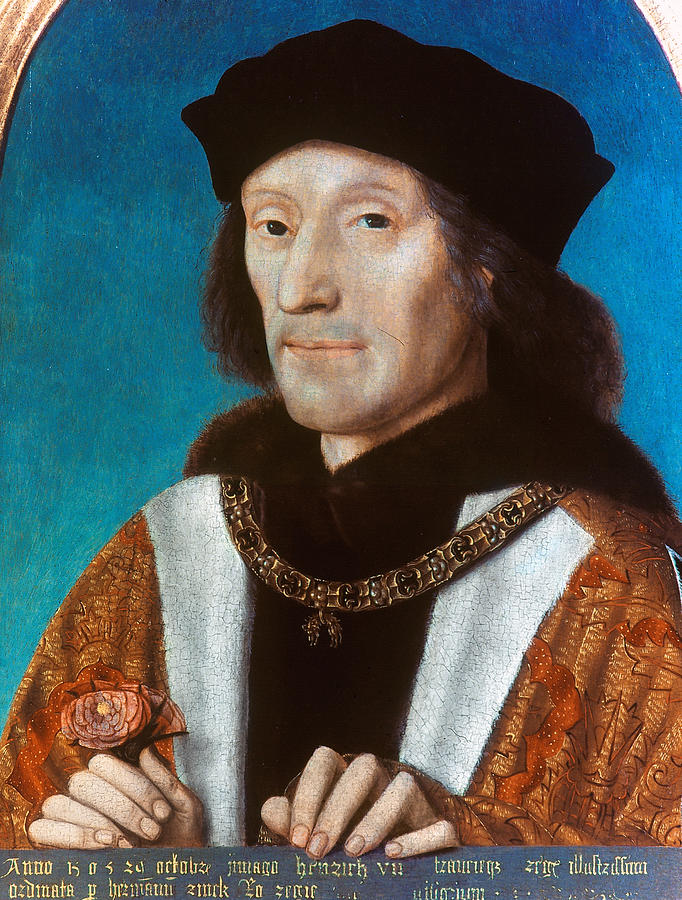
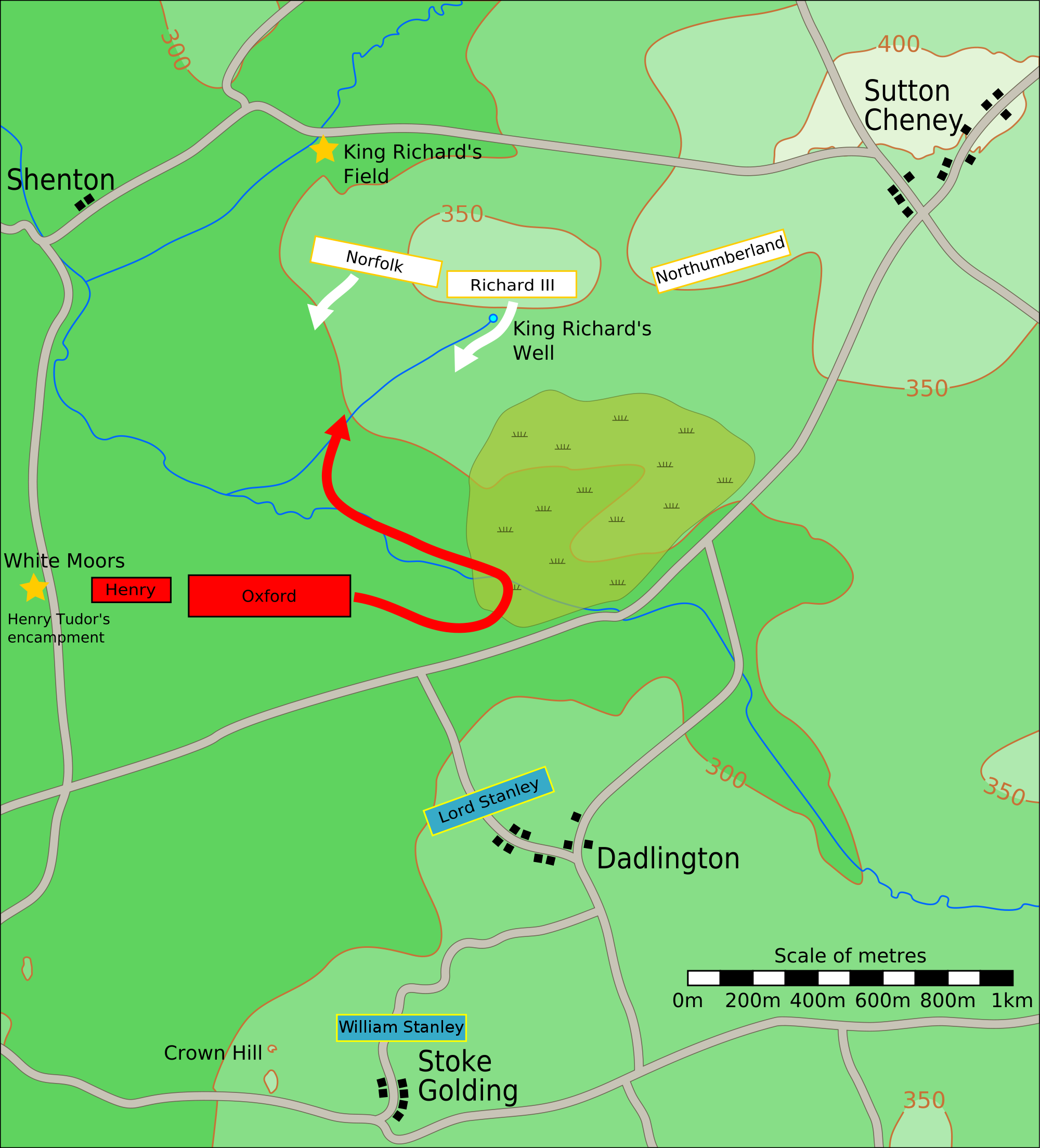


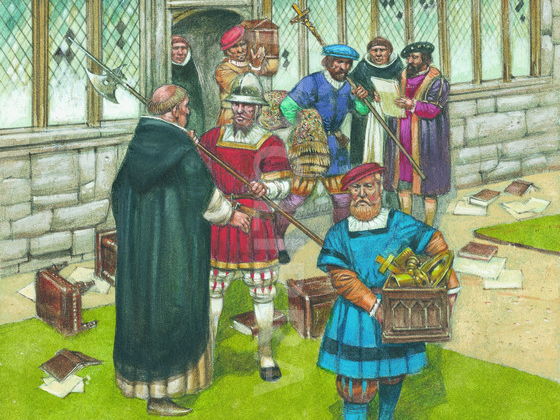


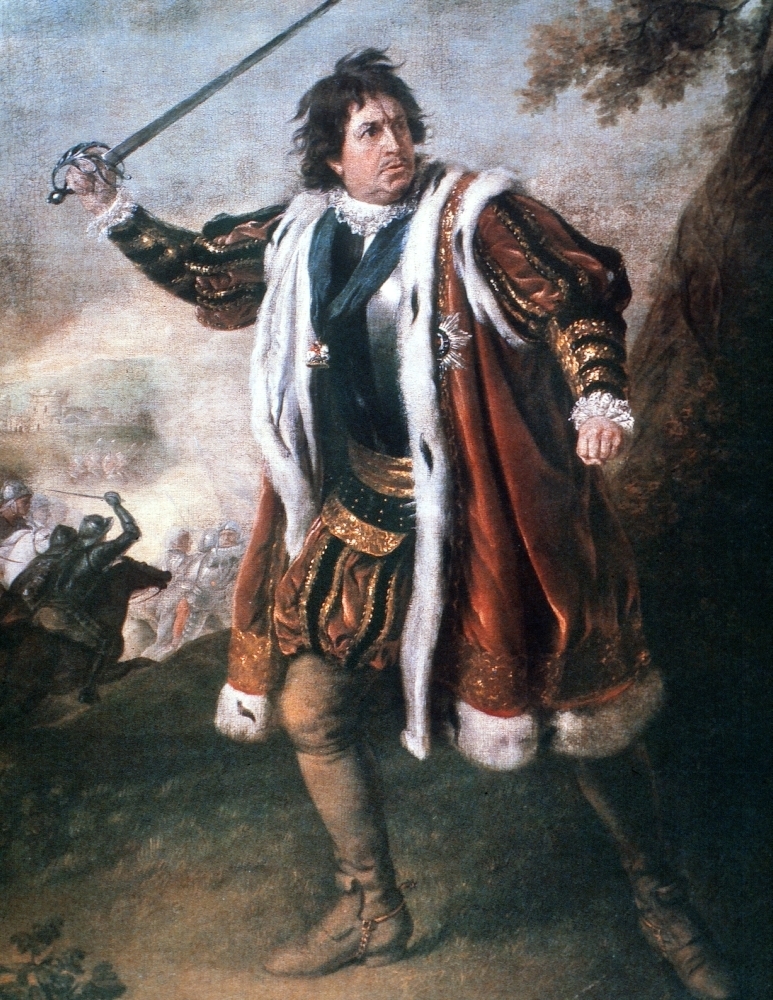




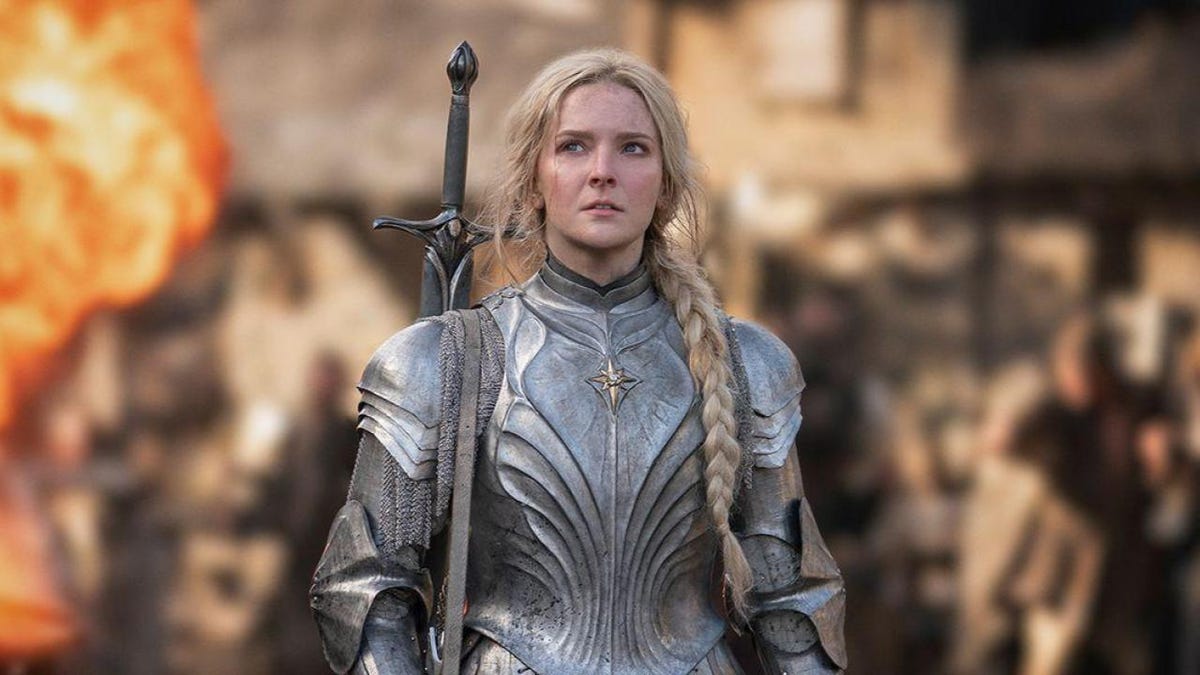

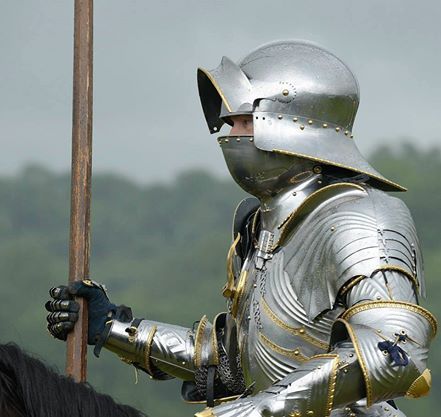


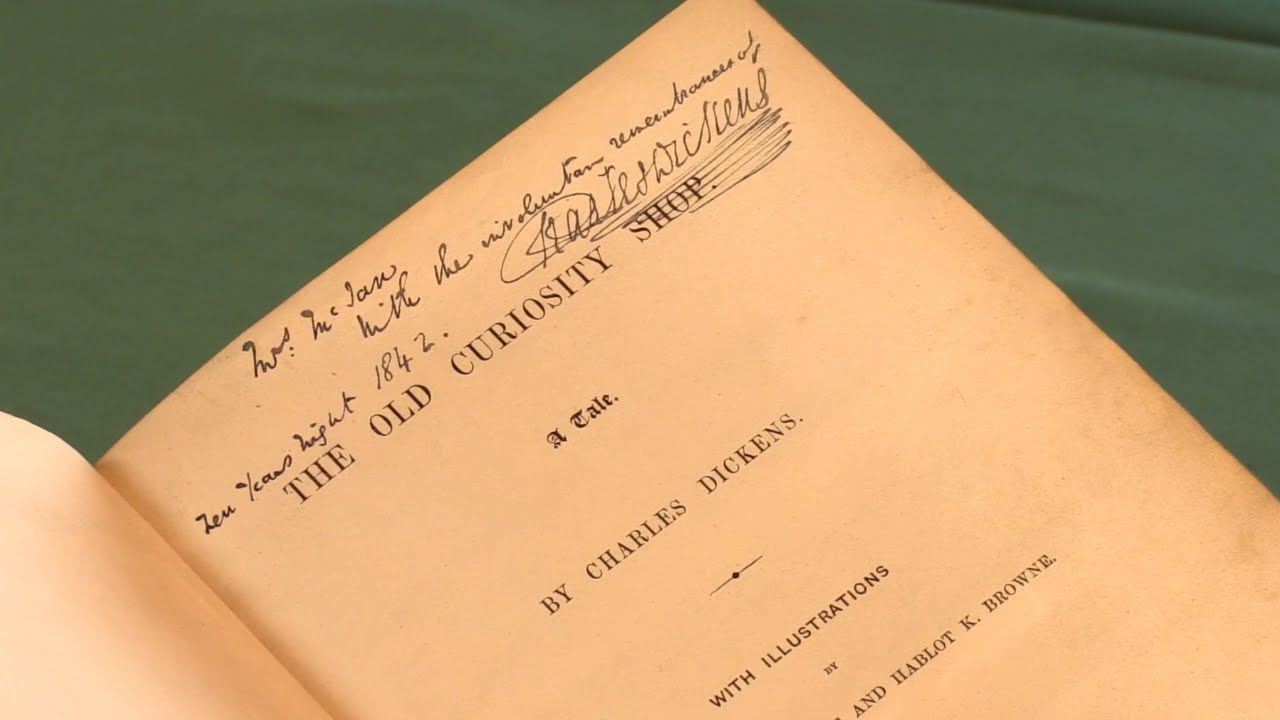
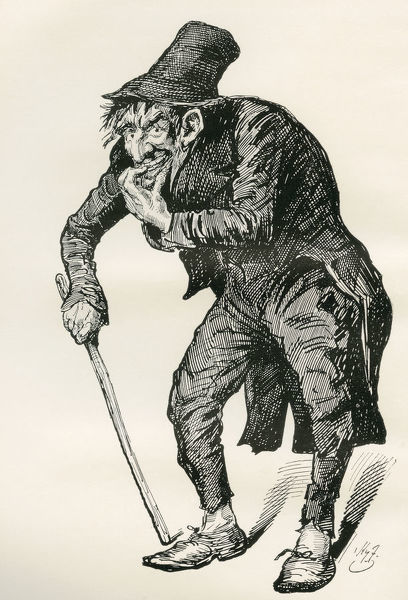


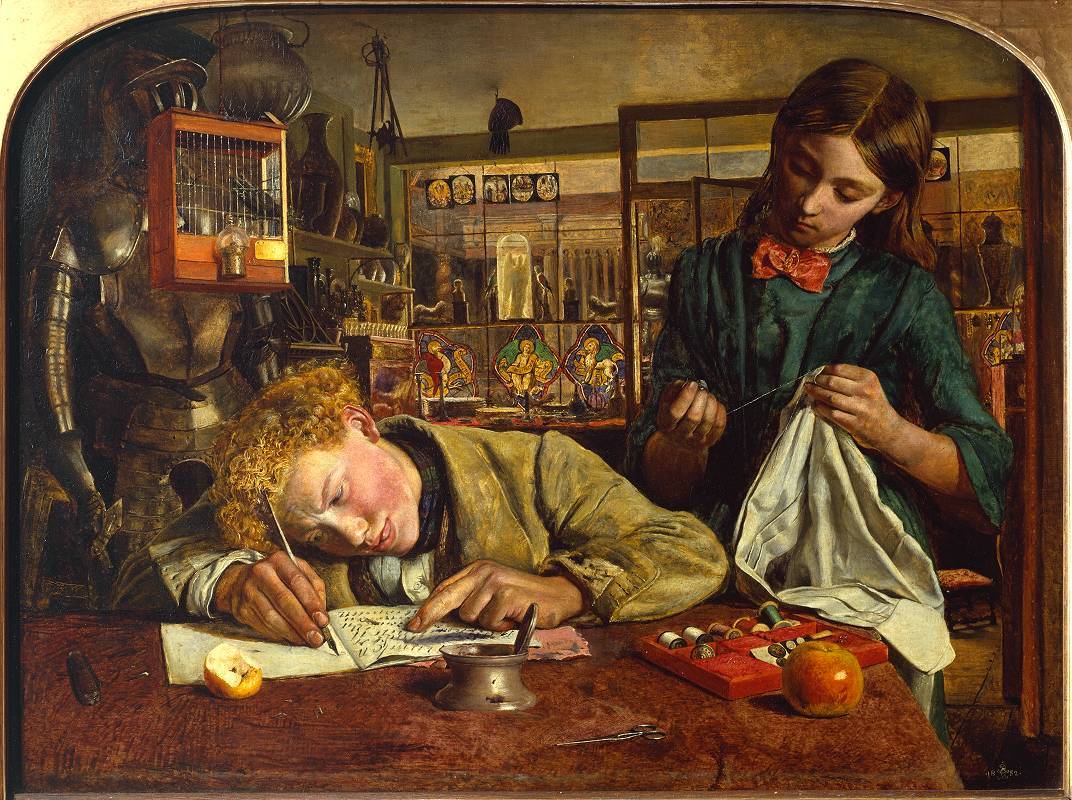
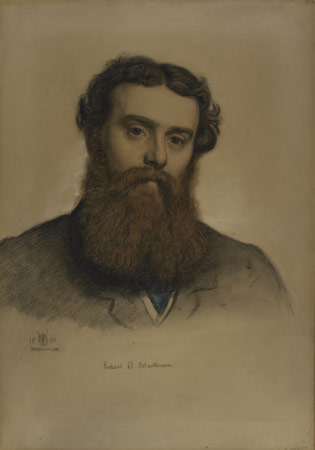


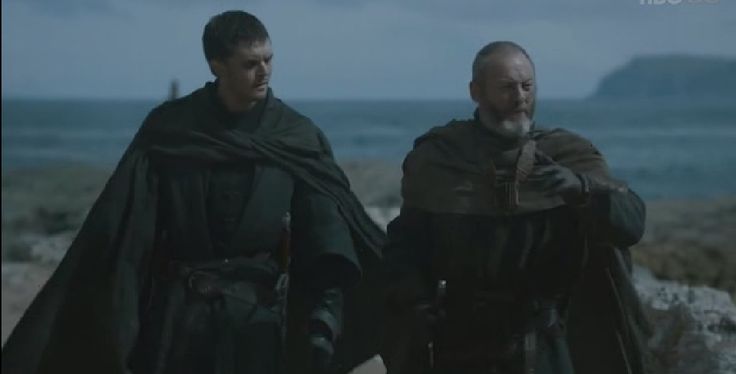
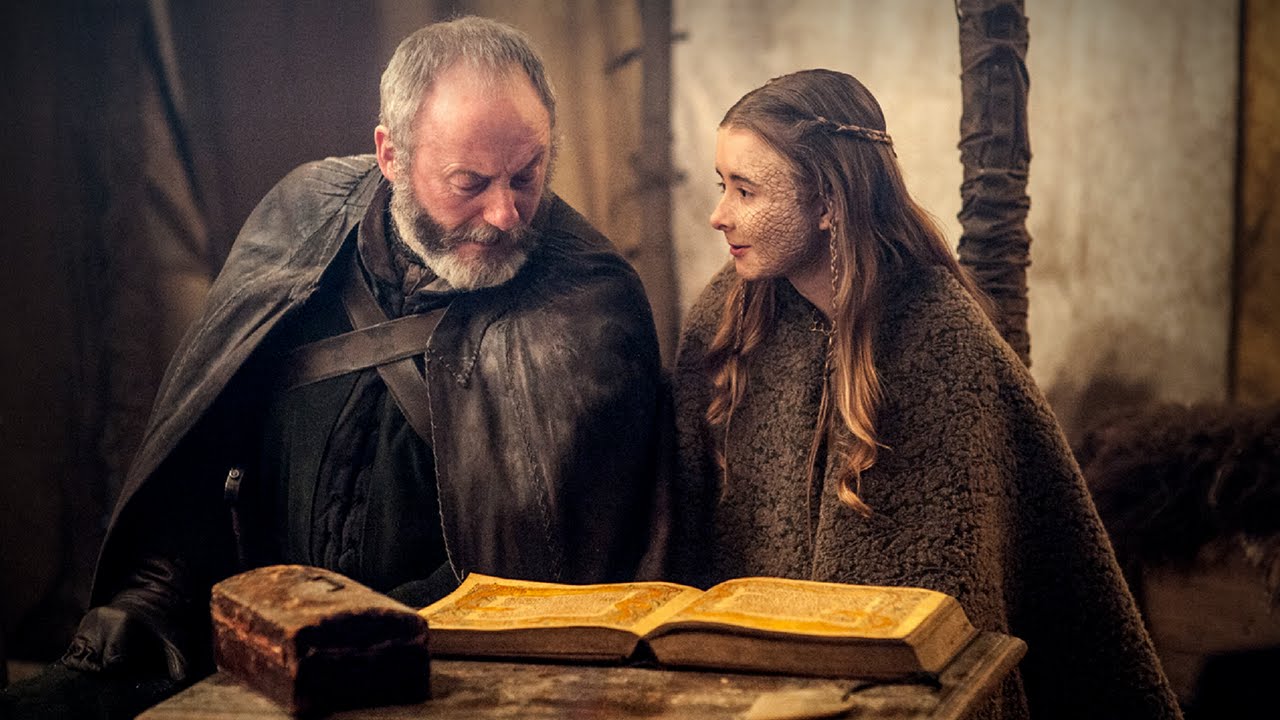

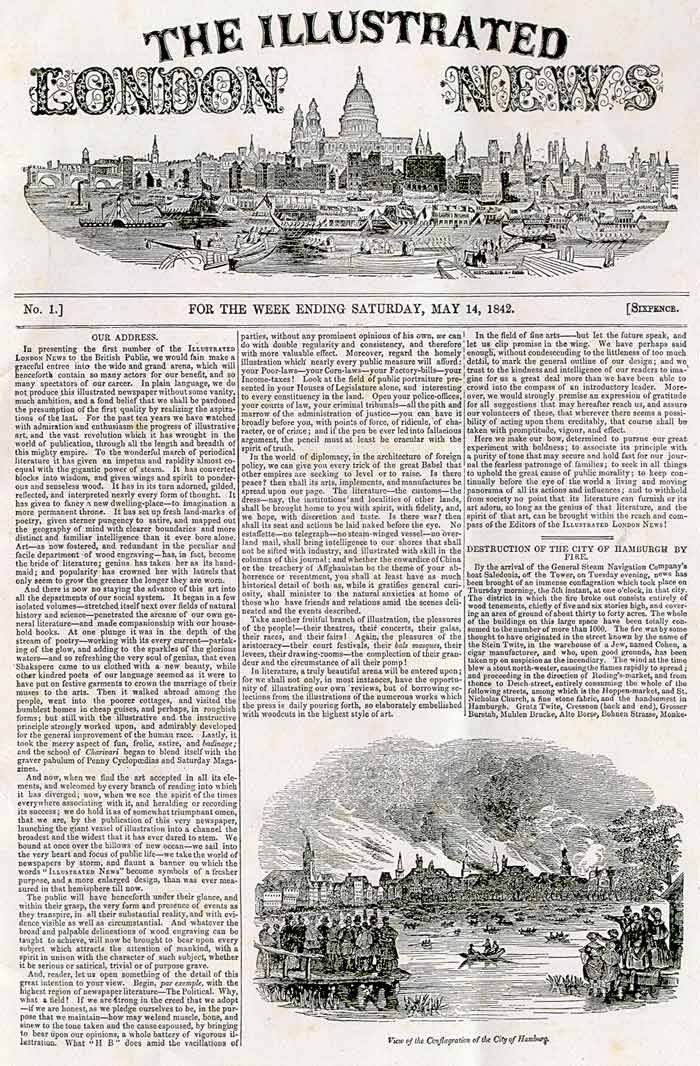


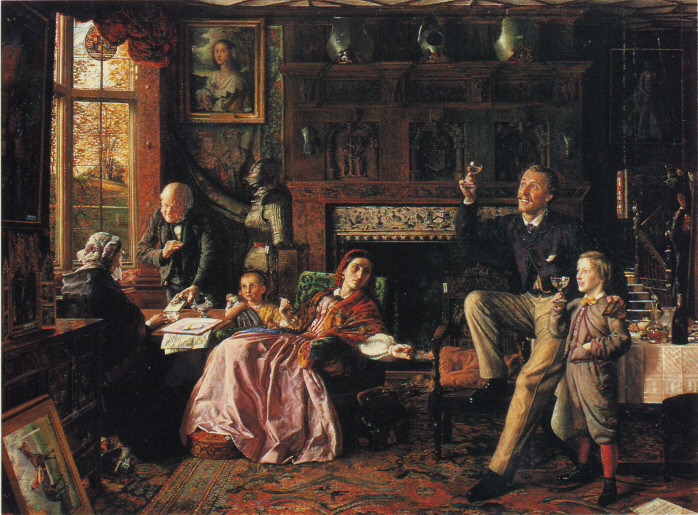
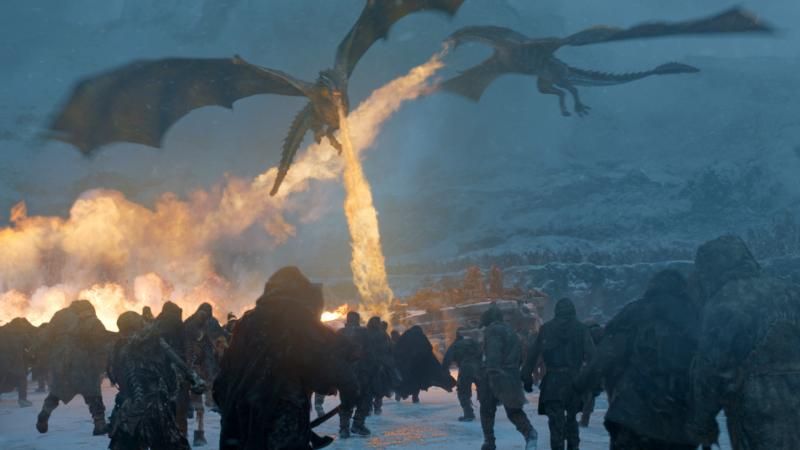


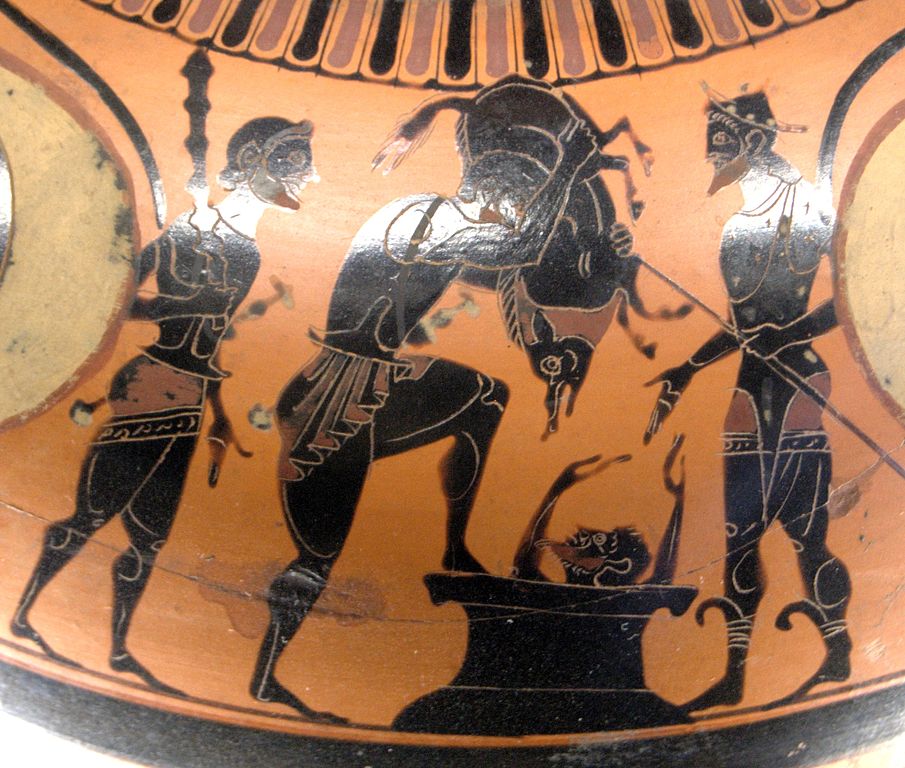

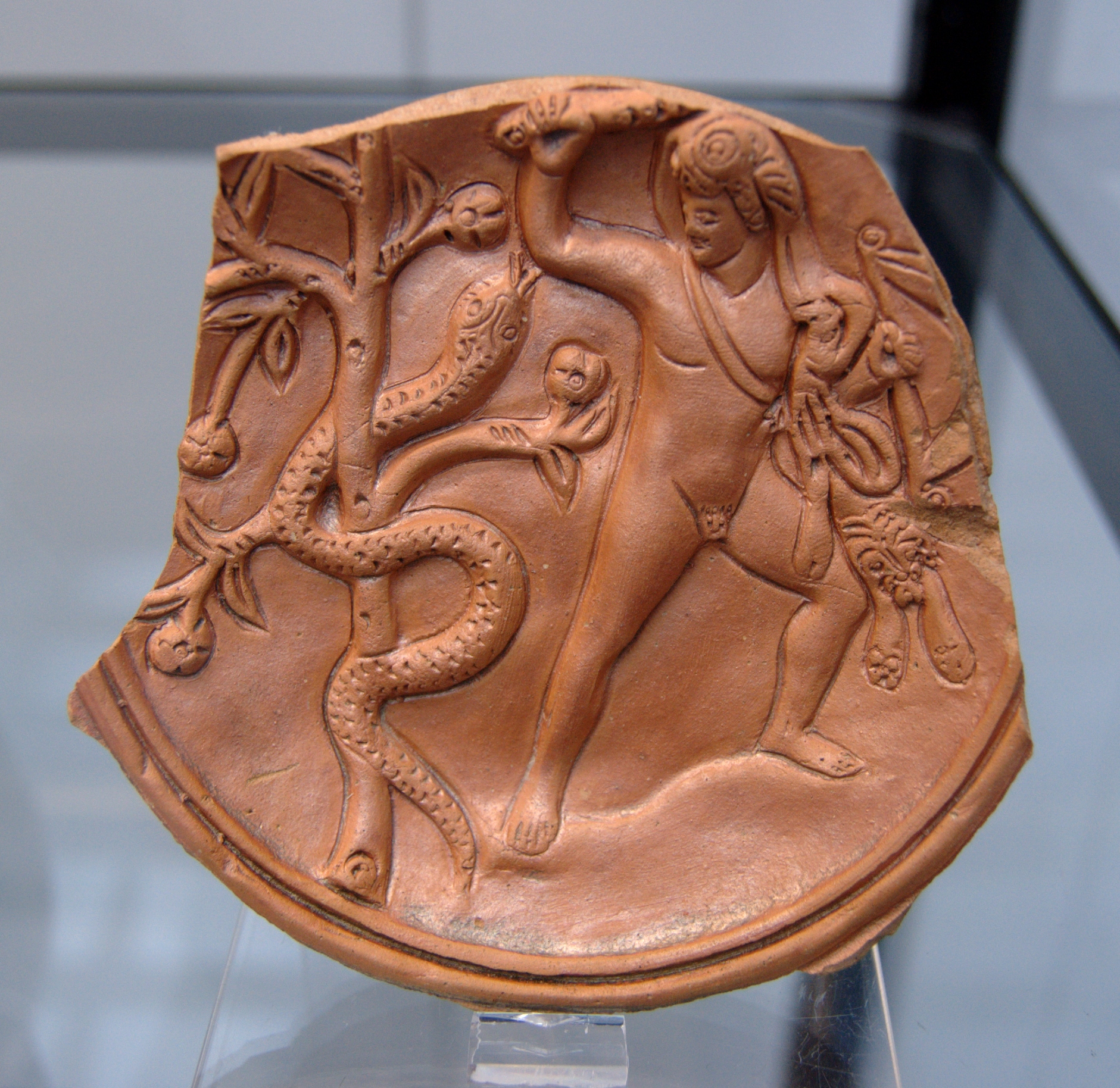

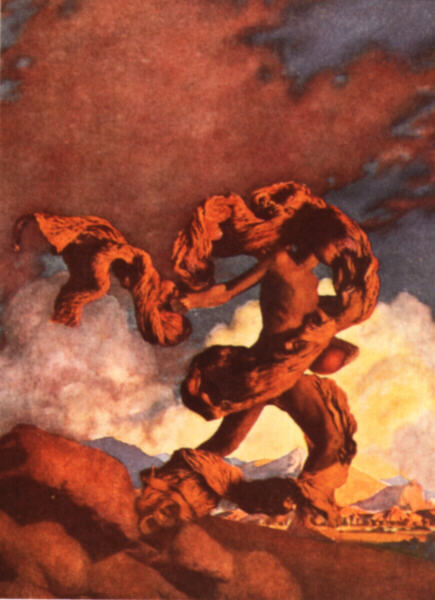
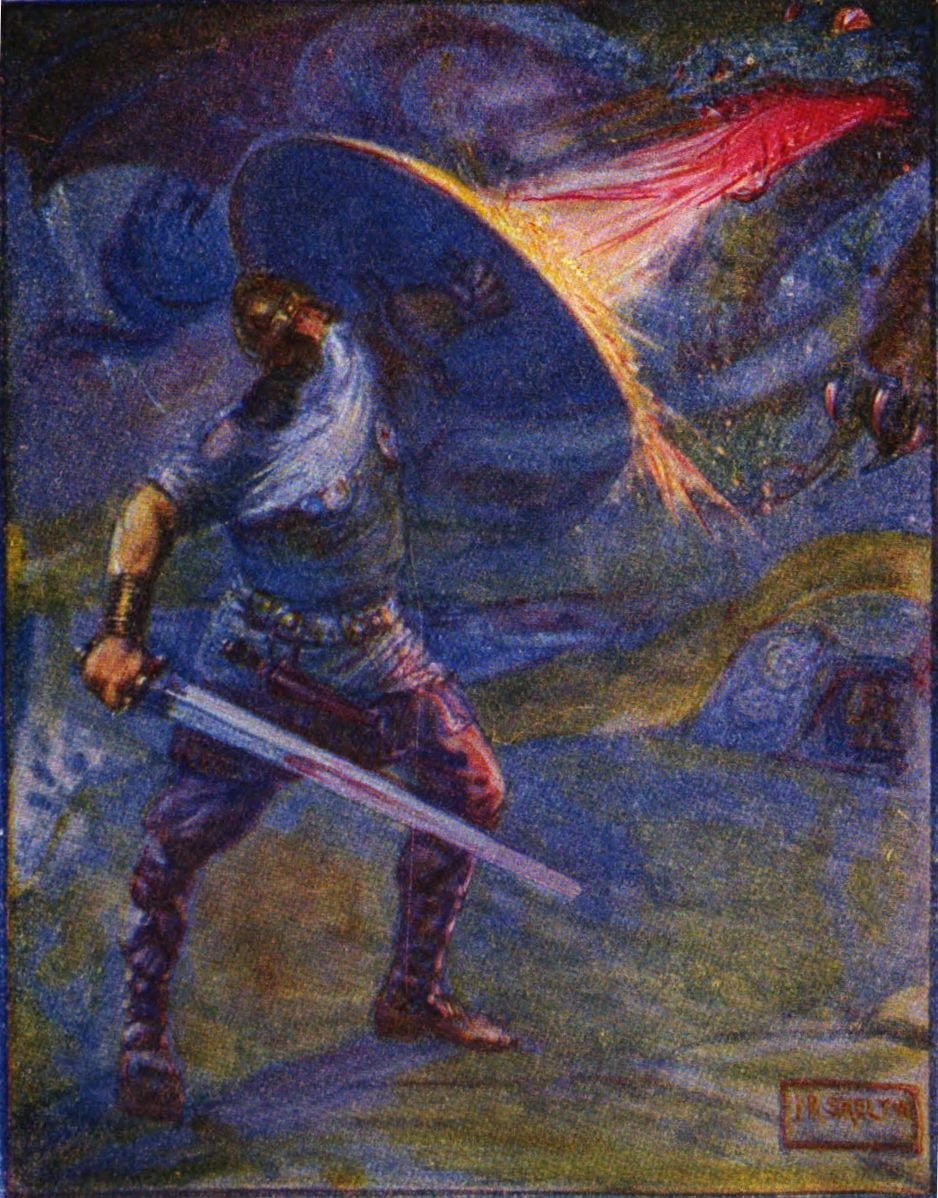


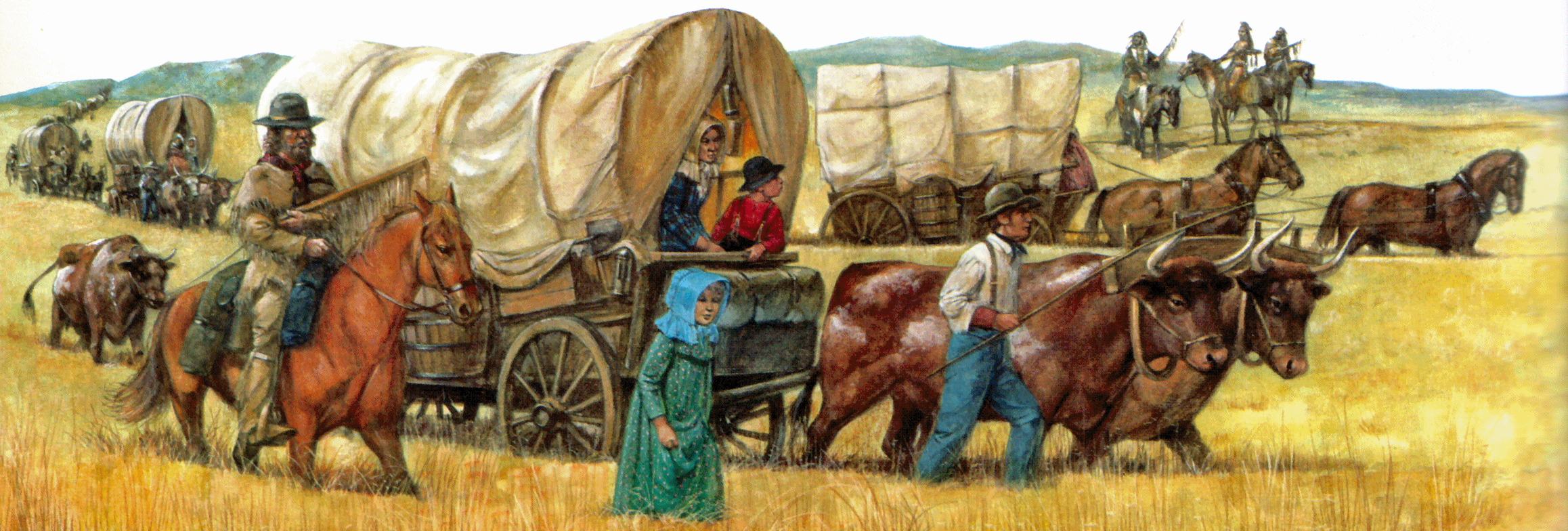

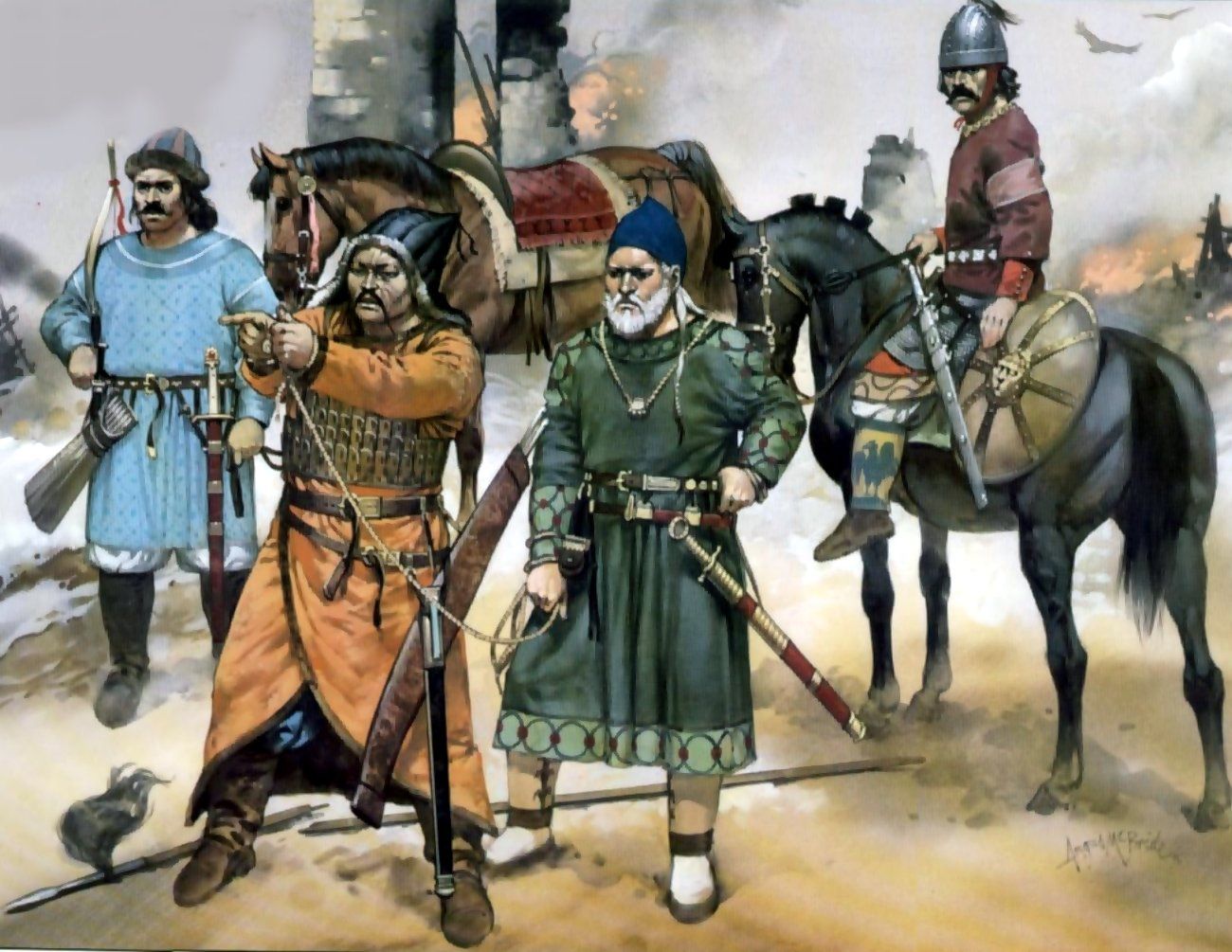
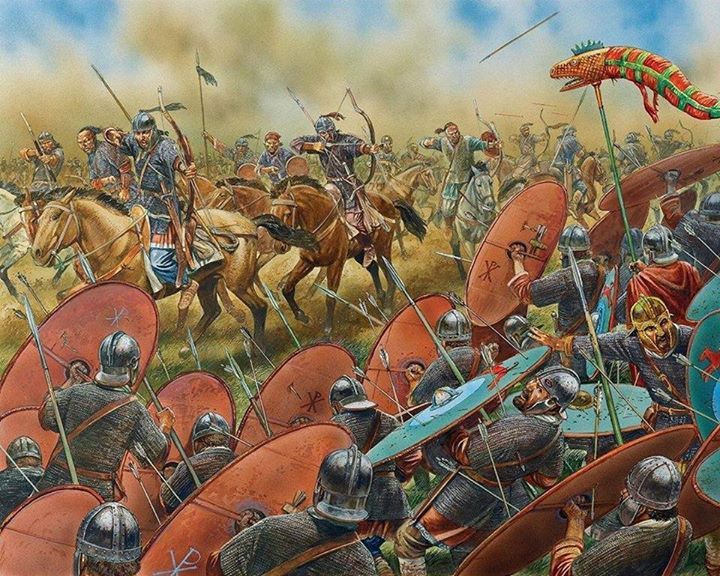


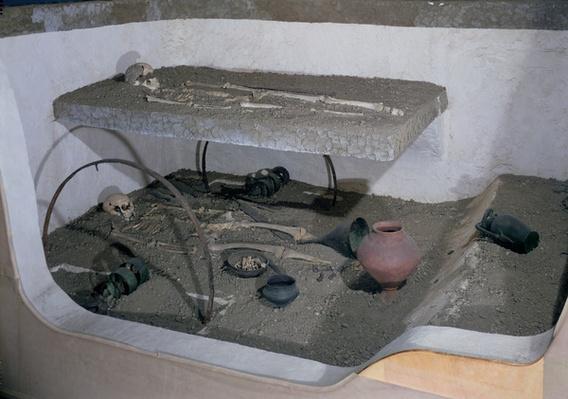
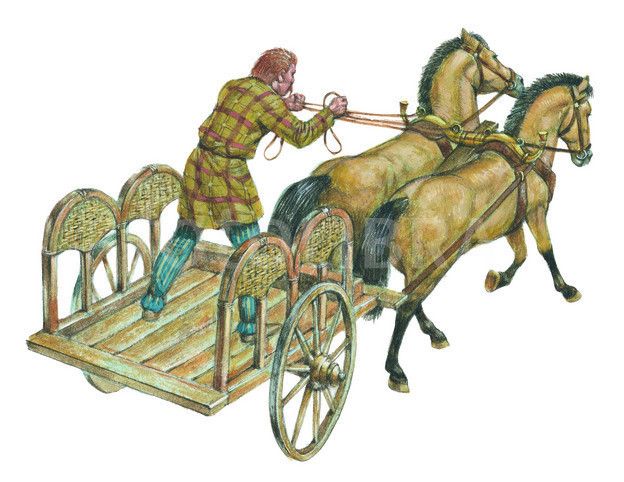


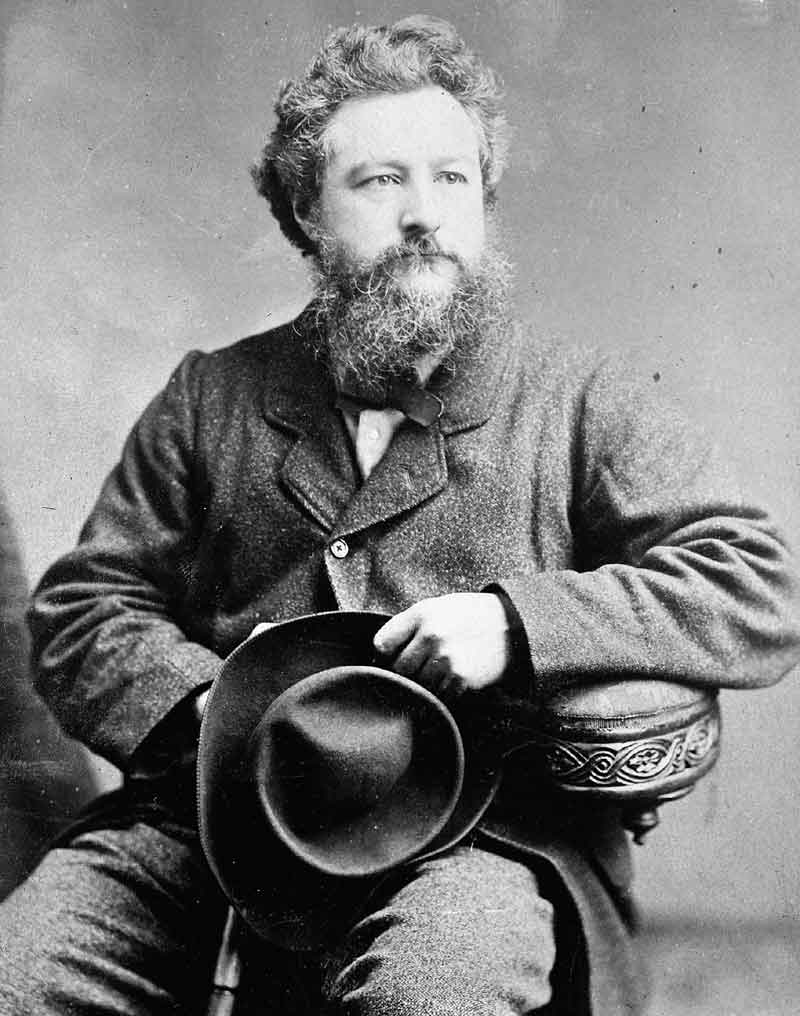


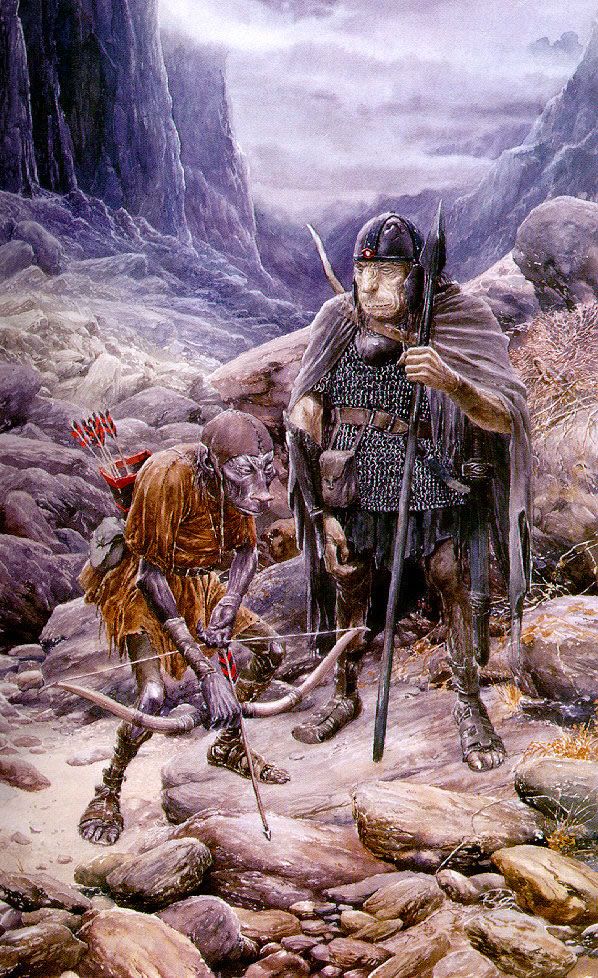


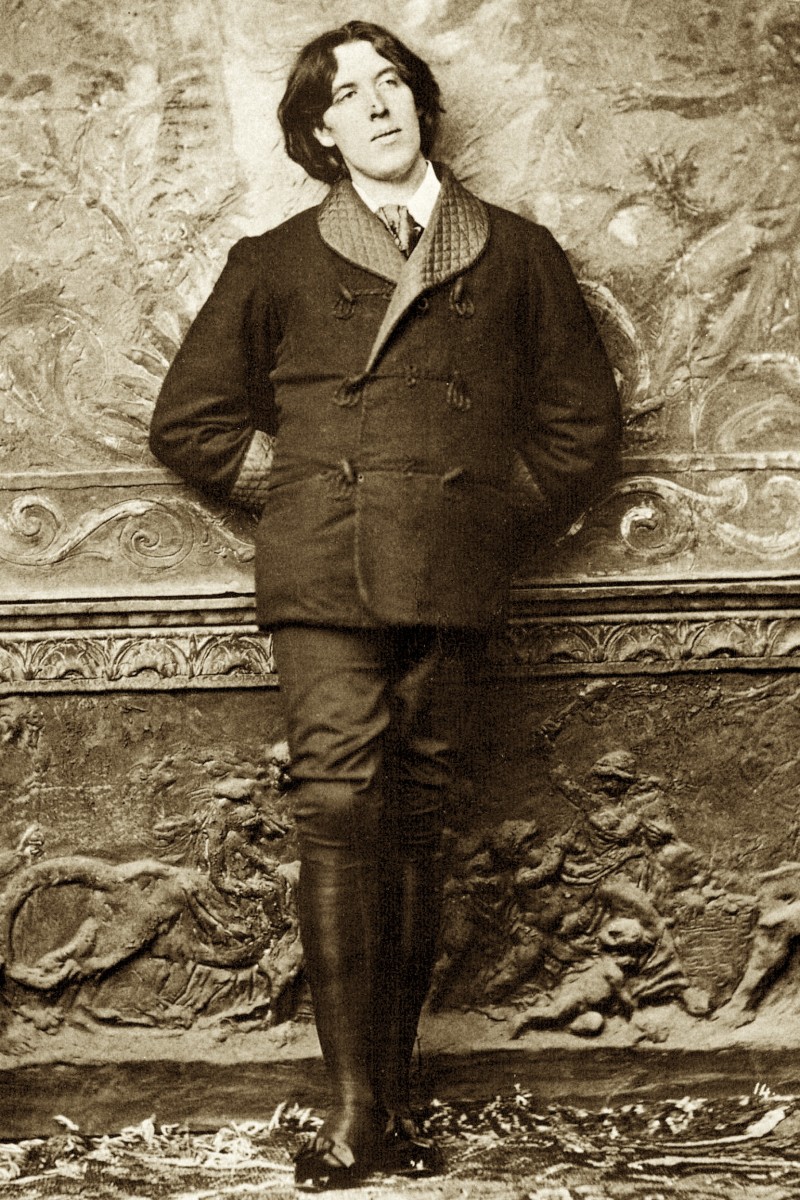
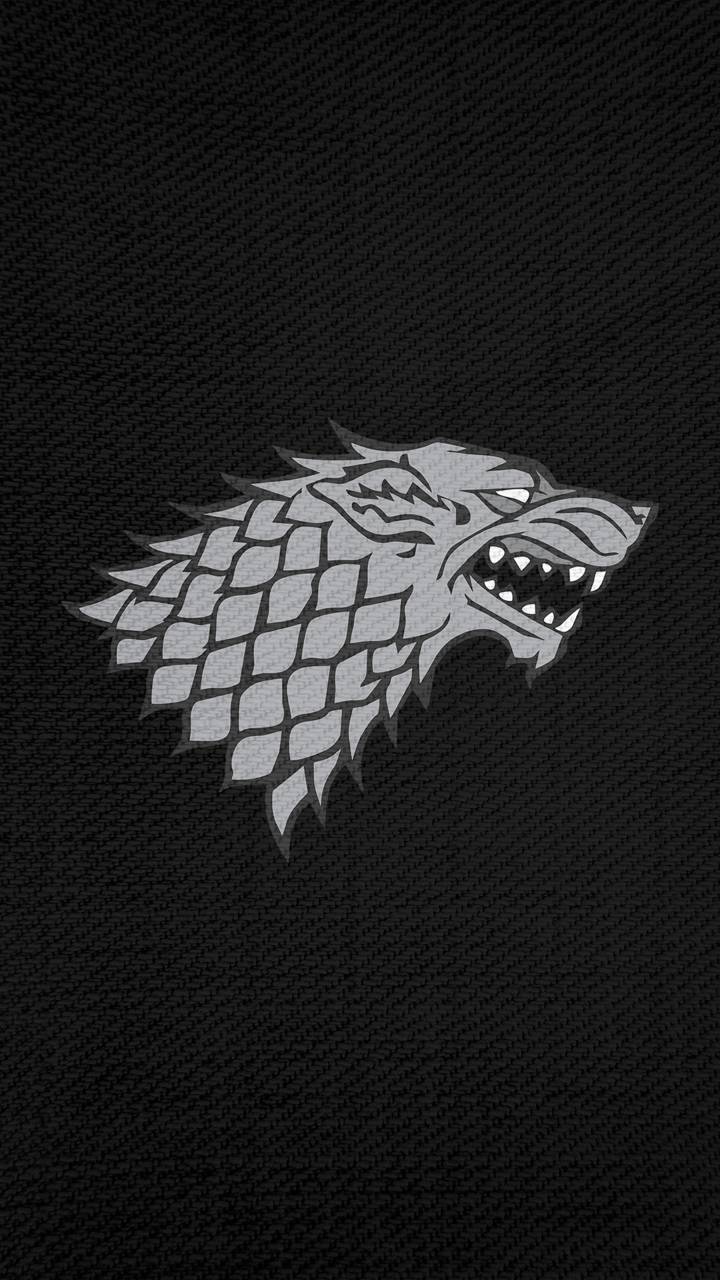


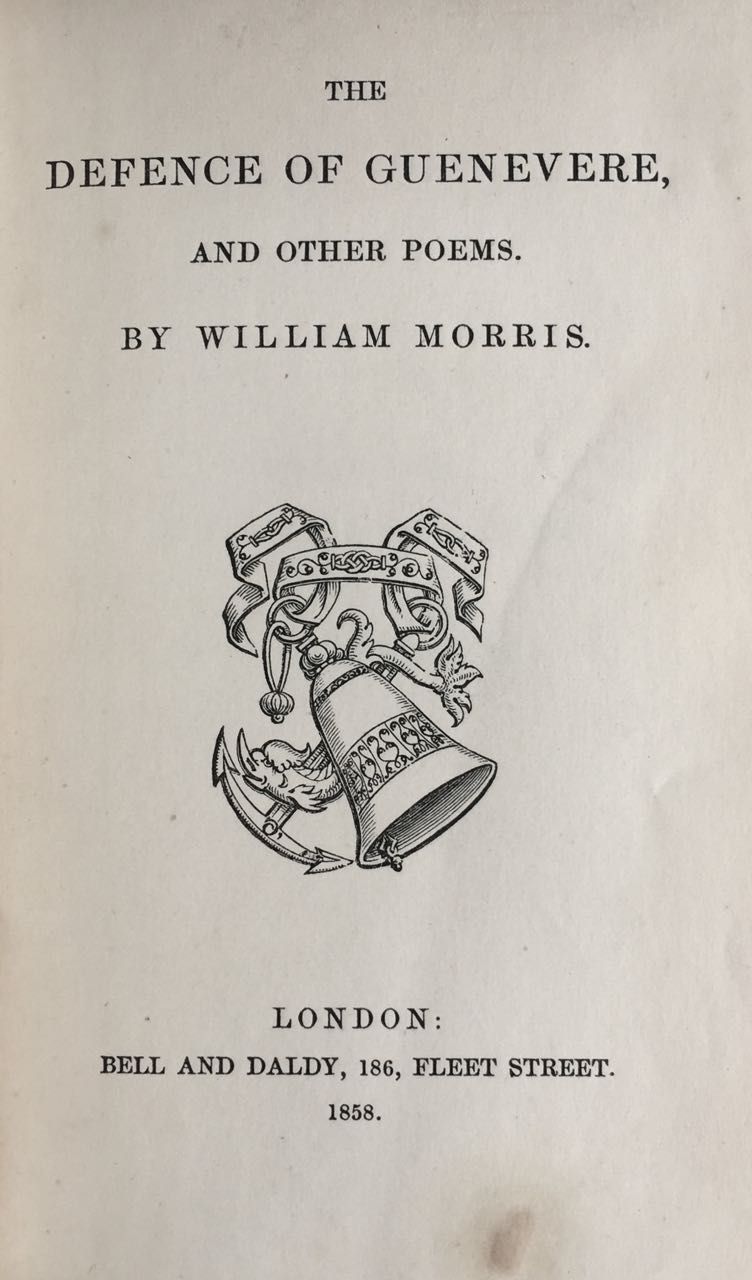
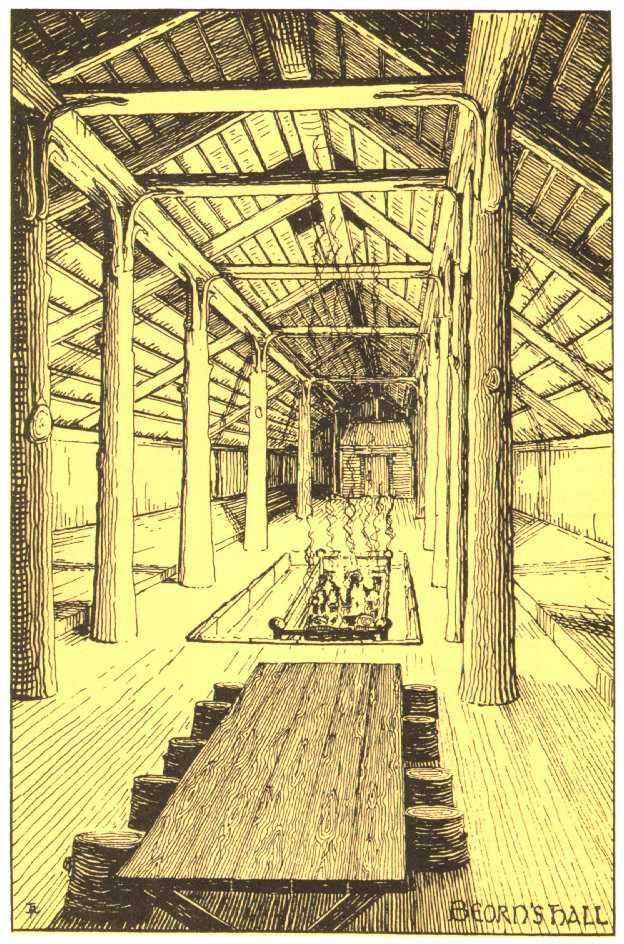


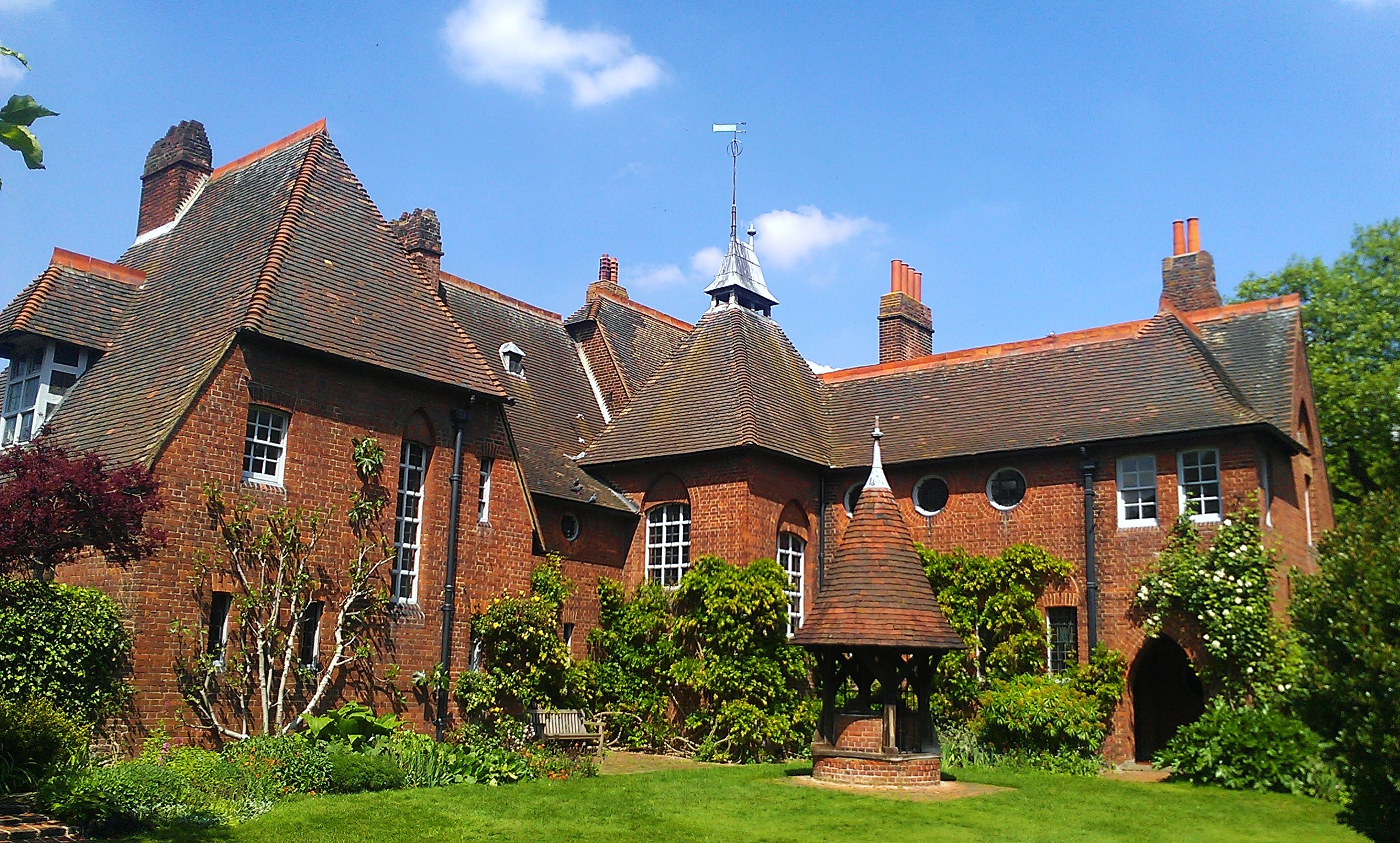




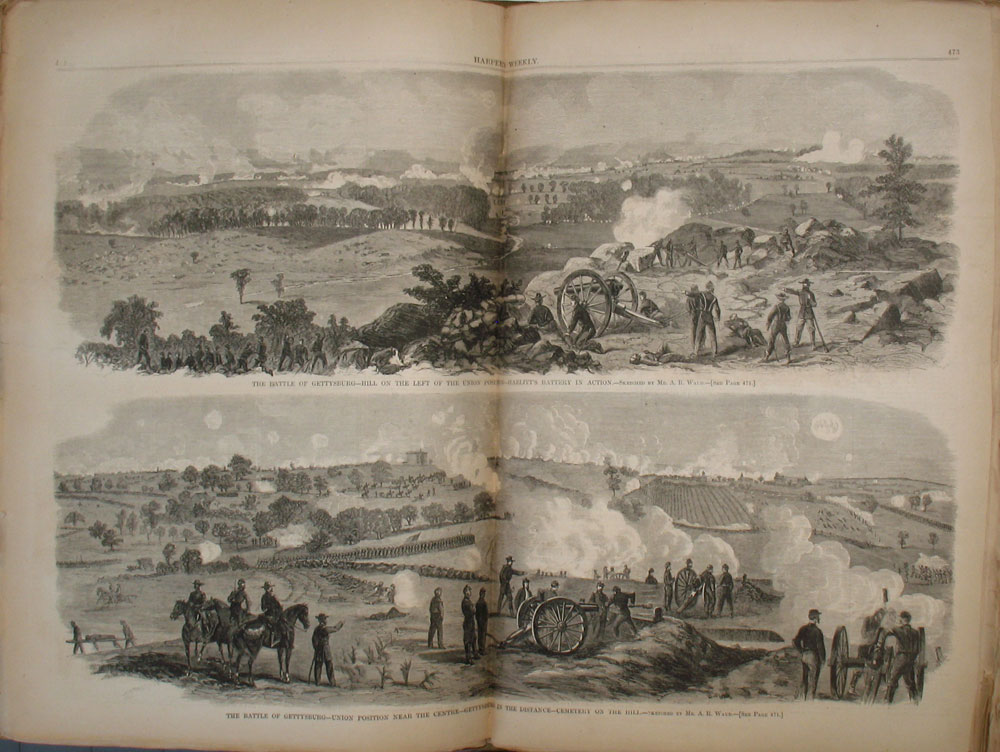


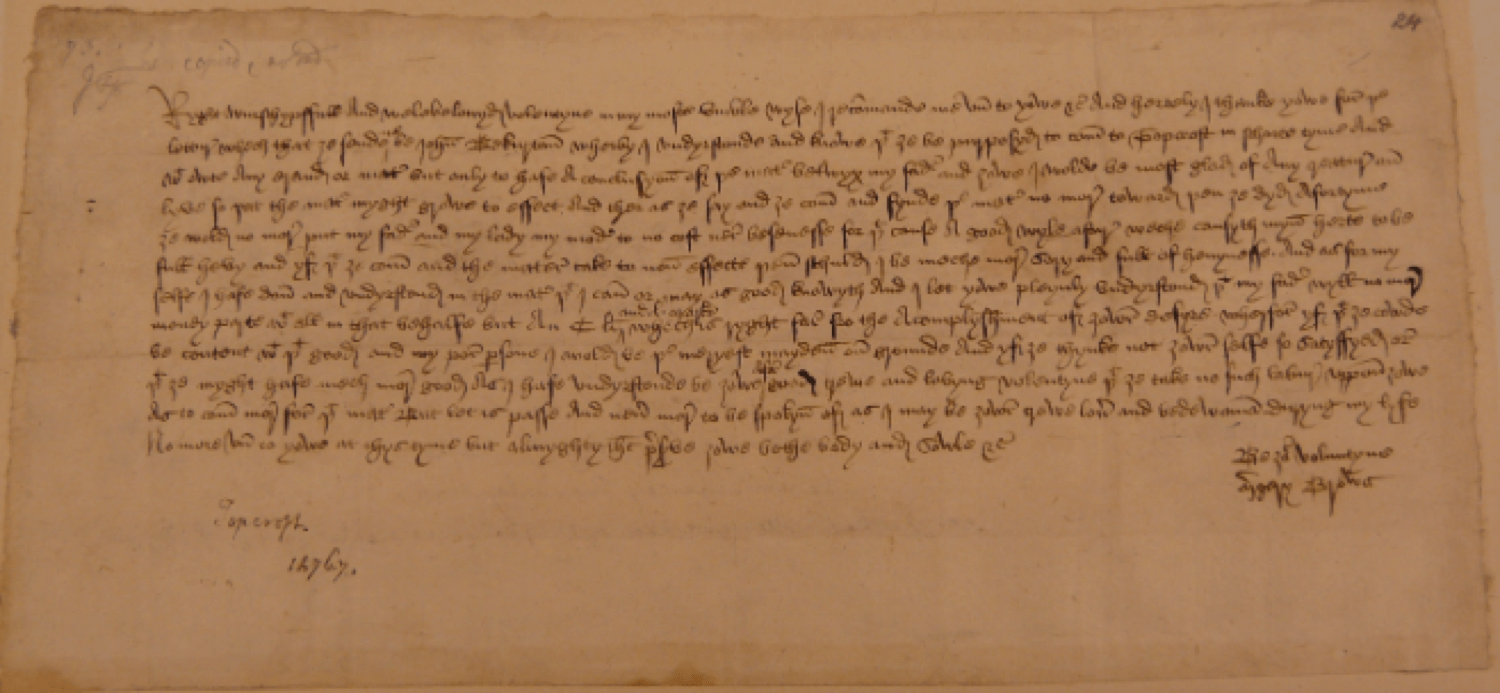


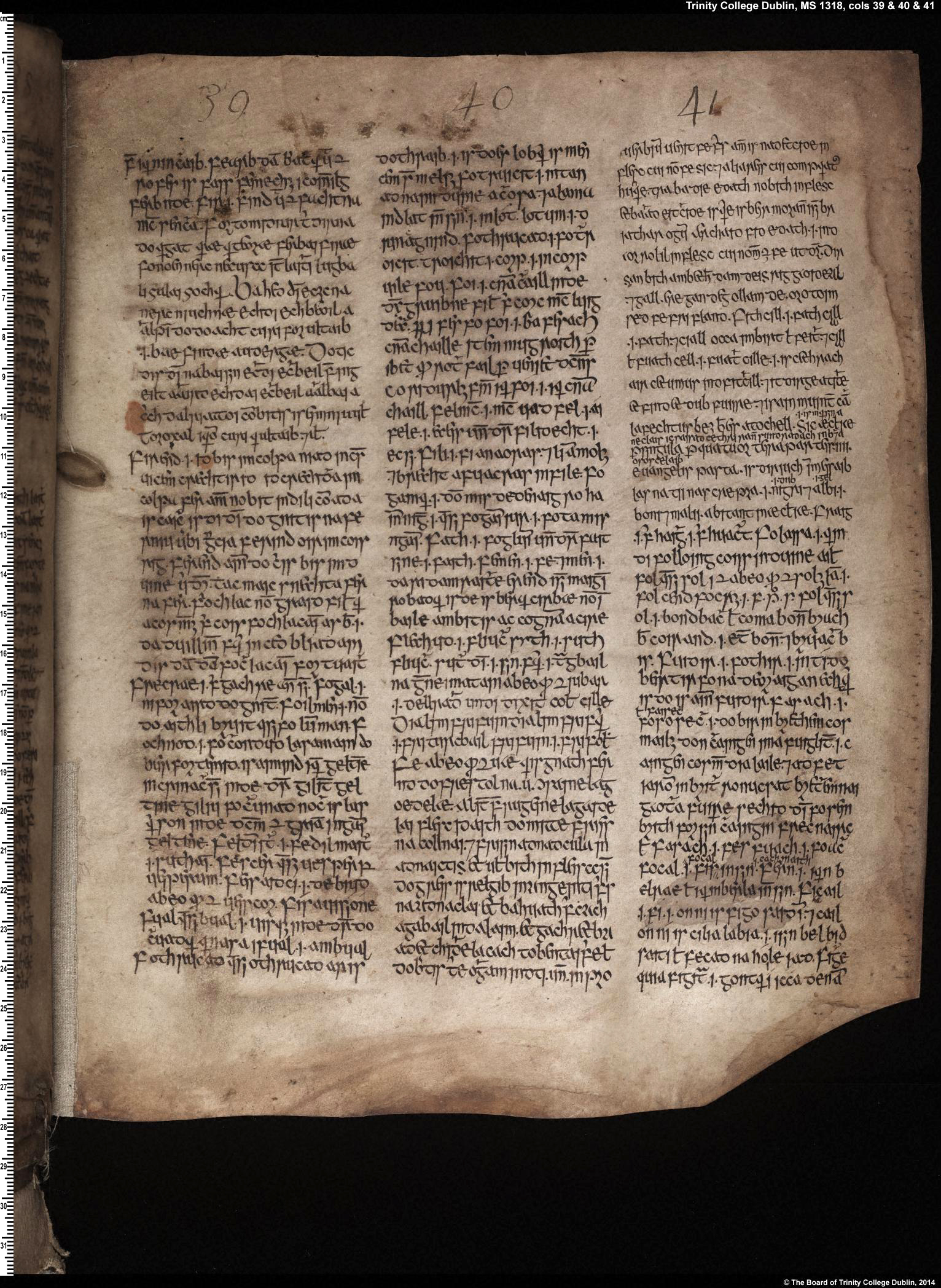
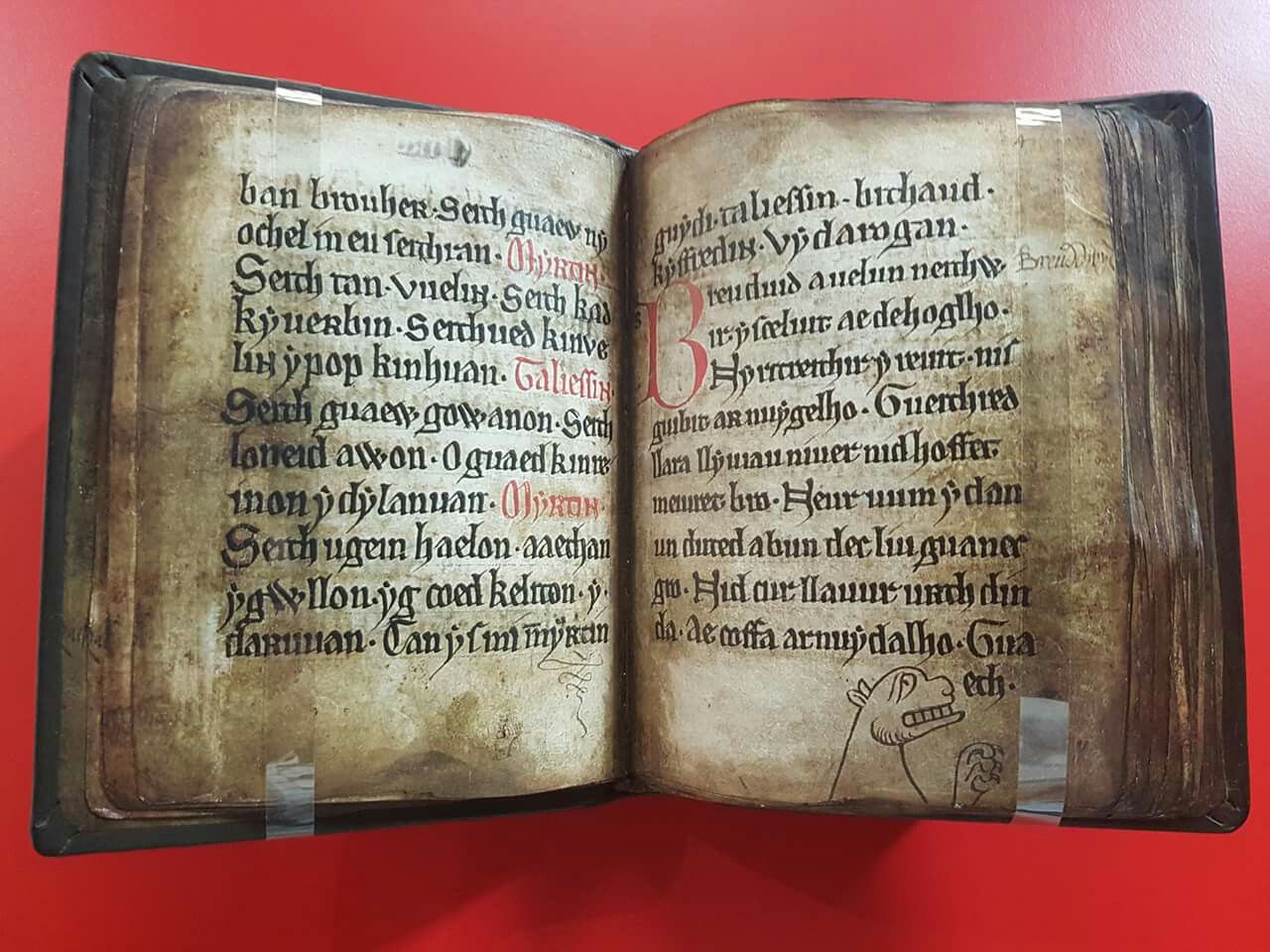

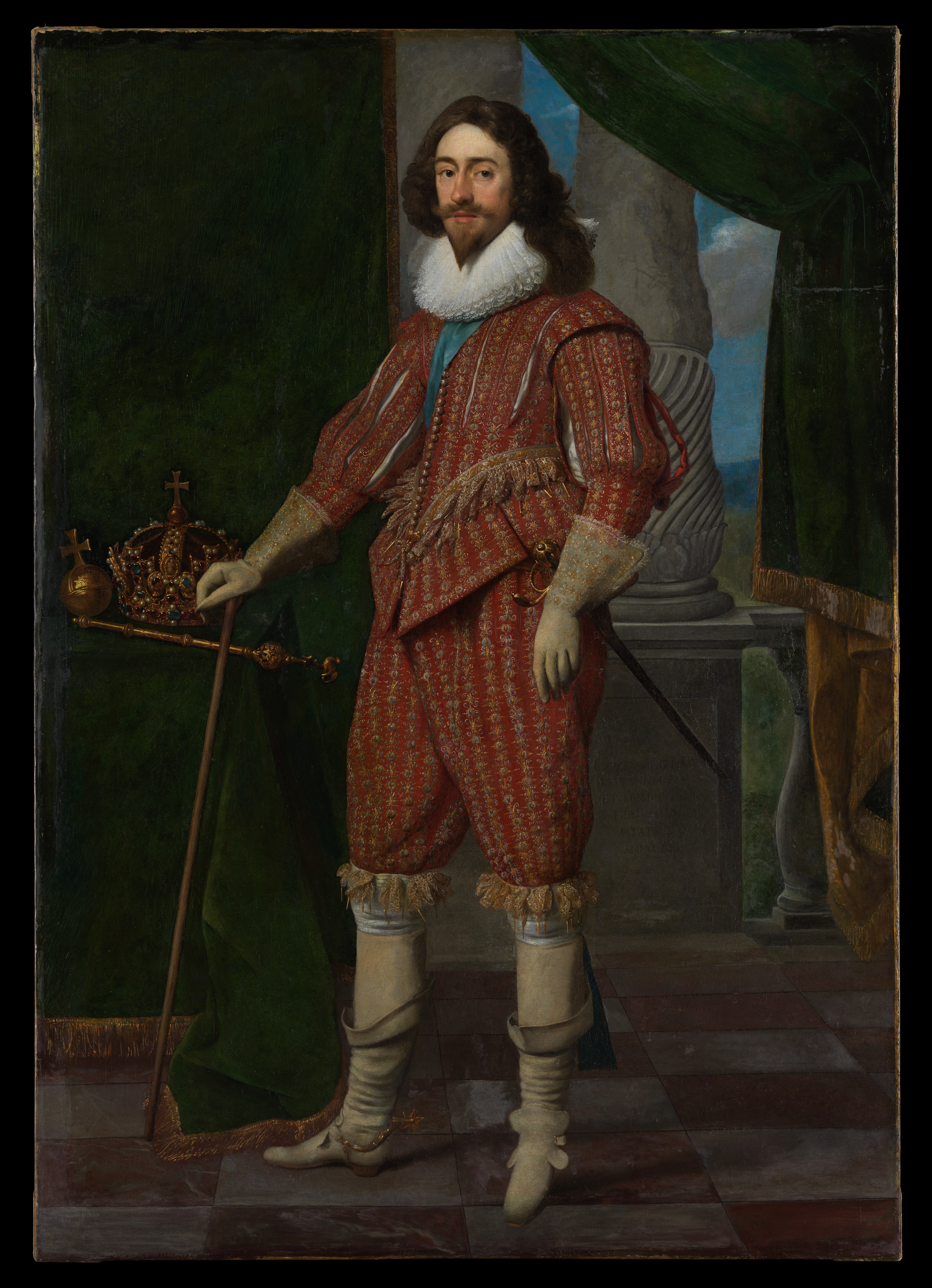


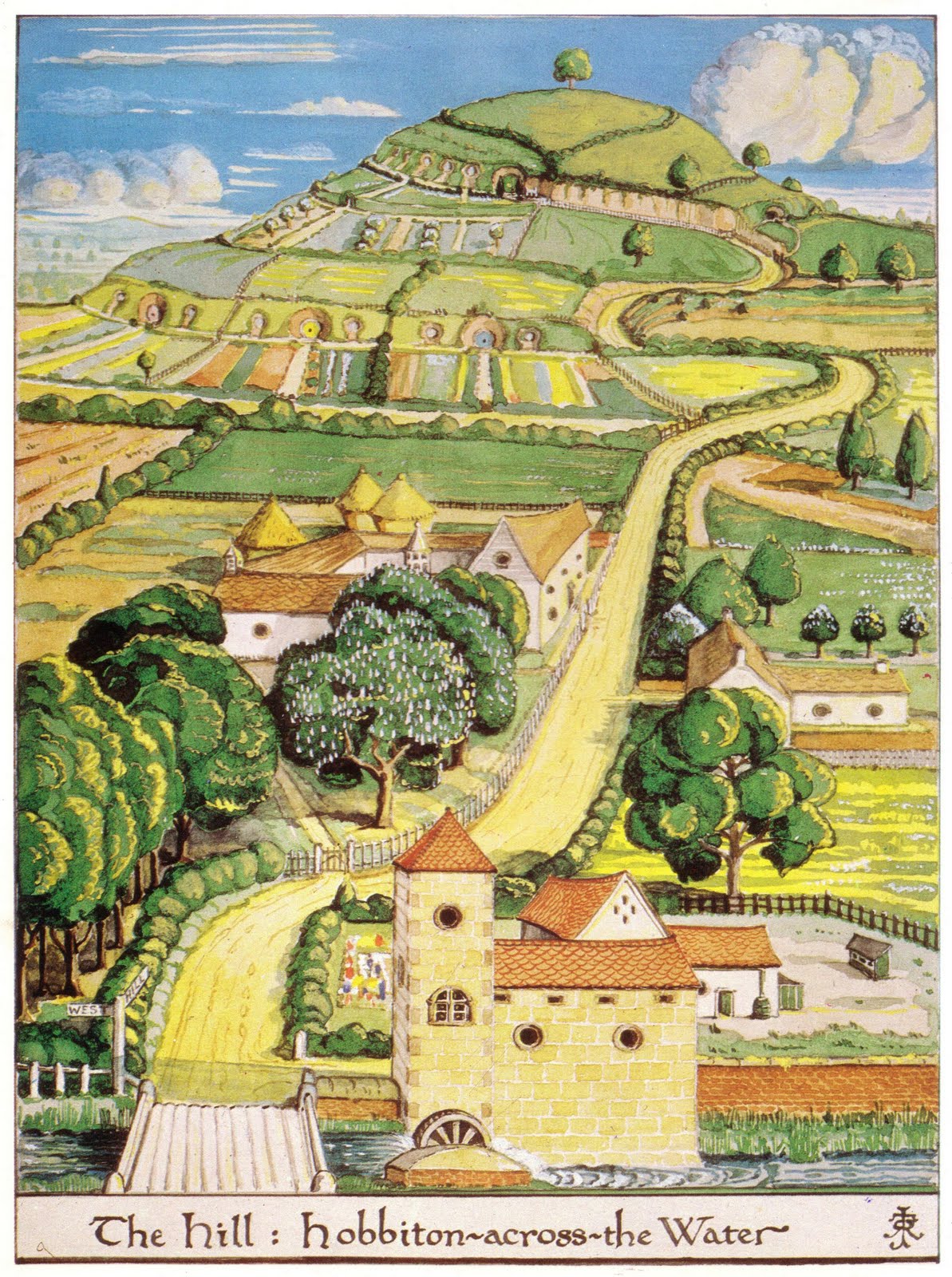


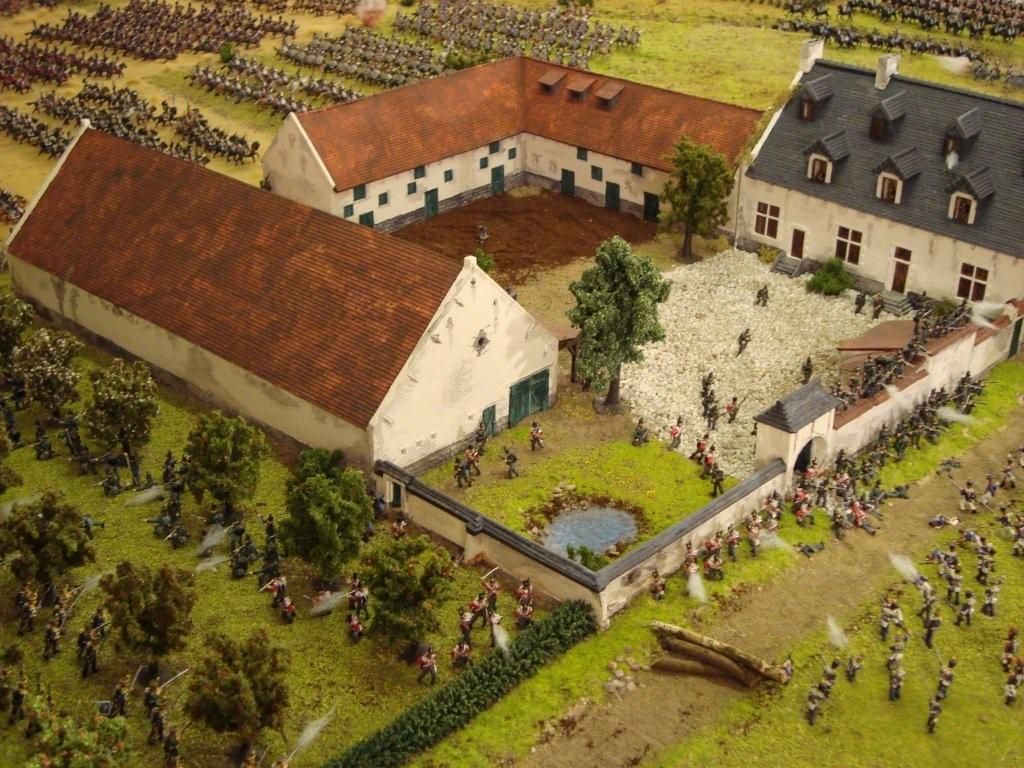
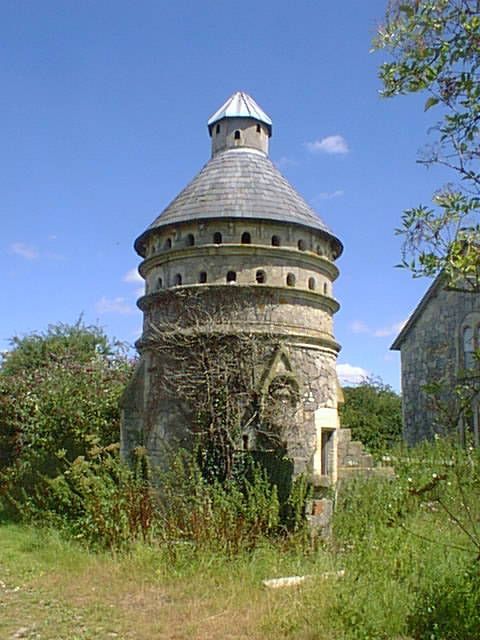
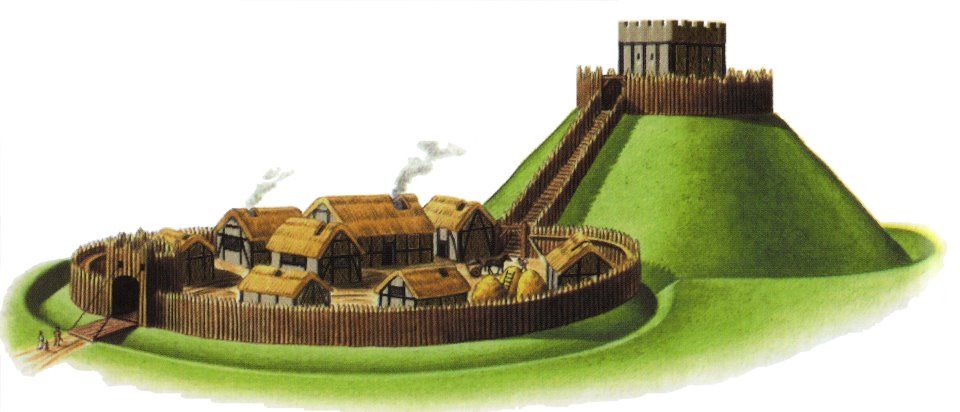

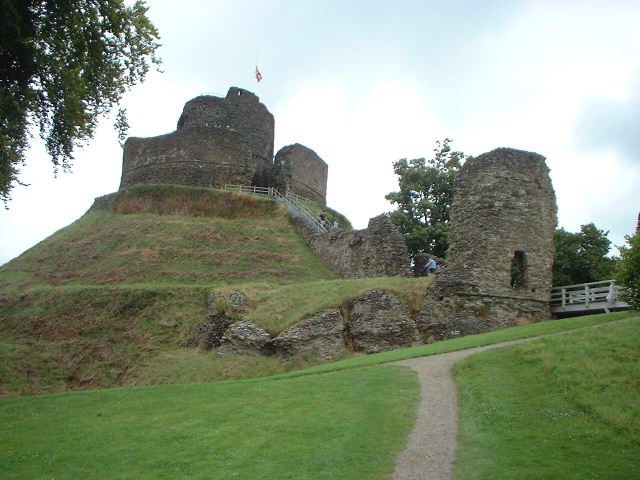

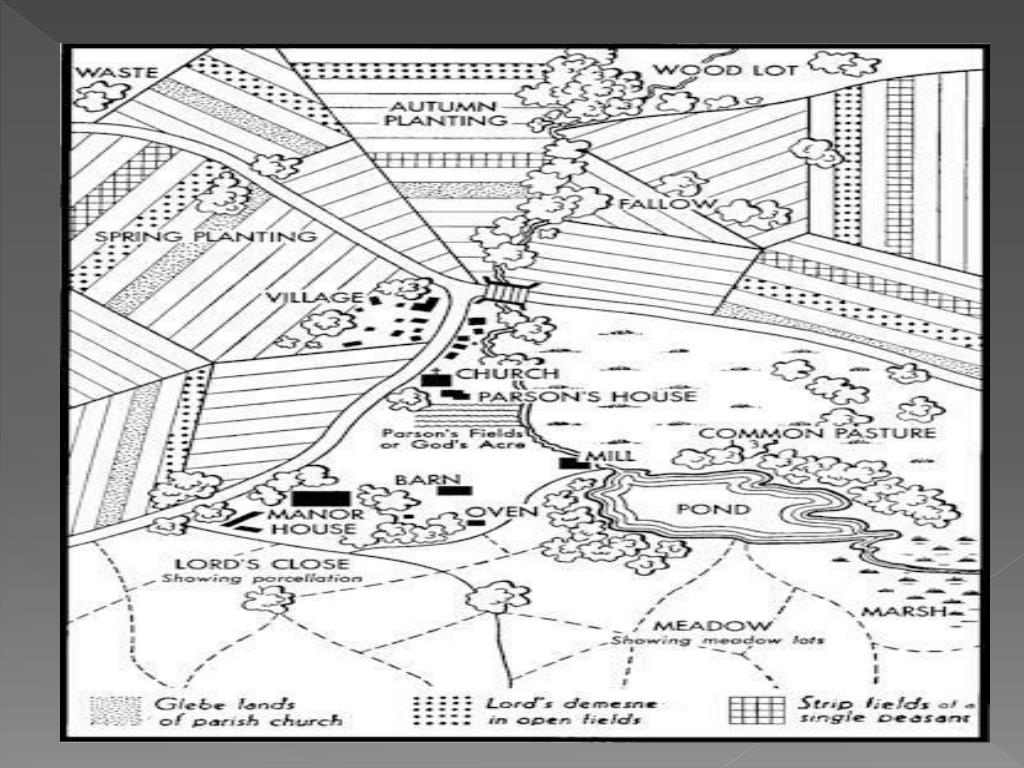


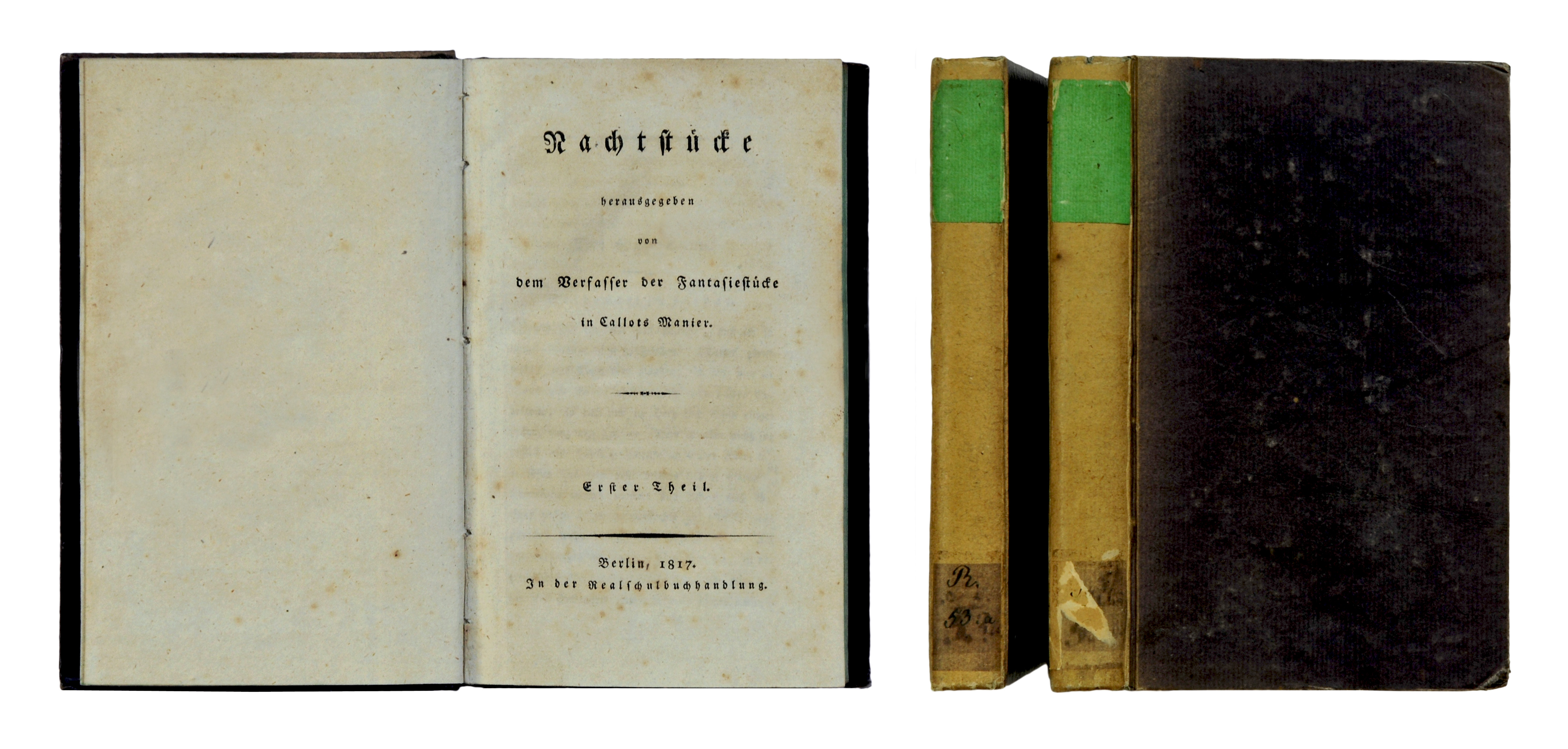
















 doubtfulsea