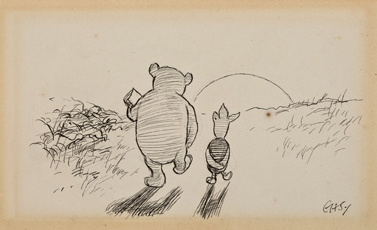
• About

doubtfulsea

~ adventure fantasy

Author Archives: Ollamh

EVACUATE?

17 Wednesday Mar 2021

Posted by Ollamh in Uncategorized

≈ Leave a comment

Welcome, as ever, dear readers. 

In certain parts of the world, this is a holiday—especially in Boston, Massachusetts.  This holiday, however, has an odd name attached in Boston, “Evacuation Day”.  What is this and why celebrate it?

Things were not going well for the British army.  Ever since the arrival of the first troops in Boston in 1768,
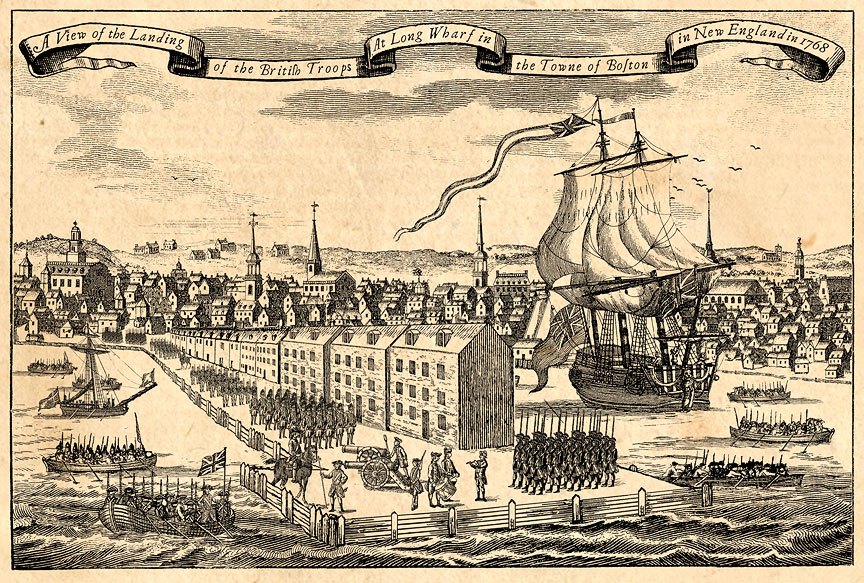
sent to deal with New Englanders angered at attempts by the London government to tax them without their say-so, there was trouble.  At first, there was the problem of where to house them, as there were no barracks.
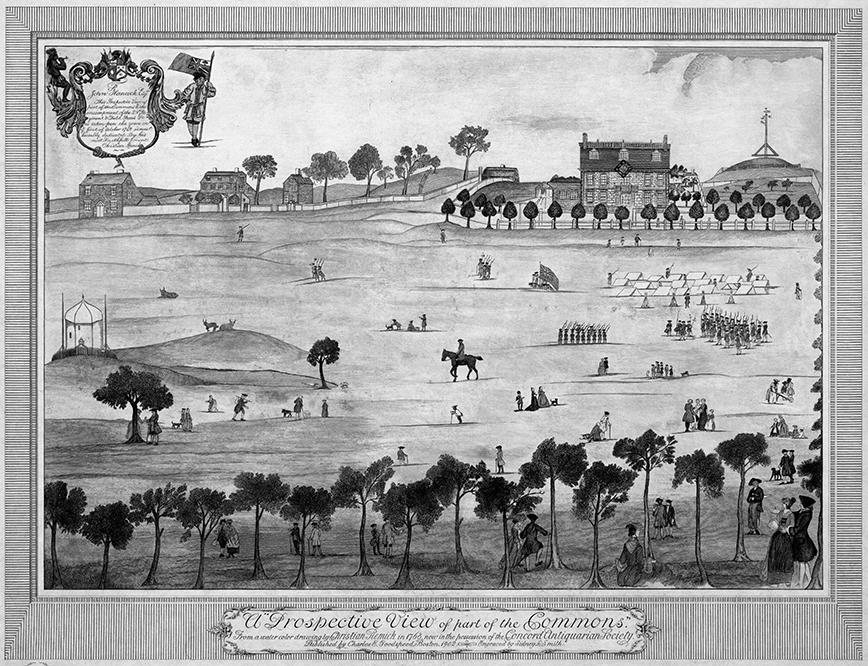
People didn’t want them in their homes and it had been a struggle to find enough empty accommodations for them.  And then they seemed to be everywhere in the small city (population about 16,000 in 1773).
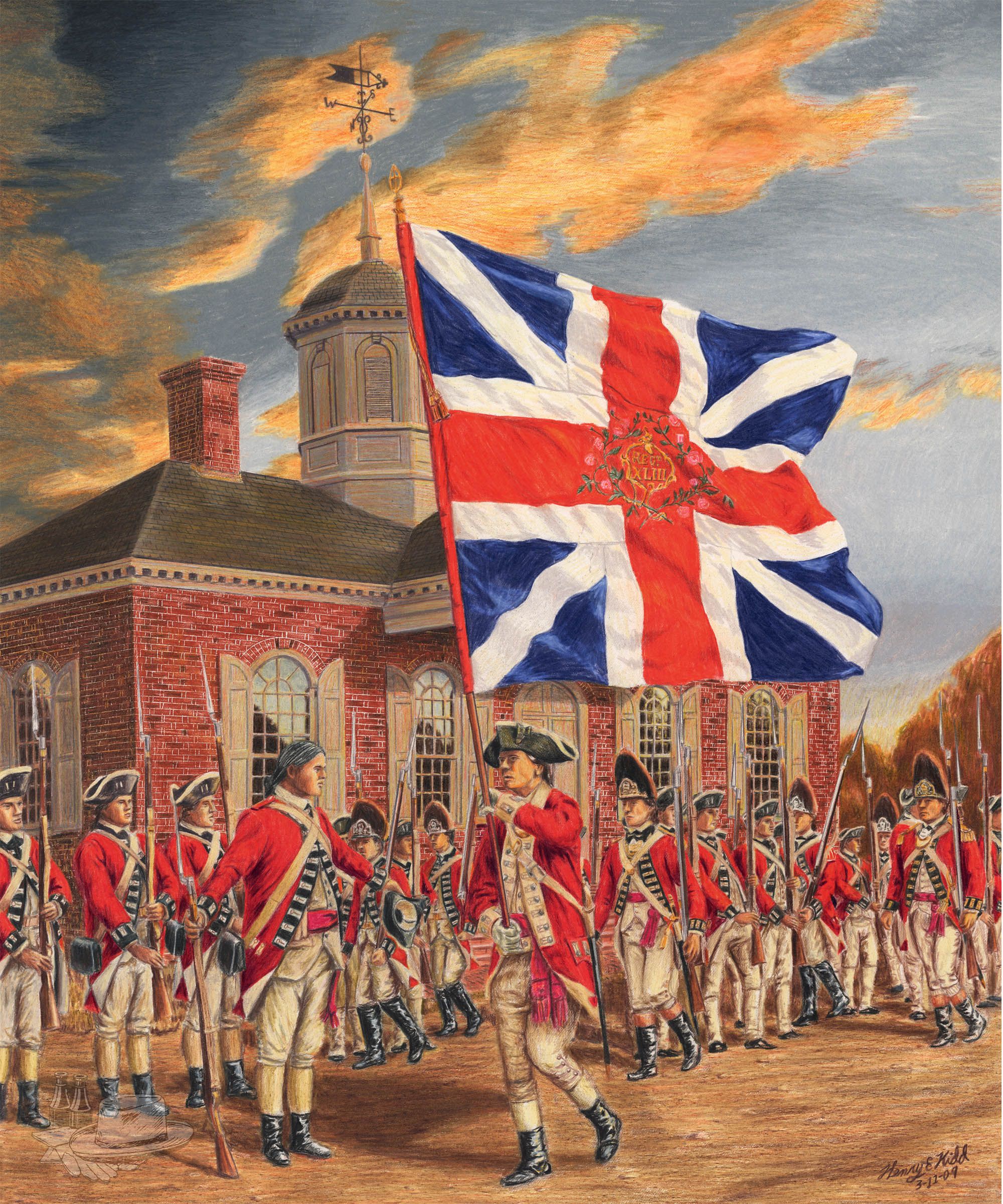
As the rebellion against taxation continued, the government in London’s solution:  more or different taxes, and definitely more troops.

Eventually, this led to scuffles between the soldiers and the locals, the most famous being the so-called “Boston Massacre” of 5 March, 1770, when a gathering mob threatened a sentry and things ended with five locals killed and 6 wounded.  This is probably what it looked like in reality—

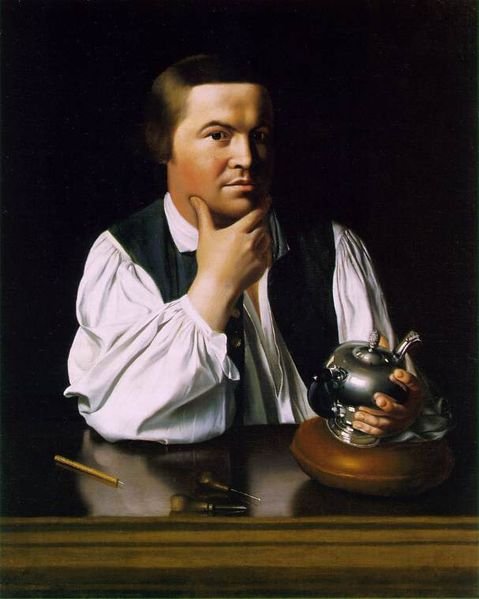
But a local Bostonian silversmith and rabble-rouser, Paul Revere (1734-1818),
turned it into this—
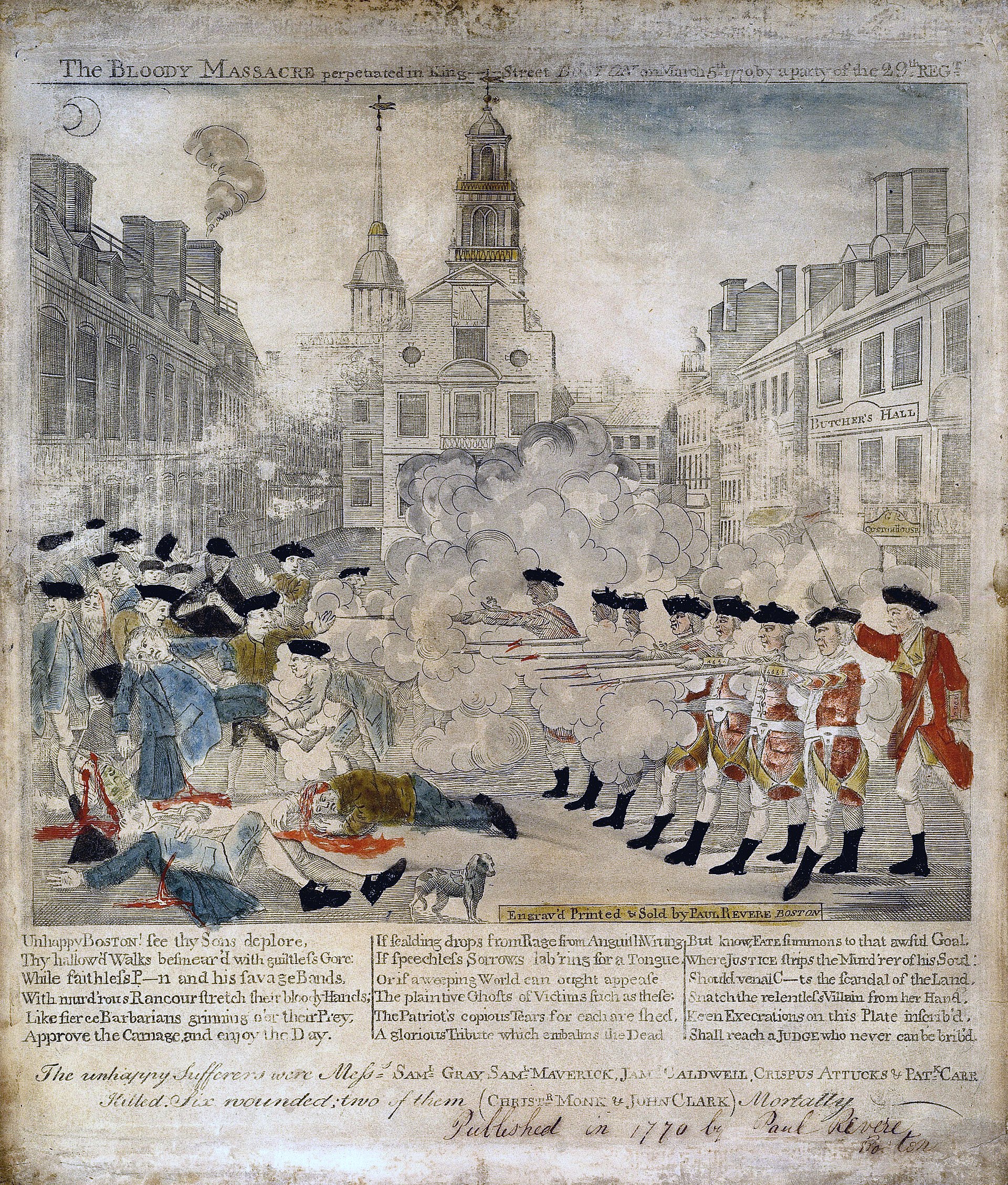
This was really bad press and it got worse as this engraving was copied and recopied and circulated throughout the 13 colonies, making the government’s troops look like murdering monsters.

And worse yet, when, in December, 1773, a mob attacked three ships in Boston harbor and destroyed 342 chests of tea—the “Boston Tea Party”–

(Although, the mob being thrifty Bostonians, probably carried away most of it, dumping only a token into the water.)

the London government, angered by this, closed the port of Boston the next year
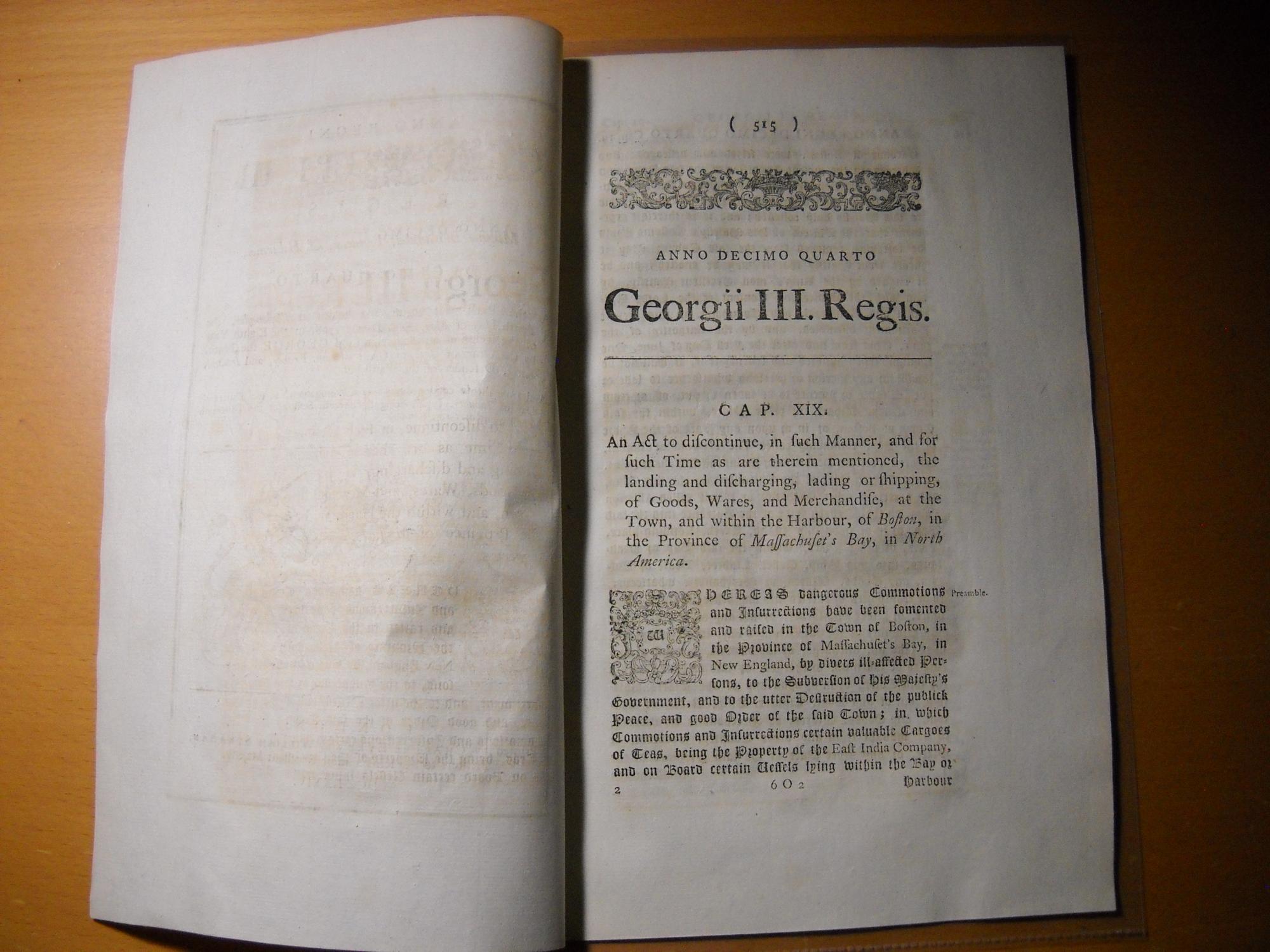
and put a military man, Thomas Gage, in charge of Massachusetts.

Gage soon began to use the excuse of “exercising the troops” to send parties out into the countryside beyond Boston, but really in an attempt to frighten the locals and, if possible, confiscate any military supplies.  There was a tense moment in February, 1775, north of the city, when the people of Salem turned out to block such a party, but it was turned back without violence.

In mid-April, however, another such expedition was a bloody disaster.  After killing or wounding a number of local militia at Lexington, west of Boston,
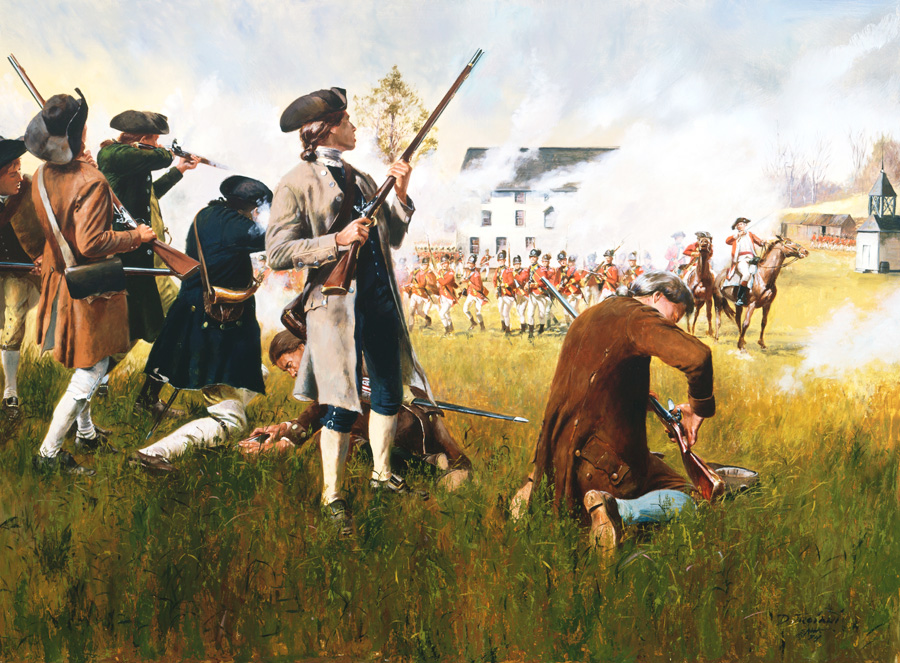
the regulars marched on to Concord, even farther west, intent upon destroying military supplies.
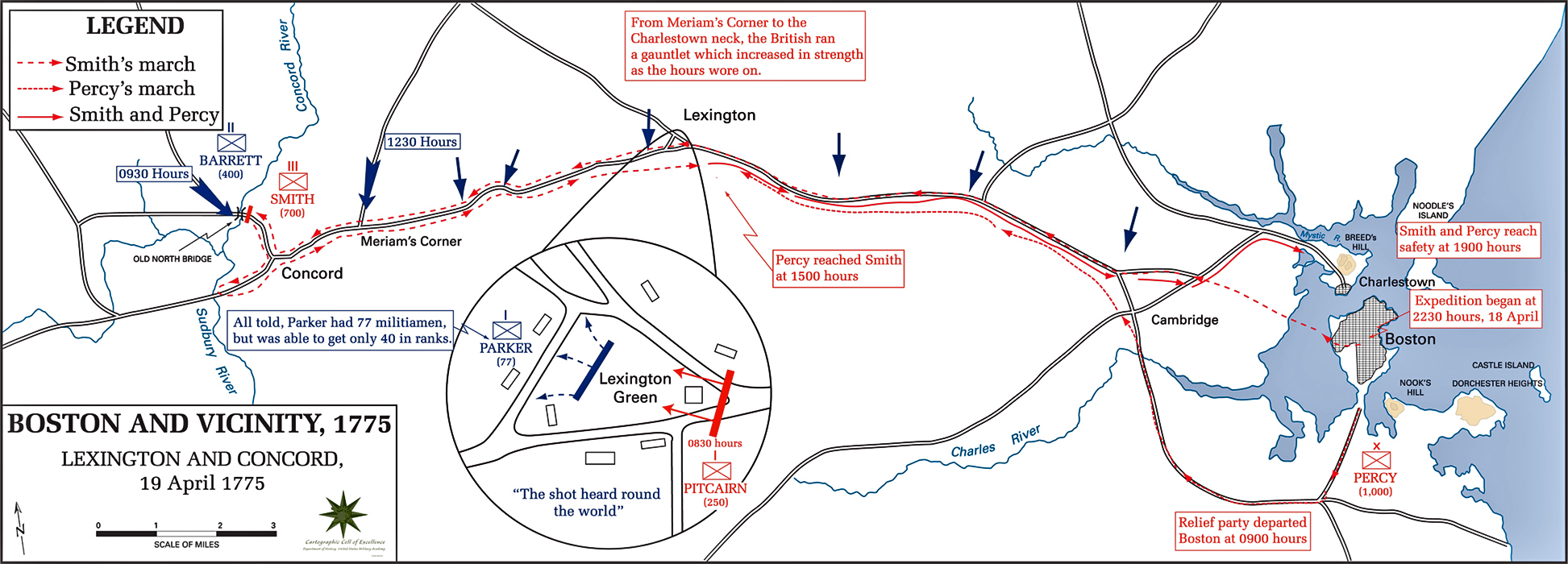
 In the process, they suffered a small defeat at a bridge over a local river,

and then were shot at from behind trees, stone walls, and buildings, all the way back to Boston.

suffering about 250 casualties in the process (to about 90 on the local side).

Soon after arriving back in Boston, the British found themselves hemmed in by an increasingly-large army of men from all over New England
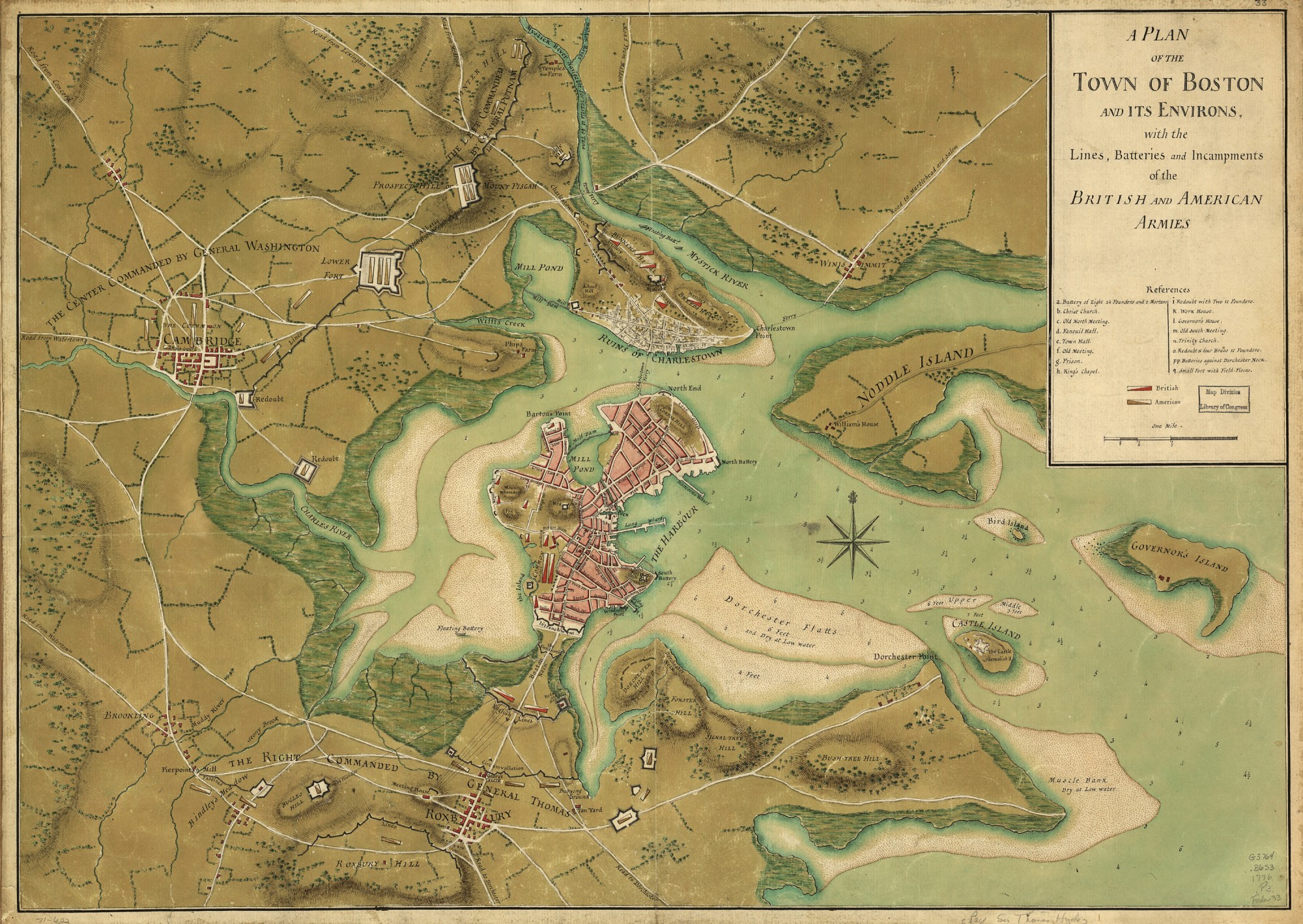
and, although they won a local (and bloody) victory at Bunker Hill,

(This picture is full of inaccuracies, but I’ve loved it since childhood and it does capture the landscape and the determination of the regulars.  Here’s a good brief article which discusses the painting vs the event:  https://allthingsliberty.com/2013/09/battle-bunker-hill-howard-pyle/ )

they made no real attempt to break out and, when the army outside finally managed to obtain heavy artillery (from Fort Ticonderoga, at the head of Lake Champlain
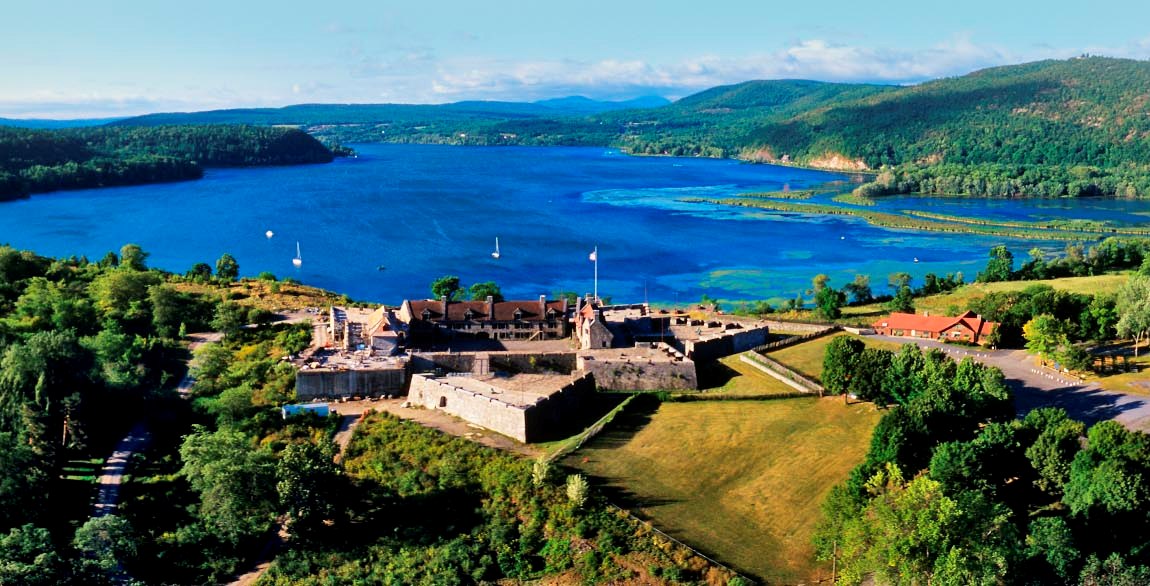
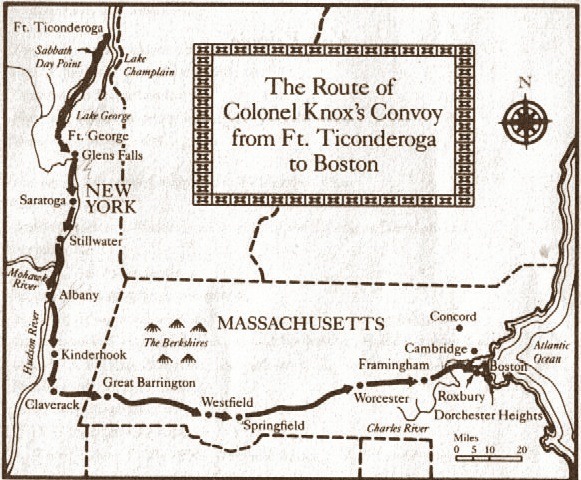
—made easier by dragging the guns on sledges through the snow),

the British high command decided to evacuate the city, which they did in March, 1776.

 The day celebrated in Boston to commemorate this is March 17th.  Something else goes on in Boston on this day, however.  People wear green clothing and celebrate a saint.

What’s going on here? 

As I said earlier, thrifty Bostonians probably made most of those 342 chests of tea simply disappear in 1773, and, at the beginning of the 20th century, clever Irish Bostonians created a religious holiday without creating a religious holiday, that which is known elsewhere as “Saint Patrick’s Day”.  The laws of Massachusetts wouldn’t allow a state holiday to commemorate a religious figure, but it could certainly celebrate the withdrawal from Boston of the British army and so, in 1901, March 17th was officially recognized as “Evacuation Day” in the eastern Massachusetts county of Suffolk, which includes Boston and its many families descended from Irish immigrants.

So, if you want to think patriotically, you can remember this as the day an army of local New England militia drove an army of trained regulars out of Boston.
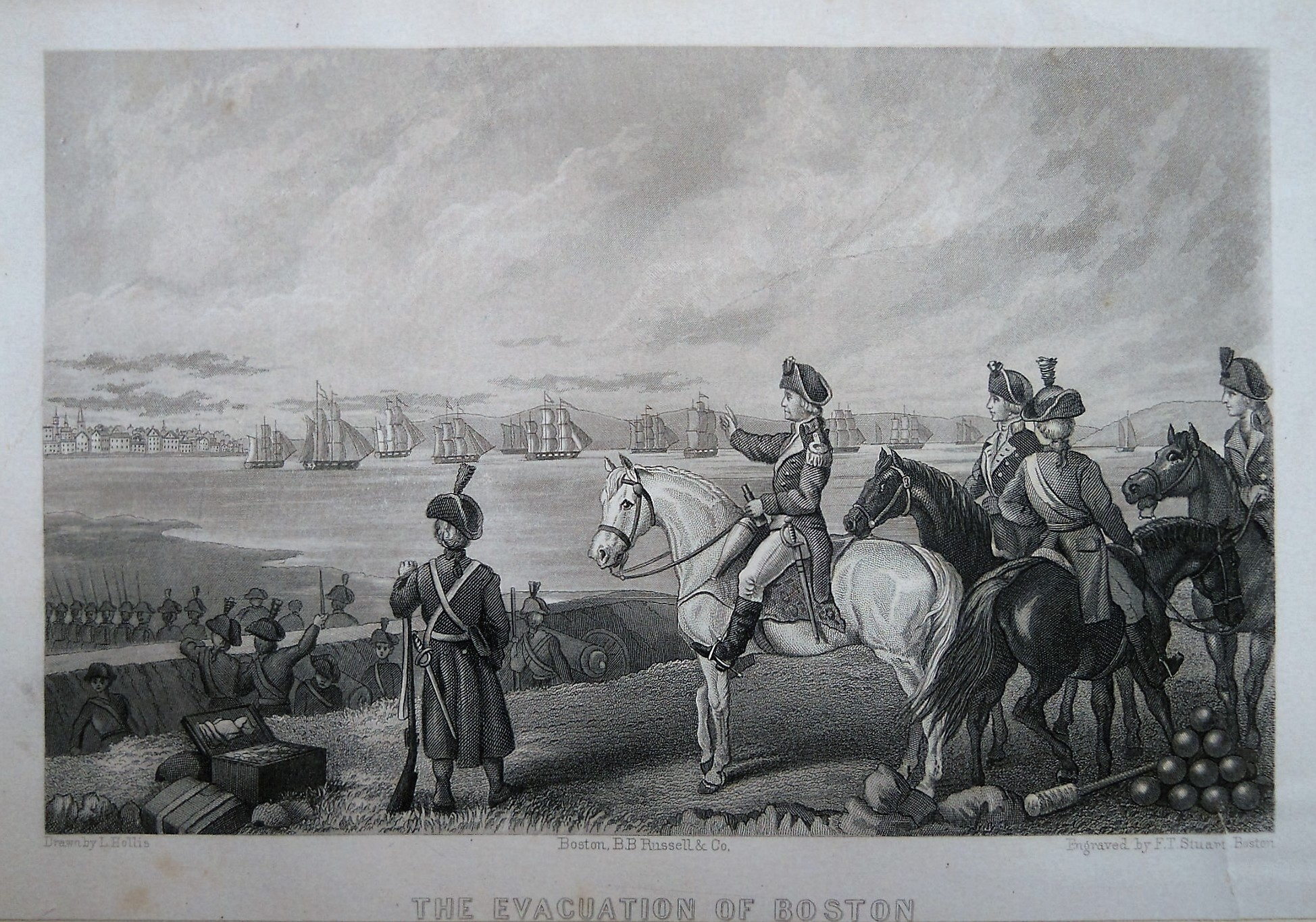
But, if you’re Irish-inclined, you can toast a saint, even while doing your patriotic duty.

(Yes, that beer is green.  Best not to ask!)

Thanks, as always for reading,

Stay well,

And know that, as ever, there’s

MTCIDC

O

The (In)Human Fly

10 Wednesday Mar 2021

Posted by Ollamh in Uncategorized

≈ Leave a comment

Welcome, as always, dear readers.

Fads are really weird things, coming and going with little, if any, explanation.

Early in the 20th century, when the invention of the modern elevator, in the early 1890s,

allowed for taller and taller buildings to be erected,

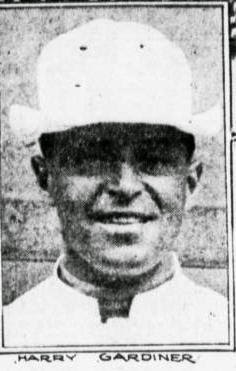
there suddenly appeared a craze for climbing them.  The most famous of these climbers, who used nothing but his climbing skill and his fingers and toes, was Harry H. Gardiner (1871-1933?), called “the Human Fly”. 

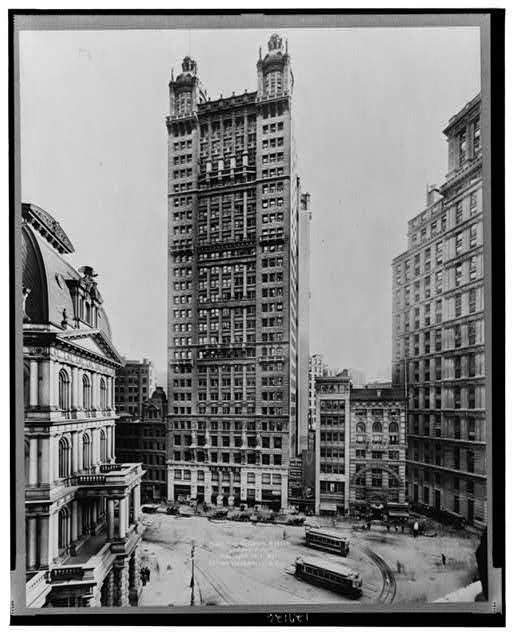
During the first few decades of the twentieth century, he put his skills to a number of such places, including this imposing structure, the Park Row Building in New York City, 26 stories, plus two four-story towers at the front corners, which he scaled in 1918.

(There’s a really interesting story about the construction of this building at this LINK:  https://daytoninmanhattan.blogspot.com/2014/12/the-1899-park-row-bldg-no-15-park-row.html )

Such crazy stunts soon produced a comedy, one of my favorite silent comedies, Harold Lloyd’s (1893-1971)

Safety Last (1923)

In this film, Lloyd is a young man from Great Bend, Kansas, who seeks his fortune in The Big City.  When that doesn’t work out as he would wish, he decides to imitate the Human Fly by climbing a 12-story building, which produced one of the most famous images from early comedy—

The plot is much more complicated, but, lucky for us, a first-class print of the film is available at the wonderful Internet Archive to see at:  https://archive.org/details/SafetyLastHaroldLloyd1923.FullMovieexcellentQuality

You may be wondering, at this point, where this posting is leading.  Will it take us off a cliff, making it a literal cliff-hanger?

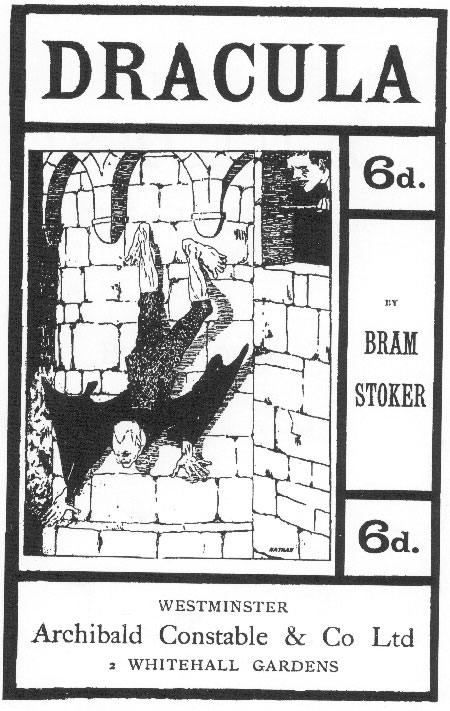
I’m about to be teaching Dracula again, a novel so popular that it has never been out of print since its original publication in 1897.

Each time I teach something for the second and more times, I’m always surprised that something new will always pop out.  It may come from a student question or remark, or it can just appear, as it did this time.

If you’re not familiar with the book, it’s set mainly in Transylvania and England in the 1890s and begins with the journey of a law clerk, Jonathan Harker, to visit one of his employer’s clients, a count who lives at the far eastern edge of the Austro-Hungarian Empire.

It is a strange trip and made even stranger when Harker arrives at a castle

(This is Bran Castle, in Romania, and has been suggested as an inspiration for Dracula’s castle.)

 and meets the owner, who is a fluent English-speaker with a large library of English books.  He also shows no reflection in mirrors, and, as Harker soon learns, has another peculiarity, as well:

“I looked out over the beautiful expanse, bathed in soft yellow moonlight till it was almost as light as day. In the soft light the distant hills became melted, and the shadows in the valleys and gorges of velvety blackness. The mere beauty seemed to cheer me; there was peace and comfort in every breath I drew. As I leaned from the window my eye was caught by something moving a storey below me, and somewhat to my left, where I imagined, from the order of the rooms, that the windows of the Count’s own room would look out. The window at which I stood was tall and deep, stone-mullioned, and though weatherworn, was still complete; but it was evidently many a day since the case had been there. I drew back behind the stonework, and looked carefully out.

What I saw was the Count’s head coming out from the window. I did not see the face, but I knew the man by the neck and the movement of his back and arms. In any case I could not mistake the hands which I had had so many opportunities of studying. I was at first interested and somewhat amused, for it is wonderful how small a matter will interest and amuse a man when he is a prisoner. But my very feelings changed to repulsion and terror when I saw the whole man slowly emerge from the window and begin to crawl down the castle wall over that dreadful abyss, face down with his cloak spreading out around him like great wings. At first I could not believe my eyes. I thought it was some trick of the moonlight, some weird effect of shadow; but I kept looking, and it could be no delusion. I saw the fingers and toes grasp the corners of the stones, worn clear of the mortar by the stress of years, and by thus using every projection and inequality move downwards with considerable speed, just as a lizard moves along a wall.

What manner of man is this, or what manner of creature is it in the semblance of man? I feel the dread of this horrible place overpowering me; I am in fear—in awful fear—and there is no escape for me; I am encompassed about with terrors that I dare not think of….”

It’s interesting that, although Harker likens the descent of the Count to a lizard,

he also likens the movement of his cloak to wings,

suggesting another creature, and one into which Dracula turns more than once later in the novel.

But this scene, from Stoker’s novel, suddenly made a new connection for me.  Frodo and Sam have been struggling through the rugged terrain of the Emyn Muil,

but, pausing in their struggles, they see behind them:

“Down the face of a precipice, sheer and almost smooth it seemed in the pale moonlight, a small black shape was moving with its thin limbs splayed out.  Maybe its soft clinging hands and toes were finding crevices and holds that no hobbit could ever have seen or used, but it looked as if it was just creeping down on sticky pads, like some large prowling thing of insect-kind.  And it was coming down head first, as if it was smelling its way.  Now and again it lifted its head slowly, turning it right back on its long, skinny neck, and the hobbits caught a glimpse of two small pale gleaming lights, its eyes that blinked at the moon for a moment and then were quickly lidded again.” (The Two Towers, Book Four, Chapter 1, “The Taming of Smeagol”)

Tolkien may liken Gollum to “some large prowling thing of insect-kind”, but Gollum’s manner of descent sounds so much like that of the terrifying Count that it has made me wonder:  did JRRT once read Dracula?  And should Gollum, then, be more batlike than I, at least, have imagined?

Thanks, for reading, as ever,

Stay well,

Maintain your sense of balance,

And know that, as always, there’s

MTCIDC

O

Madhouse

03 Wednesday Mar 2021

Posted by Ollamh in Uncategorized

≈ Leave a comment

Welcome, dear readers, as always.

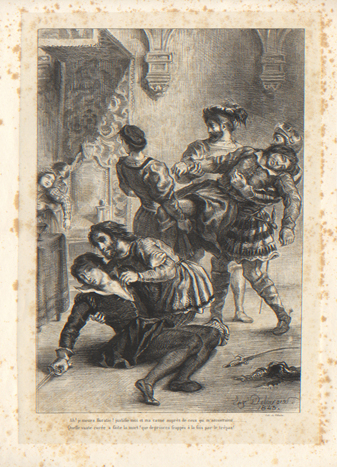
In my last posting, I had imagined that the shock at his father’s sudden death and his mother’s hasty marriage to his uncle had pushed Hamlet into a moment of temporary insanity.  In his disturbed state, he had fantasized a plot by that uncle and he himself then brought on the terrible violence of the play:  his gf, her father, her brother, his uncle and mother, and two more-or-less innocent bystanders with the memorable names of Rosencrantz and Guildenstern, all dead, by the end of Act V, with Hamlet himself as a final victim.

That’s just a prince and a few members of the court caught up in madness.  What would happen if an entire city went mad?

This is Charles Dickens’ (1812-1870)

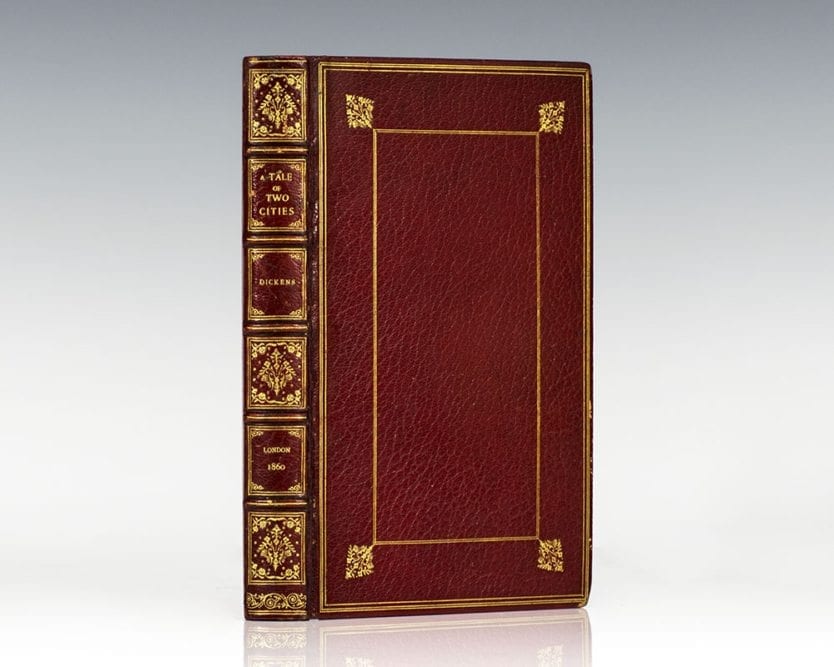
view of the ordinary people of Paris in the midst of the Revolution of 1789-94 as portrayed in his 1859 novel, A Tale of Two Cities:

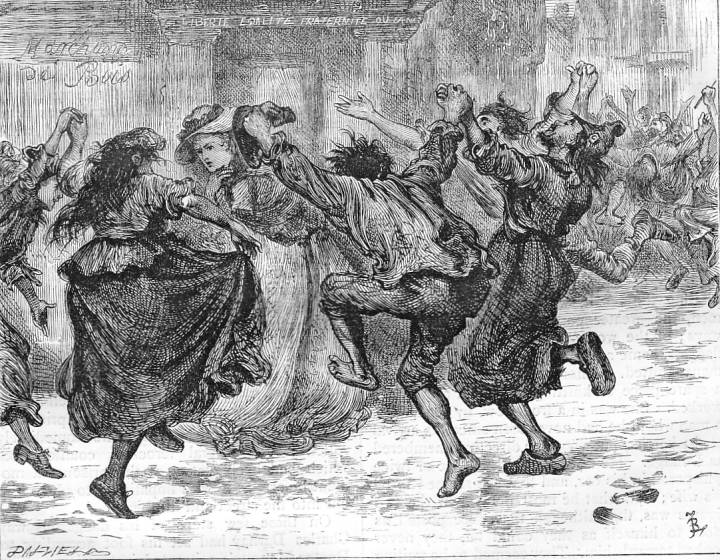
“A moment afterwards, and a throng of people came pouring round the corner by the prison wall, in the midst of whom was the wood-sawyer hand in hand with The Vengeance. There could not be fewer than five hundred people, and they were dancing like five thousand demons. There was no other music than their own singing. They danced to the popular Revolution song, keeping a ferocious time that was like a gnashing of teeth in unison. Men and women danced together, women danced together, men danced together, as hazard had brought them together. At first, they were a mere storm of coarse red caps and coarse woollen rags; but, as they filled the place, and stopped to dance about Lucie, some ghastly apparition of a dance-figure gone raving mad arose among them. They advanced, retreated, struck at one another’s hands, clutched at one another’s heads, spun round alone, caught one another and spun round in pairs, until many of them dropped. While those were down, the rest linked hand in hand, and all spun round together: then the ring broke, and in separate rings of two and four they turned and turned until they all stopped at once, began again, struck, clutched, and tore, and then reversed the spin, and all spun round another way. Suddenly they stopped again, paused, struck out the time afresh, formed into lines the width of the public way, and, with their heads low down and their hands high up, swooped screaming off. No fight could have been half so terrible as this dance. It was so emphatically a fallen sport—a something, once innocent, delivered over to all devilry—a healthy pastime changed into a means of angering the blood, bewildering the senses, and steeling the heart. Such grace as was visible in it, made it the uglier, showing how warped and perverted all things good by nature were become. The maidenly bosom bared to this, the pretty almost-child’s head thus distracted, the delicate foot mincing in this slough of blood and dirt, were types of the disjointed time.

This was the Carmagnole. “

(Charles Dickens, A Tale of Two Cities, Book III, Chapter V, “The Wood-Sawyer”)

Dickens is certainly not unsympathetic to the life of ordinary people before the Revolution, spending a certain amount of his text describing it, but, even with Thomas Carlyle’s (1795-1881)

ground-breaking and highly-dramatic The French Revolution (1837) under his arm (the story was that he carried it with him everywhere—as it was in three volumes, this must have been a bit of a juggling act),

he still doesn’t seem to understand just how bitter people’s anger was.

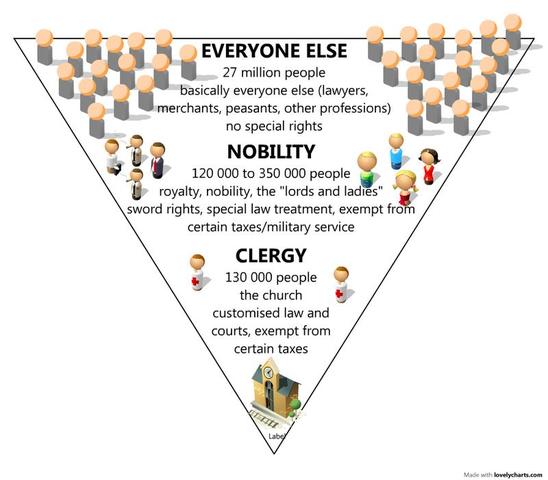
The problem began with the fact that France, unlike England, was still almost a feudal society.   The population, of about 28,000,000 was divided among three groups, called “Estates”, the First Estate being the clergy, the Second, the nobility, the Third being everyone else.

This is a nice picture of the Third Estate, as a kind of bourgeois—a representative of the slowly-growing middle class.  In reality, we should probably imagine this as a more accurate view—

When it came to taxation, the First and Second Estates almost escaped, leaving the bill for the 27,000,000 in the Third Estate to pay, as this chart shows.

Such behavior led to resentment, as this cartoon vividly demonstrates.

(Guess which is the Third Estate?)

It also led France closer and closer to bankruptcy, as the poverty-stricken populace, barely scraping along, was squeezed for every penny which could be gotten out of it—and there were fewer and fewer of those pennies to be had, threatening the country as a whole, as more and more of the state income had to go to pay interest on all of the loans it was forced to take out to keep the state afloat at all.  In the 1770s alone, the interest came to about 30% of that income—and 10%  more went to the royal court, which, in contrast to the 27,000,000, still seemed to be doing pretty well.  This is the king, Louis XVI, who doesn’t appear to have missed a meal recently.

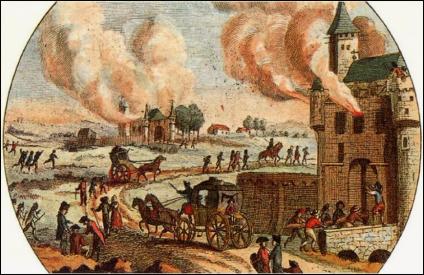
And so, when things finally fell apart, in the summer of 1789,

a different kind of cartoon began to appear—

(“The Third Estate Wakes Up”)

(“Now This Time Justice is on the Side of the Stronger”)

The violence grew and anger was focused not only upon the First and Second Estates,

but gradually became a way of simply expressing the idea of revolution,

leading to the death of the King, in January, 1793,

the Queen, in October,

and culminating in the murder of as many as 40,000 French citizens during what is known in English as the “Reign of Terror”, 1793-94.

As the Revolution progressed, this was the image which crossed the Channel and produced, in turn, English cartoons like this—

And such cartoons and their view of the Revolution as insanely savage then inspired Dickens’ depiction of the dance called “La Carmagnole” as an expression of that insanity—

There is a very interesting 20th-century view of this same idea and, unlike Dickens’ depiction of Parisians running mad, this confines the action to what might then seem the most appropriate place for this behavior:  an asylum.  This is Peter Weiss’ (1916-1982)

1963 play, Die Verfolgung und Ermordung Jean Paul Marats dargestellt durch die Schauspielgruppe des Hospizes zu Charenton unter Anleitung des Herrn de Sade, “The Persecution and Murder of Jean Paul Marat Portrayed by the Theatrical Troupe of the Hospital of Charenton Under the Direction of M. de Sade”, usually referred to simply as “Marat/Sade”.

Much of what is placed on stage is based upon historical fact, beginning with Jean Paul Marat (1743-1793),

a complex figure who became an active voice in the most violent stage of the Revolution with his newspaper, L’Ami du Peuple (“The People’s Friend”).

Suffering from a terrible skin condition, he was murdered in his bath by a young French woman, Charlotte Corday.

(The inscription reads, “Not having been able to corrupt me, they have assassinated me”)

The M(onsieur) de Sade of the title is, indeed, the notorious Marquis de Sade (1740-1814),

who was actually kept, at one point, in the Hospital at Charenton, an insane asylum.

The director of the asylum at the time was the Abbe de Coulmiers (1741-1818),

an extremely humane and intelligent man, who encouraged the patients to use drama to help them with their afflictions. 

So far, everything is authentic—but then we come to the cast members and we’re back to where we started:  unlike my imaginary mad Hamlet in a sane court, everyone in the play, from Marat to the people who act as a kind of Revolutionary chorus, is insane. 

As ever, thanks for reading,

Stay well—physically and mentally—

And know that, always, there’s

MTCIDC

O

ps

In case you’re interested to know more about the Carmagnole, here are LINKS to:

a. the words—with a sometimes rather odd English translation

https://revolution.chnm.org/d/624/

b. the music (warning:  it’s catchy!)

c. a very peaceful performance

We’re All Mad…Here?

24 Wednesday Feb 2021

Posted by Ollamh in Uncategorized

≈ Leave a comment

As ever, dear readers, welcome.

This posting is a kind of P.S. to the previous belated-Valentine’s Day piece.

After using a Valentine quotation from Chaucer’s The Parlement of Foules (c.1380), I had thought that I would move on to a Renaissance reference, from Shakespeare’s Hamlet (c.1600).  The posting was a fairly jolly one, however, and the quotation I was going to use was certainly not.  In modern editions, it’s from Act IV, Scene 5, when Ophelia drifts in

and talks and sings in a strange mixture, but, through it all, makes some very pointed references to the death of her father and to her BF, Hamlet’s, treatment of her, as in:

“To morrow is saint Valentines day,

All in the morning betime,

And a maide at your window,

To be your Valentine:

The yong man rose, and dan’d his clothes,

And dupt the chamber doore,

Let in the maide, that out a maide

Neuer departed more.

Nay I pray marke now,

By gisse, and by saint Charitie,

Away, and fie for shame:

Yong men will doo’t when they come too’t

By cocke they are too blame.

Quoth she, before you tumbled me,

You promised me to wed.

So would I a done, by yonder Sunne,

If thou hadst not come to my bed.”

(Hamlet, 1ST Quarto, modern lines 2790-2804)

Because I prefer Elizabethan spelling, I’ve chosen to use the 1st Quarto, the first publication of the play, from 1603.

This is also the so-called “Bad Quarto”, named that because, in contrast to the 2nd Quarto, of 1604, and the Folio, of 1623, it is not only shorter, but has all sorts of quirks, including Polonius being renamed “Corambis”, and a rather different version of Hamlet’s most famous soliloquy, beginning:

“To be, or not to be, I there’s the point,

To Die, to sleepe, is that all?  I all.”

I find it a very interesting text in its changes (Hamlet’s mother becomes convinced that her new husband is a murderer, for instance), as much as it’s fun to watch scholars muster arguments this way and that, many of them quite ingenious, about what, exactly, this Quarto is:  an early draft?  the equivalent of a bootleg?  the victim of a mad printer’s devil?

If the latter, then it certainly fits with Ophelia’s behavior—but then Hamlet himself pretends to be mad—

and, as the story progresses, he certainly seems, at times, to be skating at the edge of less-than-calmly-sane reactions himself.  In fact, if it weren’t that others had also seen the ghost of Hamlet’s murdered father at the play’s opening,

I’ve sometimes thought about a different play, one in which Hamlet, upset at his father’s sudden death and his mother’s somewhat hasty remarriage to her brother-in-law, has imagined the whole thing and, in his madness, has caused all of the calamities which then happen:  the deaths of Ophelia, her father, and her brother and of his uncle and mother, not to mention that of the real stars of the show, Rosencrantz and Guildenstern–

and of Hamlet, himself, of course.

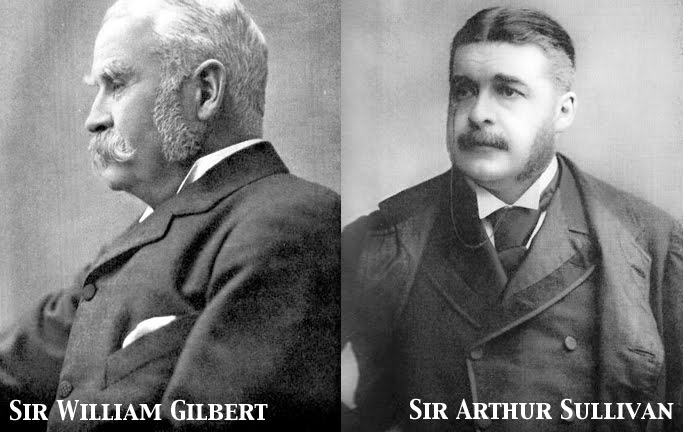
Ophelia’s behavior has been parodied, perhaps most famously by W.S Gilbert (1836-1911)

of Gilbert & Sullivan fame,

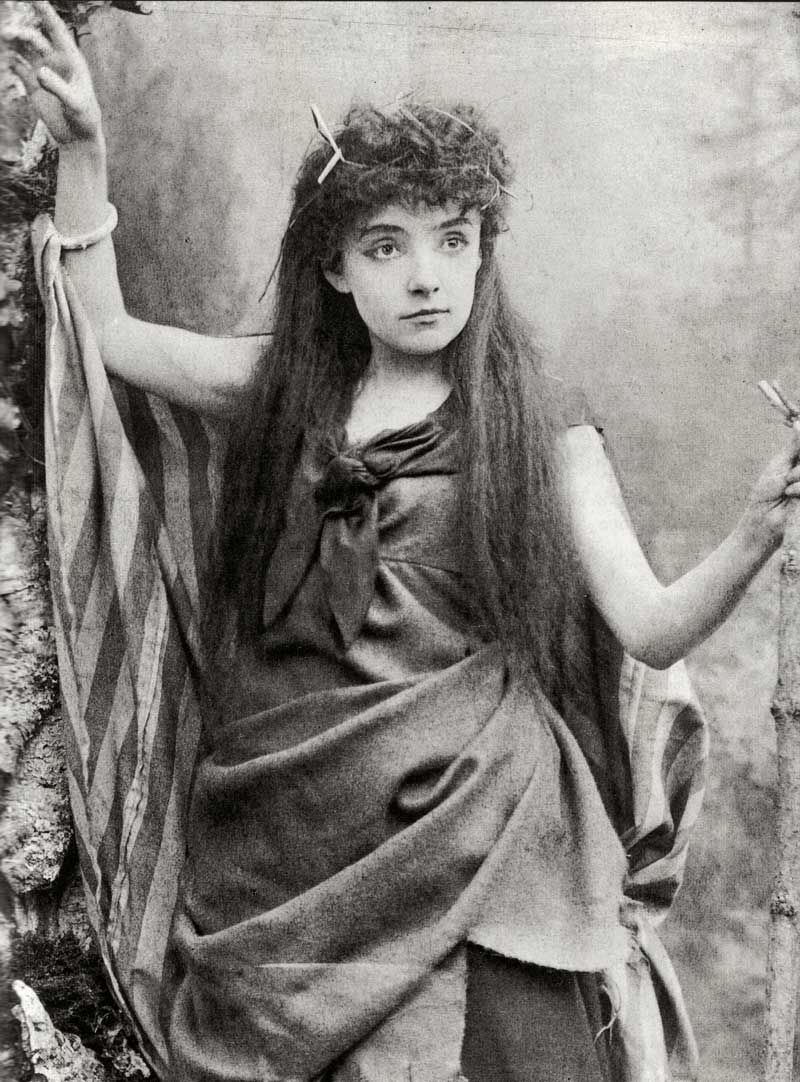
in the person of “Mad Margaret”

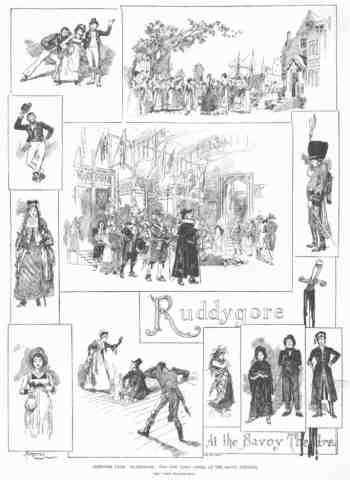
in Gilbert and Sullivan’s Ruddigore (originally Ruddygore) of 1887.

She, like Ophelia, has been driven mad through misfortune and her strange dress is matched by her odd speech:

“MAR. You pity me? Then be my mother! The squirrel had a mother; but she drank and the squirrel fled! Hush! They sing a brave song in our parts – it runs somewhat thus: (sings)“The cat and the dog and the little puppee Sat down in a – down in a – in a –” I forget what they sat down in, but so the song goes!”

 (WS Gilbert, Ruddigore, Act I)

(If you don’t know this operetta, you’ll be happy to learn that, after a startling revelation at the end of Act I, she is reunited with the man who jilted her and the two become sober members of society—with certain zany lapses on her part.  If you would like to read the text, here’s a LINK:   https://gsarchive.net/ruddigore/libretto.pdf   )

As Ophelia appears to have an overabundance of flowers, (each with its own significance, as she points out) as a sign of her distracted state—and which, in fact, will lead to her death,

so one element of Margaret’s dress—the straws sticking out of her hair—

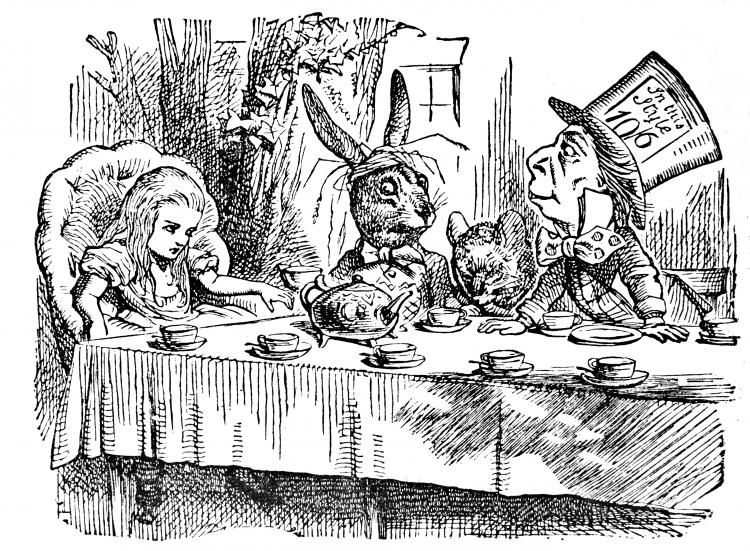
Is supposed to suggest that, in her madness, she’s been a wanderer in body, as in mind.  Those straws as a mark of mental instability are, in fact, older than Ruddigore.  In 1865, 22 years before the operetta, we see them mixed in with the hair—of a hare.

In that year, an odd book appeared, entitled Alice’s Adventures in Wonderland.

In Chapter VII, the Alice of the title happens upon a peculiar outdoor tea party, whose hosts are this hare and a man in an oversized hat. 

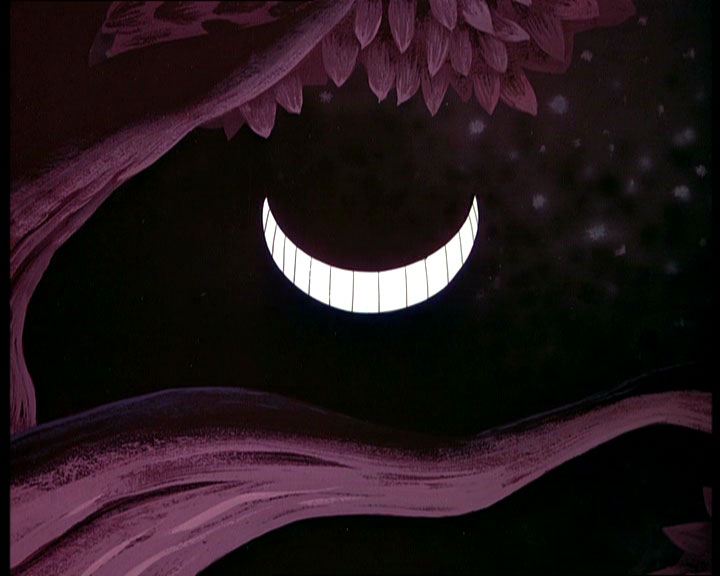
She has already had them identified by, of all things, a talking cat

who seems to be able to appear and disappear at will,

and who says of the two:

“In that direction…lives a Hatter:  and in that direction lives a March Hare.”

(Alice’s Adventures in Wonderland, Chapter VI)

Alice is aware of the folk belief that, in March, hares are supposed to be mad (something to do with the mating season, it was thought), saying:

“I’ve seen hatters before…the March Hare will be much the more interesting, and perhaps, as this is May, it wo’n’t be raving mad—at least not so mad as it was in March.” 

It’s clear, however, that she doesn’t know that the mercury used in the preparation of hats, when inhaled, as it would have been in workshops in 1865, had terrible effects upon those working there, including everything from delirium to personality change and memory loss.  From such reactions, the expression “mad as a hatter” had entered the language—and the story.  (As usual, by the way, there is argument over the real derivation of the expression, but it appears to me that there may be a confusion over the word “mad”, with its secondary meaning of “angry”.  For a rather confused article on the subject, see:  https://en.wikipedia.org/wiki/Mad_as_a_hatter )

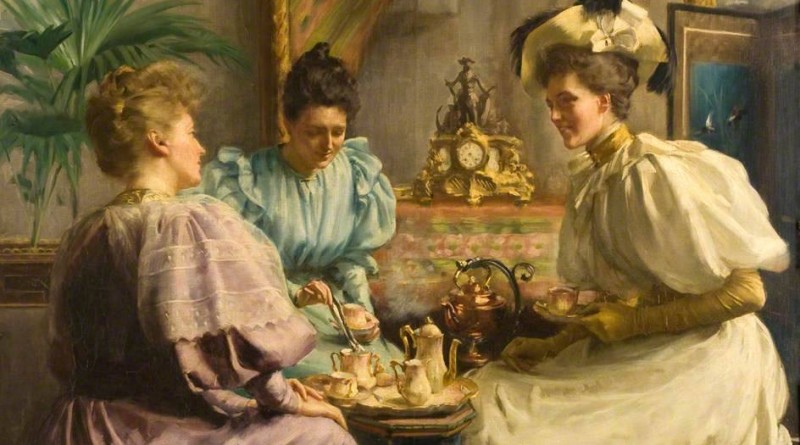
When she arrives at the party, it’s evident that this is not a standard Victorian tea,

and, by the end of it, as Alice slips away, the hare and the hatter appear to be trying to drown another guest, a dormouse, in the pot. 

Perhaps Alice would have been wise to have listened more carefully to all of what the talking cat had said about her hosts:

“ ‘Visit either you like:  they’re both mad.’

‘But I don’t want to go among mad people,’ Alice remarked.

‘Oh, you can’t help that,’ said the Cat:  we’re all mad here.  I’m mad.  You’re mad.’

‘How do you know I’m mad?’ said Alice.

‘You must be,’ said the Cat, ‘or you wouldn’t have come here.’ “

It’s a pity no one had said that to Ophelia.

So, as always, thanks for reading.

Stay well and avoid men with oversized hats and poor table manners

And know that, as ever, there’s

MTCIDC

O
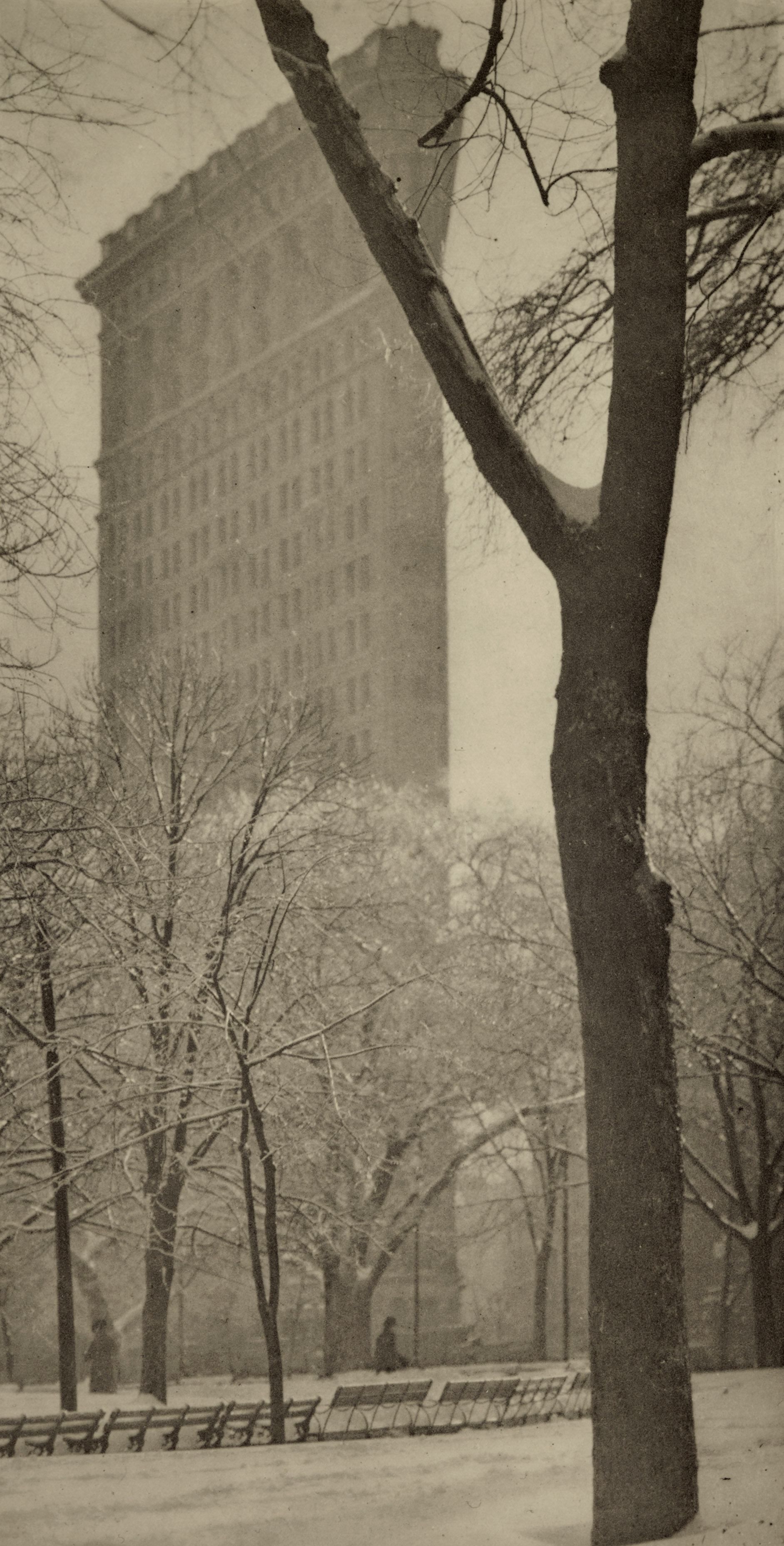
ps

In case you’d like to read that rather different Hamlet, here’s a LINK:  https://internetshakespeare.uvic.ca/doc/Ham_Q1/scene/1/

pps

And here’s an Alice text with the original Tenniel illustrations in place:  https://www.alice-in-wonderland.net/wp-content/uploads/alice-in-wonderland.pdf

Would You Be Mine

17 Wednesday Feb 2021

Posted by Ollamh in Uncategorized

≈ Leave a comment

Welcome, dear readers, as always.

Although the title of this posting refers to Valentine’s Day messages (this is a belated Valentine for you, readers),

the words remind me of something which, if you grew up watching US children’s television from 1966 to 2001 (and from 1964, if you lived in Canada), you would have heard sung every week:

It’s a beautiful day in this neighborhood,
A beautiful day for a neighbor,
Would you be mine?
Could you be mine?

source: https://www.lyricsondemand.com/tvthemes/mrrogersneighborhoodlyrics.html

This was the theme song for “Mr Rogers’ Neighborhood”, starring—surprise!—Mr Rogers.

If you don’t know it, here’s a link:   https://www.youtube.com/watch?v=-jqzgaL3n_c  If you do know it, take a moment to admire his neat use of enjambment (a poetic term meaning running the meaning of one line into the next) in his first rhyme:

It’s a beautiful day in this neighborhood,

A beautiful day for a neighbor

Would you be mine?

Notice, also, that, instead of using the simple indicative—“will you”, he’s employed the past tense of “will”–“would”–which, in English, has a potential conditional feeling, as if he wants you to, but he’s leaving it up to you (and that “could” in the next line makes it even tentative—“is it physically possible?” which, as Mr Rogers was behind a television screen, wasn’t possible, except metaphorically—or, as Mr R might have put it, spiritually)

Although not a major poet, Mr Rogers has become a sort of secular saint, which is not surprising, given his gentle, but persistent message encouraging children to be kind to and tolerant of all those around them.

And this brings up back to St Valentine.  And his day.  Or not.

As I began this posting, I thought that I had remembered that the Vatican had had a kind of purge of the liturgical calendar in 1969, and popular saints, like St Christopher

and St Valentine

were removed because there simply was so little evidence about them.  In fact, they weren’t actually removed, permanently, but, rather, they were gently nudged to one side and their feast days could still be celebrated, St Valentine’s being 14 February.  So far, so good, but then, when one plunges into the backstory, well, the Vatican was right:  not only so little evidence, but much of it based upon conjecture and myth-making.

What little that can be said of him is that:

a. there may be two of him

   1. Valentinus of Rome

   2. Valentinus of Terni (Roman Interamna)

(there is a ghostly third Valentinus, but he doesn’t appear to be in the running)

b. someone named Valentinus was supposedly martyred in Rome in the 3rd century AD during the administration of an emperor named “Claudius”—there being a problem with this in that the only 3rd-century emperor of that name

was a soldier who spent almost the entirety of his short reign (268-270AD) defending the borders of the empire, far from Rome

c. he was buried by the Flaminian gate, on the north side of Rome

and a church, holding his relics, including his skull

was built upon the spot—which seems to have disappeared, and that skull is actually in an 8th-12th-century Byzantine church, Santa Maria in Cosmedin, in another part of Rome.  (How it got there and why it’s identified with Valentine is its own mystery.  There are relics of this blurry saint in other locations, in fact, even in Dublin.)

d. he may have cured someone of blindness and someone else of an odd crippling condition, although these stories are fairly common, it seems, in the history of saints in general (called hagiography)

e. he doesn’t appear in the earliest list of Christian martyrs, the Chronography of 354, but makes an appearance in the Martyrologium Hieronymianum, put together between 460 and 544AD, reportedly drawn from earlier sources

All pretty shaky, I’m afraid.  But what about his association with lovers, which is the basis of a whole candy, flowers, card industry?  Again—it appears to be myth-making, some of it possibly the work of one G Chaucer (c1340s-1400),

a bit more of a poet than Mr F Rogers. In his 699-line “dream vision”, The Parlement of Foules” (c.1380?), the poet moves from reading Cicero’s “Dream of Scipio” (Somnium Scipionis, a philosophic dialogue by the Roman orator, Cicero, 106-43BC) to a dream world which includes this:

“And in a launde, upon an hille of floures,
Was set this noble goddesse Nature;
Of braunches were hir halles and hir boures,
Y-wrought after hir craft and hir mesure;
Ne ther nas foul that cometh of engendrure,
That they ne were prest in hir presence,
To take hir doom and yeve hir audience.

For this was on seynt Valentynes day,
Whan every foul cometh ther to chese his make,
Of every kinde, that men thenke may;”

(The Parlement of Foules, 302-311)

That is:

“And in a land was set upon a hill of flowers

The noble goddess, Nature.  Her halls and bowers

Were made of branches, fashioned after their craft

  and dimensions.

There was no bird which exists

That wasn’t pressed to attend her,

To take her judgment and listen to her.

For this was on Saint Valentine’s Day,

When every bird of every kind that men think there is

Comes there to choose his mate.”

(My translation—and forgive me, Chaucer scholars for giving it a little modern color here and there.  For a very useful Middle English text with glossing, see:   http://www.librarius.com/parliamentfs.htm   )

Chaucer’s lines have been used to explain the saint’s connection with lovers, associating bird mating with (potential) human mating and reminding me of these lines from Cole Porter’s song, from his 1928 musical, Paris, “Let’s Do It”:

“And that’s why birds do it, bees do it,

Even educated fleas do it

Let’s do it, let’s fall in love.”

(Here’s Cole Porter himself singing it, to his own accompaniment:  https://www.youtube.com/watch?v=ZMk4a3uUVv0 )

So, with almost no actual saint, what are we to make of this day?  We began with a song, so perhaps it’s best to end as Chaucer does, with another song, to St Valentine, as sung by the birds:

“Saynt Valentyn, that art ful hy on-lofte

Thus singen smale foules for thy sake—

Now welcome somer, with thy sonne sonne,

That hast this wintres weders over-shake.”

(The Parlement of Foules, 683-686)

Thanks, as always for reading,

Stay warm while we wait for Chaucer’s somer,

And know that, as ever, there will be

MTCIDC

O

ps

I imagine that the birds’ song is clear, but, if not:

“Saint Valentine, you who are high above,

Little birds sing like this for your sake—

Now welcome, summer, with your sunny sun,

Which has overthrown this winter’s weather.”

Bog-Trotting

10 Wednesday Feb 2021

Posted by Ollamh in Uncategorized

≈ Leave a comment

Welcome, as ever, dear readers.

At the beginning of Gilbert and Sullivan’s Iolanthe, some fairies are discussing the banishment of one of their number, Iolanthe,

when they are interrupted by the Queen of the fairies,

 who explains:

Queen.  No, because your Queen, who loved her with a surpassing love, commuted her sentence to penal servitude for life, on condition that she left her husband and never communicated with him again!

Leila.  That sentence of penal servitude she is now working out, on her head, at the bottom of that stream!

Queen.  Yes, but when I banished her, I gave her all the pleasant places of the earth to dwell in.  I’m sure I never intended that she should go and live at the bottom of a stream!  It makes me perfectly wretched to think of the discomfort she must have undergone!

Leila.  Think of the damp!  And her chest was always delicate.

Queen.  And the frogs!  Ugh!  I never shall enjoy any peace of mind until I know why Iolanthe went to live among the frogs!   (W.S. Gilbert, Iolanthe, Act I)

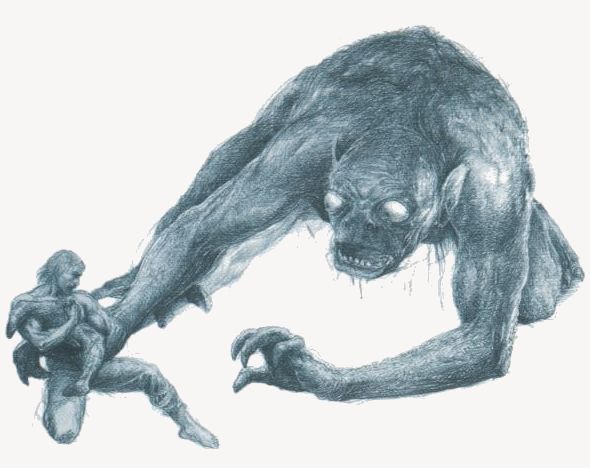
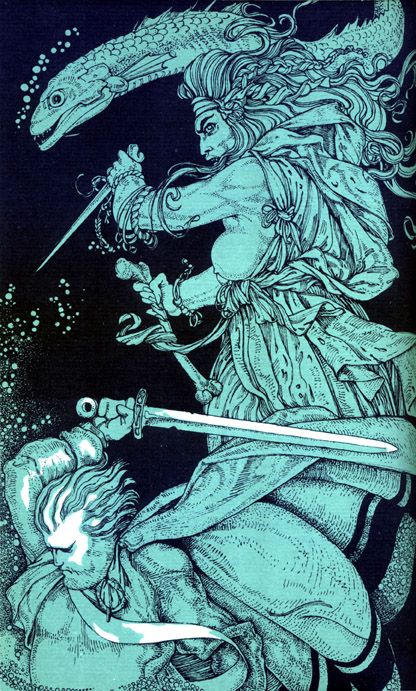
This piece of dialogue made me wonder about damp living conditions in a few literary works, and, because I’ve recently taught Beowulf, I immediately thought of Grendel and his mother,

(An Alan Lee illustration.)

whose habitation was in a pool, in the midst of a moor.   The poem describes Grendel:

“wæs se grimma gaést      Grendel háten this ghastly demon was      named Grendel,
maére mearcstapa      sé þe móras héold infamous stalker in the marches,      he who held the moors,
fen ond fæsten·      fífelcynnes eard fen and desolate strong-hold;      the land of marsh-monsters,
wonsaélí wer      weardode hwíle10the wretched creature      ruled for a time”  

I would normally try to translate this myself, but, this time, I want to use this passage to point to a really useful site:https://heorot.dk/beowulf-rede-text.html  which, as you can see, has both the original text and a translation, plus extensive notes.  There are several Beowulf translations on-line and, along with this one, I would recommend that by Dick Ringler, which you can find at:  https://digicoll.library.wisc.edu/cgi-bin/Literature/Literature-idx?type=header&id=Literature.RinglBeowulf&pview=hide 

Ringler’s translation, which, like the above, has lots of useful background information, is designed for oral delivery, and so has a very up-to-date feel to it. 

If you thought that Grendel’s neighborhood was bad, the pool in which he and his mother live was so terrifying that, as the text says:

“ofer þaém hongiað      hrímge bearwas·  1363over it hangs      frost-covered groves,
wudu wyrtum fæst      wæter oferhelmað· tree held fast by its roots      overshadows the water;
þaér mæg nihta gehwaém      níðwundor séon there one may every night      a horrible marvel see:
fýr on flóde·      nó þæs fród leofað fire on the water;      not even the wise of them lives,
gumena bearna      þæt þone grund wite. of men’s sons,      that knows the bottom.
Ðéah þe haéðstapa      hundum geswenced  1368Though the heath-stepper      harrassed by hounds,
heorot hornum trum      holtwudu séce the hart with strong horns,      seeks the forest,
feorran geflýmed·      aér hé feorh seleð put to flight from far,      first he will give up his life,
aldor on ófre      aér hé in wille existence on the shore,      before he will (leap) in
hafelan helan·      nis þæt héoru stów· to hide his head;      it is not a pleasant place;”
   

Iolanthe’s place of exile brought on thoughts of Beowulf.  In turn, the half-line fyr on flode, “fire upon water”, will remind The Lord of the Ring readers of:

“Presently it grew altogether dark:  the air itself seemed black and heavy to breathe.  When lights appeared Sam rubbed his eyes:  he thought his head was going queer  He first saw one with the corner of his left eye, a wisp of pale sheen that faded away; but others appeared soon after:  some like dimly shining smoke, some like misty flames flickering slowly above unseen candles; here and there they twisted like ghostly sheets unfurled by hidden hands…

At last Sam could bear it no longer.  ‘What’s all this, Gollum?’ he said in a whisper.  ‘These lights?  They’re all round us now.  Are we trapped?  Who are they?’

Gollum looked up.  A dark water was before him, and he was crawling on the ground, this way and that, doubtful of the way.  ‘The tricksy lights.  Candles of corpses, yes, yes.  Don’t you heed them!  Don’t look!  Don’t follow them!”  (The Two Towers, Book Four, Chapter 2, “The Passage of the Marshes”)

I’ve always found this one of the most unsettling moments in Frodo and Sam’s long journey to Mt Doom, I think because of this:

“Hurrying forward again, Sam tripped, catching his foot in some old root or tussock.  He fell and came heavily on his hands, which sank deep into sticky ooze, so that his face was brought close to the surface of the dark mere.  There was a faint hss, a noisome smell went up, the lights flickered and danced and swirled.  For a moment the water below him looked like some window, glazed with grimy glass, through which he was peering.  Wrenching his hands out of the bog, he sprang back with a cry.  ‘There are dead things, dead faces in the water,’ he said with horror.  ‘Dead faces!’”   

In a letter to Prof L.W. Forster, 31 December, 1960, JRRT suggested an inspiration for such a place:

“The Dead Marshes and the approaches to the Morannon owe something to Northern France after the Battle of the Somme.” (Letters, 303)

As the Great War progressed, the landscape of northern France/southern Belgium became permanently pock-marked from the endless fall of artillery shells.

As you can see, whenever it rained, these shell-holes filled with water and, during attacks, it was possible for advancing soldiers to fall in and drown.  I think that this is what Tolkien is suggesting was one idea behind the Dead Marshes.

Iolanthe is pardoned by the Fairy Queen

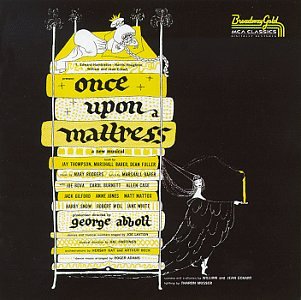
and leaves the stream for good, but I can do better than that.  In the musical Once Upon a Mattress,

Princess Winifred (her nickname?  “Fred”), while waiting to see what Queen Agravaine has in store for her in the way of a contest, (as in the original Andersen fairy tale, the princess must pass a test to gain the prince, Dauntless—but it’s his mother she has to satisfy, not the prince), she is asked by her (temporary, as far as the queen’s concerned) maids to describe her homeland, which she does:

Winnifred: I come from the land of the foggy, foggy dew ooh-ooh-ooh!
Ooh-ooh-ooh! Ooh-ooh-ooh!
Where walking through the meadow in the morning is like walking through glue!
The swamps of home are brushed with green and gold at break of day.

Dauntless: At break of day.
Winnifred: The swamps of home are lovely to behold from far away.
Dauntless: From far away.
Winnifred: In my soul is the beauty of the bog, in my memory the magic of the mud.
I know that blood is thicker than water but the swamps of home are thicker than blood.
Dauntless: Blo-o-od!
Winnifred: Where e’er I roam my heart grows dank and cold,
my face grows gray when shadows fall and I hear the call…
of the swamps of home.
Ladies: Ah…
Winnifred: I hear them calling me now, calling me back, calling me Winnifred,
Winnifred, Winnifred, Winnifred, who do you think you are?
Girl of the swamp,
Ladies: Winnifred, Winnifred
Winnifred: You’ve gone to far!
Maid of the marshland, give up the struggle!
Listen to the voice of the swamp;
gluggle-uggle-uggle.
Ladies: gluggle-uggle-uggle.
Winnifred: Where e’er I roam. The whips of fate may smart, but deep down in my heart
Ladies: ooh…
Winnifred: One thought will abide and will ne’er be forgotten,
though I search far and wide there is no land as rotten…
Ladies: Rotten, rotten, rotten, Rotten, rotten, rotten, Rotten, rotten, rotten…
Winnifred: As the swamps of home.
Winnifred, Dauntless & Ladies: The swamps of home!

(source: https://www.lyricsondemand.com/soundtracks/o/onceuponamattresslyrics/swampsofhomelyrics.html )

Carol Burnett was the original Princess Fred

and you can hear her singing about her sort-of-happy homeland here:

Thanks, as ever, for reading.

I normally end by saying “Stay well”, these days, but perhaps it would be more appropriate to say

Stay dry,

And remember that there is always

MTCIDC

O

ps

“Bog-trotter” is thought to have originally been a slur on Irish country people.  As some of my ancestors were probably the very people slurred, I use the term to show that it can suggest something other than Celtic swamp monsters.

pps

I apologize for the weird bracketing around the quotations from Beowulf. I don’t know what produces them, but I suspect that it might be connected to the magic spells which the poem says protect Grendel from weapons!

In the Sky, a Spy

03 Wednesday Feb 2021

Posted by Ollamh in Uncategorized

≈ Leave a comment

Aragorn is uneasy. 

“Flocks of birds, flying at great speed, were wheeling and circling, and traversing all the land as if they were searching for something; and they were steadily drawing nearer…

‘Lie flat and still!’ hissed Aragorn, pulling Sam down into the shade of a holly-bush; for a whole regiment of birds had broken away suddenly from the main host, and came, flying low, straight towards the ridge…

Not until they had dwindled into the distance, north and west, and the sky was again clear would Aragorn rise.  Then he sprang up and went and wakened Gandalf.

‘Regiments of black crows are flying over all the land between the Mountains and the Greyflood…I think that they are spying out the land.”  (The Fellowship of the Ring, Book Two, Chapter 3, “The Ring Goes South”)

As always, welcome, dear readers.  I’ve often written about the relation between Tolkien’s experiences in our world and events in Middle-earth and, in this posting, instead of looking at the earth, we’ll be looking up, as Aragorn did and as Second Lieutenant Tolkien

 would have done in 1916, scanning the clouds for German scouts.

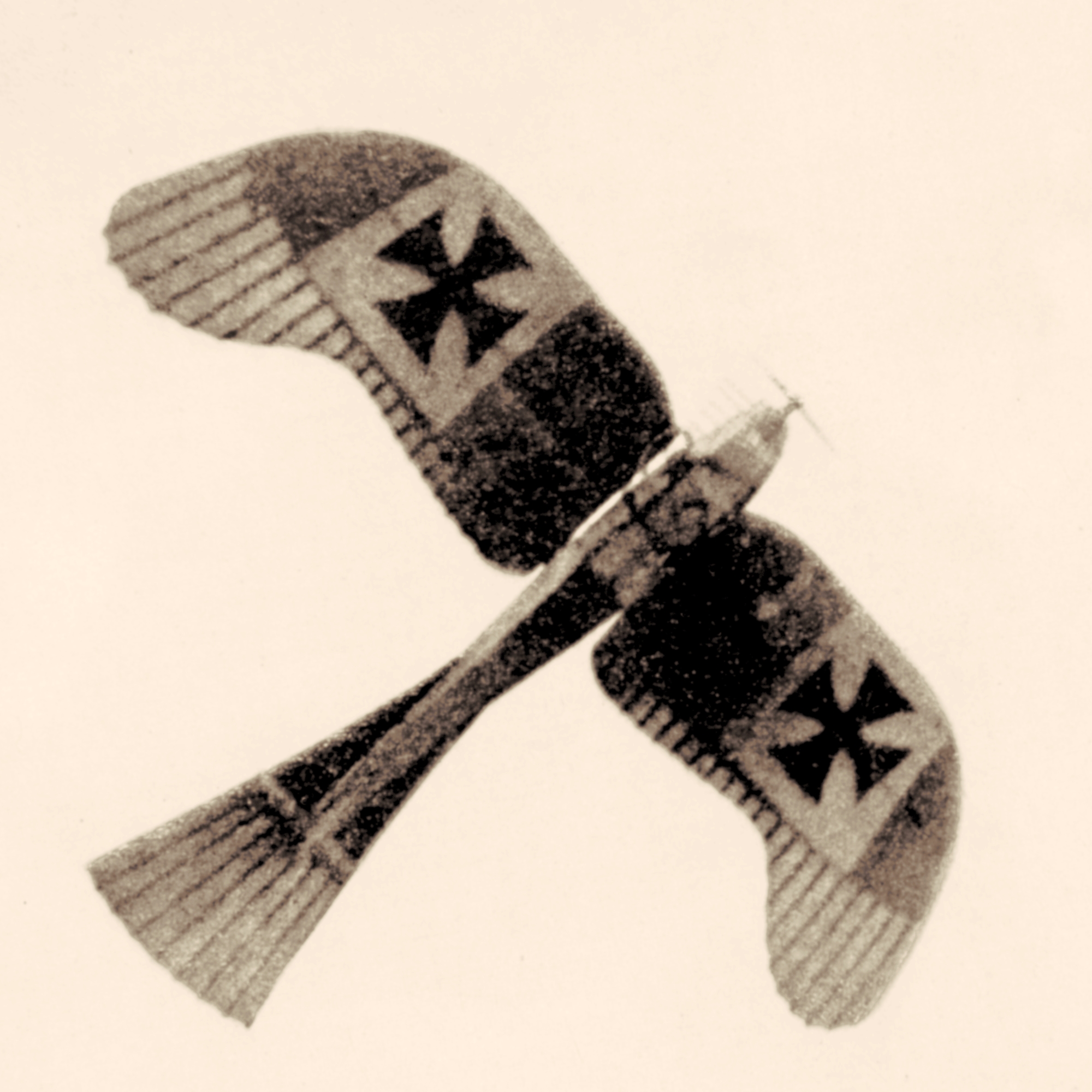
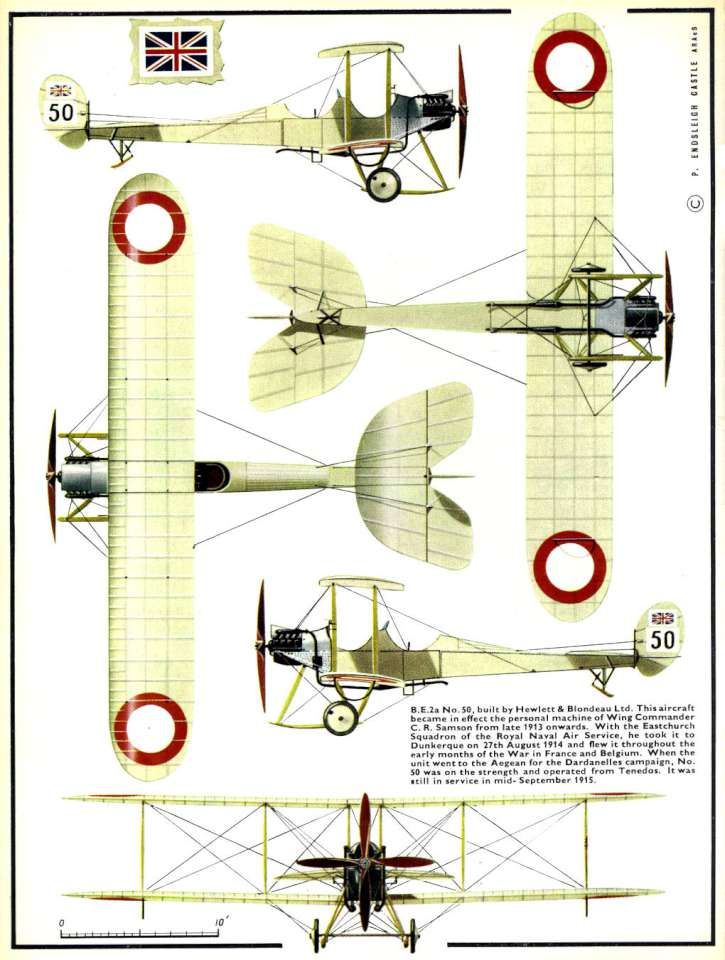
Both sides had begun to include aircraft in their practice warfare—maneuvers—from 1911 on.  The British had employed both airplanes and airships,

and, in the first weeks of war in 1914, it had been British scouting planes

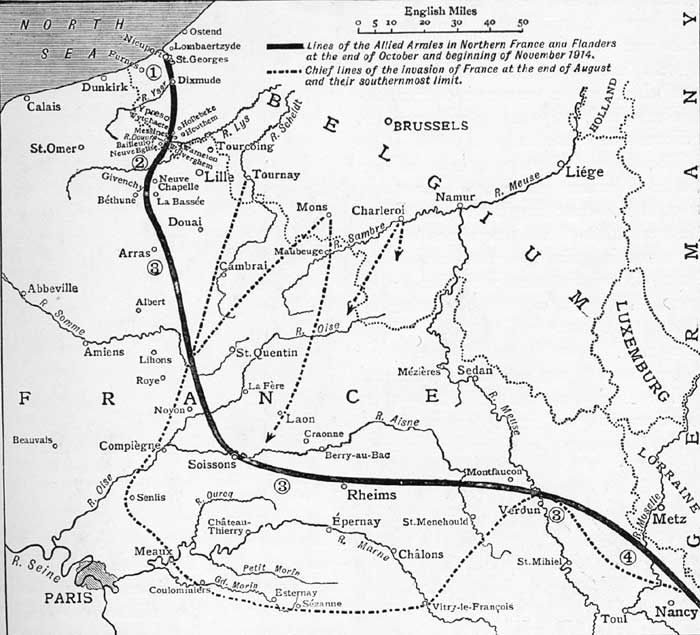
which had spotted the masses of German troops

marching to outflank the British and French armies in what was called the Schlieffen Plan,

allowing the relatively small British Expeditionary Force to escape the trap set for them, although it took hard fighting

and hard marching to do it.

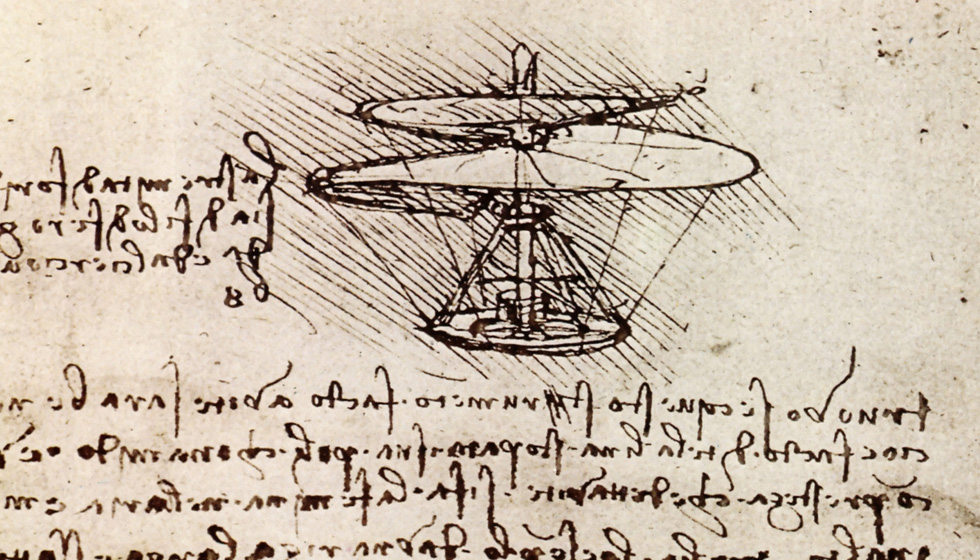
What gave the British the advantage in 1914 was something which had been imagined and wished for for centuries, at least from the days in which Leonardo da Vinci, as early as the 1490s, made intricate drawings of flying machines.

Nothing came of this until the late 18th century, when the Montgolfier brothers

first demonstrated their hot-air balloon in 1783. 

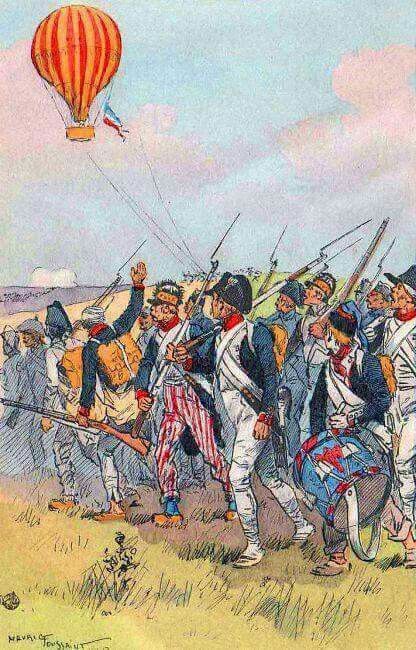
When the Revolution came and French armies were pressed to deal with a huge coalition of hostile European powers, a French balloon surveyed the scene at the Battle of Fleurus, 26 June, 1794

and served at a few other actions before being disbanded in 1799.

It doesn’t appear that much of anything military was done with what, if nothing else, would provide a superior (in more than one sense) observation platform until the American Civil War, where Thaddeus Lowe

a balloon enthusiast, took the Intrepid along on McClellan’s 1862 attempt to capture Richmond.

Although McClellan’s nerve failed him and the attempt in turn failed, Lowe’s balloon allowed observers to see what his army never did:  Richmond.

Lowe’s balloon saw very little service after the failed expedition and military ballooning seems to have been, with very limited exceptions, put on hold until the turn of the century, when the US Army took a balloon along on its expedition to Cuba, in the summer of 1898.

Although it did some service in observing the Spanish lines outside Santiago, it produced an unfortunate side-effect:  the balloon clearly indicated the presence of US troops and Spanish artillery shells quickly began to burst around its position.

And here we see a real difficulty with such balloons.  They may have made good observation posts, but they were immobile, once raised, and, even as they spied on the enemy, they could reveal their own army’s position at the same time. 

It was only with the advent of the airplane, at the very beginning of the 20th century,

that a more flexible method of spying from the air came to be employed and, with the movements of massive armies and then the construction of nearly 500 miles of trenches, from Switzerland to the North Sea in late 1914, into 1915,

it became imperative to have better ways of surveying those movements, as well as the many lines of fortifications both sides rapidly constructed.  The demands of a vast war accelerated creation and employment of such ways and soon aircraft were crisscrossing the sky, their cameras photographing everything on the ground below.

From such photos

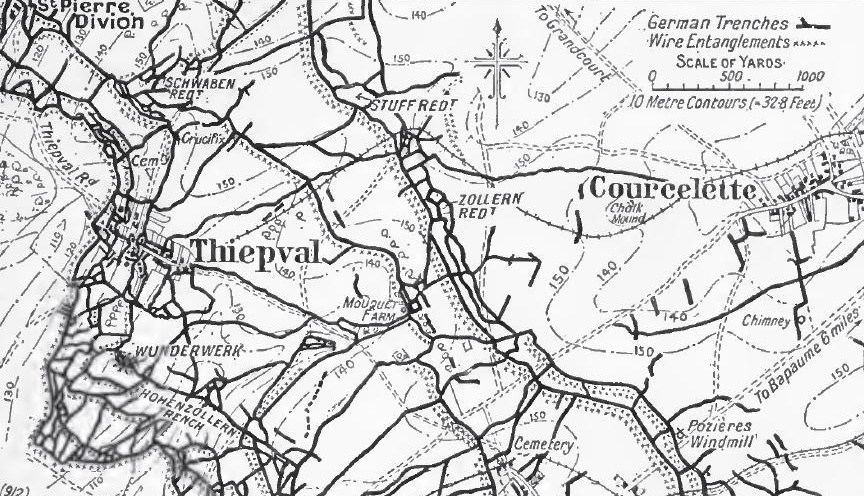
elaborate maps were made,

allowing attack plans to be more sophisticated than ever before.  This, in fact, is the Schwaben Feste, the Schwaben Redoubt, which Tolkien’s own unit, the 11th Lancashire Fusiliers attacked during the terrible battle of the Somme, at the beginning of July, 1916. 

Flights of enemy aircraft overhead, then, might signal reconnaissance which would lead to attack. 

Suspecting that “regiments of crows”, as Aragorn says to Gandalf, are “spying out the land”, convinced Gandalf that they must be more careful in their movements:  we can be sure that hearing the sound of enemy aircraft overhead must have done the same for Second Lieutenant Tolkien.

Thanks, as ever, for reading.

Stay well,

Keep your heads down,

And know that, as always, there’s

MTCIDC

O

An Earful

27 Wednesday Jan 2021

Posted by Ollamh in Uncategorized

≈ Leave a comment

Welcome, dear readers, as always.

In Terence’s play, Phormio, from 161BC, one character, Antipho, seems to another to have succeeded in fulfilling his fondest wish—but, on being congratulated, he replies:

“…immo, id quod aiunt, auribus teneo lupum.”

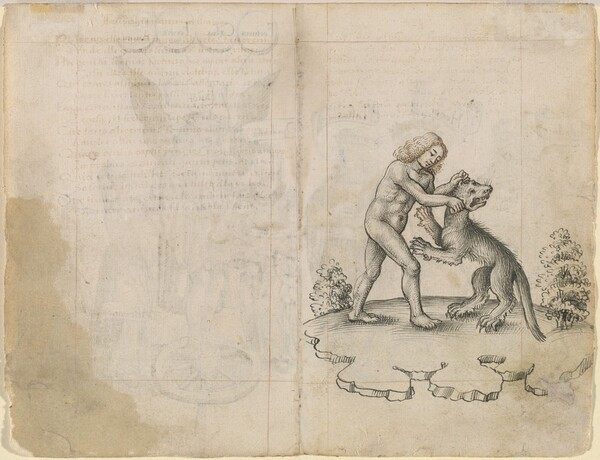
“…not at all—as the saying goes, I’ve got a wolf by the ears.”

(P. Terentius Afer—“Terence”, to us– (195/185-159BC?), Phormio, Act III, Scene 2—my translation)

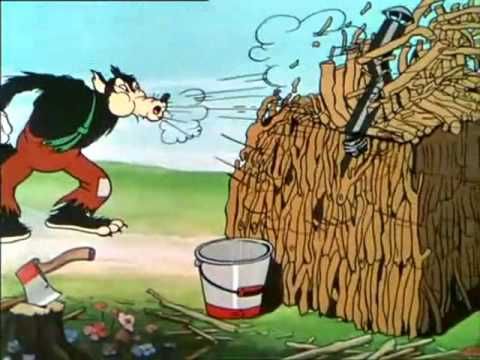
And, recently, I feel like we’ve been almost up to our ears in wolves in these postings.  First, there was the Big Bad Wolf who caused such architectural mayhem among the local pigs,

and then others soon appeared in packs as wintry invaders of the Shire.

In both cases, wolves were villains, a tradition which must go back as early as when people huddled in caves—sometimes caves wolves themselves would like to have occupied.

And certainly, by Neolithic times, from about 10,000BC on, when people began to domesticate animals,

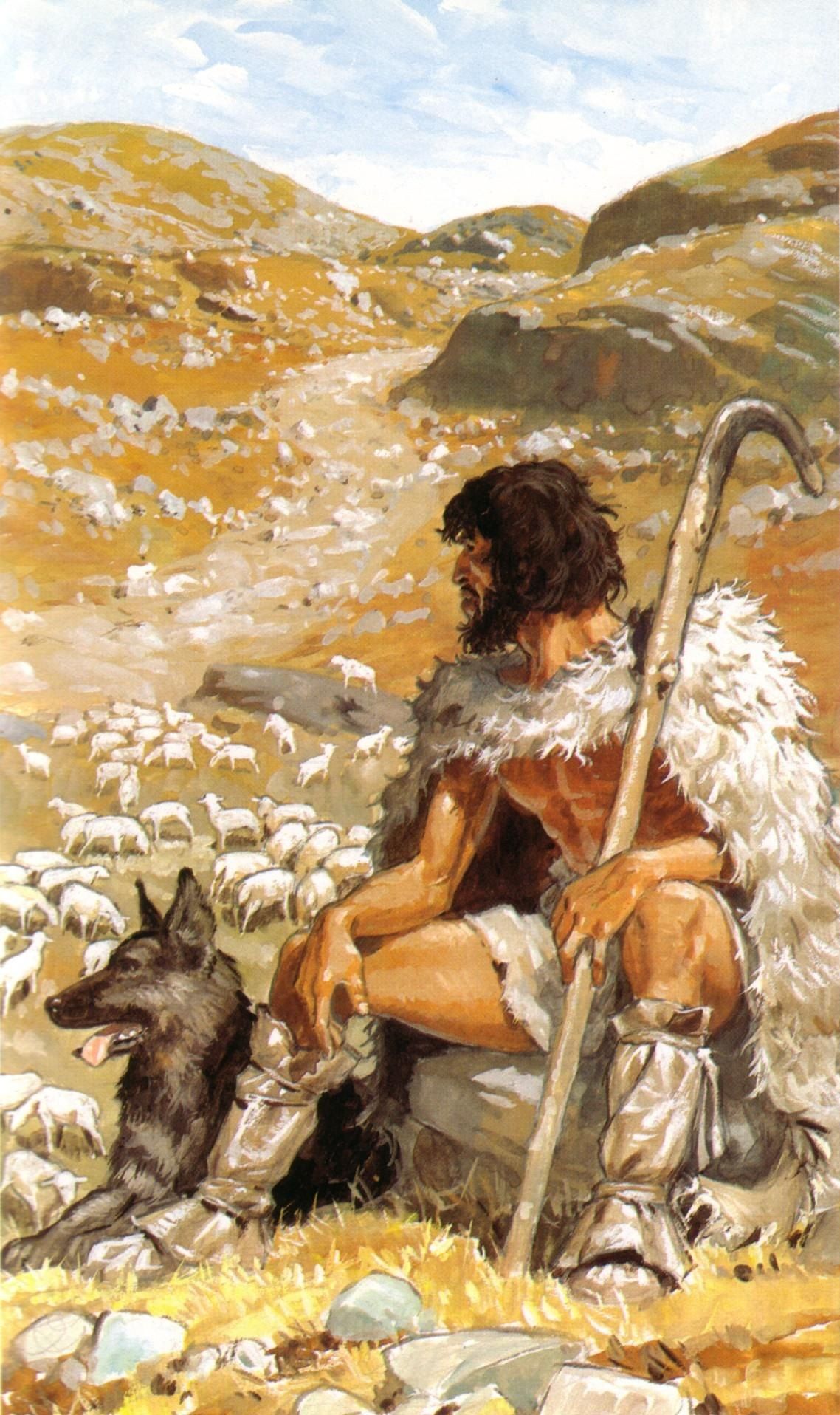
Neolithic shepherds

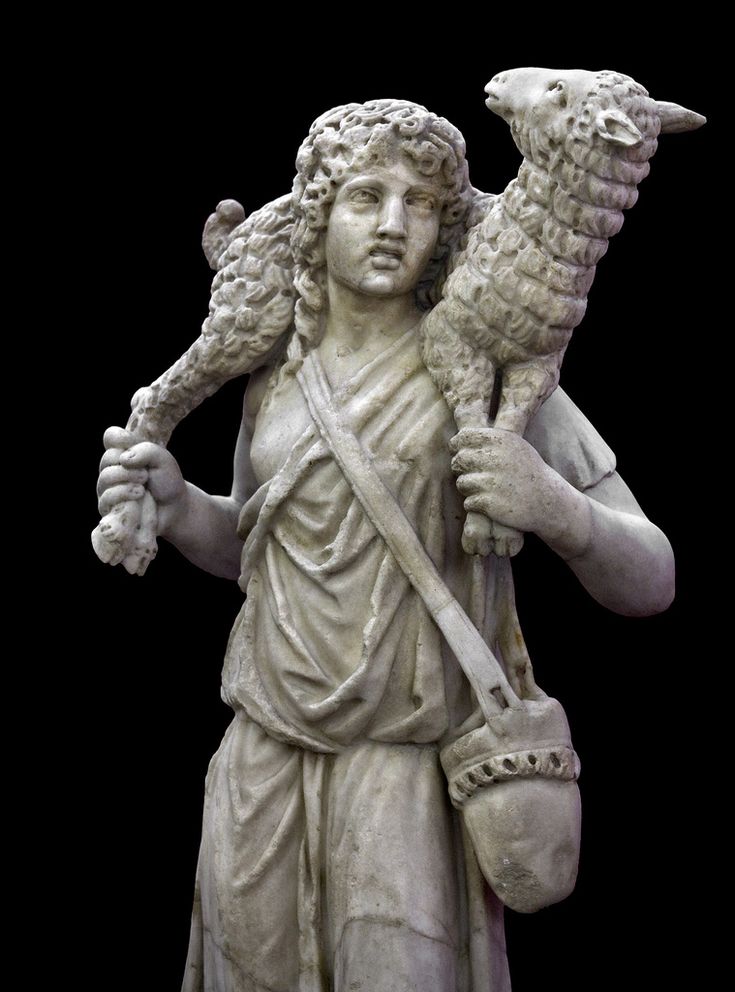
would have feared for their flocks.  Certainly we can imagine that Roman shepherds would have been anxious enough about them—perhaps that proverbial expression above was created by them–

and the earlier Roman dramatist, Plautus (c.254-184BC), even suggested that a person whom you don’t know yet might really be just such a dangerous predator:  “Lupus est homo homini, non homo, quom qualis sit non novit”—“A man is a wolf to a man, not a man,  whom you haven’t [yet] learned [just] what sort [of man] he may be”–that is, “Any man might really be a wolf, until you’ve understood his character.” (T. Maccius Plautus, Asinaria, Act 2, Scene 4, line 495—my translation)  

This philosophic idea, ironically, could even be extended into folklore:  the Romans believed in werewolves, or versipelles (wer-SIH-pell-ace)—literally, “skin-changers”.  One is described in mid-change by a character, Niceros, in Gaius Petronius Arbiter’s ( c.27-66AD) novel, Satyricon:

Venimus inter monimenta: homo meus coepit ad stelas facere; sedeo ego cantabundus et stelas numero. Deinde ut respexi ad comitem, ille exuit se et omnia vestimenta secundum viam posuit. Mihi anima in naso esse; stabam tanquam mortuus. At ille circumminxit vestimenta sua, et subito lupus factus est.

Niceros is walking outside town, where the Romans customarily built their cemeteries. 

Because it’s night and he’s nervous, he’s brought along a companion, a large soldier, for protection.  This turned out to be a less than perfect choice:

“We came among the tombstones.  My companion began to read the inscriptions on the stones.  I, full of song, was sitting and counting the stones.  And then, as I looked back at my companion, he stripped himself and put all his clothing next to the road.  My heart was in my mouth—I was standing stiff as a dead man.  Then he peed in a circle around his clothes and, suddenly, he became a wolf!”  (Satyricon, Section 62—my translation.  If you don’t know Petronius’ weird and interesting work, here’s a LINK to a translation from 1930:  https://sacred-texts.com/cla/petro/satyr/index.htmf  There are more modern translations,. of course, but this has the advantage of being linked, in turn, to the Latin text—as well as being free!)

Ancient wolves must have been fearsome by themselves,

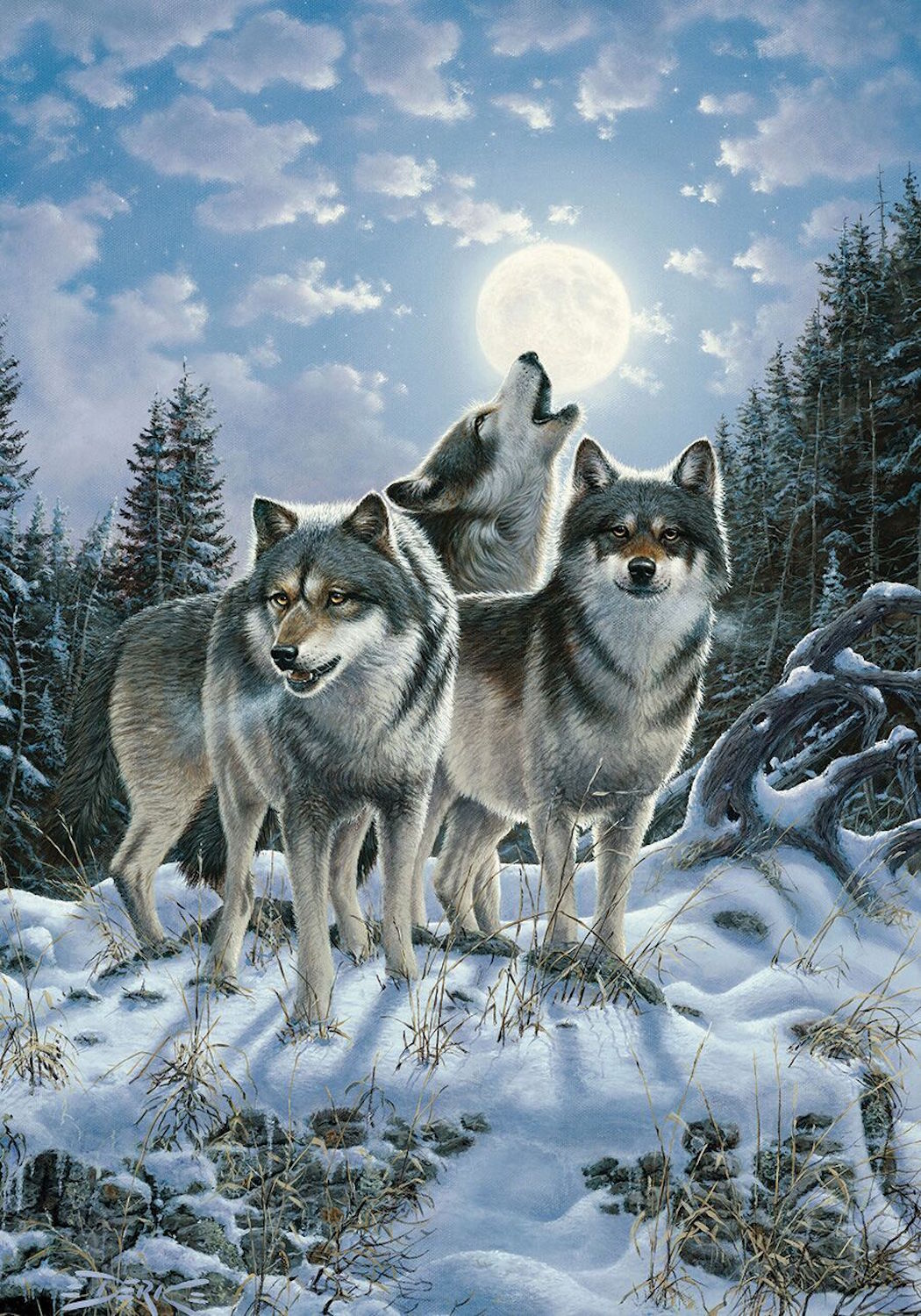
but wolves are pack hunters, who employ sophisticated tactics to deal with those they hunt, following herds of grazing animals and assessing them before beginning the actual chase.

(For more on these frighteningly intelligent stalkers, see:   https://www.livingwithwolves.org/how-wolves-hunt/  )

This fact, however, brings us back to the Romans, but in a completely different way.  Although wolves were feared as skillful predators, they might also be admired—as skillful predators–and the Romans, who always knew a good symbol when they saw one, adopted the wolf as part of their foundation mythology.

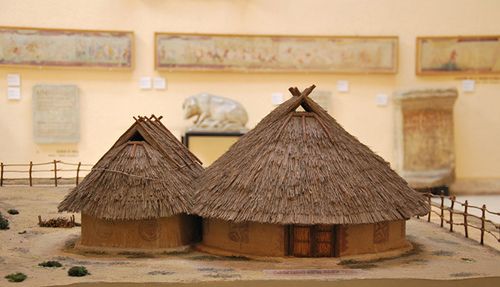
If you are an up-and-coming military power, but who began as a random collection of farmers’ and shepherds’ huts on a few little hills,

how can you suggest to the world that you are much more than that?  And here is where the wolves come in.

First off, you consider who your founders’—in this case, Romulus and Remus’–parents were.  In a male-dominated world, mothers are less important, but at least their mother, Rhea Silvia, was:

a. a princess, daughter of Numitor, the king of Alba Longa, descended from Aeneas, the Trojan refugee considered the ultimate founder

b. a Vestal Virgin—the holiest of Roman women, keeper of the hearth in the temple of Vesta, which symbolized all of the hearths—and therefore all of the homes—of Rome

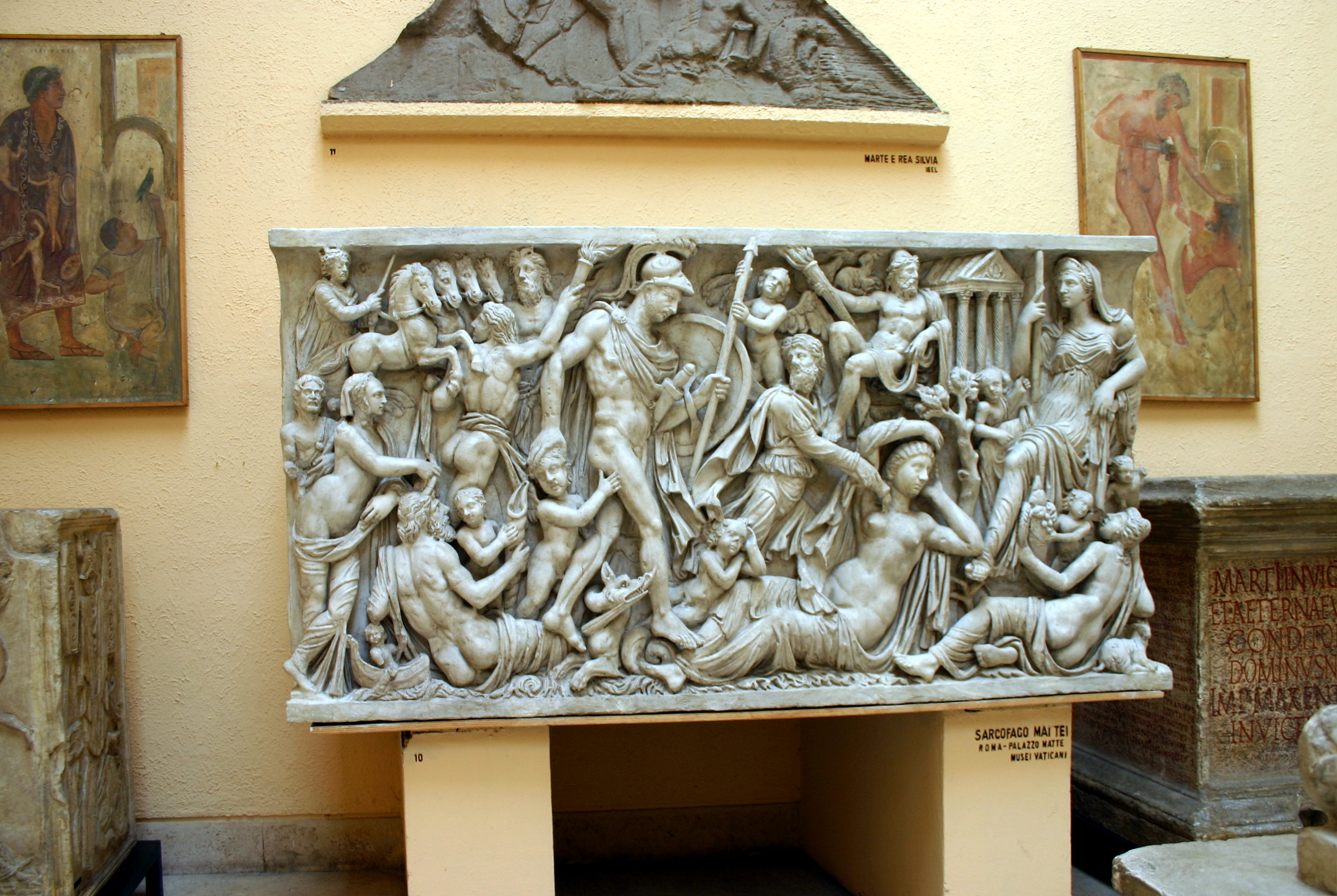
She, in turn, having had an encounter with Mars, the god of war,

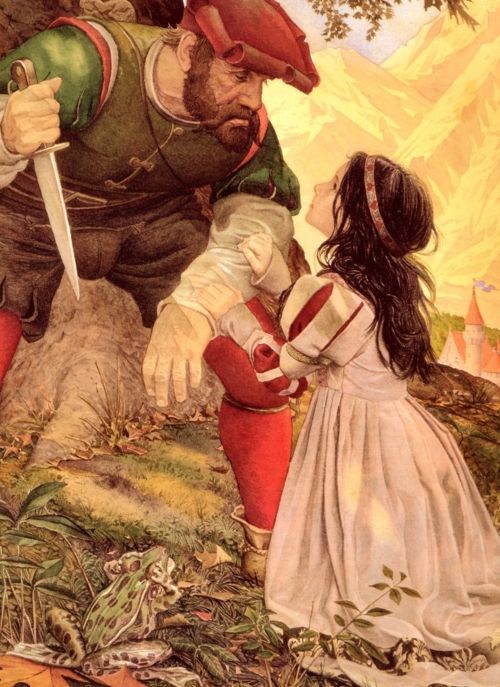
produced the twins, Romulus and Remus, but, when their wicked uncle, Amulius, overthrew his brother, Numitor, and took the throne, he tried to insure that there would be no dynastic problems in the future by ordering a servant to deal with the boys.  The servant, tender-hearted (you recognize him, perhaps, from the huntsman who can’t kill Snow White?),

put them in a basket, instead, and set it to float on the River Tiber (and another familiar scene, perhaps?  Moses in the rushes?).

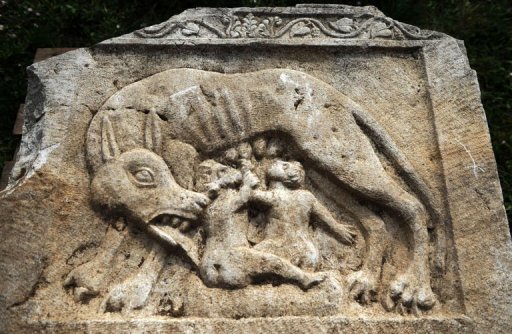
They are nudged to shore, where they are found by a mother wolf who has recently lost her cubs and the rest, as they say, is mythology–

but such powerful mythology.  Rome’s founders’ father is the god of war.  Rome’s founders’ foster mother is a wolf:  an intelligent, well-organized predator, which is the terror of the countryside.  With those parents in mind, perhaps it would have been wise for the world beyond Rome to realize that, soon, it would be holding their own wolf by the ears?

Thanks for reading, as always,

Stay well,

And remember that, as ever, there will be

MTCIDC

O

ps

For more on wolves in mythology, start here:  https://en.wikipedia.org/wiki/Wolves_in_folklore,_religion_and_mythology

For recent research on those early wolves—the so-called Canis Dirus—see: https://www.dailykos.com/stories/2021/1/26/2010776/-Hidden-History-The-Dire-Wolf-The-Big-Bad-Wolf-Was-Not-Really-a-Wolf-After-All

On Thin Ice

20 Wednesday Jan 2021

Posted by Ollamh in Uncategorized

≈ Leave a comment

Welcome, dear readers, as always.

This posting is an example of…fan-tasy fiction, I’d guess.  I’ve always thought that it was good for people to admire a writer so much that they wanted to write in her/his style, or use her/his characters in a new adventure.  On the one hand, it can help in the development of a writer’s own style, and, on the other, it can, perhaps, produce something fresh about people I’ve followed through books. For myself, I would certainly like to know how Eowyn was trained as a shield maiden, for example, or what happened to Long John Silver after he escaped from Treasure Island, or why Sherlock Holmes, in retirement, really took up beekeeping! 

It’s becoming real winter here in the northern US, with some snowfall about once a week or so, and, probably from reading too much 19th-century Russian fiction, I always imagine moonlight and wolves at this time of year.

Unfortunately, we don’t actually have local wolves, but we do have coyotes,  a pack of which I heard just the other night,

and snow and coyote calls, brought to mind this detail from “The Ring Goes South”:

“No living hobbit (save Bilbo) could remember the Fell Winter of 1311, when white wolves invaded the Shire over the frozen Brandywine.” (The Fellowship of the Ring, Book Two, Chapter 3)

So, I thought, the Baranduin can freeze.  And, if it can freeze, but there aren’t any white wolves, what might you do with it?  Clearly some hobbits thought there was fun to be had there in warmer weather—until it went all wrong, as Gaffer Gamgee tells it:

“And Mr. Drogo was staying at Brandy Hall…and he went out boating on the Brandywine River; and he and his wife were drownded, and poor Mr. Frodo only a child and all.” (The Fellowship of the Ring, Book One, Chapter 1, “A Long-Expected Party”)

Although the Gaffer’s Hobbiton audience disapproves, it seems that the “queer folk” along the river thought that “messing about in boats”, as Ratty refers to the sport in the first chapter of The Wind in the Willows,

was a perfectly normal activity.

So, putting together:

a. the river being capable of freezing

b. hobbits having fun on the river,

I wondered:  perhaps they could have winter entertainment on the water, as well?

As far as I currently know, there is no reference in The Hobbit or The Lord of the Rings to ice skating,

but, as I said at the opening, this is a bit of fan-tasy, so why not?

Because so much of Middle-earth is based upon events and details of our world, and, in particular, of our medieval world, I thought that perhaps I might find historical authority for speeding across the ice here, if I could discover no scriptural authority there.

If, dear readers, you’ve ever learned to skate, you won’t be surprised to learn that what appears to be one of the earliest illustrations of ice skating, which dates from 1498, is this–

from a biography of Saint Lidwine (or Lydwine–you see both spellings), 1380-1433, of Schiedam, in the Netherlands.  (She was actually knocked over by someone else who came barreling up behind her.)

But skating, it turns out, is much older than 1498.  In fact, the earliest skates appear to date from about 1800BC, from Finland.  Although these are a later archaeological discovery, from Viking Dublin, they probably looked something like this—

Certainly nothing like modern ice skates,

and the technique for using them was also very different, as we can see from this 1539 Swedish map.

Instead of using their legs to move them along, as modern skaters do, early skaters poled themselves.  Here’s a LINK to a very interesting article about one man’s experiments in trying to figure out how to fashion such skates and to use them:  http://www.hurstwic.org/history/articles/daily_living/text/ice_skates.htm

The skates themselves were made of horse or cow bones and, rather than cutting into the ice, slid across it. 

The first use of metal blades appears to date from about the 13th century and to come from the area of the Netherlands.  Here’s an illustration from a psalter (collection of psalms) made in Ghent in the 1320-30s.

(This is from Ms.Douce 5,  in the collection of the Bodleian Library at Oxford.  It has many wonderful illustrations—there’s someone sledding on the same page—as you can see for yourself, if you follow this LINK:   https://medieval.bodleian.ox.ac.uk/catalog/manuscript_4476 )

You can see that poor St Lidwine was using these later skates when she had her accident.

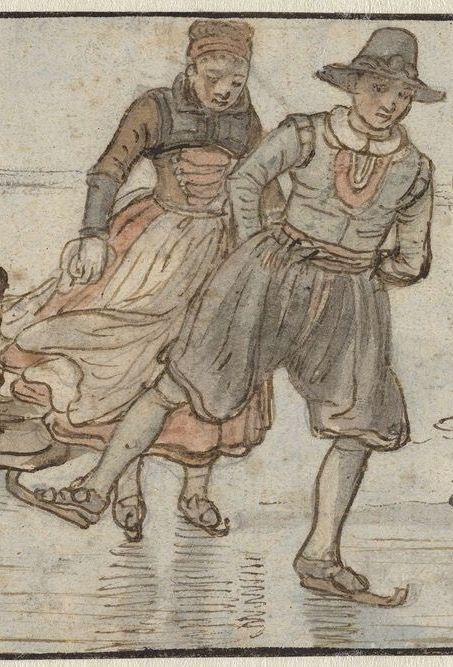
Such skates clearly also changed the method of propulsion, from a pole to a leg, and seem to have added another reason for skating from simple movement across icy ponds and down frozen streams to having fun on the ice, as these late-Renaissance Dutch paintings show.

The first book in English on skating was published in 1772:  Robert Jones, A Treatise On Skating, with a number of editions up to the 1850s, but, to look at these two portraits, Gilbert Stuart’s “Portrait of William Grant” (1782)

and Henry Raeburn’s “The Reverend Robert Walker Skating on Duddingston Loch” (1790’s—and there’s some discussion about Raeburn being the artist—see:  https://en.wikipedia.org/wiki/The_Skating_Minister )

skating had become as popular an entertainment in the UK as it had been in the Renaissance Netherlands. 

And so, in my fun-fan-tasy, I’m imagining those rascals, Merry and Pippin, joining others along the frozen Brandywine to slap on their skates—the metal variety—to zoom across the ice, perhaps to the disapproval of the Gaffer and his cronies in The Ivy Bush, when they hear of such behavior among those “queer folk” in Buckland.

Thanks for reading, as always,

Stay well—be sure to test the ice beforehand—

And trust that there will be

MTCIDC

O

ps

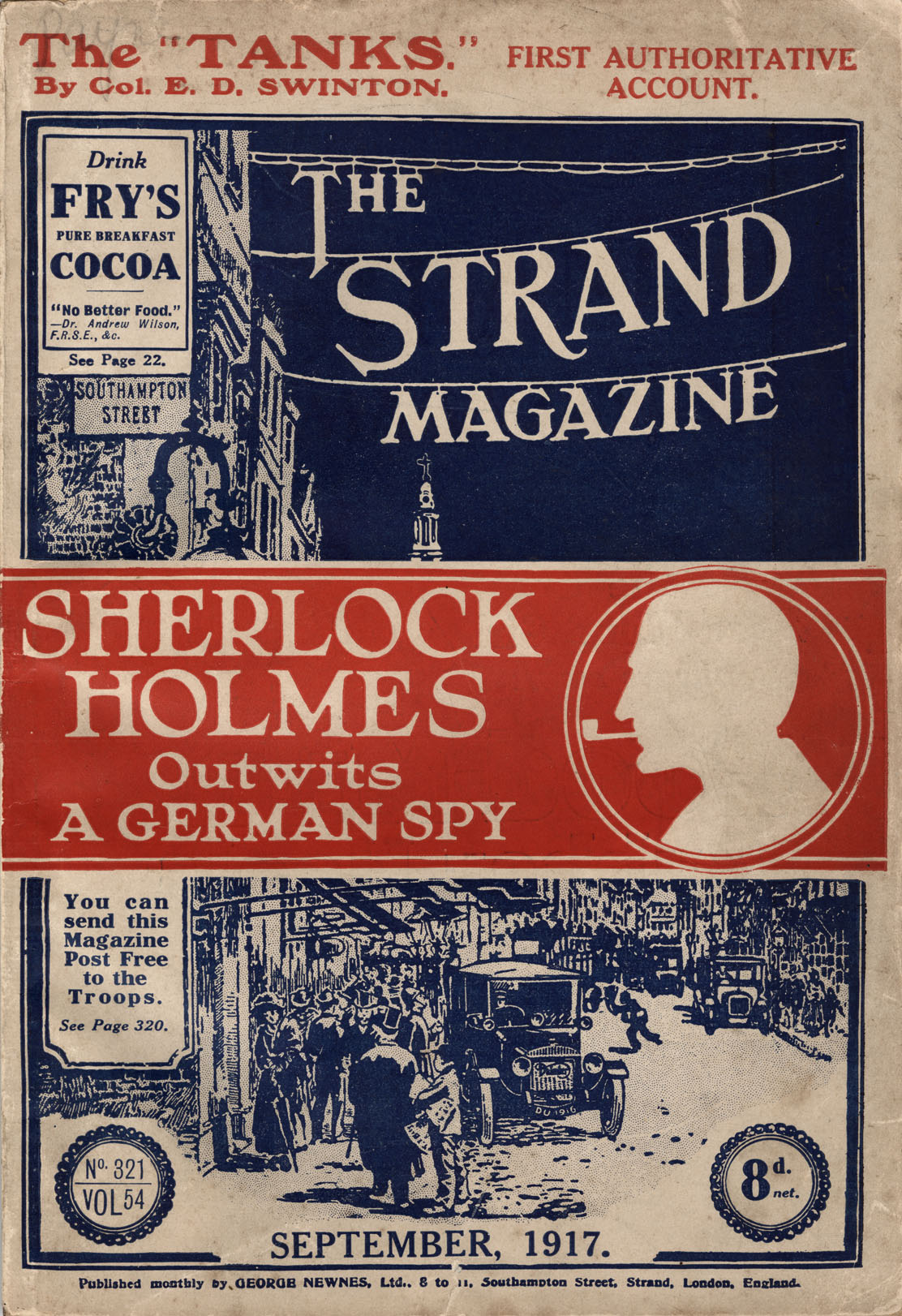
I case you haven’t read that last Sherlock Holmes adventure in which he has taken to bee-keeping,

here’s a LINK:  https://en.wikisource.org/wiki/His_Last_Bow.-_The_War_Service_of_Sherlock_Holmes

Pigs is Pigs?

14 Thursday Jan 2021

Posted by Ollamh in Uncategorized

≈ Leave a comment

As ever, dear readers, welcome.

In my last, I began to talk about pigs in early Western literature, from Herakles’ capture of the Erymanthian Boar

to the Kalydonian Boar Hunt,

to the scar on Odysseus’ thigh, which almost got him killed when it was discovered by his old nurse, Eurykleia.

In all of these stories, the pig in question is a wild boar and hunting it down was both an heroic sport and a form of pest-control.

There was so much material, however—much more than I could use in a whole series on pigs—that I thought that I would add a second posting to take the story a bit farther.

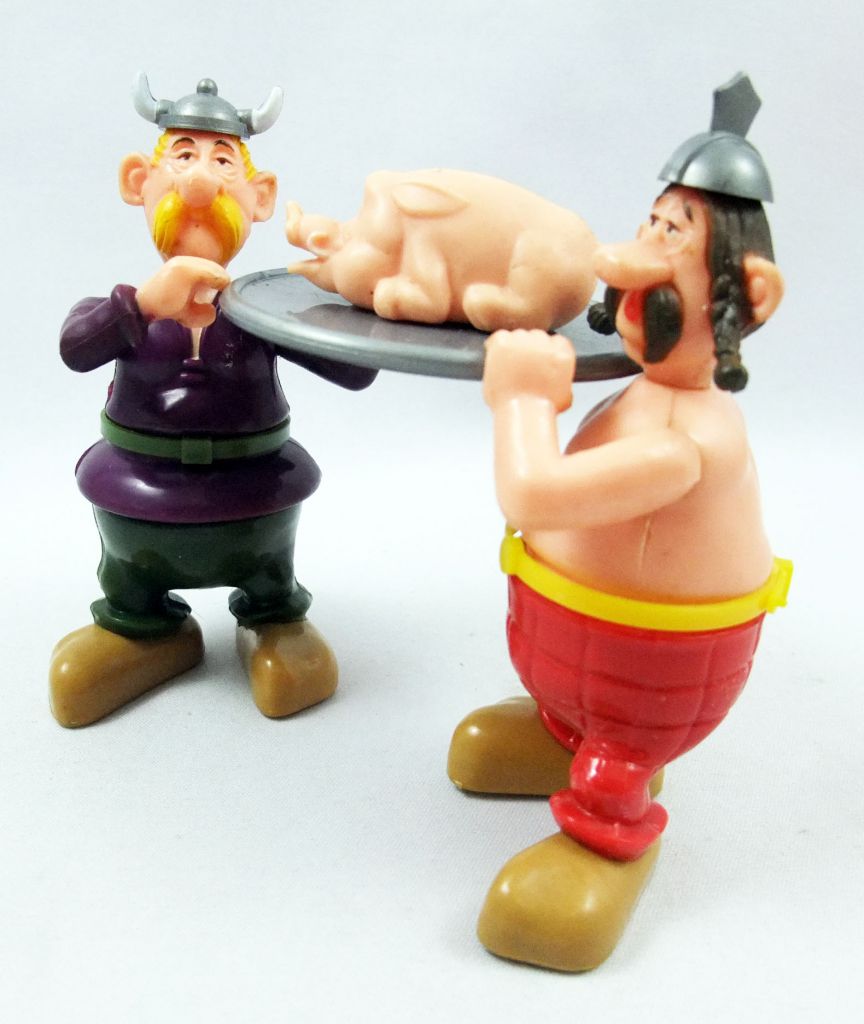
If you do your own research—and I hope that you will—you will find that there are all sorts of theories about the importance of the boar in the world of the early Indo-Europeans, and the Celts, in particular, but, practically speaking, the main importance for such people was this—

(For several interesting postings on the subject of boars and symbolism, see:

https://balkancelts.files.wordpress.com/2014/06/merida-cult-add.jpg?w=820   and  https://wordandsilence.com/2017/07/28/dont-be-such-a-boar/  

Apologies, by the way, to any reader who is a vegetarian or vegan, which is why I selected this authentic historical illustration.)

Pigs supplied a major source of protein for anyone who kept them.  The meat was also, as I understand it, easy to preserve, either by smoking

or salting,

and, in a world before refrigeration, such preserved meat would be crucial for surviving winter in northern climates.

(We take salt for granted, but in earlier times, salt was an extremely important and valuable commodity.  One source of power for the early Romans, in fact, was that their settlement, on those seven hills, potentially controlled a ford across the Tiber over which ran the Via Salaria, the Salt Road, which led inland from the salt pans on the west coast of Italy.)

It’s not surprising, then, that pig was the preferred food of heroes.  The warriors carried by the Valkyries to Valhalla were said to be fed by Saehrimnir, a boar who could be killed, consumed, and reborn every day as the main course in feasts.

And, in the Irish world, their heroes could come to all-out warfare over the carving and distribution of Mac Datho’s pig.

(This is a wonderful, weird story—like so many Old Irish stories–and the first one I studied when I began to learn Old Irish.  Here’s a LINK to an early translation by A.H. Leahy (1857-1928) so that you can enjoy it yourself:  https://sejh.pagesperso-orange.fr/keltia/version-en/datho2-en.html  )

By ingesting the boar, we might imagine that heroes believed that they acquired something of its power.  By putting it on their helmets, as is not only mentioned in Beowulf (see lines 1326-1328), but for which we have archaeological evidence,

perhaps Anglo-Saxon (and Celtic) warriors thought that they could add a little of the menace that boars in the wild could convey.

You only have to look at the kind of spear used in hunting them to see what those who did feared—

When a boar attacked, it would continue attacking, even if it ran onto your spear, which is why there is that crosspiece below the head:  to try to stop if from getting any closer!

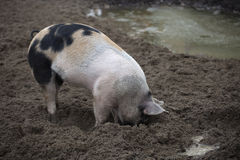
Pigs might feed heroes, but pigs themselves need feeding.  They are omnivores who, in the wild, spend their days consuming what lies on the ground or digging into it.

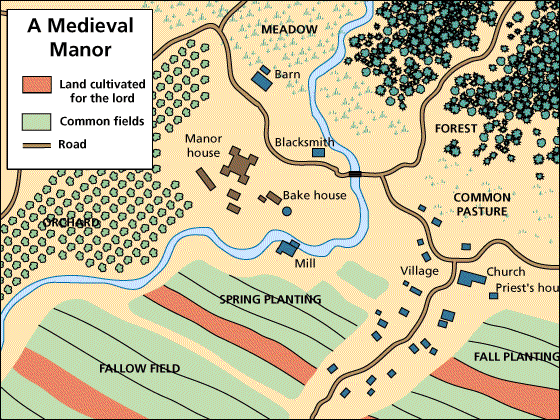
In feudal western Europe, one could have pannage, which is the right to graze pigs on common land.

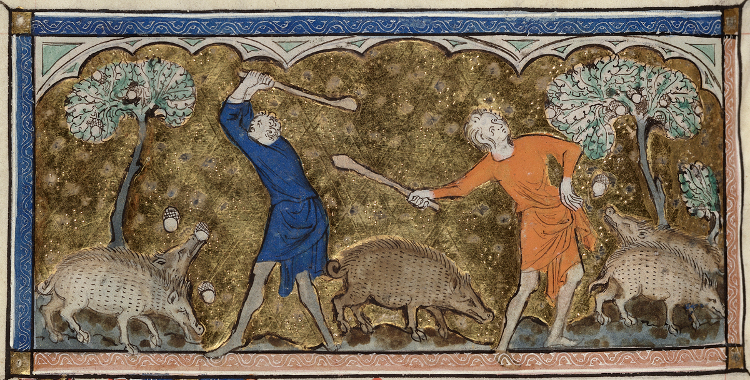
Pigs were turned out in late summer/early autumn, when many of the trees were shedding their fruit, like hazel and acorn.

Here we see two farm workers assisting the trees—and the pigs.

In later autumn, they were rounded up and slaughtered, most of the meat probably being preserved for winter, but a certain amount being put aside for the traditional turn-of-the-season feast, around the end of October—the holiday we still celebrate here in the US as Halloween.

If pigs were that important, both heroically and historically, perhaps pig-keepers were, as well?  Certainly, in the Old Irish story of “The Quarrel of the Two Pig Keepers”, Friuch and Rucht, the two keepers, are not only attached to royal households, but have a knowledge of magical arts, being shape-shifters, who eventually battle each other in various forms until they are finally trapped in the bodies of two bulls.  (To learn more about this, here’s a link to Lady Gregory’s 1902 translation, Cuchulain of Muirthemne:  https://archive.org/details/cuchulainofmuirt00greg_0/page/268/mode/2up   Turn to page 268 and read on.)

Which brings us to the title of this posting:  if pig-keepers aren’t always pig-keepers, at least in the Old Irish story, are pigs necessarily always pigs?  In Lloyd Alexander’s Chronicles of Prydain series,

which is based upon Welsh versions of Celtic myth, we have two characters who aren’t quite what they seem.  The first is Taran, a foundling, appointed by his master, Dallben (that’s DATH-ben, with the double ll sounding a bit like a lisp out of the side of your mouth), as Assistant Pig-Keeper.  By the end of the series, we—and Taran—discover that he is, in fact, the heir to the throne of Prydain (sorry for the spoiler, but the books are so good that it hardly matters).  As Assistant Pig-Keeper, Taran has only one pig, Hen Wen (“Old Whitey” from hen, “old” and gwyn, “white”?), who, like Taran, is not what she appears to be but is an “oracular pig”:  that is, a pig who can sense the future, which she conveys using a bundle of letter sticks.

From threat to food source to symbol of power to agent of prophecy—what else might an ambitious pig be or do?

As always, thanks for reading,

Stay well,

And know that, as ever, there is

MTCIDC

O
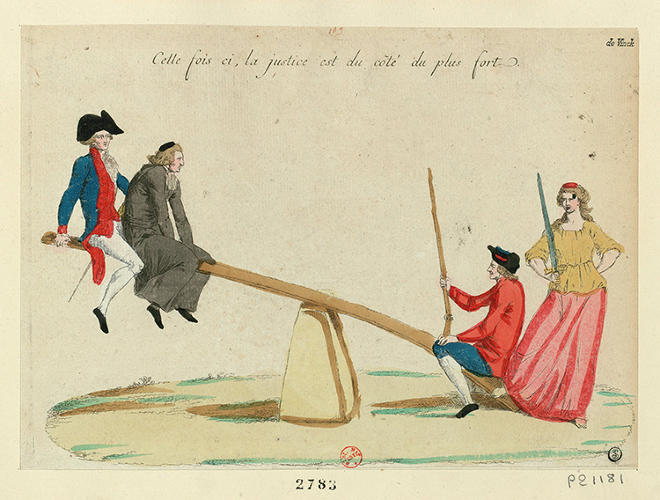
ps

The first image, of Herakles and the Boar, is a cast bronze by Giambologna (jahm-boh-LOE-nya), actually Jean de Boulogne (1529-1608).

In his time, he was a famous and influential sculptor, but equally known for his work in bronze.  There are lots of images available on-line of his marble work and his bronzes, but my favorites are his wonderful cast bronzes of animals and birds, a group of which I saw in Florence some years ago.   Here’s a particular favorite–

← Older posts
Newer posts →

The Doubtful Sea Series Facebook Page

The Doubtful Sea Series Facebook Page

  • Ollamh

Categories

  • Artists and Illustrators
  • Economics in Middle-earth
  • Fairy Tales and Myths
  • Films and Music
  • Games
  • Heroes
  • Imaginary History
  • J.R.R. Tolkien
  • Language
  • Literary History
  • Maps
  • Medieval Russia
  • Military History
  • Military History of Middle-earth
  • Narnia
  • Narrative Methods
  • Poetry
  • Research
  • Star Wars
  • Terra Australis
  • The Rohirrim
  • Theatre and Performance
  • Tolkien
  • Uncategorized
  • Villains
  • Writing as Collaborators
Follow doubtfulsea on WordPress.com

Across the Doubtful Sea

Recent Postings

  • The Damage of Dragons March 11, 2026
  • Encouragement March 4, 2026
  • Eavesdropping February 25, 2026
  • Do You Speak Villain? (Part 3) February 18, 2026
  • Do You Speak Villain? (2) February 11, 2026
  • Do You Speak Villain? (Part 1) February 4, 2026
  • Towering January 28, 2026
  • Tolkien Among the Indians January 21, 2026
  • Thin and Stretched January 14, 2026

Blog Statistics

  • 109,018 Views

Posting Archive

  • March 2026 (2)
  • February 2026 (4)
  • January 2026 (4)
  • December 2025 (5)
  • November 2025 (4)
  • October 2025 (5)
  • September 2025 (4)
  • August 2025 (4)
  • July 2025 (5)
  • June 2025 (4)
  • May 2025 (4)
  • April 2025 (5)
  • March 2025 (4)
  • February 2025 (4)
  • January 2025 (5)
  • December 2024 (4)
  • November 2024 (4)
  • October 2024 (5)
  • September 2024 (4)
  • August 2024 (4)
  • July 2024 (5)
  • June 2024 (4)
  • May 2024 (5)
  • April 2024 (4)
  • March 2024 (4)
  • February 2024 (4)
  • January 2024 (5)
  • December 2023 (4)
  • November 2023 (5)
  • October 2023 (4)
  • September 2023 (4)
  • August 2023 (5)
  • July 2023 (4)
  • June 2023 (4)
  • May 2023 (5)
  • April 2023 (4)
  • March 2023 (5)
  • February 2023 (4)
  • January 2023 (4)
  • December 2022 (4)
  • November 2022 (5)
  • October 2022 (4)
  • September 2022 (4)
  • August 2022 (5)
  • July 2022 (4)
  • June 2022 (5)
  • May 2022 (4)
  • April 2022 (4)
  • March 2022 (5)
  • February 2022 (4)
  • January 2022 (4)
  • December 2021 (5)
  • November 2021 (4)
  • October 2021 (4)
  • September 2021 (5)
  • August 2021 (4)
  • July 2021 (4)
  • June 2021 (5)
  • May 2021 (4)
  • April 2021 (4)
  • March 2021 (5)
  • February 2021 (4)
  • January 2021 (4)
  • December 2020 (5)
  • November 2020 (4)
  • October 2020 (4)
  • September 2020 (5)
  • August 2020 (4)
  • July 2020 (5)
  • June 2020 (4)
  • May 2020 (4)
  • April 2020 (5)
  • March 2020 (4)
  • February 2020 (4)
  • January 2020 (6)
  • December 2019 (4)
  • November 2019 (4)
  • October 2019 (5)
  • September 2019 (4)
  • August 2019 (4)
  • July 2019 (5)
  • June 2019 (4)
  • May 2019 (5)
  • April 2019 (4)
  • March 2019 (4)
  • February 2019 (4)
  • January 2019 (5)
  • December 2018 (4)
  • November 2018 (4)
  • October 2018 (5)
  • September 2018 (4)
  • August 2018 (5)
  • July 2018 (4)
  • June 2018 (4)
  • May 2018 (5)
  • April 2018 (4)
  • March 2018 (4)
  • February 2018 (4)
  • January 2018 (5)
  • December 2017 (4)
  • November 2017 (4)
  • October 2017 (4)
  • September 2017 (4)
  • August 2017 (5)
  • July 2017 (4)
  • June 2017 (4)
  • May 2017 (5)
  • April 2017 (4)
  • March 2017 (5)
  • February 2017 (4)
  • January 2017 (4)
  • December 2016 (4)
  • November 2016 (5)
  • October 2016 (6)
  • September 2016 (5)
  • August 2016 (5)
  • July 2016 (5)
  • June 2016 (5)
  • May 2016 (4)
  • April 2016 (4)
  • March 2016 (5)
  • February 2016 (4)
  • January 2016 (4)
  • December 2015 (5)
  • November 2015 (5)
  • October 2015 (4)
  • September 2015 (5)
  • August 2015 (4)
  • July 2015 (5)
  • June 2015 (5)
  • May 2015 (4)
  • April 2015 (3)
  • March 2015 (4)
  • February 2015 (4)
  • January 2015 (4)
  • December 2014 (5)
  • November 2014 (4)
  • October 2014 (6)
  • September 2014 (1)

Blog at WordPress.com.

  • Subscribe Subscribed
    • doubtfulsea
    • Join 78 other subscribers
    • Already have a WordPress.com account? Log in now.
    • doubtfulsea
    • Subscribe Subscribed
    • Sign up
    • Log in
    • Report this content
    • View site in Reader
    • Manage subscriptions
    • Collapse this bar
 

Loading Comments...