The title may seem a little mysterious, being the French word for “duck”.
In English, it has a secondary meaning, something like “baseless story/ rumor”, with a supposed explanation about an old French anecdote about “selling half a duck”. Of course, the minute I asked myself “Why a duck?” an entire Marx brothers routine appeared. It’s from their 1929 film, The Cocoanuts
and, in it, Groucho (called “Mr Hammer” here) is trying to explain a map to Chico and, as always when the two hold what appears to be a dialogue, they often seem to be doing so from different dimensions—
“Hammer: (pause) … Now, here is a little peninsula, and, uh, here is a viaduct leading over to the mainland.
Chico: Why a duck?
Hammer: I’m alright, how are you? I say, here is a little peninsula, and here is a viaduct leading over to the mainland.
Chico: Alright, why a duck?
Hammer: (pause) I’m not playing “Ask Me Another,” I say that’s a viaduct.
Chico: Alright! Why a duck? Why that…why a duck? Why a no chicken?
Hammer: Well, I don’t know why a no chicken; I’m a stranger here myself. All I know is that it’s a viaduct. You try to cross over there a chicken and you’ll find out why a duck.
Chico: When I go someplace I just…
Hammer: (interrupts) It’s…It’s deep water, that’s why a duck. It’s deep water.
Chico: That’s why a duck…
Hammer: Look…look, suppose you were out horseback riding and you came to that stream and you wanted to ford over…You couldn’t make it, it’s too deep!
Chico: Well, why do you want with a Ford if you gotta horse?
Hammer: Well, I’m sorry the matter ever came up. All I know is that it’s a viaduct.
Chico: Now look, alright, I catch ona why a horse, why a chicken, why a this, why a that…I no catch ona why a duck.
Hammer: I was only fooling…I was only fooling. They’re gonna build a tunnel there in the morning. Now is that clear to you?
But—not to duck the subject—“duck” came up because I had, in my last, mentioned Ben Solo in his persona as “Kylo Ren”,
and his mask has always struck me as looking like a duck.
His master, Snoke,
has actually mocked it and ordered him to take it off, which Ben does, and then begins violently attacking it, as if he had just discovered that it looked like a duck.
It’s clear that Ben has a thing about masks, having somehow (it’s never explained how) rescued his grandfather, Darth Vader’s, helmet and turned it into a shrine of evil,
seeming either to ignore or not to know that his grandfather had died just after turning away from the Dark Side through his extermination of Emperor Palpatine (or not, as we find out in 9).
(I must also admit to being a bit puzzled as to how that helmet has remained, since Vader/Anakin, had been cremated in it and I can’t see why his body would have been disposed of in that way if his armor would survive.)
I’m presuming that the goal of the writers in choosing this variation on Vader/Anakin’s wardrobe meant to imply both that Ben considered himself in some way a padawan of his grandfather, as well as suggesting that, by his costume, he was the equivalent of a kind of anti-jedi.
Vader’s helmet, however,
along with his armor,
was, in fact, a kind of prosthetic device, allowing him to function more or less normally after the horrible wounds he had suffered in his defeat by Obi Wan on Mustafar.
Of course, there was also a deal of menace involved, part of it, I would say, coming from that helmet, with its dead eyes and lower face grill, suggesting predatory teeth,
and the bowl, suggestive of the more threatening samurai helmets, which we know influenced the design.
(For more on the design, see Brandon Alinger’s Star Wars Costumes: The Original Trilogy, which has a discussion of the costume’s development, along with a series of images of concept and details.)
So why a duck?
Considering that Ben Solo has a shrine to a grandfather who was his very opposite at the end of his life, and that he’s wearing a mask which even his master thinks is dumb, perhaps we can redefine canard slightly, not as a “baseless story” told to someone else, but as one which Ben persists in telling himself, only to realize, at the very end of his life that the only person he’s been deceiving is himself.
There is a common expression in writing classes, attributed to William Faulkner (1897-1962)
but the origin of which comes from a much lesser-known figure, Sir Arthur Quiller-Couch (1863-1944).
Sir Arthur, if known at all today, is as the editor for the once-famous The Oxford Book of English Verse 1250-1900,
and for being called something like “the rag and bone man of English poetry”
by the American poet, Ezra Pound (1885-1972).
Pound was, of course, trying to redefine the cannon—and insert himself into it–and Sir Arthur was a far more important man in the Victorian/Edwardian literary world than the equivalent of a recycling truck, but what Faulkner is quoted as saying is: “In writing, you must kill all your darlings.”
This has been sometimes taken to mean, “Murder your characters”, and that’s how I understood it long ago, when I had only read that quotation from Faulkner, but what Sir Arthur really said, in a lecture at Cambridge in 1913-14 on literary style was this:
“…if you here require a practical rule of me, I will present you with this: ‘Whenever you feel an impulse to perpetrate a piece of exceptionally fine writing, obey it —whole-heartedly—and delete it before sending your manuscript to press. Murder your darlings.‘ “ (On the Art of Writing, 1916—it’s in the chapter entitled “On Style” and here’s a LINK so that you can read it for yourself: https://www.gutenberg.org/cache/epub/17470/pg17470.html )
So his meaning was that fine writing for the sake of fine writing was a mistake—but, for the sake of this posting, I’m returning to what I had originally thought Faulkner had meant—murder your characters—and, in my recent reading and viewing experience, there has been mayhem everywhere, which has made me wonder about darlings.
Recently, I rewatched Star Wars 7, 8, 9 and, this time, I was more pained than before by the death of Han Solo in 7.
Harrison Ford, in interviews, had long said that he had wanted Han removed back in the days of Star Wars 4, 5, and 6, but I’ve always thought that Han was really at the center of those films: a cheerfully arrogant cynic who brought a certain satiric balance to the otherwise potentially too-serious story of the Force. Although he might wish Luke “May the Force be with you” just before the attack on the first Death Star,
he was still capable of lines like: ” A…Jedi Knight? I–I’m out of it for a little while, everybody gets delusions of grandeur.” (The Return of the Jedi, 1983)
When he and Chewie first appeared in The Force Awakens (2015),
I was hoping that we would see something of this in 7-9, but I was quickly disappointed. It seems, if I understand the plot correctly, that what was intended by Han’s murder was to illustrate graphically just how far down the road to the Dark Side, his son, Ben, in his persona of “Kylo Ren”,
had gone, but, instead, I saw what, for me, was the end of that quietly ironic viewpoint and therefore of part of what gave a special life to the original trilogy.
Polishing off major characters, however, can make a strong dramatic point. Consider the fate of the decent Ned Stark, played by Sean Bean in A Game of Thrones.
The king’s right-hand man, because of his honesty, is removed from office, charged with treason, forced to lie publically that he committed that treason, and then suddenly beheaded, after being told that, with his confession, his life would be spared.
Coming at the end of the first series, his murder sets off a major element of the plot-to-come: the efforts by his family to gain revenge,
as well as underlining the increasingly-sadistic nature of the new king, Joffrey.
(Notice, by the way, that Joffrey’s crown is both too small and often worn at an odd angle, as if to suggest, visually, just how unfit and unbalanced he is mentally.)
George RR Martin and the script-writers, only begin with Ned Stark, however, and, by the end of the final series, large numbers of major characters, both sympathetic and not, have encountered poison,
being shot with a crossbow,
and being pushed from a great height,
among other grisly ends.
At the series’ base is the English “Wars of the Roses” (1455-1485), fought by two large factions, Lancastrians and Yorkists—and, yes, that’s “Lannisters” and “Starks”, isn’t it?
Although lacking in the various religions, cultures, magic, and dragons of A Game of Thrones, it certainly has the violence, particularly in the way major figures, when captured on the battlefield, are simply beheaded there and then, without the bother of trials.
At the same time, we can almost imagine, in A Game of Thrones, that so many of the characters, positive and negative, are like fuel to the plot’s engine: their deaths spurring that engine onward.
In contrast, we come to Tolkien and, in particular, The Hobbit and The Lord of the Rings.
If we don’t count goblin kings,
Wargs,
and spiders,
and, of course, the destruction of Lake-town,
the only death of a major character is that of Thorin,
but, because of its serious nature, The Lord of the Rings suffers more serious losses among its protagonists, beginning with, it seems, Gandalf,
and including Boromir,
and Theoden,
as well as the mad Denethor.
For a serious book, these are serious deaths: fighting a balrog, overwhelmed by orcs, falling to the chief of the Nazgul, being consumed in a pyre. On the other hand, although we see Sauron as a great shadow passing away,
the only major deaths among the antagonists are those of Gollum, through clumsiness, really,
and Saruman, who, as his spirit is swept away by the wind, like his master, seems to crumble to nothing.
In contrast to the deaths of the protagonists, then, these seem small, almost sordid: a victory dance too close to the lava, a throat cut by a traitorous servant. And, rather than spurring the plot, these deaths put an end to certain strands: the question of whether the Ring will be destroyed and Sharkey’s revenge upon the Shire.
Some darlings, it seems, need to be killed.
Thanks, as always, for reading,
Stay well—and well back from the edge of volcanoes—
And know that, as ever, there’s
MTCIDC
O
ps
In my looking about for illustrations, I happened upon this very interesting view of the death of Theoden—
which was clearly inspired by this scene from one of my favorite medieval pictorial sources, the so-called “Bayeux Tapestry”, which depicts the death of the Anglo-Saxon king, Harold, at the battle of Hastings.
When economic circumstances forced the reluctant Tolkien to break The Lord of the Rings into three volumes, he entitled the third The Return of the King
and, of course, Strider/Aragorn becomes that king by the end of the volume.
The last king before Aragorn was Earnur, who had disappeared into Mordor in TA2050, leaving the Stewards to rule until the death of Denethor in TA 3019.
In modern Western history, I can think of two royal restorations, of both of which I’m sure that JRRT was aware:
1. that of the Restoration of 1660, when Charles II was restored to the throne of England
after the execution of his father, in 1649,
and that of Louis XVIII in 1814,
after the execution of his older brother, Louis XVI, in 1793 (although Louis XVI had gradually been losing his royal powers since the Revolution began in 1789).
In the first case, this would have been a span of 11 years and, in the second, of 21.
In the case of the Kings of Gondor, it would have been a span of nearly a 1000. After such an immense stretch of time, why would anyone want the king back?
In the Shire, there still existed a kind of ghost of kings:
“There remained, of course, the ancient tradition concerning the high king at Fornost, or Norbury, as they called it, away north of the Shire. But there had been no king for nearly a thousand years…Yet the Hobbits still said of wild folk and wicked things (such as trolls) that they had not heard of the king. For they attributed to the king of old all their essential laws and usually they kept the laws of free will, because they were The Rules (as they said), both ancient and just.” (The Lord of the Rings, Prologue 3, “Of the Ordering of the Shire”)
But why do we readers—or at least I, reader–accept this return, especially as someone who lives in a country which hasn’t had a monarch over it for not quite so long as Gondor, but since 1776, which is 245 years?
Perhaps it has something to do with the traditional story culture we grew up in. Think of fairy tales: how many of them are set in kingdoms, with kings and queens
and often marriageable princesses—sometimes in need of rescuing.
Open what was perhaps Tolkien’s first fairy tale book, Andrew Lang’s The Red Fairy Book (1890)
and you’ll see that the first story is called “The Twelve Dancing Princesses” and the second story, “Princess Maybloom” begins:
“ONCE upon a time there lived a King and Queen whose children had all died, first one and then another, until at last only one little daughter remained, and the Queen was at her wits’ end to know where to find a really good nurse who would take care of her, and bring her up.”
For JRRT the medievalist, there was also all the world of Arthurian legend, with earlier stories, dating back to Geoffrey of Monmouth’s 12th-century Historia Regum Britanniae (“History of the Kings of Britain”)
to Sir Gawain and the Green Knight (late 14th century)
of which Tolkien and his colleague, E.V. Gordon, published a scholarly edition in 1925
and of which Tolkien himself made a translation, published posthumously by his son, Christopher, in 1975.
Then there is the later Le Morte d’Arthur, Sir Thomas Malory’s collection of Arthurian material, first published by William Caxton (c.1422-c.1491) in 1485.
And, for a late Victorian/Edwardian like Tolkien, there was the poetical work, Alfred Lord Tennyson’s (1809-1892)
The Idylls of the King (1859-1885)
At the center, of course, is Arthur himself, a man born to be king, but who had no idea that that was his fate until he found himself in front of a stone upon which rested an anvil with a sword embedded in it, a story first appearing, it seems, in Robert de Boron’s Merlin, c.1200.
This is sometimes confused in early tellings with Excalibur, Arthur’s other sword, which, in some versions, was given to him by the “Lady of the Lake”.
This confusion is then employed, to wicked effect, in Monty Python’s Monty Python and the Holy Grail (1975)
where it is used to question the very idea of kingship which I’m puzzling my way through here.
Soon to be on his quest for the Holy Grail, King Arthur approaches some peasants who are grubbing in a muddy field.
“ARTHUR: How do you do, good lady? I am Arthur, King of the Britons. Whose castle is that?
WOMAN: King of the who?
ARTHUR: The Britons.
WOMAN: Who are the Britons?
ARTHUR: Well, we all are. We are all Britons, and I am your king.
WOMAN: I didn’t know we had a king. I thought we were an autonomous collective.”
This is clearly not going to go well
and soon Arthur is shouting:
“ARTHUR: Be quiet! I order you to be quiet!
WOMAN: Order, eh? Who does he think he is? Heh.
ARTHUR: I am your king!
WOMAN: Well, I didn’t vote for you.
ARTHUR: You don’t vote for kings.
WOMAN: Well, how did you become King, then?”
“ARTHUR: The Lady of the Lake,…
[angels sing]
…her arm clad in the purest shimmering samite, held aloft Excalibur from the bosom of the water signifying by Divine Providence that I, Arthur, was to carry Excalibur.
[singing stops]
That is why I am your king!”
A second peasant’s response suggests that this is not quite so convincing as Arthur would have them believe:
“DENNIS: Listen. Strange women lying in ponds distributing swords is no basis for a system of government. Supreme executive power derives from a mandate from the masses, not from some farcical aquatic ceremony.”
(Monty Python and the Holy Grail, Scene 3: “Repression is Nine Tenths of the Law?”)
Arthur’s argument is that he is the rightful king because he was appointed by a spiritual power and this easily ties in with justifications of kingship under the idea of “the divine right of kings”, in which a monarch claimed that he was there because God had appointed him to his position. It also suggested that, in that position, he was answerable to no one but God—an idea which got Charles the First
of England not only into a civil war, but carried him all the way to his execution, as his opponents asserted that Charles was not himself a kind of god (an idea with which his father, James the First, had actually played in his The True Law of Free Monarchies, 1598, and Basilikon Doron, 1599), but a man responsible to his people and, when, by his actions, he betrayed them, he was as liable as any of his subjects to a charge of treason.
For the medieval Arthur, however, there was a fatal wounding on the battlefield,
or perhaps a kind of rescue by a group of mysterious women, who take him off to “the Isle of Avalon”
where, in some versions of the story, he is to be healed and there await the appropriate moment to sail back to retake his kingdom—the original Return of the King.
This, of course, brings us back to my original question: why accept that that return is an appropriate part of the ending of The Lord of the Rings?
I think that we can begin with the remark about hobbits, that
“they attributed to the king of old all their essential laws and usually they kept the laws of free will, because they were The Rules (as they said), both ancient and just.”
If we look at Middle-earth in TA 3018, much of it is in desperate need of laws which are “both ancient and just”, as
1. Sauron is active in Mordor, raising armies, including those from his alliance with Harad, and sending the Nazgul, his creatures, abroad
2. Saruman, now in the service of Sauron, although believing himself independent, is also building armies and infringing upon Rohan
3. Gondor is gradually growing weaker, its main city, Minas Tirith, largely depopulated, and its steward, Denethor, is being emotionally manipulated by Sauron through his unwise use of a palantir
4. Theoden, king of Rohan, has been taken over by Saruman’s spy, Grima
5. whole areas beyond the Anduin are, at best, unsafe
6. Moria is in the hands of orcs—and worse, in the form of a balrog
(and 7.—to come—the Shire itself will fall into the vengeful hands of the deposed Saruman, now called “Sharkey”, to be turned into a kind of fake socialist industrial state)
With a background in fairy tales and Arthurian legend, it would have seemed natural to JRRT to see this as a world out of balance and in need of a savior—or, in the case of The Lord of the Rings, two: Frodo and Aragorn.
And there appears to be a kind of divine sanction for both of these in these words which both Boromir and Faramir had heard in dreams, as Boromir tells the Council of Elrond:
“For on the eve of the sudden assault a dream came to my brother in a troubled sleep; and afterwards a like dream came oft to him again, and once to me.
In that dream I thought the eastern sky grew dark and there was a growing thunder, but in the West a pale light lingered, and out of it I heard a voice, remote but clear, crying:
Seek for the Sword that was broken:
In Imladris it dwells;
There shall be counsels taken
Stronger than Morgul-spells.
There shall be shown a token
That Doom is near at hand,
For Isildur’s Bane shall waken,
And the Halfling forth shall stand.”
(The Fellowship of the Ring, Book Two, Chapter 2, “The Council of Elrond”)
The “Sword that was broken” is in the hands of Aragorn, its rightful owner as the direct descendant of its original owner, Elendil, as Gandalf explains to Boromir:
“For the Sword that was Broken is the Sword of Elendil that broke beneath him when he fell. It has been treasured by his heirs when all other heirlooms were lost; for it was spoken of old among us that it should be made again when the Ring, Isildur’s Bane, was found.”
But then Gandalf continues:
“Now you have seen the sword that you have sought, what would you ask? Do you wish for the House of Elendil to return to the Land of Gondor?”
Boromir has his doubts, however:
“I was not sent to beg any boon, but to seek only the meaning of a riddle…Yet we are hard pressed, and the Sword of Elendil would be a help beyond our hope—if such a thing could indeed return out of the shadows of the past.”
Aragorn replies—and here we begin to see his street cred:
“If Gondor, Boromir, has been a stalwart tower, we [his people, the Dunedain] have played another part. Many evil things there are that your strong walls and bright swords do not stay…Peace and freedom, do you say? The North would have known them little but for us. Fear would have destroyed them. But when dark things come from the houseless hills, or creep from sunless woods, they fly from us.”
Thus, Aragorn suggests that he’s not only the possessor of an ancient sword which signifies his heritage, but he’s also an experienced soldier, who has continued has family’s role as protectors of the North. As the story proceeds, Aragorn continues to show proofs of his kingship, laying claim to a palantir and using it to turn the tables on Sauron (The Return of the King, Book Five, Chapter 2, “The Passing of the Grey Company”), traveling the Paths of the Dead to call upon the Oathbreakers finally to fulfil their oath (“The Passing of the Grey Company”), and in his ability to heal those near-death, as Gandalf says:
“ ‘Let us not stay at the door, for the time is urgent. Let us enter! For it is only in the coming of Aragorn that any hope remains for the sick that lie in the House. Thus spake Ioreth, the wise-woman of Gondor: “The hands of the king are the hands of a healer, and so shall the rightful king be known.” ‘ “ (The Return of the King, Book Five, Chapter 8, “The Houses of Healing”)
And we should note two things here:
1. it is Gandalf who quotes Ioreth and who is Gandalf? One of the 5 Istari, lesser spirits sent by the Valar to counter Sauron in Middle-earth (Unfinished Tales, Part Four, II. The Istari)
2. not “a rightful king”, but “the rightful king”—Gandalf may be thought, then, to be speaking for the Valar to say that Aragorn is, indeed, the King Who Returns
All this may convey a kind of justification for Gandalf’s earlier identification of Aragorn as “Aragorn son of Arathorn, the heir of Kings” (The Two Towers, Book Three, Chapter 6, “The King of the Golden Hall”), although it skates very close to that divine right of kings which got Charles the First into trouble, but it is only when all of the menace in the list above has been dissipated, much of it by the efforts of others, that we see the true nature of the Return of the King:
“In his time the City was made more fair than it had ever been, even in the days of its first glory; and it was filled with trees and with fountains, and its gates were wrought of mithril and steel, and its streets paved with white marble, and the Folk of the Mountain and the Folk of the Wood rejoiced to come there; and all was healed and made good, and the houses were filled with men and women and the laughter of children, and no window was blind nor any courtyard empty; and after the ending of the Third Age of the world into the new age it preserved the memory and the glory of the years that were gone.” (The Return of the King, Book Six, Chapter 5, “The Steward and the King”)
And it’s not just the sick and the City which Aragorn heals, but a great portion of Middle-earth:
“And embassies came from many lands and peoples, from the East and the South, and from the borders of Mirkwood, and from Dunland in the west. And the King pardoned the Easterlings that had given themselves up, and sent them away free, and he made peace with the peoples of Harad; and the slaves of Mordor he released and gave them all the lands about Lake Nurnen to be their own.”
I’ve wondered whether being conditioned by fairy tales has had something to do with my acceptance of the Return, and this seems to be a giant fairy tale ending, including the marriage with Arwen (“The Steward and the King”)-
but JRRT is a better story-teller than to take such an easy way out. The Return of the King has brought peace and will bring prosperity to a world much in need of both, but it isn’t a happy world for everyone.
When Frodo and his friends return to the Shire, they find destruction, both to the landscape and to the social fabric and it takes the deaths, not only of men, but of hobbits and even of one of the Istari, Saruman, to begin the healing there. (The Return of the King, Book Six, Chapter 8, “The Scouring of the Shire”)
And there is another sadness as well: the departure of Frodo and Bilbo and Gandalf from Middle-earth (The Return of the King, Book Six, Chapter 9, “The Grey Havens”).
(A real beauty by Ted Nasmith)
So perhaps, beyond fairy tales and the Once and Future King of Arthur, it’s this mixture of joy and sorrow which persuades me to believe in The Return of the King.
Thanks, as ever, for reading.
Stay well,
Hope for wizards in our world (but not so ambitious and self-deceiving as Saruman)
And know that, as always, there’s
MTCIDC
O
ps
Near the beginning of this piece, there is an illustration of a king and queen which I drew from one of Ernest Shepard’s illustrations for one of my favorite A.A. Milne’s poems, “The King’s Breakfast”. Here’s a LINK, if you don’t know it: https://wonderingminstrels.blogspot.com/2000/09/king-breakfast-a-milne.html WARNING: this has such an infectious rhythm that you will find yourself memorizing it without knowing it!
This is posting number 351 and, if you are a regular follower of the blog, you know that, in over 350+ postings, a huge number of images have appeared. Usually, the writing of the posting inspires the choice of images, but, in this one, it was the other way around, as you’ll see…
The Romans were proud of their state, the Res Publica, “The Business of the People”.
Rome hadn’t begun as a people’s business, however. Instead, it had been farmers
and shepherds
who had lived in thatched huts
in little villages on 7 hills, overlooking the Tiber River.
In time, they had come under the control of their northern neighbors, the wealthy and sophisticated Etruscans,
and an Etruscan king, a lucumo, had ruled them.
Then, in 509BC, the Romans overthrew the king and established a new kind of state, that Res Publica. They retained the former kings’ council of elders, which they called the Senate, after the Latin root sen-, “old”, but, instead of a king, the Romans yearly elected two state officers, the consuls. Here are the two consuls in a session with the Senate.
Roman society had two big social classes, the Patricians and the Plebeians,
and, for the first century-and-a-half, consuls were always elected from the Patricians, until, in 367BC, a new law was passed, decreeing that one of the two consuls should be a Plebeian.
Consuls held a great deal of power, including acting as generals in time of war, but all of this came to an end when Augustus (63BC-14AD),
the grand-nephew of Julius Caesar (100-44BC),
having won a final civil war, became the sole ruler of Rome and the consuls became more holders of positions of prestige than of power. They were, at least initially, still elected, but they were nominated by the emperors, who sometimes even nominated themselves. Because the office had almost 500 years of tradition behind it, however, becoming a consul was to have achieved a lofty position in the state and certain senior state positions were only available to those who had held it.
By late imperial times, however, the office had lost its power and had become ceremonial, which included, at the consul’s installation, a massive celebration, including the Greco-Roman world’s favorite sport, chariot-racing.
Along with elaborate celebrations, there could be the distribution of commemorative gifts, one of which might look like this—
It is called a “consular diptych” (Greek di—“two/double” + ptukhe, “fold”) and consists of two panels, which could be made of wood, ivory, or metal. This particular one, seemingly the oldest surviving, dates from 406AD, and depicts the late western emperor, Honorius (384-423AD)—who had been consul once, himself—at the age of 2—and was dedicated to him by Anicius Petronius Probus, who was consul in 406. It’s a very graphic contrast to the power of the consuls of the old Republic that Probus describes himself as the famulus, “household slave” of Honorius.
The form of the diptych descends from a much less exalted object, the usual Roman notebook,
which consisted of two hollow wooden halves, into which wax was poured to form a surface.
The writer then used an instrument called a stilus, which had two functions: the pointy end was used to write on the wax, the other end was a kind of eraser, with which the writer could smooth the wax over what she/he’d written, thus erasing it.
By the first century AD, these apparently could also be used to hold letters of appointment, which I presume is how they became associated with consuls.
As you can see from the one dedicated to Honorius, the carvings on the outside of these can be wonderfully elaborate, my favorite being this,
which, although it’s a diptych, isn’t actually a consular one, its purpose being unknown. It has the names of two prominent late Roman families, the Symmachi and the Nichomachi, along the top, however, suggesting that, whatever it was for, it somehow involved them and, in particular, two women of the families, who appear to be acting as religious figures. (The left-hand panel was badly damaged in a fire, unfortunately.)
This posting came about because, as usual, I was looking for images to illustrate an earlier posting and came across the work of Tom Buggey, and this wood panel of Galadriel—does this form look familiar?
As Dr. Buggey explains, he is an admirer of a pair of my favorite Tolkien illustrators, the Hildebrandts, and this is clearly based upon one of their depictions of the Lady of the Golden Wood.
Although I enjoy Dr. B’s Tolkien work, I also find his other work impressive, as in this
of which I quote his description:
“This is an original composition based on a children’s story I was hoping to write illustrated with a series of carvings – If only I had the time. This carving measures 31″ x 15″. The story goes something like this. Long ago the woodsmen of the north were aided by the city dwellers of the south. The woodsman vowed to aid the city dwellers if ever they were in need. To secure this promise a spell was placed on a series of songs that would awaken future generations to the promise of aid. This carving represents a princess (of course) of the besieged city’s king who travels north with the court musician to garner the assistance of the woodsmen. The first songs are being sung.” (from the website, lightly edited by me)
There are a number of other carvings at his site: https://buggeycarve.com/ For myself, I hope that, since he wrote the above, he has continued both the story and the panels, maintaining a sculpting tradition which goes back far beyond consular diptychs, but which includes such wonderful pieces as this—
Thanks, as always, for reading,
Stay well—be careful—those carving tools are sharp!
If you’re fond of British comedy, you may have come across a famous duo from long ago, Flanders and Swann.
These were (words and commentary) Michael Flanders—the one on the left—(1922-1975) and (composer and accompaniment) Donald Swann—the one on the right (1923-1994). Once at the same school, they eventually collaborated on two long-running two-man shows, At the Drop of a Hat,
and At the Drop of Another Hat, in which Flanders introduced songs and did comic monologues and he and Swann sang songs, all of their own composition. Here’s a LINK to one of their numbers: https://www.youtube.com/watch?v=bkYrj2DQlVc (This is a very clever use of the final rondo from Mozart’s Horn Concerto #4 in E flat—and here’s the original very beautiful concerto: https://www.youtube.com/watch?v=roqBo-uBYIQ Someone has supplied the words on the screen, but makes one mistake, writing “Tricky”, where Flanders actually uses the musical term “tutti”, meaning all of the instruments are supposed to join in at this point.)
Swann,
however, was, besides being Flanders’ collaborator, a well-known and very active composer, one of his compositions being a little cycle of songs with words taken from the works of a favorite author, JRR Tolkien, which, as an LP, combined the songs with readings/recitings from his work by Tolkien himself, Poems and Songs of Middle Earth (1967).
The score for the songs also appeared as a book, The Road Goes Ever On (1967; 1978; 1993).
One of the settings from this score has been in my head recently, and has prompted this posting. Number 5 in the cycle of songs, it’s entitled “Namarie”, and is drawn from The Fellowship of the Ring, Book Two, Chapter 6, “Farewell to Lorien”. In fact, the original has no title, being the second of two songs sung by Galadriel as she sends the Fellowship off on their journey once more. It’s clear that JRRT felt a special love—almost longing—for Lothlorien and he himself appears reluctant to leave it as the farewell is a very elaborate one, almost as operatic as the entrance of Lohengrin, in Wagner’s 1850 opera of the same name.
Once the company has assembled and its ordinary tasks—explaining the boats, giving Sam rope—are completed, Galadriel appears:
“They turned a sharp bend in the river, and there, sailing proudly down the stream towards them, they saw a swan of great size. The water rippled on either side of the white breast beneath its curving neck. Its beak shone like burnished gold, and its eyes glinted like jet in yellow stones; its huge white wings were half lifted.”
(Although this isn’t credited, the beautiful attention paid to the natural world makes me think that this is a Ted Nasmith illustration.)
“A music came down the river as it drew nearer; and suddenly they perceived that it was a ship, wrought and carved with elven-skill in the likeness of a bird. Two elves clad in white steered it with black paddles. In the midst of the vessel sat Celeborn, and behind him stood Galadriel, tall and white; a circlet of golden flowers was in her hair, and in her hand she held a harp, and she sang…”
(As you can see, this is a loose reading of the text by Denis Gordeev—one steersman and Celeborn is sitting behind Galadriel, but what I find persuasive is Galadriel and her harp. In general, I really like Gordeev’s style, which looks back to people like Howard Pyle and NC Wyeth, artists from the golden age of book illustrators. There doesn’t appear to be much information about him readily available, but if you google his name, there is a good deal of his art on-line and he’s illustrated everything from Tolkien to Robert Louis Stevenson.)
Here’s the text:
Ai! laurie lantar lassi surinen, Yeni unotime ve ramar aldaron! Yeni ve linte yuldar avanier mi oromardi lisse-miruvoreva Andune pella, Vardo tellumar nu luini yassen tintilar i eleni omaryo airetari-lirinen.
Si man i yulma nin enquantuva?
An si Tintalle Varda Oiolosseo ve fan yar maryat Elentari ortane ar ilye tier undulave lumbule; ar sindanoriello caita mornie i falmalinnar imbe met, ar hisie untupa Calaciryo miri oiale. Si vanwa na, Romello vanwa, Valimar!
Namarie! Nai hiruvalye Valimar. Nai elye hiruva. Namarie!
Ah! like gold fall the leaves in the wind, long years numberless as the wings of trees! The years have passed like swift draughts of the sweet mead in lofty halls beyond the West, beneath the blue vaults of Varda wherein the stars tremble in the song of her voice, holy and queenly.
Who now shall refill the cup for me?
For now the Kindler, Varda, the Queen of the Stars, from Mount Everwhite has uplifted her hands like clouds, and all paths are drowned deep in shadow; and out of a grey country darkness lies on the foaming waves between us, and mist covers the jewels of Calacirya for ever. Now lost, lost to those from the East is Valimar!
Farewell! Maybe thou shalt find Valimar. Maybe even thou shalt find it. Farewell!
And here is Donald Swann’s setting, which has stayed with me since I first heard it years ago: https://www.youtube.com/watch?v=690OiCByWRc –this is the whole LP, but “Namarie” is at 33:43.
There is a special ache in this, in part, as I said, because of JRRT’s own feelings about Lothlorien,
but it is hardly the only lament in The Lord of the Rings. If you think for a moment, you can add to this (and the previous one):
1. the fragment which Frodo works on in Lothlorien for Gandalf (The Fellowship of the Ring, Book Two, Chapter 7, “The Mirror of Galadriel”)
2. the song which Aragorn and Legolas make for Boromir (The Two Towers, Book Three, Chapter 1, “The Departure of Boromir”)
3. we might see the chant which Treebeard sings to Merry and Pippin as a kind of grieving for lands he has visited, but which are now gone (The Two Towers, Book Three, Chapter 4, “Treebeard”)—Swann set this as well, on the LP at 29:32: https://www.youtube.com/watch?v=690OiCByWRc
4. the fragment which Aragorn recites when the company reaches Edoras and stands by the grave mounds of the past kings of Rohan (The Two Towers, Book Three, Chapter 6, “The King of the Golden Hall”)
5. “a maker in Rohan said in his song of the Mounds of Mundberg”—a lament for those fallen at the Battle of the Pelennor Fields (The Return of the King, Book Five, Chapter 6, “The Battle of the Pelennor Fields”)
6. and a possible sixth, with only five lines given, would be the song which the Riders of the King’s House, sang—“a song of Theoden Thengel’s son that Gleowine his minstrel made” (The Return of the King, Book Six, Chapter 6, “Many Partings”
Although of a thoughtful nature, I don’t believe that Tolkien was a melancholy man, and all of these clearly have their place in the story: Galadriel has already said that the world of the elves is doomed to fade, Boromir has died bravely and the urge is to commemorate that, Treebeard understands that, for all his enormous life-span, his people, lacking the Entwives, must also fade, Aragorn and the company can see the green mounds which show the long history of the Rohirrim, Sauron’s initial attack is defeated, but at a terrible cost, and Theoden has died an heroic death.
As well, as a scholar of Old English, JRRT has the strong lament tradition of its surviving literature in his head, which includes poems like “The Ruin”, “Deor”, and “The Wife’s Lament”, with that same feel of grieving over the end of things. For a very useful website with translations for these and many others, see: https://oldenglishpoetry.camden.rutgers.edu/
But, for all of the art in laments, they are just that, laments, and, as this has always been a positive blog, let me end with this, which I couldn’t resist. Having read this posting, you’ll know exactly how I found it.
As I’ve said before, although I don’t write fan fiction, I think that it’s a very useful thing. If it’s well done, it can be an imaginative, even ingenious, addition to what an author has already devised. If it’s not so well done, it’s certainly not harmful, and, in any case, trying to imitate the work of an admired creator can be a great way to learn how you want to write.
So, you’re asking, is this the prelude to my first fan fiction? Well, yes and no. Recently, I’ve been watching a really engrossing tv series from 1979 titled Danger UXB.
In it, we follow the adventures of Second Lieutenant (with later promotions, Captain) Brian Ash, played extremely well by Anthony Andrews,
who is in charge of a small unit of soldiers
whose job is to defuse and remove bombs dropped by the German air force and which, for various reasons, haven’t exploded (UXB stands for “unexploded bomb”).
This series is based upon various real life experiences of those whose actual job it was to do this, from 1940 to 1945, and there are hair-raising moments, as the real bombs could cause devastating damage, both to people and their surroundings.
At this same time, of course, Tolkien
was teaching at Pembroke College, Oxford,
and serving as an air raid warden,
as well as working on The Lord of the Rings.
There was a gap, however, in this work, from December, 1938 to August, 1939, and this was a significant time just before the war to come. In March, 1938, Hitler had sent his army into Austria, adding that to “Greater Germany”.
On September 30th, 1938, Great Britain, France, Germany, and Italy had signed the Munich Pact,
which allowed Hitler to gobble up the Sudetenland, a border territory between Czechoslovakia and Germany.
This was part of the policy of “Appeasement”, the mistaken idea that giving Hitler (and Mussolini) what they demanded would keep Europe out of another terrible war. When the British Prime Minister, Neville Chamberlain, returned home, he was actually convinced that this was going to stop the German dictator from further demands, proclaiming to people on his doorstep at 10 Downing Street, “It is peace for our time.”
Then, in March, 1939, Hitler’s army invaded the Czech Republic, after Slovakia had broken ties with it.
In April, Mussolini’s troops invaded Albania.
So much for appeasement.
Although JRRT always claimed that his work, if it contained any contemporary influence, would be that of the Great War, Hitler’s constant demands always remind me of this moment from the last chapter of Book 5 of The Return of the King, “The Black Gate Opens”, in which the Mouth of Sauron (I can easily see him in full Nazi uniform) lists the terms his master offers the West:
“The Rabble of Gondor and its deluded allies shall withdraw at once beyond the Anduin, first taking oaths never again to assail Sauron the Great in arms, open or secret. All lands east of the Anduin shall be Sauron’s for ever, solely. West of the Anduin as far as the Misty Mountains and the Gap of Rohan shall be tributary to Mordor, and men there shall bear no weapons, but shall have leave to govern their own affairs. But they shall help to rebuild Isengard which they have wantonly destroyed, and that shall be Sauron’s, and there his lieutenant shall dwell: not Saruman, but one more worthy of trust.”
Although, as far as I can presently ascertain, Tolkien never explains the gap in his creativity, it gave me a “what if” moment.
Suppose, in that period from December, 1938 to August, 1939, JRRT was not in Oxford, but, instead, was off on a “There and Back Again” adventure of his own, something which then inspired him to return to his book with new purpose and energy. Tolkien won’t go alone, however, but be assisted by his old sergeant
(This is actually Sergeant AE Lovejoy of the East Surrey Regiment.)
from his days as 2nd Lieutenant,
who has been employed (at Tolkien’s earnest recommendation), as the porter—the gatekeeper, an important staff post—of Pembroke College.
(This is, in fact, a portrait by Louise Riley-Smith of two modern-day porters at Cambridge from The Tab, a youth news service.)
Notice a certain similarity to another heroic pair?
But what about the rest of the—shall I say it?—fellowship?
Well, Tolkien would need an elderly counselor, wouldn’t he? Someone with the ability to communicate and deal with all sorts of others—perhaps Joseph Wright,
who had been one of JRRT’s tutors at Oxford and among whose specialties was the Germanic languages. If this adventure were to take the fellowship to the Third Reich—perhaps the closest thing to Mordor in the Europe of 1939–Wright, who had studied there, might be a very useful guide. In our world, Wright had been born in 1855 and died in 1930, but, just how old is Gandalf, really?
Younger companions? A couple of larky undergraduates of Pembroke would fit that bill easily.
Dwarves and elves would have been in short supply at Oxford in 1939, but, since a specialty of dwarves was engineering, perhaps Tolkien had a friend in the Royal Engineers during the war
and an elf we’ve met was a crack shot with a bow—perhaps Tolkien and his engineer had had a mutual friend who was a sniper?
What about a ranger? This is an older man, with lots of practical experience and might have been—perhaps still is– a member of Military Intelligence.
And, finally we might add a warrior from a country threatened by another—so, that would suggest someone French, like a number of the others, a veteran of the Great War, come as a guest lecturer to Oxford.
But aren’t we leaving someone out?
We are, indeed—and what we want is someone a bit shifty, with a knowledge of where the fellowship—or at least a part of it—will go, but with his own agenda—a double-agent.
Now, with all of these in place, all we need is a goal. Are they going somewhere to obtain something? Or to take it back? And where are they going to go? If Hitler is Sauron-to-be,
then Mussolini is a natural for Saruman
and, although Germany lacks active volcanos, there are several in Italy.,,
To be continued?
As ever, thanks for reading,
Stay well,
be careful of picking up rings which may cause later difficulties,
“I always meant to see you all safe (if possible) over the mountains…and now by good management and good luck I have done it. Indeed we are now a good deal further east than I ever meant to come with you, for after all this is not my adventure. I may look in on it again before it is all over, but in the meanwhile I have some other pressing business to attend to.” (The Hobbit, Chapter 7, Queer Lodgings”)
Even when the dwarves beg him to stay, even when they offer him gold, which, as we know, would be very unusual for such grasping folk, Gandalf resists. And so Thorin and Co, with their burglar, Bilbo, are about to be on their own.
Welcome, dear readers, as always!
Wizards are always shown to us as ancient and mysterious creatures, with great powers, and rather severe behavior. Think of Mickey’s sorcerer in Fantasia’s “The Sorcerer’s Apprentice”, for example.
Even so, when called upon, they usually do what they’re requested or obliged to—even coming back from death, as Gandalf does after finally defeating the Balrog—
to complete what they’ve begun.
For those reading The Hobbit for the first time, then, it must come as quite a disappointment (never mind to Bilbo and the dwarves) that Gandalf seems almost to shrug, saying ”It’s not my adventure”, and disappearing, just as the company is about to enter the perilous Mirkwood.
After all, it was Gandalf who originally appeared on Bilbo’s doorstep
and brought the dwarves
and coaxed and threatened both Bilbo and the dwarves to make a contract,
as well as producing the map with its secret moon runes.
On their journey, Gandalf saved the company from the trolls,
obtained shelter for them—and a reading of the map’s secret—at Rivendell,
was instrumental in their escaping the goblins,
indirectly in their rescue from the Wargs,
as well as cheerfully tricking their way into their refreshing and reequipping at Beorn’s.
At Beorns Hall, by Ted Nasmith
(This is a Ted Nasmith illustration wonderfully showing the puzzlement of Beorn at the appearance of the dwarves in installments. He, along with the Hildebrandts and Alan Lee, are among my real heroes of Tolkien illustration. This isn’t to leave other brilliant artists out, however, and, some time soon, I want to write a post about as many of the wonderful illustrators of JRRT’s work as I can. We are truly blessed that so many gifted artists have spent so much time on Tolkien’s work.)
This is not the only wizardly disappointment I’ve encountered recently, however.
Think of what Dorothy and her friends have gone through, not only to reach Oz,
but then to return, having fulfilled his demand that they deal with the Wicked Witch of the West, which Dorothy does with a simple bucket of water.
They then find that he is a fraud,
and, although he gently tricks Dorothy’s friends into believing in themselves,
he sails off in his balloon,
leaving Dorothy herself to take one more hazardous trip to find the way home.
Add to this list a more recent installment. In 1981, the Disney studio produced Dragonslayer.
It’s a film I recently rewatched and enjoyed—pre-CGI, I don’t think that you’d ever see a more wonderfully imagined dragon (built, in fact, by the same Industrial Light and Magic which had just done the special effects for Star Wars 4 and 5)—
but in which the wizard, having agreed to help villagers plagued by a dragon, never even leaves his keep,
but appears to be murdered in his own courtyard!
“Appears” is the right word, however, because the wizard, Ulrich, reappears in a rather spectacular way and is instrumental in the ultimate destruction of the dragon.
As well, although the Wizard, who accurately describes himself as “a good man, but a bad wizard”, fails her, Glinda, the Good Witch of the South, tells Dorothy the secret of the silver (not ruby, as in the film) slippers and Dorothy flies home to Kansas.
Gandalf, however, is another matter. When he leaves the company, they are then faced with Mirkwood
and its spiders,
imprisonment
and escape
from the Elvenking’s dungeons even before they reach the Lonely Mountain
and Smaug the dragon.
When Gandalf does reappear, he has little to do with the story, participating in the Battle of the Five Armies, but mostly acting as a traveling companion on Bilbo’s return journey, via Beorn,
until he finally reaches home again, where, a few years later, Gandalf turns up with a dwarvish friend to visit.
In fact, as events prove (and we might imagine that Gandalf believed that they would), Bilbo has very ably filled Gandalf’s place through the latter part of the story, not only defeating the spiders and rescuing the dwarves from the dungeons, but even in finding out Smaug’s vulnerability,
as well as in using the Arkenstone as a political tool to gain concessions from the extremely reluctant Thorin.
But what was Gandalf actually doing, when he told the dwarves that he had “pressing business” (later adding “pressing business away south”), which took him away from his role in their adventure?
In fact, as we learn in “The Council of Elrond” in Book Two of The Lord of the Rings, it was to deal with another disappointing wizard—and this almost a fatal one, not only for Gandalf, but perhaps for Middle-earth as a whole.
Thanks, as ever, for reading.
Stay well,
Avoid disappointments—and wizards who may be good men, but…
And know that, as always, there’s
MTCIDC
O
PS
If you’re interested in Dragonslayer, don’t be put off by the very mixed reviews it initially received. Although, as some critics jumped to point out, it doesn’t have the most original plot (apprentice wizard, left on his own, is initially brash, but finds his way), on what is maybe my third viewing, I was still pleased by the lush settings and costume designs, and, for 1981, very imaginative special effects and there are several twists—and not only the apparent early death of the wizard–which are quite unexpected…
In the US, a rather remarkable novella about one such appeared in 1868, under the title, The Huge Hunter; or, The Steam Man of the Prairies, by Edward Ellis.
It was, in fact, based upon a real invention in 1868 by Zadoc P. Dederick (yes—that’s his real name) of a steam-powered automaton. Here’s a photograph–)
In 1907, L. Frank Baum (1856-1919), added a mechanical man, the Tik-Tok,
to his growing gallery of Ozians in Ozma of Oz
and gave him his own book, Tik-Tok of Oz, in 1914.
The Tik-Tok, by the way, makes a memorable appearance in Walter Murch;s 1985 Return to Oz,
where he is called “The Army of Oz”.
This is a film which was poorly received when it was first released, but I’ve always enjoyed it for its look-Kansas prairie really is Kansas prairie and not an elegant stage set– its visual effects—rocks as spies, with faces which come and go across the surface of the stone–and for the darker story it tells, although in blending incidents from several Oz books, it takes liberties with the stories which, if you were an Oz purist, might upset you.)
And then, in 1920/1 appeared the first real android—a combination of machine and humanlike tissue, and the first robot–in the Czech writer Karel Capek’s (1890-1938)
play, R.U.R. (for “Rossum’s Universal Robots”).
Capek (CHAH-pek) gave us the word robot, based upon the Czech verb, robotiti, “to work” (perhaps with a darker sense, as the noun robota can mean “forced labor”), and the robots in his play gradually become as menacing as those in the stories of Hoffmann, as they revolt and practically polish off the human race. (You can read the first English translation, from 1923, here: https://www.gutenberg.org/files/59112/59112-h/59112-h.htm )
This is a far cry from that most familiar Star Wars duo, C3PO and RTD2,
who are the closest mechanical equivalent to the early screen team of Laurel and Hardy I can imagine
and reviewers since the first film in 1977 have agreed.
(You’ll notice, by the way, that, in this first poster, by the Hildebrandts, whose Tolkien illustrations I often use in this blog, Luke and Leia are rather vaguely portrayed, but, in the background, the two droids are pretty accurately depicted.)
For all that they’re made of metal and supposedly only capable of reacting as their programming dictates, C3PO and R2D2 clearly have personalities, C3PO being the pessimist and R2D2 the optimist, and that contrast provides a constant level of comedy throughout 4-6, a constant which relieves the tension in what is basically a serious adventure narrative.
Although gradually the pair make an appearance in 1-3, they are not given the same role (although in 2, C3PO briefly and comically loses his head, but not his identity, in the droid factory on Geonosis)
and, for me, this gives these three films a darker cast, not lightened in 1 by the much-attacked Jar Jar,
who has almost disappeared by 2.
As I want to focus on the two semi-independent films, I’m going to bypass 7-9, although there are flashes not only of the duo, but of another droid, one much less developed, Bb8,
and perhaps, if one wants to criticize 7-9, one approach might be that, without the comic potential, they may fall into the same category as 1-3—perhaps having lost the lighter touch of 4-6? (For more on the structure of the whole 9 episodes, please see the four-part “Three Times Three” series which I posted from January 8 to 31, 2020.)
It’s clear that C3PO and R2D2 were never replaced in their original role, so what of the two main droid characters we see in these films?
K2SO in Rogue One, brings some very interesting baggage, being an ex-Imperial security droid.
In structure, he seems more basic, like one of the Separatist battle droids,
rather than like someone dressed in a suit of gilded armor, like C3PO,
which, to me, along with his height and hulking stance, gives him an odd sense of menace and reinforces his initial hostility to Jyn Erso.
C3PO, as I said, is clearly a pessimist, with lines like “We seem to be made to suffer. It’s our lot in life.” In contrast, K2SO is often given sarcastic lines, like “Jyn, I’ll be there for you. Cassian said I had to.” and “There were a lot of explosions for two people blending in.” (For a short list of such lines, see: https://www.bustle.com/p/11-k-2so-quotes-from-rogue-one-that-prove-the-droid-was-the-films-breakout-star-25352 ) I’m guessing that what was planned here was to produce a character with something of the sceptical repartee which made Han Solo such a memorable—and important part—of 4-6, which would certainly be a departure from any previous droid.
And the same could be said of L3-37 in Solo,
although here the writers have taken the character in a completely different—and rather surprising– direction. Rather like the robots in R.U.R., this droid is an advocate for droid liberation, which considering how many droids must exist in the entire Star Wars galaxy, would, if carried out, bring the entire galaxy to a standstill. We only see L3-37 sporadically throughout the film, so it’s never really explained why it thinks this way, as well as why, it being something programmed (or so we would normally assume), it could have romantic ideas about its partner, the young Lando Calrissian.
The writers, in interviews, have said that the droid had reprogrammed itself, although I’m not sure how this would have created the activist and potentially romantic character with which we’re presented, but, for me, it’s more important that there is a playfulness here, a willingness in the construction of both characters to go beyond what we’ve been given and have accepted as droids in earlier Star Wars films. Perhaps we might think that future films in this galaxy might have droids more like the replicants in Blade Runner, self-aware—and very dangerous when opposed.
When I was little, I was always a bit disappointed by the end of the film of The Wizard of Oz.
First, Dorothy had so proved herself: a little girl with some picturesque friends
had defeated that really terrifying woman with her green face
and her flying monkeys,
not to mention those men with the green faces and the catchy tune,
but, instead of finding her own way home, there’s the Wizard, now revealed as a fake, with a balloon.
When that doesn’t work, it turns out that her sparkly footwear
Mandatory Credit: Photo by Everett Collection / Rex Features ( 435946C )Dorothy’s ruby slippers,’THE WIZARD OF OZ’ FILM STILLS – 1939
could have taken her there at any time, if only she’d known—and the person who tells her this, Glinda, the Good Witch of the North, herself had known that fact all the time.
Of course, if Glinda had told Dorothy that detail when she removed the slippers from the feet of the recently-deceased Wicked Witch of the East,
it would have been a very short film, but, as the text of The Wonderful Wizard of Oz (1900),
makes clear, there would have been other consequences if Dorothy had immediately tapped those heels together:
“Your Silver Shoes will carry you over the desert,” replied Glinda. “If you had known their power you could have gone back to your Aunt Em the very first day you came to this country.”
“But then I should not have had my wonderful brains!” cried the Scarecrow, “I might have passed my whole life in the farmer’s cornfield.”
“And I should not have had my lovely heart,” said the Tin Woodman. “I might have stood and rusted in the forest till the end of the world.”
“And I should have lived a coward forever,” declared the Lion, “and no beast in all the forest would have had a good word to say to me.”
“This is all true,” said Dorothy, ” and I am glad I was of use to these good friends. But now that each of them has had what he most desired, and each is happy in having a kingdom to rule beside, I think I should like to go back to Kansas.” (The Wonderful Wizard of Oz, 257)
Reading the original as a grown-up, I realized that the script writers for the film, attempting to simplify things, had actually confused the reason why Dorothy initially wasn’t made aware, inadvertently leaving the audience with the idea that the Good Witch of the North wasn’t such a good witch, after all.
In the novel, when Dorothy’s house, whirled by the cyclone,
landed on what we would find out was the Wicked Witch of the East, the Good Witch of the North (later called “Locasta” by the author) had appeared,
but this was not Glinda, who was, in fact, the Good Witch of the South, and Glinda, with her news about the shoes, only turns up in the next-to-last chapter of the story.
If you’ve only seen the film or haven’t read the book, here’s a map of Oz to make this a little clearer.
It seems that it was known among the Munchkins (slaves of the Wicked Witch of the East until her unfortunate collision with falling real estate) that there was something magical about the shoes, but not exactly what that was and so, when the Good Witch of the North, aka Locasta, gave Dorothy the slippers, she did so without herself fully understanding their potential. (If you don’t have your own copy with the original Denslow illustrations, here’s one for you: https://archive.org/details/wond_wiz_oz )
Balloon or shoes, I was disappointed, but the image of the balloon floating off without Dorothy
finally landed when I first learned the term deus ex machina, literally “a god from out of a device”. This is now used to mean an ending which looks (at least faintly) contrived, but, originally, it was a theatrical term from Greco-Roman theatre.
Imagine that you’re in the audience at a performance of, for example, Euripides’ (c480-c408BC)
tragedy, Orestes. This is a crazy play (here’s a modern translation, in case you’d like to see for yourself: https://www.poetryintranslation.com/PITBR/Greek/Orestes.php ), which seems about to end with the title character, Orestes, along with his sister, Electra, and his BF, Pylades, trapped in a palace which they threaten to burn down—oh, and they have a hostage, Orestes’ cousin, Hermione, only daughter of Orestes’ uncle, Menelaus, and his aunt, Helen.
Then, when it looks like things are just impossible, the god Apollo
appears—literally—out of the air. He stops the action dead and snips all of the knots which the plot had twisted itself into.
Apollo appeared thanks to a device—in Greek, mekane (MAY-kahn-AY)–we use the Latin form, machina (MAH-keen-ah), which, if the audience closed its eyes a little, allowed a divinity to seem to float into view over the stage.
Thus, even an ancient Greek play can have, in Apollo, a deus ex machina, both in the ancient and modern senses, and perhaps, when I was little, the balloon and the slippers both seemed too much like such an artificial resolution to be satisfying.
Such a device, however, turns up all the time in fiction, mostly when writers are having trouble resolving plot problems, or finding closure. There are those who think, for example, that the death of Daenerys in the finale of A Game of Thrones was such.
For me, the combination of being airborne and deus ex machina brought up the possibility that we may be seeing the use of one in The Hobbit
and The Lord of the Rings,
in the form of the eagles.
These appear, after all, just as a deus ex machina would: when the dramatic situation seems especially unsolvable, but are they really such weaknesses in the narrative or the author’s art?
We first see them in Chapter 6 of The Hobbit, “Out of the Frying-Pan into the Fire”, where they rescue the treed dwarves, Bilbo, and Gandalf from the attack of the Wargs, the more-than-wolves.
The justification for this lies in these two paragraphs in that chapter:
“ ‘What is all this uproar in the forest tonight?’ said the Lord of the Eagles. He was sitting, black in the moonlight, on the top of a lonely pinnacle of rock at the eastern edge of the mountains. ‘I hear wolves’ voices! Are the goblins at mischief in the woods?’ …
Eagles are not kindly birds…They did not love goblins, or fear them. When they took any notice of them at all…they swooped on them and drove them shrieking back to their caves, and stopped whatever wickedness they were doing.” (The Hobbit, Chapter 6, “Out of the Frying-Pan into the Fire”)
The eagles’ intervention, then, is initially depicted as simply a reaction to a repeated annoyance, which seems fair enough, if we accept that the eagles find goblins annoying, but why rescue Gandalf and Co.? And here JRRT provides an explanation more grounded in the past:
“The wizard and the eagle-lord appeared to know one another slightly and even to be on friendly terms. As a matter of fact Gandalf, who had often been in the mountains, had once rendered service to the eagles and healed their lord from an arrow-wound.”
With this in mind, perhaps the eagles’ reappearance just in the nick of time in Chapter 17, “The Clouds Burst”, would seem equally justified, because of the earlier explanation of their hatred of goblins?
Certainly that seems more likely than the sudden eruption of Beorn into the battle. Even the author, having introduced him, seems to throw up his hands, saying only
“But even with the Eagles they were still outnumbered. In that last hour Beorn himself appeared—no one knew how and from where.” (The Hobbit, Chapter 18, “The Return Journey”)
But we’re interested in the eagles and their return in The Lord of the Rings, so I’ll leave this problem, saying like Tolkien, I also have no idea how Beorn appeared—although, as one who is so in touch with the natural world, perhaps Beorn had gotten word earlier from elements in that world about the death of Smaug and the gathering of the goblins?
Back in December, 2015, CD, the founders of doubtfulsea.com, had posted a piece about the rescue of Gandalf from Orthanc
(a Ted Nasmith image—and a really beautiful one!)
(“Plot or Blot?” 23 December, 2015), in which we expressed puzzlement about how the Jackson film had depicted the event. In the film, Gandalf seems to have a conversation with a moth
and then an eagle just appears, like an airborne Uber driver, which leaves about as much unanswered as JRRT’s lack of explanation for the appearance of Beorn at the battle. In fact, Gandalf has a very logical explanation. Earlier, he had met Radagast, a fellow wizard, and, upon hearing news from him of the reappearance of the Nazgul in Middle-earth, had requested:
“ Send out messages to all of the beasts and birds that are your friends. Tell them to bring news of anything that bears on this matter to Saruman and Gandalf. Let messages be sent to Orthanc…
And the Eagles of the Mountains went far and wide, and they saw many things: the gathering of wolves and the mustering of Orcs; and the Nine Riders going hither and thither in the lands; and they heard news of the escape of Gollum. And they sent a messenger to bring these tidings to me.
So it was that when summer waned, there came a night of moon, and Gwaihir the Windlord, swiftest of the Great Eagles, came unlooked-for to Orthanc; and he found me standing on the pinnacle. Then I spoke to him and he bore me away, before Saruman was aware. I was far from Isengard, ere the wolves and orcs issued from the gate to pursue me.” (The Fellowship of the Ring, Book Two, Chapter 2, “The Council of Elrond”)
Gandalf’s initial friendship with the lord of the eagles in The Hobbit had just sufficed, I think, as a justification for rescue, but this explanation, better grounded in the story, is a much stronger one, which also suggests JRRT’s growth as a story-teller.
It’s interesting, however, that the second appearance of the eagles, repeating, at the Morannon, their attack on the goblins in The Hobbit, is aborted as, just when they begin their swoop downwards, the hosts of Mordor waver, turn, and then suddenly everything collapses:
“…the earth rocked beneath their feet. Then rising swiftly up, far above the Towers of the Black Gate, high above the mountains, a vast soaring darkness sprang into the sky, flickering with fire. The earth groaned and quaked. The Towers of the Teeth swayed, tottered, and fell down; the mighty rampart crumbled, the Black Gate was hurled in ruin; and from far away, now dim, now growing, now mounting to the clouds, there came a drumming rumble, a roar, a long echoing roll of ruinous noise.”
(The Return of the King, Book Six, Chapter 4, “The Field of Cormallen”)
(Another Ted Nasmith—and all I can say is Wow!)
The arrival of the eagles, however, leads to their final use: a second rescue, that of Frodo and Sam, organized by Gandalf:
“And so it was that Gwaihir saw them with his keen far-seeing eyes, as down the wild wind he came, and daring the great peril of the skies he circled in the air: two small dark figures, forlorn, hand in hand upon a little hill, while the world shook under them, and gasped, and rivers of fire drew near. And even as he espied them and came swooping down, he saw them fall, worn out, or choked with fumes and heat, or stricken down by despair at last, hiding their eyes from death.
Side by side they lay; and down swept Gwaihir, and down came Landroval and Meneldor the swift; and in a dream, not knowing what fate had befallen them, the wanderers were lifted up and borne far away out of the darkness and the fire.” (The Return of the King, Book Six, Chapter 4, “The Field of Cormallen”)
A final deus ex machina? Gandalf—and we—know that the Ring has been destroyed, as it’s clear that Sauron and his kingdom have crumbled, which would only occur if the Ring was gone. He is also well aware of where that destruction had to happen. That location is a good distance away, at the foot of Orodruin.
Gandalf is only presuming, of course, that Frodo and Sam somehow have survived the destruction, but is willing to try to find them. Considering the distance, as well as the level of destruction which Mordor is undergoing, logically speaking, the eagles, who were already at the Morannon, seem like a logical choice for a rescue attempt. As well, since we have seen Gwaihir rescue Gandalf earlier from Orthanc (and a second time, from Gandalf’s description, when he returns to life after his duel with the Balrog), the possibility of a third rescue has been set up all the way back in Book Two. Thus, for me, this is as believable as that first rescue, and not something created simply to allow the author to escape from a dramatic situation he would be unable otherwise to resolve—not a deus ex machina, but aquilae e nubibus—eagles from the clouds.
Thanks, for reading, as ever.
Stay well,
Keep an eagle eye out for goblins,
And know that, as always, there’s
MTCIDC
O
PS
If you’d like to see the first surviving film of The Wizard of Oz, here it is, from 1910:
In a posting from three years ago (“Wormy”, 21 February, 2018), the question was asked: “Do worms have tongues?”
If you do a little hunting on the internet, you soon find out that, no, they don’t—although they have a thing called a “stylet”, which is used to help suck nourishment out of plants.
That posting wasn’t really about worms, however, but about traitors, like Grima (aka “Wormtongue”), who, by the use of their tongues, poison things around them.
What effect this has had on Theoden, King of Rohan, is clear:
“At the far end of the house, beyond the hearth and facing north towards the doors, was a dais with three steps; and in the middle of the dais was a great gilded chair. Upon it sat a man so bent with age that he seemed almost a dwarf…” (The Two Towers, Book Three, Chapter 6)
Grima’s work will be swept away as Gandalf commands him:
“ ‘The wise speak only of what they know, Grima son of Galmod. A witless worm have you become. Therefore be silent, and keep your forked tongue behind your teeth. I have not passed through fire and death to bandy crooked words with a serving-man till the lightning falls!’ “
And, with Grima silenced, there is an immediate change in Theoden:
“From the king’s hand the black staff fell clattering on the stones. He drew himself up, slowly, as a man that is stiff from long bending over some dull toil. Now tall and straight he stood, and his eyes were blue as he looked into the opening sky.”
“Keep your forked tongue behind your teeth”, Gandalf has said and here, knowing now that worms have no tongues—and certainly not forked ones, we are reminded of a very early forked tongue liar, one which Tolkien would have known well, first from Bible stories his mother had read or told him:
“Now the serpent was more subtil than any beast of the field which the Lord God had made. And he said unto the woman, Yea, hath God said, Ye shall not eat of every tree of the garden?
And the woman said unto the serpent, We may eat of the fruit of the trees of the garden.
But of the fruit of the tree which is in the midst of the garden, God hath said, Ye shall not eat of it, neither shall ye touch it, lest ye die.
And the serpent said unto the woman, Ye shall not surely die…”
(Genesis, Chapter 3, 1-4, King James edition)
And, being immediately persuaded by the serpent, “the woman”—that is, Eve—not only tries the fruit herself but then shares it with her husband, Adam, and, well, things really go downhill from there.
As “worm”—as in Grima’s nickname—can mean “snake/serpent”, it was also once used for a much bigger reptile: a dragon, a “wyrm”, and perhaps another early influence on JRRT was from a book which he had known from childhood, Andrew Lang’s The Red Fairy Book (1890).
One obvious influence on Smaug, in The Hobbit,
had been the dragon in Beowulf, particularly when Bilbo steals a cup, which then so enrages Smaug that he roars out to destroy the countryside.
Exactly the same thing happens in the Anglo-Saxon poem, when an escaped slave steals a cup from a dragon in a tumulus.
That dragon, however, besides being nameless, is mute. In “The Story of Sigurd”, however, the last tale in The Red Fairy Book, Fafnir, a dragon, who has a vast golden hoard, not only can speak, but can curse, as he does when Sigurd kills him, saying “Whoever thou art who hast slain me this gold shall be thy ruin, and the ruin of all who own it.” (“The Story of Sigurd”, 360—for your own copy of The Red Fairy Book, follow this LINK: https://ia802608.us.archive.org/35/items/redfairybook00langiala/redfairybook00langiala.pdf )
Perhaps Smaug has gained speech in this way? Certainly, that speech has the quality of the serpent in the Garden of Eden, as Bilbo learns when Smaug begins to plant doubt in his mind about his allies:
“ ‘I don’t know if it has occurred to you that, even if you could steal the gold bit by bit—a matter of a hundred years or so—you could not get it very far? Not much use on the mountain-side? Not much use in the forest? Bless me! Had you never thought of the catch? A fourteenth share, I suppose, or something like it, those were the terms, eh? But what about delivery? What about cartage? What about armed guards and tolls?’…
You will hardly believe it, but poor Bilbo was really very taken aback. So far all his thoughts and energies had been concentrated on getting to the Mountain and finding the entrance. He had never bothered to wonder how the treasure was to be removed, certainly never how any part of it that might fall to his share was to be brought back all the way to Bag-End Under-Hill.
Now a nasty suspicion began to grow in his mind—had the dwarves forgotten this important point too, or were they laughing in their sleeves at him all the time? That is the effect that dragon-talk has on the inexperienced. Bilbo of course ought to have been on his guard; but Smaug had rather an overwhelming personality.” (The Hobbit, Chapter 12, “Inside Information”)
But worm tongues are not only in the mouths of serpents or dragons—seductive speech in The Lord of the Rings belongs primarily to a human(-like) villain, who lives in a tower,
but, at the time of this quotation, his plans for extending his power beyond his local environs have gone awry, thanks to Ents and hobbits.
“…Suddenly another voice spoke, low and melodious, its very sound an enchantment. Those who listened unwarily to that voice could seldom report the words that they heard; and if they did, they wondered, for little power remained in them. Mostly they remembered only that it was a delight to hear the voice speaking, all that it said seemed wise and reasonable, and desire awoke in them by swift agreement to seem wise themselves. When others spoke they seemed harsh and uncouth by contrast; and if they gainsaid the voice, anger was kindled in the hearts of those under the spell. For some the spell lasted only while the voice spoke to them, and when it spoke to another they smiled, as men do who see through a juggler’s trick while others gape at it. For many the sound of the voice alone was enough to hold them enthralled; but for those whom it conquered the spell endured when they were far away, and ever they heard that soft voice whispering and urging them. But none were unmoved; none rejected its pleas and commands without an effort of mind and will, so long as its master had control of it.” (The Tower Towers, Book Three, Chapter 10, “The Voice of Saruman”)
Smaug, for all of his cunning, had his weakness: an unprotected spot on his underside. Saruman’s weakness is an emotional one: he is arrogant, and, in his arrogance, he believes that he can rival Sauron. Through the Palantir at Orthanc into which he has looked, however, it’s clear that this belief has been fostered by Sauron,
who, it appears, has ways even more subtle than Saruman’s, seducing him into an overconfidence which brings about his downfall, as Gandalf says:
“Then I gave him a last choice and a fair one: to renounce both Mordor and his private schemes, and make amends by helping us in our need He knows our need, none better. Great service he could have rendered. But he has chosen to withhold it, and keep the power of Orthanc. He will not serve, only command. He lives now in terror of the shadow of Morder, and yet he still dreams of riding the storm. Unhappy fool! He will be devoured, if the power of the East stretches out its arms to Isengard. We cannot destroy Orthanc from without, but Sauron—who knows what he can do?”
Ironically, it is not Sauron who deals with Saruman, but Grima, finally weary of being abused by the master whom he had served by betraying his real master, Theoden:
“Saruman laughed. ‘You do what Sharkey says, always, don’t you, Worm? Well, now he says: follow!’ He kicked Wormtongue in the face as he grovellled, and turned and made off. But at that something snapped: suddenly Wormtongue rose up, drawing a hidden knife, and then with a snarl like a dog he sprang on Saruman’s back, jerked his head back, cut his throat, and with a yell ran off down the lane.”
(The Return of the King, Book Six, Chapter 8, “The Scouring of the Shire”)
Wyrms—dragons—are killed by heroes like Beowulf (with a little help from Wiglaf)
and Sigurd
and Bard,
but it seems that a worm-tongue will die when a worm turns—on him.





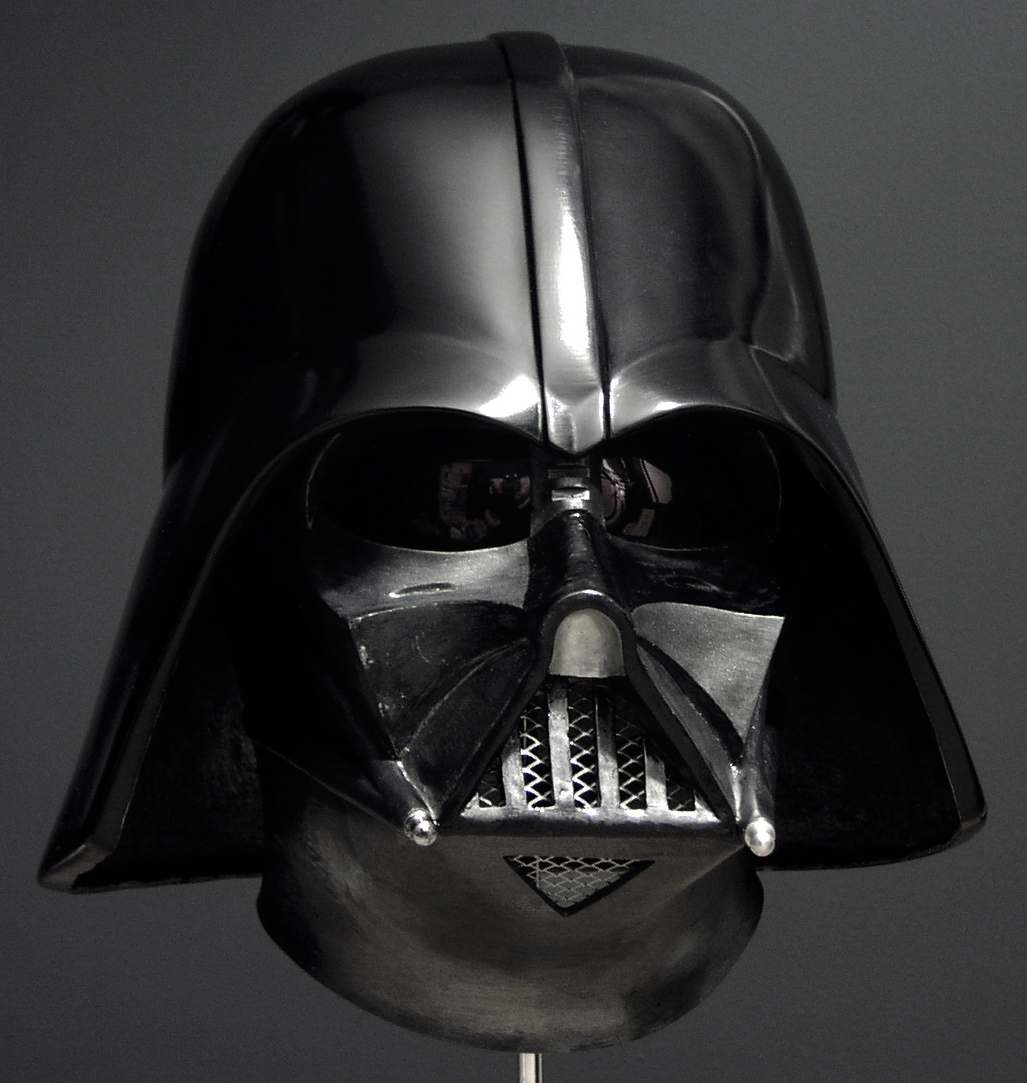


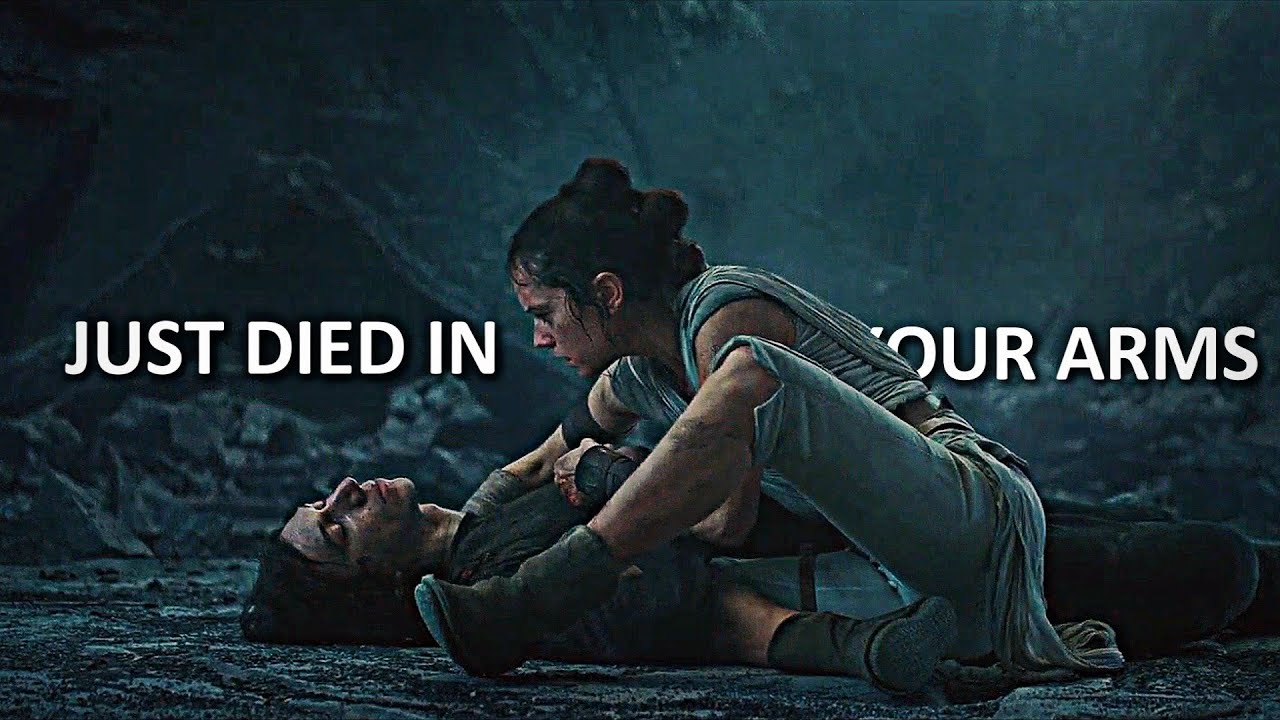

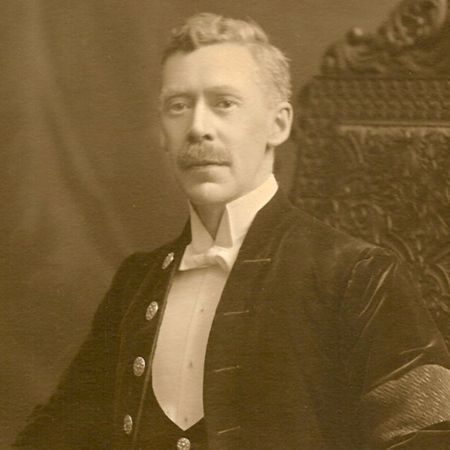


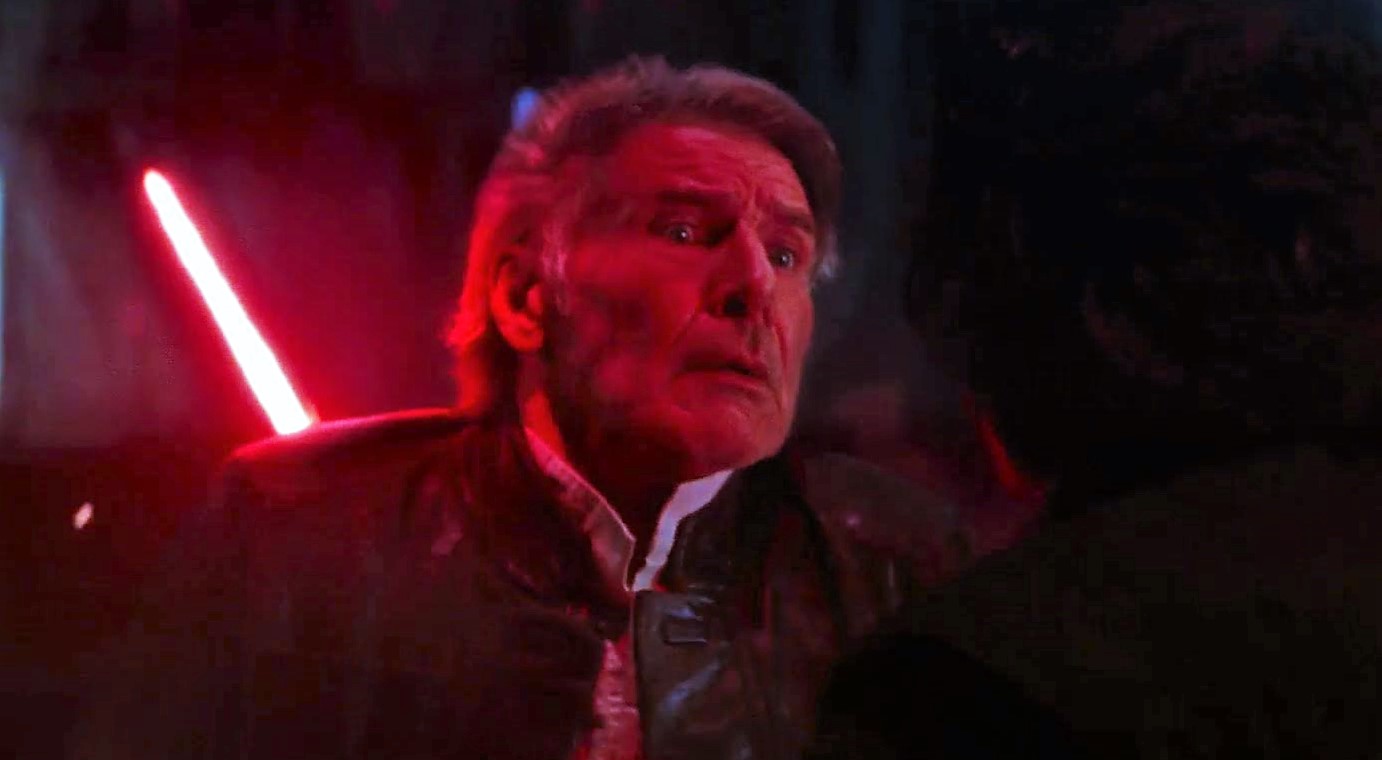
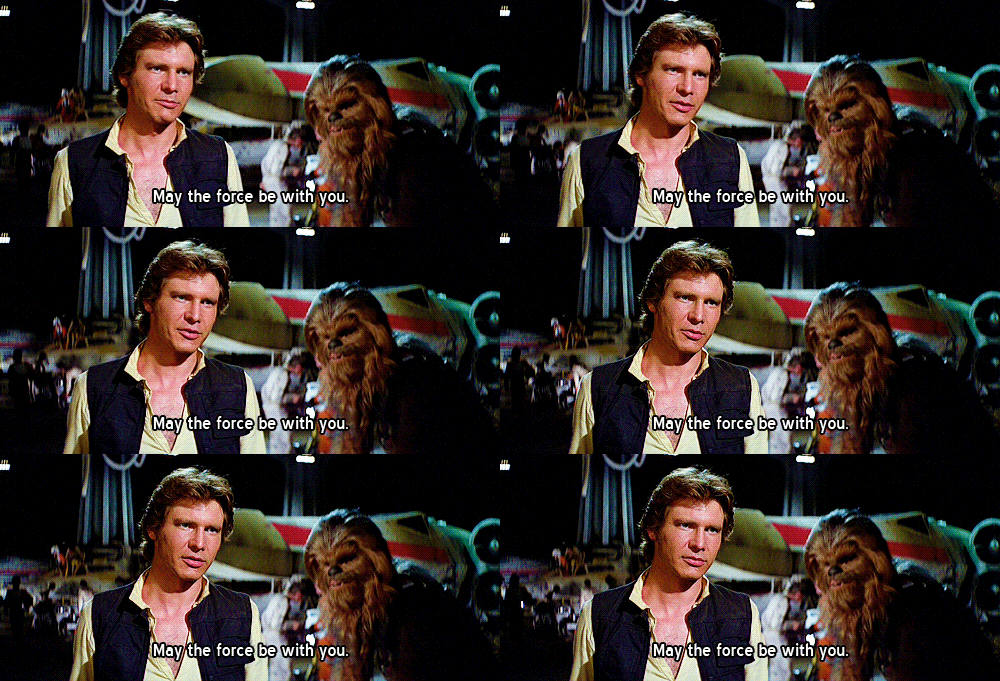

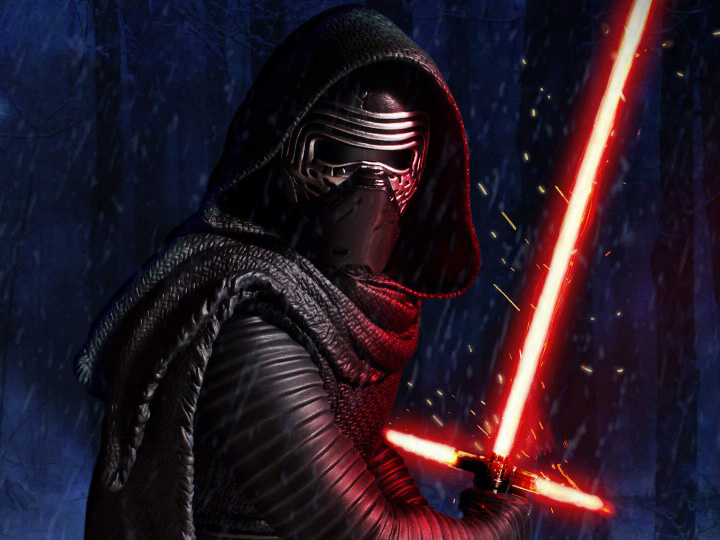


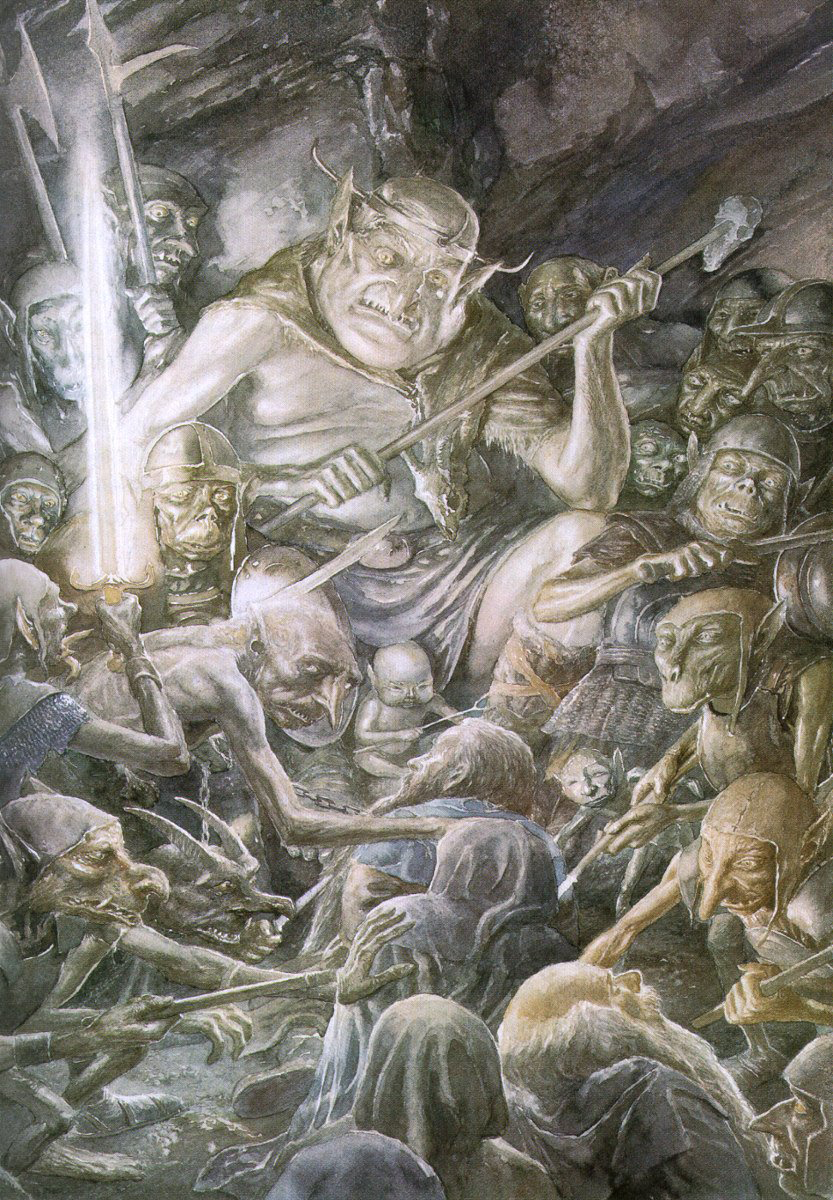


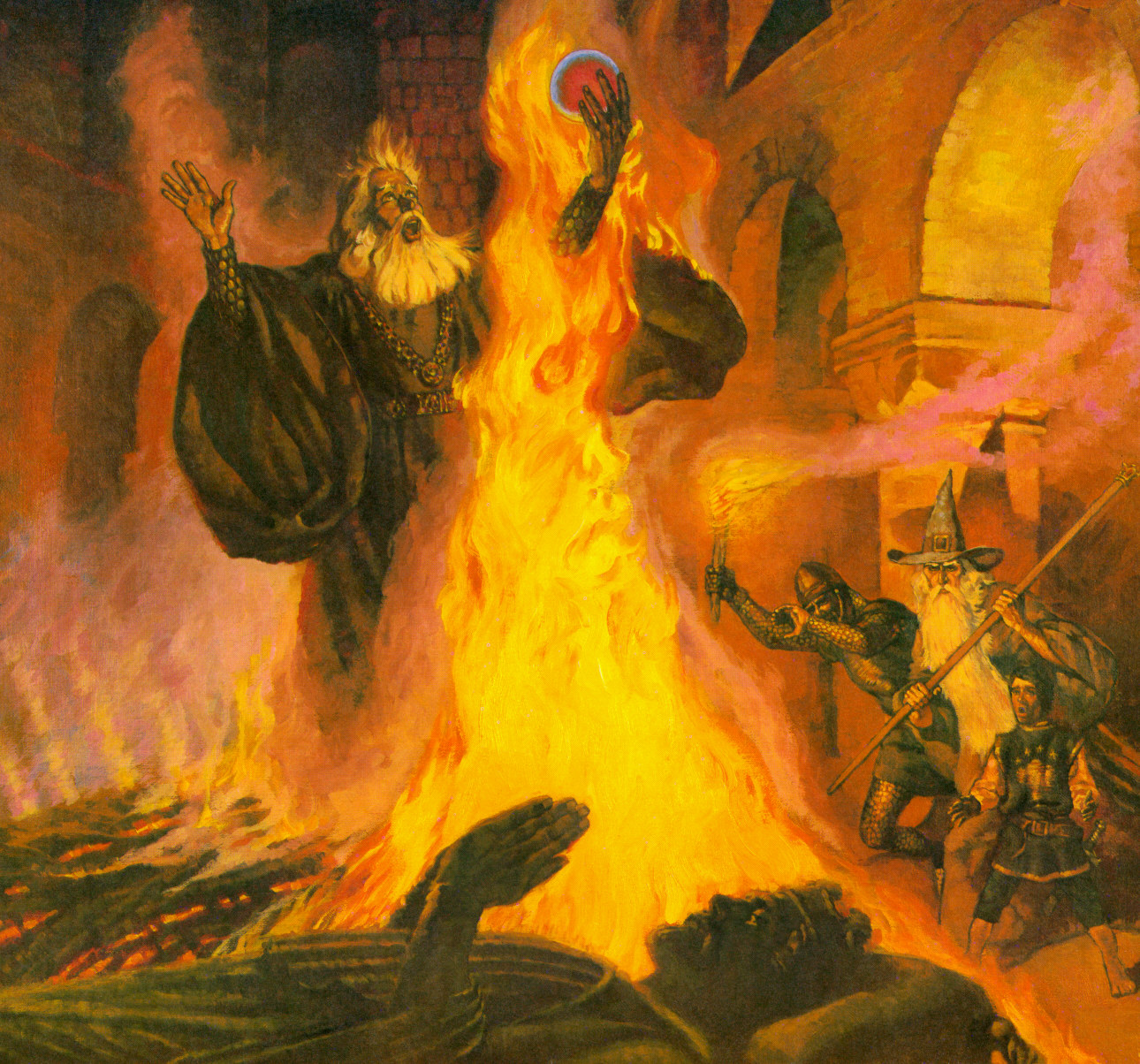


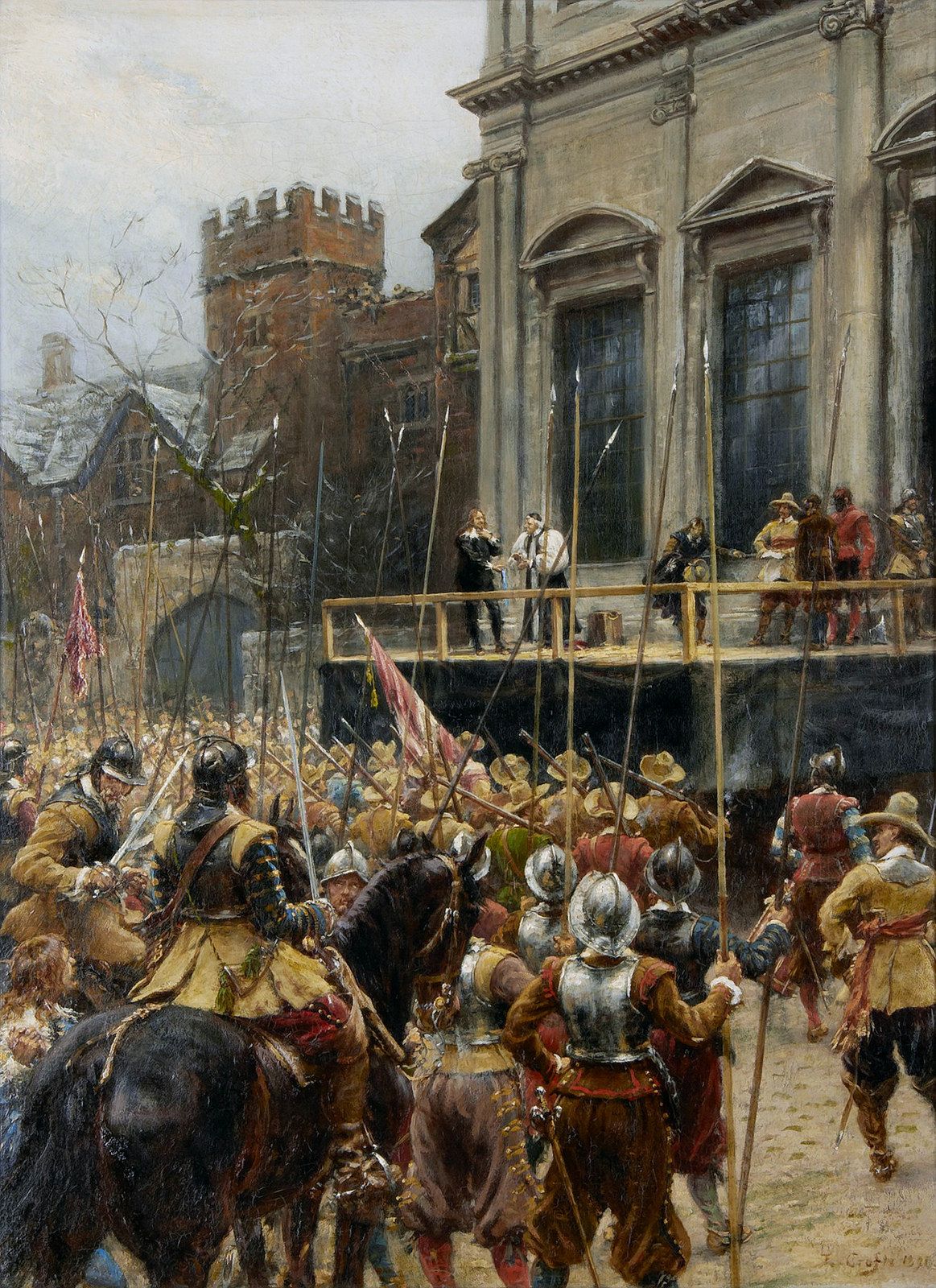

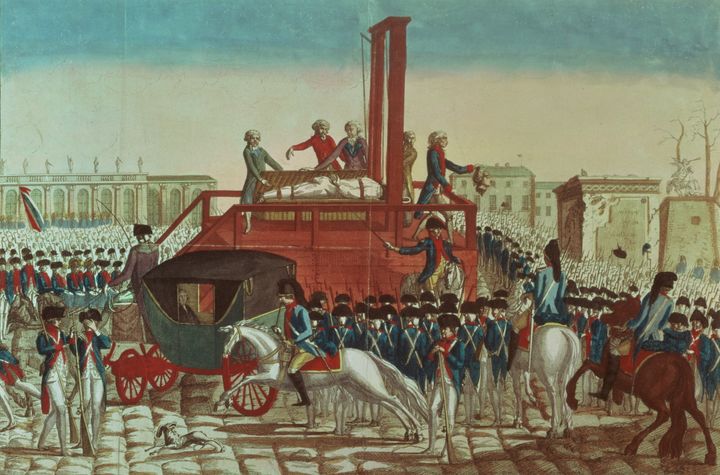


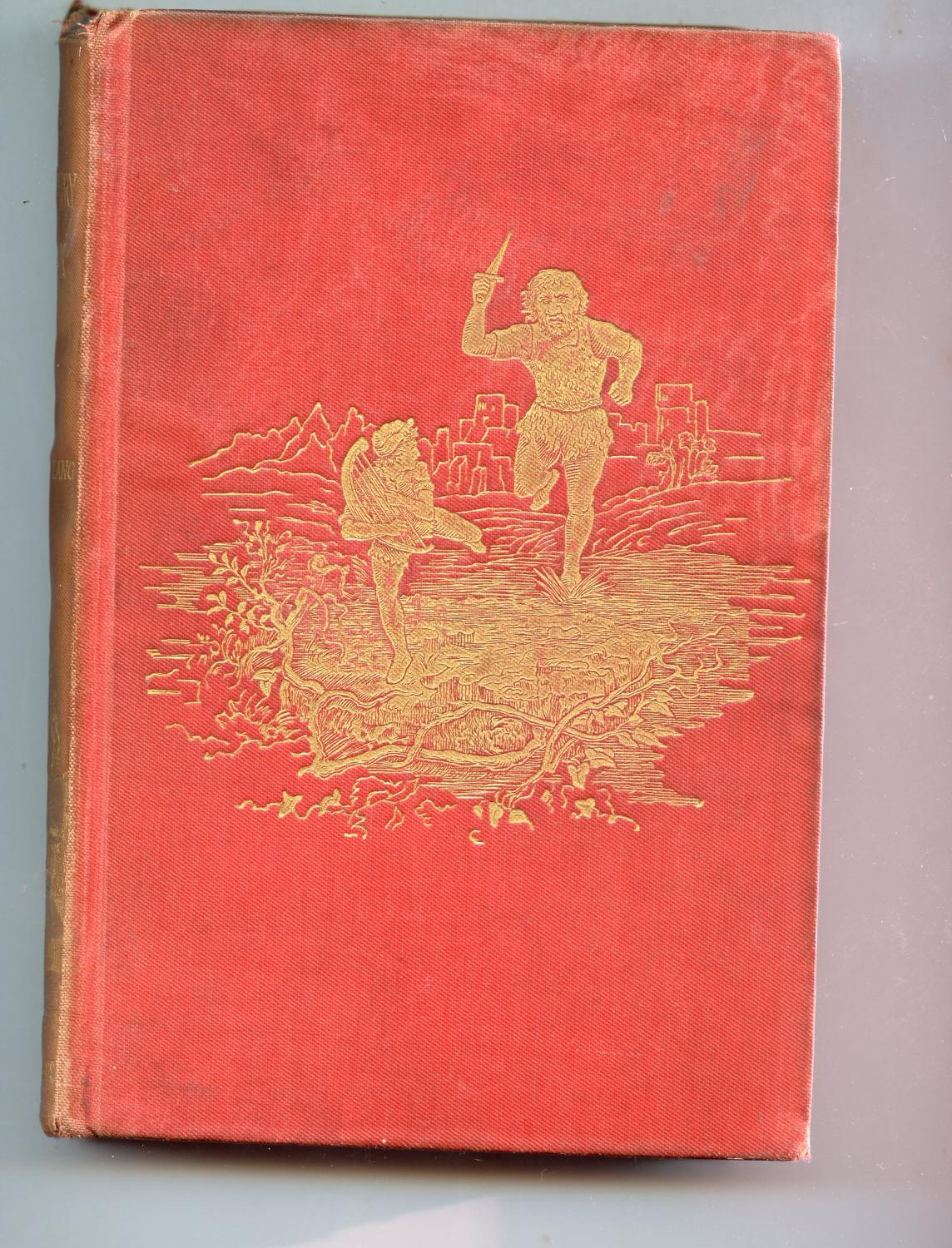
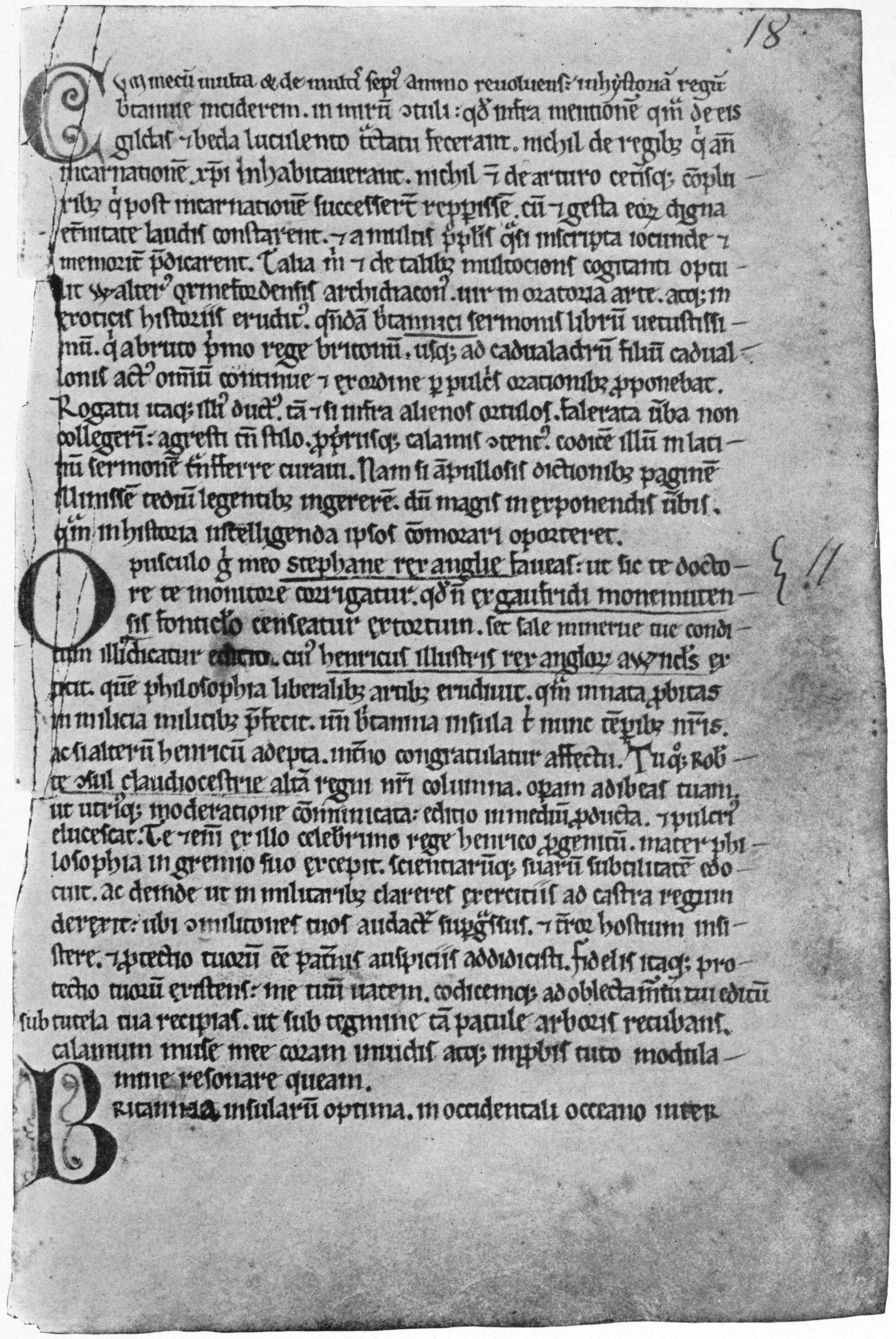


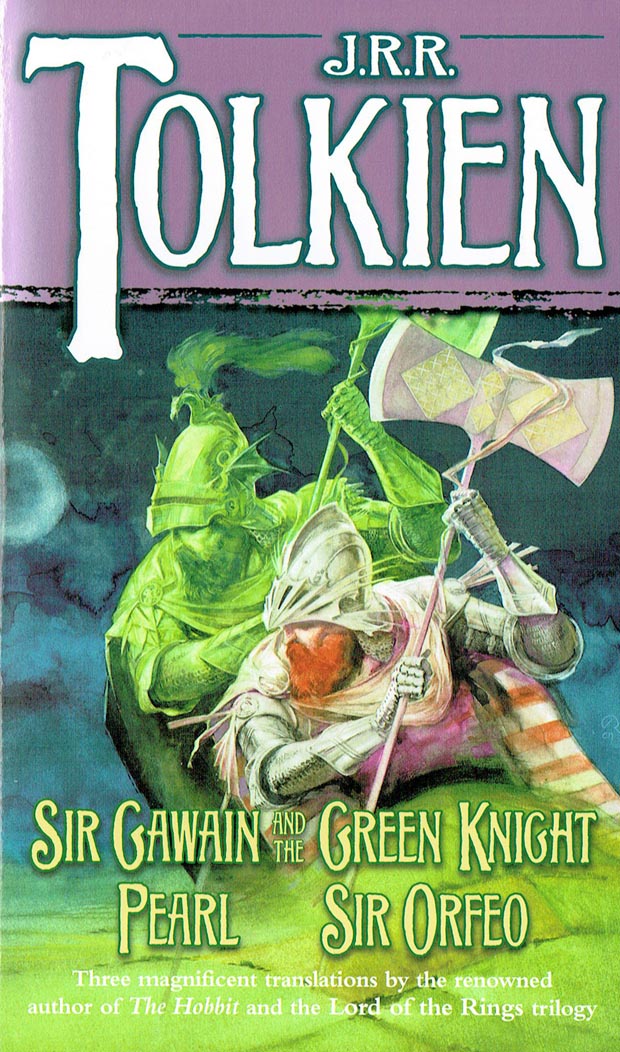
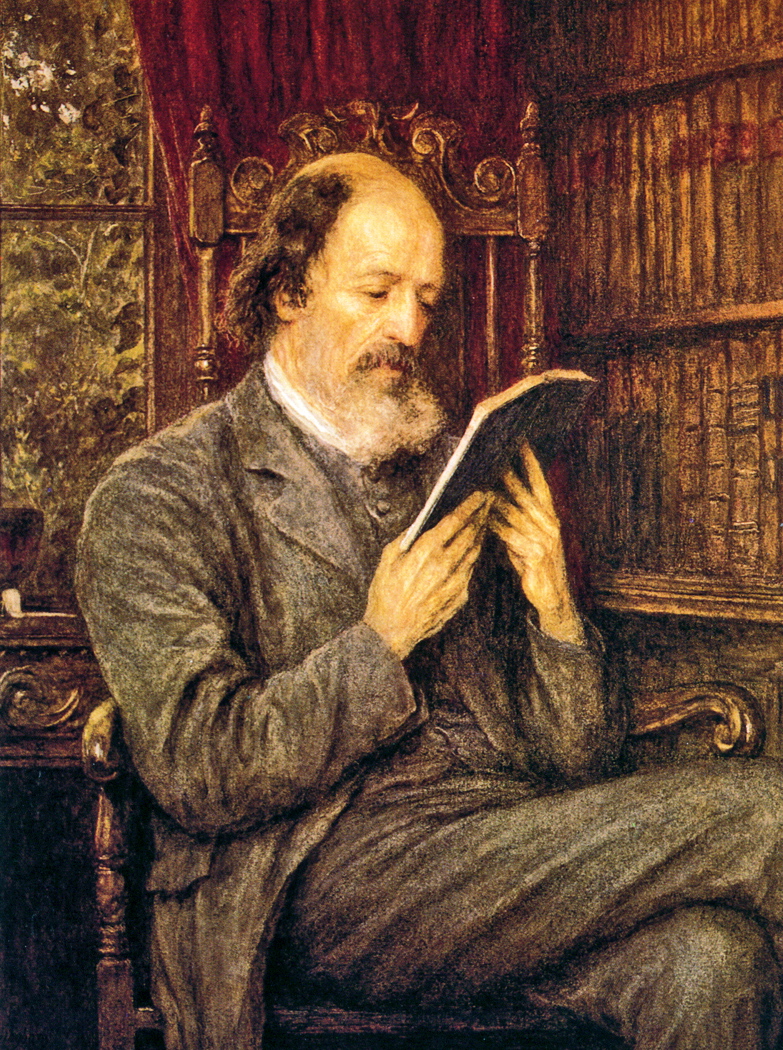
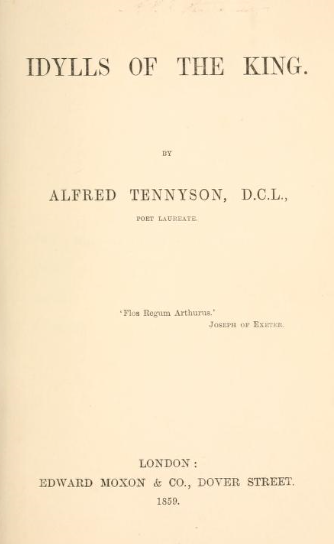

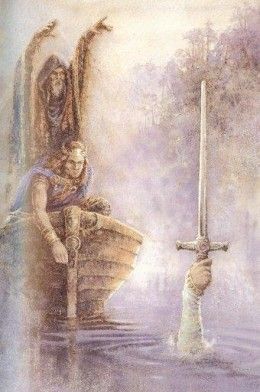
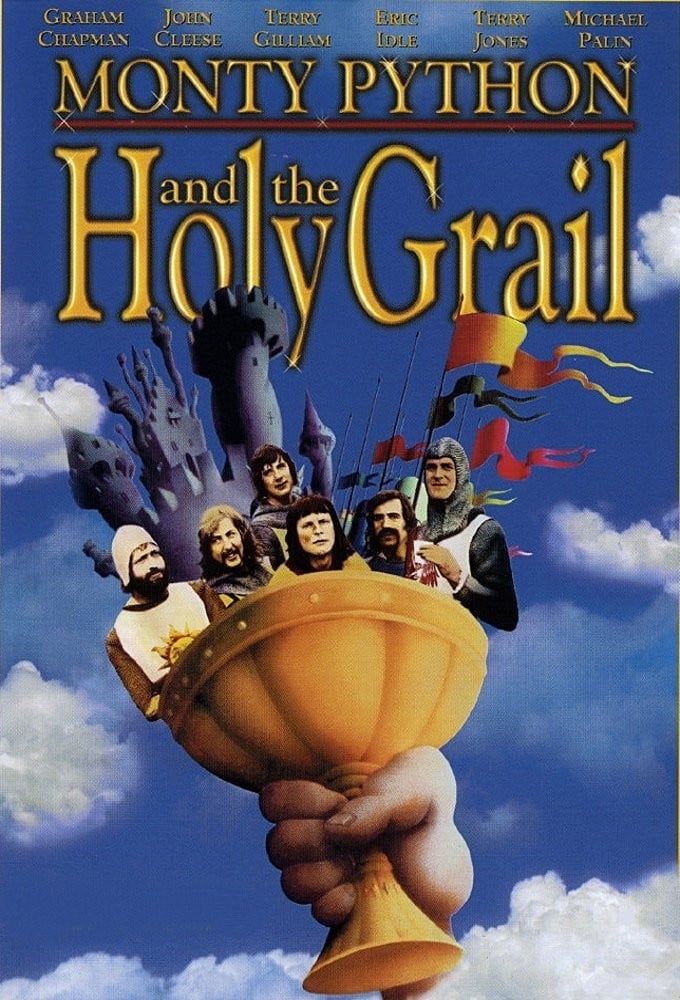


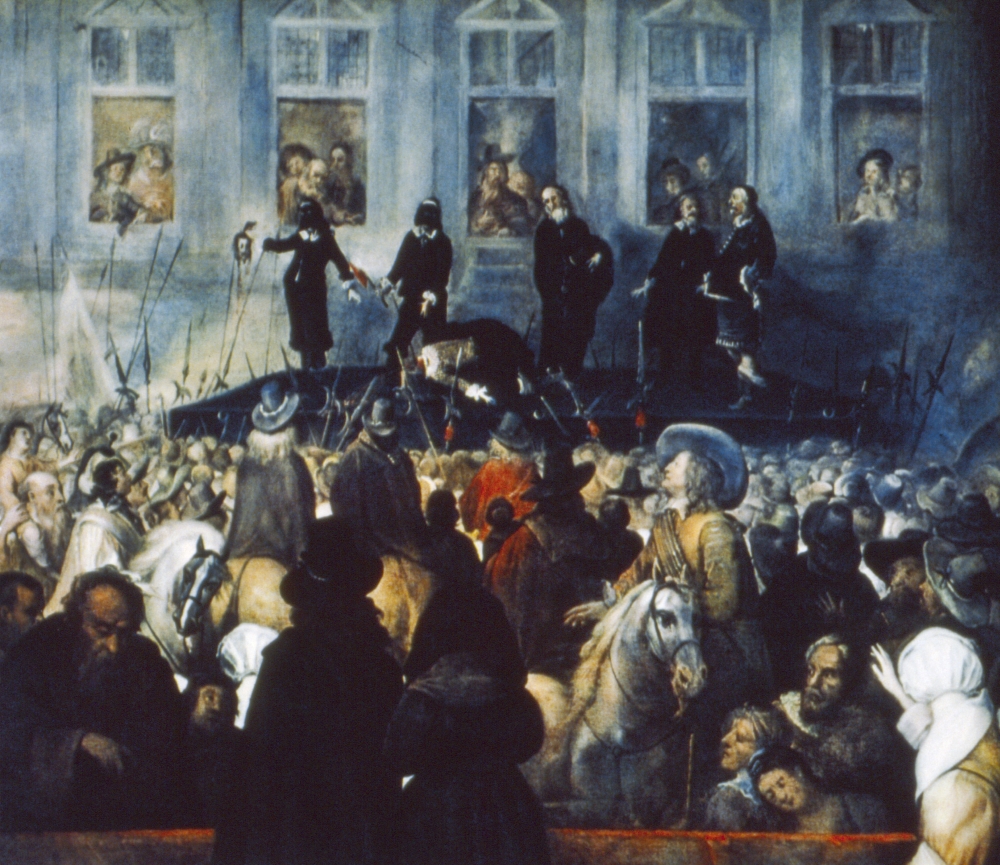


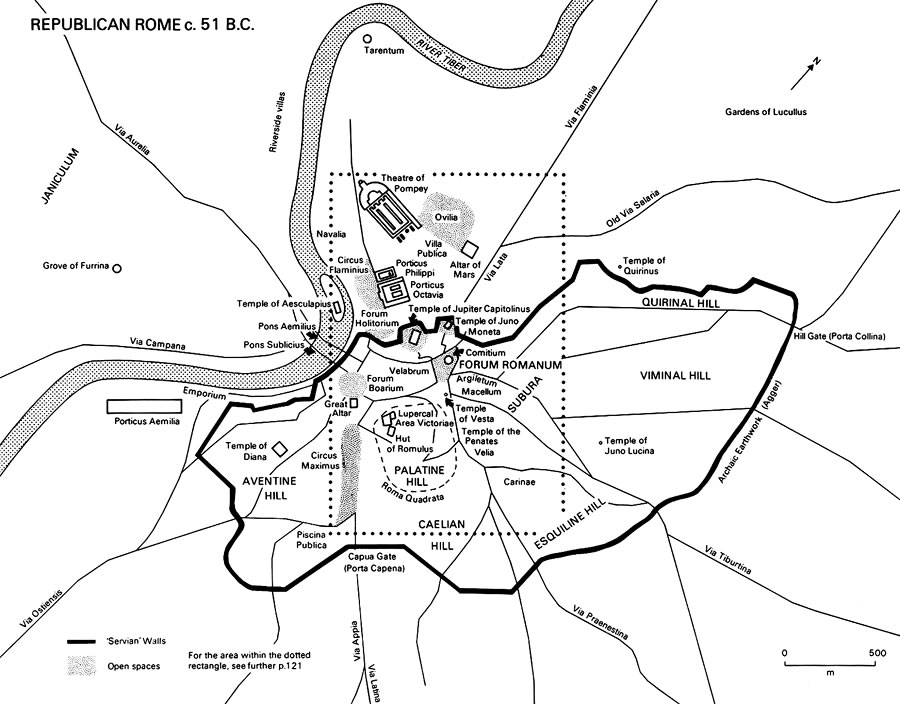


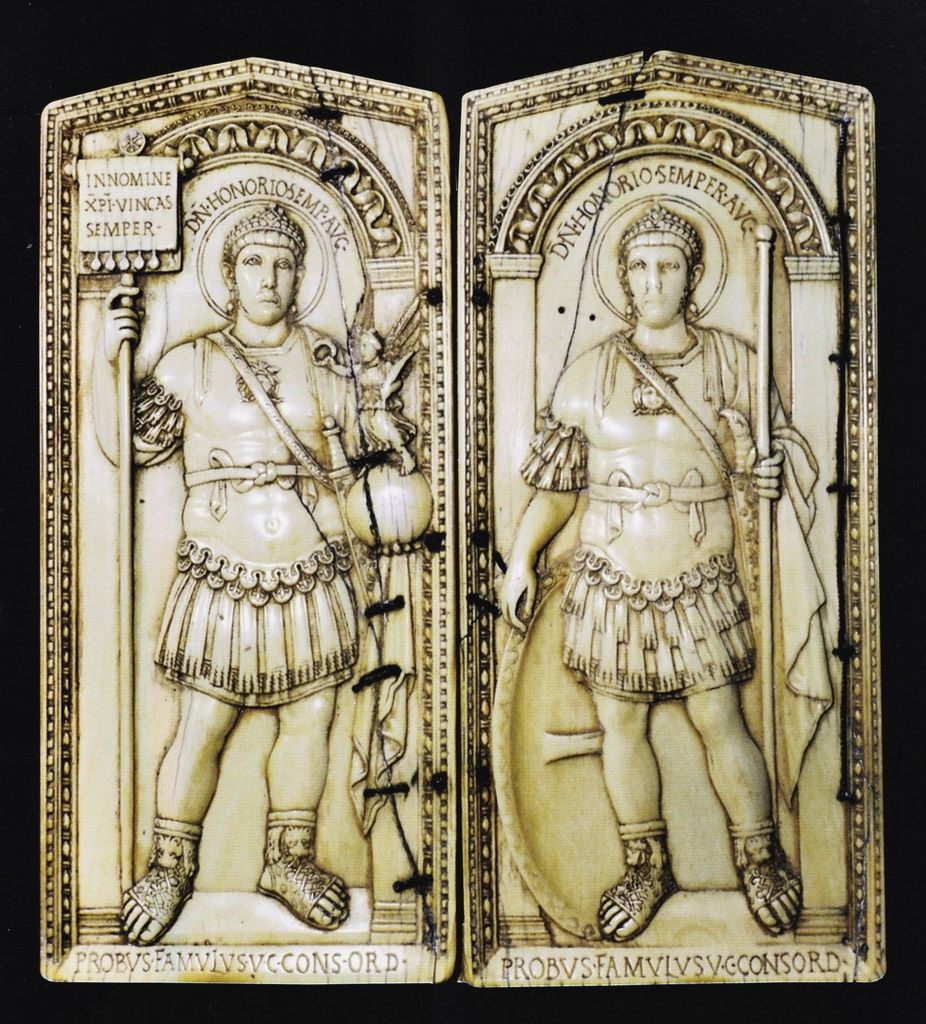
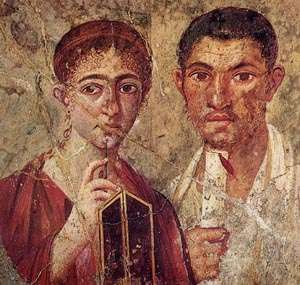
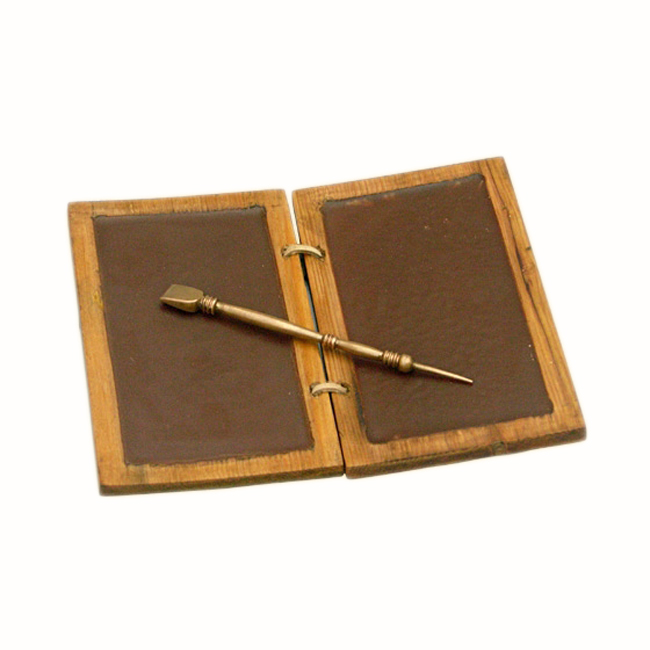
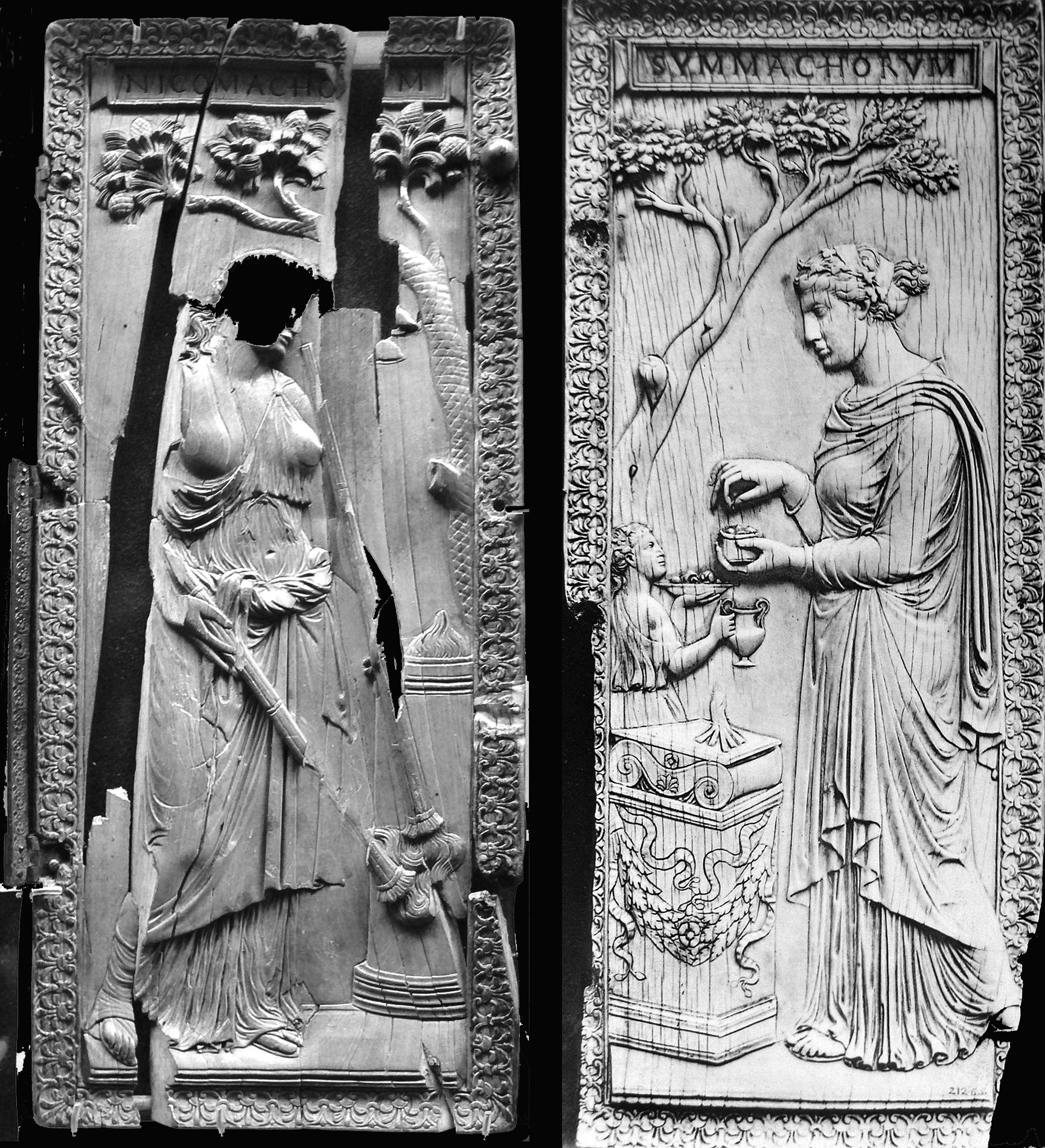


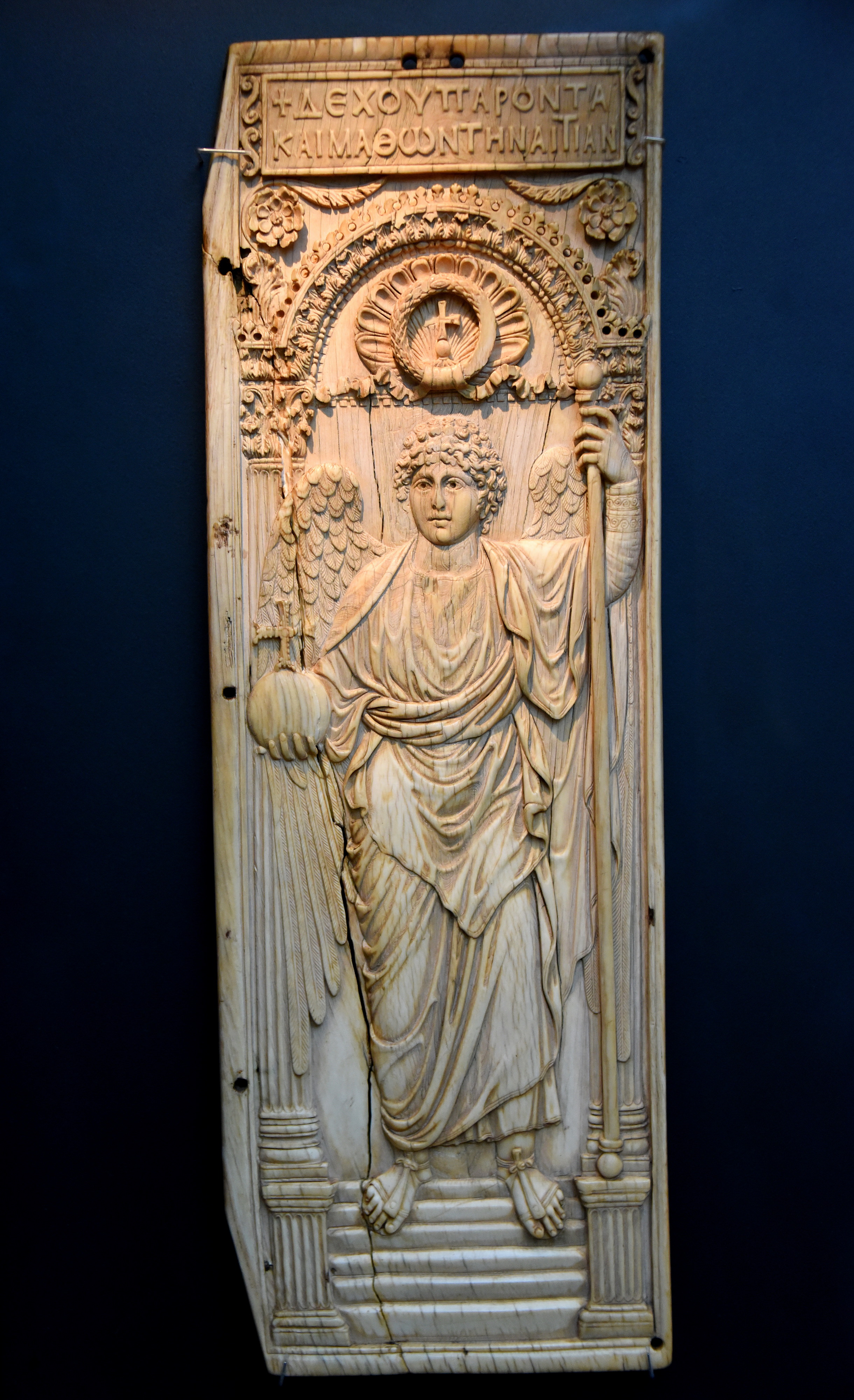

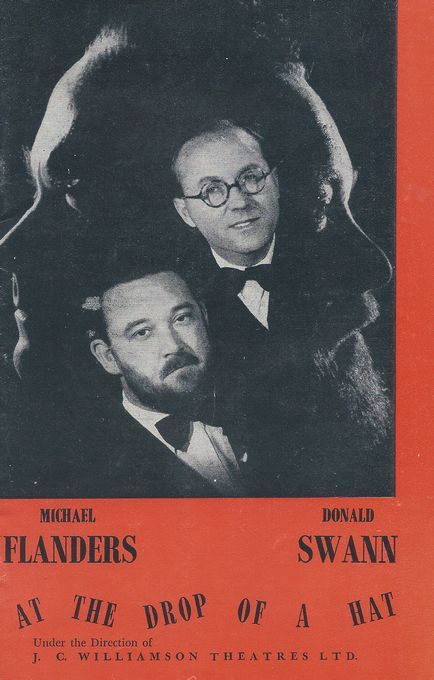


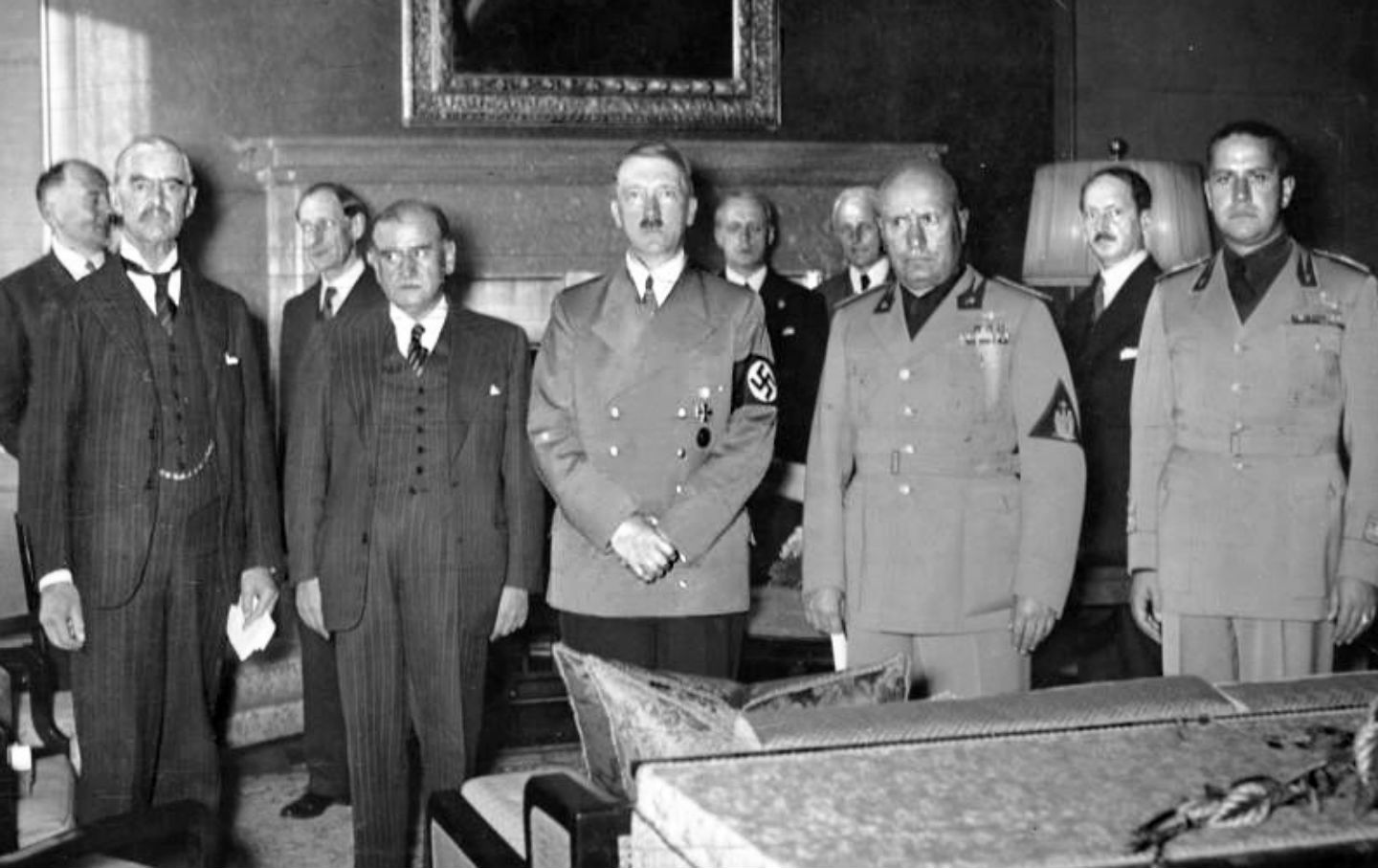
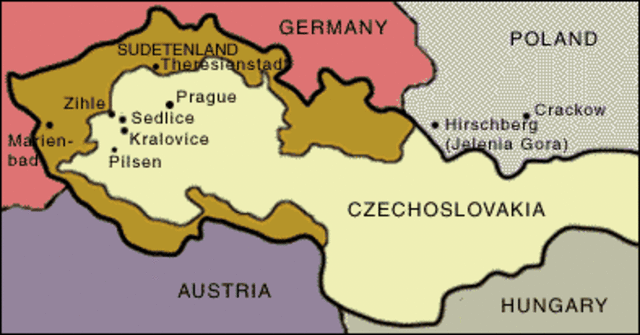


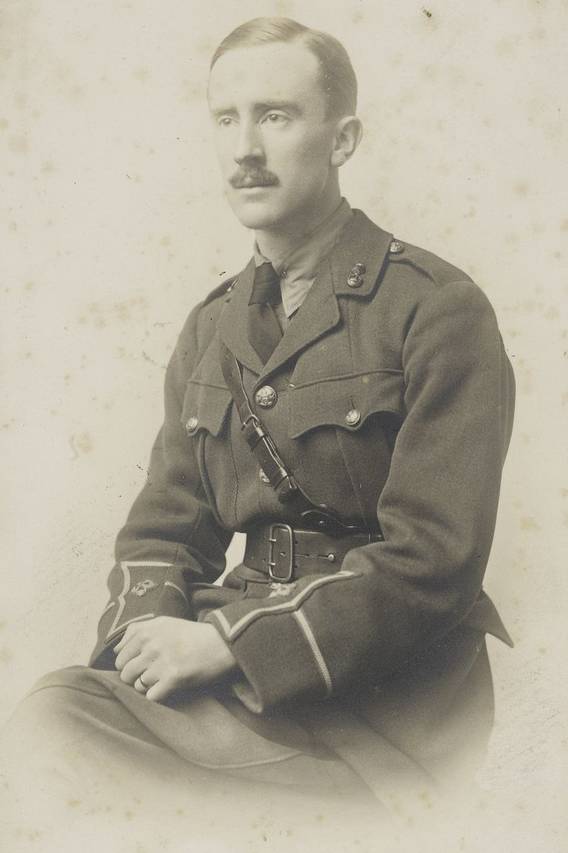


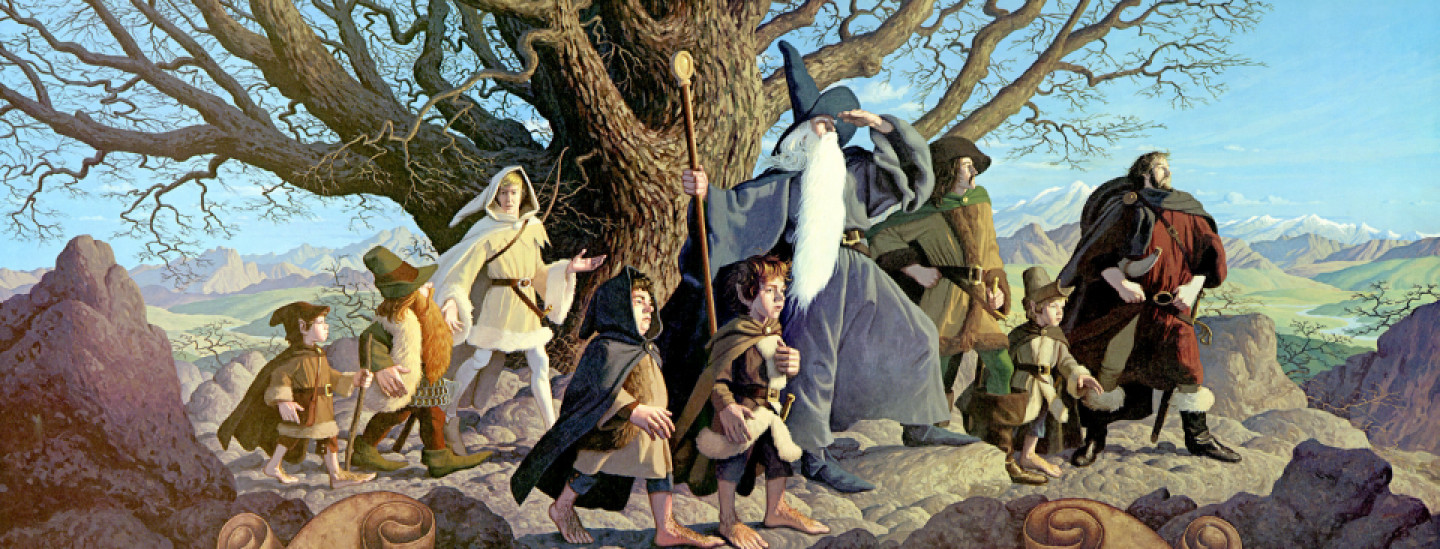

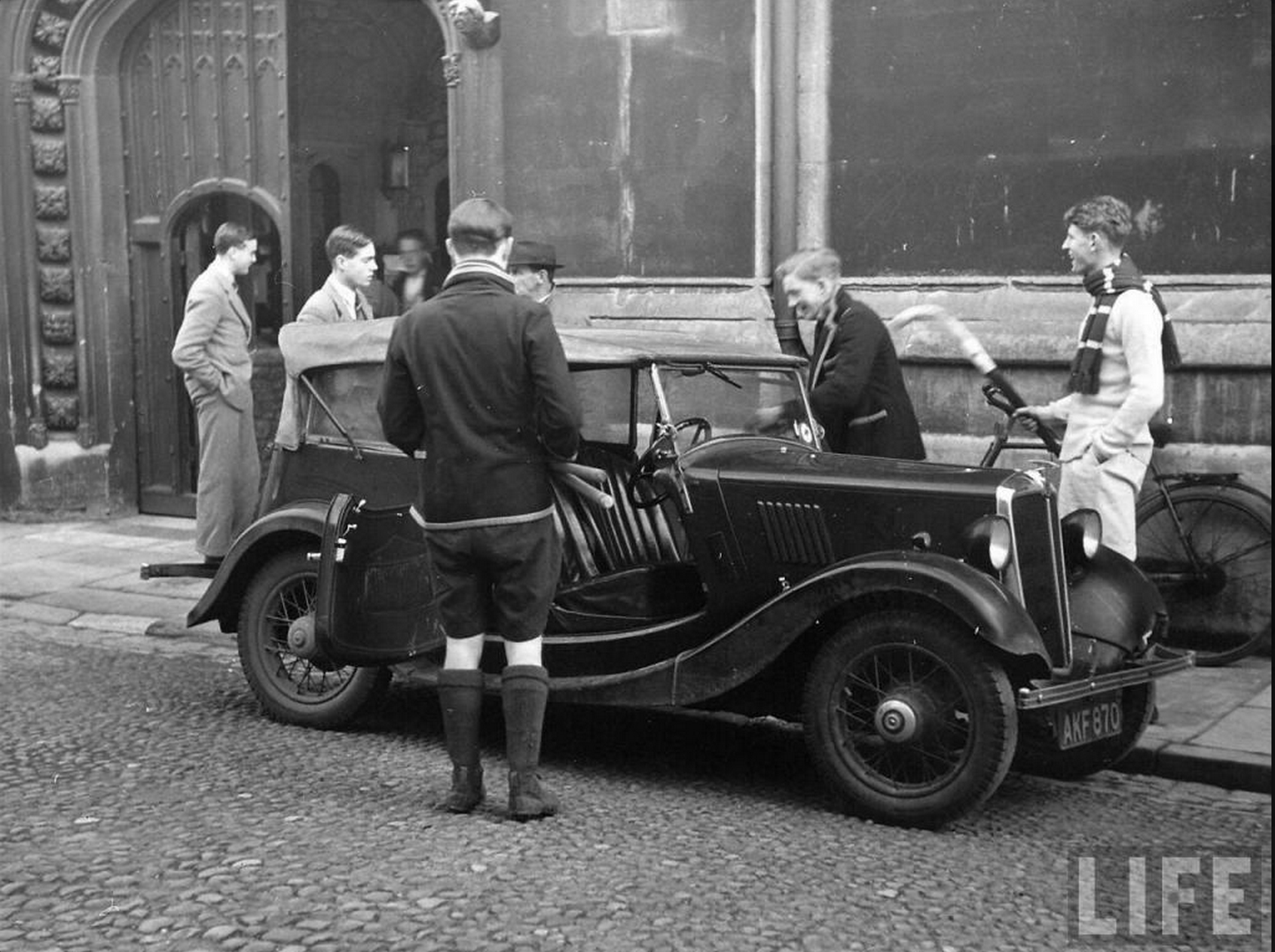


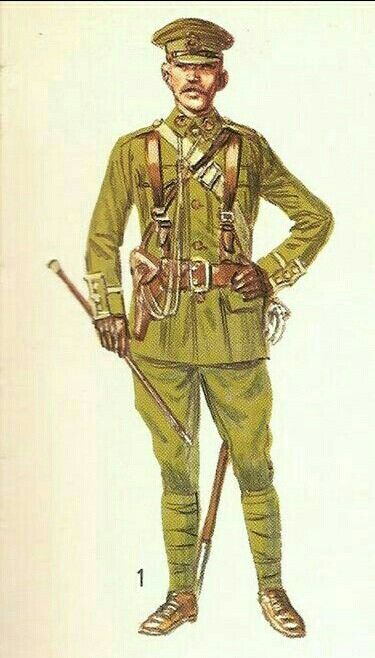


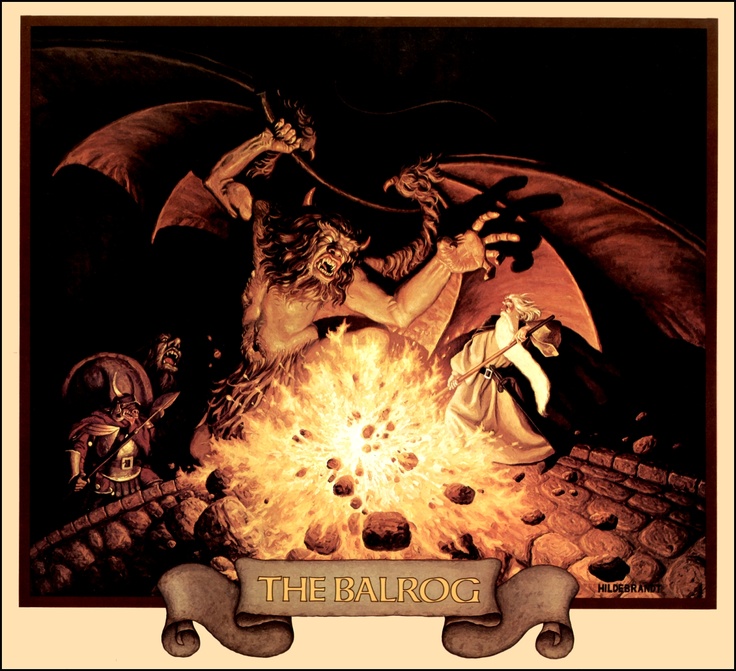


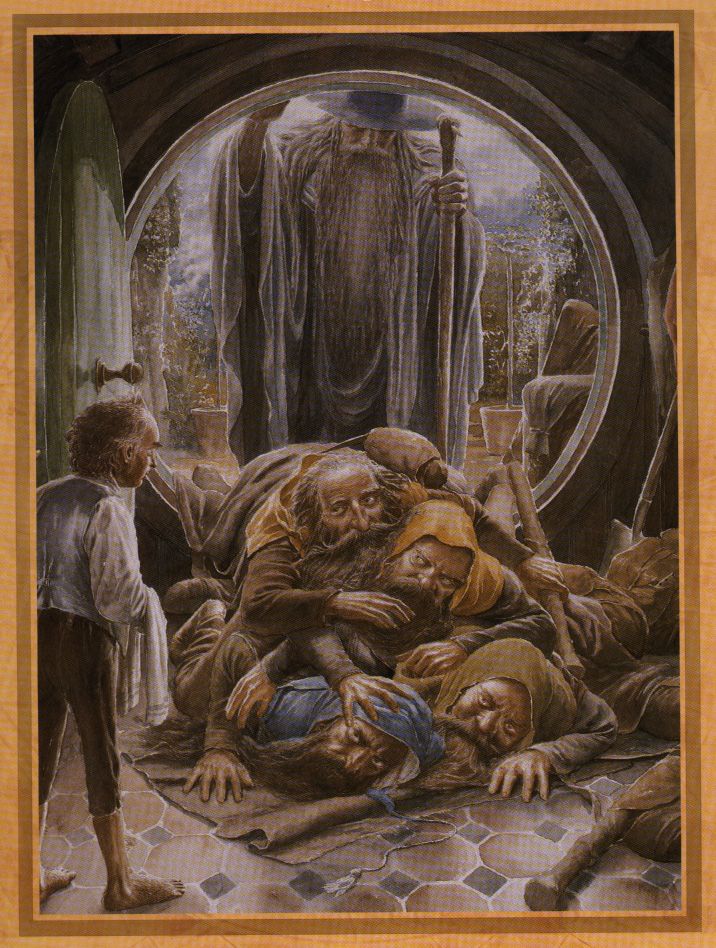


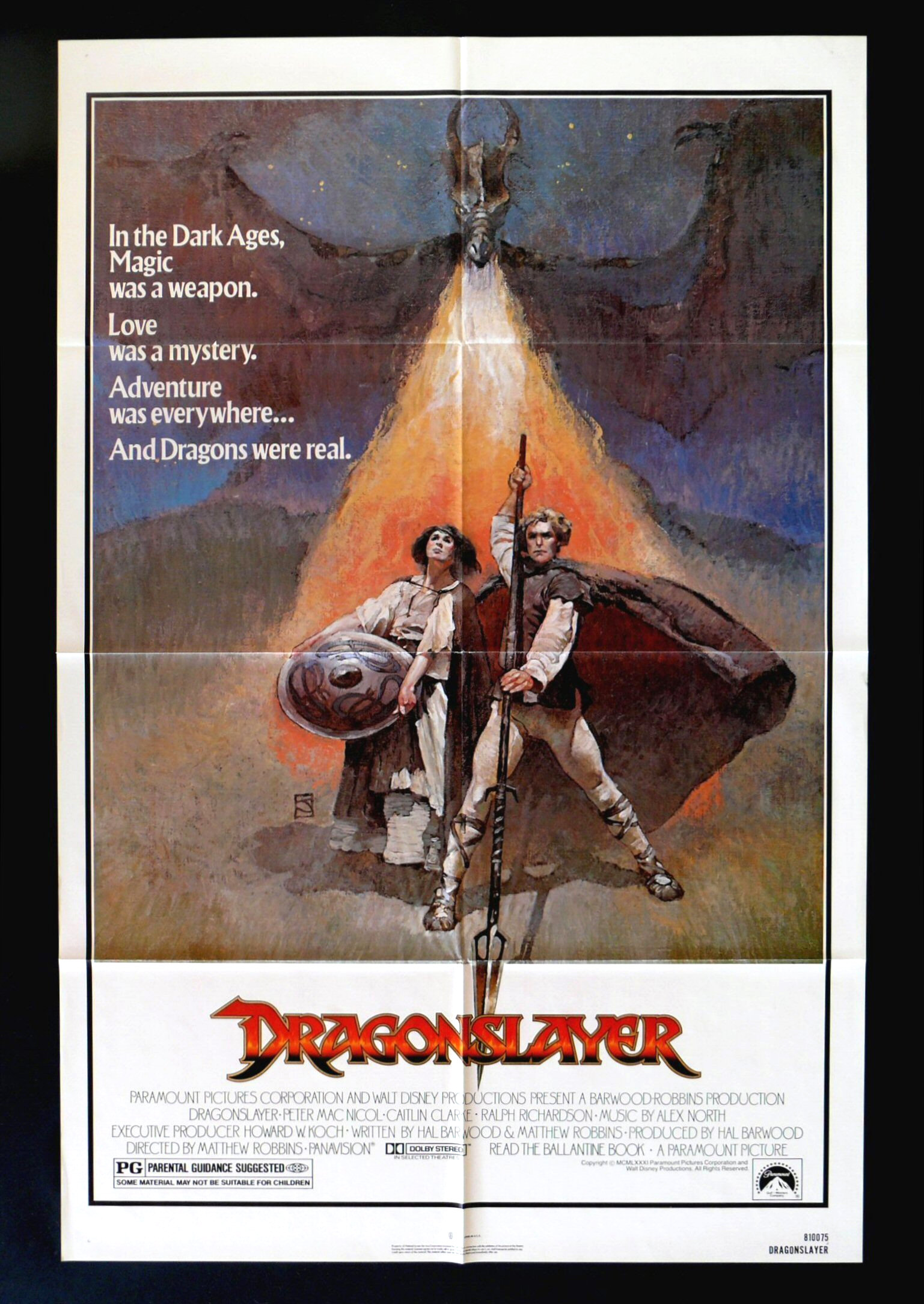


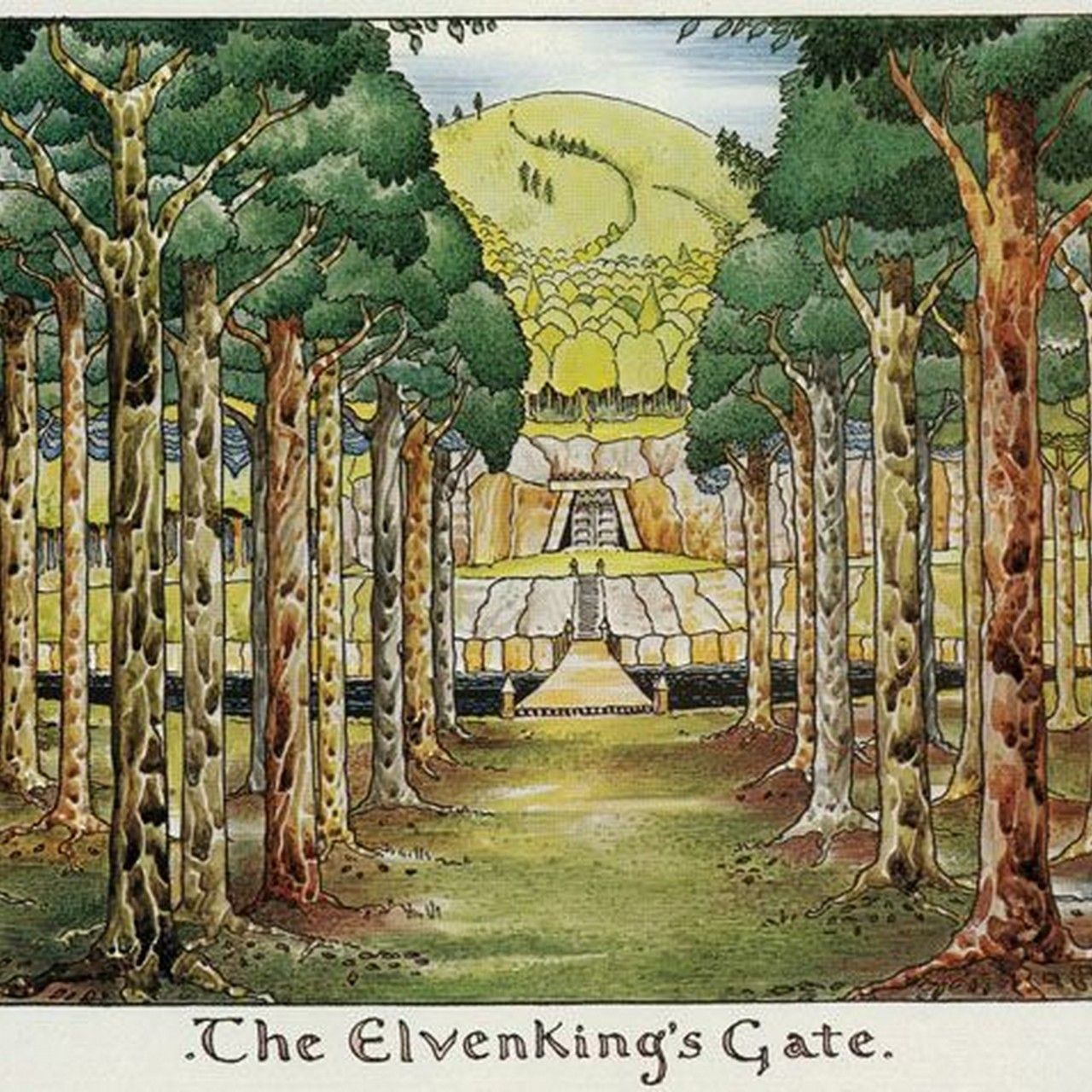


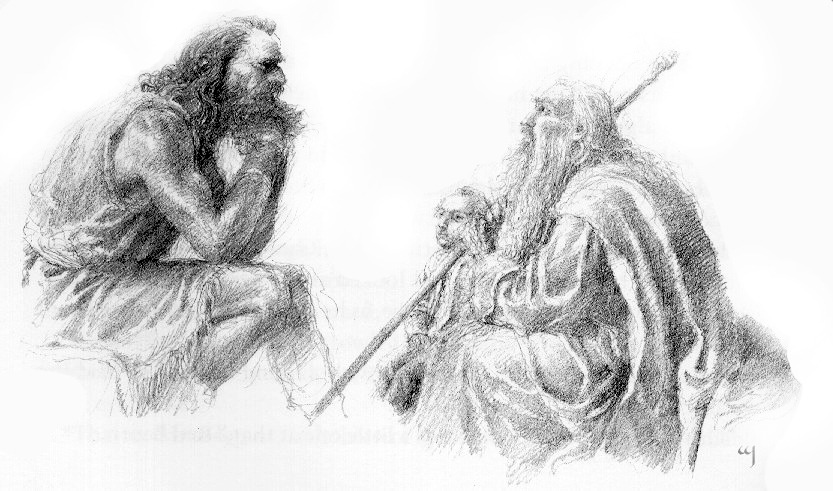


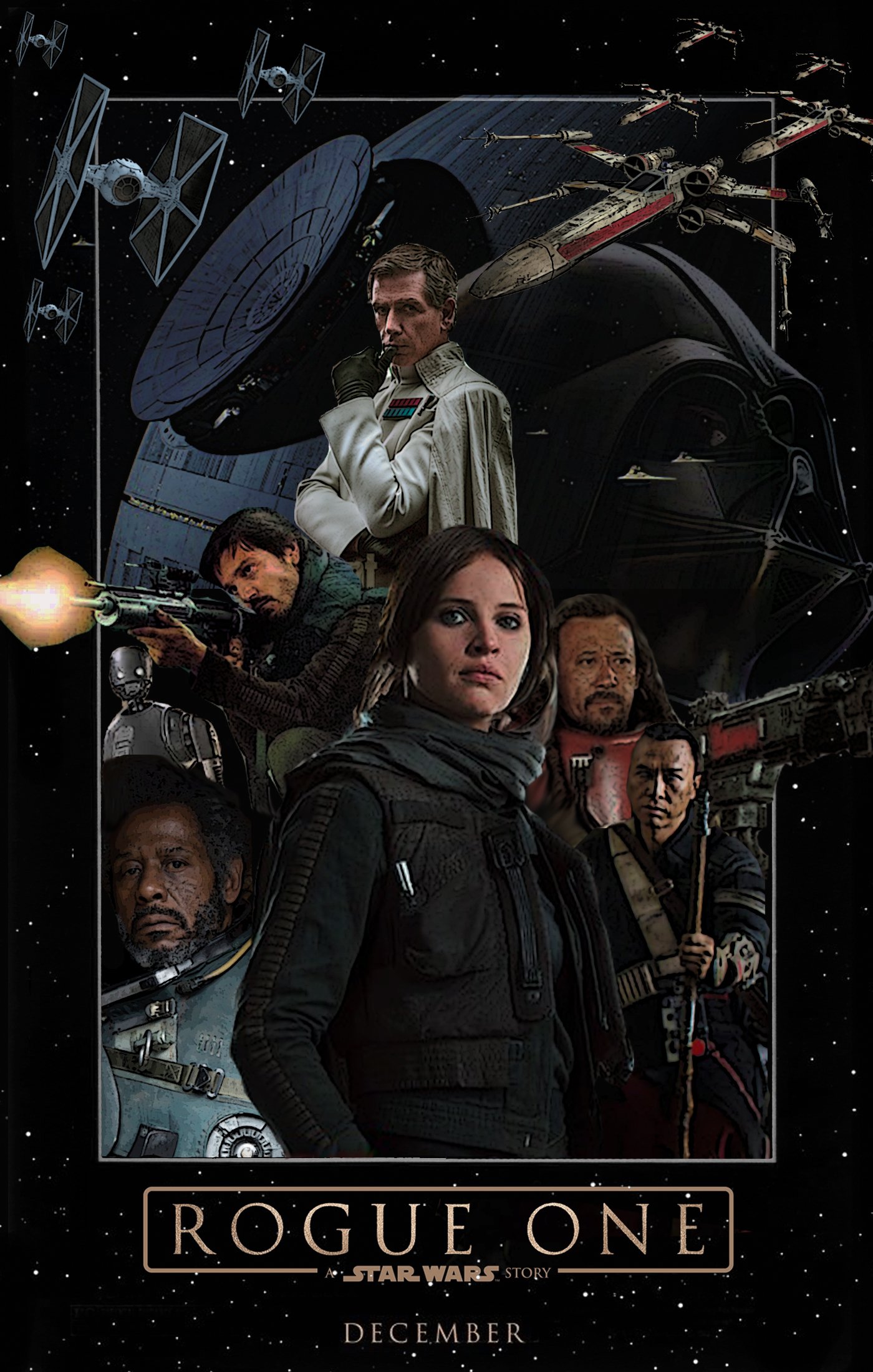


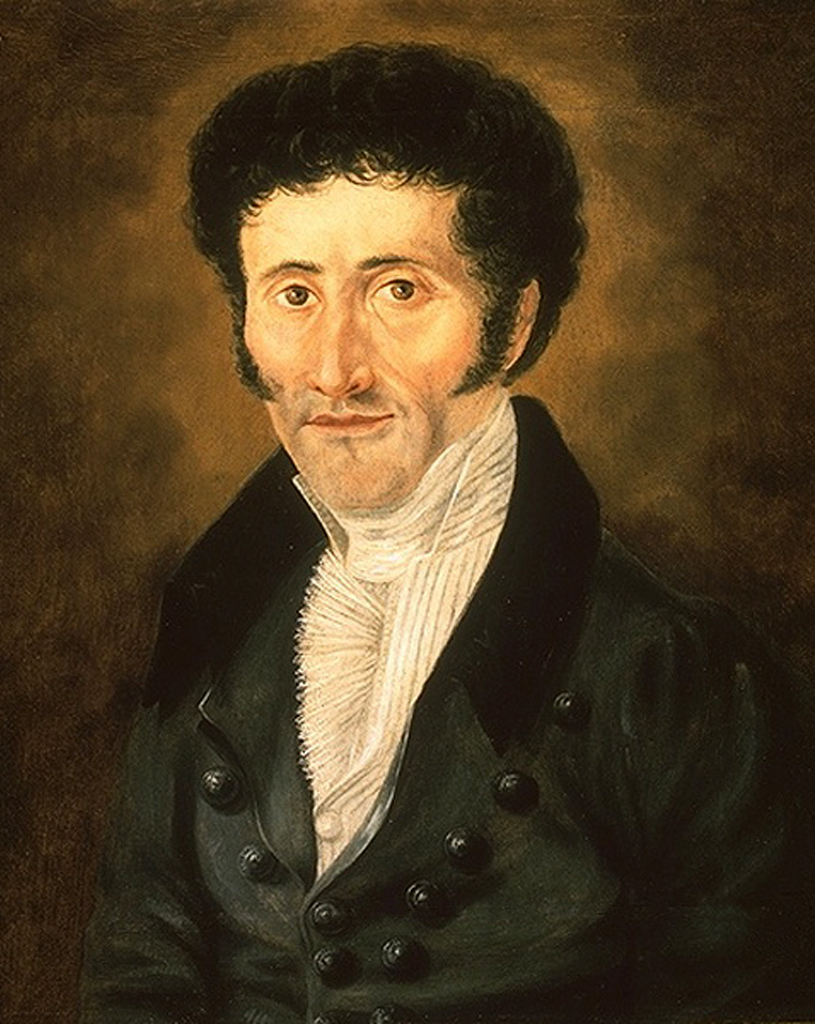
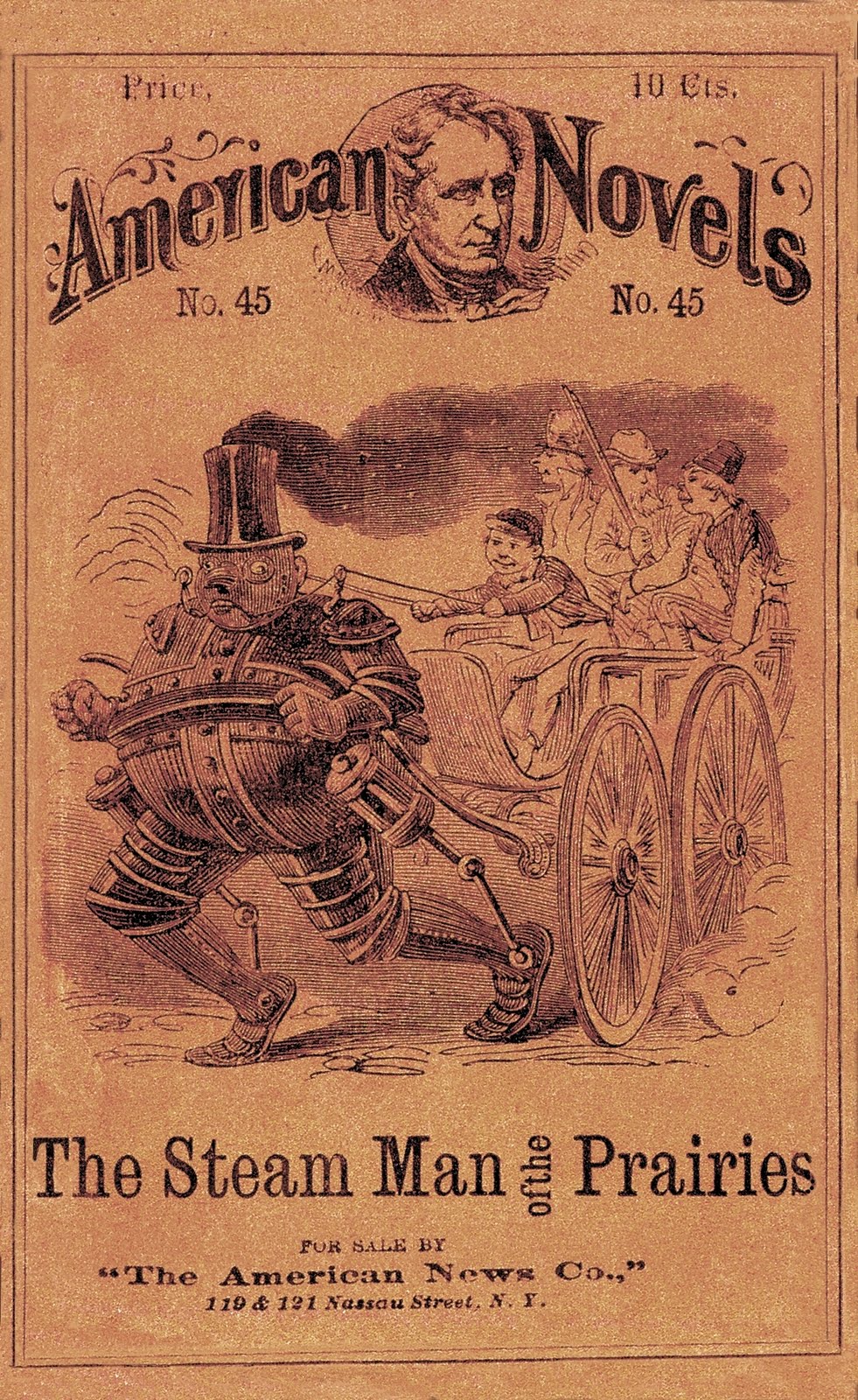


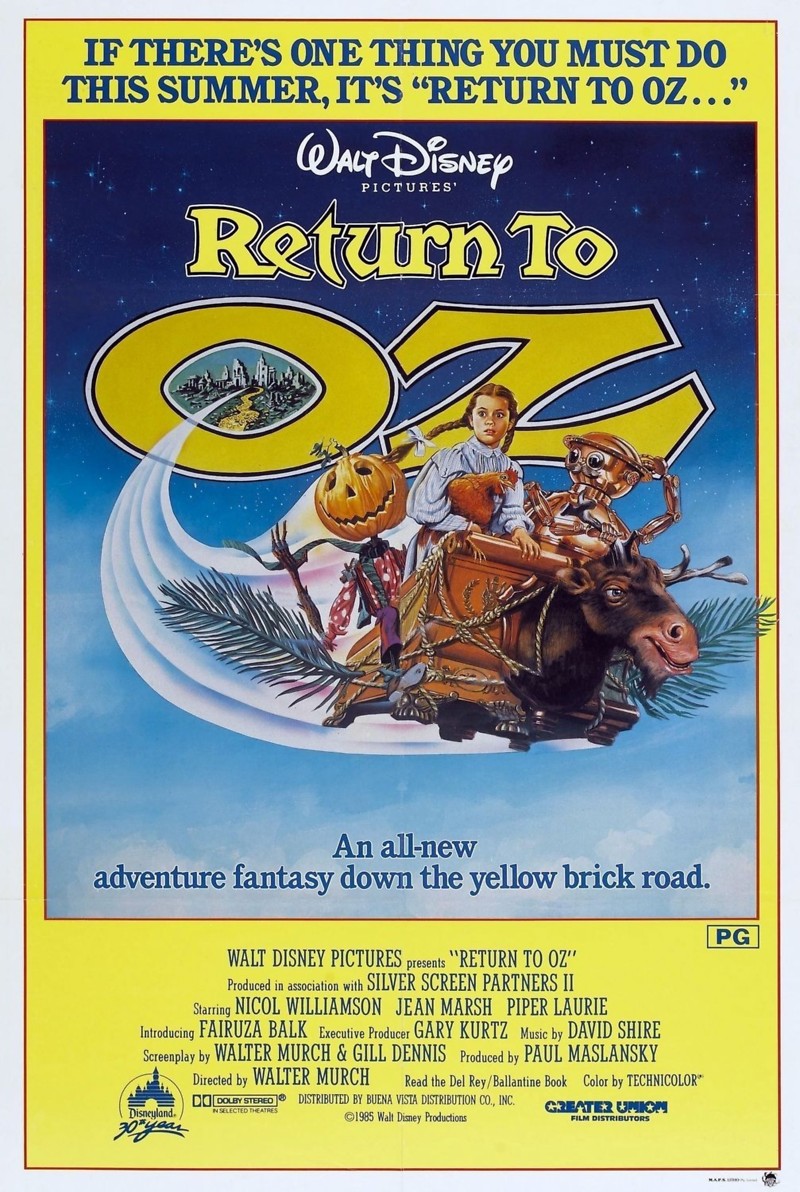


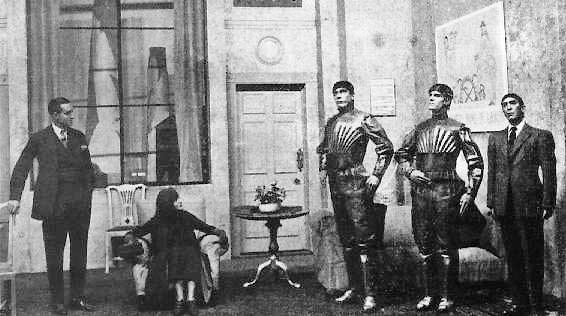
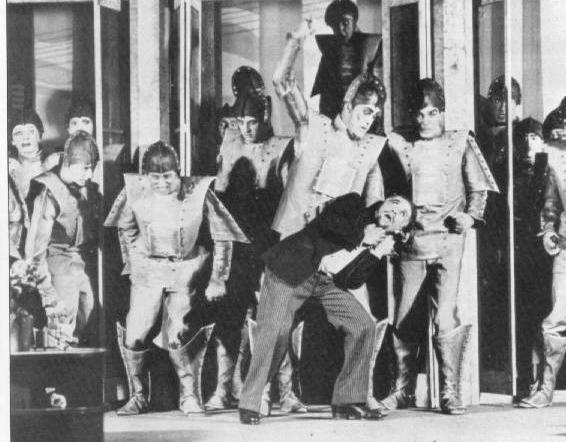


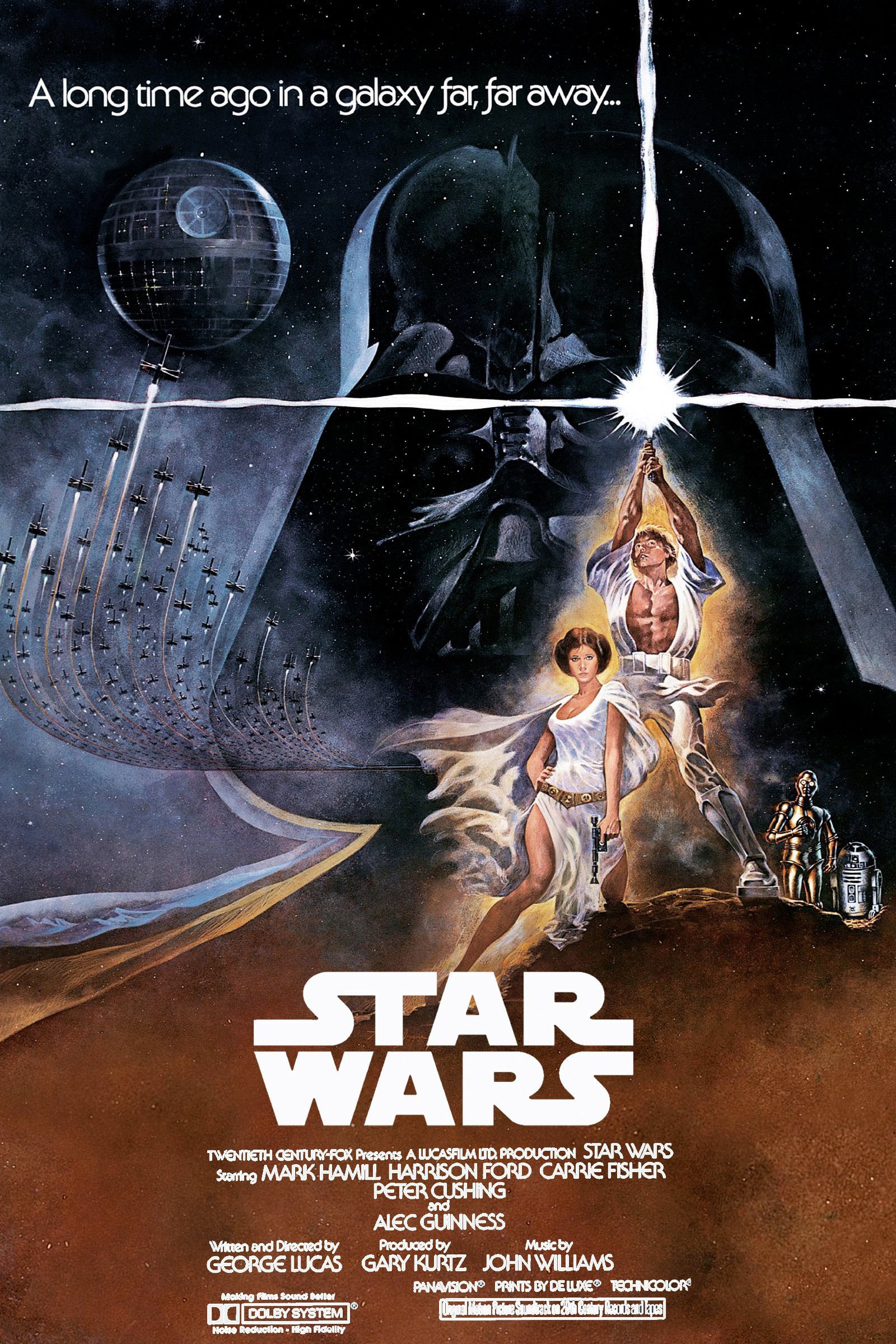

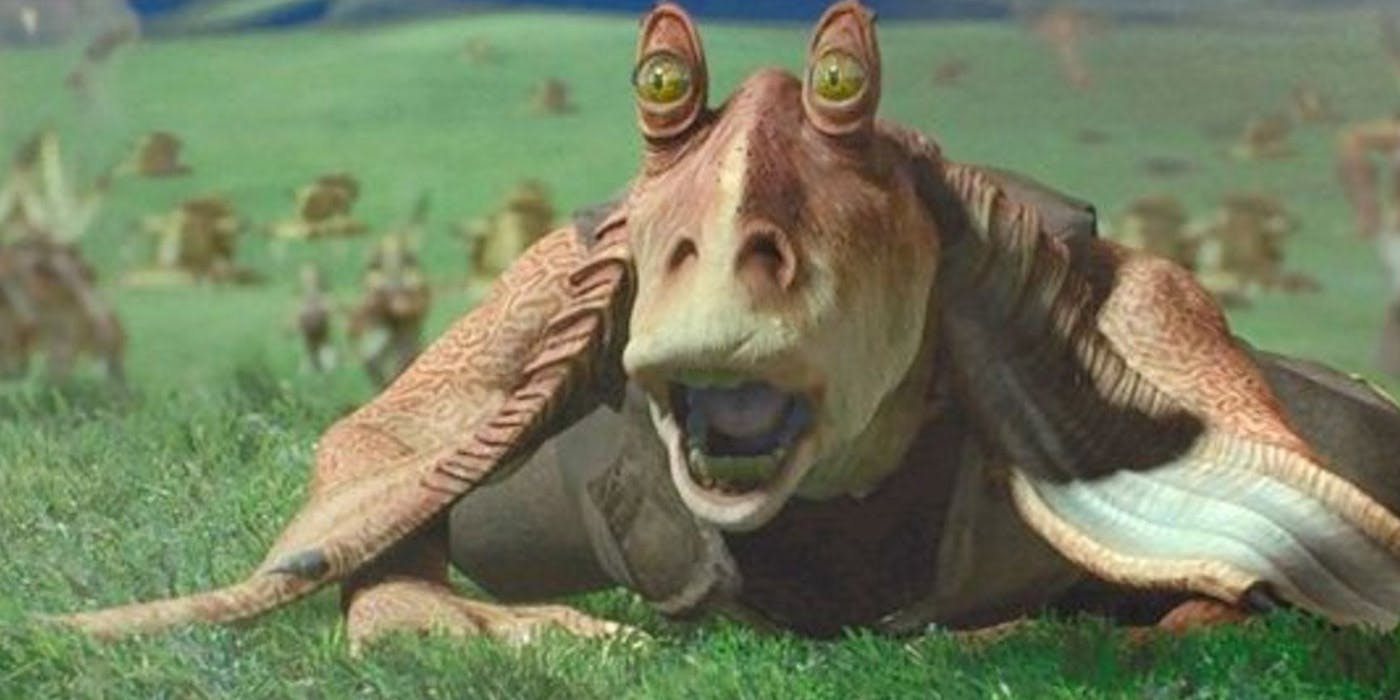

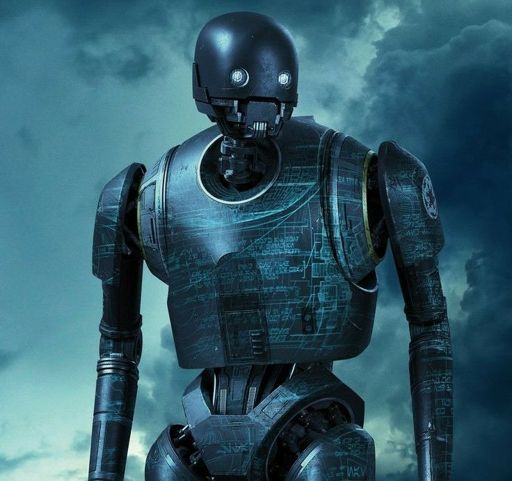
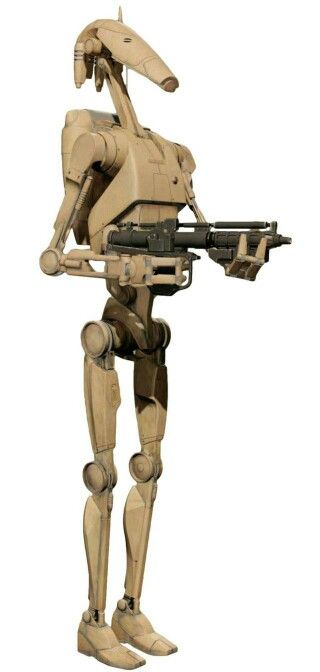

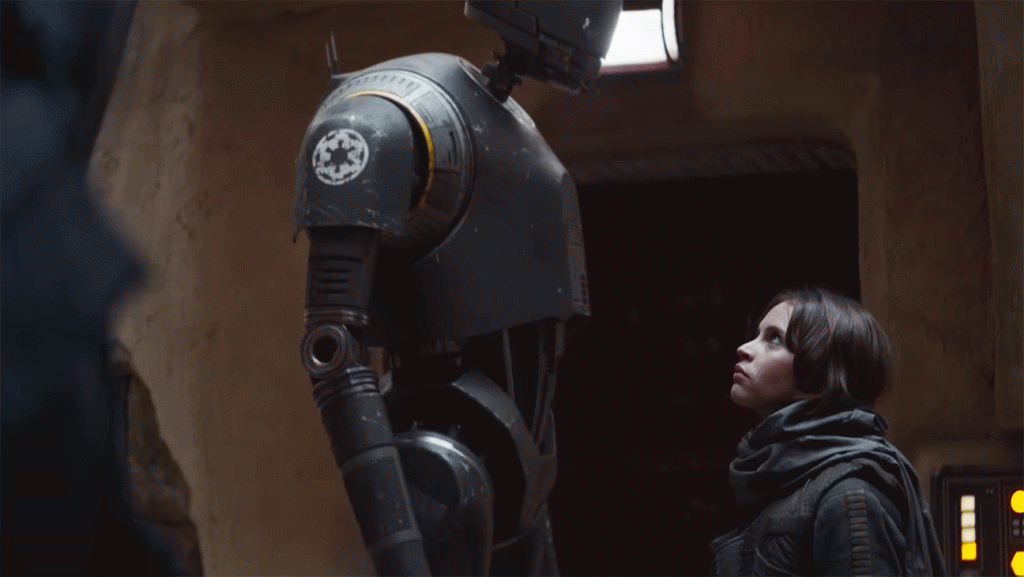




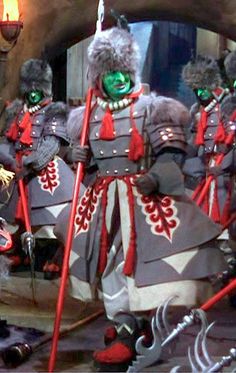

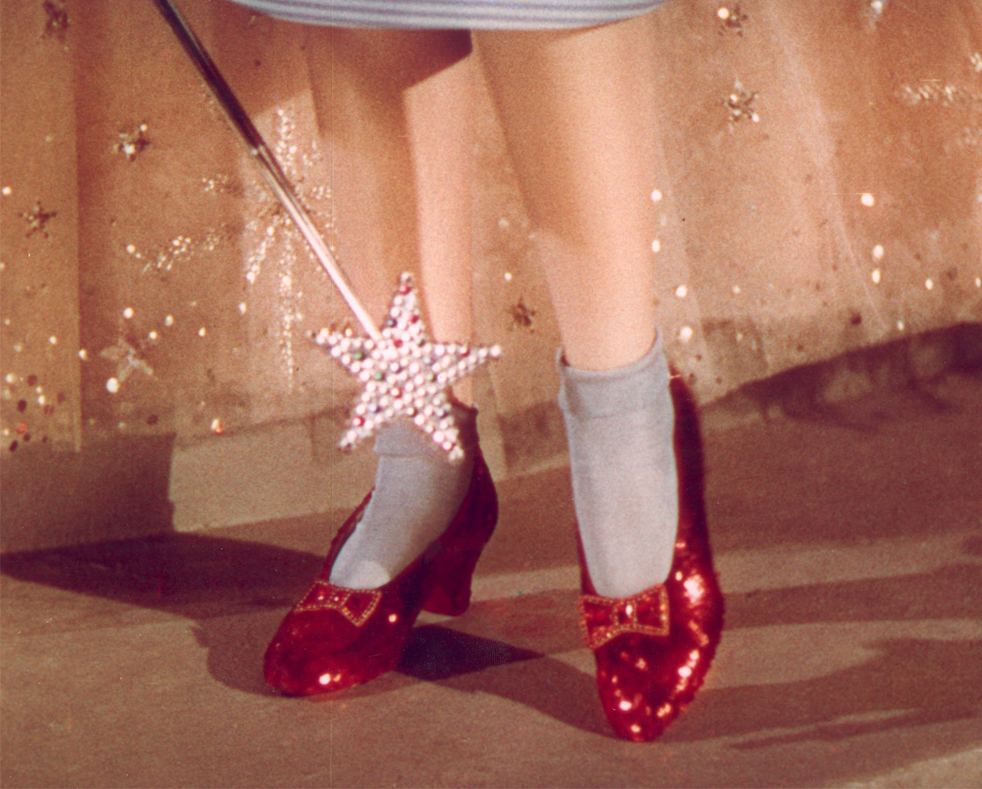


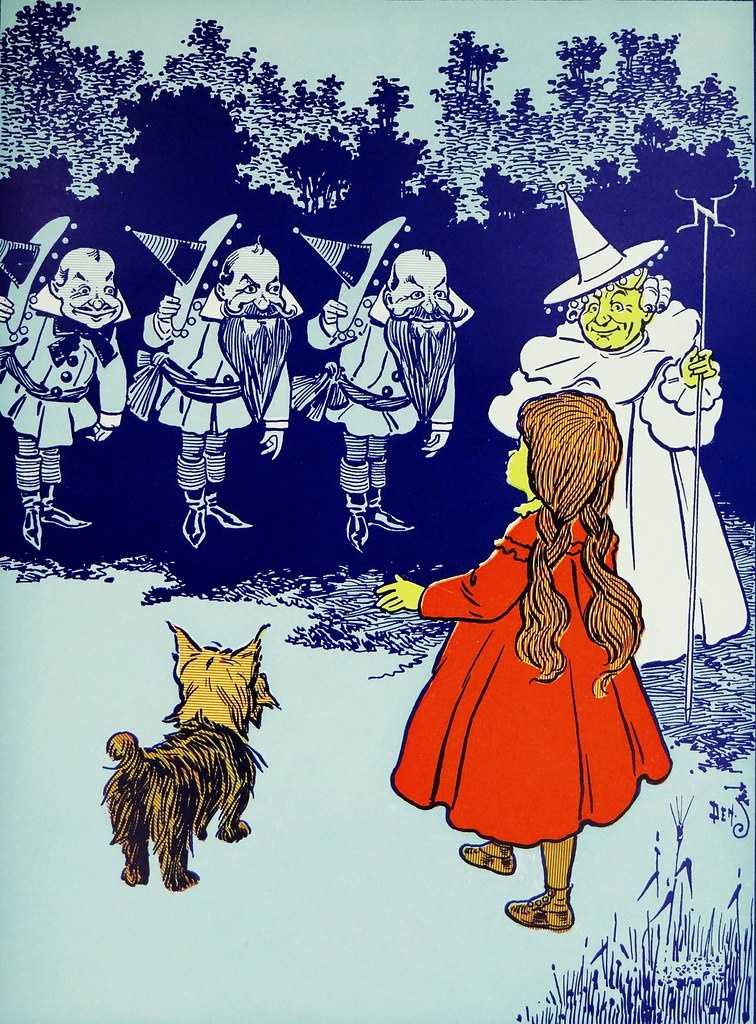


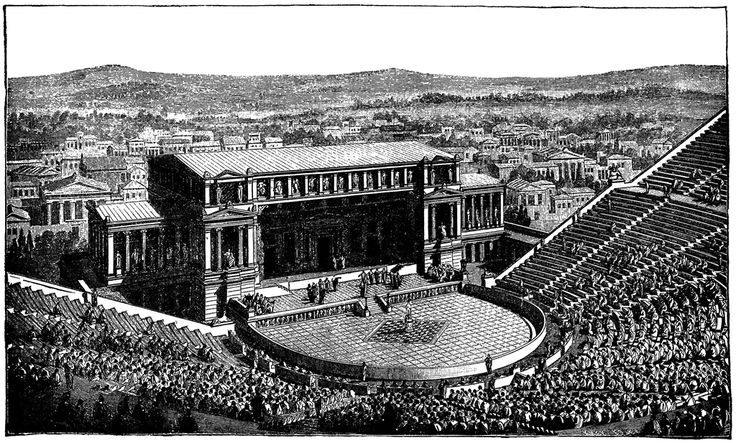


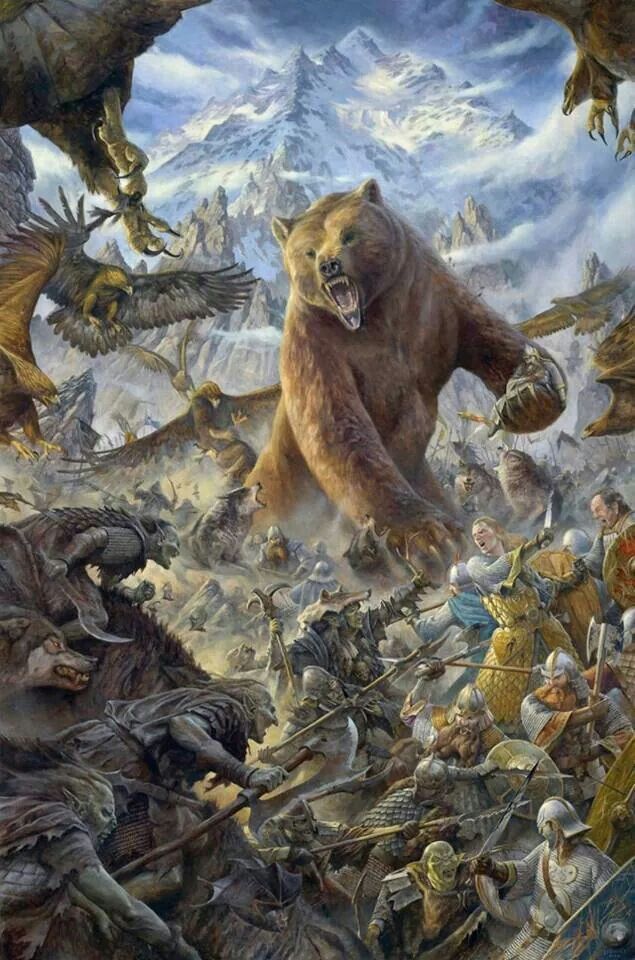


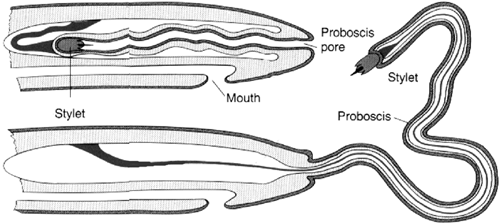

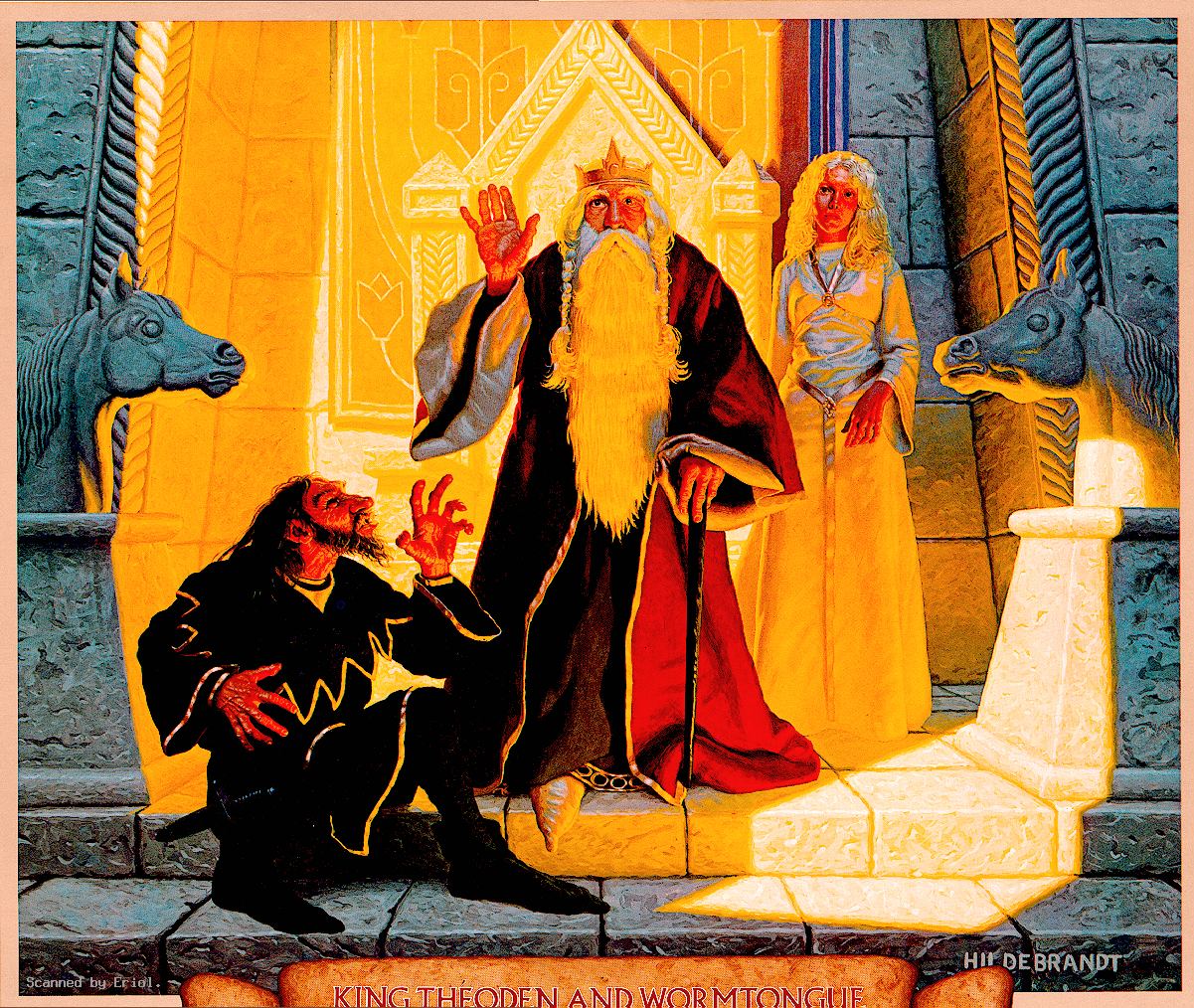

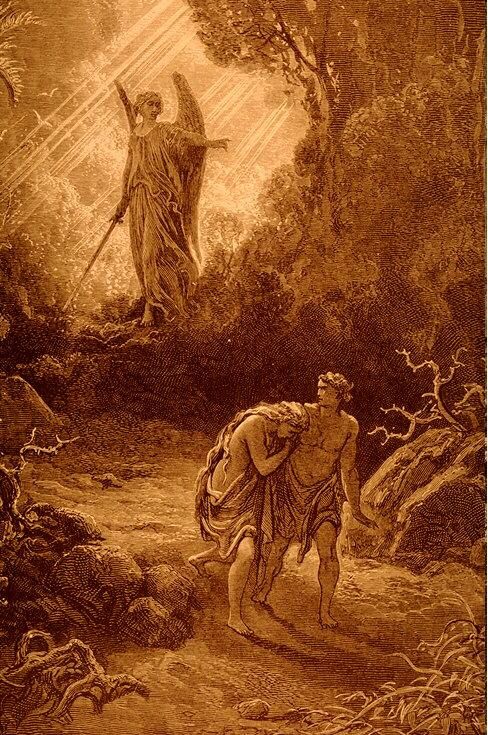
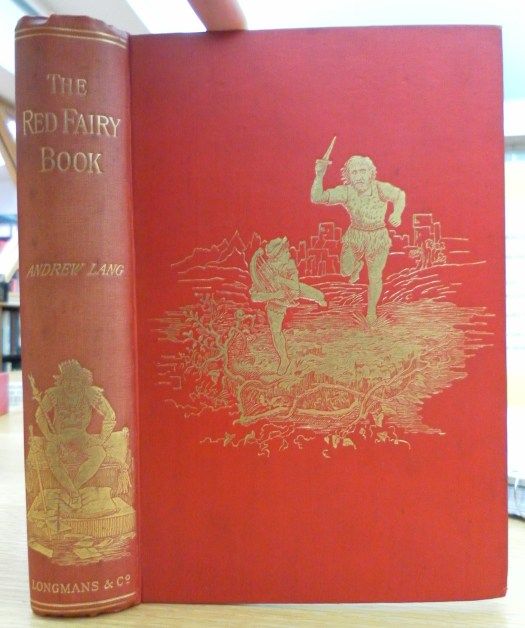

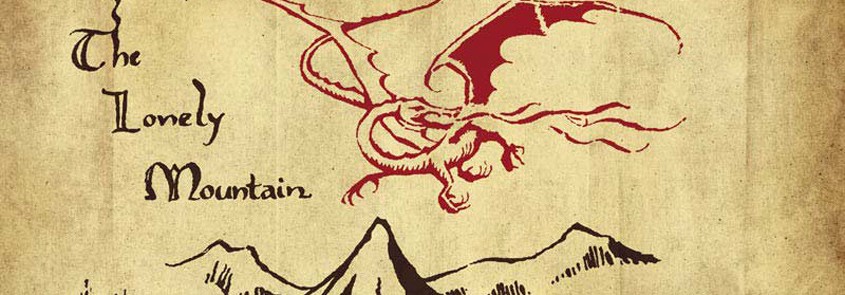
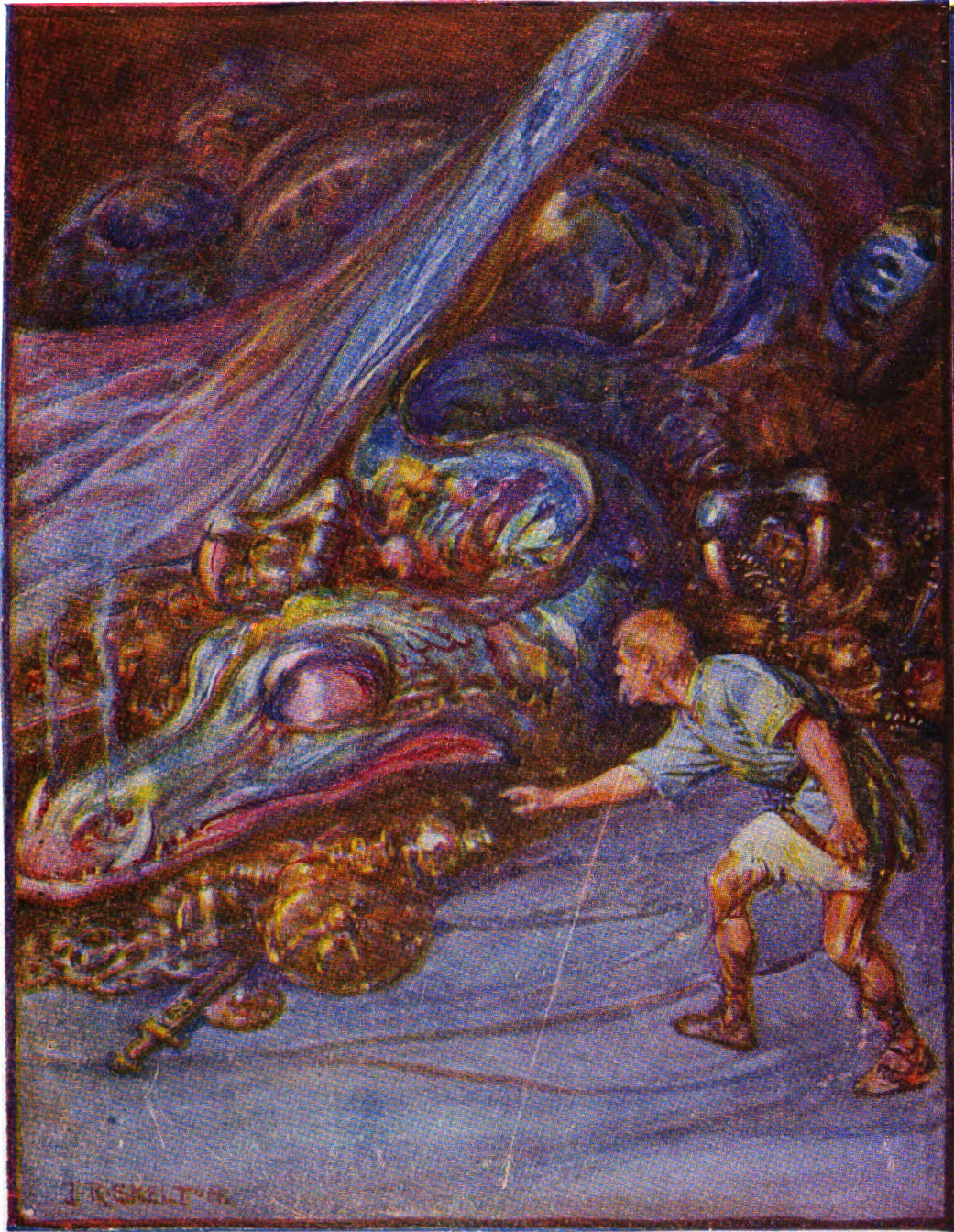


 doubtfulsea