Thinking of a few items from certain other genres of western literature, however, I’m not sure that I agree with Juliet.
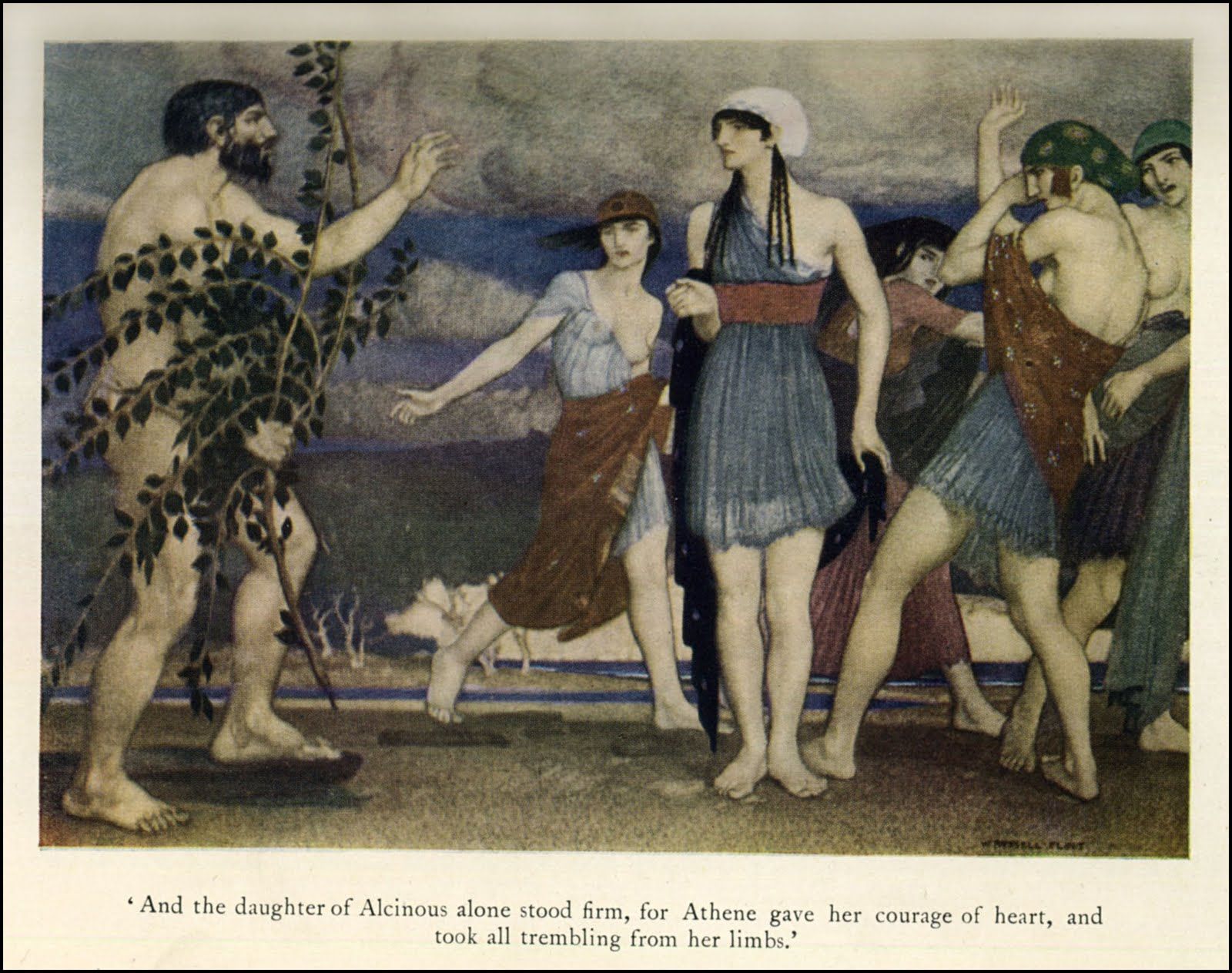
We can start early, with heroic poetry and the Odyssey. When Odysseus, in need of help finally to reach home, drags himself ashore on the island of Scheria, home of the Phaeacians, he first encounters a princess, Nausicaa.
The Phaeacians are, appropriately for islanders, a sea-going people, and the princess’ name may be translated as either “Excelling-in-ships” or, more alarmingly perhaps, “Ship-burner”. (There is some scholarly argument about this—see this interesting discussion: https://sententiaeantiquae.com/2020/12/08/was-nausikaa-a-ship-burner-speaking-names-and-etymology-2/ ) Other Phaeacians have similar maritime names, like the herald, Pontonoos—“Sea-minded”—and the founder of the Phaeacian nation himself, Nausithoos—“Swift-ship”.
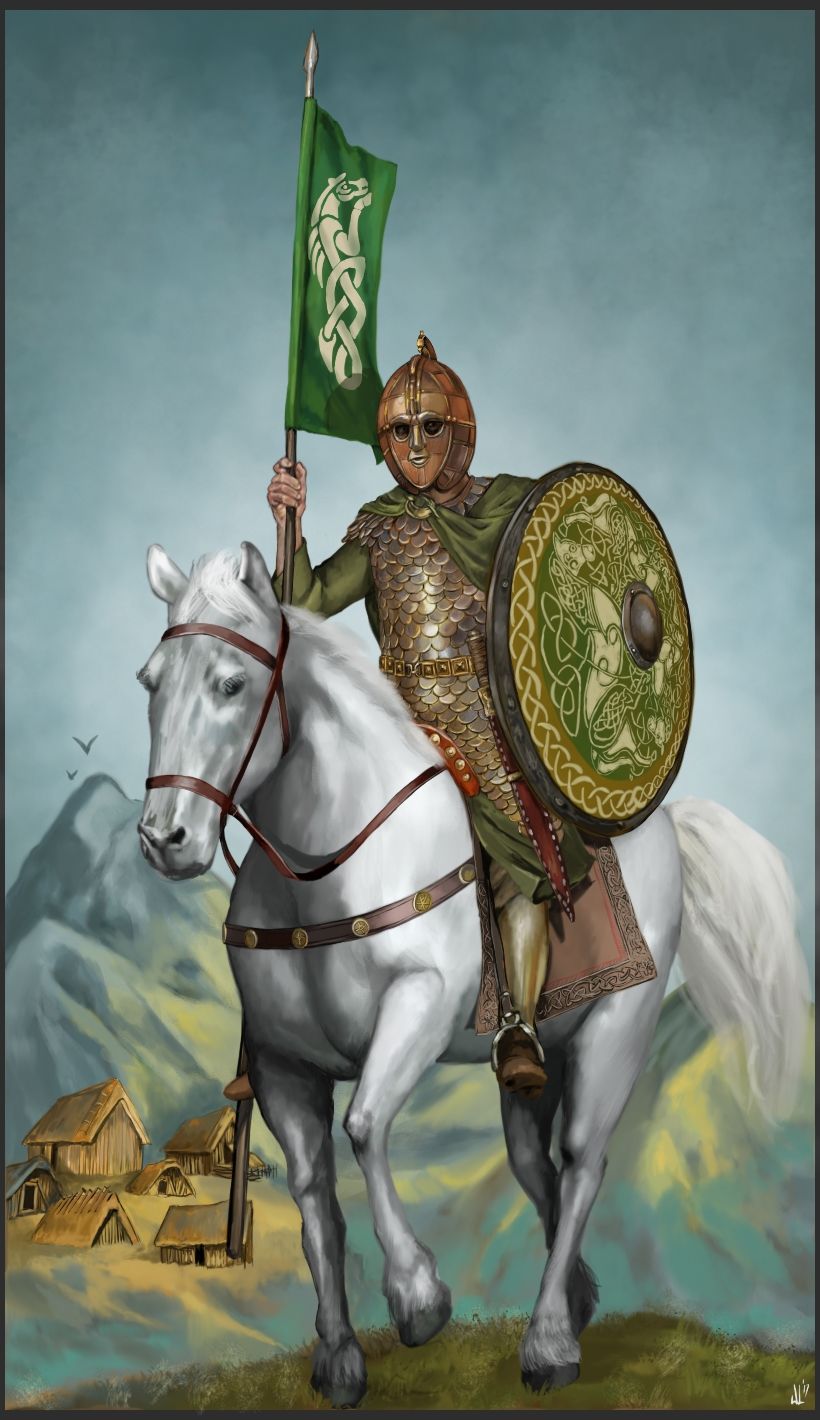
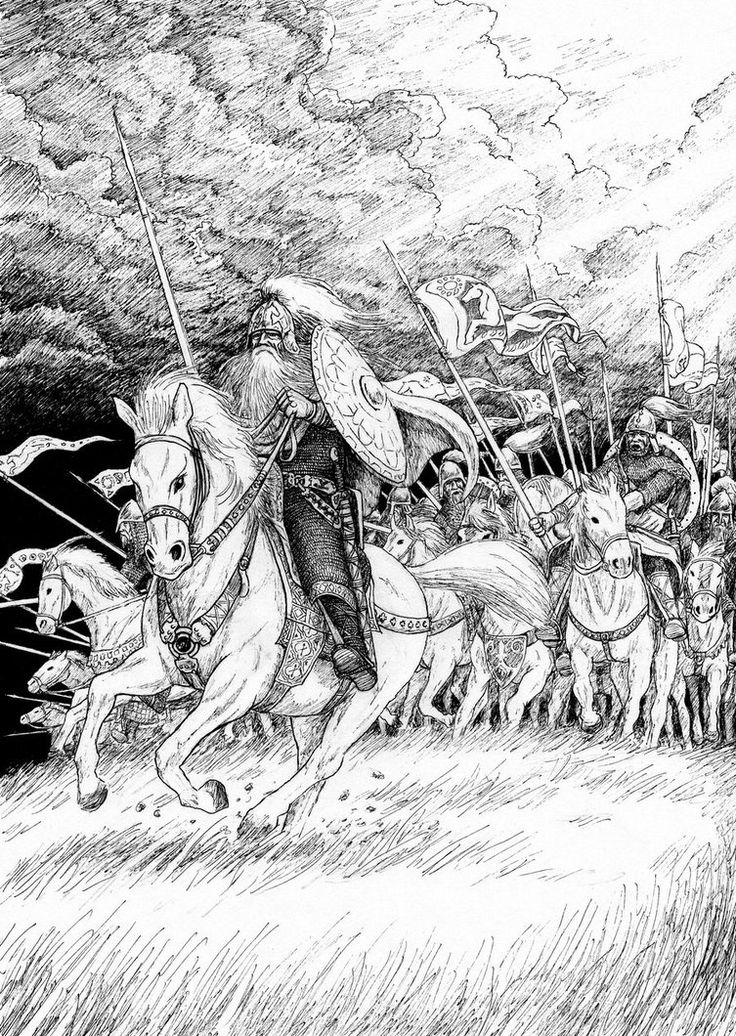
Many years later, we’ll see Tolkien echo this with the names of some of his horse-people, the Rohirrim,
(by JlazarusEB—more at his website: https://www.deviantart.com/jlazaruseb He’s very cleverly taken a hint from JRRT’s use of Old English as the basis of Rohirric to employ the 7th-century AD Sutton Hoo helmet as a model. ) with
with such names as Eomer—“Famous-for-[his]-horses”—
(by that very interesting Russian illustrator, Denis Gordeev)
and his sister, Eowyn—“Horse-friend”.
(another work by Gordeev)
From the heroic, we can easily move to morality, or perhaps I should say mortality, with the late 15th century play, “The Summoning of Everyman”,
(from the earliest printing)
where the very name of the main character points a finger towards the entire audience. The plot of this drama has Everyman going on a kind of life journey towards death and judgment in which he tries to recruit others to join him. These others are very easy to recognize even before they speak by names like “Good Deeds”, “Wisdom”, and “Strength”. (If you’re not familiar with this work, here’s the LINK to an early 20th-century translation into modern English: https://archive.org/details/summoningofevery00leip/page/n5/mode/2up )
We might almost call this “labeling” rather than “naming” and such labeling is a common feature of the English morality/mortality tradition, from the 14th-century on, perhaps the most famous later version being John Bunyan’s (1628-1688)
The Pilgrim’s Progress (1678).
Like Everyman, this is a journey,
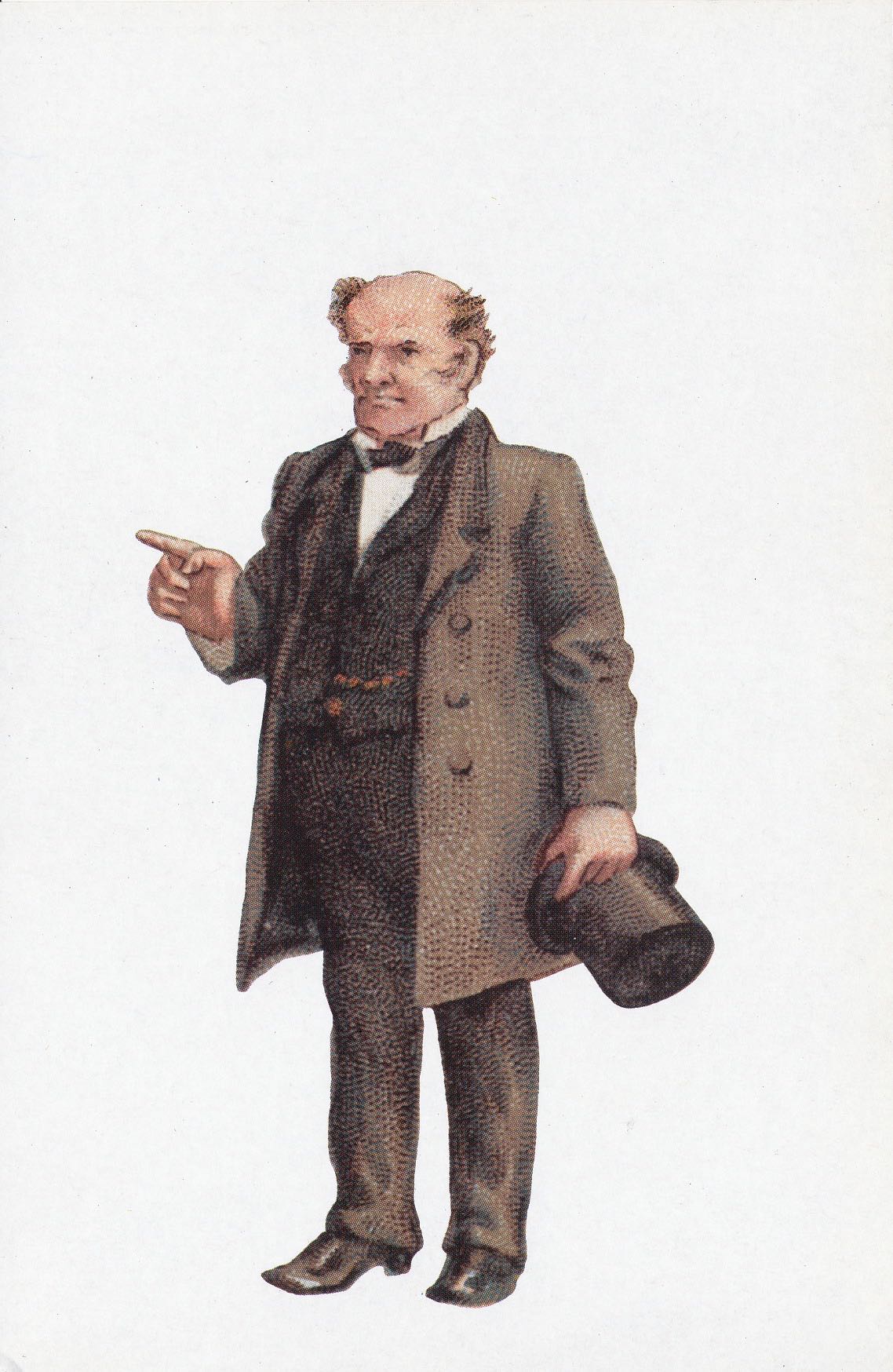
in which the main character, on his way to what he hopes is salvation, encounters all sorts of figures with give-away names, like “Mr. Worldly Wiseman”
and “Faithful”.
(who is burned at the stake, thus providing later illustrators with a dramatic scene)
We can see Charles Dickens (1812-1870)
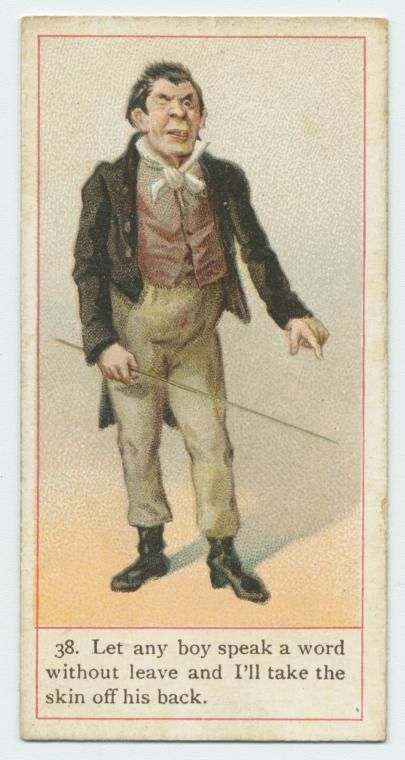
continue this practice in the 19th century in another genre, novels. Among descriptive names in his various books, we find “Wackford Squeers”, a brutal headmaster,
“Mr. Gradgrind”, an educational reformer
and “Mr. M’Choakumchild” , another teacher (giving you a good idea of what Dickens thought of the mid-Victorian educational system),
(I don’t have an actual illustration, but this image of an 1850 schoolroom is certainly suggestive.)
not to mention villains with names like “Sir Mulberry Hawk”
(a social predator—can you tell which he is?)
and “Uriah Heep”,
giving the author, in this case, the chance to have another character call him a “heap of infamy” (while whacking him with a ruler).
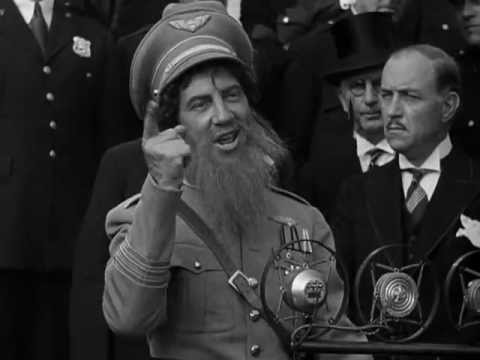
From the grimly comic novel, we can move to the openly comic film, and, hearing the name “J. Cheever Loophole”
will tell you all you need to know about that lawyer’s methods and abilities.
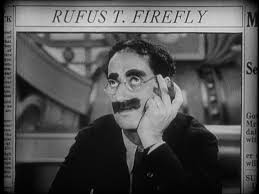
What’s in a name? Perhaps plenty—and all of those roses don’t smell equally sweet as in the case of “Rufus T. Firefly”
and “Otis P. Driftwood”.
Thanks for reading,
Stay well,
Remember: “No names, no pack drill”, (an old British army expression)
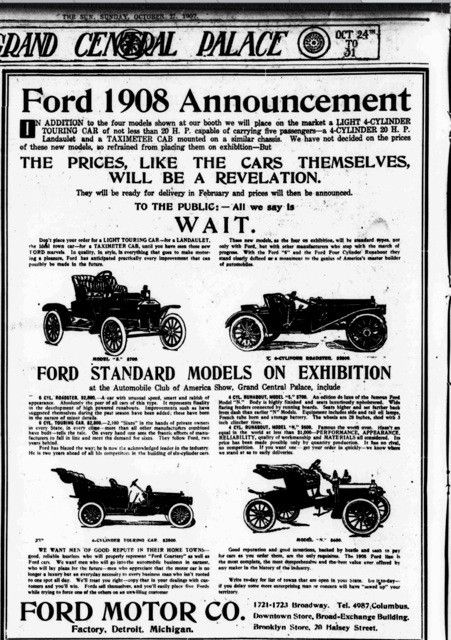
I suppose that we might blame Henry Ford (1863-1947) for this.
In 1908, he began to produce a standard car (only one color: black) at what he believed was an affordable price for the growing number of middle class Americans, the Model T.
As he put it in a later memoir:
“I will build a motor car for the great multitude. It will be large enough for the family, but small enough for the individual to run and care for. It will be constructed of the best materials, by the best men to be hired, after the simplest designs that modern engineering can devise. But it will be so low in price that no man making a good salary will be unable to own one – and enjoy with his family the blessing of hours of pleasure in God’s great open spaces.” (Henry Ford, assisted by Samuel Crowther, My Life and Work, 1922, p.73—if you’d like see more of Mr. Ford’s life and thoughts as he saw them, here’s a LINK to the work: https://ia800709.us.archive.org/3/items/mylifeandwork00crowgoog/mylifeandwork00crowgoog.pdf )
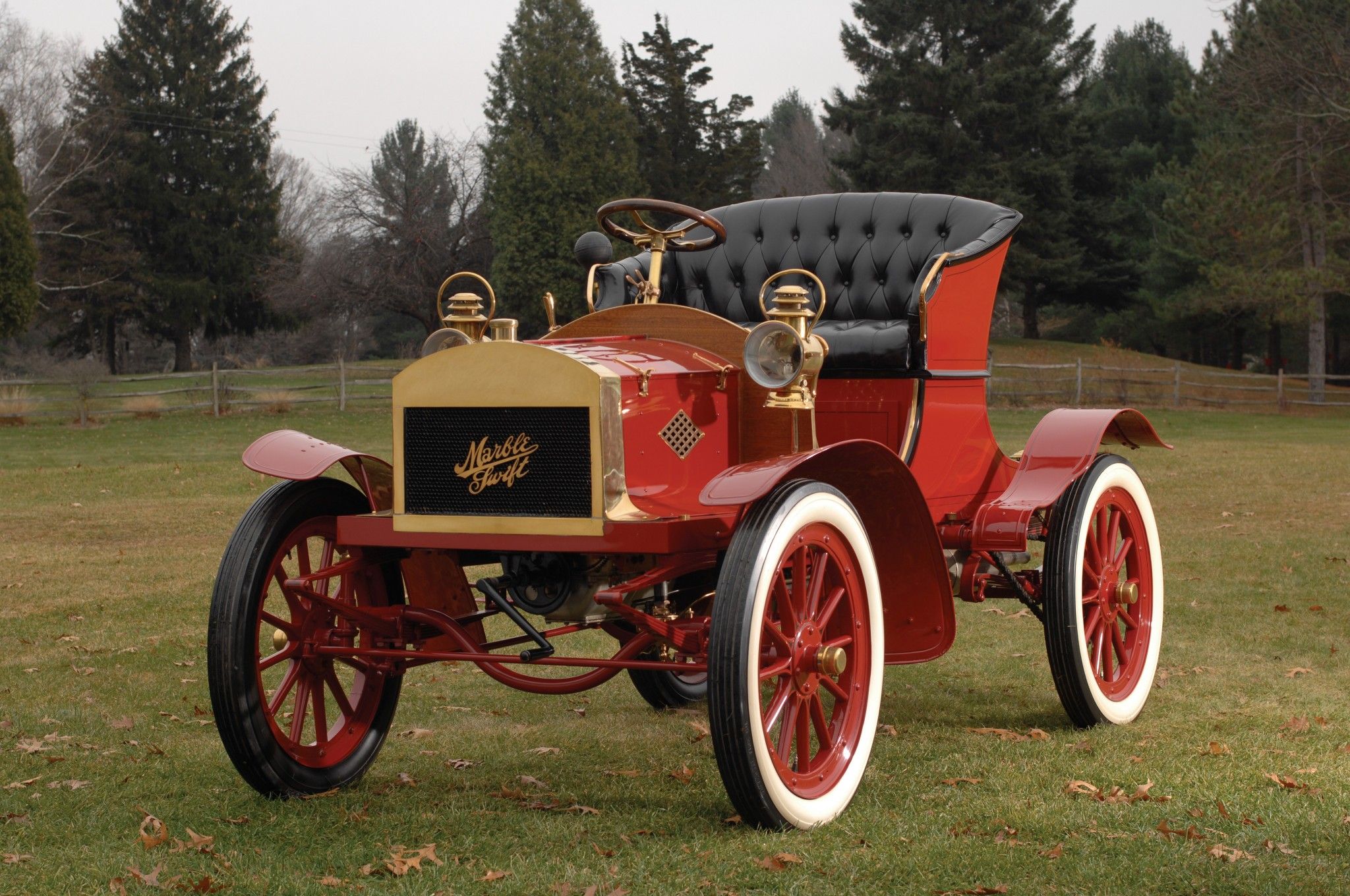
Earlier automobiles, especially the earliest, were very expensive toys, available only to the very wealthy.
As Ford says, his goal was to change that. And he was fantastically successful. By the time the Model T ceased production, in 1927, over 15,000,000 had been built.
Others, of course, seeing such success, wanted to imitate Ford. In Britain, Sir Herbert Austin (1866-1941)
produced the Austin 7 in 1923
and William Morris (1877-1963 later, 1st Viscount Nuffield),
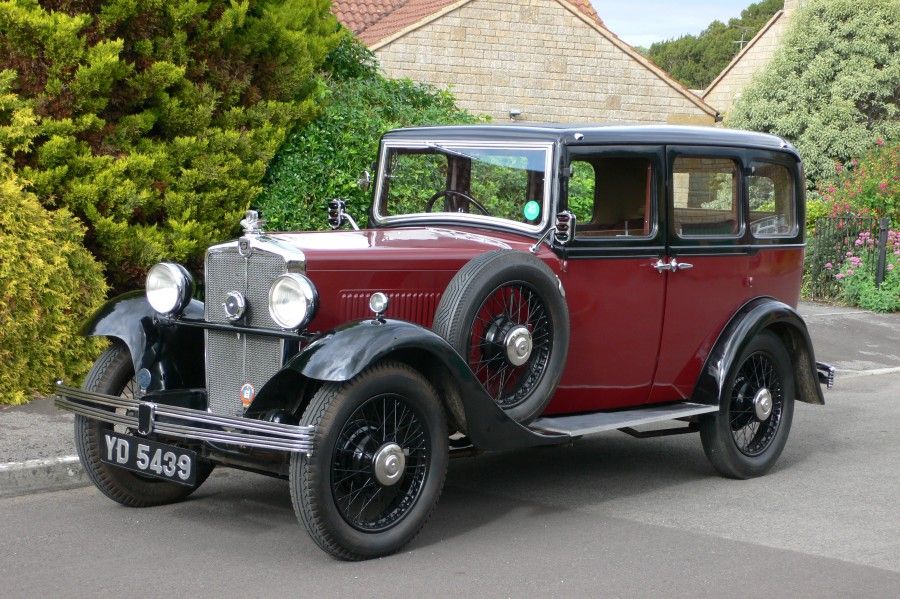
had been producing less expensive models as early as 1915, often under the name “Morris Cowley” (after the location of the factory).
This was inexpensive enough that, in 1932, a rather poverty-stricken Oxford professor, with a wife and four children
invested in one.
What happened next seems rather surprising, as Humphrey Carpenter tells it:
“After learning to drive he took the entire family by car to visit his brother Hilary at his Evesham fruit farm. At various times during the journey ‘Jo’ [the car’s name, after the first two letters on the license plate] sustained two punctures and knocked down part of a dry-stone wall near Chipping Norton with the result that Edith refused to travel in the car again until some months later…” (Carpenter, Tolkien, 177)
And it only gets worse:
“…Tolkien’s driving was daring rather than skilful. When accelerating headlong across a busy main road in Oxford in order to get into a side-street, he would ignore all other vehicles and cry ‘Charge ‘em and they scatter!’—and scatter they did.” (Carpenter, Tolkien, 177)
A favorite Tolkien family book was Kenneth Grahame’s (1859-1932)
1908 The Wind in the Willows.
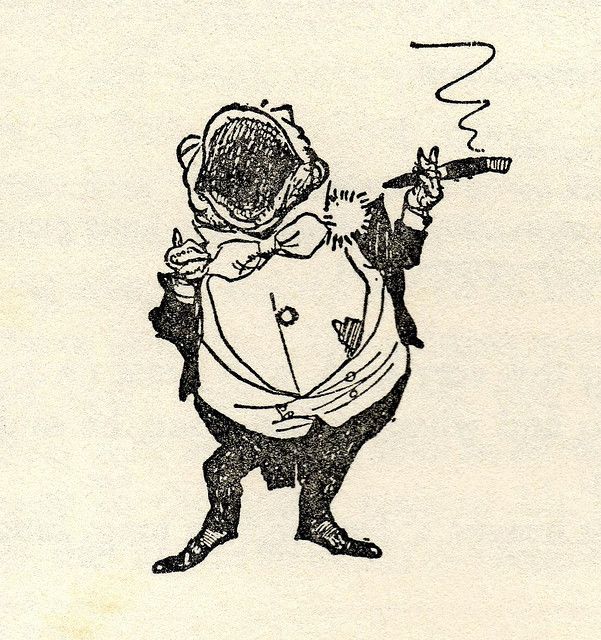
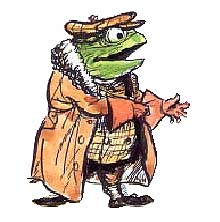
A major—and extremely dubious—character in that book is J. Thaddeus Toad.
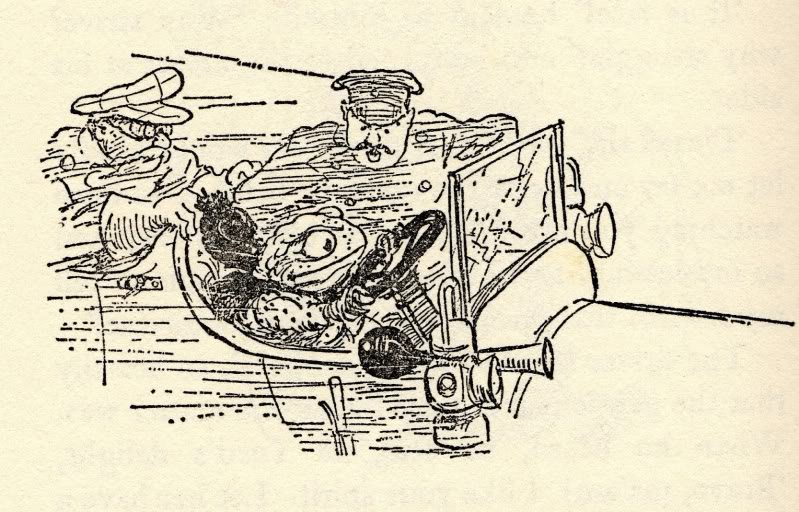
Toad is a wealthy man, er, toad, who is running through his fortune with expensive hobbies, the major one being the new world, in 1908, of motor cars,
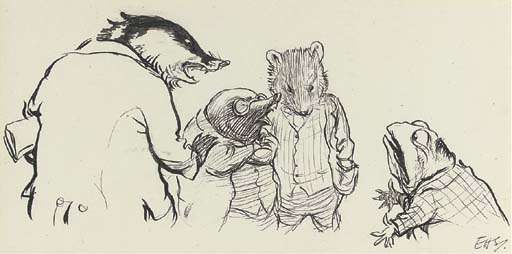
which, like a certain professor, he drives with daring, if not with skill, as his three friends, Badger, Ratty, and Mole discuss:
“Another smash-up only last week, and a bad one. You see, he
will insist on driving himself, and he’s hopelessly incapable. If
he’d only employ a decent, steady, well-trained animal, pay
him good wages, and leave everything to him, he’d get on all
right. But no; he’s convinced he’s a heaven-born driver, and
nobody can teach him anything; and all the rest follows.”
“How many has he had?” inquired the Badger gloomily.
“Smashes, or machines?” asked the Rat. “Oh, well, after all,
it’s the same thing—with Toad. This is the seventh. As for the
others—you know that coach-house of his? Well, it’s piled up
—literally piled up to the roof—with fragments of motor-cars,
none of them bigger than your hat! That accounts for the
other six—so far as they can be accounted for.”
“He’s been in hospital three times,” put in the Mole; “and as
for the fines he’s had to pay, it’s simply awful to think of.”
“Yes, and that’s part of the trouble,” continued the Rat.
“Toad’s rich, we all know; but he’s not a millionaire. And he’s a
hopelessly bad driver, and quite regardless of law and order.
Killed or ruined—it’s got to be one of the two things, sooner or
later. (p.65)
At first, they try to reason with Toad,
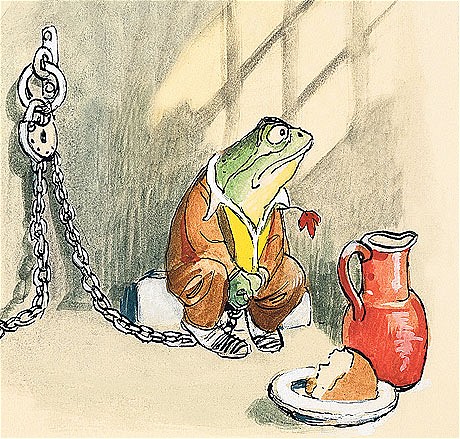
but eventually are forced to lock him in his room,
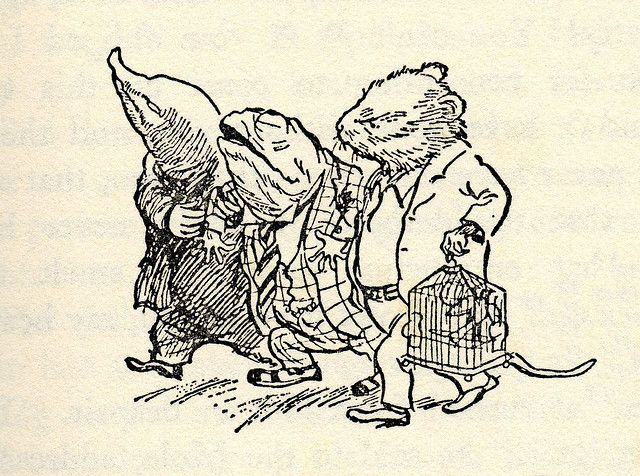
from which Toad happily escapes and nearly ruins himself and his fortune before his final rescue by his loyal friends, which includes a prison break
and a battle with weasels.
So, reading about this other side of JRRT, I wonder whether, as we imagine him in his study, Gandalf-like, deep in his literary and scholarly roles,
there always lay, just below the surface, another Tolkien—or do I mean J. Thaddeus Toad?–
ready to push the electric starter on the Morris
and roar off through the countryside, the terror of pedestrians and on-coming traffic, crying, “Charge ‘em and they scatter!”,
Although Grahame’s book was published in 1908 and I always prefer first or early editions, my favorite edition is that of 1931, illustrated by E.H. Shepard. Here’s the LINK so that you can enjoy Shepard’s illustrations along with Grahame’s gentle comedy: https://archive.org/details/the-wind-in-the-willows-grahame-kenneth-1859-1932-sh .
must have been a man with very ambivalent feelings. He was parting from Allen & Unwin, who had been his publisher since The Hobbit, in 1937, over the matter of The Silmarillion, which Tolkien wanted to be published with The Lord of the Rings. When Allen & Unwin rejected that combination, Tolkien tried his luck with a new publisher, Collins. To provide an idea of what he had created, and why the two should be published together, he sent, at the publisher’s suggestion, a letter with a very extensive description of his work to them and, in it, was this:
“In the south Gondor rises to a peak of power, almost reflecting Numenor, and then fades slowly to decayed Middle Age, a kind of proud, venerable, but increasingly impotent Byzantium.” (to Milton Waldman, “probably written late in 1951”, Letters, 157)
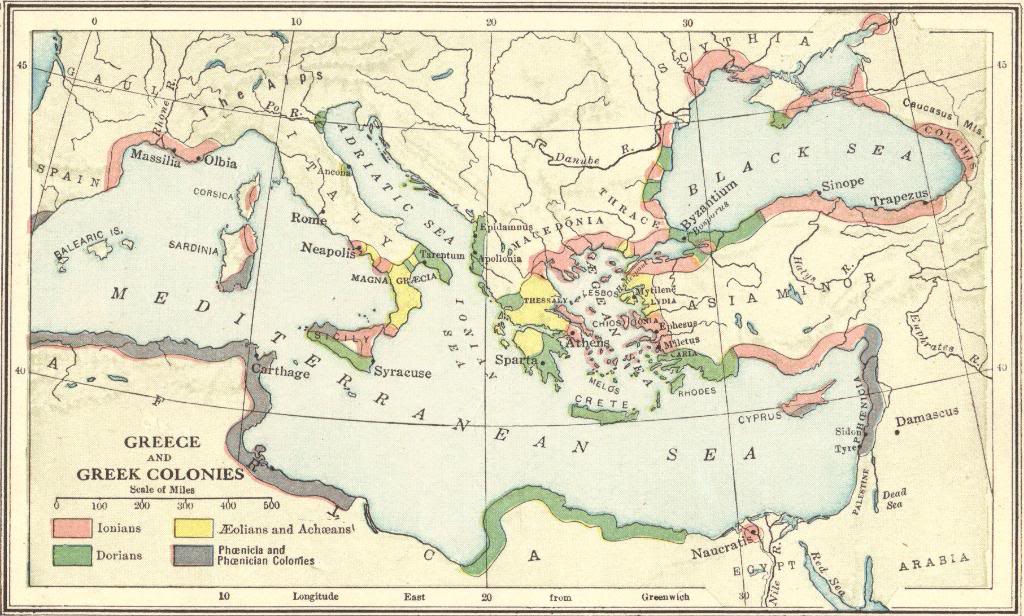
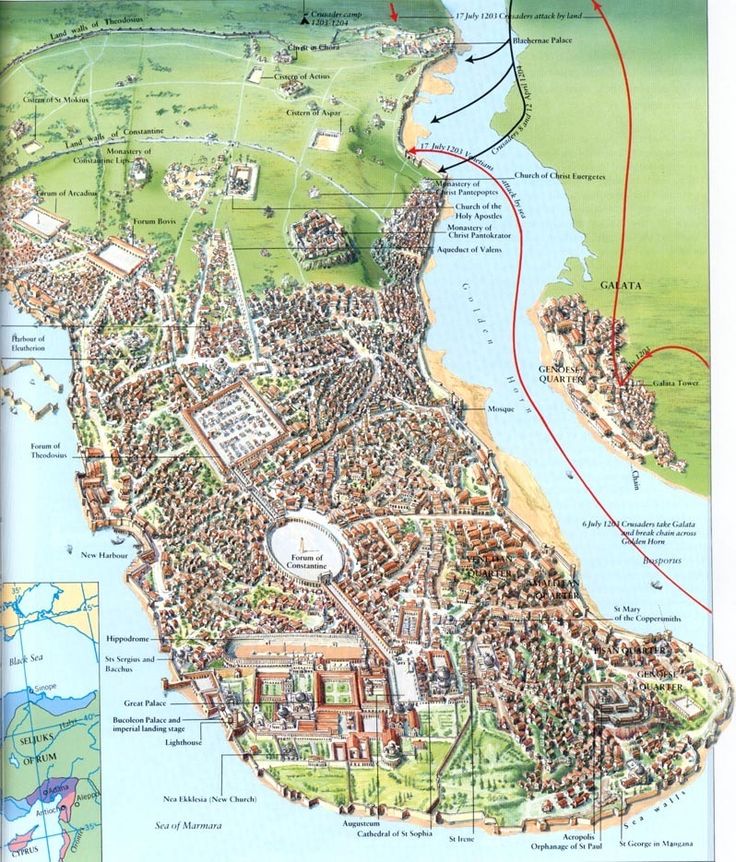
Byzantium had originally been a Greek colony on the European side of the Bosphorus.
In 324AD, the emperor Constantine I ( c.272-337AD)
renamed it “New Rome” and made it the eastern capital of the Roman Empire, which, with his work and that of his successors, turned it into a large and elegant city
at the heart of an extensive empire, the Byzantine Empire.
(You’ll note, by the way, for all that Constantine may have renamed Byzantium New Rome, everybody actually called it “the city of Constantine”—Constantinople.)
Like all empires, it gradually faded, being reduced, just before the capital fell in 1453, to the up-and-coming Ottoman Empire, to Constantinople and a few weak enclaves.
(And you can see, in this illustration, one reason for the capture of the capital: the Ottoman Sultan, Mehmet II, was a very forward-thinking man and employed an Hungarian gun-founder to cast a series of early cannon to shake the sturdy, but ancient, walls.)
It’s easy, then, to understand what JRRT means about Gondor, but I think we might add that there’s something not only Byzantine about Gondor, but Roman, as well. Below, I make a few suggestions, but, the more I’ve thought about it, the more I’ve realized that this might be the topic for a much longer piece, or even a short series.
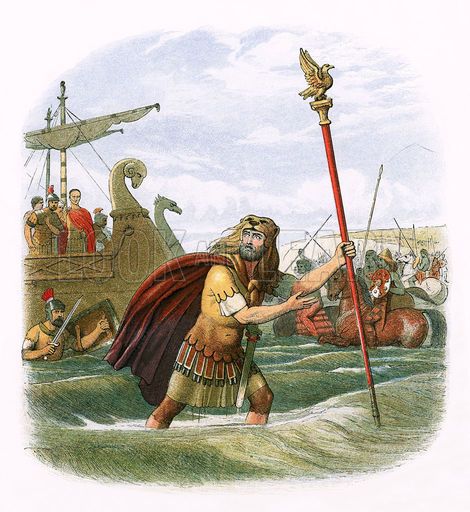
Rome had been all around Tolkien during his growing up. Britain itself, after all, had been in Roman hands from more or less the end of the first century AD, after the emperor Claudius’ ( 10BC-54AD),
invasion in 43AD,
being divided into two provinces at the end of the 3rd century AD and, by the later 4th century, into five.
By the time of Tolkien’s birth, in 1892, most of what might survive after the Roman government’s abandonment of the provinces in the early 5th century lay below the surface, but certain things popped through—bits of Roman road
and the stumps of Hadrian’s wall,
for example. And here we might see the ancestor of the Greenway, as well, perhaps, as the Rammas Echor, the great wall which surrounded the fields of the Pelennor (and was in need of repair, at least along its northern end).
Although various Victorians had poked at the remains of Roman occupation, this was before the creation of modern archaeological techniques, so they generally dug, extracted artifacts, then reburied sites, only a few, it seems, being very careful to chart where and what they had excavated.
Still, the Classical Studies, for which he was originally intended, had given the young Tolkien Julius Caesar (100-54BC)
and his account of his brief invasion of southern Britain in 55-54BC,
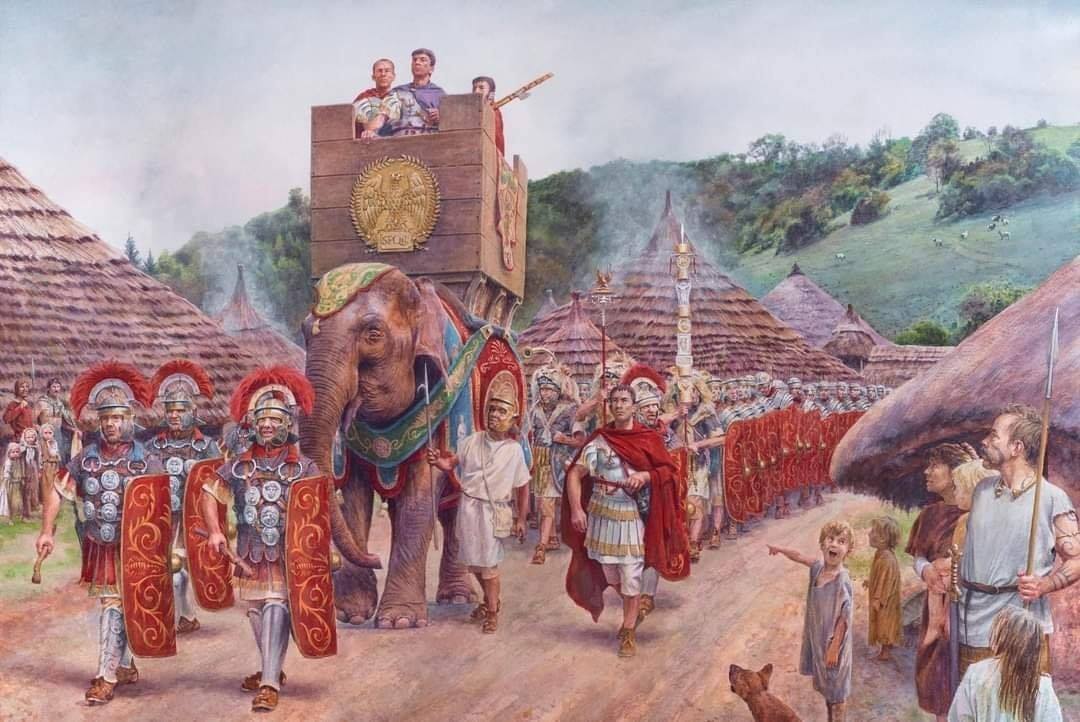
Suetonius’ (c.69-122AD) biography of Claudius with its account of the second invasion
(with an elephant, no less),
and Tacitus’ (c.56-120AD) continuation of the invasion, including the revolt, in 60-61AD, of a portion of the population under the guidance of the queen of the Iceni tribe, Boudicca.
(This is Thomas Thornycroft’s statuary group, which, although he began it in 1856, wasn’t completed and erected till 1902—just across the road from Parliament. Every time Tolkien would have crossed Westminster Bridge, walking towards Parliament, he would have seen it to his right.)
History aside, there was also the mythological aspect. Rome was said to have been founded by descendants of refugees from fallen Troy, led by the Trojan prince, Aeneas,
as Tolkien would have read in Vergil’s (70-21BC)
unfinished Latin epic, the Aeneid.
It’s no stretch, I think, to see that this would have been in the back of his mind when he wrote, in that letter to Milton Waldman:
“Elendil…flees before the overwhelming storm of the wrath of the West, and is borne high upon the towering waves that bring ruin to the west of the Middle-earth. He and his folk are cast away as exiles on the shores. There they establish the Numenorean kingdoms of Arnor in the north…and Gondor…further south.” (Letters 156-157)
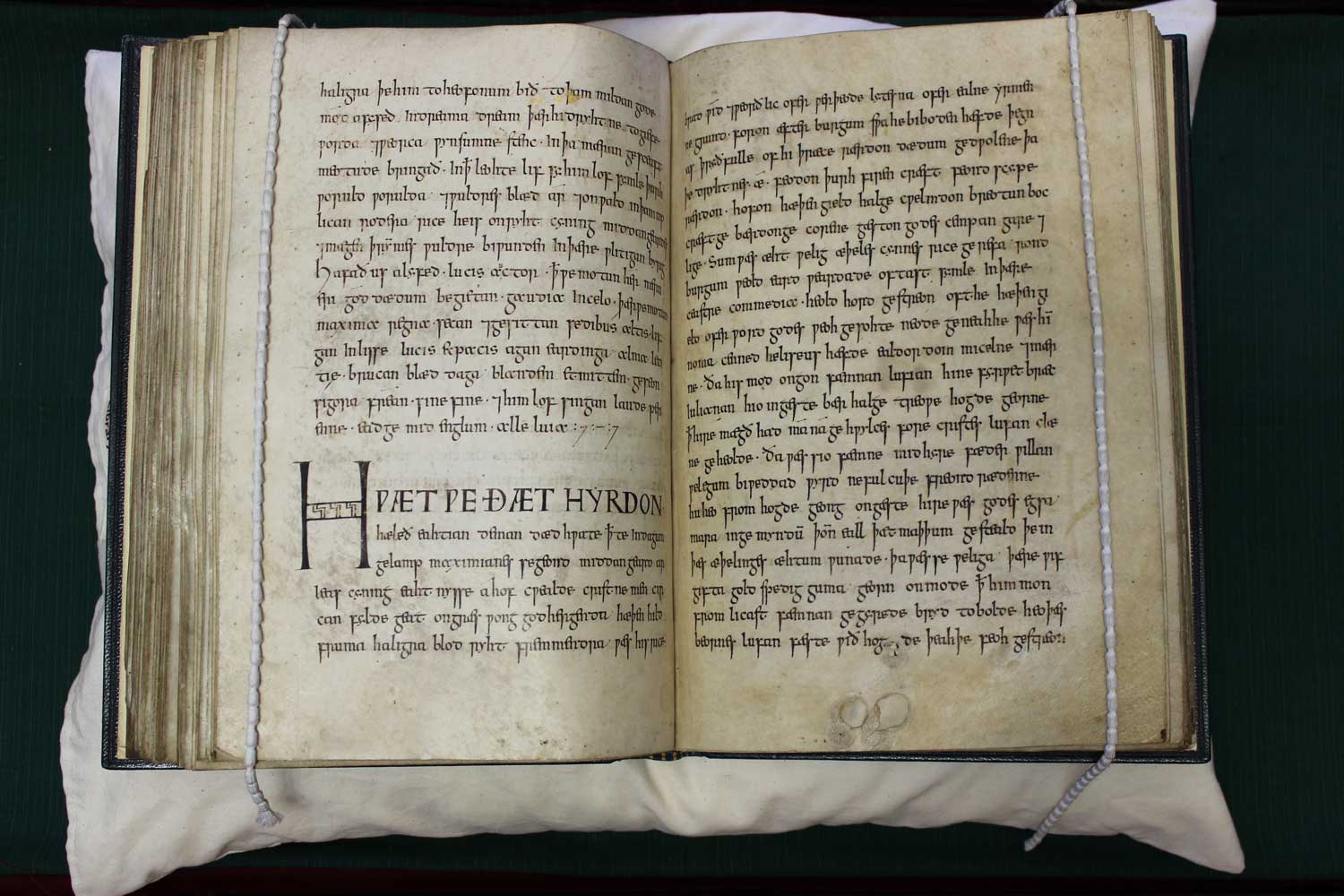
As JRRT moved from Classics to the study of Old and Middle English literature, the Roman world would still never be far away. The late 12th-early 13th-century poem by the priest, Layamon, standardly called Layamon’s Brut, is a history of Britain, but it begins with the story of Aeneas’ great-grandson, who, with his followers, sails west to an island of giants, whom they defeat before colonizing the island under a new name, “Britain”, from the name of their leader (in a rather corrupt form). And, finally, even older, there is the Old English poem from the Exeter Book (c.950AD)
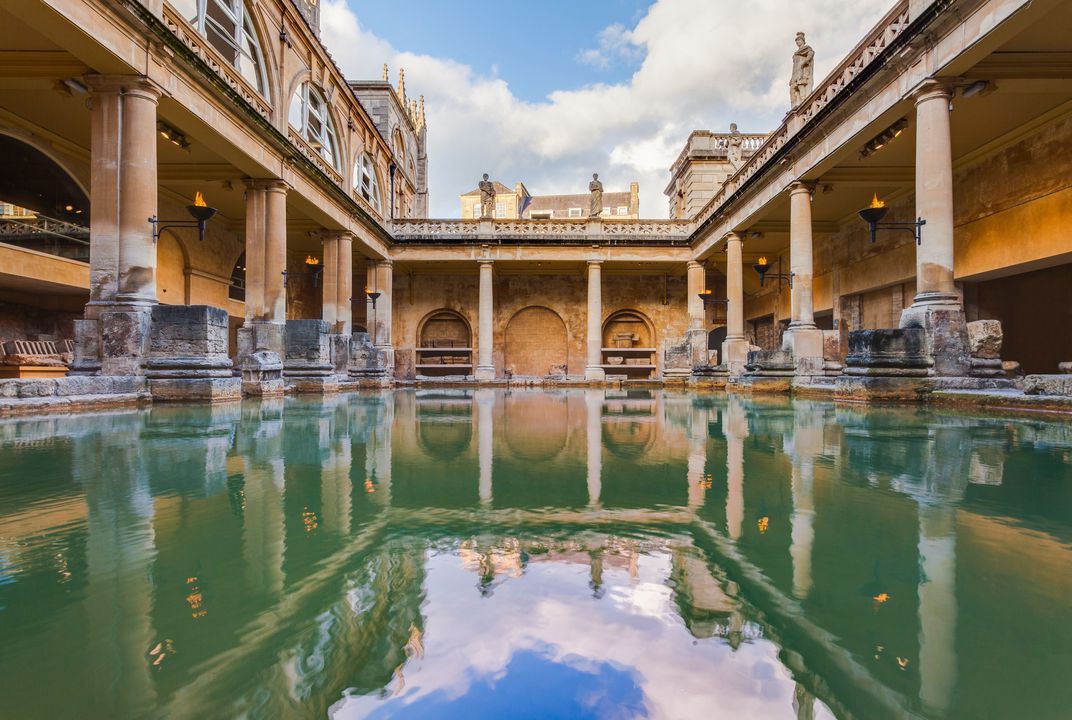
called “The Ruin”, which many scholars—and, though no Old English scholar, I would agree—believe describes the remains of the Roman town of Bath (Aquae Sulis,”[the] Water of Sulis” who was a local goddess) in the 8th or 9th century, AD.
(It’s important to note that, although Roman Bath was gone, the hot springs which gave it its name continued to be popular and, as you can see from this picture, were the subject of much newer construction in later times. The Roman portion of the baths stops at the bases of the columns.)
Here’s a translation, along with the original, of the full—but fragmentary–text: https://en.wikipedia.org/wiki/The_Ruin . It’s a beautiful work, but, for today’s posting, I would only point out that, although the poem probably is about a nearly-lost Roman town, that Roman town is described as “the work of giants”, which, in Old English, is enta geweorc and, in this phrase, we see that some of the oldest beings on Middle-earth, though described in another language, also have a strong Roman connection—although, at their most dramatic, they’re destroyers, not builders…
When it comes to Indiana Jones movies, I’m always torn between #1
and #3.
Raiders of the Lost Ark has a freshness to it that always keeps it new for me, no matter how many times I’ve seen it, while The Last Crusade has the byplay between Indiana and his father, which adds a whole additional level, both of comedy and emotion, to the story.
One of Henry Jones Senior’s remarks to his son, in fact, has inspired this posting. Indiana has made the mistake of retaining his father’s “Grail Diary”,
which then falls into enemy hands.
Disgusted with “Junior” as he calls him, Henry Senior says, “I should have mailed it to the Marx Brothers!”
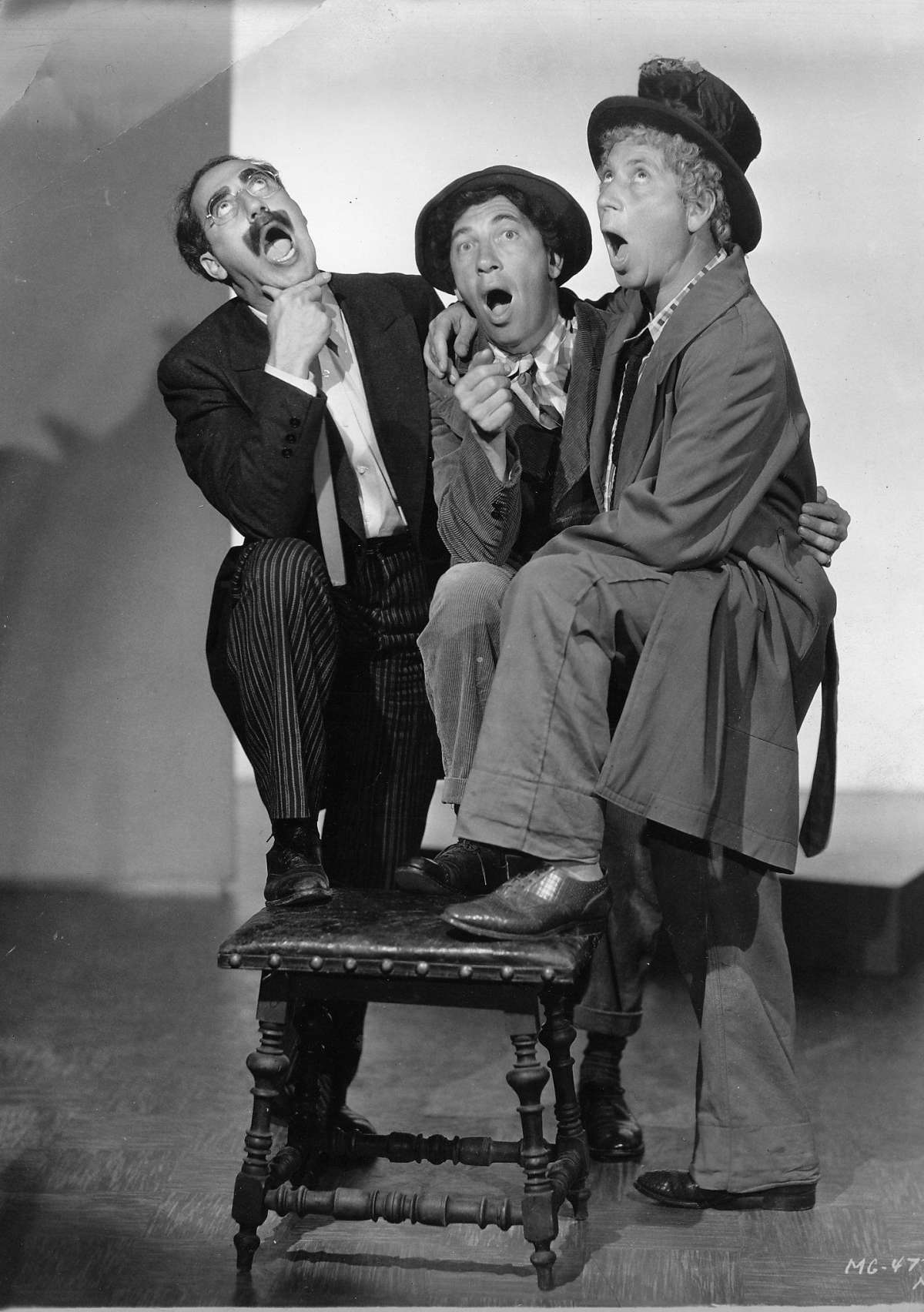
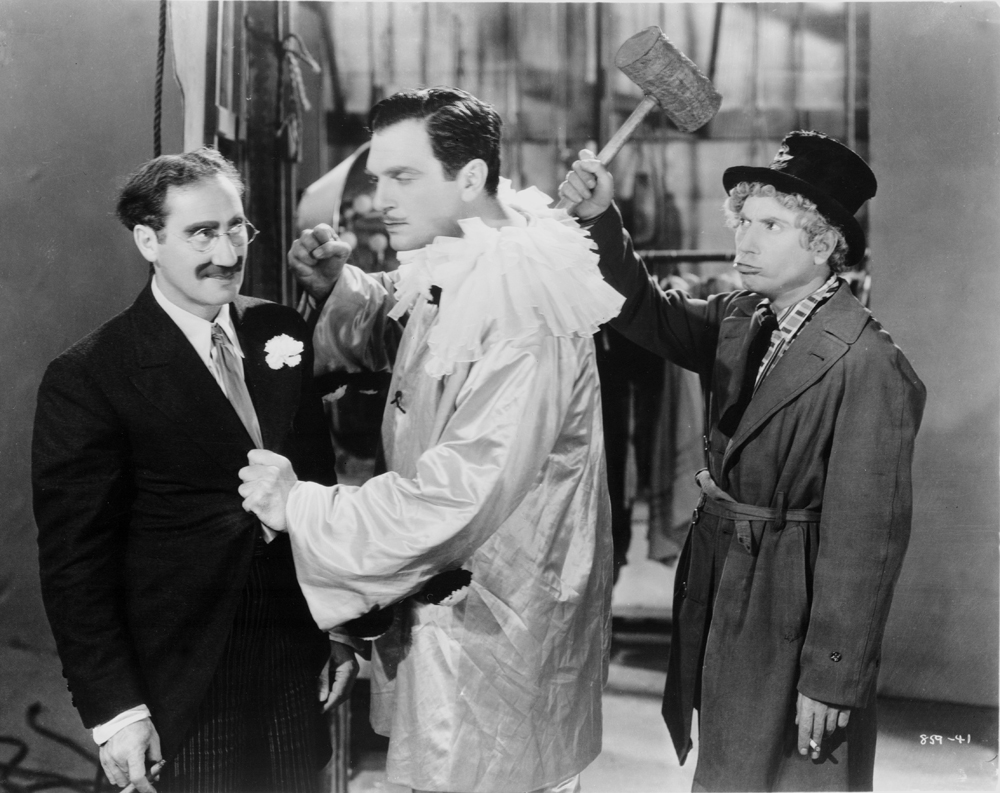
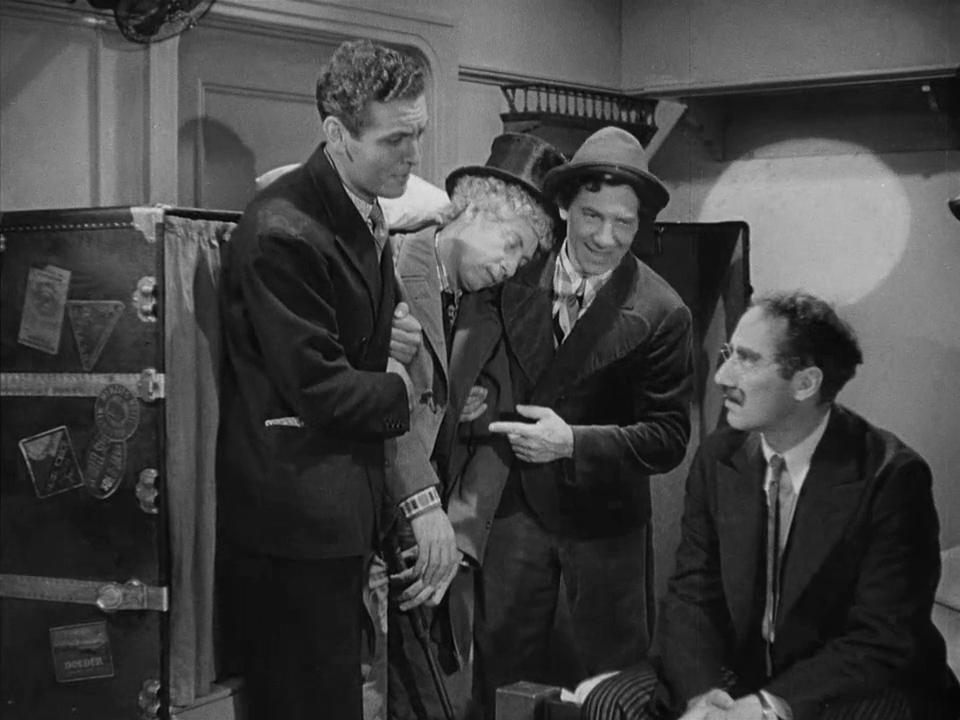
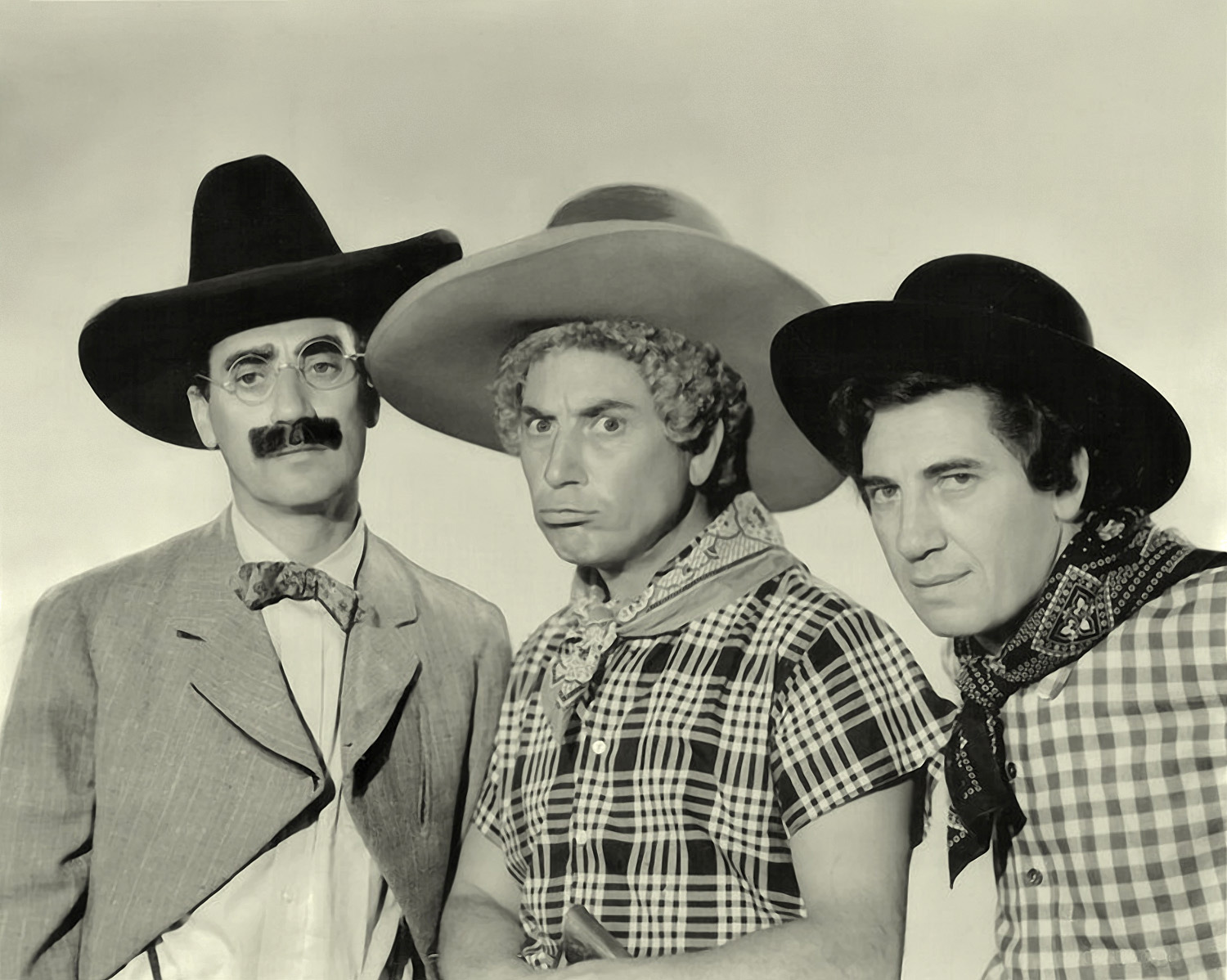
It’s a funny line—after all, just look at Groucho, Chico, and Harpo.
Do these look like people you would trust with the sensitive matter of the Holy Grail?
(It’s “CHICK-oh”, by the way, as in “one who goes after girls”, rather than the Spanish word meaning “little” or “boy” or “dude” or even “boyfriend”.)
After I wrote the first draft of this posting, it occurred to me that perhaps not everyone among my readers would know who these people were.
The Marx Brothers were, as you’d expect, a group of brothers named Marx
although Karl was not among them.
Originally four in number, they had been stage entertainers and not very successful ones until they almost fell into comedy and then they quickly became increasingly successful, first on stage, and then in film, under the names “Groucho”, “Chico”, “Harpo”, and “Zeppo”. (Zeppo—he’s the one in the upper left hand corner–hoped for a singing career and gradually faded from the picture, literally.)
On stage, they were known for their zany unpredictability: what you might see one night might be completely different the next. In film, their quick movement from slapstick to verbal humor and back still suggested that sense that it was all improvised and just this side of cheerful chaos. Here’s Groucho singing “Lydia the Tattooed Lady” from their 1934 film, At the Circus, as an example: https://www.youtube.com/watch?v=iO9xXk5qUtg
And so I’m not so sure that Henry Jones Senior isn’t saying more than he means .
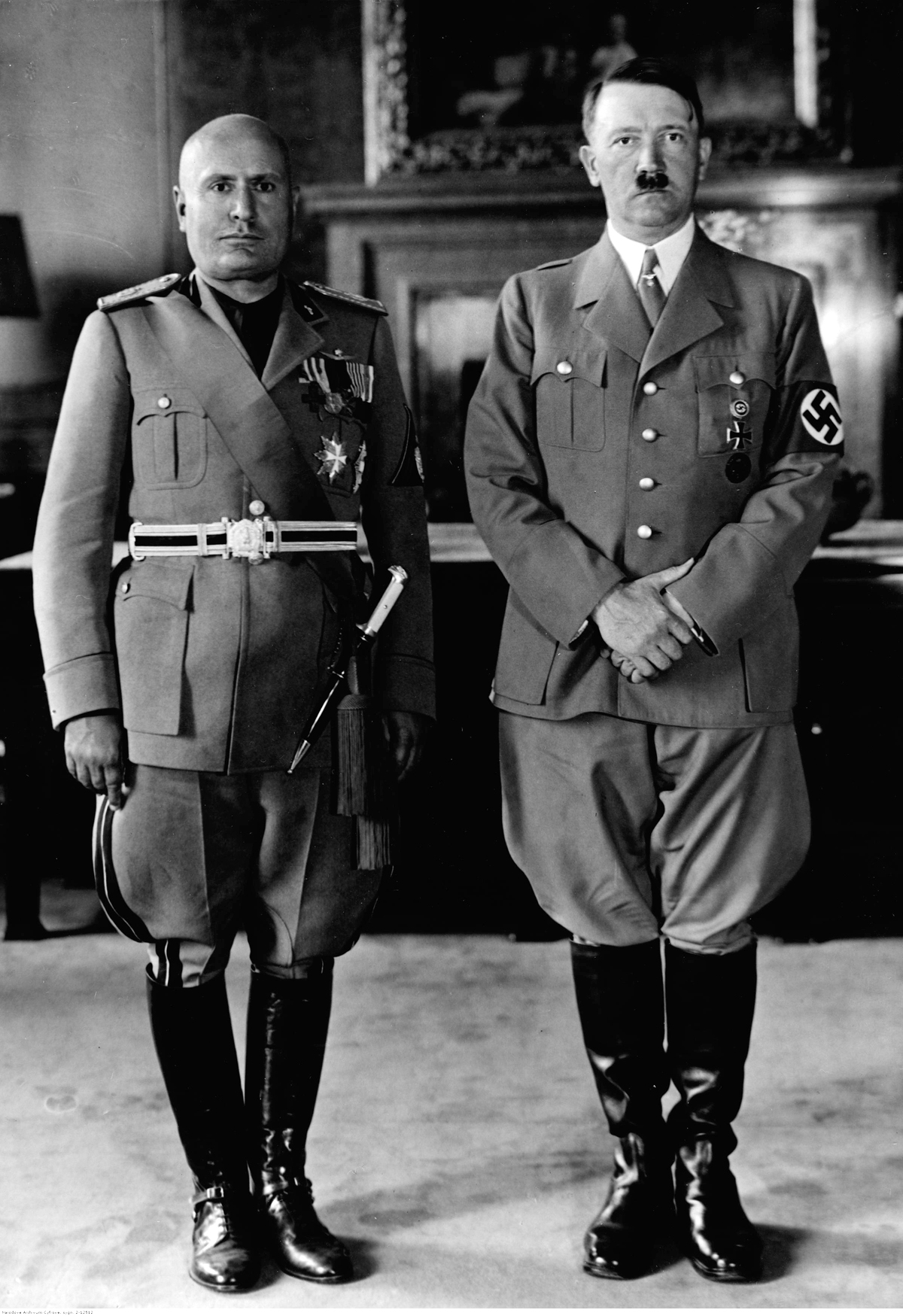
Consider dictators of the period in which the film takes place:
One feature which gave these men power was their basic humorlessness. Everything they did publicly was meant to be taken dead seriously. Even a shared smile was like an historic occasion.
If we can detach them from their behavior and its consequences for the world, however, everything from Mussolini’s shaved head to Hitler’s baggy trousers (actually jodhpurs—riding britches–though I can’t imagine him on a horse, even though he owned a fancy racehorse named Nordlicht–
was this is actually a horse mannequin?)
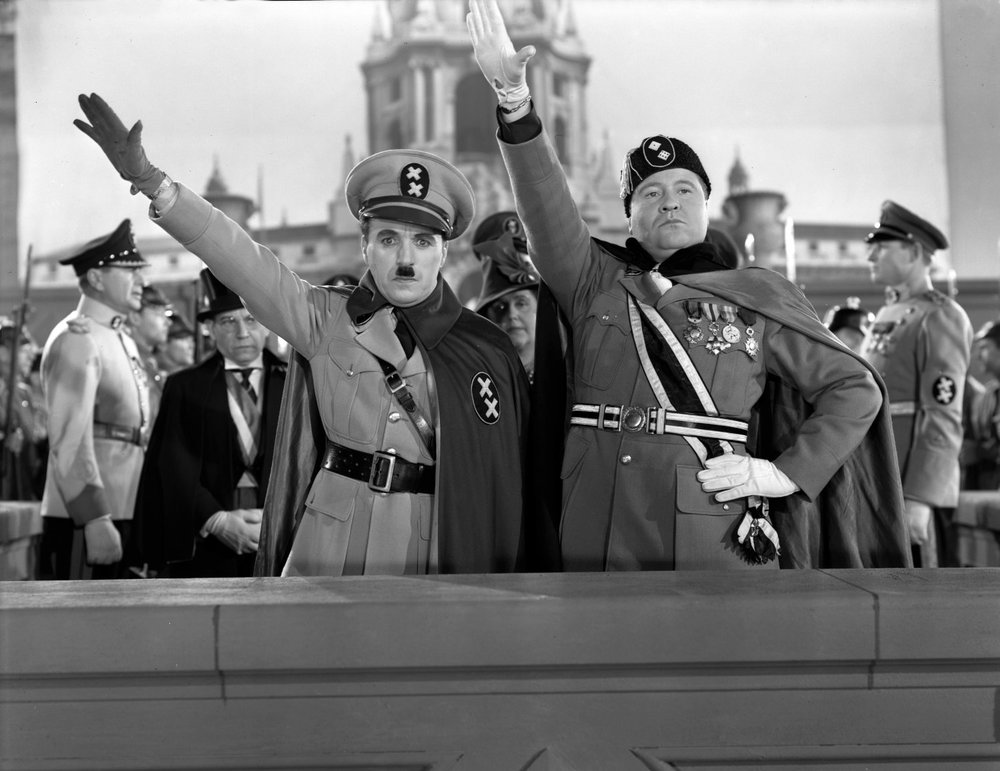
could easily fall into comedy, as it did in Charlie Chaplin’s 1940 The Great Dictator,
where we see Hitler and Mussolini as “Adenoid Hynkel” and “Benzino Napaloni”.
If the Marx Brothers had one major target, it was pomposity in people and events. In A Night at the Opera (1935) alone,
they take on rich society ladies
and toadying people from the arts,
knock out an up-and-coming Italian tenor,
mock the complicated language of legal contracts,
stow away on an ocean liner,
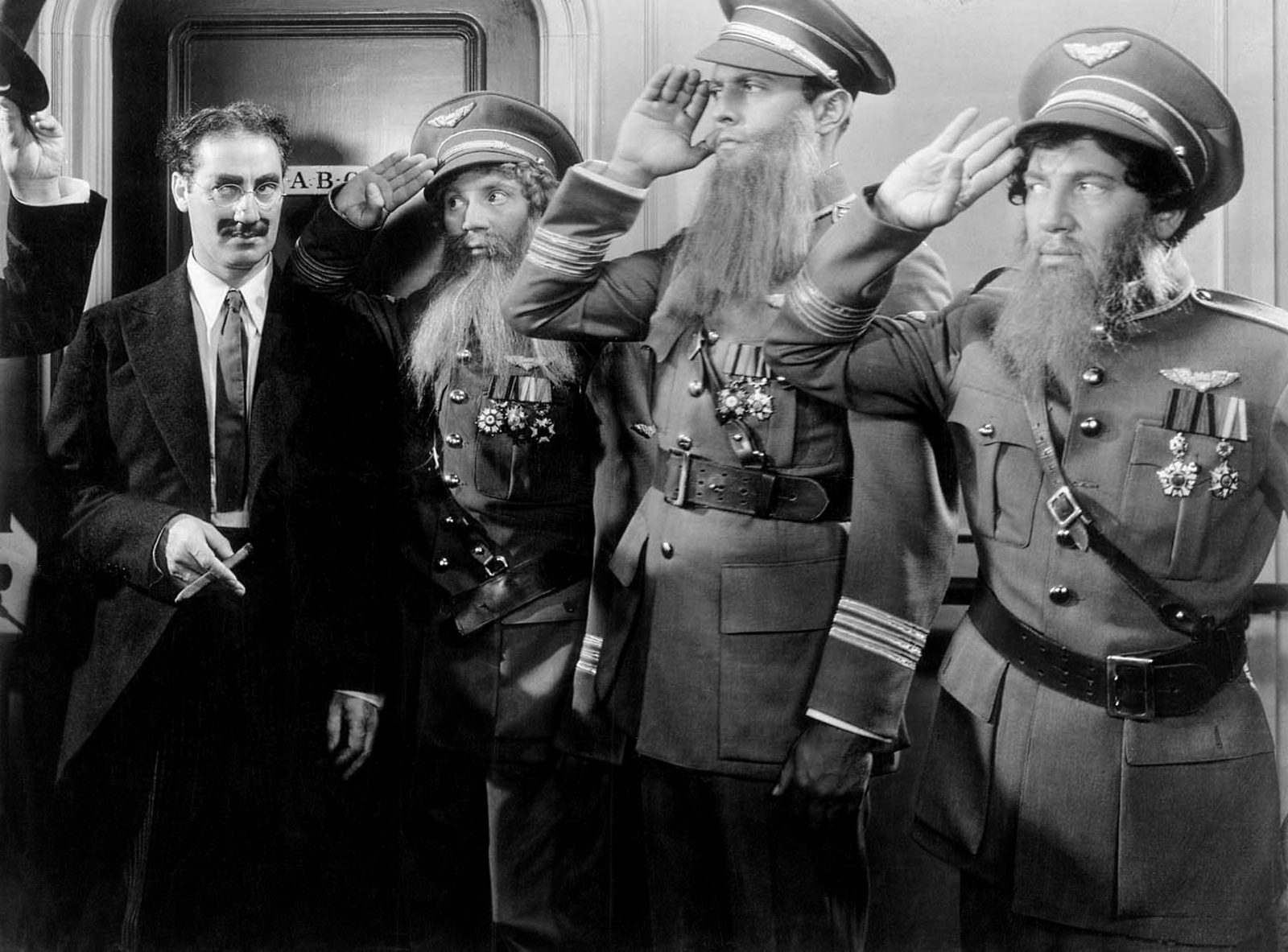
pretend to be famous Italian aviators,
destroy a public ceremony honoring those aviators,
and, ultimately, ruin a performance of Verdi’s Il Trovatore,
having previously sent a symphony orchestra out to sea, still playing Wagner, in Day at the Circus (1934).
Even the possibly “posh” pronunciation of a common word could be a target when, in Day at the Circus, Groucho, having just pronounced the word “aunt” to rhyme with “taunt”, turns to the screen audience and comments:
“I usually say aunt [rhyming with American “can’t”], but I’m showing off on account of the monkeys.”
(This is a circus, after all.)
Imagine that scene, then, in The Last Crusade, when Indiana, clutching the recovered “Grail Diary”, comes face to face with Hitler.
The original scene has its own ironic comedy, as Hitler thinks that Indiana is a fan and wants an autograph, but what would have been the case if Groucho, backed by Chico and Harpo, had suddenly been confronted with the dictator?
When your mind BOGGLES! at something, what’s really going on?
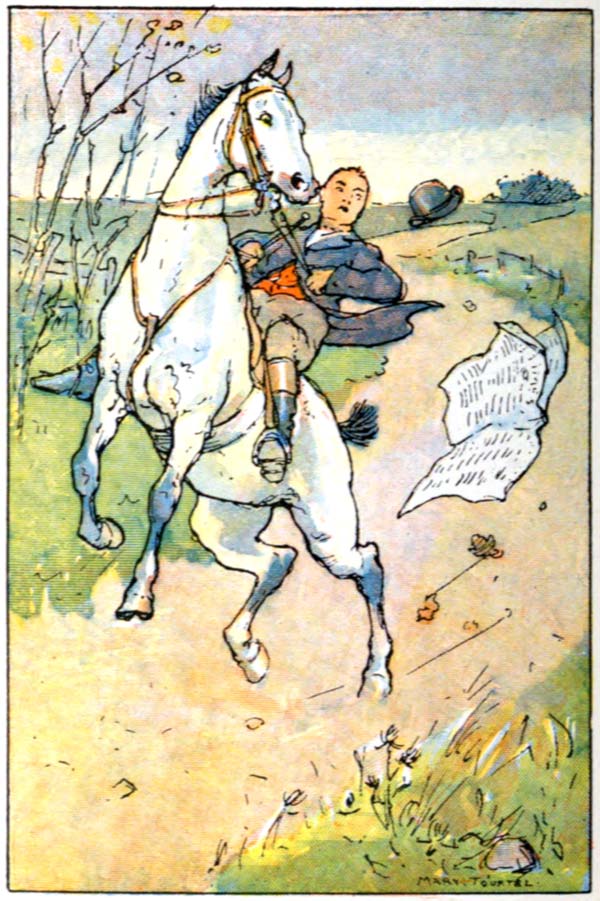
Imagine that you’re on a horse, trotting quietly along a country lane when, suddenly, the horse rears as if it had seen something—but what?
It once happened to me—in a stable—and suddenly I was on the ground and the horse was standing some distance away, perfectly quiet. Clearly, he (a dark bay, named “Seaworthy”),
(not the actual horse, but just to give you a general idea)
had thought that he’d seen a bogle, that is, a kind of ghost or spirit.
And, since that meant DANGER! to him, he took appropriate action, being definitely a “flight” (vs a “fight”) animal, for all that he weighed about half-a-ton (450kg).
And this is, supposedly, what happens when you come up against something previously unseen and therefore unexpected: your brain’s reaction, just like Seaworthy’s, is to…boggle, that is, to react as if you’d seen a bogle.
Welcome, as always, dear readers.
If you’re a regular reader—and I hope that you are—you will remember that I’ve been talking about inspirations for posts. Last week’s was a picture of Gandalf, smoking, and that of the week before was a popular song from 1909, “I’ve got Rings on My Fingers”.
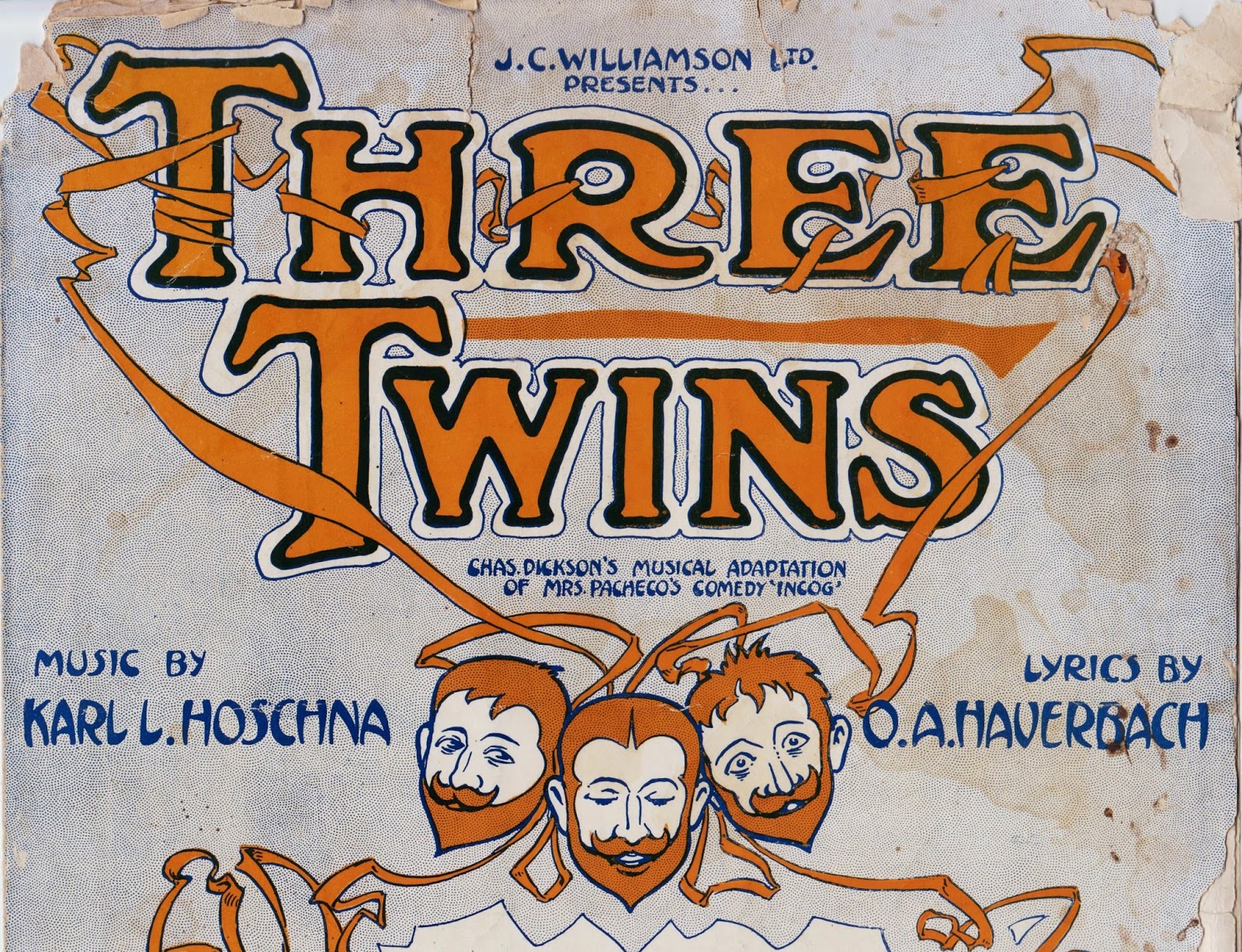
This week’s began with another popular song, but from the year before. The song is called “The Yama Yama Man” and appeared in a New York show with the odd title of Three Twins.
Here’s the first verse and the chorus:
“Ev’ry little tot at night, Is afraid of the dark you know. Some big Yama man they see, When off to bed they go.
Refrain:
Yama, Yama, the Yama man,
Terrible eyes and a face of tan.
If you don’t watch out he’ll get you without a doubt,
If he can.
Maybe he’s hiding behind the chair,
Ready to spring out at you unaware.
Run to your mama,
For here comes the Yama Yama man.”
It quickly became a big hit–in 1908 terms, that meant that people:
1. who lived near New York went to see it performed, sometimes more than once
2. they and others bought the sheet music
3. and/or the record
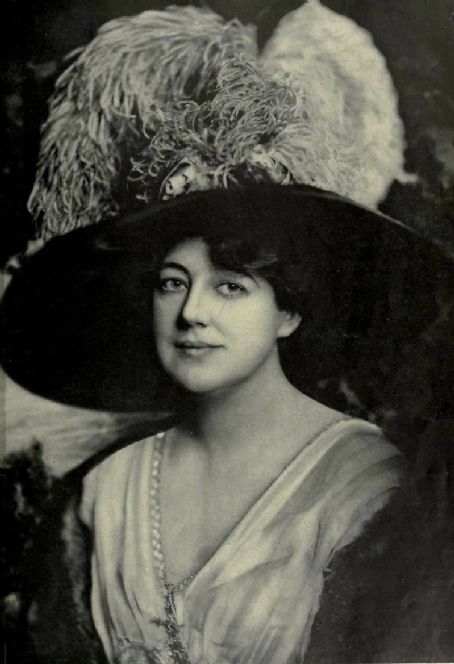
The original singer was Bessie McCoy (1888-1931)
who appeared in a black Pierrot costume with oversized gloves, which must have made her hands look more like claws,
and sang and danced the song in a wild, acrobatic fashion against a background of people in triangular outfits.
(There doesn’t appear to be a surviving recording of McCoy singing it, but Ada Jones, 1873-1922,
had a hit with the song in 1909 and here’s a LINK: https://www.youtube.com/watch?v=n1YVCIkIc6E If you’d like a more modern version, here’s Joan Morris (1974): https://www.youtube.com/watch?v=vSOjADO1MoI The song is at 16:04 And, because this is actually a rag—that is, a very early form of jazz—I’ll include a piano version which really brings out the raggyness of the song: https://www.youtube.com/watch?v=WTN3TJDz_AY As for those triangular costumes, I’ve yet to find an production image, but, in 1909, Grace Duffie Boylan published Yama Yama Land, which was inspired by the song. Here’s the cover and a color plate, suggesting something of the 3-cornered nature of those Yama Yamians—)
Who is this creature? Where does he come from? We’re not told, but we know one thing: he’s out there, like “Pennywise”, the “It” in the Stephen King novel,
and he’s out to get you—at least if you’re a nervous child. Beyond that fact, the menace in this song is that, like being boggled, it’s what you don’t see which frightens you—“maybe he’s hiding behind the chair”– and here I’ve been thinking about something which Grishnakh says to Ugluk:
“ ‘Nazgul, Nazgul,’ said Grishnakh, shivering and licking his lips, as if the word had a foul taste that he savoured painfully. ‘You speak of what is deep beyond the reach of your muddy dreams, Ugluk,’ he said.” (The Two Towers, Book Three, Chapter 3, “The Uruk-hai”)
If we consider the Nazgul for a moment, what is it that Grishnakh is afraid of?
The only person in the story who actually sees them as themselves is Frodo, and only when wearing the Ring:
“Immediately, though everything else remained as before, dim and dark, the shapes became terribly clear. He was able to see beneath their black wrappings. There were five tall figures: two standing on the lip of the dell, three advancing. In their white faces burned keen and merciless eyes; under their mantles were long grey robes; upon their grey hairs were helms of silver; in their haggard hands were swords of steel.” (The Fellowship of the Ring, Book One, Chapter 11, “A Knife in the Dark”)
They are, in fact, otherwise oddly disembodied: even when fully clothed (and, being disembodied, how do they do this?), they are invisible, as in the case of their chief:
“…a shape, black-mantled, huge and threatening. A crown of steel he bore, but between rim and robe naught was there to see, save only a deadly gleam of eyes…” (The Return of the King, Book Five, Chapter 6, “The Battle of the Pelennor Fields”)
Even in what I’d guess is death—or at least dissolution—they remain unseen:
“The crown rolled away with a clang. Eowyn fell forward upon her fallen foe. But lo! the mantle and hauberk were empty. Shapeless they lay now on the ground, torn and tumbled…”
Which reminds me, of course, of—
So, I’d suggest, it’s not what he sees, so much as what he doesn’t, which makes Grishnakh anxious. And Gorbag expresses a similar feeling:
“Grr! Those Nazgul give me the creeps. And they skin the body off you as soon as look at you, and leave you all cold in the dark on the other side.” (The Two Towers, Book Four, Chapter 10, “The Choices of Master Samwise”)
Having seen the Nazgul in the flesh (so to speak), Frodo asks Gandalf a very interesting question:
“…But why could we all see their horses?”
To which Gandalf replies:
“Because they are real horses; just as the black robes are real robes that they wear to give shape to their nothingness when they have dealings with the living.”
To which Frodo has a further question—and Gandalf an answer.
“ ‘Then why do these black horses endure such riders? All other animals are terrified when they draw near, even the elf-horse of Glorfindel. The dogs howl and the geese scream at them.’
‘Because these horses are born and bred to the service of the Dark Lord in Mordor.’ “ (The Fellowship of the Ring, Book Two, Chapter 1, “Many Meetings”)
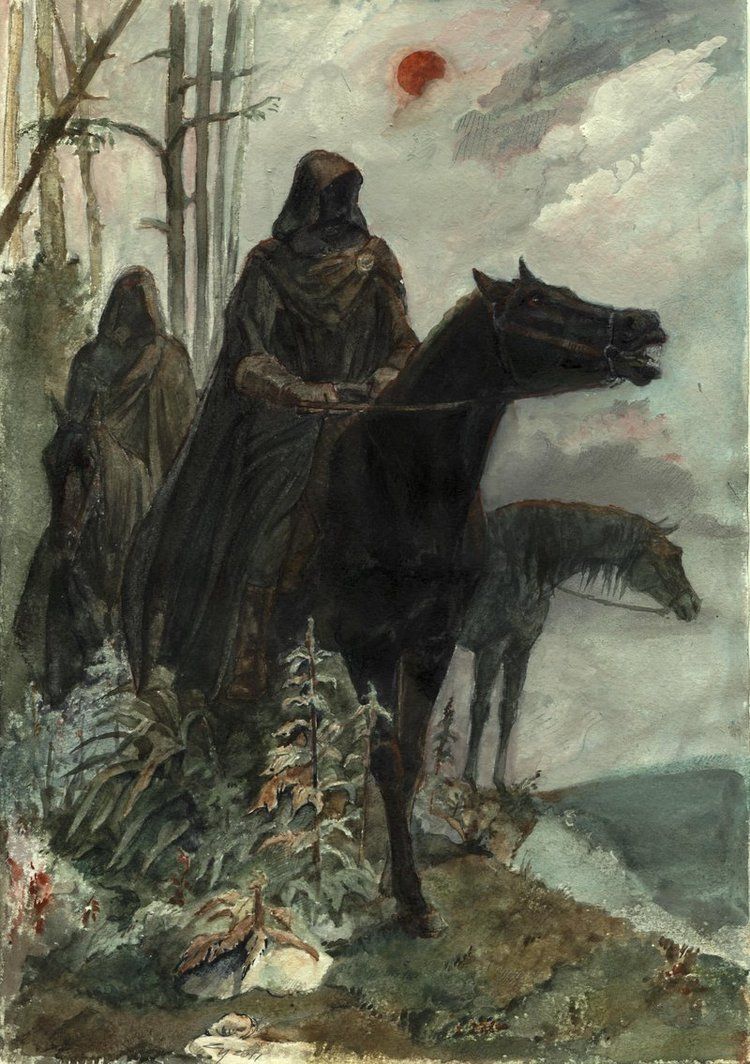
Not being bred to such service, could Seaworthy have spotted a Nazgul and boggled?
(Alan Lee does it again)
Thanks, as ever, for reading.
Stay well,
Keep to the western side of the Loudwater,
And know that, as always, there’s
MTCIDC
O
PS
Dictionaries of the Scottish Language has an extra form of “bogle” which I really like: “tattie-bogle”—“ragged ghost”—that is, “scare crow”.
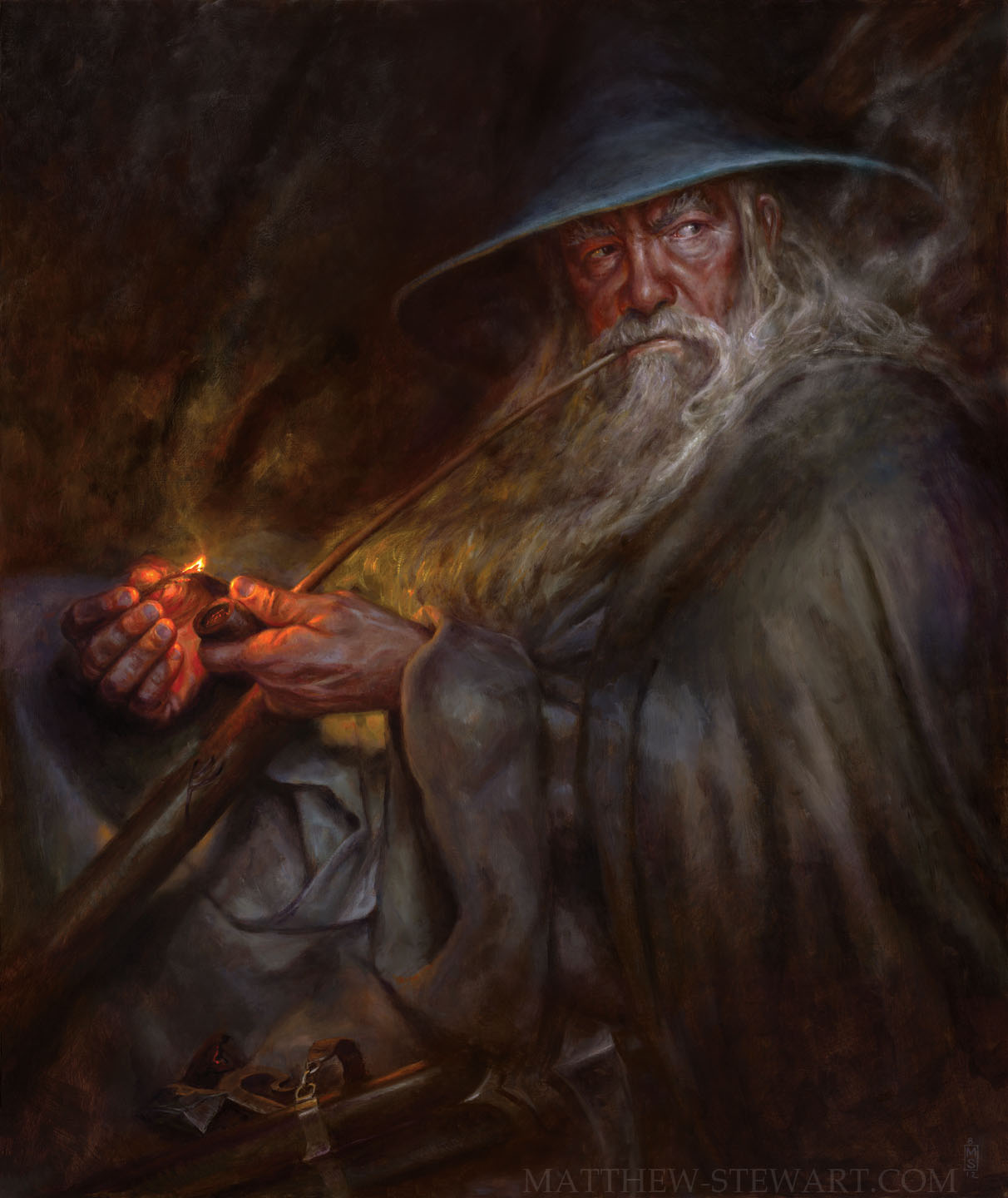
In my last, I said that I was always interested in the sources of inspiration for the almost 400 essays posted so far on this site. In the case of this posting, it’s easy to trace: it’s this image, sent to me a few weeks ago by my dear friend, Erik, and it got me to thinking…
and so it would be natural that at least some of his characters might have a similar habit. After all, the first time we see Bilbo—and Gandalf—Bilbo
“…was standing in his door after breakfast smoking an enormous long wooden pipe that reached nearly down to his woolly toes…” (The Hobbit, Chapter One, “An Unexpected Party”)
Such a long pipe—well, not that long—is probably what is called in our era of Middle-earth a “churchwarden”. This has a very long stem which, smokers say, helps to cool the smoke.
We’re not told what Bilbo is smoking, but, from the section of the Prologue of The Lord of the Rings entitled “Concerning Pipe-weed”, we can suppose that:
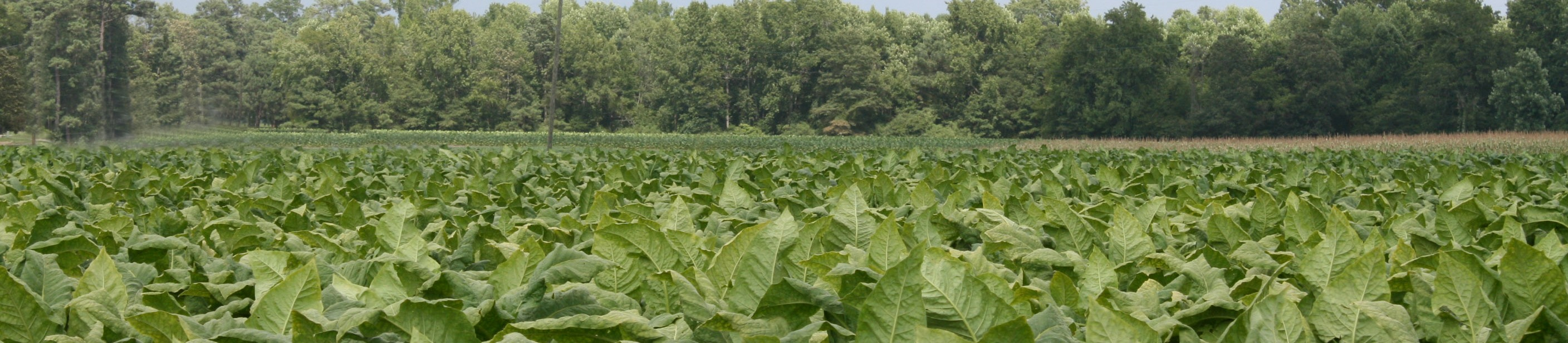
1. it’s a member of the tobacco family (Nicotiana)
2. it comes from the Longbottom area of the Shire
(That’s in the lower right hand area, in a curve of the Brandywine, just below the Old Forest)
3. it may be one of the “best home-grown…varieties now known as Longbottom Leaf, Old Toby, and Southern Star”
4. the custom of smoking it is, in hobbit terms, extremely old and a hobbit-invention
(See The Lord of the Rings, Prologue 2, Concerning Pipe-weed for more details.)
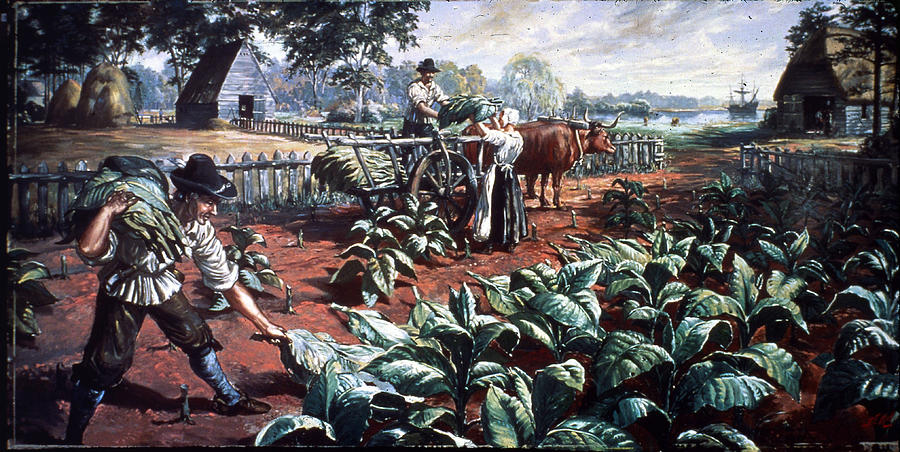
Tobold Hornblower, who was believed to have introduced the plant to the Shire, never betrayed its origins, but, in our era of Middle-earth, tobacco was a New World plant
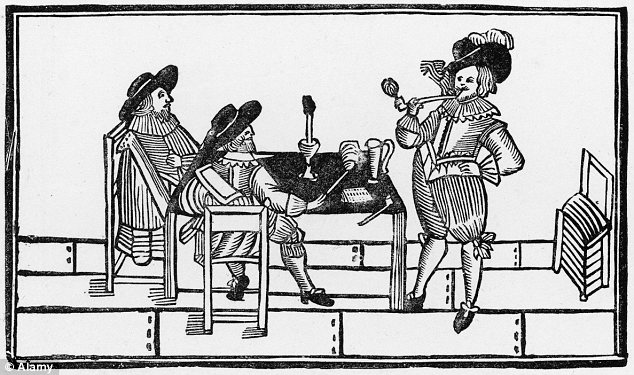
long employed there by various Native Americans for religious, ceremonial, medicinal, and leisure occasions. It was introduced to Europe in the early 16th century and was available in Tolkien’s England by the 1570s. Seemingly the first image of an Englishman with pipe in hand is this, from Anthony Chute’s 1595 Tabaco.
This is a pamphlet in praise of smoking and it was something taken up enthusiastically in England by the late 16th century—but condemned by King James I himself in 1604 with A Counterblaste to Tobacco.
Tobacco smoking—or “drinking”, which was a term used at first–
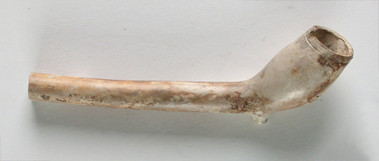
was, initially, an expensive hobby, so that pipes like Bilbo’s would have been unlikely. Instead, they would have been much more moderate in size, like this one,
of which this is a useful scale reproduction.
Tobacco was so popular that it soon became both a big business in the New World
and much cheaper abroad, so that all classes but the lowest could indulge and smoking became simply a common pastime—or something more, in the case of Sherlock Holmes, who used it to stimulate his thinking.
Here we see the incomparable Jeremy Brett, smoking a churchwarden, perhaps in The Red-Headed League, in which he refers to the case as a “three pipe problem”. (And, if you don’t know the story, here it is as it first appeared in The Strand Magazine in 1891: https://en.wikisource.org/wiki/The_Strand_Magazine/Volume_2/The_Red-Headed_League )
I suspect that this may be a source for Gandalf’s use of it, in fact, and I was reminded of that possibility by Erik, who included this quotation with the image:
“Actually Gandalf was awake, though lying still and silent. He was deep in thought, trying to recall every memory of his former journey in the Mines…’I know what is the matter with me,’ he muttered, as he sat down by the door. ‘I need smoke! I have not tasted it since the meeting before the snowstorm.’
The last thing that Pippin saw, as sleep took him, was a dark glimpse of the old wizard huddled on the floor, shielding a glowing chip in his gnarled hands between his knees. The flicker for a moment showed his sharp nose, and the puff of smoke.” (The Fellowship of the Ring, Book Two, Chapter 4, “A Journey in the Dark”)
Merry Brandybuck, who is quoted in”Concerning Pipe-weed”, suggested that it was the hobbits of Bree who actually invented the habit and:
“…certainly it was from Bree that the art of smoking the genuine weed spread in recent centuries among Dwarves and such other folk, Rangers, Wizards, or wanderers…”
And one of those wizards, besides Gandalf, who enjoys “the genuine weed” lives far to the south, along the ancient Greenway,
as we learn from two other smokers,
contentedly enjoying a shipment which must have stood in one of his storerooms before the original owner made the mistake of annoying the Ents.
(a favorite Ted Nasmith)
As Merry tells it:
“It was Pippin who found two small barrels, washed up out of some cellar or store-house, I suppose. When we opened them, we found they were filled with this: as fine a pipe-weed as you could wish for, and quite upspoilt…it is Longbottom Leaf! There were the Hornblower brandmarks on the barrels, as plain as plain. How it came here, I can’t imagine. For Saruman’s private use, I fancy. I never knew that it went so far abroad…” (The Two Towers, Book Three, Chapter 9, “Flotsam and Jetsam”)
We know, from things which Saruman lets drop when he is attempting to persuade Gandalf to join him, that he has more dealings with the Shire than might, at least at first, be expected, so it may not be surprising that, among those dealings, there is the acquisition of what Merry calls “this dainty”. I only wonder, if it helps Gandalf to think, what does it do for Saruman?
Looking back, I’m always interested in where the ideas for postings come from. Sometimes, it’s from something I’ve read, a line in a Tolkien letter, something CS Lewis wrote in an essay. Sometimes, it’s from something I’ve seen, a fantasy or science fiction film, or an illustration which really caught my attention. Sometimes it just seems to come out of the air.
This posting began with a surprise remark, a song , and a nursery rhyme.
The song is one that I’ve had in my head for years. It’s from 1909 and first appeared in an early musical, The Midnight Sons. Here’s a sheet music cover for it—
The song is called “I’ve Got Rings on My Fingers” and was popularized by a period entertainer named, appropriately enough, Blanche Ring (1871-1961).
In the song, an Irishman, Jim O’Shea, is shipwrecked on an “Indian isle” and proves so popular with the locals that he’s soon “the nabob of them all”. He explains this to his sweetheart from home, Rose McGee, in a letter and the chorus sums it up:
“Sure, I’ve got rings on my fingers,
Bells on my toes.
Elephants to ride upon,
My little Irish rose.
Come to your nabob
And on next Patrick’s Day
Be Mistress Mumbo Jumbo Jijiboo J. O’Shea.”
Warning: it’s a very catchy chorus and it’s no wonder that the song was originally a hit.
So that you can have it stuck in your head, here’s a modern performance (1974), by the American mezzo-soprano, Joan Morris (accompanied by the distinguished composer—and her husband—William Bolcolm)–
And here’s Blanche Ring’s original from 1909–
That “Rings on my fingers/bells on my toes” is obviously a link to something much earlier, a version of which you may know. It’s from a nursery rhyme, the lyrics of which have a certain number of variants. I learned it as:
There has been scholarly discussion about the origins of this rhyme, as with so many nursery rhymes: why Banbury (a town about 30 miles north of Oxford)? It has a lovely statue of the lady, by the way, made in 2005—
Just who is the lady? And where/why is she riding?
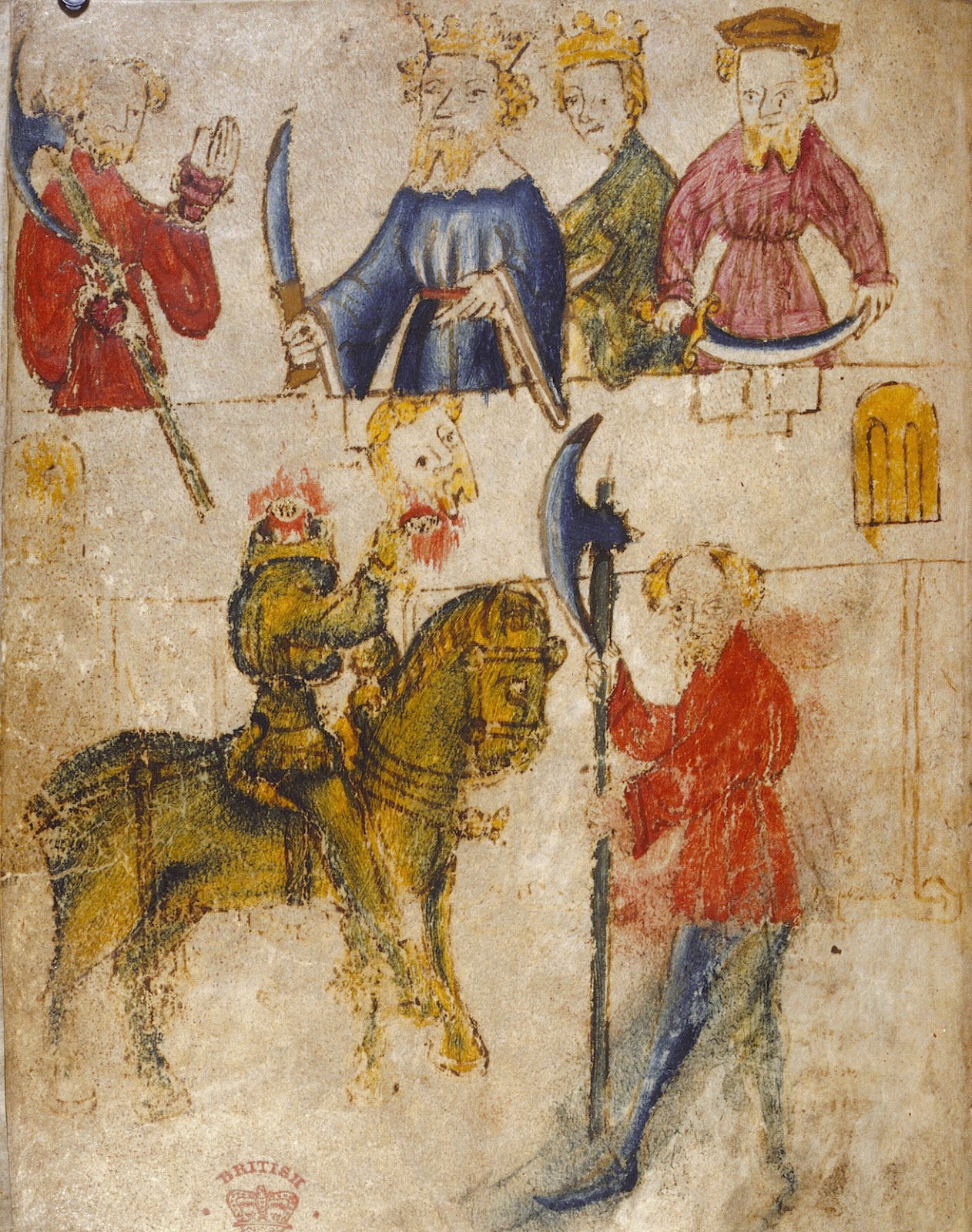
Bells—on the horse, rather than the lady–made me think first of the description of the horse of the Green Knight in Sir Gawain and the Green Knight, in whose mane
195þer mony bellez ful bry3t of brende golde rungen
“where many very bright bells of refined gold rang”
And those bells, in turn, led to the scene in The Fellowship of the Ring, where Strider and the rest of the company freeze in place when they hear what they believe is an unwelcome sound: “the noise of hoofs behind them” , but:
“Then faintly, as if it was blown away from them by the breeze, they seemed to catch a dim ringing, as of small bells tinkling.” (The Fellowship of the Ring, Book One, Chapter 12, “Flight to the Ford”)
Instead of the Nazgul they were fearing, however, it was the Elf-lord Glorfindel, sent to find them.
But it’s those rings, of course, which really caught my attention—after all, there were once:
“Three Rings for the Elven-kings under the sky, Seven for the dwarf-lords in their halls of stone, Nine for Mortal Men doomed to die, One for the Dark Lord on his dark throne, In the Land of Mordor where the Shadows lie. One Ring to rule them all, One Ring to find them, One Ring to bring them all and in the darkness bind them In the Land of Mordor where the Shadows lie.” (The Fellowship of the Ring, Book One, Chapter 2, “The Shadow of the Past”)
The use of those bells, from Sir Gawaine to “Thomas Rhymer” to Glorfindel, just like the slave’s theft of a golden cup from the unnamed dragon’s hoard in Beowulf,
which reappears in Bilbo’s theft of a similar cup from Smaug,
reminds us that JRRT’s mind was full of echoes from earlier literature, whether he actively borrowed, which must be the case with the cup, or simply had something float up. He could be quite defensive about this, if not downright prickly, as in the case of Moria and the fairy tale “Soria Moria Castle” (see the draft of a letter to a “Mr. Rang”, Letters, 384).
In the same draft, however, he has the very opposite reaction and this, to me, rather surprising statement formed part of the inspiration for this posting:
“nazg: the word for ‘ring’ in the Black Speech…Though actual congruences (of form + sense) occur in unrelated real languages, and it is impossible in constructing imaginary languages from a limited number of component sounds to avoid such resemblances (if one tries to—I do not), it remains remarkable that nasc is the word for ring in Gaelic (Irish: in Scottish usually written nasg)…I have no liking at all for Gaelic from Old Irish downwards…[but] I have at various times studied it…It is thus probable that nazg is actually derived from it…”
When I think of rings in Old Irish (“Irish” is now used for the Celtic language of Ireland and “Gaelic” is used for its Scots descendant) stories, that which stands out for me is the ordnasc, that is, “thumb ring”, in the Tain Bo Fraich (The Cattle Raid of Froech).
It is given to the hero, Froech, by Findabair, the daughter of the Queen of the province of Connacht, Medb, and her husband, Ailill. Although initially Medb (the real power in Connacht, Ailill being a bit like Menelaus in the Helen story) looks upon him with favor, she then changes her mind. Not wanting him to marry Findabair, at the first opportunity, Ailill steals the ring and tosses it into a river where a salmon swallows it. The salmon is eventually retrieved, opened, and the ring reappears. The story is actually much more complicated, full of vivid description which, with rhythmic and sound patterns in Irish, must have been a treat for the imagination and the ear. English translations will at least give you the plot, however, and here’s a 1905 one, by A.H. Leahy, with which to start: https://www.maryjones.us/ctexts/fraech.html
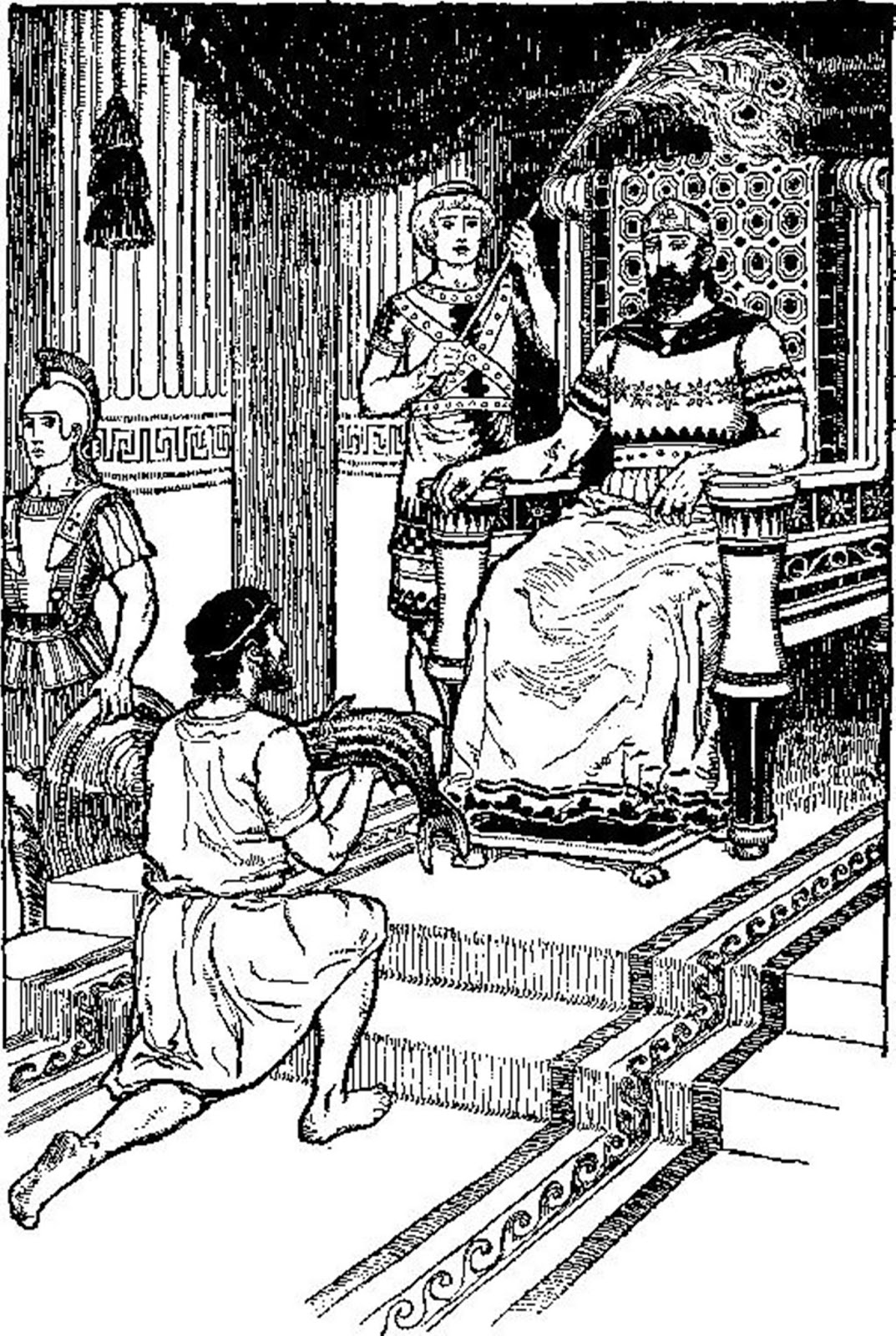
A ring which disappears into water and a fish is involved? This is what is called, by folklorists, a “Tale Type” and this particular type, in the standard work by Aarne-Thompson-Uther, is catalogued as ATU736A, under the title “Polycrates’ Ring”. The pattern of the story is apparently common, but Polycrates himself was a real person, the ruler of the island of Samos in the 6th century BC. Much of what we know of him comes from the 5th-century historian, Herodotus.
Herodotus can sometimes employ what appear to be folk tales as if they were reality in his history and his story about the ring certainly sounds like it.
In brief, it goes like this:
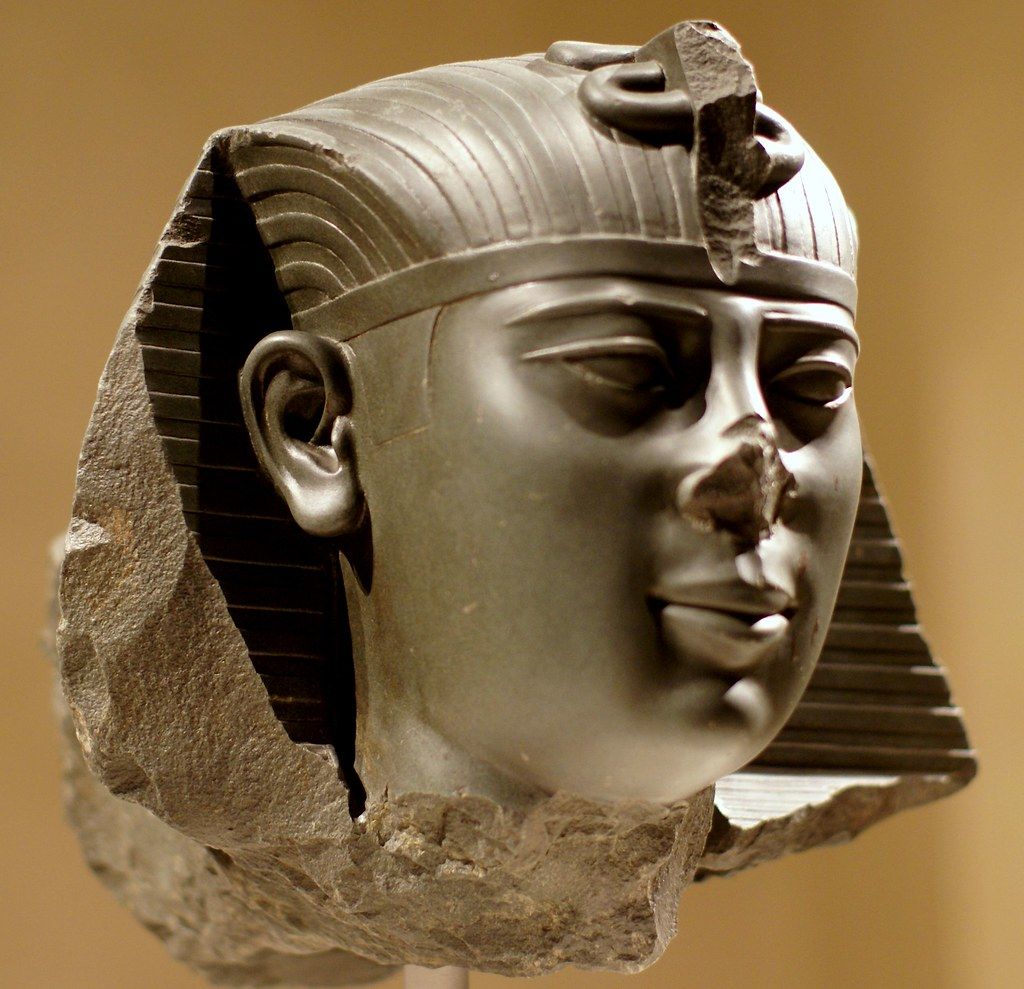
1. Polycrates has a close friend, the Egyptian pharaoh, Ahmose II (reigned 570-526BC—called “Amasis” in the Greek text).
2. Ahmose is worried about Polycrates’ seeming constant good luck and advises him to choose the most valuable thing he owns and get rid of it for good (because the gods might become jealous—best never to be too fortunate!).
3. Polycrates decides that it’s a ring and he has himself rowed out into the sea, then throws it overboard, breathing a sigh of relief.
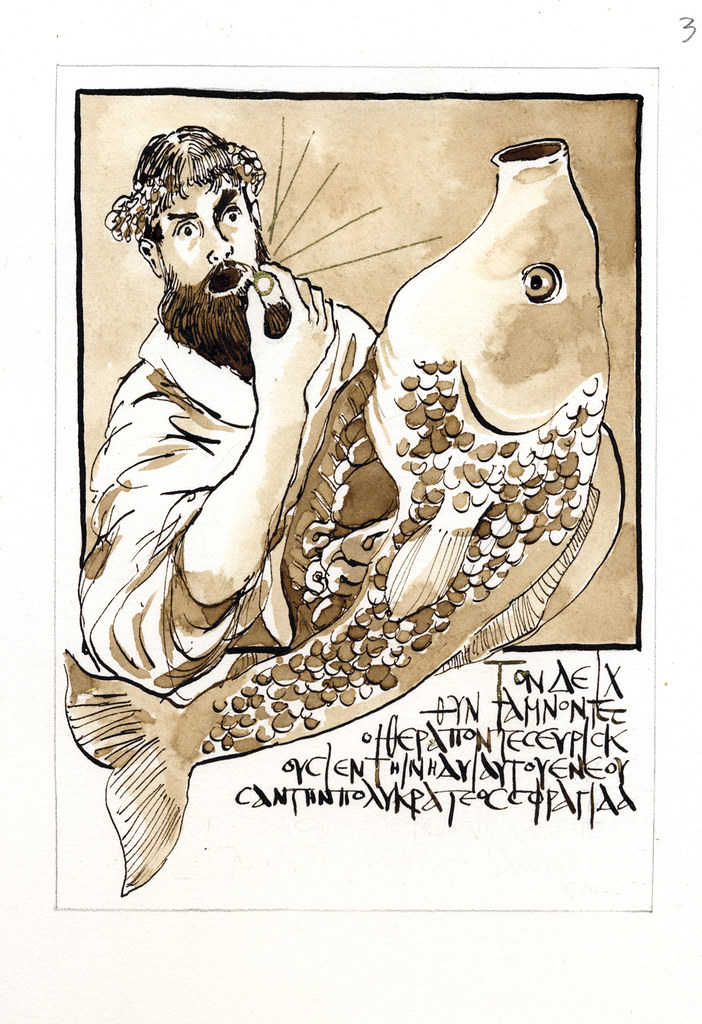
4. Then, one day, a fisherman brings him the biggest fish he’s ever caught.
5. I think that you can guess the rest: yes, the fish is cut open and, well, eventually Polycrates does not end well, being crucified by the Persians, who have already seized the mainland.
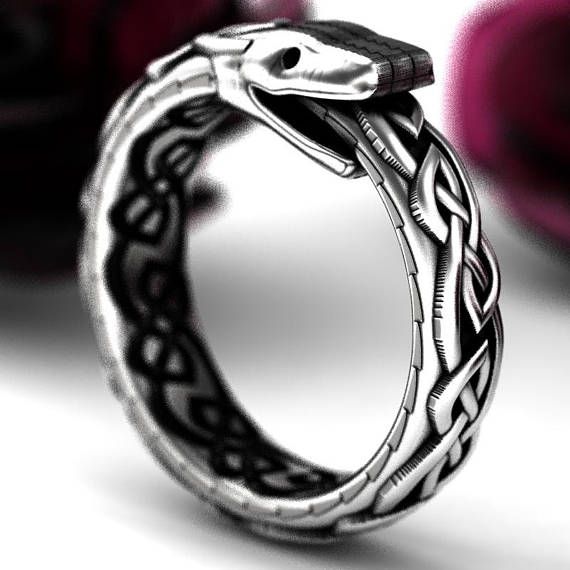
The title of this posting comes from a literary concept in which material somehow circles back on itself, making a ring, like the ouroboros, the snake biting its own tail (or, in this case, tale) in alchemy, among other sources.
So how will we circle back?
I said that Tolkien’s surprise remark, that Black Speech nazg was derived from Irish nasc , was part of the initial inspiration for this posting, and that nasc made me think of an Old Irish story in which such a nasc—and a fish—played an important role. There is another story with a ring and a fish, however:
“…but Deagol sat in the boat and fished. Suddenly a great fish took his hook, and before he knew where he was, he was dragged out and down into the water, to the bottom. Then he let go of his line, for he thought he saw something shining in the river-bed; and holding his breath he grabbed at it.” (The Fellowship of the Ring, Book One, Chapter 2, “The Shadow of the Past”)
In this posting, I intend to walk briefly into the place, not to drop off a Ring,
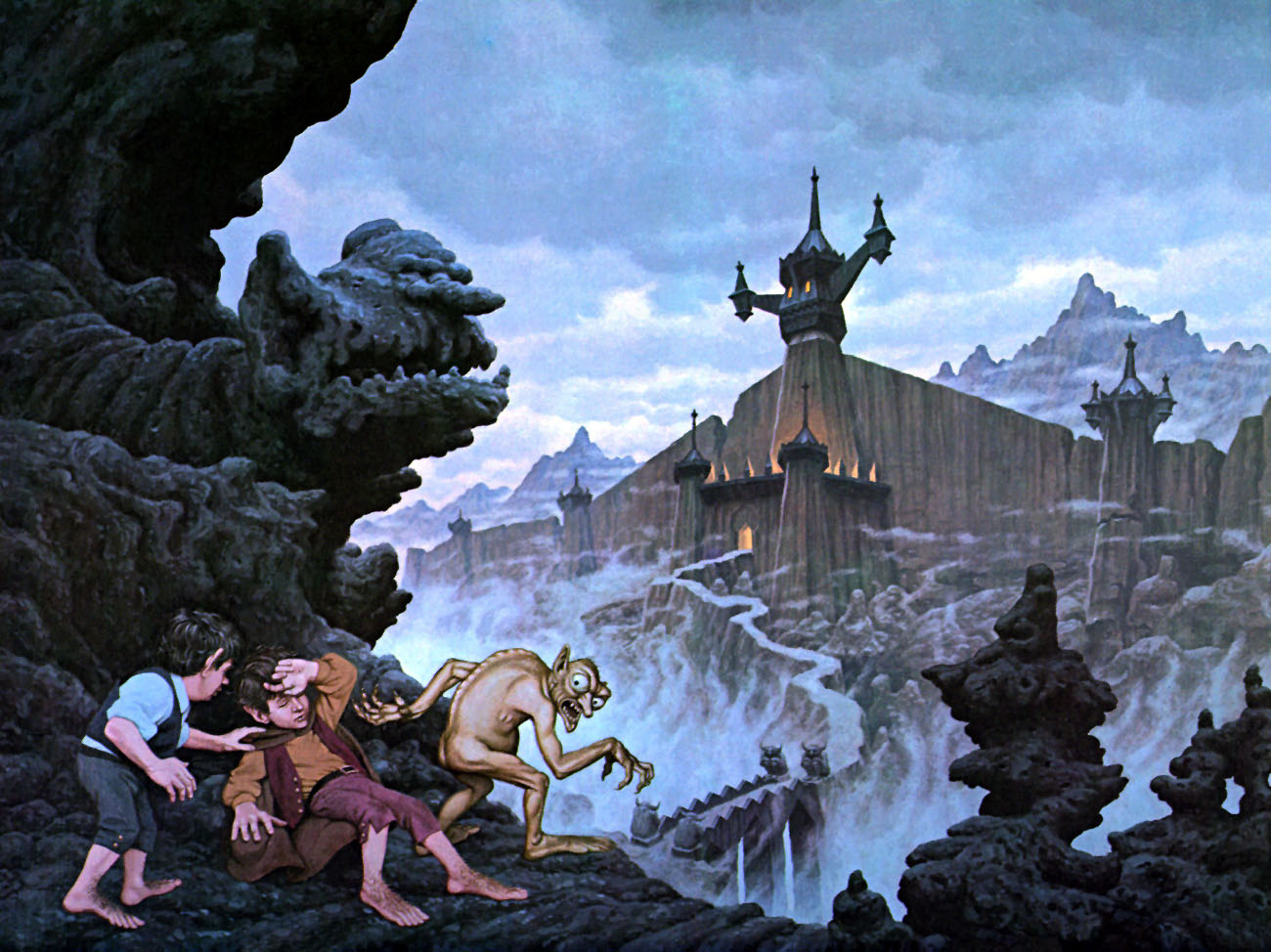
but to try to understand something beyond its geography. Is there something more which adds menace to the place beyond that geography?
It’s not as if the geography isn’t menacing, of course.
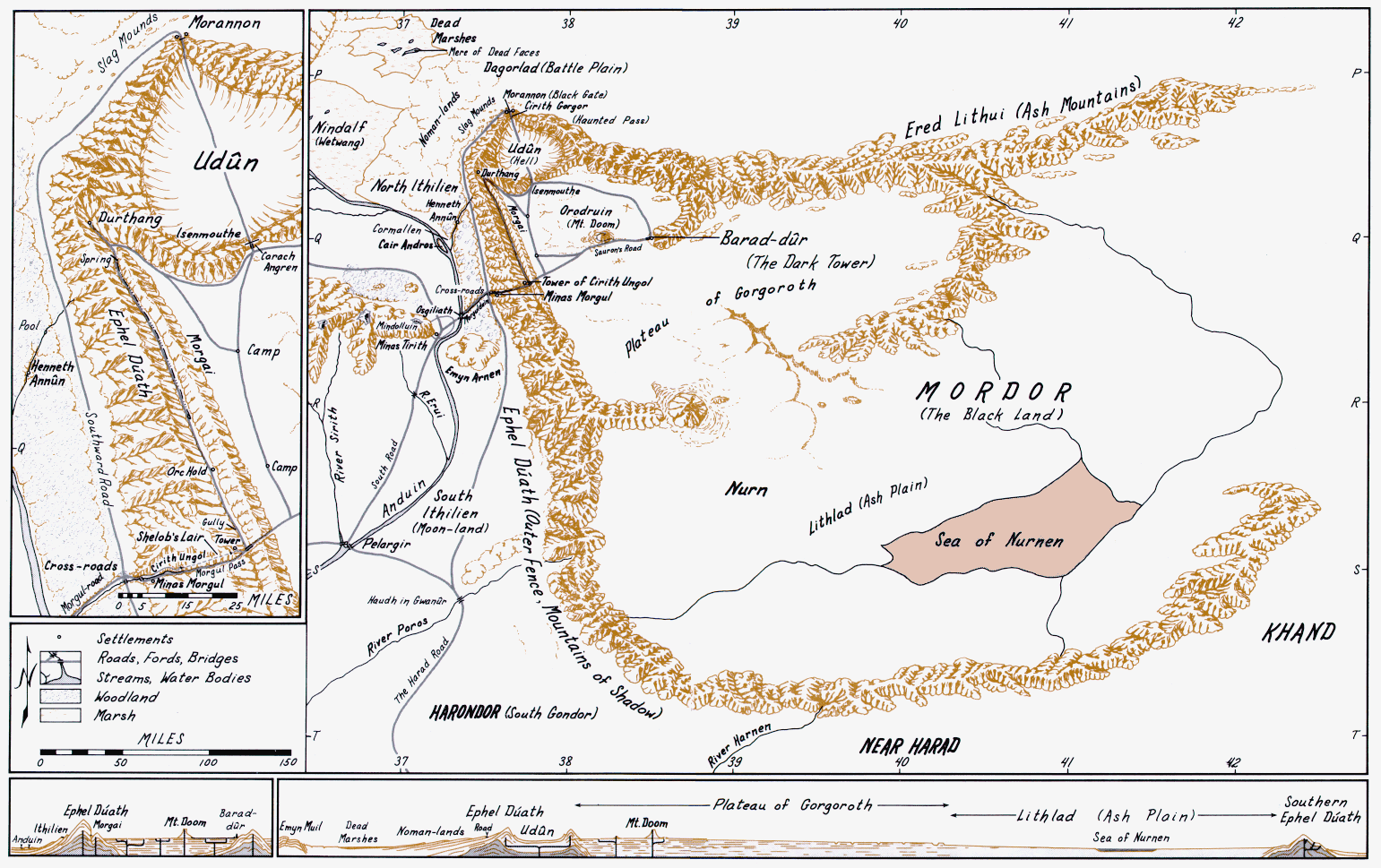
(This is from Karen Wynn Fonstad’s wonderful The Atlas of Middle-earth 1981/1991
From the Ered Lithui across the plateau of Gorgoroth to the Ephel Duath, this is depicted as a kind of volcanic landscape,
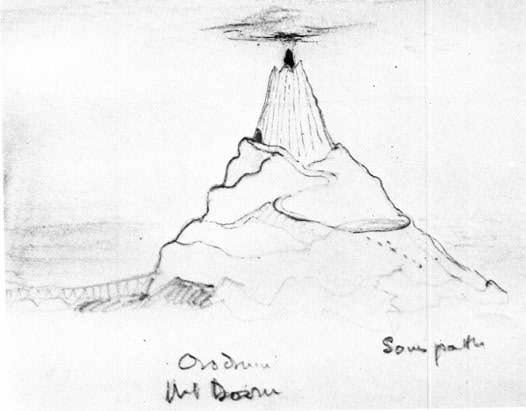
with, in fact, an active volcano, Orodruin, which seems to be smoking most of the time, like a Middle-earth Etna,
set just above the center of that plateau,
(This is a Tolkien sketch.)
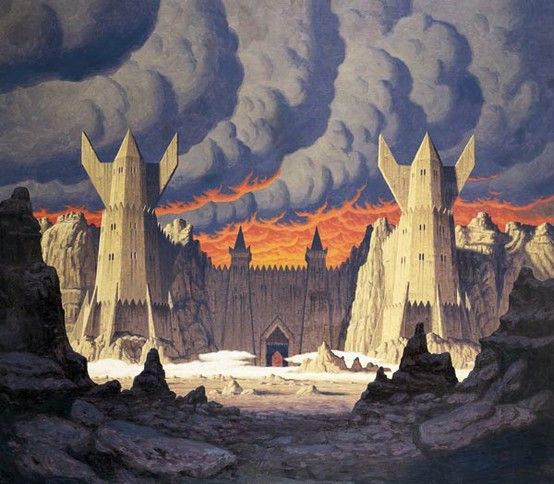
its northern entrance blocked by elaborate gates, the Morannon,
its western entrance by Minas Morgul and the Tower of Cirith Ungol,
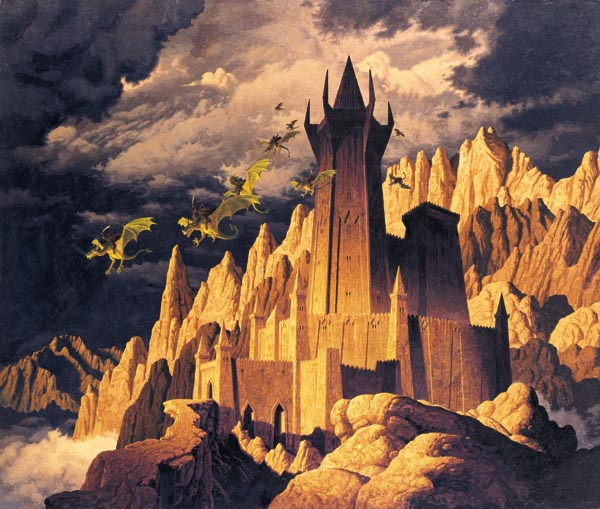
and, rising just below the volcano, the capital of the place, the Barad-dur, the Dark Tower.
Although I called the Barad-dur a “capital”, it might be better termed a command center, as the northern part of Mordor isn’t really a land with farms and villages, as we see in Gondor and even in Rohan, but a vast military installation, agriculture being located to the south—“great slave-worked farms away south in this wide realm, beyond the fumes of the Mountain by the dark sad waters of Lake Nurnen”. Instead, as Tolkien describes it through the eyes of Frodo and Sam:
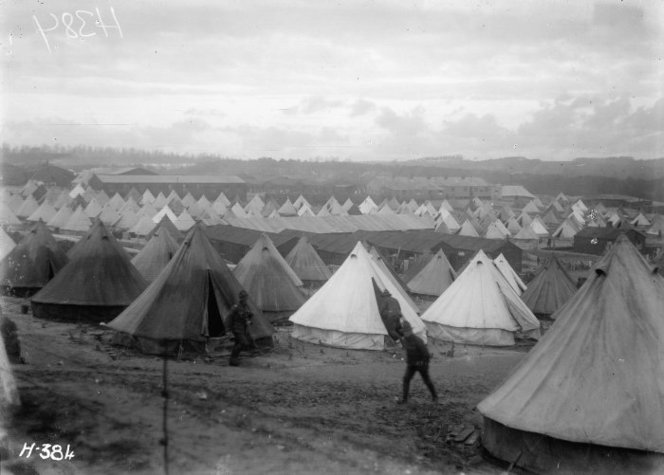
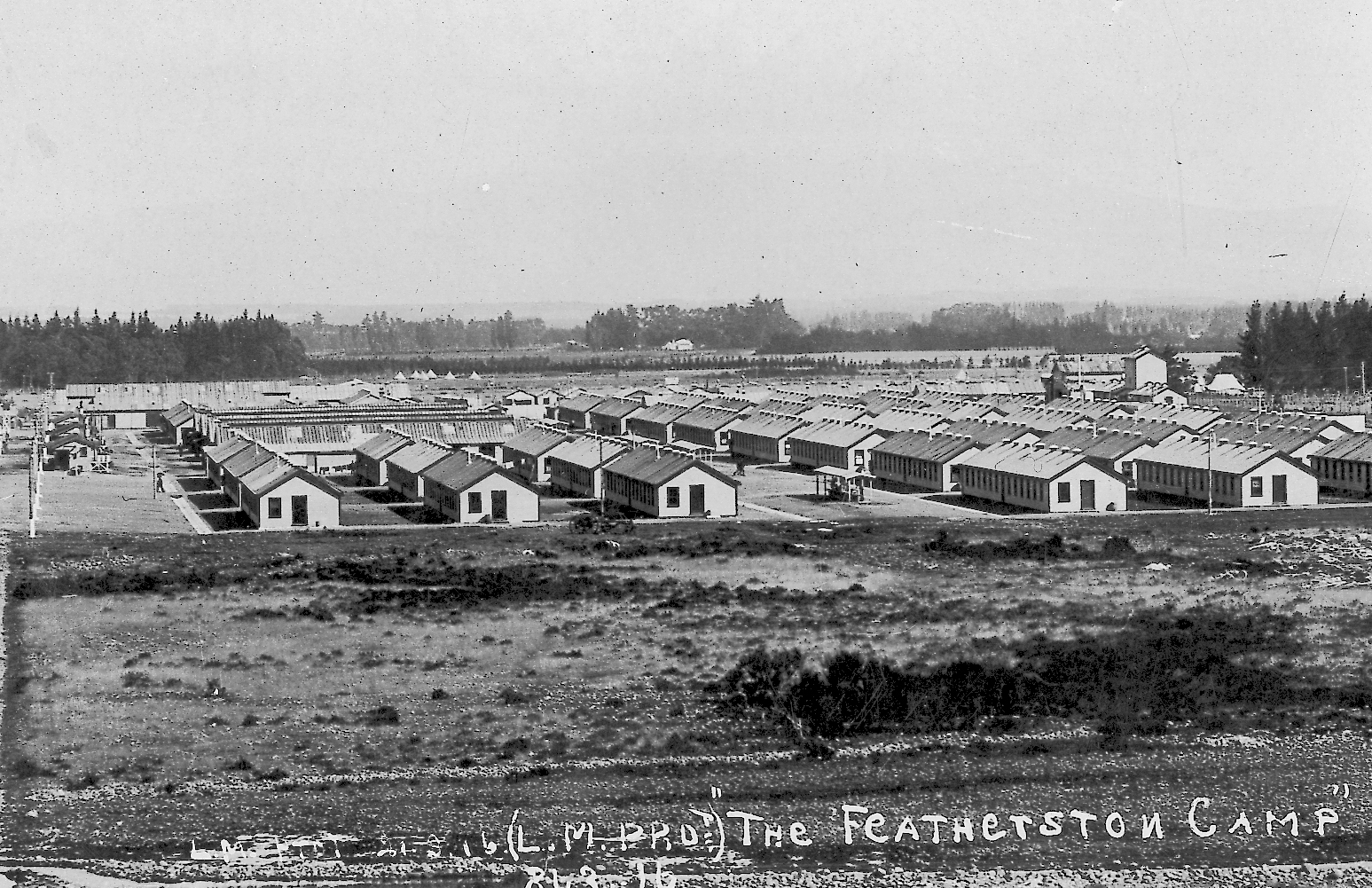
“As far as their eyes could reach, along the skirts of the Morgai and away southward, there were camps, some of tents,
some ordered like small towns. One of the largest of these was right below them. Barely a mile out into the plain it clustered like some huge nest of insects, with straight dreary streets of huts and long low drab buildings.” (The Return of the King, Book Six, Chapter 2, “The Land of Shadow”)
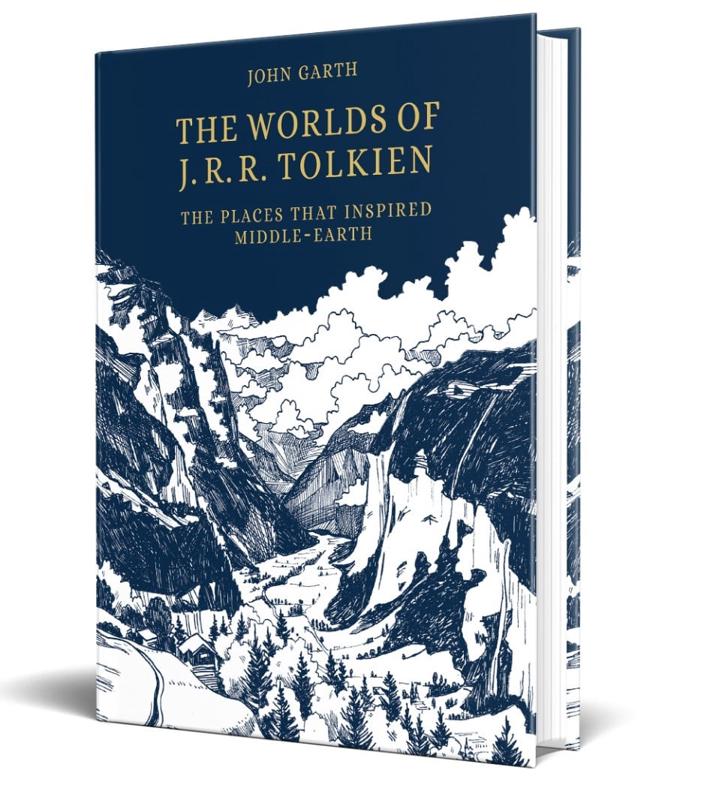
(These illustrations are of army camps from the Great War and here I agree with John Garth’s suggestion, in his latest book, The Worlds of J.R.R. Tolkien,
that JRRT was probably thinking of the camps he himself had stayed in during his military service in France in 1916.)
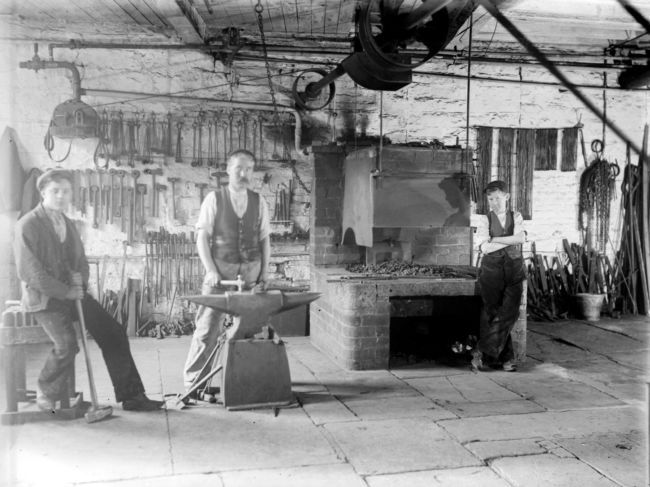
Such camps—along with the “mines and forges” mentioned by the narrator as located in that region—would have produced an endless smog of cooking and industrial fires
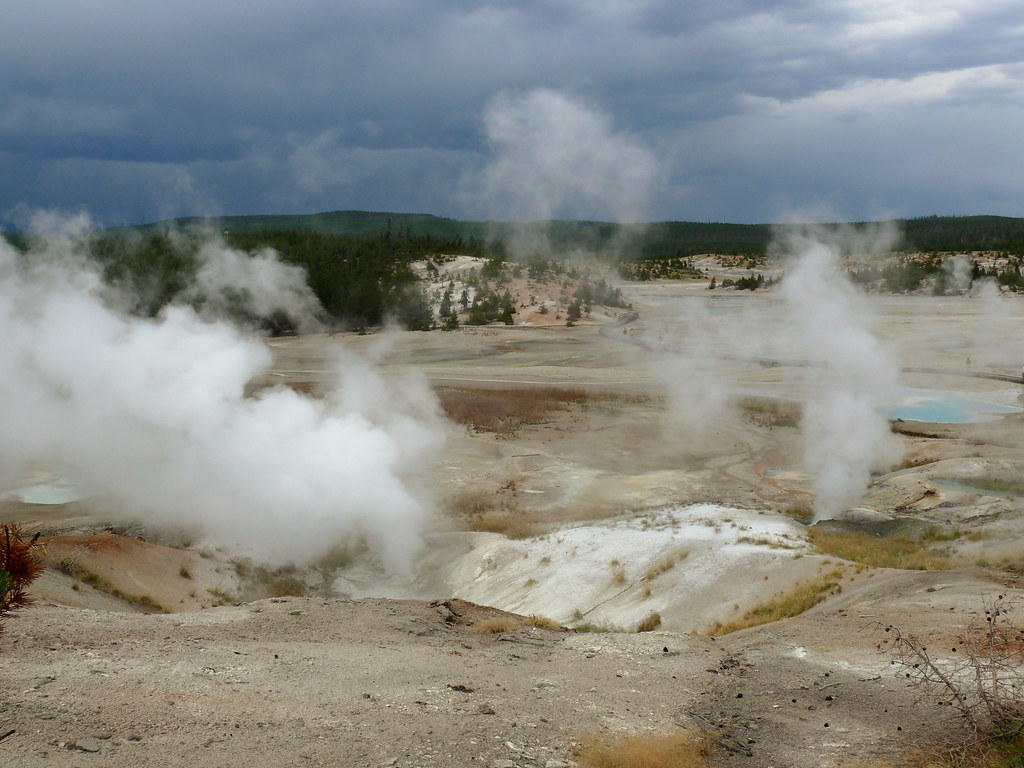
to which would have been added volcanic leaks from the ground itself: “There smokes trailed on the ground and lurked in hollows, and fumes leaked from fissures in the earth.”
(I suspect that, for JRRT, this image would have been a combination of his understanding of the instability of land around an active volcano
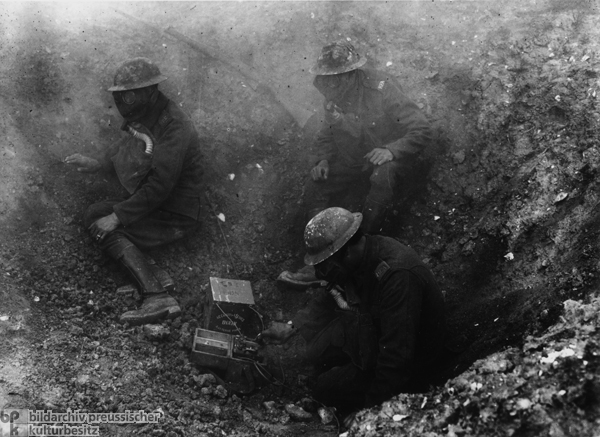
and his memories of Great War poison gasses, some of which were heavier than air and would, once loosed towards the enemy, linger in trenches and shell holes, still dangerous to the unwary.)
If the actual air is poisonous, so is the emotional atmosphere of Mordor. Although the plain itself may be barren, except for the area just below the Ephel Duath, called the Morgai, the area around the camp below Frodo and Sam is teaming with life:
“About it the ground was busy with folk going to and fro; a wide road ran from it south-east to join the Morgul-way, and along it many lines of small black shapes were hurrying.”
Those lines are hurrying because they are columns of troops and it seems that they are being spurred on not by a passionate loyalty to Sauron, but by other means, as Sam and Frodo encounter it:
“The leading orcs came loping along, panting, holding their heads down. They were a gang of the smaller breeds being driven unwilling to their Dark Lord’s wars; all they cared for was to get the march over and escape the whip. Beside them, running up and down the line, went two of the large fierce uruks, cracking lashes and shouting.”
This appears to be the norm in Mordor, as we see again and again reflected in the behavior of its many servants. Emotionally, Mordor is immersed in an atmosphere of fear, in which everyone is constantly watching everyone else for reportable misbehavior and possible dire punishment, as Grishnakh threatens Ugluk in their attempt to escape the Rohirrim and bring Merry and Pippin to Isengard:
“ You have spoken more than enough, Ugluk…I wonder how they would like it in Lugburz. They might think that Ugluk’s shoulders need relieving of a swollen head. They might ask where his strange ideas came from. Did they come from Saruman, perhaps?” (The Two Towers, Book Three, Chapter 3, “The Uruk-hai”)
This is struggle between two leaders, but this attitude extends down to the common foot soldiers. Frodo and Sam ducked behind a bush and overheard this conversation between two of them, a soldier and a tracker:
“ ‘You come back,’ shouted the soldier, ‘or I’ll report you!’
‘Who to? Not to your precious Shagrat. He won’t be captain any more.’
‘I’ll give your name and number to the Nazgul,’ said the soldier, lowering his voice to a hiss. ‘One of them’s in charge at the Tower now.’ “ (The Return of the King, Book Six, Chapter 2, “The Land of Shadow”)
(“Name and number” sound like another of JRRT’s memories of the Great War. All British soldiers were issue with regimental service numbers when they joined the army and Tolkien would have worn around his neck something like this: two identity discs with his name, that number, the title of his unit, and his religion. On a grim note, if he had been killed and his body recovered—many bodies on both sides never were—the red tag would have been collected by his recoverers, the green tag would have been left for the burial party.)
Above the soldiery—sometimes literally—were those Nazgul and, by Grishnakh’s reaction, in talking with Ugluk, they contributed one more element to this generally fear-filled world:
“ ‘Nazgul, Nazgul,’ said Grishnakh, shivering and licking his lips, as if the word had a foul taste that he savoured painfully. ‘You speak of what is deep beyond the reach of your muddy dreams, Ugluk…’ “(The Two Towers, Book Three, Chapter 3, “The Uruk-hai”)
I’ve never really believed in the original film text of the remark the meme captures:
“One does not simply walk into Mordor. Its black gates are guarded by more than just orcs. There is evil there that does not sleep. The great eye is ever watchful. It is a barren wasteland, riddled with fire, ash, and dust. The very air you breathe is a poisonous fume. Not with ten thousand men could you do this. It is folly.”
This, to me, doesn’t sound in the least like Boromir, the Captain of Gondor, who dies valiantly cutting down squads of orcs,
but more like a script-writer’s attempt to add tension to the long scene in the film derived from “The Council of Elrond”, foreshadowing the actual place which Frodo and Sam eventually confront and putting it into the mouth of someone we later know does not believe in Frodo’s mission. The description certainly covers the physical situation, and even mentions Sauron obliquely, but upon this unstable landscape of “fire, ash, and dust” lies an entire world of unstable servants, fearful creatures who constantl y mutter and squabble amongst themselves and must be held to their tasks by whips and the threat of being reported to something which gives even orc chieftains the shivers. I don’t know if any script writer could capture this in a single speech, but, when we walk into Mordor, we should be well aware that there is more unsleeping evil there than Boromir can tell.
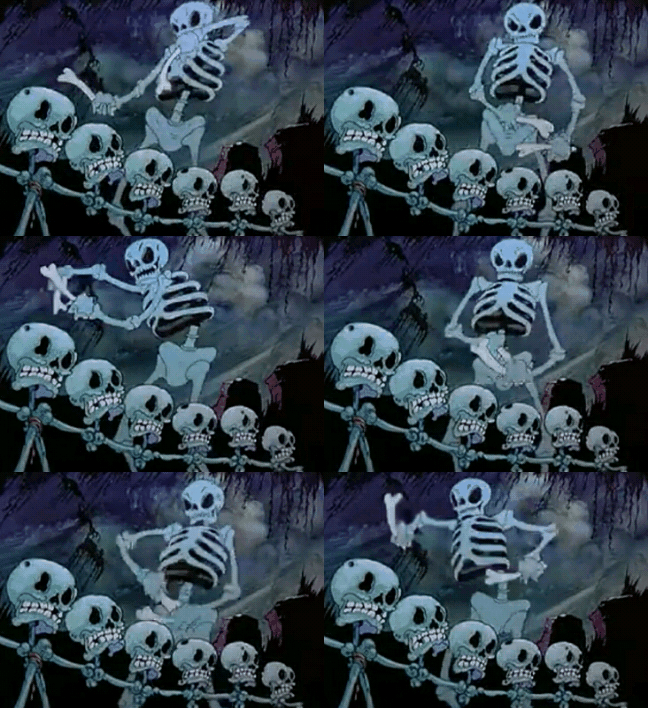
Perhaps I’m of what Victorians might call “a morbid disposition”, but I can never watch the Star Wars films, especially IV-VI, without seeing storm trooper helmets
as having the suggestion of a skull about them.
This, in turn, has led me to pay closer attention, in Star Wars VI,
to the Ewok xylophone we see there.
It’s a row of Imperial storm trooper helmets, of course,
and, considering that the Ewoks have just won a major victory over their wearers,
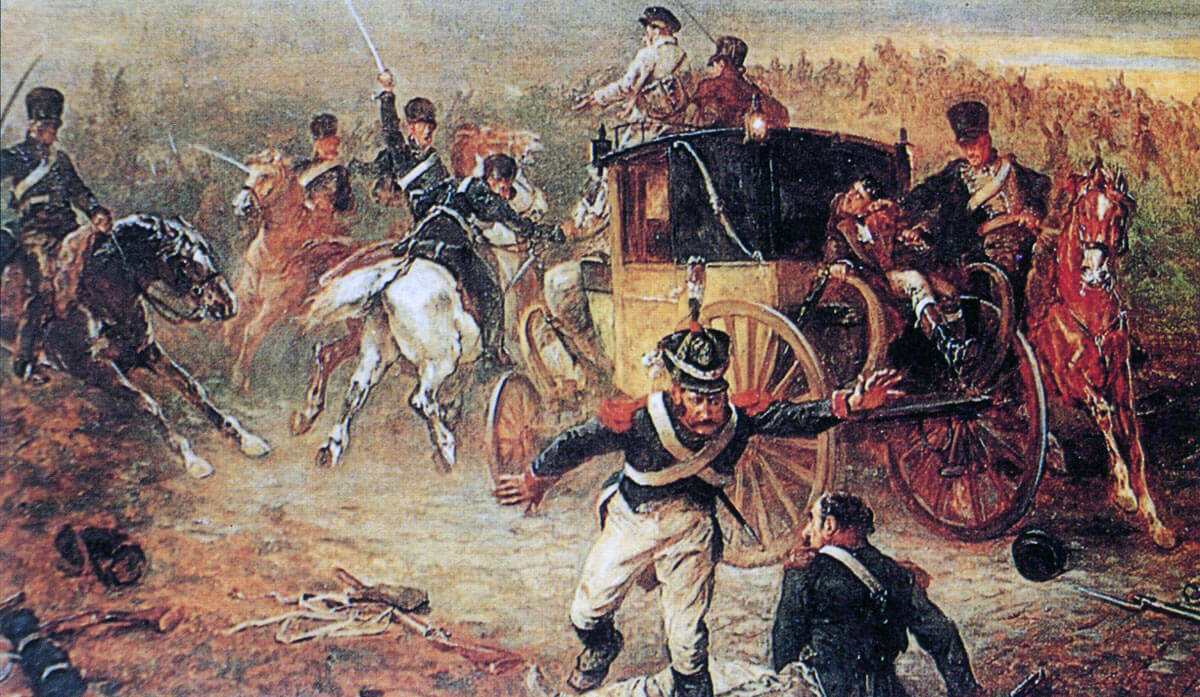
perhaps it’s a sort of trophy, of the sort soldiers have always displayed when they triumph over their enemies. When the British 14th Light Dragoons , for example,
captured the carriage of Napoleon’s brother, Joseph (1768-1844),
at the battle of Vittoria, in 1813,
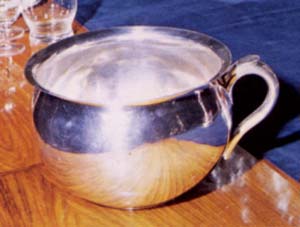
among the loot was his silver chamber pot–
a thoughtful gift from his brother, the Emperor Napoleon. It’s been a proud possession of the regiment—and its descendants–ever since.
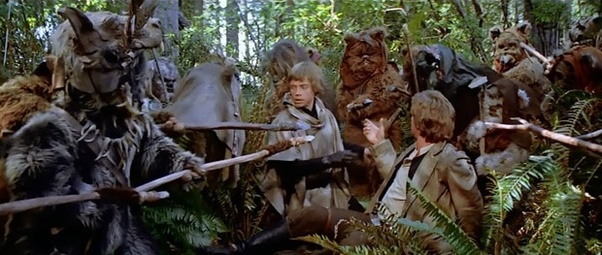
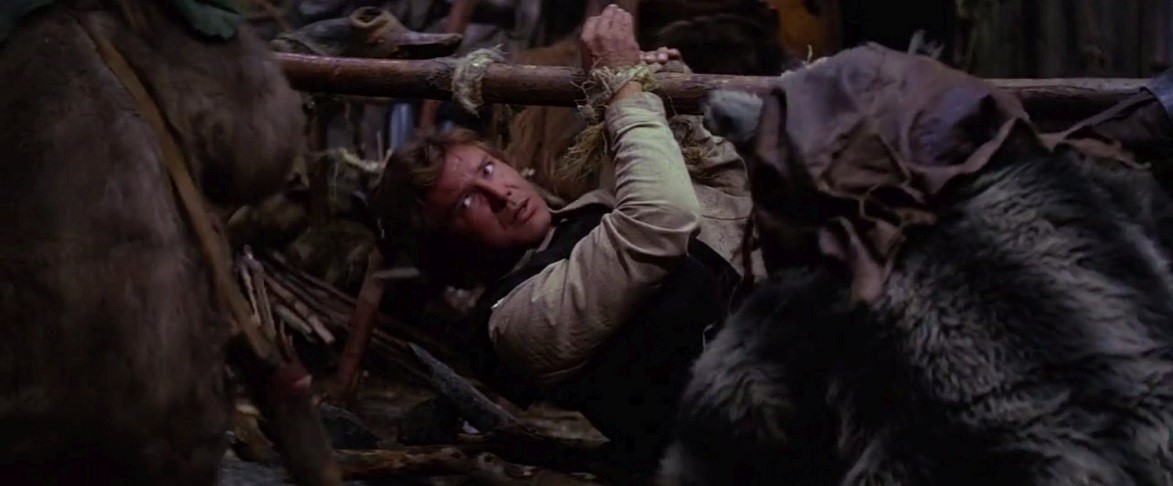
A detail from earlier in the film hints at something else, however. When Han, Luke, and Chewbacca are captured by a party of Ewoks,
it’s clear that they are not just prisoners, but will form part of an Ewok feast.
That being the case, perhaps that helmet xylophone is meant to suggest another fate for its former wearers?
Certainly, western adventure stories have included the consumption of humans by others from the very beginning. In Book 9 of the Odyssey, Odysseus and a dozen of his crew face the giant Cyclops, Polyphemus,
and only half of those men (plus Odysseus, of course) survive the Cyclops’ appetite, and, in Book 10, the Laistrygonians destroy eleven of Odysseus’ twelve ships and their crews clearly disappear into the pantries—and stomachs—of the Laistrygonians.
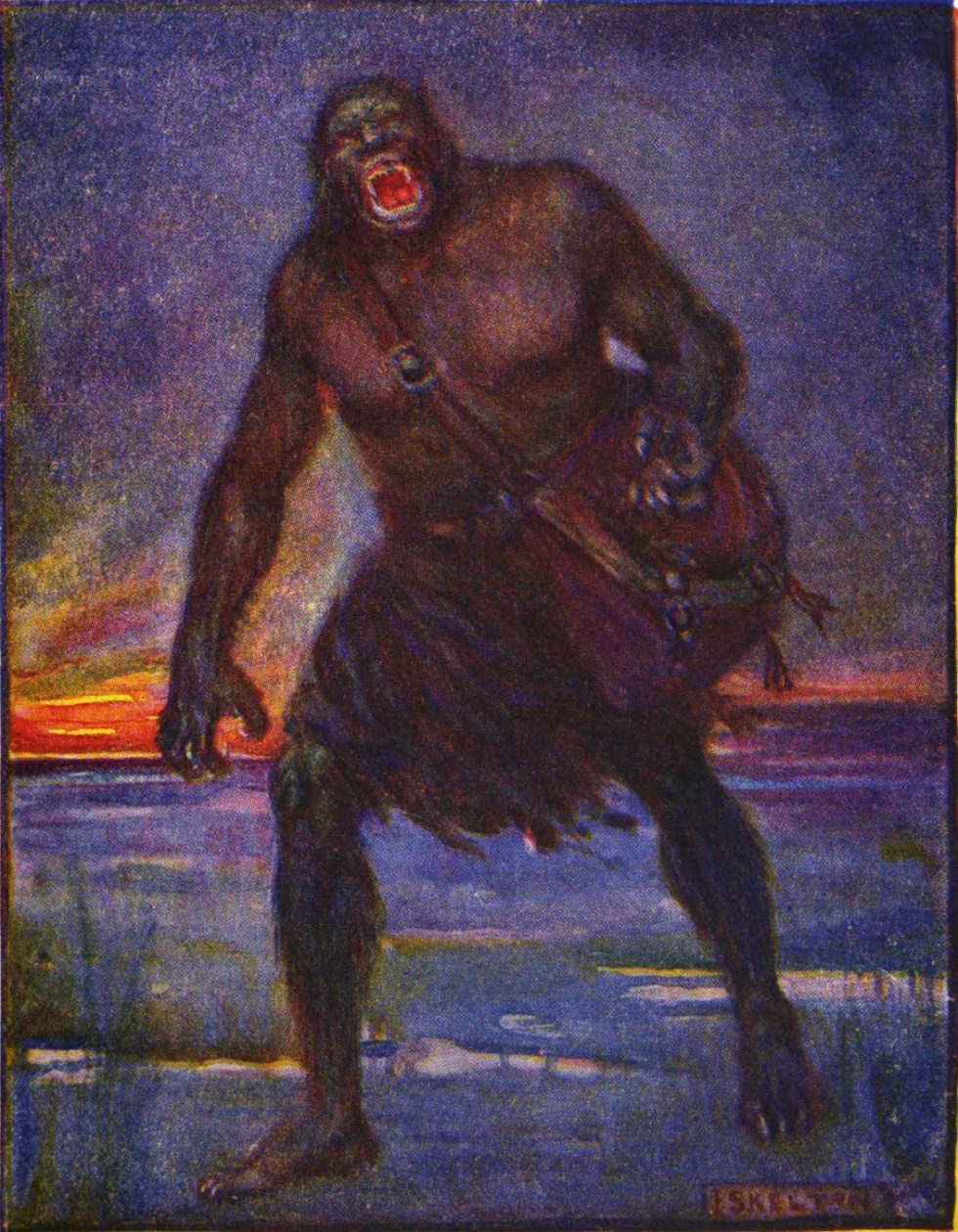
In Beowulf, the monster, Grendel, spends twelve years snacking on the subjects of the Danish king, Hrothgar, before Beowulf arrives to put an end to his midnight picnicking.
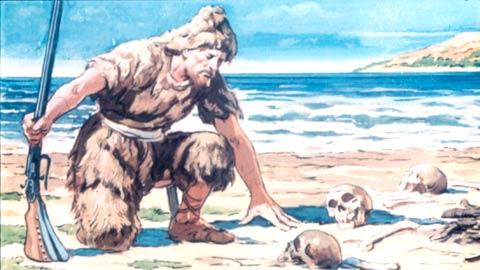
My first encounter with such behavior in literature must have been in Robinson Crusoe (1719),
where I read:
“When I was come down the hill to the shore, as I said above, being the SW. point of the island, I was perfectly confounded and amazed; nor is it possible for me to express the horror of my mind at seeing the shore spread with skulls, hands, feet, and other bones of human bodies; and particularly I observed a place where there had been a fire made, and a circle dug in the earth, like a cockpit, where I supposed the savage wretches had sat down to their human feastings upon the bodies of their fellow-creatures. “ (Robinson Crusoe, Chapter XII, “A Cave Retreat”—if you haven’t read the book, here’s a LINK: https://www.gutenberg.org/files/521/521-h/521-h.htm It’s an amazing story, so full of wonderful details that its original audience believed it to be a true account and some were not pleased to discover that it was a very vivid fictional narrative.)
Real cannibal behavior had appeared in modern western literature as early as 1557, in Hans Staden’s (c.1525-c.1576) comprehensively titled: Warhaftige Historia und beschreibung eyner Landtschafft der Wilden Nacketen, Grimmigen Menschfresser-Leuthen in der Newenwelt America gelegen ([A] True History and Description of a Country of Wild, Naked, Fierce Cannibals Situated in the New World, America).
Staden, after being shipwrecked, like R. Crusoe, had been taken captive by the Tupinamba of Brazil and spent time among them, combining observation of their occasional diet
Such behavior turns up in more recent literature in two places extremely familiar here. In the first of these, the protagonist finds himself deep under a mountain, facing a peculiar character who speaks his language and even recognizes certain of his customs,
but who has plans to eat said protagonist, even while promising to maintain the social norms understood in his agreement to abide by the rules of a riddling game:
“Gollum did mean to come back. He was angry now and hungry. And he was a miserable wicked creature, and already he had a plan…He had a ring, a golden ring, a precious ring…He wanted it because it was a ring of power, and if you slipped that ring on your finger, you were invisible…’Quite safe, yes,’ he whispered to himself. ‘It won’t see us, and its nassty little sword will be useless, yes quite.’ “ (The Hobbit, Chapter 5, “Riddles in the Dark”)
And then there’s this from The Lord of the Rings:
“We are the fighting Uruk-hai! We slew the great warrior. We took the prisoners. We are the servants of Saruman the Wise, the White Hand: the Hand that gives us man’s-flesh to eat.” (The Two Towers, Book Three, Chapter 3, “The Uruk-hai”)
It’s no wonder, then, that, even though starving, Pippin has this reaction:
“An Orc stooped over him, and flung him some bread and a strip of raw dried flesh. He ate the stale grey bread hungrily, but not the meat. He was famished but not yet so famished as to eat flesh flung to him by an Orc…”
As ever, thanks for reading,
Stay well,
When buying luncheon meat, always read the label carefully,
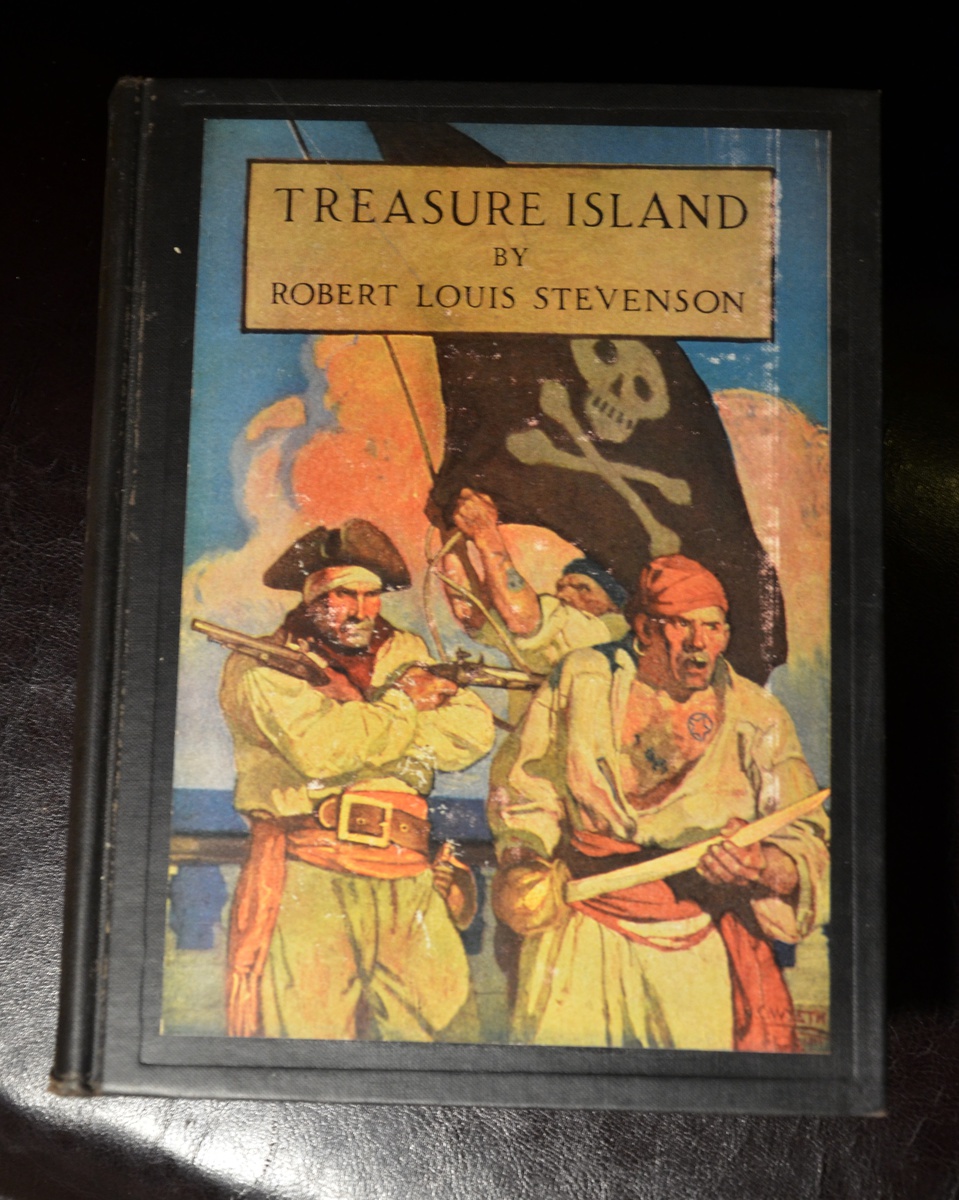
When teaching adventure/fantasy, which I do regularly, one thing I always say to students as a general concept is that there is, “No fiction without friction”, meaning that a story happens when someone pushes or is pushed by something or someone into taking action. Without the coming of Billy Bones to Jim Hawkins’ mother’s remote inn, for example, with his hidden map and his ex-fellow pirates pursuing him,
there would be no Treasure Island.
(This is my favorite edition, from 1911, illustrated by NC Wyeth.)
Jim Hawkins and his friends defeat Long John Silver and his band of ex-pirates
and the novel has a happy ending with the friction gone.
But what if that friction returns? Perhaps persistent evil has its advantages…
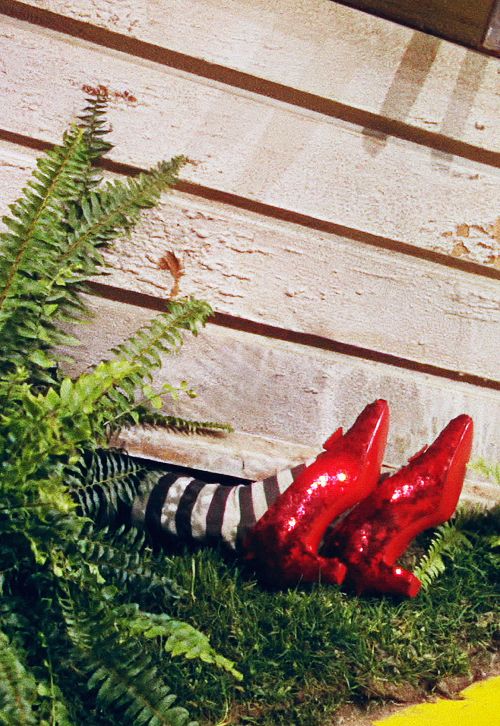
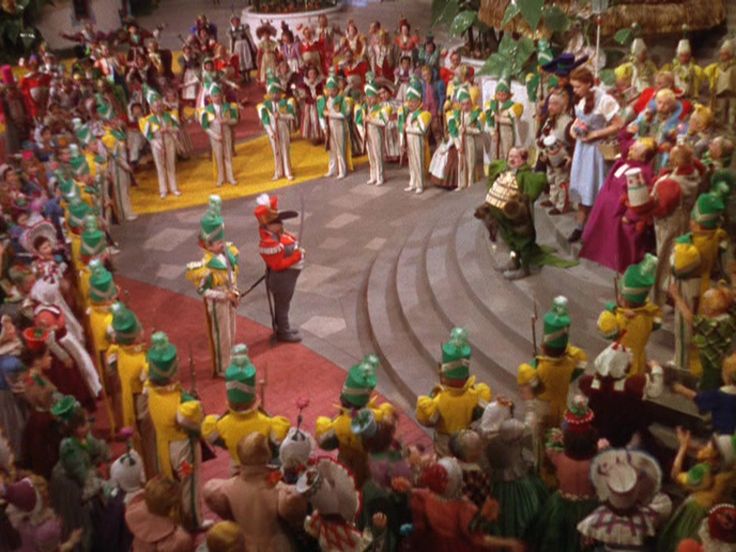
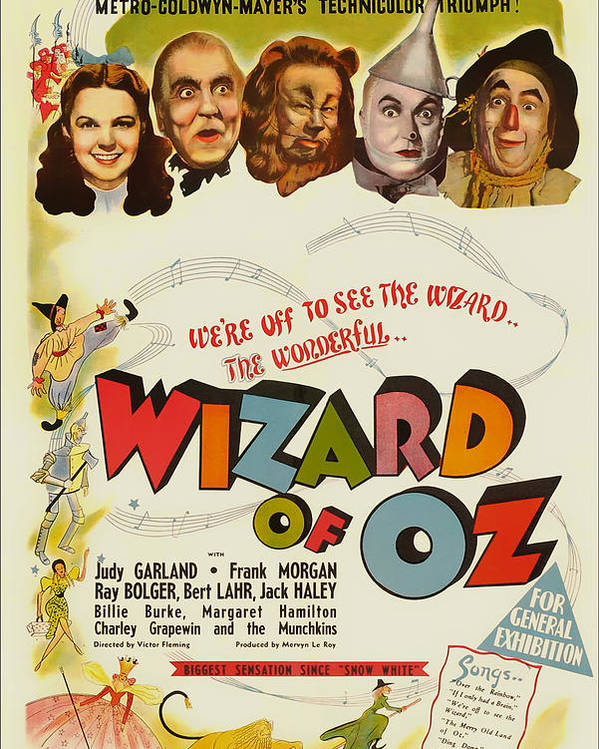
It must have been a real shock for the Munchkins in the MGM film of The Wizard of Oz, having seen their original oppressor flattened by a flying house,
and celebrating her demise on a grand scale,
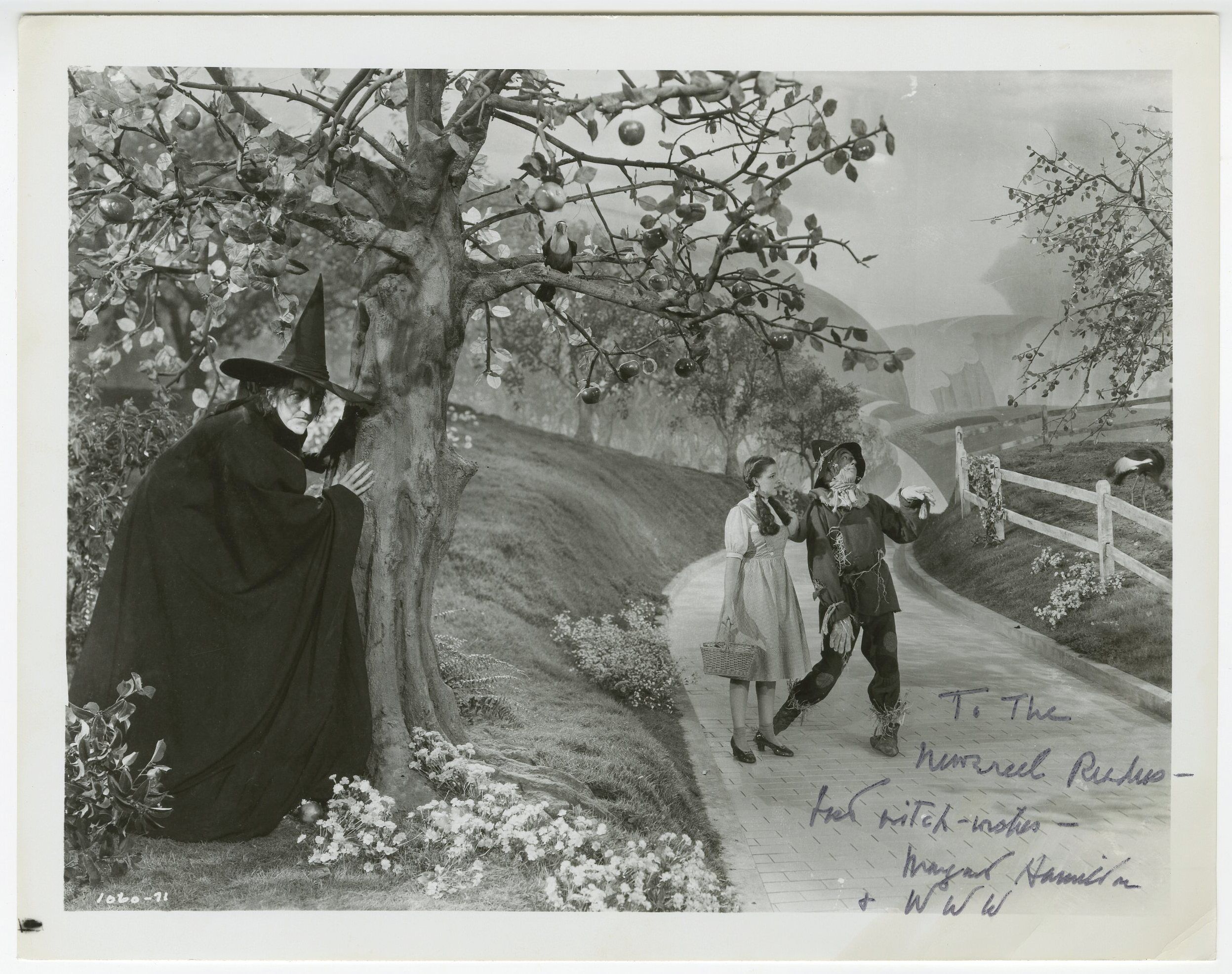
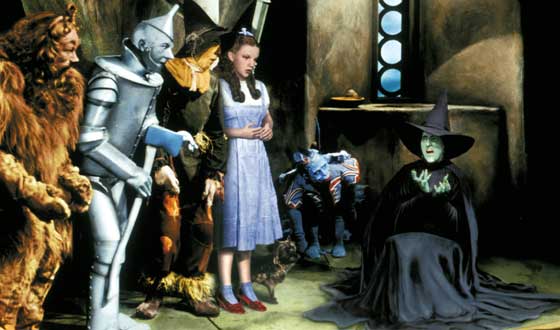
suddenly to see another witch appear—and a vengeful sister, at that.
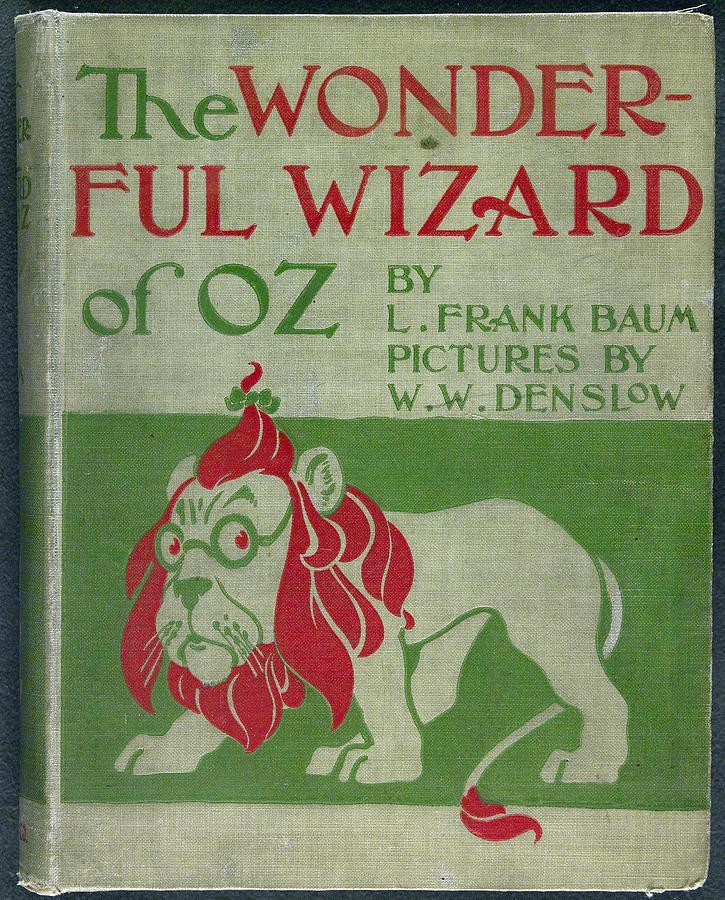
(It’s made much more dramatic in the film, however. In the original book, although the Wicked Witch of the West is mentioned as a menace from Chapter II, and turns up in speech in further chapters, usually tagged with something like”if you go into her country, she will enchant you and make you a slave”, she makes no initially violent appearance to threaten Dorothy. Nor, in fact, does she actually appear until Chapter XII—nor does she claim the Wicked Witch of the East as her sister. As you can see, the screen writers have fashioned a very different villain from that in the book—although they did keep the flying monkeys. In case you don’t have your own copy of the original, here’s a LINK: https://archive.org/details/wonderfulwizardo00baumiala )
And this isn’t the only time a witch seems to have been vanquished, of course, only to resurface in a new form. The White Witch of Narnia
is killed by Aslan in The Lion,The Witch and The Wardrobe,
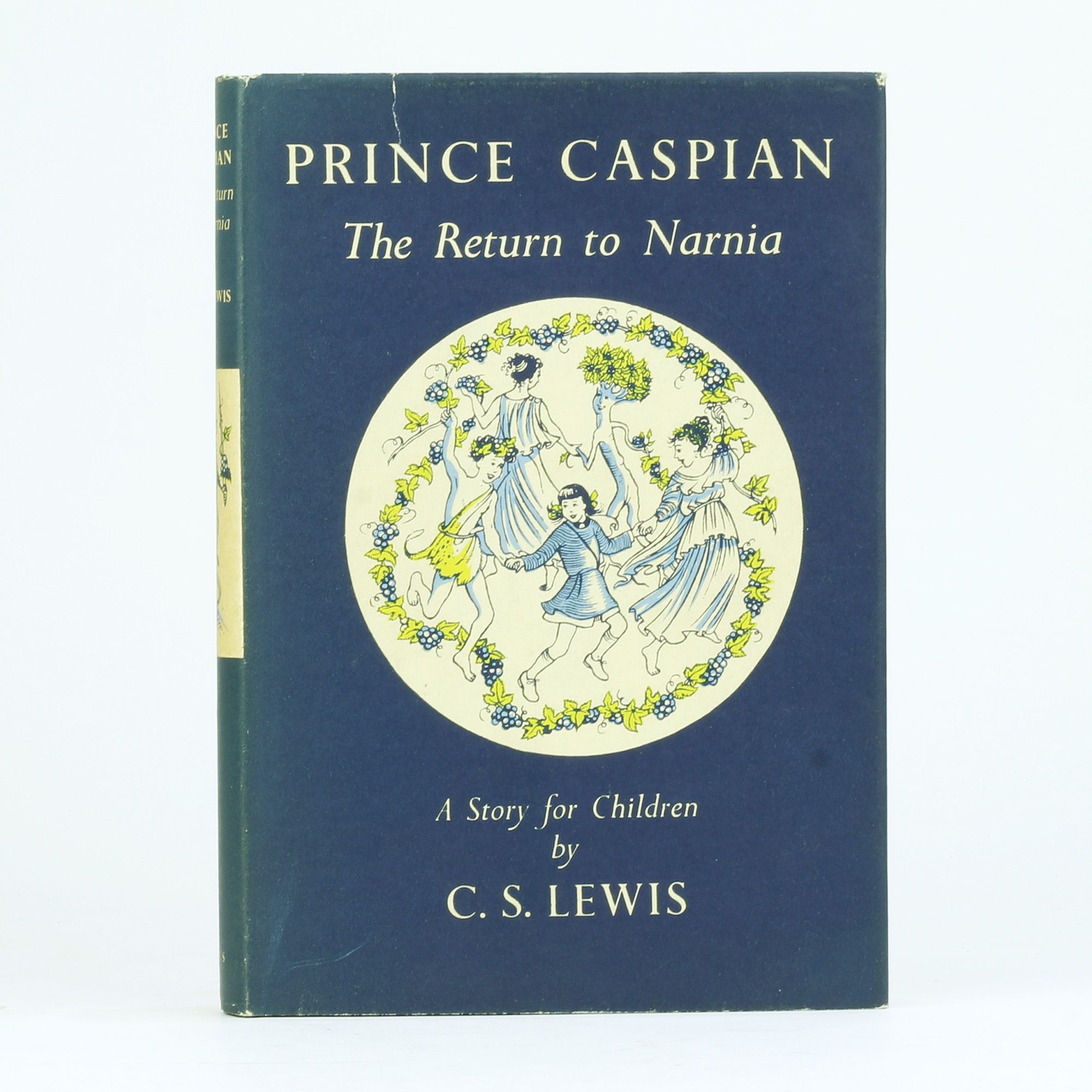
but seems about to reappear in Prince Caspian,
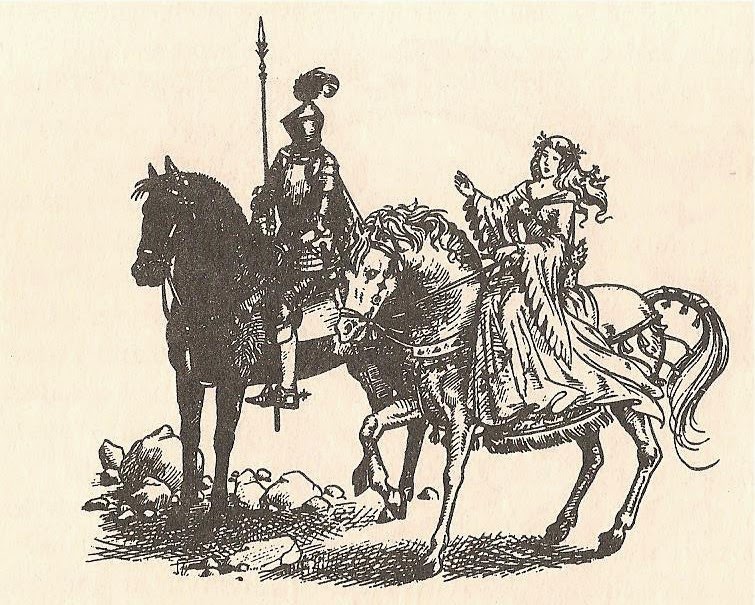
where it is suggested that, although Aslan is said to have killed her, “…whoever heard of a witch that really died? You can always get them back.” (Prince Caspian, Chapter XII, “Sorcery and Sudden Vengeance”)
And though she isn’t revived then, she will reappear in The Silver Chair,
as the Lady of the Green Kirtle.
(A “kirtle”, by the way, looks like this, if you’re not a follower of medieval/Renaissance fashion.)
In fact, in her original form, as Jadis,
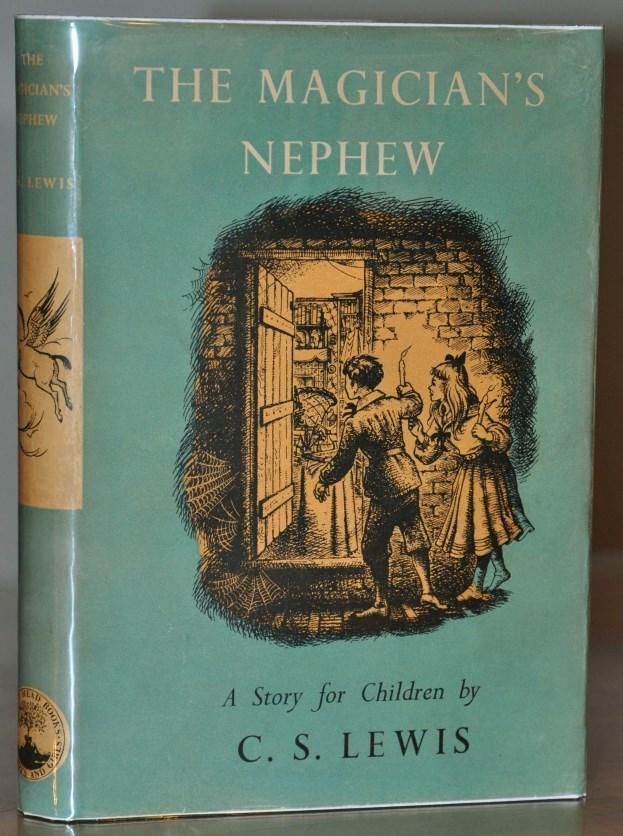
she is the large and terrifying figure in the prequel, The Magician’s Nephew.
(This is an interesting choice for the witch’s name, by the way. It’s simply the French, jadis, from Latin jam, “already” + dies, “day”, meaning “formerly”. Lewis can suggest by this that: 1. Jadis was a power in the past; 2. but, because of Aslan, will become a former power.)
This idea of persistent evil forms a major feature in the work of Lewis’ friend and fellow Inkling, Tolkien, rather as it does in the 1939 MGM film.
First, there is Melkor (later Morgoth, a kind of nickname), the rebel Vala, perhaps a kind of archangel, close kin to Milton’s Satan
in Paradise Lost,
with his explanation of why he rebelled against God:
“Till Pride and worse Ambition threw me down Warring in Heav’n against Heav’ns matchless King: Ah wherefore! he deservd no such return From me, whom he created what I was In that bright eminence, and with his good Upbraided none; nor was his service hard. What could be less then to afford him praise, The easiest recompence, and pay him thanks, How due! yet all his good prov’d ill in me, And wrought but malice; lifted up so high I sdeind subjection, and thought one step higher Would set me highest, and in a moment quit The debt immense of endless gratitude, So burthensome, still paying, still to ow…”
After his ultimate defeat by his fellow Valar and his exile through the Door of Night, Melkor/Morgoth’s place is taken by one of what we might think of a lesser angel, a Maia, named, initially, Gorthaur, Melkor/Morgoth’s chief lieutenant. As Annatar, and later as Sauron,
he appears and reappears in the Second and Third Ages until, with his Ring destroyed, he vanishes from Middle-earth.
For MGM’s script writers, having a second witch appear to avenge the first (as well as to covet those ruby slippers), produced extremely useful friction. At every turn of the story, we see that witch seeking to harm Dorothy and her companions.
Not only does that build tension, but her end then produces the climax of the story,
after which the giving out of rewards
and Dorothy’s final difficulty of getting home
seem almost afterthoughts in comparison.
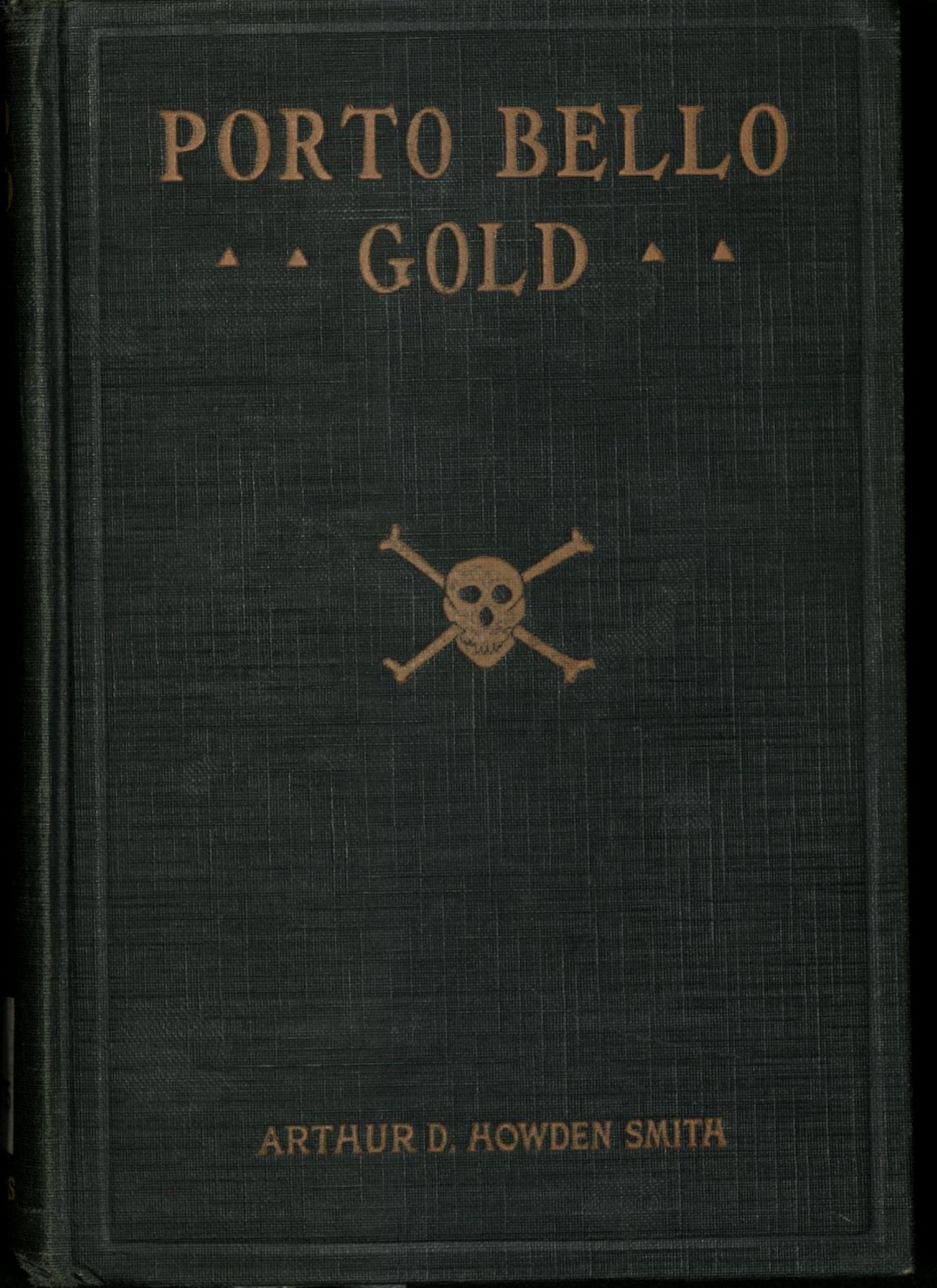
The White Witch almost returns in one novel, definitely appears, in a new guise in another, and has a major role in the prequel which sets up the whole idea of Narnia to begin with. And even Long John Silver escapes his captors, although Stevenson never wrote a sequel. (There is a prequel, however, in Arthur D Howden Smith’s 1924 Porto Bello Gold, for which Smith received permission from Robert Louis Stevenson’s stepson and heir, Lloyd Osbourne.
And then there’s JRRT. Certainly the reappearances of Melkor to trouble the Valar, as well as Sauron’s to stir up difficulties throughout the Second and Third Ages produces no end of friction for generations of those on Middle-earth and beyond. It’s interesting, however, that, after all those manifestations of evil, Tolkien himself seems to have felt that there had to come an end—as if all that friction had finally worn the long story smooth. As he says in a 1964 letter to Colin Bailey:
“I did begin a story placed about 100 years after the Downfall [of Mordor], but it proved both sinister and depressing. Since we are dealing with Men it is inevitable that we should be concerned with the most regrettable feature of their nature: their quick satiety with good. So that the people of Gondor in time of peace, justice and prosperity, would become discontented and restless—while the dynasts descended from Aragorn would become just kings and governors—like Denethor or worse. I found that even so early there was an outcrop of revolutionary plots, about a centre of secret Satanistic religion; while Gondorian boys were playing at being Orcs and going round doing damage. I could have written a ‘thriller’ about the plot and its discovery and overthrow—but it would be just that. Not worth doing.” (Letters, 344)















































































 doubtfulsea