Welcome, dear readers, to what I suspect is going to be a rather odd posting—being a sort of footnote to one I uploaded two weeks ago.
That posting was called “Phobe”, but I’ve consistently misread it myself as “Phoebe”. Phoebe?
Phoebes can be birds. Here in eastern North America we have the Eastern Phoebe (Sayornis phoebe)

and, in western North America, there’s the Western Phoebe (Sayornis nigricans).

(For more on phoebes, see:
https://www.audubon.org/field-guide/bird/eastern-phoebe
https://www.audubon.org/field-guide/bird/black-phoebe )
If you hear the distinctive call of the phoebe, you’ll understand where the name came from:
As you can hear, it’s like a little quiet moan: “Phoe-be, Phoe-be”.
My first acquaintance with the name, in the masculine form, however, was not from ornithology, but from Victor Hugo (1802-1885),

and his 1831 historical novel Notre Dame de Paris, 1482,
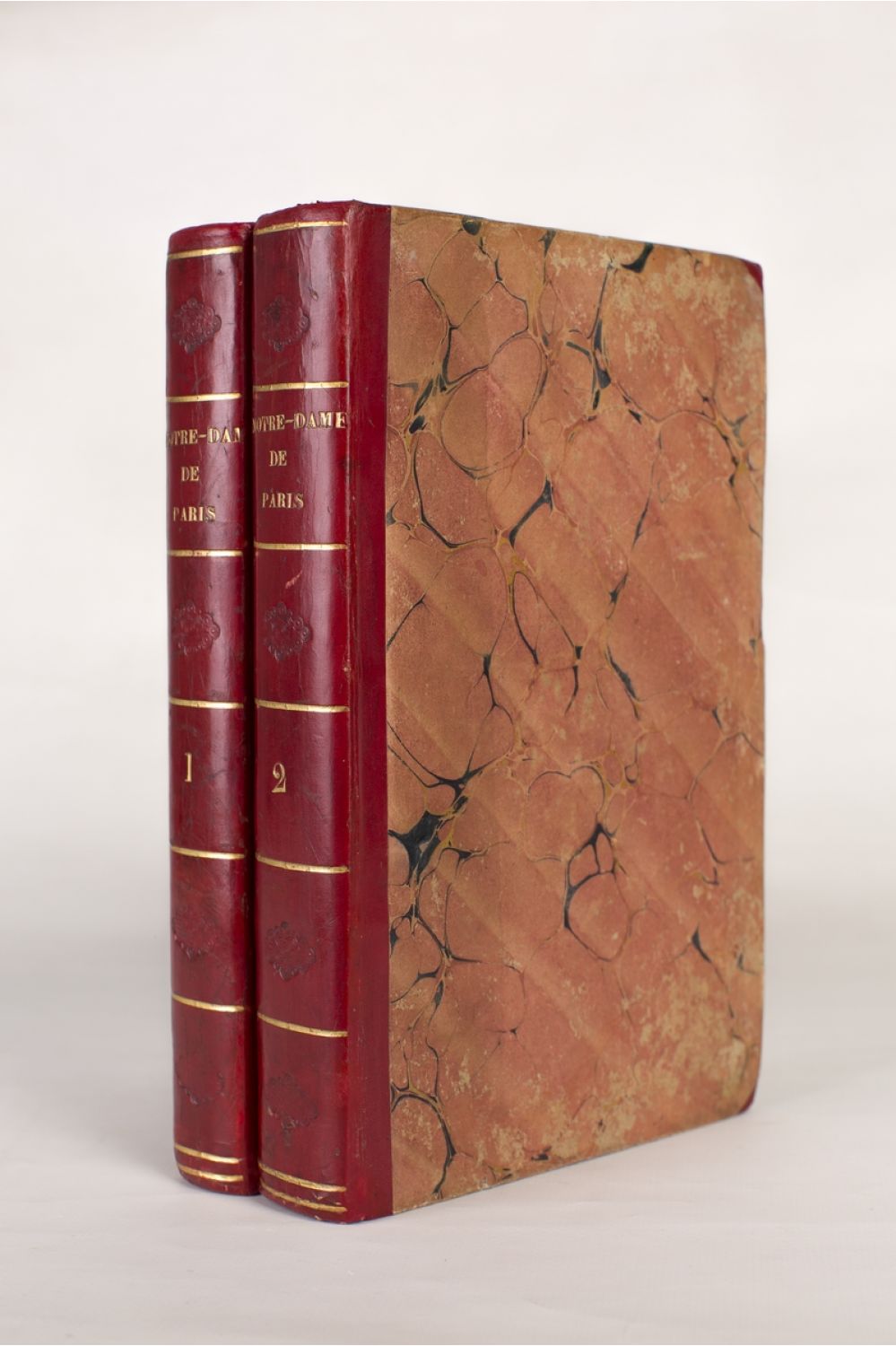
better known in English as The Hunchback of Notre Dame, probably after the title of its first English translation, by Frederick Shoberl (1775-1853) in 1833.

(And here’s what I suspect is the first American edition, from 1834: https://archive.org/details/hunchbacknotred00shobgoog/page/n6/mode/2up For a free, more modern translation, see the 1888 version by the remarkable Isabel Hapgood: https://www.gutenberg.org/files/2610/2610-h/2610-h.htm )
If you’re familiar with the 1996 Disney film,

you’ll have very little idea of the dark and tragic novel which is Hugo’s work, but you will recognize Captain Phoebus–
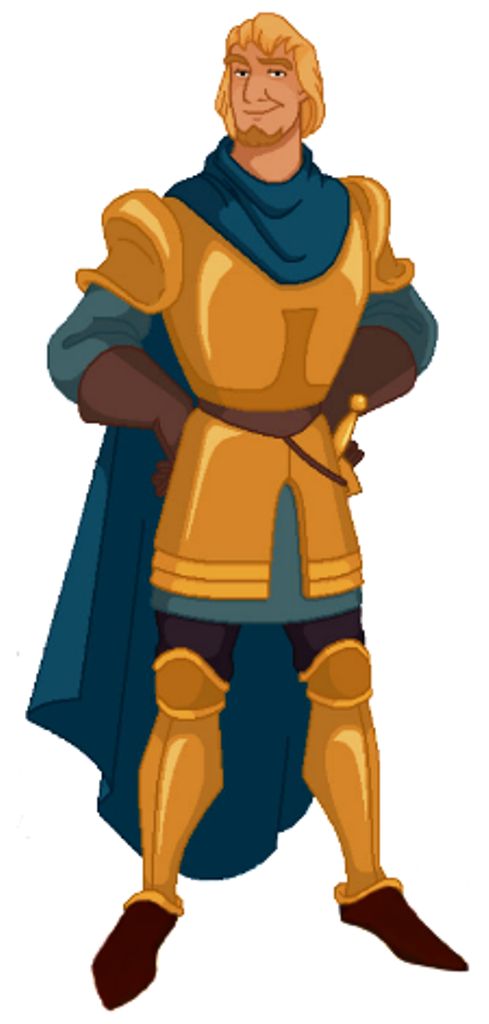
although this Phoebus is not Hugo’s, Hugo’s being arrogant and self-centered and a social-climber, as well.

This is the first Phoebus I knew, however, from a Classics Illustrated I had as a child.

As I grew up and studied Classical literature, I soon learned that Phoebus was one of the Greco-Roman god, Apollo’s,

titles, “bright/shining”, which he shares with his twin sister, Artemis, as Phoebe,

perhaps because of their relationship with sun and moon.
Other than the divinities, however, it seems that I have rather a sad collection of Phoebus/Phoebe.
The first is “Cousin Phoebe”, a young relative of the last descendants of the ancient Salem Pyncheon family, who comes to live with them in that haunted place, the House of the Seven Gables,

scene of Nathaniel Hawthorne’s (1804-1864) 1851 novel of the same name.
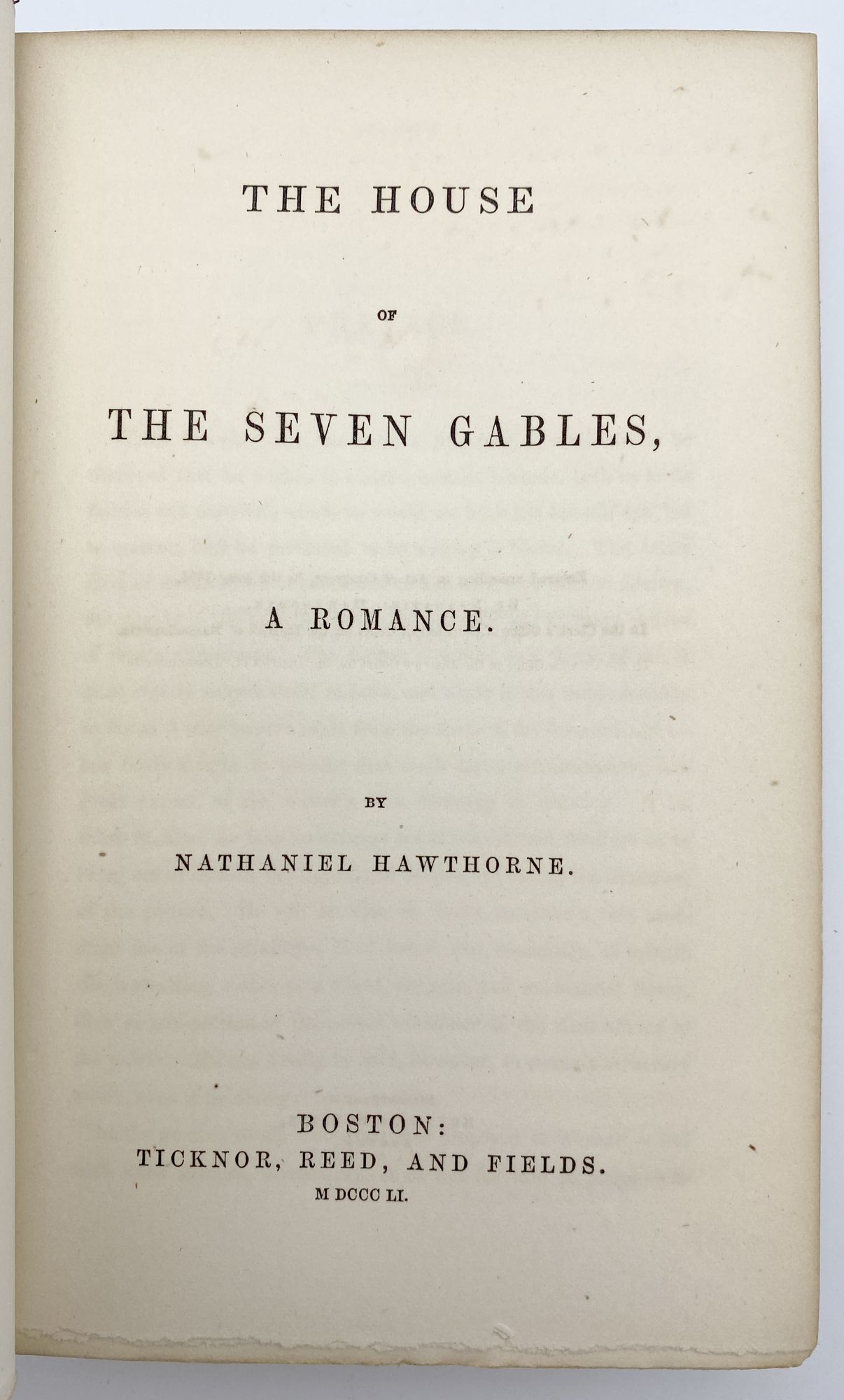
The house was built on ground stolen from its original owner, who, accused of witchcraft by the very judge (an early Pyncheon) who coveted the ground, was hanged—but just before he died, pointed to the judge and declared “God will give him blood to drink”, cursing the judge and his descendants and, in the process, the house itself, in which the judge soon dies mysteriously, just after it’s built. It’s my favorite Hawthorne novel and you can read the original 1851 publication here: https://archive.org/details/housesevengable02hawtgoog/page/n10/mode/2up
Phoebe herself is rather a sunray in such a gloomy place, but the story with its curse and its haunted descendants is still a dark story for a sunbeam.
My second is Phoebe Meryll
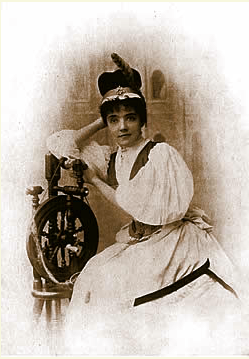
(the original actress, Jessie Bond)
to be found in Gilbert (1836-1911) and Sullivan’s (1842-1900) 1888 operetta The Yeomen of the Guard.

(a rather grim poster from the 1897 revival)
Gilbert and Sullivan operettas usually open with a jolly chorus of happy sailors

or even happier pirates (they’ve been passing around the sherry)

or even Japanese court gentlemen,
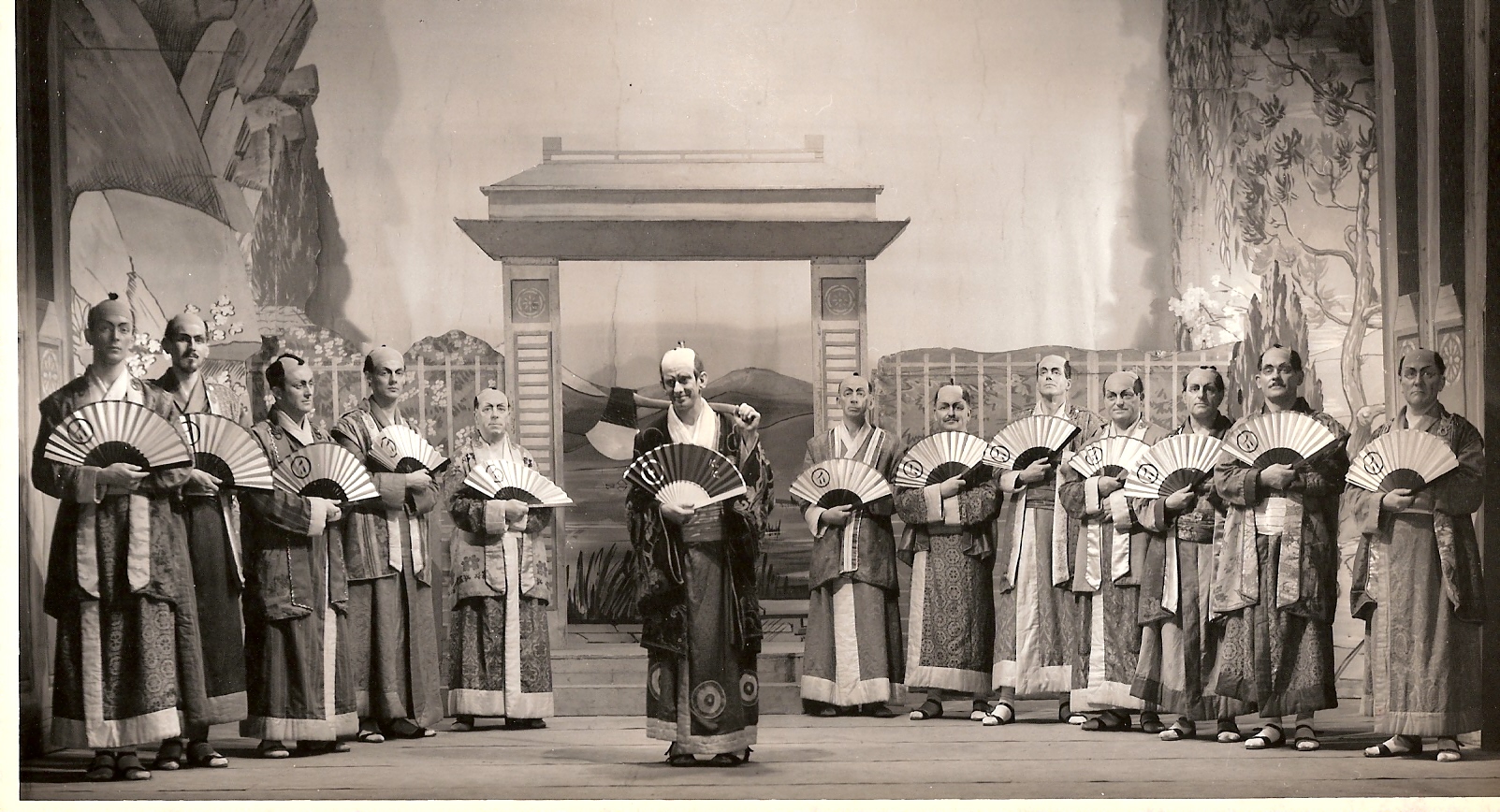
but the serious chord of Yeomen is struck in the very opening, where Phoebe appears by herself on stage, spinning like Gretchen, in Goethe’s Faust, and singing of the unhappiness of love. (You can hear a beautifully-sung version of this by Abigail Coy of the Gilbert and Sullivan Society of Houston here: https://www.youtube.com/watch?v=OE634hUVhwE&list=RDOE634hUVhwE&start_radio=1 )
This sets the scene where, eventually, to save the lives of her father and brother, and even her own life, she agrees to marry the loathsome Wilfred Shadbolt, the darkest character in the story.

But I have one more phoebe, which brings us back to the opening of this posting. It’s a poem by Robert Frost (1874-1963), “The Need of Being Versed in Country Things”, the last poem in his 1923 collection, New Hampshire—
Image17: frost
“The house had gone to bring again
To the midnight sky a sunset glow.
Now the chimney was all of the house that stood,
Like a pistil after the petals go.
The barn opposed across the way,
That would have joined the house in flame
Had it been the will of the wind, was left
To bear forsaken the place’s name.
No more it opened with all one end
For teams that came by the stony road
To drum on the floor with scurrying hoofs
And brush the mow with the summer load.
The birds that came to it through the air
At broken windows flew out and in,
Their murmur more like the sigh we sigh
From too much dwelling on what has been.
Yet for them the lilac renewed its leaf,
And the aged elm, though touched with fire;
And the dry pump flung up an awkward arm;
And the fence post carried a strand of wire.
For them there was really nothing sad.
But though they rejoiced in the nest they kept,
One had to be versed in country things
Not to believe the phoebes wept.”
Well, I said that this was going to be a rather odd posting, didn’t I?
Thanks for reading, as ever.
Stay well,
Remember to put lightning rods on your barn roof,

And know that, as always, there’s
MTCIDC
O
PS
If you enjoyed the Frost poem, here’s the whole volume for you—in a first edition: https://www.gutenberg.org/files/58611/58611-h/58611-h.htm
 doubtfulsea