Welcome, dear readers, as always.
One of the reasons I so often write about the work of Tolkien is that it is just so full of things to write about. Sometimes these are moments or people in texts to comment upon, sometimes they are things to be inspired by. From the title, this posting might appear to be sparked by Smeagol/Gollum who, in a brilliant piece of psychology on the author’s part, refers to the Ring, which he actually acquired on a long-ago birthday, as “his birthday present”, when, in fact, he gained it by murdering Deagol, his friend, the discoverer of the long-lost creation of Sauron, as we learn from Gandalf:
“ ‘Give us that, Deagol, my love,’ said Smeagol, over his friend’s shoulder.
‘Why?’ said Deagol.
‘Because it’s my birthday, my love, and I wants it,’ said Smeagol.
‘I don’t care,’ said Deagol. ‘I have given you a present already, more than I could afford. I found this, and I’m going to keep it.’
‘Oh, are you indeed, my love,’ said Smeagol; and he caught Deagol by the throat and strangled him, because the gold looked so bright and beautiful. Then he put the ring on his finger.” (The Fellowship of the Ring, Book One, Chapter 2, “The Shadow of the Past”)

(I don’t have an artist for this, unfortunately.)
This posting isn’t about Gollum and his birthday, however, and it was inspired by another moment in The Lord of the Rings altogether.
I’m rewatching the Jackson LotR for the first time in some years and I’ve come to the moment in The Fellowship of the Ring where the Fellowship is blocked from crossing the Misty Mountains at the Redhorn Gate—
“They went on. But before long the snow was falling fast, filling all the air, and swirling into Frodo’s eyes. The dark bent shapes of Gandalf and Aragorn only a pace or two ahead could hardly be seen.” (The Fellowship of the Ring, Book Two, Chapter 3, “The Ring Goes South”)
It’s very convincingly done in the film, the snow thick, the mountains menacing, and, as this is December, as in the book, and we’ve just had our first snowfall, I was reminded of this wonderful and playful poem–
“It sifts from Leaden Sieves —
It powders all the Wood.
It fills with Alabaster Wool
The Wrinkles of the Road —
It makes an Even Face
Of Mountain, and of Plain —
Unbroken Forehead from the East
Unto the East again —
It reaches to the Fence —
It wraps it Rail by Rail
Till it is lost in Fleeces —
It deals Celestial Vail
To Stump, and Stack — and Stem —
A Summer’s empty Room —
Acres of Joints, where Harvests were,
Recordless, but for them–
It Ruffles Wrists of Posts
As Ankles of a Queen —
Then stills its Artisans — like Ghosts —
Denying they have been —“

(Amherst College MS 78)
It was written by Emily Dickinson (1830-1885)
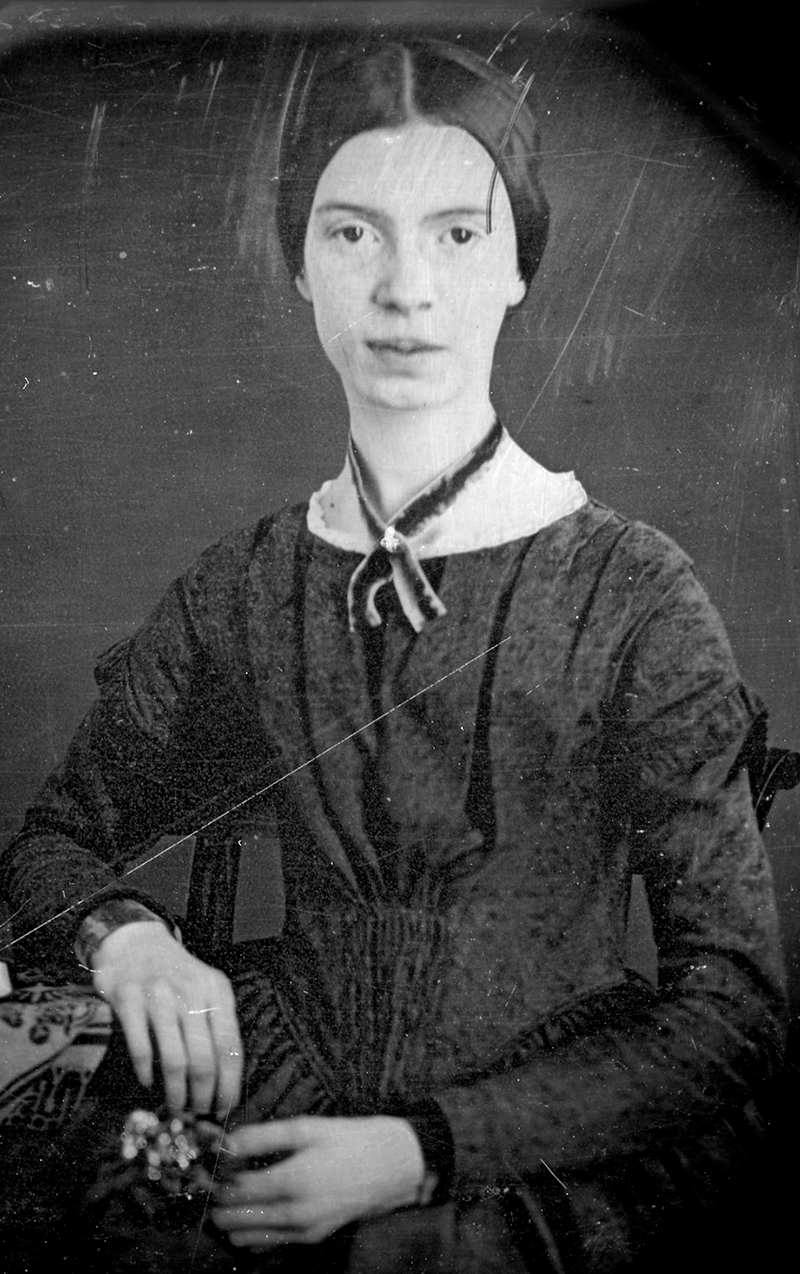
and, as I write this, it’s her 193rd birthday—10 December, 2023.
Her imagery and its links are always surprising, sometimes domestic, sometimes almost surreal, and always thought—and imagination—provoking.
This poem begins with an image taken from something the poet herself did a great deal of in the Dickinson household: baking.
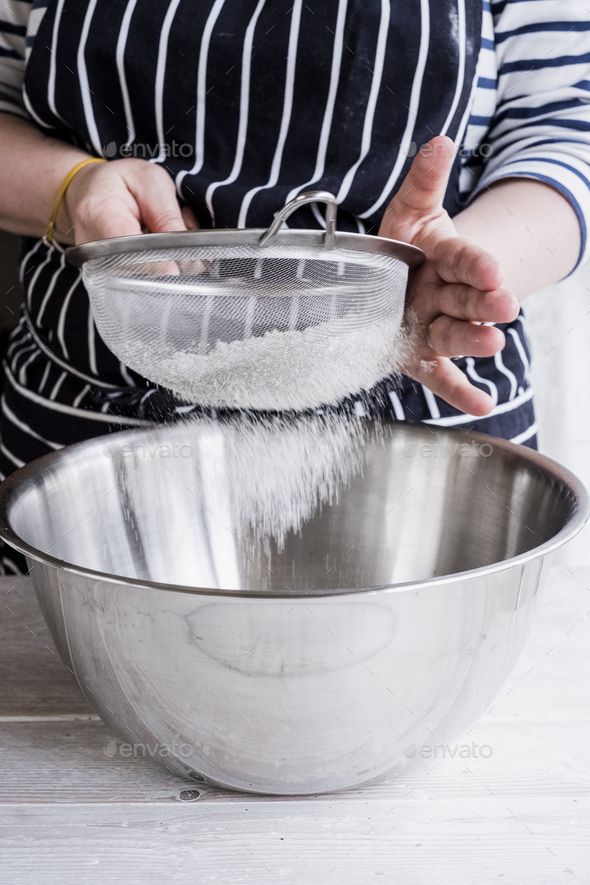
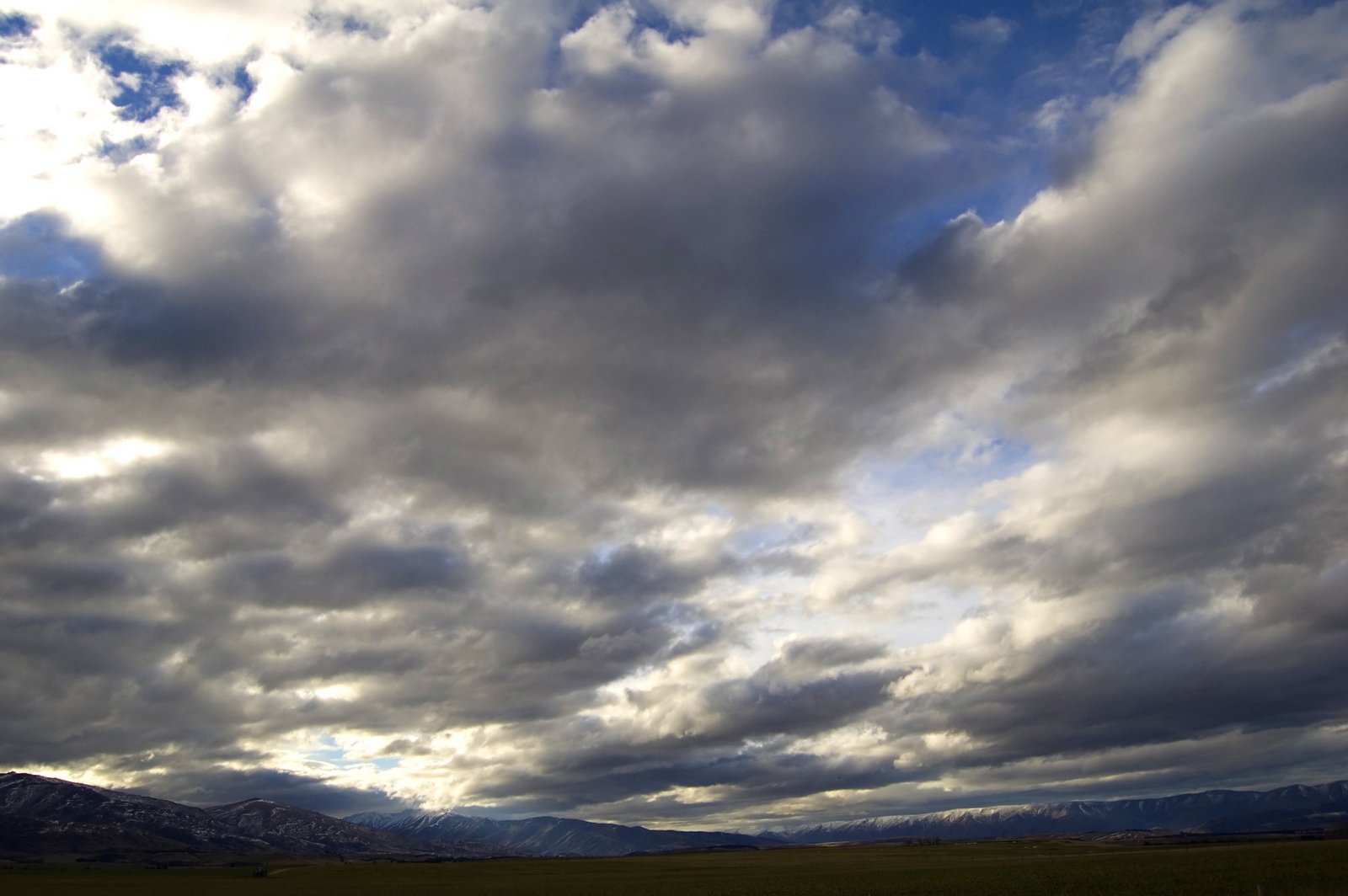
The one doing the sieving isn’t the baker, however, but the dull-grey snowclouds overhead.
Alabaster is a soft, white stone, often used for carving,

but there’s an interesting contrast here between the heaviness of stone and the lightness of wool, and where that stone/wool has fallen reminds us that Dickinson lived in a country town, where the roads would not have been paved—and very rutted, especially in winter.

Those wrinkles covered in snow lead us to the next image: the landscape whose face has had its cracks and ruts smoothed out by the blanket of white. And then we’re taken from the kitchen and a mirror to the fields which stretched beyond her town of Amherst (and still do, mainly to the south) to clear-cut (“stumps”) and hay (“stacks”) and harvested plants (“stems”) and the remains of corn fields (“acres of joints”, where the bottoms of the corn stalks resemble the points between bones).

From the fields, we’re suddenly whisked away to a palace and the boudoir of a queen, where we see the ruffles at the bottom of an intimate garment—

and the poem ends when “It”—the subject of all of the poem’s verbs—sifts, powders, fills, makes, reaches, wraps, is lost, ruffles—“stills its Artisans”—that is, its craftsmen—those who have done everything from powdering to wrapping—and they disappear—presumably as the clouds pass, leaving a world transformed from roads and mountains and fields with their fences into snowy sculpture.
Tolkien has informed us on the subject of hobbits and birthdays:
“Hobbits give presents to other people on their own birthdays. Not very expensive ones, as a rule, and not so lavishly as on this occasion; but it was not a bad system. Actually in Hobbiton and Bywater every day in the year was somebody’s birthday, so that every hobbit in those parts had a fair chance of at least one present at least once a week. But they never got tired of them.” (The Fellowship of the Ring, Book One, Chapter 1, “A Long-expected Party”)
And so, on Emily Dickinson’s birthday, I make a present of this lovely poem to you.
Stay well,
Don’t worry about sending her a card,
And remember that, as always, there’s
MTCIDC
O
PS
As you might know or imagine, Dickinson was a constant and voracious reader, and it’s clear that, for this poem, she was influenced by another poet, Ralph Waldo Emerson (1803-1882), who published, in his 1847 volume, Poems, of which she owned a copy, his own beautiful poem, “The Snow -Storm”. Read it on page 65 here: https://archive.org/details/poems1847emer/page/4/mode/2up
 doubtfulsea